Interviews are opportunities to demonstrate your expertise, and this guide is here to help you shine. Explore the essential Knowledge of Current Events and Industry Trends interview questions that employers frequently ask, paired with strategies for crafting responses that set you apart from the competition.
Questions Asked in Knowledge of Current Events and Industry Trends Interview
Q 1. Explain the recent impact of inflation on the global economy.
Inflation’s recent impact on the global economy has been significant, characterized by rising prices for goods and services, impacting consumer spending, business investment, and overall economic growth. Think of it like this: if the price of everything goes up, people have less money to spend, businesses struggle to make profits, and the economy slows down.
Several factors have contributed, including supply chain disruptions stemming from the pandemic and the war in Ukraine, increased energy prices, and expansionary monetary policies. The consequences vary across nations; some countries face stagflation (slow growth with high inflation), others are grappling with decreased purchasing power and increased poverty, and still others are experiencing increased interest rates aimed at curbing inflation but risking economic recession. For example, countries heavily reliant on energy imports experienced particularly sharp inflation spikes. The impact on the global economy is a complex interplay of these factors, resulting in decreased global trade and economic uncertainty.
- Increased cost of living: Higher prices for food, energy, and housing reduce disposable income, impacting consumer demand.
- Reduced business investment: Uncertainty and higher borrowing costs deter businesses from expanding or investing.
- Central bank responses: Many central banks are raising interest rates to combat inflation, which can slow economic growth.
Q 2. Describe the current trends in sustainable energy and their potential impact on business.
The sustainable energy sector is booming, driven by climate change concerns, technological advancements, and government policies. Key trends include the rapid growth of solar and wind power, increased investment in energy storage solutions (like batteries), and a surge in interest in green hydrogen. Imagine this shift as a transition from relying on fossil fuels to a more diversified and environmentally friendly energy mix.
For businesses, this means both challenges and opportunities. Businesses that integrate sustainable practices into their operations, supply chains, and products gain a competitive edge, attracting environmentally conscious consumers and investors. For example, companies that produce renewable energy technologies or offer energy-efficient solutions are experiencing rapid growth. However, the transition requires investments in new technologies and infrastructure, potentially increasing costs initially. Businesses will need to adapt to changing regulations and consumer preferences to remain relevant in this evolving landscape.
- Increased renewable energy capacity: Solar and wind power are becoming increasingly cost-competitive with fossil fuels.
- Advancements in energy storage: Improved battery technology makes intermittent renewable sources more reliable.
- Growing demand for green hydrogen: Hydrogen produced using renewable energy sources is gaining traction as a clean fuel.
Q 3. How has the rise of AI impacted the marketing and advertising industry?
Artificial intelligence (AI) has revolutionized marketing and advertising, enabling businesses to personalize customer experiences, optimize campaigns, and improve efficiency. Think of AI as a powerful tool that allows marketers to understand their audience better and target them with more relevant messages.
AI-powered tools analyze vast amounts of data to identify customer preferences, predict behavior, and create targeted ad campaigns. This leads to increased conversion rates and reduced marketing costs. Examples include AI-driven ad platforms that automatically optimize ad bidding, chatbots that provide instant customer support, and recommendation engines that suggest products based on individual preferences. However, challenges remain, such as data privacy concerns and the potential for algorithmic bias.
- Personalized advertising: AI enables marketers to tailor ads to specific customer segments.
- Improved campaign optimization: AI algorithms optimize ad spend and targeting.
- Enhanced customer service: AI-powered chatbots provide 24/7 support.
Q 4. What are the current geopolitical risks impacting international trade?
Current geopolitical risks significantly impact international trade. These risks often stem from political instability, trade wars, and conflicts, creating uncertainty and disrupting supply chains. Imagine a global trading network vulnerable to disruptions at various points.
The ongoing war in Ukraine, trade tensions between the US and China, and political instability in various regions are major sources of risk. These conflicts can lead to sanctions, trade restrictions, and disruptions in the flow of goods and services. For example, sanctions imposed on Russia following its invasion of Ukraine have significantly impacted global energy markets and supply chains. Businesses must navigate these risks by diversifying their supply chains, hedging against currency fluctuations, and carefully monitoring geopolitical developments.
- Geopolitical conflicts: Wars and political instability disrupt supply chains and create uncertainty.
- Trade wars: Tariffs and trade restrictions impede the free flow of goods and services.
- Sanctions: Sanctions imposed on countries can impact global trade and financial markets.
Q 5. Discuss the current regulatory landscape for the financial services industry.
The regulatory landscape for the financial services industry is constantly evolving, driven by a need to protect consumers, maintain financial stability, and combat financial crime. Think of it as a constantly updated rulebook designed to ensure fairness and safety within the financial system.
Recent regulatory changes focus on enhancing consumer protection, addressing systemic risk, and improving transparency. For example, increased scrutiny on algorithmic trading, stricter capital requirements for banks, and regulations surrounding cryptocurrencies are shaping the industry. These changes pose both challenges and opportunities for financial institutions. They require significant investments in compliance and technology but also create opportunities for firms that can adapt and innovate within the new regulatory framework. Navigating this complex landscape requires expertise and proactive compliance strategies.
- Increased consumer protection: Regulations aim to protect consumers from unfair practices and financial abuse.
- Enhanced financial stability: Regulations aim to prevent systemic crises and maintain the stability of the financial system.
- Combating financial crime: Regulations aim to prevent money laundering, terrorist financing, and other financial crimes.
Q 6. Analyze the recent changes in consumer behavior and their impact on retail.
Consumer behavior has undergone significant changes in recent years, impacting the retail industry profoundly. Factors like e-commerce growth, increased price sensitivity, and a growing emphasis on sustainability are reshaping how consumers shop and what they buy. Imagine consumers as more empowered and discerning shoppers than ever before.
The rise of e-commerce has forced retailers to adapt their strategies, investing in online platforms and enhancing their digital presence. Increased price sensitivity means that consumers are more likely to compare prices and seek out deals, forcing retailers to offer competitive pricing and promotions. The growing focus on sustainability also influences purchasing decisions, with consumers increasingly preferring products from environmentally responsible companies. Retailers must adapt to these changes to remain competitive, focusing on personalized experiences, omnichannel strategies, and sustainable practices.
- Growth of e-commerce: Online shopping has become increasingly prevalent.
- Increased price sensitivity: Consumers are more likely to compare prices and seek out deals.
- Emphasis on sustainability: Consumers are increasingly concerned about the environmental impact of their purchases.
Q 7. Explain the implications of Brexit on the European Union’s economy.
Brexit’s implications for the European Union’s economy are complex and multifaceted. The departure of the UK, a major economic player, has created trade friction, reduced economic integration, and introduced uncertainties. Think of it as a significant disruption to a well-established economic relationship.
The UK’s withdrawal has resulted in new trade barriers between the UK and the EU, impacting trade flows and investment. The loss of the UK’s contribution to the EU budget has also had an economic impact. Furthermore, Brexit has created uncertainty, impacting business investment and consumer confidence. While the full long-term effects are still unfolding, the EU’s economy has shown resilience, but certain sectors have been disproportionately affected. The EU has also used this as a catalyst for increased internal market integration and trade diversification.
- Increased trade barriers: New tariffs and customs checks have hampered trade between the UK and the EU.
- Reduced economic integration: Brexit has reduced the degree of economic integration within Europe.
- Uncertainty and investment: Brexit has created uncertainty, impacting business investment and consumer confidence.
Q 8. How has the COVID-19 pandemic altered the future of work?
The COVID-19 pandemic acted as a massive accelerator for pre-existing trends in the future of work, rather than creating entirely new ones. It dramatically increased the adoption of remote work, forcing companies to rapidly adapt their infrastructure and policies. This shift has led to both benefits and challenges.
- Increased Flexibility: Many employees now enjoy greater work-life balance and autonomy, choosing where and when they work.
- Challenges in Collaboration: Remote work can hinder spontaneous communication and team cohesion, requiring organizations to invest in collaborative tools and strategies.
- Rise of Hybrid Models: A hybrid model, blending remote and in-office work, has emerged as a popular compromise, allowing for flexibility while maintaining some in-person interaction.
- Technological Advancements: The pandemic accelerated investment in technologies supporting remote work, such as video conferencing, project management software, and cloud-based solutions.
- Rethinking Office Space: Companies are re-evaluating their office needs, opting for smaller, more collaborative spaces, or even abandoning traditional offices altogether.
For instance, companies like Twitter initially embraced fully remote work policies post-pandemic, while others like Google adopted hybrid models. The long-term impact remains to be seen, but it’s clear the pandemic irrevocably altered how and where work is done.
Q 9. Discuss the ongoing debate surrounding climate change and its effects on businesses.
The debate surrounding climate change and its effects on businesses is no longer hypothetical; it’s a critical, multifaceted issue. Businesses are facing increasing pressure from consumers, investors, and regulators to reduce their environmental impact.
- Regulatory Scrutiny: Governments worldwide are implementing stricter environmental regulations, including carbon taxes and emissions trading schemes, forcing companies to adapt their operations and invest in sustainable practices.
- Investor Pressure: Environmentally conscious investors are increasingly scrutinizing companies’ sustainability efforts, favoring those with strong ESG (Environmental, Social, and Governance) profiles. This translates into access to capital and potentially higher valuations for sustainable businesses.
- Consumer Demand: Consumers are increasingly demanding sustainable and ethically sourced products, rewarding companies with strong sustainability commitments and punishing those perceived as environmentally irresponsible.
- Physical Risks: Climate change presents tangible risks to businesses, including extreme weather events (hurricanes, floods, droughts) which can disrupt supply chains, damage infrastructure, and lead to significant financial losses.
- Reputational Risk: Companies failing to address climate change risk damage to their brand reputation and loss of customer loyalty.
For example, the fashion industry is grappling with the environmental impact of its supply chains, leading many brands to invest in sustainable materials and manufacturing processes. Similarly, energy companies are facing pressure to transition towards renewable energy sources.
Q 10. Analyze the recent developments in the technology sector, focusing on specific innovations.
The technology sector is constantly evolving, with several key innovations shaping the current landscape:
- Artificial Intelligence (AI): AI continues to advance rapidly, with applications ranging from self-driving cars to medical diagnosis. Generative AI, capable of creating new content like text and images, is revolutionizing creative industries and impacting areas like customer service.
- Quantum Computing: While still in its early stages, quantum computing holds the potential to solve complex problems currently intractable for classical computers, impacting fields like drug discovery and materials science.
- Extended Reality (XR): This encompasses virtual reality (VR), augmented reality (AR), and mixed reality (MR), offering immersive experiences with applications in gaming, training, and design. Meta’s continued investment in the metaverse is a prominent example.
- Biotechnology and Genomics: Advancements in gene editing (CRISPR) and personalized medicine are transforming healthcare, with potential for more effective treatments and disease prevention.
- Blockchain Technology: Beyond cryptocurrencies, blockchain’s secure and transparent nature is finding applications in supply chain management, digital identity verification, and other areas where trust and security are crucial.
The convergence of these technologies is also notable. For example, AI is being used to improve the efficiency and accuracy of medical diagnoses using genomic data. The pace of innovation is breathtaking, and its impact on various industries will continue to be transformative.
Q 11. What are the current challenges facing the healthcare industry?
The healthcare industry faces a multitude of complex challenges:
- Rising Costs: Healthcare expenses continue to escalate, driven by factors like technological advancements, aging populations, and chronic disease management.
- Labor Shortages: A critical shortage of healthcare professionals, including physicians, nurses, and technicians, is straining the system and impacting quality of care.
- Accessibility and Equity: Disparities in access to quality healthcare persist, based on factors like socioeconomic status, geographic location, and race.
- Technological Integration: Effectively integrating new technologies, such as telehealth and AI-powered diagnostics, requires significant investment and workforce training.
- Data Security and Privacy: Protecting sensitive patient data from breaches is paramount, requiring robust cybersecurity measures and adherence to privacy regulations.
- Mental Health Crisis: The demand for mental health services significantly outstrips the available resources, leading to long wait times and inadequate care.
Addressing these challenges requires a multifaceted approach, including investment in healthcare infrastructure, workforce development, technological innovation, and policy reforms aimed at improving access and affordability.
Q 12. How have recent supply chain disruptions impacted global manufacturing?
Recent supply chain disruptions, exacerbated by the pandemic, geopolitical tensions (e.g., the war in Ukraine), and extreme weather events, have significantly impacted global manufacturing. The consequences have been far-reaching:
- Increased Costs: Disruptions have driven up the cost of raw materials, transportation, and logistics, leading to increased manufacturing costs and higher prices for consumers.
- Production Delays: Shortages of key components or materials have caused significant delays in manufacturing processes, impacting production schedules and delivery times.
- Inventory Management Challenges: Companies are struggling to manage their inventories effectively, balancing the need to hold sufficient stock to meet demand with the risks of excess inventory and storage costs.
- Reshoring and Nearshoring: Many companies are re-evaluating their global supply chains, considering reshoring (bringing production back to their home countries) or nearshoring (moving production to closer geographic regions) to reduce dependence on distant suppliers.
- Increased Resilience Efforts: Companies are investing in strategies to improve the resilience of their supply chains, such as diversifying suppliers, building up safety stocks, and improving supply chain visibility.
The semiconductor shortage is a prime example, significantly impacting the production of automobiles and electronics. The disruptions have highlighted the vulnerability of globally integrated supply chains and the importance of building more resilient and diversified networks.
Q 13. Describe the current trends in e-commerce and their impact on brick-and-mortar stores.
E-commerce continues to experience robust growth, reshaping the retail landscape and impacting brick-and-mortar stores significantly.
- Convenience and Accessibility: The convenience and 24/7 accessibility of online shopping attract a growing number of consumers, regardless of geographic location.
- Personalized Experiences: E-commerce platforms use data to personalize shopping experiences, offering customized recommendations and targeted advertising.
- Omnichannel Retail: Many retailers are adopting omnichannel strategies, integrating online and offline channels to offer seamless shopping experiences, such as buy online, pick up in store (BOPIS).
- Rise of Social Commerce: Social media platforms are becoming increasingly important for e-commerce, with platforms like Instagram and TikTok enabling direct sales and influencer marketing.
- Challenges for Brick-and-Mortar Stores: Brick-and-mortar stores face increased competition from e-commerce, necessitating strategies to enhance the in-store experience, such as creating interactive displays, improving customer service, and offering exclusive in-store promotions.
Amazon’s dominance in the e-commerce space is a prominent example, forcing traditional retailers to adapt or risk falling behind. The successful integration of online and offline channels is crucial for retailers to remain competitive in the evolving market.
Q 14. Explain the impact of social media on public opinion and political discourse.
Social media has profoundly impacted public opinion and political discourse, creating both opportunities and challenges.
- Spread of Information (and Misinformation): Social media platforms facilitate rapid dissemination of information, but they also contribute to the spread of misinformation and disinformation, making it challenging to discern truth from falsehood.
- Increased Political Polarization: Echo chambers and filter bubbles on social media can reinforce pre-existing biases and beliefs, leading to increased political polarization and tribalism.
- Political Mobilization: Social media has become a powerful tool for political mobilization and activism, enabling individuals and groups to organize protests, rallies, and campaigns.
- Influence on Elections: Social media platforms can significantly influence elections through targeted advertising, the spread of propaganda, and the manipulation of public opinion.
- Challenges for Regulation: Regulating social media platforms to combat misinformation, hate speech, and election interference is a significant challenge, requiring international cooperation and the development of effective regulatory frameworks.
The 2016 US presidential election highlighted the role of social media in disseminating misinformation and influencing voters. The ongoing debate about social media’s role in shaping public opinion and political discourse underscores the need for responsible platform management and media literacy.
Q 15. Discuss the ethical considerations surrounding the use of artificial intelligence.
The ethical considerations surrounding artificial intelligence (AI) are multifaceted and increasingly crucial as AI systems become more sophisticated and integrated into our lives. The core concerns revolve around bias, privacy, accountability, and job displacement.
- Bias: AI algorithms are trained on data, and if that data reflects existing societal biases (e.g., racial, gender), the AI system will perpetuate and even amplify those biases. For example, facial recognition systems have been shown to be less accurate in identifying individuals with darker skin tones. Addressing this requires careful data curation and algorithmic auditing.
- Privacy: AI systems often collect and analyze vast amounts of personal data. Ensuring the privacy and security of this data is paramount. Regulations like GDPR in Europe aim to protect individuals’ rights, but the rapid advancement of AI presents ongoing challenges in maintaining data privacy.
- Accountability: When an AI system makes a mistake, determining who is responsible can be difficult. Is it the developers, the users, or the algorithm itself? Establishing clear lines of accountability is crucial for building trust and ensuring responsible AI development.
- Job Displacement: Automation driven by AI has the potential to displace workers in various sectors. Mitigating this requires proactive measures such as retraining programs and social safety nets to support those affected by automation.
Ethical AI development requires a multi-stakeholder approach, involving researchers, developers, policymakers, and the public. The development of ethical guidelines and regulations is crucial to ensuring that AI benefits society as a whole and does not exacerbate existing inequalities.
Career Expert Tips:
- Ace those interviews! Prepare effectively by reviewing the Top 50 Most Common Interview Questions on ResumeGemini.
- Navigate your job search with confidence! Explore a wide range of Career Tips on ResumeGemini. Learn about common challenges and recommendations to overcome them.
- Craft the perfect resume! Master the Art of Resume Writing with ResumeGemini’s guide. Showcase your unique qualifications and achievements effectively.
- Don’t miss out on holiday savings! Build your dream resume with ResumeGemini’s ATS optimized templates.
Q 16. How have recent technological advancements impacted the education sector?
Recent technological advancements have revolutionized the education sector, offering both opportunities and challenges. The most significant impacts include:
- Increased Access to Education: Online learning platforms and digital resources have made education more accessible to geographically isolated learners and those with disabilities. MOOCs (Massive Open Online Courses) offer a wealth of educational materials at a fraction of the cost of traditional education.
- Personalized Learning: AI-powered tools can personalize the learning experience by adapting to individual students’ needs and learning styles. Adaptive learning platforms adjust the difficulty and pace of instruction based on student performance.
- Enhanced Engagement: Interactive simulations, virtual reality (VR), and augmented reality (AR) technologies can make learning more engaging and immersive. Students can explore historical events, dissect virtual organs, or practice complex procedures in a safe and controlled environment.
- Data-Driven Insights: Educational technology generates vast amounts of data on student performance. Analyzing this data can help educators identify learning gaps and tailor instruction to improve student outcomes.
However, challenges remain, including the digital divide (unequal access to technology), the need for teacher training in using educational technology effectively, and concerns about data privacy and security. The successful integration of technology in education requires a holistic approach that addresses both the opportunities and the challenges.
Q 17. Analyze the current trends in cybersecurity and their implications for businesses.
Current trends in cybersecurity are characterized by increasing sophistication of cyberattacks and a growing need for robust security measures. Businesses face a constantly evolving threat landscape.
- Rise of Ransomware: Ransomware attacks, where attackers encrypt a victim’s data and demand a ransom for its release, have become increasingly prevalent and sophisticated. These attacks target both large corporations and small businesses.
- Increase in Phishing and Social Engineering: Attackers are becoming more adept at manipulating individuals into divulging sensitive information through phishing emails, malicious websites, or social engineering tactics.
- Growth of IoT Attacks: The proliferation of internet-connected devices (IoT) has expanded the attack surface for businesses. Many IoT devices lack adequate security measures, making them vulnerable to exploitation.
- Supply Chain Attacks: Attackers are increasingly targeting businesses’ supply chains, exploiting vulnerabilities in third-party vendors to gain access to sensitive data or disrupt operations.
- AI-Powered Attacks: AI is being used by both attackers and defenders. Attackers leverage AI for automation and improved efficiency in attacks, while defenders use AI for threat detection and response.
The implications for businesses are significant. Cyberattacks can lead to financial losses, reputational damage, legal liabilities, and operational disruptions. Businesses must invest in robust cybersecurity measures, including employee training, network security tools, incident response plans, and regular security audits. A proactive and layered security approach is crucial to mitigating the risks.
Q 18. Describe the impact of globalization on developing countries.
Globalization has had a profound and complex impact on developing countries, presenting both opportunities and challenges.
- Economic Growth: Globalization has facilitated economic growth in many developing countries through increased trade, foreign investment, and access to global markets. This has led to job creation and poverty reduction in some regions.
- Technological Advancement: Access to global technologies and knowledge transfer has spurred technological advancements in developing countries, improving infrastructure and productivity.
- Increased Competition: Globalization has increased competition, potentially benefiting consumers through lower prices but also posing challenges to domestic industries that struggle to compete with global players.
- Job Displacement: Globalization can lead to job displacement in certain sectors as industries relocate to countries with lower labor costs.
- Environmental Concerns: The pursuit of economic growth can lead to environmental degradation if not managed sustainably. Rapid industrialization can contribute to pollution and resource depletion.
- Cultural Homogenization: The spread of global culture can lead to a loss of cultural diversity and traditional ways of life in some developing countries.
The overall impact of globalization on developing countries is nuanced and varies significantly depending on factors such as a country’s economic policies, infrastructure, and level of integration into the global economy. Sustainable and equitable globalization requires policies that address the challenges and ensure that the benefits are shared broadly.
Q 19. Explain the current challenges faced by the agricultural industry.
The agricultural industry faces numerous challenges in the 21st century, many of which are interconnected and require innovative solutions.
- Climate Change: Changing weather patterns, extreme weather events, and increased frequency of droughts and floods pose significant threats to crop yields and livestock production. This necessitates the development of climate-resilient crops and farming practices.
- Water Scarcity: Water resources are becoming increasingly scarce in many regions, impacting agricultural productivity. Efficient irrigation techniques and water conservation strategies are crucial.
- Soil Degradation: Intensive farming practices can lead to soil erosion, nutrient depletion, and reduced soil fertility. Sustainable soil management practices, including crop rotation and cover cropping, are necessary to maintain soil health.
- Pest and Disease Management: Pests and diseases can significantly reduce crop yields. Integrated pest management (IPM) strategies, which combine biological, cultural, and chemical methods, are important for sustainable pest control.
- Food Security: Meeting the growing global demand for food while ensuring sustainable agricultural practices is a major challenge. This necessitates improvements in agricultural productivity and food distribution systems.
- Labor Shortages: Many agricultural regions face labor shortages, impacting the efficiency and productivity of farming operations. Automation and technological advancements are being explored to address this challenge.
Addressing these challenges requires a multi-pronged approach involving technological innovation, sustainable agricultural practices, supportive government policies, and international collaboration.
Q 20. Discuss the role of government regulation in mitigating economic inequality.
Government regulation plays a crucial role in mitigating economic inequality. The goal is to create a fairer and more equitable distribution of wealth and opportunity.
- Progressive Taxation: Implementing a progressive tax system, where higher earners pay a larger percentage of their income in taxes, can help redistribute wealth. This revenue can then be used to fund social programs that benefit lower-income individuals.
- Minimum Wage Laws: Setting a minimum wage ensures that workers receive a living wage, reducing income inequality at the bottom of the income distribution.
- Social Safety Nets: Providing social safety nets such as unemployment benefits, affordable healthcare, and food assistance helps protect vulnerable populations from falling into poverty.
- Investment in Education and Training: Investing in education and training programs improves human capital, increasing earning potential and reducing inequality of opportunity.
- Regulation of Markets: Regulations can prevent monopolies and promote competition, preventing the concentration of wealth in the hands of a few.
- Anti-discrimination Laws: Laws that prohibit discrimination based on race, gender, or other factors can create a fairer playing field and promote equal opportunities.
The effectiveness of government regulation in reducing inequality depends on several factors, including the design and implementation of policies, the political will to enforce regulations, and the broader economic and social context. A combination of policies is usually necessary to achieve significant progress in reducing economic inequality.
Q 21. How has the rise of social media influenced political campaigns?
The rise of social media has fundamentally transformed political campaigns, offering both opportunities and challenges for candidates and parties.
- Targeted Advertising: Social media platforms allow campaigns to target specific demographics with tailored messages, increasing the efficiency of advertising spending. This can be used to reach specific voter groups with messages tailored to their interests and concerns.
- Direct Engagement with Voters: Social media enables candidates to engage directly with voters, fostering a sense of community and building relationships. This can increase voter participation and mobilize support.
- Rapid Dissemination of Information: Social media allows for the rapid dissemination of information, enabling campaigns to respond quickly to events and shape public discourse. However, this also makes campaigns vulnerable to misinformation and the spread of false narratives.
- Increased Transparency (and potential for lack thereof): Social media can increase transparency by making campaign activities and candidate positions more visible. However, it also creates opportunities for the spread of propaganda and manipulative content.
- Fundraising: Social media can facilitate online fundraising, allowing campaigns to reach a wider base of donors.
- Organization and Mobilization: Social media can be used to organize volunteers, mobilize supporters for events, and coordinate get-out-the-vote efforts.
However, the use of social media in political campaigns also raises concerns about the spread of misinformation, the potential for manipulation and foreign interference, and the erosion of trust in traditional media sources. Effective regulation and media literacy are crucial to mitigate these risks and ensure that social media is used responsibly in political campaigns.
Q 22. Analyze the implications of automation on the labor market.
Automation’s impact on the labor market is complex, presenting both opportunities and challenges. On one hand, it increases productivity and efficiency, leading to economic growth. However, it also disrupts traditional employment patterns, potentially leading to job displacement in certain sectors.
- Job Displacement: Automation replaces repetitive, manual tasks, impacting sectors like manufacturing, transportation, and customer service. For example, the rise of robotic process automation (RPA) has reduced the need for human data entry clerks.
- Job Creation: While some jobs are lost, automation creates new roles in areas like software development, data science, and automation maintenance. Think of the growing demand for AI specialists and robotics engineers.
- Skills Gap: The shift necessitates workforce reskilling and upskilling. Individuals need to adapt to new technologies and acquire skills relevant to the evolving job market. Governments and organizations are increasingly investing in training programs to bridge this gap.
- Income Inequality: Automation could exacerbate income inequality if the benefits are not distributed equitably. Those with high-demand skills benefit the most, while low-skilled workers may face difficulty finding new employment.
Addressing these challenges requires proactive strategies, including investing in education and training, promoting social safety nets, and fostering a culture of lifelong learning. Ultimately, a balanced approach that combines technological advancement with social responsibility is crucial for a thriving labor market.
Q 23. Explain the current challenges faced by the automotive industry.
The automotive industry faces numerous challenges currently. These challenges are interconnected and impact the entire value chain, from manufacturing to sales and after-sales service.
- Shift to Electric Vehicles (EVs): The transition to EVs requires significant investment in research and development, manufacturing infrastructure, and charging networks. Internal combustion engine (ICE) manufacturers are facing pressure to adapt quickly.
- Supply Chain Disruptions: Global supply chain issues, particularly shortages of semiconductors and other critical components, have hampered production and increased costs.
- Rising Raw Material Costs: Inflationary pressures and fluctuating commodity prices (like steel and aluminum) have increased the cost of manufacturing vehicles.
- Increasing Regulatory Pressures: Stringent emissions regulations and safety standards globally necessitate continuous innovation and higher production costs.
- Competition from Tech Companies: Established automotive companies face increasing competition from tech giants like Tesla, which are disrupting the traditional automotive model with software-defined vehicles and direct-to-consumer sales.
- Consumer Preferences: Shifting consumer preferences towards SUVs and crossovers impact production planning and profitability.
The industry is responding by investing heavily in EVs, developing autonomous driving technologies, and streamlining supply chains through digitalization and partnerships. Adaptability and innovation are crucial for survival and success in this dynamic landscape.
Q 24. Discuss the impact of big data analytics on business decision-making.
Big data analytics has revolutionized business decision-making by providing insights derived from massive datasets that were previously impossible to analyze. This enables data-driven decisions, improving efficiency and profitability.
- Improved Forecasting: Analyzing historical data can improve sales forecasting, inventory management, and resource allocation. For instance, a retailer can predict demand for seasonal products based on past sales and weather patterns.
- Enhanced Customer Understanding: Analyzing customer behavior data – including purchase history, website activity, and social media interactions – can provide insights into customer preferences, leading to targeted marketing campaigns and personalized experiences.
- Optimized Operations: Big data analytics can optimize supply chains, identify operational inefficiencies, and reduce costs. For example, analyzing sensor data from manufacturing equipment can predict potential failures and prevent downtime.
- Risk Management: Analyzing financial data and market trends helps businesses identify and mitigate potential risks. For example, banks use big data to detect fraudulent transactions and assess credit risk.
- Product Development: Analyzing customer feedback and market trends helps businesses develop and improve products that meet customer needs. For example, a company can analyze social media conversations to understand customer sentiment towards its products.
However, the effective use of big data analytics requires skilled personnel, robust data infrastructure, and clear strategies for data governance and ethical considerations.
Q 25. How have recent changes in demographics affected the workforce?
Recent demographic shifts have significantly impacted the workforce. These changes present both opportunities and challenges for businesses and policymakers.
- Aging Population: In many developed countries, an aging population is leading to a shrinking workforce and increasing skill shortages. Businesses need to adapt by offering flexible work arrangements and attracting older workers.
- Millennial and Gen Z Workforce: These generations have different work preferences and expectations, valuing work-life balance, purpose-driven work, and opportunities for professional development. Businesses need to adapt their recruitment and retention strategies to attract and retain these valuable employees.
- Increased Diversity: The workforce is becoming increasingly diverse in terms of gender, ethnicity, and cultural background. Businesses need to embrace diversity and inclusion to foster a more creative and productive environment.
- Immigration Patterns: Immigration plays a critical role in addressing labor shortages, particularly in sectors with high demand for skilled labor. However, immigration policies and regulations can significantly impact workforce availability.
- Shifting Education Levels: The level of education and skills required for many jobs is increasing. Businesses need to invest in training and development programs to ensure their employees have the skills they need to succeed.
Businesses need to proactively address these demographic trends by adapting their recruitment, training, and retention strategies to create a diverse and inclusive workforce that can meet the needs of the future.
Q 26. Explain the current trends in the travel and tourism industry.
The travel and tourism industry is experiencing several key trends:
- Sustainable Tourism: Growing awareness of environmental concerns has led to a rise in demand for sustainable and eco-friendly travel options. This includes choosing eco-lodges, reducing carbon footprints, and supporting local communities.
- Experiential Travel: Tourists are increasingly seeking authentic and immersive experiences rather than just sightseeing. This includes activities like cooking classes, cultural immersion programs, and adventure tourism.
- Bleisure Travel: The combination of business and leisure travel is becoming increasingly popular, with travelers extending their business trips to include leisure activities.
- Technology’s Impact: Online travel agencies (OTAs), mobile apps, and personalized travel recommendations have significantly changed how people plan and book trips. AI-powered chatbots are providing instant customer service.
- Rise of Wellness Tourism: Travel focused on health and wellness, including yoga retreats, spa breaks, and meditation experiences, is gaining popularity.
- Solo Travel: Solo travel is becoming increasingly common, particularly among younger generations who prioritize independence and personal experiences.
The industry must adapt to these trends by offering sustainable options, creating unique and memorable experiences, leveraging technology effectively, and providing personalized service to meet evolving customer preferences.
Q 27. Describe the impact of international trade agreements on global commerce.
International trade agreements significantly impact global commerce by reducing trade barriers and facilitating cross-border trade. These agreements can be bilateral (between two countries) or multilateral (involving multiple countries).
- Reduced Tariffs: Agreements often lower or eliminate tariffs (taxes on imported goods), making goods cheaper for consumers and increasing trade volume.
- Standardized Regulations: Harmonizing regulations, such as product safety standards, simplifies trade and reduces compliance costs for businesses.
- Increased Investment: Agreements can foster foreign direct investment by providing greater predictability and reducing regulatory uncertainty.
- Economic Growth: Increased trade leads to economic growth by creating jobs, increasing competition, and driving innovation.
- Potential Challenges: Agreements can also lead to challenges such as job displacement in specific sectors due to increased competition, and concerns about environmental and labor standards.
The impact of trade agreements is complex and varies depending on the specific terms of the agreement and the economic context. However, generally, they have contributed to increased globalization and economic interconnectedness.
Q 28. Analyze the role of central banks in managing economic stability.
Central banks play a crucial role in managing economic stability by controlling the money supply and influencing interest rates. Their primary goals usually include price stability (controlling inflation), full employment, and sustainable economic growth.
- Monetary Policy: Central banks use monetary policy tools to influence the economy. This includes adjusting interest rates (the cost of borrowing money), reserve requirements (the amount of money banks must hold in reserve), and conducting open market operations (buying or selling government bonds to influence the money supply).
- Inflation Control: Central banks aim to keep inflation within a target range to prevent price instability. High inflation erodes purchasing power and can destabilize the economy.
- Economic Growth: By managing interest rates and the money supply, central banks can stimulate or restrain economic growth as needed. Lower interest rates can encourage borrowing and investment, promoting growth.
- Financial Stability: Central banks play a role in maintaining the stability of the financial system by acting as a lender of last resort to banks in times of crisis.
- Currency Management: They also manage the country’s currency exchange rate, influencing its value against other currencies.
The effectiveness of central bank actions depends on various factors, including the economic conditions, the credibility of the central bank, and the interaction with fiscal policy (government spending and taxation).
Key Topics to Learn for Knowledge of Current Events and Industry Trends Interview
- Global Economic Trends: Understanding current economic climates, including inflation, recessionary pressures, and market volatility. Practical application: Analyzing how these trends impact specific industries and your potential role.
- Geopolitical Developments: Awareness of major international events and their potential business implications. Practical application: Discussing the impact of global conflicts or political shifts on supply chains or market access.
- Industry-Specific News: Staying updated on key developments, innovations, mergers and acquisitions, and regulatory changes within your target industry. Practical application: Demonstrating your understanding of recent challenges and opportunities within the field.
- Technological Advancements: Knowledge of emerging technologies and their potential to disrupt existing industries. Practical application: Identifying opportunities to leverage new technologies to improve efficiency or create new products/services.
- Social and Environmental Issues: Understanding the influence of social responsibility, sustainability, and ethical considerations on businesses. Practical application: Articulating how companies are adapting to meet evolving societal expectations.
- Competitive Landscape Analysis: Ability to identify key players, market share, and competitive strategies within your target industry. Practical application: Demonstrating insightful analysis of industry dynamics and potential market opportunities.
Next Steps
Mastering Knowledge of Current Events and Industry Trends is crucial for career advancement. It demonstrates your awareness, adaptability, and strategic thinking, qualities highly valued by employers. Building an ATS-friendly resume is key to getting your application noticed. ResumeGemini can help you create a compelling and effective resume that highlights your expertise and readiness for success. We provide examples of resumes tailored to showcase your knowledge of Current Events and Industry Trends, allowing you to demonstrate your capabilities to potential employers. Invest in your future and take the next step today.
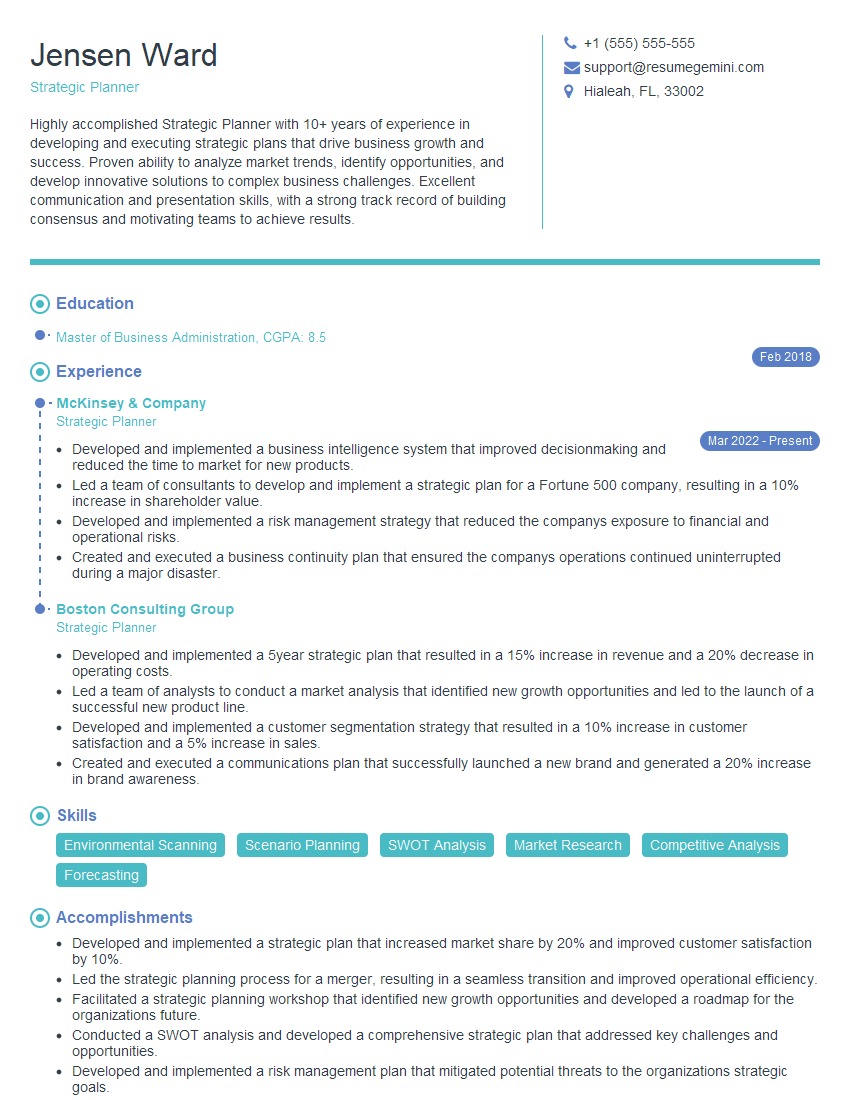
Strategic Planner Resume Sample
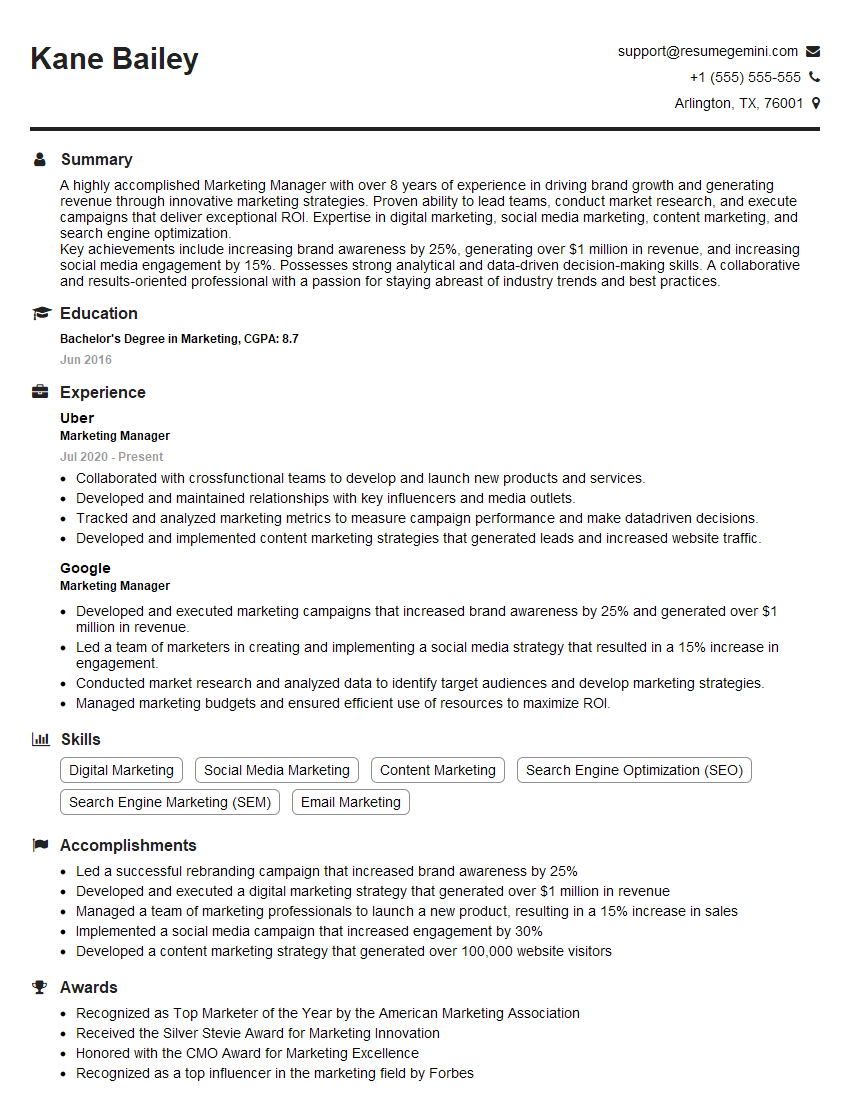
Marketing Manager Resume Sample
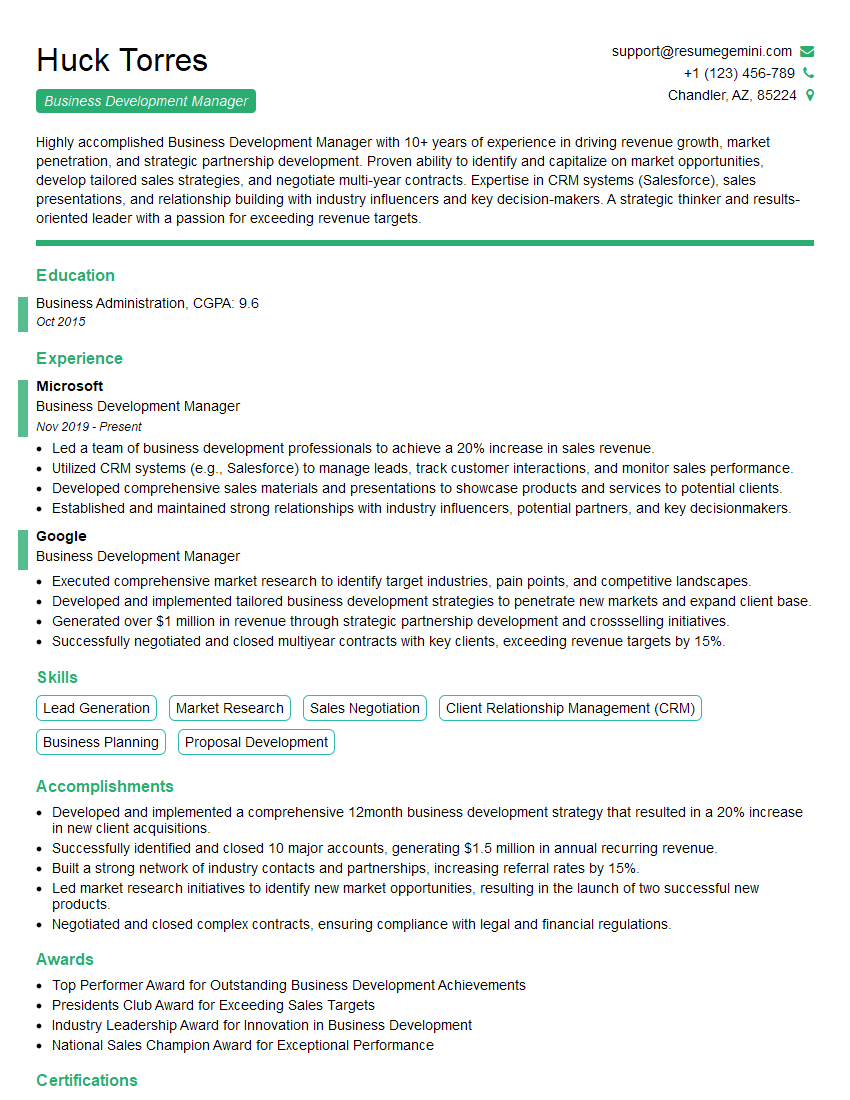
Business Development Manager Resume Sample

Communications Manager Resume Sample

Compliance Officer Resume Sample
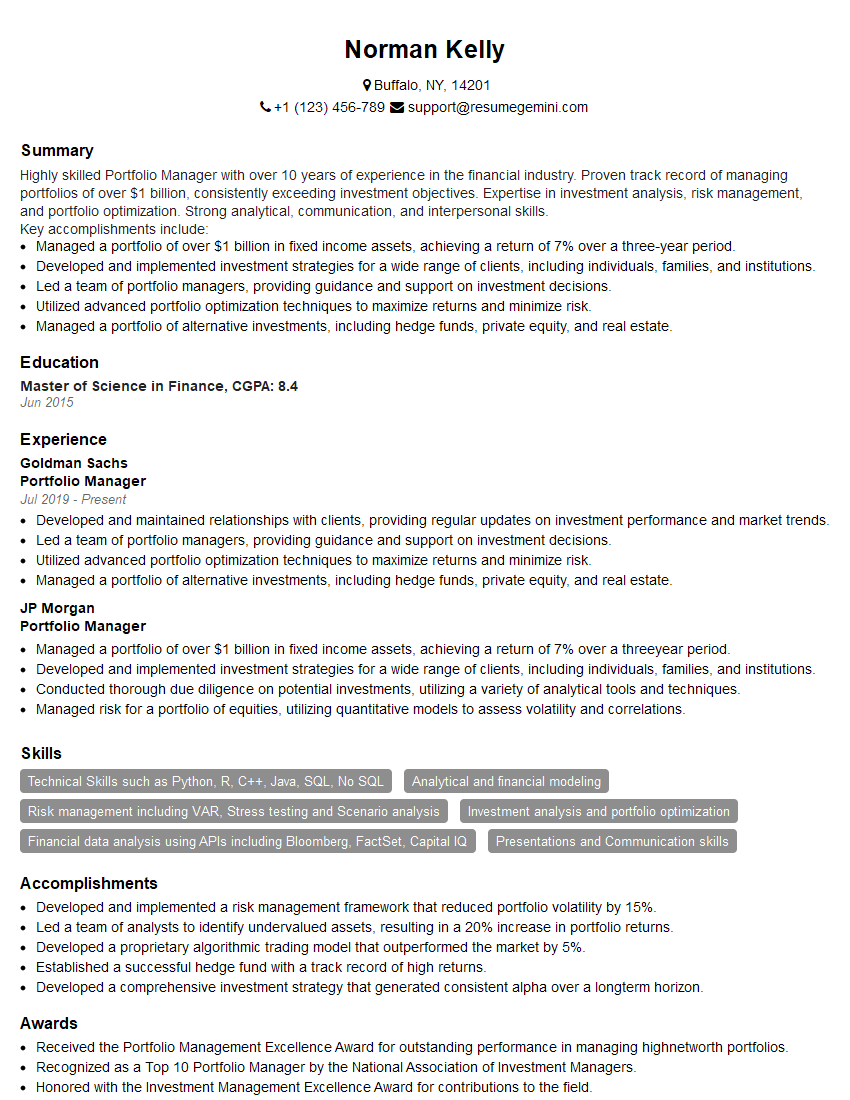
Portfolio Manager Resume Sample
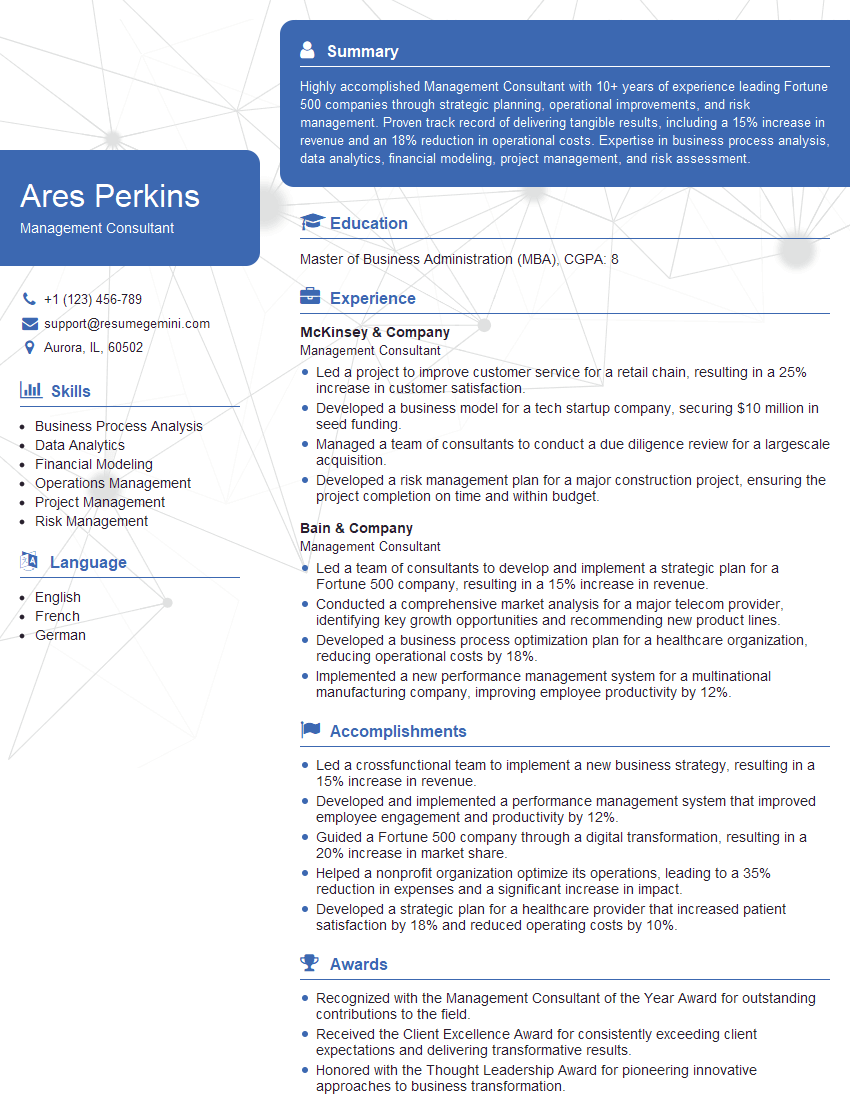
Management Consultant Resume Sample
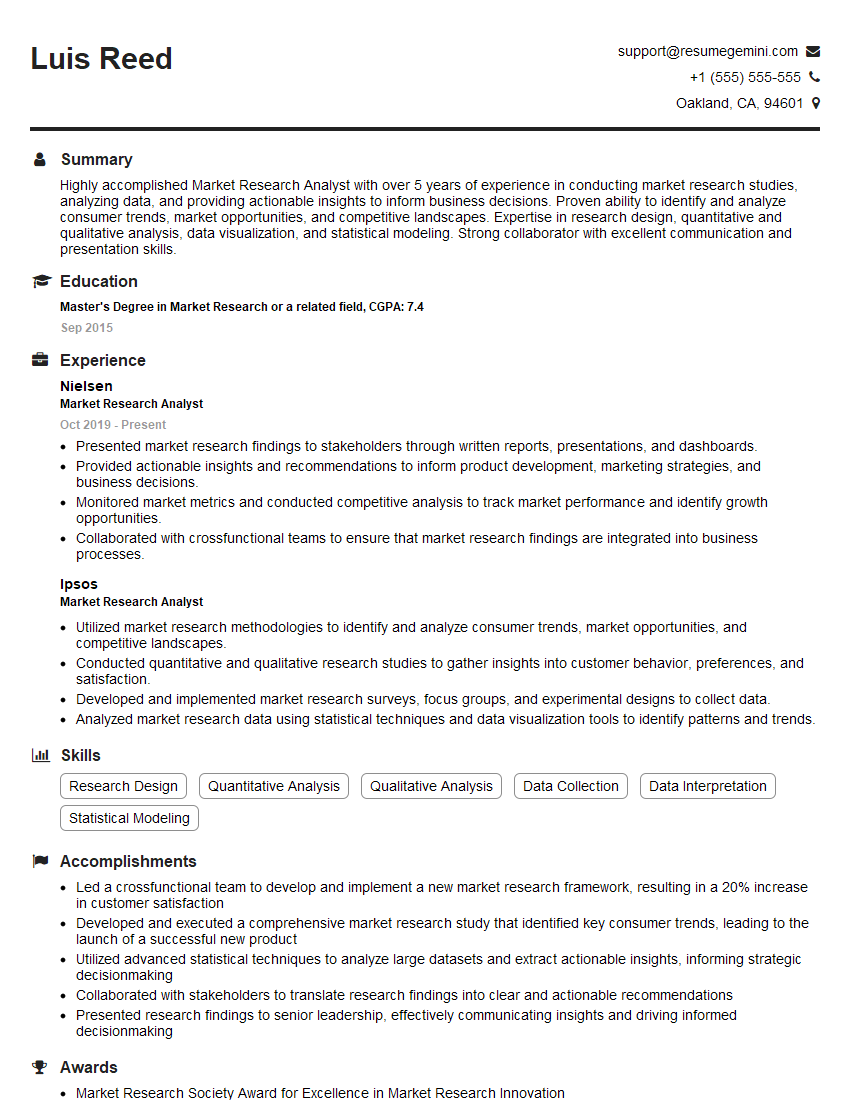
Market Research Analyst Resume Sample

Social Media Manager Resume Sample
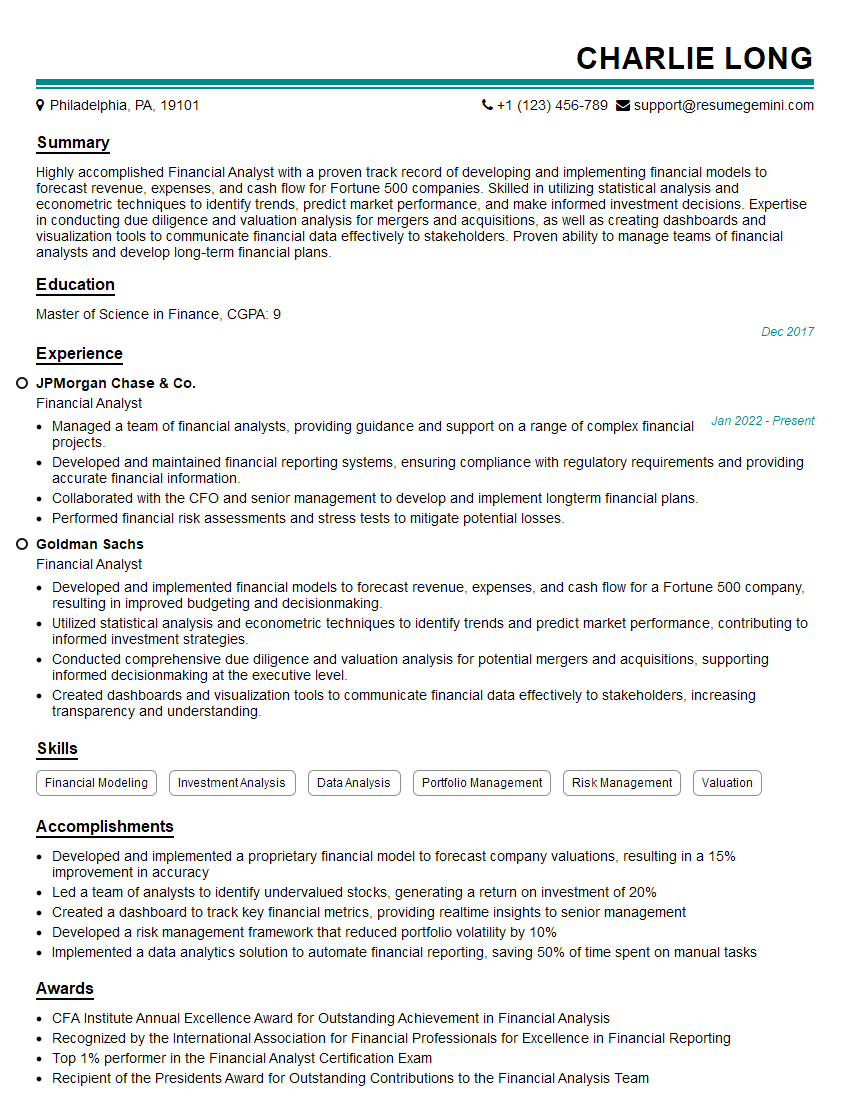
Financial Analyst Resume Sample
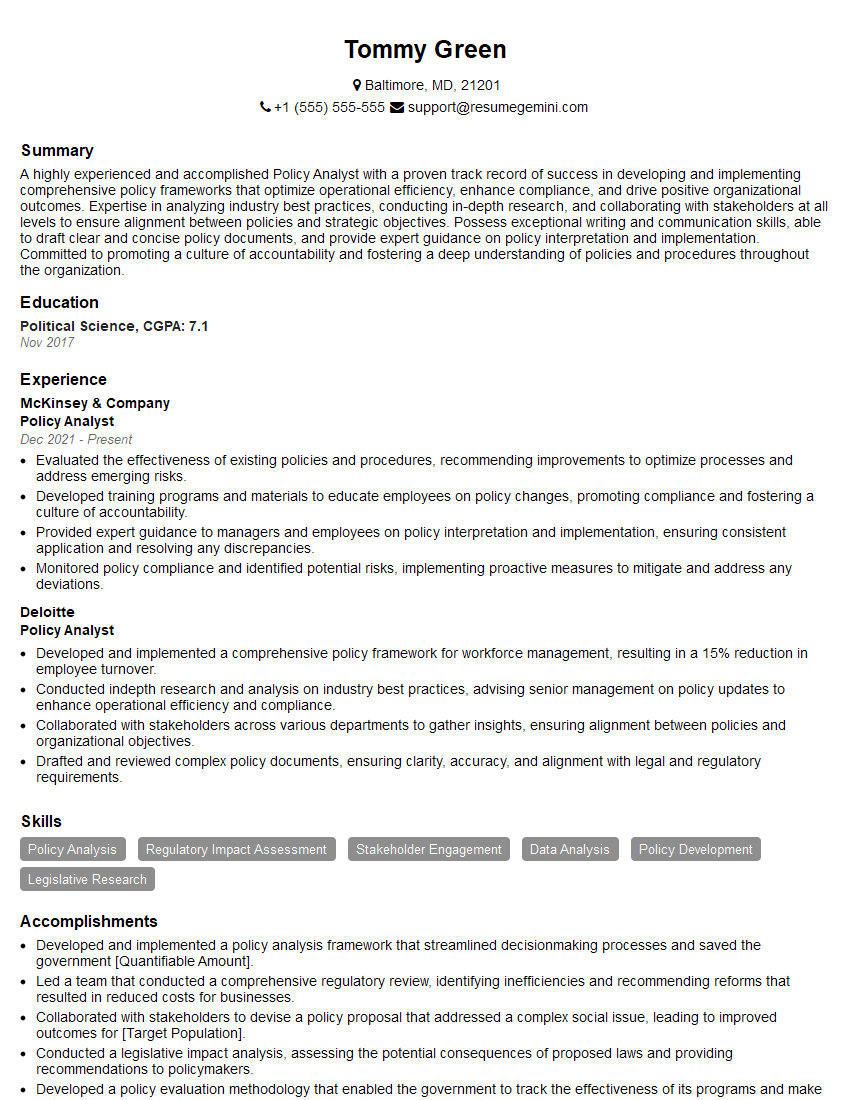
Policy Analyst Resume Sample
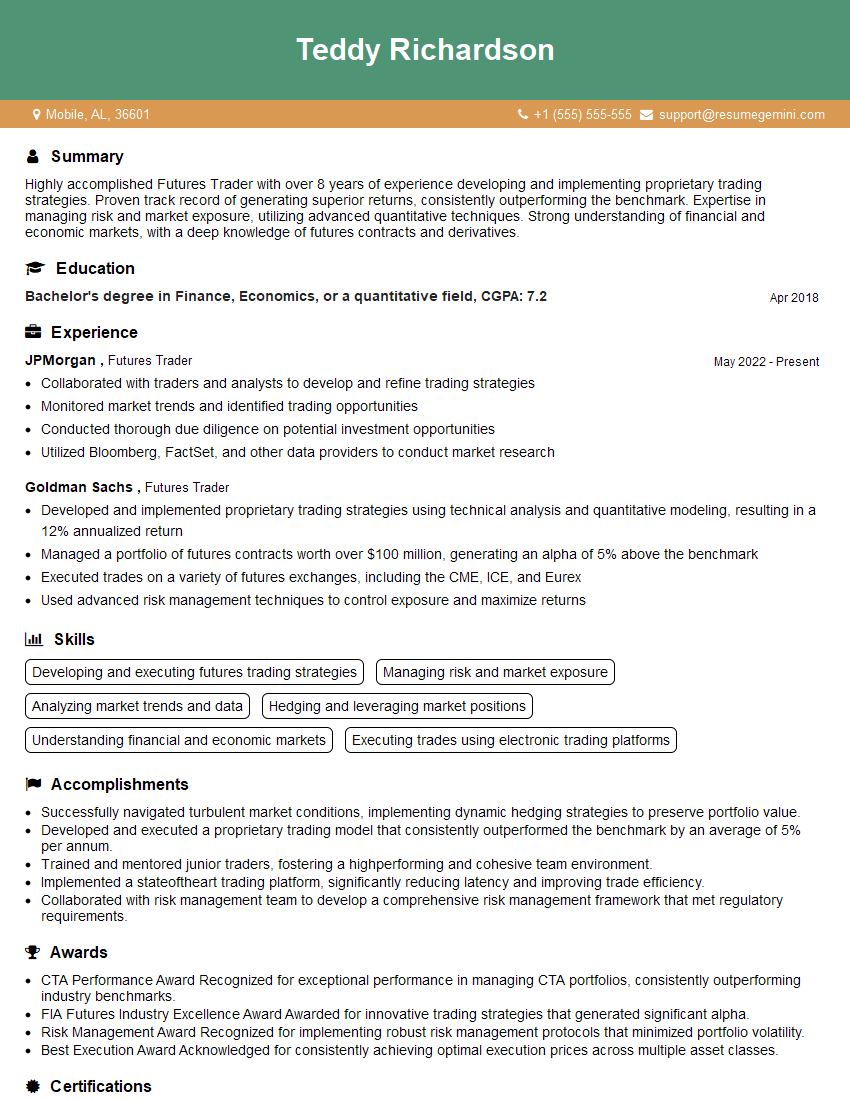
Futures Trader Resume Sample
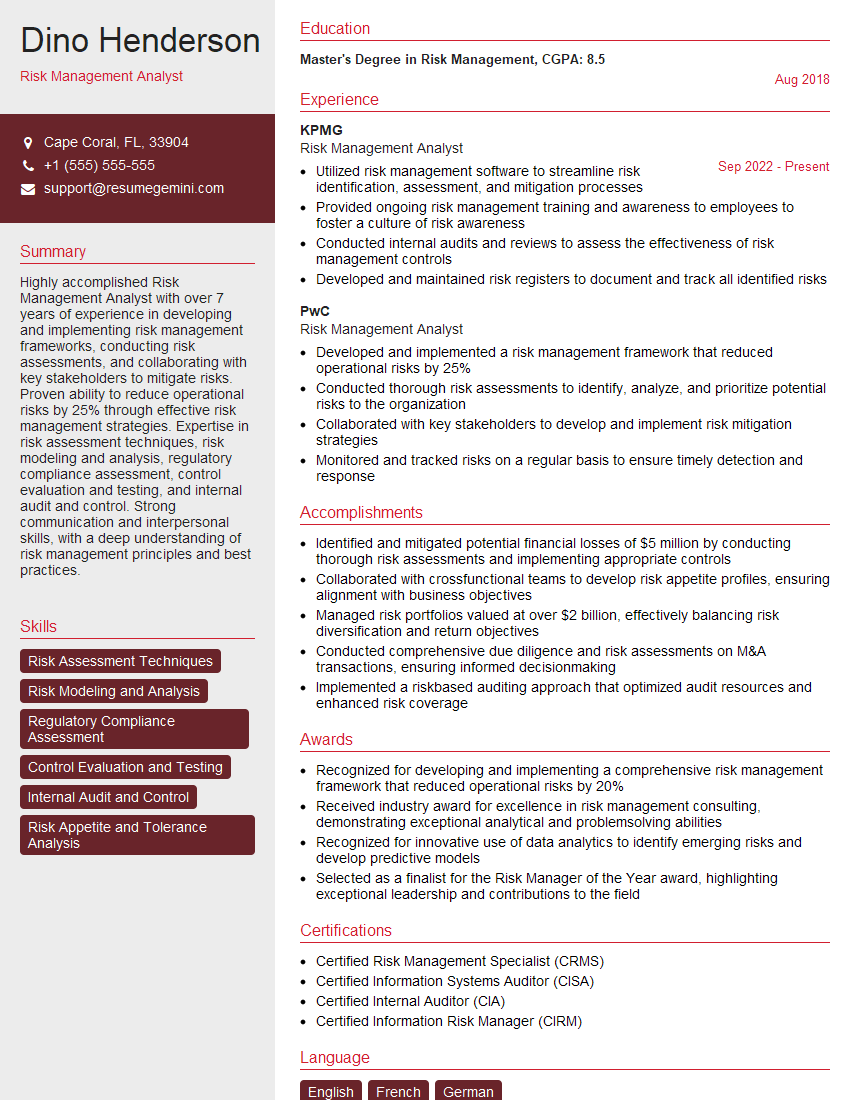
Risk Management Analyst Resume Sample
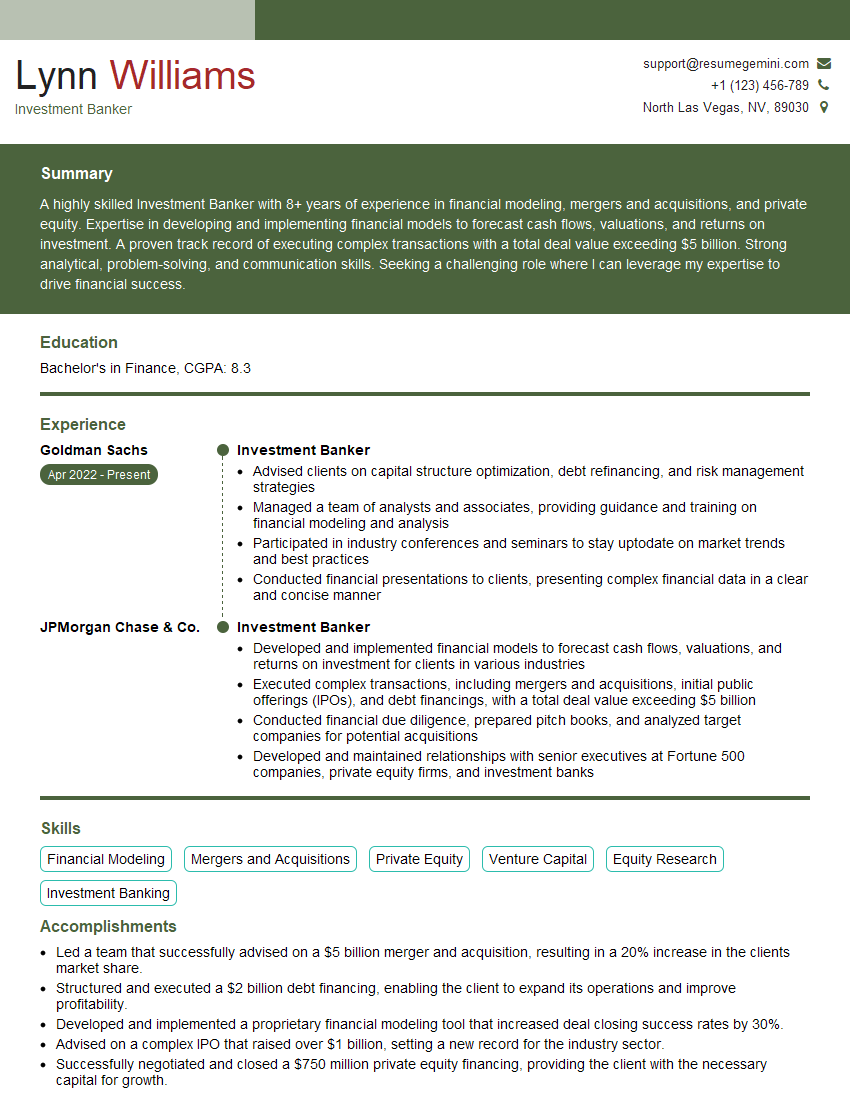
Investment Banker Resume Sample
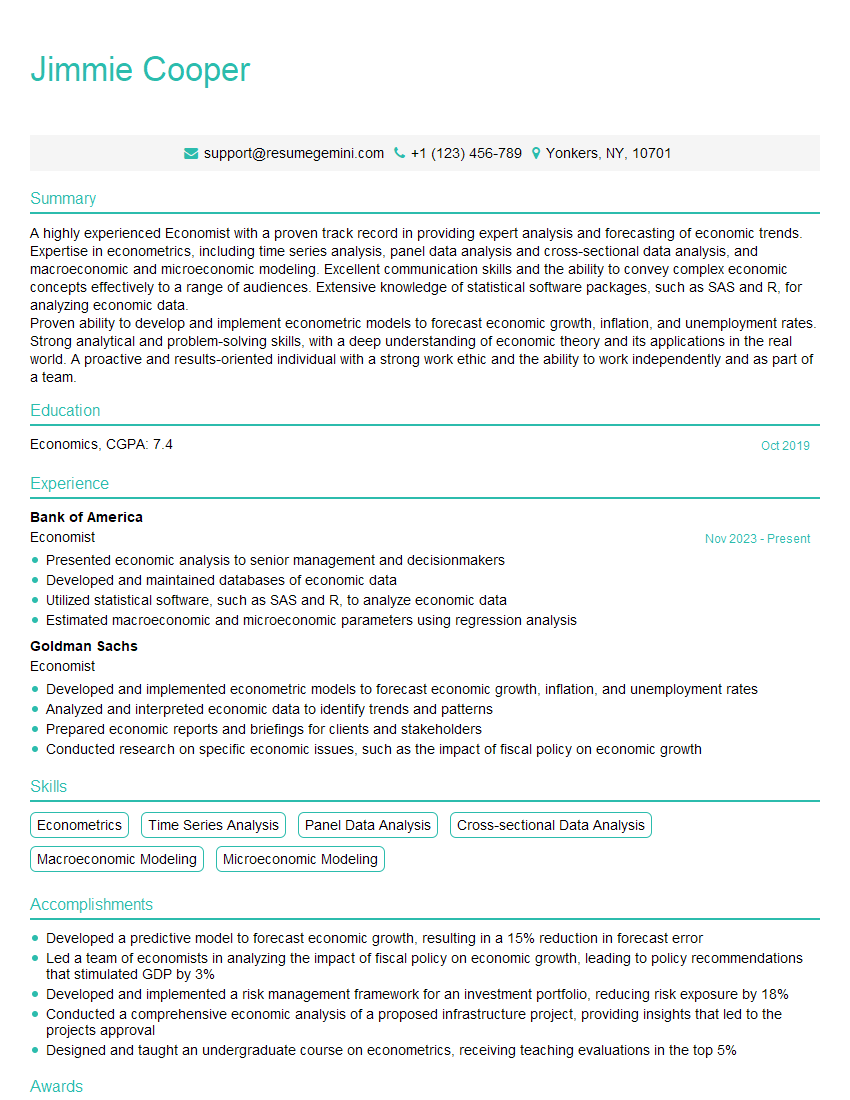
Economist Resume Sample
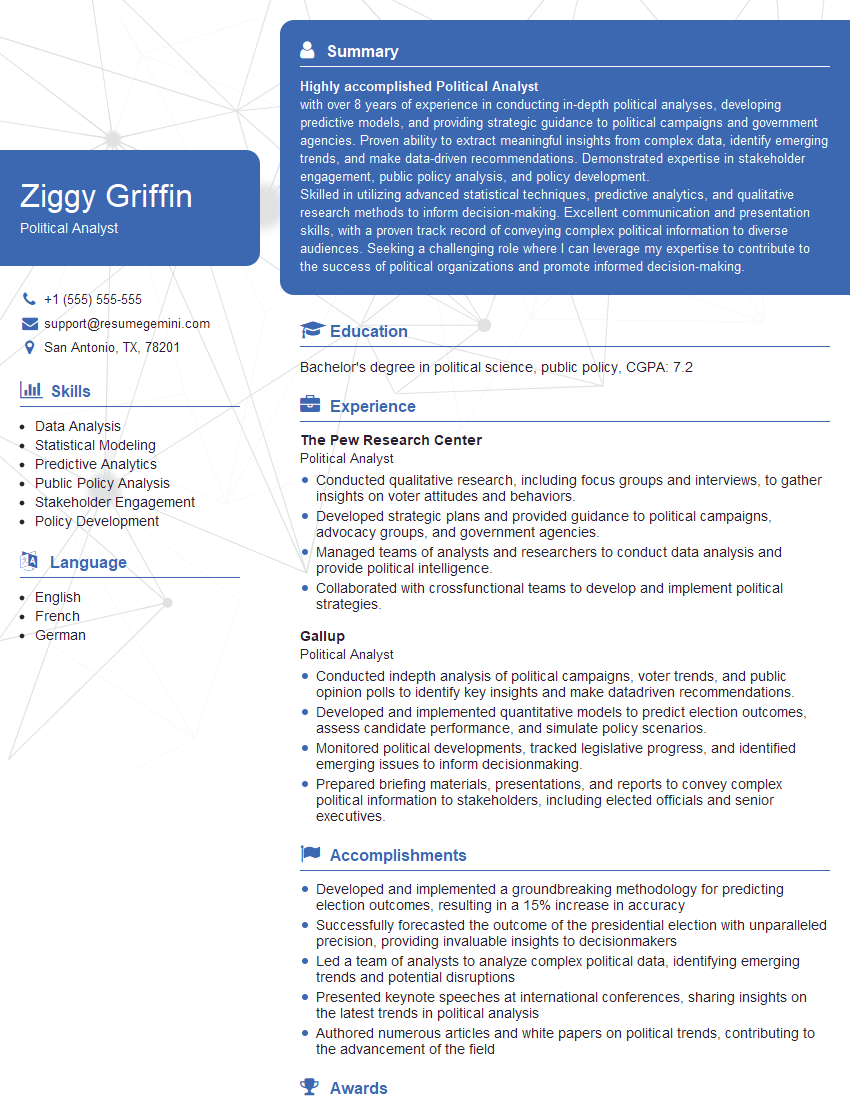
Political Analyst Resume Sample
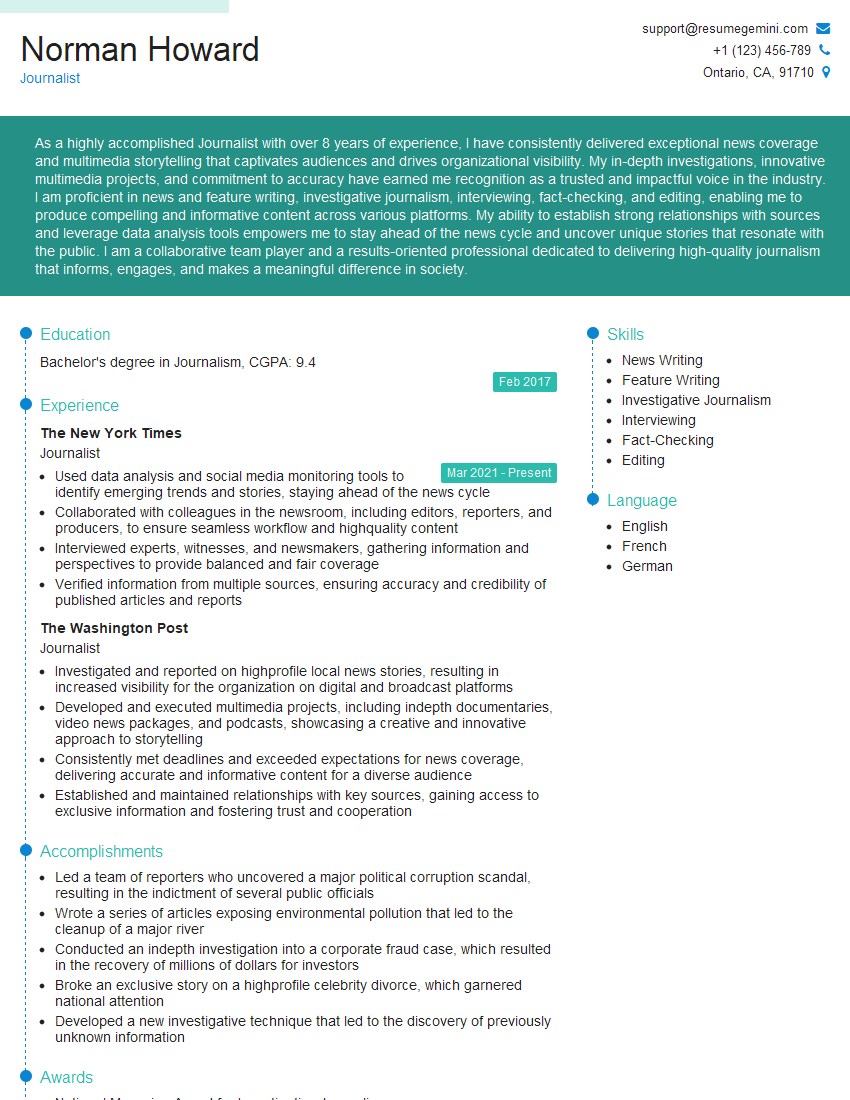
Journalist Resume Sample
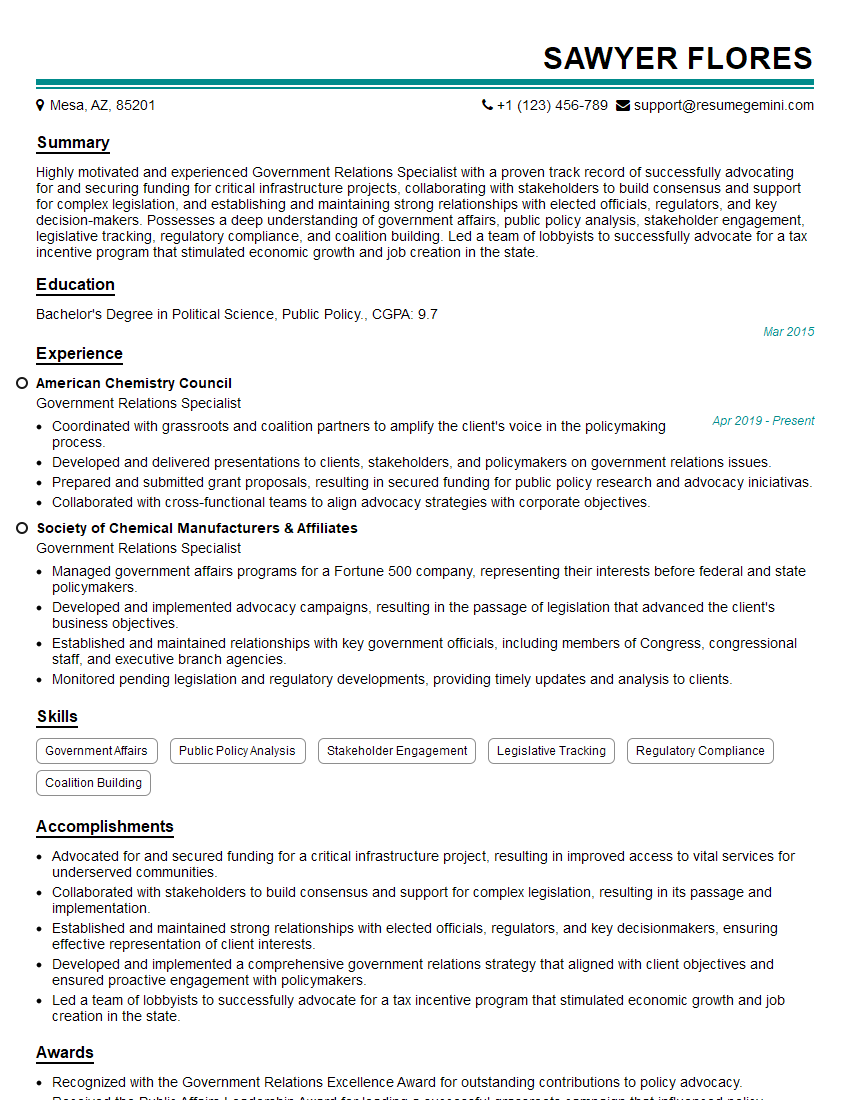
Government Relations Specialist Resume Sample
- Strategic Planner
- Marketing Manager
- Business Development Manager
- Communications Manager
- Compliance Officer
- Portfolio Manager
- Management Consultant
- Market Research Analyst
- Social Media Manager
- Financial Analyst
- Policy Analyst
- Futures Trader
- Risk Management Analyst
- Investment Banker
- Economist
- Political Analyst
- Journalist
- Government Relations Specialist
Explore more articles
Users Rating of Our Blogs
Share Your Experience
We value your feedback! Please rate our content and share your thoughts (optional).
What Readers Say About Our Blog
Very informative content, great job.
good