Interviews are opportunities to demonstrate your expertise, and this guide is here to help you shine. Explore the essential Knowledge of different tree species interview questions that employers frequently ask, paired with strategies for crafting responses that set you apart from the competition.
Questions Asked in Knowledge of different tree species Interview
Q 1. Differentiate between deciduous and coniferous trees.
The primary difference between deciduous and coniferous trees lies in their leaf structure and how they cope with winter. Deciduous trees, like oak and maple, have broad, flat leaves that they shed annually in the fall. This shedding is an adaptation to conserve water and energy during the cold, dry months when photosynthesis is less efficient. Coniferous trees, on the other hand, such as pines and spruces, have needle-like or scale-like leaves that remain on the tree year-round. These leaves are adapted to withstand harsh winter conditions. Think of it like this: deciduous trees are like those who prefer to hibernate in winter, shedding their ‘coats’, while coniferous trees are the hardy types who remain active throughout, wearing their protective ‘coats’ all year.
- Deciduous: Broad leaves, shed leaves annually, usually have flowers.
- Coniferous: Needle-like or scale-like leaves, retain leaves year-round, typically have cones.
Q 2. Describe the characteristics of at least five common tree species in your region.
Focusing on common trees in temperate North America, here are five examples:
- American Oak (Quercus alba): Known for its strong, sturdy wood, acorns as fruit, and deeply lobed leaves. It’s a dominant species in many forest ecosystems and provides habitat for numerous animals.
- Sugar Maple (Acer saccharum): Famous for its vibrant fall foliage and the production of maple syrup. It has five-lobed leaves with pointed tips and opposite branching.
- Eastern White Pine (Pinus strobus): A majestic conifer with long, soft needles in bundles of five, known for its straight trunk and valuable timber. It is a foundational species in many boreal forests.
- Red Oak (Quercus rubra): Similar to the American Oak, but with pointed leaf lobes and reddish-brown fall color. Its acorns are an important food source for wildlife.
- American Beech (Fagus grandifolia): Easily recognized by its smooth, gray bark and ovate leaves with slightly toothed edges. Its nuts are a food source for many animals, including squirrels and deer.
Q 3. Explain the process of tree identification using dichotomous keys.
Dichotomous keys are structured tools used to identify organisms, including trees. They present a series of paired choices (dichotomies) based on observable characteristics. Following the key step-by-step leads to the identification of the specific tree. Each choice leads to another pair of choices until a final identification is reached. Imagine it like a choose-your-own-adventure story for tree identification.
Example:
Let’s say we have a leaf. The key might start like this:
- Leaf simple (undivided blade)……….go to 2
- Leaf compound (blade divided into leaflets)……..go to 5
If our leaf is simple, we go to 2. If compound, we go to 5. The key continues to narrow down possibilities based on leaf shape, arrangement, bark texture, fruit type, etc., until you reach the species name.
Q 4. What are the common signs of tree diseases and pest infestations?
Signs of tree diseases and pest infestations vary widely. However, some common indicators include:
- Changes in foliage: Discoloration (yellowing, browning, spotting), wilting, premature leaf drop, unusual growth or stunted growth.
- Bark damage: Cracks, lesions, oozing sap, cankers (sunken areas), insect borings.
- Presence of pests: Visible insects, webs, nests, bore dust (fine sawdust-like material).
- Abnormal growths: Galls (abnormal swellings on branches or leaves), witches’ brooms (dense clusters of small branches).
- Dieback: Progressive death of branches or the entire crown.
- Root damage: Exposed or damaged roots, signs of root rot (mushy, discolored roots).
It’s important to note that many symptoms can have multiple causes; proper identification often requires professional assessment.
Q 5. How do you assess the health of a tree?
Assessing tree health involves a holistic approach, considering several factors:
- Visual inspection: Examining the crown for density, foliage color, and signs of disease or pest infestation. Checking the trunk and branches for damage, cankers, or other abnormalities.
- Growth assessment: Measuring the tree’s height and diameter growth over time to identify any significant decline.
- Soil analysis: Assessing soil compaction, drainage, nutrient levels, and the presence of potential toxins.
- Root examination (if necessary): Inspecting the root system for damage, decay, or other problems. This often requires specialized equipment or techniques.
- Stress factors: Considering environmental stressors such as drought, extreme temperatures, pollution, and competition from other plants.
A combination of these assessments allows for a comprehensive understanding of the tree’s health status and any potential risks.
Q 6. What are the different pruning techniques and when should they be used?
Pruning techniques vary depending on the objective. The main types include:
- Thinning: Removing branches to improve light penetration, air circulation, and overall tree structure. This reduces competition among branches and promotes stronger growth.
- Raising the crown: Removing lower branches to increase clearance under the tree or improve aesthetics. This is often done in young trees.
- Reduction pruning: Shortening branches to reduce the overall size of the tree. This should be done carefully to avoid damaging the tree’s structure.
- Cleaning: Removing dead, damaged, diseased, or crossing branches.
Pruning should generally be done during the dormant season (late winter/early spring) for most species to minimize stress and disease risk. However, certain circumstances (e.g., removing a broken branch) may necessitate pruning at other times.
Q 7. Explain the concept of tree risk assessment.
Tree risk assessment is the process of identifying and evaluating the potential hazards posed by trees. This includes assessing the likelihood of a tree failing (e.g., branch failure, whole-tree failure) and the potential consequences of such failure. The assessment considers various factors:
- Tree species and condition: Some species are inherently more prone to failure than others. Disease, decay, and structural defects significantly increase risk.
- Environmental factors: Wind, snow, ice, and soil conditions influence the likelihood of failure.
- Proximity to structures and people: The potential impact of a tree failure is directly related to its proximity to buildings, roads, power lines, and areas frequented by people.
- Visual inspection: A thorough visual examination of the tree to identify any visible defects.
The results of a risk assessment inform decisions about whether to retain, manage, or remove a tree to mitigate potential risks. Risk assessments are critical for property managers, arborists, and anyone responsible for managing trees near structures or people.
Q 8. Describe various methods for tree planting and transplanting.
Tree planting and transplanting involve careful consideration of the species, site conditions, and season. Planting involves establishing a new tree, while transplanting involves moving an already established tree.
- Bare-root planting: This method is best suited for smaller trees, often those grown in nurseries. The roots are exposed, and the tree is planted directly into the prepared hole. It’s cost-effective but requires careful handling to avoid root damage. Think of it like planting a small herb from its pot – you need to handle its roots gently.
- Container planting: Trees grown in containers are easier to transplant as the root system is protected. The entire root ball is placed in the prepared hole. This method is less stressful on the tree and generally has higher success rates, similar to transplanting a houseplant.
- Transplanting mature trees: This is a complex operation requiring specialized equipment and expertise. It involves careful excavation of the root ball, often with the use of a tree spade, and the subsequent replanting in the new location. This is like moving a large, established shrub – it requires planning and careful execution to minimize stress.
Success in both planting and transplanting hinges on proper hole preparation (ensuring adequate drainage and appropriate soil amendment), careful handling of the roots to minimize damage, and post-planting care, including watering and mulching.
Q 9. What are the environmental factors that affect tree growth?
Environmental factors significantly influence tree growth. Think of them as the ingredients in a recipe – get the right mix, and you get a thriving tree.
- Sunlight: Trees require varying amounts of sunlight, with some thriving in full sun and others preferring shade. Insufficient sunlight can lead to stunted growth and weak branches.
- Water: Adequate water is crucial, but overwatering can also be detrimental. Drought stress can significantly impact growth, leading to wilting and even death.
- Temperature: Extreme temperatures, both hot and cold, can damage trees. Freezing temperatures can kill sensitive species, while prolonged heat can stress them out.
- Soil: The soil’s composition, drainage, pH, and nutrient content directly affect root growth and overall tree health. Nutrient deficiencies manifest as yellowing leaves and stunted growth.
- Wind: Strong winds can cause physical damage, and also increase transpiration (water loss from leaves), leading to stress. Exposure to salt spray near coastal areas can also affect growth.
Understanding the specific needs of the tree species and the prevailing environmental conditions is essential for successful tree establishment and growth.
Q 10. How do you manage invasive plant species affecting trees?
Managing invasive plant species that threaten trees requires a multi-pronged approach. Invasive plants compete for resources like water, nutrients, and sunlight, hindering tree growth and health. Imagine them as weeds in your garden, aggressively outcompeting your desired plants.
- Manual Removal: This involves physically removing the invasive plants, including their roots. It’s effective for small infestations but can be labor-intensive for large areas.
- Herbicide Application: Targeted herbicide application can effectively control invasive plants, but it’s crucial to use herbicides responsibly and follow all safety precautions. This approach requires careful consideration of non-target species.
- Biological Control: Introducing natural predators or pathogens specific to the invasive species can help control their populations. This method requires thorough research and should be implemented by experts to avoid unintended consequences.
- Integrated Pest Management (IPM): IPM combines various methods, including manual removal, herbicide application, and biological control, to provide a comprehensive and sustainable approach to managing invasive species.
The choice of management strategy depends on several factors, including the type of invasive species, the extent of the infestation, the surrounding environment, and the resources available.
Q 11. What are the common soil types and their impact on tree growth?
Soil types vary widely, and their characteristics significantly influence tree growth. Think of soil as the foundation of a house – a weak foundation leads to problems.
- Sandy soil: Well-drained but low in nutrients and moisture retention. Trees planted in sandy soil may require more frequent watering and fertilization.
- Clay soil: Poor drainage, retains moisture, but can become compacted, restricting root growth. Amendments like compost can improve drainage and aeration.
- Loamy soil: The ideal soil type, containing a balance of sand, silt, and clay, providing good drainage, aeration, and nutrient retention.
- Peaty soil: High organic matter content, excellent water retention but may be acidic. This impacts nutrient availability for some tree species.
Soil testing is recommended to determine its composition and pH. Amendments can improve soil structure and nutrient content, ensuring optimal conditions for tree growth. For example, adding organic matter to clay soil will improve drainage.
Q 12. Explain the importance of proper irrigation for tree health.
Proper irrigation is essential for establishing and maintaining healthy trees, especially during periods of drought. Consistent and adequate watering ensures the tree’s survival and promotes robust growth. Think of it like giving your plants a regular drink of water.
- Watering Frequency: The frequency of watering depends on several factors, including soil type, climate, tree species, and tree size. Deep, infrequent watering is generally preferred to shallow, frequent watering.
- Watering Methods: Methods include drip irrigation, soaker hoses, and overhead sprinklers. Drip irrigation is often preferred as it minimizes water waste and targets the root zone.
- Mulching: Applying a layer of mulch around the base of the tree helps retain moisture, suppress weeds, and regulate soil temperature.
- Monitoring Soil Moisture: Regularly checking soil moisture levels helps determine the need for watering. A moisture meter can be a useful tool.
Insufficient watering leads to drought stress, while overwatering can suffocate roots. The goal is to provide enough water to keep the soil consistently moist (but not soggy) in the root zone.
Q 13. Describe different methods of tree propagation.
Tree propagation involves creating new trees from existing ones. It’s like making copies of your favorite plant!
- Seed propagation: This is the most common method, involving collecting seeds and sowing them under appropriate conditions. It’s often used for large-scale plantings but can take many years for trees to reach maturity.
- Cuttings: Stem or root cuttings are taken from the parent tree and rooted to develop into new trees. This method is faster than seed propagation and preserves the genetic traits of the parent tree.
- Grafting: This involves joining a scion (a cutting from a desired cultivar) onto a rootstock (a seedling or young tree). It’s used to combine desirable traits from different trees. For example, grafting a disease-resistant rootstock with a desirable fruit-bearing scion.
- Air layering: A branch is wounded, wrapped in moist medium, and encouraged to form roots before being detached and planted. This technique is especially useful for trees that are difficult to propagate by cuttings.
The choice of propagation method depends on the species, the desired quantity of trees, and the available resources. For example, conifers are often propagated by cuttings or grafting, while many hardwoods are grown from seed.
Q 14. What are the benefits and drawbacks of different tree species in urban settings?
Selecting appropriate tree species for urban settings requires careful consideration of various factors. Different trees have varying tolerance to pollution, compaction, and limited space. Think about the characteristics of a tree that would thrive in a particular urban environment.
- Benefits: Trees improve air quality, reduce urban heat island effect, provide shade, enhance aesthetics, and support biodiversity. Some species are known for their tolerance to pollution (e.g., Ginkgo biloba) or drought resistance (e.g., Zelkova serrata).
- Drawbacks: Some trees have aggressive root systems that can damage sidewalks and foundations. Others may be messy, producing excessive leaf litter or fruit. Some trees are susceptible to specific pests or diseases prevalent in urban areas. Allergenic potential is another key consideration when selecting species for urban planting.
Careful selection of tree species considering their growth habit, mature size, and tolerance to urban stress is vital for a successful urban forestry program. For instance, while a large oak might be aesthetically pleasing, its extensive root system could cause problems in a densely populated area. A smaller, less invasive species might be a better choice.
Q 15. How do you identify different types of wood?
Identifying different types of wood involves a multi-sensory approach, combining visual inspection with physical and sometimes chemical tests. Initially, we look at the wood’s grain – the pattern formed by the arrangement of wood fibers. Different species have distinct grain patterns; some are straight, others are swirling or figured. For example, oak often displays a prominent ray fleck, while maple can have a bird’s-eye or curly grain.
Next, we examine the wood’s color and texture. Heartwood (the older, inner wood) often differs in color from sapwood (the younger, outer wood). Mahogany is known for its reddish-brown hue, while pine typically presents a lighter yellowish tone. The texture can be described as coarse, fine, or even; this relates to the size and arrangement of wood cells.
Finally, more advanced techniques might be needed. Density can be measured to help differentiate; some woods are significantly denser than others. A microscope can reveal the cellular structure, providing definitive identification. Chemical tests may be used to detect the presence of specific compounds found only in certain species.
Imagine you’re given a piece of unidentified wood. You start by observing its grain, noting if it’s straight or figured, then check the color and texture. This initial visual assessment already narrows down the possibilities. If needed, you can proceed to measure the density or even use a microscope to confirm your identification.
Career Expert Tips:
- Ace those interviews! Prepare effectively by reviewing the Top 50 Most Common Interview Questions on ResumeGemini.
- Navigate your job search with confidence! Explore a wide range of Career Tips on ResumeGemini. Learn about common challenges and recommendations to overcome them.
- Craft the perfect resume! Master the Art of Resume Writing with ResumeGemini’s guide. Showcase your unique qualifications and achievements effectively.
- Don’t miss out on holiday savings! Build your dream resume with ResumeGemini’s ATS optimized templates.
Q 16. Explain the concept of sustainable forestry practices.
Sustainable forestry practices focus on managing forests in a way that maintains their ecological integrity and economic productivity for present and future generations. It’s about striking a balance between harvesting timber and preserving biodiversity, water quality, and overall forest health.
Key principles include:
- Selective logging: Harvesting only mature trees, leaving younger trees to grow and maintain forest structure.
- Reforestation and afforestation: Planting new trees to replace harvested ones or to create new forests.
- Reduced-impact logging (RIL): Techniques that minimize damage to the forest during harvesting.
- Forest certification: Obtaining independent certification from organizations like the Forest Stewardship Council (FSC), demonstrating commitment to sustainable practices.
- Protecting biodiversity: Maintaining a diversity of tree species and habitats within the forest.
- Preventing soil erosion: Implementing measures to minimize soil erosion and maintain soil fertility.
- Managing pests and diseases: Utilizing integrated pest management strategies that minimize the use of harmful chemicals.
Think of it like managing a bank account – you want to harvest some resources (withdrawals), but you also need to ensure you’re making deposits (planting new trees) to maintain a healthy balance for the future. Sustainable forestry practices are crucial for preserving our forests as valuable ecosystems while ensuring a continuous supply of timber and other forest products.
Q 17. What are the common tree diseases prevalent in your region?
The prevalence of tree diseases varies greatly depending on geographic location, climate, and the species of trees present. However, some common tree diseases in many temperate regions include:
- Dutch Elm Disease: A fungal disease that affects elm trees, causing vascular wilt and death. It’s spread by elm bark beetles.
- Oak Wilt: Another fungal disease impacting oak trees, particularly red oaks. It spreads through root grafts and sap-feeding insects.
- Chestnut Blight: A fungal disease that virtually wiped out American chestnut trees in the early 20th century. Resistant cultivars are being developed.
- Sudden Oak Death: A disease caused by a water mold affecting various oak species and other plants along the Pacific Coast of the United States.
- Anthracnose: A group of fungal diseases affecting various hardwood trees, causing leaf spots, blights, and cankers.
Early detection and appropriate management strategies are crucial to minimize the impact of these diseases. These strategies range from removing infected trees, applying fungicides, and promoting tree health through proper fertilization and watering to implementing quarantine measures to prevent further spread.
Q 18. Describe common insect pests that attack trees and their management.
Numerous insect pests can attack trees, causing damage that ranges from minor aesthetic issues to significant tree mortality. Some common examples include:
- Gypsy Moth: A highly destructive defoliator of hardwood trees, particularly oak.
- Emerald Ash Borer: An invasive beetle that has devastated ash tree populations across North America.
- Pine Bark Beetles: Several species of bark beetles that attack pine trees, often weakening or killing them.
- Aphids: Small insects that suck sap from trees, causing leaf curling and stunted growth.
- Termites: Insects that feed on wood, causing structural damage to trees and buildings.
Insect pest management often involves an integrated approach, combining various techniques. These techniques include:
- Biological control: Introducing natural enemies (predators or parasites) of the pest.
- Chemical control: Using insecticides, but only when absolutely necessary and with careful consideration of environmental impacts.
- Mechanical control: Physically removing pests or using traps.
- Cultural control: Promoting tree health through proper fertilization, watering, and pruning to enhance their natural resistance to pests.
The best approach depends on the specific pest, the severity of the infestation, and the overall context of the situation. Effective pest management requires careful monitoring, accurate identification of the pest, and a well-planned strategy that minimizes environmental risks.
Q 19. What is the role of mycorrhizae in tree health?
Mycorrhizae are symbiotic relationships between fungi and plant roots. The fungi’s thread-like hyphae extend outward from the roots, greatly increasing the surface area for water and nutrient absorption. In exchange for carbohydrates from the tree, the fungi provide essential nutrients like phosphorus and nitrogen, and improve the tree’s access to water.
This symbiotic relationship significantly enhances tree health in several ways:
- Improved nutrient uptake: Mycorrhizae greatly improve the uptake of essential nutrients, especially phosphorus, which is often a limiting factor for plant growth.
- Enhanced water absorption: The extensive fungal network enhances the tree’s ability to absorb water, making it more drought-tolerant.
- Increased disease resistance: Some mycorrhizal fungi produce antibiotics or other compounds that protect the tree from pathogens.
- Improved soil structure: The fungal hyphae bind soil particles together, improving soil structure and reducing erosion.
Think of mycorrhizae as an extension of the tree’s root system, acting like a super-efficient network, gathering resources and offering protection. Healthy mycorrhizal relationships are crucial for maintaining vigorous tree growth and resilience to environmental stress.
Q 20. How do you determine the age of a tree?
Determining the age of a tree can be done through several methods, each with its own level of accuracy and applicability.
The most common method is counting the growth rings in a cross-section of the tree trunk. Each ring typically represents one year of growth; wider rings indicate favorable growing conditions, while narrower rings suggest periods of stress (drought, disease). This method is accurate for trees that exhibit distinct annual growth rings, generally in temperate climates.
For trees that don’t display clear annual rings or for situations where felling the tree isn’t an option, other methods include:
- Increment borer: A tool used to extract a small core sample from the tree, allowing for ring counting without harming the tree significantly.
- Diameter at breast height (DBH) and growth models: Measuring the tree’s diameter at 4.5 feet above the ground and using established growth models to estimate age. This method provides an approximation, and accuracy depends on the model’s accuracy for the specific tree species and location.
- Age estimation based on tree height and species-specific growth rates: Using species-specific growth curves, and measuring tree height, you can estimate the tree’s age. This again provides only an estimation.
When determining a tree’s age, it’s essential to choose the most appropriate method based on the circumstances. For accurate age determination, counting growth rings from a cross-section or core sample remains the gold standard.
Q 21. Explain the concept of tree layering and its use in propagation.
Tree layering is a natural propagation method where new plants develop from stems or branches that come into contact with the soil. The branch or stem develops roots and eventually separates from the parent plant, becoming an independent individual. This process is exploited in horticulture and forestry for propagating certain plant species.
There are several types of layering:
- Simple layering: Bending a low-growing branch to the ground, burying a portion of it in the soil, and securing it in place until roots develop. This is commonly used for shrubs and some tree species.
- Compound layering: Similar to simple layering, but multiple sections of a long branch are buried, creating several new plants.
- Air layering: Removing a ring of bark from a branch, applying rooting hormone, wrapping the area with moist sphagnum moss, and sealing it with plastic. Roots will develop within the moss, and the branch is then cut below the newly formed roots and planted.
- Tip layering: Similar to simple layering, but the tip of a branch is bent to the ground and pinned in place.
Once the layered branch has developed sufficient roots, it can be separated from the parent plant and transplanted. Tree layering is particularly useful for propagating species that are difficult to propagate from seeds or cuttings. It is a relatively simple and effective method for producing genetically identical clones of the parent plant. For example, this method is effective in propagating specific cultivars of fruit trees that display desirable characteristics.
Q 22. What are the safety precautions you would take while working with trees?
Safety is paramount in arboriculture. Before any tree work begins, a thorough risk assessment is crucial. This involves identifying potential hazards like overhead power lines, unstable ground, nearby structures, and the tree’s condition itself. We use appropriate Personal Protective Equipment (PPE) consistently, including helmets with face shields, high-visibility clothing, safety harnesses and lanyards, chainsaw chaps, gloves, and safety footwear. Specific precautions depend on the task. For example, when felling a tree, we establish a safe escape path and ensure a clear felling zone free of obstructions. We also utilize spotters to enhance situational awareness, particularly in complex situations. Regular equipment checks and maintenance are vital. A dull chainsaw, for instance, is more likely to kickback, posing a significant risk. Finally, adhering to industry best practices and constantly updating our knowledge through continuing education is essential for maintaining a safe working environment.
Q 23. Describe different types of tree supports and bracing.
Tree support and bracing techniques aim to enhance the structural integrity of trees, preventing failure and promoting longevity. Several methods exist. Guying involves attaching strong cables to the tree’s trunk and anchoring them securely to the ground using ground anchors. This is effective for supporting weak branches or leaning trees. Cable bracing connects two limbs or branches together, stabilizing them and distributing weight more evenly. Dynamic bracing uses flexible materials, often high-strength straps, allowing for some movement while providing support, particularly useful in windy areas. Rigid bracing employs rigid materials, often steel, to provide strong, unyielding support. The selection of the method depends on factors such as tree species, the extent of the damage or weakness, and the surrounding environment. For example, a large, old oak with a failing branch might require rigid bracing, while a younger tree with a slight lean could benefit from guying. Proper installation and regular inspections are crucial for the success of any bracing system.
Q 24. What are the legal regulations related to tree removal and preservation?
Legal regulations concerning tree removal and preservation vary significantly depending on location (national, regional, and even local levels). Many jurisdictions require permits for tree removal, especially for protected species or trees exceeding a certain size. These permits often necessitate a detailed assessment of the tree’s condition and the potential impact of removal. Some areas have strict regulations concerning the preservation of heritage trees or those within designated conservation areas. There may be fines or even legal action for unauthorized removal or damage to protected trees. It is crucial to be fully aware of all applicable regulations and obtain the necessary permissions before undertaking any tree work. Local arborists are usually up-to-date on the local laws.
Q 25. How do you manage tree conflicts with power lines or structures?
Tree conflicts with power lines or structures require careful and professional management. The first step is always to contact the relevant utility company. They have specific protocols for working near their infrastructure. Never attempt to trim or remove trees near power lines without proper training and authorization. Depending on the situation, the tree may need to be pruned, partially or fully removed. Specialized equipment and techniques are often required, such as bucket trucks for elevated work or directional felling to control the tree’s fall away from structures. Thorough planning and coordination are essential to ensure the safety of personnel and the protection of property. In some cases, preventative measures, such as regular pruning, can minimize the risk of future conflicts.
Q 26. What are some common challenges faced by arborists or foresters?
Arborists and foresters face a range of challenges. Environmental factors such as extreme weather events (storms, droughts, disease outbreaks) can significantly impact tree health and necessitate urgent intervention. Pest and disease management is another major concern, requiring knowledge of various pests and diseases and effective control strategies. Limited resources, including funding and personnel, can restrict the scale and scope of tree care operations. Public perception can be challenging, as some people may not fully understand the importance of arboricultural work. Technological advancements require continuous learning and adaptation to keep up with the latest techniques and equipment. Finally, the physical demands of the job can be strenuous and pose potential risks to workers’ health and safety.
Q 27. Explain the importance of maintaining tree inventories.
Maintaining accurate tree inventories is crucial for effective urban forestry and resource management. An inventory provides a detailed record of the trees within a specific area, including species, size, location, and health status. This information is essential for planning tree planting and maintenance programs, assessing risks (e.g., identifying trees vulnerable to storms), and tracking the overall health of the tree population. It informs decisions related to tree removal, pruning, and pest control, ensuring that resources are allocated efficiently. A well-maintained inventory also aids in evaluating the environmental benefits provided by trees, such as carbon sequestration and air purification. Regular updates are vital to reflect changes in the tree population due to growth, mortality, or planting.
Q 28. Describe your experience with using specialized equipment for tree care.
My experience with specialized equipment is extensive. I am proficient in the operation and maintenance of chainsaws (various sizes and types), chippers, stump grinders, aerial lifts (bucket trucks), and climbing gear (ropes, harnesses, ascenders). I am also familiar with using advanced diagnostic tools such as resistance drills and sonic tomography to assess the internal health of trees. For example, I’ve used a sonic tomograph to detect decay within a large oak tree, enabling us to develop a targeted pruning plan rather than resorting to premature removal. Proper training and certification are essential for the safe and effective use of such equipment. Regular maintenance is crucial to prevent accidents and ensure equipment operates at peak performance. My experience ensures I can select and apply the most appropriate equipment for any given task, optimizing efficiency and safety.
Key Topics to Learn for Knowledge of Different Tree Species Interview
- Tree Identification: Mastering the identification of common and less common tree species based on leaf shape, bark texture, branching patterns, and fruit/seed characteristics. This includes understanding the differences between deciduous and coniferous trees.
- Tree Physiology and Growth: Understanding the life cycle of trees, including germination, growth stages, and senescence. Knowledge of factors affecting tree growth (e.g., sunlight, water, nutrients, pests, diseases) is crucial.
- Forest Ecology and Management: Understanding the role of trees in ecosystems, including their contribution to biodiversity, carbon sequestration, and soil health. Familiarity with sustainable forestry practices and forest management techniques is highly beneficial.
- Tree Species Distribution and Habitat: Knowing the geographic distribution of different tree species and their preferred habitats. This includes understanding the impact of climate change and other environmental factors on tree distribution.
- Practical Applications: Be prepared to discuss the practical applications of your knowledge, such as in arboriculture, forestry, landscaping, or environmental conservation. Consider examples of how you’ve used your knowledge to solve problems or contribute to projects.
- Problem-Solving and Critical Thinking: Practice applying your knowledge to hypothetical scenarios. For example, how would you approach diagnosing a problem in a tree or managing a specific forest ecosystem?
Next Steps
Mastering knowledge of different tree species is vital for career advancement in numerous fields, including forestry, arboriculture, environmental science, and conservation. A strong understanding of this subject demonstrates a commitment to detail, problem-solving skills, and a passion for the environment – all highly sought-after qualities by employers. To significantly boost your job prospects, crafting a well-structured, ATS-friendly resume is essential. ResumeGemini is a trusted resource that can help you build a professional and impactful resume that showcases your expertise effectively. Examples of resumes tailored specifically to highlight knowledge of different tree species are available to guide your resume creation process. Invest time in building a strong resume – it’s your first impression on a potential employer.

Horticulturist Resume Sample

Landscape Contractor Resume Sample

Landscape Architect Resume Sample

Environmental Consultant Resume Sample

Arborist Resume Sample

Botanist Resume Sample

Plant Pathologist Resume Sample

Wildlife Biologist Resume Sample
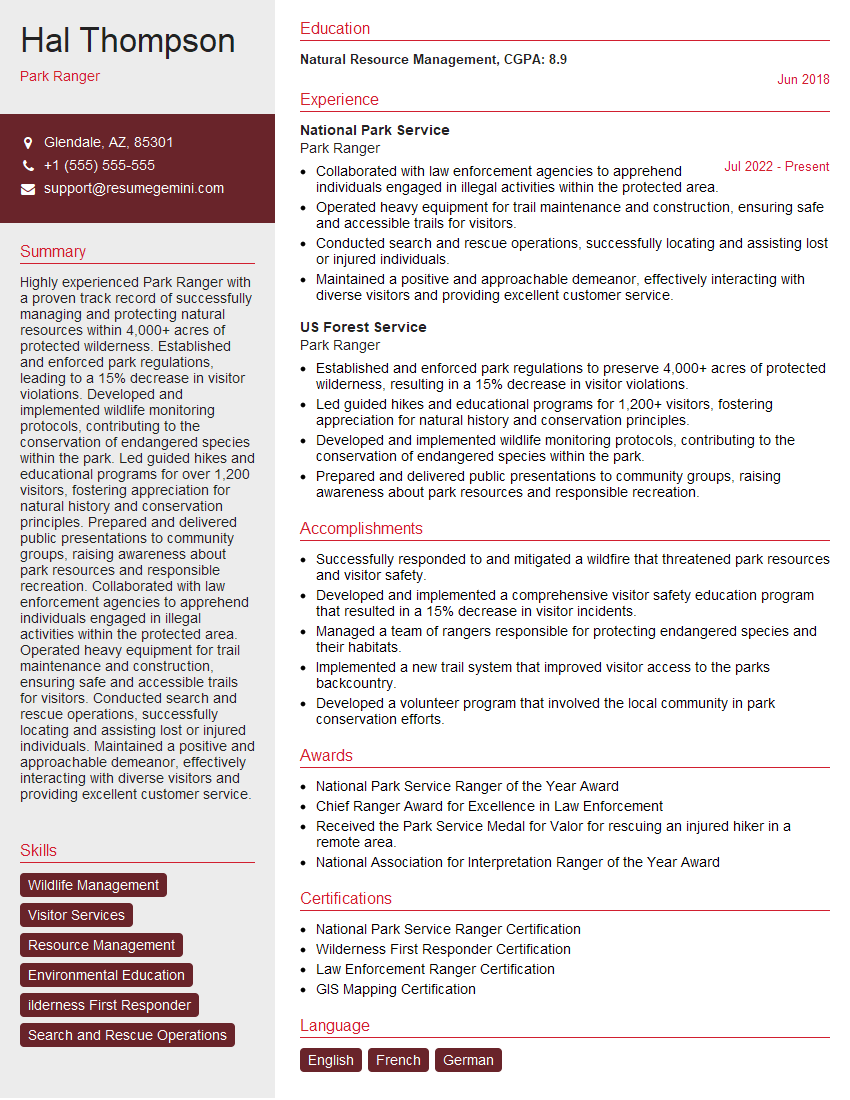
Park Ranger Resume Sample

Forest Manager Resume Sample
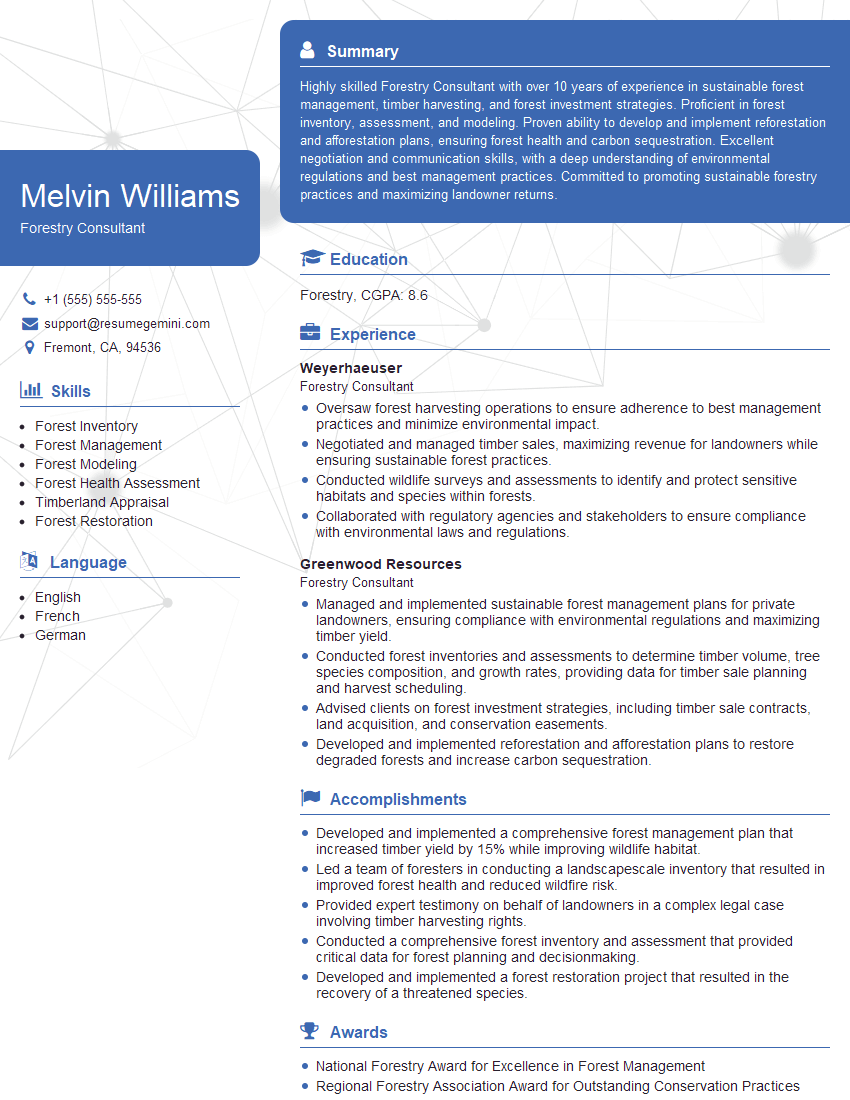
Forestry Consultant Resume Sample

Forestry Technician Resume Sample

Silviculturist Resume Sample

Urban Forester Resume Sample
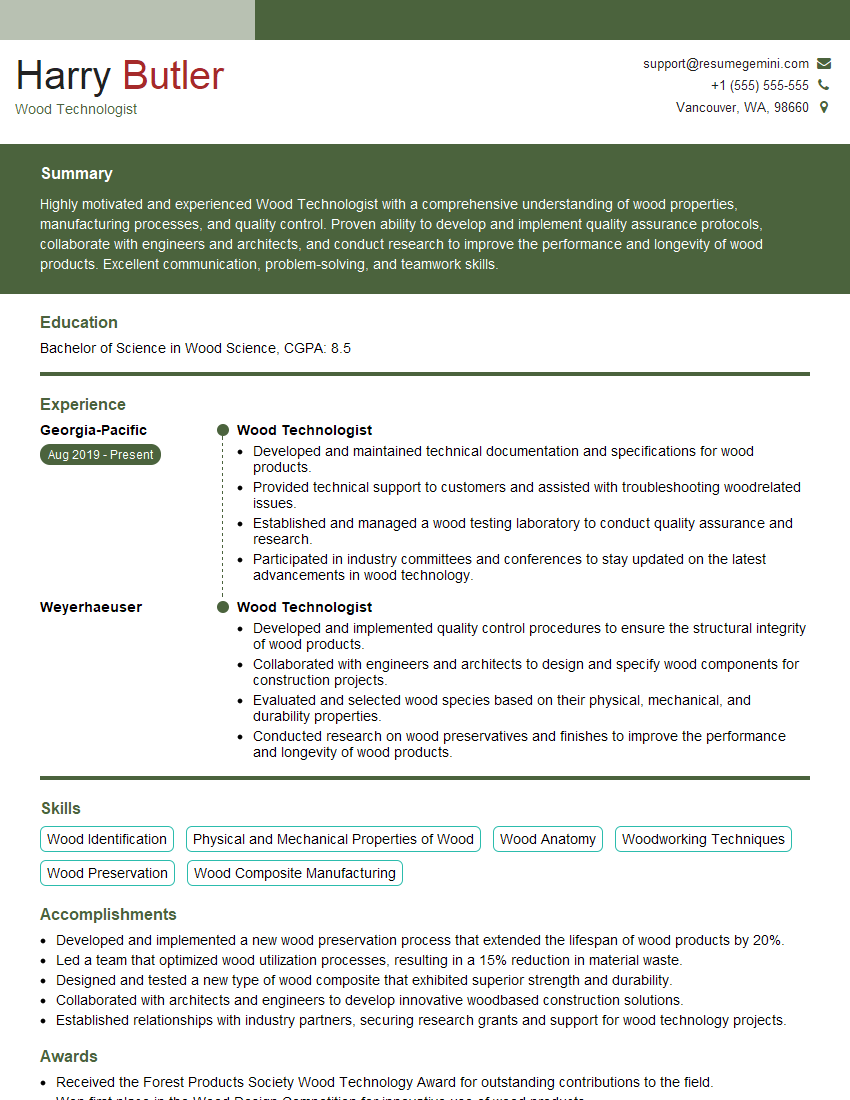
Wood Technologist Resume Sample

Conservation Officer Resume Sample

Tree Surgeon Resume Sample
Explore more articles
Users Rating of Our Blogs
Share Your Experience
We value your feedback! Please rate our content and share your thoughts (optional).
What Readers Say About Our Blog
Very informative content, great job.
good