Every successful interview starts with knowing what to expect. In this blog, we’ll take you through the top Knowledge of environmental regulations and waste disposal procedures interview questions, breaking them down with expert tips to help you deliver impactful answers. Step into your next interview fully prepared and ready to succeed.
Questions Asked in Knowledge of environmental regulations and waste disposal procedures Interview
Q 1. Describe your experience with EPA regulations.
My experience with EPA regulations spans over a decade, encompassing various aspects of environmental compliance. I’ve worked extensively with regulations such as the Resource Conservation and Recovery Act (RCRA), the Clean Water Act (CWA), and the Clean Air Act (CAA). This involved not only understanding the specific requirements of these acts but also interpreting their implications for different industries and waste streams. For example, I’ve directly assisted companies in obtaining and maintaining their RCRA permits, ensuring proper hazardous waste manifest tracking and handling, and implementing corrective actions when discrepancies arose. I’ve also been involved in numerous compliance audits, both internal and external, helping companies identify potential violations and develop remediation plans. This includes familiarity with EPA’s enforcement actions and the process of negotiating compliance agreements.
A specific example involved a manufacturing client who was facing potential penalties for improper storage of hazardous waste. By thoroughly reviewing their operations and applying my knowledge of RCRA regulations, we identified the root cause of the problem, implemented corrective actions, and successfully negotiated a consent order with the EPA, avoiding significant financial repercussions.
Q 2. Explain the process of hazardous waste disposal.
Hazardous waste disposal is a complex, multi-step process governed by stringent regulations. It begins with waste characterization – identifying the hazardous properties of the waste (e.g., ignitability, corrosivity, reactivity, toxicity) using EPA-approved methods. This determination dictates the appropriate disposal pathway. Next, the waste is segregated and packaged according to specific criteria, often involving container labeling and manifest documentation. Then, it’s transported by licensed haulers to a permitted treatment, storage, and disposal facility (TSDF). The TSDF performs the appropriate treatment (incineration, chemical neutralization, etc.) and ultimately disposes of the waste in a manner compliant with environmental regulations. Throughout this process, meticulous record-keeping is crucial, including manifests tracking the waste from cradle to grave, ensuring accountability and transparency. Non-compliance can lead to severe penalties.
Imagine a hospital disposing of medical waste. The waste undergoes characterization to identify infectious materials, then it’s properly packaged in sealed containers, labeled with biohazard symbols, and transported by a licensed medical waste hauler to a facility equipped to handle such materials safely. The facility may incinerate or sterilize the waste before final disposal in a landfill designed for such hazardous materials.
Q 3. What are the key differences between solid and hazardous waste?
The key difference between solid and hazardous waste lies in their potential to harm human health or the environment. Solid waste encompasses everyday trash such as food scraps, paper, and plastics, which, while requiring proper management, doesn’t necessarily pose significant immediate environmental threats. Hazardous waste, on the other hand, exhibits one or more characteristics that make it dangerous, like toxicity, flammability, or corrosiveness. This necessitates specialized handling and disposal methods to prevent environmental contamination and health risks.
Think of a discarded plastic bottle versus a used battery. The plastic bottle is solid waste, needing proper recycling or landfill disposal. The battery, however, is hazardous waste due to its corrosive and potentially toxic components, requiring specialized handling and disposal at a designated facility.
Q 4. How do you ensure compliance with environmental permits?
Ensuring compliance with environmental permits requires a proactive and comprehensive approach. This involves a thorough understanding of the permit’s conditions, regular monitoring of operations to ensure adherence to these conditions, and meticulous record-keeping. Regular internal audits help identify potential compliance gaps. Furthermore, employee training on environmental regulations and permit requirements is crucial. Finally, engaging in open communication with regulatory agencies facilitates prompt resolution of any identified issues, often preventing escalated enforcement actions.
For instance, a company with a wastewater discharge permit needs to regularly monitor and record effluent parameters (pH, temperature, pollutants) and submit reports to the regulatory agency as stipulated in the permit. Any deviation requires immediate investigation and corrective action, followed by detailed documentation.
Q 5. Describe your experience with waste audits and reporting.
My experience with waste audits and reporting involves conducting thorough assessments of waste generation, characterization, and disposal practices. This includes physically inspecting waste streams, reviewing waste manifests, and analyzing facility data. The goal is to identify areas for improvement, reduce waste generation, and ensure compliance with regulations. Detailed reports summarize the audit findings, highlighting non-compliance issues and proposing corrective actions and waste reduction strategies. These reports often include recommendations for improved waste management practices, recycling programs, and cost savings.
In one case, an audit revealed that a manufacturing facility was improperly classifying some wastes as non-hazardous, potentially leading to violations. Our report provided detailed recommendations for better waste characterization protocols and revised waste handling procedures, resulting in improved compliance and cost savings through reduced disposal fees.
Q 6. What are your strategies for waste reduction and recycling?
My strategies for waste reduction and recycling involve a multi-pronged approach, focusing on source reduction, reuse, recycling, and responsible disposal. Source reduction prioritizes minimizing waste generation at its source, such as employing lean manufacturing principles and optimizing product design. Reuse involves finding alternative applications for materials before disposal. Recycling leverages established programs and explores innovative recycling technologies. Finally, responsible disposal ensures that unavoidable waste is managed in an environmentally sound manner.
For example, in a food processing plant, source reduction could involve minimizing packaging materials, using efficient processes to reduce food waste, and implementing a composting program for organic waste. Recycling programs for cardboard, plastics, and metals would further reduce landfill waste.
Q 7. Explain the concept of cradle-to-grave waste management.
Cradle-to-grave waste management encompasses the entire lifecycle of a product or material, from its creation (cradle) to its final disposal (grave). This holistic approach considers the environmental impacts at every stage, from raw material extraction and manufacturing to product use and end-of-life management. It emphasizes minimizing waste at every stage, promoting resource efficiency, and selecting environmentally sound disposal methods. The goal is to reduce the overall environmental footprint and promote sustainability.
Consider a plastic bottle. Cradle-to-grave management would include evaluating the environmental impact of petroleum extraction for plastic production, the manufacturing process, the transportation and distribution of the product, its use and subsequent recycling or disposal. A truly sustainable approach would involve minimizing petroleum use, exploring biodegradable alternatives, and implementing robust recycling programs to ensure minimal environmental burden at each stage of the bottle’s life.
Q 8. How do you handle spills and environmental emergencies?
Handling spills and environmental emergencies requires a swift, coordinated response based on a pre-defined emergency plan. The first step is always safety – ensuring the well-being of personnel and preventing further harm. This involves immediate containment of the spill to prevent its spread, using appropriate absorbent materials and potentially creating a physical barrier. Simultaneously, we must accurately assess the nature and extent of the spill to determine the type and quantity of the released substance. This crucial step guides the selection of appropriate cleanup methods and informs regulatory reporting requirements.
Next, we implement our established emergency procedures. This includes notifying relevant authorities (e.g., the Environmental Protection Agency, local emergency services, and potentially the relevant transport authorities depending on the substance involved) according to legally mandated reporting timelines. Detailed documentation of the entire process—from initial response to post-incident cleanup and environmental monitoring—is crucial for compliance and future prevention. We would utilize specialized equipment depending on the substance, perhaps vacuums for liquids, excavators for solids, or specialized neutralization agents for hazardous chemicals.
For example, in a previous role, we had a significant chemical spill at a manufacturing plant. Following our emergency plan, we immediately deployed spill containment booms, evacuated the area, and initiated cleanup with specialized teams and equipment. Post-incident, we conducted thorough soil and water testing to monitor for contamination and provided a comprehensive report to regulatory agencies, demonstrating compliance and outlining preventative measures to reduce future risks.
Q 9. What are your experiences with different types of waste treatment technologies?
My experience encompasses a range of waste treatment technologies, each with its own strengths and limitations. For example, I’m well-versed in biological treatment methods like aerobic and anaerobic digestion for organic waste. Aerobic digestion utilizes oxygen to break down organic matter, while anaerobic digestion occurs without oxygen, producing biogas as a byproduct. This biogas can be captured and used for energy generation, offering a sustainable aspect.
Physical treatment methods, such as filtration, sedimentation, and centrifugation, are also part of my expertise. These techniques are often used as pre-treatment steps to remove solids and improve the efficiency of subsequent biological or chemical processes. Chemical treatment methods like neutralization, oxidation, and precipitation are used to remove or transform harmful substances into less hazardous forms. I’ve worked with incineration for hazardous waste, understanding the stringent regulations and environmental controls involved. I also have experience with landfilling, a final disposal option, though it’s utilized only when other, more sustainable treatments are not feasible.
The selection of the most appropriate treatment technology depends on a number of factors, including the type and quantity of waste, the level of hazard, the available resources, and the specific environmental regulations applicable to the project or site. A detailed waste characterization is always the first step in selecting the best treatment approach.
Q 10. Describe your knowledge of air quality regulations.
My knowledge of air quality regulations is extensive, encompassing both federal and state-level legislation. The Clean Air Act (CAA) in the United States is the primary federal law governing air pollution. It sets National Ambient Air Quality Standards (NAAQS) for criteria pollutants, such as ozone, particulate matter, carbon monoxide, sulfur dioxide, nitrogen dioxide, and lead. These standards define acceptable limits for these pollutants in the ambient air.
The CAA also establishes a permitting program for major stationary sources of air pollution, requiring facilities to obtain permits that outline emission limits and control technologies. I understand the complexities of emissions monitoring, record-keeping, and reporting requirements. Beyond the CAA, state-level regulations may implement stricter emission limits or specific control measures to address regional air quality concerns. For example, certain areas with persistent air quality challenges might have stricter limits on vehicular emissions or industrial activity. I’m familiar with the various technologies for air pollution control, such as scrubbers, filters, and catalytic converters, along with their effectiveness in reducing specific pollutants.
A strong understanding of the CAA, state-specific regulations, and relevant technological solutions is crucial for ensuring compliance and minimizing a facility’s environmental footprint.
Q 11. Explain your understanding of water pollution control regulations.
Water pollution control is governed by a complex interplay of federal and state regulations. The Clean Water Act (CWA) is the cornerstone of federal water pollution control in the U.S., focusing on the discharge of pollutants into navigable waters. The CWA establishes the National Pollutant Discharge Elimination System (NPDES), which mandates permits for any point source discharge of pollutants.
These permits specify allowable pollutant limits and require regular monitoring and reporting. Beyond point source discharges, the CWA addresses non-point source pollution, such as runoff from agricultural lands or urban areas, through a variety of best management practices (BMPs). I am familiar with the various water quality parameters regulated under the CWA, including biological oxygen demand (BOD), chemical oxygen demand (COD), suspended solids, nutrients (nitrogen and phosphorus), and heavy metals. My expertise extends to understanding and implementing various wastewater treatment technologies—from primary, secondary, and tertiary treatment methods—to meet CWA requirements.
Furthermore, I am aware of the various state-level regulations that often provide more stringent requirements based on local water quality conditions. This often involves understanding and working with Total Maximum Daily Loads (TMDLs), which set limits on the total amount of pollutants that a water body can receive while still meeting water quality standards.
Q 12. How familiar are you with environmental impact assessments?
Environmental Impact Assessments (EIAs) are crucial tools for evaluating the potential environmental consequences of proposed projects. My familiarity with EIAs extends to all stages, from scoping and baseline data collection to impact prediction, mitigation planning, and monitoring. I understand the importance of considering direct, indirect, and cumulative impacts. A thorough EIA requires a robust understanding of relevant environmental regulations and best practices.
I have experience in conducting EIAs for various projects, ranging from industrial facilities to infrastructure development. This involves utilizing various modeling techniques and data analysis to predict potential impacts on air, water, and soil quality, as well as on biodiversity and human health. The process typically involves stakeholder engagement to incorporate various perspectives and concerns. The ultimate goal of an EIA is to inform decision-making, ensuring projects proceed in an environmentally responsible manner by identifying potential negative impacts and proposing mitigation strategies.
For example, in a previous project, we conducted an EIA for a proposed highway expansion. We meticulously assessed potential impacts on wetlands, wildlife habitat, and air quality, using specialized software to model traffic patterns and air pollution dispersion. Based on our findings, we developed a mitigation plan that included habitat restoration, noise barriers, and alternative transportation options.
Q 13. What are your strategies for minimizing environmental impact?
My strategies for minimizing environmental impact are multifaceted and integrated into every aspect of project planning and execution. They are based on the principles of waste reduction, reuse, and recycling, pollution prevention, and conservation of natural resources. A proactive approach is key.
This includes implementing robust waste management programs to minimize waste generation and maximize recycling and reuse. We employ pollution prevention techniques throughout the production process to reduce emissions and discharges. Investing in energy-efficient technologies and promoting the use of renewable energy sources are also critical.
Furthermore, we emphasize sustainable procurement practices, selecting environmentally preferable products and materials whenever feasible. We continuously monitor our environmental performance, tracking key indicators to identify areas for improvement and measure the effectiveness of our implemented strategies. This ongoing monitoring informs future adjustments and refinement of our approach. A crucial aspect is continuous training and awareness among employees, emphasizing the importance of environmental responsibility and sustainable practices.
For instance, in one project, we implemented a closed-loop water recycling system, significantly reducing water consumption and wastewater discharge. This not only minimized environmental impact but also reduced operational costs.
Q 14. Describe your experience with environmental monitoring and sampling.
Environmental monitoring and sampling are essential for ensuring compliance with environmental regulations and assessing the effectiveness of environmental management strategies. My experience encompasses a wide range of monitoring and sampling techniques, tailored to specific environmental media (air, water, soil) and pollutants.
This includes collecting samples using appropriate methods and equipment, ensuring sample integrity and chain of custody. We utilize laboratory analysis to determine the concentration of various pollutants, followed by a thorough data analysis to interpret the findings and make informed decisions. This often includes the use of specialized software and statistical tools to analyze trends and patterns. Regular reporting of monitoring data is crucial for regulatory compliance and demonstrating responsible environmental stewardship.
I have extensive experience using different sampling techniques, from grab sampling to continuous monitoring using automated sensors and data loggers. The selection of specific techniques is dependent on the type of pollutant, matrix, and sampling objective. We adhere to strict quality assurance and quality control (QA/QC) protocols throughout the entire process to ensure data accuracy and reliability. For example, in a project assessing groundwater contamination, we employed a rigorous sampling protocol involving multiple wells and replicate samples to obtain statistically robust data. This helped determine the extent of contamination and inform remediation strategies.
Q 15. How do you stay updated on changes in environmental regulations?
Staying current with environmental regulations requires a multi-faceted approach. I leverage several key strategies. Firstly, I subscribe to reputable newsletters and journals like those published by the Environmental Protection Agency (EPA) and relevant professional organizations. These publications provide updates on legislative changes, policy shifts, and emerging environmental concerns. Secondly, I actively participate in professional development webinars and conferences. These events offer insights from leading experts and allow networking with peers, fostering knowledge exchange. Finally, I use online resources such as government agency websites and legal databases to access the most up-to-date regulatory texts and case law. For example, regularly checking the EPA’s website for updates on the Clean Air Act or the Resource Conservation and Recovery Act is crucial. This combined approach ensures I’m always abreast of evolving regulatory landscapes.
Career Expert Tips:
- Ace those interviews! Prepare effectively by reviewing the Top 50 Most Common Interview Questions on ResumeGemini.
- Navigate your job search with confidence! Explore a wide range of Career Tips on ResumeGemini. Learn about common challenges and recommendations to overcome them.
- Craft the perfect resume! Master the Art of Resume Writing with ResumeGemini’s guide. Showcase your unique qualifications and achievements effectively.
- Don’t miss out on holiday savings! Build your dream resume with ResumeGemini’s ATS optimized templates.
Q 16. What is your experience with waste segregation and sorting?
My experience with waste segregation and sorting is extensive. In my previous role at [Previous Company Name], I was responsible for overseeing a comprehensive waste management program. This included designing and implementing a multi-stream sorting system for both pre- and post-consumer waste. We categorized waste into recyclables (paper, plastic, glass, metal), compostables (food scraps, yard waste), hazardous waste (batteries, e-waste), and general landfill waste. This required training staff on proper sorting procedures, using visual aids and clear labeling systems. We also utilized specialized sorting equipment, including automated sorters for materials recovery facilities (MRFs). Tracking the volume of waste streams was critical for identifying areas for improvement and meeting our company’s sustainability goals. Successful implementation involved continuous monitoring, regular audits, and addressing any challenges that arose in real time. For instance, we encountered issues with contamination in our recycling streams. This was addressed by refining our training and adding clearer signage, significantly increasing our recycling rates.
Q 17. Explain your understanding of lifecycle assessment (LCA).
Lifecycle Assessment (LCA) is a comprehensive method for evaluating the environmental impacts of a product or service throughout its entire life cycle. This includes extraction of raw materials, manufacturing, transportation, use, and disposal or recycling. An LCA considers a wide range of environmental impacts, such as greenhouse gas emissions, water and energy consumption, and waste generation. Think of it as a cradle-to-grave analysis. For example, an LCA of a plastic water bottle would examine the environmental burden associated with oil extraction, plastic manufacturing, bottling, transportation to retail, consumer use, and finally, disposal in a landfill or recycling facility. The results of an LCA are usually presented as a series of environmental impact indicators, enabling a comparison of different product or service options. It’s a valuable tool for making informed decisions on sustainable practices and designing more eco-friendly products.
Q 18. How would you handle a non-compliant waste disposal operation?
Handling a non-compliant waste disposal operation requires a systematic and cautious approach. First, I would immediately cease any activity potentially violating regulations. Next, I’d conduct a thorough investigation to ascertain the nature and extent of the non-compliance. This would involve reviewing all relevant documentation, including permits, manifests, and operational records. Then, I’d identify the root cause of the non-compliance. Was it due to insufficient training, equipment malfunction, or intentional disregard for regulations? Depending on the severity and nature of the violation, I would involve the appropriate regulatory authorities, such as the EPA or state environmental agency. This would likely involve preparing a detailed report outlining the incident, corrective actions, and preventative measures to ensure future compliance. If the non-compliance poses an immediate environmental hazard, such as a chemical spill, emergency response protocols would be activated. Finally, corrective actions would be implemented and meticulously documented to prevent future occurrences, perhaps including employee retraining or upgrading equipment.
Q 19. Describe your experience with different waste disposal methods (landfill, incineration, etc.).
My experience encompasses several waste disposal methods. Landfilling, while still common, is increasingly recognized for its limitations, particularly regarding leachate generation and greenhouse gas emissions. I’ve overseen operations where proper landfill liners and leachate collection systems were critical to minimize environmental impact. Incineration, on the other hand, offers waste volume reduction and potential energy recovery through waste-to-energy facilities. However, it’s crucial to carefully manage emissions to prevent air pollution. I’ve worked on projects evaluating the efficiency of different incineration technologies and their compliance with air quality standards. Recycling and composting are preferable alternatives whenever feasible, maximizing resource recovery and reducing landfill burden. I have extensive experience in designing and implementing recycling programs, including source separation and materials recovery facilities (MRFs), and understand the crucial role of proper material sorting and contamination control. Finally, I’m familiar with more specialized methods, such as hazardous waste treatment and disposal, which requires strict adherence to safety protocols and environmental regulations.
Q 20. What is your understanding of the Resource Conservation and Recovery Act (RCRA)?
The Resource Conservation and Recovery Act (RCRA) is a cornerstone of US environmental law governing the generation, transportation, treatment, storage, and disposal of hazardous and non-hazardous waste. It establishes a framework for managing waste from its origin to its final destination. RCRA’s key features include a comprehensive permitting system for hazardous waste facilities, detailed record-keeping requirements (for example, waste manifests to track waste movement), and stringent standards for facility design and operation to minimize environmental risks. It also addresses the management of underground storage tanks, which can leak contaminants into soil and groundwater. My understanding of RCRA encompasses its various Subtitle C (hazardous waste) and Subtitle D (non-hazardous waste) provisions. Understanding these regulations is paramount in ensuring compliance and protecting human health and the environment. For instance, knowledge of hazardous waste identification and classification is essential for proper management, including proper labeling and transportation protocols.
Q 21. Explain your knowledge of the Clean Water Act (CWA).
The Clean Water Act (CWA) is a landmark US environmental law focused on regulating water pollution. It aims to restore and maintain the chemical, physical, and biological integrity of the nation’s waters. The CWA establishes water quality standards, regulates pollutant discharges (including point source and non-point source pollution), and provides for the establishment of National Pollutant Discharge Elimination System (NPDES) permits for industrial and municipal dischargers. Understanding the CWA is vital for managing wastewater treatment plants, industrial discharge permits, and preventing contamination of waterways. I’m familiar with the various sections of the CWA, including its provisions on water quality criteria, effluent limitations, and non-point source control. For example, I understand the significance of Total Maximum Daily Loads (TMDLs) in setting limits on pollutants to meet water quality standards. This knowledge allows me to evaluate and mitigate potential water pollution risks and ensure compliance with all applicable regulations.
Q 22. Describe your experience with environmental management systems (EMS) such as ISO 14001.
My experience with Environmental Management Systems (EMS), specifically ISO 14001, is extensive. ISO 14001 provides a framework for establishing, implementing, maintaining, and continually improving an environmental management system. I’ve been involved in the full lifecycle, from initial gap analysis and the development of an EMS, to implementation, internal audits, management reviews, and ultimately, certification.
For example, at my previous role at [Company Name], I led the implementation of ISO 14001. This involved conducting a thorough environmental impact assessment, identifying significant environmental aspects, and establishing measurable objectives and targets for reducing our environmental footprint. We developed procedures for waste management, energy consumption, and emissions control. The process included employee training, regular monitoring, and corrective actions to address any non-conformances. Successfully achieving ISO 14001 certification demonstrated our commitment to environmental responsibility and improved our operational efficiency.
In another project, I assisted a manufacturing company in integrating their existing environmental practices into a formal ISO 14001 compliant system. This involved streamlining their existing processes, documenting procedures, and ensuring consistent record-keeping to meet the stringent requirements of the standard.
Q 23. How do you prioritize environmental concerns with operational needs?
Prioritizing environmental concerns alongside operational needs requires a balanced approach. It’s not about choosing one over the other, but rather integrating environmental considerations into every aspect of the operation. I utilize a risk-based approach, assessing potential environmental impacts and prioritizing those with the highest potential risks. This involves considering factors like the likelihood of an incident and its potential severity.
For instance, if a manufacturing process has a high risk of releasing pollutants, mitigating that risk would be a top priority, even if it involves some short-term operational adjustments. This might involve investing in better pollution control technology or modifying the production process. Cost-benefit analysis is also key. While environmental improvements often involve upfront investment, the long-term benefits—such as reduced regulatory fines, improved brand reputation, and enhanced operational efficiency—frequently outweigh the costs. I find using a weighted scoring system, where both environmental and operational factors are assigned weights based on their importance, incredibly helpful in this process.
Q 24. What are the key challenges in managing environmental compliance?
Managing environmental compliance presents several key challenges. One significant hurdle is the ever-evolving regulatory landscape. Environmental regulations are constantly updated, and keeping up with these changes requires ongoing monitoring and adaptation. Another challenge is the complexity of environmental regulations themselves. Regulations often involve multiple layers, varying by jurisdiction and industry, making compliance a complex and sometimes confusing task.
- Keeping up with regulatory changes: This requires continuous monitoring of updates from relevant agencies and proactive engagement with regulatory bodies.
- Data management: Accurate and reliable data is crucial for demonstrating compliance. Collecting, managing, and analyzing environmental data can be resource-intensive.
- Technological advancements: Implementing new technologies to improve environmental performance can be costly and require significant expertise.
- Stakeholder engagement: Effective communication and collaboration with employees, communities, and regulatory bodies are critical for successful compliance.
For example, a sudden change in air quality regulations in a specific region might necessitate immediate adjustments to production processes, requiring retraining of staff and investment in new equipment. A robust and proactive compliance program is essential to mitigate these challenges.
Q 25. How do you communicate environmental regulations to non-technical audiences?
Communicating complex environmental regulations to non-technical audiences requires clear, concise, and relatable language. Instead of relying on technical jargon, I focus on explaining the ‘why’ behind the regulations, connecting them to the broader societal benefits. I often use analogies and real-world examples to make the information easier to grasp.
For example, when explaining water quality regulations, I might compare the impact of pollution on a river to the impact of littering on a park. Everyone understands that littering is undesirable, and the analogy helps them connect with the broader implications of water pollution. Visual aids like infographics and short videos are also very effective tools in simplifying complex information. Furthermore, interactive sessions and Q&A formats encourage active participation and better understanding.
Q 26. Explain your experience with environmental remediation projects.
My experience with environmental remediation projects encompasses several areas. I’ve been involved in projects ranging from soil remediation following industrial contamination to the cleanup of hazardous waste sites. These projects involve a multi-stage approach, beginning with a thorough site assessment to identify the nature and extent of contamination.
A significant project involved the remediation of a former industrial site contaminated with heavy metals. This entailed:
- Site characterization: Detailed sampling and analysis to define the extent of contamination.
- Remediation strategy development: Choosing the most appropriate remediation technology based on cost-effectiveness and environmental impact. In this case, we used phytoremediation, utilizing plants to absorb and remove the contaminants from the soil.
- Implementation and monitoring: Careful execution of the chosen remediation plan and continuous monitoring to ensure effectiveness.
- Regulatory compliance: Ensuring all activities adhered to relevant environmental regulations and obtaining necessary permits.
The successful completion of this project resulted in the transformation of a contaminated site into a usable space, demonstrating the positive impact of effective remediation strategies.
Q 27. What is your understanding of climate change regulations and mitigation strategies?
My understanding of climate change regulations and mitigation strategies is comprehensive. I’m familiar with international agreements like the Paris Agreement, as well as national and regional regulations aimed at reducing greenhouse gas emissions. These regulations often involve carbon pricing mechanisms, such as carbon taxes or cap-and-trade systems, and emission reduction targets for various sectors. Mitigation strategies focus on reducing greenhouse gas emissions at their source, through energy efficiency improvements, renewable energy deployment, and sustainable land management practices.
For example, the EU Emissions Trading System (ETS) is a cap-and-trade system that places a limit on the total amount of greenhouse gases that can be emitted by covered industries. Companies receive emission allowances, and those that emit less than their allowance can sell the surplus. This creates a financial incentive for companies to reduce their emissions. Similarly, many countries are implementing policies to promote renewable energy sources like solar and wind power, offering incentives such as tax credits or subsidies. These policies incentivize the transition to a low-carbon economy.
Q 28. Describe your experience with developing and implementing environmental policies.
Developing and implementing environmental policies requires a strategic and collaborative approach. I’ve been involved in creating policies covering various aspects of environmental management, including waste reduction, energy efficiency, and sustainable procurement. This process typically involves:
- Needs assessment: Identifying the organization’s environmental impacts and areas for improvement.
- Policy development: Drafting clear, concise, and measurable policies that align with regulatory requirements and organizational goals.
- Stakeholder consultation: Engaging with relevant stakeholders to ensure buy-in and effective implementation.
- Implementation: Developing procedures and guidelines to support the policy’s implementation.
- Monitoring and evaluation: Tracking progress, measuring effectiveness, and making adjustments as needed.
In one instance, I developed a comprehensive waste management policy for a large manufacturing facility. This involved implementing a waste audit, identifying opportunities for waste reduction and recycling, and establishing clear procedures for waste segregation, collection, and disposal. The policy resulted in a significant reduction in waste sent to landfills and a reduction in associated costs.
Key Topics to Learn for Knowledge of Environmental Regulations and Waste Disposal Procedures Interview
- Federal and State Environmental Regulations: Understanding the key legislation (e.g., Clean Water Act, Clean Air Act, Resource Conservation and Recovery Act (RCRA)) and their implications for waste management practices. This includes knowing permitting requirements and compliance procedures.
- Waste Characterization and Classification: Knowing how to identify and classify different types of waste (hazardous, non-hazardous, special waste) according to relevant regulations. This includes understanding the processes for waste stream analysis and its impact on disposal methods.
- Waste Minimization and Recycling Strategies: Familiarity with various techniques to reduce waste generation, such as source reduction, reuse, and recycling programs. Understanding the practical application of these strategies in different industrial settings.
- Waste Treatment and Disposal Methods: Knowledge of different waste treatment technologies (e.g., incineration, landfilling, composting) and their environmental impacts. Understanding the selection criteria for appropriate disposal methods based on waste characteristics and regulatory requirements.
- Environmental Monitoring and Reporting: Understanding the importance of environmental monitoring to ensure compliance with regulations. This includes familiarity with sampling techniques, data analysis, and reporting procedures. Knowing how to interpret monitoring data to identify potential compliance issues.
- Emergency Response and Spill Prevention: Understanding procedures for handling spills and other environmental emergencies, including containment, cleanup, and reporting requirements. This also includes knowing relevant safety protocols and emergency response plans.
- Permitting and Compliance: Understanding the process of obtaining and maintaining environmental permits. This includes knowledge of permit applications, inspections, and reporting requirements. Understanding the consequences of non-compliance.
Next Steps
Mastering knowledge of environmental regulations and waste disposal procedures is crucial for career advancement in this vital field. A strong understanding of these topics demonstrates your commitment to environmental responsibility and your ability to contribute effectively to a company’s sustainability goals. To stand out, create a compelling and ATS-friendly resume that highlights your skills and experience. ResumeGemini is a trusted resource to help you build a professional resume that showcases your qualifications effectively. Examples of resumes tailored to this specific field are available to guide you through the process. Let ResumeGemini help you craft the perfect resume to launch your career forward!
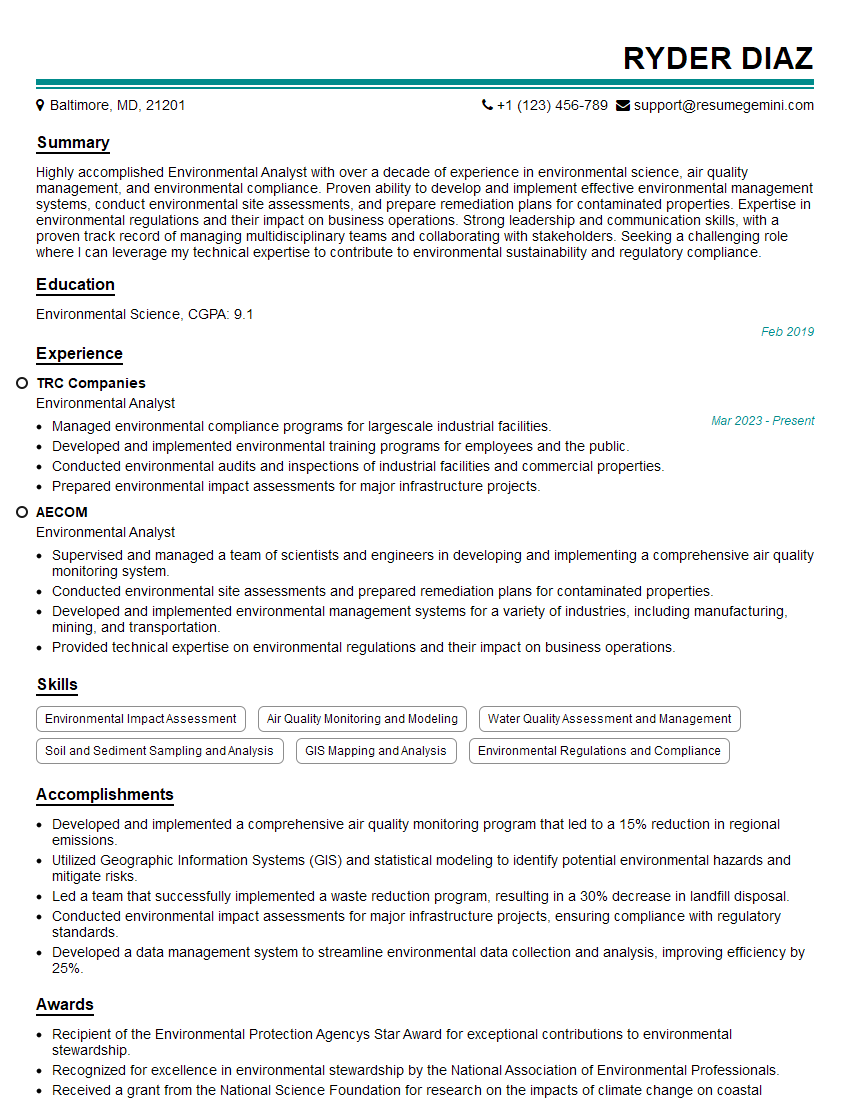
Environmental Analyst Resume Sample
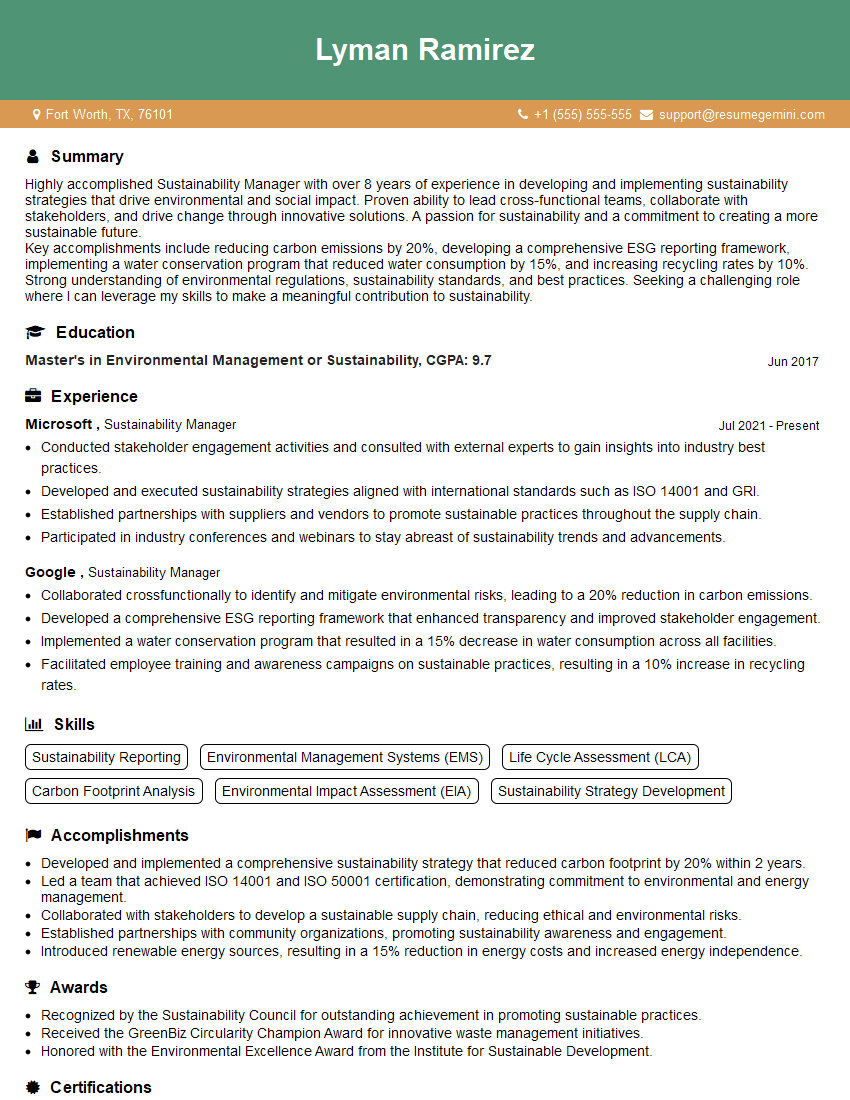
Sustainability Manager Resume Sample
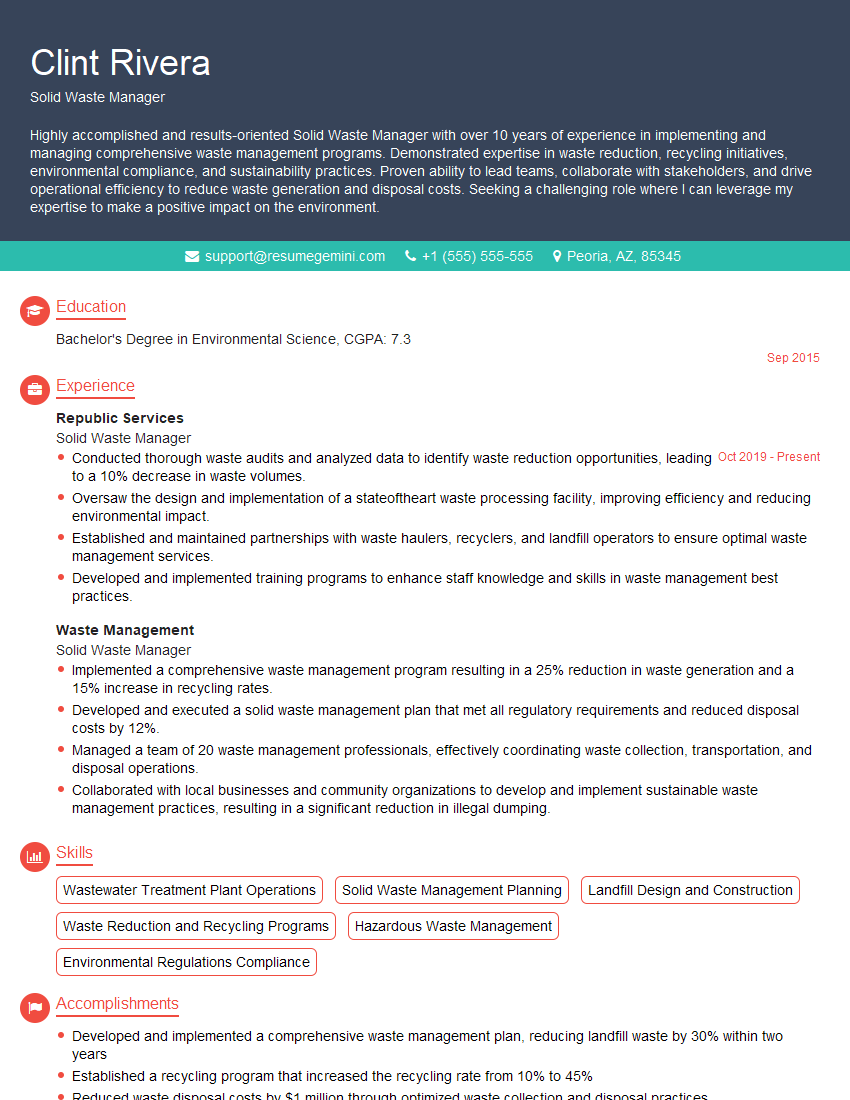
Solid Waste Manager Resume Sample
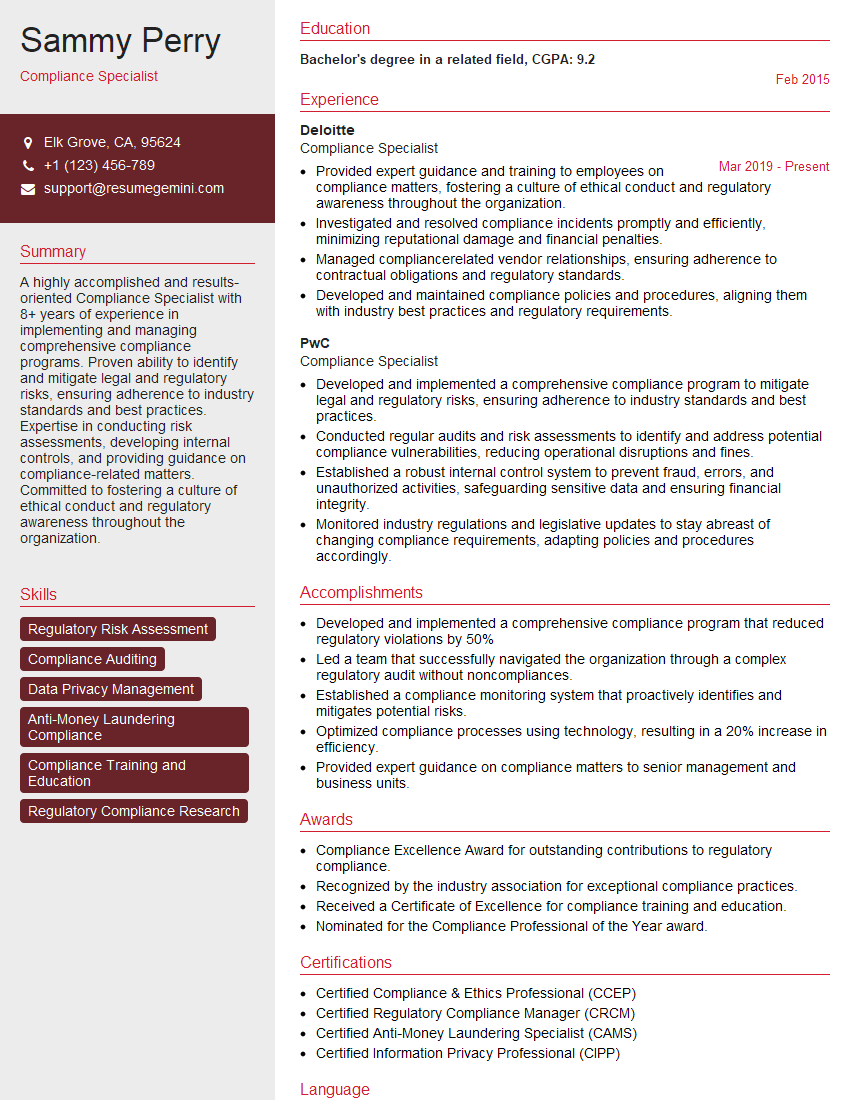
Compliance Specialist Resume Sample
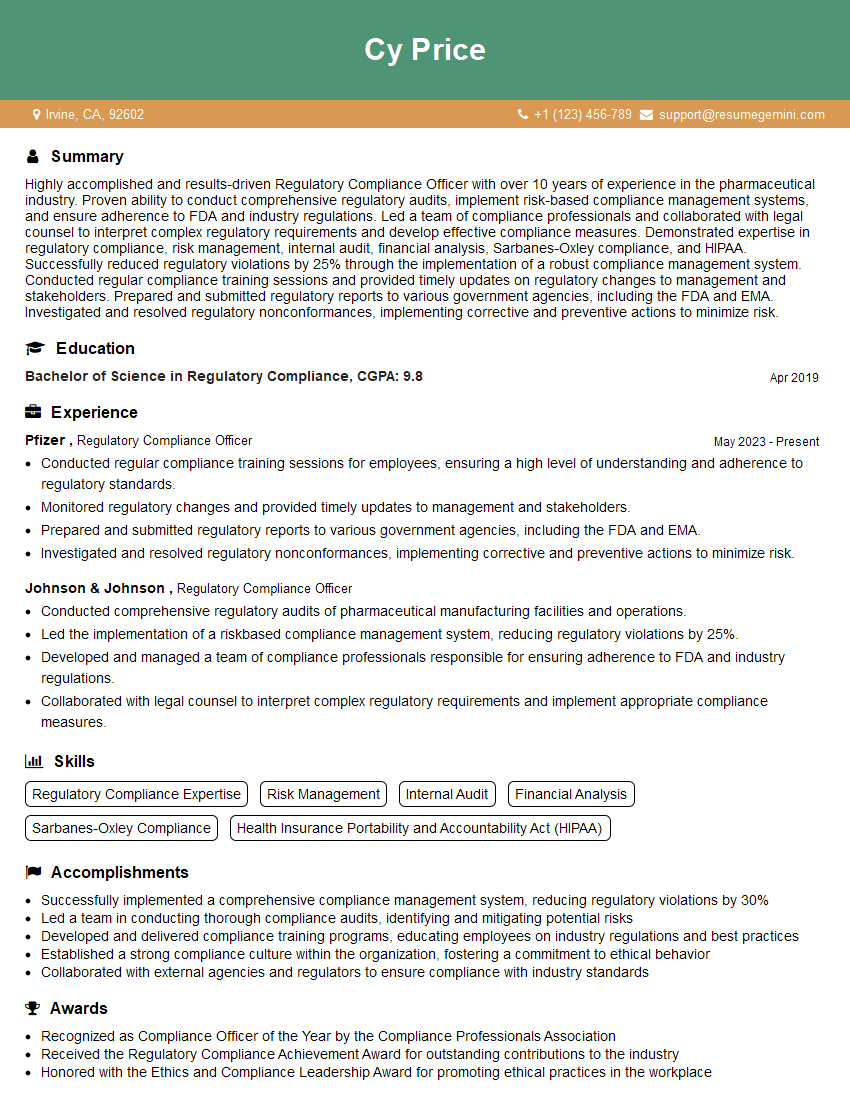
Regulatory Compliance Officer Resume Sample
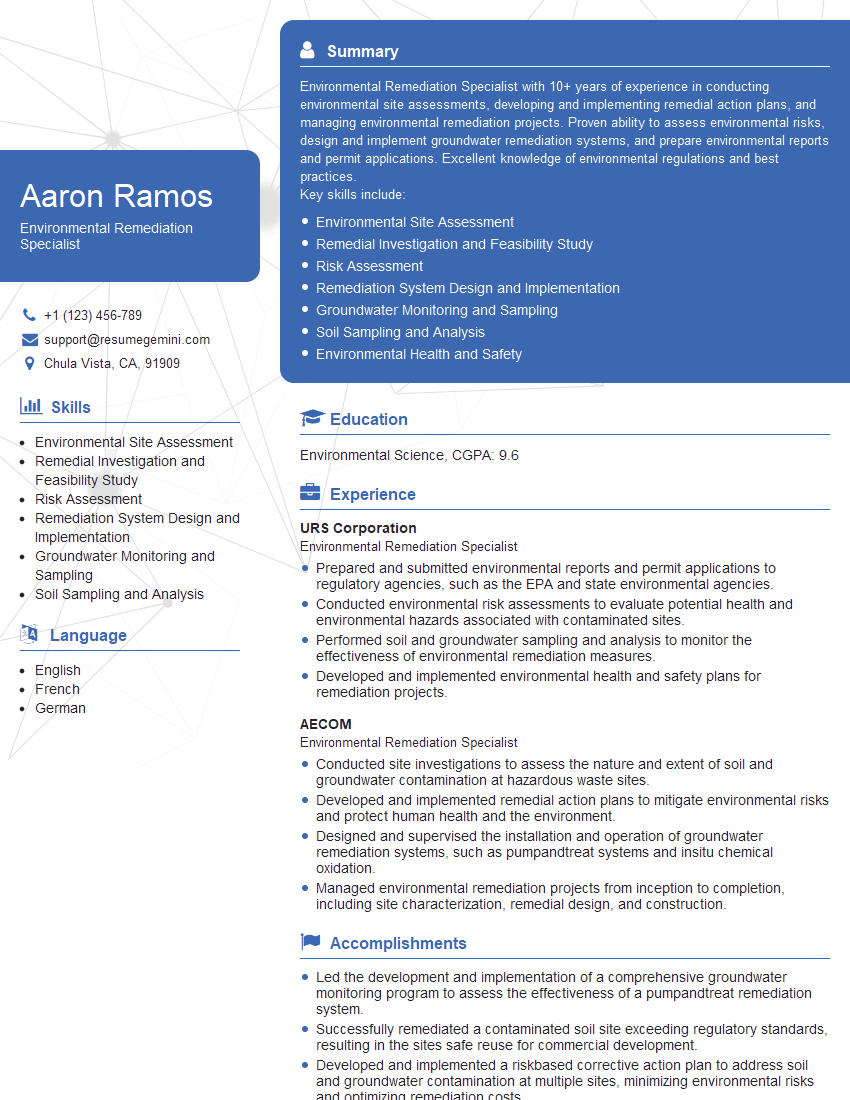
Environmental Remediation Specialist Resume Sample
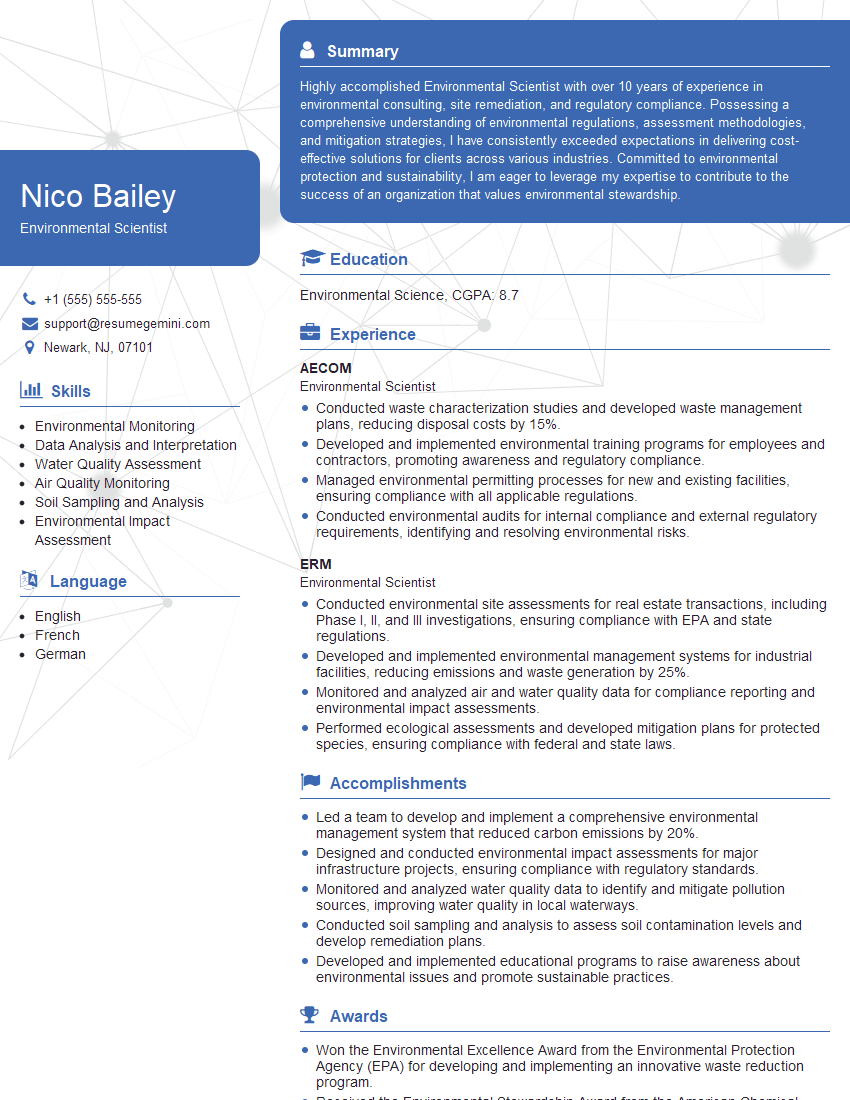
Environmental Scientist Resume Sample
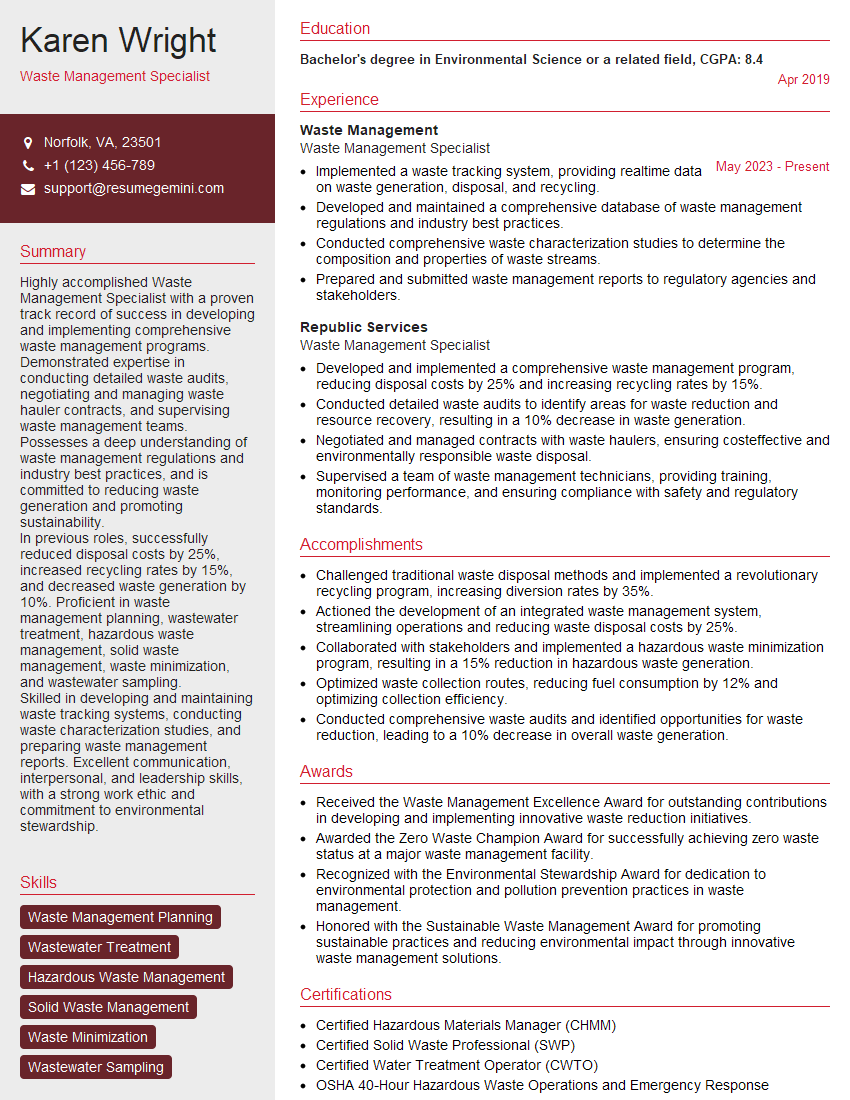
Waste Management Specialist Resume Sample

Sustainability Consultant Resume Sample
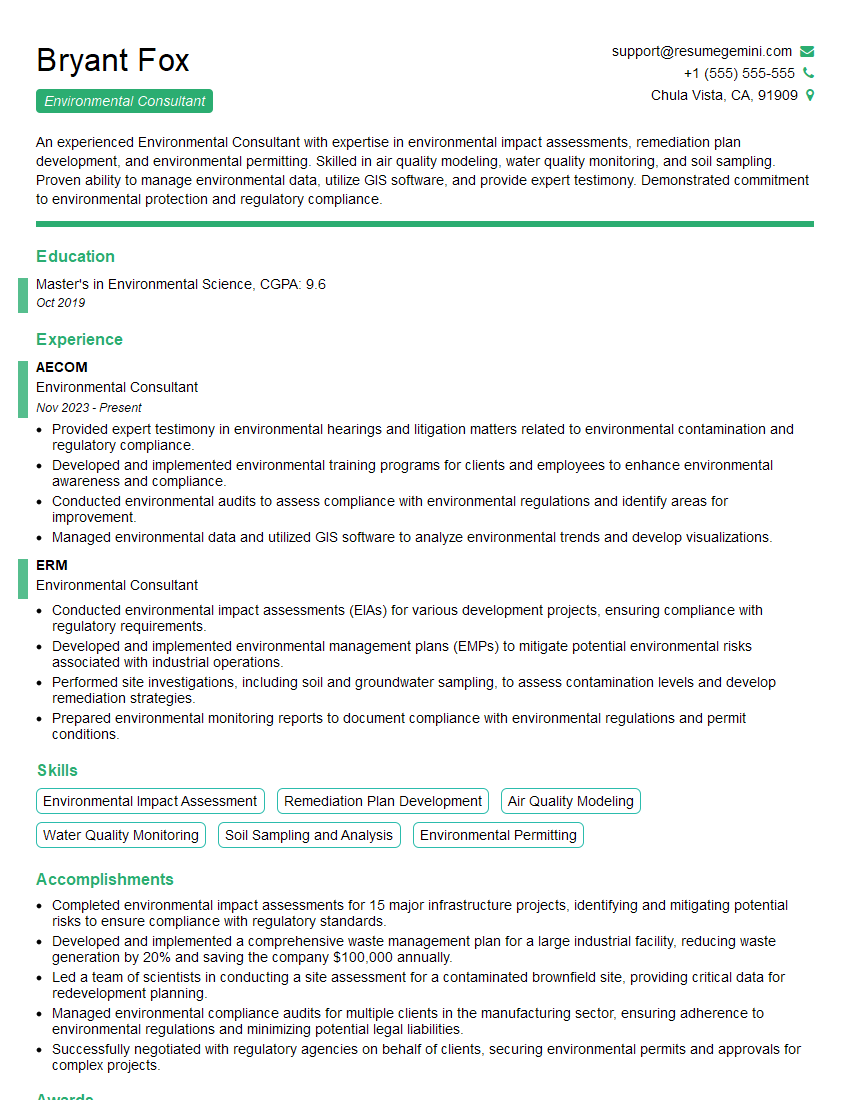
Environmental Consultant Resume Sample
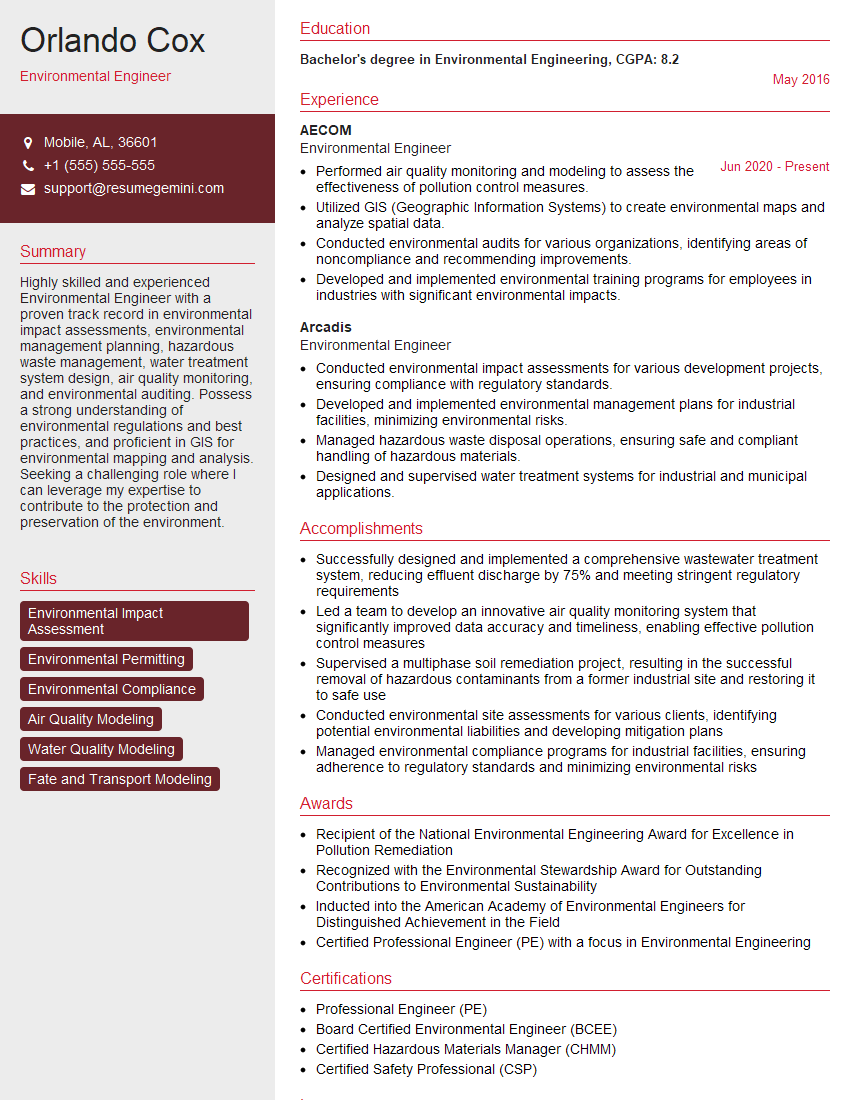
Environmental Engineer Resume Sample
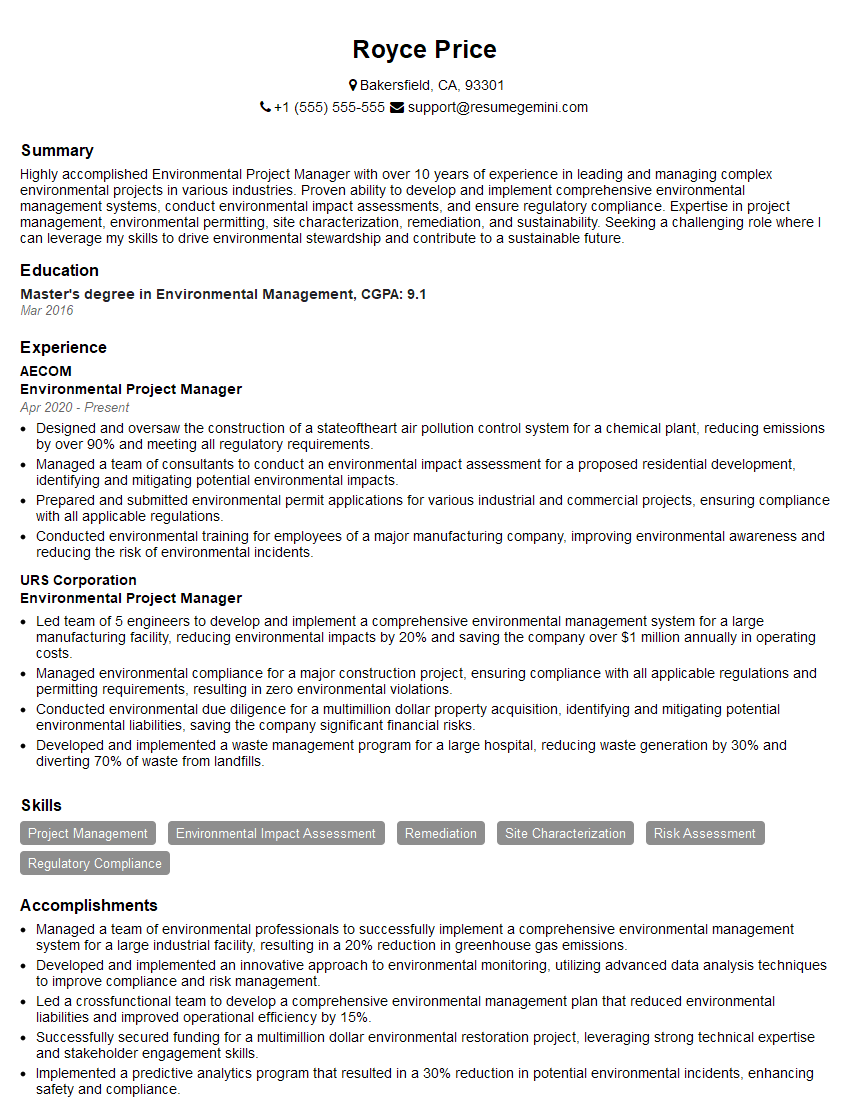
Environmental Project Manager Resume Sample
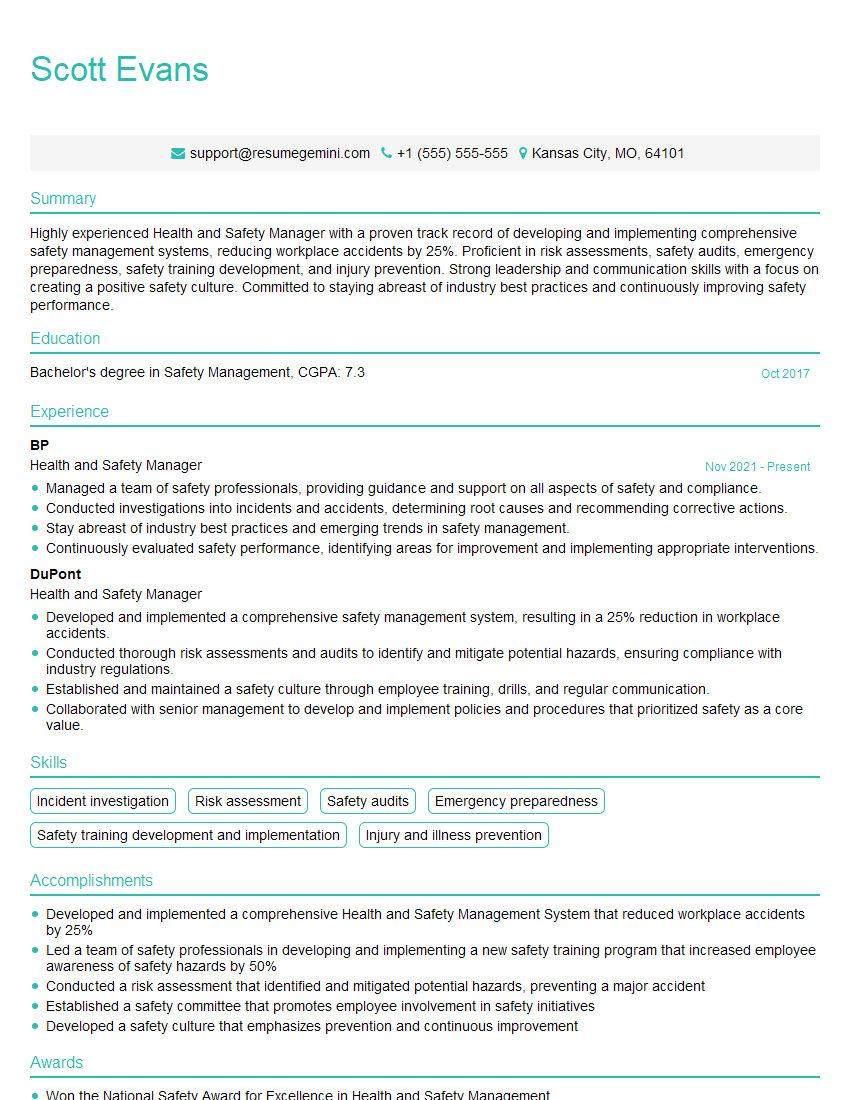
Health and Safety Manager Resume Sample
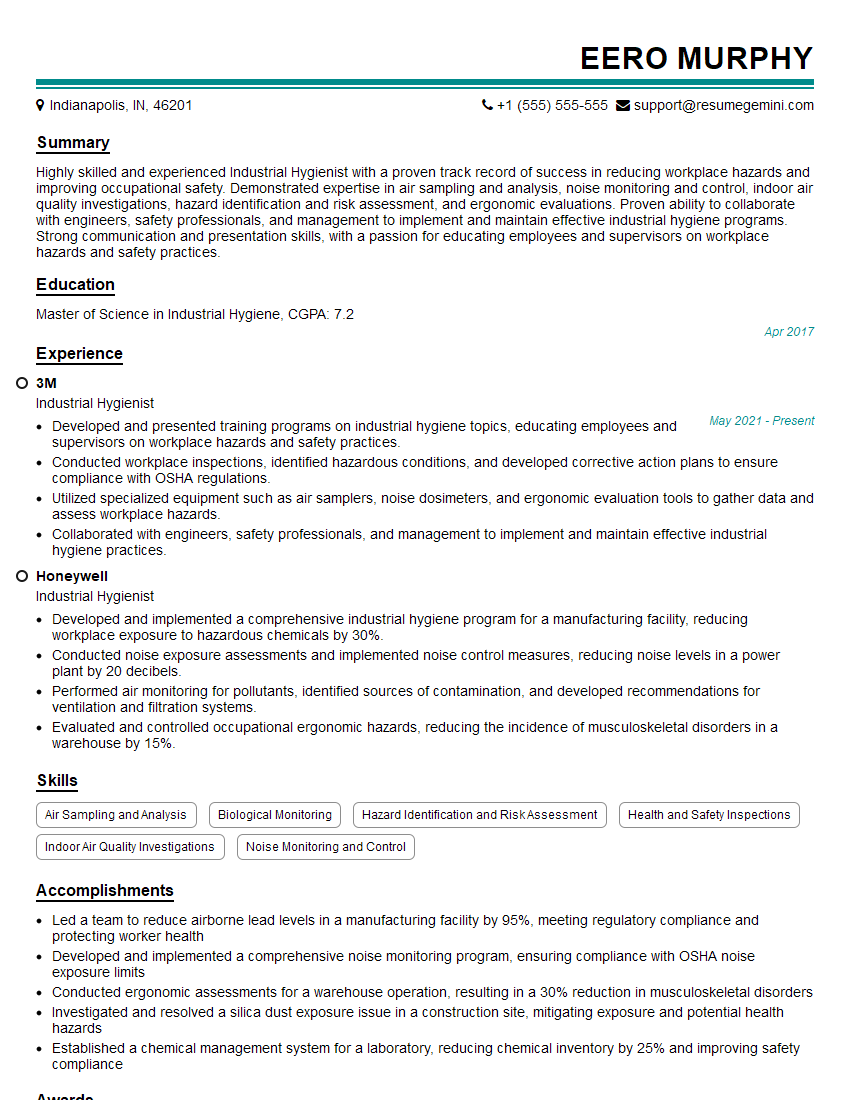
Industrial Hygienist Resume Sample
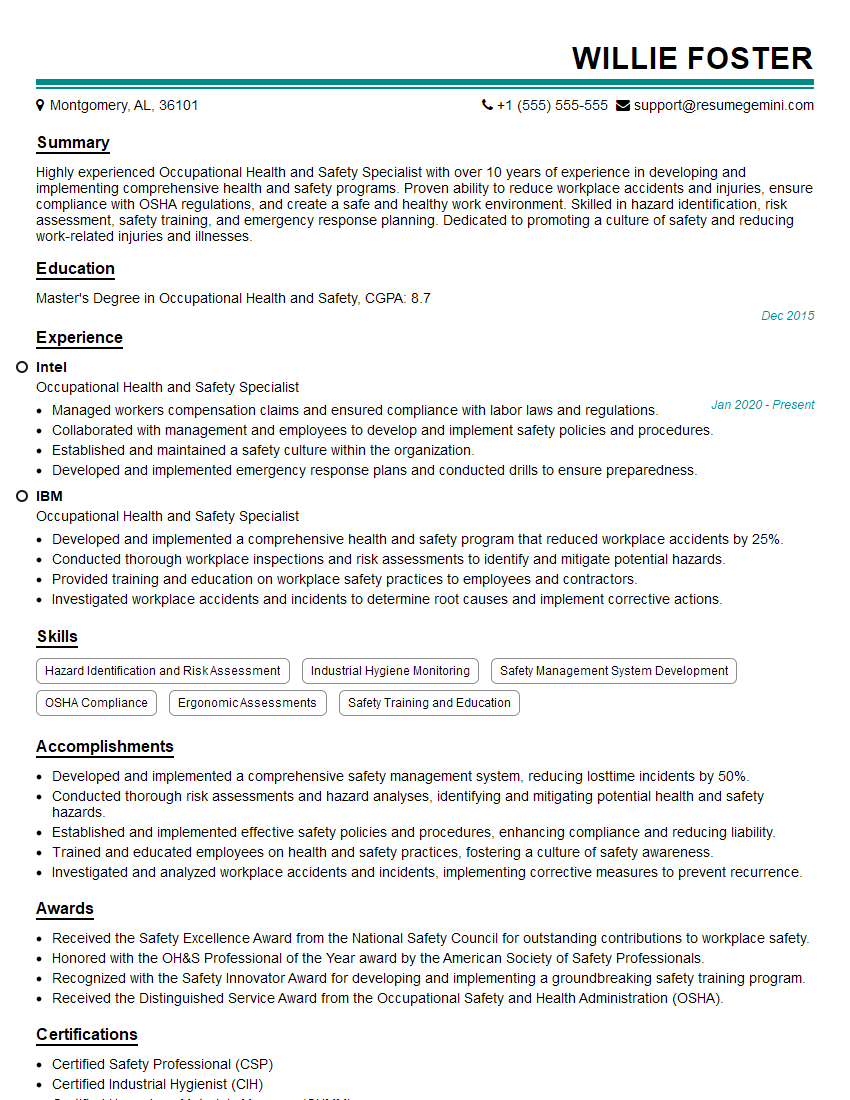
Occupational Health and Safety Specialist Resume Sample
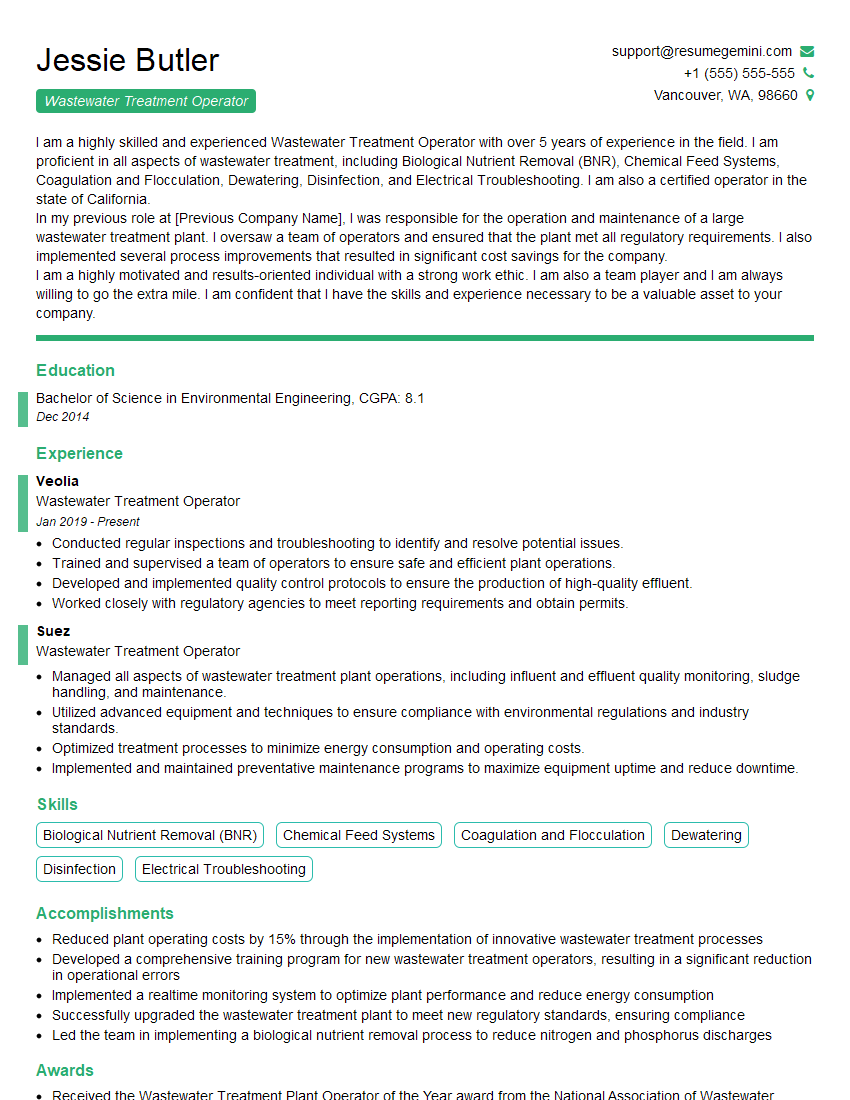
Wastewater Treatment Operator Resume Sample
- Environmental Analyst
- Sustainability Manager
- Solid Waste Manager
- Compliance Specialist
- Regulatory Compliance Officer
- Environmental Remediation Specialist
- Environmental Scientist
- Waste Management Specialist
- Sustainability Consultant
- Environmental Consultant
- Environmental Engineer
- Environmental Project Manager
- Health and Safety Manager
- Industrial Hygienist
- Occupational Health and Safety Specialist
- Wastewater Treatment Operator
Explore more articles
Users Rating of Our Blogs
Share Your Experience
We value your feedback! Please rate our content and share your thoughts (optional).
What Readers Say About Our Blog
Very informative content, great job.
good