Preparation is the key to success in any interview. In this post, we’ll explore crucial Music and Wellness interview questions and equip you with strategies to craft impactful answers. Whether you’re a beginner or a pro, these tips will elevate your preparation.
Questions Asked in Music and Wellness Interview
Q 1. Describe your experience integrating music into wellness programs.
My experience integrating music into wellness programs spans over a decade, encompassing diverse settings such as hospitals, rehabilitation centers, and private practices. I’ve designed and implemented music-based interventions for individuals and groups facing a wide range of challenges, including stress, anxiety, chronic pain, and neurological disorders. A key aspect of my approach involves tailoring musical experiences to the specific needs and preferences of each client, recognizing that music’s impact is deeply personal. For instance, I worked with a group of cancer patients, using calming classical music during relaxation sessions and more upbeat, participatory music during movement therapy. The results demonstrated significant reductions in anxiety and improved mood, showcasing music’s powerful therapeutic potential.
I’ve also collaborated with healthcare professionals to integrate music into holistic wellness programs, combining it with other therapeutic modalities like art therapy and physical therapy. This interdisciplinary approach enhances the overall effectiveness of treatment and provides clients with a more comprehensive and fulfilling experience. I’ve found this collaborative approach particularly successful in addressing complex health issues requiring multiple treatment strategies.
Q 2. Explain different music therapy techniques and their applications.
Music therapy employs various techniques, each with unique applications.
- Active music therapy: This involves clients actively participating in music-making, such as singing, playing instruments, or composing. This is highly beneficial for self-expression, emotional regulation, and cognitive stimulation. For example, a child with autism might use drumming to express feelings they struggle to articulate verbally.
- Receptive music therapy: This focuses on listening to music to achieve therapeutic goals. Different musical elements – tempo, rhythm, melody, harmony – can evoke specific emotional responses and physiological changes. For instance, slow, calming music might be used to reduce anxiety before surgery.
- Improvisational music therapy: Spontaneous music-making, often with a therapist guiding the process, allows for deeper emotional exploration and self-discovery. A client struggling with trauma might use improvisation to process difficult emotions in a safe and supportive environment.
- Guided imagery and music (GIM): This involves using music to evoke specific mental imagery and promote relaxation and self-healing. GIM is particularly effective in addressing stress, anxiety, and psychological trauma.
The choice of technique depends on the client’s needs, goals, and abilities. A thorough assessment is crucial to determine the most appropriate approach.
Q 3. How do you assess a client’s musical preferences and abilities for therapeutic purposes?
Assessing a client’s musical preferences and abilities is a vital initial step in music therapy. This involves a multi-faceted approach, going beyond simply asking what kind of music they like. I begin by engaging in open-ended conversations, exploring their musical history, experiences, and emotional associations with different genres and artists. I might ask about their favorite songs, memories associated with music, and any formal or informal musical training they’ve received.
Beyond verbal assessments, I observe their responses to different types of music. I might play a variety of musical pieces with varying tempos, rhythms, and moods, noting their physical and emotional reactions. This could involve observing their body language, facial expressions, and verbal responses. For clients with limited verbal communication skills, observation becomes even more critical. I might also assess their basic musical abilities – for example, their ability to sing a simple melody, maintain rhythm, or play an instrument – to tailor activities to their capabilities.
This comprehensive assessment allows me to create a personalized music therapy plan that is both engaging and effective, ensuring the client feels comfortable and empowered throughout the process.
Q 4. What are the ethical considerations in Music Therapy practice?
Ethical considerations are paramount in music therapy. Confidentiality is crucial; I maintain strict client confidentiality, ensuring that all discussions and musical experiences remain private. Informed consent is another cornerstone; clients must fully understand the nature of the therapy, its goals, and any potential risks or limitations before participating.
Maintaining professional boundaries is vital to ensure the therapeutic relationship remains ethical and effective. This includes avoiding dual relationships, respecting client autonomy, and refraining from imposing personal values or beliefs. I also prioritize cultural sensitivity, recognizing that music’s meaning and impact vary widely across cultures. Appropriate referral practices are crucial; when a client’s needs extend beyond the scope of music therapy, I ensure they receive timely and appropriate referrals to other healthcare professionals.
Continuous professional development is essential to stay abreast of current research, ethical guidelines, and best practices within the field. This ensures that I provide the highest quality of care and adhere to the ethical standards of the profession.
Q 5. Describe your understanding of the physiological effects of music on the human body.
Music exerts a profound physiological impact on the human body. It influences the autonomic nervous system, impacting heart rate, blood pressure, and respiration. Calming music can lower heart rate and blood pressure, promoting relaxation, while upbeat music can increase heart rate and energy levels.
Music also affects the endocrine system, influencing hormone release. For example, soothing music can stimulate the release of endorphins, natural pain relievers and mood boosters. Furthermore, music interacts with the brain, impacting brainwave activity. Different musical styles can induce different brainwave patterns, influencing states of alertness, relaxation, or focus. Studies using neuroimaging techniques have demonstrated these effects, illustrating music’s influence on neural pathways associated with emotions, memory, and cognition.
The physiological responses to music are influenced by individual preferences, cultural background, and the specific musical characteristics (tempo, rhythm, melody, harmony). Understanding these interactions allows for the targeted use of music to address physiological imbalances and promote overall well-being.
Q 6. How do you measure the effectiveness of music-based interventions?
Measuring the effectiveness of music-based interventions requires a multi-pronged approach combining quantitative and qualitative data. Quantitative methods involve using standardized assessment tools to measure specific outcomes. For example, we might use anxiety scales or pain rating scales to track changes in anxiety levels or pain intensity over time. Physiological measures like heart rate variability can also provide objective data on the impact of music interventions.
Qualitative data, on the other hand, provides a richer understanding of the client’s subjective experiences. This might involve conducting interviews or focus groups to explore clients’ perceptions of the treatment’s effectiveness, their emotional responses, and their overall sense of well-being. Keeping detailed session notes is crucial for documenting observations and tracking progress.
By combining quantitative and qualitative data, we gain a comprehensive picture of the intervention’s impact, ensuring a thorough and nuanced evaluation of its effectiveness.
Q 7. Explain your experience using music to manage stress, anxiety, or pain.
I frequently utilize music to help clients manage stress, anxiety, and pain. For stress reduction, I often employ guided imagery and music (GIM), pairing calming instrumental music with guided imagery scripts to promote relaxation and reduce stress hormone levels. Slow tempo music with simple, predictable melodies is generally effective. For anxiety management, I might use techniques like receptive music therapy, selecting music with a moderate tempo and soothing qualities to help regulate breathing and heart rate.
In pain management, music can be particularly effective. Often, I utilize music alongside other relaxation techniques such as deep breathing exercises. The choice of music depends on the type and intensity of the pain, but generally, I avoid music with jarring or dissonant elements. I find that incorporating the client’s personal music preferences significantly enhances their engagement and effectiveness.
For example, a client experiencing chronic back pain found significant relief using slow, ambient music during relaxation sessions, coupled with guided imagery focused on reducing muscle tension and promoting overall body awareness. The combination of music, guided imagery and deep breathing resulted in a measurable decrease in pain scores and an improved quality of life.
Q 8. How do you adapt your music therapy approach to diverse populations?
Adapting music therapy to diverse populations is crucial for its effectiveness. It requires understanding cultural backgrounds, linguistic preferences, and individual needs. My approach involves a culturally sensitive assessment, where I begin by building rapport and understanding the client’s musical preferences and experiences. This might involve exploring their favorite genres, instruments, or songs from their culture. For example, with a client from a non-Western culture, I might incorporate traditional instruments or musical styles that resonate with them, rather than imposing Western classical music.
- Language: If there’s a language barrier, I use visual aids, nonverbal communication, and potentially bilingual support staff to ensure clear understanding.
- Disability: For clients with physical limitations, I adapt the instruments or activities. A client with limited mobility might use adaptive instruments or participate in receptive music therapy (listening and responding to music).
- Cognitive Differences: Clients with cognitive impairments may benefit from simplified musical structures, repetitive patterns, or focusing on specific sensory responses to music. I tailor the complexity of the music and the therapeutic goals accordingly.
Essentially, the goal is to create a safe and comfortable space where the client feels understood and respected, and the music therapy process is tailored to their unique needs and experiences.
Q 9. Describe a situation where you had to troubleshoot a musical or technical issue during a session.
During a session with a young client with autism, we were using a music creation software. Mid-session, the software crashed, interrupting the flow and potentially disrupting the client’s focus and engagement. My immediate response was to remain calm and reassure the client. I explained what happened in simple terms, using gestures to emphasize my words. I then quickly transitioned to a backup plan: We switched to using simple percussion instruments like shakers and drums, which were already present in the room. This allowed the session to continue smoothly and provided a tactile and less technically demanding musical experience.
This experience reinforced the importance of having backup plans and being flexible in music therapy. It also highlighted the need for a deep understanding of the client’s responses and adaptability to unexpected situations. In retrospect, I implemented stronger protocols for saving the work regularly, ensuring regular software updates and having backup equipment accessible.
Q 10. How do you incorporate improvisation in your music therapy sessions?
Improvisation is a cornerstone of many music therapy approaches. It allows for spontaneous expression and a deeper connection between the client and therapist. I incorporate improvisation by creating a safe and non-judgmental space where clients feel comfortable exploring their emotions and experiences through music, even if they have no formal musical training. It’s about the process, not the outcome.
- Guided Improvisation: I might start with a simple melodic phrase or rhythmic pattern and invite the client to build on it. This provides structure while allowing for creativity.
- Free Improvisation: In some cases, particularly with clients who are comfortable with the process, we might engage in free improvisation, where there are no pre-determined structures or guidelines.
- Matching & Mirroring: I might mirror a client’s musical ideas, creating a collaborative and empathetic musical dialogue.
For example, a client expressing anger might use aggressive drumming. I might respond with a contrasting, calming melody using a keyboard, providing an opportunity to explore the interplay of contrasting emotions. The improvisation becomes a metaphor for processing and managing those emotions.
Q 11. What are the contraindications for music therapy?
While music therapy is generally safe and beneficial, there are certain contraindications. These are situations where music therapy might be inappropriate or potentially harmful. These include:
- Acute psychosis or severe mental instability: In cases of active psychotic episodes, music therapy might unintentionally exacerbate symptoms. A stable mental state is usually preferred.
- Severe cognitive impairment: If a client lacks the cognitive capacity to engage meaningfully with the therapy, the sessions might be unproductive and frustrating.
- Certain medical conditions: Conditions involving severe auditory sensitivities or physical limitations that prevent participation in musical activities are contraindications. For instance, someone with severe hearing loss might not benefit from the auditory aspects of music therapy.
- Active suicidal ideation or self-harm tendencies: The therapist needs to ensure appropriate safety measures are in place and may need to collaborate with other healthcare professionals before implementing music therapy.
It’s important to note that these are general guidelines. A thorough assessment of the client’s individual needs and capabilities is essential before determining suitability for music therapy.
Q 12. How do you maintain client confidentiality within a music therapy setting?
Maintaining client confidentiality is paramount in music therapy. It is governed by ethical guidelines and legal regulations. My practice adheres to strict confidentiality protocols including:
- Informed Consent: I obtain written informed consent from clients detailing my confidentiality policies and how their information will be used.
- Secure Record Keeping: All client records, including session notes, are stored securely in locked cabinets and encrypted electronic systems, compliant with HIPAA regulations.
- Limited Disclosure: I only disclose client information when legally required (e.g., mandated reporting of child abuse or threat to self or others), with the client’s informed consent, or to other healthcare professionals directly involved in their care and treatment.
- Data Protection: I ensure all electronic data is password-protected, regularly backed up, and stored securely.
Client confidentiality extends to not discussing sessions with others outside the therapeutic context and always respecting the client’s privacy, even in informal settings. My ultimate goal is fostering a safe and trusting therapeutic relationship built on mutual respect and confidentiality.
Q 13. Describe your experience working with clients with specific conditions (e.g., PTSD, Autism).
I have extensive experience working with clients experiencing PTSD and autism. With PTSD, music therapy can help in processing traumatic memories and regulating emotional responses. I often use techniques like guided imagery with music to help clients access and safely process traumatic memories. This might involve creating a safe space through music, and gradually working through emotional responses through improvisational exercises or by selecting music reflecting their emotional state.
For clients with autism, music therapy can be beneficial for developing communication skills, improving social interaction, and enhancing sensory regulation. For instance, I utilize repetitive musical patterns and structured activities to enhance self-regulation. We may create music together, using instruments that they find engaging and helping them express themselves nonverbally. I also work with their family and caregivers to ensure consistency and integration of the therapy into daily life. The approach is always personalized to each individual’s needs and preferences.
Q 14. What software or technology are you proficient in using for music therapy?
I am proficient in using various software and technologies for music therapy. My toolbox includes:
- Digital Audio Workstations (DAWs):
Ableton Live,GarageBand, andLogic Pro Xallow me to create and manipulate music in real-time, adapting to the client’s needs and responses. I use these to create personalized soundscapes, compose music, and collaborate on musical projects with clients. - Music Therapy Software: Specific applications like
Music Therapist Toolkitprovide resources for creating customized sessions and tracking client progress. - Video Conferencing Platforms:
ZoomandGoogle Meetare vital for remote music therapy sessions, especially crucial during periods of limited mobility or social distancing. - Music Notation Software:
SibeliusandFinaleare used for creating musical scores and exercises, especially useful for clients with visual learning styles.
Technology integration allows for flexibility, personalized approaches, and a wider range of therapeutic options. The choice of technology always depends on the client’s needs and preferences and the therapeutic goals for each session.
Q 15. How do you create a safe and comfortable therapeutic environment?
Creating a safe and comfortable therapeutic environment is paramount in music therapy. It’s about fostering a space where clients feel emotionally secure, physically relaxed, and psychologically accepted to fully engage in the therapeutic process. This involves several key elements:
- Physical Space: A quiet, private room with comfortable seating, soft lighting, and a temperature that is neither too hot nor too cold is essential. The room should be free of distractions and designed to promote relaxation, perhaps incorporating calming colors or natural elements.
- Emotional Safety: Building trust is crucial. This means establishing clear boundaries, respecting client confidentiality, and ensuring they feel empowered to express themselves without judgment. Active listening and empathy are key components. I start every session by checking in with the client on their comfort level and making sure they feel safe to express themselves freely.
- Sensory Considerations: Music therapy itself involves sensory experiences. I carefully consider the volume and instrumentation, being mindful of any potential sensory sensitivities the client may have. I always allow for breaks if needed and ensure the client has control over the sensory input.
- Personalization: The environment should reflect the individual needs of the client. For example, some clients may prefer a more structured session with specific activities, while others benefit from a more spontaneous and free-flowing approach. Adaptability is crucial.
For instance, I once worked with a child who had significant anxiety. We started sessions in a dimly lit room with soft, nature-inspired music playing in the background. As they became more comfortable, we gradually incorporated brighter lighting and more interactive musical activities. This gradual approach helped build trust and create a supportive environment for healing.
Career Expert Tips:
- Ace those interviews! Prepare effectively by reviewing the Top 50 Most Common Interview Questions on ResumeGemini.
- Navigate your job search with confidence! Explore a wide range of Career Tips on ResumeGemini. Learn about common challenges and recommendations to overcome them.
- Craft the perfect resume! Master the Art of Resume Writing with ResumeGemini’s guide. Showcase your unique qualifications and achievements effectively.
- Don’t miss out on holiday savings! Build your dream resume with ResumeGemini’s ATS optimized templates.
Q 16. Explain your knowledge of different musical genres and their therapeutic applications.
Different musical genres possess unique therapeutic properties. My understanding of these genres informs my treatment approach, adapting to each client’s needs and preferences.
- Classical Music: Often used for relaxation and stress reduction due to its structured and predictable nature. The harmonic progressions and melodic lines can have a calming effect on the nervous system.
- Jazz: Improvisational aspects of jazz can encourage self-expression and creativity. The rhythmic complexity can be engaging for clients needing stimulation.
- Folk Music: Simple melodies and often emotionally resonant lyrics can facilitate emotional processing and storytelling.
- World Music: The diverse range of instruments and rhythms can introduce clients to new cultural perspectives and stimulate sensory exploration. Different cultures have different musical scales and tonalities, which can aid in exploration.
- Pop Music: When appropriate, familiar pop songs can act as a bridge to connect with the client’s personal experiences and emotions. It’s important to select songs with positive messages and that are not overly triggering for the client.
For example, a client struggling with anxiety might benefit from sessions incorporating slow-tempo classical music and guided imagery, while a client with depression might find solace in emotionally resonant folk songs. My selection of music is always tailored to the individual and their therapeutic goals.
Q 17. What is your approach to building rapport with clients?
Building rapport is the cornerstone of effective music therapy. It’s about creating a trusting and collaborative relationship where clients feel comfortable sharing their thoughts and feelings. My approach involves:
- Active Listening: Paying close attention to both verbal and nonverbal cues. This shows respect and validation.
- Empathy: Understanding and sharing the client’s feelings and experiences. It’s important to be genuinely present with the client.
- Clear Communication: Explaining the therapy process and setting realistic expectations. Ensuring the client understands their role in the process.
- Respectful Boundaries: Maintaining professional boundaries while also showing warmth and understanding.
- Collaborative Goal Setting: Working with the client to identify their therapeutic goals and develop a personalized treatment plan.
I often begin sessions by engaging in informal conversation to ease the client into the therapeutic space. This allows me to assess their personality and build a connection. I always seek their feedback and preferences throughout the sessions.
Q 18. How do you handle challenging client behaviours?
Challenging client behaviors can arise in any therapeutic setting. My approach focuses on understanding the underlying reasons for these behaviors and adapting my techniques accordingly. This involves:
- Maintaining Safety: Prioritizing the safety of both the client and myself. This might involve temporarily pausing the session or seeking consultation with colleagues if needed.
- De-escalation Techniques: Using calming strategies such as deep breathing exercises, or adjusting the music to a more soothing tempo. This could include a change in instrumentation or style.
- Collaboration and Communication: Working with the client to identify triggers and develop coping strategies. Honest and open communication is crucial.
- Seeking Support: If I am unable to manage the behavior effectively, I seek consultation from supervisors or other healthcare professionals.
- Re-evaluation: Adjusting the therapeutic approach based on the client’s response to the situation.
For example, if a client becomes agitated during a session, I might shift to a slower, quieter piece of music and encourage them to focus on their breathing. A collaborative approach, where the client is involved in finding solutions, can lead to better outcomes.
Q 19. How do you document and track client progress?
Accurate documentation and progress tracking are vital for effective music therapy. My approach involves:
- Session Notes: Detailed notes are taken after each session, documenting the client’s behavior, emotional state, progress toward goals, and the specific music therapy interventions used. This includes qualitative observations of the client’s emotional responses to music and activities.
- Progress Charts: Visual representations of the client’s progress over time. These might include graphs showing changes in mood, anxiety levels, or other relevant metrics.
- Audio/Video Recordings (with client consent): In some cases, audio or video recordings of sessions can provide valuable data for analysis and tracking progress (always with informed consent).
- Standardized Assessments: Utilizing standardized assessments at regular intervals to objectively measure progress towards therapeutic goals. These assessments will measure client outcomes relevant to their treatment goals.
- Client Feedback: Regularly incorporating client feedback into the documentation process to ensure the treatment plan is relevant and effective.
I maintain confidentiality and adhere to ethical guidelines regarding data storage and security. These records provide a detailed history of the client’s progress, allowing for continuous evaluation and refinement of the treatment plan.
Q 20. Describe your understanding of the theoretical foundations of music therapy.
Music therapy’s theoretical foundations draw from various disciplines, including psychology, neuroscience, and music education. My understanding incorporates:
- Neurological Music Therapy: This approach focuses on the brain’s response to music and uses it to address neurological conditions. It leverages the brain’s plasticity to improve cognitive, motor, and communicative functions.
- Psychodynamic Music Therapy: This perspective emphasizes the emotional and symbolic aspects of music, using it as a medium for exploring unconscious processes and resolving emotional conflicts. The therapist may interpret the client’s musical creations and performance as manifestations of their inner world.
- Behavioral Music Therapy: This approach uses music as a tool to reinforce positive behaviors and reduce maladaptive ones. It’s often used in conjunction with other behavioral techniques.
- Cognitive Behavioral Music Therapy: This integrates music therapy techniques with the principles of Cognitive Behavioral Therapy (CBT) to help clients identify and change negative thought patterns and behaviors.
- Person-Centered Music Therapy: This approach prioritizes the client’s autonomy and self-determination, emphasizing their strengths and resources.
My practice integrates elements from several of these theoretical models, tailoring the approach to the specific needs of each client. The theoretical framework informs how I select musical materials, design activities, and interpret the client’s responses.
Q 21. How do you collaborate with other healthcare professionals?
Collaboration with other healthcare professionals is crucial for holistic client care. This involves:
- Regular Communication: Sharing relevant information with other members of the treatment team, such as physicians, psychologists, occupational therapists, and social workers. This ensures a coordinated and comprehensive approach.
- Case Conferences: Participating in case conferences to discuss client progress and treatment planning. This allows for a shared understanding of the client’s needs and goals.
- Joint Assessments: Collaborating with other professionals to conduct comprehensive assessments of the client’s strengths and challenges.
- Integrated Treatment Plans: Developing integrated treatment plans that incorporate music therapy within a broader framework of care.
- Respectful Boundaries: Maintaining appropriate professional boundaries while working collaboratively with other professionals.
For example, I might collaborate with a speech-language pathologist to address communication difficulties in a client with aphasia, utilizing music to stimulate language processing. Effective collaboration results in more effective and comprehensive outcomes for the client.
Q 22. What are your continuing education plans in music therapy?
My continuing education in music therapy focuses on staying at the forefront of research and best practices. I plan to pursue advanced certifications in areas like neurologic music therapy and trauma-informed care. I regularly attend conferences such as the American Music Therapy Association (AMTA) national conference to learn about new techniques and approaches. Furthermore, I’m actively involved in professional development workshops focused on specific populations, such as working with children with autism spectrum disorder or adults experiencing anxiety. This ensures I can refine my skills and provide the most effective and up-to-date therapeutic interventions.
Specifically, I’m aiming to complete a certification in the Bonny Method of Guided Imagery and Music (BMGIM) within the next year. This will allow me to integrate this powerful modality into my practice, broadening the range of therapeutic tools I can offer my clients.
Q 23. Describe your experience developing and implementing music-based interventions.
I have extensive experience in developing and implementing music-based interventions tailored to individual client needs. For example, I worked with a young child diagnosed with autism who struggled with communication. Through carefully designed music therapy sessions incorporating improvisation, singing, and rhythm activities, we saw significant improvement in his verbal and non-verbal communication skills. He started to engage more socially and express his emotions more effectively.
In another instance, I developed a group music therapy program for adults managing chronic pain. The program utilized a combination of relaxation techniques, songwriting, and instrumental playing to help participants express their emotions and manage their pain levels more effectively. The program resulted in demonstrable improvements in their mood, stress levels, and overall quality of life. Each program is carefully designed, considering the client’s specific needs, goals, and preferences, always ensuring a safe and supportive environment.
Q 24. How do you ensure the safety of your clients during music therapy sessions?
Client safety is paramount in my practice. I begin each session with a thorough assessment to identify any potential risks or contraindications. This includes considering physical limitations, emotional vulnerabilities, and any past traumatic experiences. For instance, if a client has a history of anxiety related to loud noises, I would adjust the volume and instrumentation accordingly.
I maintain a safe and comfortable therapeutic space, free from hazards. Sessions are structured to allow for breaks and opportunities for self-regulation. Furthermore, I have a clear emergency plan in place and am trained in crisis intervention techniques. Open communication and a strong therapeutic relationship build trust and ensure clients feel safe to explore their emotions and experiences within the session.
Q 25. What is your understanding of the role of music in promoting emotional well-being?
Music’s role in emotional well-being is multifaceted. Music can act as a powerful tool for emotional regulation, offering solace during times of distress or enhancing positive emotions. Think about a favorite song that evokes feelings of joy or nostalgia – that’s the power of music in action.
On a neurological level, music engages multiple brain regions, including those associated with emotion processing. This can lead to the release of endorphins, reducing stress and anxiety. Music therapy can also provide a safe and non-threatening avenue for emotional expression, helping individuals process difficult experiences and build coping mechanisms. For example, songwriting can be a powerful way for clients to externalize their inner world and gain insight into their emotions.
Q 26. How do you promote self-expression and creativity through music?
I promote self-expression and creativity through music using various techniques. Improvisation, for instance, allows clients to freely explore their emotions and ideas without judgment. I often use open-ended prompts or creative tasks, such as composing a melody to express a specific feeling or creating a soundscape depicting a particular memory.
I encourage clients to experiment with different instruments and musical styles, fostering a sense of autonomy and ownership over their creative process. The focus is not on technical perfection, but on self-discovery and emotional release. The process itself, rather than the final product, is often the most therapeutic aspect. For example, I worked with a client who found it incredibly cathartic to express their anger through aggressive drumming.
Q 27. Describe your experience designing music programs for specific wellness goals (e.g., stress reduction, relaxation).
I’ve designed numerous music programs targeting specific wellness goals. For stress reduction, I’ve incorporated mindfulness techniques and guided imagery into musical activities. This might involve slow, rhythmic drumming or listening to calming soundscapes while practicing deep breathing exercises.
For relaxation, I might use gentle instrumental music, often incorporating nature sounds, while guiding clients through progressive muscle relaxation techniques. For individuals experiencing anxiety, I have developed programs using breathing exercises synced with music, and incorporating songwriting to process their anxieties. Each program is carefully tailored to the client’s individual needs and preferences, ensuring a personalized and effective approach.
Q 28. What are your salary expectations?
My salary expectations are commensurate with my experience and expertise in the field of music therapy, taking into account the specific requirements of the position and the competitive market rate. I am open to discussing a competitive salary range based on the specifics of the role and benefits offered.
Key Topics to Learn for Your Music and Wellness Interview
- The Science of Music and its Impact on Well-being: Explore the neurobiological effects of music, including its influence on mood, stress reduction, and cognitive function. Consider the theoretical frameworks explaining these effects.
- Music Therapy Techniques and Applications: Understand various music therapy modalities, such as improvisation, songwriting, receptive music listening, and their applications in different therapeutic settings (e.g., individual therapy, group sessions, clinical settings).
- Assessment and Treatment Planning in Music and Wellness: Learn how to assess a client’s needs and develop a personalized music-based intervention plan. This includes considering ethical considerations and culturally sensitive approaches.
- Practical Application of Music in Wellness Programs: Discuss your experience (or potential) in designing and implementing music-based wellness programs for diverse populations, considering factors like age, health conditions, and cultural backgrounds. Think about program evaluation and measuring outcomes.
- The Business of Music and Wellness: Explore the entrepreneurial side of this field, including marketing, client management, and building a sustainable practice. This might involve understanding different business models and financial planning.
- Technological Integration in Music and Wellness: Discuss your familiarity with music technology and software relevant to your field. This could include digital audio workstations (DAWs), music therapy apps, or other relevant technologies.
Next Steps
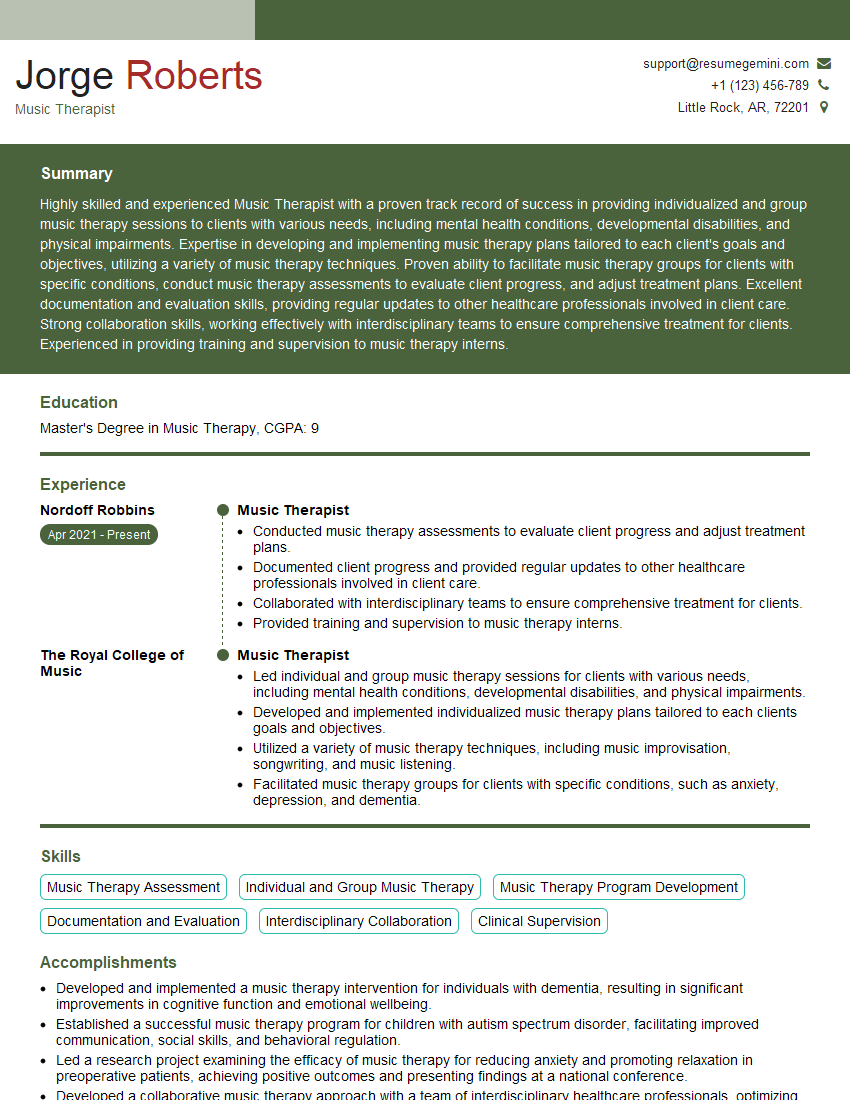
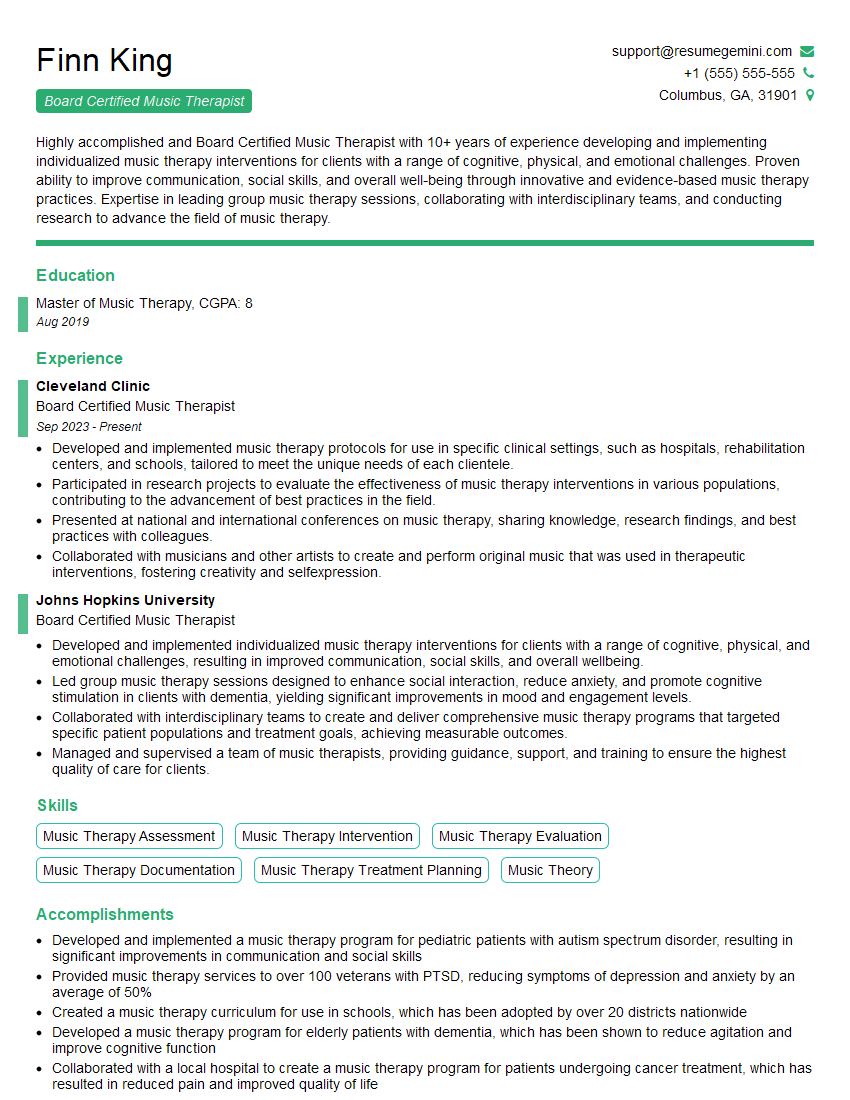
Mastering the intersection of Music and Wellness opens doors to fulfilling and impactful careers. A strong understanding of the theoretical underpinnings, coupled with practical application knowledge, is crucial for success. To significantly boost your job prospects, crafting an ATS-friendly resume is essential. ResumeGemini is a trusted resource to help you build a professional and effective resume that highlights your unique skills and experience. Examples of resumes tailored to the Music and Wellness field are available through ResumeGemini, empowering you to showcase your qualifications effectively and land your dream role.
Explore more articles
Users Rating of Our Blogs
Share Your Experience
We value your feedback! Please rate our content and share your thoughts (optional).
What Readers Say About Our Blog
Very informative content, great job.
good