Interviews are more than just a Q&A session—they’re a chance to prove your worth. This blog dives into essential Knowledge of fire codes and safety regulations interview questions and expert tips to help you align your answers with what hiring managers are looking for. Start preparing to shine!
Questions Asked in Knowledge of fire codes and safety regulations Interview
Q 1. What are the key components of a fire prevention plan?
A comprehensive fire prevention plan is the cornerstone of any building’s safety strategy. It’s not just about having fire extinguishers; it’s a proactive approach to minimizing fire risks. Key components include:
- Hazard Analysis: Identifying potential fire sources, such as electrical equipment, flammable materials, and cooking areas. For instance, a restaurant would need a detailed analysis of its kitchen appliances and cooking procedures.
- Fire Prevention Measures: Implementing controls to mitigate hazards. This could include regular maintenance of electrical systems, proper storage of flammable materials, and employee training on safe practices. Imagine a chemical plant – strict protocols for handling chemicals are crucial.
- Emergency Procedures: Establishing clear evacuation routes, assembly points, and communication plans. A well-marked and practiced evacuation plan is critical in any building, particularly high-rises.
- Employee Training: Educating staff on fire prevention, detection, and response procedures, including the proper use of fire extinguishers and reporting procedures. Regular drills reinforce these procedures.
- Maintenance and Inspection Schedule: Regular inspections and maintenance of fire protection systems (sprinklers, alarms, extinguishers) are essential to ensure effectiveness. This is not a one-time task; it requires ongoing commitment.
- Record Keeping: Maintaining detailed records of inspections, training, and any incidents. This documentation provides a historical view of the effectiveness of the plan and helps identify areas for improvement.
A well-structured plan, regularly reviewed and updated, is paramount in ensuring building occupants’ safety.
Q 2. Explain the difference between NFPA and IBC fire codes.
NFPA (National Fire Protection Association) and IBC (International Building Code) are both crucial in fire safety, but they serve different purposes. NFPA develops consensus codes and standards that address various aspects of fire safety, from fire extinguishers (NFPA 10) to electrical systems (NFPA 70). Think of NFPA as the detailed technical specifications.
IBC, on the other hand, is a comprehensive building code that integrates various aspects, including fire safety requirements. It adopts and references relevant NFPA standards, incorporating them into the broader framework of building construction and design. Imagine IBC as the overall building blueprint, with NFPA standards providing the specialized technical instructions for fire safety components within that blueprint.
For example, the IBC might mandate the installation of sprinklers in a specific type of building, referencing a relevant NFPA standard detailing the sprinkler system’s design and performance requirements.
Q 3. Describe your experience with fire alarm system inspections and testing.
My experience with fire alarm system inspections and testing is extensive. I’ve conducted numerous inspections across diverse building types, from small offices to large industrial complexes and high-rise structures. My process typically involves:
- Visual Inspection: Checking for physical damage, corrosion, or obstructions to alarm components.
- Functional Testing: Activating individual detectors and alarms to verify proper operation. This includes testing both manual pull stations and automatic detectors.
- System Testing: Performing a full system test to ensure communication between detectors, control panels, and notification appliances. This could involve using specialized testing equipment.
- Documentation: Creating detailed reports documenting inspection findings, any necessary repairs, and the overall system’s operational status.
I’m proficient in using various testing equipment and interpreting the results. I’ve also dealt with situations where system malfunctions were discovered, and I was able to pinpoint the issues, facilitating prompt repairs to restore safety.
For instance, I once identified a faulty connection in a fire alarm panel during a routine inspection, preventing a potentially serious situation during a real fire.
Q 4. How familiar are you with different types of fire extinguishers and their applications?
I’m very familiar with various fire extinguisher types and their applications. Each type is designed for specific classes of fire:
- Class A: Ordinary combustibles like wood, paper, and cloth. Water-based extinguishers are typically used.
- Class B: Flammable liquids like gasoline and oil. Carbon dioxide (CO2), dry chemical, and foam extinguishers are effective.
- Class C: Electrical fires involving energized equipment. CO2 and dry chemical extinguishers are suitable because they don’t conduct electricity.
- Class D: Combustible metals like magnesium and titanium. Special dry powder extinguishers are required.
- Class K: Cooking oils and fats. Wet chemical extinguishers are designed for this specific type of fire.
Understanding the different classes is critical for effective fire suppression. Using the wrong extinguisher can be dangerous and ineffective. My training includes hands-on experience with all types, allowing me to assess the appropriate extinguisher for a given situation based on the materials involved.
Q 5. What are the evacuation procedures in a high-rise building?
Evacuation procedures in high-rise buildings are significantly more complex than those in lower-rise structures. They demand meticulous planning and strict adherence to protocols. Key aspects include:
- Designated Evacuation Routes: Clearly marked and regularly inspected escape routes, including stairwells and fire exits. These routes should be free from obstructions.
- Floor Wardens: Trained personnel responsible for guiding occupants to safety and accounting for individuals during the evacuation.
- Communication Systems: Robust public address systems to provide clear instructions and updates to building occupants. This system should be regularly tested.
- Assembly Points: Designated locations outside the building where evacuees gather. These should be away from the building to avoid dangers from potential collapse.
- Emergency Lighting: Backup lighting systems to guide people during power outages.
- Smoke Control Systems: Systems to limit smoke spread, increasing visibility and improving escape possibilities.
Regular drills are essential to familiarize occupants with the procedures. In a high-rise, the potential for confusion and panic is amplified, making thorough training critical.
Q 6. Explain the importance of fire drills and their frequency.
Fire drills are not just a formality; they are crucial for building occupant safety. They provide a realistic simulation of an emergency, allowing individuals to practice their response and identifying weaknesses in the evacuation plan. The frequency depends on the occupancy type and local regulations, but generally:
- High-rise buildings or those with significant occupancy: Monthly drills are often mandated.
- Smaller buildings or facilities with lower occupancy: Quarterly or semi-annual drills might suffice.
Each drill should include a post-drill review, assessing the effectiveness of the evacuation and pinpointing areas for improvement. This could involve reviewing the evacuation time, addressing any bottlenecks in the escape routes, or refining communication procedures.
The goal is not merely to complete the drill but to use it as a learning experience to enhance preparedness and ensure a smooth and efficient evacuation in a real-life emergency.
Q 7. How do you ensure compliance with fire safety regulations?
Ensuring compliance with fire safety regulations requires a multi-faceted approach. It’s an ongoing process, not a one-time event.
- Regular Inspections: Conducting routine inspections of all fire protection systems and equipment (sprinklers, alarms, extinguishers) to identify potential issues before they become hazards.
- Maintenance and Repairs: Promptly addressing any identified deficiencies through proper maintenance and repairs by qualified technicians. This is critical to prevent escalation of minor problems.
- Record Keeping: Maintaining accurate and detailed records of all inspections, tests, and maintenance activities. This documentation is essential for demonstrating compliance to authorities.
- Training Programs: Providing regular training to building occupants on fire safety procedures, including evacuation routes, the use of fire extinguishers, and reporting procedures.
- Staying Updated: Keeping abreast of changes in fire codes and regulations. Codes are frequently updated to incorporate new technology and improved safety practices.
- Working with Authorities: Maintaining open communication with local fire authorities, seeking guidance and addressing any concerns proactively.
A proactive, rather than reactive, approach is key to ensuring lasting compliance and a safe environment.
Q 8. Describe your experience with conducting fire safety inspections.
My experience in conducting fire safety inspections spans over 10 years, encompassing a wide range of building types, from small retail spaces to large industrial complexes and high-rise residential buildings. I’ve worked with both public and private sector clients, adhering to the latest NFPA codes and local ordinances. A typical inspection involves a thorough walkthrough, checking for compliance with fire codes regarding exits, alarms, sprinklers, fire extinguishers, and overall building maintenance. I document all findings meticulously, using both written reports and photographic evidence, highlighting any deficiencies and recommending corrective actions. I also conduct follow-up inspections to verify that identified hazards have been addressed. For example, during a recent inspection of a school, I identified blocked fire exits and inadequate signage, resulting in immediate corrective action by the school administration.
My process includes:
- Pre-inspection planning: Reviewing building plans and prior inspection reports.
- On-site inspection: Thoroughly examining all aspects of fire safety systems and practices.
- Documentation: Detailed reports with photographs, highlighting deficiencies.
- Follow-up: Verifying corrective actions are implemented.
Q 9. What are the common causes of fires in commercial buildings?
Common causes of fires in commercial buildings often stem from a combination of factors, including human error, faulty equipment, and inadequate maintenance. Let’s break it down:
- Electrical Issues: Overloaded circuits, faulty wiring, damaged electrical appliances, and improper use of extension cords are major culprits. Think of a kitchen overloaded with appliances during a busy lunch rush.
- Cooking Equipment: Unattended cooking, malfunctioning equipment, and improper grease disposal lead to a significant number of fires. Restaurants are particularly vulnerable here.
- Smoking: Discarded cigarettes, especially in areas with flammable materials, remain a persistent risk.
- Heating Systems: Malfunctioning furnaces, improperly installed heating equipment, and the accumulation of flammable materials near heat sources are common causes.
- Arson: Deliberately set fires are unfortunately a reality, and businesses must take measures to deter this.
- Flammable Materials: Improper storage of flammable liquids, gases, or other combustibles increases the risk and severity of a fire. Imagine a workshop with solvents inadequately stored.
Addressing these causes requires a multi-pronged approach, encompassing regular maintenance, employee training, and strict adherence to fire safety regulations.
Q 10. How do you handle a fire emergency situation?
Handling a fire emergency requires swift action and adherence to established procedures. My response is based on the RACE acronym: Rescue, Alarm, Confine, Extinguish/Evacuate.
- Rescue: First priority is to ensure the safety of occupants, assisting those who may need help escaping. This includes people with disabilities or those unfamiliar with the building.
- Alarm: Activate the building’s fire alarm system immediately to alert everyone.
- Confine: If possible, and only if it’s safe to do so, attempt to contain the fire by closing doors and windows to limit its spread.
- Extinguish/Evacuate: Attempt to extinguish the fire with a fire extinguisher only if it is small and you are trained to do so. Otherwise, evacuate the building immediately, following established escape routes.
After evacuation, I would assemble at the designated assembly point and account for all personnel. Communication with emergency services is paramount, providing them with accurate information about the location, size, and nature of the fire.
Q 11. Explain your understanding of means of egress requirements.
Means of egress refer to the safe and unobstructed paths of exit from a building in case of emergency. These include exits, passageways, corridors, stairwells, and ramps. Requirements are stringent and vary depending on occupancy type and building size, but key elements include:
- Sufficient Number and Width of Exits: Buildings must have enough exits to accommodate the maximum occupancy load, with adequate width to allow for a quick and orderly evacuation.
- Proper Signage: Clear and visible exit signs are crucial for guiding people to safety. Signs must be illuminated in case of power failure.
- Unobstructed Pathways: Exits must be kept free from obstructions, such as furniture, equipment, or stored materials.
- Emergency Lighting: Adequate lighting is essential during a power outage to ensure visibility.
- Accessible Exits: Buildings must provide accessible exits for people with disabilities, including ramps, elevators, and accessible doorways.
For example, a large office building will require multiple stairwells and wide corridors to ensure swift and safe evacuation of hundreds of occupants. A detailed understanding of these requirements is crucial for ensuring that buildings meet fire safety standards.
Q 12. What are the responsibilities of a fire watch?
A fire watch is a designated individual responsible for monitoring a specific area for fire hazards during periods of elevated risk, such as during hot work (welding, cutting), renovation, or when fire protection systems are temporarily out of service. Their responsibilities include:
- Continuous Monitoring: Constantly observing the designated area for any signs of fire or smoke.
- Fire Prevention: Identifying and reporting potential fire hazards.
- Immediate Response: Taking immediate action to extinguish small fires using available fire extinguishers or summoning emergency services.
- Maintaining a Log: Keeping detailed records of their observations and any incidents.
- Understanding Building Systems: Familiarizing themselves with the building’s fire alarm system and evacuation procedures.
Think of a fire watch as a first line of defense, providing crucial monitoring during high-risk operations. Their vigilance can prevent a minor incident from escalating into a major disaster.
Q 13. What is your experience with fire suppression systems?
My experience with fire suppression systems is extensive, covering various types, including sprinkler systems, fire alarm systems, and specialized suppression systems for specific hazards. I am familiar with their installation, inspection, testing, and maintenance requirements. I understand the differences between wet pipe, dry pipe, and pre-action sprinkler systems, and I can assess the effectiveness of each system based on the building’s occupancy and hazards. I’m also proficient in interpreting system drawings and documentation, ensuring they are compliant with relevant codes. For example, I’ve worked on projects involving the design and installation of specialized kitchen hood suppression systems for restaurants, ensuring compliance with NFPA 17A.
My knowledge extends to the different types of fire alarm systems, including conventional, addressable, and analog addressable systems and their integration with other building safety systems. Regular inspection and testing are crucial for their proper functioning.
Q 14. How do you identify and assess fire hazards?
Identifying and assessing fire hazards involves a systematic approach, combining visual inspection, review of building plans, and understanding the specific risks associated with the building’s occupancy and operations. My process includes:
- Walkthrough Inspection: A thorough visual examination of the premises, looking for potential hazards, including accumulated combustibles, blocked exits, faulty electrical wiring, and improper storage of flammable materials.
- Review of Building Plans: Examination of architectural plans, fire protection plans, and other relevant documentation to understand the building’s design and systems.
- Occupancy Analysis: Identifying the specific risks associated with the building’s use. For example, a hospital will have different hazards than a woodworking shop.
- Hazard Assessment: Evaluating the severity and likelihood of fire incidents, using established risk assessment methodologies. This helps to prioritize corrective actions.
- Documentation: Thorough documentation of all findings, including photographs and detailed descriptions, to support recommendations for improvement.
This process allows me to create a comprehensive picture of the building’s fire safety profile, enabling the development of effective strategies for mitigation and prevention.
Q 15. Describe your experience with fire risk assessments.
Fire risk assessments are crucial for identifying potential fire hazards and developing preventative measures. My experience encompasses conducting thorough walkthroughs of facilities, identifying potential ignition sources (like faulty wiring or flammable materials), analyzing escape routes, and evaluating the effectiveness of existing fire safety systems. I use a systematic approach, often employing standardized forms and checklists to ensure a comprehensive evaluation. For example, in a recent assessment of a manufacturing plant, I identified a significant risk due to improperly stored solvents near welding equipment. My recommendations included relocating the solvents, implementing stricter welding protocols, and providing additional fire safety training for employees.
Beyond identifying hazards, I develop detailed reports outlining the risks, their severity, and recommended mitigation strategies. These reports are tailored to the specific needs of the facility and its occupants, and often involve cost-benefit analysis to prioritize mitigation efforts. This ensures that resources are allocated effectively to address the most significant risks.
Career Expert Tips:
- Ace those interviews! Prepare effectively by reviewing the Top 50 Most Common Interview Questions on ResumeGemini.
- Navigate your job search with confidence! Explore a wide range of Career Tips on ResumeGemini. Learn about common challenges and recommendations to overcome them.
- Craft the perfect resume! Master the Art of Resume Writing with ResumeGemini’s guide. Showcase your unique qualifications and achievements effectively.
- Don’t miss out on holiday savings! Build your dream resume with ResumeGemini’s ATS optimized templates.
Q 16. What are the legal implications of fire code violations?
Fire code violations carry significant legal repercussions, varying depending on the severity and jurisdiction. These can range from hefty fines and penalties to business closures, legal action from injured parties, and even criminal charges in cases of gross negligence leading to injury or death. For example, a failure to maintain adequate fire extinguishers can result in substantial fines and legal liability if a fire occurs due to this negligence. The penalties are often amplified if prior violations were ignored or if the violation resulted in injuries or fatalities.
Moreover, insurance companies often refuse coverage or significantly increase premiums for businesses with documented fire code violations. Maintaining compliance isn’t just about avoiding penalties; it’s about ensuring the safety of occupants and protecting the financial stability of the business. Regular inspections and proactive maintenance are crucial in avoiding these legal pitfalls.
Q 17. How do you communicate fire safety procedures to employees?
Effective communication is paramount in ensuring employees understand and follow fire safety procedures. My approach involves a multi-faceted strategy that combines various methods to cater to different learning styles. This includes:
- Interactive Training Sessions: I conduct hands-on training sessions involving demonstrations, Q&A, and practical drills to reinforce key concepts. For example, we practice evacuations, using fire extinguishers, and reporting procedures.
- Visual Aids and Materials: Clear, concise visual aids like posters, diagrams, and videos are used to illustrate key safety points and procedures. This ensures everyone understands even if they have limited literacy skills.
- Regular Drills and Simulations: Regular fire drills are essential to ensure everyone knows what to do in an emergency and to identify any weaknesses in the evacuation plan. Simulations, where possible, add a layer of realism.
- Accessible Documentation: Providing readily available, easy-to-understand written instructions in multiple languages (if needed) ensures consistent reference and understanding.
Following the training, regular quizzes or short tests help ensure comprehension. Finally, feedback mechanisms allow employees to ask questions and address concerns, promoting a culture of safety.
Q 18. What are the requirements for fire extinguisher placement?
Fire extinguisher placement is governed by specific codes that prioritize accessibility and strategic positioning. Extinguishers must be readily visible and accessible from all areas of a building, without obstruction. The distance from a hazard to the nearest extinguisher is also crucial and is often specified in building codes. For example, in a kitchen, extinguishers suitable for grease fires need to be within easy reach of cooking appliances.
Placement must also consider factors such as traffic flow, potential obstructions, and the type of fire hazard present. Extinguishers must be mounted at appropriate heights, allowing easy access for all employees, including those with mobility limitations. Regular inspections ensure extinguishers are in working order, clearly marked, and easily accessible. Proper signage is vital to indicate their location and operating instructions.
Q 19. What is your experience with emergency lighting systems?
Emergency lighting systems are a critical aspect of fire safety, ensuring safe evacuation in the event of a power outage. My experience includes inspecting, testing, and maintaining these systems to ensure they meet the required standards. This involves checking battery backups, ensuring proper illumination levels in escape routes, and verifying the functionality of exit signs. I am familiar with various types of emergency lighting systems, including centralized and decentralized systems.
In my experience, the most common issues are related to inadequate maintenance, faulty batteries, and insufficient illumination. Proper documentation of testing and maintenance is essential to demonstrate compliance with regulations. I use specialized testing equipment to evaluate the performance of these systems and provide recommendations for improvements or repairs, if necessary. The safety of occupants during a power outage is of paramount importance, and the emergency lighting system is our safeguard.
Q 20. Describe your experience with developing safety training programs.
Developing effective safety training programs involves a structured approach that considers the specific needs of the target audience and the hazards present in the workplace. My experience includes designing and implementing programs that cover a range of topics, including fire prevention, evacuation procedures, extinguisher use, and emergency response protocols. The design phase begins with a thorough needs assessment, identifying knowledge gaps and tailoring the training to address those gaps.
The programs I develop integrate various learning methods, such as lectures, hands-on demonstrations, interactive exercises, and realistic simulations. For example, for a hospital, the program would address specific challenges like dealing with patients during an evacuation. Regular assessments are incorporated to gauge understanding and effectiveness, allowing for adjustments as needed. Post-training evaluations and feedback are crucial for continuous improvement and ensuring the program remains relevant and effective.
Q 21. How do you stay updated on the latest fire codes and regulations?
Staying current with the latest fire codes and regulations is crucial for maintaining compliance and ensuring the safety of occupants. My approach involves a multi-pronged strategy that combines various resources and methods.
- Professional Organizations: I actively participate in professional organizations like the National Fire Protection Association (NFPA), which provides regular updates and publications on fire codes and best practices.
- Industry Publications and Journals: I regularly read industry publications and journals to stay informed about changes in legislation, technological advancements, and emerging safety concerns.
- Online Resources and Databases: I utilize online resources and databases to access updated code interpretations and regulatory information specific to my area of operations.
- Continuing Education Courses and Seminars: I consistently participate in continuing education courses and seminars to enhance my knowledge and receive certifications to maintain my professional standing.
By combining these methods, I ensure that my knowledge base reflects the current landscape of fire codes and regulations, which enables me to provide the best possible safety advice and service.
Q 22. Explain your understanding of occupancy classifications.
Occupancy classifications are crucial in fire codes because they dictate the specific safety requirements for a building based on its intended use. Different occupancies present varying levels of risk, requiring tailored fire protection measures. For example, a high-rise residential building (e.g., Occupancy Group R-2) has vastly different needs than a manufacturing plant (e.g., Occupancy Group M). The International Building Code (IBC) and other model codes categorize buildings into distinct occupancy groups, each with its own set of regulations concerning things like means of egress, fire-resistant construction, and fire suppression systems.
- Residential (R): Covers dwellings, from single-family homes to high-rise apartments. Sub-categories (R-1, R-2, R-3, R-4) reflect building size and height.
- Business (B): Encompasses offices, retail spaces, and other commercial establishments.
- Mercantile (M): This group includes stores, shops, and other areas where goods are sold to the public.
- Industrial (I): This includes factories, workshops, and other facilities involved in manufacturing or production processes. Hazardous materials storage and handling are critical considerations here.
- Assembly (A): Covers buildings where groups of people gather, such as theaters, stadiums, and churches. Rapid evacuation is paramount.
- Educational (E): This group comprises schools, colleges, and universities.
- Institutional (I): Includes hospitals, nursing homes, jails, and other facilities caring for occupants with reduced mobility or needing special supervision.
Understanding occupancy classifications allows for the proper design, construction, and maintenance of fire-safe buildings, minimizing risks to occupants and property.
Q 23. What is your experience with fire investigation techniques?
My experience in fire investigation involves applying scientific methods to determine the origin, cause, and circumstances of a fire. This includes a systematic approach, starting with securing the scene, documenting evidence (photography, videography, sketches), and interviewing witnesses. I’m proficient in identifying fire patterns, analyzing burn indicators, and interpreting the behavior of fire and smoke. For example, I’ve worked on cases involving electrical fires, where identifying the point of origin and tracing the electrical circuit was critical. I’ve also investigated cases of arson, requiring careful examination of accelerants and ignition sources. My work frequently involves collaborating with law enforcement and insurance adjusters to provide comprehensive reports and expert testimony.
I’m familiar with various investigative tools and techniques, including the use of gas chromatography-mass spectrometry (GC-MS) for detecting accelerants and thermal imaging cameras for identifying heat signatures. Accuracy and meticulous attention to detail are paramount in ensuring reliable conclusions.
Q 24. How do you manage and handle hazardous materials?
Managing and handling hazardous materials requires a multi-faceted approach emphasizing safety, compliance, and preparedness. This starts with proper identification and classification of the materials according to their inherent dangers (flammability, toxicity, reactivity). This information is crucial for selecting the appropriate storage, handling procedures, and Personal Protective Equipment (PPE). For instance, flammable liquids require specific storage cabinets, while corrosive chemicals demand specialized containment and handling protocols. Emergency response plans must be in place, detailing procedures for spills, leaks, and other incidents involving hazardous materials.
Beyond the practical aspects of handling, the legal compliance side is equally important. Adherence to OSHA regulations, local fire codes, and the requirements of the Hazardous Materials Transportation Act (HMTA) is non-negotiable. Employee training on safe handling practices and emergency response procedures is crucial. Regular inspections and audits are necessary to ensure compliance and identify potential hazards.
Q 25. Describe your experience with fire alarm system troubleshooting.
Troubleshooting fire alarm systems requires a systematic and methodical approach, combining knowledge of system design with practical diagnostic skills. I begin by understanding the type of system (conventional, addressable, etc.), reviewing system documentation, and visually inspecting components. Then, I proceed with testing and diagnostics, focusing on areas reported by the system to identify any malfunctions. For example, a persistent alarm from a specific zone might point to a faulty smoke detector, while a system-wide failure could indicate a power supply problem or a network communication issue. Tools used can range from simple multimeters to sophisticated diagnostic software.
Specific troubleshooting steps often include checking power supplies, testing detectors and sensors for functionality, examining wiring connections, and verifying proper operation of control panels and annunciators. Documentation of each step is critical for record-keeping and future reference. This approach, built on understanding the interconnected components of the system, is essential for efficient troubleshooting.
Q 26. What is your familiarity with sprinkler system design and maintenance?
My familiarity with sprinkler system design and maintenance covers both the theoretical and practical aspects. Understanding the design principles, including water supply, pipe sizing, head placement, and system activation is vital. The design process considers the occupancy classification of the building, the type of hazards present, and the specific fire protection requirements. This includes knowing the different types of sprinkler heads, their activation temperatures, and their coverage areas. Maintenance involves regular inspections, testing (e.g., flow tests, pressure tests), and prompt repair or replacement of defective components. This is essential for ensuring the system’s readiness in case of fire.
NFPA standards provide the framework for both design and maintenance. For instance, NFPA 13 establishes the requirements for the installation of sprinkler systems in buildings. Regular inspections and testing are also mandated by these standards to ensure system integrity and reliability. Failure to maintain sprinkler systems properly could have devastating consequences in a fire scenario.
Q 27. Explain your understanding of life safety systems integration.
Life safety systems integration involves coordinating various systems within a building to ensure a unified and effective response to emergencies. This encompasses fire alarm systems, sprinkler systems, emergency lighting, public address systems, and means of egress. The goal is to create a seamless and efficient flow of information and response during a fire or other emergency. For example, a fire alarm system might trigger the sprinkler system, activate emergency lighting, and simultaneously broadcast evacuation instructions via the public address system, guiding occupants to safe exits.
Effective integration requires careful planning and design, considering the interplay between different systems. It’s essential that these systems are interoperable and compatible to avoid conflicts or failures. Regular testing and maintenance are vital to confirm the correct functionality of the integrated systems. Advanced systems may include computer-based monitoring and control systems, providing real-time status and enabling remote management and diagnostics.
Q 28. How would you respond to a question about a specific fire code violation?
Responding to a question about a specific fire code violation requires a structured approach. First, I would carefully listen to the question, ensuring I fully understand the specific violation being referenced. I’d then verify the alleged violation using the applicable fire code, comparing the situation with the specific code section and requirements. It’s crucial to have a thorough understanding of the codes, including the intent and purpose behind them. Once the code violation is confirmed, I would clearly and concisely explain the violation itself, citing the relevant code section and explaining how the current situation differs from the established standard.
Following this, I would discuss potential corrective actions needed to bring the situation into compliance. This could include recommending specific repairs, modifications, or changes in procedures. Finally, I’d explain the potential consequences of non-compliance, such as fines, legal action, or even facility closure. Thorough documentation, clear communication, and a collaborative approach are key in resolving such violations.
Key Topics to Learn for Knowledge of Fire Codes and Safety Regulations Interview
- Fire Prevention Strategies: Understanding the principles of fire prevention, including risk assessment, hazard identification, and the implementation of preventative measures. Consider practical applications like designing fire-resistant building structures or developing evacuation plans.
- Fire Detection and Suppression Systems: Familiarize yourself with various fire detection technologies (smoke detectors, heat detectors, sprinkler systems) and their operational principles. Be prepared to discuss the maintenance and testing procedures for these systems and their practical application in different building types.
- Emergency Response and Evacuation Procedures: Master the development and implementation of emergency action plans, including evacuation routes, assembly points, and communication strategies. Practice applying these procedures to various scenarios, considering factors like building occupancy and accessibility.
- Fire Codes and Regulations (Local, State, and National): Develop a strong understanding of relevant fire codes and regulations applicable to your area. Be prepared to discuss the legal implications of non-compliance and the importance of adhering to these regulations.
- Occupancy Classifications and Their Implications: Understand how different occupancy classifications (e.g., residential, commercial, industrial) impact fire safety requirements and the specific codes that apply to each.
- Fire Safety Inspections and Audits: Learn about the procedures involved in conducting fire safety inspections and audits, including identifying hazards, documenting findings, and recommending corrective actions. Consider practical application such as conducting mock inspections.
- Life Safety Systems: Understand the role and importance of various life safety systems beyond fire suppression, such as emergency lighting, exit signage, and alarm systems.
Next Steps
Mastering knowledge of fire codes and safety regulations is crucial for career advancement in this field, opening doors to leadership roles and specialized positions. A strong understanding of these principles demonstrates competence and commitment to safety, making you a highly valuable asset to any organization. To enhance your job prospects, create an ATS-friendly resume that effectively showcases your skills and experience. ResumeGemini is a trusted resource to help you build a professional and impactful resume. They provide examples of resumes tailored specifically to highlight expertise in fire codes and safety regulations, helping you present your qualifications in the best possible light. Take advantage of these resources to make a strong impression on potential employers.
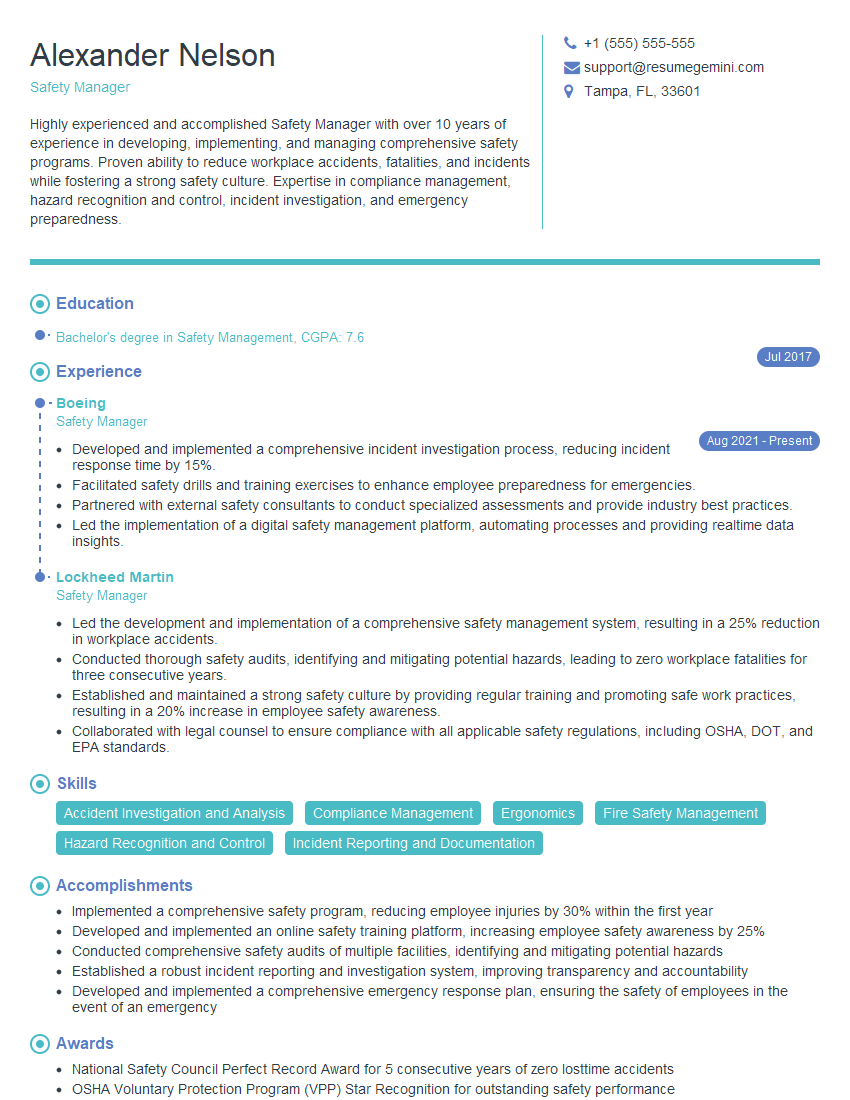
Safety Manager Resume Sample
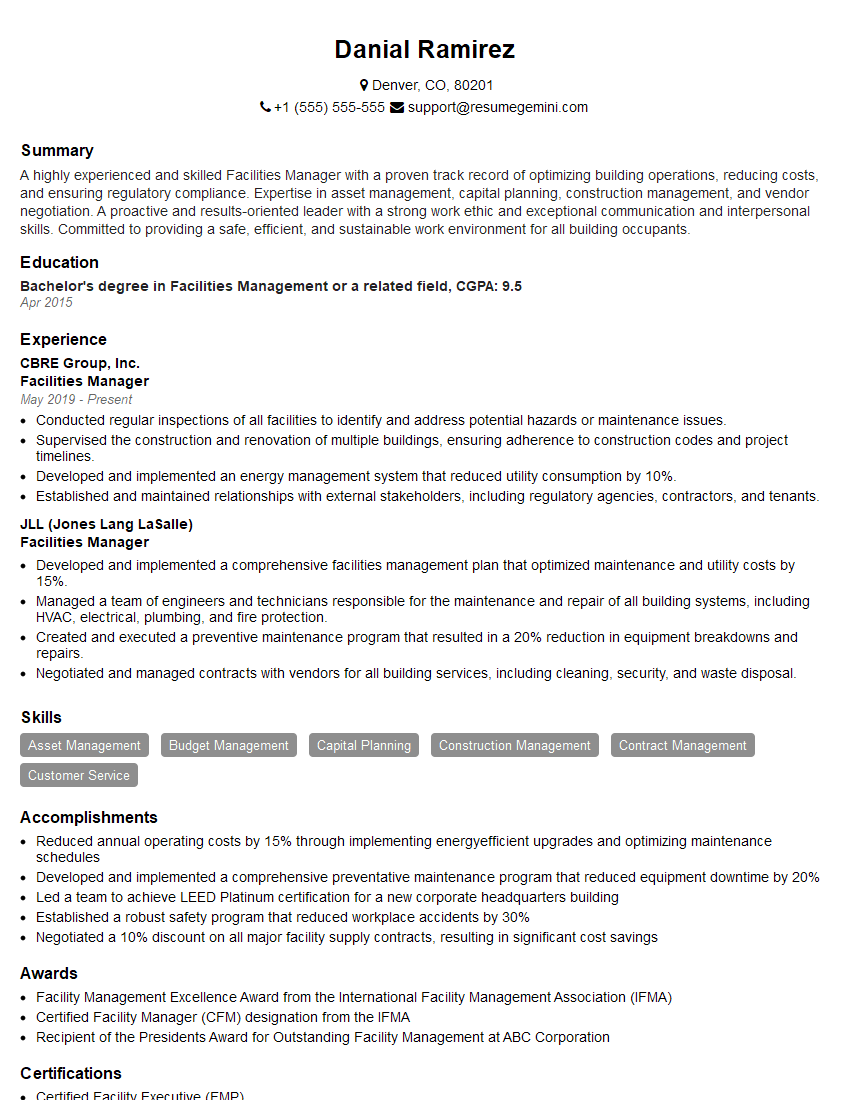
Facilities Manager Resume Sample
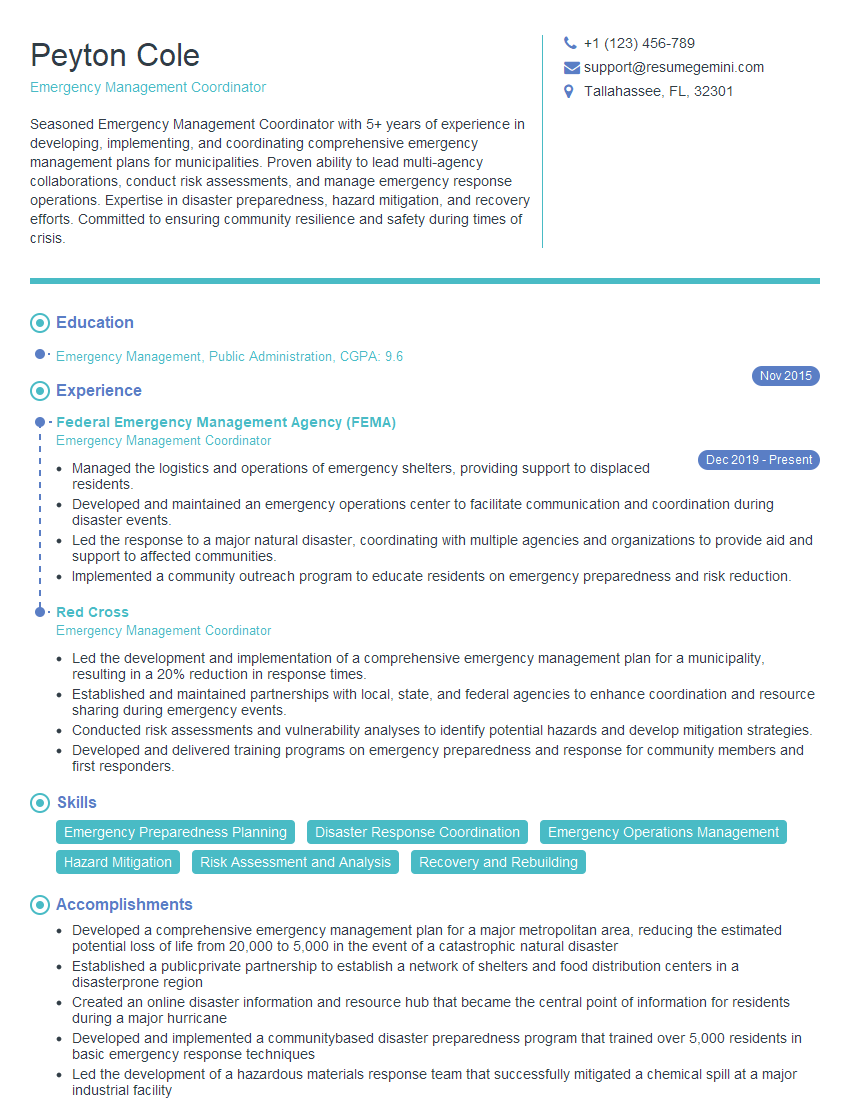
Emergency Management Coordinator Resume Sample
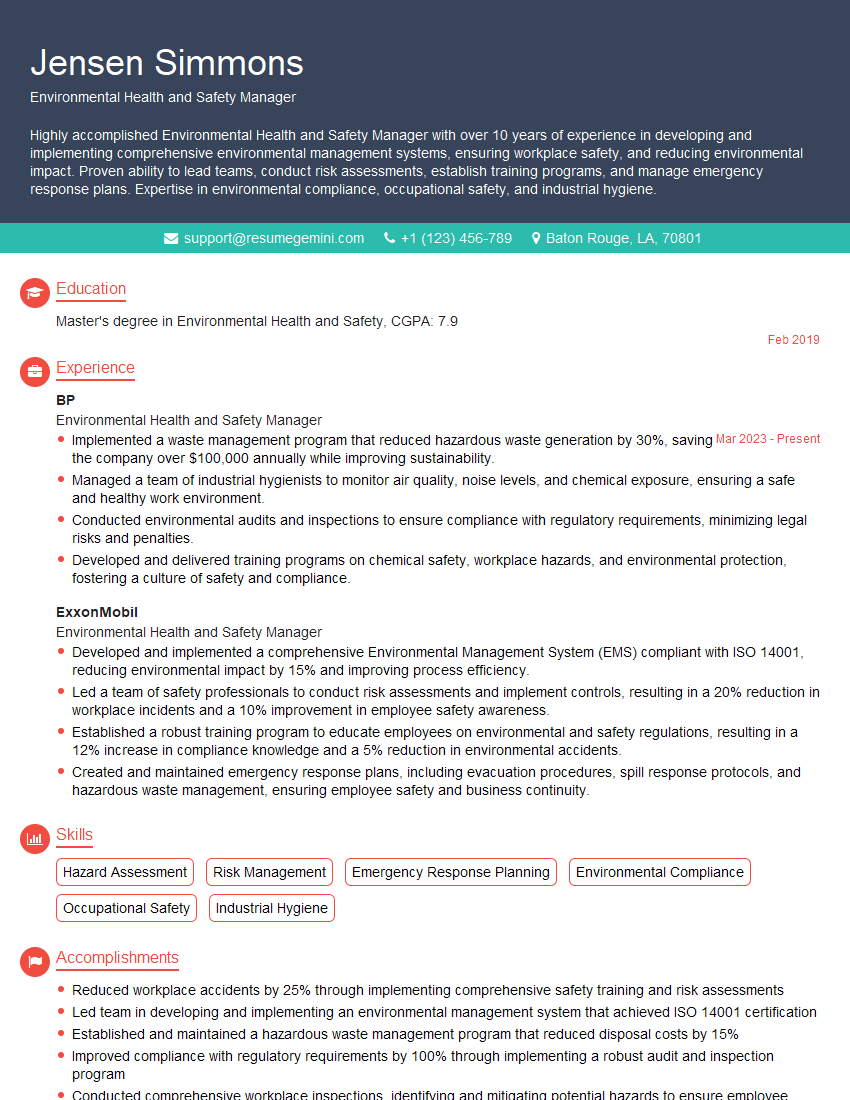
Environmental Health and Safety Manager Resume Sample

Compliance Officer Resume Sample
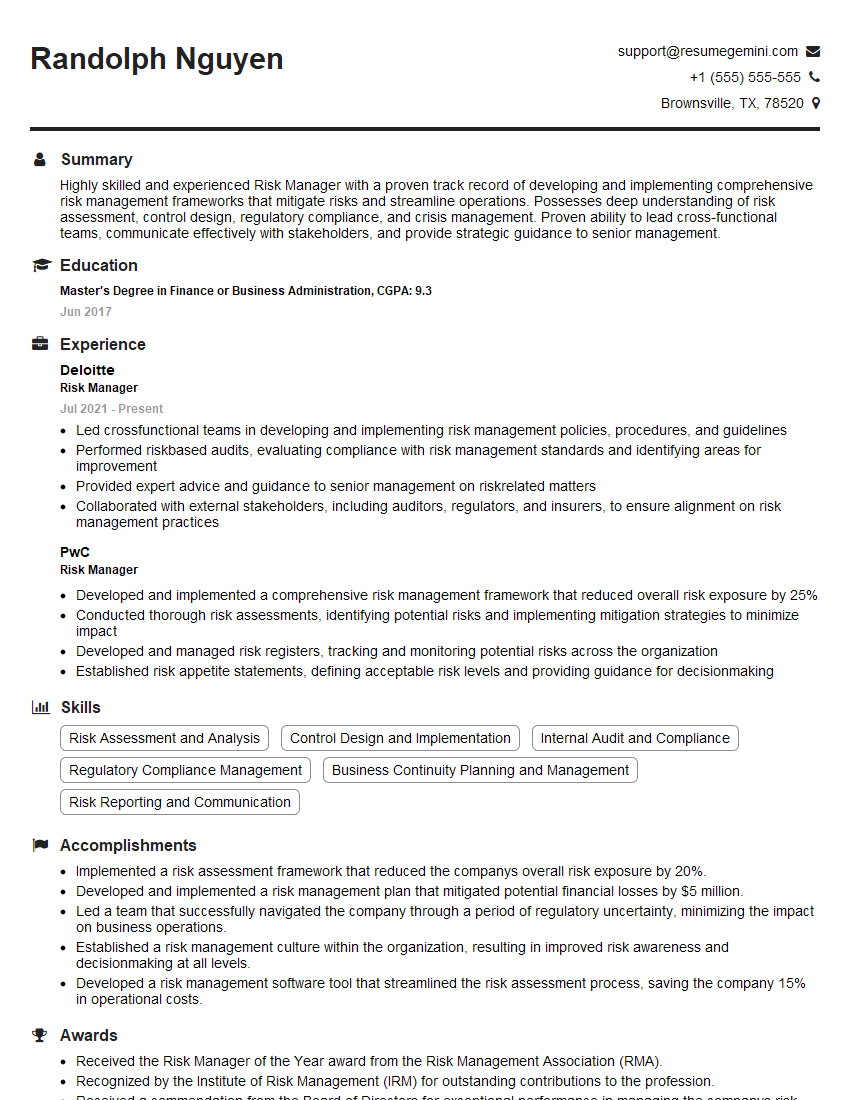
Risk Manager Resume Sample
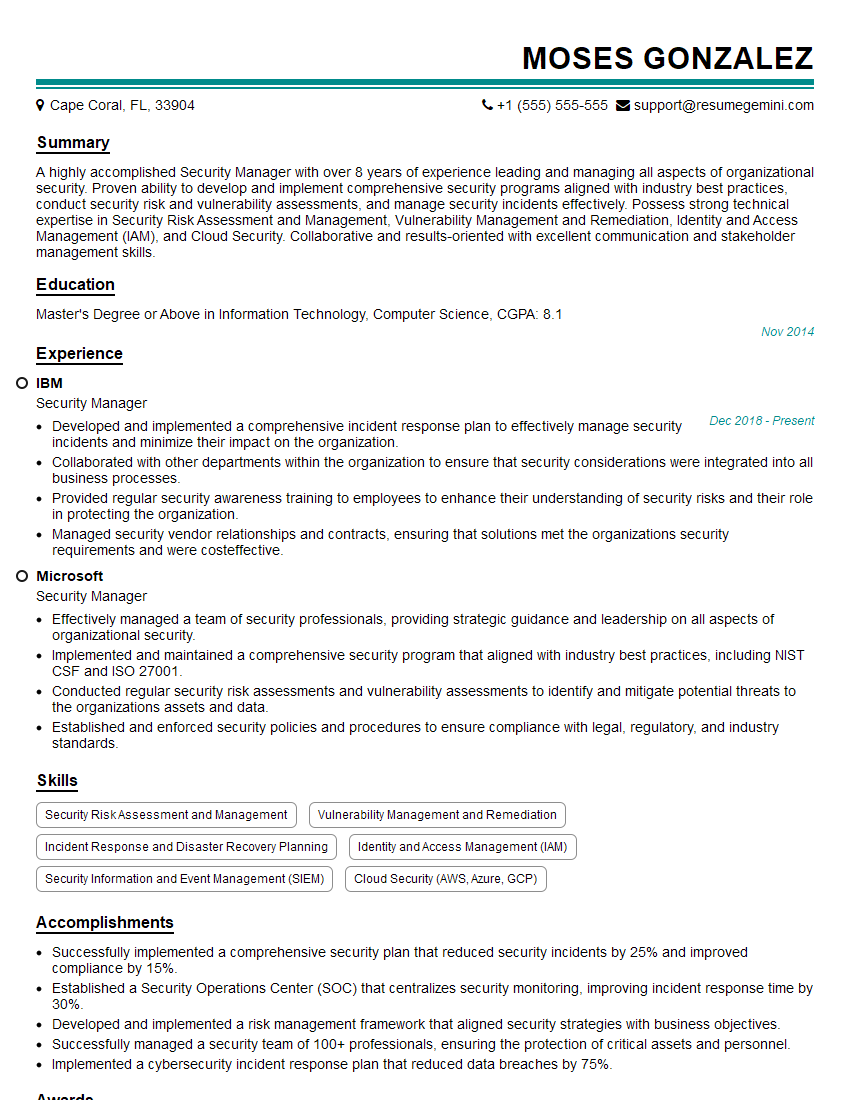
Security Manager Resume Sample
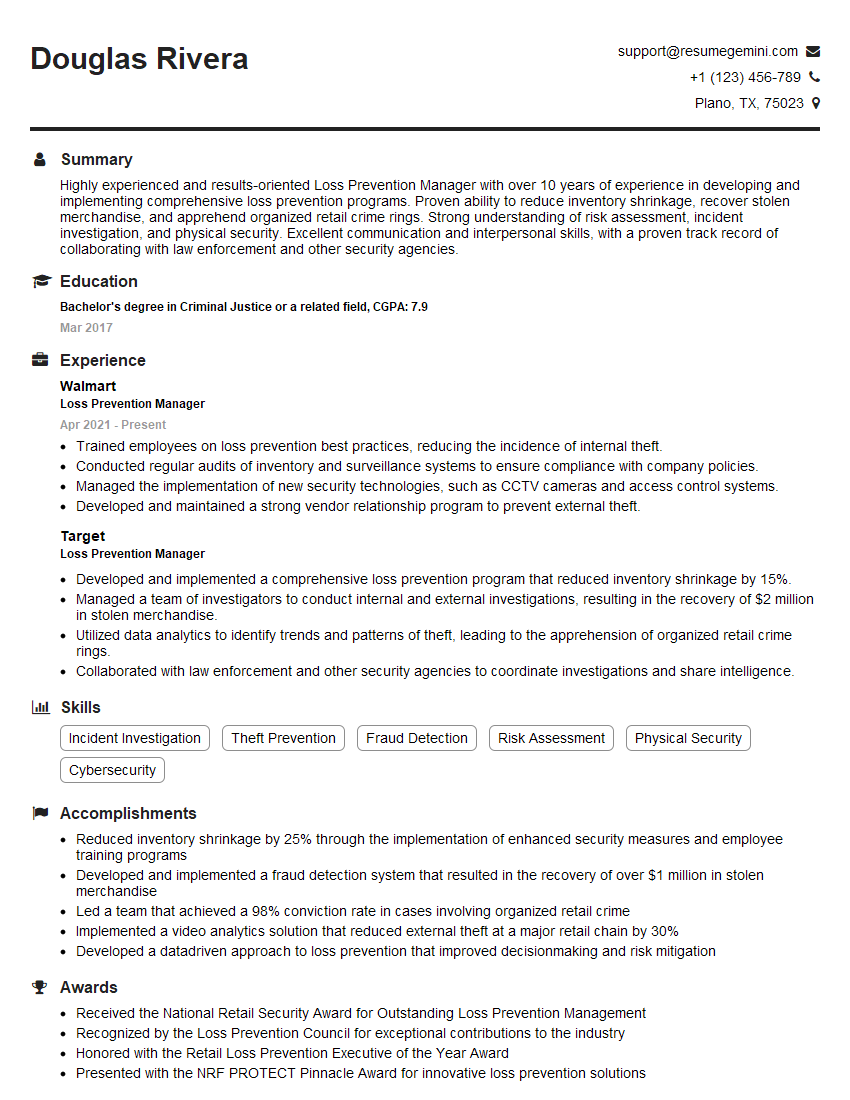
Loss Prevention Manager Resume Sample
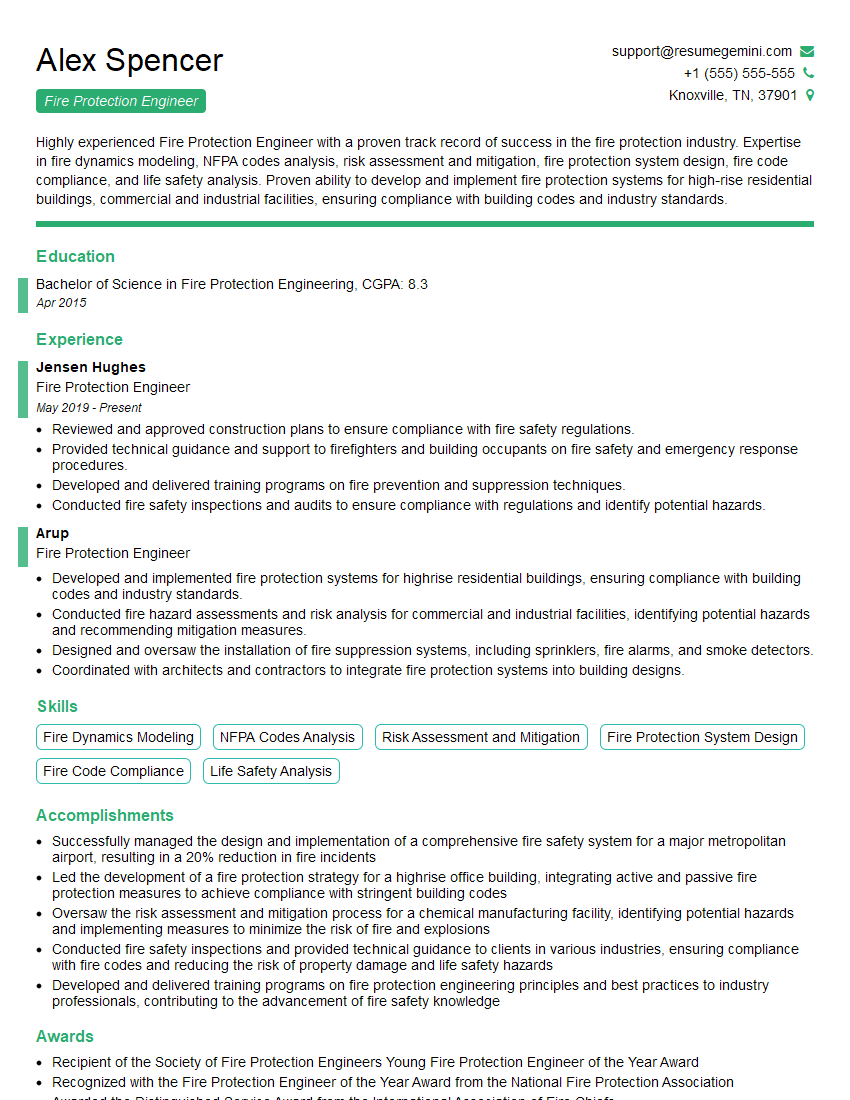
Fire Protection Engineer Resume Sample
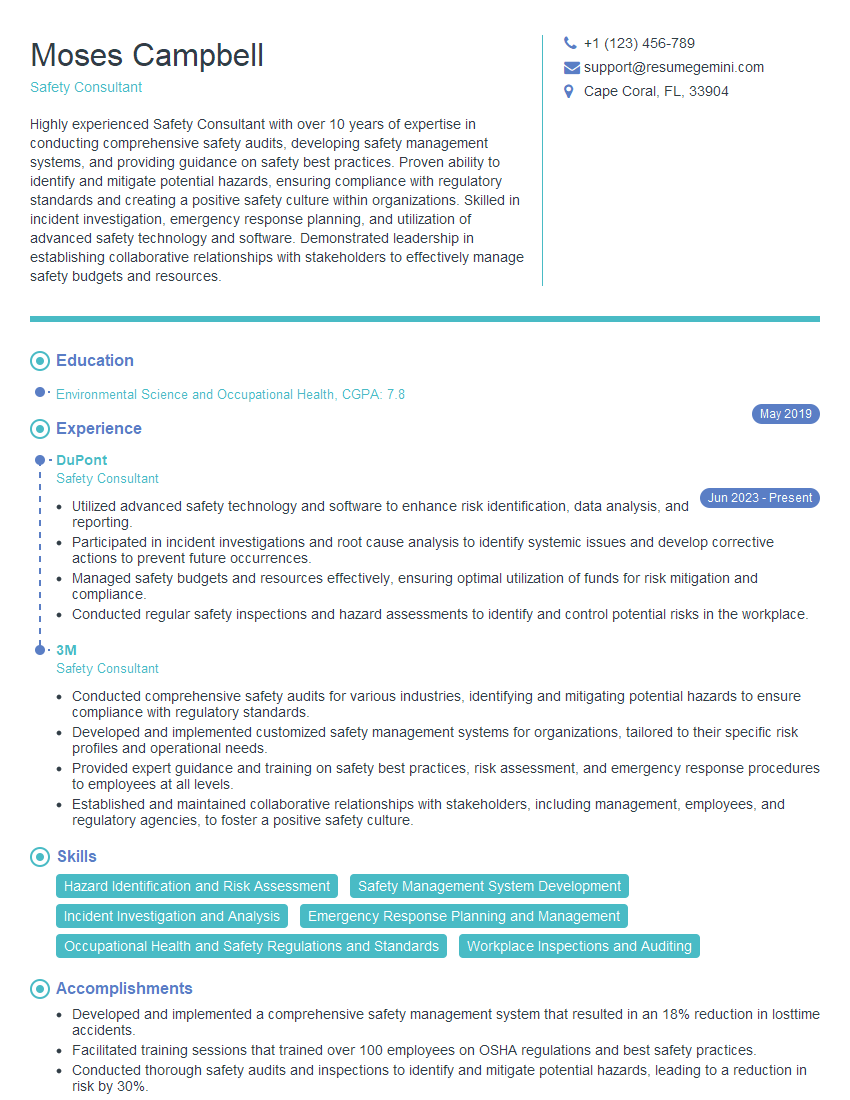
Safety Consultant Resume Sample
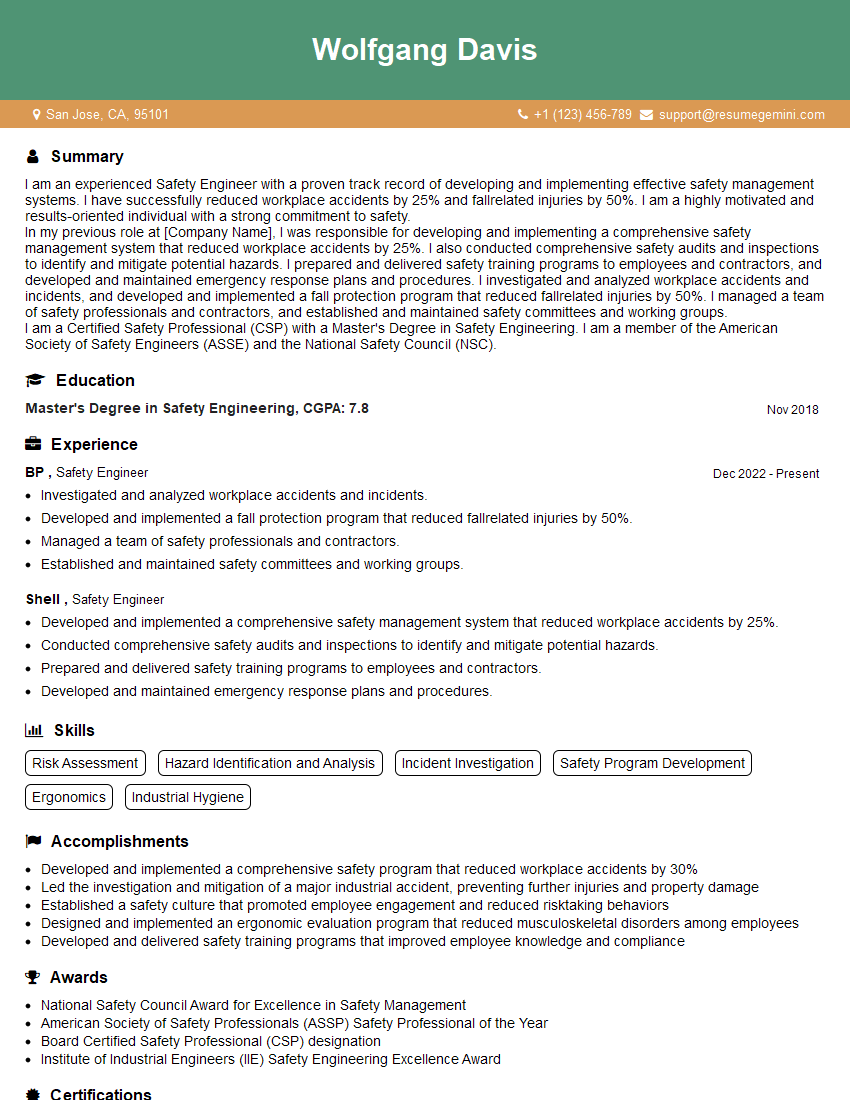
Safety Engineer Resume Sample
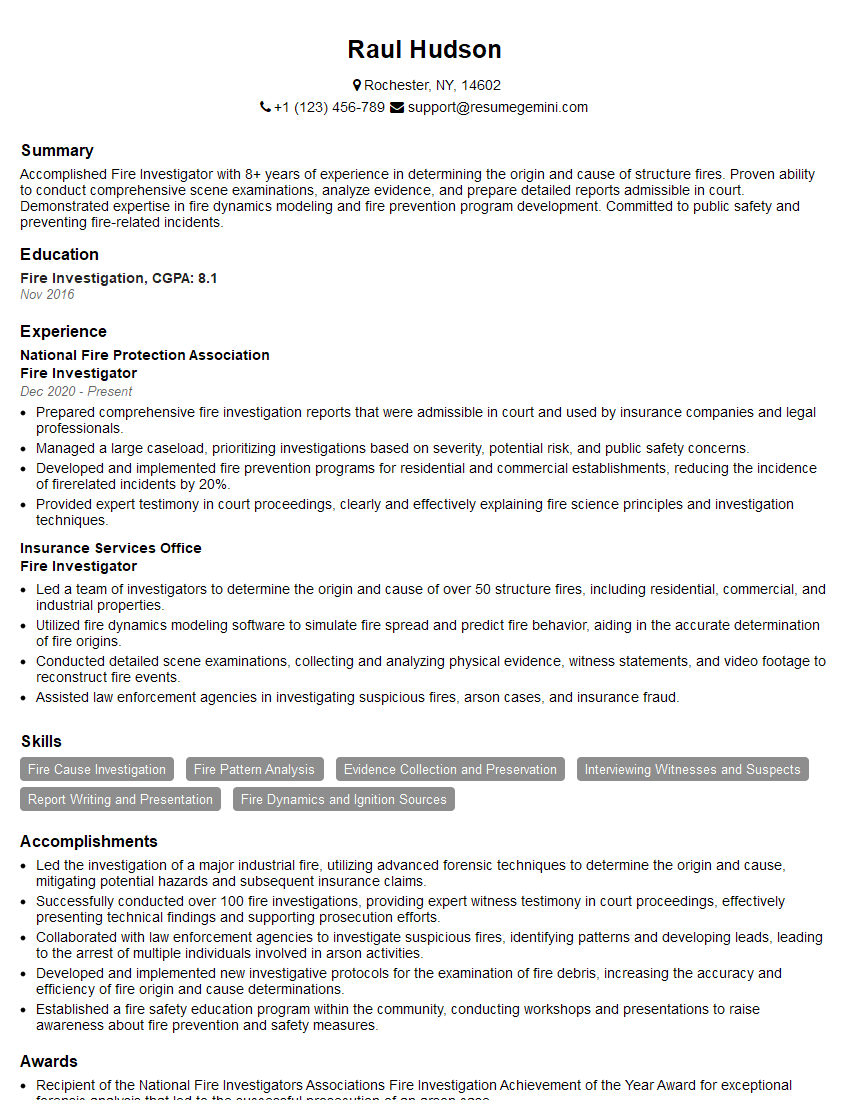
Fire Investigator Resume Sample
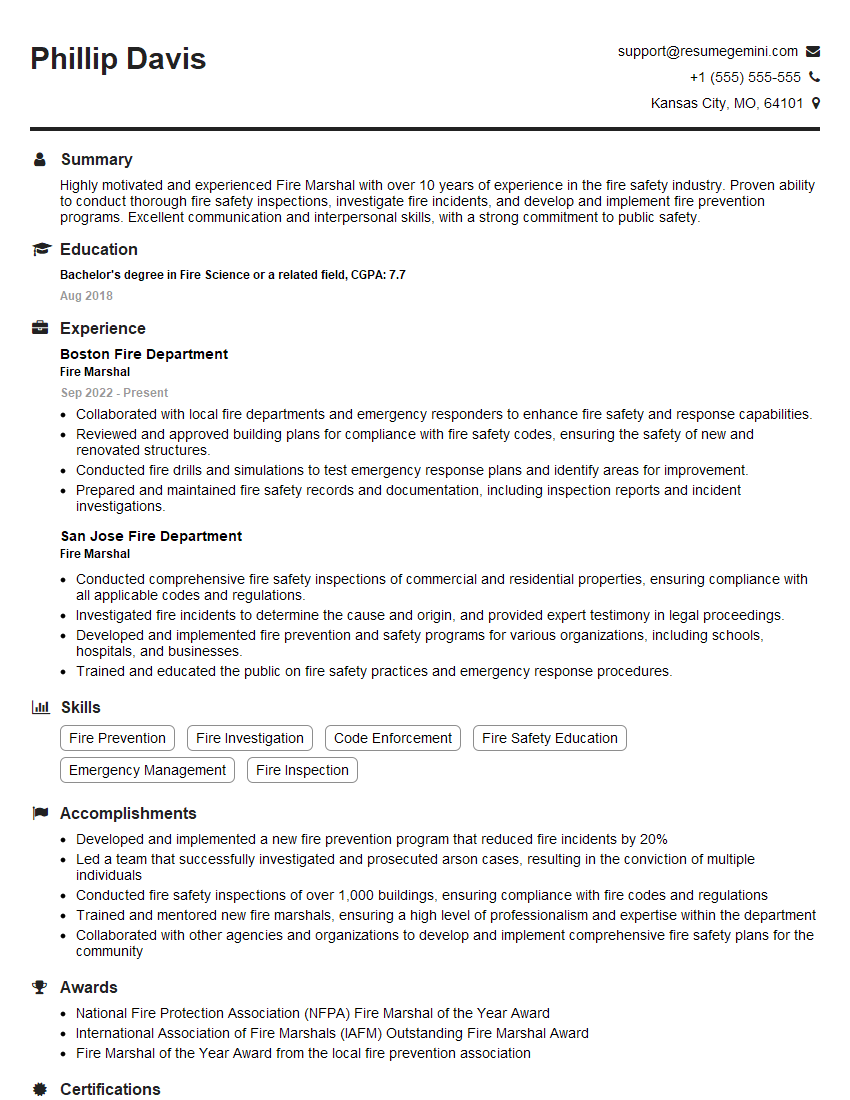
Fire Marshal Resume Sample
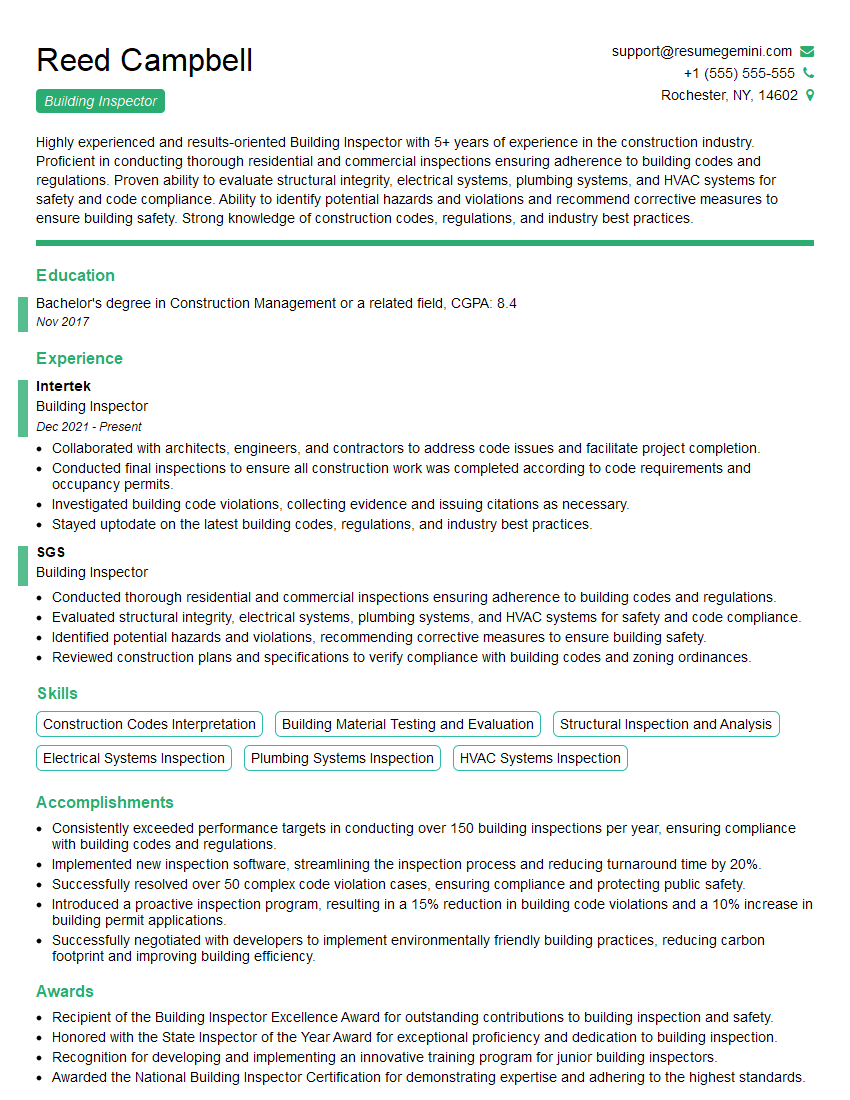
Building Inspector Resume Sample
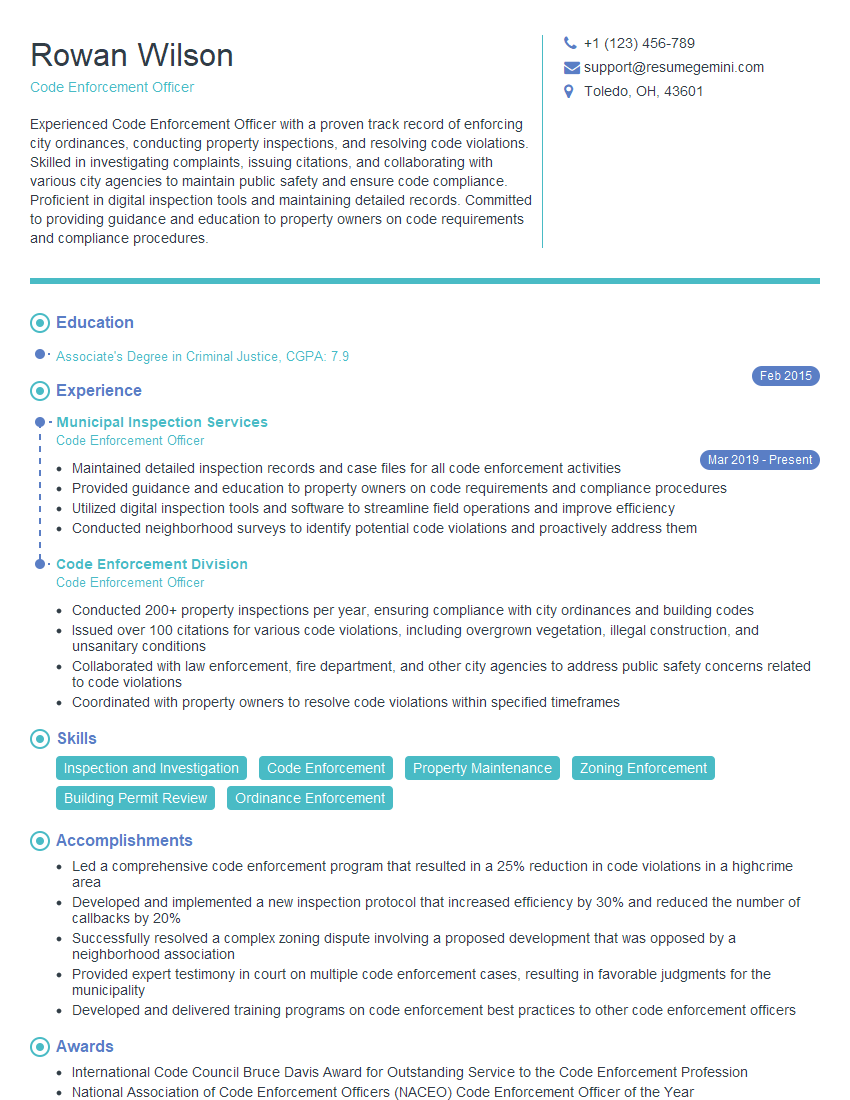
Code Enforcement Officer Resume Sample
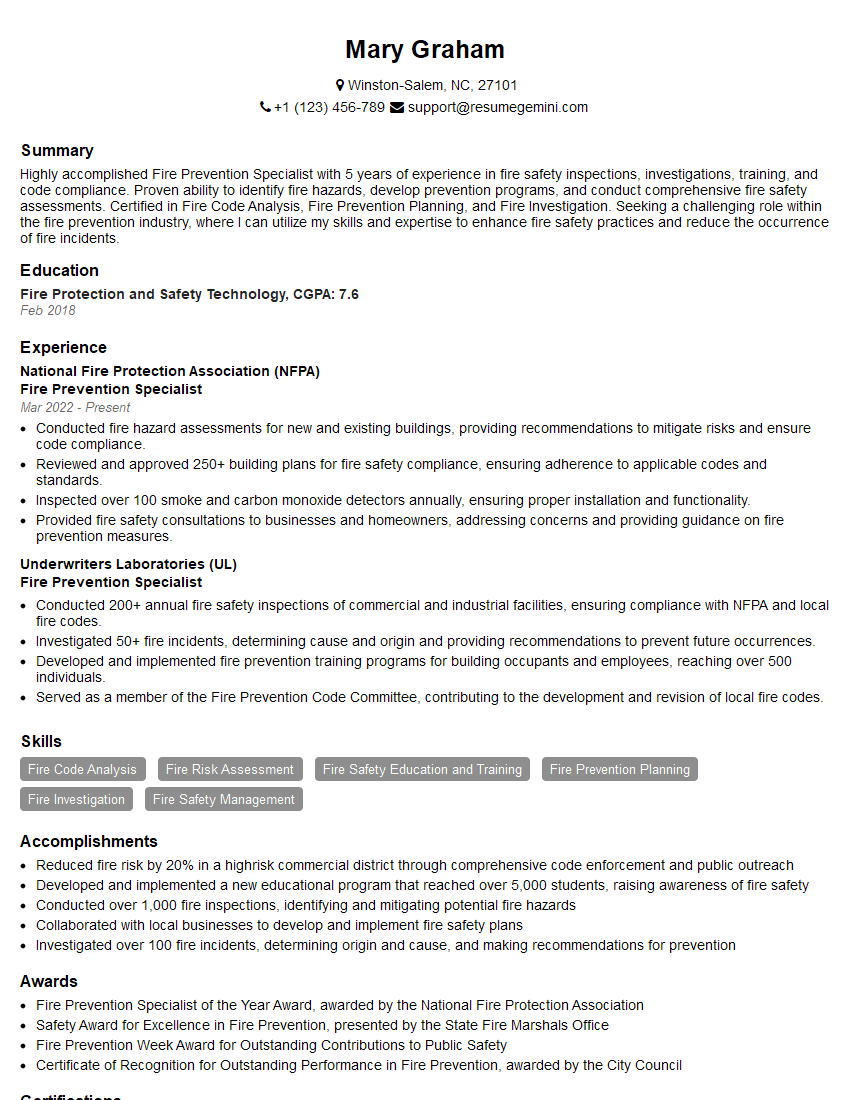
Fire Prevention Specialist Resume Sample
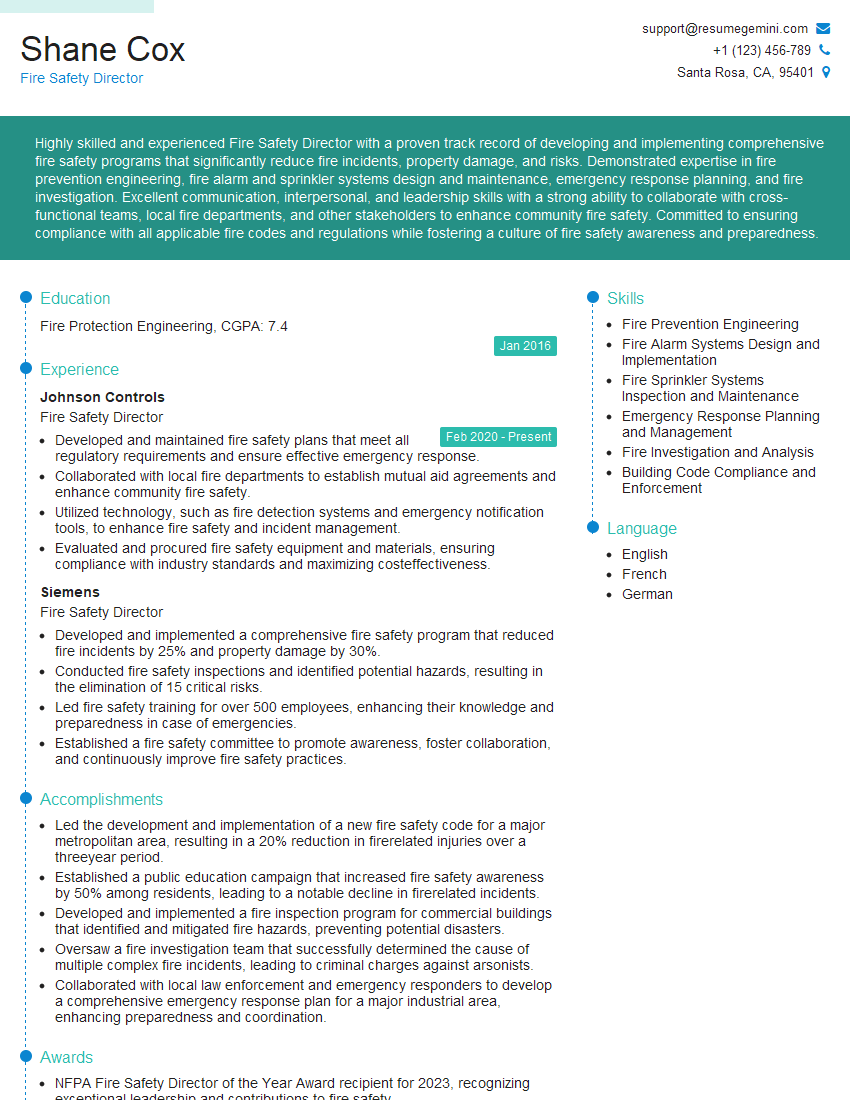
Fire Safety Director Resume Sample
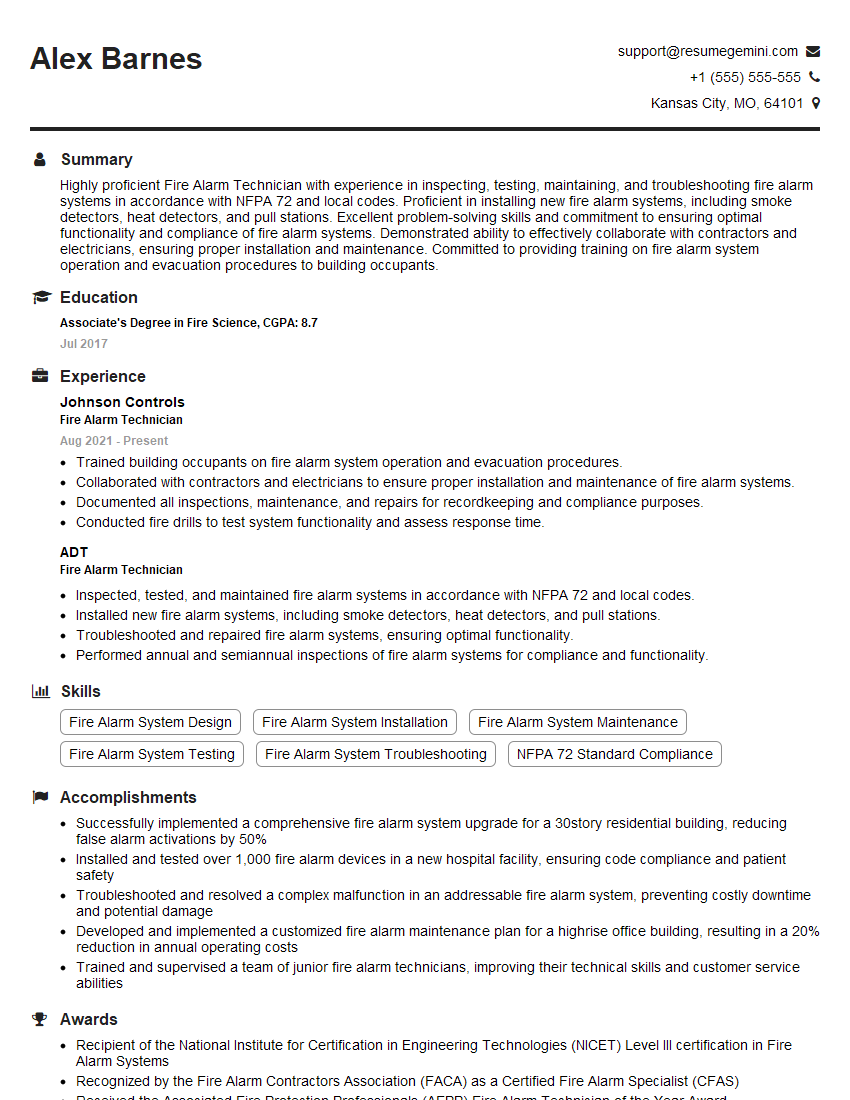
Fire Alarm Technician Resume Sample
- Safety Manager
- Facilities Manager
- Emergency Management Coordinator
- Environmental Health and Safety Manager
- Compliance Officer
- Risk Manager
- Security Manager
- Loss Prevention Manager
- Fire Protection Engineer
- Safety Consultant
- Safety Engineer
- Fire Investigator
- Fire Marshal
- Building Inspector
- Code Enforcement Officer
- Fire Prevention Specialist
- Fire Safety Director
- Fire Alarm Technician
Explore more articles
Users Rating of Our Blogs
Share Your Experience
We value your feedback! Please rate our content and share your thoughts (optional).
What Readers Say About Our Blog
Very informative content, great job.
good