Interviews are opportunities to demonstrate your expertise, and this guide is here to help you shine. Explore the essential Knowledge of furniture styles and trends interview questions that employers frequently ask, paired with strategies for crafting responses that set you apart from the competition.
Questions Asked in Knowledge of furniture styles and trends Interview
Q 1. Define the key characteristics of Mid-Century Modern furniture.
Mid-Century Modern (MCM) furniture, popularized in the mid-20th century (roughly 1933-1965), is characterized by its clean lines, organic shapes, and functionality. Think sleek silhouettes, tapered legs, and the use of new materials like plywood and molded plastics. It’s a style that champions simplicity and elegance, rejecting the ornate excesses of previous eras.
- Clean Lines and Simple Forms: MCM avoids fussy details, favoring streamlined shapes and geometric designs. Think of the iconic Eames chair with its molded plywood seat and elegantly curved legs.
- Organic Shapes: While geometric, many pieces incorporate subtly organic curves, mimicking natural forms. Think of the flowing lines of some Scandinavian-influenced MCM pieces.
- Functionality: Form follows function is a key tenet. Pieces are designed to be both aesthetically pleasing and practical for everyday use.
- Material Innovation: MCM embraced new materials like plywood, plastics, and chrome, allowing for mass production and experimentation with form.
- Warm Color Palettes: Often features warm, earthy tones like browns, yellows, and greens, alongside bolder accent colors.
Imagine a living room with a low-slung sofa in a rich brown fabric, a coffee table with tapered legs, and a pair of Eames chairs. That’s the essence of Mid-Century Modern.
Q 2. Compare and contrast Art Deco and Art Nouveau styles.
Art Deco and Art Nouveau, both flourishing in the early 20th century, share some aesthetic ground but differ significantly in their overall approach.
- Art Nouveau (1890-1910): Characterized by flowing, organic lines inspired by nature. Think whiplash curves, floral motifs, and asymmetrical designs. It’s often associated with a sense of elegance and fantasy. Think Gustav Klimt’s paintings or the architecture of Antoni Gaudí.
- Art Deco (1920-1939): Emphasizes geometric shapes, streamlined forms, and a sense of glamour and luxury. Think zigzags, stepped forms, and bold colors. It often incorporated industrial materials like chrome and lacquer, showcasing a futuristic aesthetic. The Chrysler Building is a prime example of Art Deco architecture.
Comparison: Both styles represent a departure from previous, more ornate styles. However, Art Nouveau embraces the flowing lines of nature, while Art Deco favors geometric precision and modernity. Art Nouveau is often more delicate and intricate, while Art Deco is bolder and more luxurious.
Contrast: Imagine a piece of Art Nouveau furniture: it might feature intricate carvings of flowers and leaves, flowing curves, and a sense of delicate elegance. An Art Deco piece, on the other hand, might be characterized by sharp angles, geometric patterns, and a strong sense of opulence.
Q 3. Describe the evolution of Victorian furniture design.
Victorian furniture design (roughly 1837-1901), spanning Queen Victoria’s reign, evolved significantly. Early Victorian was characterized by a heavier, more ornate style, influenced by Gothic Revival and Rococo. Later Victorian styles became more eclectic, incorporating influences from various periods and cultures.
- Early Victorian (1837-1860): Marked by rich, dark woods (mahogany, rosewood), intricate carvings, and heavy ornamentation. Think elaborate upholstery, plush fabrics, and claw-foot furniture.
- Mid-Victorian (1860-1880): Saw a rise in the popularity of upholstered furniture, increased use of natural materials, and the incorporation of Eastlake style (a simpler, more honest style influenced by the Arts and Crafts movement).
- Late Victorian (1880-1901): Characterized by a greater eclecticism, with influences from various styles like the Aesthetic Movement (emphasizing beauty and harmony) and Art Nouveau’s emerging organic forms. Furniture became more varied in style and materials.
The evolution reflects a shift from the opulent grandeur of early Victorian to a more diverse and nuanced aesthetic in later years, as tastes changed and new influences emerged.
Q 4. What are some current trends in residential furniture?
Current trends in residential furniture show a move towards personalization, sustainability, and a blend of styles.
- Biophilic Design: Incorporating natural elements like wood, plants, and natural light to create a calming and healthy environment. Think natural wood furniture, live-edge tables, and indoor plants.
- Multi-Functionality: Furniture that serves multiple purposes to maximize space efficiency. Think sofa beds, ottomans with storage, and convertible dining tables.
- Sustainable Materials: Increasing demand for furniture made from recycled, reclaimed, or sustainably harvested materials. This includes bamboo, reclaimed wood, and recycled plastic.
- Mixing Styles: Blending different design aesthetics for a unique and eclectic look. Think pairing Mid-Century Modern pieces with Scandinavian accents.
- Curved Furniture: A move away from strictly straight lines towards softer, curved forms that create a more relaxed and inviting atmosphere.
For example, you might see a living room with a curved sofa in a natural fabric, a reclaimed wood coffee table, and indoor plants, reflecting the current emphasis on both comfort and sustainability.
Q 5. How would you incorporate Scandinavian design principles into a modern space?
Incorporating Scandinavian design into a modern space involves focusing on its core principles: simplicity, functionality, and natural materials.
- Light and Airy Spaces: Maximize natural light by using light-colored walls and floors. Opt for sheer curtains or blinds to allow sunlight to filter through.
- Natural Materials: Use wood (light-colored woods like birch and pine are common), wool, linen, and cotton in furniture and textiles. Think a light wood dining table, linen cushions, and a wool rug.
- Minimalist Approach: Keep the space uncluttered and organized. Select functional pieces of furniture without unnecessary ornamentation.
- Neutral Color Palette: Employ a palette of white, beige, gray, and other neutral tones, accented with pops of color in textiles or artwork.
- Functionality and Simplicity: Choose furniture with clean lines and simple forms. Functionality is key – each piece should have a purpose.
For example, a modern living room could incorporate a light wood sofa with simple lines, a sheepskin rug, and a few carefully chosen accessories. The overall effect would be clean, airy, and inviting, embodying the Scandinavian aesthetic.
Q 6. Discuss the impact of sustainability on contemporary furniture design.
Sustainability is significantly impacting contemporary furniture design, driving a shift towards eco-conscious practices and materials.
- Sustainable Sourcing: Using materials from responsibly managed forests (FSC certified wood), recycled materials (plastic, metal), and rapidly renewable resources (bamboo).
- Reduced Waste: Designing furniture for durability and longevity, minimizing packaging, and employing efficient manufacturing processes.
- Bio-Based Materials: Exploring and incorporating materials derived from plants and other biological sources.
- Circular Economy Principles: Designing furniture for easy disassembly, repair, and reuse, extending the lifespan of products and reducing waste.
- Low-Emission Manufacturing: Adopting manufacturing techniques that reduce greenhouse gas emissions and environmental impact.
This trend means consumers are increasingly choosing furniture made from recycled materials, supporting companies with transparent supply chains, and prioritizing quality and durability over fleeting trends. The shift toward sustainable furniture isn’t just an ethical choice; it’s increasingly a design preference.
Q 7. Explain the difference between a chaise lounge and a daybed.
While both chaise lounges and daybeds offer comfortable reclining options, there are key differences.
- Chaise Lounge: Typically a single-person piece of furniture designed specifically for reclining. It’s characterized by a long, curved seat and often features a raised headrest. Its primary purpose is relaxation.
- Daybed: Can be used for both sitting and sleeping. It’s often a slightly longer sofa or bench with a low back or no back at all, sometimes including cushions or a mattress. Its function is more versatile – offering a place to relax during the day and potentially for sleeping, unlike the singular relaxation purpose of a chaise lounge.
In short: A chaise lounge is designed solely for lounging and reclining, while a daybed is more versatile and can serve as a place for both sitting and sleeping.
Q 8. What are the key elements of a successful furniture showroom display?
A successful furniture showroom display hinges on creating an immersive and inspiring experience for the customer. It’s not just about showcasing products; it’s about telling a story and evoking a feeling.
- Room Settings: Instead of individual pieces, arrange furniture into realistic room settings (living room, dining room, bedroom). This allows customers to visualize the pieces in their own homes. For example, a living room display might include a sofa, armchairs, coffee table, and rug, all coordinated in style and color.
- Lighting and Ambiance: Proper lighting is crucial. Use a combination of ambient, task, and accent lighting to highlight textures, colors, and details. Soft, warm lighting creates a welcoming atmosphere, while strategic spotlights can draw attention to key pieces. Think about adding plants or artwork to enhance the ambiance.
- Flow and Space: The showroom layout should be intuitive and easy to navigate. Avoid overcrowding; allow ample space between displays to prevent feeling claustrophobic. Consider creating distinct zones for different styles or price points.
- Storytelling: Each display should tell a story. Use props, accessories, and even mood boards to communicate a design concept or lifestyle. For instance, a modern minimalist display might include sleek lines, neutral colors, and simple accessories, conveying a sense of calm and sophistication.
- Signage and Information: Clear and concise signage is essential. Include price tags, product descriptions, and material information. Staff should be knowledgeable and readily available to answer questions and provide assistance.
Q 9. How do you identify authentic antique furniture?
Identifying authentic antique furniture requires a keen eye for detail and a deep understanding of furniture history and construction techniques. It’s a process that combines visual inspection with research.
- Construction Techniques: Examine joinery (how the pieces of wood are connected). Hand-cut dovetail joints, mortise and tenon joints, and pegged construction are hallmarks of older, hand-crafted pieces. Machine-made joints are usually more uniform and precise.
- Wood and Finishes: The type of wood and its finish can provide clues. Certain woods were popular during specific periods. Old finishes often show signs of age and wear, such as patina or crackling (craquelure). Look for inconsistencies, as perfectly uniform finishes are often a sign of a reproduction.
- Hardware: Examine the hinges, drawer pulls, and other hardware. Hand-forged hardware is often irregular in shape and may show signs of age. Reproductions usually have more uniform and standardized hardware.
- Markings and Labels: Check for maker’s marks, stamps, or labels. These can help to authenticate the piece and date it. However, be aware that some labels can be forged.
- Provenance and History: If possible, research the history of the piece. Knowing where it came from and its previous owners can provide valuable information about its authenticity. This may involve contacting auction houses or antique dealers who specialize in the specific furniture style.
- Expert Consultation: For high-value pieces, it’s always advisable to seek the opinion of a reputable antique appraiser or furniture expert. They can provide an objective assessment of authenticity and value.
For example, a Chippendale chair from the 18th century would likely exhibit hand-carved details, specific forms and proportions, and possibly original hardware. Compare this to a modern reproduction, which will lack the subtle imperfections and age-related wear-and-tear that would suggest a genuine antique.
Q 10. Describe the process of selecting appropriate furniture for a specific client’s needs.
Selecting furniture for a specific client requires a collaborative process that focuses on understanding their needs, lifestyle, and aesthetic preferences. It’s about more than just picking pretty pieces; it’s about creating a functional and aesthetically pleasing space.
- Initial Consultation: Begin with a thorough consultation to understand the client’s needs and preferences. Discuss their lifestyle, how they use their space, and their desired aesthetic. Ask about their budget and any existing furniture they want to incorporate.
- Space Planning: Take accurate measurements of the space and create a floor plan. This helps to visualize furniture placement and ensures that pieces are appropriately sized and scaled to the room. Consider traffic flow and sightlines.
- Style and Aesthetics: Discuss the client’s preferred style (e.g., modern, traditional, minimalist, eclectic). Look at images for inspiration and identify common design elements that appeal to them. Present options based on the discussed preferences, but also challenge their preconceived notions where appropriate.
- Material Selection: Discuss material options based on durability, maintenance requirements, and budget. For example, a family with young children might benefit from stain-resistant fabrics and durable wood finishes.
- Ergonomics and Functionality: Prioritize ergonomics to ensure that furniture is comfortable and supportive. Consider the functionality of each piece and how it meets the client’s needs. For example, a comfortable sofa is essential for a living room, while ample storage is often needed in a smaller space.
- Presentation and Selection: Present a selection of options that meet the client’s needs and budget. Use mood boards or 3D renderings to visualize the final design. This allows the client to see how the pieces work together as a cohesive whole.
- Follow-up and Installation: Once the client has made their selections, oversee the ordering and installation process to ensure that everything is delivered and installed correctly.
Q 11. What are some common materials used in contemporary furniture manufacturing?
Contemporary furniture manufacturing utilizes a wide range of materials, often prioritizing sustainability and innovative design. The choice of materials often depends on factors like durability, aesthetics, and cost.
- Wood: Various hardwoods (oak, walnut, maple) and engineered woods (plywood, MDF) are commonly used. Sustainable sourcing is becoming increasingly important.
- Metals: Steel, aluminum, and brass are popular choices for frames, legs, and accents. Powder-coated finishes provide durability and a range of color options.
- Plastics and Resins: These materials offer versatility and affordability. Recycled plastics are becoming a more sustainable option.
- Glass: Glass is often used for tabletops, shelves, and decorative elements. Tempered glass is used for safety and durability.
- Upholstery Fabrics: A vast array of fabrics are used for upholstery, including natural fibers (cotton, linen, wool), synthetic fibers (polyester, nylon), and leather. Consideration is given to factors like durability, stain resistance, and comfort.
- Stone and Concrete: These materials are used to create a sense of weight and durability, often seen in table bases or countertops.
Q 12. Explain the importance of ergonomics in furniture design.
Ergonomics in furniture design is crucial for ensuring comfort, health, and productivity. It focuses on the interaction between people and their environment, specifically how furniture impacts posture, movement, and overall well-being.
- Posture Support: Furniture should support proper posture, minimizing strain on the back, neck, and shoulders. Chairs should have adequate lumbar support, while sofas and beds should provide comfortable and supportive seating or lying surfaces.
- Adjustability: Adjustable features, such as height-adjustable desks and chairs, allow users to customize the furniture to their individual needs and preferences. This ensures good posture for different users and tasks.
- Comfort and Support: Materials and construction should provide comfort and support for extended periods of use. This includes considerations for cushioning, firmness, and the overall feel of the furniture.
- Movement and Reach: Furniture should be designed to facilitate movement and allow easy reach to commonly used items. This is especially important for kitchen counters and desks. This might include appropriate work surface height relative to seating.
- Safety and Accessibility: Furniture should be safe and easy to use, especially for individuals with disabilities. This includes features such as rounded corners, stable bases, and easy-to-grip handles.
For example, an ergonomically designed office chair would have adjustable height, lumbar support, and armrests to promote proper posture and reduce fatigue during prolonged sitting.
Q 13. How do you stay up-to-date on the latest furniture trends?
Staying updated on furniture trends requires a multi-faceted approach that combines active research with networking and professional development.
- Industry Publications and Websites: Regularly read design magazines, blogs, and industry websites to keep abreast of current trends and emerging styles. Examples include publications focused on interior design, architecture, and furniture manufacturing.
- Trade Shows and Events: Attend industry trade shows and design events to see new product launches and network with other professionals. This allows you to see the latest offerings and gain insight directly from manufacturers and designers.
- Social Media and Online Communities: Follow key influencers, designers, and brands on social media platforms like Instagram, Pinterest, and Houzz. Engaging in online communities provides access to a wealth of information and creative ideas.
- Networking and Collaboration: Network with other designers, architects, and manufacturers to exchange ideas and learn about emerging trends. Collaboration can lead to new insights and opportunities.
- Continuing Education: Participate in workshops, seminars, and courses to stay current with new materials, technologies, and design techniques. This ensures you’re at the forefront of knowledge within the field.
Q 14. What software programs are you proficient in for furniture design?
Proficiency in various software programs is essential for efficient and effective furniture design. My expertise includes:
- SketchUp: For 3D modeling and visualization of furniture designs. I use SketchUp to create detailed models, exploring form and function before producing final designs.
- AutoCAD: For creating precise technical drawings and detailing of furniture pieces. AutoCAD is essential for accurate production and manufacturing specifications.
- Revit: For BIM (Building Information Modeling), allowing integration of furniture designs within larger architectural projects. This ensures seamless coordination with other aspects of a construction or renovation project.
- Photoshop and Illustrator: For creating marketing materials, mood boards, and presentations. These programs are crucial for visualizing the finished product and communicating the design concept effectively.
While I am proficient in these programs, I am also always exploring and learning new software solutions as technology continues to evolve.
Q 15. Describe your experience with sourcing furniture materials.
Sourcing furniture materials is a crucial aspect of the design and manufacturing process, demanding a keen eye for quality, sustainability, and cost-effectiveness. My approach involves a multi-faceted strategy. First, I thoroughly research various suppliers, comparing their offerings in terms of material quality, certifications (like FSC for sustainable forestry), and pricing. I prioritize working with suppliers who demonstrate ethical sourcing practices and environmental responsibility. Second, I meticulously examine samples of each material, assessing its texture, durability, color consistency, and suitability for the intended design. This often involves testing the materials’ resistance to wear and tear, stain resistance, and overall longevity. For example, when selecting wood, I’ll consider the grain, hardness, and its susceptibility to scratches or dents. For fabrics, I evaluate their composition, weave, and colorfastness. Finally, I establish strong relationships with reliable suppliers to ensure a consistent supply chain and timely delivery of high-quality materials. This proactive approach minimizes delays and maintains the project’s timeline and budget.
Career Expert Tips:
- Ace those interviews! Prepare effectively by reviewing the Top 50 Most Common Interview Questions on ResumeGemini.
- Navigate your job search with confidence! Explore a wide range of Career Tips on ResumeGemini. Learn about common challenges and recommendations to overcome them.
- Craft the perfect resume! Master the Art of Resume Writing with ResumeGemini’s guide. Showcase your unique qualifications and achievements effectively.
- Don’t miss out on holiday savings! Build your dream resume with ResumeGemini’s ATS optimized templates.
Q 16. Explain your approach to resolving design conflicts during a project.
Design conflicts are inevitable in collaborative projects. My approach centers on open communication and a collaborative problem-solving mindset. When a conflict arises, I initiate a discussion with all stakeholders—clients, designers, manufacturers—to understand the root cause of the disagreement. This involves actively listening to each perspective, clarifying misunderstandings, and identifying common goals. We then brainstorm potential solutions, weighing the pros and cons of each option. For example, if a client wants a specific fabric that’s incompatible with the structural integrity of the design, I present alternative fabrics with similar aesthetic qualities that meet the structural requirements. This often involves showing them samples and explaining the technical reasons for our recommendations. The goal is to find a compromise that satisfies both aesthetic and functional needs while staying within budget and timeline constraints. Documentation of all decisions and agreed-upon changes is key to avoiding future misunderstandings.
Q 17. How would you handle a client who is unsure about their style preferences?
Working with clients who lack defined style preferences is a common scenario. My approach is to guide them through a discovery process, helping them articulate their needs and desires. I begin by asking open-ended questions to understand their lifestyle, how they envision using the furniture, and the overall atmosphere they want to create in the space. For instance, I’ll inquire about their hobbies, how they entertain guests, and what kind of mood they want to evoke—calm and serene or vibrant and energetic. I then present a curated selection of images representing various styles—Mid-Century Modern, Scandinavian, Traditional, Contemporary—discussing the key characteristics of each style and how these translate into furniture choices. I might even create mood boards incorporating colors, textures, and materials to inspire them. This collaborative approach allows them to explore various styles, identify elements they resonate with, and ultimately develop a personalized style that reflects their unique taste and lifestyle. This might even involve a combination of styles, creating a truly bespoke look.
Q 18. Discuss your understanding of different upholstery fabrics and their properties.
Upholstery fabrics are a critical element in furniture design, impacting both aesthetics and durability. My understanding encompasses various fabrics and their properties. For instance, velvet offers a luxurious feel and rich texture but may require more maintenance. Linen is breathable and has a natural look but can wrinkle easily. Leather is durable and ages beautifully but can be expensive and requires specific care. Polyester is affordable and durable but may not feel as luxurious. Microfiber is stain-resistant and easy to clean, ideal for high-traffic areas. Choosing the right fabric involves considering the intended use of the furniture, the desired level of comfort, durability requirements, and the client’s budget. I advise clients on the pros and cons of each fabric type, ensuring they make an informed decision based on their needs and preferences. This often includes providing fabric swatches and explaining the cleaning and maintenance requirements for each material.
Q 19. What are some common challenges faced in furniture design and manufacturing?
Furniture design and manufacturing present several challenges. One common challenge is balancing aesthetics with functionality and ergonomics. A beautiful piece of furniture that’s uncomfortable or impractical won’t be successful. Another challenge is managing costs while maintaining quality. Using high-quality materials and skilled craftsmanship can increase costs, requiring careful budgeting and material sourcing strategies. Meeting tight deadlines while maintaining high standards of quality is another obstacle. Effective project management, streamlined workflows, and strong communication are crucial to overcome this. Finally, keeping abreast of current design trends and technological advancements is essential to staying competitive and providing innovative designs. This requires continuous learning and adaptation in the field.
Q 20. Explain the importance of considering space planning when selecting furniture.
Space planning is paramount when selecting furniture. Choosing furniture that’s too large for a room will make the space feel cramped and cluttered, while furniture that’s too small will look lost and disproportionate. Effective space planning involves considering the dimensions of the room, the traffic flow, and the placement of other elements, such as windows, doors, and fireplaces. I typically begin by taking detailed measurements of the space and creating a scale drawing or using 3D modeling software to visualize the placement of furniture. This allows clients to see how the furniture will fit into the room and to make adjustments as needed. I also consider the scale and proportion of furniture pieces relative to the room’s size. For instance, a large sectional sofa might be appropriate for a spacious living room but would overwhelm a small apartment. Careful attention to space planning leads to a functional and aesthetically pleasing space that maximizes comfort and functionality.
Q 21. Describe your knowledge of different furniture finishing techniques.
Furniture finishing techniques significantly impact the look, feel, and durability of a piece. My knowledge spans various techniques, including staining, which enhances the natural wood grain; painting, which provides a uniform color and protection; lacquering, which creates a high-gloss finish; and varnishing, which offers a protective layer with varying degrees of sheen. Each technique has its own advantages and disadvantages, depending on the type of wood, desired aesthetic, and level of protection required. For instance, a rustic farmhouse style might benefit from a distressed paint finish, while a modern design might call for a sleek, lacquered finish. I also understand the importance of proper surface preparation before applying any finish to ensure a smooth, even application and lasting durability. This includes sanding, cleaning, and priming, as needed. Selecting the right finish is a crucial step in ensuring the longevity and aesthetic appeal of the final product.
Q 22. How would you incorporate sustainable practices into a furniture design project?
Incorporating sustainable practices into furniture design is paramount for minimizing environmental impact and promoting responsible resource management. My approach involves a multi-pronged strategy focusing on material selection, manufacturing processes, and product lifespan.
Material Selection: I prioritize using reclaimed wood, sustainably harvested timber certified by organizations like the Forest Stewardship Council (FSC), and rapidly renewable materials like bamboo and sustainably sourced rattan. I also explore the use of recycled content in upholstery fabrics, padding, and finishes, reducing reliance on virgin resources. For example, I recently designed a chair using reclaimed oak salvaged from a demolished barn, giving it a unique character while reducing waste.
Manufacturing Processes: I collaborate with manufacturers committed to minimizing waste and pollution. This includes employing techniques like zero-waste cutting patterns, using water-based finishes to reduce VOC emissions, and opting for energy-efficient machinery. Lean manufacturing principles help optimize resource utilization and reduce waste at every stage.
Product Lifespan: Designing for durability and repairability extends the furniture’s lifespan, reducing the need for frequent replacements. Modular designs allow for easy repairs and upgrades, extending the product’s useful life. For instance, a sofa with replaceable covers allows for easy cleaning and updates, reducing the need for a complete replacement.
Ultimately, sustainable design isn’t just about using eco-friendly materials; it’s about a holistic approach that considers the entire lifecycle of the product, from sourcing to disposal.
Q 23. What is your experience with custom furniture design?
I have extensive experience in custom furniture design, spanning over ten years. This includes everything from initial client consultations and design development to overseeing the manufacturing process and final installation. I enjoy the collaborative nature of custom design, working closely with clients to translate their vision into reality. My portfolio includes a wide range of projects, from bespoke dining tables crafted from exotic hardwoods to minimalist shelving systems tailored to specific spaces.
One particularly memorable project involved designing a custom library for a private residence. The client had a vast collection of rare books and wanted a space that was both functional and aesthetically stunning. Through close collaboration, we designed a system of adjustable shelves and integrated lighting, perfectly showcasing the collection while maximizing the available space. The project highlighted the importance of careful listening, precise measurements, and attention to detail in achieving the client’s vision.
Q 24. Describe your approach to creating a cohesive design aesthetic.
Creating a cohesive design aesthetic involves a systematic approach that blends form and function, considering the client’s preferences, the space’s architecture, and current design trends. My process usually involves:
Understanding the Client’s Vision: In-depth discussions with the client are crucial to understand their style preferences, lifestyle needs, and budget constraints.
Space Analysis: I carefully analyze the existing space, taking into account its dimensions, lighting, and architectural features.
Mood Board Creation: I develop mood boards to visualize the overall design concept, including color palettes, materials, textures, and inspirational images. This visual representation helps to communicate the design direction clearly to the client.
Material Selection: I carefully select materials that complement the overall aesthetic, considering their durability, sustainability, and visual appeal. The choice of materials greatly impacts the overall feel of the space.
Proportion and Balance: I ensure that furniture pieces are appropriately scaled for the space, maintaining visual harmony and balance.
For example, in a recent project for a modern apartment, I used a minimalist color palette of whites, grays, and blacks, incorporating natural wood elements for warmth and texture. The result was a clean, sophisticated aesthetic that reflected the client’s preference for modern design.
Q 25. How do you handle client feedback and revisions?
Handling client feedback and revisions is a crucial aspect of the design process. I embrace constructive criticism as an opportunity to refine the design and ensure client satisfaction. My approach involves:
Open Communication: Maintaining open communication throughout the project ensures that any concerns or changes are addressed promptly.
Active Listening: I actively listen to client feedback, asking clarifying questions to fully understand their concerns.
Iterative Design Process: I incorporate feedback iteratively, making revisions and presenting updated designs for approval. I often provide detailed sketches and 3D renderings to visualize changes.
Documentation: I meticulously document all changes and revisions to avoid confusion and maintain transparency.
For instance, if a client expresses concern about the size of a particular piece of furniture, I’ll happily create alternative designs with different dimensions, presenting them to the client for comparison before proceeding.
Q 26. What is your understanding of intellectual property rights related to furniture design?
Understanding intellectual property rights (IPR) related to furniture design is essential. This involves protecting original designs through copyright, patents, and trademarks. Copyright automatically protects original artistic expressions, including furniture designs, from unauthorized copying. A design patent protects the unique ornamental design of a functional item, while a utility patent protects a new and useful invention. Trademarks protect brand names and logos.
I always ensure that my designs are original and avoid infringing on existing intellectual property. When working with clients, I clearly define ownership of the designs and ensure all parties are aware of the relevant IPR implications. For example, if a client wants to mass-produce a design I created, we will discuss licensing agreements to ensure proper protection of my intellectual property.
Q 27. What are some key considerations for designing furniture for accessibility?
Designing furniture for accessibility requires a deep understanding of universal design principles. This means creating furniture that is usable and enjoyable by people with a wide range of abilities and disabilities. Key considerations include:
Approachable Height: Tables and countertops should be at a height that accommodates users in wheelchairs.
Clearance: Adequate space is needed for wheelchair maneuvering around furniture.
Operability: Controls and mechanisms should be easy to operate, regardless of dexterity.
Sensory Considerations: Consider factors like lighting and sound for users with visual or auditory impairments.
Materials and Finishes: Choose materials that are easy to clean and maintain.
For example, I might design a chair with adjustable height and armrests for users with mobility challenges or a table with a smooth surface to avoid snagging on clothing. Accessibility is not an afterthought; it’s an integral part of the design process from the very beginning.
Q 28. Discuss your experience with creating mood boards and presentations.
Mood boards and presentations are vital tools for visualizing design concepts and communicating them effectively to clients. I’ve developed a robust process for creating compelling mood boards and presentations that resonate with clients.
Mood Board Creation: I use a combination of physical and digital tools to create visually rich mood boards. This often includes photographs, fabric swatches, paint samples, and sketches, organized to convey the overall design concept and aesthetic.
Presentation Development: Presentations are structured with a clear narrative, typically including detailed sketches, 3D renderings, material specifications, and cost estimates. I use high-quality visuals and concise language to effectively communicate the design ideas.
Client Engagement: I present the mood board and design presentation in person or via video conferencing, fostering open dialogue and incorporating client feedback directly into the design.
For instance, I recently used a digital mood board platform to create a dynamic presentation for a client remodeling their living room. This allowed for easy sharing, real-time collaboration, and straightforward client feedback which accelerated the design process.
Key Topics to Learn for Knowledge of Furniture Styles and Trends Interview
- Identifying Major Furniture Styles: Understanding the historical context, key characteristics, and defining features of styles like Mid-Century Modern, Art Deco, Victorian, Shaker, and contemporary designs. This includes recognizing materials, construction techniques, and ornamentation.
- Analyzing Current Trends: Staying updated on current trends in furniture design, materials, and manufacturing processes. This involves understanding the influence of sustainability, technology, and evolving consumer preferences.
- Material Knowledge: Deep understanding of various furniture materials – wood types (hardwoods, softwoods), upholstery fabrics (leather, linen, velvet), metals, plastics, and their properties, advantages, and disadvantages in furniture applications.
- Design Principles and Application: Applying design principles like scale, proportion, balance, and rhythm to furniture selection and arrangement within a space. Consider how different styles interact and complement each other.
- Market Research and Analysis: Understanding market trends for specific furniture styles, pricing strategies, and target demographics. This includes identifying potential market gaps and opportunities.
- Problem-Solving in Design: Applying your knowledge to solve real-world design challenges, such as selecting appropriate furniture for a specific space, client needs, or budget constraints. Consider factors like ergonomics and functionality.
- Sustainability and Ethical Sourcing: Understanding the growing importance of sustainable practices in furniture manufacturing and the ethical sourcing of materials. This includes knowledge of certifications and eco-friendly alternatives.
Next Steps
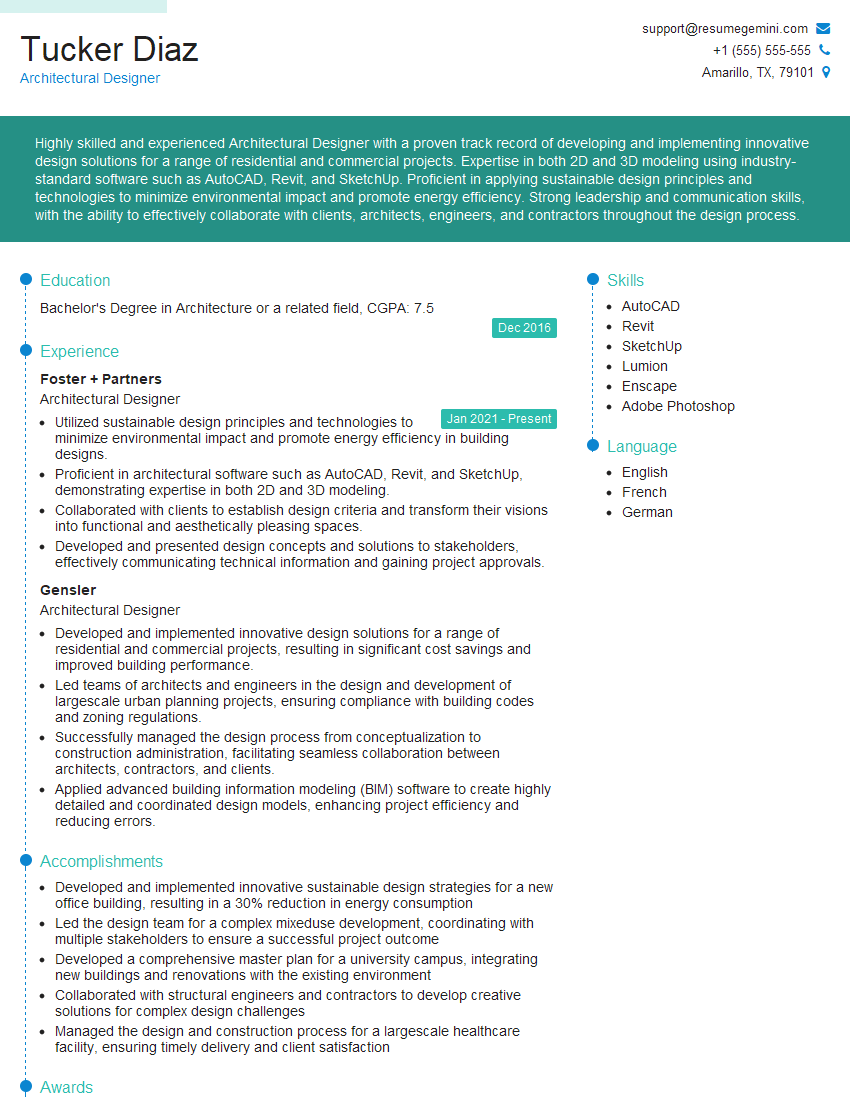
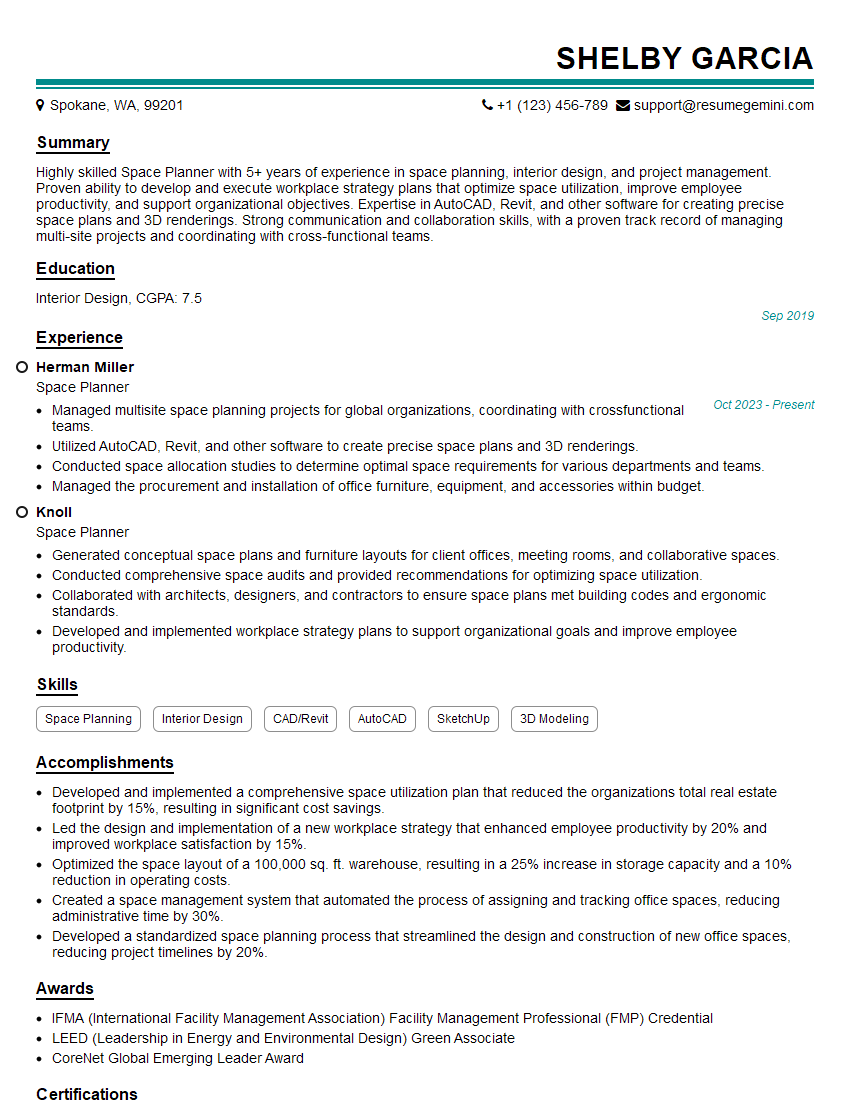
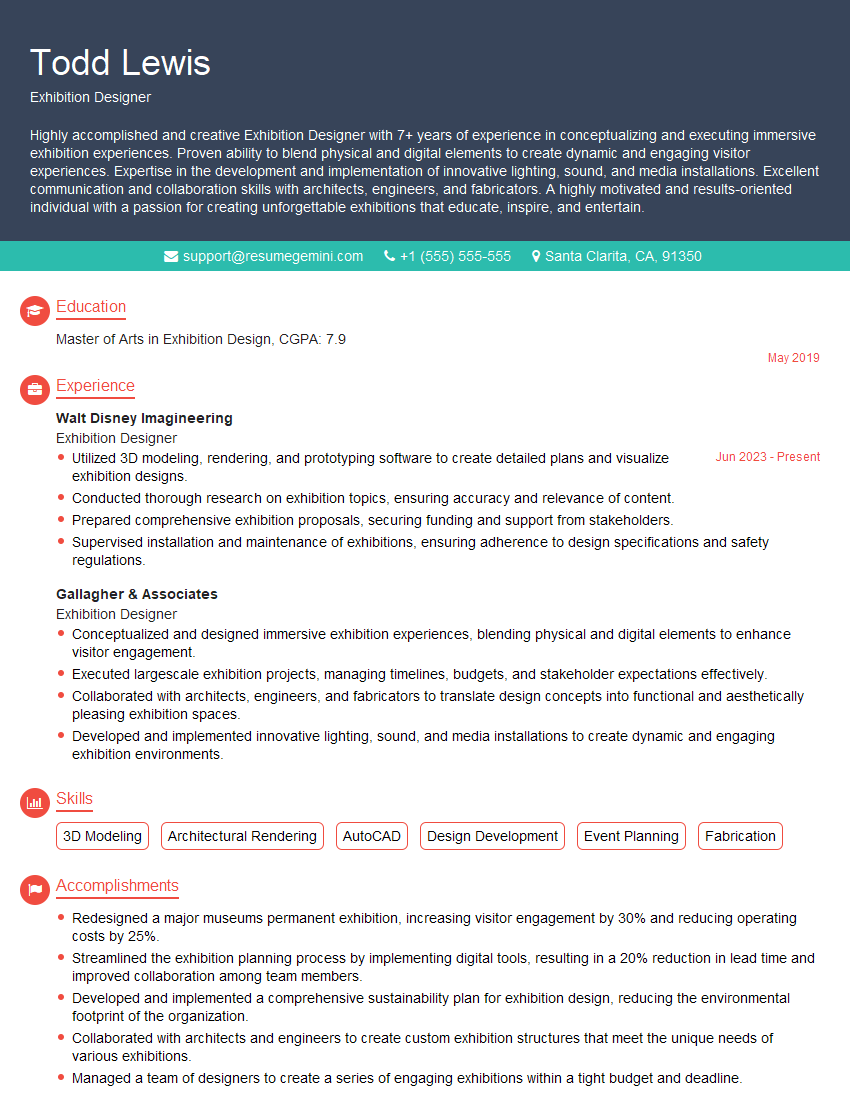
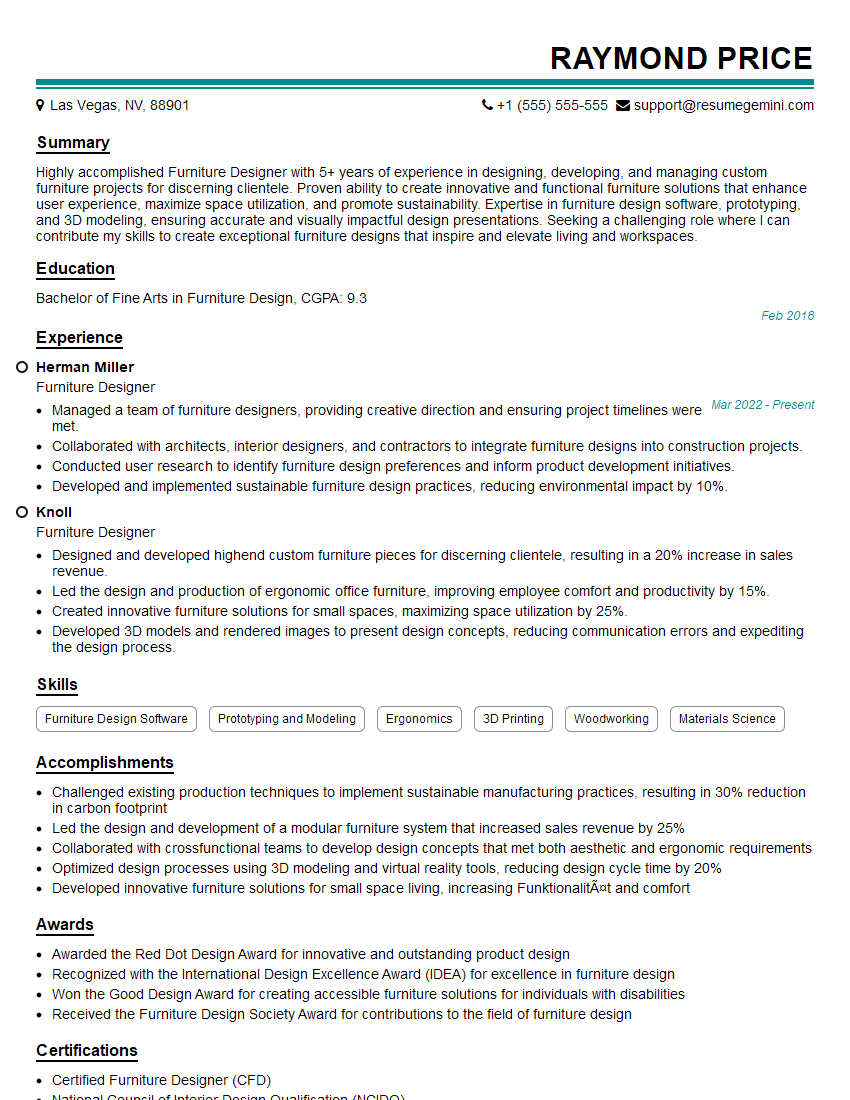
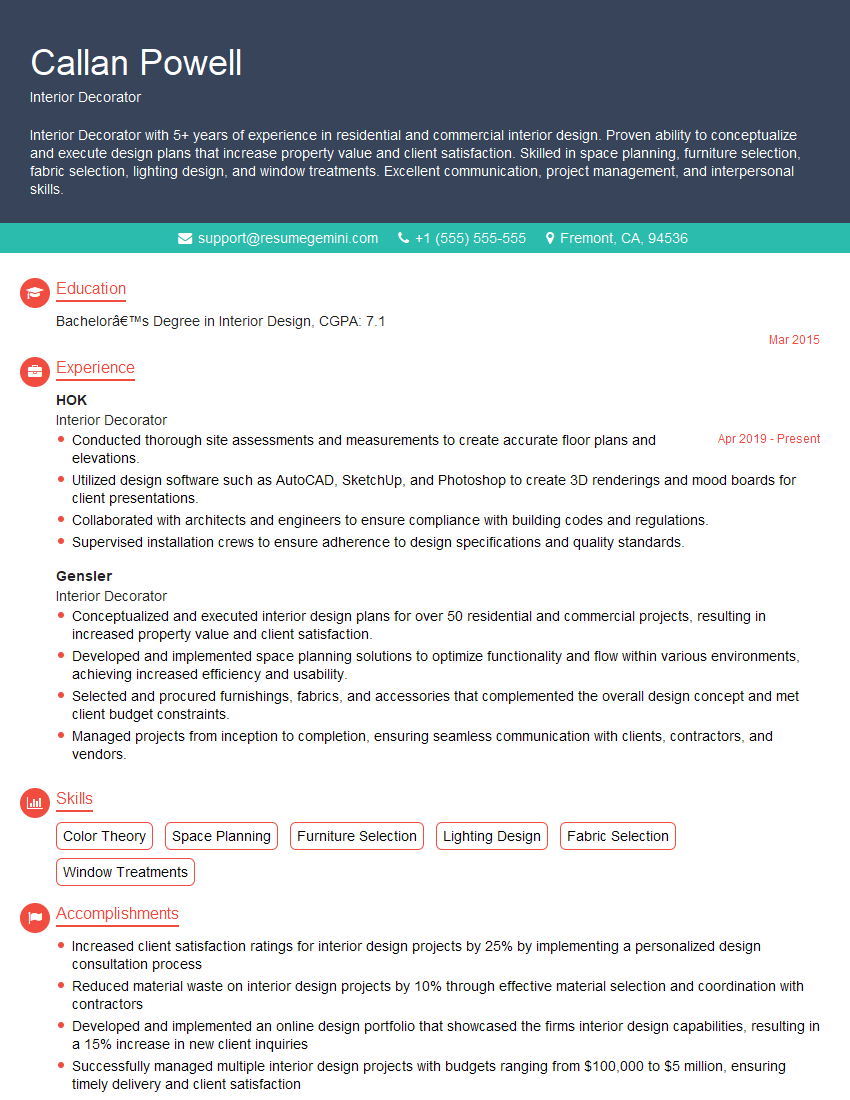
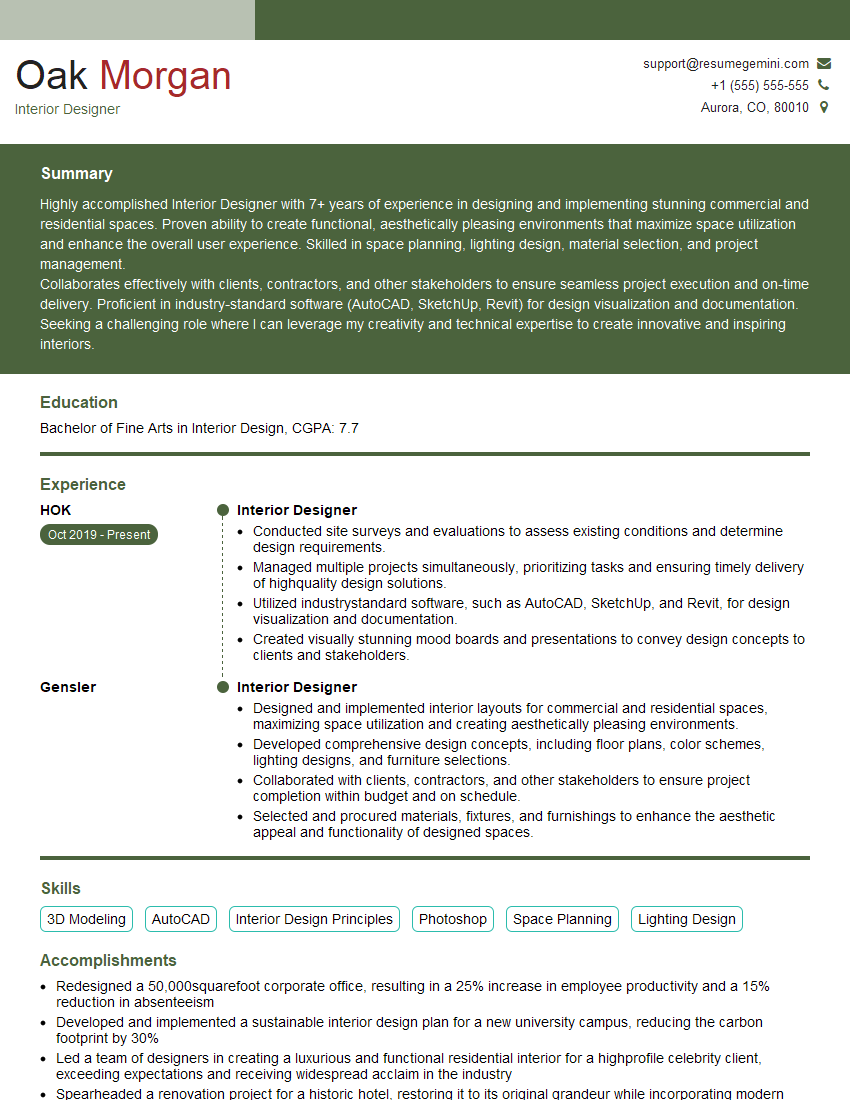
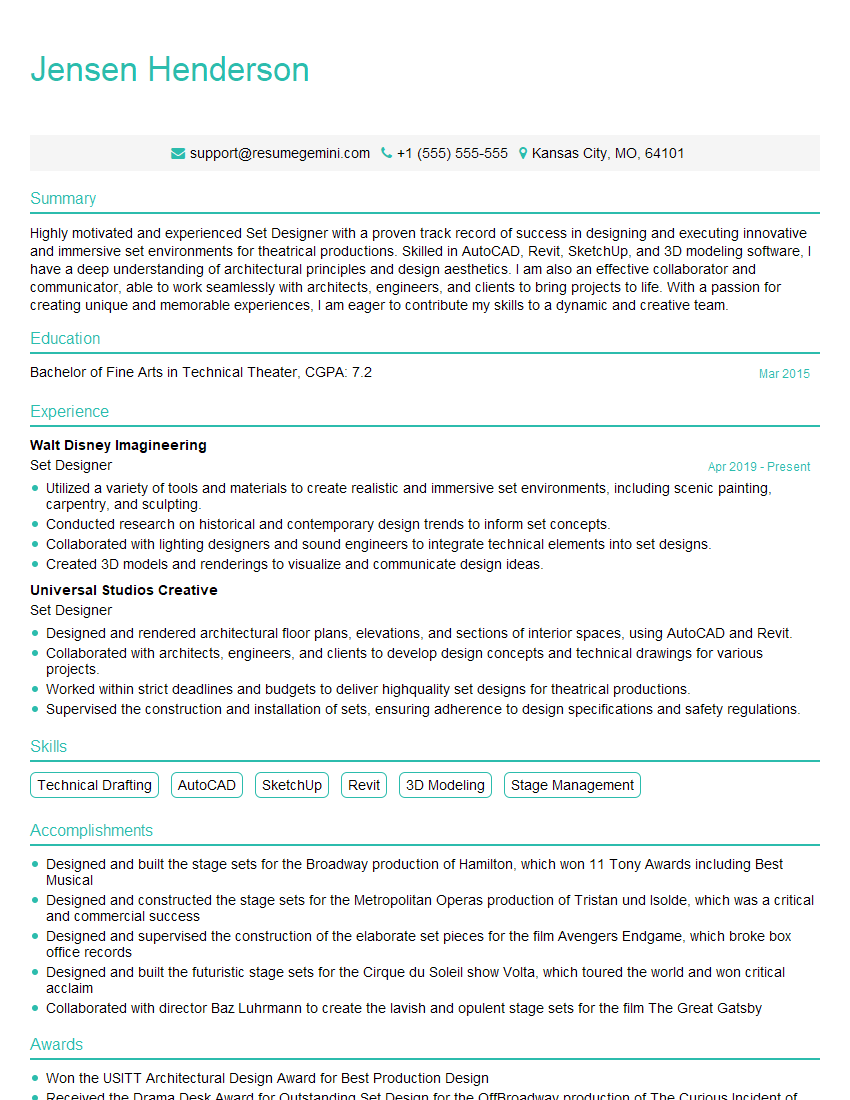
Mastering knowledge of furniture styles and trends is crucial for career advancement in the design, retail, and manufacturing sectors. A strong understanding of these topics demonstrates your expertise and ability to contribute effectively to a team. To maximize your job prospects, create an ATS-friendly resume that highlights your skills and experience clearly. ResumeGemini is a trusted resource that can help you build a professional and impactful resume tailored to the specific requirements of your target roles. Examples of resumes tailored to showcasing expertise in furniture styles and trends are available through ResumeGemini, assisting you in crafting a compelling application.
Explore more articles
Users Rating of Our Blogs
Share Your Experience
We value your feedback! Please rate our content and share your thoughts (optional).
What Readers Say About Our Blog
Very informative content, great job.
good