Preparation is the key to success in any interview. In this post, we’ll explore crucial Knowledge of government and industry standards (ISO, ASME, ASTM) interview questions and equip you with strategies to craft impactful answers. Whether you’re a beginner or a pro, these tips will elevate your preparation.
Questions Asked in Knowledge of government and industry standards (ISO, ASME, ASTM) Interview
Q 1. Explain the core principles of ISO 9001.
ISO 9001 is the internationally recognized standard for a Quality Management System (QMS). Its core principle revolves around the concept of continuous improvement to consistently meet customer and regulatory requirements. Think of it as a recipe for consistent quality baked into the very fabric of an organization.
- Customer Focus: Understanding and meeting customer needs is paramount. This involves actively seeking feedback and ensuring products and services consistently align with expectations.
- Leadership: Top management must be fully committed to the QMS, setting the tone and driving its implementation. This includes providing resources and fostering a culture of quality.
- Engagement of People: Empowering employees at all levels is crucial. A successful QMS relies on a workforce that understands and actively participates in achieving quality objectives.
- Process Approach: Managing processes as interconnected systems rather than isolated tasks enhances efficiency and predictability. This allows for better control and identification of improvement areas.
- Improvement: Continuously seeking ways to improve performance is fundamental. This involves regularly reviewing processes, data analysis, and implementing corrective actions.
- Evidence-based Decision Making: Using data and objective evidence to guide decisions ensures informed choices and prevents subjective bias.
- Relationship Management: Building strong relationships with suppliers and other stakeholders is vital for maintaining a robust QMS.
For example, a manufacturing company might use ISO 9001 to standardize its production process, reducing defects and improving customer satisfaction. Regular audits ensure that the system remains effective and compliant.
Q 2. Describe the differences between ISO 9001 and ISO 14001.
While both ISO 9001 and ISO 14001 are management system standards, they focus on different aspects: ISO 9001 deals with quality management, while ISO 14001 focuses on environmental management.
- ISO 9001: Concerned with consistently meeting customer requirements and enhancing customer satisfaction. It emphasizes processes, documentation, and continuous improvement to achieve high-quality outputs.
- ISO 14001: Aims to minimize environmental impact through pollution prevention, resource efficiency, and compliance with environmental regulations. It focuses on identifying, managing, and reducing environmental risks.
Think of it this way: ISO 9001 ensures your product is well-made and meets customer needs, whereas ISO 14001 ensures the manufacturing process minimizes its environmental footprint. A company might implement both to achieve excellence in both quality and environmental responsibility.
Q 3. How do you ensure compliance with ASME Y14.5?
ASME Y14.5 is the standard for dimensioning and tolerancing in engineering drawings. Ensuring compliance involves a multi-faceted approach, starting with training and extending to rigorous verification processes.
- Training: All personnel involved in creating, interpreting, and using drawings must be thoroughly trained in the principles of ASME Y14.5. This includes understanding geometric dimensioning and tolerancing (GD&T) symbols and their applications.
- Drawing Creation: Drawings must be meticulously prepared, adhering strictly to the rules and conventions specified in the standard. This includes correct application of GD&T symbols, clear annotations, and consistent format.
- Verification: A thorough review and verification process is crucial. This might involve peer reviews, independent inspections, and 3D modeling software to ensure the drawings are accurate and unambiguous. It confirms that tolerances are properly defined and achievable.
- Documentation: Maintaining comprehensive documentation of the design, manufacturing, and inspection processes is vital for traceability and auditing. This ensures that any deviations or non-conformances can be easily identified and rectified.
For instance, a manufacturing error resulting from misinterpretation of a tolerance could lead to costly rework or even product failure. Proper compliance with ASME Y14.5 minimizes such risks.
Q 4. What are the key requirements of ASME Section VIII, Division 1?
ASME Section VIII, Division 1 covers the design, fabrication, inspection, and testing of pressure vessels. Key requirements focus on ensuring the safe operation of these vessels.
- Design Calculations: Rigorous calculations are necessary to determine the appropriate thickness, materials, and design features to withstand internal pressure and other loads. This involves applying relevant formulas and considering factors like corrosion allowances.
- Material Specifications: Pressure vessel materials must meet specific requirements, often including ASME-approved grades and certifications, to guarantee the necessary strength and durability.
- Fabrication Procedures: Strict adherence to welding procedures, heat treatment processes, and other fabrication steps is essential to ensure structural integrity. This includes qualified welders and detailed welding procedures.
- Inspection and Testing: Non-destructive testing (NDT) methods, such as radiography and ultrasonic testing, are used to detect potential defects. Pressure testing is conducted to verify the vessel’s ability to withstand design pressures.
- Documentation: Maintaining comprehensive records of design calculations, material certifications, fabrication processes, and inspection reports is vital for demonstrating compliance and ensuring traceability.
Failure to comply with these requirements can lead to catastrophic failures with devastating consequences. The rigorous standards ensure the safety of personnel and equipment.
Q 5. Explain the significance of ASTM standards in materials testing.
ASTM International (formerly ASTM) develops and publishes numerous standards for materials, products, systems, and services. These standards are crucial in materials testing, providing standardized methods for evaluating various properties.
- Mechanical Testing: ASTM standards define procedures for tensile testing, hardness testing, impact testing, and fatigue testing. This allows for consistent and comparable results across different laboratories and manufacturers.
- Chemical Testing: Standards outline methods for chemical composition analysis, ensuring accurate determination of elemental content and impurities in materials.
- Physical Testing: ASTM standards encompass tests for density, porosity, thermal properties, and other physical characteristics, enabling reliable characterization of materials.
For instance, ASTM E8 covers the standard test methods for tensile properties of metallic materials. This ensures that when a tensile test is performed, everyone understands the procedure and the results are comparable regardless of the testing laboratory.
Q 6. Describe your experience with internal audits based on ISO 9001.
My experience with ISO 9001 internal audits has been extensive. I’ve led and participated in numerous audits across various industries, always focusing on a systematic and objective approach.
- Planning and Preparation: Thorough planning is crucial, involving defining the audit scope, identifying key processes, and developing a comprehensive checklist based on the ISO 9001 requirements.
- Audit Execution: The audit process involves reviewing documentation, observing processes, interviewing personnel, and verifying compliance with the QMS. This includes examining records, inspecting work areas, and assessing the effectiveness of controls.
- Reporting and Follow-up: A detailed audit report is prepared, summarizing findings, identifying non-conformances, and recommending corrective actions. Follow-up is critical to ensure that corrective actions are implemented effectively and that the QMS continues to improve.
In one instance, an audit revealed a weakness in the calibration process. By identifying this non-conformance, we implemented a more robust calibration schedule, improving the accuracy and reliability of our measurement instruments.
Q 7. How do you handle non-conformances related to industry standards?
Handling non-conformances related to industry standards requires a structured and systematic approach, focusing on prompt identification, corrective actions, and preventive measures.
- Identification and Documentation: Non-conformances must be identified promptly and documented thoroughly. This includes detailing the nature of the non-conformance, its potential impact, and the date of discovery.
- Root Cause Analysis: A thorough investigation must be conducted to determine the root cause of the non-conformance. This might involve using tools like fishbone diagrams or 5 Whys to identify underlying issues.
- Corrective Actions: Effective corrective actions must be implemented to address the immediate non-conformance and prevent recurrence. This includes defining specific actions, assigning responsibilities, and setting deadlines.
- Preventive Actions: Implementing preventive actions aims to address the underlying causes of the non-conformance and prevent similar issues from occurring in the future. This might involve process improvements, training, or changes in equipment or materials.
- Verification and Validation: The effectiveness of corrective and preventive actions must be verified and validated to ensure they have resolved the issue and prevent future occurrences.
For example, if a welding defect is discovered, a root cause analysis might reveal inadequate welder training. Corrective actions would include retraining, while preventive actions might involve implementing a more rigorous welder qualification program.
Q 8. What are your strategies for implementing corrective and preventive actions (CAPA)?
Implementing Corrective and Preventive Actions (CAPA) is a crucial part of any quality management system. It’s a structured process to address issues, prevent recurrence, and continuously improve. My strategy involves a five-step approach:
- Problem Identification and Containment: This involves thoroughly investigating the root cause of the nonconformity. We use tools like Pareto charts and fishbone diagrams to identify the key contributors. For example, if we see a recurring defect in a weld, we’d examine the welding procedure, equipment, operator training, and material quality.
- Root Cause Analysis: Going beyond the symptoms, this step dives deep to find the underlying reasons. Techniques like 5 Whys and fault tree analysis help us uncover the true root causes. Let’s say inconsistent weld quality stems from improperly calibrated welding equipment – that’s our root cause.
- Corrective Action Implementation: We develop and implement solutions to immediately address the identified problem. This could include recalibrating equipment, revising procedures, or providing additional training. In our welding example, recalibrating the equipment is the immediate corrective action.
- Preventive Action Implementation: This goes beyond fixing the immediate issue; it prevents similar problems in the future. We might implement regular equipment calibrations, develop standardized operating procedures, or improve quality control checks. To prevent future calibration issues, a preventative maintenance schedule could be implemented.
- Verification and Effectiveness Check: This involves monitoring the effectiveness of the implemented actions. We’d track key metrics to ensure the corrective and preventive actions have successfully resolved the issue and prevented recurrence. For the weld example, we’d monitor defect rates post-calibration and after implementing the new maintenance schedule.
This systematic approach ensures not only that issues are resolved but also that the underlying causes are addressed, leading to continuous improvement within the organization.
Q 9. How familiar are you with the different types of audits (e.g., first-party, second-party, third-party)?
I’m very familiar with the different types of audits – first-party, second-party, and third-party audits. Each serves a distinct purpose within the quality management system.
- First-party audits are internal audits conducted by an organization itself to assess its compliance with its own standards and requirements. This is essentially a self-assessment to identify areas for improvement before external scrutiny. Think of it like a self-check before a major presentation.
- Second-party audits are conducted by one organization (e.g., a customer) on another organization (e.g., a supplier) to evaluate its conformity to the customer’s requirements and standards. This is crucial in supply chains to ensure quality and compliance. Imagine a car manufacturer auditing its tire supplier.
- Third-party audits are independent audits conducted by an accredited certification body to verify an organization’s conformity to a specific standard, such as ISO 9001. This results in certification, providing independent validation of the organization’s quality management system. This is like getting an external expert to verify your claims.
My experience encompasses all three types, allowing me to understand the different perspectives and requirements involved in each audit process.
Q 10. Explain the role of a quality management system (QMS).
A Quality Management System (QMS) is a structured approach to managing an organization’s processes to consistently meet customer requirements and enhance customer satisfaction. It’s the backbone of any organization striving for high quality and efficiency. Think of it as a roadmap guiding the company to achieve its quality goals.
The role of a QMS encompasses:
- Defining Processes: Identifying, documenting, and managing all relevant processes within the organization.
- Setting Standards: Establishing clear quality standards and objectives aligned with customer requirements and applicable regulations.
- Monitoring and Measurement: Continuously monitoring and measuring process performance against established standards to identify areas of improvement.
- Continuous Improvement: Utilizing data-driven insights to identify areas for improvement and implementing corrective and preventive actions.
- Documentation and Control: Maintaining comprehensive documentation of all aspects of the QMS to ensure traceability and compliance.
- Management Responsibility: Defining roles and responsibilities for quality management and establishing a culture of quality throughout the organization.
Ultimately, a robust QMS ensures consistent product or service quality, improves efficiency, reduces costs, and increases customer satisfaction.
Q 11. How do you ensure traceability in a manufacturing process?
Ensuring traceability in a manufacturing process is paramount for quality control and product recall management. It’s the ability to trace a product back through all stages of its production, from raw material to finished good, and vice versa. This is achieved through a combination of strategies:
- Unique Identification: Assigning unique identifiers (e.g., serial numbers, barcodes, RFID tags) to each product or batch at each stage of production.
- Detailed Records: Maintaining detailed records of all materials used, processes performed, and personnel involved at each stage. This includes timestamps, equipment used, and operator IDs.
- Material Traceability: Tracking the origin and history of all raw materials used, including their suppliers and certifications.
- Process Traceability: Documenting all process parameters, such as temperature, pressure, time, and other relevant variables.
- Database Management: Utilizing a robust database system to store and manage all traceability information effectively, enabling efficient searching and retrieval of data.
For example, in the food industry, traceability is crucial for identifying the source of a contamination. In the automotive industry, it’s important for identifying and recalling vehicles with faulty parts. A well-implemented traceability system enables rapid response to quality issues, reducing potential risks and costs.
Q 12. Describe your experience with documentation control.
My experience with documentation control includes developing, implementing, and maintaining documentation control systems according to ISO standards (like ISO 9001 and ISO 13485). I’m proficient in using various document management systems (DMS) and have a strong understanding of document lifecycle management.
My experience covers:
- Document Creation and Review: Establishing clear procedures for creating, reviewing, and approving documents. This includes version control, authorization processes, and distribution mechanisms.
- Document Storage and Retrieval: Implementing secure and organized storage systems for both physical and electronic documents, ensuring easy retrieval and access control.
- Document Revision Control: Managing document revisions efficiently, including clear version numbering, change tracking, and obsolete document management.
- Document Distribution and Communication: Establishing efficient mechanisms for distributing documents to relevant personnel and ensuring that all stakeholders have access to the most up-to-date versions.
- Document Retention and Disposal: Developing procedures for safe retention of documents according to legal and regulatory requirements, and establishing secure destruction methods for obsolete documents.
I’ve worked in environments where robust documentation control was essential for regulatory compliance and ensured that all activities are thoroughly recorded and auditable. For example, I’ve managed a DMS for a medical device manufacturer, ensuring compliance with stringent FDA regulations.
Q 13. What is your understanding of risk-based thinking in relation to standards compliance?
Risk-based thinking is a proactive approach to standards compliance, focusing on identifying and mitigating potential risks before they cause nonconformities. Instead of simply reacting to problems, it involves anticipating potential issues and putting measures in place to prevent them. It’s like wearing a seatbelt; you don’t know if you’ll need it, but it’s better to be prepared.
In relation to standards compliance, risk-based thinking involves:
- Identifying potential risks: Assessing the likelihood and potential impact of various events that could lead to nonconformities. This could be anything from equipment failure to human error.
- Evaluating risks: Determining the severity of each identified risk and prioritizing actions based on their potential impact.
- Implementing risk controls: Developing and implementing strategies to mitigate or eliminate identified risks. These could include preventive measures, contingency plans, and corrective actions.
- Monitoring and review: Regularly reviewing and updating the risk assessment process to reflect changes in the organization or its environment.
By incorporating risk-based thinking, organizations can proactively address potential issues, optimize their resources, and demonstrate a stronger commitment to compliance. It is fundamentally important in achieving and maintaining compliance with standards like ISO 9001 and AS9100.
Q 14. How do you stay up-to-date with changes in relevant government and industry standards?
Staying current with changes in government and industry standards is crucial for maintaining compliance and organizational effectiveness. My strategies include:
- Subscriptions to Standards Organizations: I maintain memberships and subscriptions with organizations such as ISO, ASME, and ASTM to receive updates and notifications of revisions to relevant standards.
- Regular Review of Standard Documents: I regularly review and update my personal copies of relevant standards documents, paying close attention to newly published or revised versions.
- Participation in Industry Events and Training: Attending conferences, workshops, and seminars helps me stay informed about the latest trends and changes in industry best practices and standards.
- Professional Networks: I actively engage with professional networks and online forums to share information and learn about new developments from peers and experts.
- Monitoring Regulatory Websites: I regularly check the websites of relevant government regulatory agencies to stay updated on any new regulations or changes in existing requirements.
This multi-faceted approach ensures that I am always aware of the latest standards and regulations, enabling me to advise my organization on best practices and ensure its compliance.
Q 15. Describe a situation where you had to interpret a complex standard.
Interpreting complex standards often involves deciphering ambiguous language and applying the standard’s principles to unique situations. For example, during a project involving the design and manufacture of pressure vessels to ASME Section VIII, Division 1, we encountered a clause regarding allowable stresses for a specific material at elevated temperatures. The standard itself didn’t explicitly address our unique alloy composition under those conditions.
My approach involved first meticulously reviewing the relevant sections of ASME Section VIII, Division 1, including related appendices and footnotes. I then consulted reputable material property databases, cross-referencing the data with the standard’s requirements for acceptable interpolation methods. Finally, I collaborated with metallurgical engineers and senior design engineers to validate our interpretation and justify our design choices in a comprehensive engineering report, documenting the rationale behind our decision-making process. This ensured complete traceability and minimized any potential risks.
Career Expert Tips:
- Ace those interviews! Prepare effectively by reviewing the Top 50 Most Common Interview Questions on ResumeGemini.
- Navigate your job search with confidence! Explore a wide range of Career Tips on ResumeGemini. Learn about common challenges and recommendations to overcome them.
- Craft the perfect resume! Master the Art of Resume Writing with ResumeGemini’s guide. Showcase your unique qualifications and achievements effectively.
- Don’t miss out on holiday savings! Build your dream resume with ResumeGemini’s ATS optimized templates.
Q 16. How do you handle conflicting requirements between different standards?
Conflicting requirements between standards require a systematic approach prioritizing safety and regulatory compliance. Imagine a scenario where an ISO 9001 requirement for detailed documentation conflicts with a client-specific requirement for a streamlined, less documented process.
My strategy begins with identifying the overarching goal. In this case, maintaining quality while meeting client needs is paramount. I then analyze the specific conflicts, determining the relative importance of each requirement. Often, a solution involves creating a tiered approach: meeting the core requirements of both standards while seeking client approval for deviations from less critical aspects. This often involves detailed risk assessments and documented justifications for any exceptions. Clear communication with all stakeholders is critical to ensure transparency and alignment. Thorough documentation of these compromises is crucial for future audits and traceability.
Q 17. What is your experience with root cause analysis related to standards non-compliance?
Root cause analysis (RCA) is fundamental to preventing standards non-compliance. During a project involving ASTM standards for concrete testing, we observed consistently low compressive strength values compared to the specified requirements.
We used a structured RCA methodology, such as the ‘5 Whys’ technique, combined with data analysis. We systematically investigated potential causes: was it a problem with the concrete mix design, the curing process, the testing equipment, or even human error in sample preparation? Through a series of interviews, data reviews, and laboratory testing, we identified the root cause to be inconsistencies in the water-cement ratio during the mixing process. The solution involved implementing more stringent quality control measures during material handling and mixing, leading to significant improvements in compressive strength and compliance with ASTM standards. Proper documentation of the RCA process was crucial for demonstrating corrective actions and preventing recurrence.
Q 18. Explain your approach to continuous improvement in a quality management system.
Continuous improvement in a quality management system is a cyclical process, often visualized using the PDCA (Plan-Do-Check-Act) cycle or Deming cycle.
My approach starts with establishing clear metrics and Key Performance Indicators (KPIs) relevant to our quality standards (e.g., defect rates, customer satisfaction scores, cycle times). Regular monitoring of these KPIs provides objective data for identifying areas for improvement. The ‘Plan’ phase involves defining specific improvement goals and developing action plans. The ‘Do’ phase focuses on implementing these plans. The ‘Check’ phase involves monitoring progress, collecting data, and evaluating the effectiveness of the implemented changes. Finally, the ‘Act’ phase involves standardizing successful improvements and addressing any shortcomings identified during the ‘Check’ phase. This is a continuous iterative process, refining the system over time. This ensures continuous evolution and adaptation of our quality management system.
Q 19. How do you ensure that all employees understand and adhere to relevant standards?
Ensuring employee understanding and adherence to standards requires a multi-faceted approach encompassing training, communication, and accountability.
This starts with comprehensive initial training programs tailored to each employee’s role and responsibilities, covering the relevant standards in detail. We utilize various methods, including online modules, hands-on workshops, and shadowing experienced personnel. We also regularly conduct refresher training and distribute updates on changes or interpretations of the standards. Clear communication channels are crucial; this includes regular meetings, newsletters, and easily accessible documentation. Furthermore, we embed standards compliance into performance reviews, making adherence a key element of individual and team evaluations. Open communication and feedback mechanisms are in place to encourage employees to raise concerns or suggest improvements related to standards adherence.
Q 20. Describe your experience with implementing a new standard or updating an existing one.
Implementing a new standard or updating an existing one requires meticulous planning and execution. For example, when we transitioned from ISO 9001:2008 to ISO 9001:2015, a significant undertaking involved understanding the changes to the quality management system requirements.
Our implementation involved a phased approach. First, we thoroughly analyzed the differences between the two standards. This included identifying gaps in our existing system and mapping out the necessary changes. A project team was formed with representatives from various departments to ensure buy-in and seamless integration. This was followed by comprehensive employee training on the updated requirements. Then, we meticulously documented all changes to processes and procedures. A thorough internal audit was conducted to verify compliance with the new standard before seeking certification. Open communication was key to keeping everyone informed and engaged throughout the entire process. Post-implementation, we continuously monitored and refined the system based on feedback and experience.
Q 21. What are the key differences between ASME Section VIII, Division 1 and Division 2?
ASME Section VIII, Division 1 and Division 2 both govern the design and construction of pressure vessels, but they differ significantly in their design philosophies and application.
Division 1 uses a set of rules-based design approach, simpler to use and well-established, suitable for a wide range of pressure vessels. Division 2, on the other hand, employs a more sophisticated, analysis-based approach which allows for greater design flexibility and optimization, but demands extensive engineering analysis and justification. Division 1 is prescriptive, offering detailed rules and equations, whereas Division 2 is performance-based, specifying acceptable performance levels rather than specific design details. Therefore, Division 2 is typically chosen for complex or specialized pressure vessels requiring detailed stress analysis and optimization. The choice depends on the complexity of the vessel, available engineering expertise, and the project’s risk tolerance. Division 1 is simpler and faster for typical vessels, while Division 2 offers greater design freedom for complex scenarios but requires more specialized skills and time.
Q 22. How familiar are you with the requirements of FDA regulations (if applicable)?
My familiarity with FDA regulations depends on the specific industry and product. For example, experience with medical device manufacturing necessitates a deep understanding of 21 CFR Part 820 (Quality System Regulation), including requirements for design controls, CAPA (Corrective and Preventive Action), and recordkeeping. I’m proficient in navigating these regulations, ensuring compliance throughout the product lifecycle, from design and development to manufacturing and post-market surveillance. I understand the importance of documentation, validation, and verification to meet FDA requirements and am comfortable interpreting and applying relevant sections of the Code of Federal Regulations. In other industries where FDA oversight is less direct, I adapt my approach by focusing on relevant general quality management principles and industry best practices.
For example, in a previous role involving medical device components, I was instrumental in implementing a comprehensive quality management system that met both ISO 13485 and 21 CFR Part 820 requirements. This involved developing and executing validation protocols for critical processes, ensuring meticulous recordkeeping for traceability and audits, and proactively addressing any identified non-conformances.
Q 23. Explain your understanding of statistical process control (SPC).
Statistical Process Control (SPC) is a powerful methodology for monitoring and controlling processes by analyzing data. It uses statistical methods to identify and address variations in a process before they lead to defects or non-conformances. The core of SPC lies in using control charts, which graphically display process data over time. These charts allow us to visually detect trends, patterns, and outliers, indicating potential process instability. Key control charts include the X-bar and R chart (for variables data) and the p-chart or c-chart (for attributes data).
Imagine baking cookies; SPC helps ensure each cookie is consistently delicious. If the size or baking time varies significantly, the control chart will highlight this, enabling us to investigate the root cause (e.g., oven temperature fluctuations, inconsistent ingredient measuring). We can then adjust the process to maintain consistency. SPC is not just about detecting problems; it’s also about continuously improving the process to minimize variation and maximize efficiency.
In my experience, I’ve utilized SPC in manufacturing settings to monitor critical parameters such as dimensions, weight, and surface finish. By tracking these parameters using control charts, we identified and corrected a process drift that was leading to an increase in defective parts. This proactive approach saved significant time and resources compared to relying on final product inspection alone.
Q 24. How do you utilize data analysis to monitor and improve compliance with standards?
Data analysis is crucial for monitoring and improving compliance. I utilize various techniques, including descriptive statistics (mean, standard deviation, range), hypothesis testing, and regression analysis, to interpret data from various sources – process data, audit findings, customer feedback, and supplier performance metrics. This allows me to identify trends, correlations, and potential areas of non-compliance.
For example, by analyzing process capability indices (Cp, Cpk), I can determine if a process is capable of consistently meeting specified requirements. Similarly, analyzing defect data can highlight specific failure modes and root causes, facilitating targeted corrective actions. Using dashboards and reports, I can effectively communicate compliance status and highlight areas needing improvement to stakeholders. The key is to transform raw data into actionable insights.
In a recent project, I analyzed historical data on non-conformances to identify a recurring pattern related to a specific supplier’s components. This analysis led to implementing a more stringent supplier qualification process, significantly improving compliance rates.
Q 25. Describe your experience with using quality tools such as FMEA or control charts.
I’ve extensively used various quality tools, including Failure Mode and Effects Analysis (FMEA) and control charts. FMEA is a proactive risk assessment technique used to identify potential failure modes in a process or product and assess their severity, occurrence, and detectability. This enables us to prioritize mitigation strategies and prevent potential failures before they occur. Control charts, as discussed earlier, provide real-time monitoring of process performance.
For instance, during a new product launch, we employed FMEA to identify potential failure modes in the manufacturing process. This led us to implement preventative measures such as improved operator training and enhanced process controls, ultimately reducing the likelihood of defects and improving product quality. We simultaneously used control charts to monitor key process parameters, ensuring the process remained stable and within acceptable limits throughout the production run.
Q 26. How do you ensure the accuracy and reliability of measurement equipment?
Ensuring accurate and reliable measurement equipment is paramount for maintaining compliance and product quality. This involves a multi-faceted approach including calibration, verification, and preventative maintenance. Calibration involves comparing the measurement equipment to a known standard, documenting the deviation, and adjusting the equipment to meet specifications. Verification confirms that the equipment continues to operate within acceptable limits between calibrations. Preventative maintenance ensures the equipment is properly maintained and operating optimally.
We use a calibrated master gauge to verify the accuracy of our calipers, regularly scheduled calibrations performed by a certified laboratory are documented, and a strict maintenance schedule is followed. This ensures our measurements are traceable and reliable, promoting confidence in our quality control activities and compliance to standards.
Failure to maintain equipment properly can lead to inaccurate measurements, resulting in defective products, customer dissatisfaction, and potential regulatory non-compliance. A comprehensive calibration and maintenance program is essential to mitigate these risks.
Q 27. Describe a situation where you had to resolve a conflict between cost and quality.
In one project, we faced a conflict between cost and quality when selecting a critical component. The higher-quality option, while more expensive, offered superior reliability and durability, reducing the risk of long-term failures. The lower-cost alternative had a higher failure rate, potentially leading to increased warranty costs and customer dissatisfaction.
To resolve this conflict, we performed a detailed cost-benefit analysis comparing the initial cost of the components with the potential costs associated with failures, including warranty repairs, product recalls, and reputational damage. This analysis revealed that the higher initial cost of the superior component was outweighed by the significant savings in long-term costs and risk mitigation. The decision was justified by quantifiable data and a clear demonstration of the long-term value proposition. The company opted for the higher-quality component, prioritizing long-term quality and customer satisfaction over short-term cost savings.
Key Topics to Learn for Knowledge of government and industry standards (ISO, ASME, ASTM) Interview
- Understanding ISO Standards: Focus on the structure and purpose of ISO 9001 (Quality Management Systems), ISO 14001 (Environmental Management Systems), and other relevant ISO standards within your industry. Understand the principles behind these systems and how they are implemented.
- ASME Standards and Engineering: Explore key ASME codes and standards related to pressure vessels, boilers, and mechanical design. Understand the significance of these standards in ensuring safety and reliability.
- ASTM Standards for Materials: Familiarize yourself with ASTM standards for material testing and specifications. Know how these standards are used to define material properties and ensure quality control.
- Practical Application: Consider case studies where these standards were crucial in resolving a problem or improving a process. Be prepared to discuss how your knowledge of these standards has contributed to successful projects.
- Compliance and Auditing: Understand the processes involved in ensuring compliance with these standards and the roles of internal and external audits. Be prepared to discuss your experience with audits or compliance procedures.
- Interpreting Standards Documents: Practice interpreting technical specifications and requirements outlined in these standards. Be able to explain complex technical language in a clear and concise manner.
- Emerging Trends and Updates: Research recent updates or revisions to relevant ISO, ASME, or ASTM standards. Demonstrating awareness of current developments showcases your commitment to professional development.
Next Steps
Mastering knowledge of government and industry standards like ISO, ASME, and ASTM is crucial for career advancement in many technical fields. A strong understanding of these standards demonstrates your commitment to quality, safety, and best practices, making you a highly valuable asset to any organization. To maximize your job prospects, create an ATS-friendly resume that highlights your relevant skills and experience effectively. ResumeGemini is a trusted resource that can help you build a professional and impactful resume, showcasing your expertise in these vital standards. Examples of resumes tailored to Knowledge of government and industry standards (ISO, ASME, ASTM) are available to further guide your preparation.
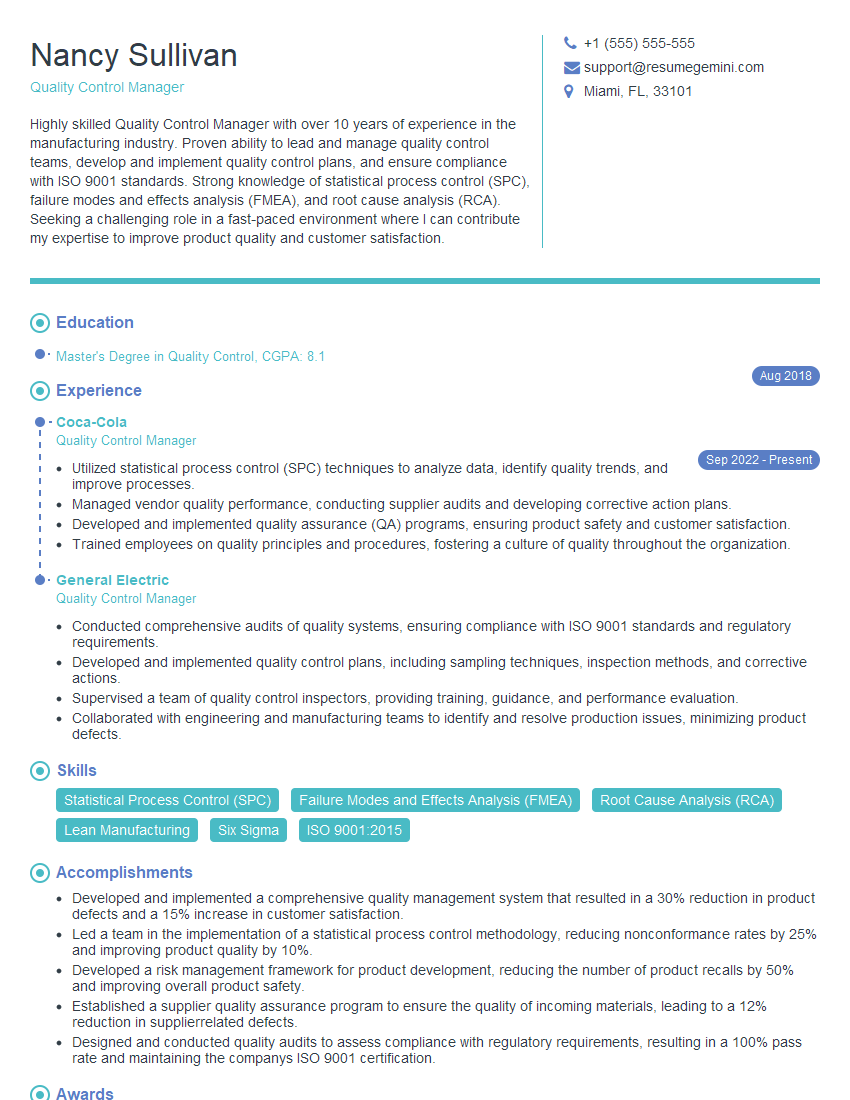
Quality Control Manager Resume Sample
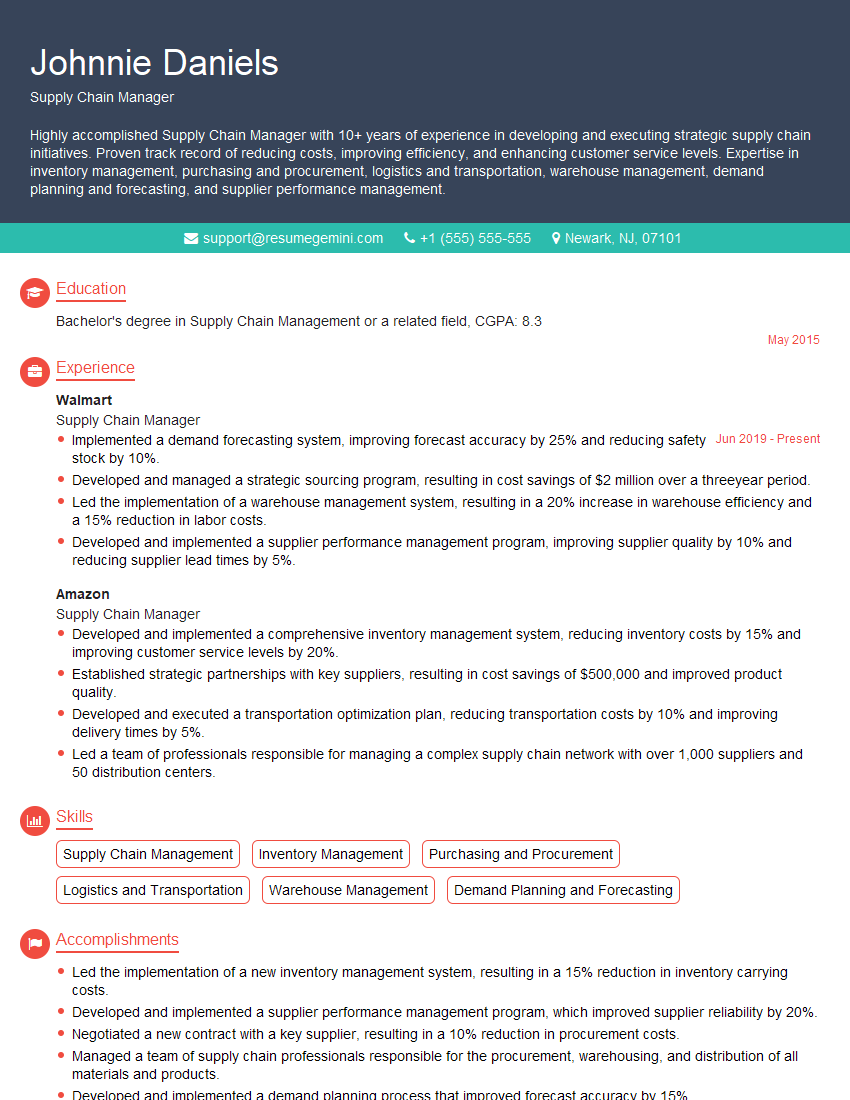
Supply Chain Manager Resume Sample
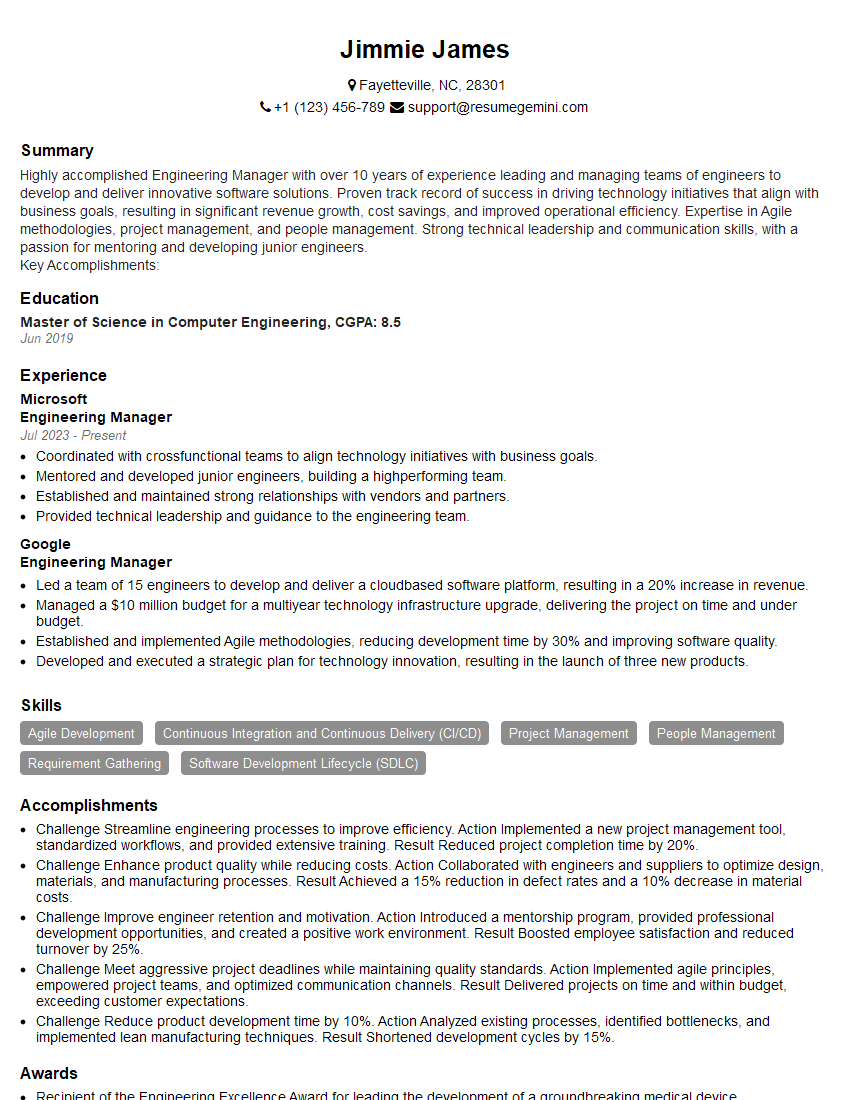
Engineering Manager Resume Sample
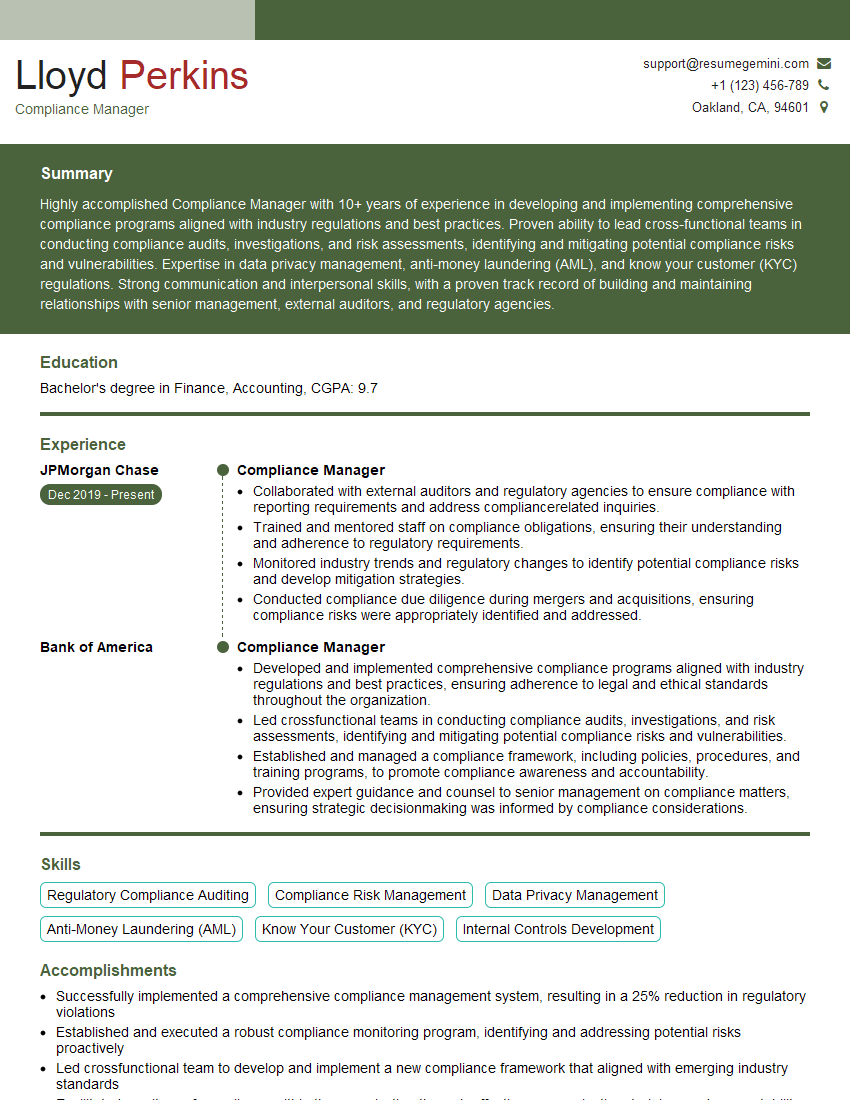
Compliance Manager Resume Sample
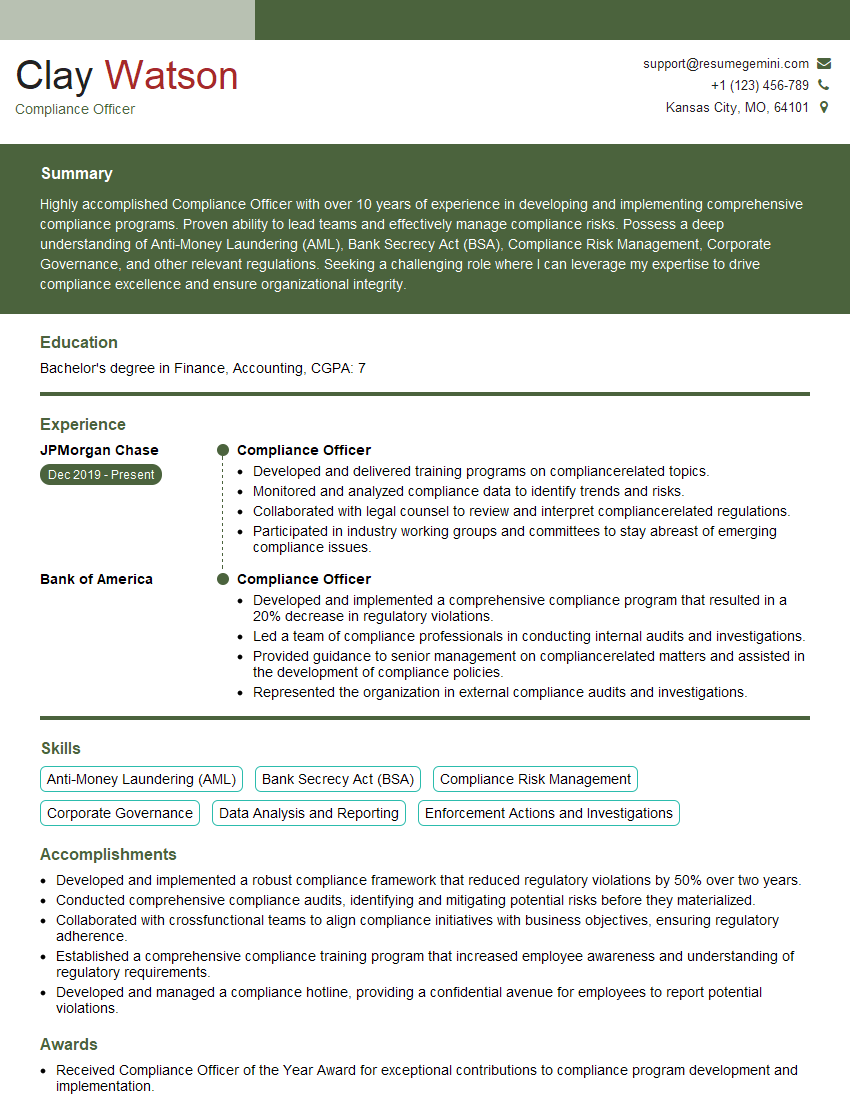
Compliance Officer Resume Sample
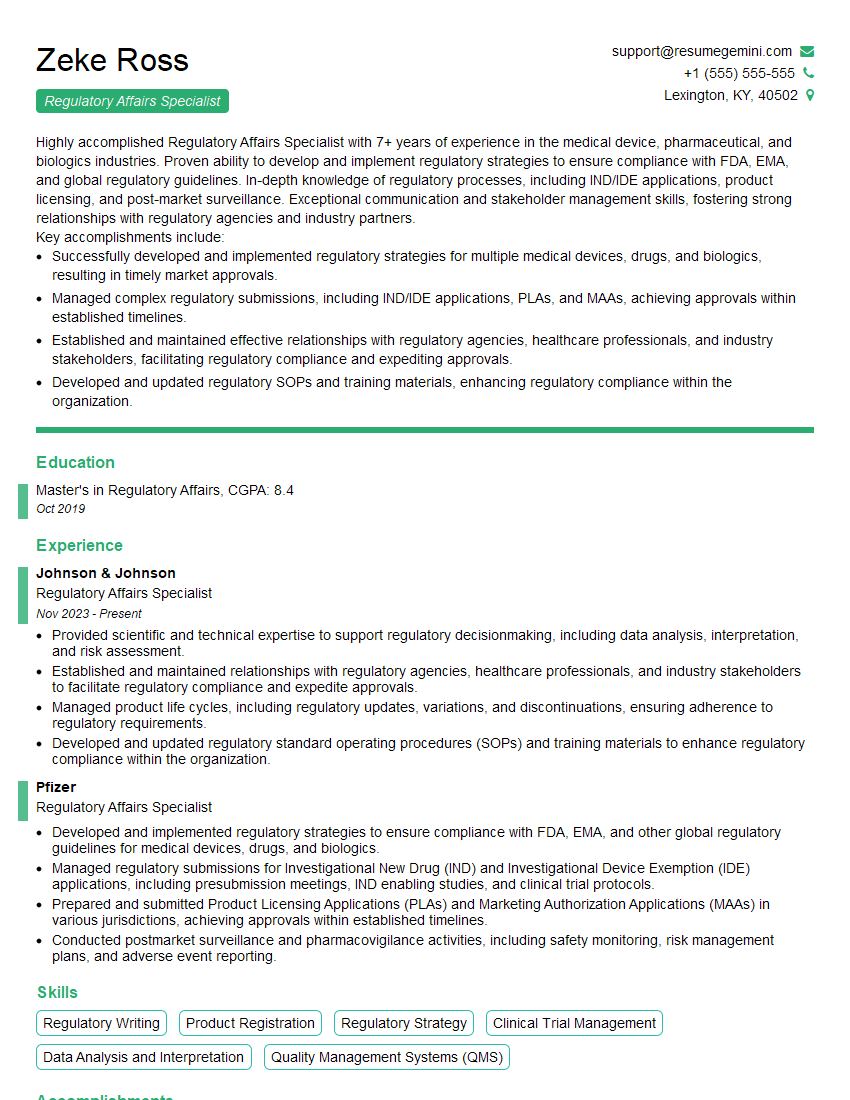
Regulatory Affairs Specialist Resume Sample
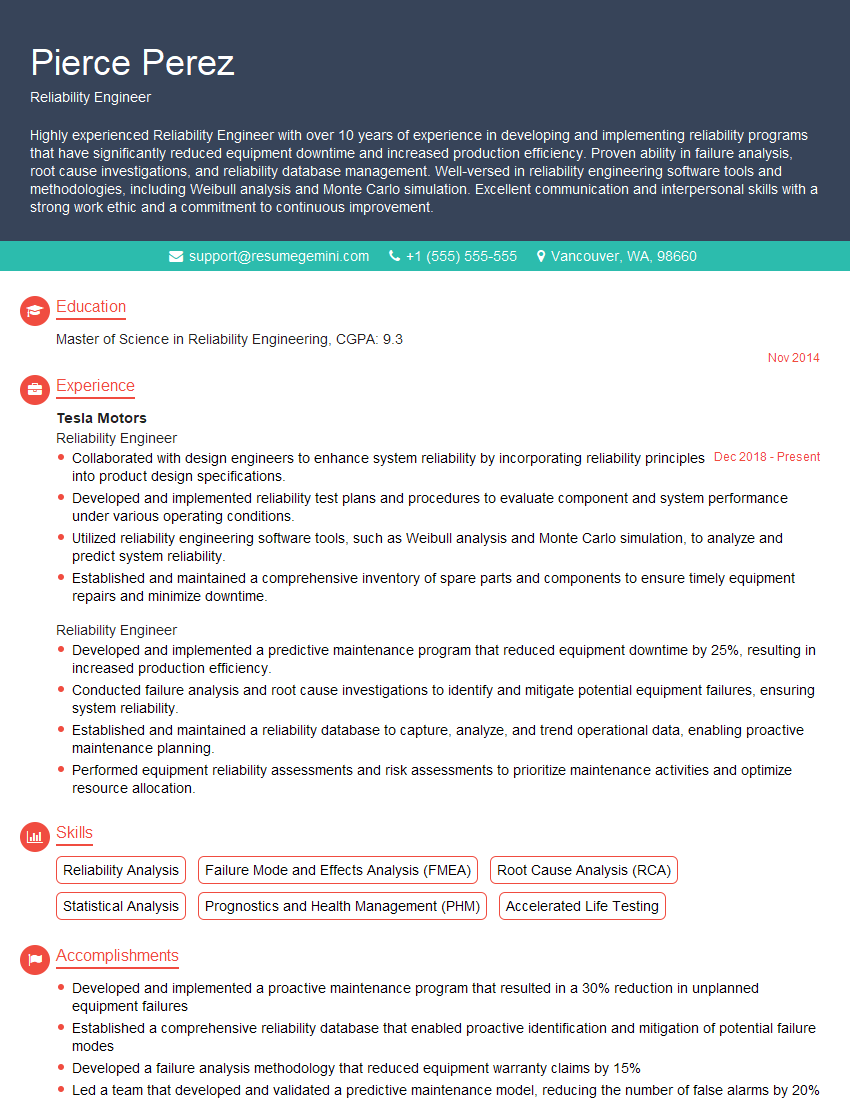
Reliability Engineer Resume Sample

Risk Management Specialist Resume Sample
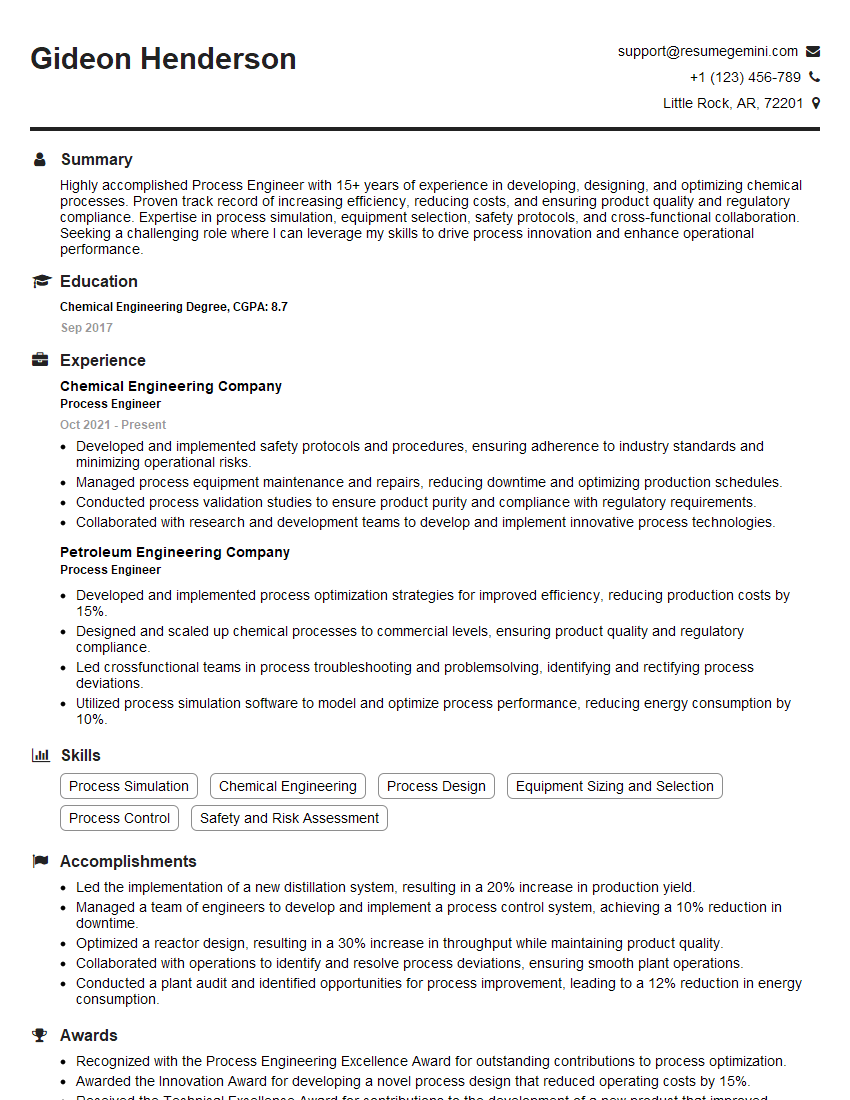
Process Engineer Resume Sample
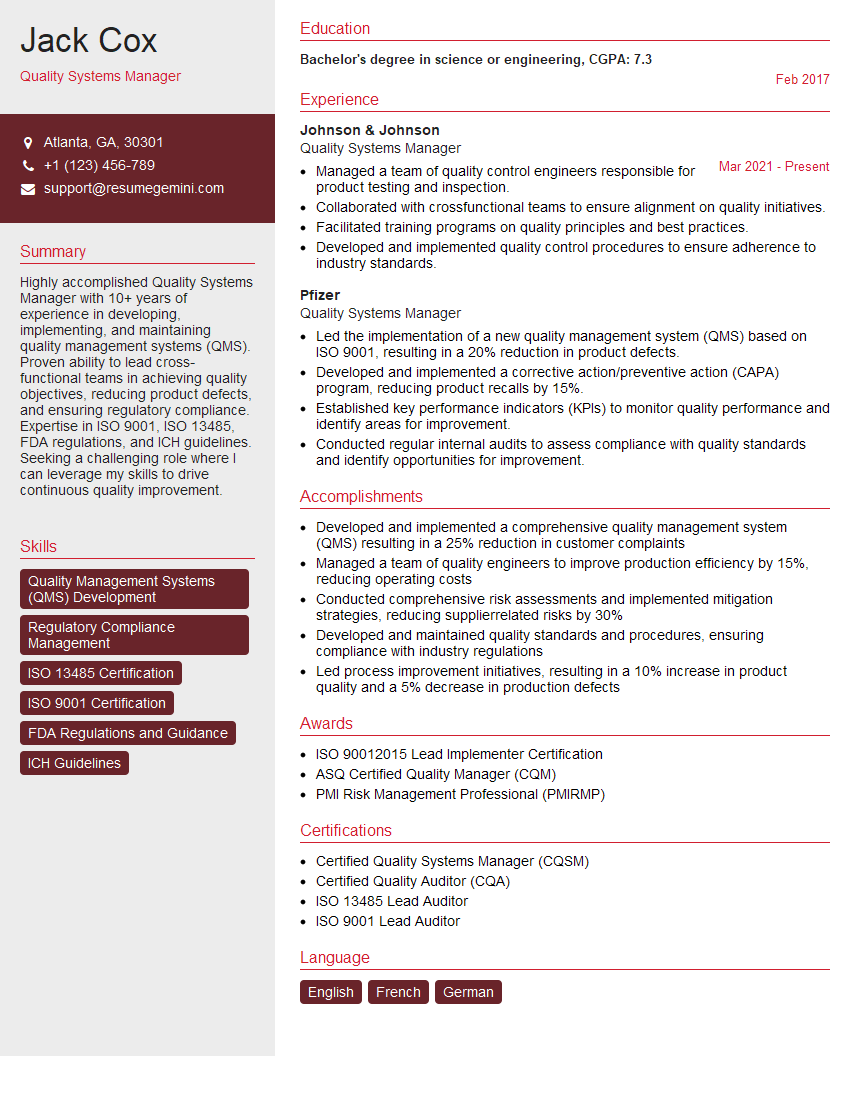
Quality Systems Manager Resume Sample
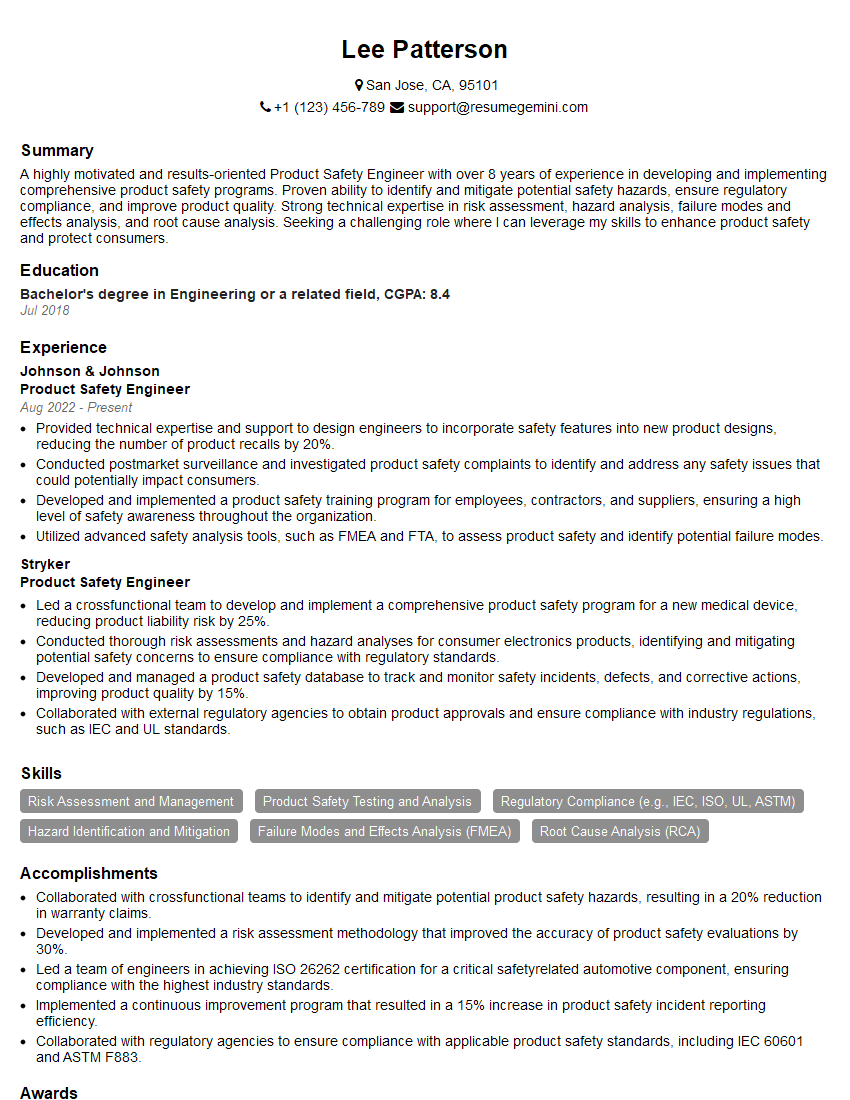
Product Safety Engineer Resume Sample
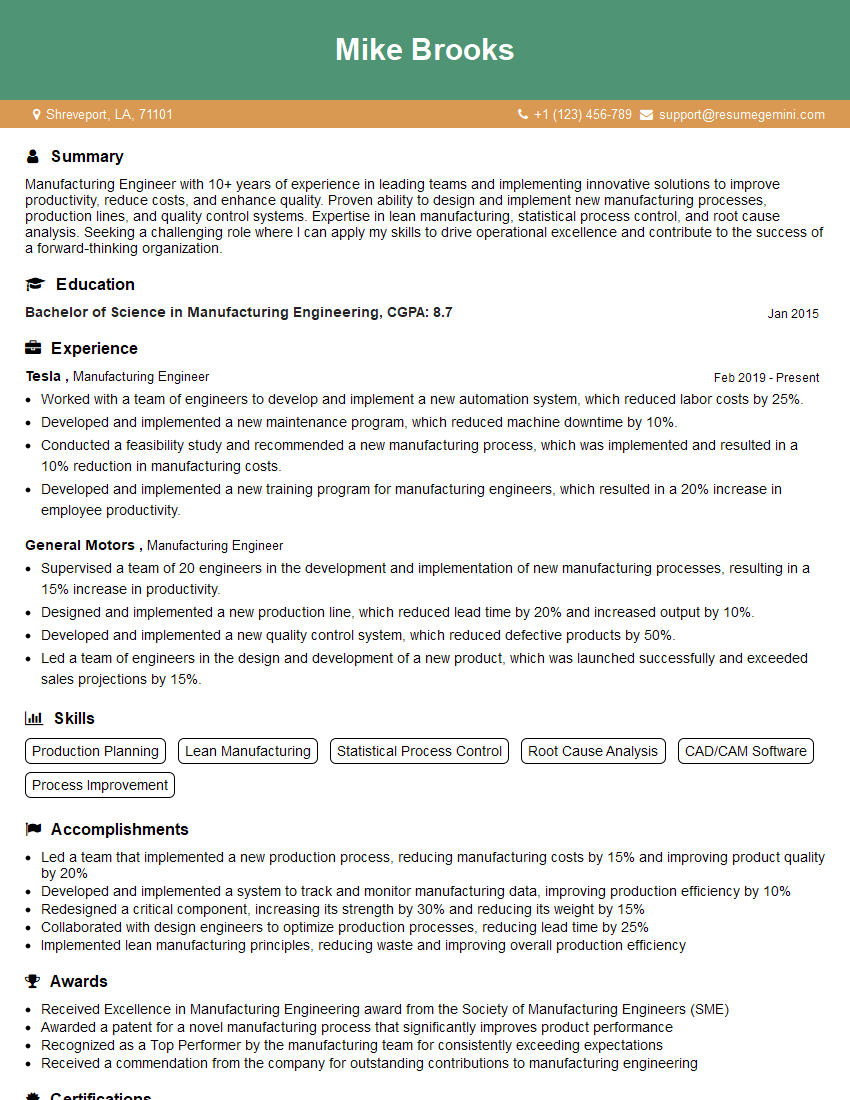
Manufacturing Engineer Resume Sample
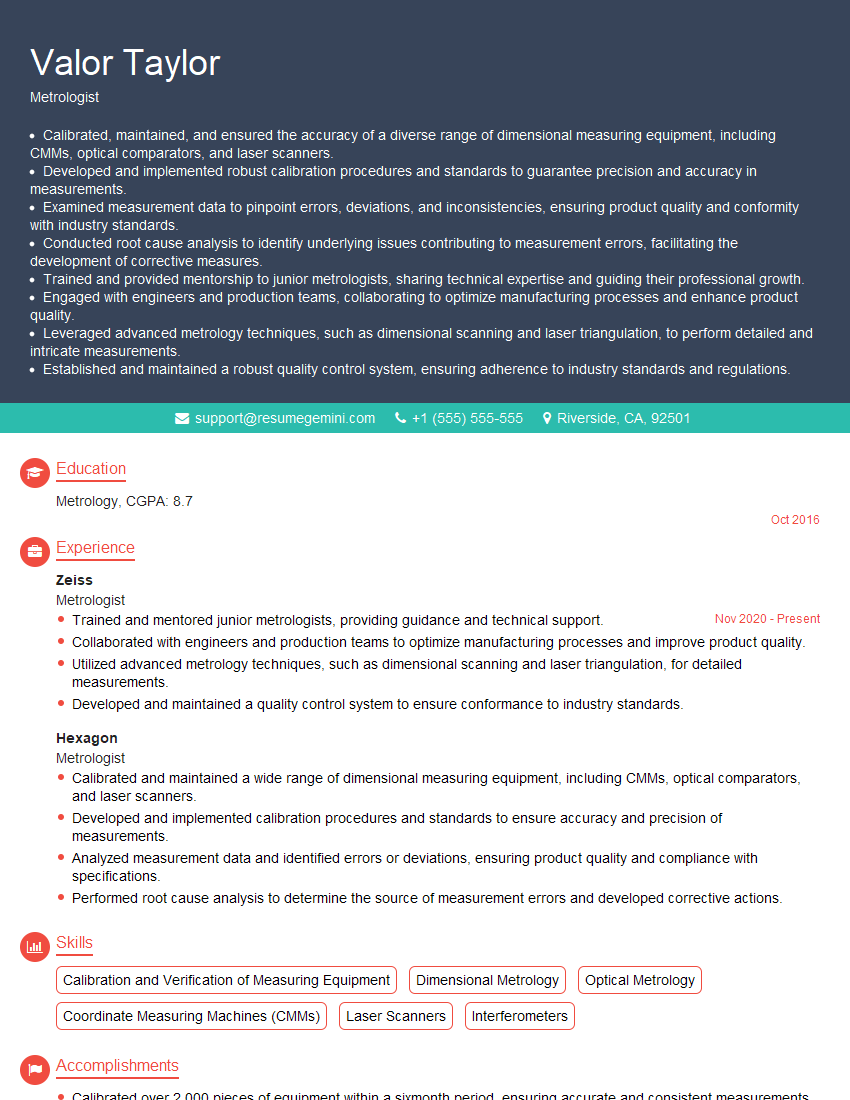
Metrologist Resume Sample
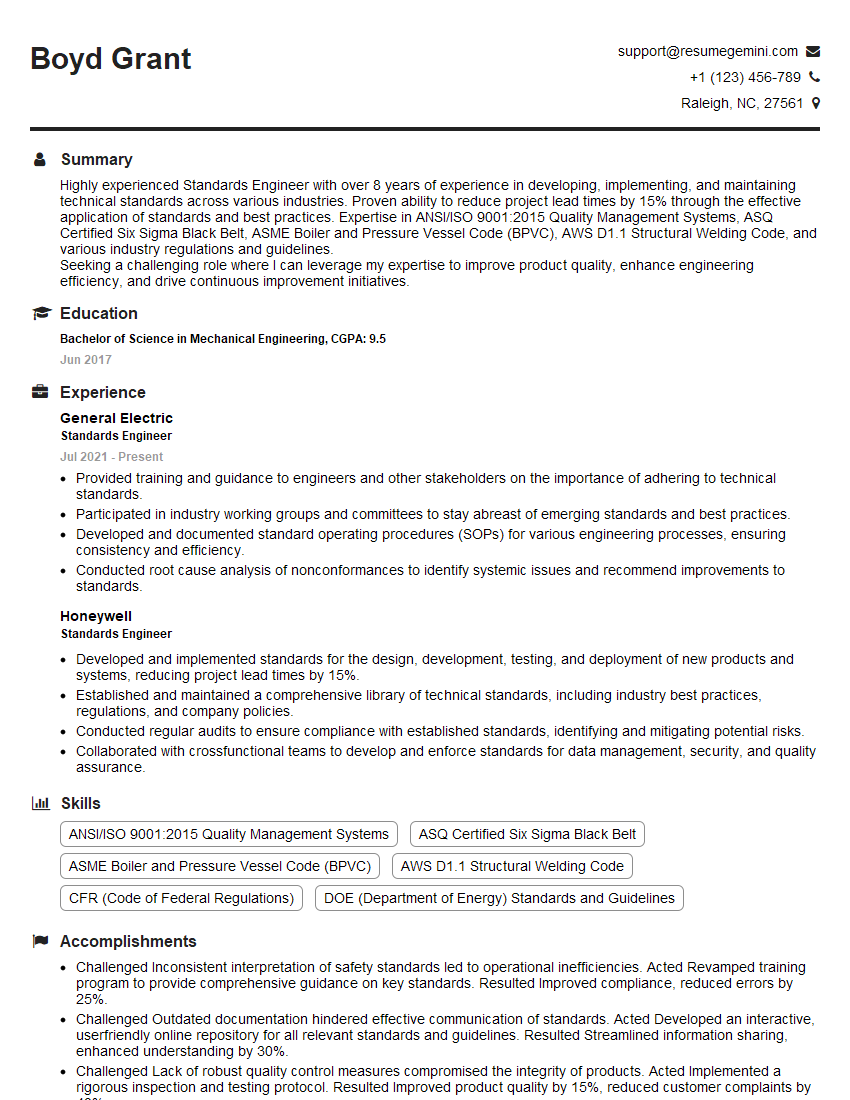
Standards Engineer Resume Sample
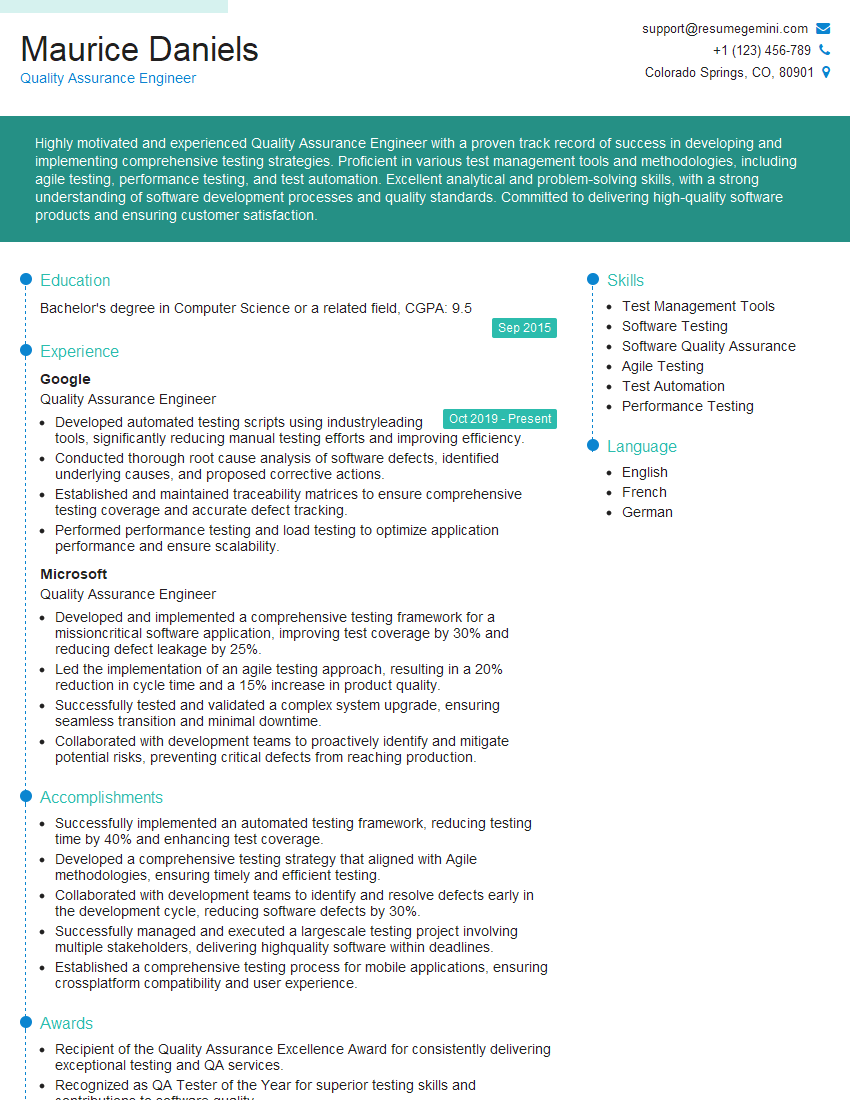
Quality Assurance Engineer Resume Sample
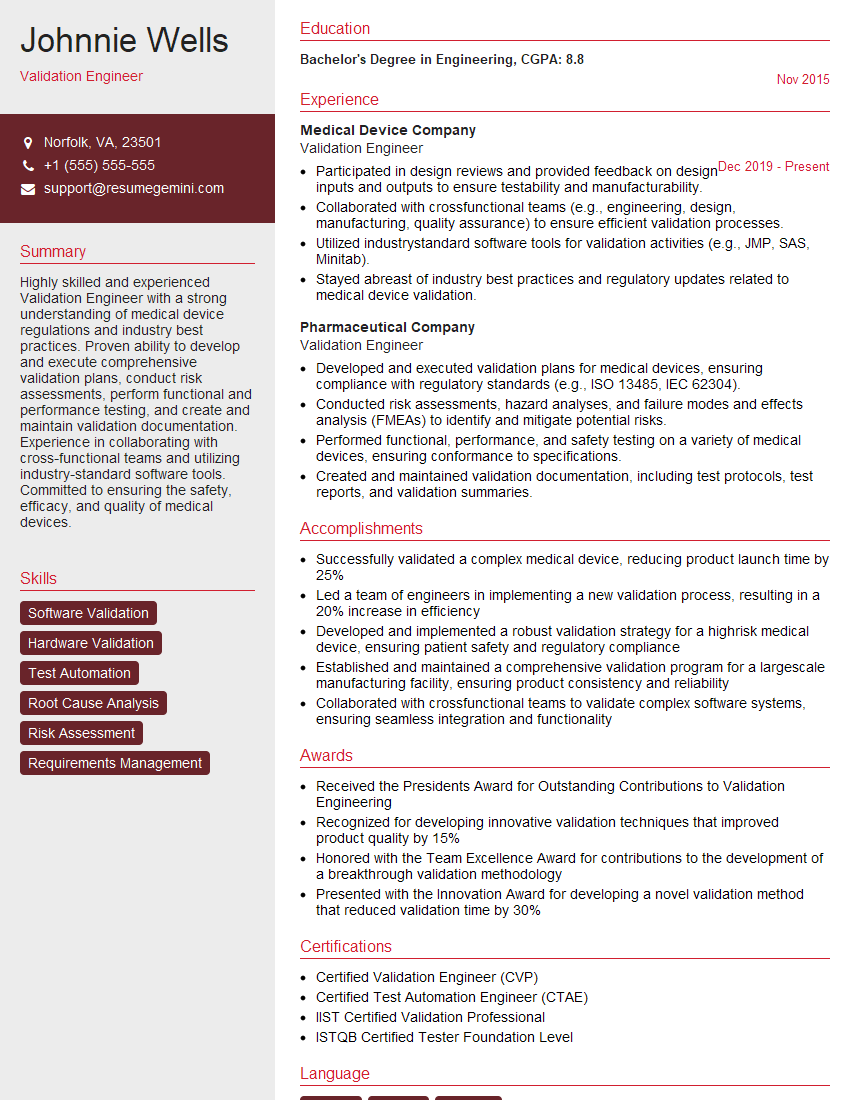
Validation Engineer Resume Sample
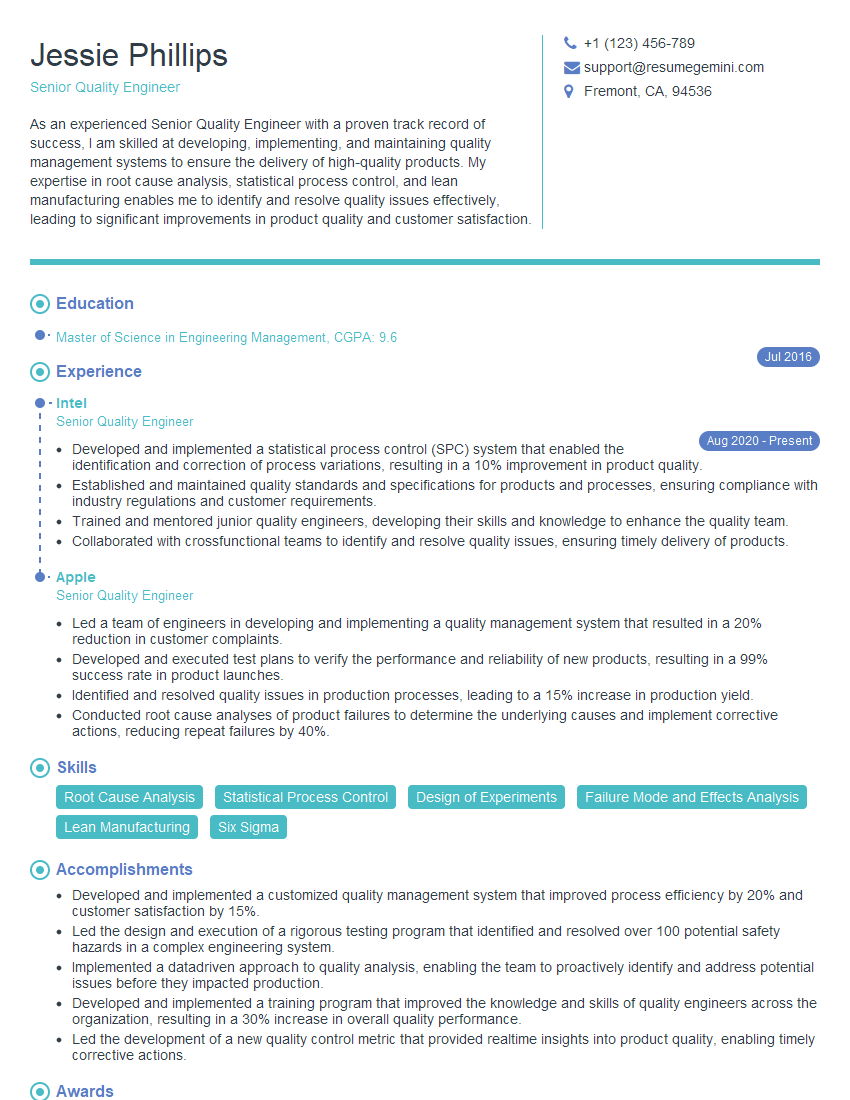
Senior Quality Engineer Resume Sample
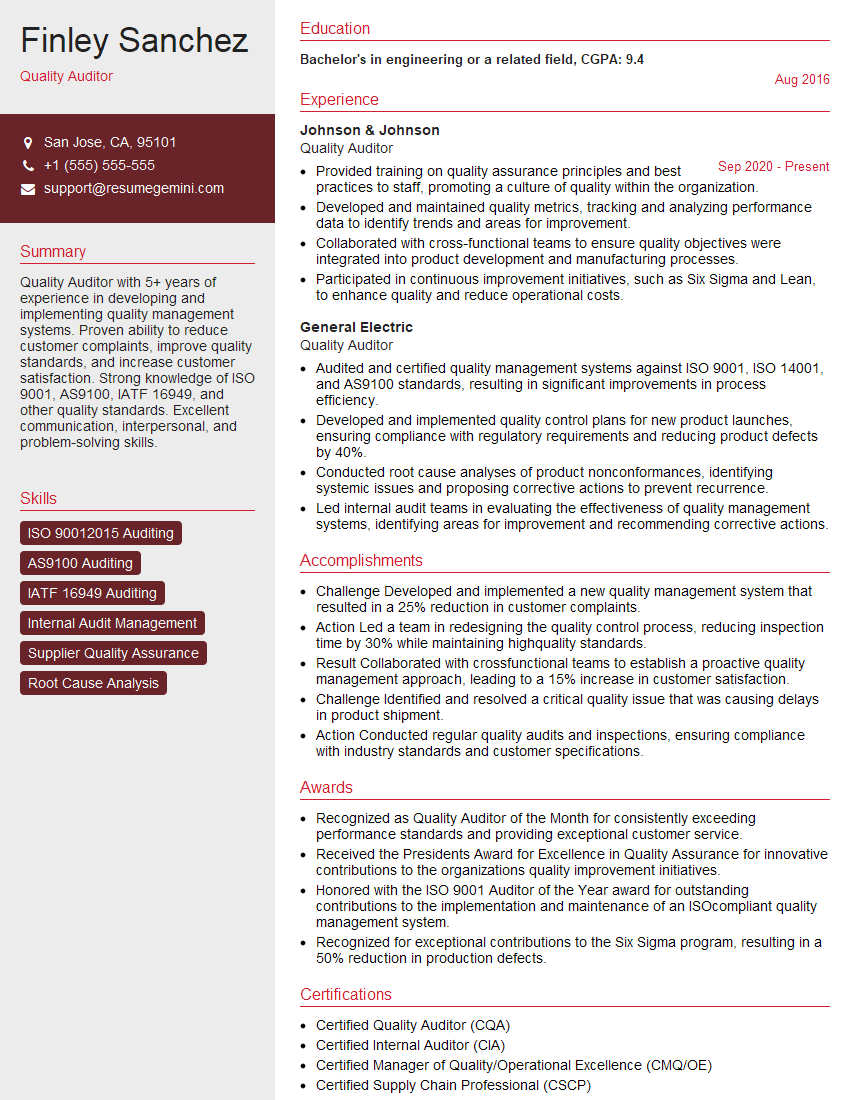
Quality Auditor Resume Sample
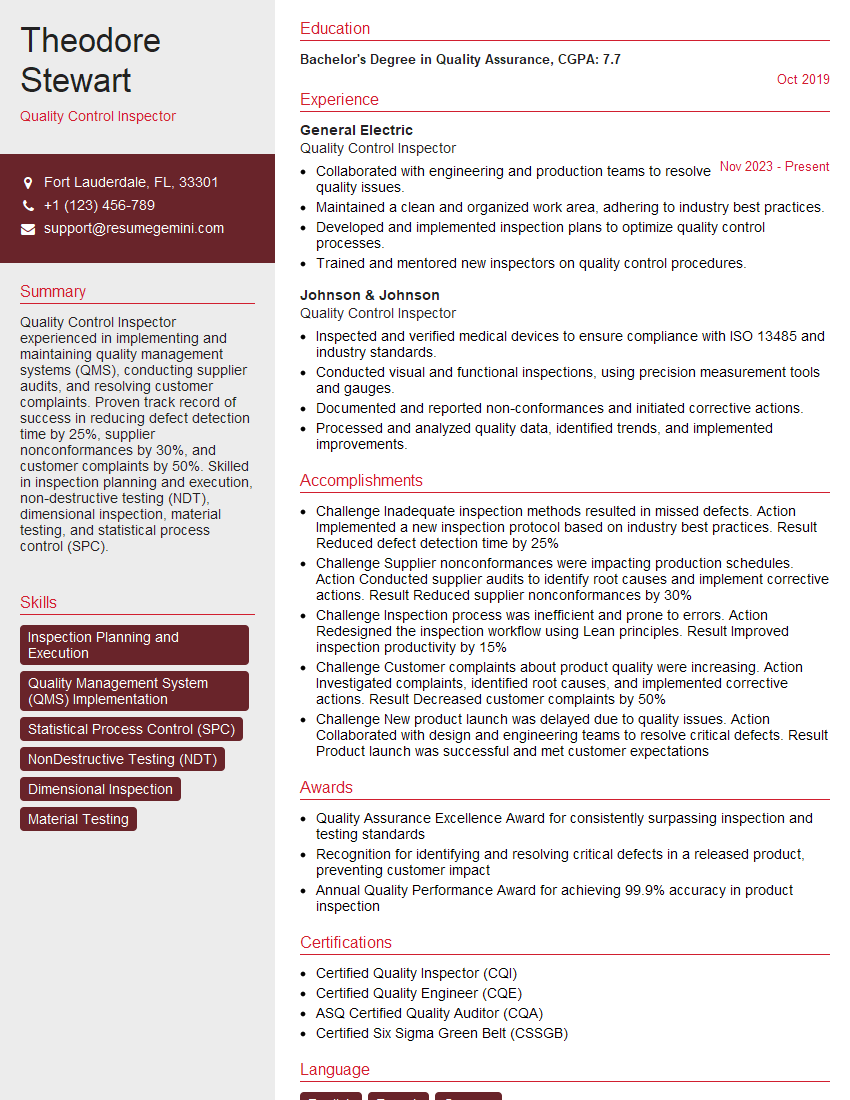
Quality Control Inspector Resume Sample
- Quality Control Manager
- Supply Chain Manager
- Engineering Manager
- Compliance Manager
- Compliance Officer
- Regulatory Affairs Specialist
- Reliability Engineer
- Risk Management Specialist
- Process Engineer
- Quality Systems Manager
- Product Safety Engineer
- Manufacturing Engineer
- Metrologist
- Standards Engineer
- Quality Assurance Engineer
- Validation Engineer
- Senior Quality Engineer
- Quality Auditor
- Quality Control Inspector
Explore more articles
Users Rating of Our Blogs
Share Your Experience
We value your feedback! Please rate our content and share your thoughts (optional).
What Readers Say About Our Blog
Very informative content, great job.
good