Interviews are opportunities to demonstrate your expertise, and this guide is here to help you shine. Explore the essential Knowledge of ISO standards and quality control interview questions that employers frequently ask, paired with strategies for crafting responses that set you apart from the competition.
Questions Asked in Knowledge of ISO standards and quality control Interview
Q 1. Explain the key principles of ISO 9001.
ISO 9001 is the internationally recognized standard for Quality Management Systems (QMS). Its key principles revolve around customer focus, leadership, engagement of people, process approach, improvement, evidence-based decision making, and relationship management.
- Customer Focus: Understanding and meeting customer needs and expectations is paramount. This involves actively seeking feedback and continuously improving products and services to satisfy customers.
- Leadership: Leaders at all levels must demonstrate commitment to the QMS, setting clear objectives and providing resources. They create a culture of continuous improvement.
- Engagement of People: Empowering employees at all levels is crucial. Their competence, knowledge and contribution are recognized as essential for achieving quality objectives.
- Process Approach: Defining, managing, and improving processes is central to a successful QMS. This ensures consistent results and efficient resource utilization.
- Improvement: The standard emphasizes continuous improvement through proactive identification and correction of deficiencies. This is achieved through regular monitoring, review, and analysis.
- Evidence-based Decision Making: Decisions should be based on data and objective evidence, ensuring that actions are effective and contribute to overall quality.
- Relationship Management: Building and maintaining positive relationships with suppliers and other stakeholders is key for achieving organizational goals and improving overall performance.
For example, a manufacturing company might use ISO 9001 to standardize its production process, reducing defects and improving customer satisfaction. They would document procedures, track key metrics, and regularly review their performance against established goals.
Q 2. Describe your experience with internal audits.
I have extensive experience conducting internal audits, both leading audits and participating as an auditor. My approach is always objective and thorough, following a structured plan. I’ve audited various processes, including manufacturing, procurement, and quality control. In one instance, I audited a supplier’s facility, focusing on their adherence to our quality requirements. The audit uncovered a minor non-conformity related to documentation. By highlighting this and working collaboratively with the supplier, we were able to improve their documentation procedures, strengthening our supply chain.
I utilize checklists, sampling techniques, and process flow diagrams to ensure comprehensive coverage. I document findings meticulously, using a standardized reporting template, and make recommendations for improvements. This feedback aids the organization in closing gaps and enhancing its quality management system.
Q 3. How do you handle non-conformances?
Handling non-conformances involves a systematic approach focusing on immediate corrective action and subsequent preventive action to avoid recurrence. I follow a structured process involving:
- Identification: Documenting the non-conformity, including its nature, severity, and location.
- Containment: Taking immediate steps to prevent further occurrences of the non-conformance; this might include stopping a production line or isolating defective products.
- Corrective Action: Addressing the immediate problem; this could involve repairing defective items, retraining staff, or updating a procedure.
- Root Cause Analysis: Investigating the underlying causes of the non-conformity to prevent future occurrences (as discussed further in the next answer).
- Preventive Action: Implementing changes to the processes or systems to prevent the non-conformity from recurring; this might involve revising a work instruction, implementing a new quality control check, or investing in new equipment.
- Verification: Confirming the effectiveness of the corrective and preventive actions taken.
- Documentation: Thoroughly documenting all steps taken, including evidence of effectiveness.
For example, if a batch of products fails a quality test, immediate containment might involve quarantining the batch. Corrective action would involve identifying and fixing the root cause of the failure (e.g., faulty equipment, incorrect calibration), while preventive action could be implementing a more rigorous calibration schedule.
Q 4. What are corrective and preventive actions (CAPA)?
Corrective and Preventive Actions (CAPA) are systematic processes for identifying the root causes of quality issues, correcting the immediate problem, and implementing measures to prevent recurrence. They are critical components of any robust quality management system.
- Corrective Action: Addresses the immediate problem to prevent further occurrence of the same nonconformity.
- Preventive Action: Addresses the root cause to prevent similar nonconformities from happening in the future.
The difference is that corrective action is a reactive measure, dealing with the existing problem, while preventive action is proactive, aimed at avoiding future problems. Often, a single event will require both corrective and preventive actions. For example, if a machine malfunctions, the corrective action might be to repair the machine, while the preventive action might involve implementing a regular maintenance schedule.
Q 5. Explain the PDCA cycle.
The PDCA cycle, or Deming cycle (Plan-Do-Check-Act), is an iterative four-step management method used in quality management for continuous improvement. It’s a cyclical process, meaning that after completing the ‘Act’ phase, you return to the ‘Plan’ phase to begin another iteration.
- Plan: Define the objectives, identify potential problems, develop a solution, and establish a plan for implementation.
- Do: Implement the plan on a small scale or pilot program.
- Check: Monitor the results, collect data, and analyze the effectiveness of the solution.
- Act: Take action based on the results of the check phase. If the solution worked, standardize it. If not, return to the planning phase.
Think of it like baking a cake: You plan the recipe (Plan), bake the cake (Do), taste the cake to see if it’s good (Check), and adjust the recipe for next time (Act). This continuous refinement eventually leads to the perfect cake (continuous improvement).
Q 6. What is the difference between quality assurance and quality control?
While both Quality Assurance (QA) and Quality Control (QC) aim to improve product quality, they approach it from different perspectives.
- Quality Assurance (QA): Focuses on preventing defects. It involves establishing and maintaining processes and procedures to ensure that products and services consistently meet requirements. Think of it as building the right system to produce quality results.
- Quality Control (QC): Focuses on detecting defects. It involves inspecting and testing products and services to identify and correct any deviations from standards. Think of it as checking the output to ensure quality is maintained.
An analogy: QA is like designing a well-built house with strong foundations, while QC is like inspecting the house during construction to ensure the walls are straight and the plumbing works correctly. Both are essential for a high-quality final product.
Q 7. Describe your experience with root cause analysis.
Root cause analysis (RCA) is a systematic process used to identify the underlying causes of problems or non-conformances. The goal isn’t just to fix the immediate issue but to prevent recurrence. I’ve employed various techniques, including the ‘5 Whys’, fishbone diagrams (Ishikawa diagrams), and Fault Tree Analysis (FTA).
For example, using the ‘5 Whys’ technique, if a product fails a test, I might ask:
- Why did the product fail? (e.g., because a component was faulty)
- Why was the component faulty? (e.g., because the supplier provided a defective batch)
- Why did the supplier provide a defective batch? (e.g., because their quality control process was inadequate)
- Why was their quality control inadequate? (e.g., because of insufficient training)
- Why was there insufficient training? (e.g., because of budget cuts)
This helps to peel back layers of the problem and uncover the root cause – in this case, insufficient training due to budget cuts. Addressing the root cause, rather than simply replacing the faulty component, prevents future occurrences.
Q 8. How do you ensure compliance with ISO standards?
Ensuring compliance with ISO standards is a multifaceted process that requires a systematic approach. It begins with a thorough understanding of the specific standard’s requirements – for example, ISO 9001 for quality management systems or ISO 14001 for environmental management. This understanding is the foundation for developing and implementing a robust management system.
Next, we conduct a gap analysis to identify discrepancies between current practices and the standard’s requirements. This often involves internal audits, document reviews, and interviews with personnel across different departments. The gap analysis helps pinpoint areas needing improvement.
Following this, we develop and implement corrective actions to close the identified gaps. This might involve revising procedures, providing employee training, or investing in new equipment. We then document all changes meticulously. Regular internal audits and management reviews are crucial to monitor compliance and ensure continuous improvement. Finally, we may pursue third-party certification to demonstrate compliance to stakeholders.
For instance, in a previous role, we implemented ISO 14001. The gap analysis revealed shortcomings in waste management. We addressed this by introducing a new waste segregation system, training staff, and investing in recycling equipment. This resulted in significantly reduced waste and improved environmental performance, ultimately demonstrating compliance with the standard.
Q 9. What is your experience with documenting quality management systems?
Documenting quality management systems (QMS) is critical for demonstrating compliance, improving efficiency, and ensuring consistent operations. My experience encompasses creating and maintaining a comprehensive suite of QMS documents, including the quality manual, procedures, work instructions, forms, and records. I am proficient in using various documentation software, and I understand the importance of version control and document accessibility.
A well-structured QMS documentation system must be clear, concise, and easily understood by all relevant personnel. It should clearly define responsibilities, processes, and procedures. I prioritize a user-friendly design, using visual aids such as flowcharts and diagrams whenever appropriate. Effective documentation involves regular reviews and updates to ensure the system remains relevant and effective.
In a previous project, I led the documentation overhaul of a company’s QMS. The old system was outdated and difficult to navigate. We created a new, streamlined system using a document management software, improving accessibility and reducing confusion. This resulted in a significant increase in employee efficiency and improved quality control.
Q 10. Explain the importance of risk assessment in quality management.
Risk assessment is paramount in quality management because it proactively identifies potential problems before they impact quality, safety, or compliance. It’s a systematic process of identifying hazards, analyzing their potential impact, and developing strategies to mitigate or eliminate them. The goal is to prevent defects, reduce costs, and ensure product or service conformity.
The process typically involves identifying potential risks, analyzing their likelihood and severity, evaluating the potential impact, and implementing control measures. These control measures might involve implementing new procedures, providing additional training, investing in new technology, or changing processes entirely. A risk assessment matrix is often used to prioritize risks based on their likelihood and severity.
For example, in a manufacturing setting, a risk assessment might reveal a high probability of machine malfunction leading to product defects. The control measure could involve implementing a preventative maintenance program and staff training on machine operation and safety procedures. This proactive approach reduces risks and improves overall product quality.
Q 11. Describe your experience with statistical process control (SPC).
Statistical Process Control (SPC) is a powerful tool for monitoring and controlling processes to minimize variation and improve quality. My experience involves using SPC techniques such as control charts (e.g., X-bar and R charts, p-charts, c-charts) to monitor process parameters and identify trends that might indicate problems. I’m proficient in interpreting control chart data to identify assignable causes of variation – reasons for variation outside of normal process fluctuations – and implementing corrective actions.
SPC allows us to move away from reactive quality control (inspecting finished products) and towards proactive quality control (preventing defects). By continuously monitoring the process, we can identify potential problems early on and take corrective actions to prevent major issues. This reduces waste, improves efficiency, and enhances overall product quality.
In one project, we used control charts to monitor the weight of a product. We identified a pattern of increasing variation, and through investigation, determined that a machine needed recalibration. Correcting this issue stabilized the process and significantly reduced defects.
Q 12. How do you measure the effectiveness of quality management systems?
Measuring the effectiveness of a quality management system (QMS) is crucial for continuous improvement. This is achieved through a combination of key performance indicators (KPIs), internal audits, management reviews, customer feedback, and data analysis.
KPIs can include metrics such as defect rates, customer satisfaction scores, process cycle times, and the number of corrective actions taken. Regular internal audits assess compliance with the QMS and identify areas needing improvement. Management reviews provide a high-level assessment of the QMS’s effectiveness and identify opportunities for improvement. Customer feedback provides invaluable insights into their perception of quality. By analyzing data from these different sources, we can gain a comprehensive understanding of the QMS’s effectiveness.
For example, tracking the defect rate over time can reveal trends and identify areas where process improvements are needed. Similarly, analyzing customer feedback can help identify areas of customer dissatisfaction and guide efforts to enhance product or service quality.
Q 13. Explain your experience with implementing ISO 9001.
Implementing ISO 9001 involves a systematic approach that starts with a thorough understanding of the standard’s requirements. It is a journey, not a destination. My experience includes leading and participating in several ISO 9001 implementation projects. The process typically begins with a gap analysis, followed by the development of a quality manual, procedures, and work instructions that align with the standard.
Next, I focus on training personnel on the new system and their roles and responsibilities. Internal audits are essential for verifying implementation and identifying areas needing improvement. Management reviews are crucial for high-level assessments and strategic decision-making. Finally, we prepare for a third-party certification audit to demonstrate compliance.
In one particular project, we faced resistance from certain employees who were unfamiliar with the ISO 9001 framework. We addressed this by providing thorough training, explaining the benefits of the system, and establishing a culture of open communication. This approach not only ensured successful implementation but also fostered a sense of ownership among the employees.
Q 14. What are the key elements of a quality policy?
A quality policy is a formal declaration of a company’s commitment to quality. It sets the direction for the entire organization and guides all quality-related activities. Key elements include a clear statement of the organization’s commitment to meeting customer requirements and exceeding expectations. It should define the organization’s quality objectives and how it will achieve those objectives.
The policy should also outline the organization’s commitment to continuous improvement and the methods it will employ to achieve this. It should demonstrate a commitment to meeting relevant legal and regulatory requirements. Finally, it must be communicated effectively to all employees to ensure everyone understands the organization’s commitment to quality.
A well-written quality policy is concise, accessible, and easily understood. It’s not just a document; it’s a living testament to the organization’s values and its unwavering commitment to quality.
Q 15. Describe your experience with process mapping.
Process mapping is a crucial technique for visualizing and analyzing the flow of activities within a process. It helps identify bottlenecks, redundancies, and areas for improvement. I’ve extensive experience creating process maps using various methods, including flowcharts, swim lane diagrams, and value stream mapping. For example, in my previous role at a manufacturing company, I mapped the entire production process for a key product. This revealed a significant delay in the quality inspection stage, which was then addressed through automation, leading to a 15% reduction in lead time.
My process mapping typically involves:
- Defining the scope: Clearly outlining the process boundaries and objectives.
- Data gathering: Interviewing stakeholders, observing the process, and reviewing documents.
- Diagram creation: Using appropriate notation and tools to create a clear and accurate visual representation.
- Validation: Reviewing the map with stakeholders to ensure accuracy and completeness.
- Analysis and improvement: Identifying areas for improvement and proposing solutions.
I am proficient in using software like Microsoft Visio and Lucidchart to create professional and interactive process maps.
Career Expert Tips:
- Ace those interviews! Prepare effectively by reviewing the Top 50 Most Common Interview Questions on ResumeGemini.
- Navigate your job search with confidence! Explore a wide range of Career Tips on ResumeGemini. Learn about common challenges and recommendations to overcome them.
- Craft the perfect resume! Master the Art of Resume Writing with ResumeGemini’s guide. Showcase your unique qualifications and achievements effectively.
- Don’t miss out on holiday savings! Build your dream resume with ResumeGemini’s ATS optimized templates.
Q 16. How do you manage customer complaints related to quality?
Managing customer complaints related to quality is paramount. My approach focuses on a structured process that prioritizes customer satisfaction and continuous improvement. It starts with empathetically acknowledging the customer’s concerns and then systematically investigating the root cause of the problem.
My process includes:
- Acknowledgement and empathy: Immediately acknowledging the complaint and expressing sincere concern for the customer’s experience.
- Root cause analysis: Using tools like the 5 Whys or fishbone diagrams to identify the underlying causes of the quality issue.
- Corrective action: Implementing immediate corrective actions to resolve the customer’s specific issue.
- Preventive action: Developing and implementing preventive measures to avoid similar issues in the future. This might include process improvements, employee training, or supplier management changes.
- Customer follow-up: Following up with the customer to ensure satisfaction with the resolution and to gather feedback.
- Data analysis: Tracking and analyzing customer complaints to identify trends and areas needing attention. This information feeds into our continuous improvement efforts.
For instance, when we received several complaints about a faulty component in one of our products, we used the 5 Whys technique to trace the problem back to a supplier’s process. We addressed the issue directly with the supplier, implemented stricter incoming inspection procedures, and compensated the affected customers, demonstrating our commitment to quality and customer satisfaction.
Q 17. What are your strategies for continuous improvement?
My strategies for continuous improvement are rooted in the principles of Kaizen (continuous improvement) and Plan-Do-Check-Act (PDCA) cycle. I believe in fostering a culture of continuous improvement where every team member is encouraged to identify and address improvement opportunities.
Key strategies I employ include:
- Regular performance reviews: Analyzing key performance indicators (KPIs) to identify areas needing improvement.
- Data-driven decision making: Using data analysis to understand trends, identify root causes, and measure the effectiveness of improvement initiatives.
- Benchmarking: Comparing our performance against industry best practices and competitors.
- Employee involvement: Encouraging employee participation in improvement initiatives through suggestion schemes and Kaizen events.
- Process optimization: Streamlining processes to eliminate waste, improve efficiency, and reduce errors.
- Regular training and development: Ensuring employees possess the necessary skills and knowledge to maintain and improve quality.
In a past project, we implemented a Lean Six Sigma initiative to reduce defects in our manufacturing process. Using DMAIC methodology (Define, Measure, Analyze, Improve, Control), we systematically reduced defects by 70%, significantly improving product quality and customer satisfaction.
Q 18. Explain your experience with using quality control tools (e.g., Pareto charts, fishbone diagrams).
I have extensive experience using various quality control tools, including Pareto charts and fishbone diagrams, to analyze data, identify root causes of problems, and drive improvement. These tools are invaluable for visualizing data and making data-driven decisions.
Pareto charts help prioritize issues by showing the relative frequency of different causes. For example, in analyzing customer complaints, a Pareto chart might reveal that 80% of issues stem from just 20% of the causes. This helps us focus our resources on resolving the most impactful issues first.
Fishbone diagrams (Ishikawa diagrams) are powerful tools for brainstorming potential causes of a problem. They help us explore various factors that could be contributing to a quality issue, such as materials, methods, manpower, machinery, measurement, and environment. For instance, when investigating recurring equipment failures, a fishbone diagram helped us identify a combination of factors such as inadequate maintenance, poor operator training, and substandard parts as the root causes.
Q 19. How do you ensure the accuracy and reliability of quality data?
Ensuring the accuracy and reliability of quality data is critical for effective decision-making. My approach involves a multi-faceted strategy focusing on data integrity, validation, and traceability.
This includes:
- Data validation: Implementing checks and balances to ensure that data collected is accurate and reliable. This can include cross-checking data from multiple sources, performing statistical analysis, and using automated data validation tools.
- Data traceability: Establishing a clear chain of custody for all data collected, ensuring that its source and history can be easily tracked.
- Calibration of measuring equipment: Regularly calibrating all measuring instruments used to collect quality data to ensure their accuracy.
- Data management system: Implementing a robust data management system to manage and store quality data securely and efficiently.
- Regular audits: Conducting regular audits to verify the accuracy and reliability of the data collection process.
For example, in one project, we implemented a computerized quality control system that automatically collected and analyzed quality data. This significantly improved data accuracy and reduced the time and resources required for manual data entry and analysis.
Q 20. What is your experience with auditing ISO 14001 or ISO 27001?
I have significant experience auditing ISO 14001 (Environmental Management Systems) and ISO 27001 (Information Security Management Systems). I’ve conducted both internal and external audits, ensuring conformity to the standards’ requirements.
My auditing process involves:
- Planning: Defining the scope of the audit, identifying the audit criteria, and selecting the audit team.
- Document review: Reviewing relevant documentation, including the organization’s environmental or information security management system documentation.
- On-site observations: Conducting on-site observations to verify the effectiveness of the implemented systems.
- Interviews: Interviewing personnel to gain a better understanding of the organization’s processes and practices.
- Evidence gathering: Gathering evidence to support the audit findings.
- Reporting: Preparing a comprehensive audit report that includes findings, recommendations, and nonconformities.
- Follow-up: Following up on corrective actions taken by the audited organization.
During an ISO 14001 audit of a manufacturing facility, I identified a significant gap in their waste management processes, resulting in a recommendation for improved recycling practices and training for their employees. The implementation of this improved their environmental performance significantly.
Q 21. Describe your experience with supplier quality management.
Supplier quality management is essential for ensuring the quality of products and services. My experience encompasses developing and implementing strategies to ensure our suppliers meet our quality requirements.
My approach includes:
- Supplier selection: Implementing rigorous supplier selection criteria, including assessments of their quality management systems, capabilities, and financial stability.
- Supplier qualification: Conducting audits and assessments of potential suppliers to ensure they meet our requirements.
- Incoming inspection: Implementing a robust incoming inspection program to verify the quality of materials and components received from suppliers.
- Performance monitoring: Regularly monitoring supplier performance using key performance indicators (KPIs), such as defect rates, lead times, and on-time delivery.
- Corrective and preventive action: Working with suppliers to identify and resolve quality issues.
- Supplier development: Providing training and support to suppliers to improve their quality management systems.
In one case, a supplier consistently failed to meet our specifications for a critical component. Through collaboration and joint problem-solving, we identified the root causes, improved their processes, and implemented a continuous improvement plan resulting in a marked improvement in quality and reliability.
Q 22. How do you handle conflicts between different departments regarding quality issues?
Resolving inter-departmental conflicts regarding quality is crucial for effective quality management. It often involves a structured approach that prioritizes collaboration and clear communication. My approach involves several key steps:
- Identify the root cause of the conflict: This often requires facilitating open discussions with representatives from each department involved. Understanding the perspectives and concerns of each side is paramount. For instance, a conflict might arise between production and quality control regarding acceptable defect rates – production might prioritize speed, while quality control prioritizes adherence to standards.
- Establish a common goal: Focus on the shared objective of delivering high-quality products or services. This helps shift the focus from individual department goals to the overall organizational success. In the production/quality control example, the shared goal might be on-time delivery of products meeting customer specifications.
- Develop a collaborative solution: Once the root cause and shared goal are clear, we can brainstorm solutions together. This may involve compromising, adjusting processes, or implementing new procedures. Compromise might involve adjusting production targets to accommodate stricter quality checks, or implementing a new system for defect tracking and reporting.
- Implement and monitor the solution: The agreed-upon solution is implemented, and its effectiveness is closely monitored. Regular follow-up meetings are scheduled to address any emerging issues or challenges. KPIs, such as defect rates and customer satisfaction scores, will be tracked to measure the success of the solution.
- Document the process and lessons learned: Detailed documentation is essential for future reference and continuous improvement. This ensures that similar conflicts can be addressed more efficiently in the future. This documentation can serve as a valuable training resource for new employees.
Essentially, I facilitate a collaborative problem-solving process, transforming a conflict into an opportunity for process improvement and stronger cross-functional teamwork.
Q 23. What is your experience with quality metrics and key performance indicators (KPIs)?
My experience with quality metrics and KPIs is extensive. I’ve utilized various metrics throughout my career, tailored to the specific context of each project or organization. Some common examples include:
- Defect rate: The number of defects per unit produced, a crucial indicator of process efficiency and product quality.
- Customer satisfaction scores (CSAT): Gauges customer happiness with the product or service, reflecting the overall quality experience.
- Process capability indices (Cpk, Ppk): Statistical measures that assess the ability of a process to meet specified tolerances. These are invaluable for identifying and mitigating process variation.
- First pass yield: The percentage of units that pass inspection on the first attempt, highlighting efficiency and effectiveness of the production process.
- Mean time between failures (MTBF): Used in reliability analysis to assess the lifespan and reliability of products.
Beyond simply tracking these metrics, I focus on using data-driven insights to identify areas for improvement. For example, a high defect rate in a specific process might indicate a need for operator training or equipment recalibration. By analyzing trends in KPIs, we can proactively address potential quality issues before they escalate.
Q 24. Describe a time you identified and solved a quality problem.
In a previous role, we were experiencing a significant increase in customer complaints related to a specific product’s functionality. Initial investigations pointed towards a potential issue in the assembly process. My approach involved:
- Data collection: We analyzed customer complaint data, focusing on the specific types of failures reported. This involved categorizing complaints and identifying patterns.
- Root cause analysis: Using techniques like the 5 Whys and fishbone diagrams, we meticulously investigated the assembly process to pinpoint the root cause of the problem. This revealed a poorly calibrated automated machine causing inconsistent component alignment.
- Corrective action: We recalibrated the machine, implemented stricter quality checks at each stage of the assembly process, and provided additional training to assembly line workers. We also implemented a new automated quality inspection at the end of assembly.
- Verification and validation: After implementing the corrective actions, we closely monitored the defect rate and customer complaints. We saw a significant decrease in both, confirming the effectiveness of our solution.
- Preventative measures: To prevent similar issues in the future, we implemented a regular preventative maintenance schedule for all automated machinery and enhanced operator training programs.
This experience reinforced the importance of systematic problem-solving, data-driven decision-making, and the collaborative effort needed to effectively resolve quality issues. It also highlighted the value of preventative maintenance to minimize future incidents.
Q 25. What are your strengths and weaknesses in relation to quality control?
My strengths in quality control lie in my analytical skills, my ability to lead and motivate teams, and my experience in implementing and managing ISO standards. I’m highly proficient in various quality management tools and techniques, including statistical process control (SPC), root cause analysis, and continuous improvement methodologies like Lean and Six Sigma.
One area I’m continuously working on is developing my skills in advanced statistical modeling for predictive quality control. While I have a solid foundation, staying abreast of the latest advancements in this field is an ongoing process. I actively seek opportunities to expand my knowledge and skills in this area through professional development courses and industry publications.
Q 26. How do you stay updated on changes and new developments in ISO standards?
Staying updated on ISO standards and industry best practices is crucial for maintaining my expertise. I utilize several strategies:
- Subscription to ISO updates: I maintain subscriptions to relevant ISO newsletters and publications to receive timely updates on changes and new releases.
- Professional development courses: I regularly participate in workshops and training courses focused on ISO standards and quality management best practices.
- Industry conferences and events: Attending conferences and networking with industry professionals allows me to learn about cutting-edge developments and best practices.
- Professional networks: I actively engage in professional networks and online communities dedicated to quality management to share knowledge and stay updated on the latest trends.
- Regular review of ISO documentation: Directly reviewing the latest versions of relevant ISO standards ensures a deep understanding of the requirements and changes.
This multi-pronged approach helps ensure I’m always aware of the latest developments and can effectively apply the most current standards in my work.
Q 27. How do you balance quality with time and cost constraints?
Balancing quality, time, and cost is a fundamental challenge in any project. It’s not about sacrificing one for the others, but rather about finding an optimal balance. My approach involves:
- Prioritization: Clearly define quality requirements and prioritize the critical aspects that directly impact customer satisfaction and product safety. Less critical aspects may allow for some compromises.
- Value engineering: Analyze processes to identify areas where cost reductions can be achieved without impacting quality. This may involve optimizing materials, streamlining processes, or implementing automation.
- Risk assessment: Identify potential risks that could impact quality, schedule, or budget. Develop mitigation plans to address these risks and minimize their impact.
- Agile methodologies: Adopting agile methodologies allows for flexibility and iterative improvements. This allows for adjustments based on feedback and changes in priorities.
- Effective communication: Open communication among stakeholders is critical. Transparency about constraints and trade-offs ensures alignment and shared understanding.
Ultimately, it’s about making informed decisions, leveraging data-driven insights, and adopting a proactive approach to manage risks and optimize the balance between these three crucial factors.
Q 28. Describe your experience with implementing a quality improvement project.
In a previous role, we implemented a Six Sigma project to reduce the defect rate in a key manufacturing process. The project involved:
- Define: Clearly defined the problem (high defect rate), the target (reduction by 50%), and the project scope.
- Measure: Collected data to establish the current defect rate and identify key process parameters.
- Analyze: Used statistical tools like Pareto charts and control charts to identify the root causes of the defects.
- Improve: Implemented several improvements, including operator training, process modifications, and equipment upgrades.
- Control: Developed a monitoring system to track the defect rate and prevent regressions. This included regular monitoring of key process parameters and routine maintenance checks.
The project resulted in a significant reduction in the defect rate, exceeding the initial target. More importantly, it fostered a culture of continuous improvement within the team, enhancing their problem-solving and data analysis skills. The project’s success also validated the effectiveness of utilizing data-driven insights to address operational inefficiencies.
Key Topics to Learn for Knowledge of ISO standards and quality control Interview
- Understanding ISO 9001:2015: This foundational standard focuses on quality management systems. Learn its core principles, clauses, and how organizations implement it to improve processes and customer satisfaction.
- Internal Audits and Corrective Actions: Understand the process of conducting internal audits to identify non-conformances and implementing effective corrective and preventive actions (CAPA).
- Document Control and Record Management: Learn how to manage documents and records effectively according to ISO standards, ensuring version control, accessibility, and retention.
- Process Mapping and Improvement: Master techniques for mapping processes, identifying bottlenecks, and implementing improvements based on data analysis and continuous improvement methodologies (e.g., Lean, Six Sigma).
- Risk-Based Thinking: Understand how to identify, assess, and mitigate risks throughout the organization’s quality management system.
- Practical Application of ISO Standards: Familiarize yourself with real-world examples of how ISO standards are implemented in various industries and how they contribute to improved quality, efficiency, and customer satisfaction. Consider case studies.
- Statistical Process Control (SPC): Learn the basic principles of SPC and how control charts are used to monitor process variation and identify potential problems early.
- Root Cause Analysis Techniques: Develop proficiency in techniques like the 5 Whys, Fishbone diagrams, and Pareto analysis to effectively identify root causes of quality issues.
- Auditing and Compliance: Understand the process of conducting audits to ensure compliance with ISO standards and other relevant regulations.
Next Steps
Mastering knowledge of ISO standards and quality control significantly enhances your career prospects, opening doors to specialized roles and higher earning potential. A strong understanding of these concepts showcases your commitment to quality and process improvement, making you a highly valuable asset to any organization. To maximize your job search success, it’s crucial to create an ATS-friendly resume that highlights your skills and experience effectively. ResumeGemini is a trusted resource to help you build a professional and impactful resume. They provide examples of resumes tailored to roles requiring Knowledge of ISO standards and quality control, giving you a head start in crafting your own compelling application.

Quality Assurance Manager Resume Sample

Quality Control Manager Resume Sample
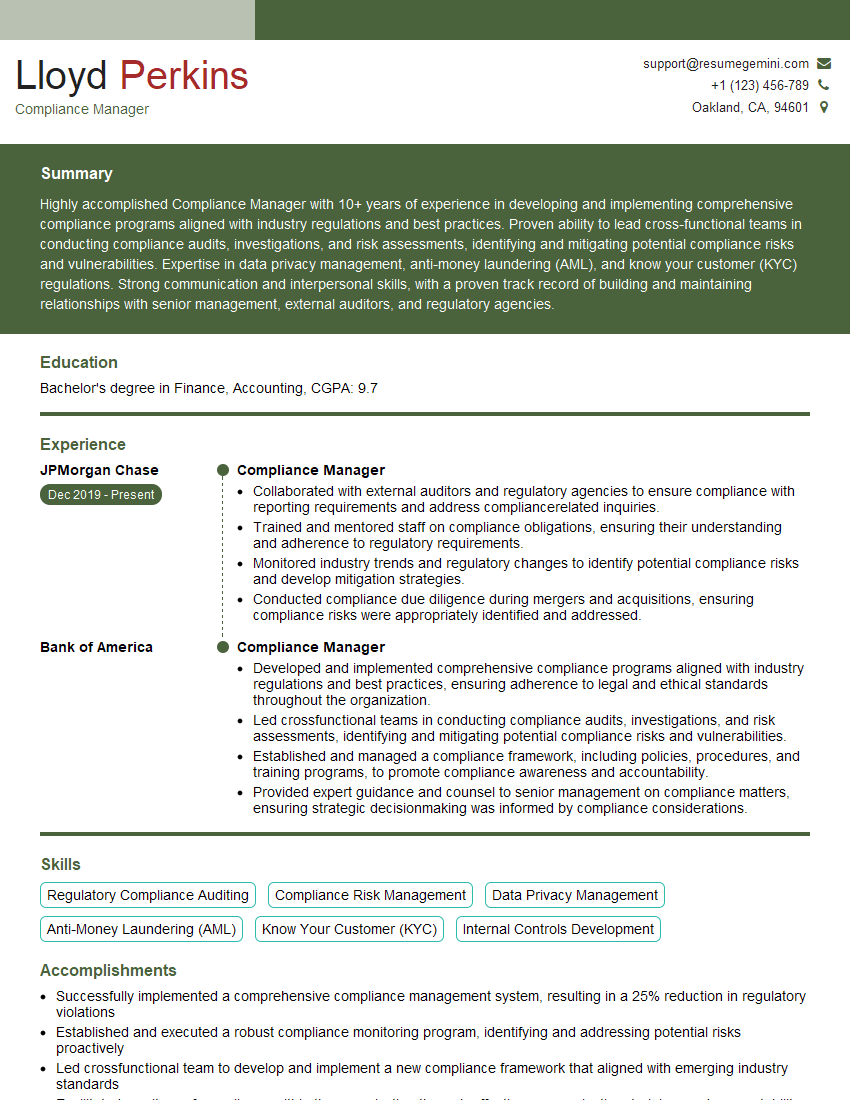
Compliance Manager Resume Sample

Compliance Officer Resume Sample
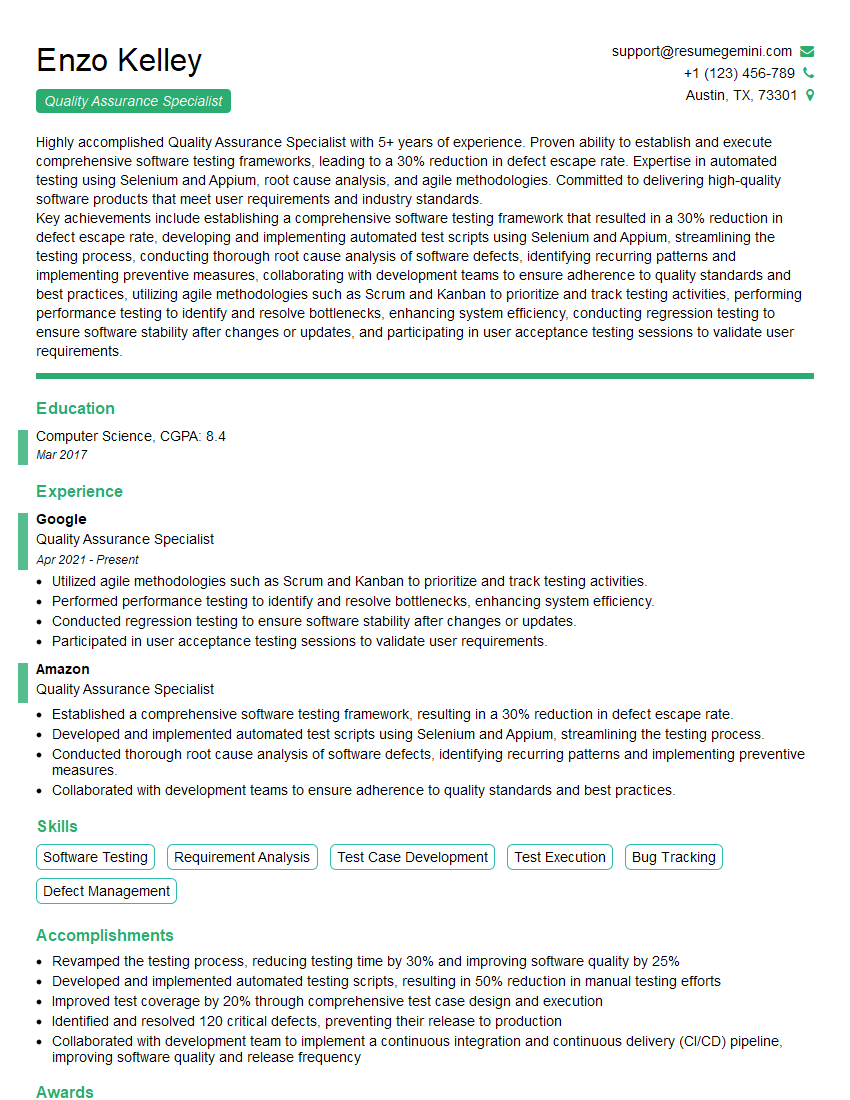
Quality Assurance Specialist Resume Sample
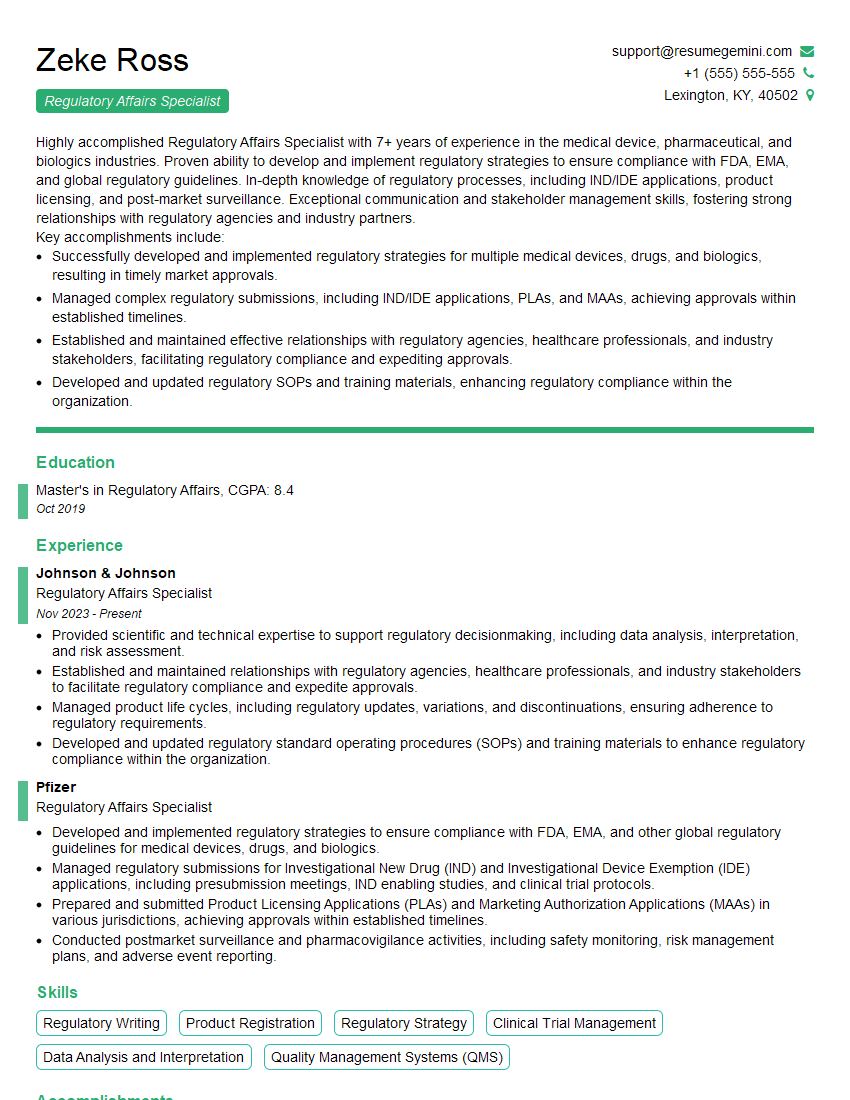
Regulatory Affairs Specialist Resume Sample
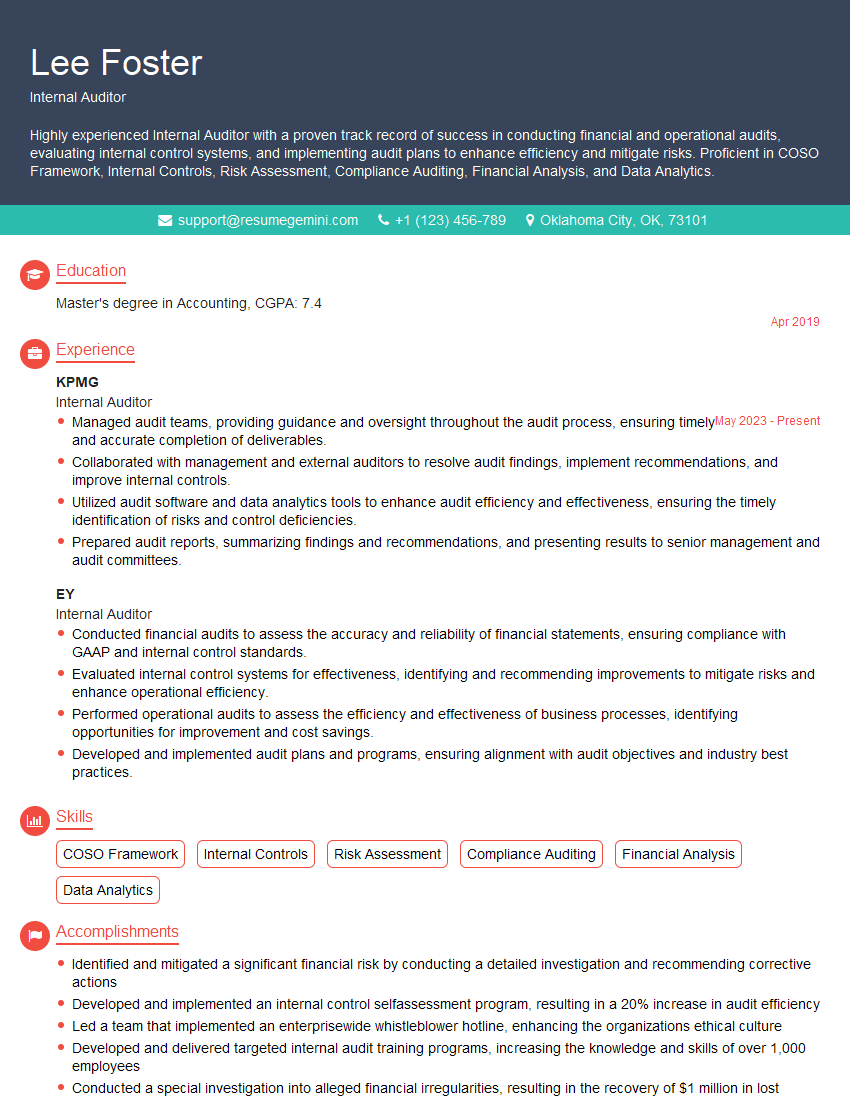
Internal Auditor Resume Sample
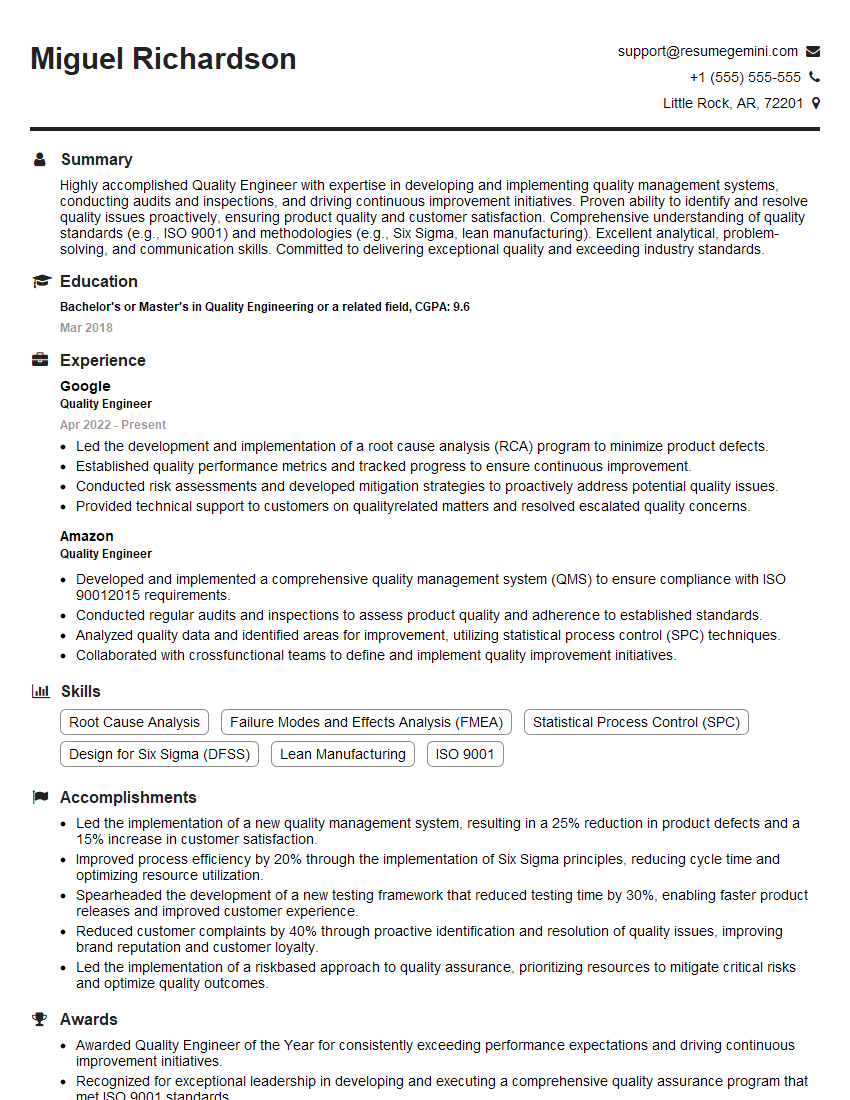
Quality Engineer Resume Sample
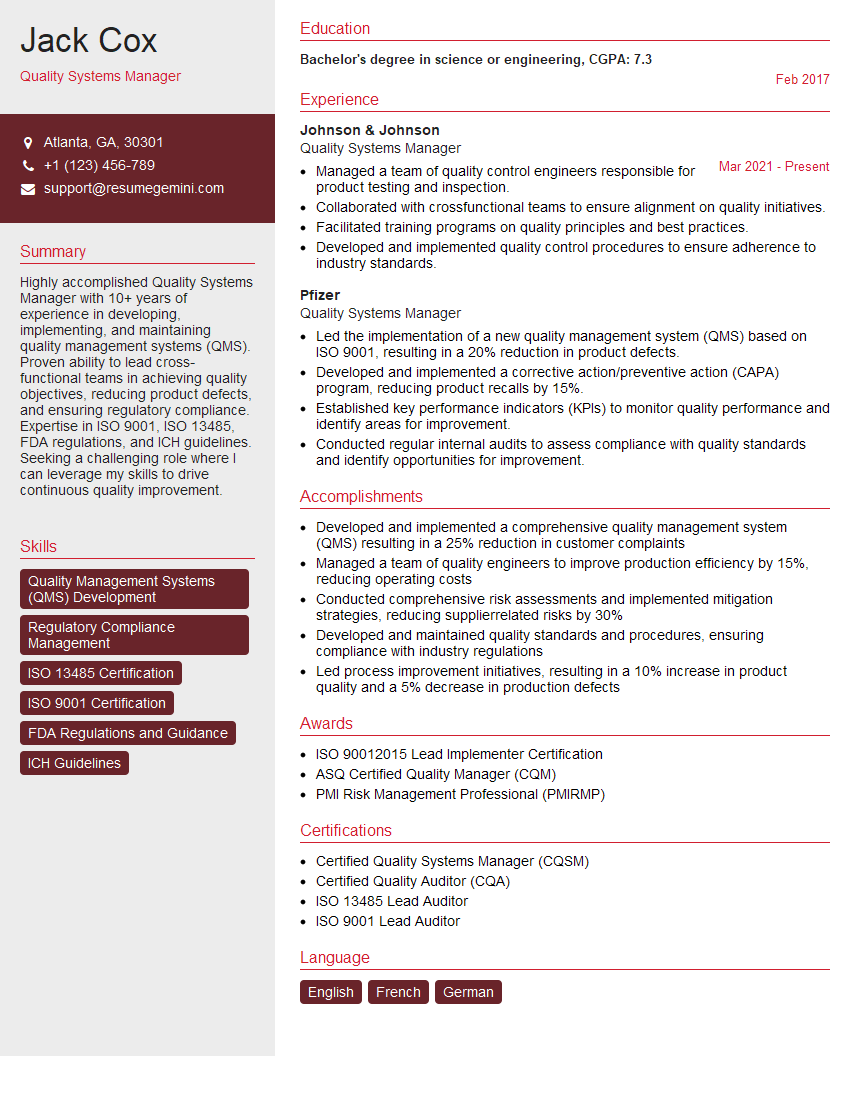
Quality Systems Manager Resume Sample
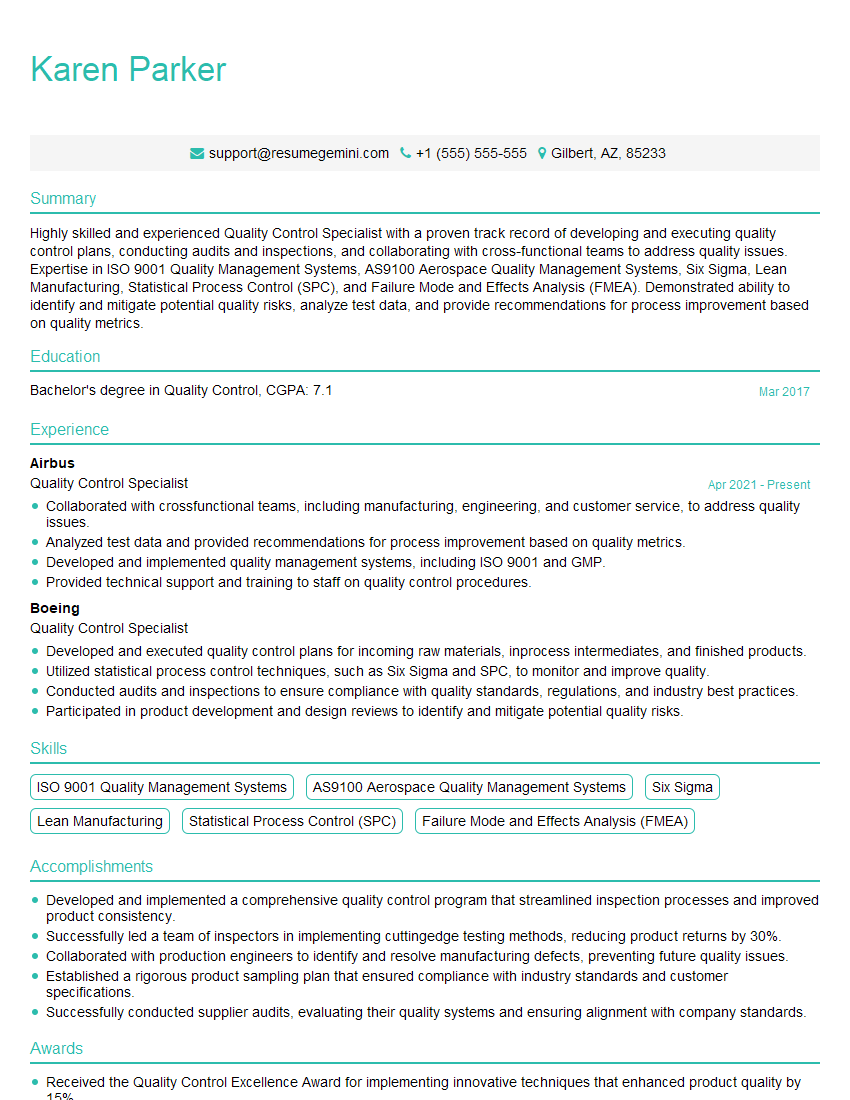
Quality Control Specialist Resume Sample
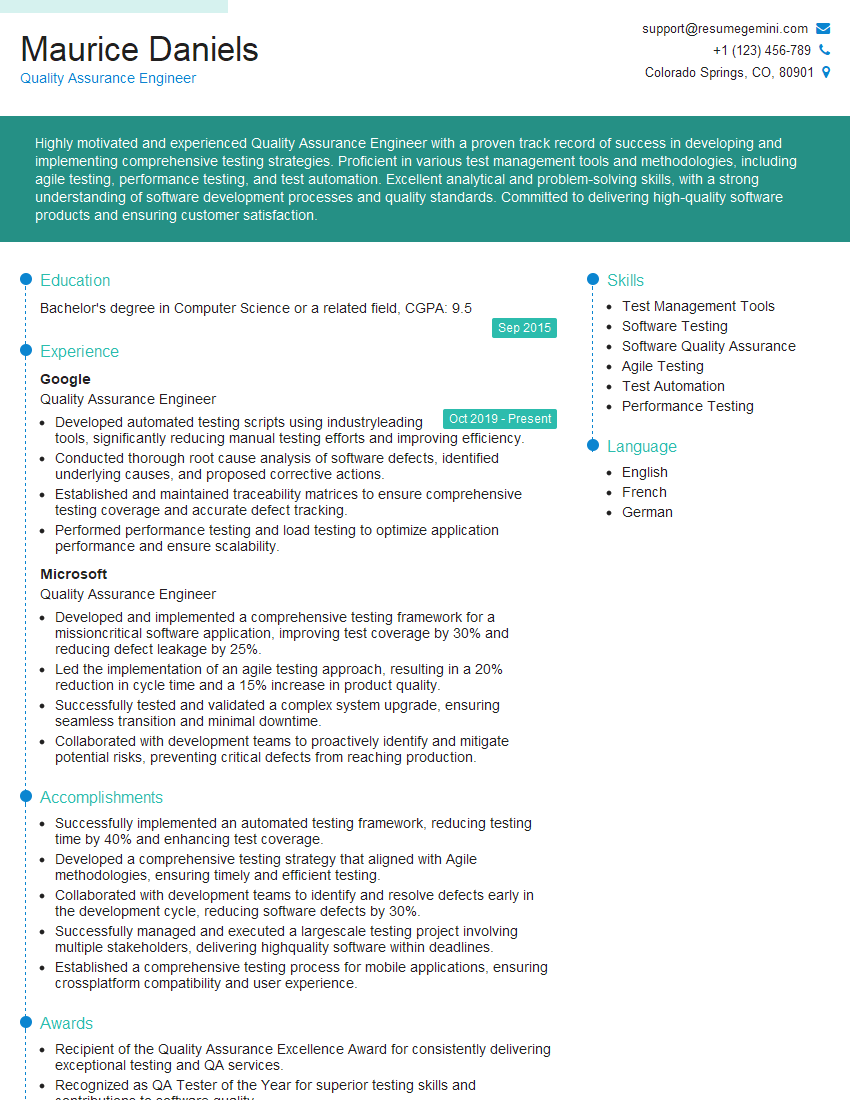
Quality Assurance Engineer Resume Sample
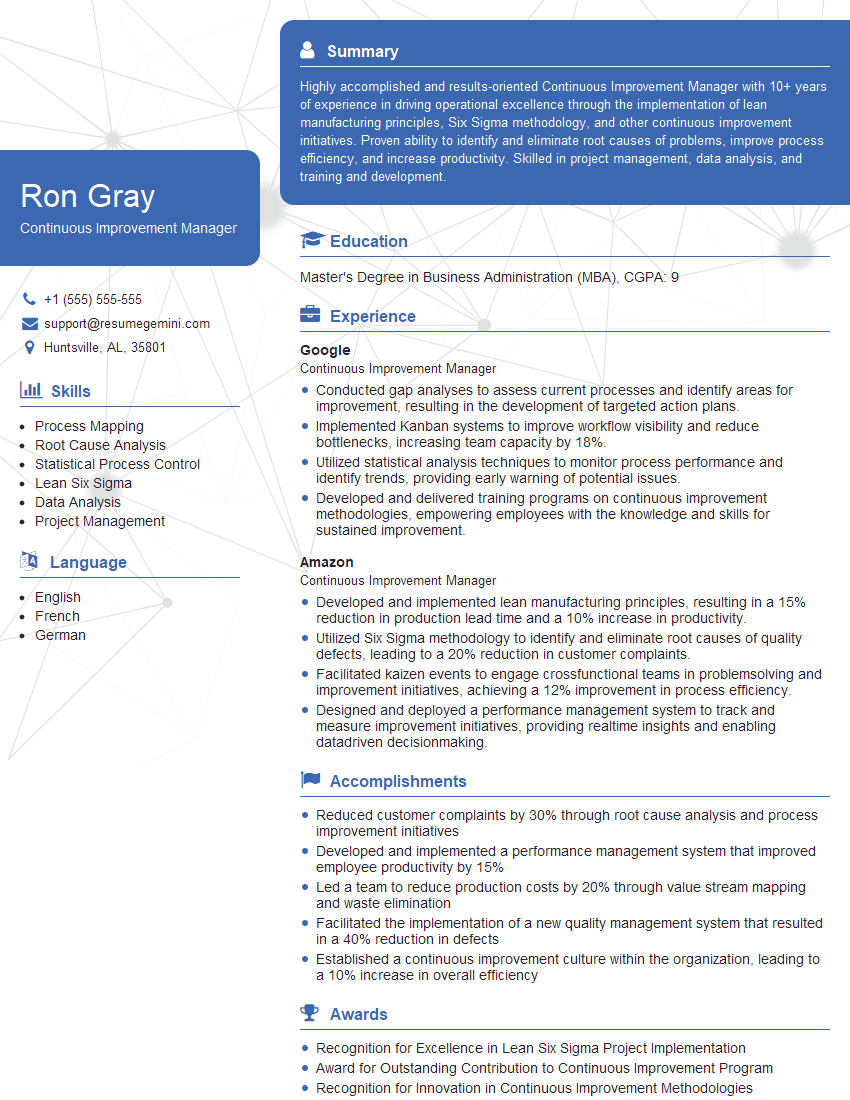
Continuous Improvement Manager Resume Sample
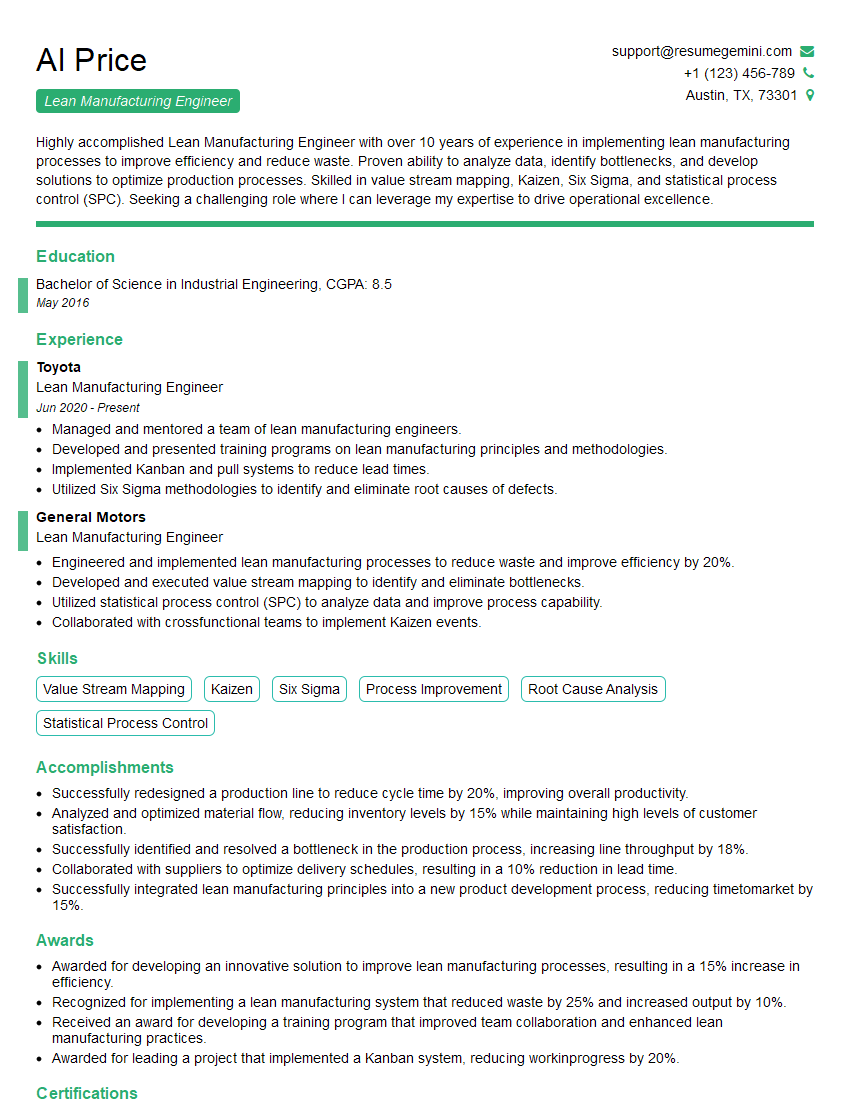
Lean Manufacturing Engineer Resume Sample
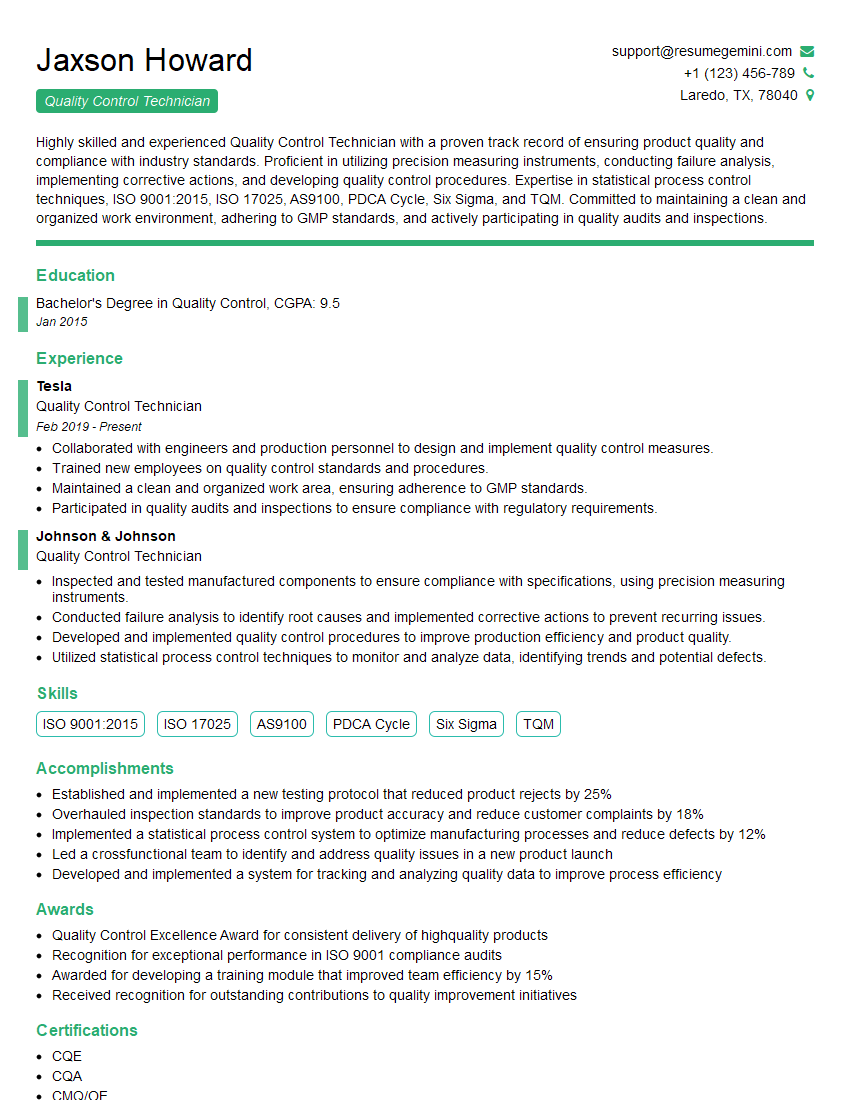
Quality Control Technician Resume Sample
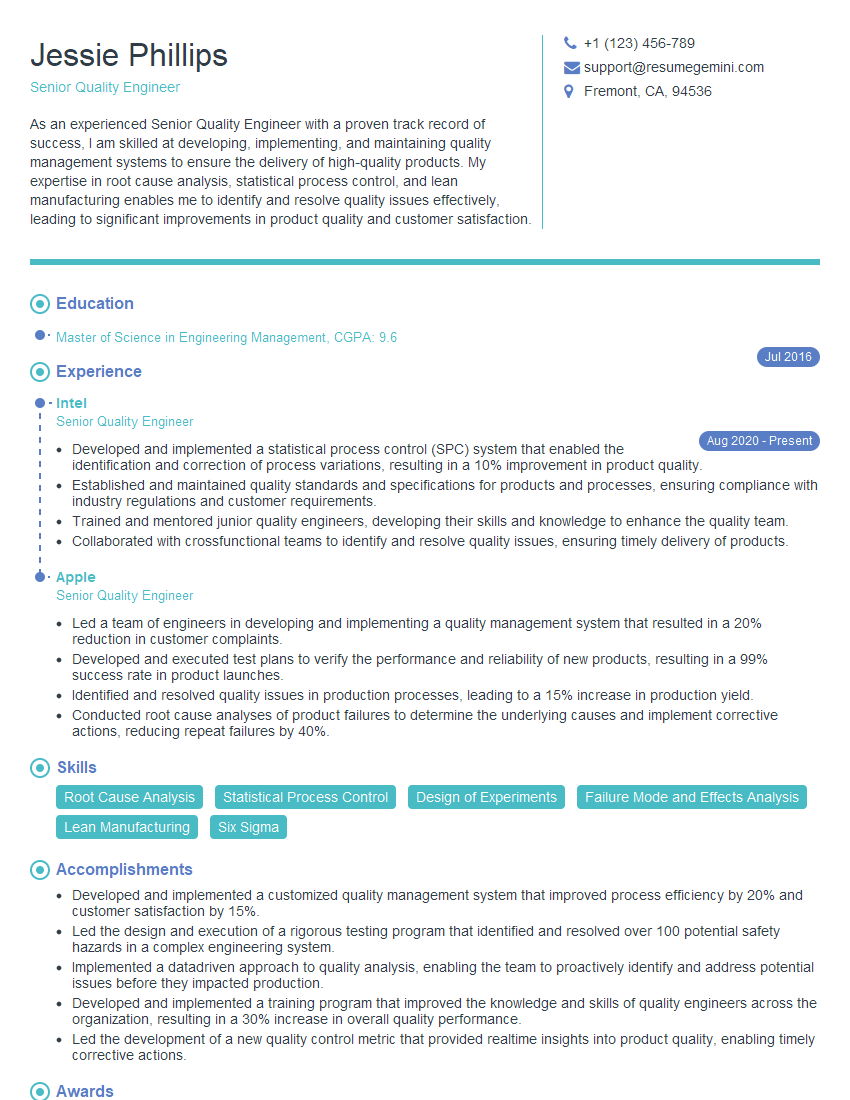
Senior Quality Engineer Resume Sample
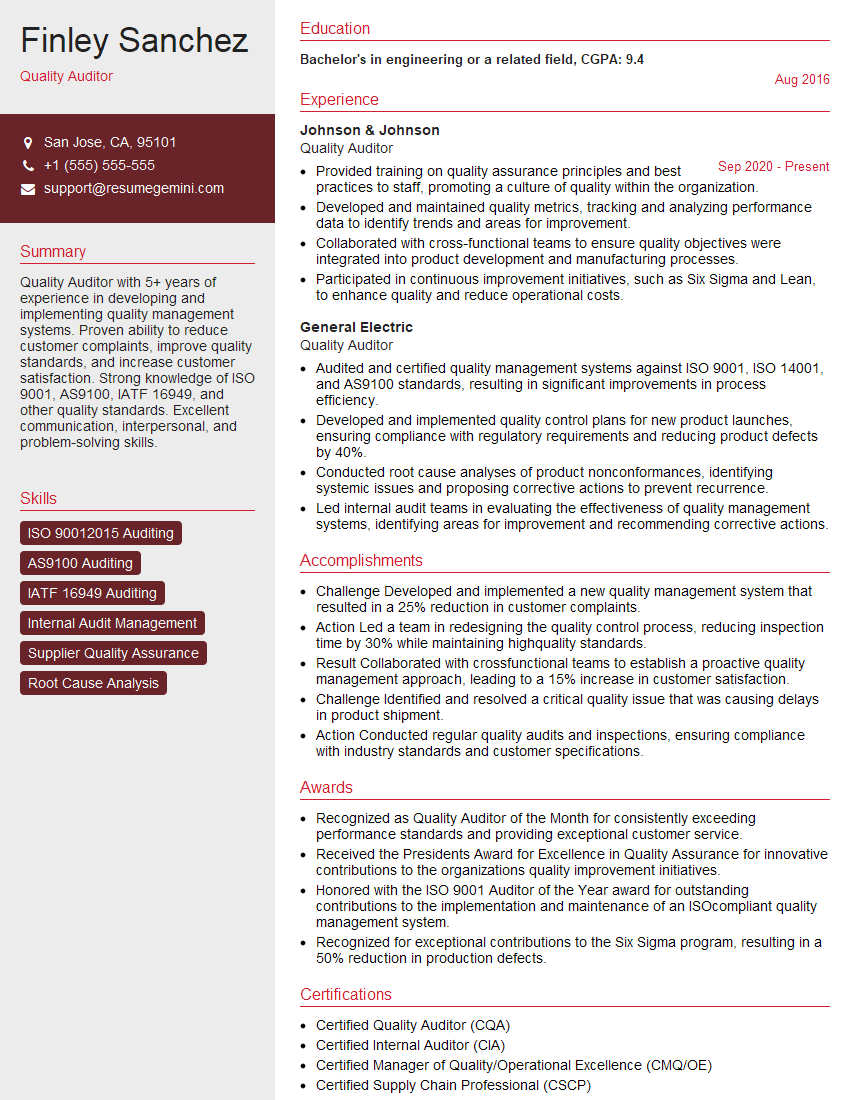
Quality Auditor Resume Sample
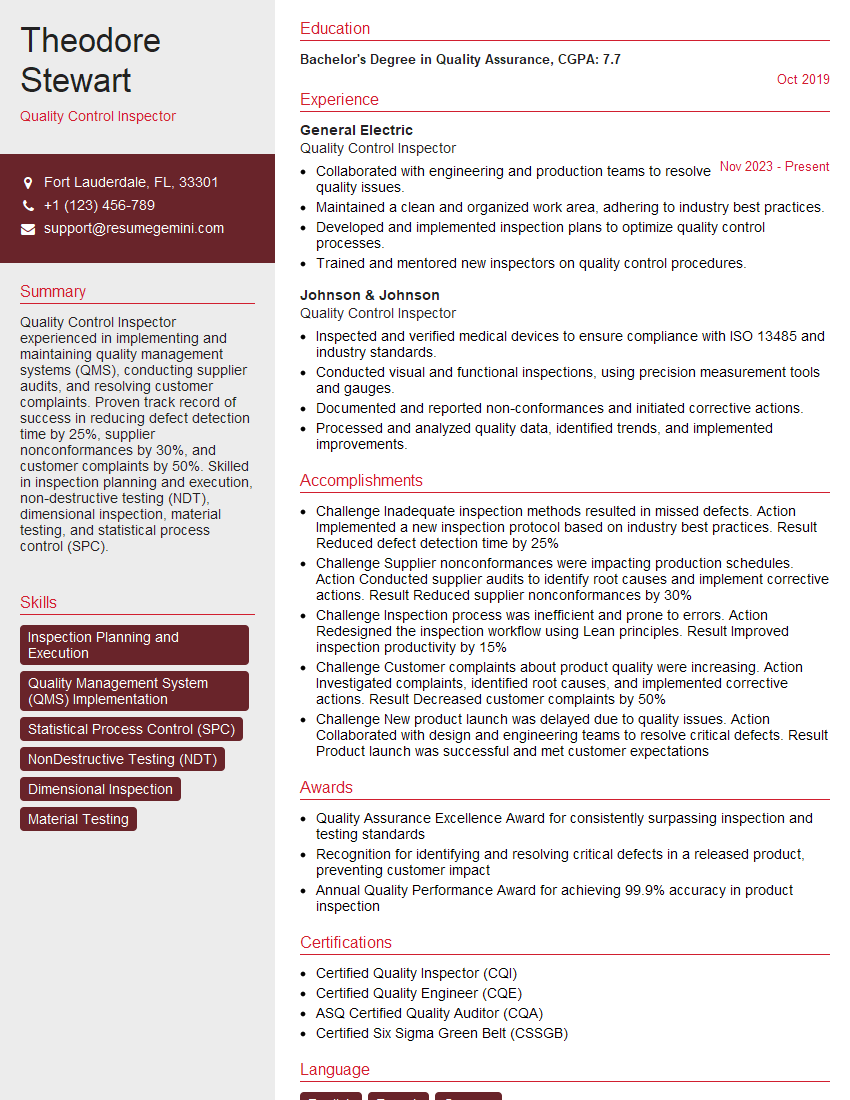
Quality Control Inspector Resume Sample
- Quality Assurance Manager
- Quality Control Manager
- Compliance Manager
- Compliance Officer
- Quality Assurance Specialist
- Regulatory Affairs Specialist
- Internal Auditor
- Quality Engineer
- Quality Systems Manager
- Quality Control Specialist
- Quality Assurance Engineer
- Continuous Improvement Manager
- Lean Manufacturing Engineer
- Quality Control Technician
- Senior Quality Engineer
- Quality Auditor
- Quality Control Inspector
Explore more articles
Users Rating of Our Blogs
Share Your Experience
We value your feedback! Please rate our content and share your thoughts (optional).
What Readers Say About Our Blog
Very informative content, great job.
good