Interviews are opportunities to demonstrate your expertise, and this guide is here to help you shine. Explore the essential Knowledge of Material Tolerances and Specifications interview questions that employers frequently ask, paired with strategies for crafting responses that set you apart from the competition.
Questions Asked in Knowledge of Material Tolerances and Specifications Interview
Q 1. Explain the difference between tolerance and allowance.
Tolerance and allowance are both crucial concepts in engineering, defining acceptable variations in dimensions, but they represent different aspects. Tolerance specifies the permissible variation in a single dimension, essentially defining the acceptable range of error from a nominal (target) value. Allowance, on the other hand, describes the minimum clearance or interference between two mating parts. It’s the intentional gap or overlap designed between components, based on their tolerances.
Think of assembling a piston into a cylinder. The piston’s diameter has a tolerance, defining how much its actual diameter can vary from the design. The cylinder’s bore (internal diameter) also has a tolerance. The allowance, in this case, is the minimum difference that needs to exist between the maximum piston diameter and the minimum cylinder bore diameter, ensuring the piston moves freely but without excessive slop.
In essence, tolerance is about individual part accuracy, while allowance addresses the interaction between multiple parts.
Q 2. Describe the various types of tolerances (e.g., bilateral, unilateral, limit).
Several tolerance types exist, each suited for different applications:
- Bilateral Tolerance: This is the most common type. It allows variations both above and below the nominal dimension. For example, a shaft with a nominal diameter of 10mm and a bilateral tolerance of ±0.1mm means the acceptable diameter range is 9.9mm to 10.1mm.
- Unilateral Tolerance: This allows variation only in one direction from the nominal dimension – either above or below. For example, a shaft with a nominal diameter of 10mm and a unilateral tolerance of -0.1mm means the acceptable diameter range is 9.9mm to 10.0mm. This is often used when a specific minimum dimension is critical.
- Limit Tolerance: This directly specifies the maximum and minimum acceptable dimensions, without mentioning the nominal dimension. For example, a shaft with a maximum diameter of 10.1mm and a minimum diameter of 9.9mm uses limit tolerance, and the nominal dimension might be implied but isn’t explicitly stated. This is prevalent in manufacturing drawings and specifications.
Choosing the right tolerance type depends on the functional requirements of the part and the manufacturing capabilities. Tight tolerances might improve functionality but increase costs and manufacturing complexity.
Q 3. How do you interpret geometric dimensioning and tolerancing (GD&T) symbols?
Geometric Dimensioning and Tolerancing (GD&T) uses symbols and notations to communicate precise geometric requirements and tolerances on engineering drawings. Understanding these symbols is vital for accurate part manufacturing and assembly.
For instance, a Position Tolerance symbol (a circle with a cross inside) specifies allowable deviation of a feature’s location from its ideal position. A Runout Tolerance symbol (a circle with an arrow) defines how much a feature’s surface can vary from its axis of rotation. Form tolerances (flatness, straightness, circularity, cylindricity) control the shape deviations. Each symbol has associated numerical values specifying the tolerance limits.
Interpreting GD&T requires understanding the datums (reference features) used and the modifiers associated with the symbols. Proper interpretation ensures manufacturers produce parts that meet assembly and functional requirements.
A thorough understanding of ASME Y14.5 (the standard for GD&T) is essential for proficient interpretation.
Q 4. Explain the significance of surface roughness specifications.
Surface roughness specifications define the texture of a surface, impacting its functionality and appearance. Roughness is measured by the average height of peaks and valleys on the surface. It’s expressed using parameters like Ra (average roughness) or Rz (ten-point height). Surface finish significantly impacts the part’s performance, particularly regarding friction, wear, fatigue strength, sealing, and aesthetics.
For instance, a smooth surface (low Ra value) is required for a bearing to minimize friction and wear. Conversely, a rougher surface (higher Ra value) might be desired for better paint adhesion. Surface roughness specifications help control these factors, ensuring the part functions as intended.
Q 5. What are the common methods for measuring material tolerances?
Several methods are used to measure material tolerances, each with its strengths and limitations:
- Coordinate Measuring Machines (CMMs): These are highly accurate machines that use probes to measure dimensions of parts. They provide detailed information and are suitable for complex geometries.
- Micrometers and Calipers: These are widely used hand tools for simple measurements. They are less precise than CMMs but are sufficient for many applications.
- Optical Comparators: These use projected images to compare the part against a master drawing. They are effective for checking features like contours and holes.
- Laser Scanning and 3D Imaging: These technologies offer non-contact, high-speed measurements for complex shapes and are beneficial for rapid prototyping and quality control.
The choice of method depends on the accuracy required, the geometry of the part, and the available resources.
Q 6. How do material tolerances affect manufacturing processes?
Material tolerances significantly impact manufacturing processes. Tight tolerances demand higher precision machinery, more skilled labor, and potentially slower production rates, driving up costs. Conversely, looser tolerances allow for simpler and faster production but might compromise product quality and functionality.
Consider machining a part: Tight tolerances require specialized cutting tools, careful feed rates, and precise machine setups. Looser tolerances might enable the use of less precise machines, but could lead to inconsistent product dimensions. The choice of tolerance must balance production efficiency with the required quality.
Q 7. Describe how you would handle a situation where a material fails to meet its specified tolerances.
If a material fails to meet specified tolerances, a systematic investigation is crucial. The steps involved include:
- Verify the Measurement: First, double-check the measurements using multiple methods and instruments to ensure the readings are accurate.
- Identify the Root Cause: Analyze the entire production process, including the raw materials, manufacturing tools, and the process parameters, to identify the source of the issue. This might involve statistical process control (SPC) analysis.
- Implement Corrective Actions: Depending on the root cause, corrective actions could include adjusting machine settings, replacing faulty tools, retraining personnel, improving raw material quality, or redesigning the process.
- Document and Report: A detailed report should be documented to identify the issue, the actions taken, and the prevention plan to avoid future occurrences.
- Disposition of Non-Conforming Material: Decide on how to handle the non-conforming material. Options include rework, scrap, or use in a less critical application.
The approach depends on the severity of the deviation and its impact on the final product. This process requires a thorough understanding of quality control principles and problem-solving techniques.
Q 8. What are the implications of exceeding material tolerances?
Exceeding material tolerances has significant implications, potentially leading to functional failures, safety hazards, and increased costs. Imagine building a bridge where the steel beams are slightly thicker than specified – the extra weight could compromise the structure’s stability. Conversely, beams thinner than specified would be weaker and risk collapse.
- Functional Failure: Parts might not fit together correctly, leading to malfunctioning assemblies. For instance, if a piston in an engine is slightly oversized, it won’t move smoothly, causing poor performance and potential damage.
- Safety Hazards: Tolerance breaches can create safety risks. A slightly smaller bolt than specified in a critical machine component could lead to loosening and potential catastrophic failure.
- Increased Costs: Exceeding tolerances often results in rework, scrap, and increased inspection costs. Rejecting parts that don’t meet specifications wastes materials and time, increasing manufacturing costs.
- Warranty Claims: Products failing due to tolerance issues can result in expensive warranty repairs or replacements.
Therefore, strict adherence to tolerances is crucial for quality, safety, and cost-effectiveness.
Q 9. Explain the role of statistical process control (SPC) in managing tolerances.
Statistical Process Control (SPC) plays a vital role in managing tolerances by providing a systematic approach to monitoring and controlling variation in manufacturing processes. It allows us to predict and prevent deviations from the specified tolerances before they become significant problems.
SPC uses statistical methods like control charts to analyze data from the production process. These charts visually represent the process’s performance over time, highlighting any trends or shifts that indicate a potential drift outside the acceptable tolerance range. For instance, a control chart monitoring the diameter of a machined shaft would display the measured diameters for each sample, with upper and lower control limits defining the acceptable tolerance range. If a measured diameter consistently falls outside these limits, it signals the need for corrective action.
By continuously monitoring the process, SPC allows for early detection of issues, preventing large batches of non-conforming parts. This proactive approach reduces waste, improves quality, and ultimately saves costs. It’s like having a ‘check-engine’ light for the manufacturing process—it helps identify problems early on before they turn into major issues.
Q 10. How do you determine the appropriate tolerance for a given application?
Determining appropriate tolerances involves a multifaceted approach that balances several factors. It’s not a simple equation, but rather an iterative process of consideration and refinement.
- Functional Requirements: What is the part’s function? How precisely does it need to fit or operate? For instance, a highly precise instrument requires tighter tolerances than a simple structural component.
- Manufacturing Capabilities: What are the capabilities of the manufacturing process being used? Some processes are inherently more precise than others. Attempting tolerances beyond the capabilities of the process will lead to excessive scrap.
- Material Properties: Some materials are more prone to variations in properties than others. This needs to be factored into the tolerance considerations.
- Cost Considerations: Tighter tolerances typically increase manufacturing costs. A balance must be struck between achieving necessary precision and the associated cost implications.
- Industry Standards: Relevant industry standards or specifications may dictate acceptable tolerance ranges.
Often, a tolerance analysis, possibly involving simulations or finite element analysis (FEA), will be performed to assess the impact of varying tolerances on the overall performance of the assembly.
Q 11. What are the common material specifications used in your field?
The specific material specifications used vary considerably depending on the industry and application. However, some common examples include:
- ASTM (American Society for Testing and Materials): ASTM provides numerous standards for various materials, including metals, plastics, and composites. Examples include ASTM A36 for structural steel and ASTM D638 for tensile properties of plastics.
- SAE (Society of Automotive Engineers): SAE specifications are widely used in the automotive industry, covering materials and components.
- ISO (International Organization for Standardization): ISO provides international standards for various materials and manufacturing processes.
- MIL-SPEC (Military Specifications): These are rigorous specifications for materials used in military applications, emphasizing high reliability and durability.
In addition to these, many industries have their own internal material specifications based on specific performance requirements and testing procedures. The selection of appropriate standards or specifications is critical to ensuring consistent material quality.
Q 12. Explain the difference between a specification and a standard.
While both specifications and standards define requirements for materials or products, there’s a key difference:
- Specification: A specification details the exact requirements for a particular material or product. It outlines properties like dimensions, chemical composition, mechanical properties, and testing methods. Think of it as a customized recipe for a specific product. It can be created by a single company for their internal use or collaboratively by multiple stakeholders.
- Standard: A standard is a widely accepted and documented set of requirements, often developed by a recognized standards organization (like ASTM or ISO). It provides a general framework that can be adopted by multiple manufacturers. Standards ensure interoperability and comparability between products from different sources. Think of it as a published cookbook recipe.
A specification might reference a standard as a basis, but it adds the unique requirements for a specific product. For example, a manufacturer’s specification might state that a particular part must conform to ASTM A36 steel but also add additional requirements on surface finish.
Q 13. How do material specifications influence product design?
Material specifications directly influence product design in several ways:
- Material Selection: The choice of material is fundamentally driven by the specifications outlining required properties like strength, weight, corrosion resistance, cost, and manufacturability.
- Design Constraints: Specifications dictate tolerances and surface finishes, influencing the design’s geometry and assembly methods. The availability of materials with specific properties can also limit design possibilities.
- Performance Predictions: Material specifications enable accurate prediction of product performance under various conditions. Knowing the material’s strength, fatigue resistance, and other properties allows engineers to optimize the design for intended use.
- Manufacturing Processes: Specifications influence the choice of manufacturing processes. For example, a material requiring high precision might necessitate using specialized machining techniques, whereas a less demanding specification might allow for simpler methods.
Therefore, selecting materials based on the appropriate specifications is a critical design consideration. This ensures the design meets functional and performance requirements, is cost-effective to manufacture, and remains reliable and safe in operation.
Q 14. How do you ensure materials meet their specified tolerances throughout the supply chain?
Ensuring materials meet specified tolerances throughout the supply chain requires a robust quality management system. This involves several key steps:
- Supplier Selection: Careful selection of suppliers with proven track records in meeting specified tolerances is essential. This includes rigorous audits and assessments of their quality management systems.
- Material Verification: Incoming materials must be thoroughly inspected and tested to verify their conformance to specifications. This can involve destructive and non-destructive testing methods to ensure compliance.
- Process Monitoring: Manufacturing processes should be monitored throughout production to identify and correct any deviations from specifications. SPC plays a crucial role here.
- Documentation and Traceability: Complete documentation of materials, processes, and test results ensures traceability throughout the entire supply chain. This allows for quick identification of the source of any non-conformance.
- Continuous Improvement: Regular review of processes and supplier performance identifies areas for improvement in maintaining material quality and consistency.
By implementing these strategies, manufacturers can build a robust system that safeguards product quality and prevents problems from slipping through the cracks.
Q 15. Describe your experience with different material testing methods.
My experience with material testing methods is extensive, encompassing both destructive and non-destructive techniques. Destructive methods, such as tensile testing, determine material properties like ultimate tensile strength and yield strength by applying force until failure. I’ve used this extensively to verify the mechanical properties of metals and polymers. Non-destructive methods, which are crucial for ensuring quality without damaging the material, include techniques like ultrasonic testing to detect internal flaws, visual inspection for surface defects, and radiography for identifying hidden voids or cracks. I’m also familiar with hardness testing (Rockwell, Brinell, Vickers) to assess material resistance to indentation, and impact testing to evaluate fracture toughness. Each method provides unique insights; the selection depends on the material, application, and required information.
- Tensile Testing: Provides data on strength, elongation, and modulus of elasticity.
- Ultrasonic Testing: Detects internal flaws and measures wall thickness.
- Hardness Testing: Assesses the material’s resistance to deformation.
Career Expert Tips:
- Ace those interviews! Prepare effectively by reviewing the Top 50 Most Common Interview Questions on ResumeGemini.
- Navigate your job search with confidence! Explore a wide range of Career Tips on ResumeGemini. Learn about common challenges and recommendations to overcome them.
- Craft the perfect resume! Master the Art of Resume Writing with ResumeGemini’s guide. Showcase your unique qualifications and achievements effectively.
- Don’t miss out on holiday savings! Build your dream resume with ResumeGemini’s ATS optimized templates.
Q 16. How familiar are you with relevant industry standards (e.g., ASTM, ASME)?
I am very familiar with relevant industry standards, particularly ASTM (American Society for Testing and Materials) and ASME (American Society of Mechanical Engineers) standards. These standards provide a common language and consistent criteria for material specifications, testing procedures, and tolerance definitions. For example, I frequently refer to ASTM A370 for the standard test methods and definitions for mechanical testing of metals, and ASME B31.1 for power piping. Understanding these standards is paramount for ensuring that materials meet the required specifications and that tests are performed accurately and consistently. My experience includes interpreting and applying numerous specific standards depending on the material and application. My expertise also extends to international standards like ISO standards, where applicable.
Q 17. Explain how tolerances are specified in engineering drawings.
Tolerances on engineering drawings specify the permissible variation in dimensions and other characteristics of a part. They’re crucial for ensuring components fit together correctly and the product functions as intended. Tolerances are usually expressed using geometric dimensioning and tolerancing (GD&T) symbols and values. For instance, a dimension might be specified as “10.00 ± 0.05 mm,” meaning the actual dimension can vary between 9.95 mm and 10.05 mm. Other types of tolerances include: bilateral tolerances (specifying upper and lower limits), unilateral tolerances (specifying a limit in one direction), and positional tolerances (specifying allowable variation in the location of a feature).
Example: Ø10.00 ± 0.05 indicates a diameter of 10.00 mm with a tolerance of ±0.05 mm.
Q 18. How do you address discrepancies between specified tolerances and actual measurements?
Discrepancies between specified tolerances and actual measurements require careful investigation and resolution. First, I would verify the accuracy of the measuring equipment and the measurement process itself. If the error is within the measurement uncertainty, no further action might be needed. However, if the discrepancy exceeds the acceptable limits, I’d investigate potential causes, such as material defects, machining errors, or incorrect design specifications. This could involve reviewing the manufacturing process, re-testing the material, and potentially adjusting the manufacturing parameters. Depending on the severity, it may require corrective actions, such as rework or scrap. Documentation of the discrepancy, investigation, and corrective actions is crucial for quality control and continuous improvement.
In a real-world example, I once encountered discrepancies in the dimensions of a critical component. Through careful investigation, we identified a miscalibration in the CNC machine used for production. Recalibrating the machine and re-inspecting the components solved the problem. This emphasized the importance of regular equipment calibration and thorough inspection procedures.
Q 19. What are the implications of using incorrect material specifications?
Using incorrect material specifications can have severe consequences, ranging from minor performance degradation to catastrophic failure. For example, specifying a material with lower strength than required could lead to premature component failure under stress, compromising safety and functionality. Using a material with inadequate corrosion resistance may result in rapid degradation, leading to expensive repairs or replacements. Incorrect material selection can also affect the product’s aesthetics, durability, and overall lifespan. It’s essential to rigorously verify material specifications and ensure they align precisely with the design requirements and environmental conditions.
Imagine using a low-grade steel in a bridge instead of high-strength steel – the result could be devastating. This highlights the critical need for accurate and appropriate material selection.
Q 20. How do material tolerances impact product cost and performance?
Material tolerances significantly impact both product cost and performance. Tighter tolerances generally lead to higher production costs because they require more precise manufacturing processes and more rigorous quality control. However, they result in improved product performance and reliability, reducing the risk of failures and costly repairs. Conversely, looser tolerances reduce production costs, but might compromise product quality and functionality. The optimal tolerance level involves balancing these factors, considering the criticality of the application, the cost of potential failures, and the overall product lifecycle.
For instance, a highly precise instrument requires much tighter tolerances than a simple plastic toy. The decision regarding tolerance levels is a key part of design for manufacturability (DFM).
Q 21. Describe a time you had to resolve a problem related to material tolerances.
In a previous project involving the manufacturing of high-precision injection-molded parts, we encountered an issue with the wall thickness tolerance of the final product. The measured wall thickness was outside the specified tolerance range, leading to concerns about the structural integrity and potential for failure. After a thorough investigation, we discovered that the mold temperature was not correctly maintained during the injection molding process. This led to inconsistencies in the polymer flow and resulted in the unacceptable wall thickness variations. By adjusting the mold temperature control system and implementing more rigorous monitoring, we brought the wall thickness within the required tolerances, ensuring the product met the quality standards.
Q 22. How would you prioritize different tolerance requirements in a complex design?
Prioritizing tolerance requirements in a complex design involves a systematic approach that considers the functional impact of each tolerance. It’s not simply about assigning the tightest tolerance to every component. Instead, we need to identify the critical-to-quality (CTQ) characteristics – the features that most directly influence the final product’s performance and functionality. Think of it like building a house; the foundation needs the tightest tolerances, whereas the paint color has more leeway.
- Functionality Analysis: First, I’d analyze the design’s functionality, identifying which dimensions and tolerances directly impact performance. For example, in a precision instrument, the tolerances on moving parts that affect alignment or clearance are much more critical than the tolerances on cosmetic features.
- Sensitivity Analysis: Next, I’d conduct a sensitivity analysis to determine how variations in each tolerance affect the overall design. This can be done through tolerance stack-up analysis (explained in more detail in answer 3). This helps us prioritize tolerances based on their impact on the CTQ characteristics. A small change in one tolerance might have a large effect on the final outcome, indicating a higher priority.
- Cost-Benefit Analysis: Finally, I’d incorporate a cost-benefit analysis. Tighter tolerances often mean higher manufacturing costs. We need to balance the need for precision with the cost implications. Sometimes, a slightly looser tolerance is acceptable if it minimizes cost without significantly compromising the product’s performance.
For instance, in designing a gear system, the tooth profile and center distance tolerances are critical for proper meshing, and should be prioritized over the overall casing dimensions which mainly impact aesthetics.
Q 23. What software are you familiar with for analyzing and managing tolerances?
I’m proficient in several software packages for tolerance analysis and management. These tools are crucial for ensuring the design meets its specifications while remaining manufacturable and cost-effective. My experience includes:
- 3DCS (3D Coordinate Dimensioning and Tolerancing): A powerful tool for complex tolerance stack-up analysis, especially useful in assemblies with many interacting parts. It allows for Monte Carlo simulations to assess the probability of assembly issues.
- Tolerance Analysis Software (TAS): Many CAD packages (like SolidWorks, Creo, etc.) include built-in tolerance analysis features or integrate with specialized TAS software. These tools help visualize and manage tolerances within the design itself.
- Excel/Spreadsheets: While less sophisticated than dedicated software, spreadsheets can be effective for simpler tolerance stack-up calculations, particularly in the early stages of design or for quick checks.
The choice of software depends on the complexity of the design and the specific requirements of the analysis. For simple designs, spreadsheets might suffice. For complex assemblies, 3DCS or a similar tool becomes necessary to accurately predict the variation in assembly performance.
Q 24. Explain the concept of tolerance stack-up and how it is calculated.
Tolerance stack-up refers to the accumulation of individual tolerances throughout a design. In simpler terms, it’s the overall variation in a final dimension or characteristic due to the variations in its constituent parts. Think of building a tower of LEGOs – each block has slightly different dimensions, and these small differences add up to affect the final height of the tower.
Calculating tolerance stack-up involves considering how individual tolerances combine statistically. There are several methods, including:
- Worst-Case Stack-Up: This method adds the maximum possible variation of each tolerance, resulting in a very conservative (and often overly pessimistic) estimate of the overall variation.
Overall Tolerance = Σ(Individual Tolerance Max) - Root-Sum-Square (RSS) Method: This statistical method assumes that the individual tolerances are independent and normally distributed. It provides a more realistic estimate of the overall variation than the worst-case scenario.
Overall Tolerance = √(Σ(Individual Tolerance)² ) - Monte Carlo Simulation: This method uses computer simulation to generate a large number of possible assemblies based on the individual tolerance distributions. It provides a comprehensive understanding of the probability distribution of the overall variation. This is especially useful for complex assemblies with many interacting parts.
Choosing the appropriate method depends on factors like the criticality of the assembly, the manufacturing process, and the acceptable risk level. For example, worst-case stack-up might be necessary for safety-critical applications, even though it is overly conservative.
Q 25. How do you communicate material tolerances effectively to different stakeholders?
Effective communication of material tolerances is critical. It requires clear and consistent documentation using standardized terminology and formats to ensure everyone – engineers, manufacturers, quality control personnel, and even customers – understands the requirements.
- GD&T (Geometric Dimensioning and Tolerancing): Using GD&T symbols and notations ensures a universal understanding of tolerance requirements. It provides a precise and unambiguous way to communicate both geometric and dimensional tolerances.
- Clear and Concise Drawings and Specifications: Detailed engineering drawings with clearly specified tolerances are essential. The drawings should include appropriate callouts, notes, and references to relevant standards.
- Tolerance Analysis Reports: For complex assemblies, a comprehensive tolerance analysis report, which summarizes the stack-up analysis, identifies critical tolerances, and quantifies the overall variability, should be provided.
- Interactive Communication: Whenever possible, I prefer to have direct interactions with stakeholders. This allows for clarification and helps prevent misunderstandings.
For instance, using a GD&T symbol like a positional tolerance symbol clearly communicates the allowable deviation of a feature’s position, avoiding ambiguity compared to simple plus/minus tolerances.
Q 26. What are the potential consequences of ignoring material tolerances?
Ignoring material tolerances can lead to several serious consequences, ranging from minor inconveniences to catastrophic failures. The impact depends on the severity of the tolerance violations and the criticality of the affected component.
- Assembly Issues: Parts might not fit together correctly, leading to increased assembly times, rework, or even the inability to assemble the product at all. Imagine trying to fit a square peg in a round hole – if the tolerances are ignored, this will be impossible.
- Performance Degradation: The product may not perform as intended. In a precision instrument, even small deviations can significantly impact accuracy and reliability.
- Reduced Product Life: Excessive variations in material properties can lead to premature wear and tear, shortening the product’s lifespan.
- Safety Hazards: In safety-critical applications, neglecting tolerances can pose significant risks. For example, in automotive parts, tolerance violations could lead to component failure and potentially result in accidents.
- Increased Costs: Ignoring tolerances often leads to increased scrap rates, rework, and warranty claims, ultimately resulting in higher overall costs.
Therefore, rigorous tolerance control is paramount throughout the entire product lifecycle, from design and manufacturing to quality control and customer support.
Q 27. How do material tolerances affect product safety and reliability?
Material tolerances directly affect both product safety and reliability. Variations outside the specified tolerances can compromise the structural integrity, functionality, and overall performance of a product, potentially leading to safety hazards and reduced reliability.
- Safety: In safety-critical applications, such as medical devices or aerospace components, even small deviations from specified tolerances can have catastrophic consequences. A tolerance violation might lead to material failure, causing the device or component to malfunction and pose a significant safety risk.
- Reliability: Tolerances affect the reliability of a product by influencing its performance consistency. Variations beyond acceptable limits can lead to premature wear, failure, and reduced operational life. For instance, if a bearing’s tolerance is too loose, it might experience excessive play, leading to vibrations and ultimately failure.
Hence, robust tolerance management is not merely a manufacturing consideration; it is a fundamental aspect of product safety and reliability engineering. A rigorous approach ensures that the product consistently meets its performance requirements and remains safe for its intended use throughout its lifespan.
Q 28. Describe your experience with tolerance analysis techniques.
My experience encompasses a wide range of tolerance analysis techniques, tailored to the specific needs of the project. I have successfully applied these methods across various industries, from automotive to medical devices.
- Worst-Case Stack-Up Analysis: I’ve used this conservative approach for safety-critical components where even a small chance of failure is unacceptable. This approach guarantees the design will function even under the most extreme variations in dimensions.
- Root-Sum-Square (RSS) Method: This statistical approach has been valuable when dealing with high-volume manufacturing processes where a probabilistic analysis is more realistic and cost-effective. It strikes a balance between precision and manufacturing feasibility.
- Monte Carlo Simulation: For intricate assemblies with numerous interacting parts, I’ve relied on Monte Carlo simulation to gain a comprehensive understanding of the variability in the final assembly. This method is especially helpful in identifying potential hotspots and areas that might require tighter tolerances.
- Tolerance Allocation: I have extensive experience in strategically allocating tolerances during the design phase. This involves determining the most suitable tolerance for each part based on cost, manufacturability, and its impact on the overall design performance.
In a recent project involving a complex medical device, a Monte Carlo simulation revealed a higher-than-acceptable probability of a critical clearance becoming too small. This led to a design revision, tightening tolerances on key components and improving the overall reliability and safety of the device.
Key Topics to Learn for Knowledge of Material Tolerances and Specifications Interview
- Understanding Tolerance Types: Geometric Dimensioning and Tolerancing (GD&T), bilateral, unilateral, and limits of size. Explore the nuances of each and when they’re most appropriately applied.
- Material Specifications & Standards: Familiarity with relevant industry standards (e.g., ASME Y14.5, ISO standards) and their impact on material selection and tolerance interpretation. Understand how to read and interpret material datasheets.
- Practical Application of Tolerances: Analyze real-world examples of how tolerances affect part functionality, assembly, and manufacturing processes. Be prepared to discuss scenarios where tolerances are critical for performance.
- Statistical Process Control (SPC): Demonstrate understanding of how SPC methods are used to ensure materials meet specified tolerances and identify potential process variations.
- Tolerance Stack-up Analysis: Explain your ability to calculate and analyze the cumulative effect of individual tolerances on a final assembly or component. Discuss methods for minimizing stack-up effects.
- Problem-Solving & Root Cause Analysis: Describe your approach to troubleshooting issues related to material non-conformances or tolerance violations. Highlight your experience with corrective and preventative actions.
- Common Material Properties & Their Tolerances: Discuss the tolerances associated with key material properties like tensile strength, yield strength, hardness, and surface finish for various materials (metals, plastics, composites).
Next Steps
Mastering Knowledge of Material Tolerances and Specifications is crucial for career advancement in engineering, manufacturing, and quality control. A strong understanding of these concepts demonstrates your ability to ensure product quality, optimize manufacturing processes, and contribute to successful project delivery. To significantly boost your job prospects, create an ATS-friendly resume that highlights your relevant skills and experience. ResumeGemini is a trusted resource that can help you build a professional and impactful resume, ensuring your application stands out. Examples of resumes tailored to Knowledge of Material Tolerances and Specifications are available to help guide your resume creation process.

Operations Manager Resume Sample

Quality Assurance Manager Resume Sample
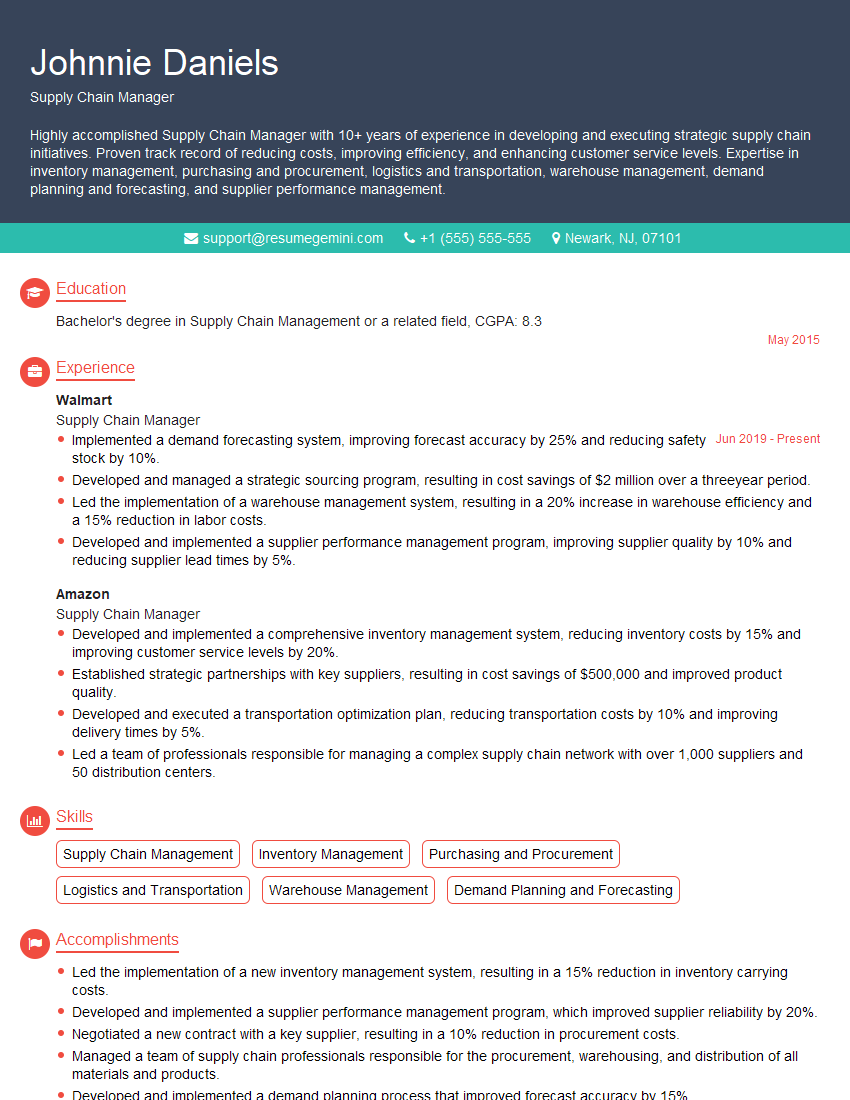
Supply Chain Manager Resume Sample
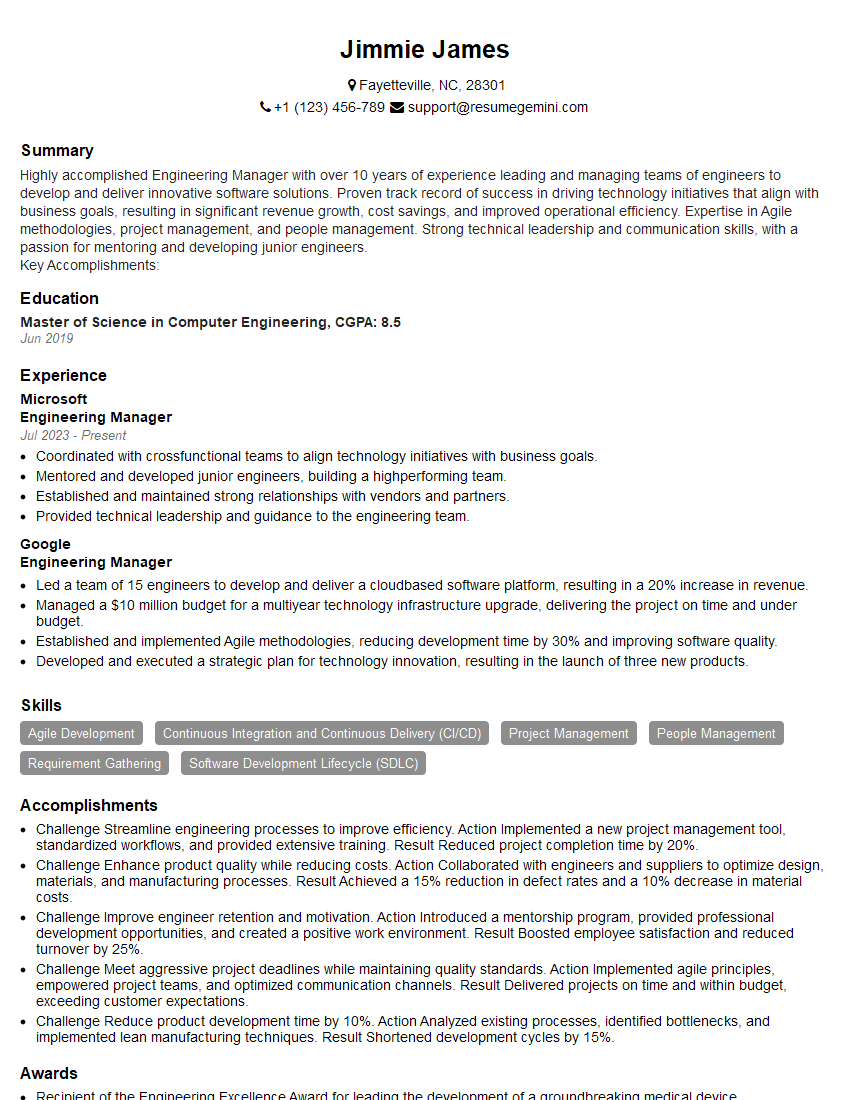
Engineering Manager Resume Sample

Project Engineer Resume Sample

Procurement Specialist Resume Sample
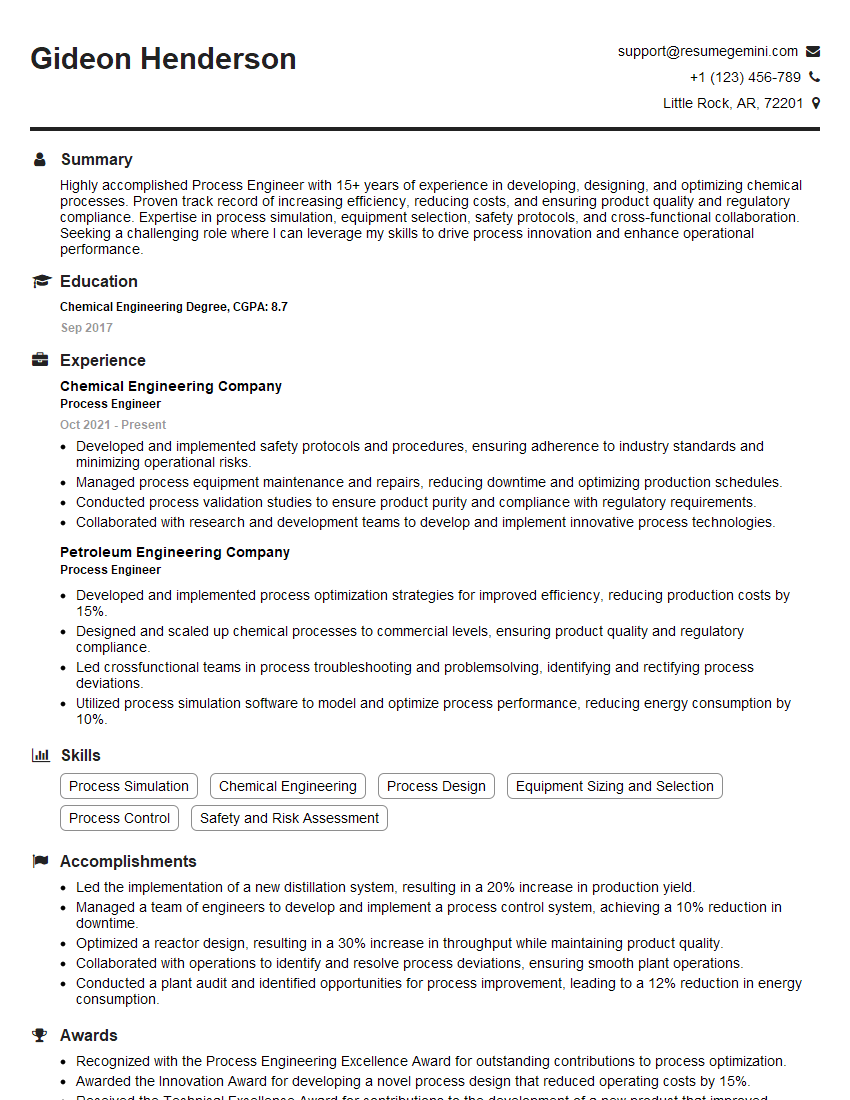
Process Engineer Resume Sample

Research and Development Engineer Resume Sample
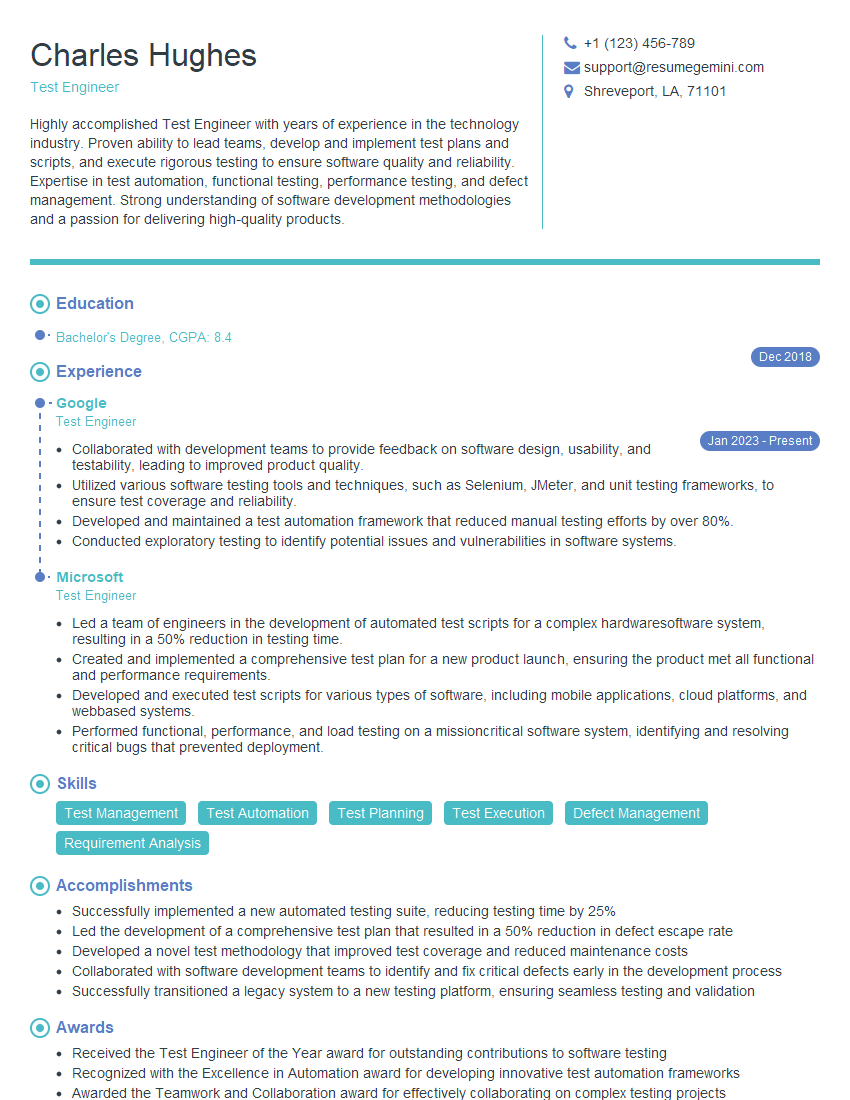
Test Engineer Resume Sample
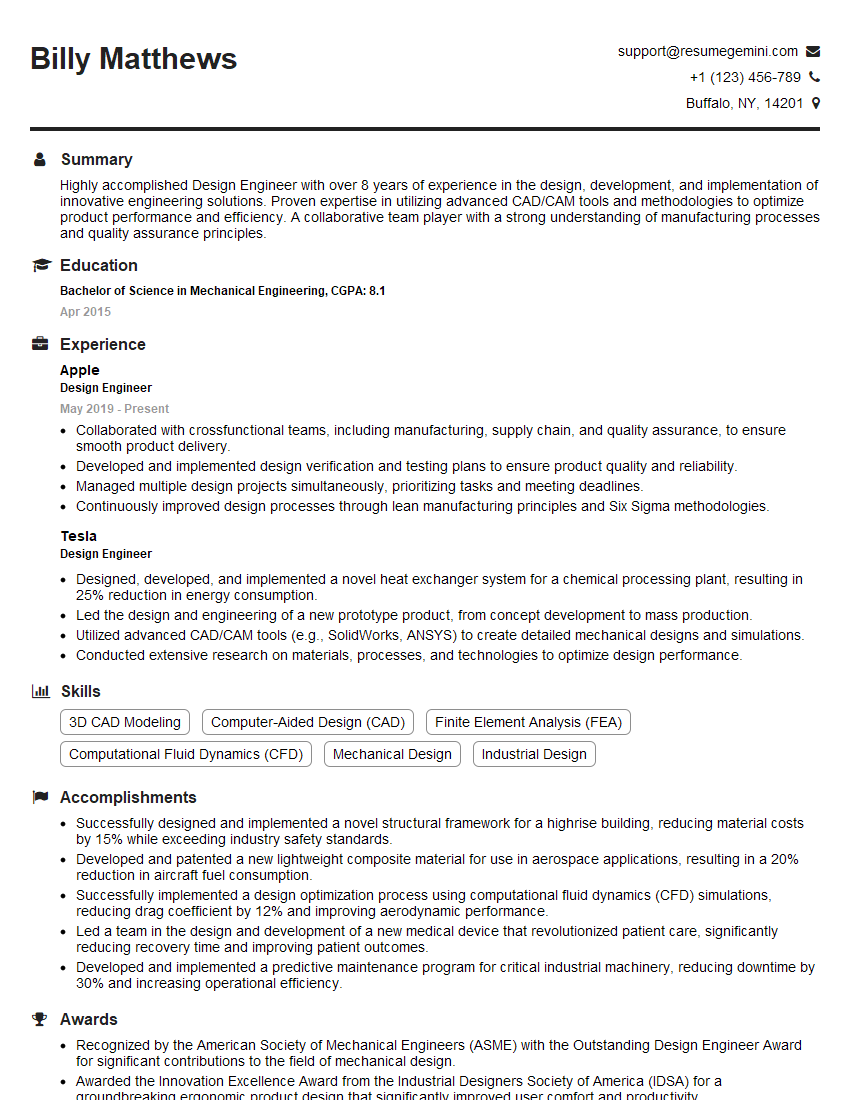
Design Engineer Resume Sample
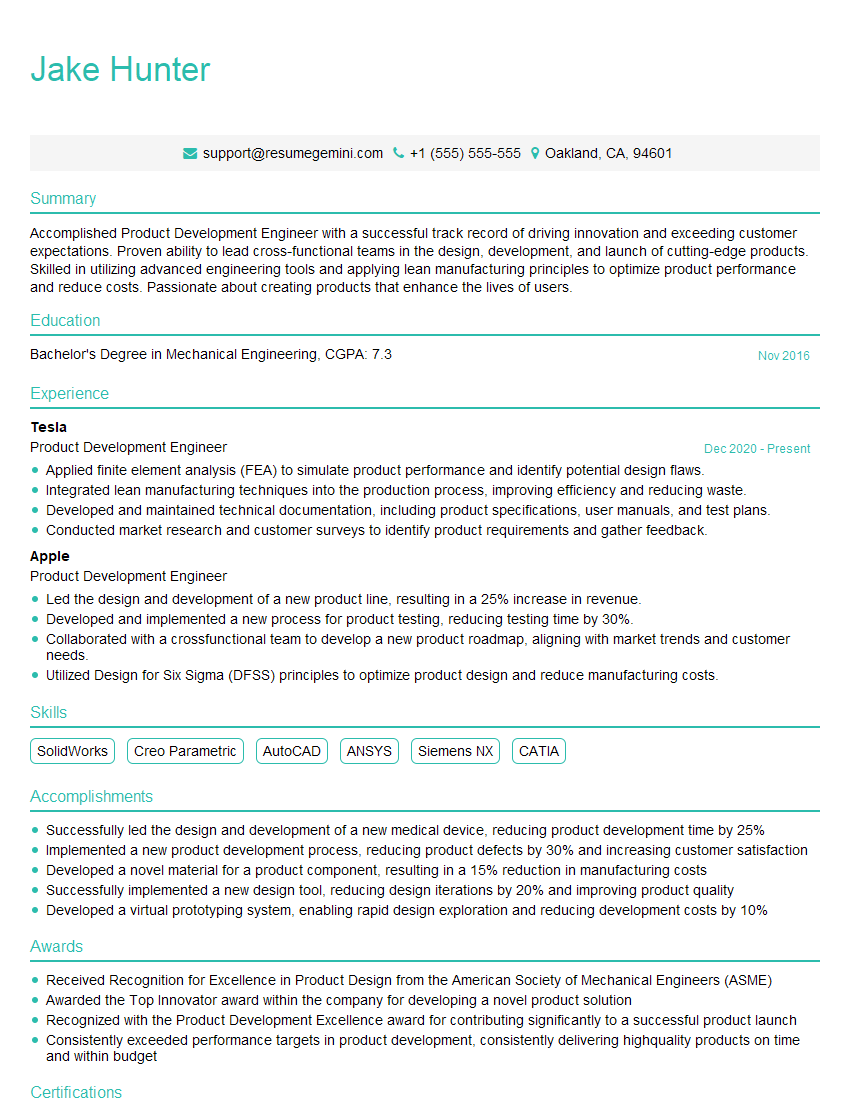
Product Development Engineer Resume Sample
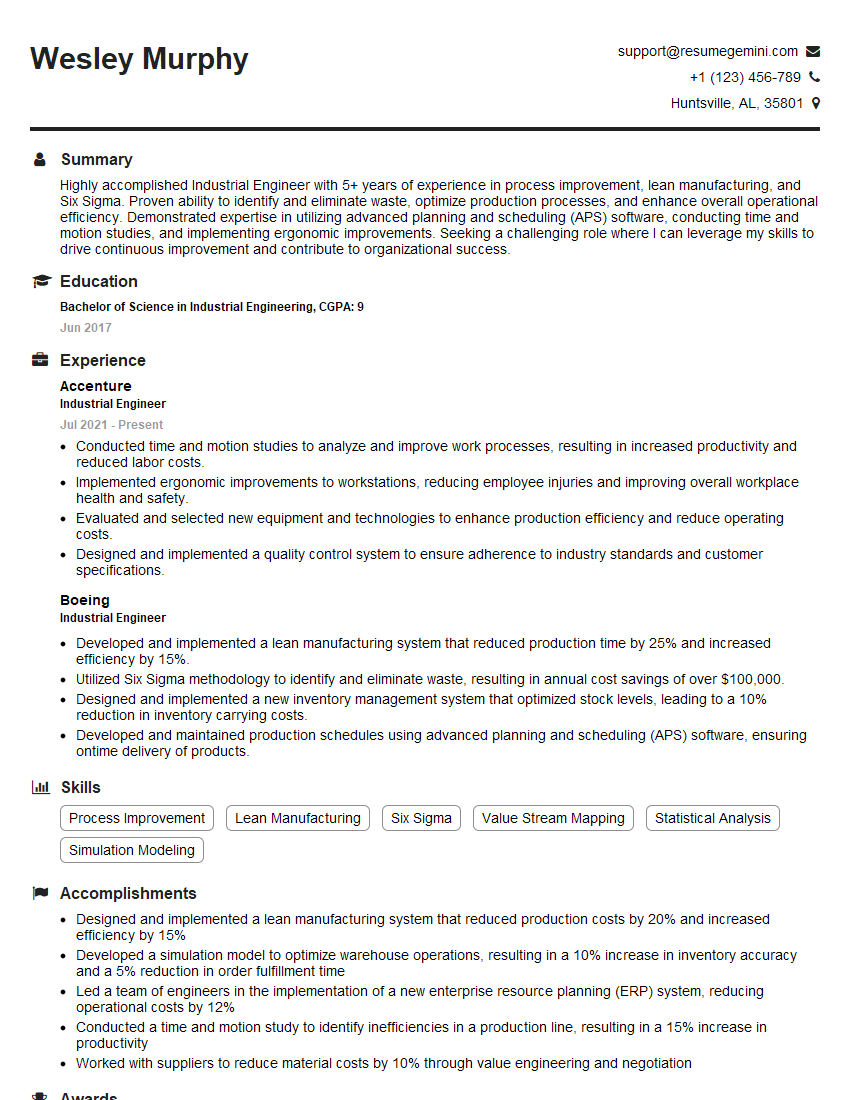
Industrial Engineer Resume Sample
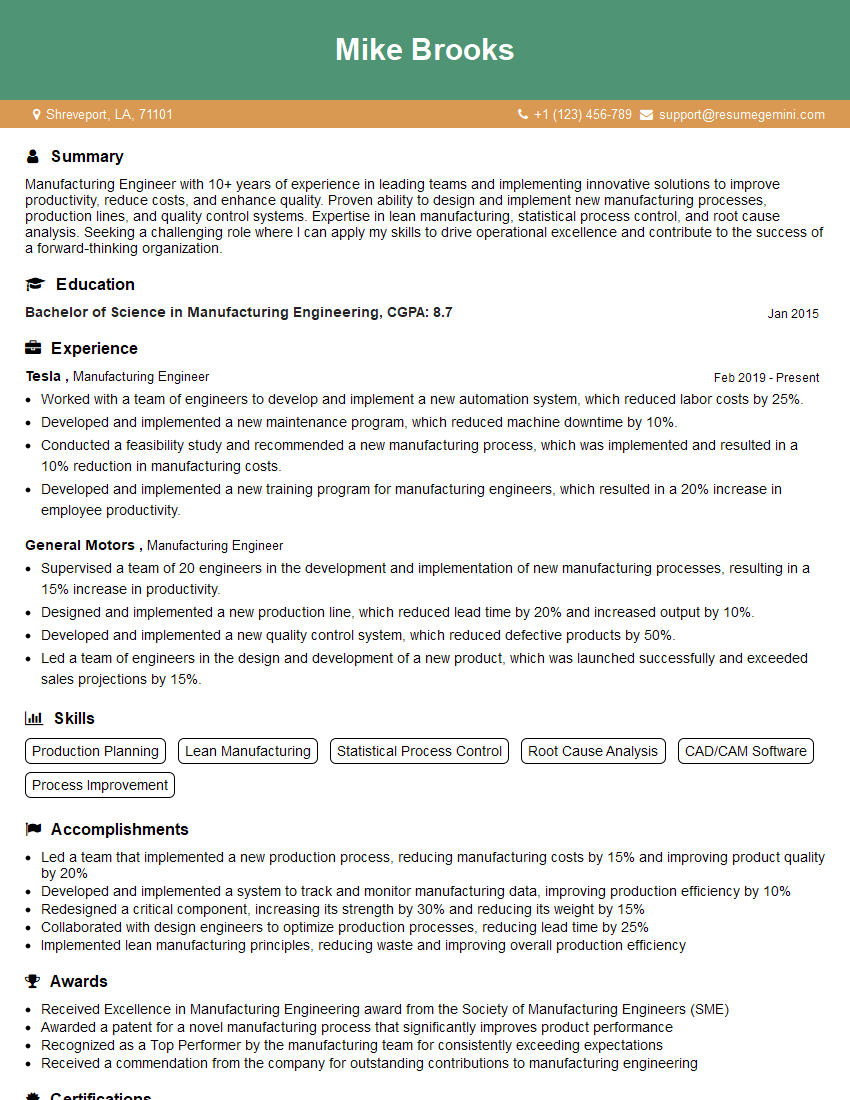
Manufacturing Engineer Resume Sample
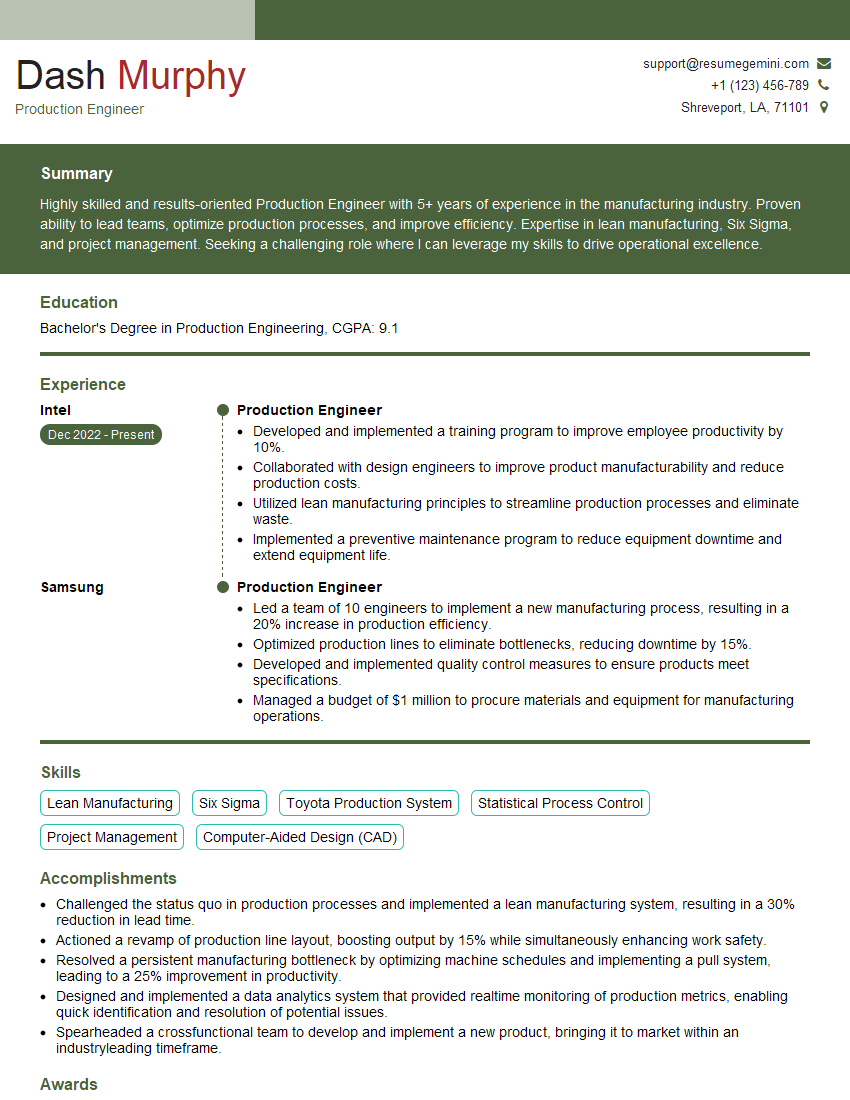
Production Engineer Resume Sample
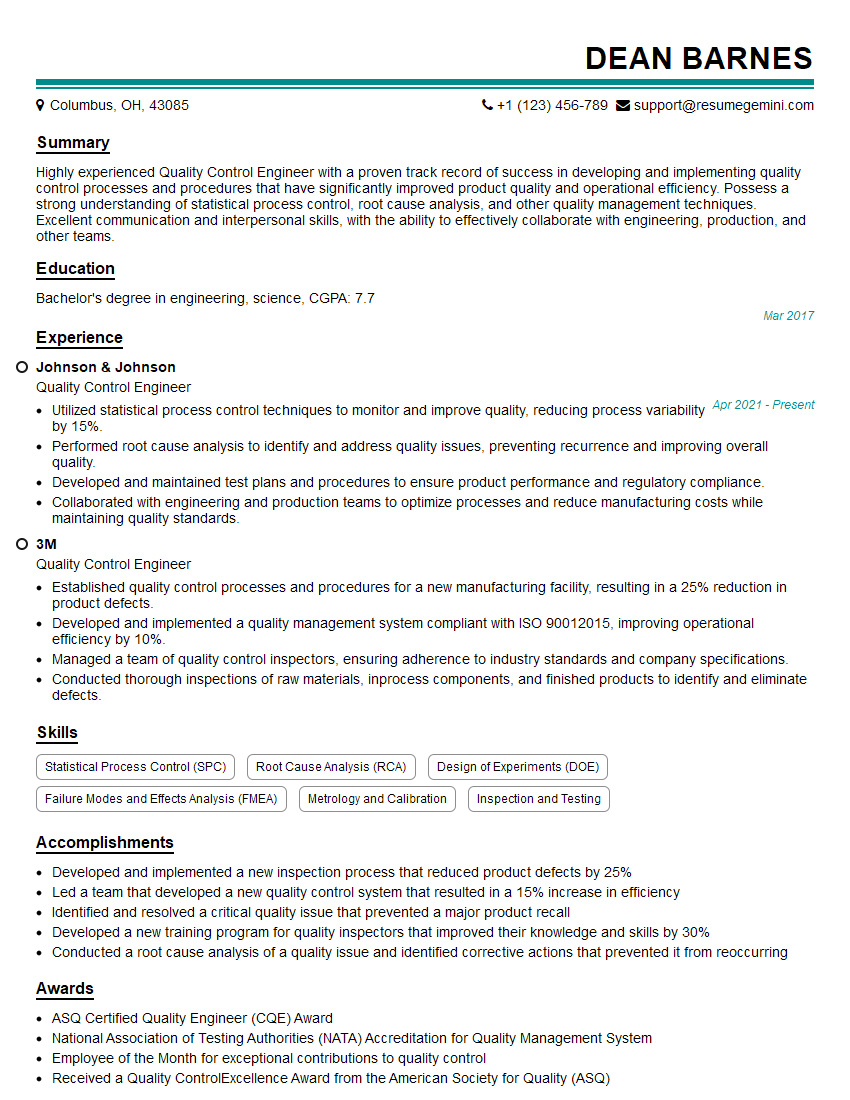
Quality Control Engineer Resume Sample

Materials Engineer Resume Sample

Metallurgist Resume Sample
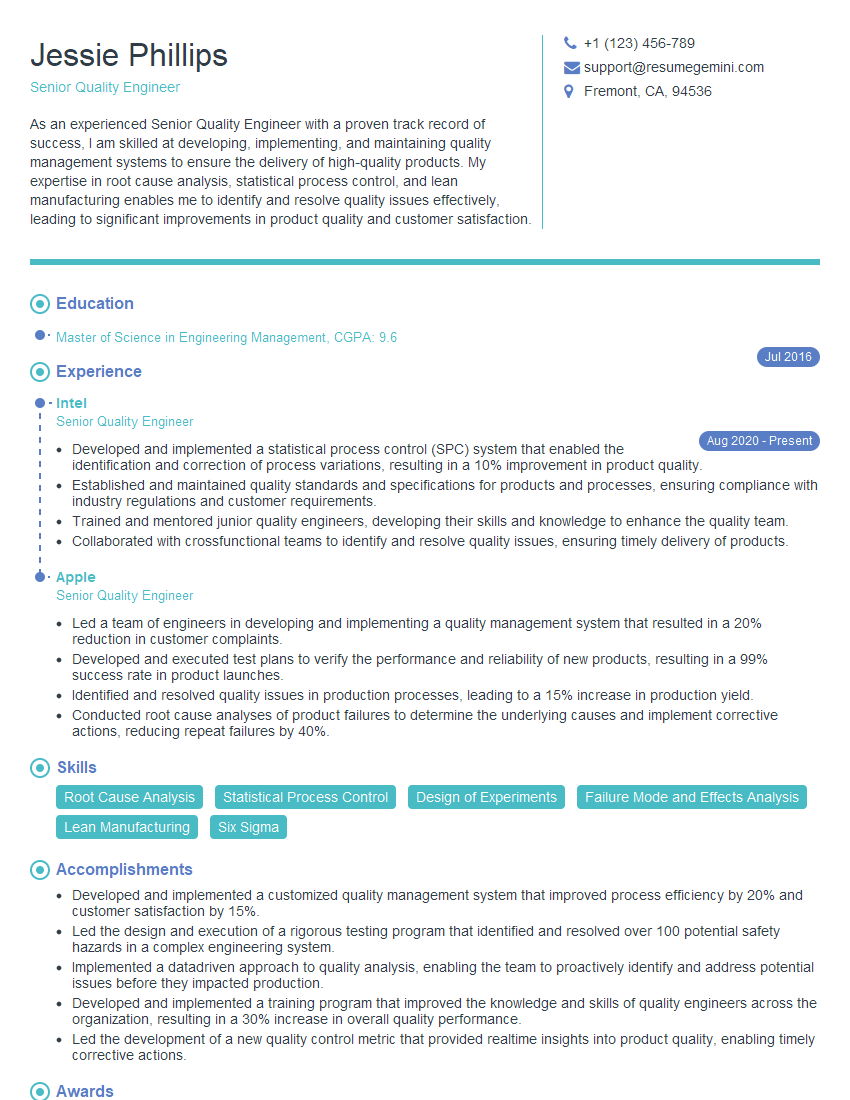
Senior Quality Engineer Resume Sample
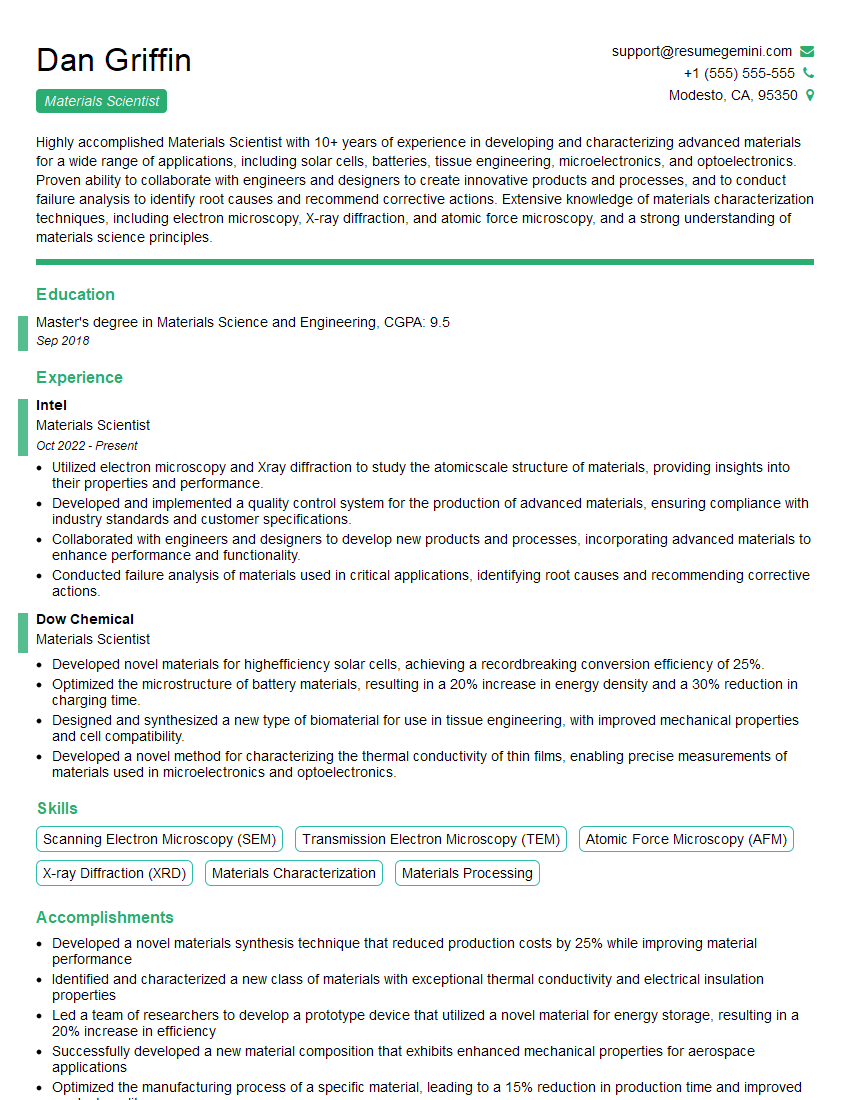
Materials Scientist Resume Sample

Quality Control Inspector Resume Sample
- Operations Manager
- Quality Assurance Manager
- Supply Chain Manager
- Engineering Manager
- Project Engineer
- Procurement Specialist
- Process Engineer
- Research and Development Engineer
- Test Engineer
- Design Engineer
- Product Development Engineer
- Industrial Engineer
- Manufacturing Engineer
- Production Engineer
- Quality Control Engineer
- Materials Engineer
- Metallurgist
- Senior Quality Engineer
- Materials Scientist
- Quality Control Inspector
Explore more articles
Users Rating of Our Blogs
Share Your Experience
We value your feedback! Please rate our content and share your thoughts (optional).
What Readers Say About Our Blog
Very informative content, great job.
good