Preparation is the key to success in any interview. In this post, we’ll explore crucial Knowledge of Poultry Health and Disease interview questions and equip you with strategies to craft impactful answers. Whether you’re a beginner or a pro, these tips will elevate your preparation.
Questions Asked in Knowledge of Poultry Health and Disease Interview
Q 1. Describe the lifecycle of Newcastle Disease Virus.
The Newcastle Disease Virus (NDV), a paramyxovirus, has a relatively straightforward lifecycle. It begins with the virus entering a susceptible bird, typically through the respiratory tract or conjunctiva (eyes). The virus then replicates within the host cells, primarily epithelial cells in the respiratory and digestive tracts. This replication stage leads to the production of numerous progeny virions. These newly formed viruses are then released from the infected cells, spreading to other cells within the host bird. The virus can be shed in various bodily fluids, including nasal secretions, feces, and even eggs. This shedding allows for transmission to other birds, continuing the cycle. The severity of the infection depends on the virulence of the NDV strain and the bird’s immune status.
Think of it like this: Imagine a virus as a tiny factory that invades a cell. It takes over the cell’s machinery to produce copies of itself. Once the factory is full, it bursts open, releasing the copies to infect more cells and continue the process.
Q 2. Explain the common signs and symptoms of Avian Influenza.
Avian Influenza (AI), or bird flu, presents a wide range of clinical signs, depending on the pathogenicity of the virus (highly pathogenic avian influenza (HPAI) or low pathogenic avian influenza (LPAI)). HPAI typically leads to a severe and rapid onset of disease, often with high mortality rates. Symptoms can include sudden death, respiratory distress (coughing, gasping), cyanosis (bluish discoloration of the comb and wattles), decreased egg production, neurological signs (such as tremors and paralysis), and swelling of the head and neck.
LPAI, on the other hand, might show milder symptoms or even be asymptomatic. Common signs include decreased egg production, slight respiratory issues, and ruffled feathers. The key is the variability; it’s crucial to remain vigilant and monitor your flock closely for any changes in behavior or health.
Imagine this: a flock of chickens suddenly becomes lethargic, with some showing difficulty breathing and others dying unexpectedly – that’s a strong indicator of a possible HPAI outbreak. Conversely, a slight drop in egg production with only mild respiratory signs might suggest LPAI.
Q 3. What biosecurity measures are crucial for preventing the spread of poultry diseases?
Biosecurity is the cornerstone of preventing poultry disease outbreaks. It’s a multifaceted approach that involves implementing various measures to limit the introduction and spread of pathogens. Crucial measures include:
- Isolation and Quarantine: Newly introduced birds should be kept separate from the existing flock for a period of time to observe for any signs of disease.
- Hygiene and Sanitation: Regular cleaning and disinfection of poultry houses, equipment, and vehicles are vital to eliminate pathogens.
- Rodent and Pest Control: Rodents and wild birds can carry diseases, so effective pest control measures are essential.
- Vehicle and Personnel Hygiene: People entering poultry farms should wear clean clothing and footwear, ideally using dedicated footbaths and handwashing stations.
- Waste Management: Proper disposal of manure and other waste materials helps prevent pathogen spread.
- Visitor Control: Limiting access to the poultry farm to essential personnel only minimizes the risk of introducing diseases.
Think of a poultry farm as a fortress; strong biosecurity measures are its walls and defenses, protecting the flock from external threats.
Q 4. How do you diagnose coccidiosis in poultry?
Diagnosing coccidiosis, a parasitic disease caused by Eimeria species, involves a combination of clinical observation and laboratory techniques. Clinical signs include bloody diarrhea, decreased feed intake, weight loss, and sometimes death, particularly in young birds. However, these signs aren’t always definitive.
Laboratory diagnosis is more reliable. This typically involves microscopic examination of fecal samples to identify Eimeria oocysts (eggs). More advanced techniques like PCR (polymerase chain reaction) can be used to identify the specific Eimeria species involved. Post-mortem examination of affected birds can also reveal characteristic lesions in the intestines.
Imagine trying to find a tiny needle in a haystack; similarly, identifying Eimeria oocysts requires meticulous microscopic examination of fecal samples.
Q 5. What are the effective treatments for Marek’s disease?
Unfortunately, there is no effective treatment for Marek’s disease (MD), a viral disease that causes tumors in various organs. The focus is on prevention through vaccination. While there’s no cure for birds already infected, supportive care can help manage clinical signs. This may include providing proper nutrition and comfortable housing conditions to optimize bird survival. The focus is always on prevention.
This highlights the critical role of vaccination in controlling MD. Vaccination programs greatly reduce the incidence and severity of MD outbreaks.
Q 6. Explain the importance of vaccination programs in poultry health.
Vaccination programs are critical for maintaining poultry health and preventing significant economic losses. They provide birds with immunity against various infectious diseases, reducing mortality, morbidity, and the need for treatments. Vaccination not only protects individual birds but also helps establish herd immunity, protecting the entire flock from widespread outbreaks.
Imagine a community where most people are vaccinated against a contagious illness. This protects not just those vaccinated but also those who can’t be vaccinated (e.g., very young or immune-compromised individuals). Similarly, vaccination in poultry creates a protective shield around the whole flock.
Different vaccine types exist, such as live attenuated vaccines, inactivated vaccines, and even DNA vaccines, each with its own advantages and disadvantages. The choice depends on the disease, the age of the birds, and other factors. Effective vaccination programs also require careful planning, storage, and administration.
Q 7. Discuss various methods for controlling poultry parasites.
Controlling poultry parasites requires a multi-pronged approach combining preventative measures and treatments. Prevention focuses on good hygiene, reducing the parasite load in the environment. This includes regular cleaning and disinfection of housing facilities, effective rodent control, and responsible manure management.
Treatment methods include various anthelmintics (drugs that kill parasitic worms), anticoccidials (drugs that kill coccidia), and insecticides (to control external parasites like lice and mites). The choice of treatment depends on the specific parasite identified. It’s crucial to follow recommended dosage and withdrawal periods to minimize drug residues in meat and eggs.
Integrated pest management (IPM) is becoming increasingly important; this holistic approach combines multiple methods to minimize parasite populations while minimizing the environmental impact of treatments.
Regular monitoring of the flock for parasite infestations and prompt treatment of infected birds are crucial aspects of effective parasite control.
Q 8. What are the common causes of respiratory diseases in poultry?
Respiratory diseases in poultry are a significant concern, impacting productivity and profitability. Several factors contribute to their development. These can be broadly categorized as infectious and non-infectious causes.
- Infectious agents: Viruses like Avian Influenza (AI), Infectious Bronchitis Virus (IBV), and Newcastle Disease Virus (NDV) are major culprits. Bacteria such as Mycoplasma gallisepticum (MG) and E. coli also frequently cause respiratory issues. Some fungi can also play a role.
- Non-infectious causes: These include poor air quality (high ammonia, dust, and carbon dioxide levels), temperature fluctuations, inadequate ventilation, and exposure to irritants like dust or molds. Stress from overcrowding or management practices can also weaken the birds’ immune system, making them susceptible to respiratory infections.
Imagine a chicken coop with poor ventilation – the high ammonia levels irritate the birds’ respiratory tracts, making them vulnerable to secondary infections. Conversely, a well-ventilated barn with good biosecurity practices significantly reduces the risk of respiratory diseases.
Q 9. How do you differentiate between infectious and non-infectious diseases?
Differentiating between infectious and non-infectious diseases is crucial for effective treatment and prevention strategies. The key difference lies in the cause:
- Infectious diseases are caused by pathogenic organisms, such as viruses, bacteria, fungi, or parasites. They are contagious and can spread rapidly through a flock. Symptoms often show a similar pattern across multiple birds.
- Non-infectious diseases arise from non-living factors, including nutritional deficiencies, environmental stressors (heat stress, poor ventilation), toxic substances, or genetic predispositions. The presentation of symptoms might vary more among individuals.
For example, a sudden outbreak of sneezing, coughing, and decreased egg production in many birds points towards an infectious disease like Infectious Bronchitis. On the other hand, if a few birds show leg weakness and poor feathering, it could suggest a nutritional deficiency, a non-infectious issue.
Q 10. What are your strategies for managing mortality rates in a poultry flock?
Managing mortality rates requires a multi-faceted approach focusing on prevention and prompt intervention.
- Biosecurity: Implementing strict biosecurity measures, like proper disinfection of equipment and vehicles, preventing wild bird access, and implementing controlled access to the farm, limits the introduction of pathogens.
- Vaccination: A comprehensive vaccination program tailored to the specific diseases prevalent in the region is crucial. This involves regular vaccinations against common diseases like Newcastle Disease, Infectious Bronchitis, and Gumboro disease.
- Health monitoring: Regular monitoring of the flock, including daily mortality checks, clinical observations, and post-mortem examinations, helps identify problems early.
- Environmental control: Maintaining optimal environmental conditions, including temperature, humidity, ventilation, and litter quality, ensures bird comfort and minimizes stress, which weakens immunity.
- Nutrition management: Providing a balanced diet with adequate vitamins, minerals, and amino acids is essential for supporting immune function and overall health.
- Rapid response: When disease outbreaks occur, rapid and decisive action is vital, involving prompt veterinary consultation, treatment, and culling (if necessary) to limit the spread.
Think of it like a layered defense system; each measure strengthens the flock’s resilience to diseases.
Q 11. Explain the role of nutrition in poultry immunity.
Nutrition plays a pivotal role in shaping a poultry bird’s immune system. The right nutrients act as building blocks for immune cells, antibodies, and various immune-related processes.
- Vitamins: Vitamins A, D, E, and K are especially important for immune function. Vitamin A, for instance, supports the integrity of mucous membranes, the body’s first line of defense against pathogens. Vitamin E acts as an antioxidant, protecting cells from damage.
- Minerals: Minerals like zinc, selenium, and copper are essential for the activity of immune cells and the production of antibodies. Deficiencies can lead to immunosuppression.
- Amino acids: Amino acids are the building blocks of proteins, which are crucial components of the immune system. Essential amino acids must be supplied through the diet, while others can be synthesized by the bird’s body.
- Energy levels: Sufficient energy is essential for the immune system to function optimally. Nutrient deficiency can lead to low energy and poor immunity.
A well-formulated feed with the right balance of nutrients ensures robust immunity, reducing the bird’s susceptibility to diseases.
Q 12. Describe the different types of poultry housing systems and their impact on disease prevalence.
Poultry housing systems significantly impact disease prevalence. Different systems offer varying levels of protection and control over environmental factors.
- Extensive systems: These involve free-range or free-roaming birds. While providing natural behaviors, they increase exposure to pathogens and environmental challenges (predators, parasites). Disease spread is rapid and difficult to control.
- Semi-intensive systems: These offer a compromise – birds have access to outdoor areas but are housed in enclosed structures at night, providing some level of protection.
- Intensive systems: This involves housing birds in completely enclosed buildings. While offering greater disease control through biosecurity measures and environmental management, issues like high stocking density can increase stress and the risk of disease transmission if biosecurity lapses occur.
Choosing the right housing system depends on various factors, including climate, biosecurity capabilities, and production goals. Intensive systems, despite higher initial investment, can be more cost-effective in the long run by reducing disease losses.
Q 13. How do you assess the overall health and welfare of a poultry flock?
Assessing the overall health and welfare of a poultry flock requires a holistic approach, combining observation, data collection, and analysis.
- Clinical observations: Regularly observe birds for signs of illness, such as respiratory distress, diarrhea, lameness, or decreased activity. Monitor feed and water intake, egg production (in layers), and weight gain.
- Mortality monitoring: Daily mortality rates provide critical information about the health status of the flock. Any significant increase necessitates immediate investigation.
- Post-mortem examinations: Conducting post-mortem examinations on birds that die suddenly can help identify the cause of death and guide preventive measures.
- Laboratory testing: Laboratory tests (e.g., serology, PCR) can detect specific pathogens and assess the flock’s immune status.
- Environmental monitoring: Monitoring environmental conditions (temperature, humidity, ammonia levels) ensures the birds are housed in a safe and comfortable environment.
Think of it as a detective work – using all available clues to build a picture of the flock’s health. A combination of keen observation and scientific methods leads to a complete assessment.
Q 14. Explain the importance of record-keeping in poultry health management.
Record-keeping is the cornerstone of effective poultry health management. It provides crucial data for tracking disease trends, making informed decisions, and improving overall flock health.
- Production records: These include daily mortality rates, egg production, feed consumption, and weight gain. They help detect deviations from normal patterns, early warning signs of disease outbreaks.
- Vaccination records: Maintaining accurate vaccination records ensures that birds receive the necessary protection against prevalent diseases. It helps track vaccine efficacy and identify gaps in immunity.
- Treatment records: A detailed record of all treatments administered, including the type of medication, dosage, and birds treated, is crucial for monitoring treatment efficacy and potential drug resistance.
- Biosecurity records: Documenting biosecurity protocols followed, visitor logs, and cleaning and disinfection procedures helps identify weaknesses and areas for improvement.
- Diagnostic test results: These records are vital for analyzing disease patterns, tracking the spread of infection, and evaluating the effectiveness of control measures.
Imagine trying to solve a puzzle without having the pieces – good record-keeping provides the necessary pieces to understand the dynamics of poultry health.
Q 15. How do you manage a disease outbreak in a poultry farm?
Managing a poultry disease outbreak requires a swift and coordinated response. Think of it like fighting a fire – quick action is crucial to minimizing damage. The first step is rapid identification of the disease. This involves clinical observation of the affected birds (e.g., respiratory distress, decreased egg production, mortality), followed by laboratory testing to confirm the diagnosis. Once the disease is identified, we implement biosecurity measures to prevent further spread. This includes strict quarantine of affected flocks, restricting movement of people and equipment, and thorough disinfection of affected areas. Next, we initiate treatment based on the confirmed diagnosis, which may involve antimicrobial therapy (used judiciously and only when absolutely necessary), supportive care (e.g., fluid therapy, electrolyte supplementation), and culling of severely affected birds in extreme cases. Finally, we conduct a post-outbreak analysis to determine the source of the outbreak and implement preventative measures to prevent future occurrences. For example, in a case of Avian Influenza, we would follow strict protocols for culling, disinfection, and reporting to prevent further spread to other farms.
A crucial aspect is maintaining accurate records throughout the process. This allows for better understanding of the disease spread and effectiveness of control measures. Regular monitoring of the flock’s health post-outbreak is also vital to ensure complete eradication.
Career Expert Tips:
- Ace those interviews! Prepare effectively by reviewing the Top 50 Most Common Interview Questions on ResumeGemini.
- Navigate your job search with confidence! Explore a wide range of Career Tips on ResumeGemini. Learn about common challenges and recommendations to overcome them.
- Craft the perfect resume! Master the Art of Resume Writing with ResumeGemini’s guide. Showcase your unique qualifications and achievements effectively.
- Don’t miss out on holiday savings! Build your dream resume with ResumeGemini’s ATS optimized templates.
Q 16. Discuss the principles of antimicrobial stewardship in poultry production.
Antimicrobial stewardship in poultry production is all about using antimicrobials responsibly to prevent the development of antimicrobial resistance (AMR). Think of it like using a valuable tool carefully. The principles involve:
- Justification of use: Antimicrobials should only be used when clinically indicated and based on a proper diagnosis, not as a preventative measure.
- Appropriate drug selection: Choosing the right drug at the right dose and for the right duration is crucial for effectiveness and minimizing resistance development.
- Vaccination and biosecurity: These are crucial preventative strategies that reduce the need for antimicrobials. A healthy bird is less likely to require medication.
- Monitoring and evaluation: Tracking antimicrobial usage and evaluating its effectiveness is essential to identify potential problems early.
- Surveillance for AMR: Regular testing to monitor the prevalence of antimicrobial resistance in poultry populations helps guide treatment strategies.
Failure to follow these principles leads to increased AMR, rendering antimicrobials less effective in treating infections. This not only jeopardizes poultry health but also poses a significant risk to human health through the spread of resistant bacteria.
Q 17. Explain your experience with diagnostic testing for poultry diseases.
My experience with diagnostic testing for poultry diseases spans various techniques, from basic clinical pathology to advanced molecular diagnostics. I’m proficient in performing and interpreting a range of tests, including:
- Haematology: Assessing blood cell counts and morphology to identify various diseases, like anemia or infections.
- Clinical chemistry: Analyzing serum or plasma to measure organ function and detect metabolic disorders.
- Bacteriology: Culturing and identifying bacteria from various samples to diagnose bacterial infections.
- Virology: Employing techniques like ELISA, PCR, and virus isolation to detect and identify viruses.
- Parasitology: Examining fecal samples to identify internal and external parasites.
- Necropsy and histopathology: Performing post-mortem examinations and examining tissue samples to diagnose various conditions.
For example, during an outbreak suspected to be Newcastle Disease, we used RT-PCR (reverse transcription-polymerase chain reaction) to detect the presence of the Newcastle Disease Virus’s RNA in cloacal swabs. The positive results confirmed the diagnosis, allowing for immediate implementation of control measures.
Q 18. What are the different types of poultry vaccines available?
Poultry vaccines are categorized based on several factors, including the type of disease, method of administration, and vaccine composition. Common types include:
- Live attenuated vaccines: These use weakened forms of the pathogen that stimulate an immune response without causing disease. They typically provide longer-lasting immunity than inactivated vaccines. Examples include vaccines for Newcastle Disease and Infectious Bursal Disease.
- Inactivated vaccines: These use killed pathogens and often require multiple doses to provide adequate protection. They’re safer than live vaccines but may not offer the same duration of immunity. Examples include vaccines for Avian Influenza and Infectious Laryngotracheitis.
- Modified-live vaccines (MLV): Similar to live-attenuated vaccines but with some modifications to further reduce virulence.
- Subunit vaccines: These vaccines only use specific parts of the pathogen (antigens) to stimulate an immune response. This is a safer approach as it avoids using the whole pathogen.
- Recombinant vaccines: These involve genetic engineering to create vaccines with improved properties, like increased efficacy or stability.
The choice of vaccine depends on several factors including the specific disease, age of the birds, prevalence of the disease in the area, cost, and storage requirements.
Q 19. Describe the different methods for collecting poultry samples for disease diagnosis.
Collecting poultry samples for disease diagnosis requires careful techniques to maintain sample integrity and prevent contamination. Methods vary depending on the suspected disease and the type of sample required:
- Blood: Collected via venipuncture using appropriate needles and tubes, ensuring proper anticoagulant usage if needed.
- Cloacal swabs: Used to collect samples from the cloaca (the common opening for the intestinal, urinary, and reproductive tracts), particularly useful for detecting respiratory or intestinal pathogens.
- Organ samples: Collected during necropsy (post-mortem examination), taking care to avoid cross-contamination between organs.
- Fecal samples: Collected directly from the rectum or from the droppings, important for detecting intestinal parasites and pathogens.
- Tracheal swabs: Collected from the trachea using sterile swabs, useful for identifying respiratory pathogens.
Proper labeling of samples with bird identification, date, time, and suspected disease is crucial for accurate analysis. Samples should be transported to the laboratory under appropriate conditions to prevent degradation or contamination. For example, maintaining a cold chain for virus samples is essential to prevent inactivation.
Q 20. What are the regulatory requirements for poultry disease reporting?
Regulatory requirements for poultry disease reporting vary by country and region but generally involve prompt notification of suspected or confirmed outbreaks to the relevant authorities, such as the veterinary services or the Department of Agriculture. This notification often includes:
- Species and number of affected birds: Providing details about the poultry affected (chickens, turkeys, ducks, etc.) and the number of birds showing signs of disease.
- Clinical signs observed: A detailed description of the symptoms observed in the affected birds (e.g., respiratory distress, diarrhea, reduced egg production, mortality).
- Location of the farm: Precise location of the affected poultry farm to facilitate rapid response and control measures.
- Diagnostic findings: Results of laboratory tests confirming or ruling out a specific disease diagnosis.
Failure to report suspected outbreaks can lead to severe penalties, including fines and restrictions on poultry movement. These regulations are essential for controlling the spread of diseases and protecting public health and the poultry industry.
Q 21. Explain your understanding of zoonotic diseases and their impact on poultry health.
Zoonotic diseases are infections that can spread between animals and humans. In poultry, several diseases pose a risk to human health. For instance, Avian Influenza (AI) can be transmitted from infected birds to humans, causing severe respiratory illness or even death. Other examples include Salmonella, Campylobacter, and some strains of E. coli, which can contaminate poultry products and cause foodborne illness in humans. These zoonotic diseases impact poultry health by causing morbidity and mortality in birds, leading to economic losses for farmers due to reduced production and culling. They also create public health concerns, leading to increased surveillance, quarantines, and control measures. Proper biosecurity, hygienic handling of poultry, and thorough cooking of poultry products are crucial for minimizing the risk of zoonotic transmission.
Q 22. How do you conduct a post-mortem examination of a poultry bird?
A poultry post-mortem, or necropsy, is a systematic examination of a deceased bird to determine the cause of death. It’s crucial for disease diagnosis and flock health management. Think of it like a detective investigating a crime scene, but on a microscopic scale.
The process typically begins with a thorough external examination, noting any lesions, deformities, or unusual features. This is followed by a detailed internal examination. We carefully open the body cavity to inspect the organs – heart, liver, spleen, kidneys, lungs, intestines – looking for abnormalities in size, color, texture, or presence of lesions. Samples of tissues and organs are often collected for further histopathological (microscopic) examination and microbiological testing to identify any pathogens.
- Step 1: External Examination: Note posture, body condition, plumage, any external wounds or swellings.
- Step 2: Internal Examination: Open the body cavity, examine the organs individually, and collect samples as needed.
- Step 3: Microscopic Examination: Histopathology reveals cellular level changes, aiding in diagnosis.
- Step 4: Microbiology: Cultures help isolate and identify bacteria, viruses, or fungi.
For example, in a case of suspected Newcastle Disease, we might observe respiratory distress in the bird before death. The post-mortem might reveal hemorrhages in the respiratory and digestive tracts, confirmed later by virus isolation from tissue samples.
Q 23. What are the environmental factors that can affect poultry health?
Environmental factors significantly impact poultry health. Think of it as creating the ideal environment versus a stressful one that predisposes birds to illness.
- Temperature and Humidity: Extreme temperatures or humidity can lead to heat stress, respiratory problems, or decreased immunity.
- Ventilation: Poor ventilation leads to ammonia build-up, respiratory disease, and reduced air quality.
- Housing Density: Overcrowding increases stress, aggression, and the spread of disease.
- Hygiene and Sanitation: Poor sanitation promotes the growth of pathogens and parasites.
- Light Management: Improper lighting can disrupt the birds’ natural rhythms, affecting their growth, egg production, and overall well-being.
- Biosecurity Measures: Inadequate biosecurity protocols allow the entry and spread of infectious agents.
For instance, high ammonia levels from accumulated manure can cause severe respiratory problems in birds, leading to reduced growth and increased mortality. Maintaining appropriate ventilation and regularly cleaning the housing is key.
Q 24. How do you evaluate the effectiveness of a poultry health program?
Evaluating a poultry health program’s effectiveness involves a multifaceted approach. It’s not just about the absence of disease but also about the overall health and productivity of the flock.
- Mortality Rate: A consistent reduction in mortality rate is a key indicator of a successful program.
- Morbidity Rate: Monitoring the number of birds exhibiting clinical signs of disease. Lower numbers indicate effectiveness.
- Production Parameters: Improvements in growth rate, feed conversion ratio, egg production, and egg quality show positive impacts on bird health.
- Disease Surveillance Data: Regular monitoring, testing and recording data demonstrates disease trends and the program’s effectiveness in controlling them. Regular sampling of flocks is crucial.
- Farm Audits: Periodic farm audits to review biosecurity measures and management practices, revealing areas for improvement.
For example, if a farm implemented a vaccination program against Infectious Bursal Disease (IBD), we’d expect a significant reduction in IBD cases and improved overall chick growth.
Q 25. Describe your experience with disease surveillance programs in poultry production.
My experience with disease surveillance programs centers on proactive monitoring and rapid response. It’s about early detection and prevention rather than reacting to outbreaks. Imagine it as a sophisticated early warning system.
I’ve been involved in designing and implementing programs that incorporate regular sampling of birds, serological testing (detecting antibodies), and virological testing (detecting viruses) to detect the presence of infectious agents. Data analysis is key; we use statistical methods to identify trends and potential outbreaks. We’ve integrated these programs with rapid response plans, outlining procedures for containment and eradication should an outbreak occur. Collaboration with regulatory agencies and veterinary diagnostic labs is essential.
In one instance, we used a sentinel flock monitoring system, where a small group of birds were closely monitored for disease signs. This early warning system enabled us to quickly detect an emerging avian influenza subtype and initiate control measures, preventing a widespread outbreak.
Q 26. Explain your experience with implementing biosecurity protocols on a poultry farm.
Implementing biosecurity protocols is paramount for preventing disease introduction and spread on a poultry farm. It’s about creating a barrier to protect the flock. Think of it as establishing a fortress around your birds.
My experience includes developing and enforcing comprehensive biosecurity plans covering all aspects of farm operations. This includes controlling access to the farm (limiting entry of personnel and vehicles), implementing strict hygiene protocols (disinfection of equipment and footwear), implementing rodent and pest control, and establishing quarantine procedures for newly introduced birds. We emphasize employee training and education, as their adherence is crucial for success.
For example, in one farm, we established a perimeter fence, foot dips at entry points, a dedicated change room for personnel, and a stringent cleaning and disinfection procedure for vehicles entering the farm. This multi-layered approach significantly reduced the risk of disease introduction.
Q 27. What are the challenges associated with managing antibiotic resistance in poultry?
Antibiotic resistance in poultry is a significant challenge with global implications. The overuse and misuse of antibiotics have led to the emergence of resistant strains of bacteria, making treatment more difficult and expensive. It’s a threat to both animal and human health.
Effective management requires a multi-pronged approach. It starts with responsible antibiotic use – only using them when clinically indicated and following recommended dosages and durations. Improved hygiene and biosecurity protocols reduce the need for antibiotics. We also need to explore alternatives to antibiotics, such as vaccines, probiotics, and prebiotics, to prevent infections and boost the birds’ immune systems. Surveillance for resistant strains is essential, allowing early detection and intervention.
A key challenge is the lack of readily available and affordable alternatives to antibiotics in many parts of the world. Also, consumer demand for affordable poultry can pressure farmers to use antibiotics even when not strictly necessary.
Q 28. How do you manage stress factors in a poultry flock to maintain good health?
Stress in poultry flocks significantly impacts their health, productivity, and susceptibility to disease. It’s crucial to manage stress factors to maintain a healthy and productive flock. Think of it as creating a calm and comfortable environment.
Stress management involves identifying and mitigating potential stressors. This includes ensuring optimal environmental conditions (temperature, humidity, ventilation, lighting), minimizing overcrowding and providing adequate space, implementing gentle handling practices, providing access to clean and fresh water, and optimizing feed formulations. Sudden changes in management practices, such as vaccination or transportation, can also be stressful. Therefore, gradual implementation is best. Proper nutrition plays a vital role in building a robust immune system which helps birds better withstand stress.
For instance, if we observe increased mortality or reduced egg production, we might investigate potential environmental stressors. Simple actions such as adjusting the temperature or improving ventilation can help alleviate stress.
Key Topics to Learn for Knowledge of Poultry Health and Disease Interview
- Poultry Anatomy and Physiology: Understanding the bird’s immune system, respiratory system, digestive system, and reproductive system is fundamental. Consider the differences between various poultry species.
- Common Poultry Diseases: Master the identification, symptoms, prevention, and treatment of prevalent bacterial, viral, and parasitic diseases. Focus on practical application: how would you diagnose and manage an outbreak?
- Biosecurity and Hygiene: Discuss best practices for maintaining a disease-free environment, including sanitation protocols, vaccination strategies, and quarantine procedures. Be prepared to discuss real-world scenarios.
- Poultry Nutrition and its Impact on Health: Explain the role of nutrition in preventing disease and optimizing bird performance. Understand how deficiencies can lead to health issues.
- Disease Diagnostics and Laboratory Techniques: Familiarize yourself with common diagnostic methods used to identify pathogens, such as serology, PCR, and necropsy. Explain the importance of accurate diagnosis in treatment.
- Medication and Treatment Protocols: Understand the responsible use of antibiotics and other medications in poultry, including dosage, withdrawal times, and resistance management. Be prepared to discuss ethical considerations.
- Welfare and Ethical Considerations: Discuss humane handling practices, reducing stress, and minimizing suffering in poultry flocks. This demonstrates a holistic understanding of poultry management.
- Regulatory Compliance: Be familiar with relevant regulations and guidelines related to poultry health and disease within your region. This demonstrates responsibility and professionalism.
Next Steps
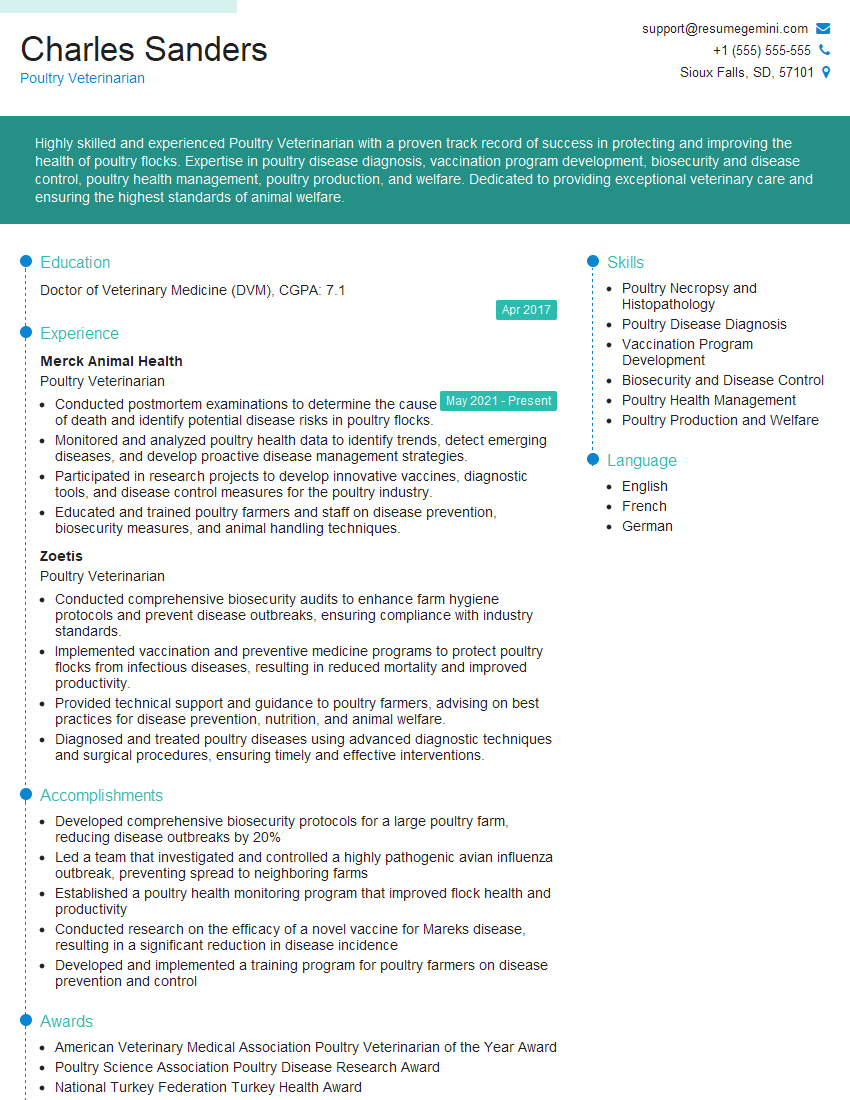
Mastering Knowledge of Poultry Health and Disease is crucial for career advancement in the poultry industry, opening doors to specialized roles and increased earning potential. A strong resume is your key to unlocking these opportunities. Creating an ATS-friendly resume is essential for getting your application noticed. ResumeGemini is a trusted resource that can help you build a professional and impactful resume tailored to highlight your expertise in poultry health and disease. Examples of resumes tailored to this field are provided to help guide your resume creation. Invest the time to build a strong resume – it’s an investment in your future success.

Explore more articles
Users Rating of Our Blogs
Share Your Experience
We value your feedback! Please rate our content and share your thoughts (optional).
What Readers Say About Our Blog
Very informative content, great job.
good