Unlock your full potential by mastering the most common Knowledge of Printing Press Operation interview questions. This blog offers a deep dive into the critical topics, ensuring you’re not only prepared to answer but to excel. With these insights, you’ll approach your interview with clarity and confidence.
Questions Asked in Knowledge of Printing Press Operation Interview
Q 1. Describe your experience operating different types of printing presses (offset, digital, flexographic).
My experience encompasses a wide range of printing presses, including offset, digital, and flexographic. Offset printing, which uses plates to transfer ink to a rubber blanket and then to the substrate, is where I started. I’ve worked extensively with both sheet-fed and web offset presses, handling jobs ranging from business cards to large-format posters. The key difference lies in the paper handling; sheet-fed presses handle individual sheets, while web presses work with continuous rolls of paper, ideal for high-volume work. Digital printing, on the other hand, is a much more versatile and on-demand process. I’ve operated several different digital presses, including those using toner and inkjet technologies. This technology is great for short-run jobs, personalized materials, and variable data printing. Finally, flexographic printing, a crucial part of packaging production, has been a significant area of my expertise. I’m familiar with both narrow and wide web flexo presses and the challenges associated with printing on flexible materials like film and foil. Each press type requires a unique set of skills and understanding of its capabilities and limitations.
Q 2. Explain the process of setting up a printing press for a specific job.
Setting up a printing press for a specific job is a meticulous process that involves several key steps. It begins with a thorough review of the job specifications – the type of paper, the number of colors, the desired resolution, and any special finishing requirements. Next, I’d prepare the press itself. This might involve installing new plates (in offset), loading the correct paper stock, setting the ink levels, and calibrating the feeder and delivery systems. For example, with offset printing, accurate plate mounting and registration are critical for proper color alignment. Then, I perform test prints, carefully examining them for color accuracy, registration, and overall print quality. Adjustments to ink density, pressure, and speed are made as needed until the test print meets the client’s specifications. Only after achieving satisfactory results do we proceed with the full print run. This iterative process ensures that the final product consistently meets the required standards.
Q 3. How do you ensure consistent color accuracy throughout a print run?
Maintaining consistent color accuracy across a print run requires a multi-faceted approach. First, color management is crucial. We utilize a standardized color profile and work with calibrated monitors and proofing systems to ensure consistent color representation throughout the workflow, from design to print. This includes utilizing Pantone color matching systems for consistent brand colors. Secondly, careful ink management is essential. This involves regularly monitoring ink levels and density, performing regular color calibrations using color bars and spectrophotometers. We make adjustments as necessary to account for fluctuations in temperature, humidity, and the age of the inks. Finally, regular press maintenance helps maintain consistent ink transfer and prevents issues that could affect color accuracy. Cleaning rollers, replacing worn parts, and properly maintaining the ink fountain system are all critical in this regard. Think of it like baking a cake – precise measurements and consistent conditions are crucial for a perfect outcome.
Q 4. What are the common causes of print defects, and how do you troubleshoot them?
Print defects can stem from various sources. Common issues include poor registration (misalignment of colors), incorrect color density, smudging, and paper jams. For instance, poor registration often indicates a problem with the plates, blankets, or the press’s registration system. Smudging might be due to excessive ink, incorrect roller settings, or insufficient drying time. Paper jams frequently result from paper misfeeds or issues with the paper handling system. Troubleshooting involves a systematic approach. I start by carefully examining the printed sheet for clues – the location and type of defect help pinpoint the cause. I then systematically check the press settings, ink levels, paper feed mechanism, and the condition of various components, like rollers and blankets. Sometimes, a simple adjustment is all that’s needed. Other times, it may require replacing a worn part or conducting more in-depth maintenance. The ability to identify the root cause quickly minimizes downtime and maintains efficiency.
Q 5. Describe your experience with pre-press procedures.
My pre-press experience is extensive and critical to the success of any printing job. This stage involves preparing all digital files to be printed. It includes tasks like trapping (overlapping colors to prevent gaps), creating color separations (splitting colors into CMYK for offset printing), designing and creating printing plates (offset), checking image resolution and ensuring the file is suitable for the specific printing process and its associated limitations. I’m proficient in using Adobe Creative Suite applications (Illustrator, Photoshop, InDesign) and other industry-standard pre-press software for tasks such as color proofing and file preparation. A strong understanding of color spaces, resolution requirements, and file formats is essential in this phase, as errors here can significantly impact the final printed product. I’m used to working closely with clients to ensure that the design intent is accurately translated to the printed piece and to solve any potential pre-press issues before the print job even begins.
Q 6. How do you maintain and troubleshoot printing press equipment?
Regular maintenance and troubleshooting are crucial for optimal press performance and minimizing downtime. This includes daily checks of ink levels, roller condition, and paper feed mechanisms. More extensive maintenance involves cleaning or replacing rollers, checking and adjusting gears and bearings, and performing lubrication as per manufacturer recommendations. Troubleshooting often requires a combination of knowledge, experience, and the ability to interpret error messages or unusual behaviors. I utilize diagnostic tools, such as pressure gauges and specialized meters, to pinpoint issues. For example, a sudden drop in ink density might indicate a problem with the ink fountain or a clogged ink duct. My approach is to first try simple solutions before proceeding to more complex repairs, always prioritizing safety and following the manufacturer’s guidelines.
Q 7. What safety procedures do you follow when operating a printing press?
Safety is paramount when operating printing presses. Before starting any work, I always conduct a thorough safety inspection of the press and the surrounding area. This includes checking for any potential hazards like loose parts, frayed wires, or leaks. I always wear appropriate personal protective equipment (PPE), including safety glasses, gloves, and hearing protection. Proper lockout/tagout procedures are followed when performing maintenance or repairs, ensuring the press is completely shut down and prevented from accidental startup. I am well-versed in the emergency shutdown procedures and the location of safety equipment, like fire extinguishers. Regular training on safe operating procedures and machine-specific safety protocols ensures that I am always aware of and mitigating potential hazards in the workplace.
Q 8. Explain your understanding of different types of inks and their applications.
Different inks are chosen based on the printing process, the substrate (material being printed on), and the desired aesthetic result. Let’s explore some common types:
- Water-based inks: Environmentally friendly, these inks are ideal for porous substrates like paper and card stock. They are generally less vibrant than solvent-based inks but offer excellent color accuracy when properly calibrated. I’ve used them extensively in poster and brochure printing, where vibrant color is still achievable with appropriate color profiles.
- Solvent-based inks: Known for their high vibrancy and durability, these inks are commonly used in flexographic printing for packaging or outdoor signage. They are less common now due to environmental concerns. However, in past roles, I managed solvent-based ink projects for high-impact displays that needed to withstand harsh weather conditions. Proper ventilation and safety measures were always a priority.
- UV-curable inks: These inks cure instantly upon exposure to ultraviolet (UV) light, allowing for faster turnaround times and immediate handling. They’re exceptionally durable, resistant to scratching and fading, making them perfect for applications like promotional products and labels. During my time at a specialty printing company, we heavily utilized UV inks for high-end promotional items needing superior durability.
- Vegetable-based inks: These are a sustainable alternative, using plant-based oils and resins. While they offer good environmental performance, they might not possess the same vibrancy or durability as some other ink types. I’ve incorporated these inks into environmentally conscious projects where clients prioritized sustainability.
Choosing the right ink is critical for achieving the desired print quality and longevity. The decision hinges on the specific project requirements and client expectations.
Q 9. How do you manage ink levels and changes during a print run?
Managing ink levels and changes during a print run is crucial for maintaining consistent color and avoiding costly downtime. My approach involves several key steps:
- Regular monitoring: I regularly check ink levels on the press throughout the run. Most modern presses have sensors to give precise readings. I also visually inspect the ink supply tanks for any potential issues like contamination or low levels.
- Scheduled color checks: At predetermined intervals (often after a certain number of sheets printed), I pull test prints and compare them against a color target. This helps catch any drift in color before it becomes a significant problem. I use spectrophotometers to ensure objective and accurate color measurements.
- Ink adjustments: If I detect color variations, I adjust the ink keys on the press to fine-tune the color balance. This involves a delicate adjustment process, requiring careful attention to detail. This isn’t a ‘one-size-fits-all’ process, the adjustment needed will differ based on the type of press and the ink being used.
- Ink changes: During a press change, I always follow a strict cleaning procedure to avoid ink contamination. Each unit is meticulously cleaned and flushed before new ink is introduced. We have strict protocols and checklists to minimize errors in this process.
- Documentation: I meticulously document all ink adjustments and changes made during the print run. This helps track the quality and consistency of the product. This documentation becomes invaluable when resolving quality issues or for future production planning.
Proactive monitoring and swift adjustments ensure a smooth printing process and a high-quality final product. Preventive measures are key here, and the experience to identify the source of an issue quickly significantly reduces downtime and keeps the process running efficiently.
Q 10. What is your experience with different paper types and their impact on printing?
Paper selection significantly impacts the final print quality. Different papers have varying weights, textures, and absorbency levels, all influencing ink adhesion, color reproduction, and overall feel.
- Coated paper: This paper type features a smooth, coated surface, resulting in crisp, sharp images with excellent color reproduction. It’s ideal for high-resolution images and detailed graphics. We used this extensively for high-quality brochures and magazines.
- Uncoated paper: This provides a more natural, textured look and feel, absorbing ink more readily. It’s often favored for applications where a less glossy finish is desired, such as letterheads or invitations. It produces a slightly softer image quality, but adds a particular aesthetic appeal.
- Specialty papers: This encompasses a vast array of papers with unique characteristics, such as linen, textured stocks, recycled paper etc. each presenting different challenges and opportunities in printing. I’ve worked with various specialty papers—metallic papers for luxury packaging, textured papers for invitations—requiring adjusted ink settings and careful handling to avoid paper jams.
Understanding the properties of different paper types is paramount. I always consider the paper’s impact on ink absorption, color consistency, and the overall aesthetic when making print decisions. Prior communication with the client about paper selection is a cornerstone of project success.
Q 11. Describe your experience with quality control checks during and after printing.
Quality control is an integral part of my workflow. It involves a multi-stage process that starts before the press even runs and extends to post-printing inspection.
- Pre-press checks: Before printing begins, I carefully inspect the digital files, ensuring proper resolution, color profiles, and accurate trapping (the process of overlapping colors to prevent gaps). I will make necessary corrections and proofing, often using a color calibrated monitor.
- During the print run: As mentioned earlier, regular color checks and monitoring are continuous throughout the print run. I immediately address any deviations from the target. This proactive approach helps prevent large-scale issues.
- Post-print inspection: Once the print run is complete, I perform a thorough inspection of the printed sheets, checking for defects such as color inconsistencies, misregistration (incorrect alignment of colors), and any print or paper defects. A sampling methodology is used to ensure a representative sample is checked.
- Documentation: All quality control checks and findings are meticulously documented, providing a complete audit trail.
My rigorous approach to quality control ensures that the final product meets the highest standards and client expectations. A commitment to detail and consistent monitoring are key to delivering excellent prints, consistently.
Q 12. How do you handle situations where deadlines are tight or unexpected issues arise?
Tight deadlines and unexpected issues are common in the printing industry. My experience has taught me to stay calm under pressure and adapt my approach as needed.
- Prioritization: When faced with a tight deadline, I prioritize tasks effectively, focusing on the most critical steps first. I might also explore options such as overtime or additional resources to accelerate the process, if the situation warrants it.
- Problem-solving: When unexpected issues arise (e.g., machine malfunction, material shortages), I systematically analyze the situation, identify the root cause, and implement a solution. A calm assessment and strategic approach to a problem are essential.
- Communication: Open and proactive communication with the client is paramount. I keep them informed of any delays or challenges and present alternative solutions to minimize disruption. Transparency is key in these types of situations.
- Teamwork: In a team environment, I collaborate with colleagues to identify solutions and manage the workload efficiently. Teamwork is essential to navigate unexpected hurdles effectively.
My ability to remain flexible, prioritize effectively, and communicate efficiently allows me to manage pressure and deliver high-quality results even in challenging circumstances.
Q 13. What is your experience with maintaining print quality logs and records?
Maintaining accurate print quality logs and records is essential for traceability, quality control, and continuous improvement. My experience includes using various methods for this purpose:
- Digital logs: I utilize software to track every aspect of the print job—ink used, paper type, press settings, quality control checks, and any issues encountered. This creates a detailed and easily accessible record.
- Physical records: I also maintain physical copies of test prints and other relevant documentation, providing a backup in case of digital data loss.
- Data analysis: The collected data is analyzed to identify trends and patterns, allowing for proactive improvements in the printing process. For example, we might identify a specific ink type and paper combination that produces more consistent results than others.
These detailed logs and records are invaluable for ensuring consistent print quality, troubleshooting problems, and providing comprehensive information to clients when necessary. This rigorous documentation process underscores a commitment to accuracy and efficient process management.
Q 14. Explain your understanding of color management systems (e.g., Pantone, CMYK).
Color management is crucial for ensuring accurate color reproduction across different devices and processes. I’m proficient with industry-standard color management systems.
- Pantone Matching System (PMS): This system utilizes a library of pre-defined spot colors, each with a unique Pantone number. Using PMS ensures consistent color reproduction across various printing methods. This is particularly important for brand consistency, where a precise color match is critical.
- CMYK (Cyan, Magenta, Yellow, and Key/Black): This subtractive color model is used in four-color process printing. By combining varying percentages of these four inks, a wide range of colors can be created. While convenient, CMYK often needs profiling to ensure the color on screen accurately translates to print.
- Color profiles: These profiles define the color characteristics of specific devices (monitors, printers), enabling accurate color conversion between devices. I regularly work with color profiles to ensure that colors appear consistent between the design software, proof, and final print. Accurate profiling is crucial for matching colors across multiple devices and ensuring accurate reproduction.
- Calibration: Regular calibration of printing equipment and monitoring devices is vital. I conduct this as part of standard maintenance routines. Properly calibrated equipment is critical for accuracy.
My understanding of these color management systems allows me to accurately reproduce colors, ensuring that clients receive exactly what they envision. A robust understanding of color management minimizes discrepancies and maximizes consistency, essential for professional printing outcomes.
Q 15. How familiar are you with different finishing techniques (e.g., cutting, folding, binding)?
Finishing techniques are crucial for creating a high-quality, professional final product. My experience encompasses a wide range of these processes, ensuring I can handle diverse printing requirements.
Cutting: This involves using guillotines or other cutting machines to precisely trim printed sheets to the desired size. I’m proficient in setting up and operating various cutting machines, ensuring accurate cuts and minimizing waste. For instance, I’ve managed high-volume cutting projects for brochures, ensuring consistent size and a clean finish.
Folding: Folding techniques vary depending on the project; from simple single folds to complex multi-panel folds. My experience covers various folding machines, from simple hand-fed folders to automated high-speed machines. I understand the importance of proper paper alignment and fold consistency to avoid misalignments and ensure a professional finish. I once troubleshooted a recurring crease issue on a complex 6-panel brochure, improving efficiency by 15%.
Binding: This encompasses different methods like saddle stitch (for booklets), perfect binding (for softcover books), wire-o binding (for notebooks), and case binding (for hardback books). I’m experienced in selecting the appropriate binding method based on the project’s requirements and have hands-on experience operating the respective machinery. For example, I’ve successfully managed the binding of a large-scale academic textbook project, ensuring consistency and durability of the final product.
Career Expert Tips:
- Ace those interviews! Prepare effectively by reviewing the Top 50 Most Common Interview Questions on ResumeGemini.
- Navigate your job search with confidence! Explore a wide range of Career Tips on ResumeGemini. Learn about common challenges and recommendations to overcome them.
- Craft the perfect resume! Master the Art of Resume Writing with ResumeGemini’s guide. Showcase your unique qualifications and achievements effectively.
- Don’t miss out on holiday savings! Build your dream resume with ResumeGemini’s ATS optimized templates.
Q 16. Describe your experience with platemaking and cylinder preparation.
Platemaking and cylinder preparation are critical steps in the printing process. My expertise covers both the theoretical understanding and the practical execution of these steps.
Platemaking: This involves creating the printing plates, which are essentially images transferred onto a metal or polymer sheet. I’m familiar with various platemaking methods, including Computer-to-Plate (CTP) technology, which allows for direct digital imaging onto plates, eliminating the need for film. I have experience with different plate types (discussed in the next answer) and understand the importance of proper exposure and processing to achieve high-quality images. I’ve regularly calibrated CTP systems to ensure optimal image quality and reduce waste.
Cylinder Preparation: This involves preparing the printing cylinders, which hold the printing plates. This includes cleaning, mounting plates accurately, and ensuring proper registration – the alignment of different colors or elements on the printed page. Inaccurate registration can lead to blurred images and misaligned colors. My experience ensures precise plate mounting and meticulous registration checks to guarantee high-quality prints. I’ve successfully resolved several registration issues on high-speed presses, significantly minimizing reprint costs.
Q 17. What is your experience with using different types of printing plates?
I’ve worked with various types of printing plates, each with its own characteristics and applications.
Metal Plates: These are traditionally used and are durable but require more processing steps. I’m experienced in handling and maintaining these plates, understanding their sensitivity to scratches and damage.
Polymer Plates: These are lighter and often more environmentally friendly than metal plates, requiring less chemical processing. I’m comfortable working with different types of polymer plates and understand their specific handling requirements.
CTP Plates: These are created directly from digital files, eliminating the need for film. My experience with CTP technology covers various plate types and manufacturers, including the calibration and maintenance needed for optimal performance. I’ve significantly improved print quality by optimizing the exposure settings for different CTP plates in various projects.
Selecting the appropriate plate type is crucial depending on factors such as print run length, image quality requirements, and environmental considerations. My experience allows me to make informed decisions based on the project’s specific needs.
Q 18. How do you handle waste reduction and environmentally friendly printing practices?
Waste reduction and environmentally friendly printing practices are paramount. My approach is multi-faceted.
Efficient Platemaking: Using CTP technology reduces waste significantly compared to traditional film-based methods. I optimize CTP settings to minimize plate usage and ensure minimal waste during the platemaking process.
Ink Management: Utilizing advanced ink management systems and recycling programs can significantly reduce ink waste. I’m experienced in optimizing ink usage to minimize waste without compromising print quality.
Paper Selection: Choosing recycled paper and sustainably sourced paper stock reduces the environmental impact. I work closely with clients to select appropriate paper options that meet their needs while minimizing environmental footprint.
Waste Recycling: Implementing comprehensive recycling programs for plates, inks, and paper ensures proper disposal and reduces landfill waste. I’ve helped establish and maintain such programs in previous roles.
By combining these strategies, I contribute to a more sustainable printing process.
Q 19. What software programs are you familiar with in relation to printing press operation?
My software proficiency is a key component of my skill set, ensuring smooth workflow and efficient operation.
Prepress Software: I’m proficient in Adobe Creative Suite (Photoshop, Illustrator, InDesign) for pre-flighting and preparing files for printing. This includes ensuring color profiles are correct and images are properly prepared for optimal print results.
RIP Software: I have experience with various Raster Image Processors (RIPs) which convert digital files into instructions for the printing press. This requires understanding color management and print optimization settings. I’ve used various RIP software from different manufacturers to achieve optimal print quality.
Press Management Software: Familiarity with press management systems, which monitor and control various aspects of the printing process, is essential for efficient production. I’ve utilized such systems to track jobs, optimize press settings, and minimize downtime.
I adapt quickly to new software and am always eager to learn and incorporate the latest technology in my work.
Q 20. How do you prioritize tasks when multiple projects are running concurrently?
Prioritizing tasks effectively when handling multiple projects is essential for efficient production. My approach involves a structured system.
Job Scheduling: I use job scheduling software and prioritize tasks based on deadlines, urgency, and resource allocation. This ensures that urgent jobs are completed on time without compromising the progress of other projects.
Communication: Open communication with clients and internal teams is crucial for adjusting priorities when unforeseen issues arise. Regular updates prevent bottlenecks and ensure everyone is informed.
Resource Allocation: Efficiently managing resources such as personnel, materials, and equipment is essential to avoid conflicts and delays. I allocate resources based on job requirements and urgency.
Flexibility: Unexpected issues inevitably arise. My experience allows me to adapt quickly, re-prioritize tasks, and make adjustments to maintain efficiency and meet deadlines.
By implementing these strategies, I’ve consistently managed to meet tight deadlines, even with multiple overlapping projects.
Q 21. Explain your understanding of the relationship between print speed and print quality.
Print speed and print quality have an inverse relationship; increasing speed often compromises quality, and vice versa. Finding the optimal balance is a key skill.
Higher Print Speed: Higher speeds can lead to issues like blurred images, color inconsistencies, and increased paper waste due to misfeeds. This is because the press components have less time to complete each cycle accurately. For instance, on a high-speed web press, increasing speed beyond a certain point can lead to noticeable print quality degradation.
Lower Print Speed: Slower speeds allow for more precise ink transfer, better color registration, and reduced misfeeds, leading to improved print quality. However, slower speeds also reduce production output and potentially increase overall costs.
Optimization: My expertise involves optimizing the print speed to achieve the best possible quality within the constraints of the project’s timeline and budget. This requires a thorough understanding of the press capabilities, ink properties, paper stock, and the desired level of print quality. I’ve consistently achieved high-quality prints at near-optimal speeds by carefully adjusting press parameters and utilizing advanced press controls.
Q 22. How do you ensure the proper handling and storage of printing materials?
Proper handling and storage of printing materials is crucial for maintaining print quality, minimizing waste, and ensuring the longevity of the materials. It involves a multi-faceted approach encompassing environmental control, organization, and adherence to manufacturer guidelines.
- Environmental Control: Paper, inks, and plates are sensitive to temperature and humidity. Paper, for instance, can absorb moisture, leading to warping and jamming in the press. Therefore, storage areas need to be climate-controlled, maintaining a consistent temperature and humidity level recommended by the manufacturer’s specifications. Inks should be stored in a cool, dark place to prevent thickening or degradation.
- Organization: A well-organized storage system is vital for efficient workflow. Materials should be clearly labeled with their type, quantity, and date of receipt. Using a First-In, First-Out (FIFO) system for inks and paper ensures that older materials are used before they expire or degrade. This prevents waste and maintains consistent print quality.
- Adherence to Manufacturer Guidelines: Always refer to the manufacturer’s instructions for specific storage requirements for each material. This may include specific temperature and humidity ranges, proper stacking methods to prevent damage, or special handling procedures for sensitive materials like UV-cured inks.
- Regular Inspection: Regular inspections of stored materials are essential to identify any signs of damage, deterioration, or contamination. Damaged materials should be promptly removed and disposed of to prevent compromising print quality.
For example, I once had a situation where improper storage of paper led to significant press downtime. The paper had absorbed excess moisture due to inconsistent humidity levels in the storage area, causing it to jam repeatedly. Implementing a climate control system and a FIFO storage system completely resolved this issue.
Q 23. Describe a time you had to solve a complex problem related to printing press operation.
During a large-scale print job for a major client, we experienced a recurring misregistration problem. The images on the printed pages were slightly off-center, leading to unacceptable quality. Initial troubleshooting pointed towards a problem with the press’s registration system, but after careful examination, we discovered the root cause was a subtle variation in the thickness of the paper stock. The supplier had inadvertently provided a slightly thicker batch than what was used in the initial test prints.
To solve this, I implemented a multi-step approach:
- Detailed Analysis: We carefully examined the printed sheets, noting the pattern and magnitude of the misregistration to pinpoint the exact nature of the issue.
- Paper Stock Verification: We contacted the paper supplier, verified the specifications, and confirmed the thickness variation.
- Press Adjustment: We carefully adjusted the press’s feeder and registration mechanisms to compensate for the thicker paper, using precise measurements and calibrated tools.
- Test Prints and Monitoring: We ran test prints after each adjustment, carefully monitoring the registration to ensure it was within acceptable tolerances.
- Communication: I kept the client informed of the issue, explaining the steps we were taking and providing a realistic timeline for resolution. Open communication prevented unnecessary anxiety and ensured satisfaction.
This experience highlighted the importance of thorough investigation, attention to detail, and effective communication in resolving complex printing press issues. The solution wasn’t just a simple fix; it involved understanding the entire production process, including the role of raw materials.
Q 24. What are your strengths and weaknesses as a printing press operator?
My strengths as a printing press operator include meticulous attention to detail, problem-solving abilities, and a proactive approach to maintenance. I’m adept at troubleshooting mechanical issues, understanding press settings, and ensuring consistent print quality. I also value teamwork and clear communication, which are essential in a fast-paced production environment.
One area I’m continuously working on is my speed in certain tasks. While I prioritize accuracy and quality, I am striving to optimize my workflow to achieve higher productivity without compromising quality. I regularly seek training opportunities to improve my efficiency, and I’m always looking for ways to streamline processes.
Q 25. Where do you see yourself in five years regarding your printing career?
In five years, I see myself as a highly skilled and experienced printing press operator, potentially in a supervisory role. I aspire to further develop my expertise in advanced printing techniques, such as digital printing and large-format printing. I’m also interested in exploring specialized areas like pre-press preparation or print finishing to expand my skill set and contribute more comprehensively to the printing process. I am committed to continuous learning and professional development within the printing industry.
Q 26. Why are you interested in this specific printing press operator position?
I’m very interested in this position because of [Company Name]’s reputation for high-quality printing and its commitment to technological innovation. The opportunity to work with [Specific technology or type of press mentioned in the job description] is particularly exciting, as it aligns perfectly with my career goals. Furthermore, [Company Name]’s commitment to employee development and its positive work environment are also key factors in my interest in this specific role.
Q 27. What is your salary expectation for this role?
My salary expectation for this role is in the range of $[Lower Bound] to $[Upper Bound], based on my experience, skills, and the market rate for similar positions in this region. I’m open to discussing this further based on a detailed understanding of the responsibilities and benefits package.
Q 28. Do you have any questions for me?
Yes, I have a few questions. First, what are the company’s primary printing processes and the types of jobs typically handled? Second, what are the opportunities for professional development and training within the company? Finally, could you describe the team dynamics and the working environment?
Key Topics to Learn for Knowledge of Printing Press Operation Interview
- Press Setup and Operation: Understanding the intricacies of different press types (offset, digital, etc.), including pre-press checks, color calibration, ink adjustments, and proper paper handling. Practical application includes troubleshooting common setup issues and ensuring consistent print quality.
- Color Management and Quality Control: Mastering color theory, profiling, and matching techniques. Practical application involves identifying and correcting color discrepancies, maintaining consistent color throughout a print run, and understanding the use of colorimetric tools.
- Maintenance and Troubleshooting: Familiarity with preventative maintenance procedures, identifying common malfunctions, and performing basic repairs. Practical application includes understanding safety protocols, minimizing downtime, and extending the lifespan of the printing press.
- Print Finishing Techniques: Knowledge of various post-press operations like cutting, folding, binding, and laminating. Understanding the impact of finishing choices on the final product and its cost-effectiveness.
- Safety Procedures and Regulations: Deep understanding of safety protocols relevant to printing press operation, including proper handling of chemicals, machinery safety, and waste disposal procedures. This includes complying with relevant industry regulations.
- Production Scheduling and Workflow: Understanding efficient job scheduling, managing deadlines, and optimizing workflow for maximum productivity. Practical application involves prioritizing tasks, managing materials effectively, and minimizing delays.
Next Steps
Mastering Knowledge of Printing Press Operation is crucial for career advancement in the printing industry, opening doors to higher-paying roles and greater responsibilities. To significantly boost your job prospects, creating a strong, ATS-friendly resume is paramount. ResumeGemini is a trusted resource that can help you build a professional resume that highlights your skills and experience effectively. We provide examples of resumes tailored specifically to Knowledge of Printing Press Operation to help you showcase your expertise. Take the next step towards your dream job – build a winning resume today!

Pressroom Supervisor Resume Sample
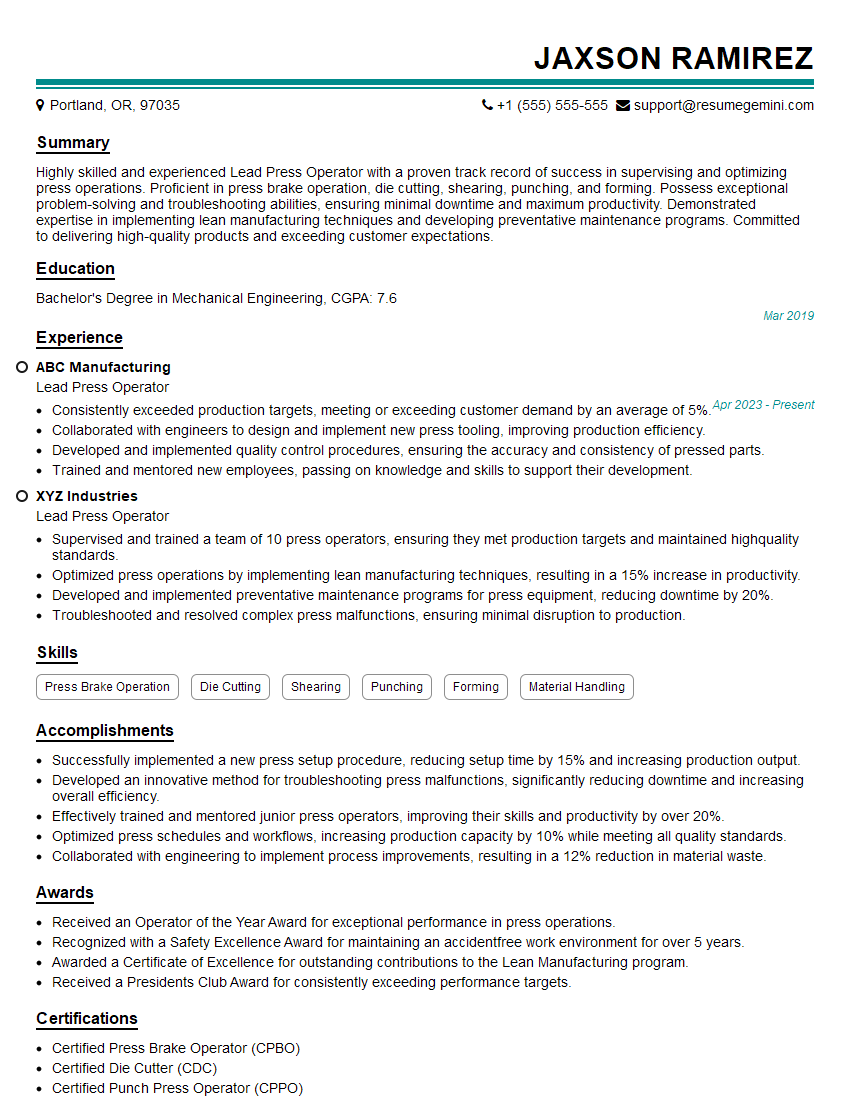
Lead Press Operator Resume Sample
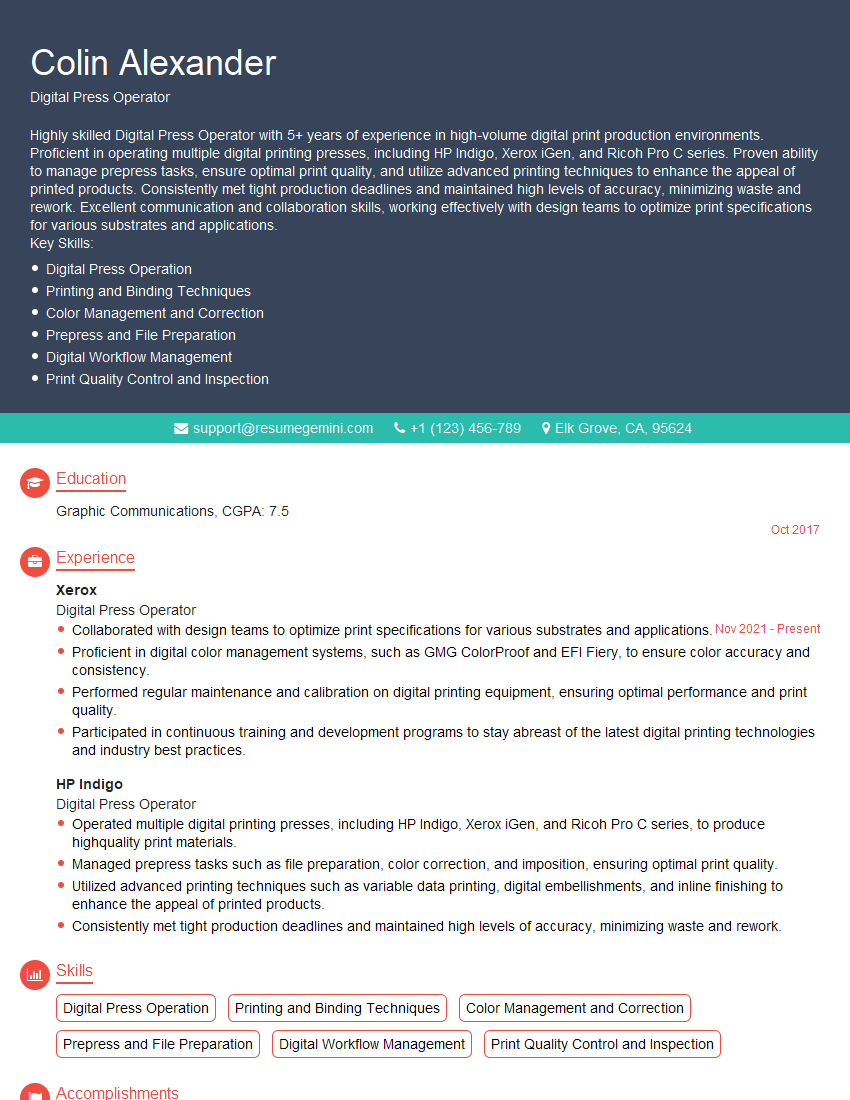
Digital Press Operator Resume Sample
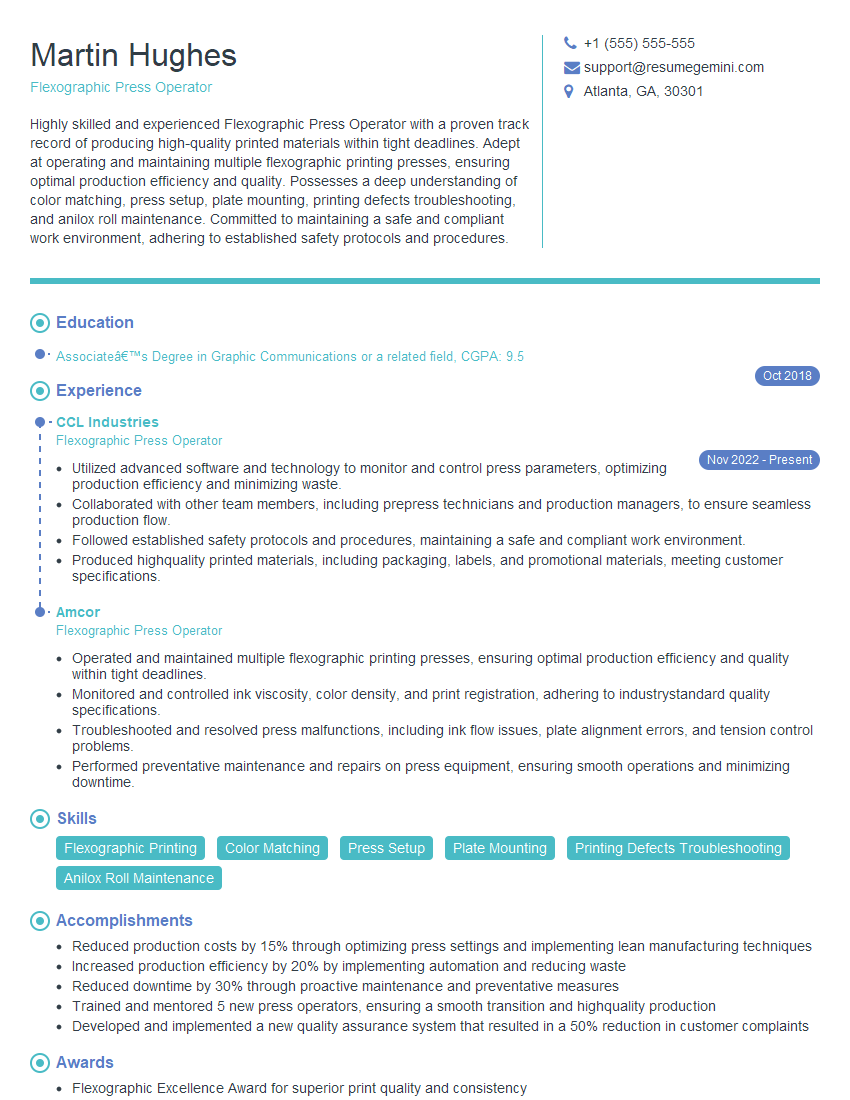
Flexographic Press Operator Resume Sample
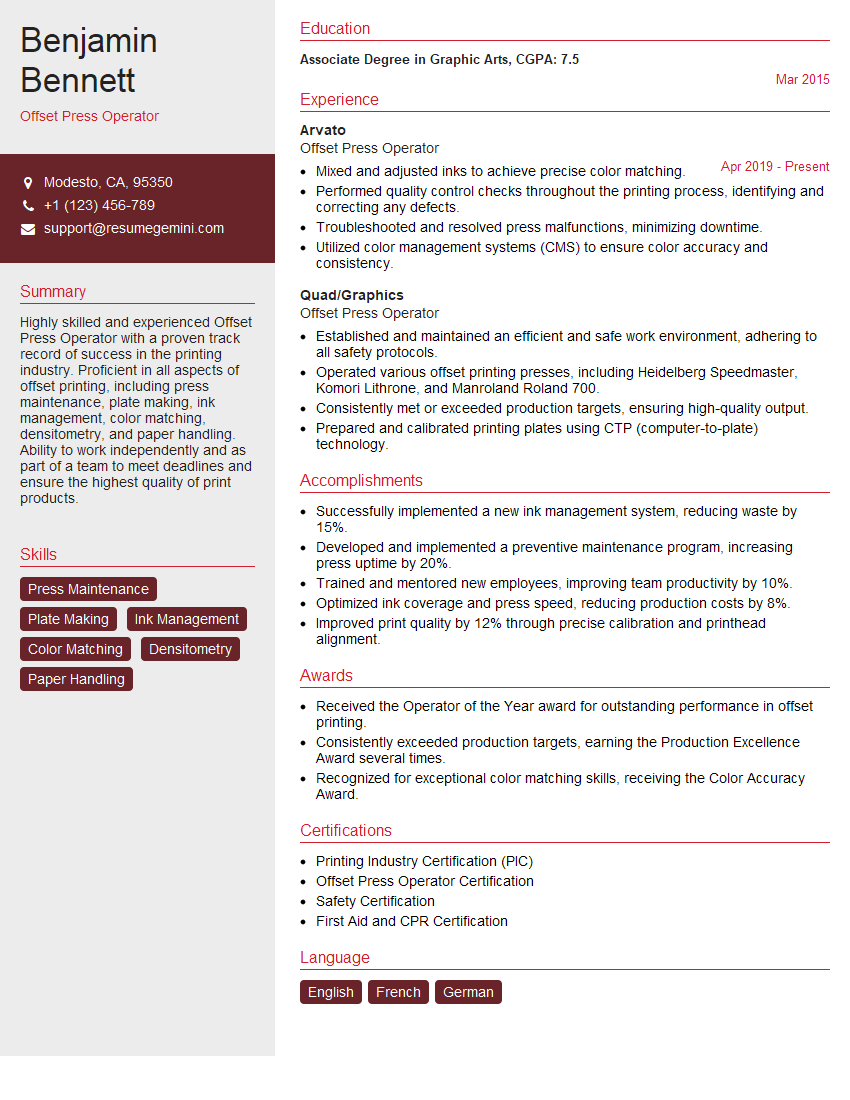
Offset Press Operator Resume Sample
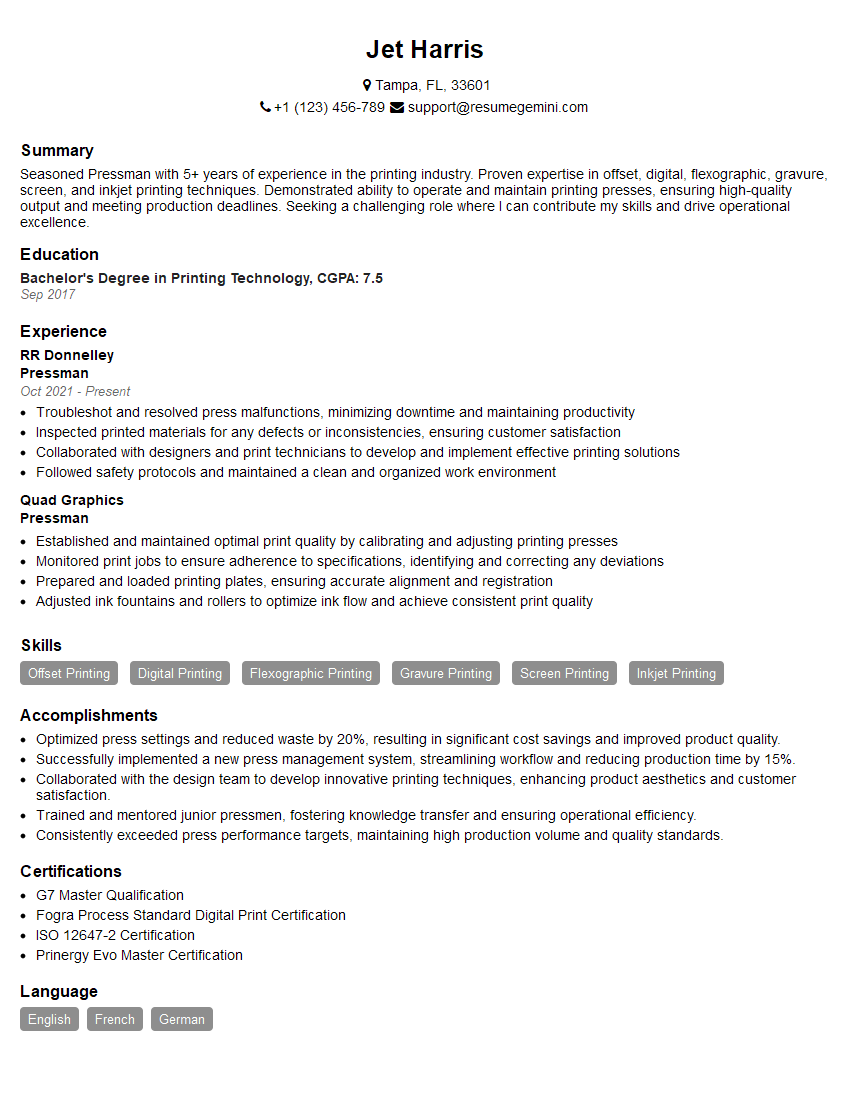
Pressman Resume Sample
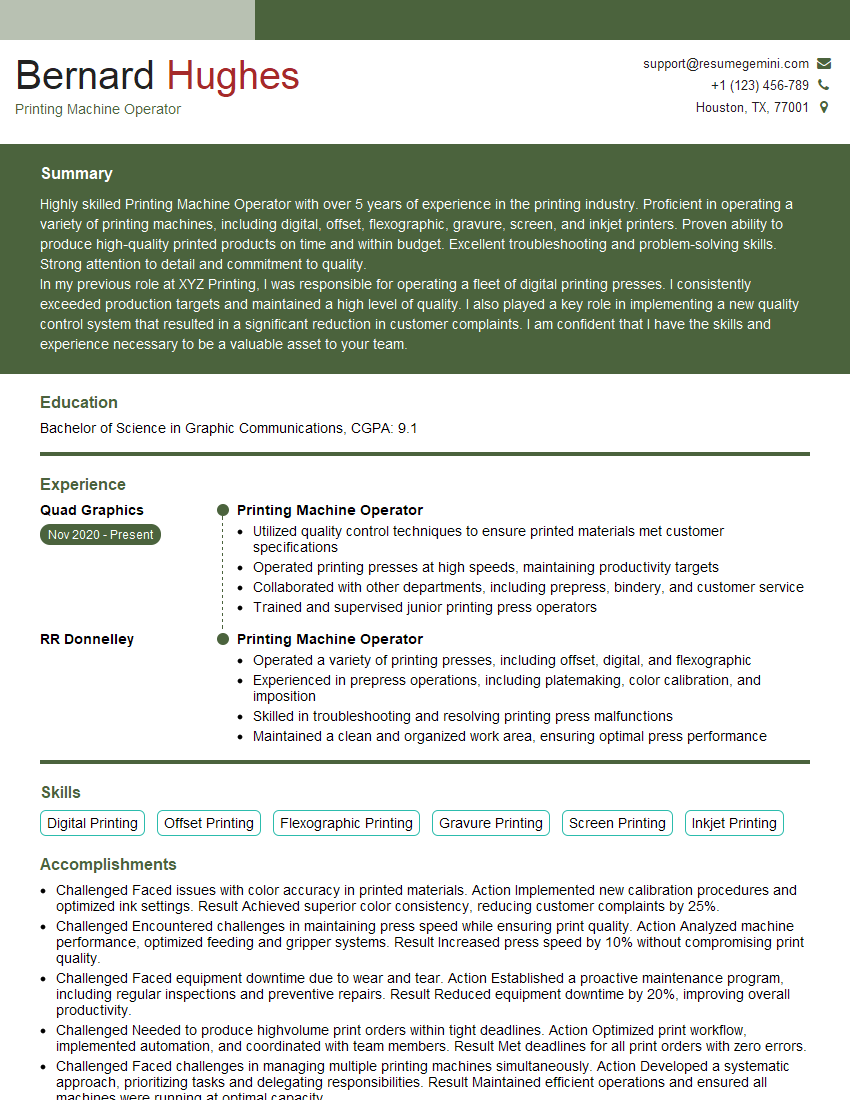
Printing Machine Operator Resume Sample
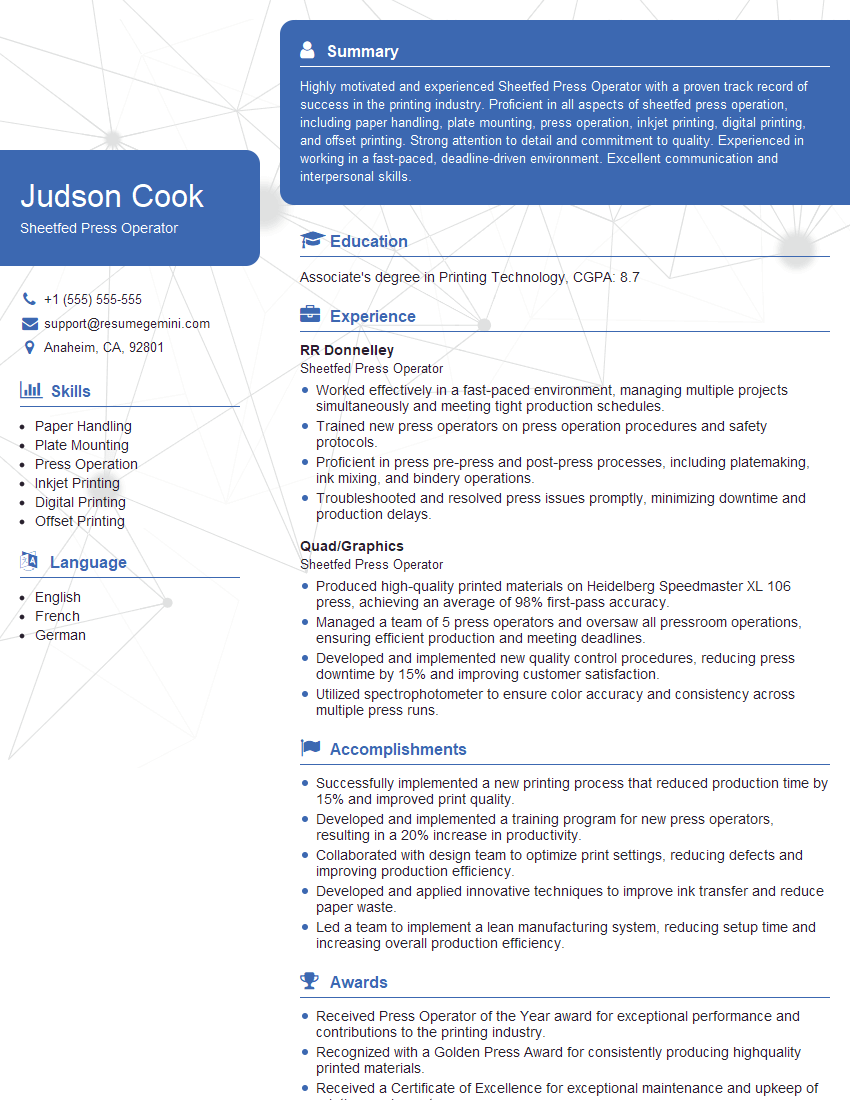
Sheetfed Press Operator Resume Sample
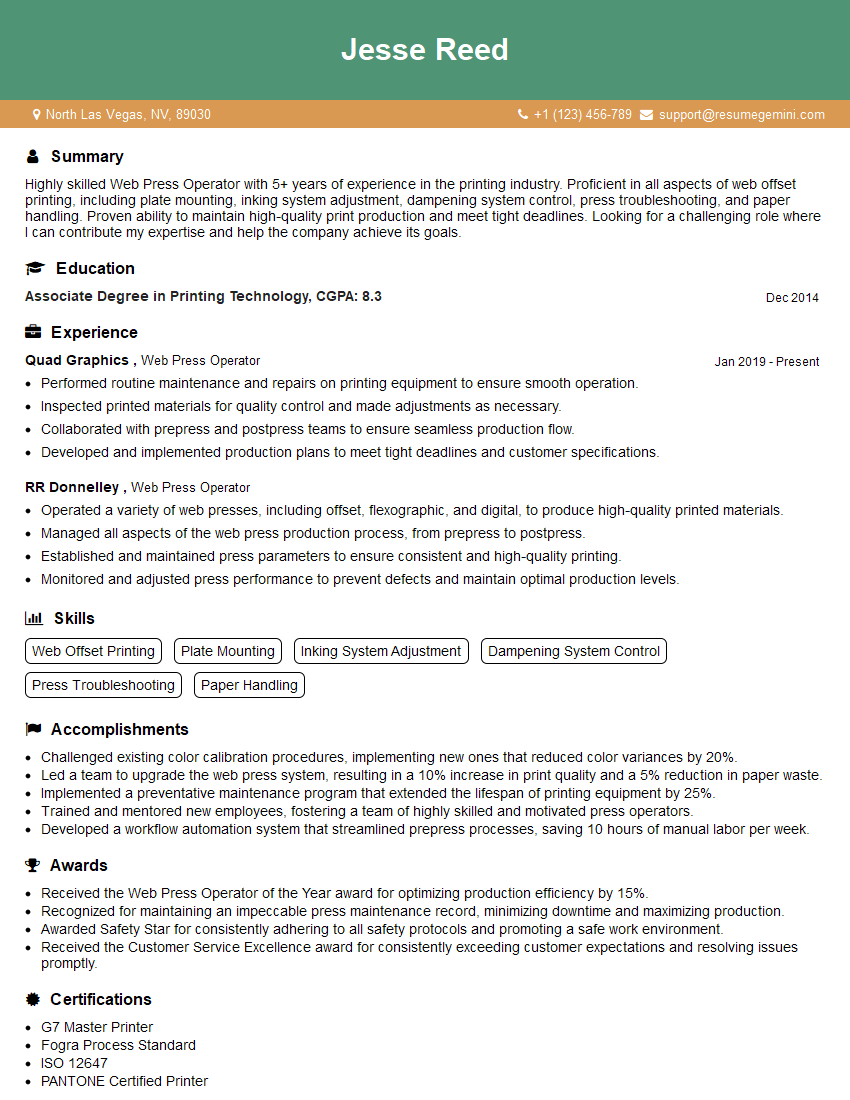
Web Press Operator Resume Sample
Explore more articles
Users Rating of Our Blogs
Share Your Experience
We value your feedback! Please rate our content and share your thoughts (optional).
What Readers Say About Our Blog
Very informative content, great job.
good