Are you ready to stand out in your next interview? Understanding and preparing for Knowledge of Retail Environments interview questions is a game-changer. In this blog, we’ve compiled key questions and expert advice to help you showcase your skills with confidence and precision. Let’s get started on your journey to acing the interview.
Questions Asked in Knowledge of Retail Environments Interview
Q 1. Describe your experience with visual merchandising and its impact on sales.
Visual merchandising is the art of presenting products in a retail space to maximize their appeal and drive sales. It’s about creating a compelling visual narrative that encourages customers to browse, engage, and ultimately purchase. My experience involves developing and implementing visual merchandising strategies across various retail environments, from small boutiques to large department stores. I’ve worked with window displays, in-store layouts, product placement, and signage to create visually engaging and impactful customer experiences.
For example, in a previous role, we redesigned a shoe store’s layout, moving the best-selling styles to high-traffic areas and strategically placing complementary accessories nearby. This resulted in a 15% increase in sales of both shoes and accessories within three months. Another successful initiative involved themed window displays that aligned with seasonal trends and marketing campaigns, boosting foot traffic and creating a buzz around new product launches. The impact is quantifiable through sales data, foot traffic analysis, and customer feedback surveys. By carefully considering color palettes, lighting, and overall store atmosphere, you can significantly influence purchasing behavior.
Q 2. Explain your understanding of inventory management and stock control techniques.
Inventory management is the process of overseeing the flow of goods, from ordering and receiving to storage and sales. Effective stock control ensures that you have enough products to meet customer demand, minimize waste due to spoilage or obsolescence, and optimize storage space. My experience encompasses various techniques, including:
- Just-in-Time (JIT) Inventory: Minimizing inventory holding costs by ordering goods only when needed. This is particularly effective for perishable goods or products with short lifecycles.
- Economic Order Quantity (EOQ): Calculating the optimal order quantity to balance ordering costs and holding costs. This is achieved by using a formula that considers factors like demand, ordering costs, and holding costs.
- ABC Analysis: Categorizing inventory into A, B, and C classes based on their value and consumption rate. This allows for focused management of high-value items (A) while implementing simpler controls for lower-value items (C).
- Regular Stock Takes and Cycle Counting: Performing regular physical counts of inventory to ensure accuracy of records and identify discrepancies. Cycle counting, involves counting small portions of inventory regularly, rather than a full stocktake, to minimize disruption.
Utilizing these techniques ensures optimal stock levels, reducing the risk of stockouts that lead to lost sales, and minimizing storage costs associated with excessive inventory. It’s like running a well-oiled machine; every part plays a crucial role in overall efficiency.
Q 3. How do you handle customer complaints and maintain a positive customer experience?
Handling customer complaints effectively is crucial for maintaining a positive customer experience and building brand loyalty. My approach involves a three-step process: Listen, Empathize, and Resolve.
- Listen: I actively listen to the customer’s complaint without interruption, ensuring I fully understand their perspective and the issue at hand. This shows respect and validates their feelings.
- Empathize: I acknowledge the customer’s frustration and express understanding, showing that I care about their experience. A simple phrase like, “I understand your frustration, and I’m sorry you had this experience,” can go a long way.
- Resolve: I work to find a fair and equitable solution to the problem. This might involve offering a refund, exchange, store credit, or other form of compensation. The goal is to leave the customer feeling valued and satisfied.
I also believe in empowering my team to handle customer complaints effectively. Training on conflict resolution and customer service best practices is essential for creating a positive customer experience across the board. For example, I implemented a system where every complaint is documented and analyzed to identify recurring issues and areas for process improvement. This proactive approach helps prevent future complaints and improve overall customer satisfaction.
Q 4. Describe your experience with different retail sales strategies (e.g., upselling, cross-selling).
Upselling and cross-selling are powerful sales strategies that aim to increase the average transaction value. Upselling involves suggesting a higher-priced or premium version of a product the customer is already considering. Cross-selling involves recommending related or complementary products to enhance the customer’s purchase.
For example, if a customer is buying a new phone, upselling might involve suggesting a higher-storage model or a protective case. Cross-selling might involve suggesting a screen protector or wireless headphones. The key is to understand the customer’s needs and offer suggestions that genuinely add value. This requires effective product knowledge and the ability to build rapport with customers to gauge their needs and preferences. I’ve implemented training programs for my teams focused on product knowledge, suggestive selling techniques, and building customer relationships to boost both upselling and cross-selling performance. These strategies are not just about increasing sales; they also enhance customer satisfaction by providing them with relevant product recommendations.
Q 5. How do you analyze sales data to identify trends and opportunities for improvement?
Analyzing sales data is crucial for identifying trends, understanding customer behavior, and making data-driven decisions to improve retail operations. My approach involves using various tools and techniques to gain insights from sales data. This includes:
- Sales trend analysis: Tracking sales over time to identify patterns and seasonal variations. This helps in predicting future demand and optimizing inventory levels.
- Product performance analysis: Evaluating individual product performance, identifying top-sellers, and understanding which products are underperforming. This allows for targeted promotions, price adjustments, or product removal.
- Customer segmentation: Grouping customers based on their purchasing behavior to target them with specific marketing campaigns and promotions.
- Channel analysis: Analyzing sales performance across different sales channels (e.g., online, in-store) to identify opportunities for growth.
I typically utilize spreadsheet software (like Excel) and business intelligence tools to visualize and analyze sales data. Data visualization helps to identify patterns and trends more easily than reviewing raw data alone. By understanding these trends, businesses can make informed decisions regarding inventory, marketing strategies, and product assortment, ultimately boosting sales and profitability.
Q 6. What metrics do you track to measure the success of a retail operation?
Measuring the success of a retail operation requires tracking a range of key performance indicators (KPIs). These metrics provide a comprehensive view of the business’s health and performance.
- Sales Revenue: Total revenue generated over a specific period.
- Average Transaction Value (ATV): The average amount spent per transaction. Indicates the effectiveness of upselling and cross-selling.
- Conversion Rate: The percentage of customers who make a purchase. Highlights the effectiveness of store layout and marketing efforts.
- Gross Profit Margin: The percentage of revenue remaining after deducting the cost of goods sold. Reflects the profitability of products and pricing strategies.
- Inventory Turnover Rate: How quickly inventory is sold and replenished. Indicates inventory management efficiency.
- Customer Acquisition Cost (CAC): The cost of acquiring a new customer. Helps assess the efficiency of marketing campaigns.
- Customer Lifetime Value (CLTV): The predicted revenue generated by a customer over their relationship with the business. Shows the long-term value of customer loyalty.
- Employee Turnover Rate: The rate at which employees leave the company. High turnover can impact productivity and customer service.
By monitoring these KPIs and comparing them to industry benchmarks and previous periods, we can identify areas of strength and weakness and make data-driven decisions to improve the retail operation’s overall performance.
Q 7. Explain your experience with POS systems and sales reporting.
I have extensive experience with various Point of Sale (POS) systems, from traditional cash registers to cloud-based solutions. My expertise includes using POS systems for processing transactions, managing inventory, generating sales reports, and tracking employee performance. I’m familiar with the functionalities of several major POS systems (e.g., Square, Shopify POS, Lightspeed) and can adapt quickly to new systems.
Sales reporting is a critical aspect of my work. I regularly generate reports on daily sales, sales by product category, sales by employee, and sales trends. This data is essential for informing inventory management, marketing strategies, and overall business decisions. I’m proficient in exporting POS data into spreadsheets for further analysis and visualization. For example, I might use sales data from the POS system to identify slow-moving inventory or to determine which products are most profitable. This analysis informs crucial decisions about pricing, promotions, and inventory management.
Q 8. How do you manage employee performance and motivation in a retail setting?
Managing employee performance and motivation in retail requires a multifaceted approach focusing on both individual development and team cohesion. It’s not just about hitting sales targets; it’s about fostering a positive and productive work environment.
Regular Feedback and Performance Reviews: I implement a system of regular, constructive feedback, both positive and critical. This isn’t just an annual event; it’s ongoing. Formal performance reviews provide a structured opportunity to discuss progress, identify areas for improvement, and set new goals. For example, I might use a scoring system for key metrics like customer satisfaction and sales conversion rates, coupled with qualitative feedback on teamwork and problem-solving skills.
Incentive Programs and Rewards: Motivating employees often involves offering incentives beyond base salary. This could include sales commissions, bonuses based on exceeding targets, employee discounts, or even awards recognizing outstanding performance. A recent success story involved implementing a team-based reward system where the entire team shared in the benefits of exceeding monthly sales goals, promoting collaboration and teamwork.
Training and Development: Investing in employee training is crucial. Opportunities for skill development, product knowledge enhancement, and leadership training show employees that their growth is valued. This could involve workshops, online courses, or mentorship programs. For example, we provided training on new POS systems to improve efficiency and customer service.
Open Communication and Recognition: A positive work environment thrives on open communication. Regular team meetings, open-door policies, and opportunities for feedback create a space where employees feel heard and valued. Publicly acknowledging and rewarding employee contributions boosts morale significantly. A simple ‘employee of the month’ program with a small gift and public acknowledgment goes a long way.
Q 9. Describe your understanding of retail loss prevention strategies.
Retail loss prevention is critical for profitability. It involves a multi-pronged strategy to minimize shrinkage (the difference between recorded inventory and actual inventory due to theft, damage, or error).
Security Measures: This includes implementing robust security systems like CCTV cameras, electronic article surveillance (EAS) tags, and security personnel. Strategic placement of cameras and EAS systems is crucial – high-theft areas need extra attention. For example, we strategically placed cameras at blind spots and near high-value items.
Employee Training: Educating employees on loss prevention techniques is essential. This includes awareness of common theft methods, proper cash handling procedures, and recognizing suspicious behaviour. Role-playing scenarios during training can be very effective.
Inventory Management: Accurate inventory tracking is crucial. Regular cycle counts, efficient stockroom procedures, and the use of inventory management software help identify discrepancies and prevent losses. Identifying slow-moving or damaged merchandise is part of this – proactive measures to reduce losses are key.
Data Analysis: Analyzing sales data, shrinkage reports, and loss patterns can reveal trends and hotspots. This data-driven approach allows for targeted interventions to address specific areas of concern. For example, we found a pattern of shoplifting around a particular product line and increased surveillance in that area.
Customer Service: Surprisingly, excellent customer service can be a loss prevention tool. Friendly, attentive staff can deter theft and improve the overall shopping experience.
Q 10. How do you maintain a clean and organized retail space?
Maintaining a clean and organized retail space is paramount for creating a positive customer experience and boosting sales. It’s about more than just aesthetics; it’s about safety and efficiency.
Regular Cleaning Schedules: Implementing a detailed cleaning schedule covering all areas, including floors, shelves, restrooms, and fitting rooms is vital. This schedule should be regularly reviewed and adjusted as needed.
Visual Merchandising: Strategic product placement and attractive displays are key to organizing the space and attracting customers. This involves regularly reviewing and updating displays, ensuring products are well-stocked and easily accessible, and using signage effectively.
Employee Responsibility: Assigning cleaning responsibilities to staff members as part of their daily duties helps ensure the space is consistently tidy. This could be assigning specific tasks to different employees.
Regular Stockroom Organization: A well-organized stockroom ensures efficient order fulfillment and minimizes product damage or loss. Proper shelving, labeling, and stock rotation are crucial.
Vendor Collaboration: Coordinating with vendors to ensure timely deliveries and efficient unloading minimizes clutter and disruptions.
Q 11. How do you handle peak shopping periods and ensure smooth operations?
Handling peak shopping periods smoothly requires proactive planning and efficient execution. It’s about optimizing resources and minimizing customer wait times.
Staffing: Strategic scheduling of additional staff during peak hours is crucial. This may involve using part-time employees or temporary staff to supplement the regular team.
Inventory Management: Ensuring sufficient stock levels of popular items prevents stockouts and reduces customer frustration. This requires close monitoring of sales data and timely restocking.
Queue Management: Implementing systems to manage customer queues, such as clearly marked lines and additional checkout lanes, minimizes wait times and improves customer flow. This could involve using virtual queuing systems or hiring additional cashiers.
Technology Utilization: Utilizing technology like self-checkout kiosks, mobile POS systems, and online ordering for pickup can significantly improve efficiency and reduce congestion.
Promotional Planning: Planning promotions strategically to distribute demand across time periods, rather than concentrating it all during peak hours, is a preventative measure.
Q 12. What is your experience with retail technology, such as CRM or ERP systems?
My experience with retail technology spans several systems, including CRM (Customer Relationship Management) and ERP (Enterprise Resource Planning) systems. I’ve used these tools to improve efficiency, enhance customer service, and gain valuable business insights.
CRM Systems: I’ve worked with CRM systems to manage customer data, track interactions, personalize marketing campaigns, and improve customer loyalty programs. For example, I’ve used CRM data to identify high-value customers and tailor marketing efforts accordingly. This could involve sending targeted emails with special offers based on past purchases.
ERP Systems: My experience with ERP systems includes managing inventory, tracking sales data, streamlining supply chain processes, and generating financial reports. For example, I’ve used ERP systems to optimize stock levels, ensuring products are always available without excess inventory.
POS (Point of Sale) Systems: I’m proficient in using POS systems for processing transactions, managing payments, and generating sales reports. This is crucial for daily operations and provides real-time sales data.
Proficiency with these systems allows for data-driven decision-making, leading to improved operational efficiency and enhanced customer experiences.
Q 13. Describe your experience with managing budgets and controlling expenses in a retail environment.
Managing budgets and controlling expenses in retail requires a disciplined approach. It’s about maximizing profitability while ensuring the business can meet its operational needs.
Budget Creation: I’m experienced in developing and managing detailed budgets, allocating resources effectively across different departments (e.g., marketing, operations, personnel). This includes forecasting sales, estimating expenses, and setting financial targets.
Expense Tracking: Implementing systems for meticulously tracking expenses is crucial. This involves regular reviews of financial statements, identifying areas of overspending, and implementing cost-saving measures. For instance, we analyzed utility bills to identify opportunities for energy conservation.
Negotiation with Suppliers: Negotiating favorable terms with suppliers can significantly reduce costs. This involves exploring volume discounts, alternative suppliers, and optimizing delivery schedules.
Inventory Control: Effective inventory management minimizes waste and reduces storage costs. This includes implementing strategies for optimal stock levels and minimizing shrinkage.
Performance Analysis: Regularly analyzing sales data and expense reports allows for identifying trends, pinpointing areas for cost reduction, and adjusting the budget as needed.
Q 14. How do you adapt to changing customer demands and market trends?
Adapting to changing customer demands and market trends is critical for retail success. It requires a combination of market research, agile decision-making, and a customer-centric approach.
Market Research: I stay informed about market trends through various channels, including industry publications, competitor analysis, and customer feedback. This helps anticipate changes in consumer preferences and buying behaviors.
Customer Feedback: Actively soliciting and analyzing customer feedback (through surveys, reviews, and social media monitoring) provides valuable insights into customer needs and expectations. This feedback is used to refine products, services, and overall retail strategies.
Data Analytics: Leveraging data analytics to understand sales patterns, customer demographics, and purchasing behavior provides insights into market trends and emerging opportunities.
Agile Strategies: Implementing agile strategies allows for quick adjustments to changing market conditions. This may involve adapting product offerings, promotional strategies, or marketing campaigns based on real-time data and customer feedback. For instance, we saw a sudden rise in demand for a particular product and quickly adjusted our inventory and marketing to capitalize on the opportunity.
Innovation: Embracing new technologies and innovative approaches helps stay ahead of the curve. This could involve exploring new retail channels (e.g., e-commerce), implementing personalized marketing strategies, or leveraging social media for customer engagement.
Q 15. Explain your understanding of supply chain management within a retail context.
Supply chain management in retail is the intricate process of getting the right products to the right place at the right time, at the right price. It encompasses everything from sourcing raw materials and manufacturing to warehousing, transportation, and finally, the sale to the end consumer. Think of it as a carefully orchestrated ballet, where every step – from the farmer growing cotton for a t-shirt to the delivery truck bringing it to the store – needs to be perfectly timed.
A well-optimized retail supply chain uses technology and data analysis to forecast demand accurately, manage inventory efficiently, and minimize costs. This includes utilizing sophisticated inventory management systems (like those using RFID technology for tracking) and leveraging strong relationships with suppliers to secure reliable sourcing and timely delivery. For instance, a retailer anticipating increased demand for winter coats during colder months would adjust their orders well in advance, ensuring sufficient stock to meet consumer needs. Poor supply chain management, conversely, can lead to stockouts, excess inventory, and ultimately, lost sales and revenue.
- Sourcing & Procurement: Selecting reliable suppliers and negotiating favorable terms.
- Production & Manufacturing: Overseeing the creation of goods, often working with factories overseas.
- Warehousing & Distribution: Managing inventory storage, order fulfillment, and transportation.
- Retail Operations: Point-of-sale (POS) systems, stock management within the store, and customer service.
Career Expert Tips:
- Ace those interviews! Prepare effectively by reviewing the Top 50 Most Common Interview Questions on ResumeGemini.
- Navigate your job search with confidence! Explore a wide range of Career Tips on ResumeGemini. Learn about common challenges and recommendations to overcome them.
- Craft the perfect resume! Master the Art of Resume Writing with ResumeGemini’s guide. Showcase your unique qualifications and achievements effectively.
- Don’t miss out on holiday savings! Build your dream resume with ResumeGemini’s ATS optimized templates.
Q 16. How do you ensure compliance with health and safety regulations in a retail setting?
Ensuring health and safety compliance in retail is paramount. It’s not just about avoiding fines; it’s about creating a safe and productive environment for employees and customers. This involves a multi-pronged approach.
- Regular Inspections: Conducting routine checks of the premises to identify and address potential hazards like spills, damaged flooring, or faulty equipment.
- Employee Training: Providing comprehensive training on safety procedures, including proper lifting techniques, fire safety protocols, and emergency response plans. This might involve hands-on training and regular refresher courses.
- Risk Assessment: Proactively identifying potential risks and implementing control measures. For example, if there’s a risk of slips and falls, we’d ensure adequate lighting and non-slip flooring.
- Emergency Preparedness: Having detailed emergency procedures in place, including evacuation plans, first aid training, and designated emergency exits. Regular drills can ensure staff are familiar with these procedures.
- Compliance with Regulations: Staying updated on all relevant health and safety legislation and ensuring adherence to all applicable standards. This may involve working with regulatory bodies and keeping detailed records of safety measures.
For example, in a grocery store, ensuring proper food handling procedures and temperature control are crucial, while in a clothing store, maintaining a safe and clear walking environment is key.
Q 17. Describe your experience with pricing strategies and their impact on profitability.
Pricing strategies are vital for retail profitability. They influence not only revenue but also customer perception and brand positioning. I have experience with various pricing methods, including:
- Cost-Plus Pricing: Calculating the cost of goods and adding a markup to determine the selling price. This is simple but doesn’t always account for market dynamics.
- Value-Based Pricing: Setting prices based on the perceived value of the product to the customer, regardless of cost. This can be highly effective for premium products.
- Competitive Pricing: Matching or slightly undercutting competitors’ prices. This can be suitable for highly competitive markets but can lead to price wars.
- Promotional Pricing: Employing discounts, sales, and coupons to stimulate demand. This can be effective but needs careful management to avoid impacting long-term profitability.
For instance, during a seasonal sale, we might employ promotional pricing to clear out inventory and make way for new stock. However, we’d need to analyze the impact on margins to ensure the sale isn’t detrimental to overall profitability. Analyzing sales data and customer behavior is crucial to refine pricing strategies over time and maximize returns.
Q 18. How do you identify and capitalize on sales opportunities?
Identifying and capitalizing on sales opportunities requires a keen eye for market trends and customer needs. It’s a proactive process involving several key steps:
- Market Research: Continuously monitoring market trends, competitor activities, and customer preferences through surveys, focus groups, and sales data analysis. This allows for anticipating demands.
- Sales Data Analysis: Studying sales data to identify top-performing products, slow-moving inventory, and seasonal trends. This information guides inventory management and promotional campaigns.
- Customer Relationship Management (CRM): Utilizing CRM systems to understand customer behavior, preferences, and purchase history. This helps personalize marketing and offers targeted promotions.
- Upselling and Cross-selling: Offering customers higher-priced items or complementary products to increase the average transaction value.
- Product Bundling: Combining multiple products into a package to offer a discount and encourage larger purchases.
- Proactive Customer Engagement: Actively engaging customers through email marketing, loyalty programs, and personalized recommendations.
For example, if sales data reveals a sudden increase in demand for a specific product, we can quickly adjust inventory levels and increase marketing efforts to maximize sales during this peak period. Conversely, if a product is consistently underperforming, we might consider price reductions, promotional offers, or even discontinuing it to free up shelf space for more profitable items.
Q 19. How do you build and maintain strong relationships with vendors or suppliers?
Building and maintaining strong vendor relationships is essential for a successful retail operation. It’s about fostering mutual trust and collaboration, not just transactional exchanges.
- Regular Communication: Maintaining open and consistent communication with vendors, including regular meetings and updates on sales performance and market trends. This builds a relationship of trust.
- Negotiation & Collaboration: Working collaboratively with vendors to negotiate favorable terms, including pricing, payment schedules, and delivery times. This requires building a relationship of mutual benefit.
- Performance Evaluation: Regularly evaluating vendor performance based on factors such as on-time delivery, product quality, and responsiveness to requests. This helps improve efficiency and product quality.
- Fair Practices: Treating vendors fairly and ethically, showing respect for their business and acknowledging their contributions to the success of our operation. Transparency is also crucial.
- Long-term Perspective: Focusing on building long-term relationships with key vendors instead of constantly switching suppliers. This stability helps lower costs and strengthens the supply chain.
For instance, by consistently meeting our payment terms and providing honest feedback, we’ve developed strong relationships with key suppliers, who in turn prioritize our orders and provide excellent support.
Q 20. What is your experience with competitor analysis in the retail industry?
Competitor analysis is crucial for staying competitive in the retail landscape. It helps us understand the competitive environment, identify opportunities, and refine our strategies.
- Identifying Competitors: Identifying both direct and indirect competitors – those selling similar products and those offering alternative solutions to the same customer needs.
- Market Share Analysis: Analyzing the market share of each competitor to understand their relative strength and position in the market.
- Pricing Analysis: Comparing prices and promotions to identify pricing strategies and competitive advantages or disadvantages.
- Product Analysis: Evaluating competitors’ product offerings, quality, features, and branding to identify strengths and weaknesses.
- Marketing & Promotion Analysis: Analyzing competitors’ marketing and advertising strategies, including channels used, messaging, and overall brand positioning.
- SWOT Analysis: Conducting SWOT analysis (Strengths, Weaknesses, Opportunities, and Threats) on key competitors to summarize their capabilities and vulnerabilities.
For example, by analyzing a competitor’s successful marketing campaign, we can adapt similar tactics or even develop counter strategies to retain market share. A thorough competitive analysis also helps in identifying gaps in the market where we can create new product offerings or services.
Q 21. How do you handle stock discrepancies or inventory losses?
Stock discrepancies and inventory losses are common challenges in retail. Addressing them efficiently requires a systematic approach.
- Regular Stock Takes: Conducting regular physical inventory counts to compare actual stock levels with recorded inventory data. This identifies discrepancies early.
- Inventory Management System: Implementing a robust inventory management system with real-time tracking capabilities. This allows for better monitoring of stock movement and early detection of discrepancies.
- Loss Prevention Measures: Implementing loss prevention measures, such as security cameras, employee training on theft prevention, and improved stockroom security. This minimizes theft and shrinkage.
- Damage Control: Having processes in place to manage and minimize product damage, including appropriate storage and handling procedures. This reduces losses due to damaged goods.
- Root Cause Analysis: Investigating the root causes of discrepancies to identify areas for improvement. This includes reviewing inventory processes, staff training, and security protocols.
For example, if repeated discrepancies occur in a particular section of the store, it might indicate a problem with the inventory management system or a security vulnerability that needs to be addressed. By identifying and addressing the root cause, we can minimize future losses and improve inventory accuracy.
Q 22. Describe your experience with implementing new retail initiatives or strategies.
Implementing new retail initiatives requires a strategic approach combining market research, operational feasibility, and effective team communication. My experience involves a phased rollout of a new loyalty program for a major clothing retailer. First, we conducted extensive customer surveys and analyzed sales data to identify key customer segments and their preferences. This informed the design of tiered rewards, exclusive offers, and personalized communication strategies. Next, we developed a comprehensive training program for staff, ensuring they understood the program mechanics and could effectively engage customers. The program’s launch was staggered across different store locations to allow for feedback collection and iterative improvement. We tracked key metrics like membership growth, redemption rates, and customer lifetime value to measure success and make data-driven adjustments.
Another example involved the introduction of a mobile point-of-sale (POS) system. This required careful consideration of staff training, data security protocols, and integration with existing inventory management systems. The successful implementation involved pilot testing in selected stores before a full-scale rollout and resulted in increased checkout speed and improved customer satisfaction.
Q 23. Explain your understanding of omnichannel retail strategies.
Omnichannel retail strategy integrates all sales channels – online, mobile, social media, physical stores – into a unified and seamless customer experience. Think of it like a river: the various channels are tributaries flowing into a single, powerful current. The customer should be able to start their shopping journey on one channel and effortlessly transition to another. For example, a customer might browse products online, check in-store availability via the website, and then pick up the item at the store or have it shipped to their home. Successful omnichannel strategies require robust inventory management, integrated CRM systems (Customer Relationship Management), and a consistent brand voice across all touchpoints. Without integration, the customer experience is fragmented and frustrating. Effective omnichannel strategies prioritize customer convenience and personalization, increasing customer loyalty and overall sales.
Q 24. How do you use data analytics to improve retail operations and decision-making?
Data analytics is crucial for informed decision-making in retail. I leverage data to optimize pricing, inventory management, and marketing campaigns. For instance, analyzing sales data can reveal peak selling periods, best-selling products, and customer purchasing patterns. This allows us to predict future demand, optimize inventory levels, and adjust pricing strategies accordingly. We can also use customer segmentation data to personalize marketing campaigns, sending targeted promotions based on individual preferences and purchase history. Tools like SQL are regularly used for querying and analyzing large datasets, while platforms like Tableau or Power BI help visualize trends and patterns.
An example of practical application would be identifying a correlation between store layout changes and increased sales in specific product categories. By analyzing point-of-sale data alongside the implemented layout changes, we could confidently invest in similar layout modifications across other stores. Furthermore, analyzing website traffic and user behavior helps optimize website design and marketing efforts.
Q 25. Describe your experience with e-commerce platforms and online retail strategies.
My experience with e-commerce platforms involves managing online stores on platforms such as Shopify and Magento. This encompasses everything from product listing and inventory management to order fulfillment and customer service. I’ve worked on optimizing website design for improved conversion rates, implementing SEO strategies to boost organic traffic, and running targeted digital marketing campaigns. A key success story involved redesigning a company’s website, improving its mobile responsiveness and user experience which resulted in a 30% increase in online sales within three months. The process included A/B testing different website layouts, analyzing user clickstream data to identify areas for improvement, and implementing clear calls to action.
Q 26. How do you contribute to a positive and productive team environment?
Contributing to a positive and productive team environment requires active listening, open communication, and mutual respect. I believe in fostering a collaborative atmosphere where team members feel valued, empowered, and comfortable sharing ideas. This includes regularly checking in with team members, providing constructive feedback, and celebrating successes. I also believe in leading by example, demonstrating a strong work ethic and a commitment to teamwork. I actively encourage brainstorming sessions and facilitate open dialogue, creating an environment where diverse viewpoints are appreciated and considered. I’ve found that conflict resolution is much easier in an environment of trust and open communication.
Q 27. What is your experience with training and developing retail staff?
My experience in training and developing retail staff includes designing and delivering training programs on product knowledge, customer service, sales techniques, and POS system operations. I adapt my training methods to different learning styles, using a mix of presentations, role-playing exercises, and on-the-job coaching. I use a blended learning approach, incorporating online modules with in-person workshops and mentoring to ensure retention and practical application. The training programs are designed to enhance staff skills, boost productivity, and elevate customer service standards. Regular feedback sessions and performance evaluations are crucial to monitor progress and provide ongoing support. Measuring the impact of the training on key performance indicators (KPIs) such as sales conversion rates and customer satisfaction scores provides crucial insights for continuous improvement.
Q 28. How do you resolve conflicts or disagreements among team members?
Resolving conflicts among team members requires a calm, neutral, and objective approach. I start by listening carefully to each person’s perspective, ensuring everyone feels heard and understood. I then work to identify the root cause of the conflict, focusing on the issue rather than personalities. Once the underlying issues are clear, I facilitate a collaborative discussion, guiding team members towards a mutually agreeable solution. Mediation techniques can be used to focus the discussion, prioritize solutions, and ensure accountability. If the conflict involves serious violations of company policy, a formal process as outlined in the company handbook would be followed.
For example, if a disagreement arose between two sales associates regarding customer allocation, I would facilitate a discussion focusing on improving the team’s workflow to prevent the same conflict in the future, perhaps by implementing a fairer customer allocation system.
Key Topics to Learn for Knowledge of Retail Environments Interview
- Customer Experience: Understanding the customer journey, from initial awareness to post-purchase engagement. Consider how different retail formats (e.g., brick-and-mortar, online) impact the customer experience and how to optimize it for each.
- Visual Merchandising & Store Layout: Analyzing the impact of store design, product placement, and visual displays on sales and customer behavior. Be prepared to discuss examples of effective and ineffective merchandising strategies.
- Inventory Management & Supply Chain: Understanding the processes involved in managing inventory levels, forecasting demand, and optimizing the supply chain to minimize costs and maximize efficiency. Think about the challenges of omnichannel inventory management.
- Retail Analytics & Data Interpretation: Analyzing sales data, customer demographics, and market trends to inform strategic decision-making. Discuss how data can be used to improve operational efficiency and enhance the customer experience.
- Pricing Strategies & Promotions: Understanding different pricing models (e.g., cost-plus, value-based) and the effectiveness of various promotional techniques. Be prepared to discuss the impact of pricing on sales and profitability.
- Competition & Market Analysis: Assessing the competitive landscape, identifying key competitors, and understanding market trends. Be ready to discuss strategies for differentiating your retail offering and gaining a competitive advantage.
- Technology in Retail: Understanding the role of technology in enhancing the retail experience (e.g., POS systems, mobile apps, e-commerce platforms). Discuss the implications of emerging technologies (e.g., AI, AR/VR) on the retail industry.
Next Steps
Mastering Knowledge of Retail Environments is crucial for career advancement in this dynamic industry. Demonstrating a strong understanding of these concepts will significantly enhance your interview performance and overall job prospects. To further strengthen your application, focus on building an ATS-friendly resume that clearly showcases your skills and experience. ResumeGemini is a trusted resource that can help you craft a compelling and effective resume, tailored to highlight your expertise in retail. Examples of resumes specifically designed for Knowledge of Retail Environments are available to guide you through the process.
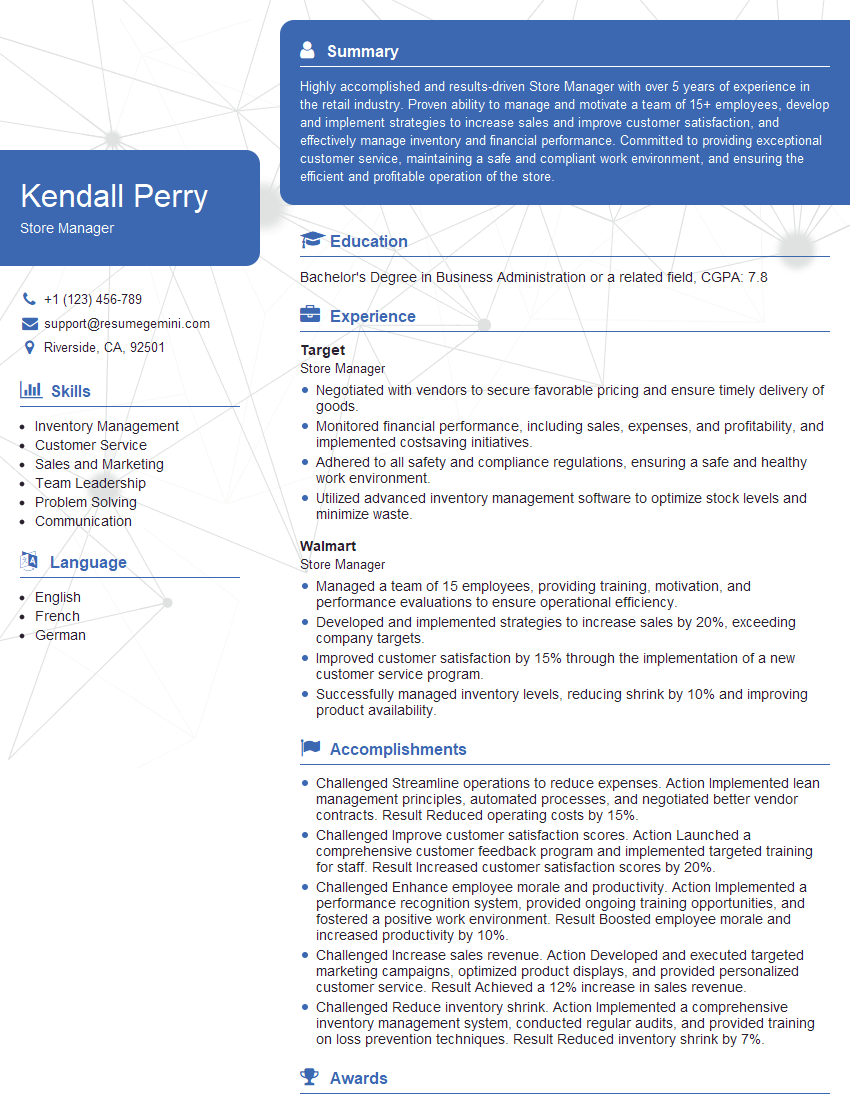
Store Manager Resume Sample
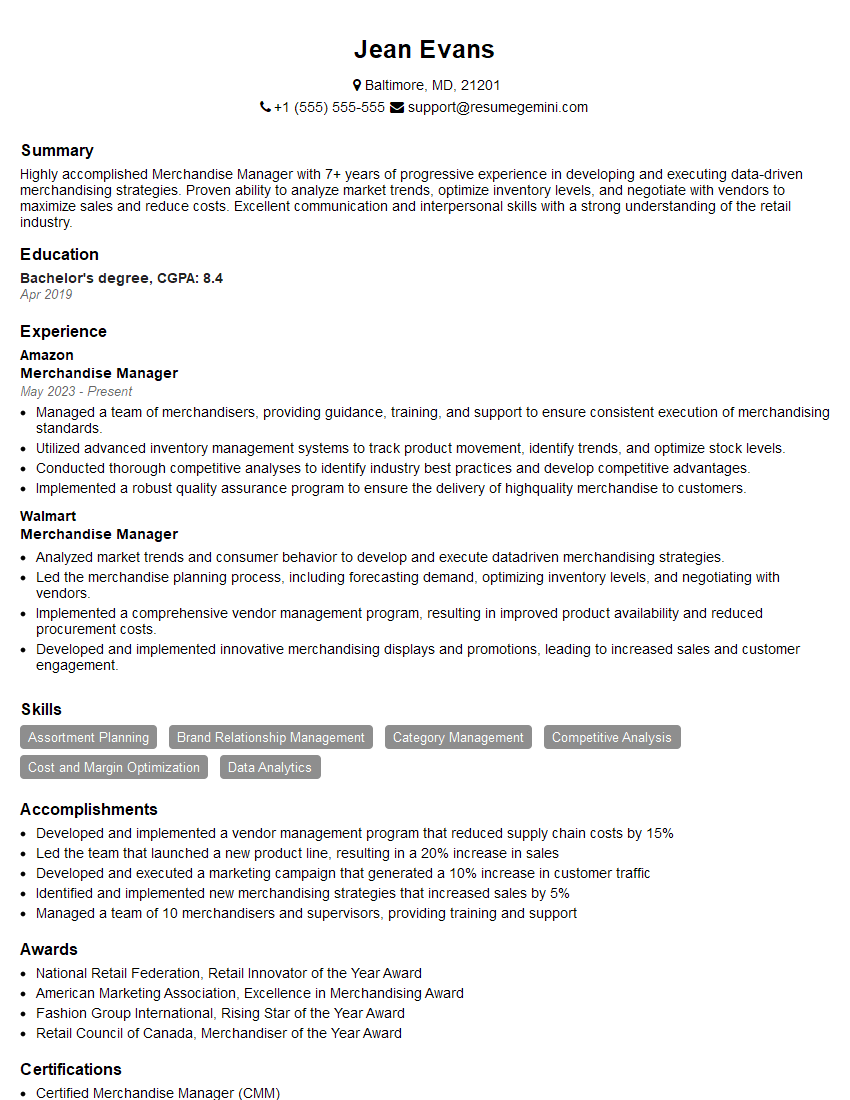
Merchandise Manager Resume Sample
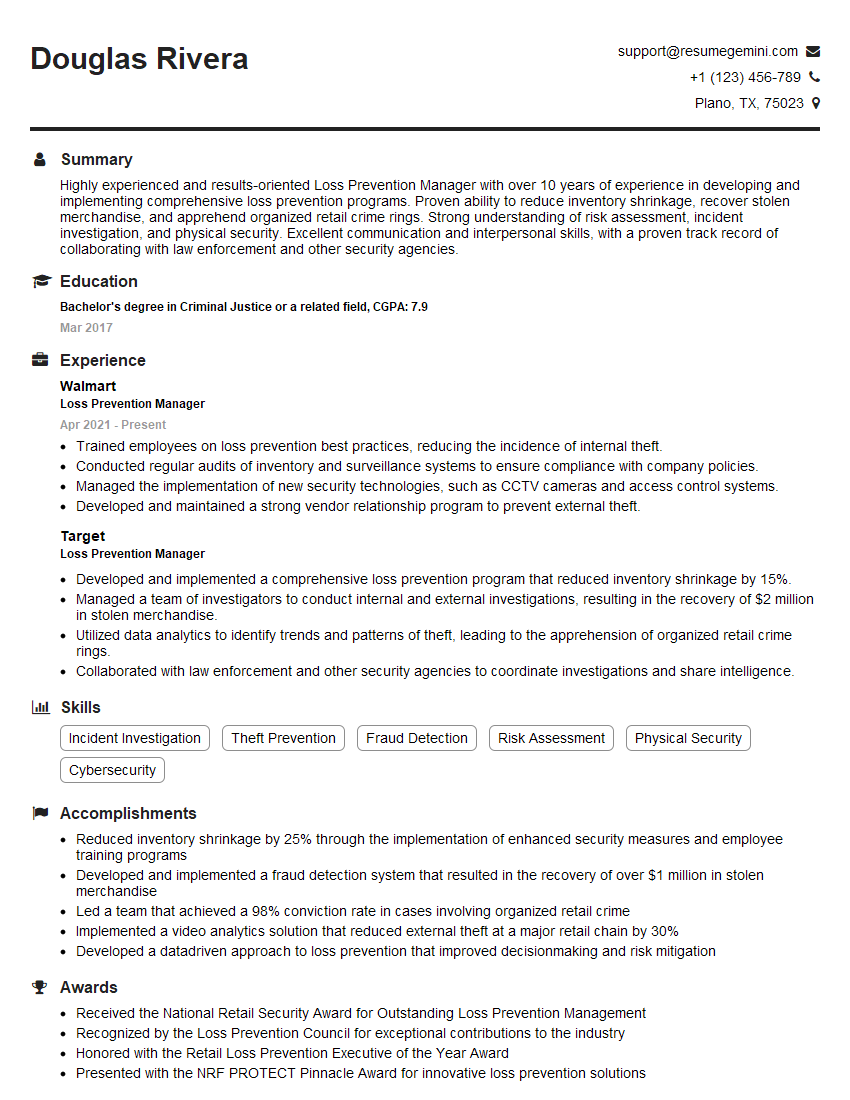
Loss Prevention Manager Resume Sample
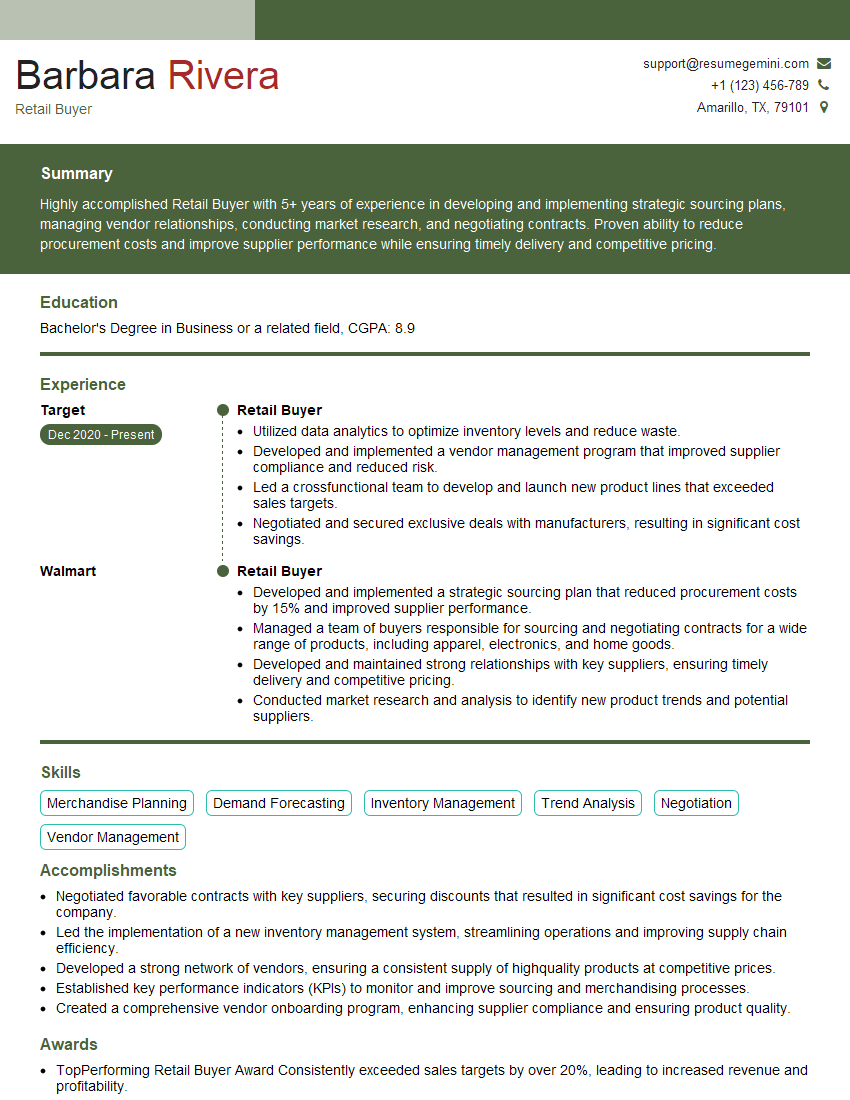
Retail Buyer Resume Sample

Inventory Manager Resume Sample
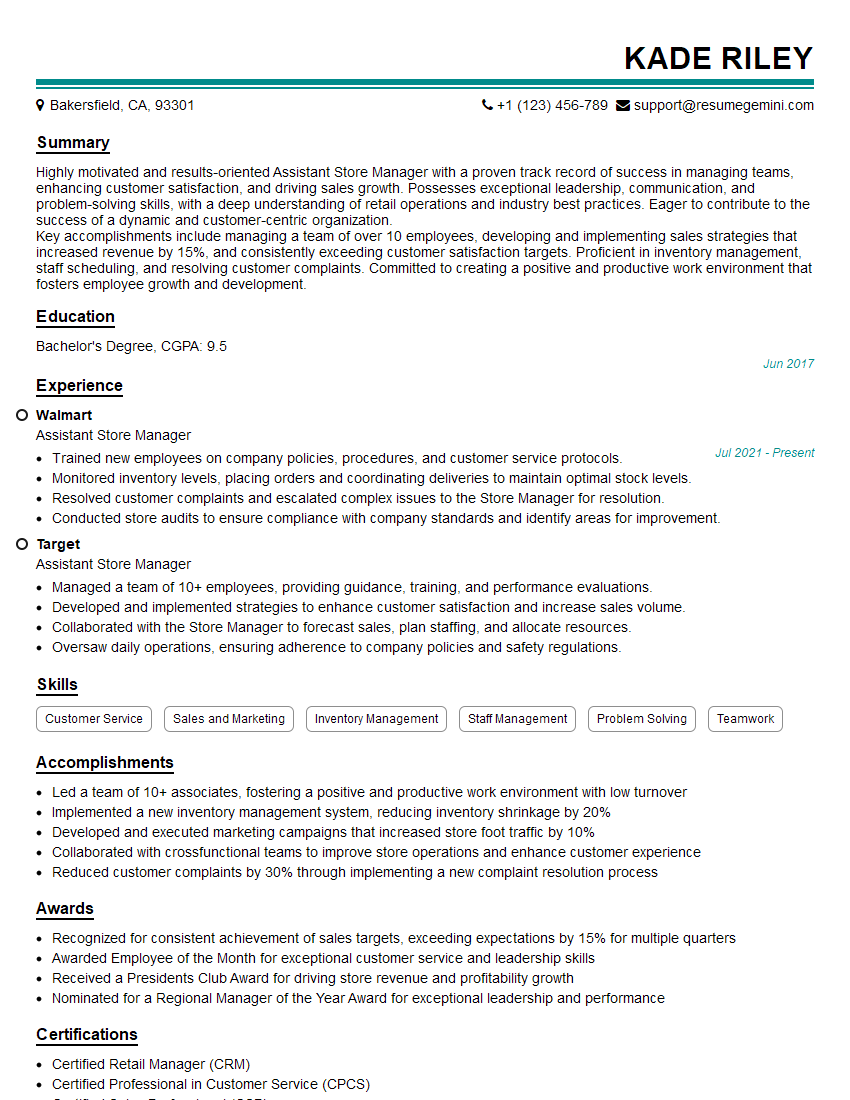
Assistant Store Manager Resume Sample
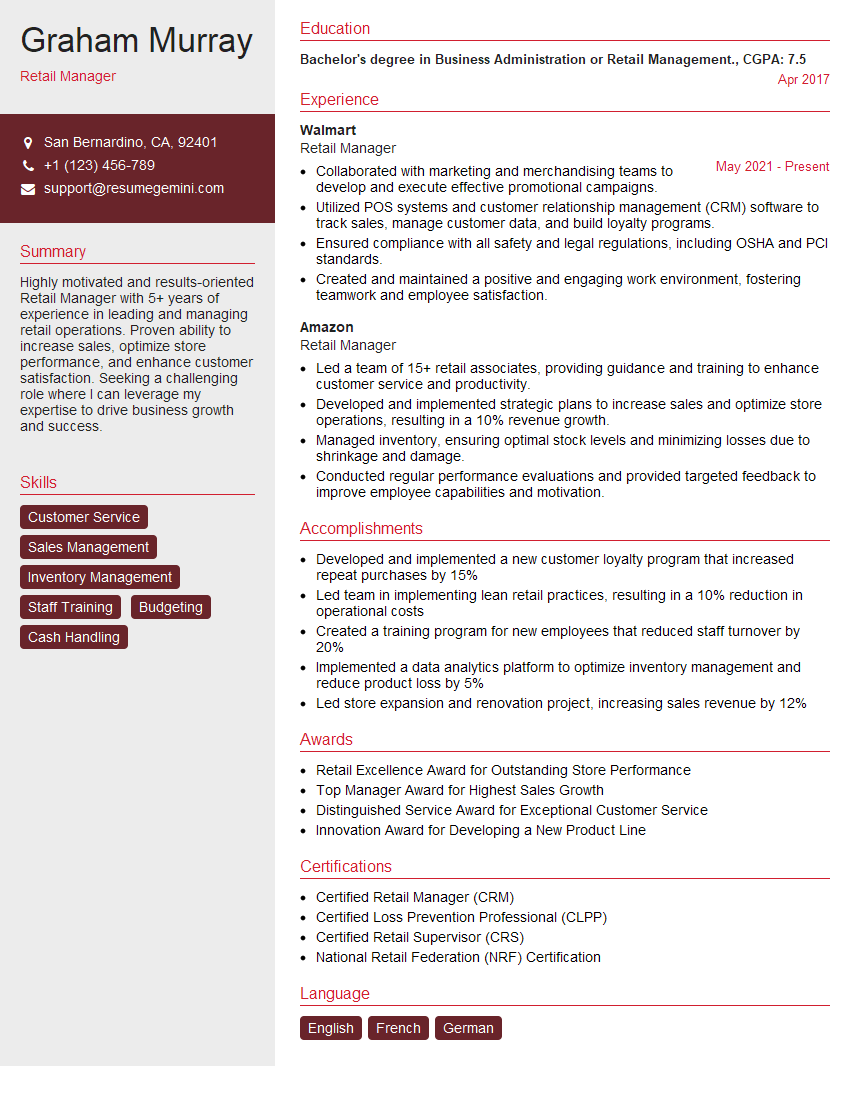
Retail Manager Resume Sample
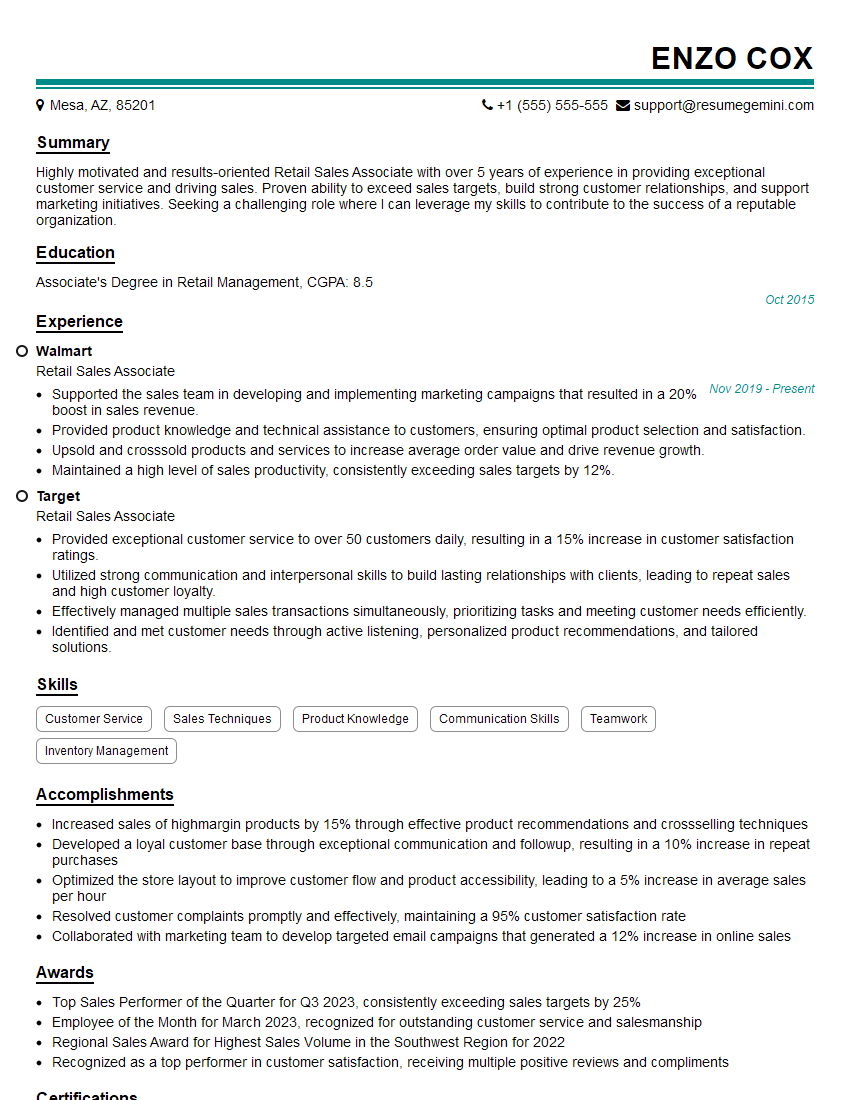
Retail Sales Associate Resume Sample
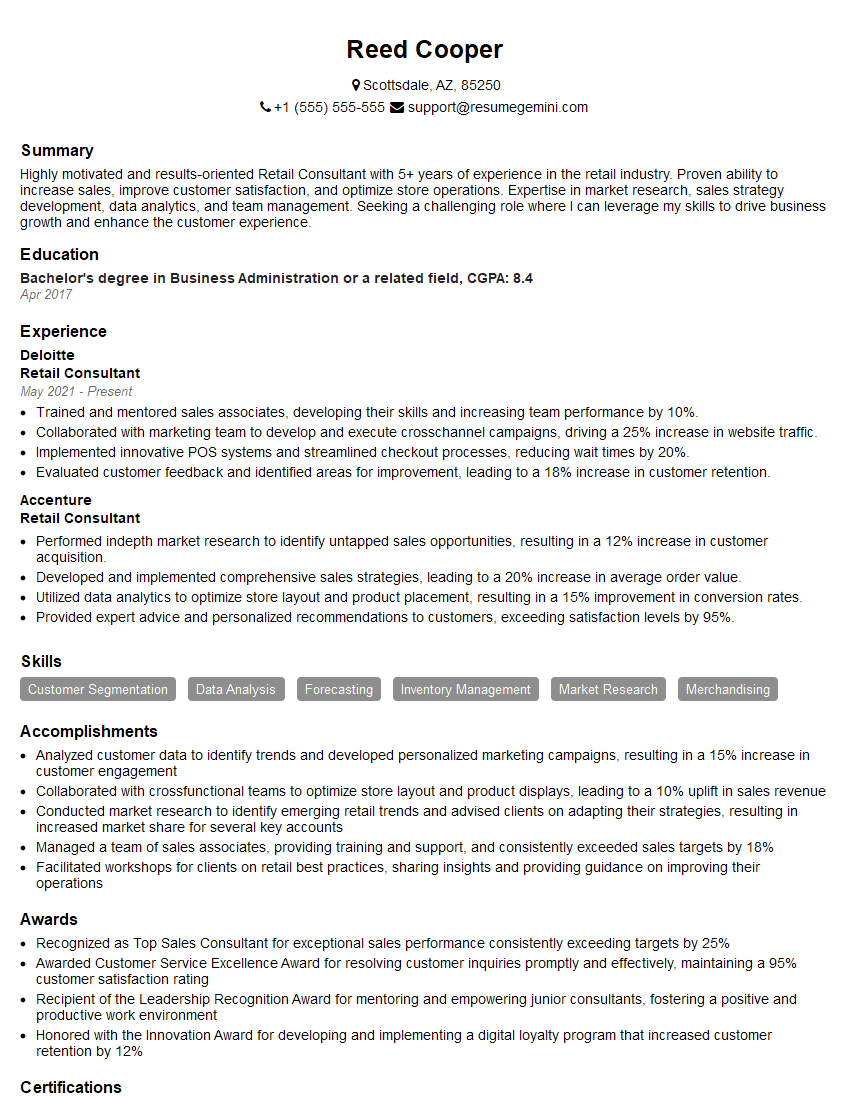
Retail Consultant Resume Sample
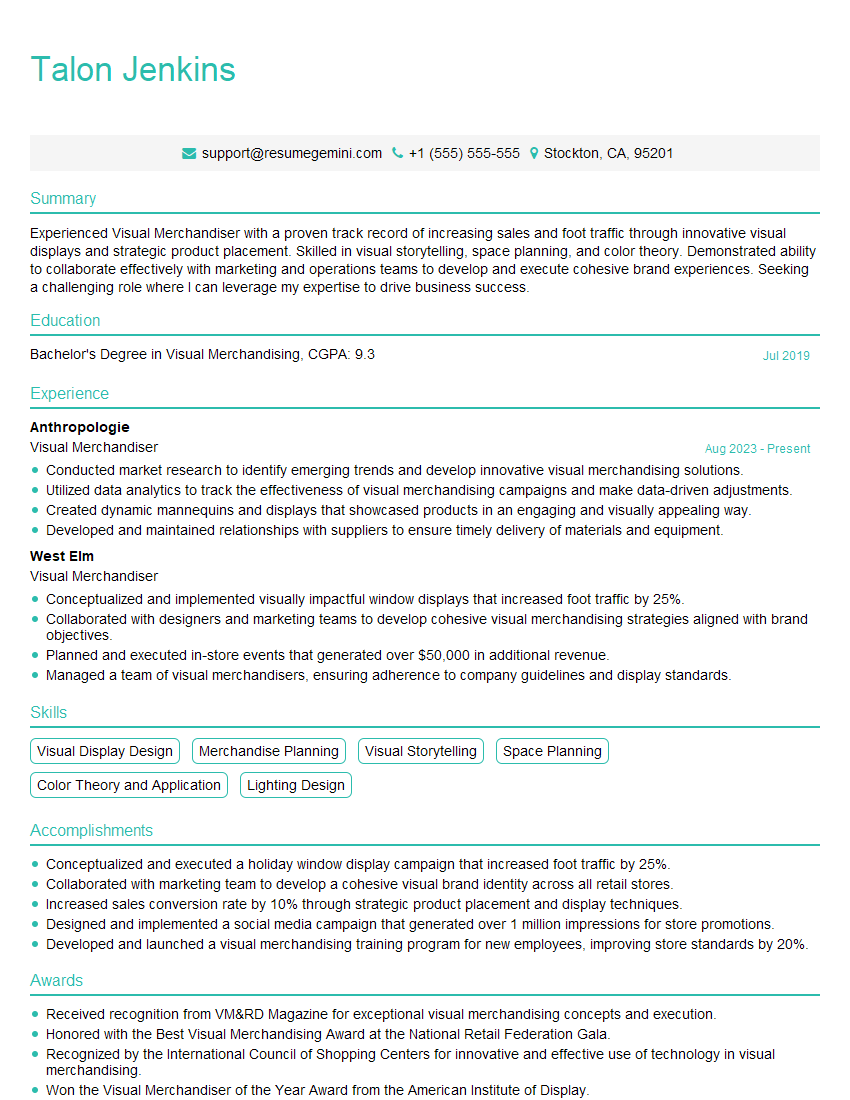
Visual Merchandiser Resume Sample
Explore more articles
Users Rating of Our Blogs
Share Your Experience
We value your feedback! Please rate our content and share your thoughts (optional).
What Readers Say About Our Blog
Very informative content, great job.
good