Interviews are opportunities to demonstrate your expertise, and this guide is here to help you shine. Explore the essential Safety Assessment and Review interview questions that employers frequently ask, paired with strategies for crafting responses that set you apart from the competition.
Questions Asked in Safety Assessment and Review Interview
Q 1. Describe your experience conducting hazard identification and risk assessment using different methodologies (e.g., HAZOP, FMEA, FTA).
Hazard identification and risk assessment are crucial for proactive safety management. My experience encompasses utilizing various methodologies, each with its strengths depending on the context. For instance, HAZOP (Hazard and Operability Study) is a systematic, team-based approach ideally suited for complex processes. We brainstorm deviations from normal operating parameters and analyze potential hazards and consequences. I’ve used HAZOP extensively in chemical plant design, identifying potential leaks, explosions, and fires. FMEA (Failure Mode and Effects Analysis) is more focused on component-level failures, tracing potential causes, effects, and severity. This has been invaluable in evaluating the reliability of safety-critical systems like emergency shutdown systems in oil refineries. Finally, FTA (Fault Tree Analysis) is a deductive method, starting with an undesired event and working backward to identify the contributing factors. I employed FTA during a root cause analysis of a near-miss incident involving a conveyor belt malfunction, pinpointing the chain of events that led to the near-miss. In all cases, I meticulously document findings, assign risk levels, and recommend mitigating actions.
Example: During a HAZOP study of a new chemical reactor, we identified a potential for overpressure due to a runaway reaction. Through a structured analysis using the HAZOP guide words (e.g., ‘more’, ‘less’, ‘other than’), we determined the consequences, likelihood, and potential mitigating controls such as pressure relief valves and advanced control systems.
Q 2. Explain the difference between qualitative and quantitative risk assessment.
Qualitative and quantitative risk assessments differ in their approach to evaluating risk. Qualitative assessment relies on subjective judgments and descriptive terms to estimate the likelihood and severity of hazards. This approach is useful in the early stages of a project or when limited data is available. We might use terms like ‘high,’ ‘medium,’ and ‘low’ for both likelihood and severity, and combine them to produce an overall risk rating (e.g., High likelihood and High Severity = High Risk). Quantitative risk assessment, on the other hand, uses numerical data and statistical analysis to provide a more precise estimation of risk. This often involves calculating probabilities and potential losses. For instance, we might estimate the annual probability of a specific equipment failure and the associated cost of repair or replacement.
Example: A qualitative risk assessment of a construction site might focus on identifying hazards such as falling objects and unsafe working conditions, categorizing them according to likelihood and consequence. A quantitative assessment would involve collecting data on the frequency of similar accidents in comparable settings and using this data to estimate the probability of accidents and associated costs.
Q 3. How do you determine the acceptable level of risk in a given scenario?
Determining an acceptable level of risk is a crucial aspect of safety management. It’s not about eliminating all risk—that’s often impossible and impractical—but rather about managing risk to an acceptable level. This involves balancing the cost and effort of risk reduction against the potential benefits. The acceptable risk level is usually defined based on a combination of factors including regulatory requirements, organizational risk tolerance, and societal expectations. It might involve comparing the risk to similar operations or activities, and referencing industry best practices. A risk matrix, combining likelihood and consequence, is commonly used to visualize and rank risks. This informs decisions about whether risks are acceptable, require mitigation, or need to be avoided altogether.
Example: In the aviation industry, the acceptable risk of a catastrophic accident is incredibly low. Rigorous safety procedures and regulations are in place to achieve this extremely low risk level. In contrast, a slightly higher risk might be acceptable for a less critical operation, such as a minor equipment failure.
Q 4. What safety regulations and standards are you familiar with (e.g., OSHA, ISO 45001)?
My familiarity with safety regulations and standards is extensive, encompassing both national and international regulations. I’m well-versed in OSHA (Occupational Safety and Health Administration) standards in the US, particularly regarding hazard communication, lockout/tagout procedures, and personal protective equipment (PPE). Internationally, I’m proficient in ISO 45001, the international standard for occupational health and safety management systems, covering risk assessment, control, and continuous improvement. In addition to these, my experience includes working with industry-specific codes and standards relevant to various sectors, such as API (American Petroleum Institute) standards for oil and gas operations. My understanding extends to environmental regulations related to safety, ensuring compliance across multiple jurisdictions.
Q 5. Describe your experience with developing and implementing safety procedures and programs.
Developing and implementing safety procedures and programs requires a structured approach. This typically starts with a thorough risk assessment, defining hazards and implementing controls. The next step is the creation of detailed safety procedures that outline the necessary steps for completing tasks safely. These procedures should be clear, concise, and easy to understand for all personnel. The implementation phase involves training employees on the new procedures, providing necessary PPE, and ensuring adequate supervision. Continuous improvement is essential. This involves regularly reviewing and updating safety procedures based on feedback, accident investigations, and industry best practices. I have been involved in developing safety management systems that cover everything from emergency response plans to safe work permits, and regularly conduct training on topics like confined space entry, hazard awareness, and emergency procedures.
Example: In a previous role, I developed a new safety program for handling hazardous chemicals. This involved updating the chemical inventory database, implementing new labeling standards, providing comprehensive safety data sheets (SDS), and delivering detailed training to all personnel on proper chemical handling techniques.
Q 6. How do you conduct safety audits and inspections?
Safety audits and inspections are vital for ensuring the effectiveness of safety programs. My approach involves a combination of planned and unplanned inspections. Planned inspections are usually based on a schedule and focus on specific areas or equipment. Unplanned inspections, on the other hand, are more spontaneous and are designed to identify immediate hazards. During an inspection, I use checklists to ensure a thorough evaluation and to systematically document findings. This involves verifying compliance with safety regulations, observing worker practices, and inspecting equipment and facilities for potential hazards. Observations are documented using photos and written reports, including recommendations for corrective actions. Following the inspection, a report is issued to management with findings and recommendations for improvement, prioritized according to their severity and likelihood.
Example: A recent inspection of a manufacturing facility involved checking for proper machine guarding, ensuring workers were using appropriate PPE, and verifying the effectiveness of the lockout/tagout procedures. We identified several minor deficiencies, such as missing safety labels, which were promptly addressed.
Q 7. What are your strategies for communicating safety concerns and recommendations to management and workers?
Effective communication is paramount for fostering a strong safety culture. My strategy involves multiple channels to reach both management and workers. For management, formal reports, presentations, and dashboards are used to communicate key findings, risks, and performance metrics. I also maintain open communication lines for discussing concerns and seeking input on safety improvements. For workers, communication is more interactive. This includes toolbox talks, safety training, regular updates on safety performance, and readily accessible safety information. Furthermore, I encourage a culture of open communication where workers feel comfortable reporting hazards or near misses without fear of retribution. Communication is always tailored to the audience and uses clear, concise language, avoiding technical jargon where possible. In addition, visual aids such as posters, infographics, and videos are used to enhance understanding and engagement.
Example: When we identified a potential hazard related to a specific piece of equipment, we initiated a safety alert system that informed both management and workers, implemented immediate corrective actions, and followed up with refresher training to address the root cause of the issue.
Q 8. Explain your experience with incident investigation and root cause analysis.
Incident investigation and root cause analysis are crucial for preventing future incidents. My approach involves a systematic process, starting with securing the scene (if applicable) and gathering evidence. I utilize various investigative techniques, including interviewing witnesses, reviewing documentation (e.g., maintenance logs, training records), and conducting physical inspections. The goal is not just to identify *what* happened but *why*.
For root cause analysis, I often employ methods like the ‘5 Whys’ technique (repeatedly asking ‘why’ to drill down to the underlying cause), fault tree analysis (diagraming potential causes leading to an event), and fishbone diagrams (identifying contributing factors). For example, in investigating a near-miss involving a forklift, the initial ‘why’ might be ‘the forklift driver didn’t see the pedestrian.’ Subsequent ‘whys’ might uncover issues like inadequate lighting, lack of training on safe operating procedures, or even a faulty horn. Addressing the root cause, rather than just the immediate symptoms, prevents recurrence. I always ensure my investigations are objective, thorough, and documented comprehensively to facilitate learning and improvement.
Q 9. How do you ensure that safety improvements are effectively implemented and maintained?
Effective implementation and maintenance of safety improvements require a multi-faceted approach. It’s not enough to just identify solutions; you need to ensure they are adopted, integrated into existing workflows, and consistently applied. This involves clearly communicating the improvements to all stakeholders, providing the necessary resources (training, equipment, etc.), and establishing monitoring mechanisms to track effectiveness.
I use a phased approach: Firstly, clear, concise, and actionable recommendations are developed, followed by a detailed implementation plan with assigned responsibilities and timelines. Secondly, regular audits are conducted to monitor compliance and identify any issues. Finally, the improvements are integrated into the existing safety management system (SMS), ensuring ongoing review and adjustments as needed. For example, if a safety improvement involves new safety procedures, we would incorporate this into training materials, update standard operating procedures (SOPs), and regularly reinforce these changes through toolbox talks and other communication channels. Continuous monitoring with key performance indicators (KPIs) provides data to drive further improvements.
Q 10. Describe your experience with safety training and education programs.
I have extensive experience developing and delivering safety training programs tailored to specific audiences and hazards. My approach is based on adult learning principles, focusing on practical application and engagement. I utilize various training methods, including classroom instruction, hands-on workshops, simulations, and e-learning modules.
For instance, I once developed a comprehensive training program on hazard communication for a manufacturing plant. This included classroom sessions on hazard identification and risk assessment, practical demonstrations on using personal protective equipment (PPE), and interactive exercises to reinforce learning. We also created job-specific training materials and incorporated regular refresher courses to ensure continued competency. Evaluation methods like quizzes, practical tests, and observation of on-the-job performance ensure that training is effective and contributes to a safer work environment. I believe effective safety training is an investment, not an expense.
Q 11. How do you manage safety performance indicators (KPIs)?
Managing safety performance indicators (KPIs) involves selecting relevant metrics, tracking their performance over time, analyzing trends, and using the data to inform decision-making. Key KPIs might include incident rates (frequency, severity), near-miss reports, safety observation scores, training completion rates, and the effectiveness of corrective actions.
I use data visualization tools (e.g., dashboards) to present this information clearly and concisely to management and employees. Regular KPI reviews allow us to identify areas requiring improvement and track the effectiveness of interventions. For example, a consistent increase in near-miss reports might indicate a need for additional training or a review of existing safety procedures. Crucially, it’s not just about tracking numbers; we also need to understand the *context* behind the data and look for underlying patterns.
Q 12. Explain your experience with safety management systems (SMS).
Safety Management Systems (SMS) are a structured approach to managing safety risks. My experience encompasses the implementation, maintenance, and improvement of SMS across various industries. I’m proficient in developing and documenting SMS policies, procedures, and work instructions, ensuring they align with relevant regulations and best practices.
A key aspect of SMS is the establishment of a strong safety culture. This requires promoting proactive hazard identification, encouraging reporting of near misses and incidents without fear of blame, and fostering a collaborative approach to safety management. I’ve implemented SMS in settings ranging from construction sites to manufacturing plants, adapting the system to the specific needs and risks of each environment. This involves regular audits, management reviews, and continuous improvement cycles to maintain the effectiveness of the SMS and to adapt to evolving risks.
Q 13. How do you handle conflicts or disagreements regarding safety issues?
Conflicts regarding safety issues are inevitable, but they need to be addressed constructively. My approach is based on open communication, active listening, and collaborative problem-solving. I facilitate discussions to understand different perspectives, identify common ground, and develop mutually acceptable solutions.
I start by ensuring all parties involved have a clear understanding of the issue and the relevant safety regulations. If a resolution can’t be reached through dialogue, I might involve a more senior manager or utilize a formal conflict resolution process. The emphasis is always on maintaining a respectful and collaborative environment while ensuring safety is paramount. Documentation of the conflict, the resolution process, and the outcome is critical for future reference and to prevent similar conflicts.
Q 14. Describe your experience with developing and reviewing safety documentation (e.g., risk assessments, safety plans, JSA).
Developing and reviewing safety documentation is fundamental to effective safety management. I have extensive experience in creating and reviewing various documents, including risk assessments, safety plans, Job Safety Analyses (JSAs), and safety procedures.
My approach emphasizes clarity, completeness, and practicality. Risk assessments should identify hazards, evaluate their risks, determine appropriate control measures, and assign responsibilities. JSAs break down tasks into steps and identify potential hazards at each step, suggesting control measures. Safety plans outline the overall safety approach for a project or activity. I ensure all documentation is regularly reviewed and updated to reflect any changes in processes, technology, or regulatory requirements. The key is to create practical documents that are easy to understand and use by workers, not just a bureaucratic exercise. Using clear language and visuals significantly improves comprehension and adoption.
Q 15. How do you prioritize safety improvements when resources are limited?
Prioritizing safety improvements with limited resources requires a strategic approach. We need to balance the risk levels associated with various hazards against the cost and effort of mitigation. I typically employ a risk-based prioritization method, focusing on the most critical hazards first.
- Risk Assessment: A thorough risk assessment, using methods like HAZOP (Hazard and Operability Study) or FMEA (Failure Mode and Effects Analysis), helps quantify the likelihood and severity of potential incidents. This provides a data-driven basis for prioritization.
- Cost-Benefit Analysis: For each identified hazard, I analyze the cost of implementing a control measure against the potential cost of an incident (lost production, injury compensation, environmental damage). This helps determine the most cost-effective safety improvements.
- Prioritization Matrix: I often use a matrix that plots risks based on likelihood and severity, allowing for easy visualization and prioritization. High likelihood and high severity risks take precedence.
- Phased Implementation: Given budget limitations, I plan for phased implementation. We address the highest priority risks first and gradually tackle less critical hazards over time. This ensures we maximize impact with available resources.
For example, in a manufacturing plant, if a risk assessment identifies a high likelihood of serious injury from a malfunctioning machine, that would take priority over improving the lighting in a less hazardous area, even if the lighting improvement is relatively inexpensive.
Career Expert Tips:
- Ace those interviews! Prepare effectively by reviewing the Top 50 Most Common Interview Questions on ResumeGemini.
- Navigate your job search with confidence! Explore a wide range of Career Tips on ResumeGemini. Learn about common challenges and recommendations to overcome them.
- Craft the perfect resume! Master the Art of Resume Writing with ResumeGemini’s guide. Showcase your unique qualifications and achievements effectively.
- Don’t miss out on holiday savings! Build your dream resume with ResumeGemini’s ATS optimized templates.
Q 16. How do you stay updated on the latest developments in safety regulations and best practices?
Staying current in safety regulations and best practices is crucial. I use a multi-pronged approach:
- Professional Organizations: Active membership in organizations like the American Society of Safety Professionals (ASSP) provides access to publications, conferences, and networking opportunities. This exposure to leading experts and their research is invaluable.
- Regulatory Websites: I regularly monitor websites of relevant regulatory bodies like OSHA (Occupational Safety and Health Administration) and EPA (Environmental Protection Agency) for updates on new rules and guidance. I use RSS feeds to receive notifications of any changes.
- Industry Publications and Journals: I subscribe to trade magazines and professional journals focused on safety in my specific industry. This ensures I’m aware of emerging trends, technologies, and best practices.
- Training and Seminars: I actively participate in training courses and seminars, both online and in-person, to maintain and expand my knowledge base. This includes specialized training on new safety technologies and methodologies.
- Networking: Attending industry conferences and networking events allows me to learn from the experiences of others and gain insights into new approaches.
Continuous learning is essential in this field; regulations and best practices are constantly evolving.
Q 17. Describe your experience with working in a cross-functional team on safety-related projects.
I have extensive experience working in cross-functional teams on safety projects. Effective teamwork is paramount in safety, as it requires input from various departments like operations, engineering, human resources, and legal. My approach emphasizes clear communication, shared goals, and mutual respect.
- Communication: I ensure regular communication through meetings, email updates, and shared project management tools. This keeps everyone informed and aligned.
- Collaboration: I encourage collaborative problem-solving, brainstorming sessions, and open discussion of ideas and concerns. This fosters a sense of shared ownership and responsibility.
- Conflict Resolution: Inevitably, disagreements arise. I facilitate constructive dialogue to resolve conflicts efficiently and respectfully, prioritizing the overarching safety goal.
- Documentation: I meticulously document all decisions, actions, and findings, ensuring transparency and accountability within the team.
For example, during a recent project to improve warehouse safety, I collaborated with engineers on equipment modifications, with operations on implementing new procedures, and with HR on training employees on the new safety protocols. The collaborative nature of the project led to a highly effective and comprehensive safety upgrade.
Q 18. What is your experience with emergency response planning and procedures?
My experience in emergency response planning and procedures includes developing, implementing, and regularly updating emergency response plans for various settings. This involves:
- Risk Assessment: Identifying potential emergency scenarios and assessing their likelihood and severity.
- Plan Development: Creating detailed plans that outline procedures for various emergencies, including evacuation procedures, first aid response, communication protocols, and post-incident recovery.
- Training and Drills: Conducting regular training exercises and drills to ensure that employees are familiar with the emergency response plans and can effectively execute them.
- Communication Systems: Establishing reliable communication systems for use during emergencies.
- Post-Incident Review: Conducting thorough post-incident reviews to identify areas for improvement in the emergency response plan.
In my previous role, I developed and implemented an emergency response plan for a chemical plant that included detailed procedures for handling chemical spills, fires, and medical emergencies. The plan involved regular drills, comprehensive training, and a robust communication system. This proactive approach ensured a swift and effective response during actual incidents, minimizing potential harm.
Q 19. Explain your experience with using safety software or databases.
I have extensive experience using safety software and databases to manage safety data, track incidents, and conduct analysis. This includes:
- Incident Reporting Systems: I’ve utilized software for recording, investigating, and analyzing safety incidents, identifying trends and root causes. This allows for proactive mitigation strategies.
- Permit-to-Work Systems: I’ve used software to manage permits for high-risk activities, ensuring proper authorization and control measures are in place.
- Training Management Systems: I have experience with software to track employee training records, ensuring compliance with regulatory requirements.
- Risk Management Software: I’m familiar with software that aids in risk assessment and prioritization, including HAZOP and FMEA tools.
For example, in a previous role, we used a software system to track all safety incidents, allowing us to identify a recurring issue with a specific piece of equipment. This led to modifications to the equipment and improved training, significantly reducing the frequency of incidents.
Q 20. How do you ensure that contractors comply with your company’s safety standards?
Ensuring contractor compliance with our company’s safety standards is crucial. I employ a multifaceted approach:
- Pre-qualification: Before engaging contractors, we conduct thorough pre-qualification checks, reviewing their safety records, insurance coverage, and safety management systems.
- Contractual Obligations: Our contracts explicitly outline safety requirements and responsibilities for contractors, including adherence to our company’s safety rules and procedures.
- Site Orientation and Training: Contractors receive mandatory site-specific safety orientations and training on our company’s safety protocols and emergency procedures.
- Regular Inspections and Audits: We conduct regular inspections and audits to monitor contractor compliance with safety standards. This includes reviewing work practices, equipment safety, and personal protective equipment (PPE) usage.
- Performance Monitoring: Contractor performance is regularly monitored, and any safety violations are addressed promptly. This may involve corrective actions or even termination of the contract if necessary.
We treat contractor safety as an extension of our own, understanding that their safety directly impacts our overall workplace safety.
Q 21. Describe a time you had to make a difficult safety decision.
One of the most difficult safety decisions I had to make involved a production line that was consistently exceeding acceptable noise levels. While the noise levels were above OSHA’s limits, the production line was crucial for meeting a tight deadline on a major order.
Initially, there was pressure to continue production while exploring solutions. However, I strongly advocated for a temporary halt to the line until appropriate hearing protection was provided to all workers and the source of the excessive noise was identified and mitigated. This meant potentially delaying the order.
After presenting a detailed risk assessment illustrating the potential for long-term hearing damage and the associated costs, management agreed to temporarily shut down the line. We implemented enhanced hearing protection and identified a faulty component causing the excessive noise. Addressing this resulted in a significant reduction in noise levels. While it was a challenging decision with short-term production implications, it prevented potential long-term health issues for our employees and demonstrated a strong commitment to employee safety.
Q 22. How do you measure the effectiveness of a safety program?
Measuring the effectiveness of a safety program isn’t a simple task; it requires a multifaceted approach. We can’t solely rely on the absence of incidents, as that might mask underlying weaknesses. Instead, we need a robust system of indicators that capture the program’s overall health.
Firstly, we look at leading indicators, which predict future performance. These include things like the number of safety training hours completed, the frequency of safety inspections, the implementation rate of safety recommendations, and the participation rate in safety committees. A decrease in these leading indicators can signal potential problems before they escalate into incidents.
Secondly, we examine lagging indicators, which reflect past performance. This includes the number and severity of incidents, lost-time injuries (LTIs), near misses, and property damage. A decrease in these lagging indicators demonstrates improved safety performance.
Furthermore, regular safety audits, both internal and external, are crucial. These audits rigorously assess compliance with safety regulations, procedures, and best practices. The findings provide valuable insights into areas for improvement and can be used to measure the effectiveness of corrective actions.
Finally, employee surveys and feedback are invaluable. They gauge employee perception of safety, identify potential hazards not readily apparent, and assess the overall culture of safety within the organization. A positive safety culture, where employees feel empowered to report hazards and participate in safety initiatives, is a strong indicator of a successful program.
For example, in a previous role, we implemented a new safety training program and tracked both the number of employees who completed the training (leading) and the subsequent reduction in workplace injuries (lagging). The results clearly showed the program’s positive impact. We also incorporated employee feedback, leading to further refinements in our approach.
Q 23. What are some common safety hazards in your area of expertise?
Common safety hazards vary depending on the specific industry. In my experience focusing on industrial settings, some prevalent hazards include:
- Machine guarding failures: Inadequate or malfunctioning guards on machinery can lead to crushing, cutting, or trapping injuries.
- Lockout/Tagout (LOTO) violations: Failure to properly de-energize equipment before maintenance or repair is a leading cause of electrocution and other serious injuries.
- Hazardous energy sources: This includes electrical hazards, compressed air/gas leaks, and exposure to chemicals and flammable materials.
- Ergonomic issues: Repetitive movements, awkward postures, and excessive force can lead to musculoskeletal disorders (MSDs).
- Slips, trips, and falls: These are frequently the cause of minor to severe injuries and are often preventable.
- Working at heights: Falls from elevated work positions are a major source of serious injuries and fatalities.
- Exposure to hazardous chemicals: Improper handling, storage, or disposal of chemicals can lead to various health problems.
These are only a few examples. A comprehensive hazard identification process is vital to address the specific risks in each work environment.
Q 24. Describe your experience with ergonomic assessments and recommendations.
Ergonomic assessments are a critical part of my safety practice. I’ve conducted numerous assessments across different sectors, focusing on identifying and mitigating physical risks in the workplace. My approach involves a systematic process:
- Observation: I begin by observing workers performing their tasks, noting their postures, movements, and the tools and equipment they use.
- Interviews: I interview workers to understand their experiences, any discomfort they experience, and their perceptions of the work environment.
- Measurements: I use tools such as tape measures, goniometers (to measure joint angles), and other relevant instruments to quantify aspects of the workstation setup and worker’s movements.
- Analysis: I analyze the collected data using ergonomic principles to identify risk factors, such as repetitive strain, awkward postures, excessive force, and vibration.
- Recommendations: Based on my analysis, I provide specific, practical recommendations to mitigate the identified risks. This might include adjusting workstation heights, providing ergonomic chairs, using different tools, implementing work-rest schedules, or providing job rotation.
For instance, I once conducted an ergonomic assessment for a manufacturing facility where workers experienced repetitive strain injuries. My recommendations included redesigning the assembly line to reduce repetitive movements, implementing stretch breaks throughout the workday, and providing adjustable workbenches. The implementation of these changes led to a significant reduction in MSDs among the workers.
Q 25. Explain the process of developing a safety case.
Developing a safety case is a rigorous process used to demonstrate that the risks associated with a particular activity or process are acceptably low. It’s a structured document that systematically justifies the safety of an operation. The process generally involves:
- Hazard Identification and Risk Assessment: A comprehensive hazard identification process is performed to identify all potential hazards. Then, a risk assessment is conducted to evaluate the likelihood and severity of each hazard.
- Safety Objectives and Targets: Specific safety objectives and targets are established, outlining the desired level of safety performance.
- Safety Controls and Measures: Detailed descriptions of the safety controls and measures implemented to mitigate identified hazards are provided, including engineering controls, administrative controls, and personal protective equipment (PPE).
- Justification of Safety: The safety case demonstrates that the combination of risk assessment, safety controls, and mitigation measures achieves the established safety objectives and targets. This often involves quantitative analysis, using methods like fault tree analysis or event tree analysis.
- Safety Case Review and Approval: The safety case is subject to thorough review and approval by competent authorities or stakeholders before the activity or process can proceed.
- Monitoring and Review: Once the safety case is approved, ongoing monitoring and review are required to ensure continued effectiveness and to make adjustments as needed.
A well-developed safety case provides a strong assurance of safety, transparency, and accountability. It can be crucial in obtaining permits, licenses, and insurance, particularly for high-risk activities.
Q 26. How do you identify and mitigate human factors contributing to accidents?
Human factors are significant contributors to accidents. Identifying and mitigating them requires a holistic approach. This includes:
- Root Cause Analysis (RCA): Techniques like the 5 Whys or Fishbone diagrams are used to delve deep into the underlying causes of incidents, often revealing human factors such as fatigue, stress, lack of training, inadequate procedures, or poor communication.
- Human Factors Engineering: Designing work systems and procedures that account for human limitations and capabilities is vital. This includes optimizing tasks, workstations, and human-machine interfaces to improve usability and reduce error.
- Training and Competency Assessments: Ensuring that workers are adequately trained and possess the necessary competencies for their tasks is critical. Regular competency assessments help identify skill gaps and ensure ongoing proficiency.
- Behavioral Safety Programs: These programs focus on changing unsafe behaviors through positive reinforcement, peer feedback, and other behavioral interventions.
- Fatigue Management: Addressing fatigue through effective work-rest schedules, adequate sleep, and proactive monitoring of worker fatigue levels can significantly reduce error and increase safety.
- Stress Management: Implementing stress reduction programs and providing resources for employee wellbeing can improve safety performance.
For example, a recent investigation of a near-miss event revealed that poor communication between team members led to an unsafe procedure being followed. Our intervention involved implementing a stricter communication protocol, along with additional training on the correct procedure.
Q 27. What are your experiences with process safety management (PSM)?
Process Safety Management (PSM) is a systematic approach to managing the risks associated with hazardous processes. My experience with PSM includes:
- Hazard Identification and Risk Assessment: Conducting hazard and operability (HAZOP) studies, what-if analyses, and other risk assessment methodologies to identify and evaluate potential hazards.
- Process Safety Information (PSI): Developing and managing comprehensive PSI, including process flow diagrams, safety data sheets (SDS), and equipment specifications.
- Operating Procedures and Training: Developing and implementing safe operating procedures and ensuring adequate worker training on these procedures.
- Mechanical Integrity: Implementing and maintaining a program for ensuring the mechanical integrity of equipment through inspection, maintenance, and repair.
- Emergency Planning and Response: Developing and implementing emergency response plans, including procedures for handling incidents and evacuations.
- Incident Investigation and Reporting: Investigating incidents to determine their root causes and implementing corrective actions to prevent recurrence.
In a previous role, I led the implementation of a PSM system for a chemical processing plant. This involved the development of new operating procedures, enhanced training programs, and a rigorous mechanical integrity program. The implementation of this system resulted in a significant reduction in process safety incidents.
Q 28. Describe your understanding of different types of safety controls (e.g., engineering, administrative, personal protective equipment).
Safety controls are implemented to mitigate hazards and prevent accidents. They are often categorized into:
- Engineering Controls: These are physical changes to the workplace designed to eliminate or reduce hazards. Examples include machine guarding, ventilation systems, and isolation devices.
- Administrative Controls: These are procedural changes aimed at managing risks. Examples include safe work permits, job hazard analyses (JHAs), safety training programs, and standard operating procedures.
- Personal Protective Equipment (PPE): This includes items worn by workers to protect them from hazards. Examples include hard hats, safety glasses, gloves, hearing protection, and respirators.
The hierarchy of controls typically prioritizes engineering controls as the most effective, followed by administrative controls, and lastly PPE. PPE is considered a last resort and should be used in conjunction with other controls, not as a sole means of hazard mitigation.
It’s crucial to remember that these controls are not mutually exclusive. A comprehensive safety program often incorporates a combination of these control types to achieve optimal protection. For instance, providing a guarded machine (engineering) alongside strict operating procedures (administrative) and requiring the use of safety glasses (PPE) offers multiple layers of protection.
Key Topics to Learn for Safety Assessment and Review Interview
- Hazard Identification & Risk Assessment: Understanding various methodologies like HAZOP, What-If analysis, and fault tree analysis. Practical application: Demonstrate your ability to identify potential hazards in a given scenario and assess the associated risks using appropriate techniques.
- Safety Management Systems (SMS): Knowledge of different SMS frameworks (e.g., ISO 31000, ISO 45001) and their practical implementation within organizations. Practical application: Discuss your experience in developing or implementing safety procedures and protocols within a team or project.
- Accident Investigation & Root Cause Analysis: Mastering techniques to investigate incidents, identify root causes, and recommend preventative measures. Practical application: Describe your approach to a past incident investigation, highlighting your methodology and the impact of your recommendations.
- Regulatory Compliance & Legislation: Familiarity with relevant safety regulations and legislation within your industry. Practical application: Discuss your experience ensuring compliance with safety regulations and best practices.
- Safety Auditing & Inspections: Conducting effective safety audits and inspections to identify non-compliances and areas for improvement. Practical application: Explain your experience in performing safety audits and the resulting corrective actions.
- Safety Training & Communication: Developing and delivering effective safety training programs and communicating safety information clearly and concisely. Practical application: Describe your experience in training others on safety procedures and best practices.
- Risk Mitigation & Control Strategies: Implementing effective strategies to mitigate and control identified risks. Practical application: Provide examples of risk mitigation strategies you have successfully implemented.
Next Steps
Mastering Safety Assessment and Review is crucial for career advancement in this vital field. A strong understanding of these concepts opens doors to leadership roles and higher earning potential. To maximize your job prospects, it’s essential to create an ATS-friendly resume that effectively highlights your skills and experience. ResumeGemini is a trusted resource to help you build a professional and impactful resume. We provide examples of resumes tailored to Safety Assessment and Review to guide you in crafting a compelling application. Invest time in perfecting your resume – it’s your first impression with potential employers.
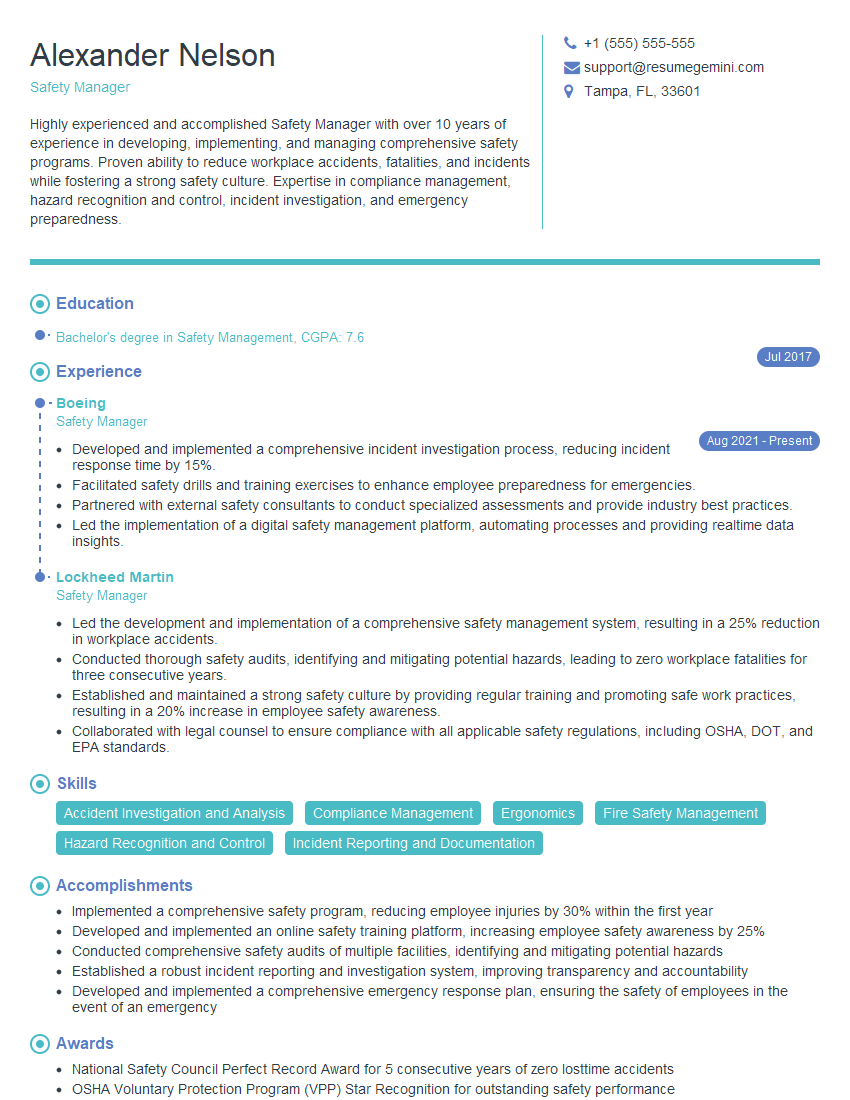
Safety Manager Resume Sample
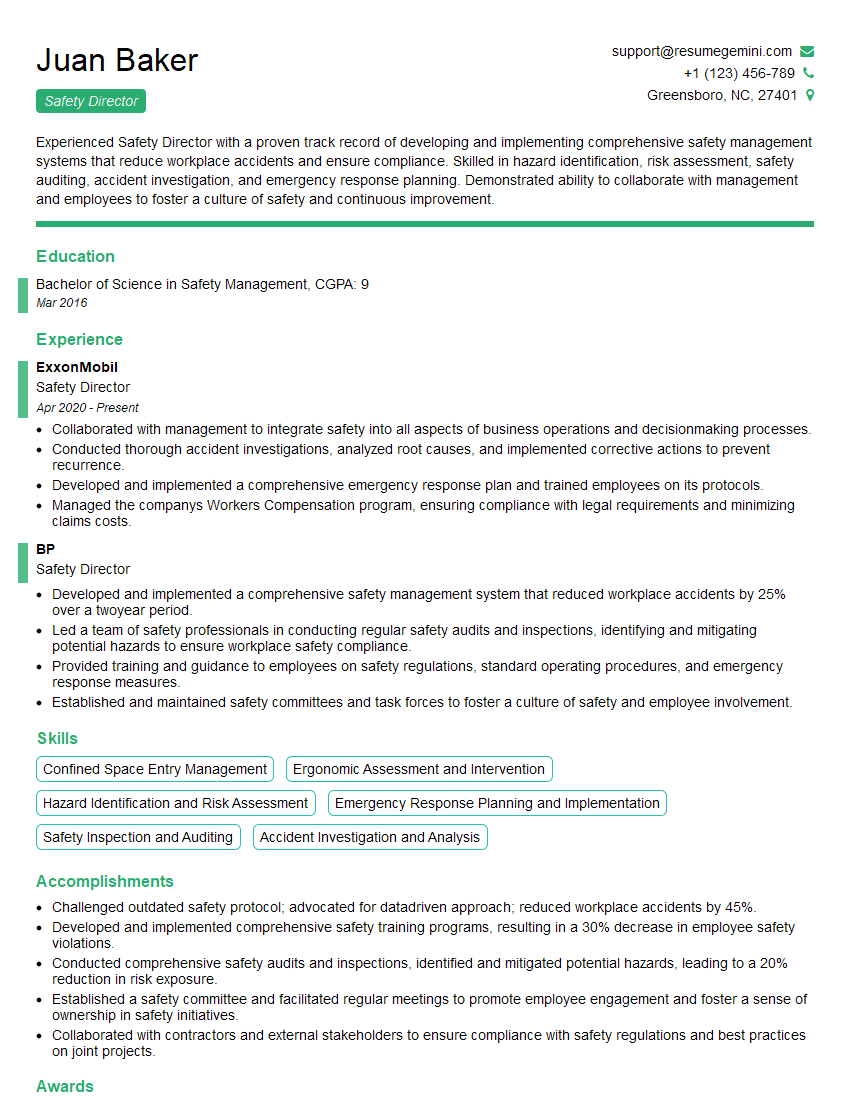
Safety Director Resume Sample
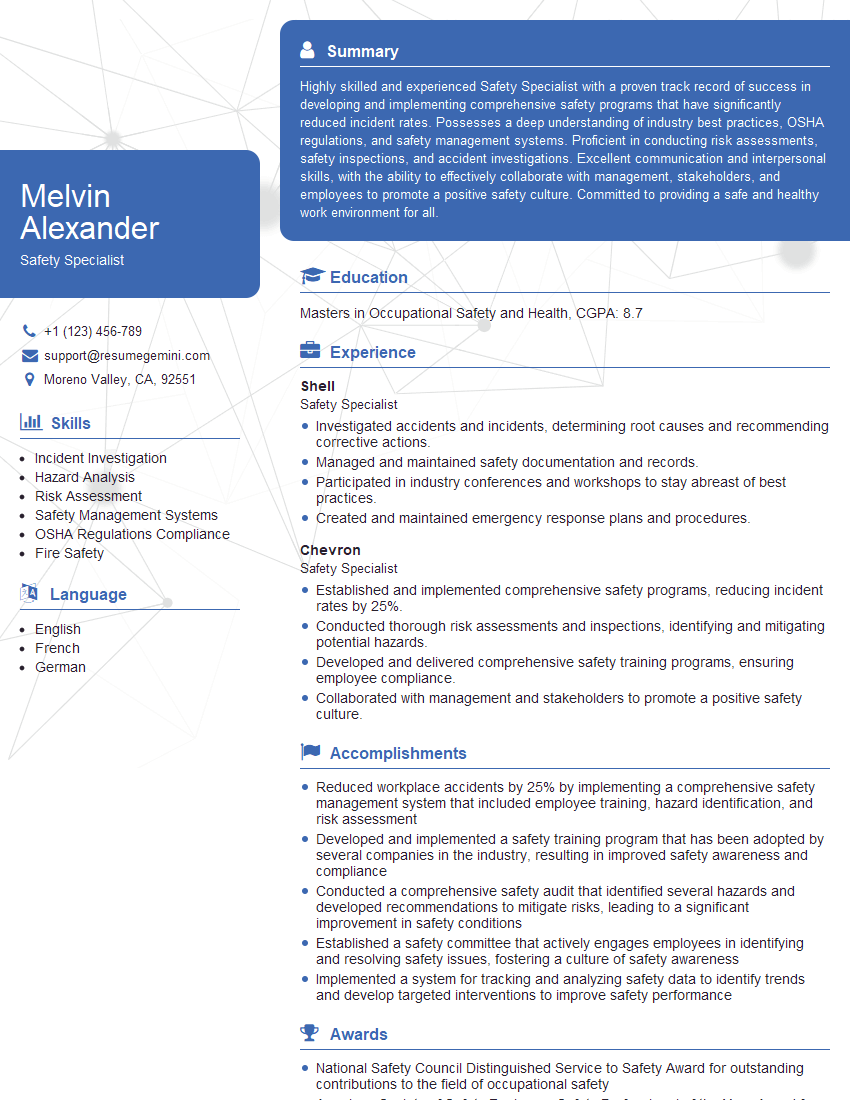
Safety Specialist Resume Sample
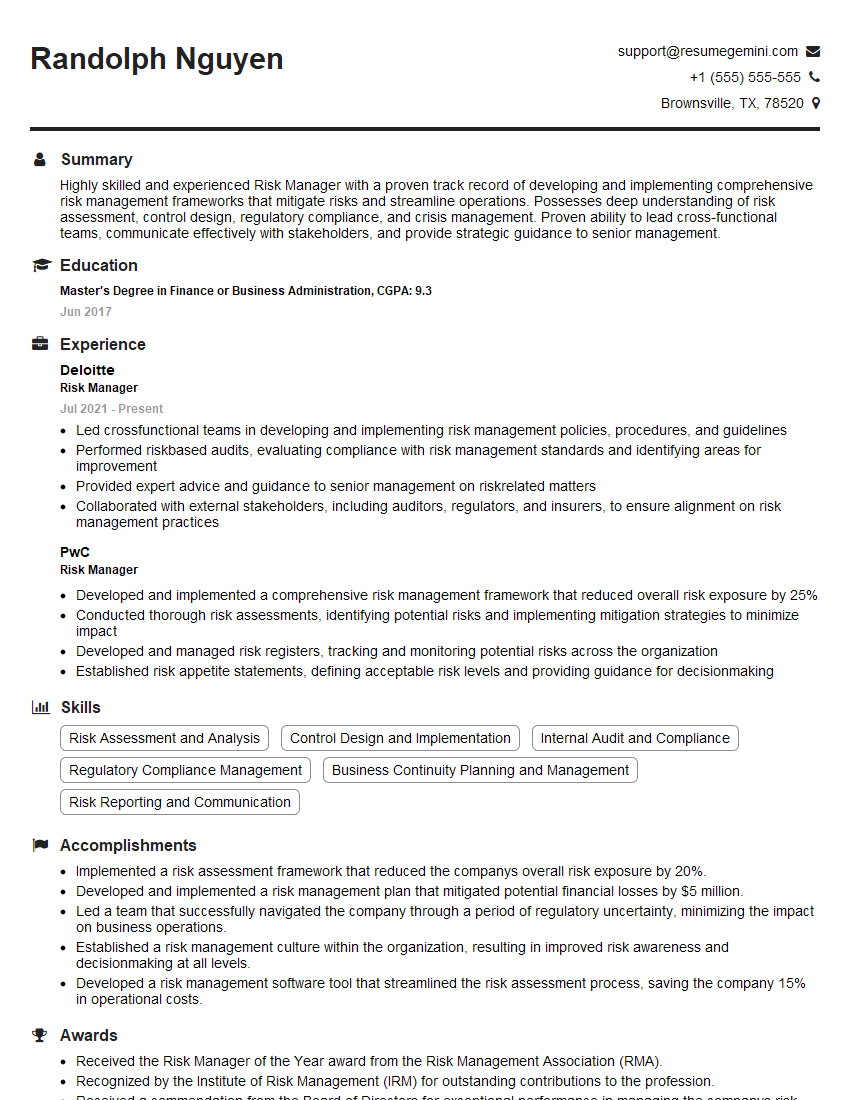
Risk Manager Resume Sample
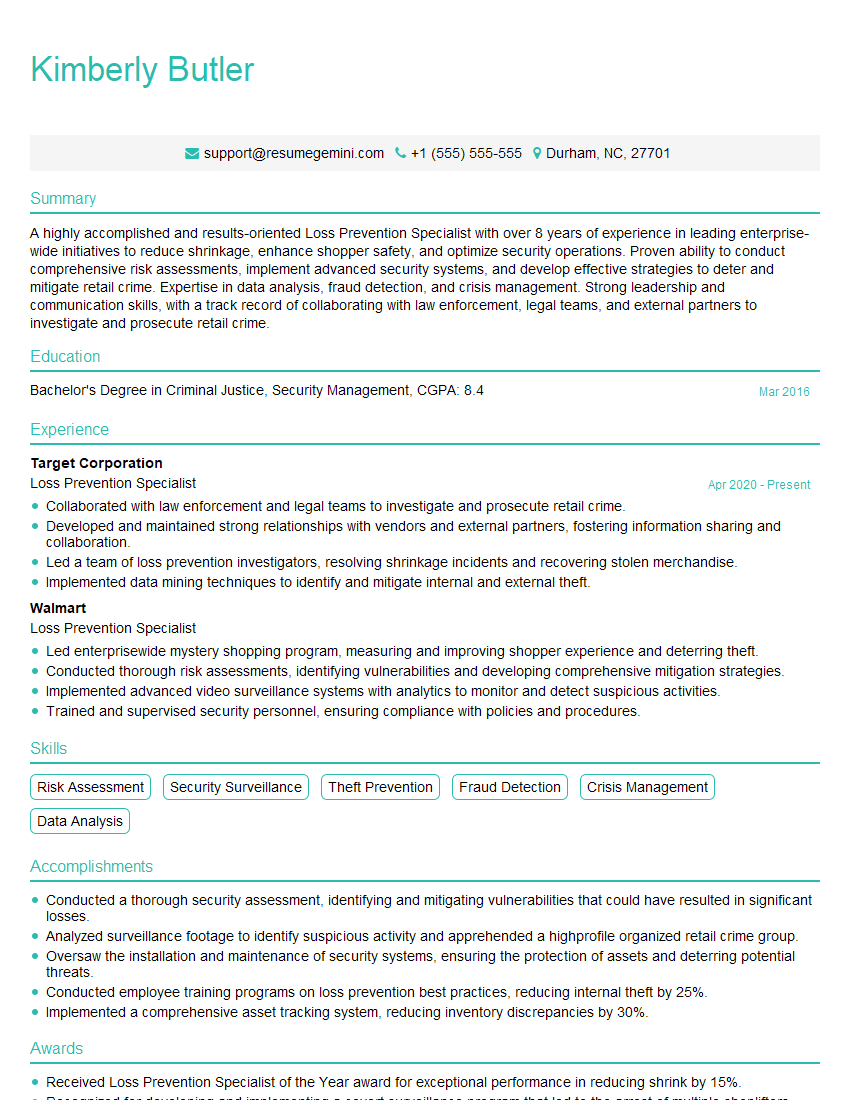
Loss Prevention Specialist Resume Sample
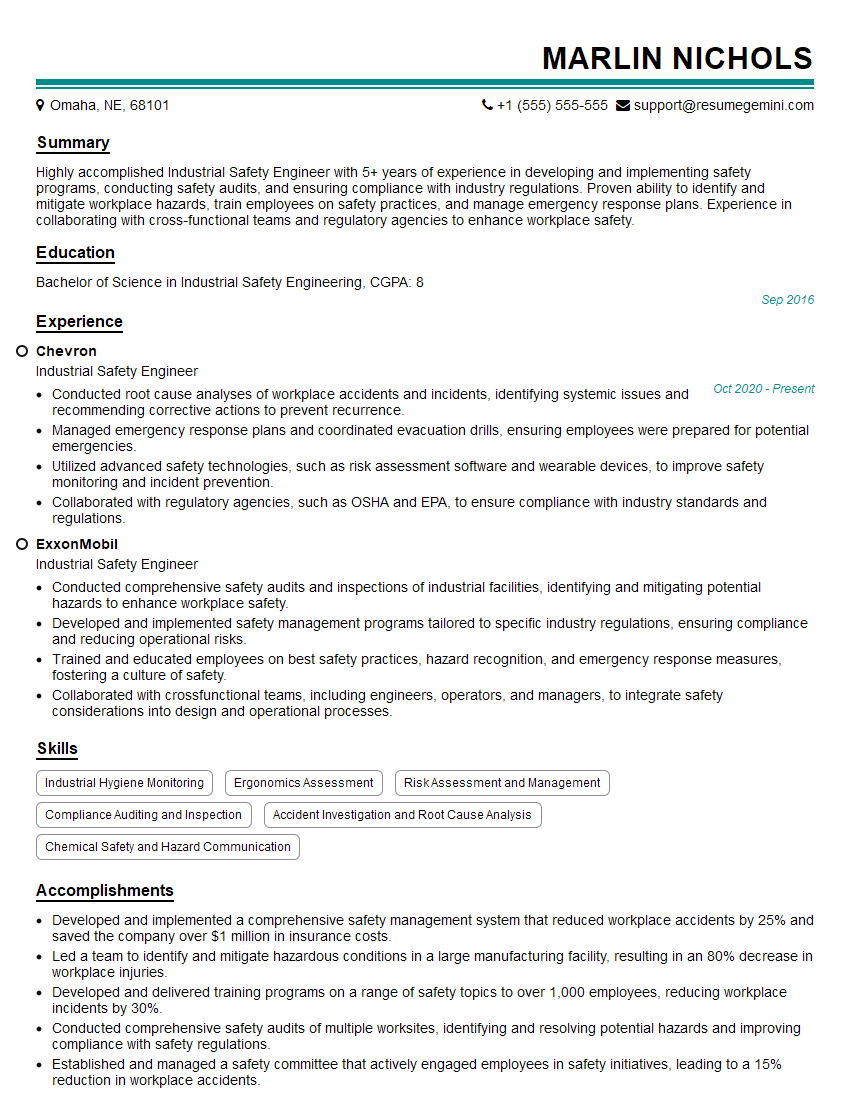
Industrial Safety Engineer Resume Sample
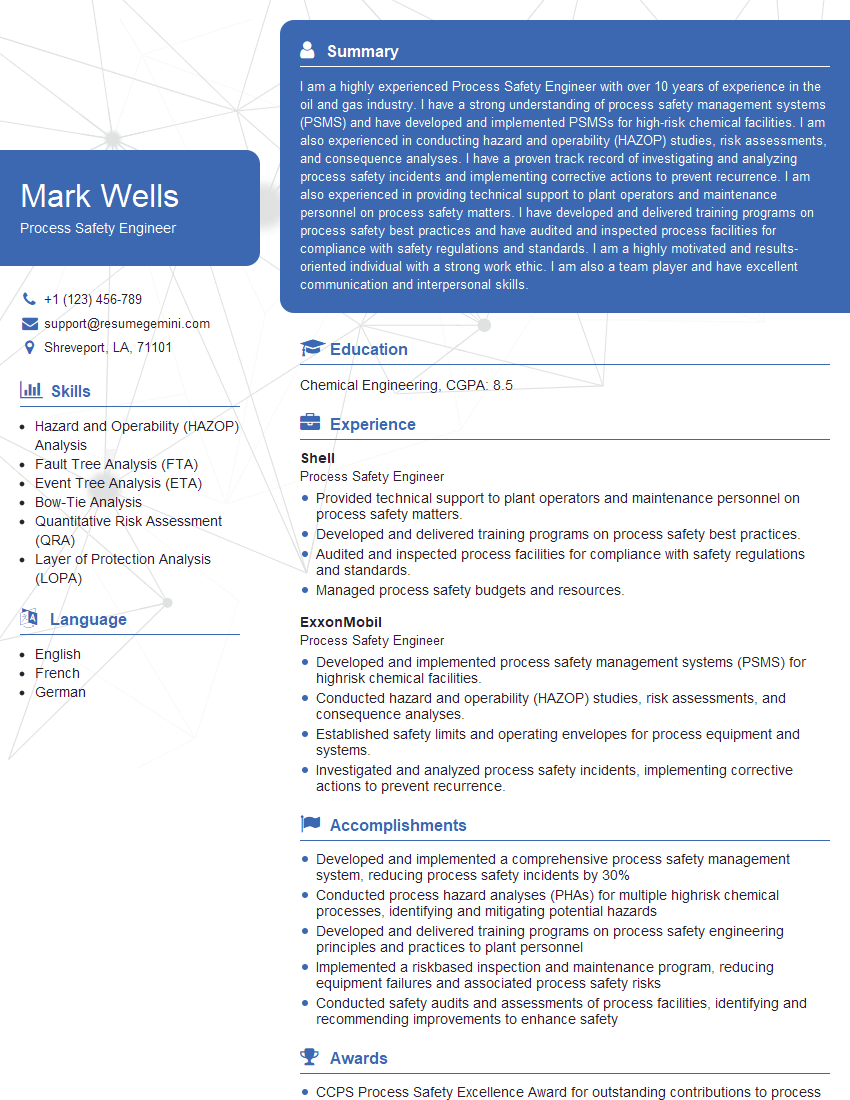
Process Safety Engineer Resume Sample
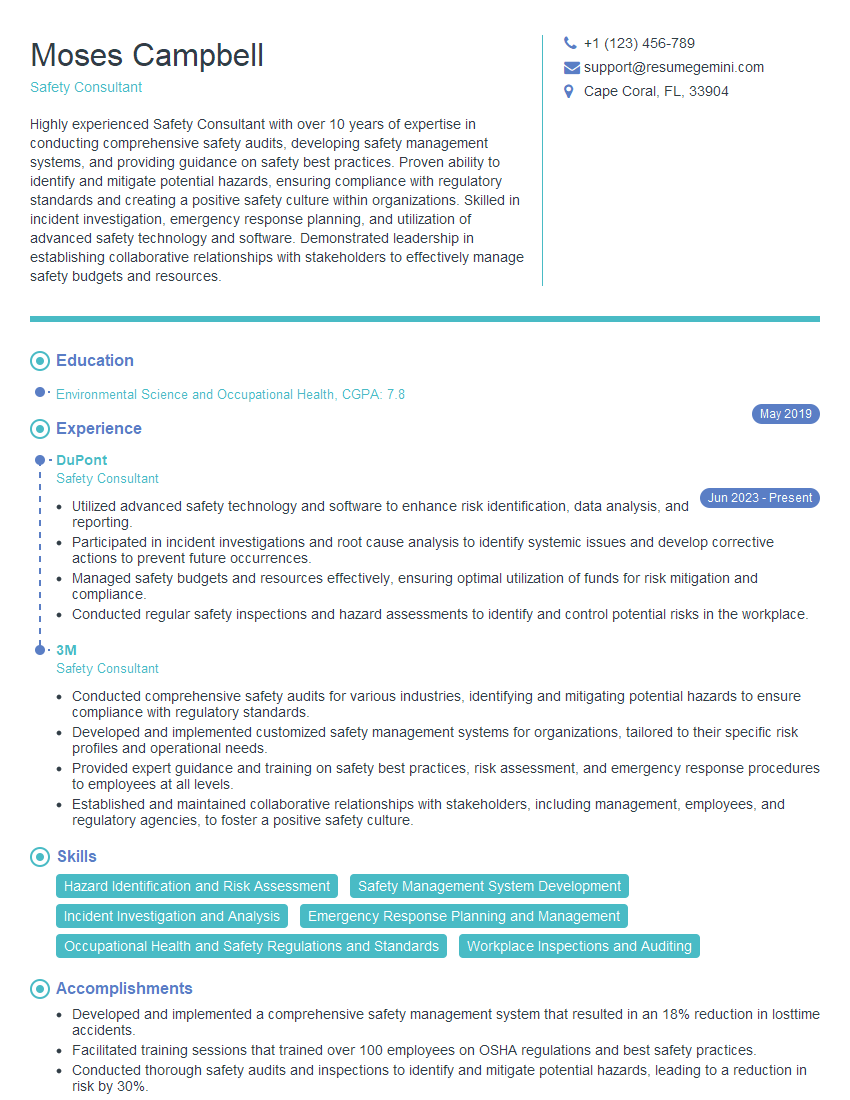
Safety Consultant Resume Sample
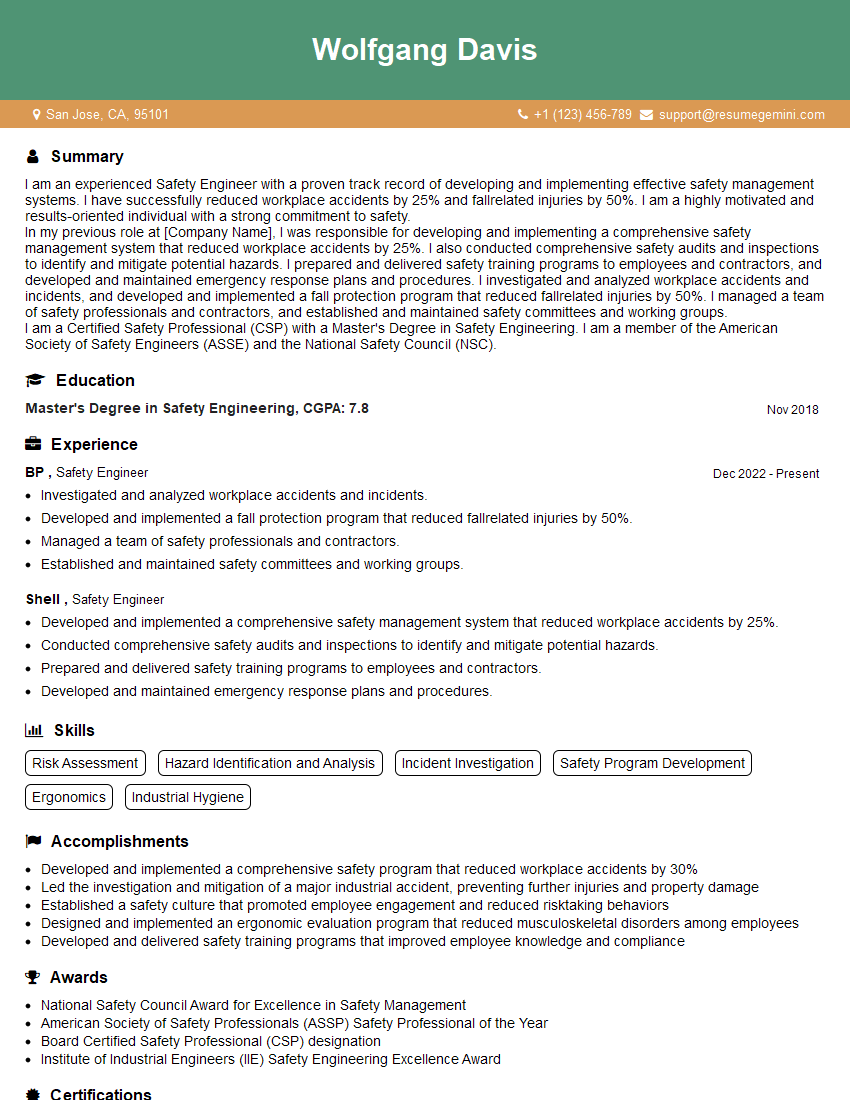
Safety Engineer Resume Sample
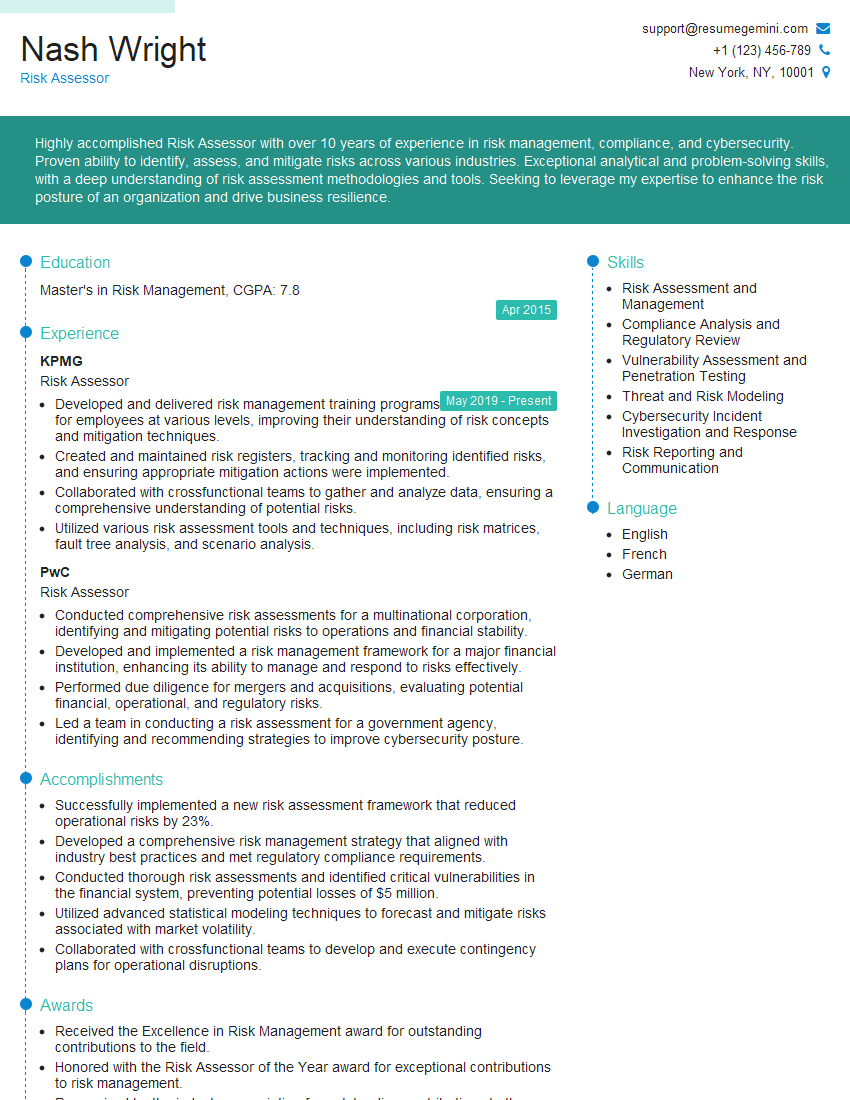
Risk Assessor Resume Sample
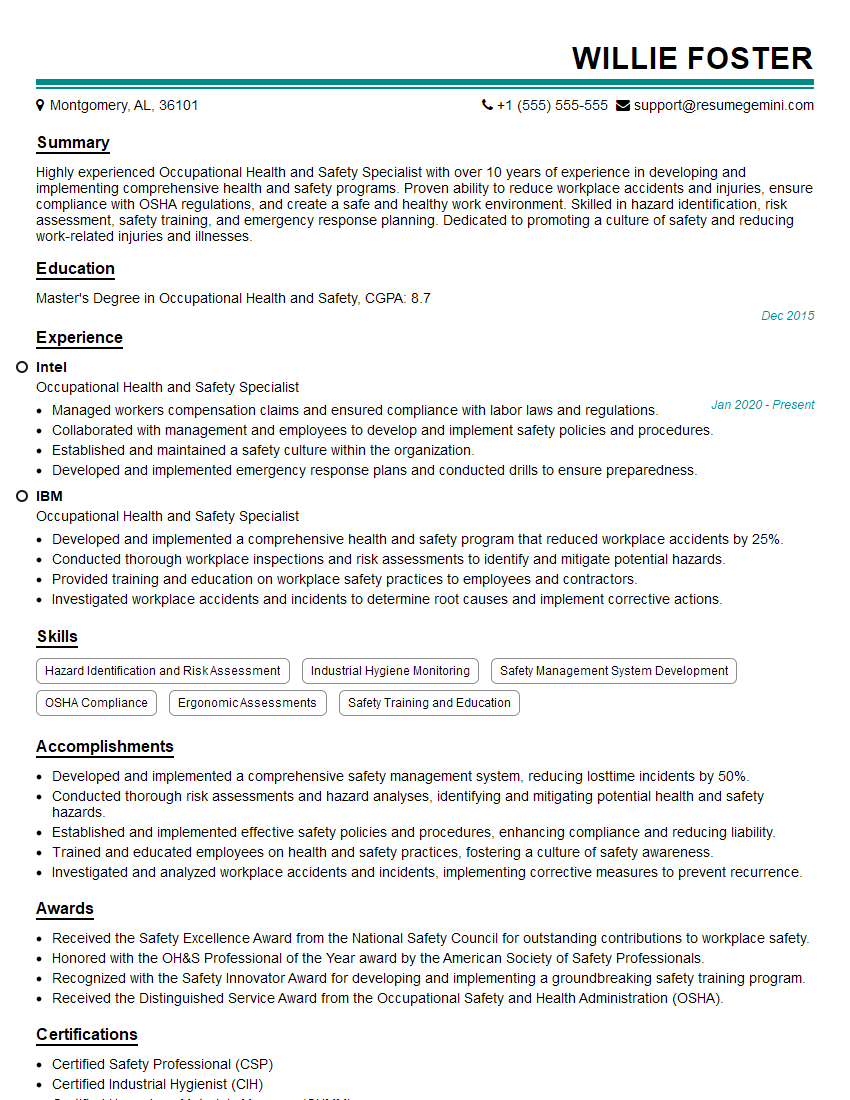
Occupational Health and Safety Specialist Resume Sample
Explore more articles
Users Rating of Our Blogs
Share Your Experience
We value your feedback! Please rate our content and share your thoughts (optional).
What Readers Say About Our Blog
Very informative content, great job.
good