Unlock your full potential by mastering the most common Knowledge of Retail Operations interview questions. This blog offers a deep dive into the critical topics, ensuring you’re not only prepared to answer but to excel. With these insights, you’ll approach your interview with clarity and confidence.
Questions Asked in Knowledge of Retail Operations Interview
Q 1. Describe your experience managing inventory levels and minimizing stockouts.
Managing inventory effectively is crucial for profitability. It’s a balancing act between ensuring sufficient stock to meet customer demand and avoiding excessive inventory that ties up capital and increases storage costs. My approach centers around utilizing a combination of forecasting techniques and real-time data analysis.
For instance, in my previous role at a sporting goods retailer, we implemented a sophisticated inventory management system that integrated point-of-sale (POS) data with our supplier’s lead times. This allowed us to predict demand accurately and optimize reorder points. We also leveraged ABC analysis, prioritizing focus on ‘A’ items (high-value, high-demand) to minimize stockouts on our most popular products. To further mitigate stockouts, we developed contingency plans – including expedited shipping options and strategic partnerships with secondary suppliers – for high-demand items during peak seasons like Christmas.
We also regularly reviewed safety stock levels, adjusting them based on historical sales data, seasonality, and predicted demand fluctuations. This proactive approach minimized stockouts while preventing overstocking. For example, anticipating increased demand for camping gear during summer, we proactively increased our safety stock levels several months in advance, ensuring we could meet the surge in customer demand without experiencing shortages. Regular stock counts and cycle counts were also crucial to identify discrepancies and prevent inventory inaccuracies, ensuring that our data reflected the true on-hand inventory.
Q 2. Explain your process for analyzing sales data to identify trends and opportunities.
Analyzing sales data is vital for understanding customer preferences, identifying trends, and uncovering growth opportunities. My process involves a multi-step approach using both quantitative and qualitative methods.
First, I begin by extracting relevant data from the POS system, focusing on metrics such as sales volume, average transaction value, and conversion rates. I segment this data by various factors like product category, customer demographics, and sales channel. Then, I utilize data visualization tools such as Tableau or Excel to create charts and graphs, making it easier to identify patterns and trends. For example, a line graph depicting sales over time can clearly show seasonal fluctuations or the impact of marketing campaigns.
Beyond simple visualizations, I utilize more advanced analytical techniques such as regression analysis to understand the relationship between different variables, such as price and sales. Qualitative data, such as customer feedback surveys and social media sentiment analysis, provide valuable context and insights into customer preferences and concerns. In one instance, sales data revealed a strong correlation between promotional discounts and increased sales for a specific product line; we utilized this insight to design targeted promotional campaigns for that category.
Finally, I use my findings to develop actionable recommendations. These recommendations could include adjusting pricing strategies, optimizing product assortment, tailoring marketing campaigns, or improving store layout based on customer traffic flow and product placement.
Q 3. How do you optimize store layout and visual merchandising to maximize sales?
Optimizing store layout and visual merchandising is essential for driving sales and enhancing the customer experience. It involves creating a welcoming and intuitive environment that encourages customers to browse, discover products, and make purchases.
My approach focuses on several key principles. Firstly, I ensure a clear and logical store layout that guides customers through the store in a natural flow. High-demand items are usually placed prominently, often near entrances or at eye level. Related products are grouped together (e.g., placing shirts and pants together), and strategically placed signage helps customers navigate and discover new items. Creating distinct zones for different product categories can also improve the shopping experience.
Visual merchandising plays a crucial role in showcasing products effectively and creating an engaging atmosphere. We use various techniques, such as color coordination, strategic lighting, and eye-catching displays to create visually appealing presentations. For example, seasonal displays attract attention and reflect current trends. We also incorporate interactive elements and digital signage to engage customers and provide additional information about products. A/B testing of different display configurations helps determine the most effective arrangements. In one case, rearranging a specific section based on customer flow data increased sales in that area by 15%.
Q 4. What strategies do you use to improve customer service and satisfaction?
Improving customer service and satisfaction is paramount to building loyalty and driving repeat business. My strategies focus on empowering employees, creating a positive shopping environment, and actively seeking customer feedback.
Employee empowerment is crucial. I train my staff to handle customer inquiries effectively, resolve complaints promptly, and go the extra mile to provide excellent service. I encourage a customer-centric culture where employees are motivated to help customers find what they need and have a positive shopping experience. Regular staff training sessions on product knowledge, sales techniques, and customer service best practices are vital.
Creating a positive shopping environment involves fostering a welcoming and comfortable atmosphere. This involves maintaining a clean and organized store, ensuring adequate staffing levels to handle customer traffic efficiently, and providing a pleasant shopping experience. Actively seeking customer feedback through surveys, comment cards, and social media monitoring is crucial for identifying areas for improvement. Analyzing this feedback helps pinpoint recurring issues and address them promptly. Implementing systems for resolving customer complaints efficiently and effectively, such as a dedicated customer service email address, can ensure issues are resolved quickly and maintain a positive brand image.
Q 5. Describe your experience with implementing and managing retail technology systems.
Implementing and managing retail technology systems is key to optimizing operations and improving customer experience. My experience spans various systems, from point-of-sale (POS) systems to inventory management software and customer relationship management (CRM) platforms.
In my previous role, I spearheaded the implementation of a new POS system that integrated with our inventory management and loyalty program. This integrated system streamlined operations, reduced manual data entry, and improved the accuracy of sales and inventory data. The transition required careful planning, thorough staff training, and effective communication. We conducted thorough testing before launching the system to minimize disruption.
I have also experience with CRM systems, enabling us to collect customer data and personalize marketing campaigns. This data-driven approach allowed us to target specific customer segments with relevant promotions and product recommendations. Data security and privacy are paramount and all systems are chosen with compliance and robust security measures in mind. Regular system updates and maintenance are essential to ensure system functionality and address any security vulnerabilities. We also regularly evaluate the performance of our retail technology systems to ensure they remain aligned with our business objectives and explore opportunities for further optimization.
Q 6. How do you handle staff scheduling and allocate resources effectively?
Effective staff scheduling and resource allocation are crucial for optimizing labor costs and providing adequate customer service. My approach involves a combination of forecasting, scheduling software, and ongoing monitoring.
Forecasting is the first step. By analyzing historical sales data, considering seasonal fluctuations, and anticipating promotional events, I can estimate the required staffing levels for different shifts and days of the week. I use specialized scheduling software that takes into account employee availability, skill sets, and contractual obligations. The software helps create optimized schedules that minimize labor costs while ensuring sufficient staff coverage during peak hours.
Regular monitoring of staff performance and customer traffic patterns is vital. If unexpected increases or decreases in customer traffic occur, we make necessary adjustments to the schedule to ensure optimum coverage and efficient resource utilization. We regularly review scheduling patterns and seek employee feedback to continually improve efficiency and employee satisfaction. Analyzing metrics such as labor costs per sales dollar and customer wait times allows us to refine our scheduling process continuously.
Q 7. Explain your approach to managing store expenses and controlling costs.
Managing store expenses and controlling costs requires a multifaceted approach that involves careful planning, efficient resource allocation, and continuous monitoring. My approach involves identifying areas for cost reduction without compromising customer service or employee morale.
Firstly, I analyze historical expense data to identify trends and potential areas for cost savings. This includes examining utility costs, supplies, and labor costs. We then develop strategies to reduce expenses in these areas, such as negotiating better rates with suppliers, implementing energy-saving measures, and optimizing staffing levels. Implementing efficient inventory management techniques also helps to reduce storage costs and minimizes waste.
Regularly reviewing expense reports and comparing actual expenses to budgeted amounts is crucial for identifying variances and taking corrective action. We use budgeting and forecasting tools to project future expenses and develop strategies to mitigate potential cost overruns. Continuous monitoring of key performance indicators (KPIs) such as gross profit margin, operating expenses, and labor costs helps us to track progress and identify areas requiring attention. By fostering a culture of cost consciousness among employees, we encourage everyone to contribute to cost reduction efforts.
Q 8. How do you ensure compliance with company policies and procedures?
Ensuring compliance with company policies and procedures is paramount for smooth operations and legal adherence. My approach is multifaceted and involves a combination of proactive measures and reactive responses.
- Proactive Compliance: I begin by thoroughly understanding all relevant policies and procedures, often using training materials and direct communication with management. I then actively look for opportunities to reinforce these policies within the team, through regular meetings, training sessions, and the use of visual aids (like posters or checklists) to keep them top-of-mind. For example, in a previous role, we implemented a daily checklist for food safety procedures, significantly reducing instances of non-compliance.
- Reactive Compliance: When instances of non-compliance occur, I investigate thoroughly, document the issue, and initiate corrective actions based on established protocols. This often involves retraining employees or adjusting processes to prevent future occurrences. I also work with management to identify systemic issues that may be contributing to the problem.
- Continuous Improvement: Compliance isn’t a one-time effort; it’s an ongoing process. I actively participate in compliance audits and training updates to stay informed about changes and best practices. I consistently seek feedback and suggestions from team members to identify areas for improvement in our compliance efforts.
This holistic approach ensures we not only meet minimum compliance standards but also cultivate a culture of compliance throughout the entire team.
Q 9. Describe your experience with loss prevention and theft mitigation strategies.
Loss prevention and theft mitigation are crucial aspects of successful retail operations. My experience encompasses various strategies, both technological and procedural.
- Technology Integration: I’ve worked with various loss prevention technologies, including CCTV systems, electronic article surveillance (EAS) tags, and point-of-sale (POS) systems with integrated theft detection features. Understanding how to effectively utilize these systems, analyzing data for patterns, and optimizing their placement for maximum impact is key. For instance, I once identified a blind spot in our CCTV coverage that was consistently exploited by shoplifters; adjusting camera placement dramatically reduced thefts in that area.
- Procedural Measures: Beyond technology, effective procedures play a vital role. This includes thorough employee training on loss prevention best practices, implementing strict inventory control procedures (regular stock counts, cycle counting), and establishing clear procedures for handling suspicious behavior. In one instance, we implemented a buddy system for staff handling cash transactions and significantly reduced discrepancies.
- Data Analysis: Analyzing loss prevention data is essential for identifying trends and hotspots. This data-driven approach allows for strategic adjustments to security measures, reducing losses effectively. I use this data to identify potential areas of vulnerability and propose targeted solutions.
A comprehensive loss prevention strategy requires a blend of these technological and procedural elements, continuously adapting to evolving theft methods.
Q 10. How do you handle customer complaints and resolve conflicts effectively?
Handling customer complaints and resolving conflicts effectively requires empathy, patience, and a structured approach. My approach involves several key steps:
- Active Listening: First, I actively listen to the customer’s complaint without interruption, allowing them to fully express their concerns. This shows respect and helps me understand the root cause of their dissatisfaction.
- Empathetic Response: I acknowledge their feelings and validate their concerns, even if I don’t necessarily agree with their perspective. A simple phrase like, “I understand your frustration,” can go a long way.
- Problem Solving: Once I fully understand the issue, I work collaboratively with the customer to find a mutually agreeable solution. This may involve offering a refund, replacement, discount, or other form of compensation. I aim for a solution that not only resolves the immediate issue but also prevents similar situations in the future.
- Follow-up: After resolving the issue, I follow up with the customer to ensure they are satisfied with the outcome. This demonstrates a commitment to customer service and builds trust.
For example, I once dealt with a customer who received a damaged product. Instead of simply offering a replacement, I also provided a small gift as a token of apology, exceeding their expectations and turning a negative experience into a positive one.
Q 11. What metrics do you use to measure the success of retail operations?
Measuring the success of retail operations involves a range of key performance indicators (KPIs) across various areas.
- Sales Metrics: These include total revenue, sales per square foot, average transaction value, conversion rate, and same-store sales growth. These provide insights into overall sales performance.
- Inventory Management: KPIs such as inventory turnover rate, stockout rate, and shrinkage percentage measure the efficiency of inventory management and loss prevention.
- Customer Satisfaction: Metrics such as customer satisfaction scores (CSAT), Net Promoter Score (NPS), and customer churn rate reflect the effectiveness of customer service initiatives.
- Operational Efficiency: KPIs such as labor productivity, operating expenses, and order fulfillment time assess the efficiency of operational processes.
- Profitability: Gross profit margin, net profit margin, and return on investment (ROI) provide a comprehensive picture of overall profitability.
By regularly monitoring these KPIs, retailers can identify areas for improvement and track the effectiveness of various strategies, making data-driven decisions to optimize operations and enhance profitability.
Q 12. Explain your experience with supply chain management in a retail environment.
My experience with supply chain management in retail spans various aspects, from procurement to delivery.
- Demand Forecasting: Accurate forecasting is crucial for avoiding stockouts and minimizing excess inventory. I utilize historical sales data, market trends, and promotional activities to create accurate demand forecasts. For instance, I worked on a project implementing a forecasting model that incorporated weather data to predict seasonal variations in demand for certain products.
- Vendor Management: Building strong relationships with vendors is vital for timely delivery and securing favorable pricing. I’ve negotiated contracts, managed vendor performance, and resolved any supply chain disruptions proactively.
- Inventory Control: Efficient inventory management minimizes holding costs and prevents stockouts. This includes implementing inventory control systems, optimizing storage space, and regularly reviewing inventory levels.
- Logistics and Distribution: I understand the importance of efficient logistics and distribution networks. This involves optimizing delivery routes, selecting appropriate transportation modes, and managing warehouse operations. In a previous role, I helped implement a new warehouse management system that improved order fulfillment speed by 20%.
A robust supply chain requires careful planning, efficient execution, and a focus on continuous improvement to ensure timely delivery of goods and minimize costs.
Q 13. How do you manage and motivate a team to achieve sales targets?
Motivating a team to achieve sales targets requires a combination of effective leadership, clear communication, and a positive work environment.
- Setting Clear Expectations: Clearly communicate sales targets and individual responsibilities. I break down large goals into smaller, more manageable milestones, making them seem less daunting.
- Providing Training and Support: Equip the team with the necessary skills and knowledge to succeed. This includes product training, sales techniques, and customer service training.
- Recognition and Rewards: Recognize and reward employees for their achievements. This can include verbal praise, bonuses, promotions, or team outings. I firmly believe in celebrating successes.
- Open Communication: Maintain open communication channels for feedback and suggestions. Regular team meetings allow for the sharing of ideas and address any concerns promptly.
- Empowerment and Autonomy: Empower team members by giving them some autonomy in their work. Allowing them to make decisions and take ownership increases engagement.
By fostering a supportive and motivating environment, I can leverage each team member’s strengths and build a strong, cohesive unit that consistently achieves sales targets.
Q 14. Describe a time you had to make a quick decision under pressure in a retail setting.
One instance that stands out involved a significant power outage during a busy Saturday afternoon. Our POS system went down, and the store was quickly filled with frustrated customers.
The pressure was immense, as lines were growing, and tempers were flaring. I immediately switched to a manual backup system—paper receipts and a calculator—to continue processing transactions. I delegated tasks to team members, assigning some to manage customer flow and others to assist with manual sales. I also calmly reassured customers, explaining the situation and apologizing for the inconvenience. We managed to avoid a major disruption by maintaining a positive and organized approach throughout the outage.
While this was a stressful situation, it highlighted the importance of having contingency plans and a capable, adaptable team. The quick thinking and collaborative efforts of the team prevented a potential PR disaster and demonstrated our resilience.
Q 15. How do you identify and address operational inefficiencies?
Identifying and addressing operational inefficiencies is crucial for maximizing profitability and customer satisfaction in retail. My approach involves a systematic process focusing on data analysis, observation, and employee feedback.
Data Analysis: I start by analyzing key performance indicators (KPIs) such as sales per square foot, inventory turnover, shrinkage rates, and customer wait times. Significant deviations from established benchmarks or trends immediately flag potential problem areas. For example, consistently low sales per square foot in a particular section might indicate poor product placement or inadequate marketing.
Observation: Direct observation of store operations helps identify bottlenecks and inefficiencies not always apparent in data. This could involve observing staff workflows, customer traffic patterns, and the overall store layout. For instance, I might observe long queues at checkout, suggesting a need for additional cashiers or self-checkout options during peak hours.
Employee Feedback: Retail staff are on the front lines and often have valuable insights into operational challenges. Regular feedback sessions and suggestion boxes can uncover hidden inefficiencies. A staff member might highlight a cumbersome inventory management system, leading to improvements in the process.
Addressing Inefficiencies: Once inefficiencies are identified, I develop and implement targeted solutions. This might involve process optimization, staff training, technology upgrades, or changes to store layout. For example, implementing a new inventory management system could streamline stock replenishment, reducing out-of-stocks and improving customer satisfaction.
Career Expert Tips:
- Ace those interviews! Prepare effectively by reviewing the Top 50 Most Common Interview Questions on ResumeGemini.
- Navigate your job search with confidence! Explore a wide range of Career Tips on ResumeGemini. Learn about common challenges and recommendations to overcome them.
- Craft the perfect resume! Master the Art of Resume Writing with ResumeGemini’s guide. Showcase your unique qualifications and achievements effectively.
- Don’t miss out on holiday savings! Build your dream resume with ResumeGemini’s ATS optimized templates.
Q 16. Explain your experience with forecasting sales and demand planning.
Forecasting sales and demand planning are critical for optimizing inventory levels, staffing, and marketing efforts. My experience involves leveraging various forecasting techniques and collaborating with cross-functional teams.
Data-Driven Forecasting: I utilize historical sales data, market trends, economic indicators, and promotional plans to build accurate sales forecasts. This often involves employing statistical models such as ARIMA (Autoregressive Integrated Moving Average) or exponential smoothing techniques. For example, during the holiday season, I’d use past holiday sales data and anticipated marketing campaigns to refine our sales projections.
Qualitative Factors: I also incorporate qualitative factors such as new product launches, competitor activities, and anticipated changes in consumer behavior into the forecasting process. For example, understanding the impact of a significant new competitor opening nearby would require adjusting our forecasts accordingly.
Collaboration: I work closely with the marketing, merchandising, and supply chain teams to ensure alignment between forecasts and operational plans. For example, I’d collaborate with the marketing team to ensure that promotional activities are factored into our demand planning, preventing stockouts or overstocking.
Continuous Monitoring and Adjustment: Forecasting is an iterative process. I continuously monitor actual sales against forecasted sales and adjust forecasts regularly using appropriate statistical methods to maintain accuracy. This ensures our strategies are continuously aligned with actual market demand.
Q 17. How do you ensure the smooth flow of goods from warehouse to store?
Ensuring a smooth flow of goods from warehouse to store requires a well-coordinated supply chain management system. This involves optimizing inventory management, transportation logistics, and in-store receiving processes.
Inventory Management: Implementing an efficient inventory management system that tracks stock levels in real-time is crucial. This allows for proactive replenishment and minimizes stockouts. Systems utilizing barcodes or RFID technology can enhance accuracy and efficiency.
Transportation Logistics: Selecting appropriate transportation methods based on factors like distance, product fragility, and delivery timelines is important. This might include utilizing different transportation modes such as trucking, rail, or air freight, depending on the urgency and cost considerations. Route optimization software can help minimize transportation costs and delivery times.
In-Store Receiving: Streamlining the receiving process at stores is essential to avoid delays and errors. This involves clearly defined procedures for checking goods against delivery manifests, putting away stock promptly, and managing any discrepancies effectively. Properly trained staff and efficient scanning technologies can make this process run seamlessly.
Technology Integration: Integrating warehouse management systems (WMS) and transportation management systems (TMS) provides real-time visibility into the supply chain, allowing for proactive problem-solving and improved efficiency. This connectivity ensures everyone in the supply chain has the necessary information to maintain product flow.
Q 18. Describe your experience with training and developing retail staff.
Training and developing retail staff is critical for enhancing customer service and operational efficiency. My approach involves a multifaceted strategy combining on-the-job training, formal training programs, and ongoing mentorship.
On-the-Job Training: I believe in hands-on learning. New employees are paired with experienced staff for shadowing and guided practice. This allows for immediate application of learned skills and addresses specific store needs. For example, a new cashier is trained on the POS system and customer service procedures while working alongside a senior team member.
Formal Training Programs: Structured training programs cover product knowledge, customer service skills, operational procedures, and safety protocols. These can be conducted internally or through external training providers. For example, a product-specific training could improve sales conversion rates for a newly launched line.
Mentorship Programs: Pairing newer employees with experienced mentors fosters a supportive learning environment and encourages continuous skill development. Mentors provide guidance, feedback, and career development advice. This not only improves employee skills but also increases employee retention.
Performance Feedback and Evaluation: Regular performance feedback sessions provide opportunities for constructive criticism, identify areas for improvement, and track progress. This ensures that training is tailored to individual needs and contributes to overall team development.
Q 19. How do you leverage technology to improve retail operations?
Technology plays a vital role in improving retail operations. I have experience leveraging various technologies to enhance efficiency, customer experience, and data-driven decision-making.
Point of Sale (POS) Systems: Modern POS systems provide real-time sales data, inventory tracking, and customer relationship management (CRM) capabilities. This information allows for informed decisions regarding inventory levels, staffing needs, and targeted promotions.
Inventory Management Systems: Sophisticated inventory management systems optimize stock levels, predict demand, and streamline the replenishment process, minimizing stockouts and reducing waste. This is particularly helpful in managing fast-moving items and seasonal goods.
Customer Relationship Management (CRM) Systems: CRM systems enable personalized marketing campaigns, enhance customer loyalty programs, and provide valuable insights into customer preferences and buying patterns. This allows for more targeted promotions and improved customer engagement.
Mobile Technology: Utilizing mobile devices for inventory management, price adjustments, customer service, and self-checkout functionalities provides flexibility and enhances the efficiency of operations. For instance, mobile POS devices allow for increased mobility on the shop floor.
Data Analytics Platforms: Utilizing data analytics tools allows for the detailed analysis of sales data, customer behavior, and operational metrics. This can inform strategic decisions related to product assortment, pricing strategies, and resource allocation.
Q 20. What is your experience with analyzing key performance indicators (KPIs)?
Analyzing Key Performance Indicators (KPIs) is essential for monitoring operational effectiveness and identifying areas for improvement. My experience involves identifying relevant KPIs, tracking performance, and using data to make informed decisions.
Identifying Relevant KPIs: The specific KPIs to track vary depending on the business goals and operational focus. However, some commonly used KPIs include sales per square foot, gross margin, inventory turnover, shrinkage rate, customer satisfaction scores, conversion rate, and employee turnover rate.
Data Collection and Tracking: I use various methods to collect and track KPI data, such as POS systems, inventory management systems, CRM software, customer surveys, and employee performance reviews. Establishing regular reporting schedules is key to maintain consistent monitoring.
Data Analysis and Interpretation: Once data is collected, I analyze trends, identify outliers, and compare performance against benchmarks or targets. This involves using various analytical tools and techniques to understand the underlying factors contributing to performance variations. For example, identifying seasonal trends can influence stock purchasing strategies.
Data-Driven Decision Making: Based on KPI analysis, I recommend and implement strategies to address identified issues and improve performance. This might include process improvements, staff training, marketing initiatives, or changes in inventory management strategies.
Q 21. How do you handle peak seasons and high-volume periods?
Managing peak seasons and high-volume periods requires proactive planning and efficient resource allocation. My approach involves anticipating demand, optimizing staffing levels, and streamlining operations.
Demand Forecasting: Accurate demand forecasting is critical for anticipating peak season needs. This involves analyzing historical sales data, considering external factors (e.g., economic conditions, promotional activities), and incorporating industry trends. These forecasts help determine the necessary resource allocation.
Staffing Optimization: Sufficient staff is crucial during peak seasons. This includes hiring seasonal employees, adjusting employee schedules, and providing additional training to handle increased customer volume. Cross-training employees across various functions enhances flexibility during busy periods.
Operational Streamlining: Optimizing operational processes is key to ensuring smooth handling of high volumes. This includes optimizing checkout procedures (adding additional checkout lanes or self-checkout options), improving inventory replenishment strategies, and potentially implementing pre-emptive measures to manage anticipated issues.
Communication and Coordination: Clear communication and coordination among staff members is vital during high-volume periods. This includes daily briefings, clear roles and responsibilities, and easily accessible communication channels to address arising issues promptly.
Post-Peak Season Review: After the peak season, I conduct a thorough review to assess the effectiveness of strategies used. This allows for identifying areas for improvement and refining processes for future peak seasons.
Q 22. Describe your experience with budgeting and financial planning for retail operations.
Budgeting and financial planning in retail are crucial for profitability and sustainable growth. It involves forecasting sales, managing expenses, and allocating resources effectively. My experience encompasses developing comprehensive annual budgets, incorporating historical data, market trends, and projected sales figures. This includes detailed breakdowns of costs like inventory, staffing, marketing, rent, and utilities. I’ve utilized various budgeting methods, including zero-based budgeting, which requires justifying every expense from scratch, ensuring efficient resource allocation. For example, at my previous role at [Previous Company Name], I successfully implemented a zero-based budgeting system that reduced operational costs by 15% within the first year without compromising service quality. This involved analyzing each expense category, identifying redundancies, and negotiating better terms with suppliers. I also have experience using variance analysis to track performance against the budget and make necessary adjustments throughout the fiscal year. This proactive approach allows for timely intervention and prevents significant budget overruns.
Q 23. How do you maintain a safe and secure working environment for employees and customers?
Maintaining a safe and secure environment is paramount in retail. This involves a multi-faceted approach encompassing employee safety, customer safety, and loss prevention. For employee safety, I’ve implemented and overseen training programs covering topics such as fire safety, emergency procedures, and safe handling of equipment. Regular safety inspections are conducted to identify and address potential hazards proactively. For customer safety, clear signage, well-lit spaces, and readily accessible security personnel are crucial. I’ve also implemented strategies to prevent theft and shoplifting, such as improved surveillance systems, employee training in loss prevention techniques, and collaboration with local law enforcement. In one instance, implementing a new CCTV system and enhanced staff training led to a 20% reduction in shoplifting incidents within six months at [Previous Company Name]. Furthermore, I prioritize creating a culture of safety and security by encouraging open communication and empowering employees to report any concerns without fear of reprisal.
Q 24. How do you adapt to changes in consumer behavior and market trends?
Adapting to changes in consumer behavior and market trends is critical for retail success. I achieve this by continuously monitoring market research, analyzing sales data, and actively seeking customer feedback. This involves staying updated on emerging trends through industry publications, market reports, and social media analysis. For instance, the rise of e-commerce necessitated developing a robust online presence, including a user-friendly website and efficient order fulfillment processes. Understanding shifting demographics and their purchasing patterns informs targeted marketing campaigns and product assortment strategies. At [Previous Company Name], we responded to the increasing demand for sustainable products by introducing a new line of eco-friendly items, resulting in a significant boost in sales and brand image. Analyzing sales data helps identify which products are performing well and which need adjustments. This data-driven approach guides decisions regarding inventory management, pricing strategies, and promotional activities.
Q 25. Explain your experience with implementing new retail initiatives or projects.
I have extensive experience implementing new retail initiatives and projects, from conceptualization to execution and evaluation. This involves meticulous planning, resource allocation, project management, and effective team leadership. For example, at [Previous Company Name], I led the implementation of a new customer loyalty program. This involved defining the program’s objectives, designing the reward system, developing marketing materials, training staff, and integrating the program with our existing POS system. The project was completed on time and within budget, resulting in a significant increase in customer retention and sales. My approach involves using project management methodologies like Agile or Waterfall, depending on the project’s complexity. This ensures that the project stays on track, milestones are met, and risks are mitigated. Post-implementation, I conduct thorough evaluations to assess the project’s success and identify areas for improvement. This iterative approach ensures continuous refinement and optimization of retail initiatives.
Q 26. Describe your experience with collaborating with different departments within a retail organization.
Collaboration is fundamental in retail. I have a proven track record of successfully collaborating with various departments, including merchandising, marketing, supply chain, and human resources. Effective communication, active listening, and a collaborative mindset are key. For instance, in developing new marketing campaigns, I work closely with the marketing team to align promotions with inventory levels and sales targets, ensuring efficient resource allocation. With the supply chain team, I coordinate to optimize inventory management and ensure timely product delivery to stores. With human resources, I collaborate to recruit and train staff, ensuring they possess the skills and knowledge necessary to provide excellent customer service. I facilitate collaborative meetings, fostering open dialogue and shared decision-making. Building strong relationships with different departments ensures alignment of objectives and prevents siloed operations, ultimately boosting overall efficiency and profitability.
Q 27. How do you ensure consistent brand messaging and customer experience across all channels?
Maintaining consistent brand messaging and customer experience across all channels—online, in-store, and through other touchpoints—is critical for brand recognition and loyalty. This requires a well-defined brand strategy, clear communication guidelines, and consistent execution across all platforms. I accomplish this by developing brand guidelines that dictate tone of voice, visual identity, and customer service standards. These guidelines are then shared and implemented across all departments. Regular training sessions for staff ensure they understand and adhere to these guidelines, providing a unified customer experience. Moreover, I utilize customer relationship management (CRM) systems to track customer interactions and feedback across all channels, allowing for identification of areas needing improvement. For example, at [Previous Company Name], we implemented a new CRM system which centralized customer data and enabled personalized communication, leading to increased customer engagement and loyalty.
Q 28. What are your salary expectations for this role?
My salary expectations for this role are in the range of $[Lower Bound] to $[Upper Bound] annually, depending on the comprehensive benefits package and the specific responsibilities of the position. This range is based on my experience, skills, and the prevailing market rates for similar roles.
Key Topics to Learn for Your Knowledge of Retail Operations Interview
- Inventory Management: Understanding inventory control systems, forecasting demand, optimizing stock levels, and minimizing waste. Practical application: Describe a time you successfully reduced stock loss or improved inventory turnover.
- Supply Chain Management: Knowledge of the flow of goods from supplier to consumer, including procurement, logistics, and distribution. Practical application: Explain your understanding of different supply chain models and their impact on retail efficiency.
- Visual Merchandising & Store Layout: The art of presenting products attractively to maximize sales. Practical application: Discuss strategies for creating engaging displays and optimizing store flow to enhance the customer experience.
- Sales & Customer Service: Strategies for driving sales, handling customer inquiries and complaints effectively, and building customer loyalty. Practical application: Describe your approach to resolving a challenging customer service situation.
- Loss Prevention & Security: Procedures and techniques to minimize theft, damage, and shrinkage. Practical application: Explain your understanding of common retail security measures and their effectiveness.
- Retail Technology & Data Analysis: Utilizing POS systems, CRM software, and data analytics to improve operational efficiency and decision-making. Practical application: Describe how data analysis can inform retail strategies and optimize performance.
- Financial Management in Retail: Understanding key retail financial metrics (e.g., gross margin, operating expenses, return on investment), budgeting, and cost control. Practical application: Explain the importance of tracking key performance indicators (KPIs) in retail.
Next Steps
Mastering Knowledge of Retail Operations is crucial for career advancement in this dynamic industry. A strong understanding of these concepts demonstrates your capability to contribute significantly to a retail organization’s success. To boost your job prospects, focus on creating an ATS-friendly resume that highlights your skills and experience effectively. ResumeGemini is a trusted resource that can help you build a professional and impactful resume. Examples of resumes tailored to Knowledge of Retail Operations are available to guide you. Take the next step towards your dream retail career today!
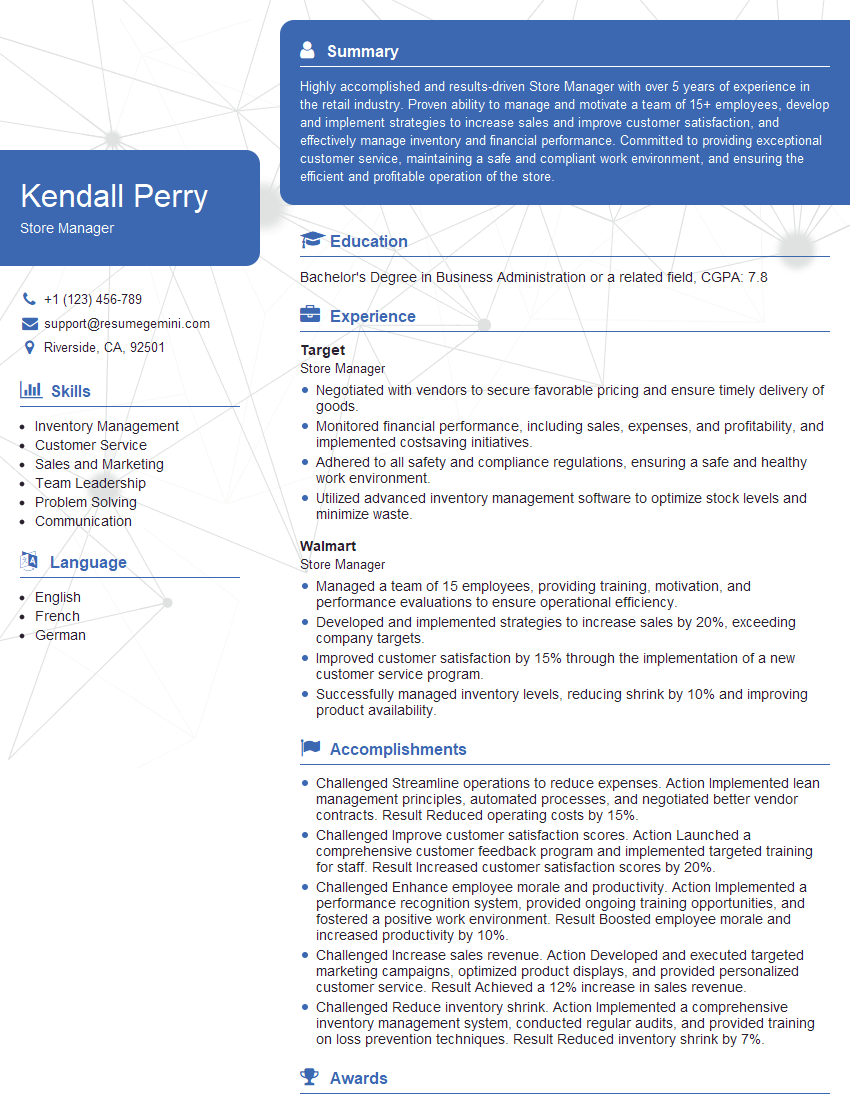
Store Manager Resume Sample
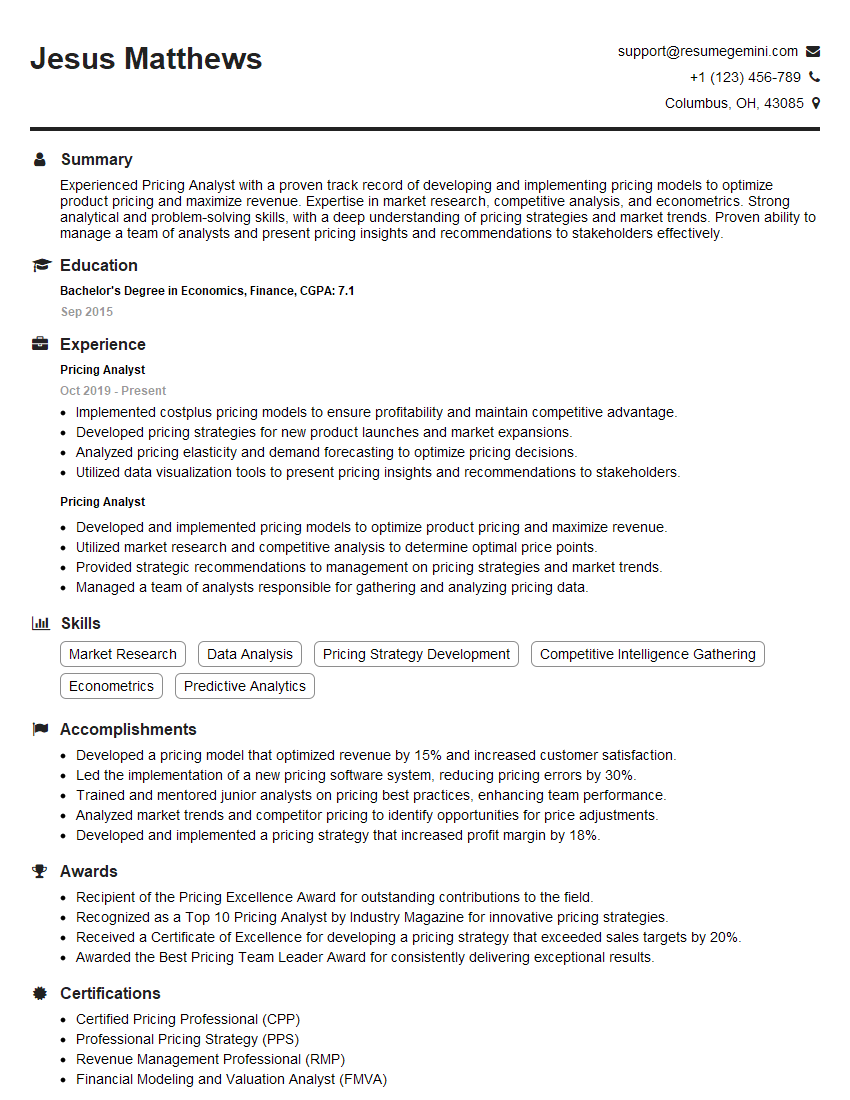
Pricing Analyst Resume Sample
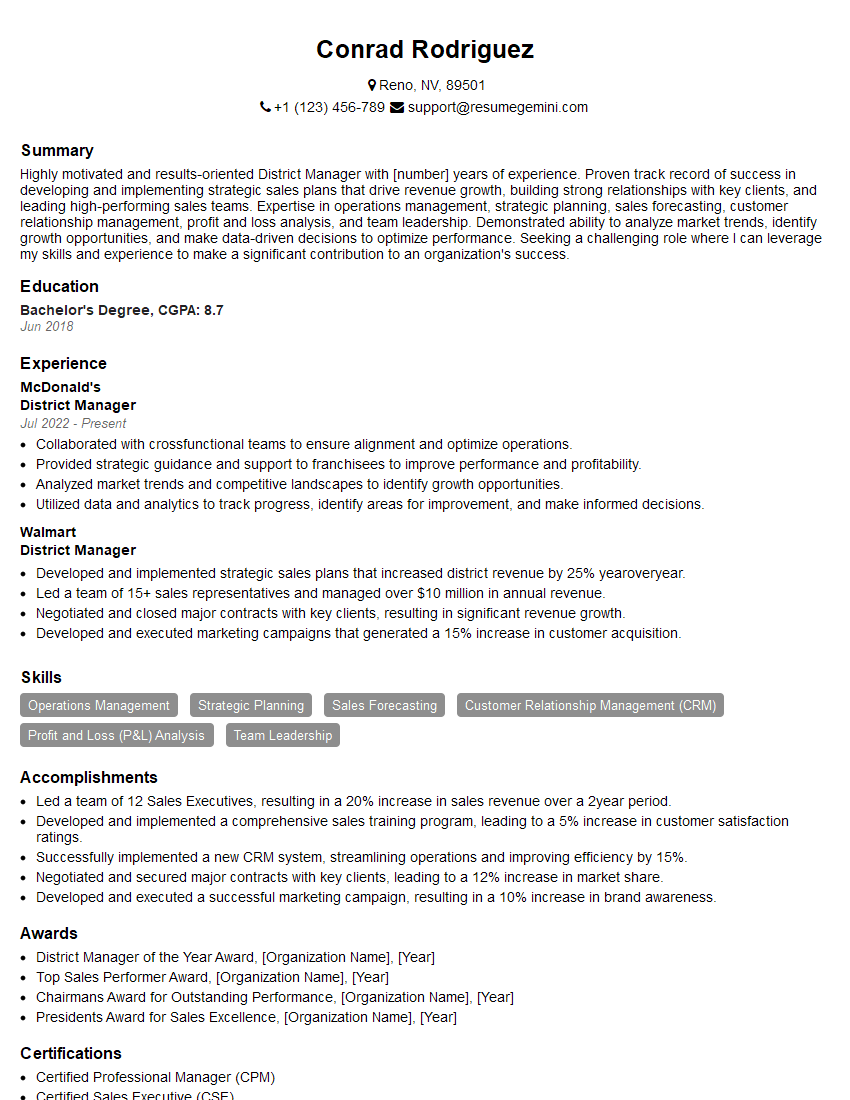
District Manager Resume Sample
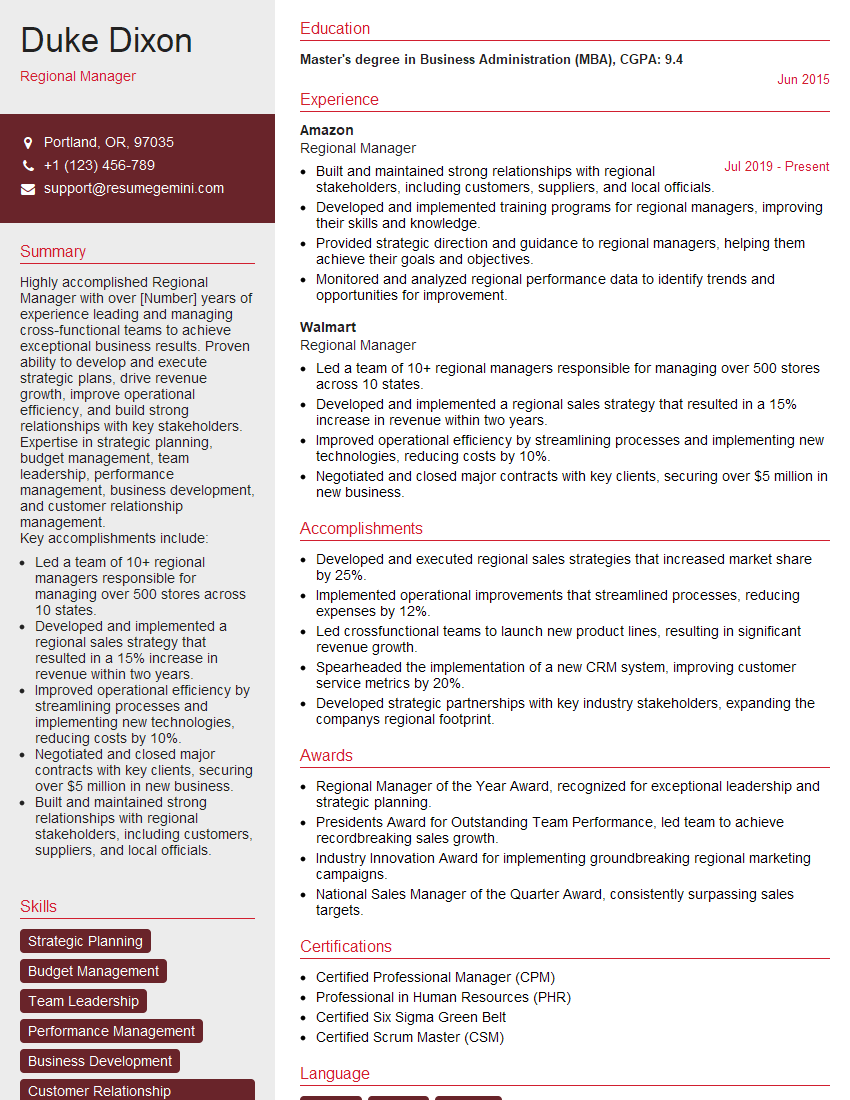
Regional Manager Resume Sample

Customer Service Manager Resume Sample
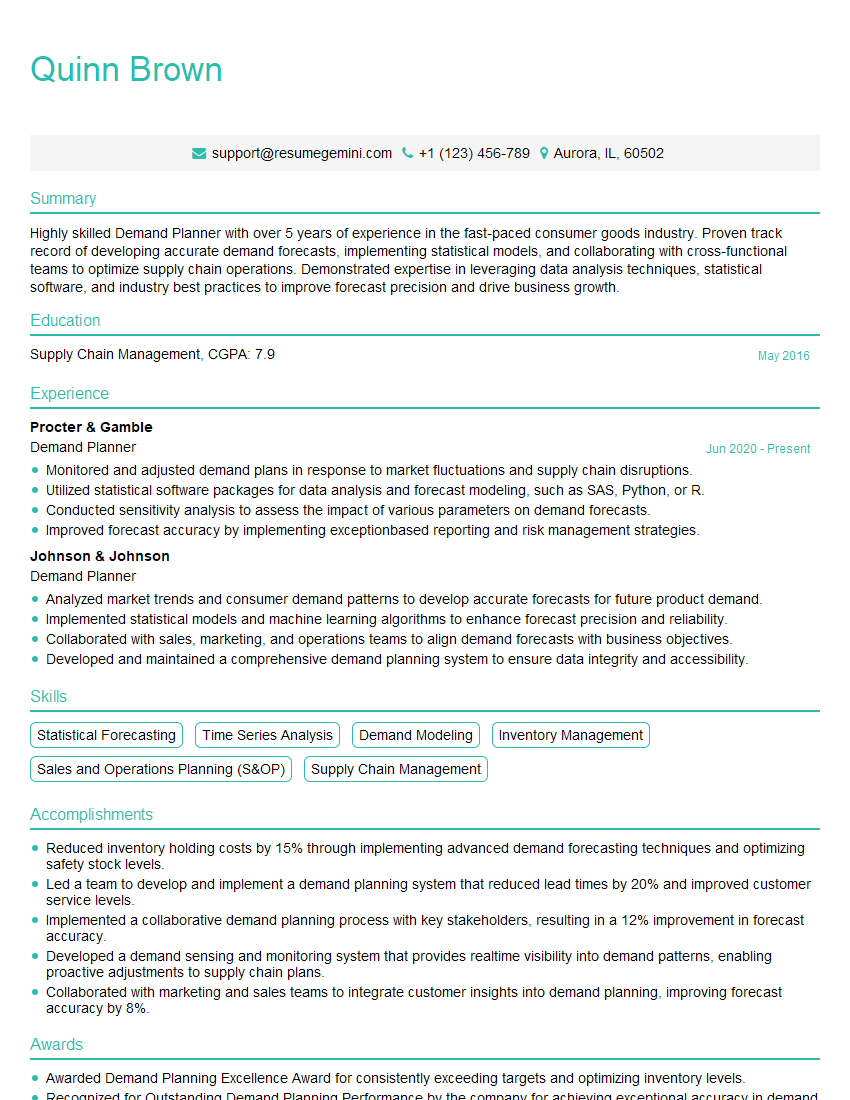
Demand Planner Resume Sample
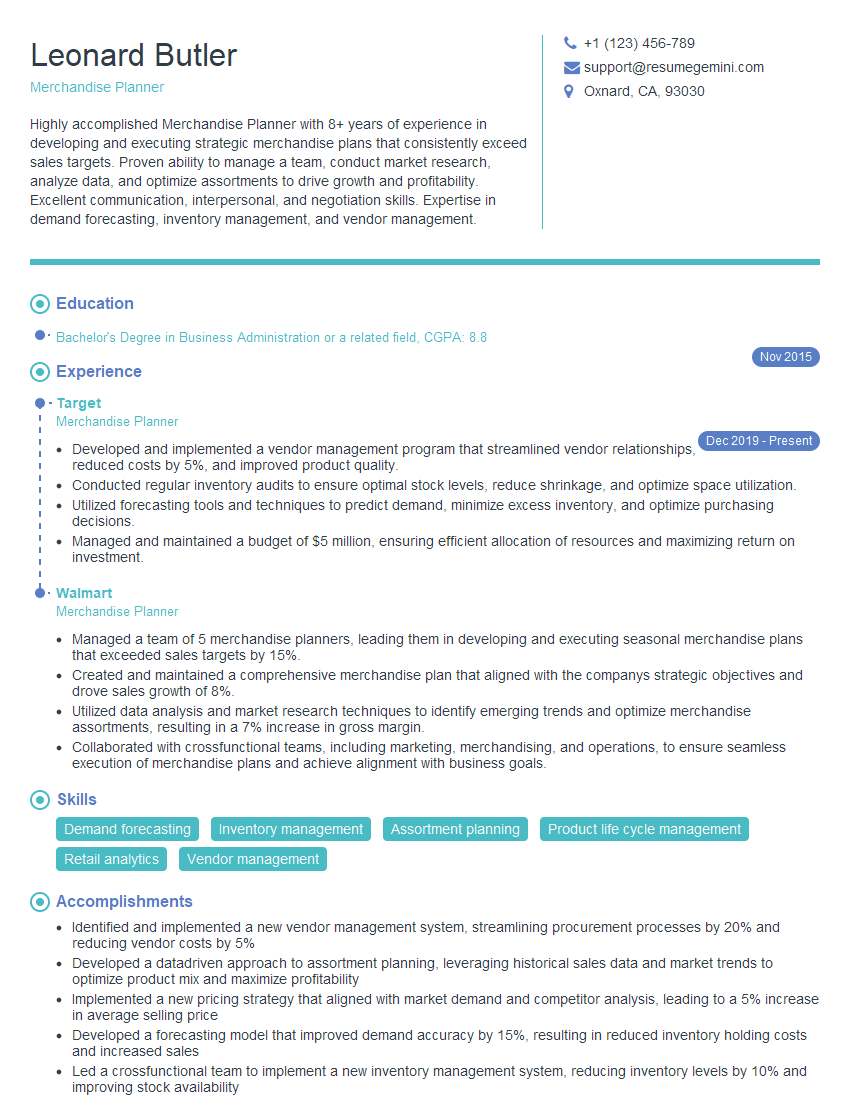
Merchandise Planner Resume Sample
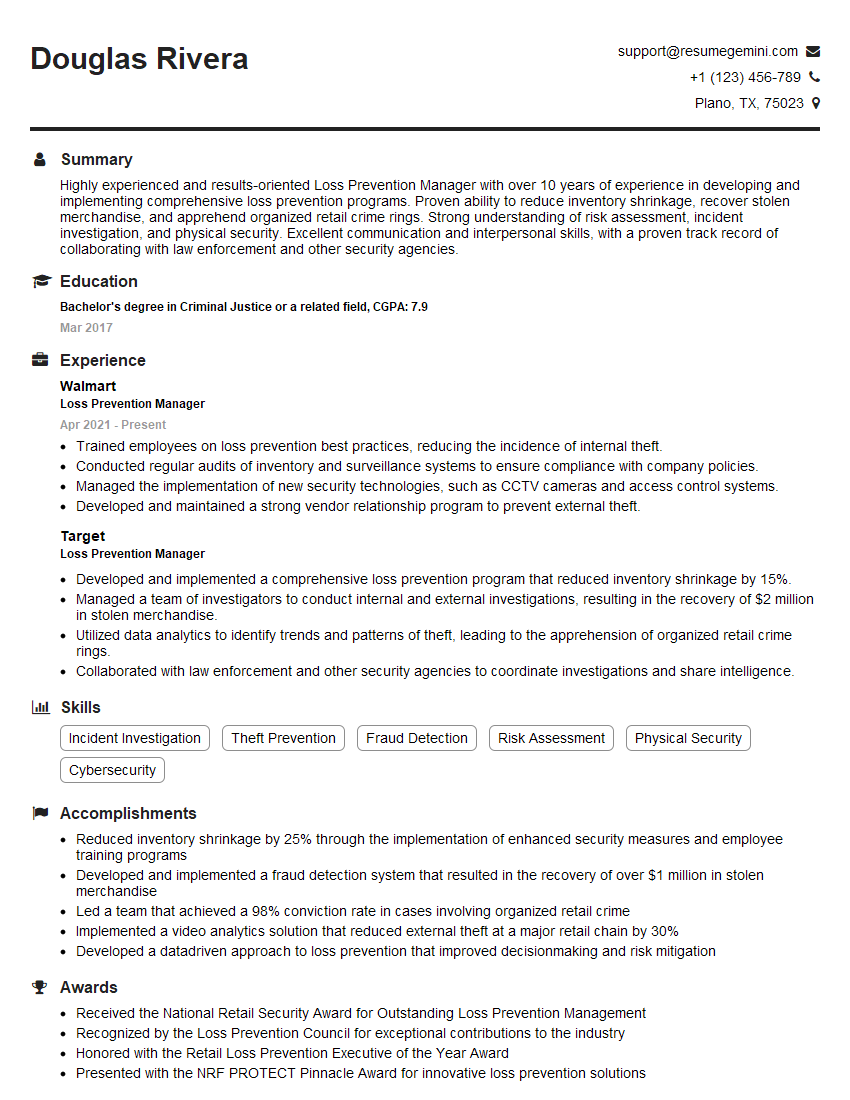
Loss Prevention Manager Resume Sample

Inventory Manager Resume Sample
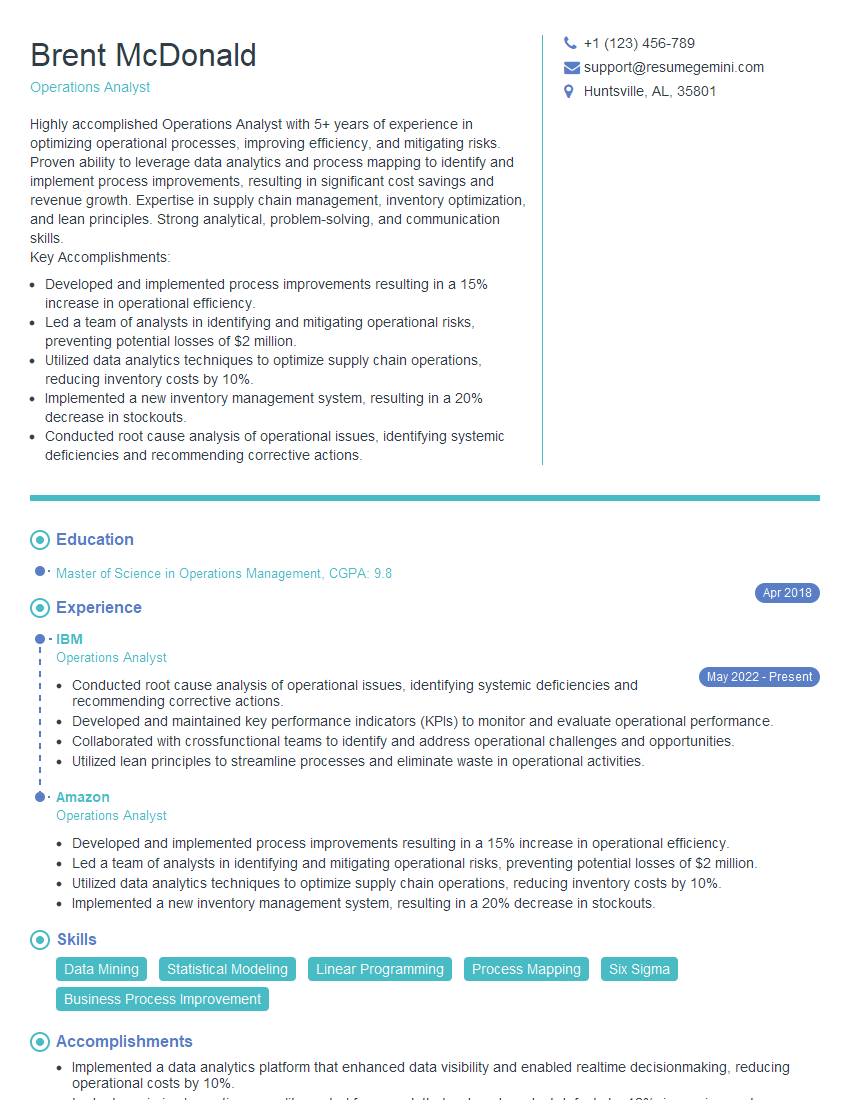
Operations Analyst Resume Sample
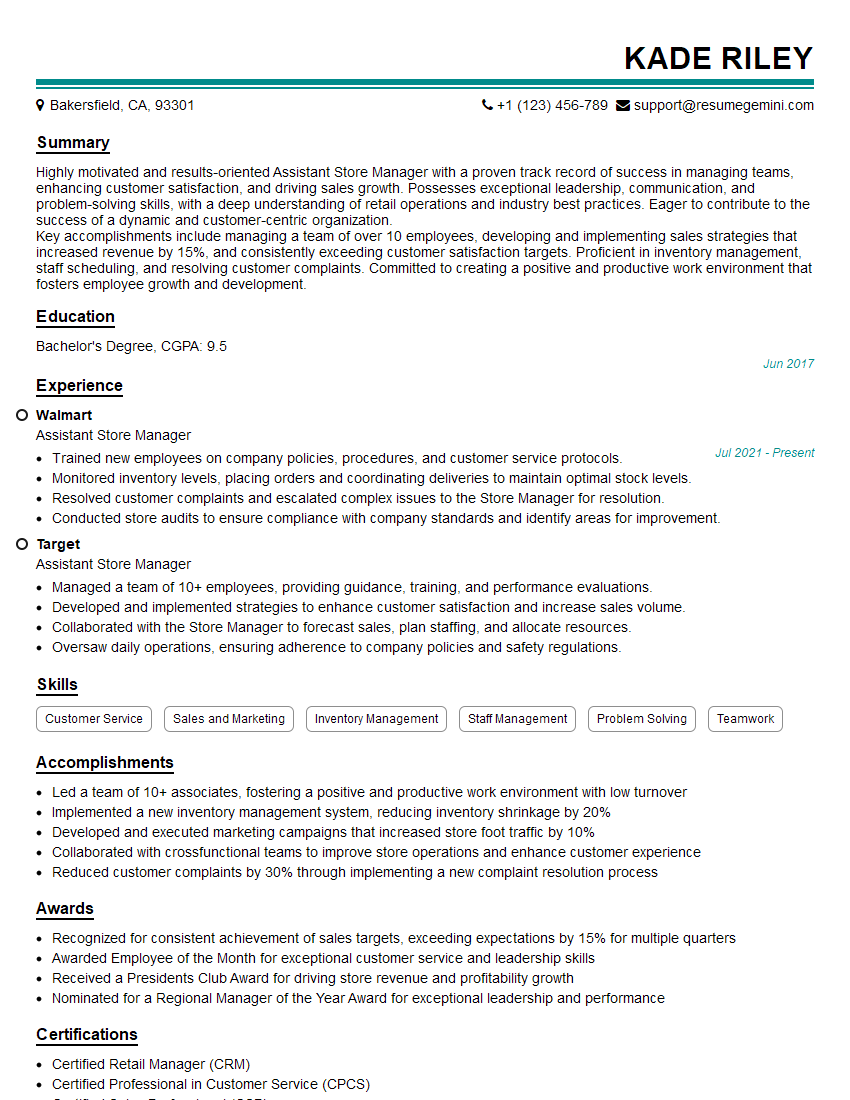
Assistant Store Manager Resume Sample
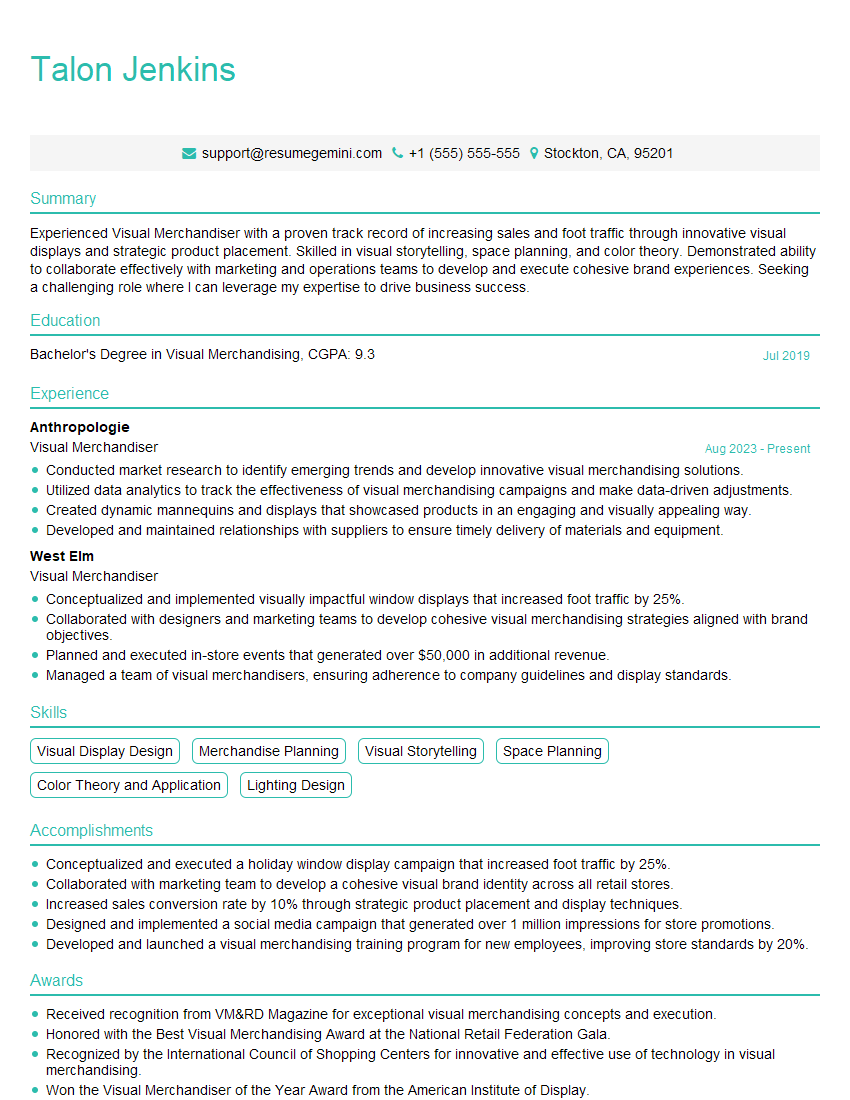
Visual Merchandiser Resume Sample
Explore more articles
Users Rating of Our Blogs
Share Your Experience
We value your feedback! Please rate our content and share your thoughts (optional).
What Readers Say About Our Blog
Very informative content, great job.
good