Cracking a skill-specific interview, like one for Knowledge of Wildlife Regulations, requires understanding the nuances of the role. In this blog, we present the questions you’re most likely to encounter, along with insights into how to answer them effectively. Let’s ensure you’re ready to make a strong impression.
Questions Asked in Knowledge of Wildlife Regulations Interview
Q 1. Explain the Endangered Species Act and its implications.
The Endangered Species Act (ESA) of 1973 is a landmark US law designed to protect and recover imperiled plants and animals. It works by identifying species as either endangered (in danger of extinction throughout all or a significant portion of its range) or threatened (likely to become endangered in the foreseeable future). The ESA’s implications are far-reaching.
- Protection from harm: The Act prohibits the “taking” of listed species, which includes harming, harassing, pursuing, hunting, shooting, wounding, killing, trapping, capturing, or collecting. This applies to both the species itself and its habitat.
- Habitat conservation: The ESA mandates the designation of critical habitat areas essential for the species’ survival and recovery. This often leads to land use restrictions and conservation efforts on private and public lands.
- Recovery plans: For each listed species, the US Fish and Wildlife Service (for terrestrial and freshwater species) and the National Marine Fisheries Service (for marine species) develop recovery plans outlining steps to bring the species back to a stable population level. This often involves captive breeding, habitat restoration, and public education.
- Enforcement and penalties: Violating the ESA carries significant penalties, including hefty fines and even criminal prosecution.
For example, the ESA played a critical role in the recovery of the bald eagle, a species once on the brink of extinction due to habitat loss and pesticide poisoning. Through strict protection, habitat restoration, and a ban on DDT, the eagle population has rebounded significantly.
Q 2. Describe the process for obtaining a hunting license in your state.
The process for obtaining a hunting license varies by state, but generally involves these steps:
- Determine eligibility: You’ll need to meet age requirements and residency stipulations. Some states may also require hunter safety education courses.
- Apply online or in person: Most states offer online application portals for convenience, but some still allow in-person applications at designated offices or license vendors.
- Provide required information: This typically includes personal information, hunting preferences (species, location), and payment.
- Purchase a license and any required stamps or tags: This grants permission to hunt specific species within designated areas. Some states utilize a point system or lottery for popular hunts.
- Understand regulations: Thoroughly review the state’s hunting regulations, including seasons, bag limits, and permitted hunting methods for each species.
Remember that regulations are subject to change, so always check your state’s wildlife agency website for the most current information. For example, some states may have specific regulations for using firearms or archery equipment on private land.
Q 3. What are the key differences between state and federal wildlife regulations?
State and federal wildlife regulations often overlap, but there are key differences:
- Jurisdiction: Federal regulations, primarily managed by the US Fish and Wildlife Service, focus on migratory birds, endangered species, and interstate commerce in wildlife. State regulations, managed by individual state wildlife agencies, govern hunting, fishing, trapping, and the conservation of species within their borders.
- Species coverage: Federal law often protects migratory birds and endangered species irrespective of state boundaries. State regulations manage game species and other wildlife found primarily within that state.
- Enforcement: Federal agencies enforce federal regulations, while state wildlife officers enforce state laws. There can be collaboration between agencies when necessary.
- Regulations: State regulations are more specific regarding hunting seasons, bag limits, licensing, and equipment restrictions. Federal regulations tend to focus on broad conservation mandates.
Think of it like this: federal law sets the overall framework for wildlife protection, while state law provides specific rules based on local conditions and species populations.
Q 4. How do you handle a situation where a hunter violates hunting regulations?
Handling a situation involving a hunting regulation violation requires a structured approach:
- Witness assessment: Document the violation as accurately as possible, including details of the infraction, the time, location, and the hunter’s identity (if possible and safe).
- Safety first: Prioritize safety. Do not confront the hunter if it seems unsafe. Instead, gather necessary information and contact authorities.
- Contact authorities: Report the violation to the appropriate state wildlife agency or law enforcement. Provide them with all the details you’ve gathered.
- Testify (if required): If the case proceeds to court or a hearing, you may be called upon to testify about what you witnessed. Accurate and factual testimony is essential.
It’s crucial to remain impartial and focus on reporting the facts. Remember, your role is to assist in the enforcement of wildlife regulations, not to administer punishment.
Q 5. What are the common methods used for wildlife population monitoring?
Wildlife population monitoring uses various methods depending on the species and the goals of the monitoring:
- Visual surveys: Counting animals directly by observation, often from the air or ground. This can be effective for large mammals or birds but may be less reliable for elusive species.
- Mark-recapture techniques: Involving marking a sample of animals and then recapturing them to estimate population size. This method requires careful data analysis.
- Camera trapping: Using motion-activated cameras to capture images or videos of wildlife, providing useful data on abundance, distribution, and behavior. This is a non-invasive technique.
- Acoustic monitoring: Recording and analyzing animal vocalizations to estimate population size or track movements. This is particularly useful for species that are difficult to observe directly.
- Telemetry: Attaching radio collars or other tracking devices to animals to monitor their movements and location. This allows for detailed information on habitat use and migration patterns.
- Genetic analysis: Using genetic markers from scat or other samples to estimate population size and genetic diversity.
The chosen method depends on factors like species biology, habitat characteristics, and the available resources. Often, multiple methods are combined for a more comprehensive understanding of the population.
Q 6. Discuss the role of habitat preservation in wildlife conservation.
Habitat preservation is absolutely fundamental to wildlife conservation. Wildlife needs suitable habitats to survive and thrive. Habitat loss and degradation are the leading causes of species decline worldwide.
- Provides essential resources: Habitats provide food, water, shelter, and breeding sites necessary for wildlife.
- Supports biodiversity: Different habitats support different species, promoting high biodiversity.
- Reduces human-wildlife conflict: Protecting wildlife habitats can minimize conflict between humans and animals by reducing encroachment.
- Climate change mitigation: Intact habitats act as carbon sinks, absorbing greenhouse gases and helping to mitigate climate change.
Habitat preservation can involve a range of strategies, from creating protected areas like national parks and wildlife refuges to implementing sustainable land management practices on private lands. Effective habitat preservation requires comprehensive planning, involving stakeholders and considering both ecological and socio-economic factors. Imagine trying to protect a bird of prey without protecting its nesting sites or hunting grounds – it wouldn’t be sustainable.
Q 7. Explain the concept of carrying capacity in wildlife management.
Carrying capacity in wildlife management refers to the maximum population size of a particular species that an environment can sustainably support over a long period. It’s determined by the availability of resources like food, water, shelter, and the absence of limiting factors such as disease or predation.
Understanding carrying capacity is crucial for setting hunting quotas or other management strategies. A population exceeding carrying capacity may experience population crashes due to resource depletion. Conversely, a population significantly below carrying capacity might indicate underlying ecological issues requiring intervention.
For example, if a deer population exceeds the carrying capacity of its habitat, there might be overgrazing, leading to habitat degradation and reduced deer health. Managers could then implement hunting regulations to reduce the population to a sustainable level.
Q 8. Describe different wildlife management techniques (e.g., hunting, trapping).
Wildlife management employs various techniques to control and conserve populations. These methods are carefully chosen based on species, habitat, and management goals. Two primary techniques are hunting and trapping.
Hunting: Regulated hunting, often through licensing and quotas, is a crucial tool for managing populations of game species. It can help control overpopulation, prevent habitat degradation, and generate revenue for conservation efforts. For example, controlled deer hunting can prevent overgrazing in forests, protecting plant life and other animals. This is also a valuable source of protein for many communities.
Trapping: Trapping is used for a range of management purposes, from controlling nuisance animals (like beavers causing flooding) to protecting endangered species from predators or removing animals from areas of human conflict. Different trap types exist to minimize harm to the animal, ranging from live traps for relocation to lethal traps used only when necessary and permitted. For example, a study might use trapping to safely relocate endangered birds from an area with high human traffic to a protected habitat. Ethical and safe trapping techniques are paramount to the success and humane nature of this work.
Other techniques include habitat restoration, population surveys, and the use of birth control in specific cases.
Q 9. How do you address conflicts between wildlife and human interests?
Conflicts between wildlife and human interests are common and require nuanced solutions. These conflicts can range from property damage to public safety concerns. Addressing these issues requires a multi-faceted approach:
Non-lethal methods: These prioritize minimizing harm to animals. Examples include habitat modification (e.g., installing bird-deterrents on buildings, constructing fences to keep wildlife out of agricultural areas), and public education campaigns on how to co-exist with wildlife (e.g., securing garbage, removing attractants).
Lethal methods: As a last resort, when non-lethal methods have failed and there is a significant threat to public safety or significant property damage, lethal control may be considered. This must always be conducted within a strict regulatory framework and ethical guidelines, often involving extensive permits and justification. For example, a bear repeatedly accessing populated areas despite non-lethal interventions might necessitate lethal removal as a safety measure.
Translocation: Relocating animals to more suitable habitats is a technique used in some cases. This requires careful consideration of habitat suitability, disease transmission, and the potential impacts on both the source and recipient populations. This is often a complex and expensive process, however, and success is not guaranteed.
Effective conflict resolution often involves community engagement, involving local residents and stakeholders in decision-making processes.
Q 10. What are the ethical considerations in wildlife management?
Ethical considerations are paramount in wildlife management. Decisions must balance ecological integrity, animal welfare, and human needs. Key ethical considerations include:
Animal welfare: Minimizing suffering during management activities is crucial. This necessitates using humane methods and ensuring appropriate handling and transportation. The ‘five freedoms’ of animal welfare – freedom from hunger and thirst, freedom from discomfort, freedom from pain, injury, or disease, freedom to express normal behavior, and freedom from fear and distress – should guide decisions.
Scientific integrity: Management decisions should be based on sound scientific data and evidence-based approaches, rather than on emotional responses or unsubstantiated claims. Transparency and peer review of research are vital for maintaining public trust.
Sustainability: Management strategies should prioritize the long-term health and resilience of both wildlife populations and their habitats. This means considering not only immediate effects but also the potential consequences of actions on future generations.
Fairness and equity: Policies and practices should ensure fairness and equity in access to wildlife resources and the benefits derived from their management. This is particularly important when considering the impact of wildlife management decisions on indigenous communities and other marginalized groups.
Q 11. Explain the importance of data collection and analysis in wildlife management.
Data collection and analysis are the cornerstones of effective wildlife management. Reliable data allows managers to make informed decisions and evaluate the success of their interventions. This includes:
Population monitoring: Tracking population size, distribution, and demographics (age, sex ratios) helps managers understand population trends, identify threats, and evaluate the efficacy of management actions. This may involve techniques such as aerial surveys, camera trapping, mark-recapture studies, and genetic analysis.
Habitat assessment: Evaluating the quality and quantity of available habitat provides insights into carrying capacity, habitat fragmentation, and the impact of human activities on wildlife. This might include GIS mapping, vegetation surveys, and soil analysis.
Disease surveillance: Monitoring disease prevalence helps managers identify and respond to outbreaks, protecting both wildlife populations and human health. This might involve collecting samples and performing lab analysis.
Human-wildlife conflict monitoring: Tracking the frequency and location of human-wildlife conflicts informs the development and evaluation of conflict mitigation strategies. This could involve analyzing reports from the public, conducting surveys, or deploying remote sensing technologies.
Data analysis techniques, including statistical modeling and GIS analysis, help interpret the collected data to understand population trends and inform management actions.
Q 12. How do you interpret wildlife regulations and apply them in the field?
Interpreting and applying wildlife regulations requires meticulous attention to detail and a thorough understanding of the relevant legal framework. This involves:
Careful reading of regulations: Understanding the specific requirements for hunting, trapping, and other management activities is essential. This includes knowing which species are covered, the permitted methods, allowable harvest limits, and any geographical restrictions.
Consulting with regulatory agencies: When uncertainty exists, seeking clarification from wildlife agencies is crucial. This ensures compliance and avoids potential legal issues.
Maintaining accurate records: Keeping detailed records of activities, including dates, locations, methods used, and harvest details, is vital for compliance and accountability. This can be crucial if regulatory agencies request audits or reviews.
Applying regulations in the field: Correct application of regulations means understanding the context of the regulations and ensuring they are implemented safely and ethically. This involves considering weather conditions, terrain and the overall safety of the field work.
A strong understanding of the legal framework and a commitment to responsible conduct are essential for successful and ethical wildlife management.
Q 13. Describe your experience with wildlife law enforcement.
During my career, I’ve been involved in various aspects of wildlife law enforcement, including:
Patrol and enforcement: I’ve conducted patrols to monitor compliance with wildlife regulations, inspecting hunting licenses, and investigating potential violations. This includes educating the public on wildlife laws and regulations.
Investigation of violations: I’ve investigated illegal hunting, poaching, and illegal wildlife trade cases. This has involved collecting evidence, interviewing witnesses, and preparing reports for prosecution.
Court testimony: I’ve provided expert testimony in court cases related to wildlife violations, explaining relevant regulations and the evidence collected during investigations.
Community outreach: I’ve worked with local communities to educate them on wildlife laws, foster compliance, and improve human-wildlife coexistence.
My experience has provided me with a deep understanding of the challenges and complexities of wildlife law enforcement and a strong commitment to upholding the rule of law for protecting wildlife.
Q 14. What are the legal ramifications of illegal wildlife trade?
Illegal wildlife trade has severe legal ramifications, with penalties varying depending on the jurisdiction and the specific offense. These can include:
Significant fines: Monetary penalties can be substantial, often reaching hundreds of thousands or even millions of dollars, depending on the scale of the crime and the species involved.
Imprisonment: Jail time is a common consequence for serious offenses, with sentences ranging from several years to decades in some cases.
Asset forfeiture: The government may seize assets used in the illegal trade, such as vehicles, boats, and property. This aims to deter future crimes by removing the financial incentives.
International cooperation: Because wildlife trafficking is often a transnational crime, international cooperation is crucial. This involves collaboration between countries to track and prosecute offenders across borders.
The legal ramifications are designed not only to punish offenders but also to deter future illegal activities and protect endangered species from exploitation.
Q 15. Discuss the impact of climate change on wildlife populations.
Climate change is profoundly impacting wildlife populations globally. Changes in temperature, precipitation patterns, and extreme weather events are altering habitats, disrupting breeding cycles, and increasing the spread of diseases.
- Habitat Loss and Fragmentation: Rising sea levels inundate coastal wetlands, vital habitats for many species. Changes in temperature and precipitation can shift vegetation zones, leaving animals without suitable food or shelter. For example, polar bears face declining sea ice, crucial for hunting seals.
- Range Shifts and Mismatches: Species are forced to migrate to find suitable habitats, but not all can adapt quickly enough. This can lead to competition with existing species in new areas and even extinction if suitable habitats are unavailable. Consider the impact on migratory birds whose breeding grounds or wintering areas are altered.
- Increased Disease Risk: Warmer temperatures can expand the range of disease vectors, such as mosquitoes, exposing wildlife populations to new pathogens. Weakened immune systems due to stress from climate change also increase susceptibility to disease.
- Phenological Mismatches: Changes in the timing of seasonal events (e.g., flowering, migration) can disrupt the relationships between species. For instance, if a plant flowers earlier than the insect that pollinates it, the plant’s reproductive success can decline significantly.
Managing this requires proactive strategies such as habitat restoration, assisted migration (carefully relocating species), and reducing greenhouse gas emissions.
Career Expert Tips:
- Ace those interviews! Prepare effectively by reviewing the Top 50 Most Common Interview Questions on ResumeGemini.
- Navigate your job search with confidence! Explore a wide range of Career Tips on ResumeGemini. Learn about common challenges and recommendations to overcome them.
- Craft the perfect resume! Master the Art of Resume Writing with ResumeGemini’s guide. Showcase your unique qualifications and achievements effectively.
- Don’t miss out on holiday savings! Build your dream resume with ResumeGemini’s ATS optimized templates.
Q 16. How do you use GIS technology in wildlife management?
GIS (Geographic Information System) technology is indispensable for modern wildlife management. It allows us to visualize, analyze, and manage spatial data related to wildlife populations, habitats, and human activities.
- Habitat Mapping and Analysis: GIS helps map and analyze different habitat types, identify crucial areas for conservation, and assess habitat quality. We use satellite imagery, aerial photography, and ground-based data to create detailed maps.
- Population Monitoring: We can track animal movements, densities, and home ranges using GPS collars and telemetry data within a GIS framework. This allows for informed decisions on population management, such as setting hunting quotas or relocating animals.
- Disease Surveillance: GIS can help map the spatial distribution of wildlife diseases, identify hotspots, and predict disease outbreaks. This is vital for implementing effective disease prevention and control strategies.
- Human-Wildlife Conflict Management: GIS helps visualize areas of human-wildlife conflict, such as proximity of human settlements to wildlife habitats. This information aids in developing mitigation strategies, like creating wildlife corridors or implementing deterrents.
For example, I recently used GIS to model the potential impact of a proposed highway on a threatened species’ habitat. The resulting maps showed significant habitat fragmentation, leading to recommendations for alternative road alignments.
Q 17. What are the common challenges in enforcing wildlife regulations?
Enforcing wildlife regulations presents many challenges, often stemming from limited resources and the clandestine nature of wildlife crime.
- Lack of Resources: Enforcement agencies often face limited personnel, funding, and equipment, making widespread monitoring and surveillance difficult. This is especially true in remote areas with vast wildlife habitats.
- Transnational Nature of Wildlife Crime: Illegal wildlife trade is a global problem, requiring international cooperation to effectively combat it. Tracking poached animals and their products across borders is a complex task.
- Difficult Terrain and Accessibility: Many wildlife habitats are located in remote and challenging areas, making access for enforcement difficult and expensive.
- Corruption: Corruption within enforcement agencies or among those involved in the illegal wildlife trade can severely hamper efforts.
- Public Awareness and Support: Lack of public awareness and understanding of wildlife regulations can lead to unintentional violations or a lack of cooperation with enforcement efforts.
Effective enforcement strategies often combine surveillance technologies, community involvement, and strong international partnerships.
Q 18. Describe your experience with public education related to wildlife conservation.
Public education is paramount for successful wildlife conservation. I’ve been involved in various public education initiatives, focusing on increasing awareness and fostering responsible behaviors.
- Educational Programs: I’ve developed and delivered educational programs for schools, community groups, and the general public on topics such as wildlife identification, habitat conservation, and responsible wildlife viewing.
- Public Awareness Campaigns: I’ve worked on designing and implementing public awareness campaigns using various media, including social media, brochures, and presentations. For example, a recent campaign focused on reducing plastic pollution in coastal areas to protect marine wildlife.
- Community Outreach: I’ve actively engaged with local communities to build support for wildlife conservation efforts. This included working with landowners to implement habitat management practices on their properties.
- Citizen Science Projects: I’ve promoted citizen science initiatives, such as wildlife surveys and monitoring programs, enabling the public to contribute directly to data collection and research.
One successful initiative involved working with local farmers to implement bird-friendly farming practices, reducing bird mortality while increasing crop yields. This demonstrated that conservation and economic interests can coexist.
Q 19. How do you maintain accurate records in wildlife management activities?
Maintaining accurate records is crucial for effective wildlife management. We use a variety of methods to ensure data integrity and accessibility.
- Database Management Systems: We use specialized database management systems (DBMS) to store and manage wildlife data. This allows for efficient data retrieval, analysis, and reporting.
Example: A relational database using SQL to store information on individual animals, locations, and observations. - Data Standardization: We follow standardized data formats and protocols to ensure consistency and comparability across different datasets. This is crucial for sharing data among different agencies and researchers.
- Data Validation and Quality Control: We implement rigorous data validation and quality control procedures to minimize errors and inconsistencies. This includes regular data audits and checks for accuracy.
- Data Backup and Security: We maintain regular backups of our data to prevent loss due to technical failures or other unforeseen events. Robust security measures are in place to protect sensitive data.
Accurate records enable us to monitor population trends, evaluate management strategies, and make informed decisions for future conservation efforts.
Q 20. Explain your knowledge of wildlife disease and its management.
Wildlife diseases pose significant threats to biodiversity. My knowledge encompasses disease surveillance, diagnosis, and management strategies.
- Disease Surveillance: This involves actively monitoring wildlife populations for signs of disease outbreaks. Methods include necropsy examinations, serological testing, and disease surveillance in captured or observed animals.
- Disease Diagnosis: Accurate diagnosis requires laboratory testing, including virology, bacteriology, and parasitology. Identifying the causative agent is crucial for developing effective control strategies.
- Disease Management: Management strategies vary depending on the disease and its impact on the wildlife population. They can include vaccination programs, culling of infected animals, and habitat management to reduce disease transmission.
- Disease Prevention: Preventive measures focus on reducing exposure to pathogens. These measures can include reducing human-wildlife interactions, managing wildlife density, and implementing biosecurity measures.
For example, I’ve participated in a project investigating the impact of a novel virus on a deer population. This involved collecting samples, conducting laboratory analysis, and modeling the potential spread of the disease using GIS to inform management decisions.
Q 21. Describe different methods for controlling invasive species.
Controlling invasive species requires a multi-pronged approach, combining different methods tailored to the specific species and ecosystem.
- Mechanical Control: This involves physically removing invasive species. Methods include hand-pulling, mowing, and trapping. This is effective for small infestations but can be labor-intensive and costly for large areas.
- Chemical Control: This involves using herbicides or pesticides to kill invasive species. Care must be taken to minimize harm to non-target species and the environment. This method requires careful consideration of environmental impact.
- Biological Control: This involves introducing natural enemies of the invasive species, such as predators, parasites, or diseases. This requires rigorous testing to ensure the introduced biological control agent doesn’t become an invasive species itself.
- Integrated Pest Management (IPM): This approach combines various control methods to manage invasive species effectively and sustainably. It aims to minimize the use of chemical controls and prioritize environmentally friendly approaches.
- Prevention: Preventing the introduction of new invasive species is the most effective approach. Strict biosecurity measures, inspections, and public awareness campaigns play a critical role.
Choosing the appropriate control method requires careful consideration of the species’ biology, its impact on the ecosystem, and the potential risks and benefits of each method.
Q 22. How do you prioritize conservation efforts based on limited resources?
Prioritizing conservation efforts with limited resources requires a strategic approach. We use a three-pronged strategy: assessing threats, evaluating species vulnerability, and maximizing impact.
Assessing threats involves identifying the most significant factors jeopardizing biodiversity, such as habitat loss, poaching, or climate change. We analyze data on population trends, habitat degradation, and human impacts to understand the urgency of each threat. For example, a rapidly declining endangered species facing immediate habitat loss would take precedence over a species with a stable population facing a less immediate threat.
Evaluating species vulnerability involves considering factors like the species’ intrinsic characteristics (e.g., reproductive rate, genetic diversity), their ecological role (keystone species), and their intrinsic value (cultural significance). A species with low reproductive rates and a limited range would be prioritized over a more resilient species.
Maximizing impact focuses on selecting actions with the highest potential for positive outcomes. This often involves cost-effectiveness analysis. We might prioritize a project with a high return on investment – for instance, protecting a large area of critical habitat rather than investing solely in small, isolated reserves. We also consider the potential for collaboration and leverage existing resources to amplify our impact.
Q 23. What is your understanding of sustainable wildlife management practices?
Sustainable wildlife management practices ensure the long-term health of wildlife populations and their ecosystems while meeting human needs. This requires a holistic approach that balances conservation goals with economic development and social equity. Key elements include:
- Adaptive management: Regularly monitoring populations and adjusting management strategies based on data and new scientific understanding.
- Habitat protection and restoration: Protecting and restoring habitats vital for wildlife survival, including corridors to facilitate movement and genetic exchange.
- Sustainable harvesting (if applicable): Implementing regulations that allow for regulated hunting or fishing while maintaining population viability. This requires careful population monitoring and adaptive harvesting limits.
- Community involvement: Engaging local communities in conservation efforts, ensuring their needs are considered and they benefit from conservation initiatives. This could involve developing sustainable livelihoods or empowering communities to manage their own resources.
- Combating illegal wildlife trade: Strengthening law enforcement and promoting international collaboration to curb poaching and trafficking.
For instance, sustainable fishing practices involve setting catch limits based on scientific assessments of fish populations, ensuring that fishing methods minimize bycatch (unintentional capture of non-target species), and using selective fishing gear to avoid catching juveniles or endangered species.
Q 24. Explain your experience with wildlife rehabilitation and release programs.
My experience with wildlife rehabilitation and release programs spans over a decade. I’ve been involved in various projects, from rescuing injured birds of prey to caring for orphaned mammals. Each program follows a strict protocol.
First, we assess the animal’s condition, providing immediate veterinary care if needed. The rehabilitation process is tailored to the species and the specific injury or circumstance leading to their need for rescue. It involves providing appropriate food, shelter, and medical treatment. We monitor their progress closely, gradually introducing them to environments that simulate their natural habitat before release. Before release, we carefully assess the animal’s fitness for survival (weight, ability to hunt/forage) and the suitability of the release site.
For example, when rehabilitating raptors, we focus on strengthening their flight muscles and honing their hunting skills in a controlled environment. Before release, we equip them with radio transmitters to monitor their survival and movement after release. Success is measured by the animal’s ability to thrive in the wild, which is regularly monitored through tracking data and long-term population surveys.
Q 25. How do you ensure compliance with environmental regulations during wildlife projects?
Ensuring compliance with environmental regulations is paramount. We integrate compliance into every stage of our wildlife projects. This includes obtaining necessary permits and licenses, conducting thorough environmental impact assessments, developing detailed management plans that address potential environmental risks, and employing environmental monitoring programs. We maintain meticulous records of all activities, ensuring transparency and accountability.
For example, before initiating a habitat restoration project, we obtain all necessary permits from relevant authorities. We conduct surveys to identify sensitive species and habitats and design the project to minimize its impact on these. During project implementation, we continuously monitor the environment for any unintended consequences and adjust our strategies accordingly. Regular reporting to regulatory bodies ensures compliance and allows for early identification of potential issues.
Q 26. What are the key elements of a successful wildlife conservation plan?
A successful wildlife conservation plan requires a multi-faceted approach. Key elements include:
- Clearly defined goals and objectives: Specific, measurable, achievable, relevant, and time-bound (SMART) goals for conservation efforts. For example, ‘Increase the population of the endangered red-cockaded woodpecker by 20% within 10 years.’
- Comprehensive data collection and analysis: Thorough monitoring of wildlife populations, habitat conditions, and threats. This data informs management decisions and enables evaluation of project effectiveness. This could involve population counts, habitat assessments, and analysis of threat factors.
- Habitat management strategies: Effective measures to protect, restore, and enhance wildlife habitats, considering factors like fire regimes, grazing, and invasive species control.
- Species-specific conservation actions: Targeted measures tailored to the needs of specific species, such as captive breeding programs, translocation, or anti-poaching initiatives.
- Community engagement and collaboration: Involving local communities and stakeholders to ensure the plan is socially acceptable and environmentally sustainable. This may involve educational programs, sustainable livelihood initiatives, and conflict resolution strategies.
- Monitoring and evaluation: Regularly monitoring the effectiveness of the plan and adjusting strategies as needed. This is crucial for adaptive management and for ensuring that the plan achieves its objectives.
Q 27. Describe your experience with stakeholder engagement in wildlife management.
Stakeholder engagement is critical for effective wildlife management. My approach involves building trust and fostering open communication. I actively engage with diverse stakeholders, including local communities, landowners, government agencies, scientists, and conservation organizations.
My experience includes facilitating workshops and public forums to discuss management plans, incorporating feedback into project design, and addressing concerns raised by stakeholders. I also actively engage in conflict resolution when differing interests arise. For instance, working with landowners to balance their economic needs with wildlife conservation goals by exploring options like conservation easements or ecotourism initiatives. This collaborative approach ensures that conservation efforts are socially acceptable, equitable, and have broad support.
Q 28. How do you stay current with changes in wildlife regulations and best practices?
Staying current with changes in wildlife regulations and best practices requires continuous learning and professional development. I actively participate in professional organizations like the Society for Conservation Biology, attend conferences and workshops, and regularly review scientific literature and regulatory updates.
I subscribe to relevant journals and newsletters, follow leading researchers and organizations in the field, and utilize online resources to stay informed. Engaging with colleagues and experts through professional networks facilitates knowledge exchange and allows me to learn from others’ experiences. This ongoing learning process helps me to adapt my practices and ensure that my work aligns with the latest scientific advancements and legal requirements.
Key Topics to Learn for Knowledge of Wildlife Regulations Interview
- Endangered Species Act (ESA): Understanding the ESA’s provisions, including listing criteria, critical habitat designation, and permit requirements. Practical application: Analyzing a hypothetical scenario involving a proposed development impacting a listed species.
- Hunting and Fishing Regulations: Familiarity with state and federal regulations governing hunting and fishing licenses, bag limits, seasons, and prohibited methods. Practical application: Explaining how to determine legal hunting practices in a specific location and season.
- Wildlife Habitat Management: Knowledge of techniques for managing and restoring wildlife habitats, including habitat restoration projects and their impact assessments. Practical application: Designing a habitat improvement plan for a specific species.
- Wildlife Conflict Resolution: Strategies for mitigating human-wildlife conflicts, such as dealing with nuisance animals or managing agricultural damage caused by wildlife. Practical application: Developing a plan to address a specific human-wildlife conflict scenario.
- Enforcement and Compliance: Understanding the role of regulatory agencies in enforcing wildlife laws and regulations. Practical application: Describing appropriate responses to observed violations of wildlife regulations.
- Conservation and Sustainability: Principles of wildlife conservation and sustainable resource management. Practical application: Evaluating the effectiveness of a conservation program.
- Data Analysis and Interpretation: Ability to interpret wildlife population data, trends, and research findings to inform management decisions. Practical application: Analyzing population data to make recommendations for conservation efforts.
Next Steps
Mastering Knowledge of Wildlife Regulations is crucial for career advancement in conservation, wildlife management, and related fields. A strong understanding of these regulations demonstrates your commitment to responsible resource management and significantly improves your job prospects. To enhance your chances of landing your dream role, create an ATS-friendly resume that highlights your skills and experience effectively. ResumeGemini is a trusted resource that can help you build a professional and impactful resume. Examples of resumes tailored to showcasing expertise in Knowledge of Wildlife Regulations are available within ResumeGemini to guide you.
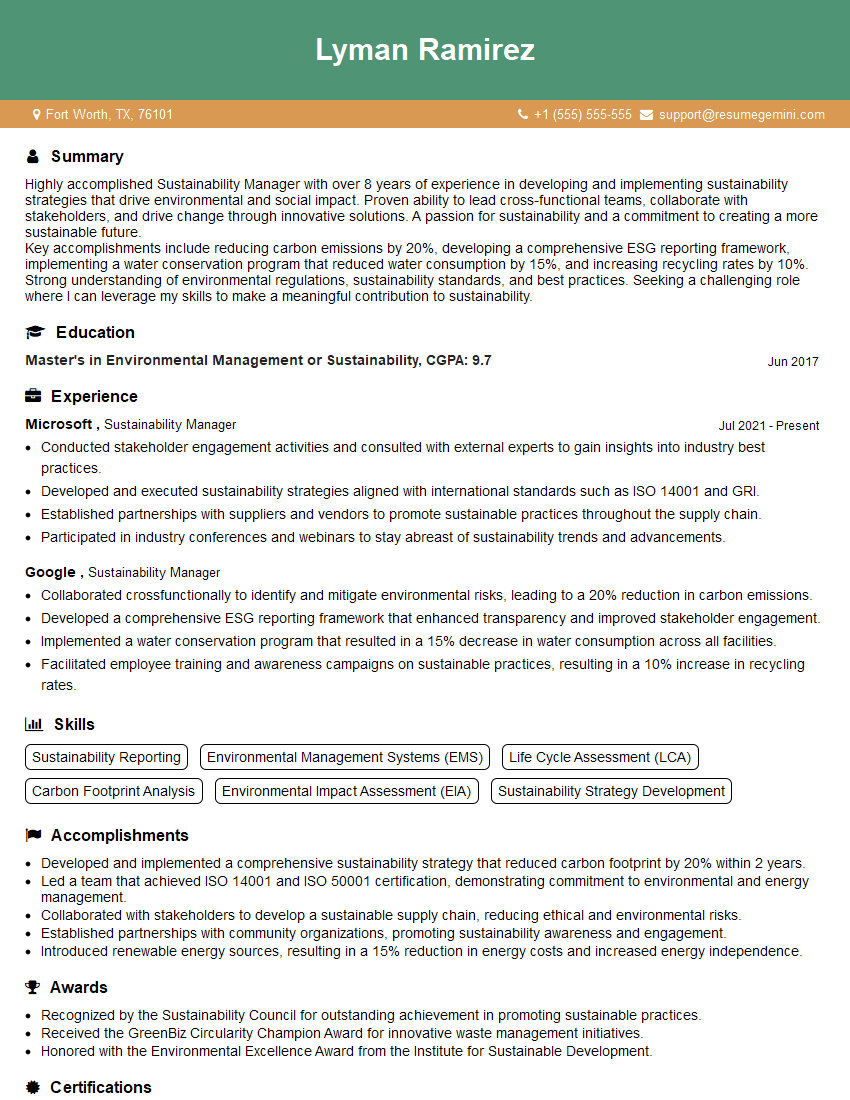
Sustainability Manager Resume Sample

Environmental Compliance Officer Resume Sample
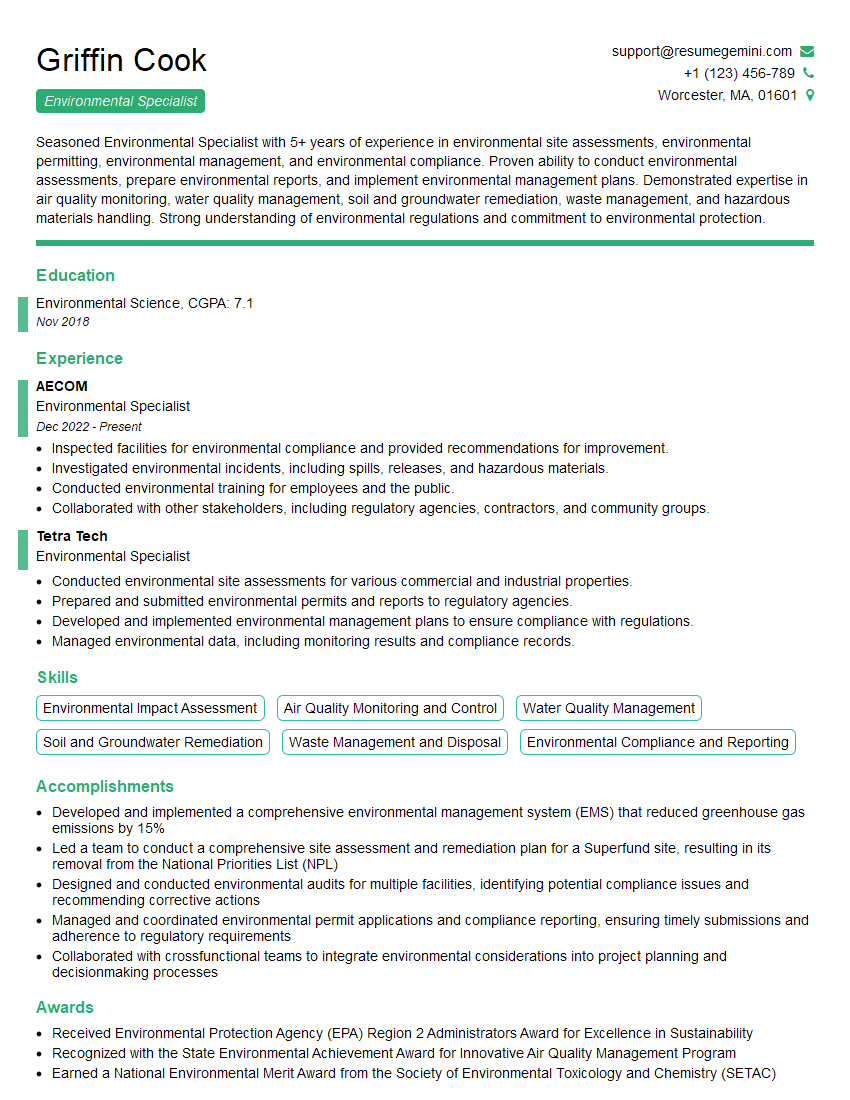
Environmental Specialist Resume Sample
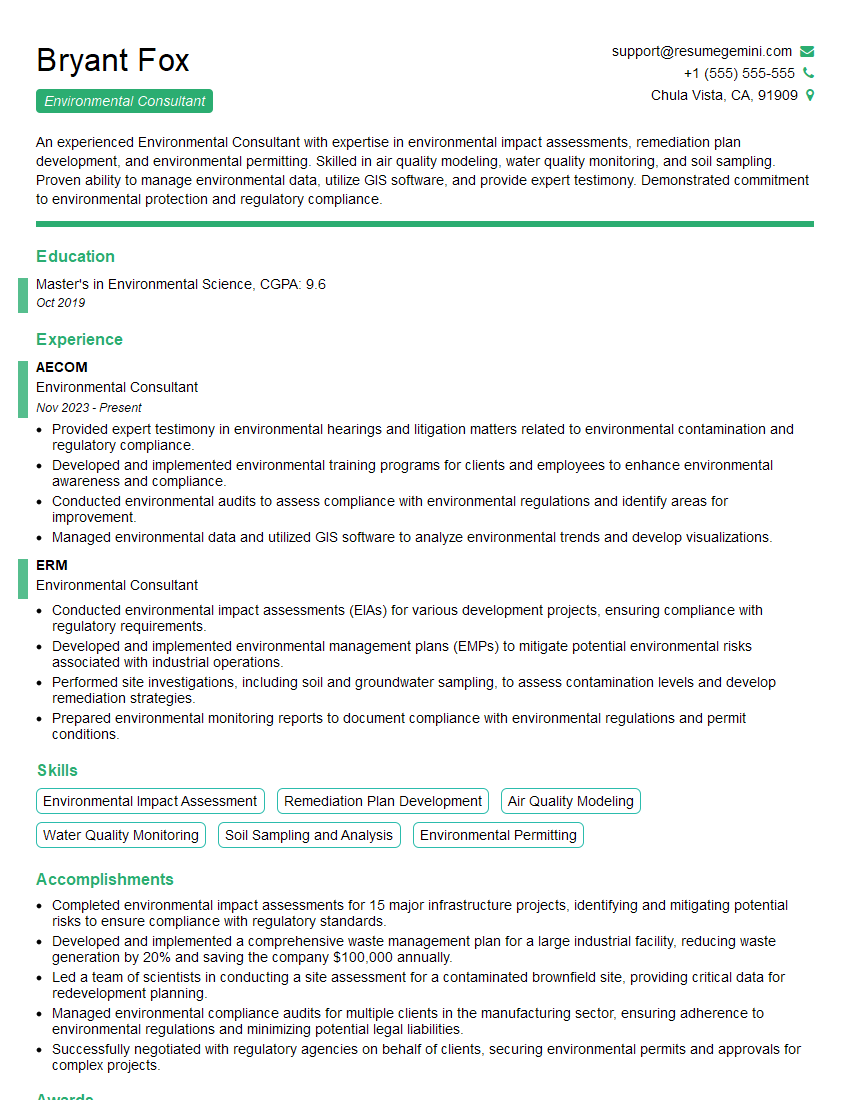
Environmental Consultant Resume Sample
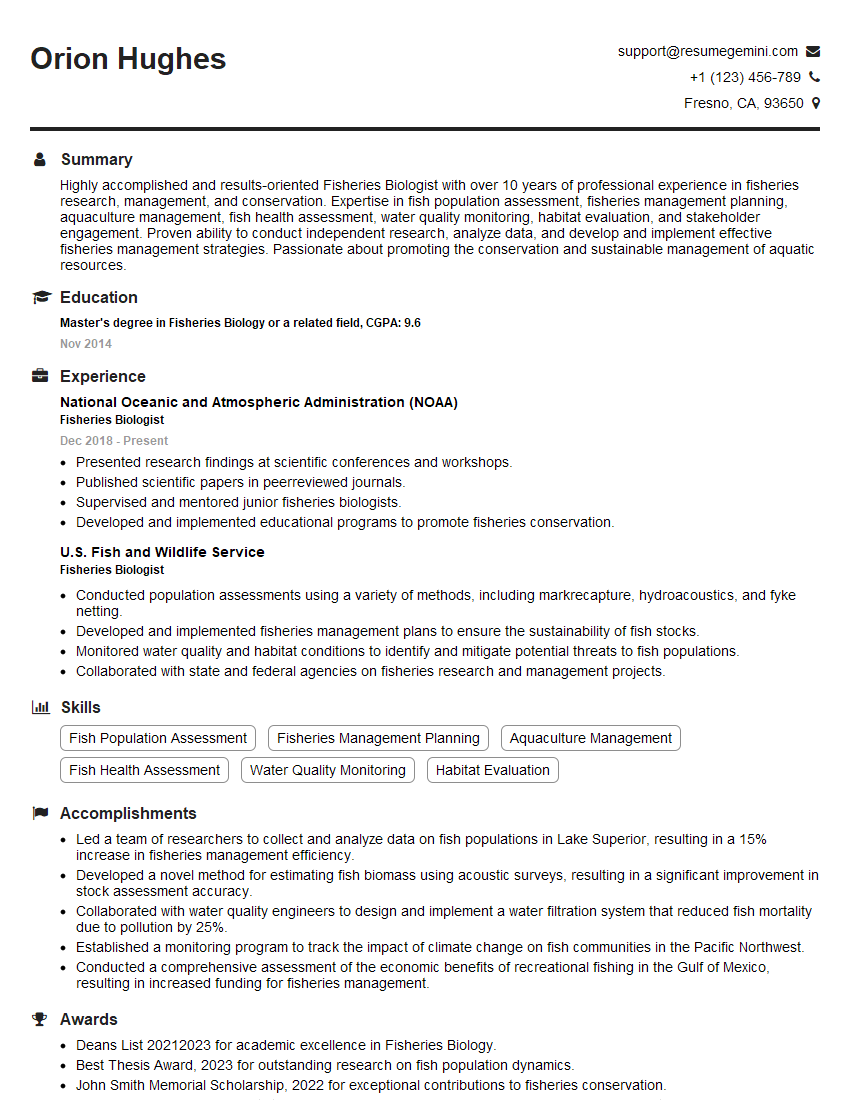
Fisheries Biologist Resume Sample

Wildlife Biologist Resume Sample
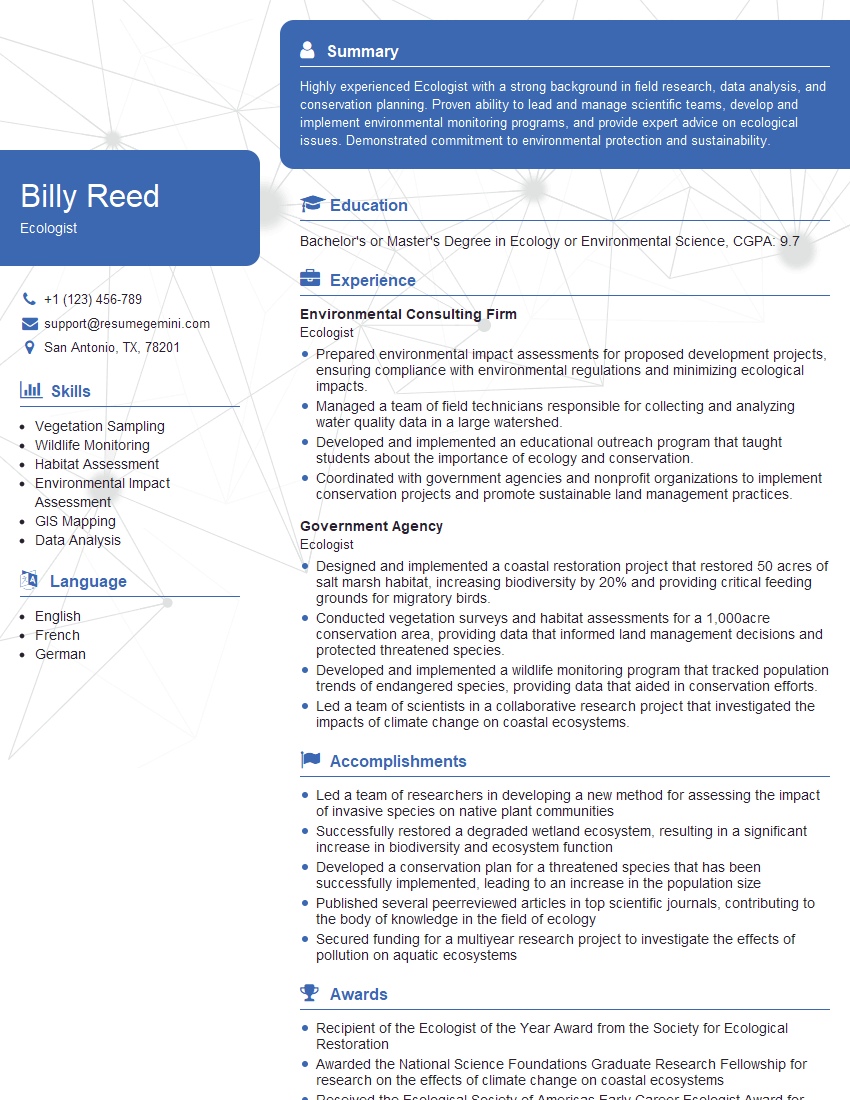
Ecologist Resume Sample
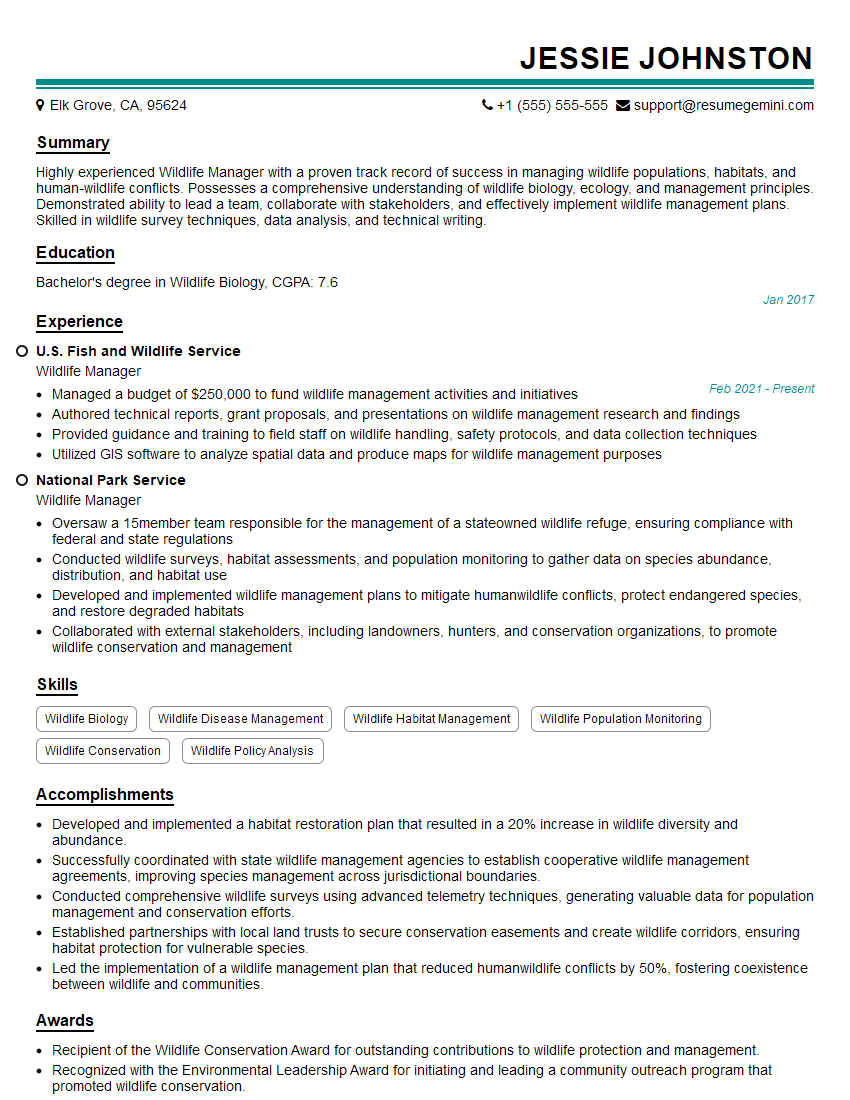
Wildlife Manager Resume Sample

Wildlife Technician Resume Sample
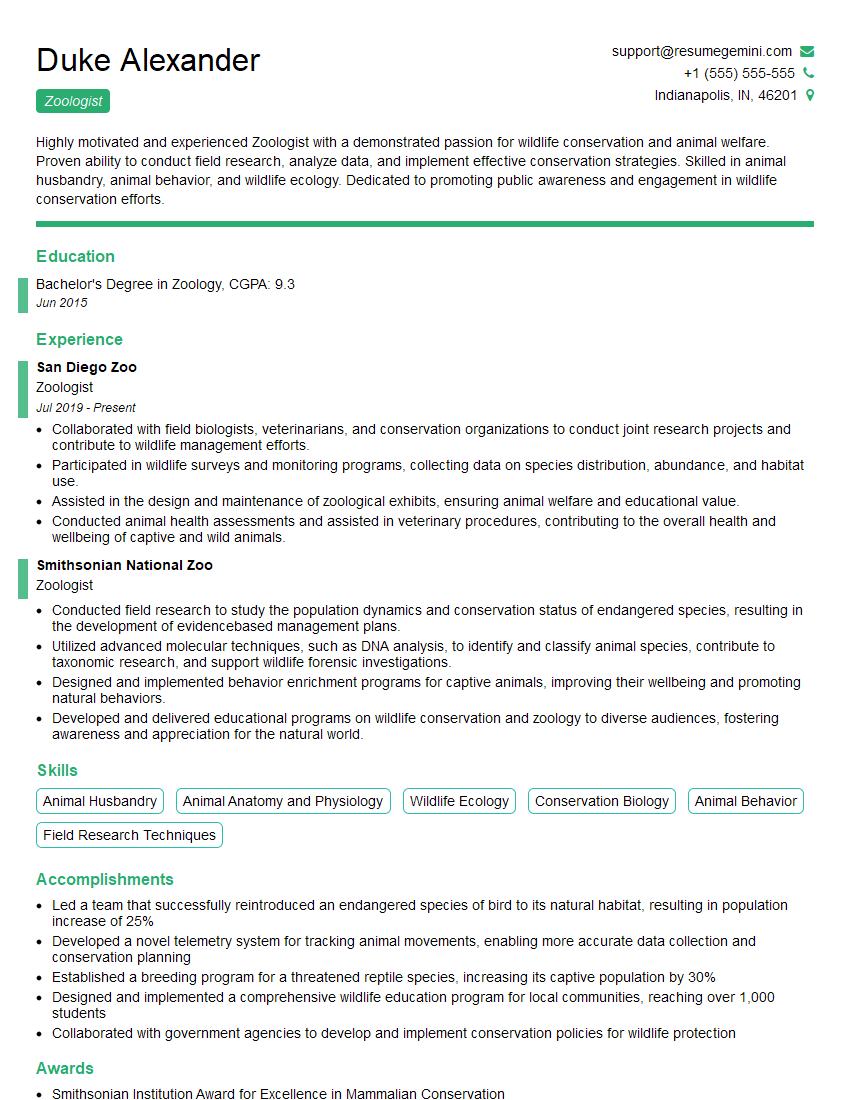
Zoologist Resume Sample
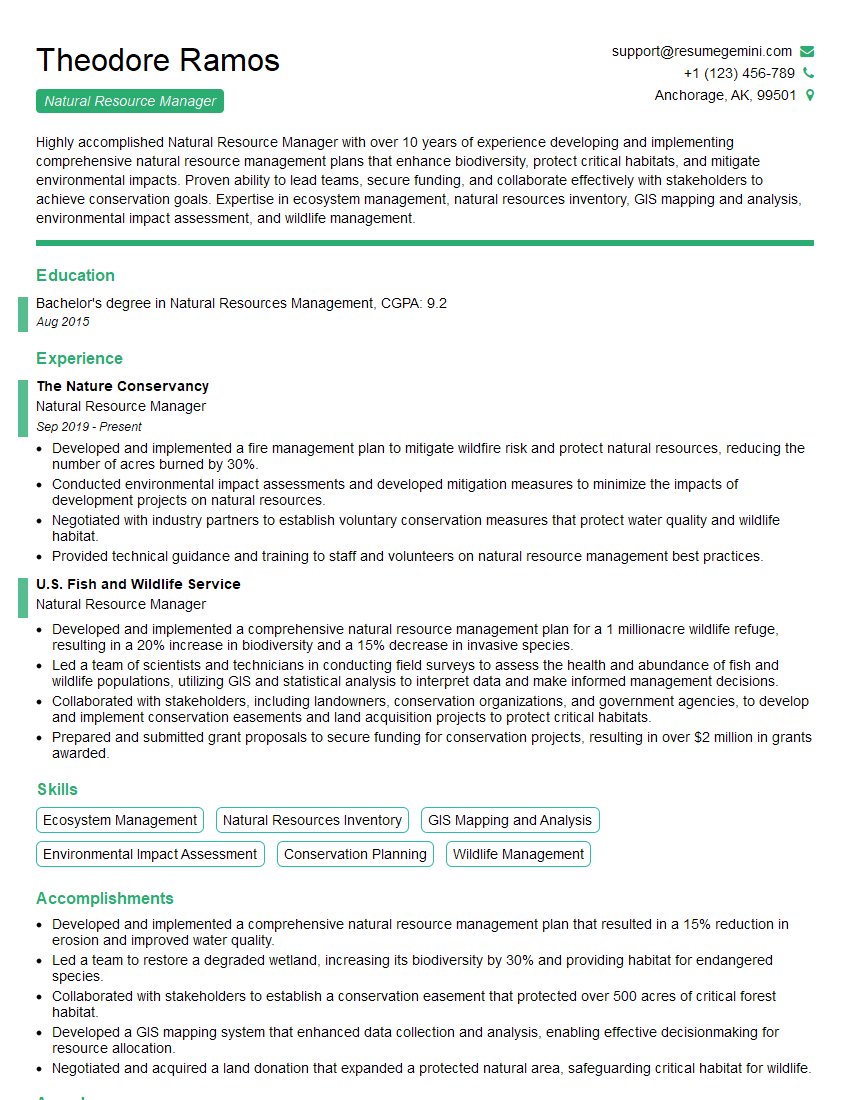
Natural Resource Manager Resume Sample
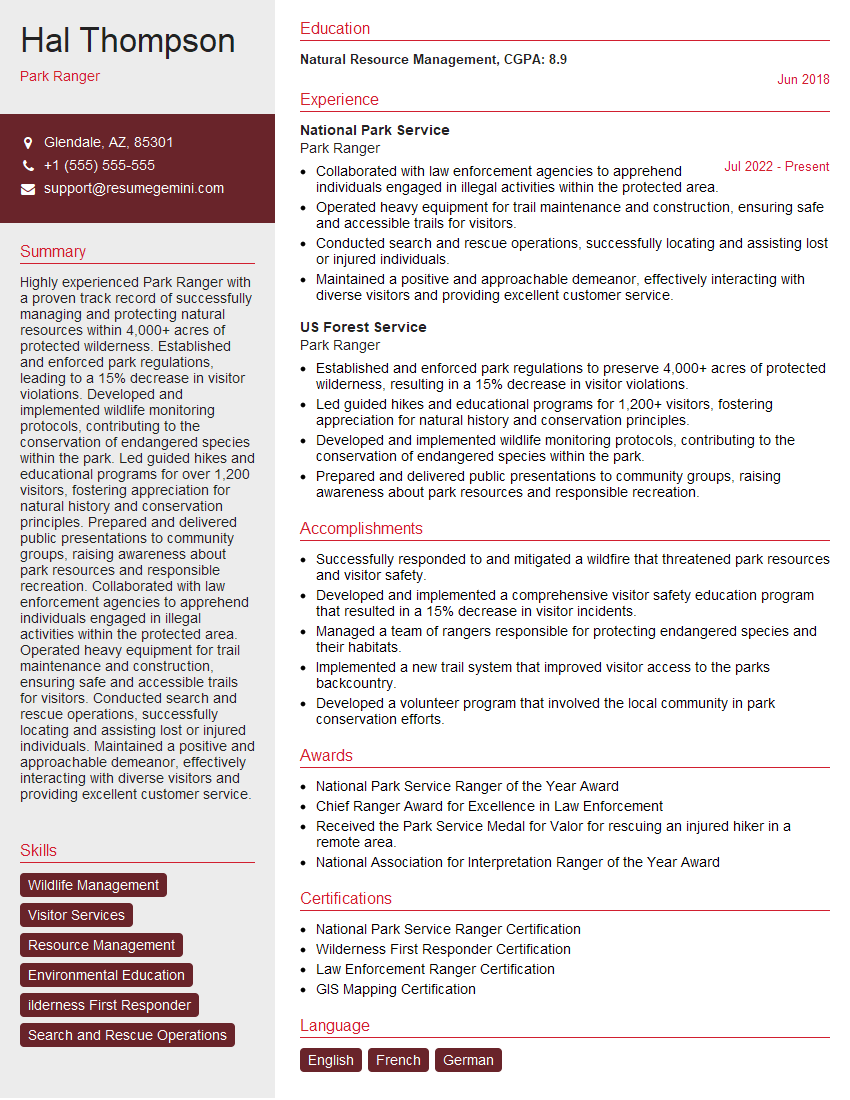
Park Ranger Resume Sample

Conservation Planner Resume Sample
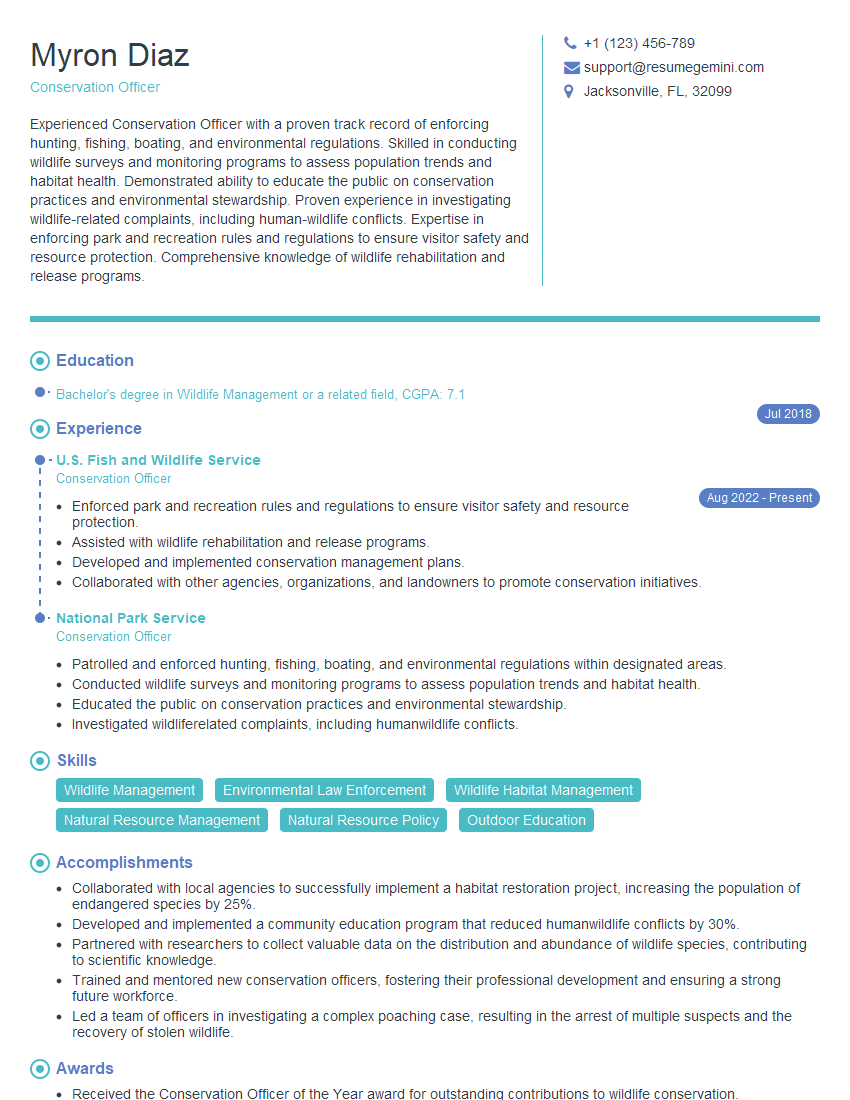
Conservation Officer Resume Sample
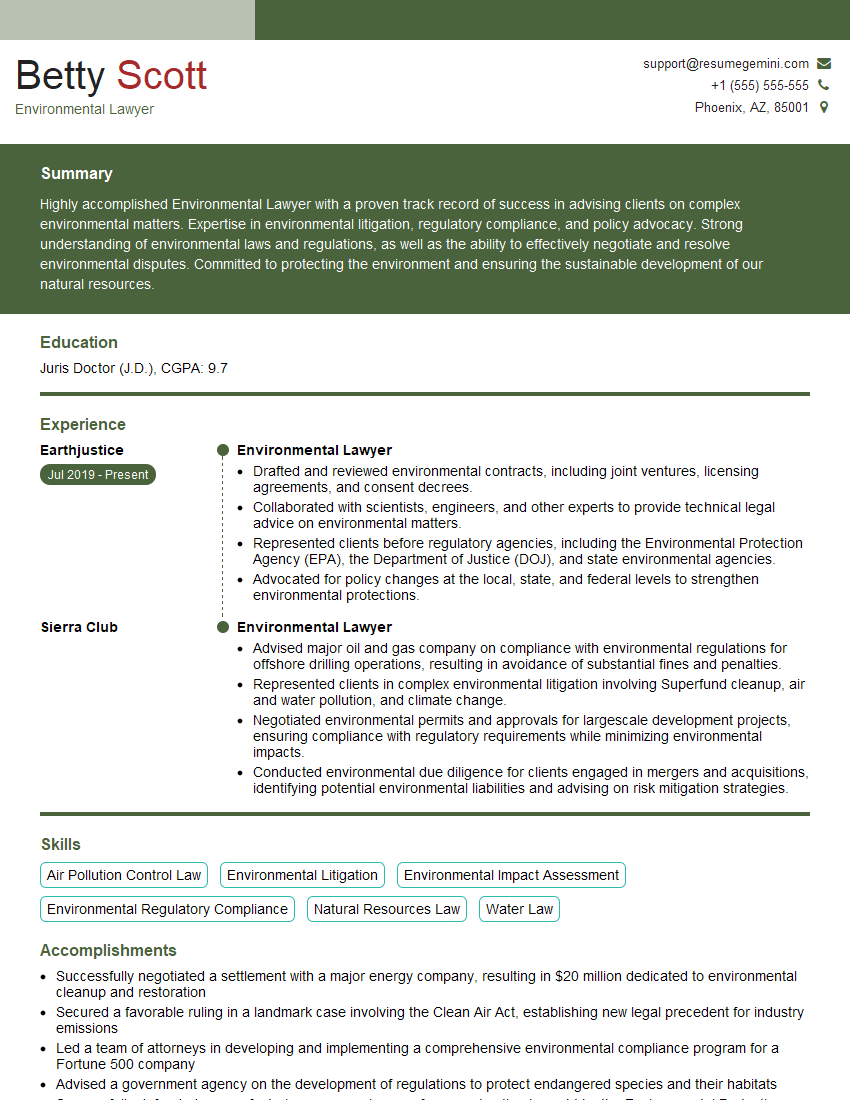
Environmental Lawyer Resume Sample
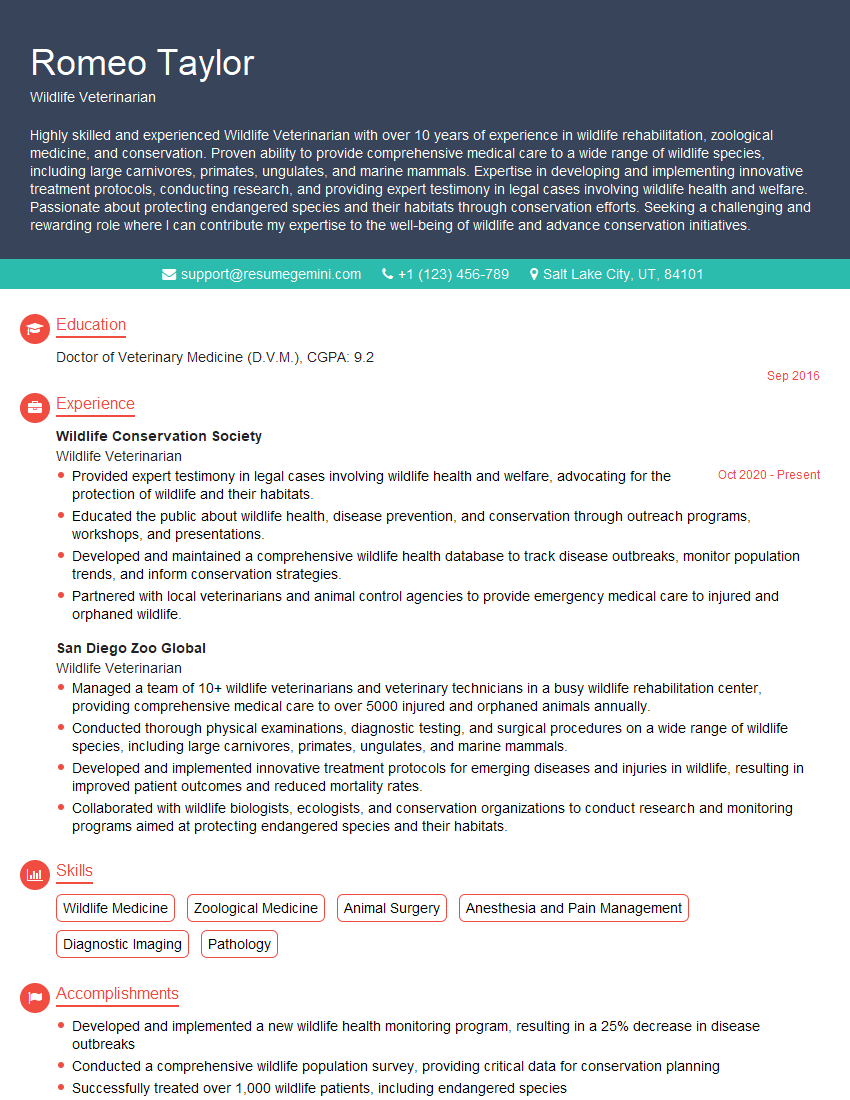
Wildlife Veterinarian Resume Sample

Game Warden Resume Sample

Wildlife Rehabilitator Resume Sample
- Sustainability Manager
- Environmental Compliance Officer
- Environmental Specialist
- Environmental Consultant
- Fisheries Biologist
- Wildlife Biologist
- Ecologist
- Wildlife Manager
- Wildlife Technician
- Zoologist
- Natural Resource Manager
- Park Ranger
- Conservation Planner
- Conservation Officer
- Environmental Lawyer
- Wildlife Veterinarian
- Game Warden
- Wildlife Rehabilitator
Explore more articles
Users Rating of Our Blogs
Share Your Experience
We value your feedback! Please rate our content and share your thoughts (optional).
What Readers Say About Our Blog
Very informative content, great job.
good