Feeling uncertain about what to expect in your upcoming interview? We’ve got you covered! This blog highlights the most important KnowledgeOfWoodChippingEquipment interview questions and provides actionable advice to help you stand out as the ideal candidate. Let’s pave the way for your success.
Questions Asked in KnowledgeOfWoodChippingEquipment Interview
Q 1. Describe the different types of wood chippers.
Wood chippers come in a variety of sizes and styles, each designed for different applications. The primary categorization is based on how they feed material into the cutting mechanism:
- Drum Chippers: These use a rotating drum with knives that pulls material in and cuts it. They’re known for their ability to handle larger, more varied material, and are often used in larger-scale operations like forestry and land clearing. Think of a large industrial-sized chipper that processes entire tree limbs.
- Disc Chippers: These utilize a spinning disc with knives that shear the wood. They tend to produce more uniformly sized chips than drum chippers and are often preferred for smaller branches and material that requires a more precise cut. This might be the type used by a landscaping company.
- Horizontal Chippers: These feed material horizontally into a cutting chamber. They’re often more compact and easier to maneuver than other types, making them suitable for smaller jobs or those requiring more portability. Consider this type for a homeowner clearing brush from their property.
- Vertical Chippers: These feed material vertically. They can handle larger material similar to horizontal chippers but typically have slightly better performance with larger and denser woods.
Within each category, you’ll also find variations in size, power source (gasoline, diesel, electric), and features (e.g., infeed rollers, chip ejection systems).
Q 2. Explain the safety procedures for operating a wood chipper.
Safety is paramount when operating a wood chipper. Never operate the machine without proper training and understanding. Here’s a breakdown of crucial safety procedures:
- Personal Protective Equipment (PPE): Always wear safety glasses, hearing protection, sturdy work boots, gloves, and long sleeves and pants to protect yourself from flying debris and potential injuries.
- Clear the Area: Ensure the area around the chipper is free of obstructions and bystanders. Establish a safe working zone, a minimum of 100ft is advised depending on the size of the chipper.
- Never Feed Material by Hand: Use a pushing stick or similar tool to feed material into the infeed chute. Never reach into the chute while the machine is running. This is the most important safety tip as hand injuries are common.
- Proper Maintenance: Regularly inspect the machine for any damage or wear and tear. Keep all guards and safety features in place.
- Emergency Shutdown: Know the location and operation of the emergency shutoff switch and use it immediately if any problem arises.
- Training: Understand your machine’s operation thoroughly. Before working with the machine, consult and understand the manufacturer’s manual.
Remember, a moment of carelessness can result in serious injury. Always prioritize safety.
Q 3. How do you perform routine maintenance on a wood chipper?
Routine maintenance is essential for keeping your wood chipper running smoothly and safely. A regular maintenance schedule will extend its lifespan and prevent costly repairs. This includes:
- Daily Inspection: Check for any loose bolts, damaged components, or signs of wear on the blades, rollers, and belts before each use.
- Blade Sharpening/Replacement: Dull blades reduce efficiency and can lead to jamming. Sharpen or replace blades as needed, following the manufacturer’s recommendations. The frequency depends on usage but usually ranges from a few weeks to months.
- Belt Tension: Ensure the belts are properly tensioned. Loose belts can slip and cause damage, while overly tight belts can put excess strain on components.
- Lubrication: Lubricate moving parts, including bearings and chains, according to the manufacturer’s instructions. This reduces friction and wear.
- Cleanliness: Remove debris and wood chips from the machine after each use. This prevents build-up and ensures proper function.
- Fuel/Oil Checks: Regularly check the fuel and oil levels (if applicable) and top them off as needed.
Creating a maintenance log is highly recommended to track service intervals and identify any recurring issues.
Q 4. What are the common causes of wood chipper malfunctions?
Wood chipper malfunctions can stem from various causes, ranging from minor issues to major problems. Common causes include:
- Dull or Damaged Blades: Dull blades reduce cutting efficiency and can cause jamming. Damaged blades require immediate attention.
- Clogged Chute: Foreign objects or excessively large material can clog the infeed chute, leading to jams.
- Belt Issues: Worn or loose belts cause slippage, power loss and can lead to damage of other components.
- Engine Problems (gas/diesel): Issues with the engine (e.g., lack of fuel, spark plugs, or air filter problems) will prevent the chipper from operating correctly.
- Hydraulic Problems (for hydraulic models): Leaks, low fluid levels, or damaged components in the hydraulic system can severely impact performance.
- Broken or Worn Components: Over time, components like rollers, bearings, and other mechanical parts will wear out. Regular maintenance can help to mitigate this.
Regular inspection and preventative maintenance significantly reduce the likelihood of these malfunctions.
Q 5. How do you troubleshoot a jammed wood chipper?
Troubleshooting a jammed wood chipper requires caution. Always ensure the machine is turned off and unplugged before attempting any repairs. Here’s a step-by-step approach:
- Identify the Jam: Determine the location of the jam. Is it in the infeed chute, the cutting chamber, or the outfeed chute?
- Clear the Jam: Use a pushing stick or other appropriate tool to carefully remove the jammed material. Never reach into the machine while it’s powered on.
- Inspect for Damage: Once the jam is cleared, inspect the machine for any damage caused by the blockage. This might include bent blades, broken components, or other damage.
- Check the Feeding Mechanism: Make sure that the feeding mechanism is operating smoothly and not obstructing the flow of material.
- Check for Dull Blades: Dull blades can lead to increased likelihood of jamming. Sharpen or replace the blades as needed.
- Restart the Machine: After resolving the jam and completing your inspection, restart the machine and test its operation.
If you’re unable to resolve the jam or identify the cause, consult a qualified mechanic or refer to your machine’s manual.
Q 6. Describe the different types of cutting knives used in wood chippers.
Wood chippers employ different types of knives depending on the machine’s design and intended use. The most common types include:
- Fixed Knives: These knives are rigidly mounted to the drum or disc. They provide a robust and consistent cut, but they can be more prone to damage if they encounter hard objects.
- Swinging Hammers: Often found in larger drum chippers, these hammers swing freely, allowing for a more aggressive chipping action. They’re better suited to handling larger, tougher material.
- Rotating Knives: These knives rotate on a shaft, providing a shearing action. They often create more uniformly sized chips.
- Shear Blades: These create a clean cut using a sharp shearing action. This type produces finer chips compared to hammers and is suited for creating more uniform chips.
The choice of knife type significantly influences the quality and size of the chips produced, as well as the machine’s performance and maintenance requirements.
Q 7. How do you select the appropriate wood chipper for a given job?
Selecting the right wood chipper depends on several factors. Consider these key aspects:
- Type of Material: What kind of wood will you be chipping? Hardwoods require more powerful chippers than softwoods. The size of the material – twigs versus large limbs – will also dictate the necessary size and power of the chipper.
- Volume of Material: How much material do you need to chip? A larger-scale operation will necessitate a more robust and higher-capacity machine.
- Desired Chip Size: What size of chips do you need? Some applications require fine chips, while others may need coarser ones. Different chippers offer different levels of sizing control.
- Portability vs. Power: Do you need a portable chipper for smaller jobs, or a larger, more powerful unit for a large-scale project? Larger units are generally less portable.
- Budget: Wood chippers range significantly in price, depending on size, features, and power. Setting a budget before you start your search will help narrow your choices.
- Maintenance Considerations: Consider maintenance ease and accessibility of parts. A more accessible unit can save you time and money.
By carefully considering these factors, you can select a wood chipper that’s perfectly suited to your needs and ensures efficiency and safety.
Q 8. Explain the importance of proper blade sharpening.
Proper blade sharpening is paramount for efficient and safe wood chipping. Dull blades lead to several problems: reduced chipping capacity, increased engine strain, larger, unevenly sized chips, and a significantly higher risk of kickback. Think of it like trying to cut a log with a butter knife – it’s inefficient and dangerous. Sharp blades slice through wood cleanly, producing consistent, smaller chips.
Maintaining sharp blades translates to: increased productivity (more chips per hour), reduced fuel consumption (less engine strain), and enhanced safety (minimizing the chance of wood jamming or the machine throwing material). The optimal sharpness depends on the type of chipper (e.g., disc, drum, hammermill), but regular inspection and sharpening (or replacement) is crucial. A visual check before each use, plus a scheduled professional sharpening several times a year, is a best practice.
Q 9. What are the safety regulations regarding wood chipping?
Wood chipping safety is non-negotiable. Regulations vary by location, but some common safety protocols include:
- Personal Protective Equipment (PPE): Always wear safety glasses, hearing protection, sturdy work boots, gloves, and high-visibility clothing. For larger machines, consider a face shield and chaps.
- Machine Operation: Never feed wood into a running chipper; engage the feed mechanism only when the engine is running smoothly. Never reach into the infeed chute while the machine is operating. Always ensure adequate clearance around the machine to prevent accidental contact.
- Material Handling: Properly size the wood to prevent jams. Avoid chipping material with embedded metal or stones as these can damage the blades and become dangerous projectiles.
- Training and Supervision: Operators must be adequately trained before operating any wood chipper. Children and untrained personnel should be kept at a safe distance.
- Emergency Procedures: Develop a clear plan for emergency situations, including shut-down procedures and first-aid access. Know the location of the kill switch and how to use it quickly.
Regular maintenance checks and adhering to the manufacturer’s guidelines are also integral parts of safe operation.
Q 10. How do you handle different wood types and sizes in a wood chipper?
Handling different wood types and sizes requires adjusting the chipper’s settings and feeding techniques. Hardwoods like oak and maple are denser, requiring more power and potentially slower feeding. Softer woods such as pine or cedar chip more easily but might require adjustments to prevent clogging. Size matters too – large pieces need to be broken down into smaller, manageable sections prior to chipping, while smaller pieces may require careful feeding to prevent jamming.
For larger machines, you can adjust infeed rollers and the knife settings to match material hardness and size. Always start with smaller pieces to gauge the machine’s performance before feeding larger pieces. Using a pre-cutter to reduce larger pieces can increase safety and efficiency. Using the correct feeding technique reduces the risk of kickback and ensures a constant flow of material into the cutting chamber. For instance, I’ve found that feeding green wood requires a slower, more methodical approach to avoid overloading the chipper and resulting in damage or a dangerous jam.
Q 11. What are the signs of a worn-out wood chipper component?
Recognizing signs of wear on a wood chipper is crucial for preventative maintenance and preventing costly repairs or accidents. Common signs include:
- Dull or chipped blades: This will result in poor chip quality, increased engine strain, and potentially dangerous kickback.
- Excessive vibration: Vibration can indicate worn bearings, loose components, or other internal damage.
- Unusual noises: Grinding, squealing, or knocking sounds suggest component wear, misalignment, or damage.
- Inconsistent chip size: This could be caused by worn blades, incorrect settings, or feed issues.
- Leaks: Fluid leaks (oil, hydraulic fluid) indicate seal failure.
- Excessive heat: Overheating can indicate issues with the engine, belts, or other components.
Addressing these signs promptly prevents serious problems and ensures continued safe and efficient operation.
Q 12. How do you dispose of wood chips safely and responsibly?
Safe and responsible disposal of wood chips depends on several factors, including local regulations and intended use. Some common methods include:
- Mulching: Wood chips are an excellent mulch for gardens and landscaping, providing soil enrichment and moisture retention.
- Composting: Wood chips can be incorporated into compost piles, speeding decomposition and improving soil structure.
- Landfill disposal: In some areas, wood chips may be disposed of in landfills. However, this is often less environmentally friendly than other methods. Local regulations regarding wood waste in landfills should be followed.
- Fuel: Certain types of wood chips can be used for biofuel, offering a renewable energy source. This necessitates adherence to specialized processing and handling.
- Erosion control: Wood chips can be used to stabilize slopes and prevent soil erosion.
It’s crucial to check local regulations on wood chip disposal before undertaking any action. Properly managing wood chip disposal minimizes environmental impact and promotes sustainability.
Q 13. Explain the process of replacing a chipped hammermill.
Replacing a chipped hammermill is a complex procedure that requires specialized tools and knowledge. It’s generally recommended to have this done by a qualified technician. However, the general process involves:
- Disassembly: Safely disconnect the power, access the hammermill, and remove the damaged components following the manufacturer’s instructions. This might involve removing guards, housings, and other surrounding parts.
- Component Inspection: Inspect other internal components for wear or damage. This is a preventative step to minimize future issues.
- Replacement: Carefully install the new hammermill, ensuring proper alignment and fit.
- Reassembly: Reassemble the wood chipper, making sure all components are correctly placed and secured.
- Testing: Before putting the chipper into operation, always test the functionality and ensure safety is not compromised.
Specific steps and procedures vary significantly by machine type and model. Consult the manufacturer’s service manual for detailed instructions, safety precautions, and replacement part numbers. Improper installation can lead to serious damage or injury, hence the importance of professional assistance.
Q 14. Describe your experience with different wood chipper brands.
Over the years, I’ve worked extensively with various wood chipper brands, including Bandit, Vermeer, Morbark, and PTO-driven models from smaller manufacturers. Each brand offers distinct advantages and disadvantages. For example, Bandit is known for its robust construction and high-performance chipping capabilities in larger applications. Vermeer offers a wider array of models to cater to various needs. Morbark is favored for its reliability in demanding situations. Smaller PTO-driven models are great for smaller properties or farms, offering cost-effectiveness and simplicity.
My experience has shown that the optimal choice depends on factors like the volume of wood to be processed, the types of wood being chipped, and the budget. Selecting a brand requires a thorough assessment of one’s specific requirements and careful consideration of factors such as maintenance requirements and part availability.
Q 15. How do you ensure the wood chipper is operating at optimal efficiency?
Maintaining optimal efficiency in a wood chipper involves a multi-faceted approach focusing on preventative maintenance, proper operation, and understanding the machine’s limitations. Think of it like keeping your car running smoothly – regular check-ups are key.
- Sharp Blades: Dull blades significantly reduce chipping capacity and increase the risk of jams. Regular sharpening or replacement is crucial. I always inspect blades before each use and maintain a sharpening schedule based on usage intensity. For example, in a high-volume commercial setting, blades might require sharpening weekly, while a homeowner’s chipper could go months between sharpenings.
- Proper Feeding Technique: Overfeeding leads to jams and strain on the engine, reducing efficiency and potentially causing damage. Feeding wood consistently and at the appropriate rate, according to the machine’s manual, is vital. I teach operators to use a steady, controlled pace, avoiding sudden bursts or large pieces.
- Engine Maintenance: A well-maintained engine delivers optimal power. This includes regular oil changes, filter replacements (air, fuel, and oil), and attention to spark plugs (for gasoline engines). Following the manufacturer’s recommended maintenance schedule is essential. I’ve seen productivity plummet due to neglected engine maintenance, leading to costly repairs.
- Hydraulic System (if applicable): For hydraulic chippers, regular checks of fluid levels, condition, and proper function are paramount. Leaks should be addressed immediately. I always monitor hydraulic pressure gauges and keep a detailed log of any maintenance performed.
By proactively addressing these factors, we can ensure the wood chipper consistently operates at peak performance, minimizing downtime and maximizing productivity.
Career Expert Tips:
- Ace those interviews! Prepare effectively by reviewing the Top 50 Most Common Interview Questions on ResumeGemini.
- Navigate your job search with confidence! Explore a wide range of Career Tips on ResumeGemini. Learn about common challenges and recommendations to overcome them.
- Craft the perfect resume! Master the Art of Resume Writing with ResumeGemini’s guide. Showcase your unique qualifications and achievements effectively.
- Don’t miss out on holiday savings! Build your dream resume with ResumeGemini’s ATS optimized templates.
Q 16. What are the environmental considerations when using a wood chipper?
Environmental considerations in wood chipping are primarily focused on minimizing noise pollution, preventing air pollution from dust and emissions, and responsible disposal or utilization of wood chips. It’s about being a good neighbor and a steward of the environment.
- Noise Reduction: Operating wood chippers in designated areas, away from residential areas, is crucial. Using hearing protection is mandatory for operators and those nearby. Some newer models offer noise reduction features which I always prioritize when purchasing equipment.
- Air Quality: Wood dust can cause respiratory issues. Utilizing dust suppression techniques, such as water spraying, can significantly reduce airborne dust. Furthermore, choosing a chipper with an efficient dust collection system is beneficial, especially in arid climates.
- Chip Disposal/Reuse: Properly disposing of or reusing wood chips is environmentally responsible. Wood chips can be used for landscaping mulch, soil amendment, or even biomass fuel. It’s crucial to understand local regulations regarding wood chip disposal to avoid fines and environmental damage. I’ve personally seen projects where wood chips were successfully used for erosion control and landscaping.
- Engine Emissions: Newer chippers often utilize cleaner-burning engines that minimize greenhouse gas emissions. Regular engine maintenance ensures optimal performance, further reducing emissions. Selecting environmentally friendly engines is a growing consideration in the industry.
Q 17. Explain the procedure for cleaning and lubricating a wood chipper.
Cleaning and lubricating a wood chipper is a crucial aspect of preventative maintenance, extending its lifespan and ensuring safe operation. Think of it as a car wash and oil change combined.
- Safety First: Always disconnect the power source (gasoline or electricity) before commencing any cleaning or maintenance procedure. This is non-negotiable for safety.
- Cleaning: Remove any wood chips, debris, or foreign material from the hopper, chute, and around the cutting mechanism. A compressed air blower can be helpful for cleaning hard-to-reach areas. I always wear appropriate safety gear, including gloves and eye protection.
- Lubrication: Check and lubricate all moving parts according to the manufacturer’s specifications. This often involves grease fittings on bearings and other moving components. Using the correct type of grease is paramount; using the wrong type can lead to damage.
- Blade Inspection: During cleaning, inspect the blades for damage, wear, or dullness. If needed, replace or sharpen them promptly to maintain optimal cutting performance. I always keep a spare set of blades on hand.
- Hydraulic System (if applicable): Check and maintain hydraulic fluid levels. Look for leaks and address them immediately.
A regularly cleaned and lubricated wood chipper will operate smoothly and efficiently, leading to less downtime and better longevity.
Q 18. How do you identify and address potential hazards associated with wood chipping?
Wood chipping presents several potential hazards; recognizing and mitigating these risks is paramount for operator safety and equipment longevity. Proper training and adherence to safety protocols are essential.
- Rotating Blades: The most significant hazard is the rotating cutting mechanism. Never reach into the hopper while the machine is running. Use a push stick or similar device to feed material. Proper guarding and safety interlocks are mandatory.
- Kickback: Improper feeding can cause wood to be ejected violently, potentially injuring the operator. Always feed material carefully and evenly, avoid jamming, and use a push stick to keep hands at a safe distance.
- Noise Pollution: Prolonged exposure to loud noise can cause hearing damage. Always use hearing protection.
- Flying Debris: Wood chips and other debris can be ejected at high speed. Wear appropriate eye protection.
- Exhaust Emissions (for gas-powered chippers): Exhaust fumes are toxic. Operate the chipper in well-ventilated areas. Never operate indoors.
Addressing these potential hazards through safety training, proper operating procedures, and regular machine maintenance significantly reduces the risk of accidents and promotes a safer work environment.
Q 19. What is your experience with hydraulic systems in wood chippers?
My experience with hydraulic systems in wood chippers is extensive. Hydraulic systems are essential for powering many modern chippers, providing the force needed for efficient chipping and feeding. I’m proficient in diagnosing and repairing various hydraulic issues.
- Troubleshooting: I’ve diagnosed and repaired issues like leaks, pump failures, and valve malfunctions, often using diagnostic tools and systematic troubleshooting techniques. For example, I once identified a failing hydraulic pump by observing low pressure readings on the gauge.
- Maintenance: I regularly perform preventative maintenance on hydraulic systems, including fluid level checks, filter changes, and pressure tests. Keeping the system clean and free of contaminants is critical to longevity.
- Component Replacement: I’m experienced in replacing hydraulic components like hoses, pumps, cylinders, and valves. Choosing the right replacement parts is crucial and I always refer to the manufacturer’s specifications.
- Safety: Working with hydraulic systems requires awareness of the potential hazards, such as high pressure fluid jets. I always adhere to strict safety protocols and wear appropriate safety gear.
A well-maintained hydraulic system is crucial for efficient and safe wood chipping operations. My expertise ensures the continued smooth operation of these complex systems.
Q 20. How do you perform a pre-operational inspection of a wood chipper?
A thorough pre-operational inspection is crucial for ensuring safe and efficient operation of the wood chipper and is analogous to a pre-flight checklist for an airplane. It involves a systematic check of all key components.
- Visual Inspection: Check for any visible damage to the machine, including cracks, loose bolts, or worn parts. Pay close attention to the blades, hopper, and chute.
- Blade Sharpness: Inspect the blades for sharpness and wear. Dull blades reduce efficiency and increase the risk of jams.
- Engine Check: Ensure adequate fuel and oil levels. Check the engine for any leaks or unusual noises.
- Hydraulic System Check (if applicable): Check the hydraulic fluid level, and look for leaks or damage to hoses and lines. Note any unusual noises or vibrations.
- Safety Features: Verify that all safety devices, such as guards and interlocks, are functioning correctly.
- Operational Test: Perform a short test run to ensure all systems are operating as expected. Listen for unusual noises, and observe the chipper’s performance.
This pre-operational inspection helps to identify potential problems before operation, preventing costly repairs and ensuring a safe work environment.
Q 21. Describe your experience with different types of feeding mechanisms.
Wood chippers utilize various feeding mechanisms, each with its advantages and disadvantages. My experience encompasses several types.
- Manual Feed: This is the simplest type, where the operator manually feeds material into the hopper. It’s suitable for smaller machines and less demanding applications but can be more labor-intensive and riskier than automated systems.
- Gravity Feed: This involves a hopper with a sloping design that allows material to feed into the cutting mechanism by gravity. It’s efficient for consistently sized material, but can be prone to jams with irregular pieces.
- Hydraulic Feed: These systems use hydraulic rams to draw material into the chipper, ensuring a consistent feeding rate. They are ideal for larger machines and higher volumes, improving efficiency and safety.
- Roll Feed: This type of feeding mechanism uses rollers to draw the wood into the cutting chamber. This is a more advanced system that allows for efficient and consistent feeding, even with larger or more irregular pieces of wood.
The choice of feeding mechanism depends on the size and type of chipper, the application, and the material being processed. I select and maintain feeding systems according to their specific characteristics and the overall requirements of the operation.
Q 22. What is your experience with various types of engine used in wood chippers?
My experience encompasses a wide range of engines used in wood chippers, from small gasoline engines powering residential models to large diesel engines driving industrial-sized machines. Gasoline engines are common in smaller, less powerful chippers due to their ease of use and relatively low maintenance. However, they lack the torque and power of diesel engines, making them unsuitable for heavy-duty applications. Diesel engines, on the other hand, are preferred for larger chippers due to their higher power output, greater fuel efficiency, and longer lifespan. I’ve also worked with some chippers using electric motors, particularly in situations demanding reduced noise and emissions, such as urban environments. The choice of engine depends heavily on the application; a landscaping contractor will likely use a gasoline engine chipper, while a large-scale timber processing operation would necessitate a diesel engine or perhaps even a more powerful engine type.
For example, I once worked with a contractor who needed to clear a large amount of brush following a storm. His gasoline-powered chipper struggled with the larger branches, causing significant downtime. Switching to a diesel-powered chipper significantly improved efficiency and reduced the overall job time.
Q 23. Explain how to prevent injuries during wood chipping operations.
Preventing injuries during wood chipping is paramount. Safety procedures should be rigorously followed, starting with proper training and the use of appropriate personal protective equipment (PPE). This includes wearing safety glasses or a face shield to protect against flying debris, hearing protection to mitigate the high noise levels, sturdy work gloves to prevent cuts and abrasions, and steel-toed boots to protect feet from falling objects. Furthermore, maintaining a safe working distance from the chipper’s infeed and discharge chutes is crucial. Never feed material into the chipper while it is running; always shut it off before clearing jams or making adjustments. Regularly inspect the equipment for any damage or wear and tear before commencing operations, and ensure that all safety guards and shields are in place and functioning correctly. It’s also crucial to be aware of your surroundings and avoid distractions while operating the machine. Think of it like driving a car – you need to be fully focused on the task at hand.
- Never reach into the infeed chute while the machine is running.
- Clear jams only after shutting down the machine.
- Always use the proper feeding technique to avoid kickback.
- Be aware of the chipper’s blind spots.
Q 24. Describe your experience with different types of discharge chutes.
My experience includes various discharge chute designs, each with its own advantages and disadvantages. The most common is the rear discharge chute, which directs the wood chips directly behind the machine. This design is generally simple and straightforward but might require more maneuvering to avoid scattering chips. Some models offer a side discharge chute, allowing for more precise chip placement and reducing the need for extensive maneuvering. A top discharge chute is less common but ideal for situations where it is necessary to load chips directly into a trailer or other container. Finally, I’ve worked with some machines utilizing a combination of discharge methods, offering increased versatility.
The choice of discharge chute depends entirely on the specific job requirements and the layout of the worksite. For example, a side discharge is beneficial for situations with limited space, whilst a rear discharge is suitable for larger work areas where maneuverability isn’t as critical.
Q 25. How do you maintain the proper torque settings of the cutting system?
Maintaining the proper torque settings of the cutting system is vital for optimal performance and safety. This involves regularly checking and adjusting the torque on the cutting knives or hammermill components, depending on the chipper type. The manufacturer’s specifications will provide the recommended torque settings for the specific machine model. Using a torque wrench ensures accurate and consistent tightening, preventing premature wear and tear and maintaining the proper cutting action. Incorrect torque can lead to inefficient chipping, damaged blades, or even dangerous malfunctions. Think of it like tightening a bolt on a bicycle – too loose, and it’ll fall off, too tight and you risk stripping the threads. Regular inspection and maintenance according to the manufacturer’s recommendations is key to ensuring that the torque remains within the optimal range. This includes regularly lubricating the cutting system components to minimize friction and wear.
Q 26. What are the legal requirements for operating a wood chipper in your area?
Legal requirements for operating a wood chipper vary depending on location. In my area, operators must possess the appropriate licenses or certifications. This might involve completing safety training courses and passing practical assessments. Furthermore, the machine must be regularly inspected and maintained to meet safety standards, and appropriate safety equipment must be used. Environmental regulations might also apply, particularly regarding noise levels and emissions. It’s crucial to stay informed about the specific local regulations and adhere to all applicable laws and ordinances. Ignoring these regulations can lead to hefty fines or even legal action.
For example, I recently had to ensure our company’s chippers met all the new noise reduction regulations that were put in place. This involved checking the noise levels, applying for new permits and ensuring our operators were trained on the new regulations.
Q 27. How do you handle emergency situations while operating a wood chipper?
Handling emergency situations requires a calm and systematic approach. If a jam occurs, the first step is to immediately shut off the machine and disconnect the power source. Never attempt to clear a jam while the machine is running. After ensuring the chipper is completely inactive, carefully assess the situation and use the appropriate tools to remove the obstruction, remembering to wear appropriate PPE. If there’s an injury, immediately administer first aid if qualified, and seek medical attention. In case of a fire, use a fire extinguisher (if trained to do so), evacuate the area, and call emergency services. Keeping emergency contact information readily available is crucial. Regular safety training and practice drills enhance preparedness for such unforeseen events.
Q 28. What are some strategies to improve the efficiency of wood chipping operations?
Improving wood chipping efficiency involves several strategies. First, proper machine maintenance is essential. Regular servicing, including blade sharpening and lubrication, maximizes performance and minimizes downtime. Second, selecting the right type of chipper for the job is crucial. Using a machine that’s underpowered for the material can lead to inefficient operation and potential damage. Third, optimizing the feeding technique significantly improves efficiency. Avoid overloading the infeed chute and maintain a consistent feeding rate. Fourth, effective planning and organization of the worksite minimizes wasted time and movement. Lastly, proper operator training ensures that the machine is used to its full potential and operated safely. An experienced and well-trained operator can significantly impact efficiency. Think of it like a chef using the right tools and technique to create a delicious meal – it’s all about planning, skill, and the right equipment.
Key Topics to Learn for Wood Chipping Equipment Interviews
- Types of Wood Chippers: Understanding the differences between drum chippers, disc chippers, and horizontal chippers, including their applications and limitations.
- Chipper Components and Maintenance: Knowledge of engine systems, feeding mechanisms, cutting heads, and discharge chutes. This includes routine maintenance procedures and troubleshooting common issues.
- Safety Procedures and Regulations: Familiarity with OSHA regulations and best practices for safe operation, including lockout/tagout procedures and personal protective equipment (PPE).
- Wood Chip Production and Quality: Understanding factors affecting chip size, consistency, and quality. This includes the impact of feed rate, knife sharpness, and wood species.
- Operational Efficiency and Optimization: Knowledge of techniques to maximize throughput and minimize downtime, including preventative maintenance scheduling and efficient material handling.
- Troubleshooting and Repair: Ability to diagnose and solve common mechanical and hydraulic problems. Understanding basic hydraulic systems and troubleshooting techniques is crucial.
- Environmental Considerations: Awareness of the environmental impact of wood chipping operations, including noise pollution and proper disposal of wood waste.
Next Steps
Mastering knowledge of wood chipping equipment opens doors to rewarding careers in forestry, landscaping, and biomass energy. A strong understanding of these systems demonstrates practical skills and problem-solving abilities highly valued by employers. To significantly boost your job prospects, create an ATS-friendly resume that highlights your relevant skills and experience. We recommend using ResumeGemini, a trusted resource for building professional resumes. Examples of resumes tailored to the wood chipping equipment industry are available to help guide your creation.

Waste Management Specialist Resume Sample
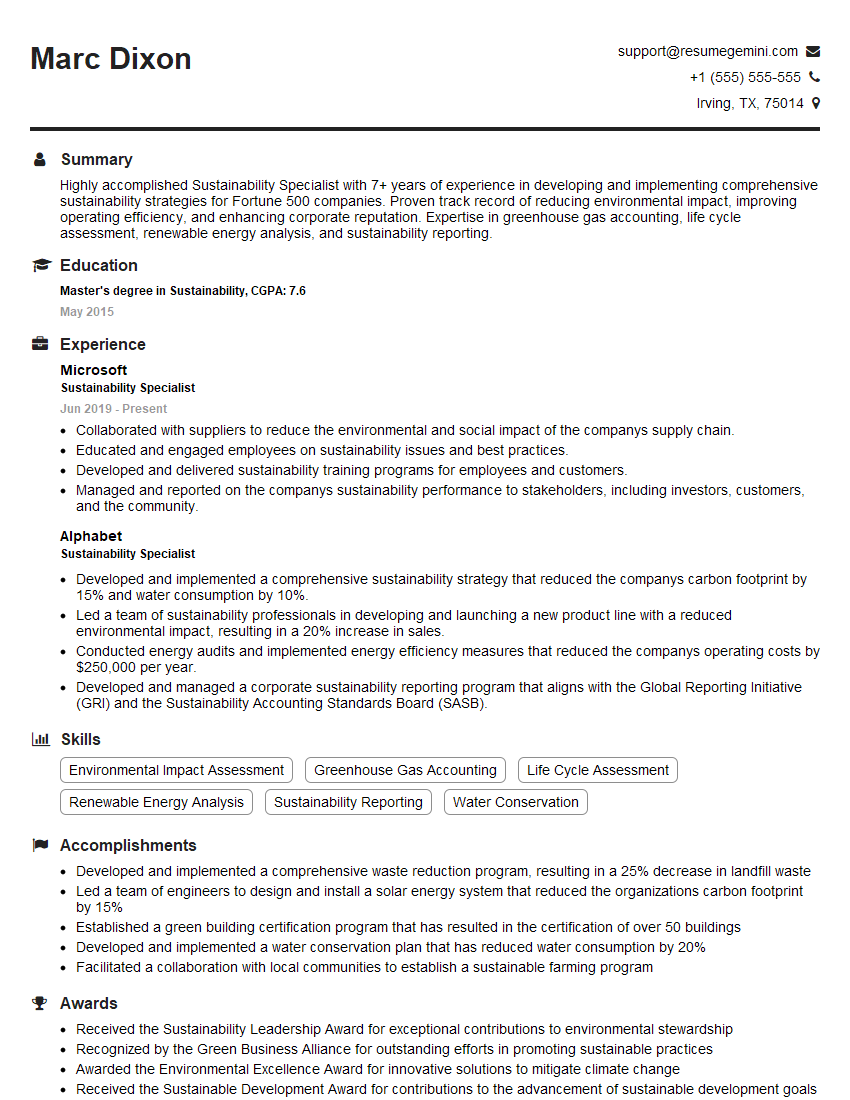
Sustainability Specialist Resume Sample

Environmental Technician Resume Sample

Arborist Resume Sample
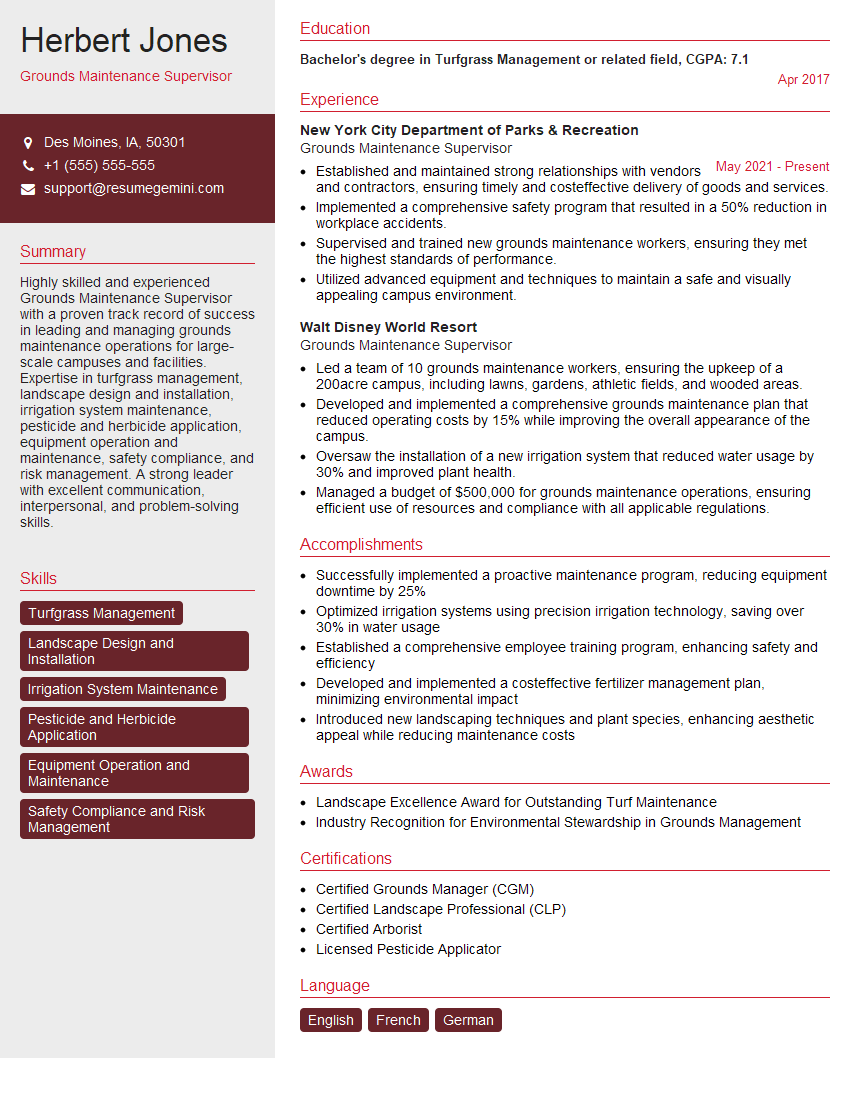
Grounds Maintenance Supervisor Resume Sample

Utility Worker Resume Sample
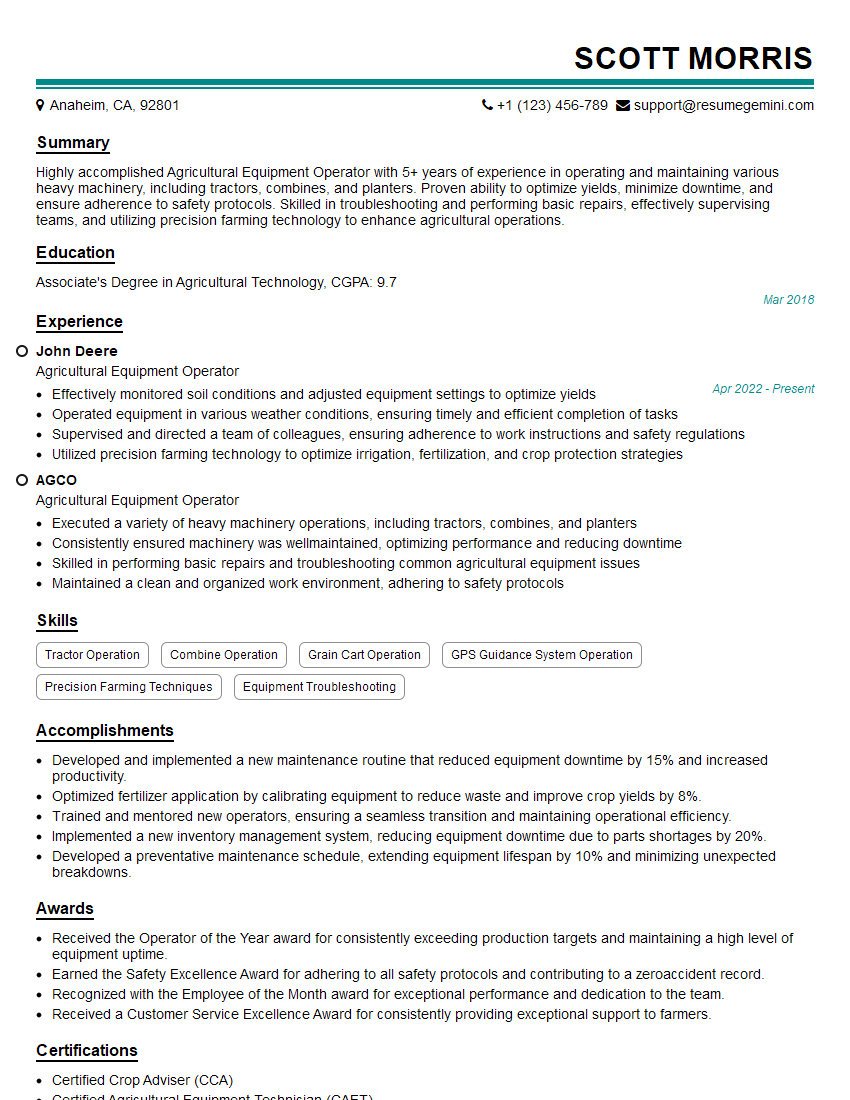
Agricultural Equipment Operator Resume Sample

Heavy Equipment Operator Resume Sample
Explore more articles
Users Rating of Our Blogs
Share Your Experience
We value your feedback! Please rate our content and share your thoughts (optional).
What Readers Say About Our Blog
Very informative content, great job.
good