Interviews are opportunities to demonstrate your expertise, and this guide is here to help you shine. Explore the essential Labelling Machine Operation interview questions that employers frequently ask, paired with strategies for crafting responses that set you apart from the competition.
Questions Asked in Labelling Machine Operation Interview
Q 1. What are the different types of labeling machines you are familiar with?
Throughout my career, I’ve operated and maintained a wide variety of labeling machines, each suited to different production needs and label types. These include:
- Pressure-sensitive labelers: These are the most common type, applying labels using adhesive backing. They range from simple hand-held applicators to sophisticated automated systems capable of applying thousands of labels per hour. I have experience with both roll-fed and sheet-fed pressure-sensitive labelers.
- Wrap-around labelers: These machines apply labels that completely encircle the product, commonly used for cylindrical containers. I’m proficient in adjusting tension and label placement on these systems, ensuring consistent, neat application.
- Self-adhesive label applicators: These machines are similar to pressure-sensitive labelers but often incorporate more advanced features for precise placement and higher speeds, crucial for high-volume applications.
- Hot-melt labelers: These apply labels using a hot-melt adhesive, ideal for applications requiring strong adhesion and resistance to harsh environments. I’ve worked with different hot-melt adhesive systems, understanding the importance of temperature control for optimal bonding.
- In-line labelers: These are integrated into other production lines, automatically applying labels as part of a larger packaging process. This requires understanding integration and synchronization with other machinery, a skill I’ve honed over years of experience.
My experience encompasses both manual and automated systems, allowing me to adapt to various production scales and requirements.
Q 2. Describe your experience with troubleshooting labeling machine malfunctions.
Troubleshooting labeling machine malfunctions is a crucial part of my role. My approach is systematic and involves several steps:
- Identify the problem: This often begins with observing the machine’s behavior – are labels misaligned, jamming, or not applying at all? Is there an error code displayed?
- Isolate the cause: Based on the symptoms, I check different components. For example, a label misalignment might indicate a problem with the label sensor, feed rollers, or printhead. A jam could be due to label wrinkles, incorrect tension, or a blockage in the path.
- Consult documentation: I always refer to the machine’s operating manual and troubleshooting guides for specific solutions and part diagrams. This ensures I’m taking the right steps and avoid causing further damage.
- Perform necessary repairs or adjustments: This could range from simple adjustments to replacing worn parts. I’m skilled in performing minor repairs and know when to call in a specialist for major issues. For example, I can replace a worn label sensor or adjust the tension on the label unwind rollers.
- Test and verify: Once the repair or adjustment is made, I thoroughly test the machine to ensure the problem is resolved and the labels are applied correctly.
I’ve developed a strong intuition for diagnosing issues, often able to pinpoint the source quickly. For instance, I once diagnosed a recurring jam in a high-speed labeler as being caused by static cling on the labels – an issue easily resolved with an anti-static bar. My experience allows me to efficiently resolve problems, minimizing downtime and production losses.
Q 3. How do you ensure the accuracy and efficiency of the labeling process?
Accuracy and efficiency in labeling are paramount. To achieve this, I focus on several key aspects:
- Proper setup and calibration: This includes ensuring correct label alignment, tension, and feed. I meticulously calibrate the machine according to the manufacturer’s guidelines and the specific label and product dimensions.
- Regular inspection: I regularly inspect labels for defects and ensure the label supply is sufficient. I also check the machine for any signs of wear or damage that could affect performance.
- Quality control checks: Throughout the labeling process, I perform random quality checks to ensure label placement is accurate and the adhesive is bonding properly. This might involve visually inspecting labeled products or using automated quality control systems.
- Process optimization: I constantly look for ways to improve the labeling process. This could include optimizing label feed settings to reduce waste or improving the layout of the labeling station to improve workflow. I’m adept at implementing Lean Manufacturing principles to enhance efficiency.
- Training and communication: If working with a team, proper training and clear communication are essential to ensure everyone follows the correct procedures and reports any issues promptly.
For example, in a previous role, I identified a bottleneck in the labeling process caused by inefficient label loading. By reorganizing the workspace and implementing a more efficient loading technique, we significantly improved production speed with minimal added cost.
Q 4. Explain your experience with different types of labels (e.g., pressure-sensitive, wrap-around).
My experience includes working with a variety of label types, each requiring specific handling and machine adjustments:
- Pressure-sensitive labels: These are the most common and come in various materials (paper, vinyl, polypropylene) and adhesives (permanent, removable, repositionable). I understand the impact of adhesive type and label material on application speed and reliability.
- Wrap-around labels: These require precise adjustments to ensure they fit snugly around the product without wrinkles or gaps. I’m skilled in adjusting label tension and the overall machine settings to handle different product sizes and label materials.
- Shrink sleeves: While not strictly labels, I have experience with applying and managing shrink sleeve applicators, including understanding proper heat settings to ensure a tight, attractive fit.
- Specialty labels: This includes labels with tamper-evident features, those requiring specific adhesives for unique surfaces (like frozen foods), and labels with complex designs or intricate die-cuts. I understand the unique requirements of these specialized labels and the adjustments needed for successful application.
My expertise allows me to select the right labeling machine and settings for each type of label and product, ensuring optimal performance and minimal waste.
Q 5. What safety protocols do you follow when operating labeling machinery?
Safety is my top priority when operating labeling machinery. My adherence to safety protocols includes:
- Lockout/Tagout procedures: Before performing any maintenance or repairs, I always follow proper lockout/tagout procedures to prevent accidental start-ups. I’m certified in this procedure.
- Personal Protective Equipment (PPE): I consistently use appropriate PPE, including safety glasses, gloves, and hearing protection, as needed.
- Machine guards: I ensure all machine guards are in place and functioning correctly to prevent accidental contact with moving parts.
- Proper training: I’m fully trained on the specific safety protocols for each machine I operate and regularly review these procedures.
- Emergency procedures: I’m familiar with emergency stop procedures and know how to respond to various hazards.
- Regular inspections: I perform regular safety inspections to identify potential hazards and ensure the machine is in a safe operating condition.
Safety isn’t just a set of rules; it’s an ingrained part of my approach to every task. I proactively identify and mitigate potential risks, creating a safe working environment for myself and others.
Q 6. How do you maintain and clean labeling equipment?
Regular maintenance and cleaning are vital for ensuring optimal performance and longevity of labeling equipment. My routine includes:
- Daily cleaning: After each shift, I remove any debris or label residue from the machine using appropriate cleaning solutions and tools. This prevents build-up that could cause jams or malfunctions.
- Weekly maintenance: This includes lubricating moving parts, checking tension settings, and inspecting belts and rollers for wear. I document all maintenance activities.
- Monthly inspections: A more thorough inspection is conducted, checking sensors, electrical connections, and pneumatic systems. Minor repairs are carried out as needed.
- Preventative maintenance: Following the manufacturer’s recommended preventative maintenance schedule ensures the long term reliability of the machine.
- Record keeping: I maintain detailed records of all maintenance and cleaning activities, facilitating proactive maintenance and troubleshooting.
I understand that proactive maintenance saves time and money in the long run by preventing costly breakdowns and ensuring consistent operation. This process ensures that the labeling equipment always performs at its peak efficiency and reliability.
Q 7. What is your experience with different labeling machine speeds and adjustments?
My experience encompasses a wide range of labeling machine speeds and adjustments. I’m comfortable operating machines with speeds ranging from slow, hand-fed applications to high-speed automated systems capable of labeling thousands of items per hour. Adjusting speed and other parameters is a key skill for me:
- Speed adjustments: I can adjust the speed according to the product type, label type, and desired throughput. This requires a good understanding of the machine’s capabilities and limitations.
- Label feed adjustments: I can adjust the label feed mechanism to ensure consistent label spacing and prevent jamming. This often involves fine-tuning settings for different label sizes and materials.
- Label placement adjustments: I can accurately adjust the label placement to meet specific product requirements. This ensures aesthetically pleasing and functional label application.
- Tension adjustments: Precise adjustment of label tension is crucial for preventing wrinkles and jams. This is especially important with high-speed applications.
- Sensor adjustments: I understand how to adjust sensors to detect labels and products correctly, ensuring accurate label application.
For example, when transitioning from one product size to another, I can quickly and accurately adjust all relevant settings to maintain optimal speed and accuracy without sacrificing quality. This adaptability is crucial for maintaining high efficiency across varied production runs.
Q 8. How do you handle label jams or misfeeds?
Label jams and misfeeds are unfortunately common occurrences in high-speed labeling operations. My approach is systematic and prioritizes minimizing downtime. First, I’ll always ensure the machine is safely powered down before attempting any intervention. Then, I follow a troubleshooting checklist. This usually starts with a visual inspection to identify the cause – is the label roll properly seated? Are there any obstructions in the path of the labels? Are the labels themselves damaged or sticking together?
Common causes include incorrectly loaded label rolls, wrinkles in the label web, sensor misalignment, or debris in the label path. If the problem is a simple misalignment, a quick adjustment is often all that’s needed. If labels are sticking, carefully cleaning the rollers with a lint-free cloth and isopropyl alcohol can resolve the issue. More complex jams may require removing the jammed labels by hand, taking care not to damage the print heads or other sensitive parts. For persistent problems, I refer to the machine’s manual and may consult with a maintenance technician or the manufacturer for support. Documentation of the issue, the solution, and the time taken is crucial for preventative maintenance.
Q 9. Describe your experience with different label application methods (e.g., top, bottom, wrap-around).
I have extensive experience with various label application methods, each suited to different product shapes and packaging needs. Top labeling is straightforward and commonly used for products with a flat, even surface, like boxes. Bottom labeling, while requiring slightly more complex mechanisms, is ideal when you need the label applied to the underside of a product or container. Wrap-around labeling, often found on cylindrical products like cans or bottles, presents a unique challenge involving precise label tension and application to ensure a clean, even finish without wrinkles or gaps.
In my previous role, I frequently worked with all three methods. For example, I optimized a top-labeling system for a high-volume production line of cosmetic boxes, focusing on maximizing speed while maintaining label accuracy. Then, I worked with a different client to implement a wrap-around labeler for their line of canned goods, requiring meticulous calibration and adjustments to ensure proper label fit and positioning, crucial to maintaining brand aesthetics and complying with regulatory requirements.
Q 10. How do you ensure the quality of the applied labels (e.g., proper alignment, no wrinkles)?
Ensuring high-quality label application is paramount, impacting both product aesthetics and brand perception. My approach focuses on a combination of preventive measures and real-time monitoring. This starts with correctly setting up the labeling machine according to the label dimensions and product specifications. Regular calibration and testing of the machine’s sensors and alignment mechanisms are key. I use specialized tools (like micrometers) to ensure precise label positioning. Real-time monitoring is also critical – visually inspecting the labels as they’re applied to catch any inconsistencies immediately.
Specifically, I frequently look for wrinkles, creases, misalignments, and inaccurate label placement. I’ve used image processing systems in some cases to provide automatic quality control by detecting these defects at high speeds. A system that automatically rejects imperfectly labeled products can drastically reduce waste and improve overall product quality. The rejection criteria are meticulously defined based on the client’s specific requirements and tolerance levels. Any identified issue needs to be documented with photos or videos for root cause analysis.
Q 11. What is your experience with different types of label materials?
My experience spans a wide range of label materials, each with its own unique properties and application considerations. I’ve worked with paper labels (both standard and specialized types, like waterproof or high-gloss), plastic films (such as polypropylene and polyethylene), vinyl labels (known for their durability and resistance to harsh environments), and even metallic or textured labels. The choice of material depends on the product being labeled, its intended use, and the environmental conditions it will be exposed to.
For example, a food product might require a paper label that’s compliant with food safety regulations, while an outdoor product might need a weather-resistant vinyl label. Each material type requires different adjustments to the labeling machine, such as altering the pressure settings to prevent damage or ensure proper adhesion. I understand the importance of label material compatibility with the adhesive used, to prevent label peeling or residue. This knowledge allows me to effectively troubleshoot issues related to label adhesion or material compatibility.
Q 12. How do you perform preventative maintenance on labeling equipment?
Preventative maintenance is crucial for maximizing uptime and preventing costly repairs. My approach is proactive and follows a scheduled maintenance plan. This typically includes daily visual inspections of all components, checking for wear and tear, loose parts, or debris accumulation. I also regularly clean and lubricate moving parts according to the manufacturer’s recommendations, focusing on areas like rollers, sensors, and print heads.
More extensive maintenance tasks, such as replacing worn rollers or belts, are performed at set intervals or as needed. I meticulously maintain detailed logs of all maintenance activities, including dates, tasks performed, and any parts replaced. This comprehensive record allows me to identify patterns, predict potential failures, and optimize the maintenance schedule for maximum efficiency. It’s also crucial for traceability and compliance with industry regulations or certifications.
Q 13. What are the key performance indicators (KPIs) you monitor during labeling operations?
The key performance indicators (KPIs) I monitor during labeling operations are critical for evaluating efficiency and identifying areas for improvement. These include:
- Labels per minute (LPM): This measures the speed and throughput of the labeling process.
- Label waste rate: Tracks the percentage of labels that are rejected due to defects or misapplication.
- Downtime: The total time the machine is not operational due to jams, maintenance, or other issues.
- Overall equipment effectiveness (OEE): A holistic measure that combines speed, quality, and availability.
- Mean time between failures (MTBF): Indicates the reliability and lifespan of the labeling machine.
By closely monitoring these KPIs, I can pinpoint areas needing attention, adjust parameters to optimize performance, and make data-driven decisions to improve efficiency and reduce costs. Regular reporting on these metrics allows for continuous improvement of the labeling process.
Q 14. How do you track and report labeling machine downtime?
Tracking and reporting labeling machine downtime is critical for optimizing production and identifying recurring issues. I utilize a computerized maintenance management system (CMMS) to record all downtime events, including the start and end times, the cause of the downtime, and the actions taken to resolve the issue. This system allows for easy generation of reports, providing insights into the frequency and duration of downtime events.
Furthermore, the CMMS helps categorize downtime by cause (e.g., mechanical failures, label jams, operator errors), allowing for focused preventative maintenance or operator retraining efforts. Detailed reports on downtime are shared with relevant stakeholders – from production supervisors to maintenance teams – ensuring transparency and enabling proactive measures to minimize future downtime and maintain optimal production efficiency. Clear and concise reporting is essential, utilizing charts and graphs for easy visualization of trends and patterns.
Q 15. Explain your experience with different types of label printers.
My experience encompasses a wide range of label printers, from thermal transfer printers – known for their high-quality, durable labels often used in logistics and manufacturing – to direct thermal printers, which are simpler and cost-effective, ideal for applications needing less robust labels. I’ve also worked extensively with industrial inkjet printers, capable of printing variable data on a variety of materials, and laser printers for applications needing intricate detail and high-volume printing. For example, in my previous role at Acme Packaging, we used thermal transfer printers for pallet labels, requiring high durability, and direct thermal printers for smaller, less demanding applications like internal inventory management. Understanding the strengths and weaknesses of each type – print speed, resolution, label material compatibility, and running costs – is crucial for optimal selection and efficient operation.
Career Expert Tips:
- Ace those interviews! Prepare effectively by reviewing the Top 50 Most Common Interview Questions on ResumeGemini.
- Navigate your job search with confidence! Explore a wide range of Career Tips on ResumeGemini. Learn about common challenges and recommendations to overcome them.
- Craft the perfect resume! Master the Art of Resume Writing with ResumeGemini’s guide. Showcase your unique qualifications and achievements effectively.
- Don’t miss out on holiday savings! Build your dream resume with ResumeGemini’s ATS optimized templates.
Q 16. How do you handle different label sizes and formats?
Handling diverse label sizes and formats is a core competency. This involves configuring the printer settings to match the label dimensions, using the appropriate label rolls, and sometimes even modifying the label path within the machine. For instance, a smaller label might require adjustments to the sensor position to ensure accurate label detection and dispensing. Larger, non-standard labels might require adjustments to the platen rollers and the label feed mechanism. I’m proficient in using label design software to create custom label templates which ensure the correct information is printed in the right place, regardless of size or orientation. Accurate label alignment is always a priority, and I meticulously check every setup to prevent waste and errors.
Q 17. What is your experience with integrating labeling machines with other production equipment?
Integrating labeling machines with other production equipment is a critical aspect of streamlined manufacturing. I have experience integrating labelers with conveyors, PLC controlled packaging machines, and robotic arms. This involves understanding the communication protocols – often Ethernet/IP, Profinet or other industrial network protocols – and the data exchange requirements. At Beta Manufacturing, we integrated a high-speed labeler with a robotic palletizer. The PLC coordinated the label application with the palletizing process, ensuring each pallet received the correct label. Successful integration hinges on precise timing and synchronization, meticulous configuration of communication settings, and a good understanding of the individual equipment’s capabilities and limitations.
Q 18. Describe your experience with Programmable Logic Controllers (PLCs) related to labeling machines.
My experience with PLCs in the context of labeling machines is extensive. I’m comfortable reading and modifying PLC programs (typically using ladder logic) to adjust labeling parameters, troubleshoot malfunctions, and implement new functionalities. This includes configuring input/output signals from sensors (like label presence sensors or end-of-roll sensors), controlling motor speeds, and managing the overall workflow. For example, at Gamma Industries, I used PLC programming to optimize the label dispensing mechanism, reducing label jams and improving throughput. I’m proficient in using various PLC brands (such as Allen-Bradley and Siemens) and possess the expertise to integrate HMI (Human Machine Interface) components for efficient operator interaction and monitoring.
Q 19. How do you ensure compliance with industry regulations related to labeling?
Ensuring compliance with industry regulations regarding labeling is paramount. This involves understanding and adhering to regulations such as FDA guidelines for food and pharmaceutical products, GHS (Globally Harmonized System) for chemical labeling, and various regional labeling requirements. This includes validating the accuracy of the printed information (ingredients, weight, warnings, etc.), verifying the label materials meet regulatory standards, and maintaining comprehensive records of label designs, print runs, and any deviations. I proactively research and stay updated on changes in regulations to ensure our labeling processes consistently meet the highest standards.
Q 20. How do you troubleshoot electrical issues with labeling equipment?
Troubleshooting electrical issues starts with safety – always power down the equipment before working on it. My approach involves systematically checking for obvious issues like loose connections, blown fuses, or damaged wiring. I utilize multimeters to check voltage levels, continuity, and resistance in circuits, tracing the problem to the faulty component. I am adept at reading electrical schematics and identifying the source of short circuits or open circuits. If the issue is more complex, I leverage diagnostic tools provided by the label printer’s manufacturer to isolate the problem.
Q 21. How do you troubleshoot mechanical issues with labeling equipment?
Troubleshooting mechanical issues requires a similar methodical approach. I begin by visually inspecting the machine for obvious problems – worn or damaged parts, misalignment of rollers, or obstructions in the label path. I’ll then check for proper lubrication and tension in moving parts. I have experience working with different types of mechanical components, such as gears, motors, and sensors, and know how to perform basic adjustments and repairs. If the problem persists, I utilize manufacturer’s documentation and service manuals to identify the root cause and perform the necessary repairs or replacements. Documentation is essential – I meticulously record any repairs and maintenance performed, aiding in preventative maintenance scheduling.
Q 22. Describe your experience with different types of label adhesives.
My experience encompasses a wide range of label adhesives, each with unique properties impacting application and machine settings. I’ve worked extensively with permanent adhesives, ideal for applications requiring long-term adhesion like product packaging. These often require precise pressure and temperature control during the labeling process to ensure a strong bond without damaging the product or label. I’m also proficient with removable adhesives, crucial for temporary labels or those needing easy removal, like promotional stickers. These require careful calibration to prevent premature detachment or residue. Furthermore, I have experience with specialized adhesives like those designed for high-temperature applications or those suited for specific materials like plastics or glass. Understanding the adhesive’s characteristics – its tack, viscosity, and drying time – is crucial for optimal machine settings and preventing issues like label curling or poor adhesion.
- Permanent Adhesives: Think of the labels on food items; they need to stay put until the product is consumed.
- Removable Adhesives: These are common on price tags in retail or temporary promotional labels.
- Specialized Adhesives: For example, freezer-grade adhesives are needed for labels on frozen foods, while those resistant to chemicals are needed for industrial applications.
Q 23. How do you identify and resolve issues with label registration?
Label registration issues, where the label doesn’t align correctly with the product, are often caused by misalignment in the label feed mechanism, inaccurate sensor readings, or worn parts within the labeling machine. My approach to resolving these issues is systematic and involves several steps. First, I visually inspect the entire labeling system, checking for obvious mechanical problems such as misaligned rollers, damaged sensors, or loose belts. Then, I verify the machine’s settings against the specifications of the labels being used. Incorrect settings for label length, speed, or pressure can directly impact registration. If the problem persists, I’ll use the machine’s diagnostic tools to pinpoint the exact source of the error; many machines provide detailed error logs. I also check the label material itself; variations in label thickness or inconsistencies in the adhesive can cause misregistration. Finally, preventive maintenance, including regular cleaning and lubrication of the machine’s components, significantly reduces the likelihood of registration problems.
For instance, I once encountered a problem with labels consistently misaligned by 2mm. Through systematic checking, I discovered a worn tension roller causing inconsistent label feed, leading to the misalignment. Replacing the roller immediately solved the issue.
Q 24. What is your experience with using a computerized maintenance management system (CMMS)?
I’m proficient in using CMMS (Computerized Maintenance Management System) software to track preventative maintenance schedules, record repairs, manage spare parts inventory, and generate reports on machine uptime and downtime. This is crucial for ensuring the optimal performance and longevity of our labeling equipment. In my previous role, we used a CMMS system called Maintenance Connection. I used it to schedule routine maintenance tasks such as cleaning print heads, replacing worn rollers, and lubricating moving parts. The system also helped us track the lifespan of different machine components, allowing us to anticipate and plan for replacements. The CMMS generated comprehensive reports, crucial for making data-driven decisions on improving maintenance strategies and reducing downtime. For example, the system allowed us to identify a particular component that was failing more frequently than expected, prompting an investigation into potential causes and a change in supplier to resolve the issue.
Q 25. Explain your experience with working in a fast-paced production environment.
I thrive in fast-paced production environments. My experience includes working on high-speed labeling lines, where efficiency and accuracy are paramount. I’m adept at prioritizing tasks, managing my time effectively, and adapting to changing demands. In such environments, multitasking and quick problem-solving are key. I’m comfortable working under pressure and maintaining a calm demeanor even during peak production periods. For example, during a particularly busy holiday season, our production line experienced an unexpected surge in orders. By calmly prioritizing urgent tasks, working collaboratively with my team, and promptly addressing minor issues, we managed to meet the increased demand without compromising quality or safety.
Q 26. How do you communicate effectively with your team and supervisors?
Effective communication is vital in a team environment. I believe in open and honest communication, ensuring clarity in instructions and promptly addressing concerns. I regularly communicate with my team through daily briefings, sharing updates on production goals, highlighting any potential issues, and coordinating tasks. With supervisors, I maintain regular updates on progress, promptly reporting any challenges or deviations from the plan. I prefer a collaborative approach, valuing input from my colleagues and actively seeking their insights when facing complex problems. I utilize various communication tools including email, instant messaging, and face-to-face conversations, choosing the most appropriate method depending on the situation.
Q 27. What are your strengths and weaknesses related to operating labeling machinery?
My strengths lie in my meticulous attention to detail, quick problem-solving skills, and my proactive approach to preventative maintenance. I’m skilled in troubleshooting complex mechanical issues, proficient in operating various types of labeling machinery, and committed to adhering to safety regulations. One area I’m actively working on is expanding my knowledge of the latest PLC programming techniques to enhance my ability to diagnose and resolve advanced automation problems. While I’m highly proficient in operating existing machinery, I aim to become more advanced in utilizing the programmable logic controllers (PLCs) that control many modern labeling systems.
Q 28. Describe a time you had to solve a complex problem related to labeling machine operation.
We once experienced a recurring issue where labels were intermittently jamming on a high-speed labeling line. Initial troubleshooting efforts, focusing on obvious mechanical causes like rollers and sensors, proved unsuccessful. The problem was intermittent, making it difficult to diagnose. I decided to systematically analyze the entire process, focusing on the label feed mechanism. I closely examined the label path, meticulously checking for any subtle inconsistencies. Eventually, I discovered a minor vibration in a specific section of the conveyor belt, causing the labels to bunch up under certain conditions. The vibration was barely perceptible, but it proved to be the culprit. We addressed this by reinforcing the conveyor mounting and adding a damping system to absorb the vibrations. This resolved the jamming issue completely and significantly increased our production efficiency.
Key Topics to Learn for Labelling Machine Operation Interview
- Machine Setup and Operation: Understanding the various components of the labelling machine, including the label feeder, applicator, and dispenser. Knowing the proper startup procedures and shutdown protocols is crucial.
- Labeling Techniques: Mastering different labeling techniques such as wrap-around, pressure-sensitive, and shrink-sleeve labeling. Understanding the application of each technique to various product types and shapes.
- Troubleshooting and Maintenance: Identifying common malfunctions and performing basic troubleshooting procedures. Knowing preventative maintenance tasks to ensure optimal machine performance and minimize downtime. This includes understanding safety protocols.
- Quality Control and Assurance: Implementing quality control checks to ensure accurate and consistent labeling. Understanding the importance of adhering to quality standards and identifying defects.
- Safety Procedures: Understanding and adhering to all safety regulations and protocols associated with operating labelling machinery. This includes proper use of personal protective equipment (PPE).
- Production Efficiency: Optimizing machine settings to achieve maximum production output while maintaining high quality standards. Understanding the impact of speed and pressure settings on label application.
- Material Handling: Proper handling and storage of labels and packaging materials to avoid damage and ensure efficient machine operation.
- Data Recording and Reporting: Accurately recording production data, including machine downtime, label usage, and any quality issues. Understanding the importance of clear and concise reporting.
Next Steps
Mastering labelling machine operation opens doors to a rewarding career with opportunities for advancement and increased earning potential. A strong understanding of these key concepts will significantly boost your interview performance and land you your dream job. To further enhance your job prospects, creating an ATS-friendly resume is vital. ResumeGemini is a trusted resource to help you build a professional resume that highlights your skills and experience effectively. Examples of resumes tailored to Labelling Machine Operation are available to guide you. Invest time in crafting a compelling resume – it’s your first impression on potential employers.
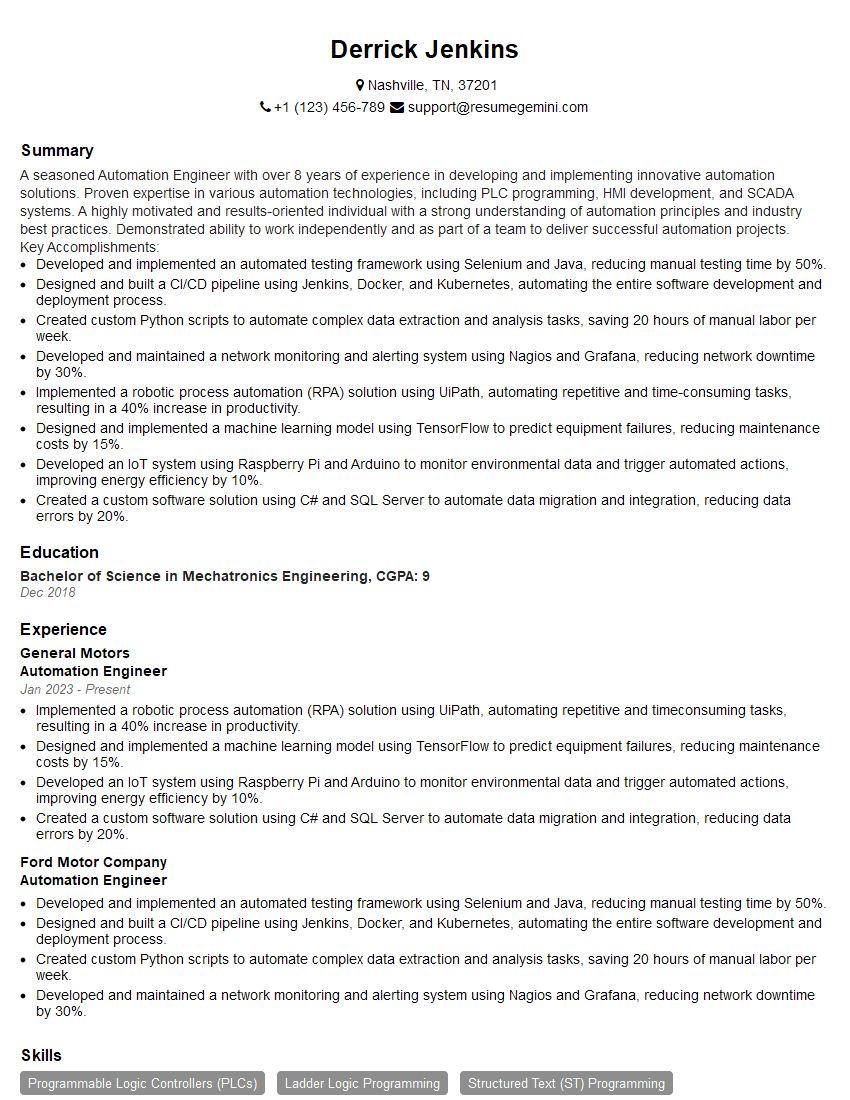
Automation Engineer Resume Sample
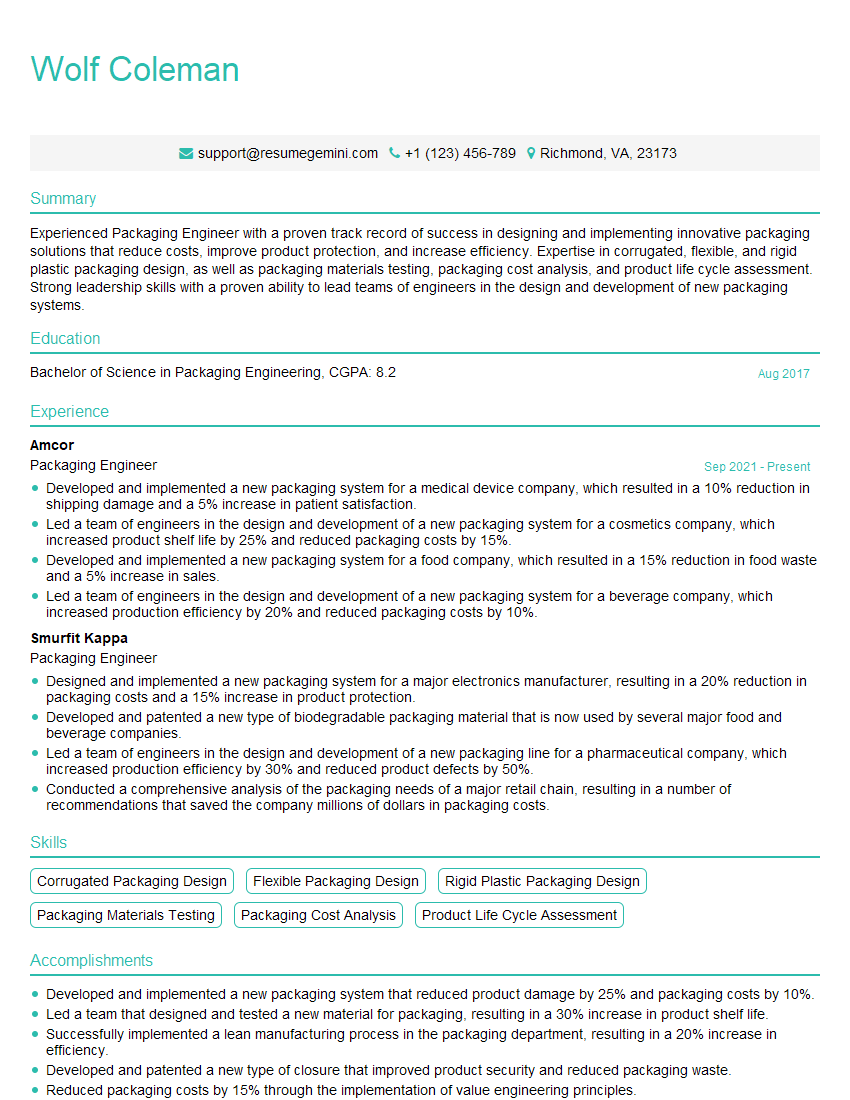
Packaging Engineer Resume Sample

Automation Technician Resume Sample

Manufacturing Technician Resume Sample
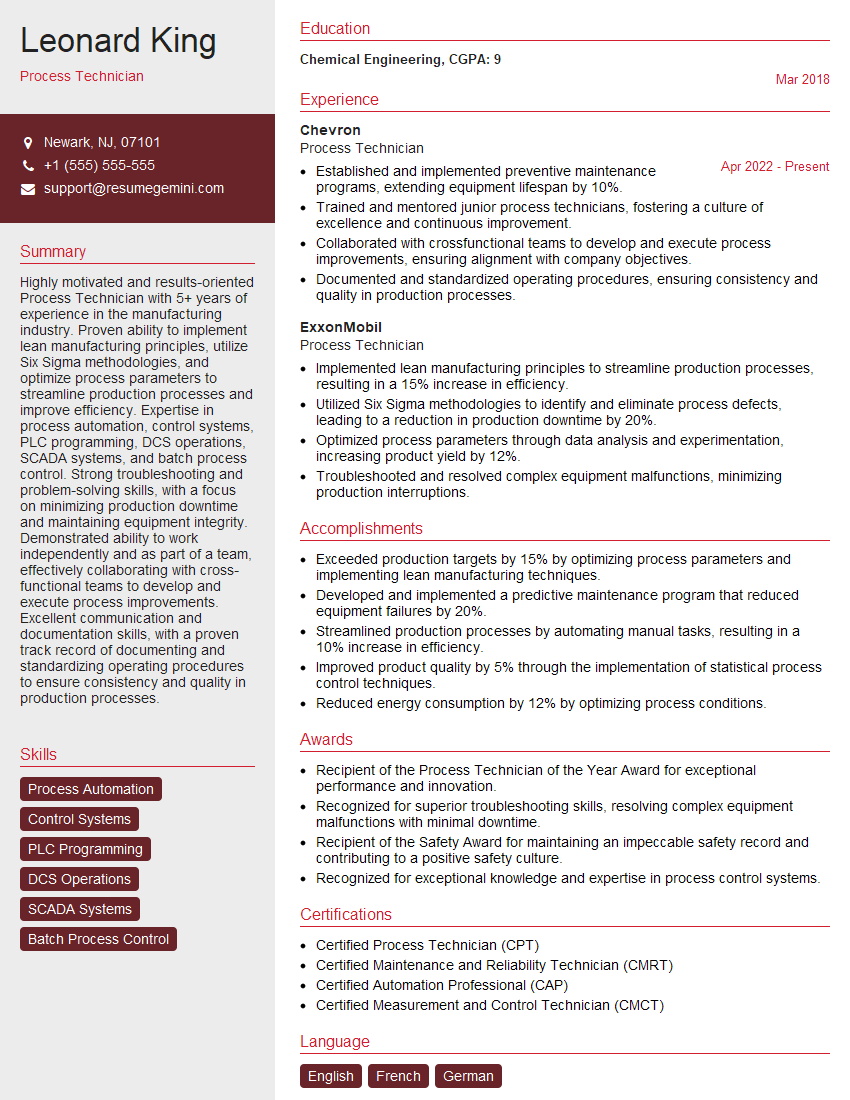
Process Technician Resume Sample
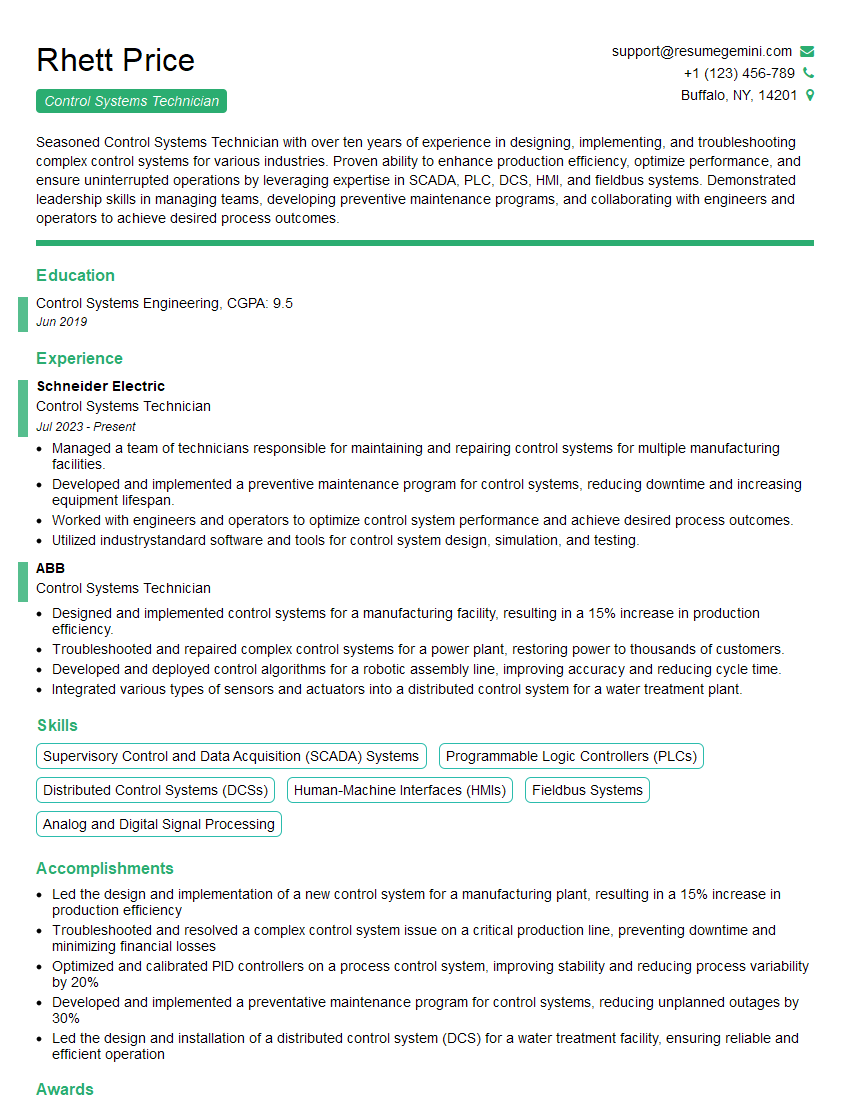
Control Systems Technician Resume Sample
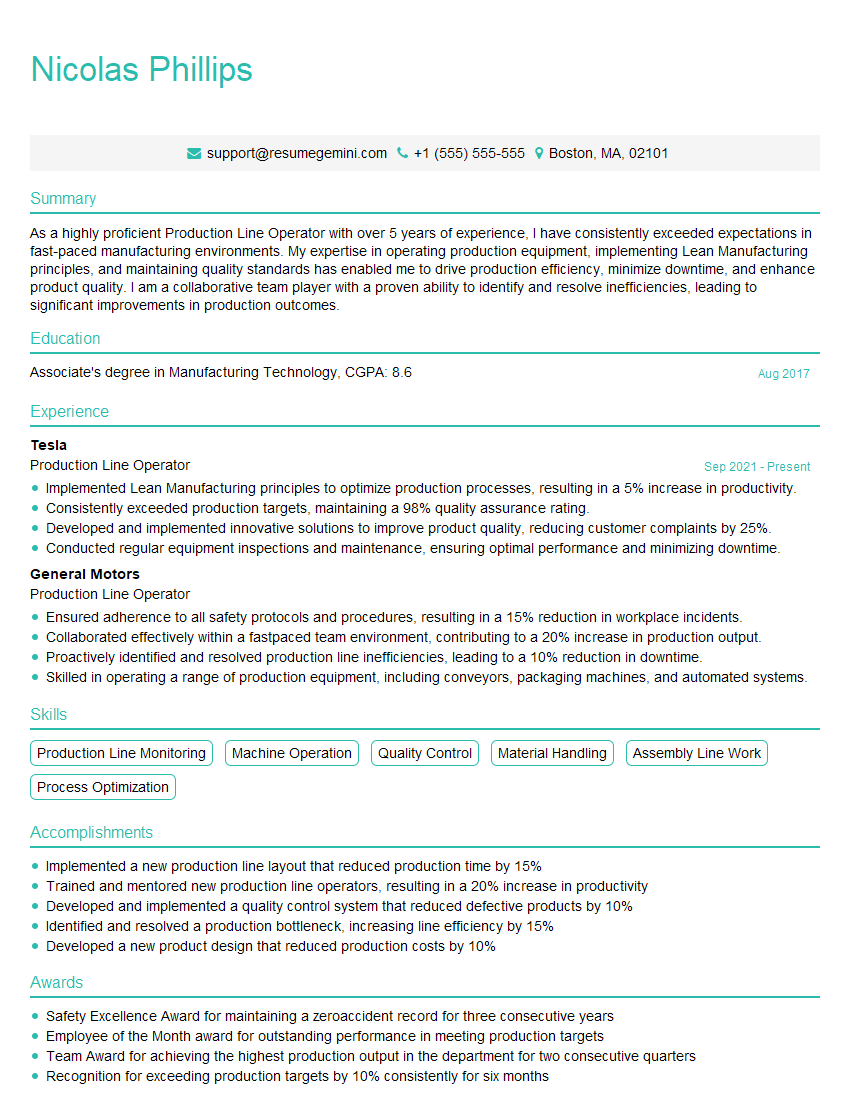
Production Line Operator Resume Sample
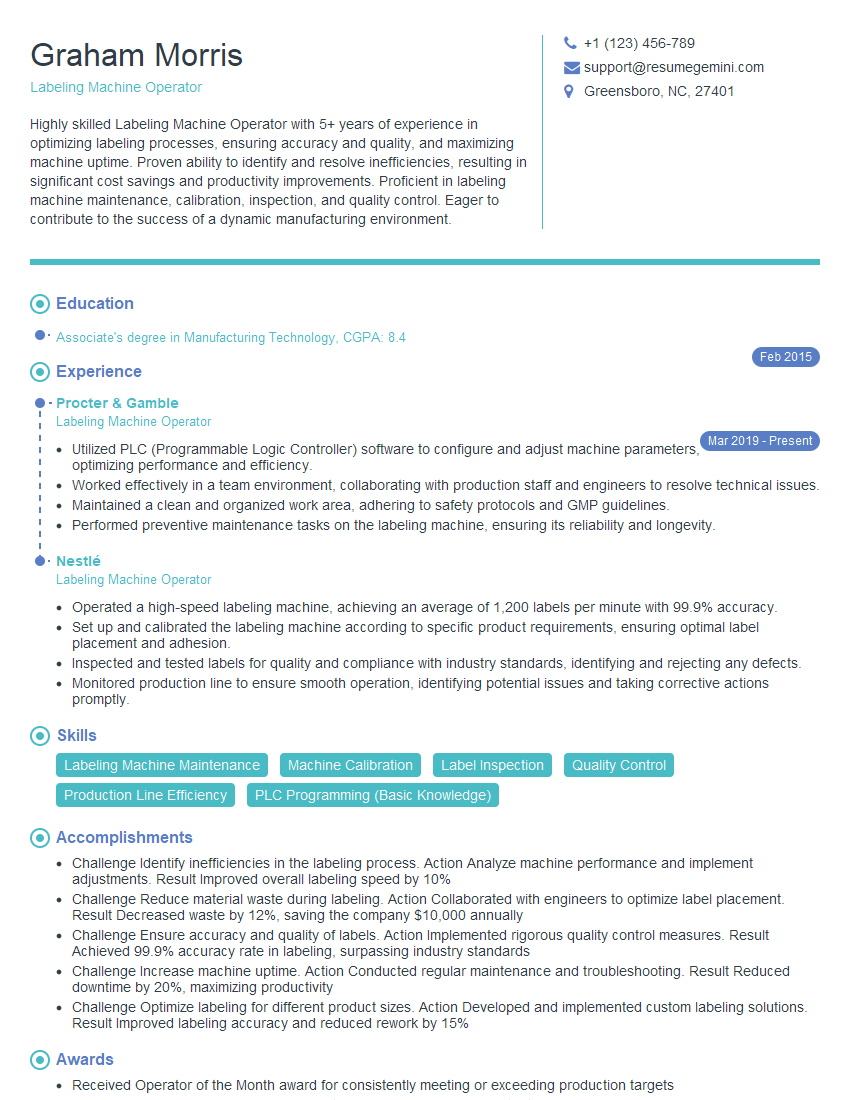
Labeling Machine Operator Resume Sample
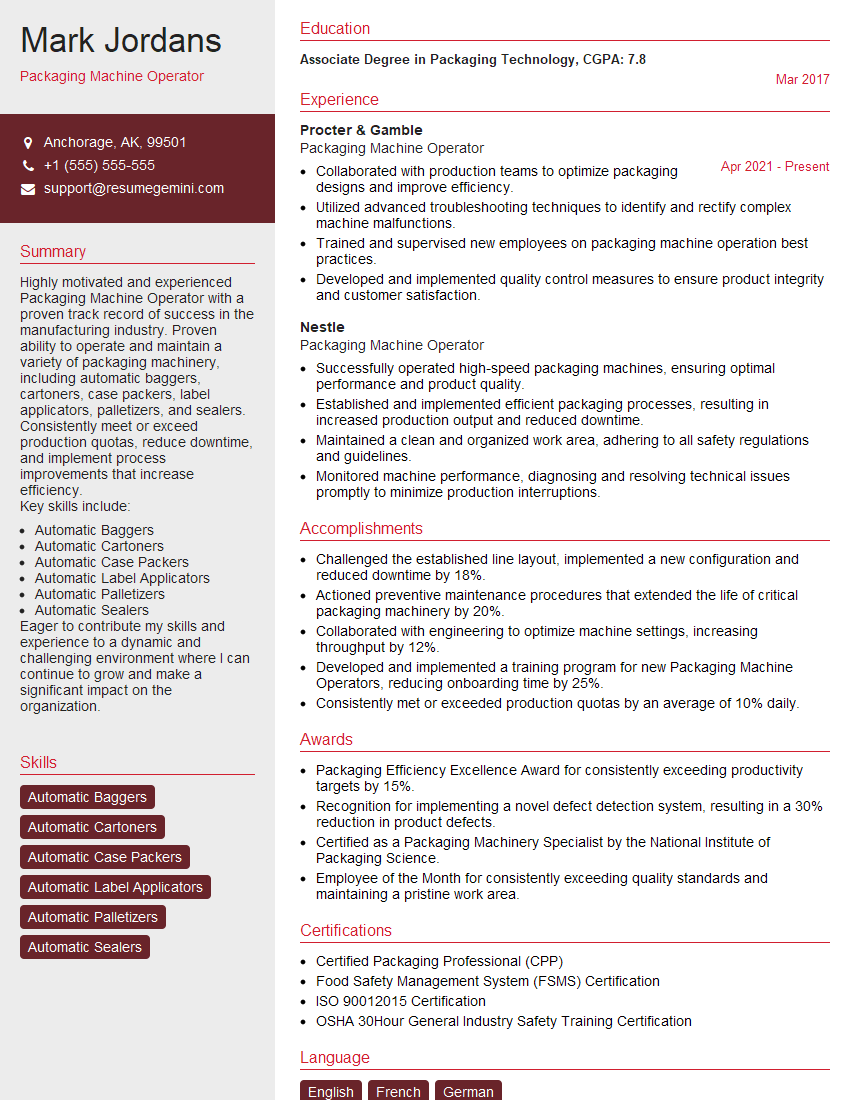
Packaging Machine Operator Resume Sample
Explore more articles
Users Rating of Our Blogs
Share Your Experience
We value your feedback! Please rate our content and share your thoughts (optional).
What Readers Say About Our Blog
Very informative content, great job.
good