Interviews are opportunities to demonstrate your expertise, and this guide is here to help you shine. Explore the essential Laboratory Safety and Biosafety interview questions that employers frequently ask, paired with strategies for crafting responses that set you apart from the competition.
Questions Asked in Laboratory Safety and Biosafety Interview
Q 1. Describe your experience with developing and implementing laboratory safety programs.
Developing and implementing laboratory safety programs requires a multifaceted approach, encompassing risk assessment, policy creation, training, and ongoing monitoring. My experience involves leading the development of comprehensive safety manuals, standard operating procedures (SOPs), and emergency response plans. For example, in a previous role, I spearheaded the creation of a new chemical hygiene plan, which included a detailed inventory of hazardous materials, proper storage guidelines, and procedures for handling spills. This involved not only creating the documentation but also conducting training sessions for all laboratory personnel and implementing regular audits to ensure compliance. I also have experience in designing and implementing safety programs for laboratories working with biohazardous materials, emphasizing proper containment and decontamination procedures. Another significant project involved developing a system for tracking chemical waste disposal, ensuring adherence to all relevant regulations and minimizing environmental impact.
Q 2. Explain your understanding of different biosafety levels (BSL-1 to BSL-4).
Biosafety levels (BSLs) classify laboratories based on the risk of infectious agents handled within them. BSL-1 labs handle agents not known to consistently cause disease in healthy adults, and precautions are minimal. Think of a basic microbiology lab working with E. coli strains that are not pathogenic. BSL-2 labs handle agents that pose moderate hazards; these labs require more stringent safety measures, including the use of biological safety cabinets (BSCs) and personal protective equipment (PPE) such as lab coats and gloves. Examples include working with Salmonella or HIV. BSL-3 labs work with agents that can cause serious or potentially lethal disease via aerosol transmission; this requires a higher level of containment, including specialized ventilation systems, and strict entry and exit protocols. Examples include working with Mycobacterium tuberculosis or West Nile virus. Finally, BSL-4 labs handle the most dangerous and exotic agents, such as Ebola or Marburg viruses. These labs are extremely complex and require maximum containment, including positive-pressure suits and highly specialized equipment and procedures. Each BSL level necessitates progressively more stringent safety measures and infrastructure.
Q 3. How would you handle a chemical spill in the laboratory?
Handling a chemical spill requires a rapid and methodical response. The first step is always to ensure personal safety. This means immediately evacuating the area and alerting others. Next, depending on the nature of the spilled chemical (corrosive, flammable, toxic, etc.), I would consult the Safety Data Sheet (SDS) for specific instructions. The SDS provides crucial information on the hazard, first aid measures, and cleanup procedures. For example, a small spill of a non-hazardous chemical might simply require sweeping and disposal, while a larger spill of a hazardous chemical would necessitate the use of specialized spill kits, absorbent materials, and potentially the involvement of a hazardous waste disposal team. Following the cleanup, the area must be thoroughly decontaminated, and all affected individuals must be evaluated for any potential health effects. Accurate documentation of the entire process, including the type and amount of chemical spilled, cleanup methods, and any injuries or health concerns, is essential for both regulatory compliance and future prevention efforts.
Q 4. What are the key elements of a comprehensive laboratory safety training program?
A comprehensive laboratory safety training program should be multifaceted and cover various aspects of laboratory safety. Key elements include:
- Introduction to laboratory safety policies and procedures: Covering all relevant rules and regulations.
- Hazard identification and risk assessment: Training on identifying potential hazards and evaluating associated risks.
- Safe handling of chemicals and biological agents: Detailed instruction on the use of PPE and proper techniques for handling hazardous materials.
- Emergency procedures: Comprehensive training on responding to various emergencies like chemical spills, fire, and medical incidents.
- Waste management: Training on proper disposal and segregation of hazardous waste.
- Use of safety equipment: Hands-on training on the use of safety equipment like eyewash stations, safety showers, and fire extinguishers.
- First aid and CPR: Training on providing basic first aid and CPR in emergency situations.
Q 5. Describe your experience with risk assessment and hazard identification in a laboratory setting.
Risk assessment and hazard identification are fundamental to laboratory safety. My experience involves conducting thorough assessments, identifying potential hazards – such as chemical exposure, biological risks, fire hazards, and ergonomic issues – and then evaluating the likelihood and severity of each hazard to determine the overall risk level. I utilize a hierarchical approach, starting with a general survey of the laboratory environment, followed by a detailed evaluation of specific procedures and equipment. For example, in a recent project, a risk assessment for a molecular biology lab revealed potential hazards related to the use of UV light, handling of infectious agents, and the use of sharp objects. These hazards were then analyzed in terms of their likelihood and severity, leading to the implementation of control measures such as specialized safety glasses, biosafety cabinets, and improved sharps disposal practices. This iterative process involves documenting all findings, implemented control measures, and the rationale for those choices. Regular reassessment is vital, especially when introducing new equipment, procedures, or personnel.
Q 6. How do you ensure compliance with relevant safety regulations (e.g., OSHA, GLP)?
Ensuring compliance with safety regulations such as OSHA (Occupational Safety and Health Administration) and GLP (Good Laboratory Practices) is paramount. This necessitates staying abreast of all current regulations and implementing policies and procedures that adhere to them. This involves maintaining detailed records, conducting regular safety inspections and audits, and documenting all training and incident reports. For instance, ensuring proper chemical labeling, maintaining up-to-date SDSs, and establishing clear protocols for waste disposal are all crucial aspects of OSHA compliance. Similarly, GLP guidelines necessitate meticulous documentation of all experimental procedures, data, and deviations from protocols. Regular review and updating of safety procedures are crucial to anticipate and mitigate any potential violations. A proactive approach, including staff training and communication, significantly reduces non-compliance risks. I routinely participate in professional development opportunities to stay informed about changes in regulations and best practices in laboratory safety.
Q 7. What are your strategies for managing waste in a biosafety laboratory?
Managing waste in a biosafety laboratory demands a strict adherence to regulations and established protocols. This involves careful segregation of waste based on its type (chemical, biological, radioactive, etc.), utilizing appropriate containers, and ensuring proper labeling. Biological waste, for instance, often requires autoclaving or other methods of sterilization prior to disposal. Chemical waste requires careful segregation according to compatibility, often requiring specific containers and specialized disposal services. Sharps require disposal in puncture-resistant containers to prevent injuries. Maintaining detailed records of all waste generated, the method of disposal, and the disposal service used is critical for auditing and compliance purposes. Regular training for laboratory personnel on proper waste management practices is essential to minimize risks and prevent accidental exposure or environmental contamination. Furthermore, minimizing waste generation through optimized experimental designs and proper resource management is a crucial element of a robust waste management strategy.
Q 8. Explain the process for handling and disposing of biohazardous materials.
Handling and disposing of biohazardous materials is crucial for maintaining laboratory safety and preventing environmental contamination. The process involves several key steps, starting with proper containment. This means using appropriate primary containers (e.g., sealed bags, leak-proof containers) to prevent spills or leaks. All materials should be clearly labeled with biohazard symbols and details of the contents.
Next, the materials must be decontaminated, often through autoclaving (high-pressure steam sterilization) or chemical disinfection. The chosen method depends on the type of biohazard and its resistance to inactivation. For example, highly resistant spores might require a longer autoclaving cycle compared to easily inactivated viruses. After decontamination, the waste is typically placed in designated biohazard waste containers for disposal. These containers are often color-coded and designed to prevent leaks.
Finally, the disposal process is governed by strict regulations. This often involves a specialized waste disposal company that handles the transportation and final disposal of biohazardous materials in accordance with local, state, and federal guidelines. Failure to adhere to these protocols poses significant risks to both personnel and the environment.
- Example: Used culture plates containing bacteria are first autoclaved to kill the microorganisms. Then they are placed in autoclavable biohazard bags and sealed before being transferred to a designated biohazard waste container.
Q 9. How do you address safety concerns raised by laboratory personnel?
Addressing safety concerns raised by laboratory personnel is paramount. My approach involves active listening, thorough investigation, and prompt, effective action. First, I create a safe space for the personnel to express their concerns without fear of retribution. I then carefully assess the nature of the concern, gathering all relevant information. This might involve reviewing safety protocols, inspecting equipment, and interviewing involved personnel.
Once the root cause is identified, I collaborate with the personnel to develop and implement solutions. This collaborative approach is vital because it empowers the personnel and promotes a culture of safety. Solutions might range from improving safety training to replacing faulty equipment or revising procedures. Following implementation, I monitor the effectiveness of the solutions and make adjustments as needed. Transparency and clear communication are essential throughout this process to maintain trust and confidence.
Example: If a technician expresses concern about inadequate ventilation in a chemical handling area, I would investigate the ventilation system, possibly involving an environmental health and safety professional. We would then determine whether upgrading the system or modifying the work process is necessary to mitigate the risk.
Q 10. Describe your experience with personal protective equipment (PPE) selection and use.
Selecting and using appropriate PPE is fundamental to laboratory safety. My experience involves a thorough risk assessment before any task, identifying all potential hazards. This assessment dictates the type of PPE required. For instance, working with infectious agents would necessitate the use of biological safety cabinets (BSCs), gloves, lab coats, and eye protection. Handling corrosive chemicals might demand additional protection like chemical-resistant gloves, aprons, and face shields.
Proper selection also considers factors such as the material’s compatibility with the hazardous material, comfort and mobility of the user, and regulatory requirements. Beyond selection, effective use is vital. This means wearing the PPE correctly, maintaining its integrity (no tears, punctures), and replacing it as needed. Regular training and refresher courses are essential to ensure personnel understand the proper donning and doffing procedures to minimize contamination risks.
Example: When working with a known carcinogen, I would use nitrile gloves, a lab coat, eye protection, and a respirator rated for the specific carcinogen. The gloves would be changed frequently, and all PPE would be disposed of according to the appropriate biohazard waste protocol.
Q 11. What are the different types of biological safety cabinets (BSCs) and their applications?
Biological safety cabinets (BSCs) are crucial for protecting personnel, the environment, and the experiment from biohazardous materials. There are three main classes: Class I, II, and III.
- Class I BSCs offer personnel and environmental protection but not product protection. They are suitable for working with low to moderate-risk agents. Air is drawn into the cabinet and exhausted through a HEPA filter, protecting the environment.
- Class II BSCs offer personnel, product, and environmental protection. They are the most common type in microbiology labs. They have an inward airflow to protect the user, a HEPA-filtered downward airflow to protect the product, and a HEPA-filtered exhaust airflow to protect the environment. There are several subtypes of Class II BSCs (A1, A2, B1, B2) with varying levels of exhaust filtration and air recirculation.
- Class III BSCs provide the highest level of containment, offering maximum protection to personnel, the product, and the environment. They are gas-tight and are used for working with extremely hazardous agents. All air is HEPA-filtered before being exhausted.
Applications: Class I BSCs might be used for some routine tasks like opening packages of biological materials. Class II BSCs are used for the majority of microbiological work including inoculation, cell culture, and other potentially infectious manipulations. Class III BSCs are typically found in high-containment laboratories working with extremely dangerous agents like Ebola virus.
Q 12. Explain the importance of aseptic techniques in a microbiology laboratory.
Aseptic techniques are crucial in microbiology to prevent contamination of cultures and experiments with unwanted microorganisms. These techniques aim to create a sterile environment and maintain the purity of microbial cultures. Failure to employ aseptic techniques can lead to inaccurate results, compromised experiments, and potential spread of pathogens.
Key aspects of aseptic techniques include sterilizing equipment and work surfaces (e.g., using autoclaves, UV light), using sterile media and reagents, working near a Bunsen burner to create an upward air current, properly handling cultures to minimize airborne contamination, and carefully sterilizing inoculation loops and needles before and after each use. Sterile technique is learned through practice and attention to detail.
Example: When inoculating a bacterial culture onto an agar plate, aseptic technique demands the use of a sterilized inoculating loop, briefly flaming the loop’s tip before and after use, holding the plate at an angle to minimize exposure to air, and working near a Bunsen burner to create a sterile environment.
Q 13. How do you ensure the proper functioning and calibration of safety equipment?
Ensuring proper functioning and calibration of safety equipment is essential for maintaining a safe working environment. This involves a multi-pronged approach. Firstly, a regular schedule of preventative maintenance is critical. This includes checking equipment for wear and tear, cleaning, and replacing components as needed. For instance, autoclaves should be regularly inspected for leaks and proper temperature and pressure readings. Safety showers and eyewash stations should be regularly flushed and inspected for proper flow.
Secondly, equipment should be calibrated according to manufacturer’s recommendations and regulatory requirements. Calibration ensures the accuracy and reliability of the equipment. Certified technicians should perform the calibration procedures and provide documentation to prove the equipment is functioning correctly and within specified tolerances. Calibration schedules should be followed rigorously, and records should be maintained.
Thirdly, user training plays a key role. Personnel must be properly trained to operate the equipment safely and efficiently. They should also be able to recognize malfunctions and report any issues promptly. Regular safety inspections and audits should be conducted to ensure all safety equipment is functioning properly and procedures are being followed correctly.
Q 14. What are your strategies for preventing laboratory accidents?
Preventing laboratory accidents relies on a proactive, multi-faceted strategy. This starts with a robust safety program that includes comprehensive safety training for all personnel. Training should cover specific hazards associated with the work, the proper use of safety equipment, emergency procedures, and the reporting of incidents. Regular safety meetings and drills are essential for reinforcement.
Next, a well-designed laboratory layout minimizes risks by separating incompatible materials and providing adequate space for safe work practices. Proper labeling, clear signage, and readily accessible safety equipment (like fire extinguishers, eyewash stations, and spill kits) are vital. Implementing and strictly enforcing standard operating procedures (SOPs) minimizes human error and ensures consistency in safe practices. Finally, a culture of safety must be fostered where personnel feel comfortable reporting near misses or potential hazards without fear of reprisal. This helps proactively identify and mitigate risks before they lead to accidents.
Example: Implementing a color-coded system for chemical storage, providing comprehensive training on chemical handling, and holding regular safety inspections would reduce the risk of chemical spills and exposures.
Q 15. Describe your experience with incident investigation and reporting.
Incident investigation and reporting are crucial for preventing future occurrences and improving laboratory safety. My approach involves a systematic process, starting with immediate containment and securing the area. Then, I gather information from all witnesses, review security footage if available, and meticulously document the incident. This includes details such as the time, location, individuals involved, equipment used, and the sequence of events. Following data collection, a root cause analysis is performed to identify contributing factors. This often involves using techniques like fault tree analysis or the ‘5 Whys’ to get to the core of the problem. Finally, a comprehensive report is written, outlining the incident, the investigation’s findings, root cause(s), and recommendations for corrective and preventive actions. For example, in a past incident involving a chemical spill, through investigation, we identified a lack of proper training on chemical handling procedures as a key contributing factor. The resulting report led to mandatory refresher training for all laboratory personnel and improved labeling of chemicals.
Career Expert Tips:
- Ace those interviews! Prepare effectively by reviewing the Top 50 Most Common Interview Questions on ResumeGemini.
- Navigate your job search with confidence! Explore a wide range of Career Tips on ResumeGemini. Learn about common challenges and recommendations to overcome them.
- Craft the perfect resume! Master the Art of Resume Writing with ResumeGemini’s guide. Showcase your unique qualifications and achievements effectively.
- Don’t miss out on holiday savings! Build your dream resume with ResumeGemini’s ATS optimized templates.
Q 16. How do you ensure compliance with emergency procedures in the laboratory?
Ensuring compliance with emergency procedures necessitates a multi-faceted approach. Firstly, regular training is essential, covering various scenarios such as fire, chemical spills, biological spills, and medical emergencies. This training must be hands-on, involving simulated drills and practical exercises. Secondly, clear and easily accessible emergency procedures must be prominently displayed throughout the laboratory. These procedures should be concise, unambiguous, and regularly updated to reflect changes in equipment or protocols. Thirdly, regular inspections and audits are crucial to ensure that emergency equipment, such as eyewash stations, safety showers, and fire extinguishers, is properly maintained and readily available. Finally, maintaining an up-to-date emergency contact list and ensuring that all personnel know the evacuation routes and assembly points are vital. For example, we conduct quarterly fire drills and annually review and update our emergency procedures manual to maintain high levels of preparedness.
Q 17. How would you respond to a biological spill involving a high-risk pathogen?
Responding to a biological spill involving a high-risk pathogen requires immediate and decisive action, prioritizing the safety of personnel and the environment. The first step is to immediately restrict access to the contaminated area, warning others to stay away. Then, wearing appropriate personal protective equipment (PPE), including a respirator, gloves, and a full-body suit, the spill must be contained. This may involve using absorbent materials designed for biological spills and then disinfecting the area using an appropriate agent according to the pathogen’s specific requirements. Contaminated materials should be carefully collected and disposed of according to established biohazardous waste protocols. Exposure monitoring and medical evaluation of individuals potentially exposed is critical. This incident must be reported immediately to the appropriate authorities, including the institutional biosafety officer and potentially public health officials depending on the pathogen’s severity and potential for spread. Detailed documentation, including the type of pathogen, the volume spilled, the procedures used for cleanup, and the individuals involved, is crucial for internal review and regulatory compliance. For example, during a simulated BSL-3 spill drill, we successfully implemented the containment and cleanup procedures, demonstrating that our emergency response plan effectively mitigated the potential risks.
Q 18. What is your experience with developing and maintaining safety manuals and standard operating procedures (SOPs)?
Developing and maintaining safety manuals and Standard Operating Procedures (SOPs) is a vital part of my role. The process begins with a thorough risk assessment to identify potential hazards in the laboratory environment. Then, detailed SOPs are created for all laboratory activities, covering aspects like equipment operation, chemical handling, waste disposal, and emergency procedures. These SOPs are written using clear, concise language, with step-by-step instructions and diagrams where necessary. They are regularly reviewed and updated to reflect changes in technology, regulations, or best practices. The safety manual acts as a central repository for all laboratory safety policies, procedures, and guidelines. It includes information on chemical hygiene, biosafety, radiation safety, and emergency response. Both SOPs and the safety manual are disseminated to all laboratory personnel and are subject to regular training sessions to ensure comprehension and compliance. For instance, I recently led the revision of our chemical hygiene plan, incorporating updated guidelines for handling hazardous chemicals and integrating new safety data sheets for all chemicals used in the lab. This involved extensive collaboration with laboratory staff and ensuring that the changes were properly communicated and implemented.
Q 19. Describe your understanding of the principles of hazard communication.
Hazard communication is the process of conveying information about the potential hazards associated with chemicals, biological agents, and other materials in the workplace. The core principles involve identifying all hazards, creating Safety Data Sheets (SDS) that accurately describe the hazards and provide appropriate handling precautions, and implementing effective training and communication methods to ensure that all employees understand the risks and know how to handle hazardous materials safely. This includes utilizing clear and consistent labeling on containers, providing access to readily available SDSs, conducting regular training sessions on hazard identification and risk mitigation, and utilizing other communication methods such as posters, signage, and regular safety meetings. For example, I’ve implemented a color-coded labeling system for chemicals to quickly identify their hazard class and implemented a digital SDS management system, ensuring easy access to the most current safety information for all personnel. This system also integrates with our safety training programs, ensuring compliance with regulatory requirements.
Q 20. Explain your experience with conducting safety inspections and audits.
Conducting safety inspections and audits is a crucial aspect of maintaining a safe laboratory environment. My approach involves a systematic review of the laboratory facilities, equipment, and practices. This includes checking for proper labeling of chemicals and biological materials, ensuring that safety equipment is functioning correctly and readily available, evaluating compliance with established SOPs, and verifying adherence to all safety regulations. During the inspection, observations are documented, noting any deficiencies or areas needing improvement. These findings are then compiled into a comprehensive report that outlines any identified hazards, recommends corrective actions, and tracks the implementation of these actions. A follow-up inspection is usually conducted to verify that corrective measures have been effectively implemented. For example, during a recent audit, we identified a deficiency in the emergency eye wash station maintenance schedule. The audit report led to an immediate schedule update, ensuring timely maintenance and the safety of personnel. We also used the findings to improve our lab’s safety inspection checklist.
Q 21. What are the key differences between chemical and biological safety?
While both chemical and biological safety aim to protect personnel and the environment, they differ significantly in the nature of the hazards and the methods used to mitigate them. Chemical safety focuses on preventing exposure to hazardous chemicals through proper handling, storage, and disposal. It involves considerations like flammability, toxicity, reactivity, and corrosiveness. Control measures typically include engineering controls (e.g., fume hoods), administrative controls (e.g., SOPs), and personal protective equipment (e.g., gloves, respirators). Biological safety, on the other hand, deals with minimizing the risk of exposure to infectious agents such as bacteria, viruses, and fungi. Key considerations include the pathogen’s infectivity, virulence, and transmission route. Control measures are heavily reliant on biosafety levels (BSL), which dictate containment practices, including PPE, specialized equipment (e.g., biosafety cabinets), and waste disposal protocols. For example, a chemical spill might require absorbent materials and neutralization, while a biological spill would necessitate decontamination with an appropriate disinfectant and proper waste disposal, possibly requiring specialized equipment depending on the risk group of the agent.
Q 22. How do you handle conflicts between safety regulations and research needs?
Balancing safety regulations and research needs requires a thoughtful, collaborative approach. It’s not about choosing one over the other, but rather finding innovative solutions that ensure both safety and research progress. Think of it like navigating a tightrope – maintaining equilibrium between two crucial aspects.
For example, if a research project requires a specific chemical known to have stringent safety protocols, I wouldn’t simply reject the project. Instead, I would work with the researchers to identify and implement appropriate safety measures, such as using a fume hood, implementing stricter personal protective equipment (PPE) requirements, or modifying the experimental design to minimize risks. This might involve detailed risk assessments, substitution of less hazardous materials where possible, and the development of comprehensive Standard Operating Procedures (SOPs) to mitigate identified hazards. The key is open communication and a willingness to find creative solutions that allow for responsible research.
Ultimately, safety should never be compromised. However, with careful planning and risk management, even seemingly conflicting demands can be reconciled. The goal is to achieve the highest level of safety possible, while still enabling impactful research.
Q 23. How do you stay updated on changes in laboratory safety regulations and best practices?
Staying current in laboratory safety is crucial; the field constantly evolves with new technologies, regulations, and best practices. My approach is multi-pronged:
- Professional Organizations: Active membership in organizations like the American Biological Safety Association (ABSA) or similar groups provides access to publications, webinars, and conferences showcasing the latest advancements. I regularly attend these events and engage with the community.
- Regulatory Updates: I meticulously follow updates from agencies like OSHA (Occupational Safety and Health Administration) and NIH (National Institutes of Health) concerning relevant regulations. This includes subscribing to newsletters, reviewing updates on their websites and actively searching for changes impacting my area of expertise.
- Peer-Reviewed Literature: I regularly review peer-reviewed journals and publications focusing on laboratory safety and biosafety. This keeps me abreast of the newest research and best practices in the field.
- Training and Continuing Education: I actively seek opportunities for continuing education and training in laboratory safety and biosafety. This includes attending workshops and taking online courses to refresh my knowledge and learn about new techniques and regulations.
This layered approach ensures I’m not just reacting to changes, but proactively adapting to advancements, maintaining a high level of proficiency and ensuring my practices are always up-to-date and compliant.
Q 24. Explain your experience with using and maintaining emergency equipment (e.g., eyewash stations, safety showers).
My experience encompasses the full lifecycle of emergency equipment: selection, installation, testing, maintenance, and training. I’ve been directly involved in the selection of appropriate eyewash stations and safety showers based on laboratory needs and risk assessments. For instance, I ensured that eyewash stations are strategically placed for easy access within designated timeframes for effective decontamination following exposure incidents.
Regular maintenance is non-negotiable. I’ve managed weekly inspections to ensure functionality (water pressure, nozzle spray pattern, temperature, etc.). We conduct monthly performance tests and have a documented schedule for professional servicing to meet regulatory compliance. This includes keeping detailed records of all inspections, tests, and maintenance, including any repairs.
Crucially, I’ve also developed and delivered training programs for laboratory personnel on the proper use and limitations of emergency equipment. This included hands-on practice sessions to ensure familiarity and confidence in using the equipment during an actual emergency situation. Effective training is crucial to ensure that, should an incident occur, staff can react quickly and effectively, minimizing potential harm.
Q 25. What are your experience with selecting appropriate disinfectants and sterilization methods?
Choosing the right disinfectant or sterilization method depends heavily on the specific microorganisms being addressed and the nature of the surfaces or materials. My selection process involves a careful consideration of several factors:
- Target Organisms: The choice of disinfectant depends on whether we’re dealing with bacteria, viruses, fungi, or spores. Some disinfectants are broad-spectrum, while others target specific organisms. For example, bleach is effective against many bacteria and viruses, but less so against spores.
- Surface Compatibility: Certain disinfectants can damage or corrode certain materials. Therefore, selecting the correct disinfectant that does not react with the surfaces being cleaned is critical. For instance, bleach should not be used on some metals or fabrics.
- Contact Time: Disinfectants need sufficient contact time to be effective. This is dependent on the concentration of the disinfectant, type of organism, and the nature of the contamination. Thorough application is crucial.
- Toxicity and Safety: Choosing safe disinfectants that are least harmful to users and the environment is of utmost importance. Proper PPE must always be used during disinfection procedures. Appropriate safety data sheets (SDS) must be reviewed and understood.
- Sterilization Methods: For complete elimination of all microorganisms, including spores, sterilization methods like autoclaving (steam sterilization), dry heat sterilization, or ethylene oxide gas are necessary. The choice depends on the nature of the material being sterilized.
I always ensure that the selected methods are validated, documented, and comply with relevant regulations. Regular review and updating of these processes based on new evidence and best practices are crucial aspects of laboratory safety.
Q 26. Describe your experience with designing and reviewing laboratory safety protocols.
Designing and reviewing laboratory safety protocols is a systematic process that involves collaboration and a risk-based approach. I begin by identifying all potential hazards within the laboratory, including chemicals, biological agents, equipment, and procedures.
Then a detailed risk assessment is conducted for each hazard using methods such as HAZOP (Hazard and Operability Study) and FMEA (Failure Mode and Effects Analysis) to determine the likelihood and severity of potential incidents. This assessment guides the development of control measures, which might include engineering controls (e.g., fume hoods, biosafety cabinets), administrative controls (e.g., SOPs, training programs), and personal protective equipment (PPE).
The protocols themselves are written clearly, concisely, and unambiguously, ensuring they are easy to understand and follow. They include detailed procedures, safety precautions, emergency response plans, and waste disposal guidelines. Finally, regular reviews are crucial. The protocols are reviewed and updated at least annually, or more frequently if there are changes in personnel, procedures, or regulations. Input from laboratory personnel ensures the protocols remain relevant and effective in practice.
Q 27. How would you evaluate the effectiveness of a laboratory safety program?
Evaluating the effectiveness of a laboratory safety program involves a multi-faceted approach that assesses both the process and the outcome. It’s not enough to simply have policies in place; we need evidence that those policies are actually working and improving safety.
Key metrics include:
- Incident Rates: Tracking the number and types of safety incidents (near misses, injuries, spills, etc.) provides a direct measure of program effectiveness. A downward trend indicates improvement.
- Compliance Audits: Regular audits assess adherence to safety protocols, regulations, and SOPs. They help identify gaps in training, compliance issues, and areas needing improvement.
- Employee Feedback: Regular surveys and feedback sessions with laboratory personnel are essential. This helps identify concerns, suggest improvements, and assesses overall program satisfaction. An engaged and informed workforce is a safer workforce.
- Training Effectiveness: Measuring the understanding and retention of safety training through quizzes, tests, or practical demonstrations helps determine training program effectiveness.
- Emergency Response Drills: Conducting regular emergency response drills and evaluating responses helps assess the preparedness and effectiveness of response plans.
By analyzing these metrics, we can identify areas of strength and weakness, allowing for continuous improvement of the laboratory safety program. A truly effective program is dynamic and adapts to changing needs and risks, constantly striving for improvement.
Q 28. Describe your experience with working in a regulated laboratory environment (e.g., GLP, GMP).
I have extensive experience in regulated laboratory environments, specifically under Good Laboratory Practices (GLP) and Good Manufacturing Practices (GMP). GLP, focused on non-clinical laboratory studies, emphasizes the quality and integrity of data generated. This requires meticulous record-keeping, standardized procedures, and rigorous quality control measures to ensure data reliability and reproducibility. My experience involves managing and documenting experiments, ensuring compliance with GLP principles throughout the entire research process, including sample handling, analysis, and reporting.
GMP, relevant to manufacturing processes, focuses on ensuring the quality and safety of products. My experience here includes adhering to strict procedures concerning documentation, material traceability, validation of equipment and processes, and comprehensive quality control and assurance programs. This ensured that products meet specified quality standards and regulatory requirements. In both GLP and GMP environments, the emphasis on documentation and adherence to SOPs is paramount in ensuring the accuracy and reliability of results and the safety of personnel and the environment.
Key Topics to Learn for Laboratory Safety and Biosafety Interview
- Personal Protective Equipment (PPE): Understanding the appropriate selection, use, and limitations of PPE such as gloves, lab coats, eye protection, and respirators. Consider practical applications like choosing the right glove for different chemicals and scenarios.
- Biosafety Levels (BSL): Knowing the different BSL classifications (BSL-1 to BSL-4) and the corresponding safety procedures and containment measures for each level. Think about how these levels impact experimental design and risk assessment.
- Hazard Communication & Chemical Safety: Familiarize yourself with the proper handling, storage, and disposal of chemicals, including SDS interpretation and the use of fume hoods and other safety equipment. Practice applying this knowledge to a hypothetical lab scenario.
- Emergency Procedures: Mastering emergency response protocols for spills, injuries, and equipment malfunctions. Consider scenarios requiring immediate action and how to effectively communicate during a crisis.
- Waste Management: Understanding the regulations and procedures for managing different types of laboratory waste (chemical, biological, radioactive). This includes proper segregation, labeling, and disposal methods.
- Risk Assessment & Management: Developing and implementing risk assessments for laboratory activities. This involves identifying hazards, evaluating risks, and implementing control measures to mitigate potential risks.
- Infection Control & Prevention: Understanding and applying principles of infection control, including sterilization, disinfection, and aseptic techniques. This is crucial for maintaining a safe and sterile working environment.
- Regulatory Compliance: Familiarity with relevant safety regulations and guidelines (e.g., OSHA, NIH). Consider how these regulations translate into practical laboratory procedures.
Next Steps
Mastering Laboratory Safety and Biosafety is crucial for a successful and fulfilling career in this field. It demonstrates your commitment to safety, professionalism, and ethical conduct. To enhance your job prospects, creating a strong, ATS-friendly resume is essential. ResumeGemini can help you build a professional and impactful resume that highlights your skills and experience effectively. ResumeGemini provides examples of resumes tailored to Laboratory Safety and Biosafety roles, giving you a head start in crafting your application materials. Take the next step and build your resume today – your dream career is within reach!
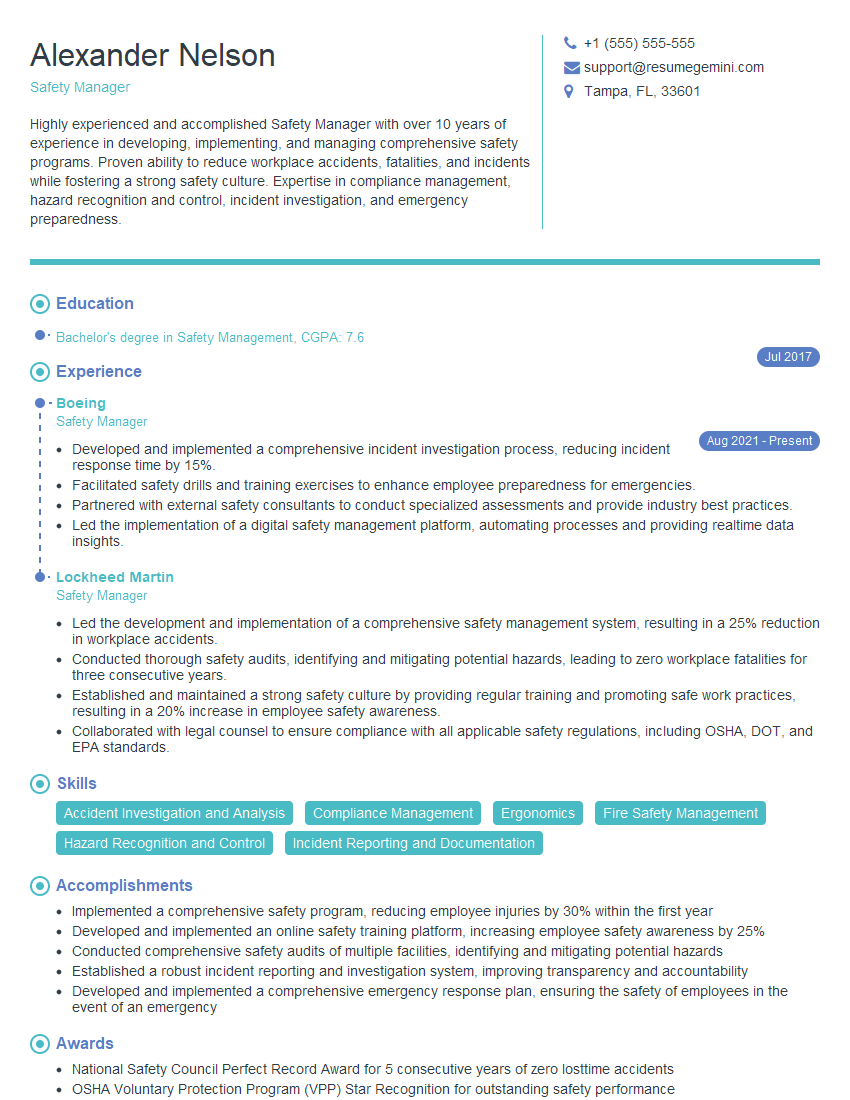
Safety Manager Resume Sample
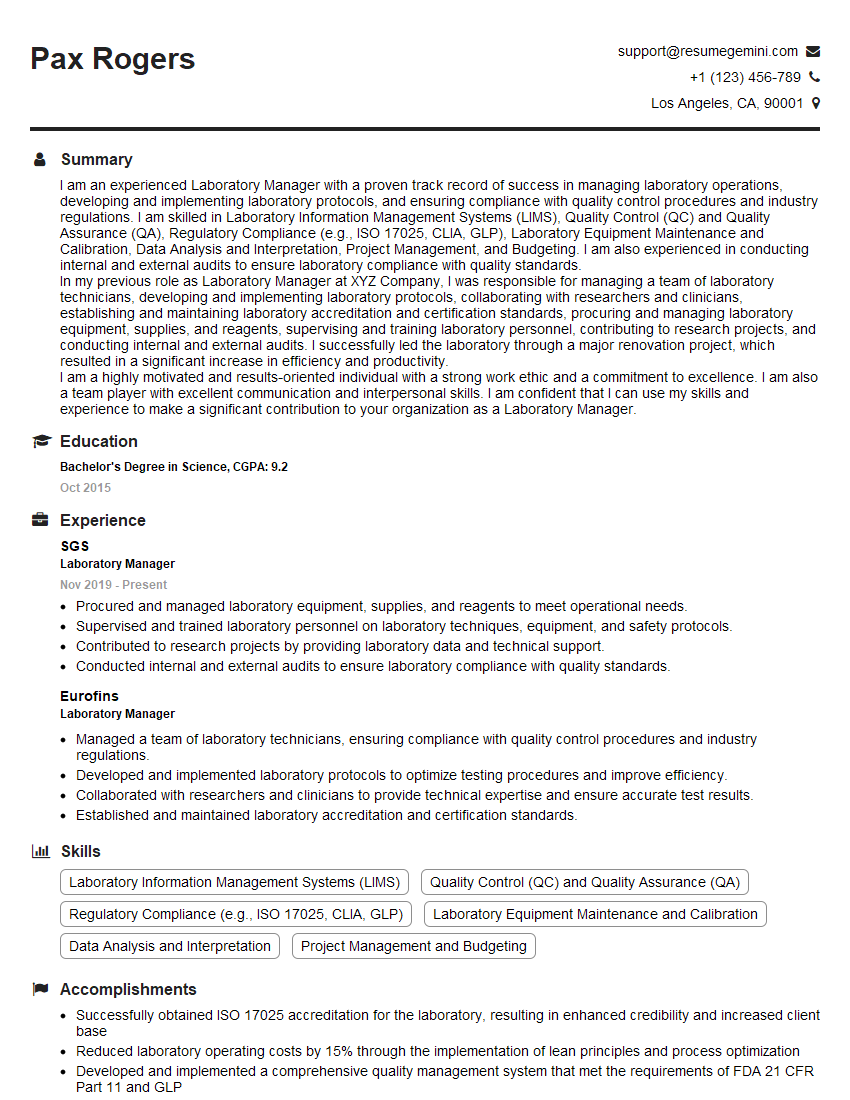
Laboratory Manager Resume Sample
Quality Control Manager Resume Sample

Compliance Officer Resume Sample
Regulatory Affairs Specialist Resume Sample

Safety Engineer Resume Sample
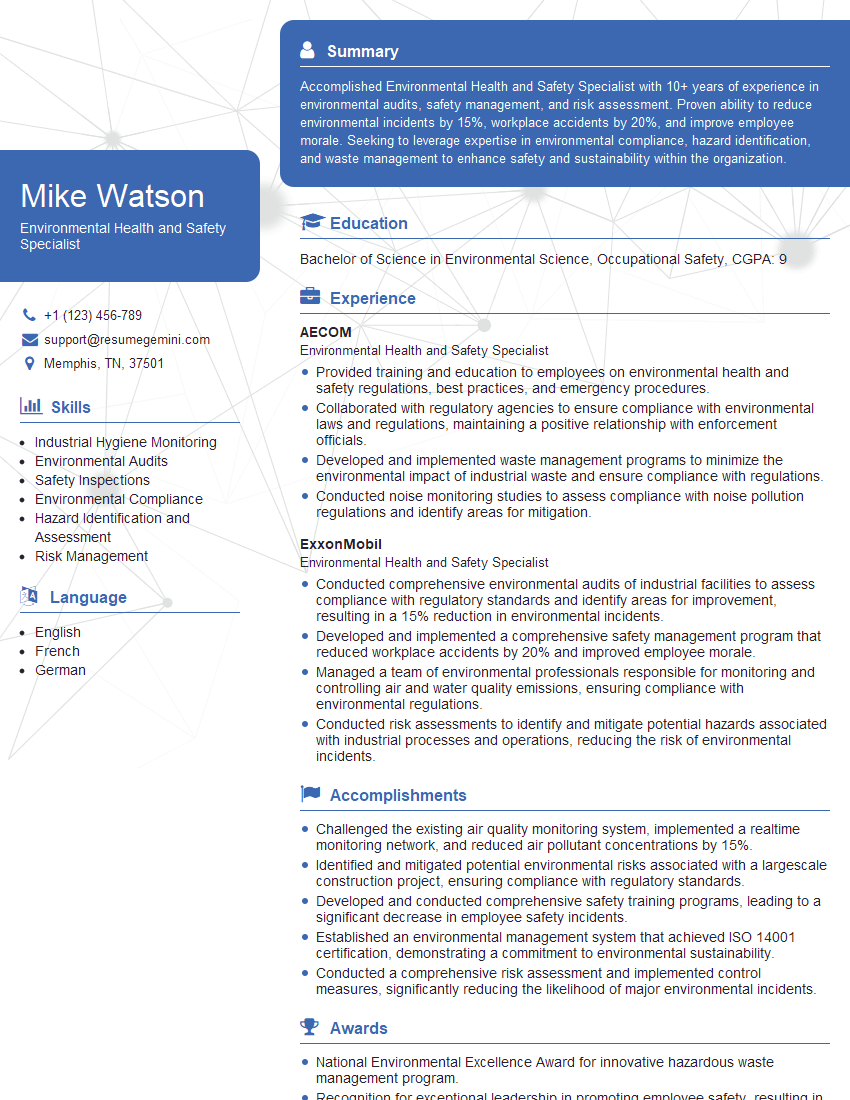
Environmental Health and Safety Specialist Resume Sample

Risk Assessor Resume Sample
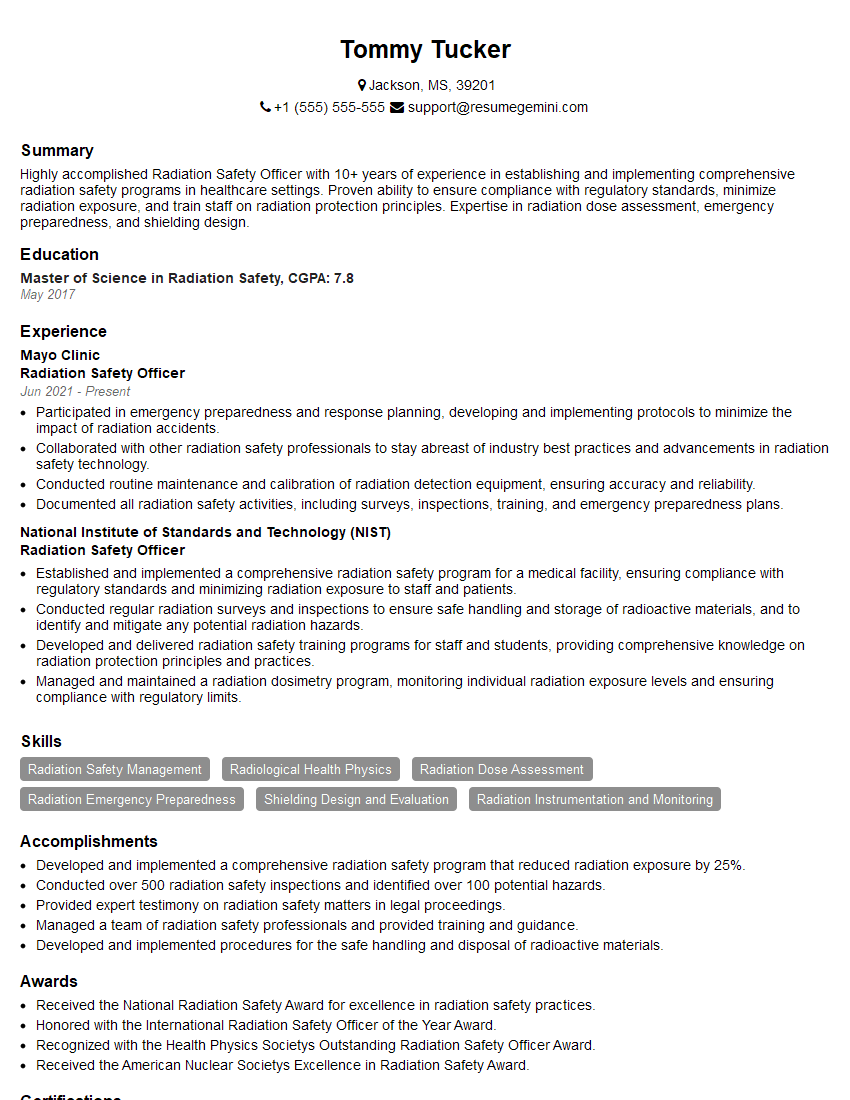
Radiation Safety Officer Resume Sample
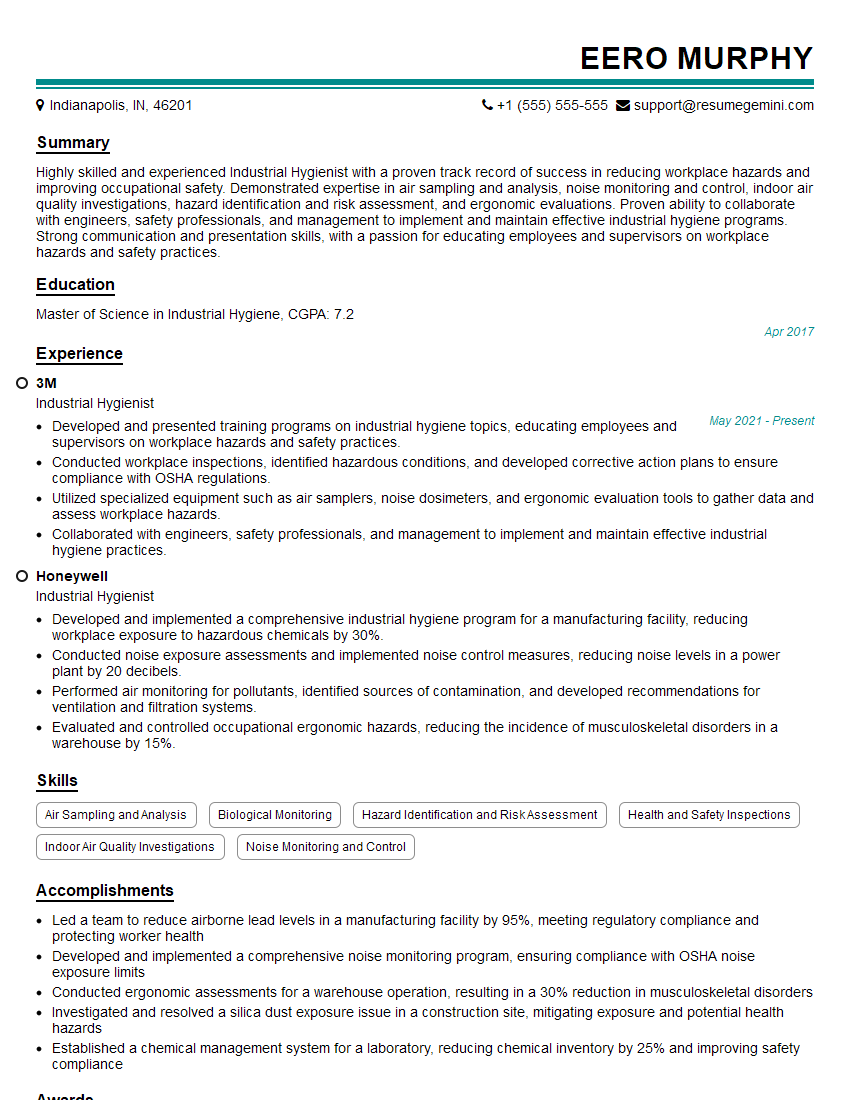
Industrial Hygienist Resume Sample
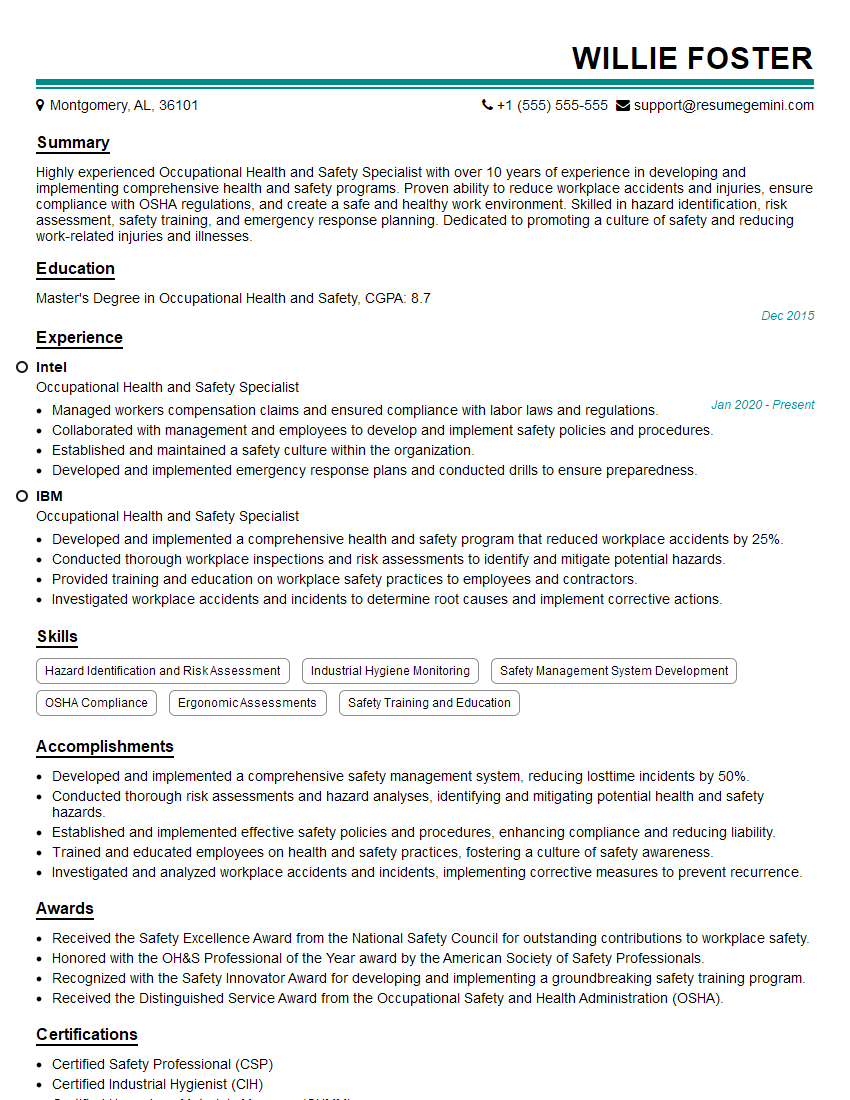
Occupational Health and Safety Specialist Resume Sample
Explore more articles
Users Rating of Our Blogs
Share Your Experience
We value your feedback! Please rate our content and share your thoughts (optional).
What Readers Say About Our Blog
Very informative content, great job.
good