Preparation is the key to success in any interview. In this post, we’ll explore crucial Lean Manufacturing Techniques (optional) interview questions and equip you with strategies to craft impactful answers. Whether you’re a beginner or a pro, these tips will elevate your preparation.
Questions Asked in Lean Manufacturing Techniques (optional) Interview
Q 1. Define Lean Manufacturing and its core principles.
Lean manufacturing is a philosophy and a set of practices aimed at maximizing customer value while minimizing waste. It’s all about delivering the right product, at the right time, in the right quantity, and at the right cost. The core principles revolve around eliminating anything that doesn’t add value from the customer’s perspective. This includes focusing on:
- Value: Defining value strictly from the customer’s viewpoint.
- Value Stream: Identifying all steps in the process and eliminating non-value-added steps.
- Flow: Creating a smooth, continuous flow of materials and information.
- Pull: Producing only what is needed, when it is needed, based on customer demand (often using Kanban).
- Perfection: Continuously striving to improve processes and eliminate all forms of waste (Muda).
Think of it like baking a cake. Lean manufacturing would focus on streamlining each step – from measuring ingredients to baking and frosting – to eliminate wasted time, ingredients, or effort. The final product (the delicious cake) is the value, everything else is scrutinized for waste.
Q 2. Explain the 5S methodology and its implementation.
5S is a workplace organization method that uses five Japanese words starting with ‘S’ to create a clean, organized, and efficient work environment. It’s a foundational element of Lean and provides a solid base for implementing other Lean techniques.
- Seiri (Sort): Eliminate unnecessary items from the workspace. This involves identifying and removing tools, materials, or documents that are not needed for the current process.
- Seiton (Set in Order): Arrange necessary items in a logical and easily accessible manner. This involves organizing tools and materials so that they are readily available when needed.
- Seiso (Shine): Clean the workspace thoroughly. This is more than just tidying; it’s about actively inspecting for and fixing problems.
- Seiketsu (Standardize): Maintain the cleanliness and organization of the workspace. This involves creating checklists, procedures, and visual cues to ensure that the 5S principles are consistently followed.
- Shitsuke (Sustain): Make 5S a habit. This is about creating a culture of continuous improvement and maintaining the standards established in the previous steps.
For example, in a manufacturing plant, 5S could involve sorting tools into designated bins, organizing the layout for ease of access, regularly cleaning equipment, and creating visual indicators like color-coded zones for different tools and materials. Regular audits ensure the standards are maintained.
Q 3. Describe your experience with Value Stream Mapping.
Value Stream Mapping (VSM) is a lean technique used to visualize the flow of materials and information in a manufacturing process. I’ve extensively used VSM to analyze existing processes and identify areas for improvement. My experience involves creating current-state maps, which visually depict the entire process, including all steps, transportation, inventory, and delays. This provides a clear picture of where waste is occurring.
From there, I’d develop a future-state map, outlining an improved process designed to eliminate waste and optimize flow. This would often involve simulations or projections of the impact of proposed changes. I find VSM particularly useful for cross-functional collaboration, as it provides a common visual language for teams from different departments to understand and contribute to process improvement.
For instance, in a project for an automotive parts supplier, VSM helped us identify a significant bottleneck in the assembly line due to inefficient material handling. The future-state map incorporated changes like implementing a new Kanban system and reorganizing the workspace, leading to a 20% reduction in lead time.
Q 4. How would you identify and eliminate waste in a manufacturing process?
Identifying and eliminating waste (Muda) in a manufacturing process requires a systematic approach. I would begin by employing tools like Value Stream Mapping (as described above) to visually represent the current state of the process. This allows us to see the entire flow of materials and information and pinpoint areas where waste is accumulating.
Then, I’d use data analysis – cycle time analysis, defect rates, and inventory levels – to quantify the waste. This allows us to prioritize improvement efforts based on their potential impact. Next, I’d apply Lean principles and tools like 5S to eliminate unnecessary steps, reduce inventory, and improve workflow.
For example, if the VSM reveals excessive transportation of materials, I’d explore options like optimizing the layout, using automation, or implementing a pull system. If defect rates are high, I would investigate the root causes using root cause analysis (RCA) tools and implement corrective actions to prevent future defects.
Finally, I would continuously monitor the improved process and use Kaizen events for further refinements. The key is ongoing improvement and a data-driven approach to ensuring that the improvements are actually delivering value.
Q 5. What are the different types of waste in Lean Manufacturing (Muda)?
There are many types of waste (Muda) in Lean Manufacturing. They are often categorized using the acronym TIMWOOD:
- Transportation: Unnecessary movement of materials or products.
- Inventory: Excess materials, work-in-progress (WIP), or finished goods.
- Motion: Unnecessary movements of people or equipment.
- Waiting: Idle time due to delays or bottlenecks.
- Overproduction: Producing more than is needed or before it is needed.
- Over-processing: Performing more work than is necessary.
- Defects: Products or services that do not meet quality standards.
Beyond TIMWOOD, other forms of waste include underutilized talent, unnecessary complexity in the process and lack of standardization.
Q 6. Explain the concept of Kaizen and provide a practical example.
Kaizen is a Japanese term that means ‘continuous improvement.’ It’s a philosophy of making small, incremental improvements to processes on an ongoing basis, rather than relying on large-scale, infrequent changes. This approach fosters a culture of continuous improvement within the organization.
A practical example: Imagine a small team working on an assembly line. They notice that a particular step takes slightly longer than others and they have to reach across the workspace to get a tool. Using Kaizen, they would brainstorm solutions. They might rearrange the tools or develop a small jig to hold the tool closer. This seemingly small improvement may not seem significant on its own, but if implemented consistently throughout the line and across all processes, the impact can be profound on efficiency and quality.
Kaizen events are structured workshops where teams focus on a specific process for a short period and implement improvements immediately. They allow teams to take ownership, fostering a proactive problem-solving culture.
Q 7. Describe your experience with Kanban systems.
Kanban systems are visual scheduling systems that regulate the flow of work. They signal when to produce more and prevent overproduction. I’ve used Kanban extensively in various settings, from software development to manufacturing environments. In a manufacturing context, a Kanban system might involve using cards to signal the need for parts at each stage of the assembly line. When a card is removed, it signals the need for more parts to be produced.
My experience includes designing and implementing Kanban systems for optimizing production lines. This involved working with teams to define the workflow, determine appropriate card sizes, and establish clear signals for material replenishment. For instance, in a project involving electronics assembly, implementing a Kanban system helped reduce work-in-progress by 40% and improve lead time significantly by clearly controlling the flow of components between assembly stations. This also had positive impact on inventory levels.
Q 8. How would you implement Poka-Yoke (error-proofing) in a manufacturing process?
Poka-Yoke, or error-proofing, is a Lean Manufacturing technique focused on preventing defects at the source. It’s about designing processes and equipment to make it impossible or extremely difficult to make mistakes. Instead of relying on inspection to catch errors, Poka-Yoke aims to eliminate the possibility of errors altogether.
Implementation involves a systematic approach:
- Identify potential errors: Analyze the process to pinpoint areas prone to mistakes. This often involves studying error reports, observing operators, and using tools like Failure Mode and Effects Analysis (FMEA).
- Develop countermeasures: Design solutions that prevent errors. These can be simple or complex, ranging from visual cues (color-coding) to mechanical devices (interlocks).
- Implement and monitor: Integrate the countermeasures into the process, and continuously monitor their effectiveness. Regular audits ensure the Poka-Yoke measures are working as intended.
Example 1: A simple Poka-Yoke for a machine assembling products might be a sensor that stops the assembly line if a component is missing. This prevents the creation of a defective product.
Example 2: In a packaging process, color-coding the boxes based on product type prevents wrong products from being placed in the wrong boxes. This simple visual cue eliminates potential errors.
Q 9. What is the role of Total Productive Maintenance (TPM) in Lean Manufacturing?
Total Productive Maintenance (TPM) is a proactive approach to equipment maintenance that aims to maximize the overall effectiveness of equipment. It’s a cornerstone of Lean Manufacturing, ensuring that equipment is always available, reliable, and operating at peak efficiency. TPM moves away from a reactive, breakdown-based maintenance model to a predictive and preventative one.
Its role in Lean Manufacturing is crucial because:
- Reduced downtime: Prevents unexpected equipment failures, minimizing production disruptions.
- Improved quality: Well-maintained equipment produces fewer defects.
- Increased efficiency: Optimized equipment operation leads to higher output and productivity.
- Employee empowerment: Involves all employees in maintenance, fostering a sense of ownership and responsibility.
TPM implementation typically involves establishing autonomous maintenance, planned maintenance, and continuous improvement activities. It’s a collaborative effort across all departments, involving operators, maintenance personnel, and management.
Q 10. Explain the concept of Andon and its benefits.
Andon is a visual signaling system used in Lean Manufacturing to immediately alert management and other team members to a problem on the production line. Think of it as a visual alarm system that highlights issues in real-time, allowing for immediate problem-solving and minimizing production disruptions.
Benefits of Andon include:
- Early problem detection: Quickly alerts teams to problems, preventing them from escalating.
- Reduced downtime: Immediate response minimizes the time a line is down.
- Improved quality: Stops defective products from being produced.
- Increased employee involvement: Empowers employees to stop the line and address issues.
- Data collection: Provides valuable data about production issues and their frequency.
An Andon system can range from simple lights to complex digital displays, providing information on the type of problem, its location, and potentially even solutions.
Q 11. How do you measure the effectiveness of Lean initiatives?
Measuring the effectiveness of Lean initiatives requires a multi-faceted approach that tracks both qualitative and quantitative metrics. Simply focusing on one metric won’t provide a complete picture of the improvement.
Key metrics include:
- Throughput time: The time it takes for a product to move through the entire production process.
- Lead time: The time it takes to fulfill a customer order.
- Inventory levels: The amount of raw materials, work-in-progress, and finished goods on hand.
- Defect rates: The percentage of defective products produced.
- Overall Equipment Effectiveness (OEE): A comprehensive measure of equipment performance.
- Employee satisfaction: Surveys and feedback sessions can assess employee morale and engagement.
It’s crucial to establish baselines before implementing Lean initiatives. This allows for a clear comparison and assessment of improvements post-implementation. Regular monitoring and analysis of these metrics are crucial for tracking progress and making adjustments as needed.
Q 12. Describe your experience with implementing Lean in a specific project.
In a previous role at a food processing plant, we implemented Lean principles to reduce waste in the packaging process. We started by mapping the current state of the process, identifying bottlenecks and areas of inefficiency. We used Value Stream Mapping (VSM) to visually represent the flow of materials and information.
Our analysis revealed significant waste in transportation and unnecessary steps. We implemented several changes, including:
- Optimizing the layout: Reorganizing the work area to reduce the distance materials needed to travel.
- Standardizing work: Implementing standard operating procedures to ensure consistency and reduce variation.
- Implementing 5S: Organizing the workplace to improve efficiency and reduce waste.
The results were significant. We saw a 15% reduction in packaging time, a 10% decrease in material waste, and a noticeable improvement in employee morale due to the clearer, more efficient workflow.
Q 13. What are the challenges of implementing Lean Manufacturing, and how did you overcome them?
Implementing Lean Manufacturing presents several challenges, often related to cultural resistance, lack of management support, and data collection difficulties.
Challenges and Solutions:
- Resistance to change: Employees accustomed to traditional methods may resist new approaches. This can be addressed through extensive training, open communication, and involving employees in the implementation process.
- Lack of management commitment: Without strong top-down support, Lean initiatives often fail. Strong leadership and clear communication of the goals and benefits are essential.
- Data collection and analysis: Accurate data is essential for identifying areas of improvement. This requires a robust data collection system and the ability to analyze the data effectively.
- Sustaining improvements: Initial gains can be lost without a system for continuous improvement. This requires a culture of continuous learning and improvement.
In my experience, overcoming these challenges requires a phased approach, starting with small, achievable projects to build momentum and demonstrate success. This builds confidence and encourages broader adoption of Lean principles.
Q 14. How do you ensure employee buy-in during Lean implementation?
Ensuring employee buy-in is critical to successful Lean implementation. It’s not just about telling employees what to do; it’s about engaging them in the process and making them part of the solution.
Strategies for gaining buy-in include:
- Education and training: Provide thorough training on Lean principles and methodologies. Employees need to understand the ‘why’ behind the changes.
- Involve employees in the process: Engage employees in identifying problems, developing solutions, and implementing changes. This fosters a sense of ownership.
- Recognize and reward success: Celebrate successes, both big and small, to reinforce positive behavior and encourage continued improvement.
- Open communication: Maintain open and transparent communication throughout the implementation process. Address concerns and provide regular updates on progress.
- Demonstrate the benefits: Show employees how Lean initiatives improve their work lives, making their jobs easier and more efficient.
By treating employees as partners in the improvement process, rather than simply as recipients of change, you can foster a culture of continuous improvement and ensure lasting success.
Q 15. What is your understanding of Gemba walks?
Gemba walks are a fundamental Lean technique where leaders and team members go to the actual place where the work is done – the gemba – to observe the process firsthand. It’s not about looking at reports or data; it’s about direct observation and interaction with the process and the people involved.
The purpose is to understand the current state, identify waste (muda), and uncover hidden problems. A successful Gemba walk involves structured observation, engaging in conversations with workers, asking clarifying questions, and actively looking for inefficiencies. I’ve found it crucial to approach Gemba walks with a spirit of genuine curiosity and a willingness to learn from the people on the shop floor. For example, during a Gemba walk at a previous company, observing the assembly line, I noticed a recurring bottleneck at a specific workstation. Talking to the operator revealed a tool that was constantly malfunctioning, leading to significant delays. This observation, made directly at the gemba, led to immediate corrective actions and improved efficiency.
Effective Gemba walks are systematic. We use checklists or pre-defined questions to ensure consistent observation and data collection, focusing on key performance indicators (KPIs) relevant to the area. Post-walk, the findings are documented, analyzed, and used for implementing improvements.
Career Expert Tips:
- Ace those interviews! Prepare effectively by reviewing the Top 50 Most Common Interview Questions on ResumeGemini.
- Navigate your job search with confidence! Explore a wide range of Career Tips on ResumeGemini. Learn about common challenges and recommendations to overcome them.
- Craft the perfect resume! Master the Art of Resume Writing with ResumeGemini’s guide. Showcase your unique qualifications and achievements effectively.
- Don’t miss out on holiday savings! Build your dream resume with ResumeGemini’s ATS optimized templates.
Q 16. Explain the difference between pull and push systems in manufacturing.
The difference between pull and push systems lies in how production is initiated and managed.
In a push system, production is based on forecasts and scheduled production plans. Goods are pushed through the production process, often resulting in excess inventory, long lead times, and hidden problems that only surface much later. Think of a supermarket that stocks shelves based on projected demand; if they overestimate, they end up with excess stock, and if they underestimate, there are shortages. This approach often leads to inefficiencies and waste.
In a pull system, production is triggered by actual customer demand. Only what is needed, when it is needed, is produced. This is best exemplified by the Kanban system. Kanban cards signal the need for production at each stage, ensuring a smooth flow of work and minimizing waste. The ‘pull’ comes from the customer demand signaling the need for production, instead of pre-determined plans pushing production forward. Imagine a restaurant that only prepares meals once an order is placed – this is a pull system, effectively preventing overproduction and food waste.
Pull systems are inherently more responsive to market changes, lead to lower inventory costs, and encourage continuous improvement through the constant feedback loop created by real-time customer demand.
Q 17. Describe your experience with root cause analysis tools.
I have extensive experience using various root cause analysis tools, including the 5 Whys, Fishbone diagrams (Ishikawa diagrams), and Fault Tree Analysis. The choice of tool depends on the complexity of the problem and the available data.
The 5 Whys is a simple yet effective technique for uncovering the root cause by repeatedly asking ‘why’ until the underlying issue is identified. It’s great for straightforward problems. For instance, if a machine keeps breaking down, the 5 Whys might reveal a lack of preventative maintenance as the root cause.
Fishbone diagrams are helpful for visually organizing potential causes contributing to a problem. They encourage brainstorming and collaboration, enabling teams to explore a wider range of possible causes. I used this extensively in addressing a quality issue where several contributing factors like faulty raw materials, improper handling, and insufficient training were identified using a fishbone diagram.
Fault Tree Analysis is more complex and suitable for analyzing critical failures or safety incidents. It involves identifying the top-level event and then working backward to determine the contributing factors, often expressed probabilistically. This is particularly useful when rigorous analysis is required.
My approach is to select the most appropriate tool for the specific situation, always ensuring that the root cause is identified and not just superficial symptoms addressed.
Q 18. How would you handle resistance to change during Lean transformation?
Resistance to change is a common challenge during Lean transformations. Addressing it requires a multi-faceted approach that focuses on communication, engagement, and demonstrating value.
Firstly, transparent and open communication is essential. Explain the ‘why’ behind the changes, highlighting the benefits to the organization and individuals. Address concerns directly and honestly. This builds trust and minimizes misunderstandings.
Secondly, involve employees in the process. Seek their input, ideas, and feedback throughout the transformation. This creates a sense of ownership and reduces resistance. I’ve had success forming cross-functional teams including employees from all levels to participate in Kaizen events.
Thirdly, demonstrate early wins. Focus on quick, visible improvements to build momentum and show tangible benefits. This reinforces the value of the Lean approach and encourages buy-in. Celebrating small successes is crucial to foster a positive environment.
Finally, provide training and support. Ensure employees have the necessary skills and knowledge to adapt to the new processes. Offer ongoing coaching and mentoring to address challenges.
A successful Lean transformation requires a cultural shift, and addressing resistance requires patience, persistence, and a commitment to engaging and empowering employees throughout the process.
Q 19. What metrics do you use to track Lean improvements?
Tracking Lean improvements requires a comprehensive set of metrics aligned with the overall objectives of the Lean initiative. These metrics should be regularly monitored and analyzed to gauge the effectiveness of the implemented changes.
Key metrics include:
- Lead time reduction: Measuring the time taken to complete a process from start to finish.
- Inventory reduction: Tracking the reduction in work-in-progress (WIP) and finished goods inventory.
- Defect rate reduction: Monitoring the number of defects or errors in the production process.
- Cycle time reduction: Measuring the time taken to produce a single unit.
- Overall Equipment Effectiveness (OEE): A holistic measure of equipment performance, incorporating availability, performance, and quality.
- Throughput improvement: Measuring the total output of the system.
It’s crucial to select metrics that are relevant to the specific processes being improved and to ensure that data is collected accurately and consistently. Regular reporting and visualization of these metrics help track progress, identify bottlenecks, and celebrate successes, fostering continuous improvement.
Q 20. Explain your understanding of Six Sigma methodologies and their relationship to Lean.
Lean and Six Sigma are complementary methodologies aimed at improving operational efficiency and quality. While both share the goal of waste reduction, they have different focuses.
Lean focuses on eliminating waste (muda) in all forms – overproduction, waiting, transportation, inventory, motion, over-processing, and defects. It emphasizes streamlining processes, improving flow, and empowering employees.
Six Sigma focuses on reducing variation and defects in processes through statistical methods and data analysis. It aims to achieve a level of quality where only 3.4 defects per million opportunities occur. Six Sigma employs tools like DMAIC (Define, Measure, Analyze, Improve, Control) for structured problem-solving.
The relationship between Lean and Six Sigma is synergistic. Lean provides the framework for eliminating waste and improving processes, while Six Sigma provides the tools for rigorously measuring and analyzing process variation. Many organizations integrate both methodologies, utilizing Lean principles to improve the flow of processes and Six Sigma tools to reduce variation and improve quality within those processes. This integrated approach leads to significant improvements in efficiency, quality, and customer satisfaction.
Q 21. Describe your experience with using data analysis to drive Lean improvements.
Data analysis is crucial for driving Lean improvements. It provides the objective evidence needed to identify areas for improvement, track progress, and measure the effectiveness of implemented changes.
In my experience, I’ve utilized various data analysis techniques, including statistical process control (SPC) charts, process mapping, and value stream mapping (VSM) to identify and quantify waste and variation. For example, using SPC charts, I identified a recurring pattern of defects in a particular manufacturing process. Further analysis using process mapping helped pinpoint the root cause, which was traced to a faulty machine setting. The subsequent adjustment resulted in a significant reduction in defects.
VSM is particularly helpful in visualizing the entire value stream, identifying bottlenecks, and quantifying lead times. It allows for a data-driven approach to process improvement, facilitating informed decision-making. I’ve successfully utilized VSM to optimize material flow in a production line, resulting in a considerable reduction in lead time and improved throughput.
Data analysis doesn’t just provide insights; it also enables the objective measurement of the impact of implemented improvements. By tracking key metrics before and after changes, it’s possible to quantify the return on investment of Lean initiatives and demonstrate their value to the organization.
Q 22. How do you prioritize improvement projects in a Lean environment?
Prioritizing improvement projects in a Lean environment requires a structured approach. We typically use a combination of methods, focusing on maximizing impact and minimizing disruption. One popular method is the Value Stream Mapping (VSM) approach where we identify bottlenecks and areas of waste in the process. This allows us to prioritize projects that will yield the highest return on investment (ROI) in terms of reduced lead times, improved quality, and increased throughput. Another effective technique is to use a prioritization matrix, considering factors like urgency, impact, and feasibility. For example, a project that addresses a critical bottleneck with a high potential for cost reduction would rank higher than a project with a low impact and high implementation cost. We would also consider the urgency – is there a pressing deadline or customer demand that needs immediate attention? This approach ensures that we focus our resources on projects that offer the greatest potential value.
Imagine a manufacturing facility where a particular machine is consistently causing production delays. This would be a high-priority project because addressing the bottleneck could significantly improve overall efficiency and meet customer demand. In contrast, a project focused on improving the aesthetics of the office space would likely have a lower priority.
Q 23. What are some common pitfalls to avoid when implementing Lean?
Implementing Lean is a journey, not a destination, and several pitfalls can hinder progress. One common mistake is attempting a ‘big bang’ approach, where the entire organization undergoes a radical transformation at once. This often leads to resistance, confusion, and ultimately, failure. Instead, a phased approach, starting with a pilot project and gradually expanding, is much more effective. Another frequent pitfall is a lack of employee engagement. Lean principles depend heavily on employee involvement and ownership. If employees aren’t bought into the process, the initiative will likely fail. Similarly, neglecting data collection and analysis can lead to poor decision-making. Lean relies on data to identify areas for improvement and measure success. Finally, focusing solely on cost reduction while ignoring other critical aspects like quality and employee morale can have negative consequences in the long term. A holistic approach is necessary, addressing all aspects of the value stream.
For example, a company might implement a new inventory management system without properly training employees, leading to errors and wasted resources. Or, they might focus solely on cutting labor costs, leading to decreased morale and quality issues.
Q 24. How do you ensure continuous improvement after initial Lean implementation?
Continuous improvement (Kaizen) is the cornerstone of Lean. After the initial implementation, several strategies ensure ongoing progress. One crucial aspect is establishing a culture of continuous improvement. This involves encouraging employees to identify and suggest improvements regularly. Tools like A3 problem-solving reports, 5S audits, and daily stand-up meetings facilitate this process. Regularly reviewing key performance indicators (KPIs) is essential to track progress and identify areas needing further attention. We might track metrics like lead times, defect rates, and customer satisfaction to identify trends and prioritize future improvement initiatives. Regular Gemba walks (going to the actual workplace to observe processes) allow for firsthand identification of problems and opportunities for improvement. The cycle of Plan-Do-Check-Act (PDCA) should be continuously followed, with each iteration leading to refinements and optimizations.
For instance, after implementing a new workflow, we might discover a new bottleneck. Using the PDCA cycle, we would plan a solution, implement it, check the results, and then act upon the findings. This iterative approach ensures continuous improvement and adaptation.
Q 25. Describe your experience with different Lean tools and techniques.
My experience encompasses a wide range of Lean tools and techniques. I’ve extensively used Value Stream Mapping (VSM) to visually represent and analyze material and information flow, identify waste, and suggest improvements. I’m proficient in applying the 5S methodology (Sort, Set in Order, Shine, Standardize, Sustain) to organize workspaces and improve efficiency. I have also used Kanban systems to manage workflow and reduce inventory. In problem-solving, I’ve utilized A3 problem-solving reports and root cause analysis (e.g., 5 Whys) to identify and address underlying issues. Furthermore, I have experience with Poka-Yoke (error-proofing) techniques to prevent defects and improve quality. My experience also includes the implementation and management of Kaizen events (short, focused improvement projects) and the use of statistical process control (SPC) charts to monitor process stability and identify variations. Finally, I have facilitated Lean training programs for employees at all levels.
Q 26. How do you measure the return on investment (ROI) of Lean initiatives?
Measuring the ROI of Lean initiatives requires a clear understanding of both the costs and benefits. Before implementation, a baseline of key performance indicators (KPIs) should be established. These might include metrics such as production lead times, defect rates, inventory levels, and labor costs. After implementation, these KPIs are tracked to measure the improvements. The difference between the pre- and post-implementation values represents the benefits achieved. These benefits are then compared against the costs of implementing the Lean initiatives (training, software, consulting fees, etc.). A simple ROI calculation can be done: (Benefits - Costs) / Costs. However, a more holistic approach considers both tangible and intangible benefits. Intangible benefits, such as improved employee morale and increased customer satisfaction, are more difficult to quantify but are equally important. Qualitative data, gathered through employee surveys and customer feedback, helps to assess these intangible benefits. The overall ROI is then a combination of the tangible and intangible returns.
Q 27. Explain your understanding of the Theory of Constraints and its relevance to Lean.
The Theory of Constraints (TOC) focuses on identifying and improving the constraints (bottlenecks) that limit a system’s overall performance. In a Lean context, TOC complements the Lean philosophy by providing a structured approach to identifying and addressing the most critical constraints in the value stream. Lean aims to eliminate waste throughout the entire process, while TOC concentrates on systematically improving the performance of the constraint to increase the overall output of the system. By focusing on the constraint, improvements made have a cascading effect throughout the entire system. For example, in a manufacturing process, a slow machine might be the bottleneck. TOC principles would suggest prioritizing improvements to that machine, such as maintenance, upgrades, or retooling. While Lean principles would be employed to optimize surrounding processes to best utilize the improved bottleneck.
A simple analogy would be a chain. The strength of the chain is determined by its weakest link. TOC focuses on strengthening that weakest link, whereas Lean works to improve the efficiency of the entire chain. Both approaches, however, are complementary and can be used together to achieve significant improvements.
Q 28. Describe a time you successfully implemented a Lean improvement project.
In a previous role, we were facing significant issues with production delays due to a poorly organized assembly line. Using Value Stream Mapping, we identified a bottleneck at a particular workstation where multiple operators were competing for the same limited resources. We implemented a Kaizen event involving the operators, supervisors, and engineers. Through brainstorming and process optimization, we redesigned the workstation layout, re-sequenced the tasks, and introduced a simple Kanban system to manage the flow of parts. The result was a 25% reduction in cycle time and a 15% increase in throughput at the bottleneck workstation. The improved workflow cascaded throughout the assembly line, leading to an overall 10% reduction in lead time and a significant improvement in on-time delivery to customers. This successful implementation not only improved efficiency but also boosted employee morale as they were directly involved in solving the problem.
Key Topics to Learn for a Lean Manufacturing Techniques Interview
- Value Stream Mapping: Understand the process of creating a value stream map, identifying waste (Muda), and developing improvement strategies. Consider practical applications like analyzing bottlenecks and improving flow.
- Kaizen & Continuous Improvement: Explore the philosophy of Kaizen and its practical implementation through small, incremental changes. Focus on problem-solving methodologies and data-driven decision-making.
- 5S Methodology: Learn the principles of 5S (Sort, Set in Order, Shine, Standardize, Sustain) and how they contribute to a more organized and efficient workplace. Be prepared to discuss practical applications and implementation challenges.
- Just-in-Time (JIT) Manufacturing: Grasp the core concepts of JIT, its benefits, and potential drawbacks. Discuss inventory management, production scheduling, and supply chain considerations.
- Kanban: Understand the principles of Kanban and its role in visualizing workflow, limiting work in progress (WIP), and improving flow. Be ready to discuss practical applications in various manufacturing settings.
- Poka-Yoke (Error-Proofing): Learn how to identify potential errors and implement preventative measures to minimize defects. Discuss examples of Poka-Yoke techniques and their practical application.
- Total Productive Maintenance (TPM): Understand the principles of TPM and its role in maximizing equipment effectiveness. Be prepared to discuss preventative maintenance, operator involvement, and its impact on overall efficiency.
- Lean Six Sigma: Familiarize yourself with the combination of Lean and Six Sigma methodologies and how they work together to improve both efficiency and quality.
Next Steps
Mastering Lean Manufacturing techniques is crucial for career advancement in today’s competitive manufacturing landscape. Demonstrating a strong understanding of these principles will significantly enhance your job prospects. To maximize your chances of success, focus on building an ATS-friendly resume that highlights your skills and experience effectively. ResumeGemini is a trusted resource that can help you create a compelling and impactful resume tailored to the specific requirements of Lean Manufacturing roles. Examples of resumes optimized for Lean Manufacturing positions are available to guide you.
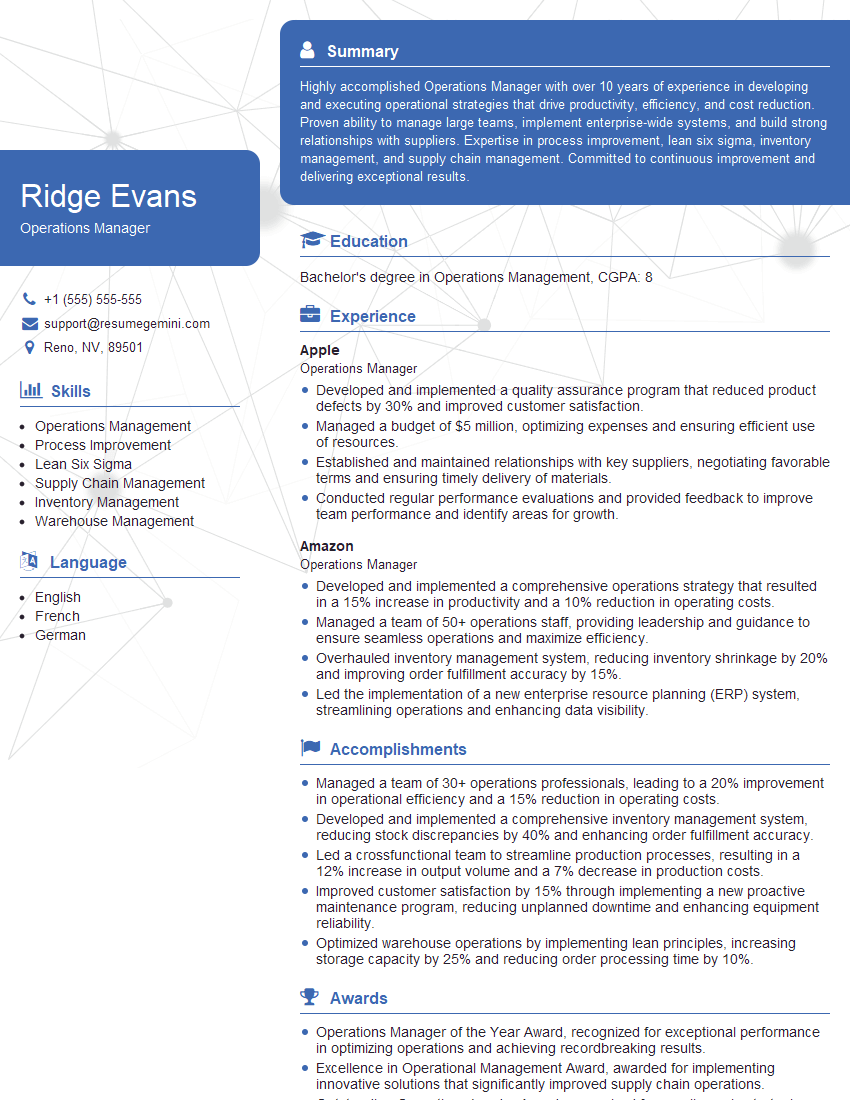
Operations Manager Resume Sample
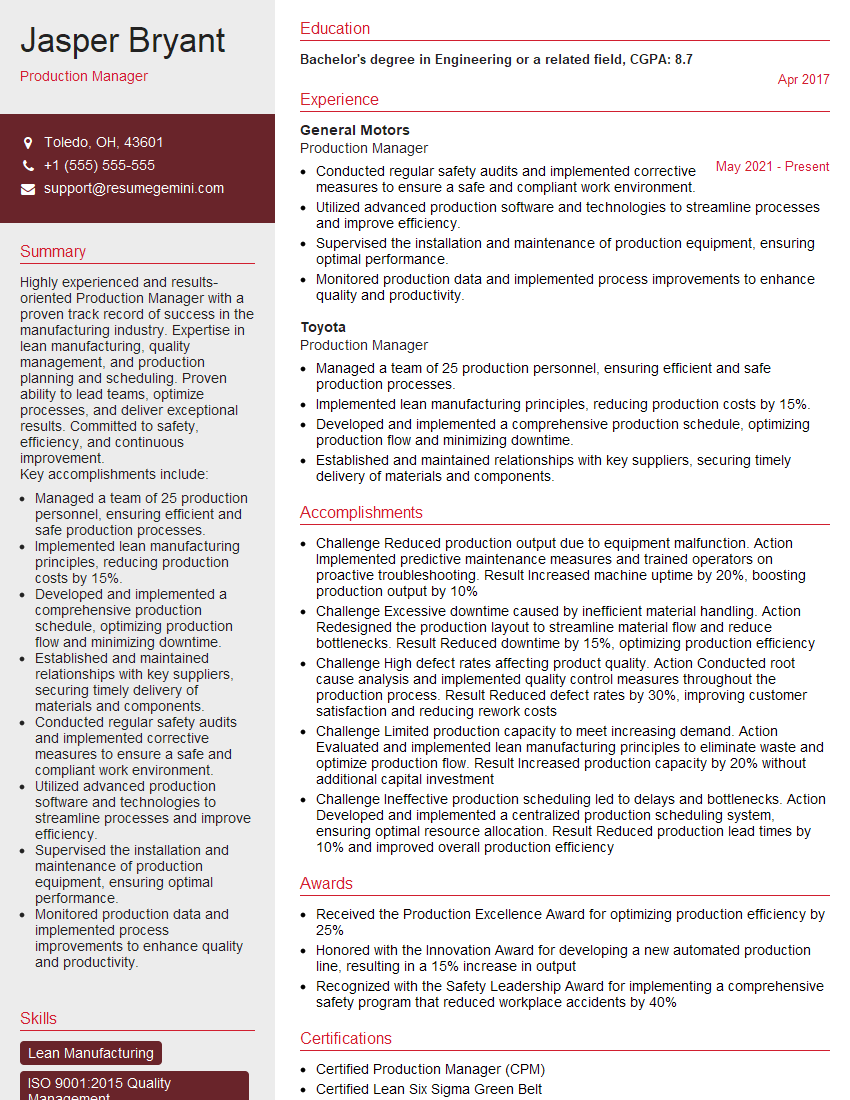
Production Manager Resume Sample
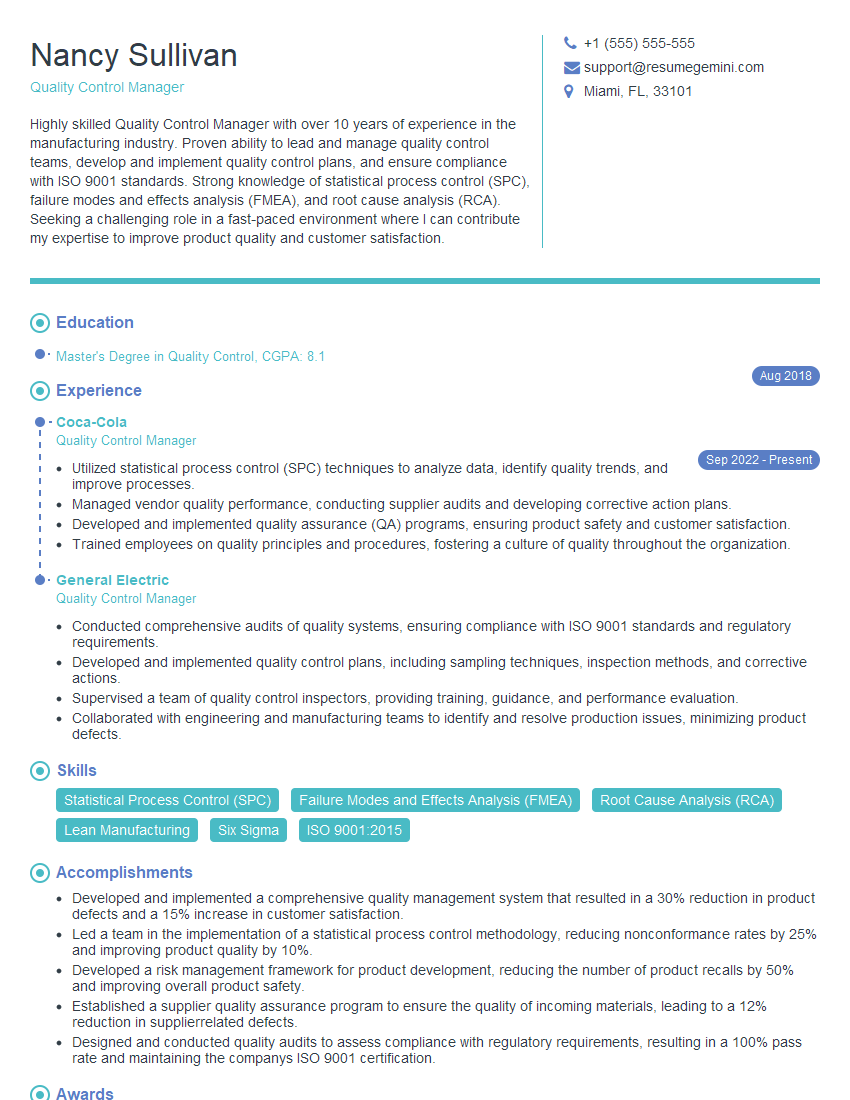
Quality Control Manager Resume Sample
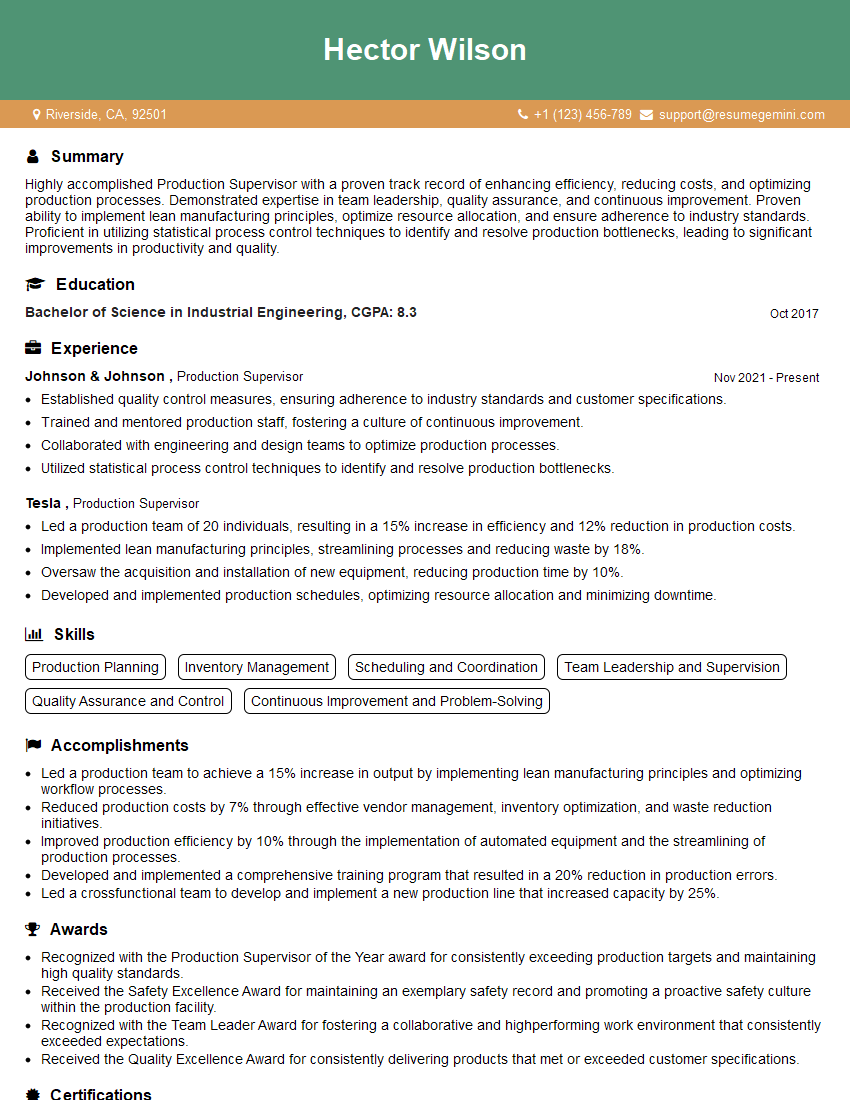
Production Supervisor Resume Sample
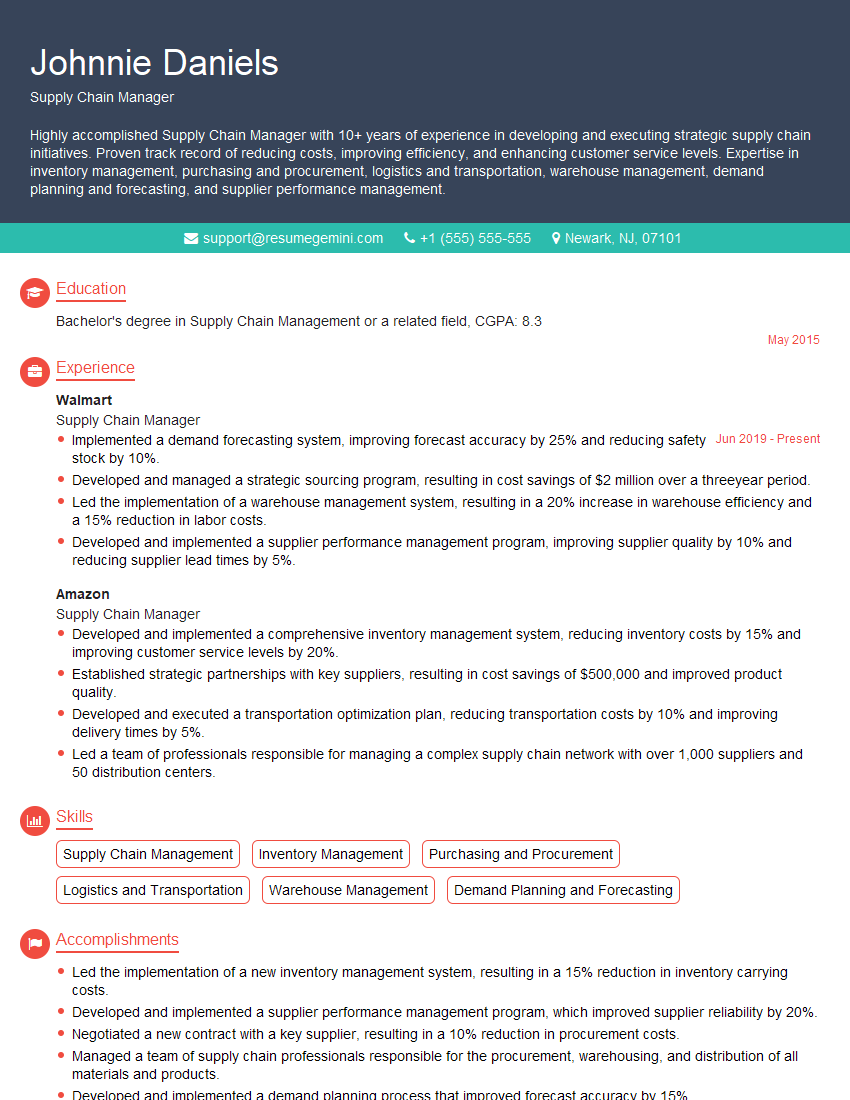
Supply Chain Manager Resume Sample
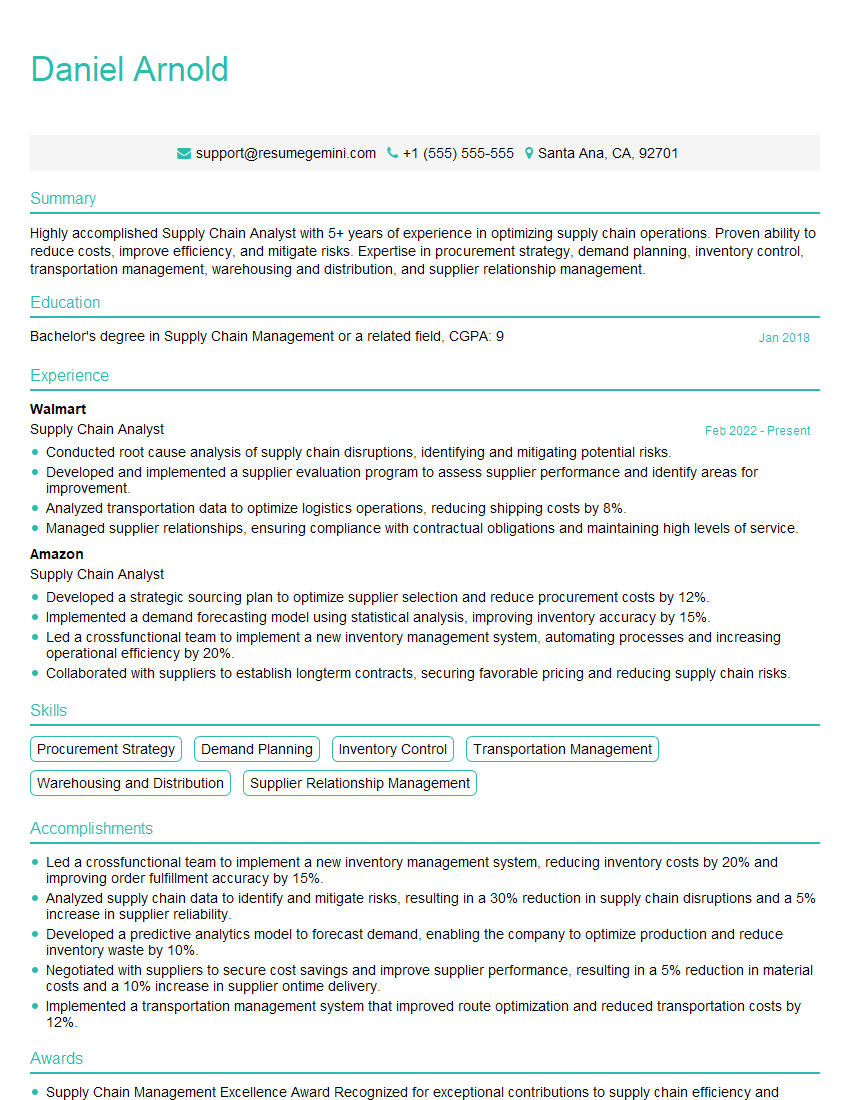
Supply Chain Analyst Resume Sample
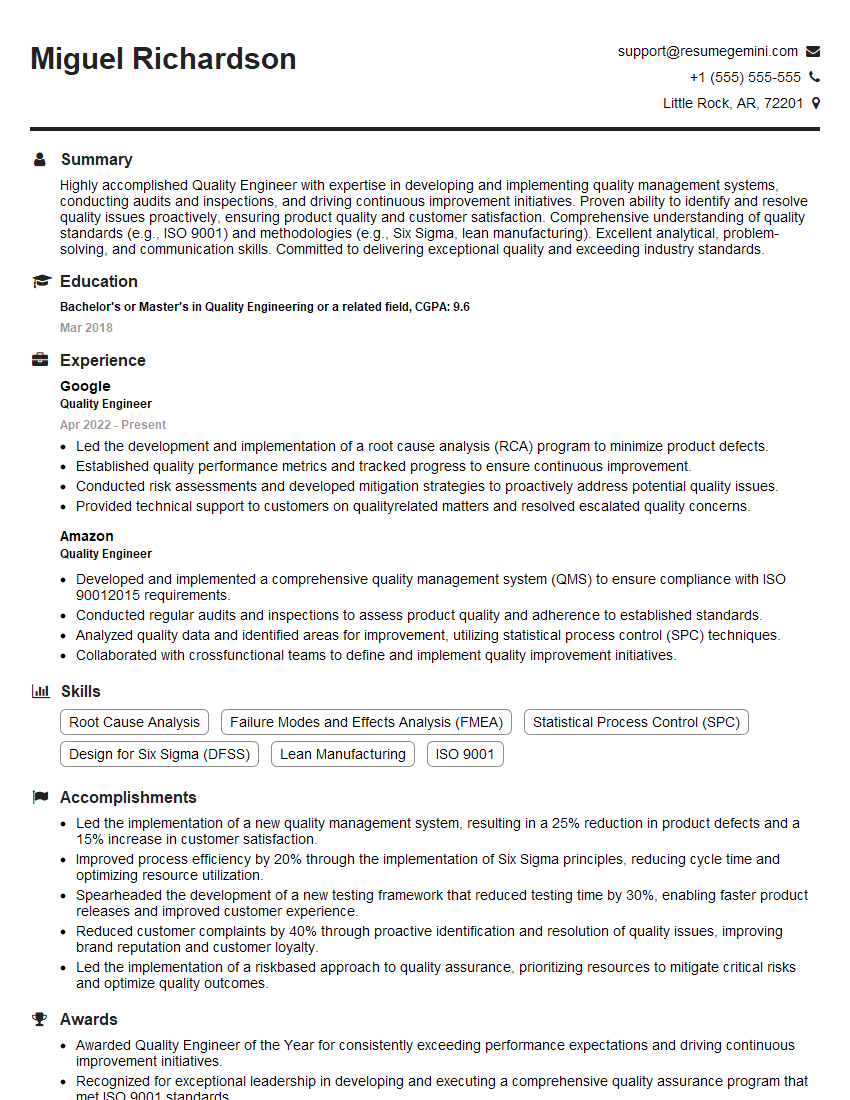
Quality Engineer Resume Sample
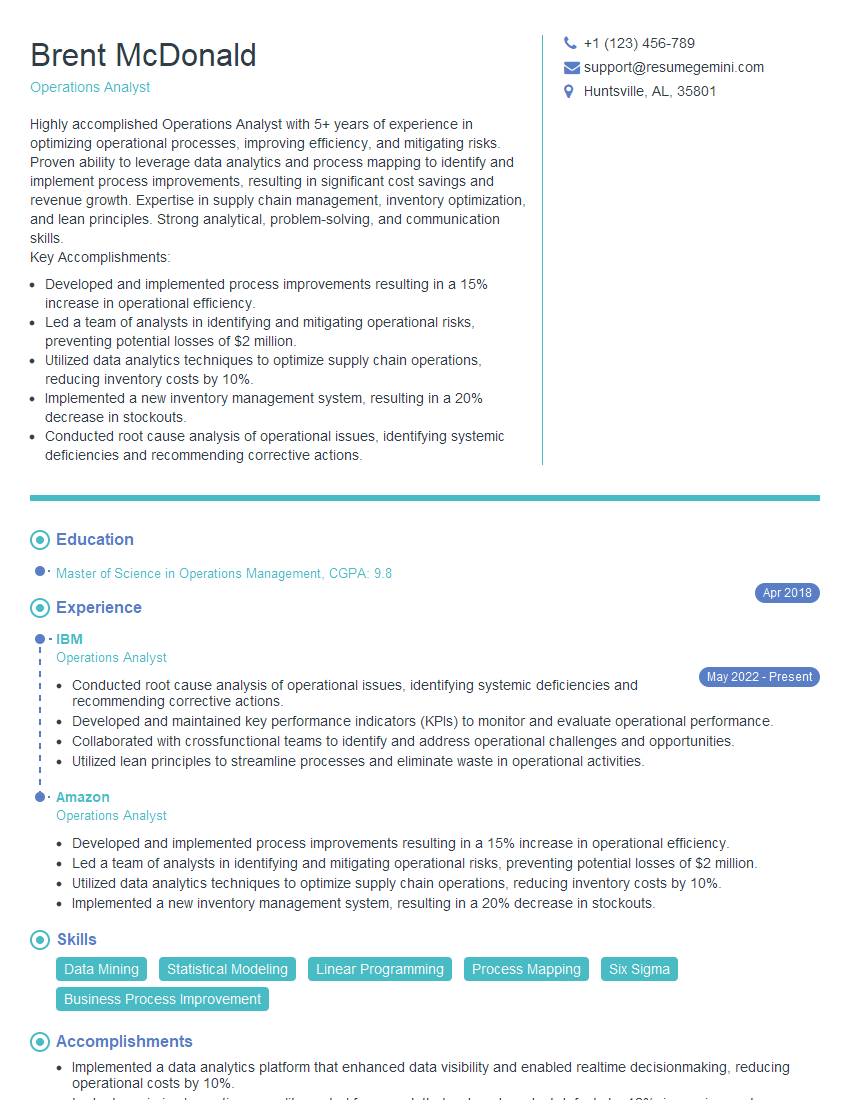
Operations Analyst Resume Sample
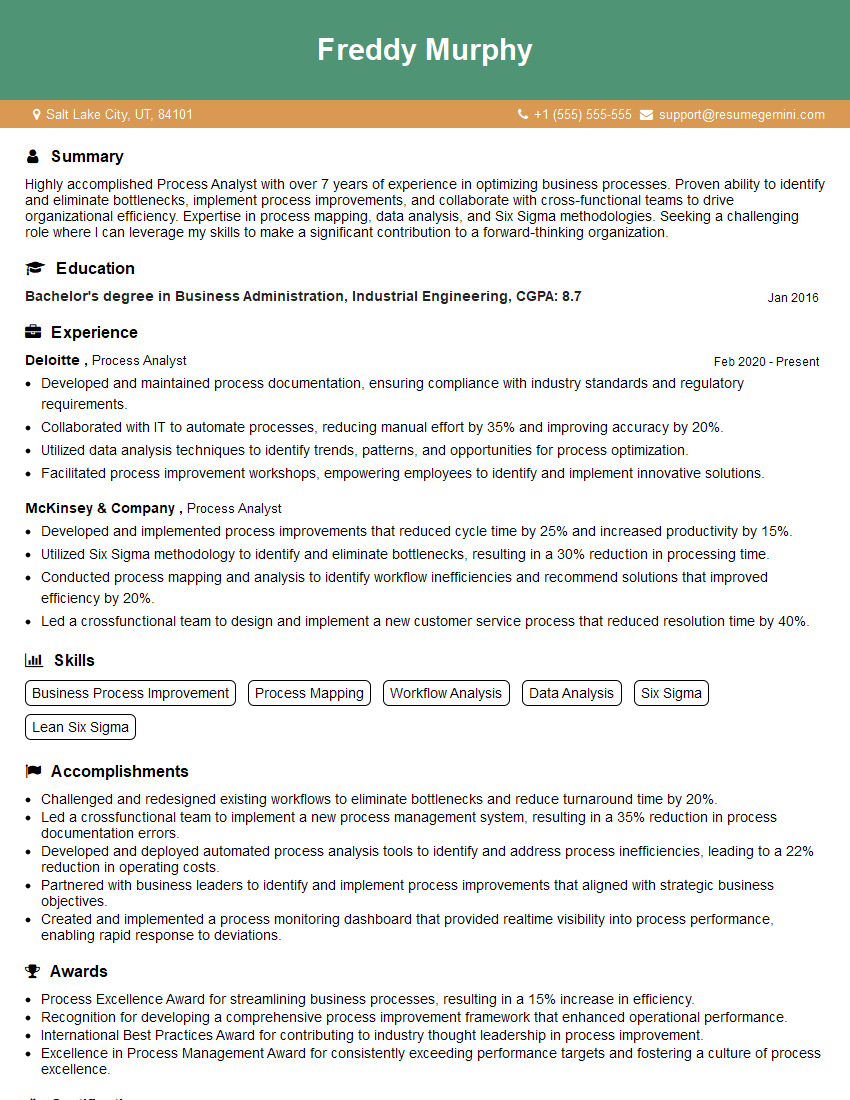
Process Analyst Resume Sample
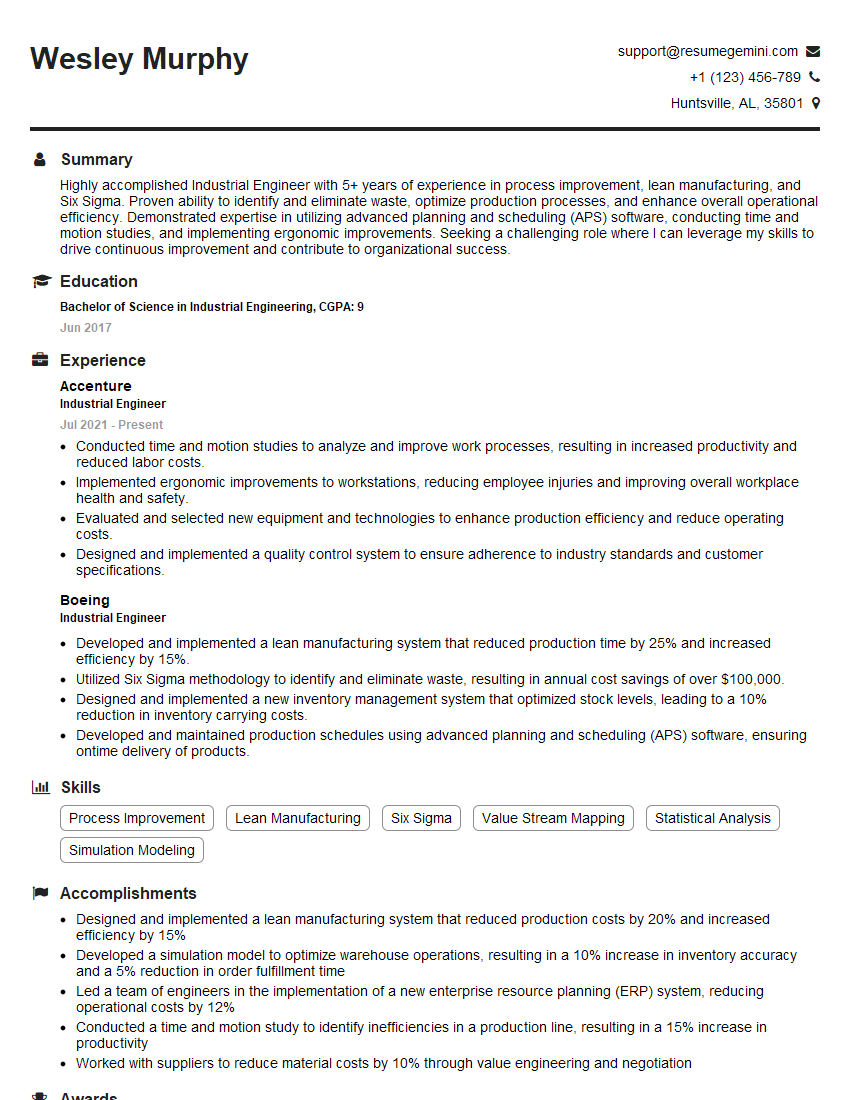
Industrial Engineer Resume Sample
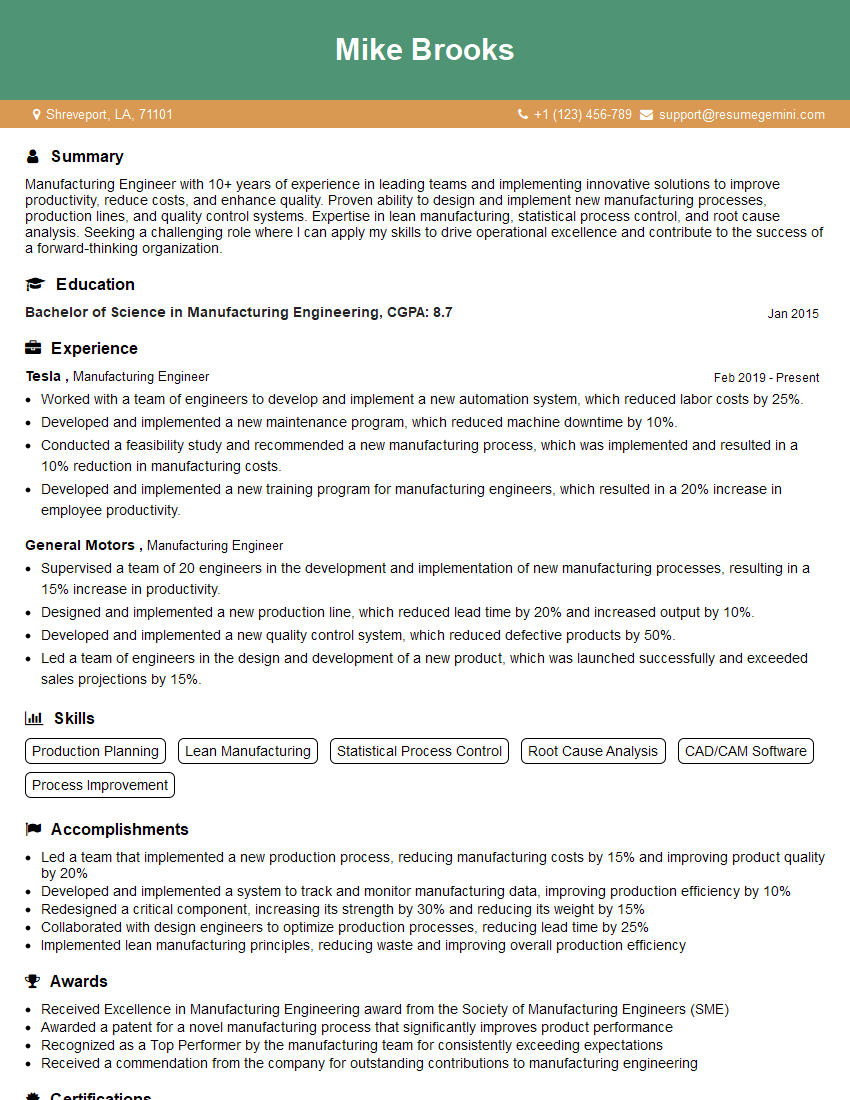
Manufacturing Engineer Resume Sample
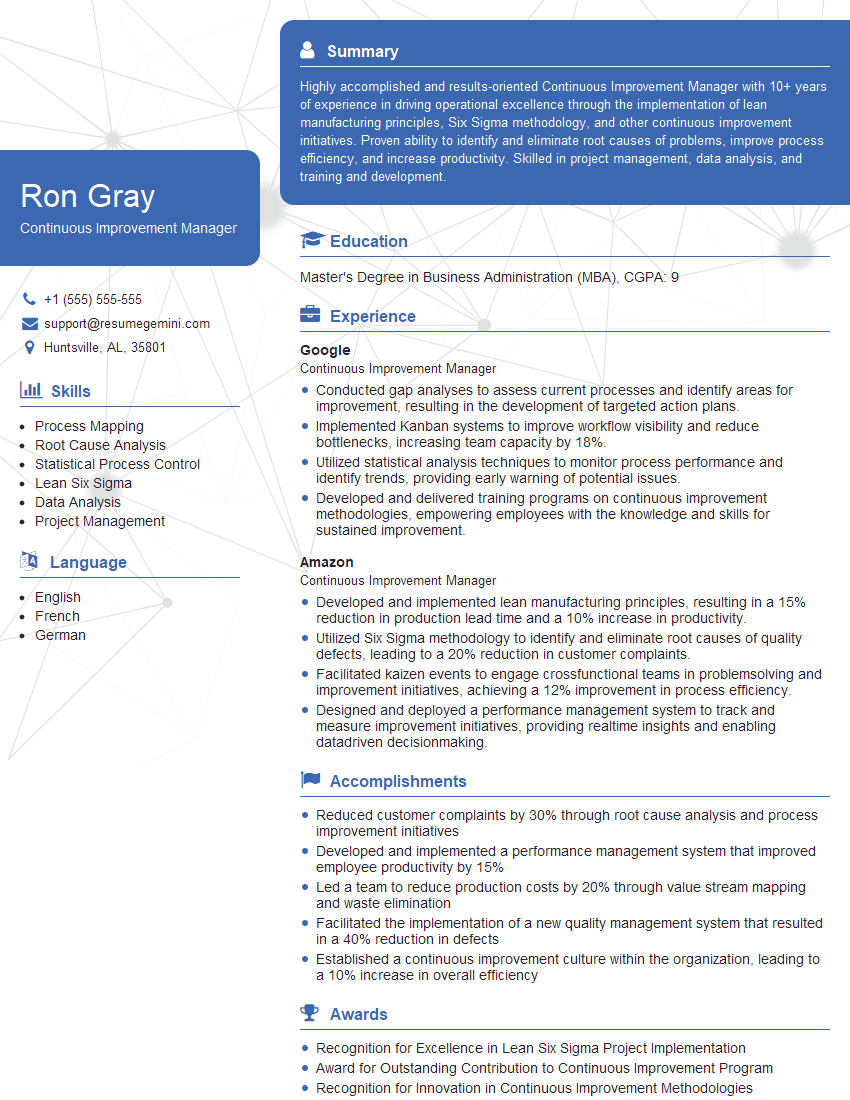
Continuous Improvement Manager Resume Sample
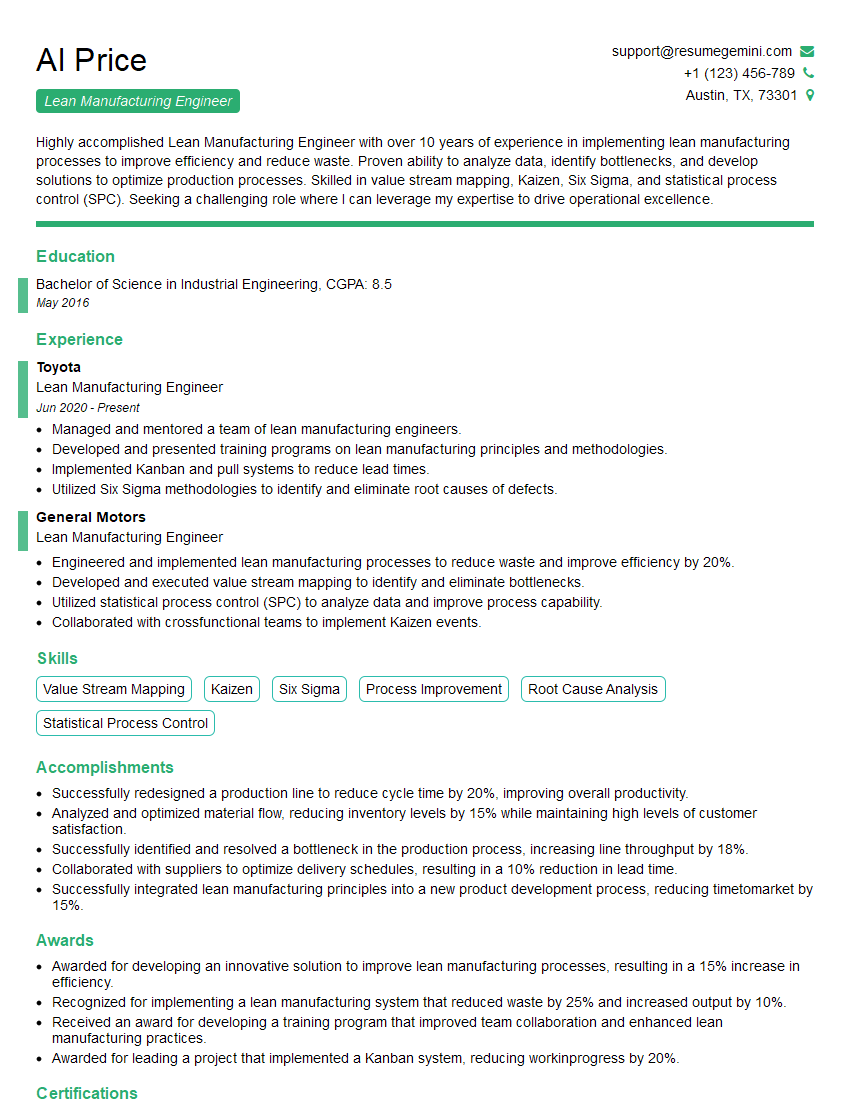
Lean Manufacturing Engineer Resume Sample
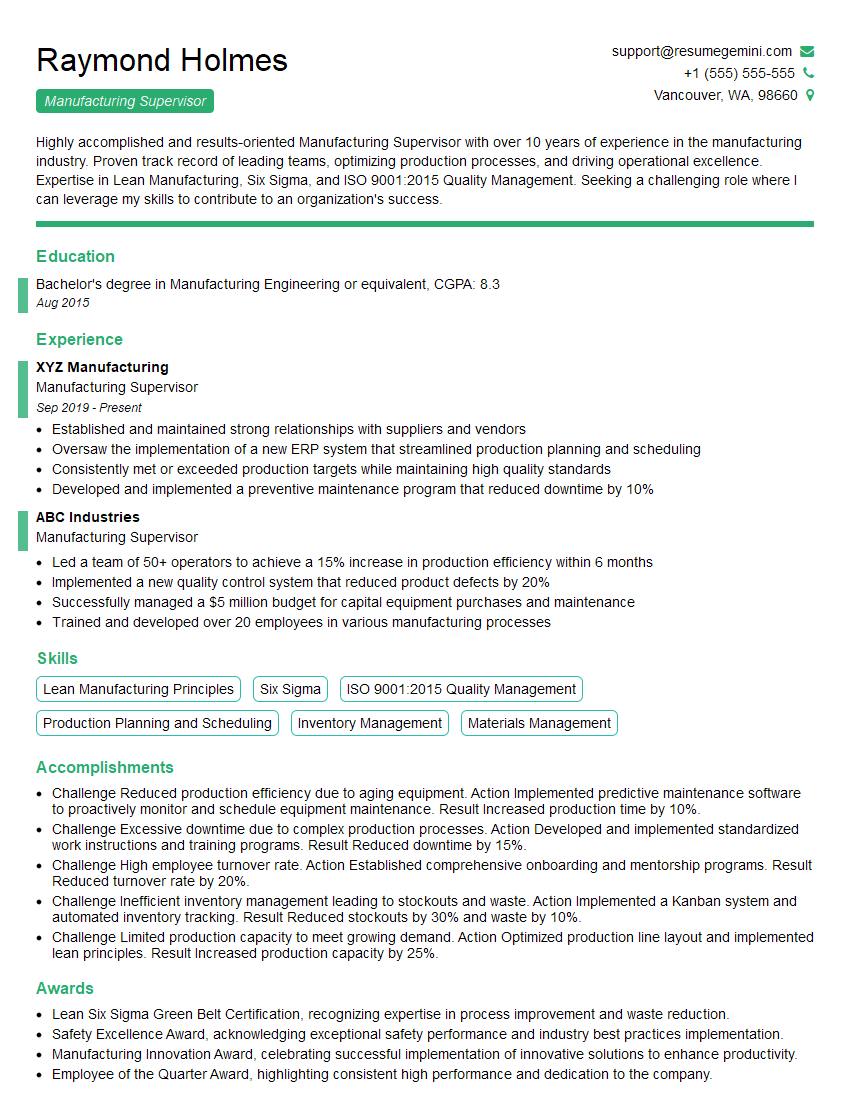
Manufacturing Supervisor Resume Sample
- Operations Manager
- Production Manager
- Quality Control Manager
- Production Supervisor
- Supply Chain Manager
- Supply Chain Analyst
- Quality Engineer
- Operations Analyst
- Process Analyst
- Industrial Engineer
- Manufacturing Engineer
- Continuous Improvement Manager
- Lean Manufacturing Engineer
- Manufacturing Supervisor
Explore more articles
Users Rating of Our Blogs
Share Your Experience
We value your feedback! Please rate our content and share your thoughts (optional).
What Readers Say About Our Blog
Very informative content, great job.
good