The right preparation can turn an interview into an opportunity to showcase your expertise. This guide to Understanding of quality control and inspection procedures interview questions is your ultimate resource, providing key insights and tips to help you ace your responses and stand out as a top candidate.
Questions Asked in Understanding of quality control and inspection procedures Interview
Q 1. Explain the difference between quality control and quality assurance.
Quality Control (QC) and Quality Assurance (QA) are often confused, but they represent distinct yet complementary aspects of maintaining product quality. Think of QA as the prevention strategy and QC as the detection strategy.
Quality Assurance focuses on establishing a system to prevent defects from occurring in the first place. This involves processes like defining quality standards, implementing procedures, training personnel, and regularly auditing the system for effectiveness. It’s proactive and aims to improve the entire process.
Quality Control, on the other hand, is reactive. It involves inspecting products or services to identify defects after they’ve been produced. This includes using various inspection methods to verify that the product meets the predetermined standards. QC focuses on identifying and correcting individual defects.
Example: In a software development project, QA would involve designing rigorous testing plans, code reviews, and automated testing throughout the development lifecycle. QC would involve testing the final software build to ensure it meets functional requirements and doesn’t contain bugs.
Q 2. Describe your experience with various inspection methods (visual, dimensional, functional).
My experience encompasses a wide range of inspection methods, each crucial for different aspects of quality evaluation.
- Visual Inspection: This is the most fundamental method, often the first step. It involves careful observation to identify surface defects like scratches, cracks, discoloration, or missing parts. For instance, inspecting a car body for paint imperfections or a circuit board for loose components.
- Dimensional Inspection: This utilizes tools like calipers, micrometers, and coordinate measuring machines (CMMs) to check the precise dimensions of a product. Accuracy is paramount here. An example would be verifying the diameter of a piston or the length of a machined part to ensure it meets engineering tolerances. I’ve extensively used CMMs in the past to ensure precise dimensions of complex aerospace components.
- Functional Inspection: This goes beyond physical characteristics and assesses the product’s ability to perform its intended function. It might involve testing the functionality of an electronic device, the strength of a material, or the performance of a mechanical system. For example, testing the operational speed of a hard drive or the pressure resistance of a pipe.
I am proficient in using various measuring equipment and interpreting technical drawings to ensure accurate and reliable inspections across all these methods.
Q 3. How do you handle discrepancies found during an inspection?
When discrepancies arise during inspection, my approach is systematic and documented. It involves:
- Immediate documentation: I meticulously record the nature, location, and extent of the discrepancy, using clear and concise language, along with supporting photographic or video evidence.
- Verification: I double-check the findings to eliminate the possibility of human error. This might involve a second inspection by another qualified inspector.
- Notification: I immediately inform the relevant personnel, including production supervisors and quality engineers, about the identified issues. This enables prompt corrective action.
- Containment: If necessary, I implement actions to prevent the defective product from reaching the customer. This might involve quarantining the affected batch.
- Root Cause Analysis (RCA): I participate in the RCA process to determine the underlying cause of the discrepancy. This is critical to preventing recurrence.
- Corrective Action: Based on the RCA, corrective actions are implemented to fix the root cause and prevent future occurrences. These actions are documented and monitored for effectiveness.
My experience shows that a proactive and well-documented approach to handling discrepancies is crucial to preventing larger quality problems and maintaining customer satisfaction.
Q 4. What are the common quality control tools and techniques you are familiar with (e.g., SPC, Pareto charts)?
I’m proficient in using a variety of quality control tools and techniques. Some of the most useful include:
- Statistical Process Control (SPC): This involves using statistical methods to monitor and control the manufacturing process. Control charts (e.g., X-bar and R charts) help identify trends and variations, allowing for early detection of potential issues. I have used SPC extensively to optimize manufacturing processes and reduce variability in product characteristics.
- Pareto Charts: These are bar graphs that visually represent the frequency of different defects or problems. They help prioritize efforts by focusing on the ‘vital few’ rather than the ‘trivial many’. For instance, identifying the most frequent cause of product failures in a manufacturing line helps streamline corrective actions.
- Check Sheets: Simple yet effective tools for systematically recording data during inspections. I use them to document defects, their frequency, and location.
- Histograms: Provide a visual representation of the distribution of a data set, helping identify patterns and outliers. This helps in assessing the variability of a process.
- Flowcharts: Useful for visually mapping out a process and identifying potential areas for improvement.
The effective application of these tools enables data-driven decision-making, leading to process improvements and higher quality outputs.
Q 5. Describe your experience with ISO 9001 or other quality management systems.
I have extensive experience working within the framework of ISO 9001:2015. My responsibilities have included:
- Internal Auditing: Conducting regular internal audits to assess conformity to the quality management system.
- Documentation Control: Maintaining and updating the quality management system documentation, ensuring its accuracy and relevance.
- Process Improvement: Participating in projects aimed at improving the effectiveness of the quality management system.
- Corrective Action Implementation: Developing and implementing corrective actions to address identified nonconformities.
- Training: Providing training to colleagues on quality management system requirements and procedures.
Understanding and applying ISO 9001 principles is fundamental to my approach to quality control. This experience has equipped me with a strong understanding of continuous improvement methodologies and a structured approach to quality management.
Q 6. How do you prioritize your inspection tasks when facing multiple deadlines?
When faced with multiple deadlines, I prioritize my inspection tasks based on a risk-based approach. This involves:
- Risk Assessment: I assess the potential impact of delaying each inspection. Inspections of high-risk products or those with tight delivery schedules are prioritized.
- Urgency: I consider the urgency of each task, prioritizing those with the most imminent deadlines.
- Dependency: I identify any dependencies between tasks. For example, if one inspection is required before another can begin, the former takes precedence.
- Resource Allocation: I consider the resources required for each task and allocate them efficiently. This may involve delegation or adjusting schedules to maximize effectiveness.
- Communication: I communicate effectively with stakeholders about potential delays or challenges and agree on revised priorities as needed.
This structured approach ensures that critical inspections are completed on time, minimizing risks and maximizing efficiency.
Q 7. Explain your approach to root cause analysis in quality control issues.
My approach to root cause analysis (RCA) follows a structured methodology, typically using a combination of techniques. I commonly use the ‘5 Whys’ technique, but often supplement this with other methods like fishbone diagrams (Ishikawa diagrams) and fault tree analysis to get a comprehensive understanding.
5 Whys: This iterative questioning technique helps drill down to the root cause by repeatedly asking ‘why’ until the fundamental issue is identified. For example, if a product fails, I might ask:
- Why did the product fail? (Answer: Due to a broken component)
- Why was the component broken? (Answer: Due to excessive vibration)
- Why was there excessive vibration? (Answer: Inadequate damping system)
- Why was the damping system inadequate? (Answer: Design flaw in the system)
- Why was there a design flaw? (Answer: Insufficient testing during the design phase)
This reveals the root cause: insufficient testing during the design phase. I would then use this information to implement corrective actions focusing on improved testing procedures. Other tools like fishbone diagrams help visualize potential contributing factors in a more structured way.
A thorough RCA prevents recurring problems and ensures the implementation of effective corrective actions.
Q 8. How do you document inspection results and findings?
Documenting inspection results is crucial for maintaining a clear audit trail and ensuring accountability. My approach involves a multi-faceted system combining digital and physical records. This typically starts with a standardized inspection checklist, which I meticulously complete, noting any defects or non-conformances with precise descriptions and locations (e.g., ‘Scratch on surface of part A, 2mm long, located 5mm from edge’). I support this with high-quality photographic or video evidence, especially for complex or visually-oriented defects. All this data is then entered into a database or quality management system (QMS), often using dedicated software. This creates a centralized, searchable record for traceability and trend analysis. A hard copy of the inspection report is usually also filed, acting as a physical backup and readily available reference for personnel on the shop floor. For critical inspections, I may involve a second inspector for verification, with both signatures on the report to validate the findings. Finally, the results are summarized and reported to management, highlighting key findings and trends. This process helps in identifying root causes of defects and implementing corrective actions effectively.
Q 9. What are some common sources of error in quality control processes?
Errors in quality control are inevitable, but understanding their sources allows us to mitigate their impact. Common sources include human error, such as misinterpretation of specifications, fatigue, or lack of training; equipment malfunction, stemming from improper calibration, wear and tear, or inadequate maintenance; inadequate or ambiguous quality standards and specifications, leading to inconsistencies in interpretation and application; environmental factors, like extreme temperatures or humidity that can affect measurement accuracy; and finally, the process itself, potentially having inherent variability or design flaws. For example, inconsistent lighting during visual inspection can lead to missed defects; a worn-out micrometer can result in inaccurate measurements; or poorly defined acceptance criteria can create confusion among inspectors. To counteract this, rigorous training, regular calibration, precise documentation, and use of statistical process control (SPC) are essential.
Q 10. How do you ensure the accuracy and reliability of your inspection equipment?
Ensuring the accuracy and reliability of inspection equipment is paramount. This involves a multi-pronged approach, beginning with regular calibration using traceable standards. These standards must be certified and validated by a recognized authority. We maintain a detailed calibration schedule, ensuring that each instrument is calibrated at defined intervals, and the results are meticulously documented. Beyond calibration, preventative maintenance plays a vital role. This includes regular cleaning, proper storage, and necessary repairs. We also perform periodic checks for accuracy using control samples, which are essentially parts with known characteristics; any significant deviation from expected values indicates a potential problem with the equipment. Furthermore, operator training is critical. Inspectors must be proficient in using the equipment correctly and identifying potential sources of error. Finally, we employ a system of internal audits and checks, ensuring that equipment is functioning optimally and conforming to established procedures.
Q 11. Describe your experience with calibration procedures for inspection equipment.
My experience with calibration procedures encompasses a wide range of inspection equipment, including micrometers, calipers, height gauges, optical comparators, and surface roughness testers. The process typically begins by consulting the manufacturer’s instructions for specific calibration requirements and frequency. We use traceable standards – artifacts whose measurements are linked to national or international standards – to verify the accuracy of our instruments. Calibration involves adjusting the equipment to meet the specified tolerances, recording the adjustments made and the results of the calibration process. I am familiar with both internal and external calibration services and choose the appropriate option based on the equipment’s complexity and sensitivity. Detailed records are kept, including the calibration date, results, and the identity of the technician who performed the calibration. These records are essential for traceability and ensuring compliance with industry standards and regulations. I have also participated in the development and implementation of calibration procedures within previous organizations, ensuring that processes align with ISO standards and meet internal quality objectives.
Q 12. How do you handle disagreements with production personnel regarding quality issues?
Disagreements regarding quality issues with production personnel are handled professionally and collaboratively, focusing on objective data and evidence. The first step involves a calm and respectful discussion, clarifying the points of contention. I present my findings based on the inspection report, highlighting the specific non-conformances with supporting evidence (photos, measurements, etc.). It’s vital to avoid accusatory language and instead focus on finding a solution. If the disagreement persists, I involve a supervisor or team lead, presenting both sides objectively. Sometimes, a re-inspection, potentially with another inspector, is necessary to resolve the ambiguity. If the root cause of the defect is determined to be a process issue rather than an operator error, it requires collaboration to identify and implement corrective actions. Open communication and a shared goal of improving quality are crucial in managing such disagreements. It is important to establish a respectful working relationship with the production team, fostering mutual understanding and trust.
Q 13. How familiar are you with statistical process control (SPC)?
I am very familiar with Statistical Process Control (SPC). SPC is a powerful tool for monitoring and controlling process variation. It uses statistical methods to identify and analyze trends in data, allowing for proactive identification and correction of potential quality issues. I have extensive experience applying SPC techniques, such as control charts (e.g., X-bar and R charts, p-charts, c-charts), to monitor critical process parameters. By analyzing control chart data, we can identify shifts in the process mean, increases in variability, or other trends indicating potential problems. I understand the importance of selecting appropriate control chart types based on the nature of the data being analyzed. Furthermore, I understand the principles of capability analysis, which helps to determine if a process is capable of consistently meeting customer requirements. My experience includes using SPC software to analyze data, generate reports, and effectively communicate findings to stakeholders.
Q 14. Explain your experience with different sampling methods.
My experience encompasses several sampling methods, each suited to different circumstances. I’m proficient in simple random sampling, where each item in the population has an equal chance of being selected. This is suitable for homogeneous populations. Stratified sampling, which divides the population into subgroups and then samples from each subgroup proportionally, is useful when dealing with heterogeneous populations to ensure representation from all segments. Systematic sampling, selecting every nth item, is efficient but requires careful consideration to avoid bias if there’s any pattern in the population. Acceptance sampling plans, such as single, double, and multiple sampling plans, are employed to determine whether to accept or reject a batch of items based on the inspection of a sample. The choice of sampling method is critical to obtaining a representative sample and ensuring accurate conclusions. For example, in inspecting a large batch of electronics, I might employ stratified sampling to ensure that all different components are adequately represented, while for a homogeneous batch of bolts, simple random sampling might suffice. My experience includes designing and implementing these sampling plans to meet specific quality objectives and regulatory requirements.
Q 15. How do you manage and prioritize inspection work within a team?
Managing and prioritizing inspection work within a team requires a structured approach. It starts with clearly defining inspection scopes and assigning tasks based on team members’ skills and experience. We utilize a combination of techniques, including:
- Prioritization Matrix: We use a matrix prioritizing inspections based on risk level (criticality of the component, potential impact of failure) and urgency (deadlines, production schedules). For instance, inspections of safety-critical parts would always take precedence over those of less critical components.
- Work Breakdown Structure (WBS): Complex inspection tasks are broken down into smaller, manageable sub-tasks, making assignment and tracking progress easier. This is particularly helpful for large-scale projects.
- Kanban or Agile methodologies: Visual management tools like Kanban boards help visualize workflow, identify bottlenecks, and ensure a smooth flow of inspection activities. This fosters teamwork and transparency.
- Regular Team Meetings: Consistent communication is essential. Daily or weekly stand-up meetings allow us to discuss progress, address roadblocks, and readjust priorities as needed.
By combining these methods, we ensure that critical inspections are completed on time and efficiently, while less critical inspections are handled effectively without compromising overall quality.
Career Expert Tips:
- Ace those interviews! Prepare effectively by reviewing the Top 50 Most Common Interview Questions on ResumeGemini.
- Navigate your job search with confidence! Explore a wide range of Career Tips on ResumeGemini. Learn about common challenges and recommendations to overcome them.
- Craft the perfect resume! Master the Art of Resume Writing with ResumeGemini’s guide. Showcase your unique qualifications and achievements effectively.
- Don’t miss out on holiday savings! Build your dream resume with ResumeGemini’s ATS optimized templates.
Q 16. What is your experience with non-destructive testing (NDT) methods?
My experience with Non-Destructive Testing (NDT) methods is extensive. I’m proficient in several techniques, including:
- Ultrasonic Testing (UT): Used to detect internal flaws in materials using high-frequency sound waves. I’ve used this extensively in evaluating weld integrity and identifying cracks in castings.
- Radiographic Testing (RT): Employs X-rays or gamma rays to create images revealing internal defects. I have experience interpreting radiographs to identify porosity, inclusions, and other flaws in metallic components.
- Magnetic Particle Inspection (MPI): Detects surface and near-surface cracks in ferromagnetic materials. I’ve used MPI successfully in inspecting components for stress corrosion cracking.
- Liquid Penetrant Inspection (LPI): Identifies surface-breaking defects by applying a penetrant that seeps into cracks, followed by a developer to reveal the defects. This is frequently used in inspecting welds and castings.
I also understand the importance of selecting the appropriate NDT method based on the material, component geometry, and the type of defect being sought. Safety procedures associated with each method are strictly adhered to.
Q 17. How do you interpret and analyze inspection data?
Interpreting and analyzing inspection data involves more than just reviewing numbers; it’s about understanding the context and drawing meaningful conclusions. My approach involves:
- Data Collection and Organization: Ensuring data is accurately recorded, documented, and organized to facilitate analysis. This often involves using spreadsheets or specialized software.
- Statistical Analysis: Applying statistical methods like control charts (e.g., X-bar and R charts) to identify trends, variations, and outliers in the data. This helps in detecting systematic issues versus random variations.
- Visual Inspection: Carefully reviewing images, graphs, and other visual representations of the data to identify patterns and anomalies. This could include radiographs, ultrasonic scans, or microscopic images.
- Root Cause Analysis: If defects are identified, performing a root cause analysis to understand the underlying factors contributing to the problem. Tools like the 5 Whys or fishbone diagrams are helpful here.
- Reporting and Documentation: Clearly communicating findings through comprehensive reports and documentation. This helps in tracking issues, implementing corrective actions, and improving future processes.
For example, consistently high defect rates in a particular area on a component might indicate a problem with the manufacturing process itself, prompting a review of the equipment, procedures, or operator training.
Q 18. How do you contribute to continuous improvement in quality control processes?
Continuous improvement is vital in quality control. I actively contribute by:
- Identifying and Reporting Defects: Proactively identifying and documenting any defects or inconsistencies during inspections, providing detailed information about the issue and its potential root cause.
- Participating in Process Improvement Initiatives: Actively contributing to brainstorming sessions and problem-solving activities focused on optimizing quality control processes. This includes suggesting improvements to inspection methods, equipment, or training programs.
- Implementing Corrective Actions: Taking an active role in implementing corrective actions identified during root cause analysis. This might involve adjusting machine settings, modifying processes, or improving training materials.
- Data-Driven Decision Making: Using inspection data to identify areas for improvement and to track the effectiveness of implemented changes. Regular reviews of key performance indicators (KPIs) and trend analysis help in guiding these decisions.
- Staying Updated on Industry Best Practices: Constantly researching and learning about new quality control techniques, technologies, and standards to enhance our processes and stay competitive.
For instance, after identifying a recurring defect, I might suggest implementing a new inspection technique or investing in updated equipment to improve defect detection and prevent future occurrences.
Q 19. What are some common quality control metrics you use?
Several key quality control metrics are commonly used, and the specific ones depend on the context and industry. Here are some examples:
- Defect Rate: The number of defects found per unit of output. A lower defect rate indicates better quality.
- Yield Rate: The percentage of units produced that meet quality standards. A high yield rate reflects efficient and effective processes.
- First Pass Yield (FPY): The percentage of units that pass inspection on the first attempt. A high FPY suggests fewer rework or scrap issues.
- Customer Returns: The number of products returned due to quality issues. Tracking customer returns provides valuable insights into real-world product performance.
- Cost of Quality (COQ): The total cost of all activities associated with preventing, detecting, and correcting quality defects. This includes prevention costs, appraisal costs, and failure costs.
- Mean Time Between Failures (MTBF): Used in reliability analysis to determine the average time between equipment failures or product malfunctions.
By regularly tracking these metrics, we can monitor the effectiveness of our quality control efforts and identify areas needing improvement.
Q 20. How do you ensure compliance with regulatory requirements related to quality control?
Ensuring compliance with regulatory requirements is paramount. This involves:
- Understanding Applicable Standards: Thoroughly researching and understanding all relevant industry standards, regulations, and legal requirements that apply to our products and processes. This could include ISO 9001, industry-specific standards, or government regulations.
- Implementing Compliance Procedures: Developing and implementing internal procedures and documentation that reflect the requirements of these standards and regulations. This includes creating inspection checklists, documenting test procedures, and maintaining traceability records.
- Regular Audits and Inspections: Conducting regular internal audits to ensure compliance and identify areas for improvement. These audits should be documented thoroughly.
- Maintaining Records: Meticulously maintaining inspection records, calibration data, and other documentation to demonstrate compliance. This is crucial for traceability and regulatory scrutiny.
- Training and Awareness: Providing thorough training to all personnel involved in quality control to ensure they are aware of the regulations and their responsibilities.
Failure to comply with these regulations can result in significant consequences, including fines, product recalls, and damage to reputation. Proactive compliance is crucial for maintaining a high level of quality and safeguarding the business.
Q 21. Describe a time you identified a critical quality issue. What was your approach to resolving it?
During a recent project involving the manufacturing of precision components for aerospace applications, we identified a critical issue: a significant increase in the number of surface imperfections on a crucial part. These imperfections exceeded acceptable tolerances, potentially compromising the structural integrity of the final product.
My approach to resolving this was systematic:
- Immediate Action: We immediately halted production of the affected parts to prevent further defects from being created.
- Root Cause Investigation: A team was formed to investigate the root cause. We used a combination of techniques, including the 5 Whys and process mapping, to identify the problem. It turned out that a recent change in the polishing process, aimed at improving efficiency, was actually causing increased surface imperfections.
- Corrective Action: We reversed the change to the polishing process and implemented additional quality checks at each stage of production. Operator training was also enhanced to ensure proper execution of the revised process.
- Verification and Validation: After implementing the corrective actions, we resumed production and conducted thorough inspections to verify the effectiveness of the solution. The defect rate was significantly reduced, demonstrating successful resolution.
- Preventive Measures: To prevent future occurrences, we implemented a more rigorous change management process, requiring thorough testing and validation of any future process modifications.
This experience highlighted the importance of a proactive approach, careful root cause analysis, and thorough validation of corrective actions when dealing with critical quality issues.
Q 22. How do you stay updated with the latest quality control standards and best practices?
Staying current in the dynamic field of quality control necessitates a multi-pronged approach. I actively participate in professional organizations like ASQ (American Society for Quality), regularly attending webinars and conferences to learn about the latest ISO standards (e.g., ISO 9001, ISO 13485), industry best practices, and emerging technologies. I also subscribe to relevant industry journals and publications, such as Quality Progress and Quality Engineering, keeping abreast of research and case studies. Furthermore, I leverage online resources, including reputable websites and online courses, to continuously expand my knowledge base. For example, I recently completed a course on advanced statistical process control (SPC) techniques, which significantly enhanced my ability to analyze process data and identify areas for improvement. This combination of active participation, reading, and online learning ensures I’m always equipped with the most up-to-date knowledge and skills.
Q 23. What software or tools are you proficient in for quality control and data analysis?
My proficiency in quality control software and data analysis tools is extensive. I’m highly skilled in using statistical software packages like Minitab and JMP for statistical process control (SPC) analysis, including control chart creation and interpretation. I’m also proficient in using spreadsheets like Microsoft Excel and Google Sheets for data management, analysis, and reporting. Furthermore, I have experience with specialized quality management systems (QMS) software such as SAP QM and TrackWise for tracking non-conformances, conducting root cause analysis, and managing corrective and preventive actions (CAPA). In a recent project, I utilized Minitab to analyze manufacturing data, identifying a significant source of variation in the production process, leading to a 15% reduction in defect rates. My skills extend to data visualization tools like Tableau and Power BI, enabling effective communication of complex data insights to stakeholders.
Q 24. Describe your experience with creating and maintaining quality control documentation.
Creating and maintaining comprehensive quality control documentation is critical for ensuring consistent quality and regulatory compliance. My experience encompasses developing and implementing various documentation systems, including Standard Operating Procedures (SOPs), work instructions, inspection checklists, and quality records. I use a structured approach, ensuring documents are clear, concise, and easily accessible. For example, I developed a detailed SOP for a complex assembly process, which included step-by-step instructions, quality checks at each stage, and clear acceptance criteria. This resulted in a 20% improvement in the consistency of the final product. Moreover, I ensure regular review and updates of documentation to reflect process changes, technological advancements, and regulatory updates, maintaining version control and ensuring all team members have access to the most current versions. I understand the importance of document control and ensure that only approved and validated documents are used in our processes.
Q 25. How do you handle pressure and tight deadlines in a quality control role?
Working under pressure and tight deadlines is an inherent aspect of quality control. My approach involves prioritizing tasks based on criticality and urgency, utilizing efficient time management techniques, and leveraging my strong organizational skills. I excel at multi-tasking and proactively identifying potential bottlenecks. For instance, during a critical product launch, I prioritized critical inspections and utilized efficient data analysis techniques to accelerate the process, ensuring timely product release while maintaining quality standards. Clear communication with the team and stakeholders is crucial in these situations. I strive to keep everyone informed about progress and any challenges encountered, promoting collaboration and teamwork to effectively manage pressure and meet deadlines. Furthermore, I am adept at delegating tasks when appropriate and effectively utilizing available resources.
Q 26. What is your experience with different types of inspection reports?
My experience encompasses various types of inspection reports, tailored to different contexts and stakeholders. I’m familiar with creating detailed inspection reports that include findings, measurements, non-conformances, images, and corrective actions. These reports are often used for internal audits, process improvement initiatives, and supplier performance evaluations. I also create concise summary reports highlighting key findings and metrics for management review, focusing on high-level trends and performance indicators. Additionally, I have experience preparing reports for regulatory bodies, ensuring compliance with all relevant standards and regulations. For example, I have prepared reports for audits by the FDA and other regulatory agencies, demonstrating a meticulous attention to detail and a thorough understanding of regulatory requirements.
Q 27. How do you communicate inspection results effectively to various stakeholders?
Effective communication of inspection results is crucial for driving improvements and ensuring stakeholder buy-in. My approach involves tailoring the communication style and content to the audience. For technical teams, I provide detailed reports with data analysis and specific recommendations. For management, I present concise summaries highlighting key performance indicators and potential risks. I frequently utilize visual aids such as charts and graphs to effectively communicate complex information. For example, when presenting inspection results to senior management, I use clear visuals to show trends and highlight areas needing immediate attention. Active listening and addressing concerns promptly are also vital for fostering collaboration and ensuring everyone is on the same page.
Q 28. Describe your experience with corrective and preventive actions (CAPA).
Corrective and Preventive Actions (CAPA) are crucial for continuous improvement and preventing recurrence of non-conformances. I have extensive experience in the entire CAPA process, from identifying and documenting non-conformances to implementing corrective actions and preventing future occurrences. This involves conducting thorough root cause analyses using tools such as 5 Whys and fishbone diagrams. I meticulously document the entire CAPA process, including the assigned responsibilities, timelines, and verification of effectiveness. For instance, I led a CAPA investigation following a significant product defect. By using a structured root cause analysis, we pinpointed the cause to a flawed assembly process. We then implemented corrective actions, including retraining personnel and updating the assembly instructions, and verified the effectiveness of these actions through follow-up inspections. This systematic approach has contributed significantly to reducing defects and improving overall product quality.
Key Topics to Learn for Understanding of Quality Control and Inspection Procedures Interview
- Quality Control Methodologies: Understand various QC methods like statistical process control (SPC), Six Sigma, and total quality management (TQM). Be prepared to discuss their applications and limitations.
- Inspection Techniques and Tools: Familiarize yourself with different inspection methods (visual, dimensional, functional), measurement instruments (calipers, micrometers, CMMs), and data analysis techniques used to assess product quality.
- Quality Standards and Regulations: Demonstrate knowledge of relevant industry standards (e.g., ISO 9001) and regulatory compliance requirements. Be ready to discuss how these impact quality control processes.
- Root Cause Analysis: Practice identifying the root causes of defects using methods like fishbone diagrams (Ishikawa diagrams), Pareto charts, and 5 Whys analysis. Be ready to explain your problem-solving approach.
- Quality Documentation and Reporting: Understand the importance of meticulous record-keeping, inspection reports, and data analysis for demonstrating quality compliance and identifying areas for improvement.
- Continuous Improvement: Discuss your understanding of continuous improvement methodologies like Kaizen and Lean manufacturing and how they relate to proactive quality control.
- Practical Application in Your Field: Be ready to provide specific examples from your experience (or hypothetical scenarios) demonstrating your understanding of QC procedures in action. Highlight your problem-solving skills and ability to improve processes.
Next Steps
Mastering quality control and inspection procedures is crucial for career advancement in many industries. A strong understanding of these principles demonstrates your commitment to quality, efficiency, and problem-solving – highly valued attributes in today’s competitive job market. To significantly enhance your job prospects, it’s essential to create a professional and ATS-friendly resume that showcases your skills effectively. ResumeGemini is a trusted resource that can help you build a compelling resume tailored to your experience. We provide examples of resumes specifically crafted for candidates with expertise in understanding quality control and inspection procedures to help you get started.
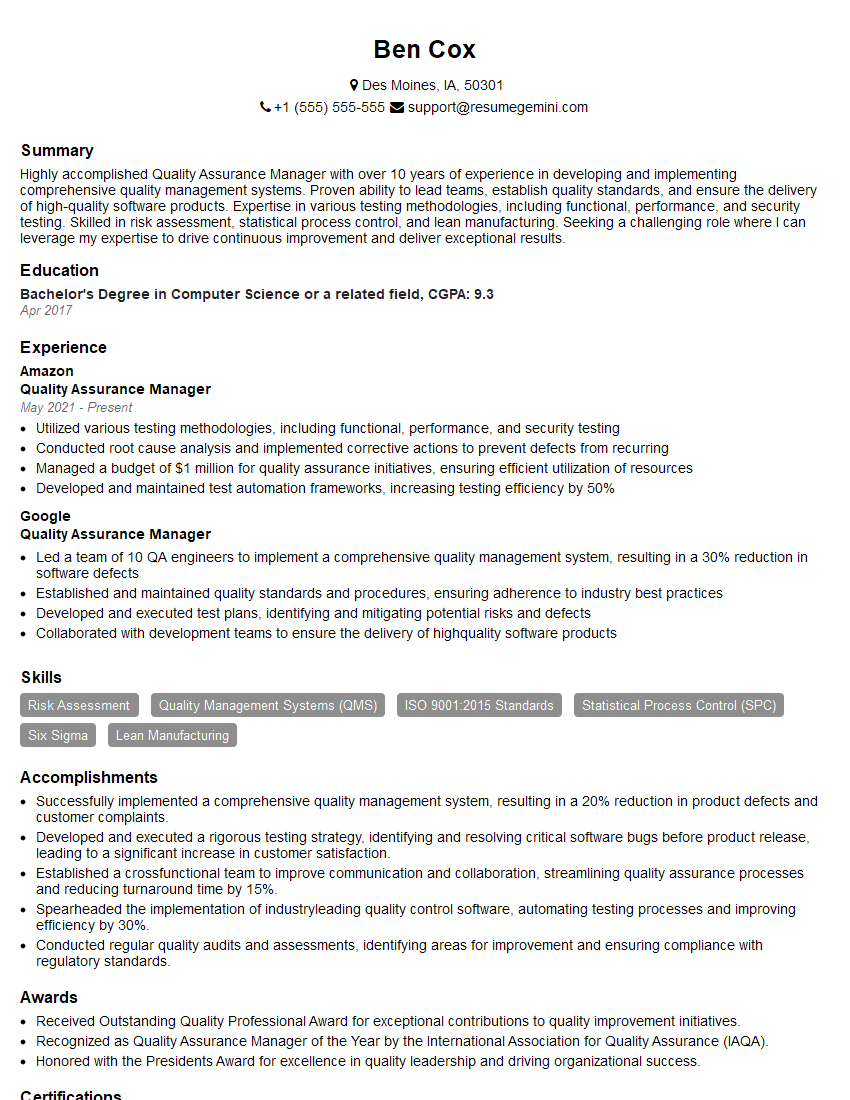
Quality Assurance Manager Resume Sample
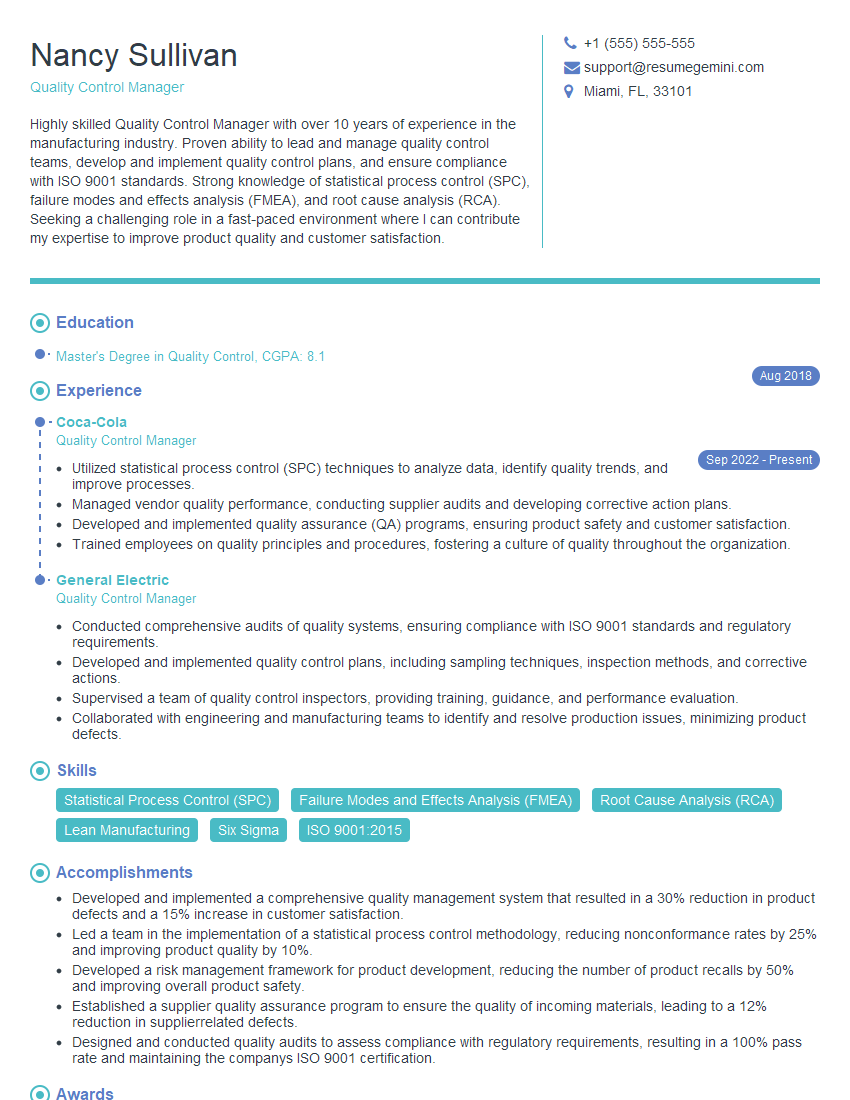
Quality Control Manager Resume Sample
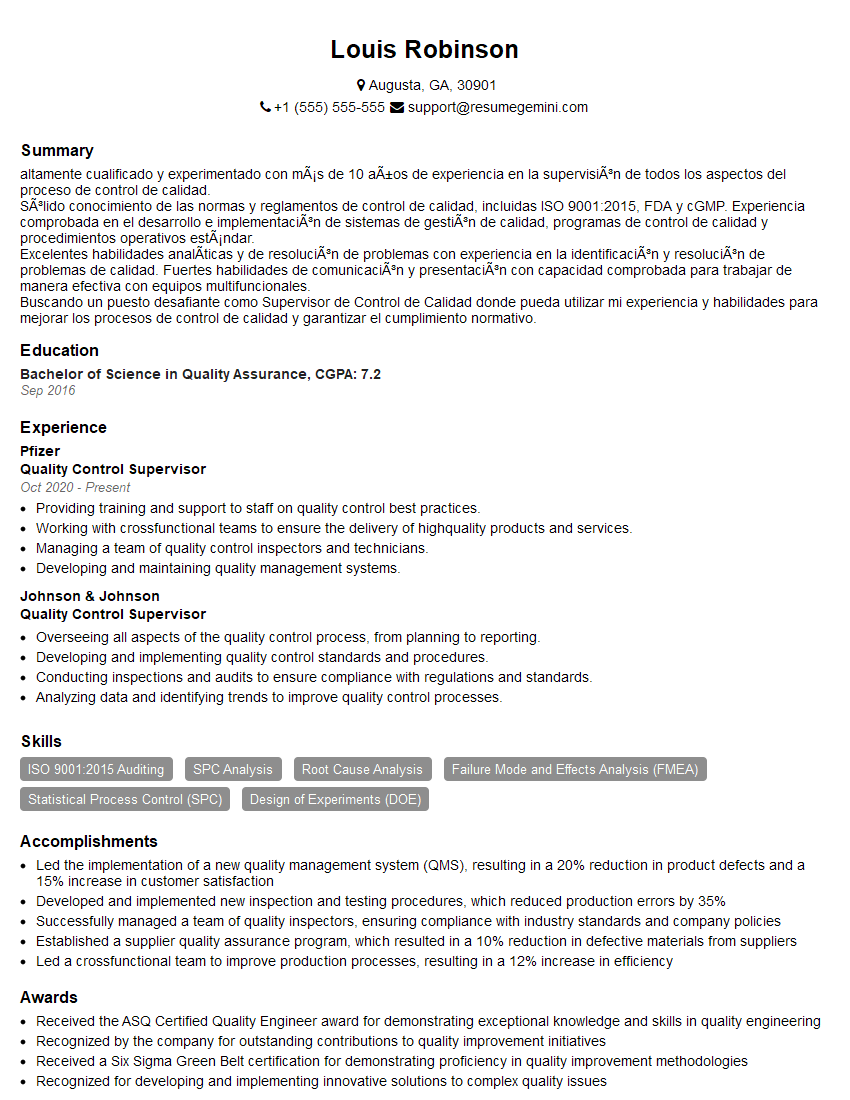
Quality Control Supervisor Resume Sample
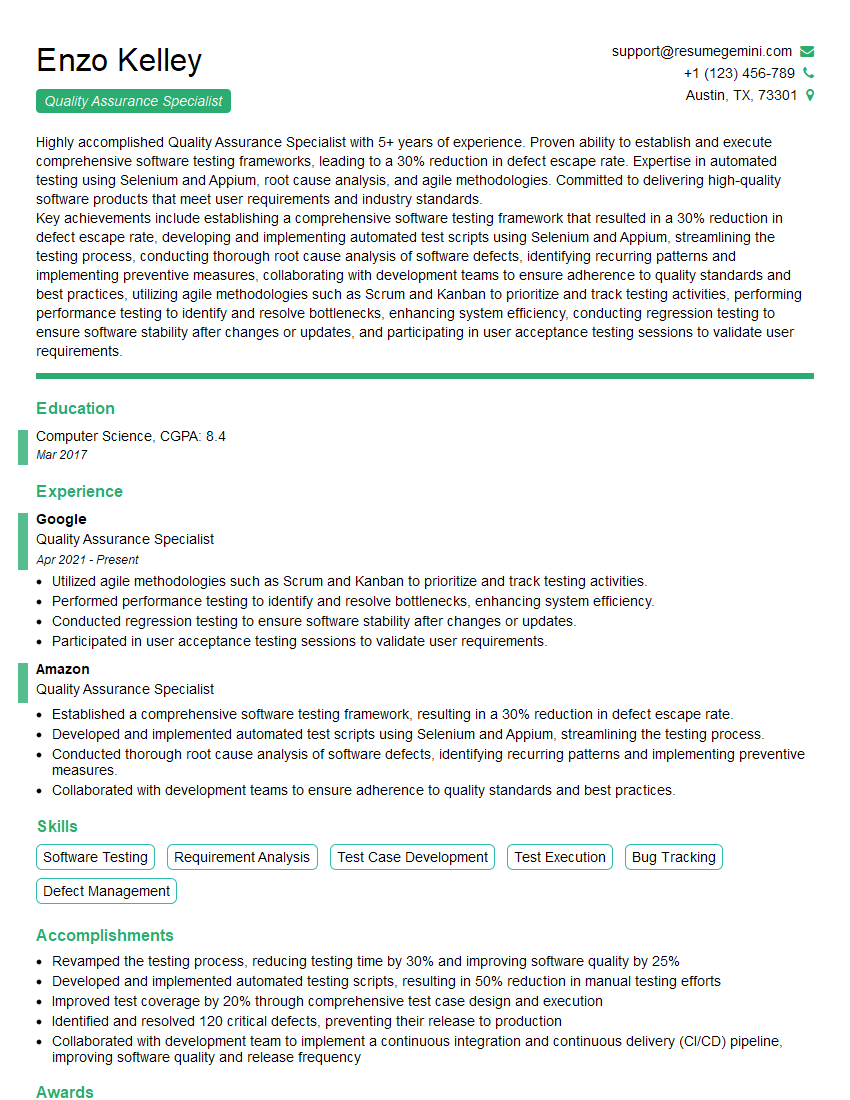
Quality Assurance Specialist Resume Sample
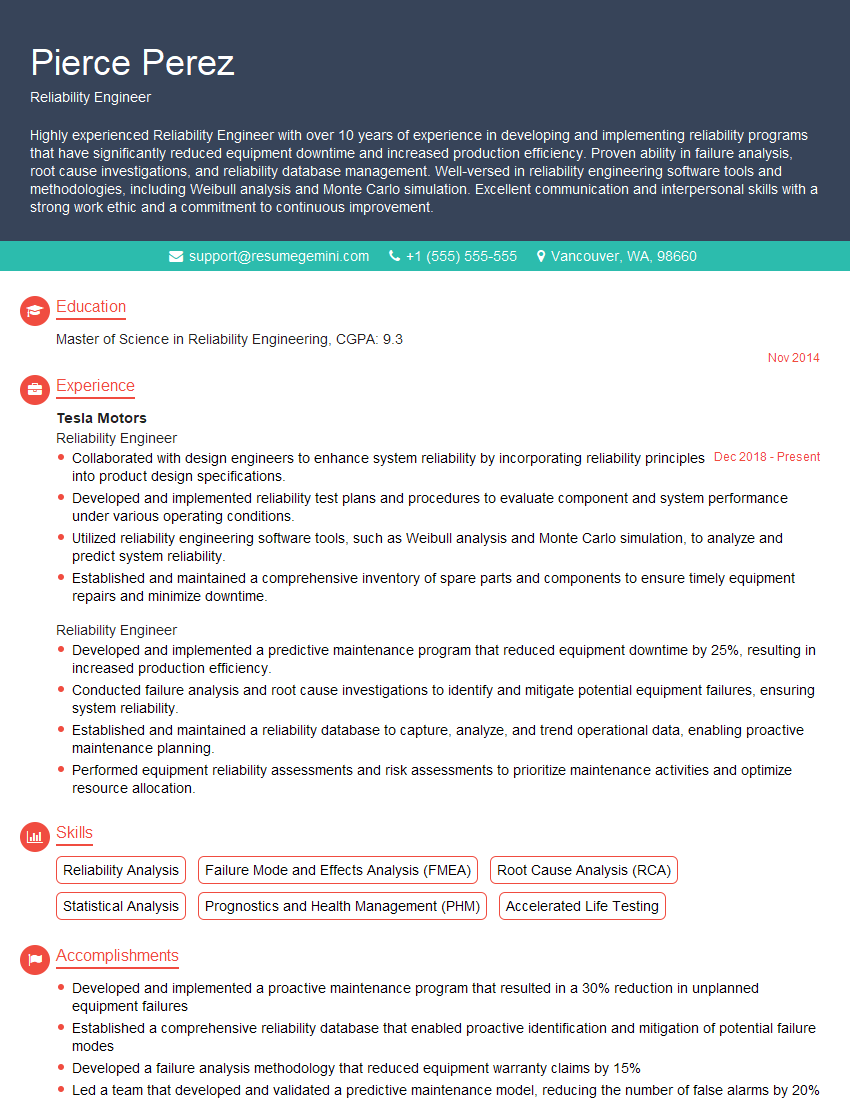
Reliability Engineer Resume Sample
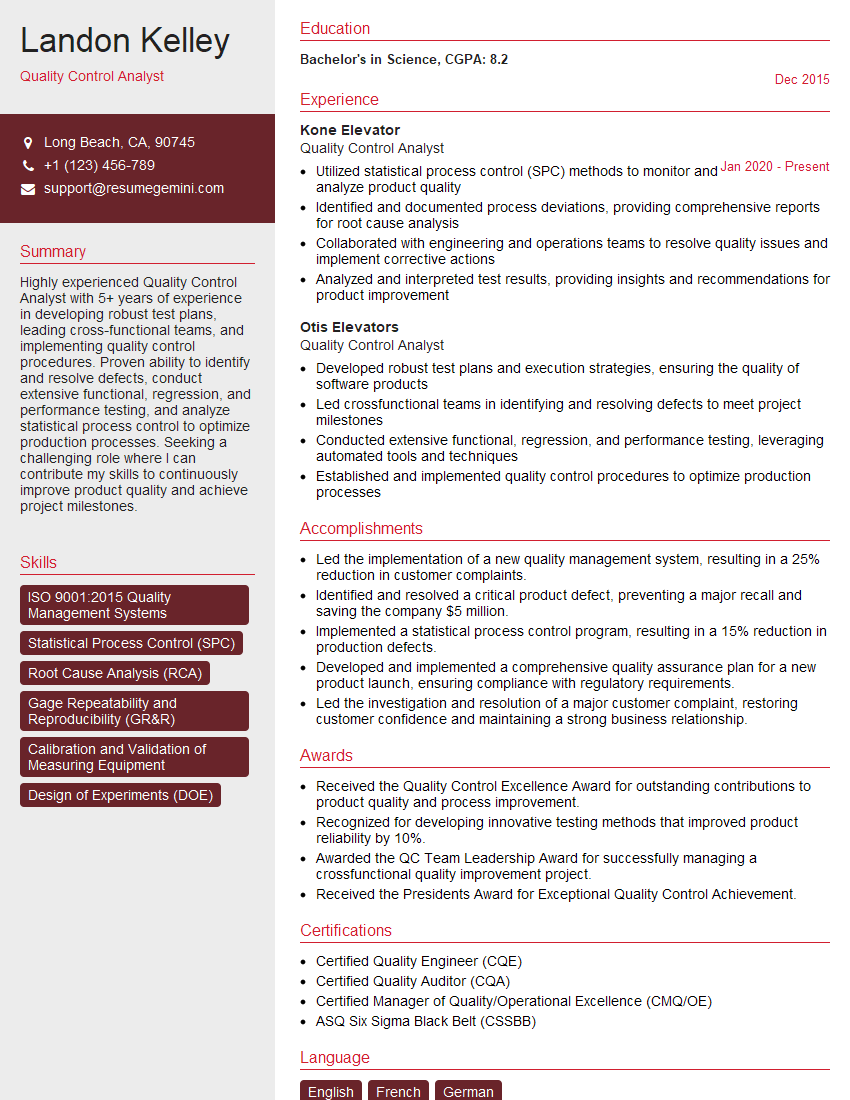
Quality Control Analyst Resume Sample
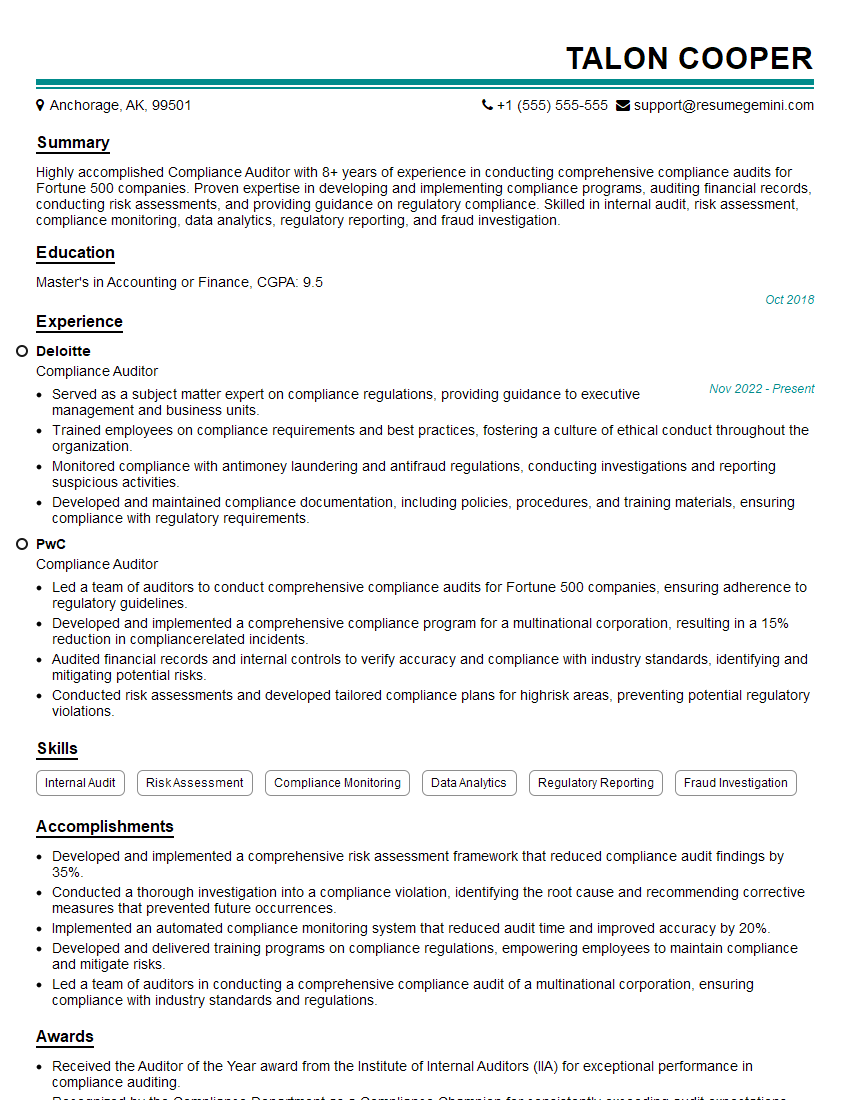
Compliance Auditor Resume Sample
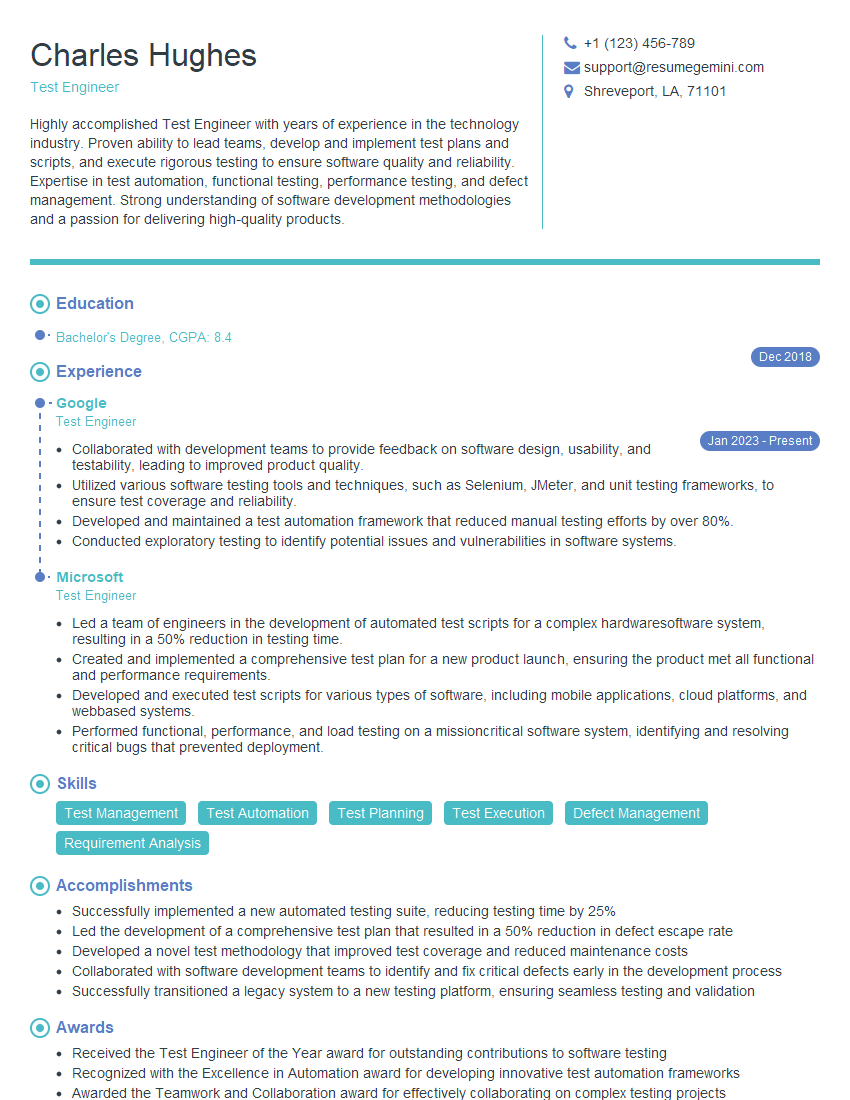
Test Engineer Resume Sample
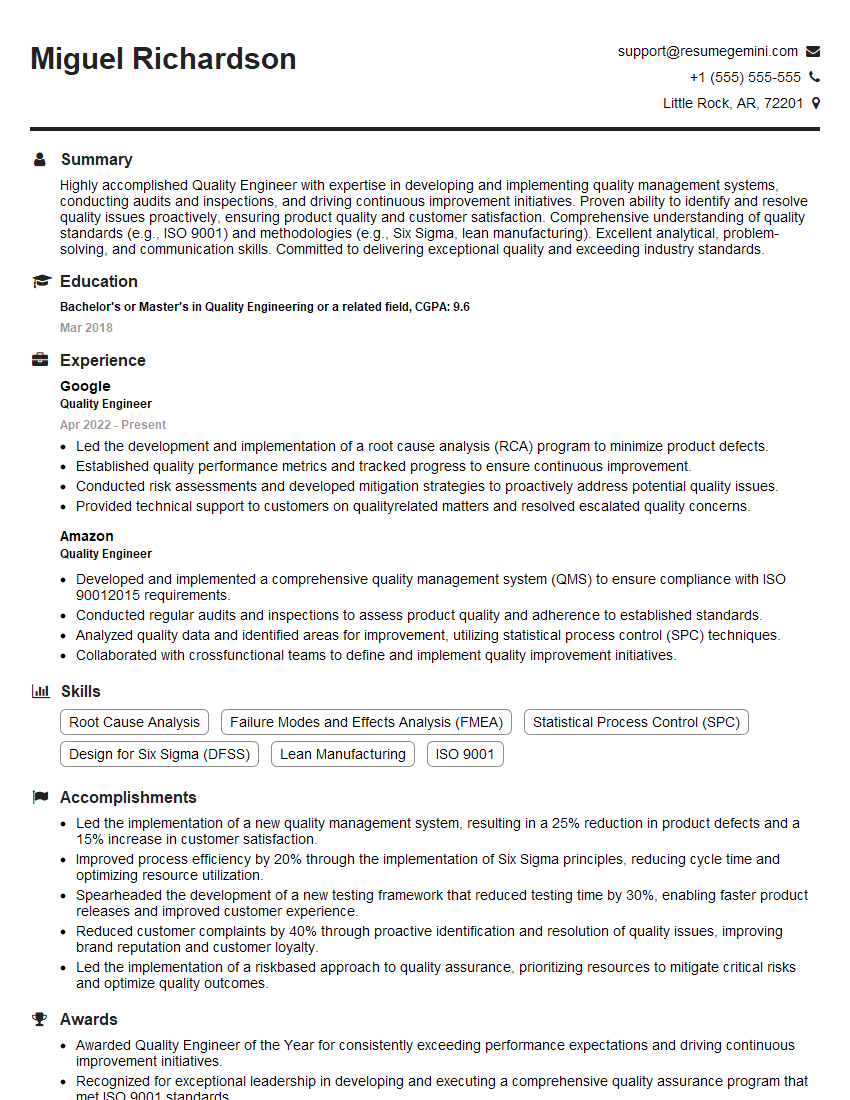
Quality Engineer Resume Sample
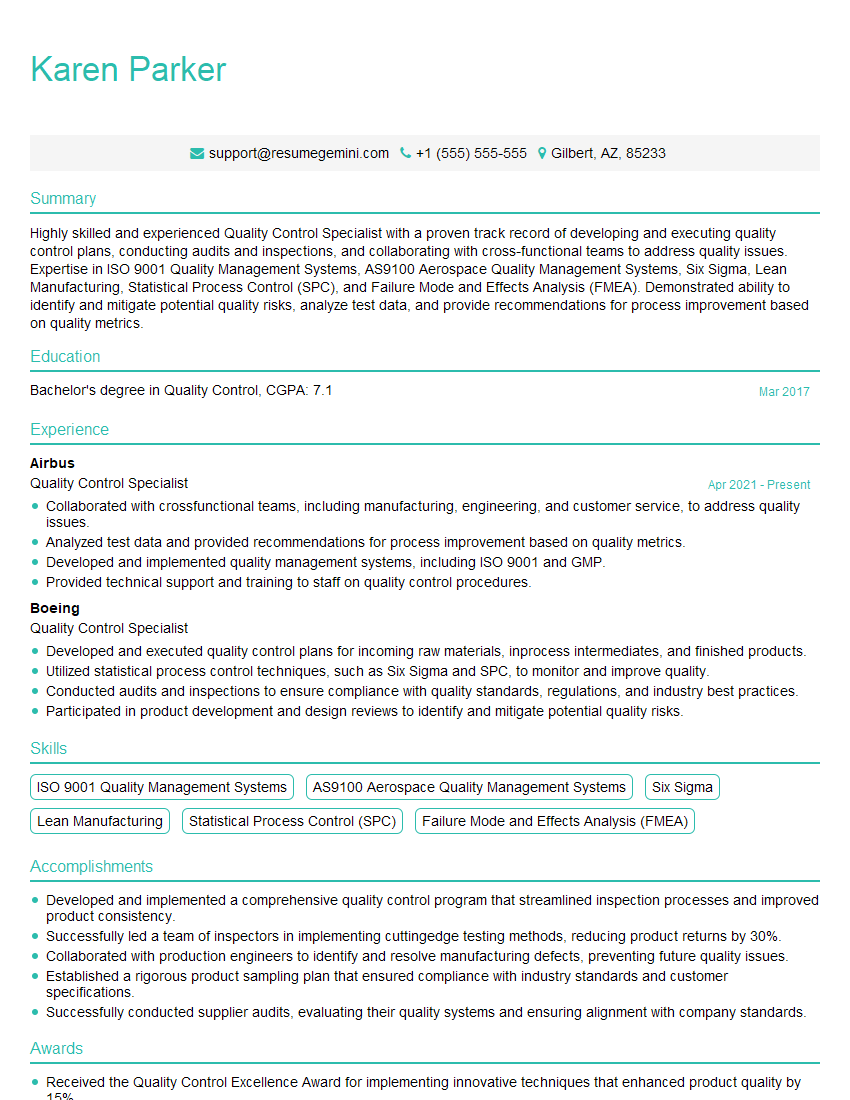
Quality Control Specialist Resume Sample
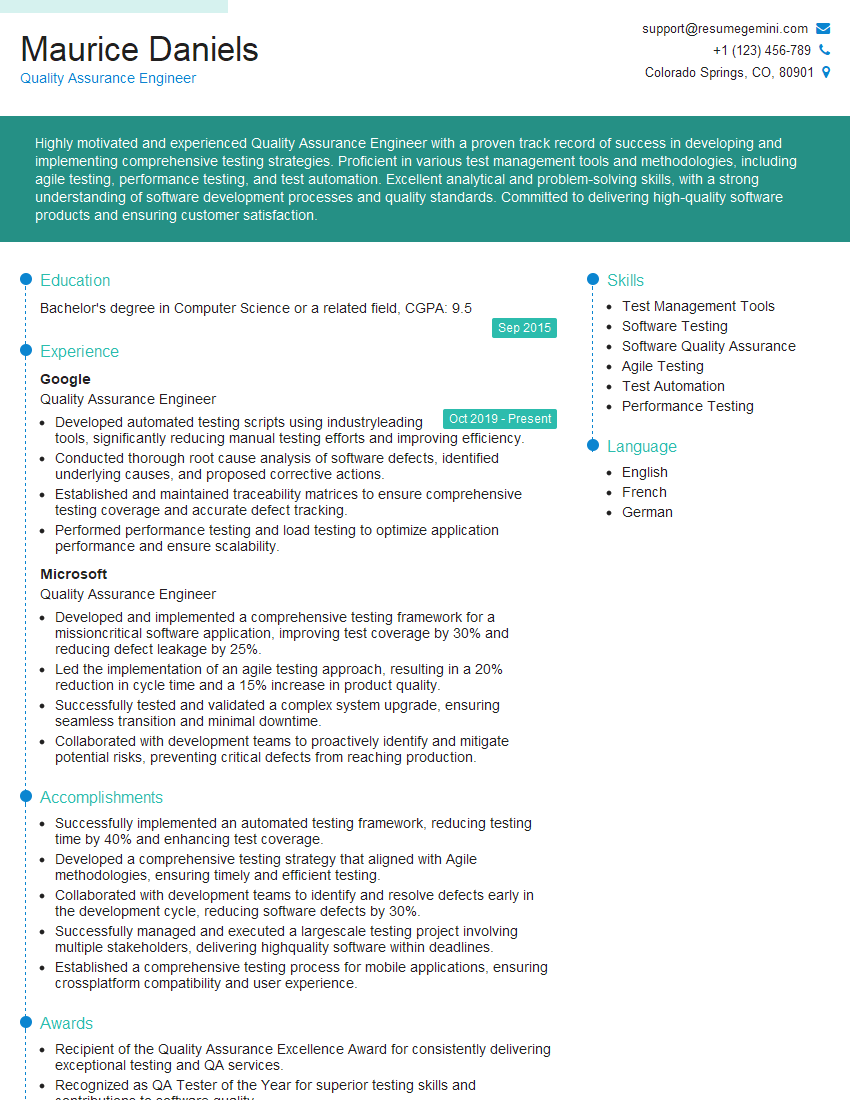
Quality Assurance Engineer Resume Sample
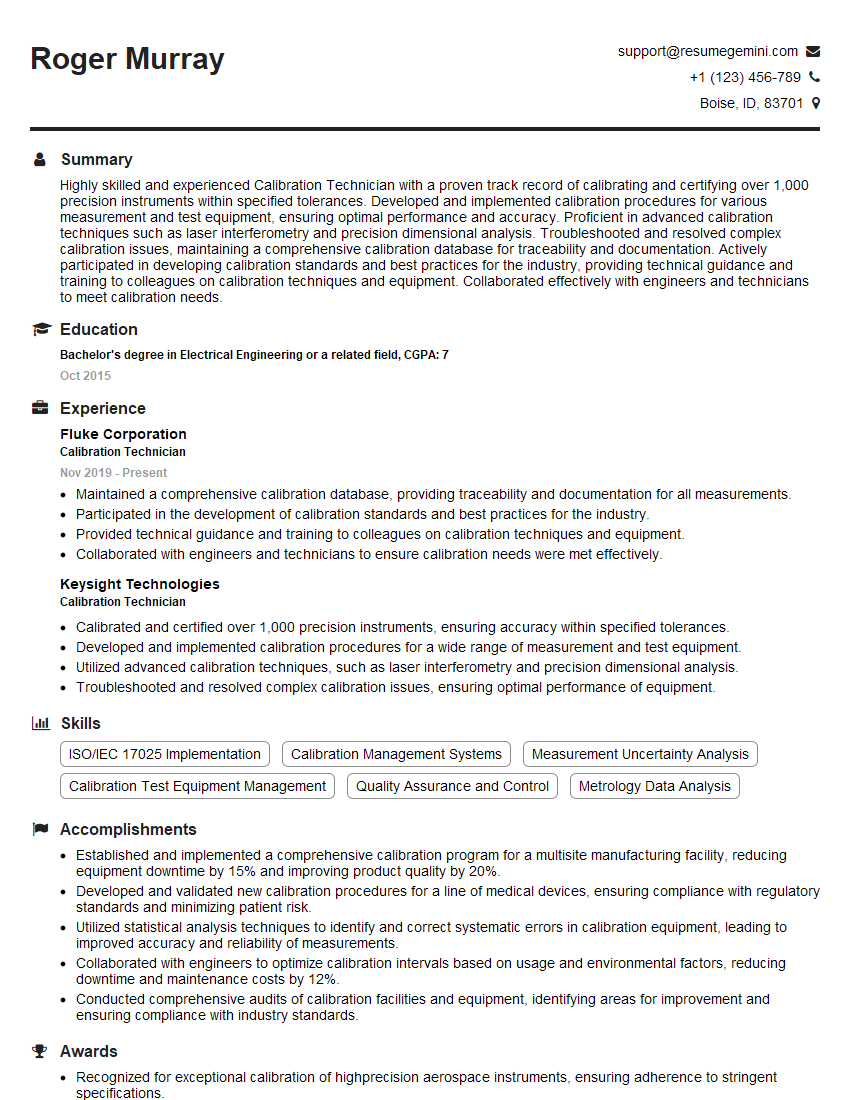
Calibration Technician Resume Sample
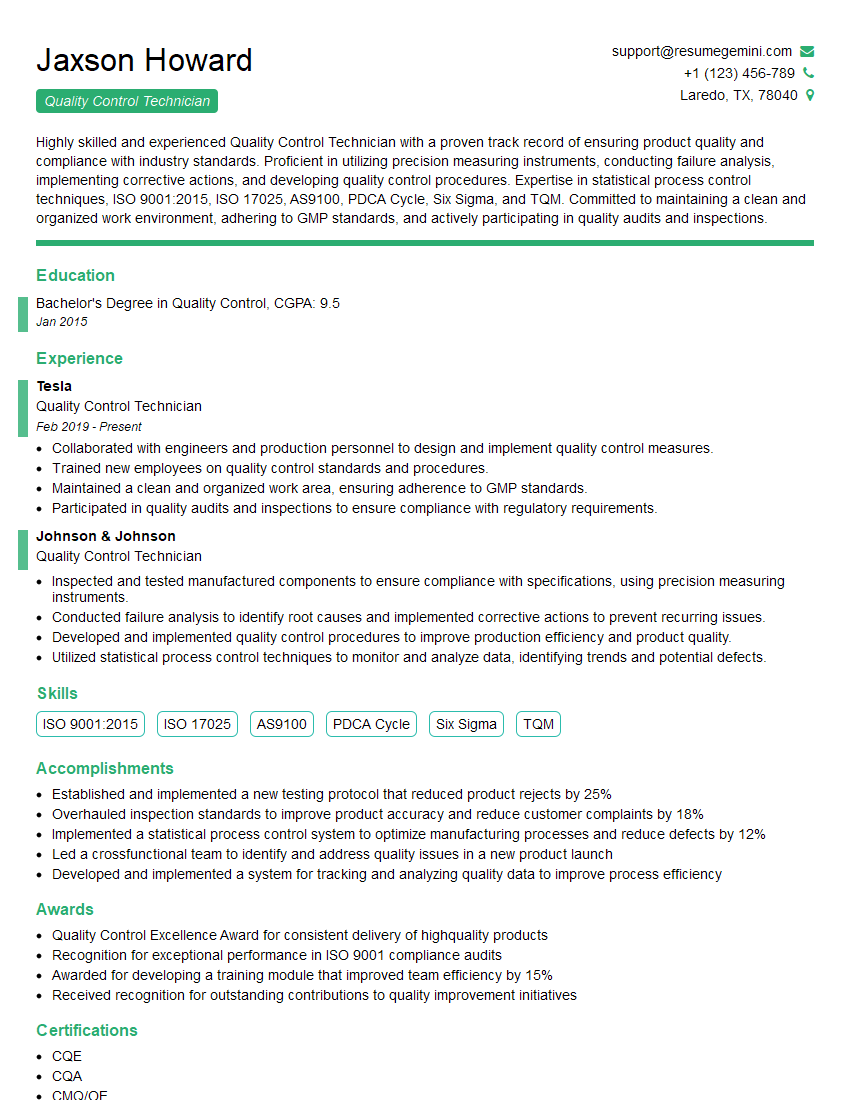
Quality Control Technician Resume Sample
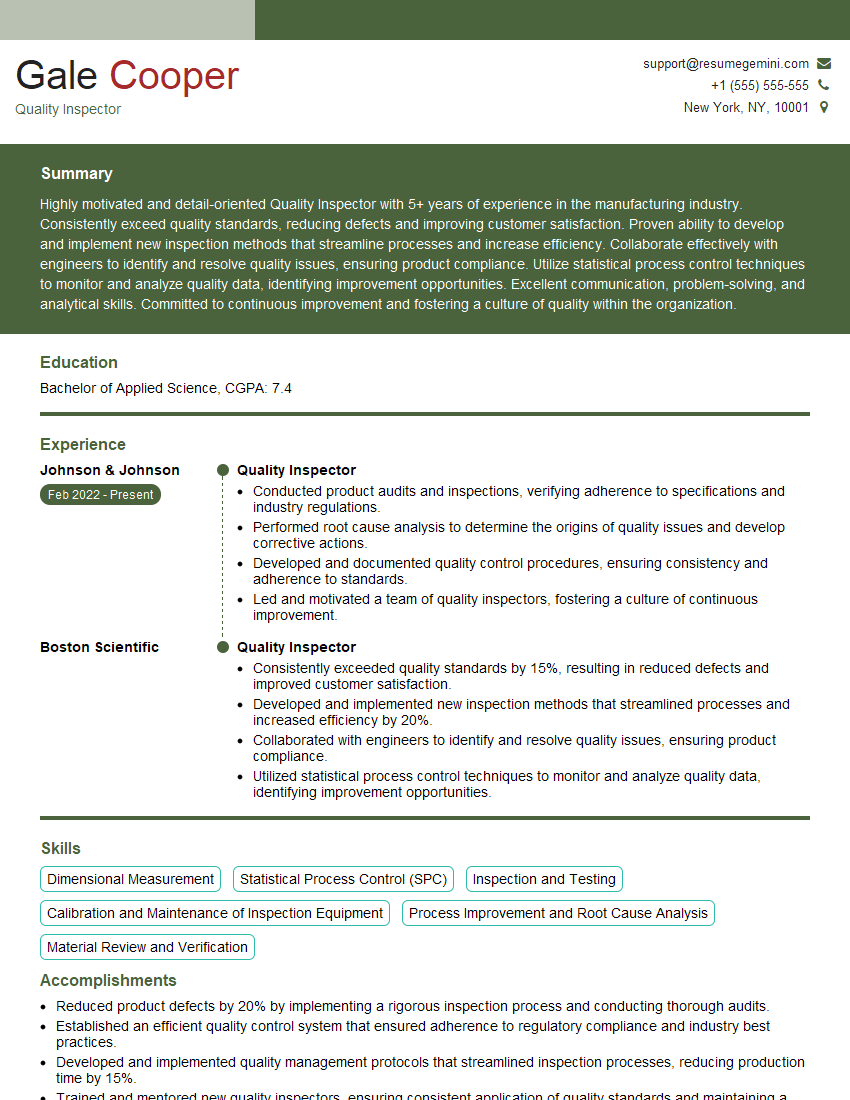
Quality Inspector Resume Sample
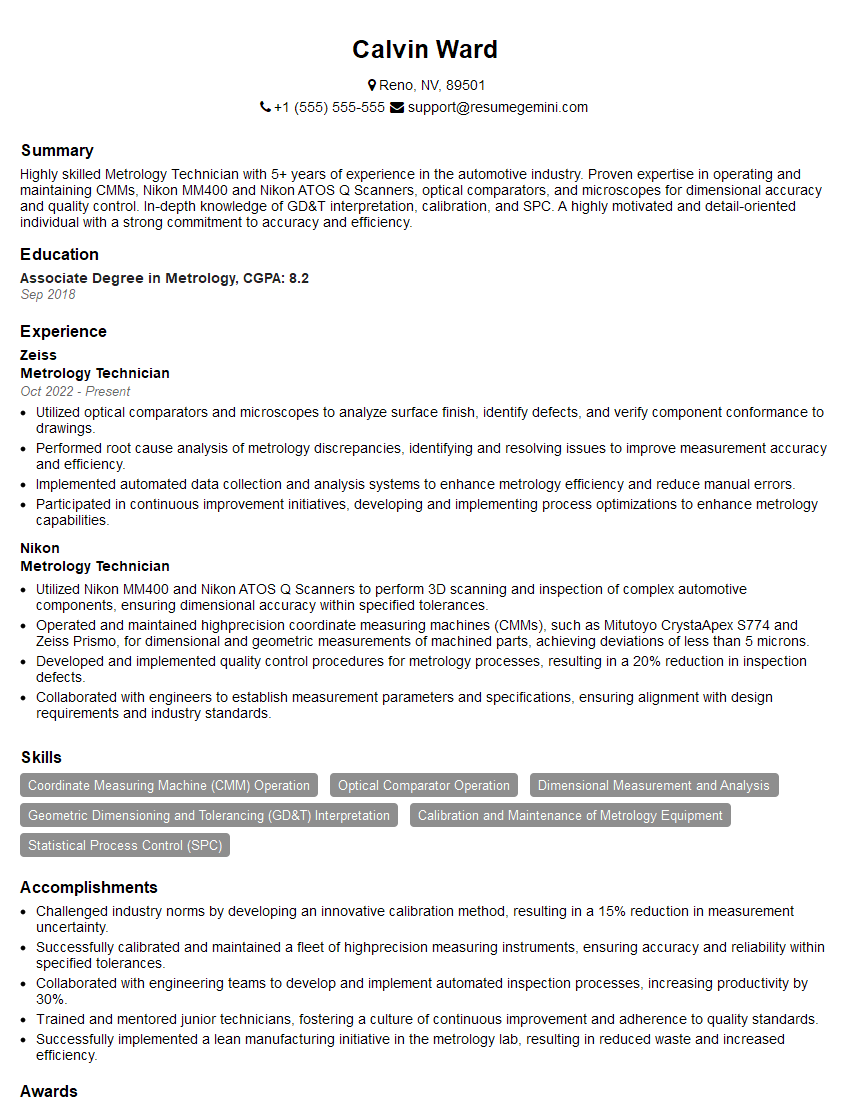
Metrology Technician Resume Sample
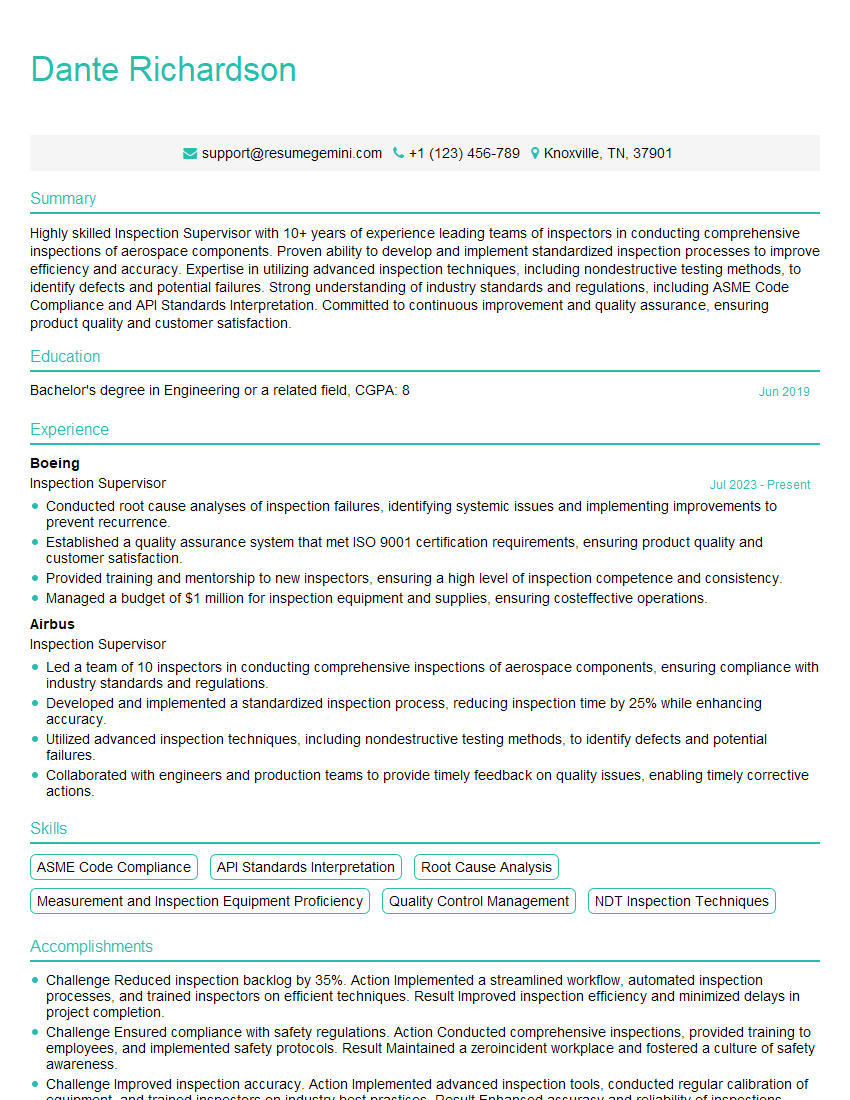
Inspection Supervisor Resume Sample
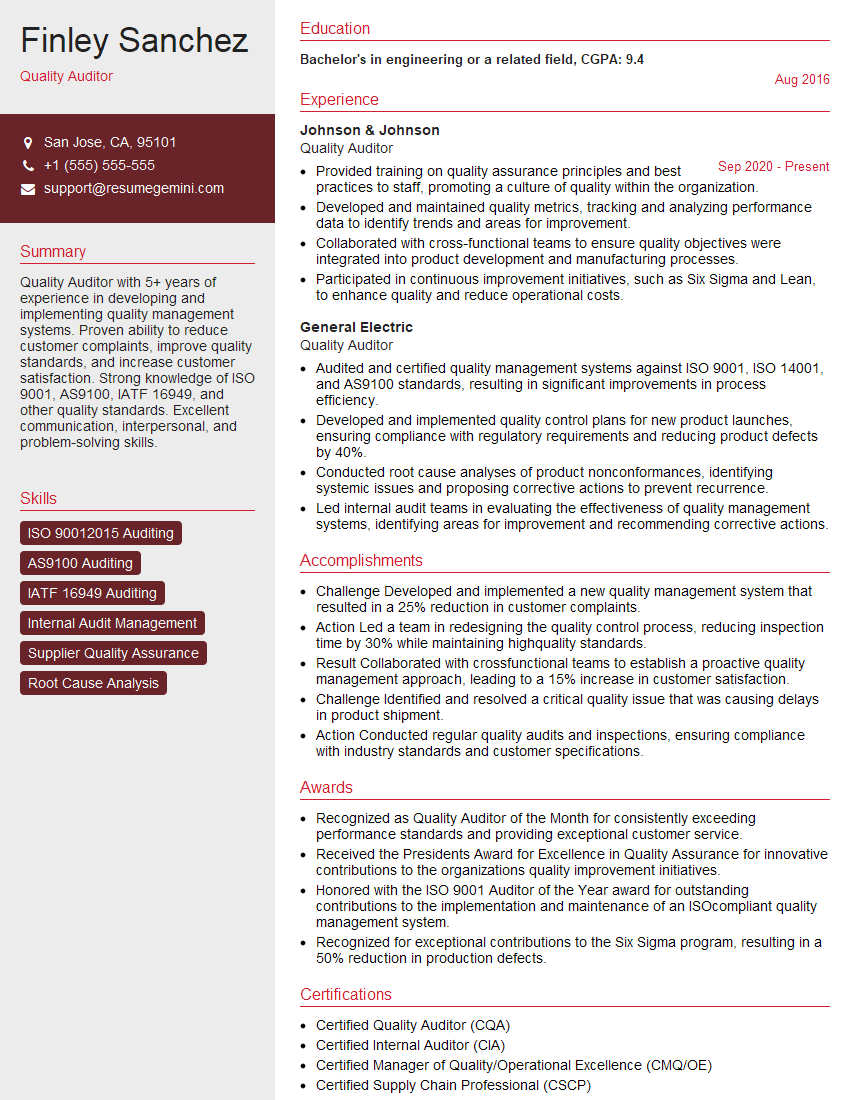
Quality Auditor Resume Sample
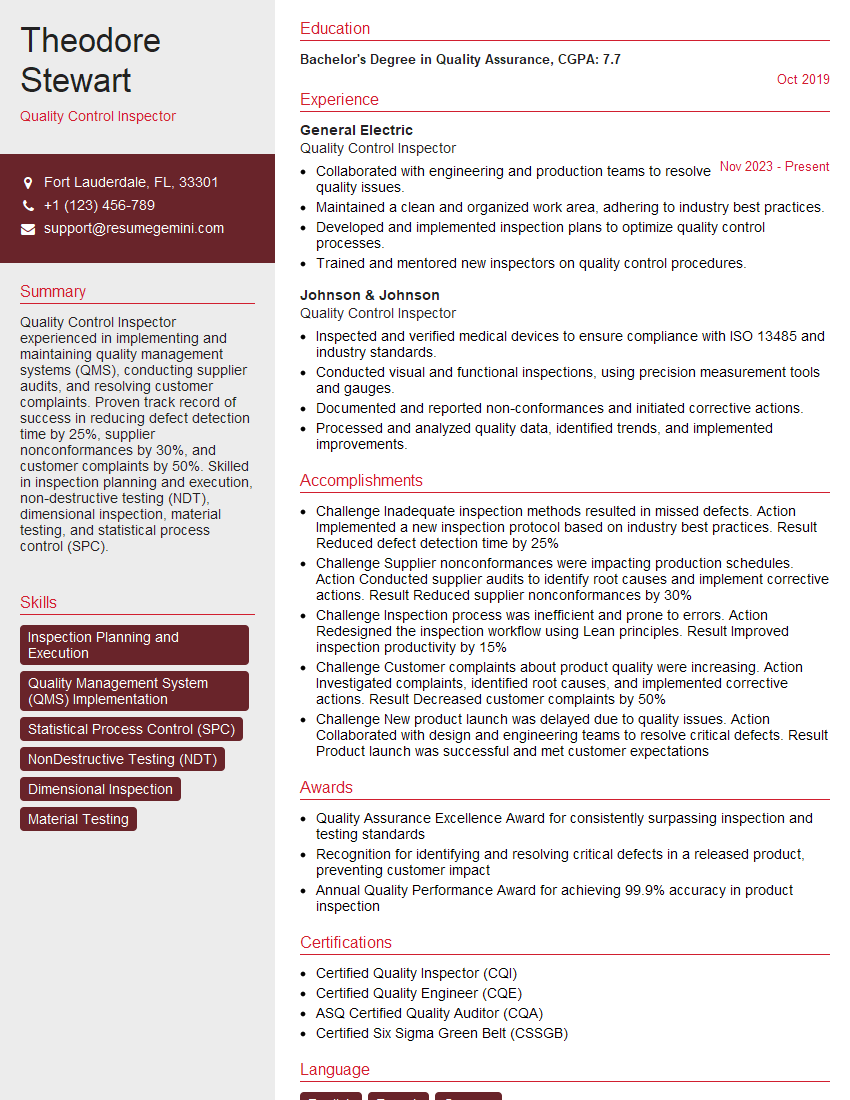
Quality Control Inspector Resume Sample
- Quality Assurance Manager
- Quality Control Manager
- Quality Control Supervisor
- Quality Assurance Specialist
- Reliability Engineer
- Quality Control Analyst
- Compliance Auditor
- Test Engineer
- Quality Engineer
- Quality Control Specialist
- Quality Assurance Engineer
- Calibration Technician
- Quality Control Technician
- Quality Inspector
- Metrology Technician
- Inspection Supervisor
- Quality Auditor
- Quality Control Inspector
Explore more articles
Users Rating of Our Blogs
Share Your Experience
We value your feedback! Please rate our content and share your thoughts (optional).
What Readers Say About Our Blog
Very informative content, great job.
good