The right preparation can turn an interview into an opportunity to showcase your expertise. This guide to Life Support Equipment Maintenance interview questions is your ultimate resource, providing key insights and tips to help you ace your responses and stand out as a top candidate.
Questions Asked in Life Support Equipment Maintenance Interview
Q 1. Describe your experience troubleshooting malfunctioning ventilators.
Troubleshooting malfunctioning ventilators requires a systematic approach. I begin by reviewing the alarm messages and the ventilator’s operational logs for clues. This often points towards the immediate problem. For example, a low-pressure alarm might indicate a leak in the ventilator circuit, while a high-pressure alarm could suggest airway obstruction.
Next, I perform a visual inspection, checking for loose connections, kinks in tubing, or any obvious damage. I then systematically check the various components, including the power supply, oxygen sensor, and pressure transducers, using calibrated test equipment. This involves verifying that the sensor readings align with expected values under controlled conditions. Sometimes, a simple power cycle might resolve temporary software glitches.
In complex cases, I might utilize flow-volume loops and other advanced diagnostic tools to identify subtle issues in the ventilator’s delivery mechanisms. For instance, I’ve encountered situations where a malfunctioning pressure sensor was causing inaccurate tidal volume delivery. Identifying this necessitated careful calibration and, ultimately, replacement of the faulty sensor. A thorough understanding of ventilator mechanics, coupled with the use of diagnostic tools and methodical troubleshooting, is crucial for successful repair.
Q 2. Explain the preventive maintenance schedule for a defibrillator.
Preventive maintenance for a defibrillator is critical to ensure patient safety and reliable performance. The schedule typically involves daily, weekly, monthly, and quarterly checks, depending on the manufacturer’s recommendations and hospital protocols. Daily checks often focus on visual inspection for any signs of damage, ensuring the device is properly charged, and confirming the readiness indicator.
Weekly maintenance might include a more thorough visual inspection, verifying the integrity of the pads and cables, and checking the battery level and charging system. Monthly maintenance often includes a full function test, which simulates defibrillation and cardioversion to check waveform integrity. Quarterly maintenance usually involves a more comprehensive check that might include a full system calibration and documentation. This calibration ensures that the energy delivered matches the displayed value.
It’s crucial to meticulously document all preventive maintenance activities, including the date, time, performed checks, and any corrective actions taken. This documentation allows for efficient tracking and analysis, ensuring the device remains in optimal working condition and contributing to a safer hospital environment. Think of it like regularly servicing your car – preventative maintenance helps avoid breakdowns at critical moments.
Q 3. How do you calibrate a patient monitor?
Calibrating a patient monitor is a precise procedure that ensures accurate readings. The exact steps depend on the specific model, but the general process involves using standardized calibration tools and following the manufacturer’s instructions. This usually includes applying known input signals or using calibration phantoms (simulators) that mimic physiological parameters.
The calibration process often involves adjusting internal settings to match the known values. For example, to calibrate the ECG module, known voltage signals are applied and the internal gain is adjusted to ensure accurate waveform representation. Similarly, for blood pressure, a known pressure source is used to verify readings.
It’s essential to record all calibration data and maintain meticulous documentation, showing the date, time, and results of each test. Inaccurate calibration can lead to misdiagnosis and inappropriate treatment, potentially impacting patient safety and outcome. Therefore, accurate and frequent calibration is essential for ensuring the reliability of the patient monitor.
Q 4. What safety protocols do you follow when servicing medical equipment?
Safety protocols are paramount when servicing medical equipment. Before commencing any work, I always verify that the equipment is disconnected from the power source and, if applicable, that any gas lines are shut off. I follow lockout/tagout procedures to prevent accidental energization. I wear appropriate personal protective equipment (PPE), including gloves, eye protection, and sometimes gowns, depending on the nature of the maintenance.
I familiarize myself with the manufacturer’s service manual before starting work. This document outlines potential hazards and provides specific safety instructions for the particular equipment. During servicing, I meticulously handle parts and avoid unnecessary exposure to biohazards. Proper grounding and isolation techniques are employed to prevent electrical shock.
After completion, I carefully inspect the equipment for any signs of damage and perform a thorough function test to ensure proper operation before releasing the equipment back into service. The safety of both the patient and the technician is paramount, and adherence to strict protocols is non-negotiable.
Q 5. What are the common causes of failure in infusion pumps?
Infusion pump failures stem from several sources. Mechanical issues include pump motor malfunctions, obstruction in the tubing, or leakage from the pump head. Electrical problems can manifest as faulty circuit boards, power supply failures, or problems with the control system, often leading to inaccurate delivery rates or complete pump failure.
Software glitches can cause errors in programming, unexpected shutdowns, or inaccurate dosage calculations. Clogging of the tubing due to medication incompatibility or particulate matter is another common reason for failures. Improper handling or accidental damage can also be a factor, ranging from simple cracks in the casing to more severe internal damage.
Regular maintenance, including checking for leaks, cleaning the pump head and tubing, and ensuring proper programming are key preventative measures. I’ve seen cases where a simple blockage in the tubing caused a complete pump failure – easily resolved with a thorough cleaning and inspection.
Q 6. How do you identify and address electrical safety hazards in medical equipment?
Identifying and addressing electrical safety hazards in medical equipment begins with a visual inspection to look for frayed wires, damaged plugs, and signs of water damage. I then use a variety of test equipment, including multimeters and insulation testers, to measure voltages, resistances, and ground continuity.
Grounding integrity is crucial; a faulty ground can create a significant shock risk. I use a ground continuity tester to verify that the equipment is properly grounded and that there is no leakage current. Any potential leakage is a sign of a major hazard and requires immediate attention. I also check for proper insulation resistance to prevent shorts and electrical shocks.
If any hazards are identified, I will isolate the faulty equipment, repair or replace the affected components, and then conduct thorough testing before the equipment is put back into service. Regular electrical safety checks are fundamental to ensure the long-term safety and reliability of medical equipment.
Q 7. Explain your experience with different types of ventilators (e.g., volume-cycled, pressure-cycled).
My experience encompasses various ventilator types, including volume-cycled, pressure-cycled, and high-frequency ventilators. Volume-cycled ventilators deliver a set tidal volume regardless of airway pressure. This means that the pressure may vary depending on the patient’s lung compliance. I’ve worked extensively with these models, understanding their mechanics and recognizing potential issues like leaks leading to low-pressure alarms or airway obstructions causing high-pressure alarms.
Pressure-cycled ventilators, conversely, deliver a set pressure for a specified time. The tidal volume delivered varies based on the patient’s lung compliance. Troubleshooting these involves focusing on pressure delivery accuracy and maintaining the appropriate settings. High-frequency ventilators utilize smaller tidal volumes and rapid respiratory rates. Maintenance on these machines requires a high degree of precision due to their complex mechanisms.
I have a thorough understanding of the intricacies of each ventilator type, including the differences in their operation, maintenance requirements, and troubleshooting procedures. This diverse experience allows me to approach servicing and repair effectively, regardless of the type of ventilator.
Q 8. Describe your process for documenting maintenance and repair activities.
Maintaining meticulous documentation is paramount in Life Support Equipment Maintenance. Our process employs a comprehensive, multi-layered approach ensuring traceability and accountability. We utilize a computerized maintenance management system (CMMS) which allows for the electronic recording of all maintenance and repair activities. This system is crucial for tracking equipment history, scheduling preventative maintenance, and managing parts inventory.
- Preventative Maintenance (PM): Each PM task, including checks, calibrations, and cleaning, is documented with date, time, technician ID, and the outcome. For instance, if a ventilator’s pressure sensor is calibrated, we note the pre- and post-calibration readings along with the serial number of the calibration device.
- Corrective Maintenance (CM): All repairs are documented with a detailed description of the fault, the steps taken to diagnose the issue, the parts replaced (including serial numbers if applicable), and the verification of functionality after the repair. If a heart monitor’s ECG signal was faulty due to a loose cable, this would be clearly documented along with the cable’s replacement and testing results.
- Incident Reports: Any incidents, malfunctions or near misses are recorded in a separate incident report to identify trends, and potential improvement areas. This might include a situation where a malfunction was caught during a PM, preventing a critical failure during patient use.
This structured documentation is not only crucial for regulatory compliance but also allows for detailed analysis of equipment performance and the prediction of potential issues.
Q 9. How do you handle emergency repairs of critical life support equipment?
Emergency repairs of critical life support equipment demand immediate and decisive action. Our protocol prioritizes patient safety above all else. We follow a structured approach:
- Immediate Assessment: The first step involves a swift assessment of the situation to determine the nature and severity of the malfunction. This includes evaluating the patient’s condition and identifying the immediate risk.
- Prioritization: We prioritize critical systems. For example, if a ventilator malfunctions, it takes precedence over a less critical piece of equipment.
- Rapid Repair/Replacement: We have a readily available stock of common spare parts for critical components, expediting repairs. If a repair isn’t immediately feasible, we have a procedure for swiftly replacing the malfunctioning equipment with a backup unit. We’ve even had instances where another department’s equipment had to be temporarily used until the original could be repaired.
- Post-Emergency Documentation: After the emergency is resolved, a comprehensive report documenting the malfunction, the emergency repair procedures, and the equipment’s functionality is created and filed.
Regular training and drills ensure our team is well-prepared to handle such situations effectively and efficiently. This includes simulated emergency scenarios, ensuring the team is familiar with the equipment and procedures.
Q 10. What are the regulatory compliance requirements for maintaining medical equipment?
Regulatory compliance for maintaining medical equipment is critical, and involves adherence to several key regulations depending on location and the specific type of equipment. These generally include:
- Joint Commission (JCAHO) Standards (for US Hospitals): These standards establish specific requirements for medical equipment management, including maintenance, calibration, and safety checks. Failure to meet these standards can result in accreditation sanctions.
- FDA Regulations (US): The FDA regulates the safety and effectiveness of medical devices, and maintenance practices must ensure these devices continue to operate within specified parameters.
- Manufacturer’s recommendations: We strictly follow the manufacturer’s guidelines for maintenance, servicing, and calibration intervals provided in the instruction manuals.
- Local and National Regulations: Depending on the country and region, additional regulations might apply. It’s crucial to stay updated on these guidelines.
Non-compliance can lead to significant penalties and put patient safety at risk. Therefore, maintaining thorough records, adhering to schedules, and providing proper training to staff is fundamental.
Q 11. Explain your understanding of different types of medical gas systems.
Medical gas systems are critical for delivering therapeutic gases to patients. They comprise several key types:
- Central Gas Supply Systems: Large-scale systems supplying medical gases (oxygen, nitrogen, nitrous oxide, etc.) to multiple points within a hospital or facility. These systems need rigorous monitoring to ensure consistent pressure and purity.
- Bulk Gas Cylinders: These larger cylinders provide a larger supply of medical gas than smaller portable tanks and are frequently used in larger facilities or operating rooms.
- Portable Gas Cylinders: Smaller, mobile cylinders used for transport or areas where a central supply line is unavailable. These are typically used in ambulances or during patient transport.
- Gas Blending Systems: These systems allow for the precise mixing of different gases to meet specific therapeutic requirements for patients. This is particularly important in anesthesia.
Each system necessitates rigorous inspection and testing for leaks, purity, and proper functionality. Regular checks and maintenance are essential to ensure patient safety and comply with stringent regulatory requirements.
Q 12. How do you ensure the sterility of medical equipment after maintenance?
Ensuring sterility after maintenance is crucial to prevent cross-contamination. Our procedures emphasize several key steps:
- Cleaning and Disinfection: Thorough cleaning of all equipment surfaces using approved disinfectants is essential to remove any visible contaminants. We follow manufacturer-recommended procedures for each piece of equipment.
- Sterilization (where applicable): Items requiring sterility, such as certain surgical instruments, are sterilized using validated methods like autoclaving (steam sterilization) or ethylene oxide gas sterilization. Sterility indicators are used to confirm successful sterilization.
- Aseptic Techniques: Technicians follow aseptic techniques (practices designed to prevent contamination) throughout the maintenance process to minimize the risk of contamination.
- Protective Barrier Use: We use protective barriers like sterile drapes to cover equipment during maintenance, preventing contact with non-sterile surfaces.
- Documentation: All sterilization and cleaning procedures are documented, tracking the method, date, time, and responsible technician, proving the equipment’s readiness for use.
Strict adherence to these steps is non-negotiable to maintain patient safety and prevent healthcare-associated infections.
Q 13. Describe your experience with interpreting diagnostic trouble codes.
Interpreting diagnostic trouble codes (DTCs) is a vital skill. These codes, generated by the equipment itself, indicate specific malfunctions. My approach involves:
- Locating the DTCs: The location of DTCs varies by equipment. Often, they are displayed on a screen or accessible through service menus. For instance, a ventilator might display DTCs on its control panel, while a cardiac monitor might store them in its internal memory.
- Consulting the Equipment Manual: The equipment’s service manual contains a complete list of DTCs with their meanings. This manual provides the key to understanding what each code represents.
- Systematic Troubleshooting: Once the codes are identified, I use the manual’s troubleshooting guide to determine the probable cause and proceed with systematic testing of components.
- Verification: After a repair or adjustment, I verify that the DTCs have cleared and the equipment functions correctly. We often repeat specific tests outlined in the service manual to validate the solution.
For example, a DTC in a defibrillator might indicate a problem with the charging circuit. Consulting the manual would guide me through tests to check the capacitor, the charging circuit, and other associated components.
Q 14. What are the key components of a cardiac monitor, and how do they function?
A cardiac monitor is a critical life support device that continuously monitors a patient’s heart rhythm. Key components and their functions include:
- Electrodes: These sensors, placed on the patient’s chest, detect the electrical activity of the heart.
- Amplifier: This component amplifies the weak electrical signals received from the electrodes, making them strong enough for processing.
- Analog-to-Digital Converter (ADC): Converts the amplified analog signals into digital signals, which can be processed and displayed by the monitor’s computer.
- Microprocessor: This is the “brain” of the monitor, processing the digital signals, analyzing the heart rhythm, and triggering alarms when necessary.
- Display Screen: This displays the processed data, showing the heart rhythm (ECG waveform), heart rate, and other vital parameters.
- Alarm System: This system generates alerts if the patient’s heart rate falls outside predefined limits or other abnormalities are detected.
- Power Supply: Provides the necessary power to operate the cardiac monitor, usually from AC mains or a battery backup.
These components work together to provide real-time monitoring of the patient’s cardiac function, alerting healthcare professionals to any potentially life-threatening arrhythmias or other abnormalities.
Q 15. How do you troubleshoot a malfunctioning suction machine?
Troubleshooting a malfunctioning suction machine involves a systematic approach. First, we must ensure safety by unplugging the machine and checking for any obvious physical damage. Then, a thorough assessment begins.
- Check the power source: Verify the machine is plugged in correctly and that the outlet is functioning. A simple test with another device can confirm this.
- Inspect the tubing and collection bottle: Look for kinks, blockages, or cracks in the tubing. Ensure the collection bottle is properly attached and not full. A clogged tube is a common culprit – it’s like a straw getting blocked, preventing suction.
- Examine the filters: Suction machines have filters that prevent fluid from entering the motor. These often become clogged and need cleaning or replacing. Think of it like changing the filter in your home’s air conditioning unit.
- Check the vacuum gauge: This indicates the suction level. A low reading suggests a problem with the pump or a leak in the system. This gauge is like the pressure gauge on a car tire; it tells you how much ‘pressure’ the system is generating.
- Inspect the pump itself: If the problem persists, a malfunctioning pump may be the issue. This requires more specialized knowledge and might necessitate calling for professional repair.
Following this process, the problem is often identified and rectified. If not, contacting a biomedical engineer is the next step.
Career Expert Tips:
- Ace those interviews! Prepare effectively by reviewing the Top 50 Most Common Interview Questions on ResumeGemini.
- Navigate your job search with confidence! Explore a wide range of Career Tips on ResumeGemini. Learn about common challenges and recommendations to overcome them.
- Craft the perfect resume! Master the Art of Resume Writing with ResumeGemini’s guide. Showcase your unique qualifications and achievements effectively.
- Don’t miss out on holiday savings! Build your dream resume with ResumeGemini’s ATS optimized templates.
Q 16. Explain your experience with different types of sterilization methods.
Sterilization is crucial for preventing infections. I’m experienced with several methods, each with its own applications and limitations.
- Steam Sterilization (Autoclaving): This is the gold standard for many medical devices. High-pressure steam effectively kills microorganisms. It’s like pressure cooking, but on a much larger scale and at much higher temperatures. It’s suitable for heat-resistant instruments.
- Ethylene Oxide (EtO) Sterilization: EtO gas is effective for heat-sensitive instruments that cannot be autoclaved. However, it’s a more complex process requiring careful handling and ventilation due to its toxicity. Think of it as a gentler but more specialized cleaning method.
- Gas Plasma Sterilization: This method uses low-temperature plasma to kill microorganisms. It’s a good alternative to EtO and minimizes environmental impact. It’s like using a powerful, but low-heat, cleaning agent.
- High-Level Disinfection: For items that cannot withstand sterilization, high-level disinfection is often used. This reduces the bioburden to a safe level. This is like a thorough cleaning, but doesn’t guarantee complete sterility.
My experience ensures I select the appropriate method based on the device’s material and intended use, adhering strictly to safety protocols for each.
Q 17. Describe your experience with preventative maintenance programs.
Preventative maintenance programs are essential for ensuring equipment reliability and patient safety. My experience involves developing and implementing these programs, focusing on a proactive approach rather than reactive repairs.
- Scheduled Maintenance: Regular inspections, cleaning, and testing based on manufacturer recommendations. This includes tasks like checking connections, lubricating moving parts, and calibrating measuring devices. This is like regular servicing for a car – regular checks and maintenance are far cheaper and more effective than emergency repairs.
- Performance Monitoring: Tracking equipment performance through data logging and analysis. This allows for the early detection of potential problems. Think of this as monitoring vital signs for a patient – subtle changes in readings can indicate underlying problems.
- Record Keeping: Meticulous documentation of all maintenance activities, including repairs, replacements, and calibration results. This ensures compliance with regulations and allows for trend analysis.
- Staff Training: Educating staff on proper equipment operation and basic troubleshooting. This reduces the likelihood of user error and equipment damage. Think of this as ensuring everyone involved knows how to safely operate and maintain the equipment.
A well-defined preventative maintenance program minimizes downtime, extends equipment lifespan, and enhances overall safety.
Q 18. How do you maintain accurate inventory records for medical equipment?
Accurate inventory records are vital for efficient equipment management and budget control. I use a combination of methods to ensure accuracy:
- Barcoding/RFID tagging: Each piece of equipment is tagged for easy identification and tracking using a computerized inventory management system. This is like using a barcode scanner at a supermarket – it’s fast, accurate, and eliminates human error.
- Database Management: A dedicated database records equipment details (model, serial number, location, maintenance history). This allows for easy searching, reporting, and analysis.
- Regular Audits: Periodic physical checks to verify the database against the physical inventory, resolving any discrepancies. This is like taking stock in a warehouse – a regular check ensures that physical inventory matches the records.
- Software Integration: Integration with the hospital’s purchasing and maintenance systems for seamless data flow. This improves efficiency and reduces manual data entry.
This system ensures a clear picture of equipment availability, facilitating timely repairs, replacements, and budget planning.
Q 19. Explain your understanding of biomedical equipment safety standards.
Biomedical equipment safety standards are paramount. My understanding encompasses several key areas:
- National and International Standards: Familiarity with standards like AAMI (Association for the Advancement of Medical Instrumentation) and IEC (International Electrotechnical Commission) guidelines ensures equipment complies with safety regulations and minimizes risks. These standards are akin to building codes – they set minimum safety requirements.
- Electrical Safety: This involves understanding ground fault circuit interrupters (GFCIs), ensuring proper grounding, and regular testing to prevent electrical shocks. This is crucial for patient and staff safety.
- Mechanical Safety: Ensuring equipment is free of sharp edges, moving parts are properly shielded, and the design minimizes pinch points. This prevents accidental injuries.
- Radiation Safety (where applicable): For equipment emitting radiation, strict adherence to safety protocols is crucial, including shielding, regular testing, and monitoring of radiation levels. This is like handling radioactive materials – strict safety measures are absolutely necessary.
Adherence to these standards is non-negotiable; patient and staff safety depend on it.
Q 20. What is your experience with electronic health records (EHR) integration with medical devices?
My experience with EHR integration with medical devices focuses on leveraging the data they provide for improved patient care and workflow efficiency.
- Data Acquisition: Many modern devices can directly transmit data to EHRs, including vital signs, lab results, and procedural data. This eliminates manual data entry, reducing errors and improving accuracy.
- Data Analysis: EHR systems can analyze data from medical devices to identify trends and alert clinicians to potential problems. This enables proactive interventions and improved patient outcomes.
- Workflow Optimization: Integration can streamline workflows by automating tasks such as alarm management and medication dispensing. This increases efficiency and reduces manual steps.
- Data Security: Ensuring data integrity and confidentiality is crucial during EHR integration. Strict security protocols must be in place to comply with HIPAA and other regulations.
Effective EHR integration transforms data into actionable information, enhancing both patient care and operational efficiency.
Q 21. Describe a time you had to troubleshoot a complex equipment problem.
I once encountered a malfunctioning ventilator that was unresponsive to basic troubleshooting. The alarm indicated a pressure issue, but the usual checks – tubing, power, filters – revealed nothing.
The problem was intermittent, making diagnosis challenging. I systematically checked each component, starting with the power supply and progressing to the internal sensors and pressure regulators. I used diagnostic software to monitor internal pressures and flow rates, identifying small inconsistencies. Eventually, I discovered a minor leak within the internal pressure regulator, too small to be immediately detected with basic methods. Replacing the regulator resolved the issue.
This situation highlighted the importance of systematic troubleshooting, meticulous documentation, and utilizing advanced diagnostic tools when basic methods fail. The experience improved my diagnostic skills and reinforced the importance of thorough documentation.
Q 22. How do you prioritize repairs based on urgency and clinical needs?
Prioritizing repairs in life support equipment maintenance is critical for patient safety. We use a tiered system based on urgency and clinical impact. Think of it like a triage system in an emergency room.
- Critical: Equipment failures directly impacting life support (e.g., ventilator malfunction, heart-lung machine failure). These are addressed immediately, often involving on-site intervention and rapid repair or replacement.
- Urgent: Equipment malfunctions that could significantly compromise patient care but don’t immediately threaten life (e.g., malfunctioning infusion pump leading to inaccurate medication delivery). These require prompt attention, usually within a set timeframe (e.g., within a few hours).
- Routine: Minor issues or preventative maintenance tasks that don’t directly impact immediate patient care (e.g., replacing a worn-out filter, calibrating a scale). These are scheduled according to manufacturer recommendations and the equipment’s usage.
This prioritization system ensures that resources are allocated effectively to address the most time-sensitive and clinically significant issues first, minimizing risks and ensuring optimal patient care. For example, during a cardiac surgery, a malfunctioning heart-lung machine would take absolute priority over a less critical issue like a malfunctioning bedside monitor. Effective communication with the clinical team is crucial to accurately assess the urgency of each situation.
Q 23. What software or diagnostic tools do you use to test medical equipment?
We utilize a variety of software and diagnostic tools to thoroughly test medical equipment. These tools vary depending on the equipment type, but generally fall into these categories:
- Manufacturer-Specific Software: Many manufacturers provide proprietary software for diagnostics and troubleshooting. This software often allows for detailed system checks, calibration adjustments, and error code analysis. For example, GE Healthcare provides specific software for their ventilators that allow for comprehensive system diagnostics.
- Multi-Parameter Patient Monitors Software: This helps in testing and calibrating various physiological parameters simultaneously. Often, these systems have internal self-tests and diagnostic modes that provide extensive data.
- General Purpose Test Equipment: This includes multimeters, oscilloscopes, and signal generators for testing electrical circuits and components. These tools provide a fundamental analysis of electrical functionality.
- Biomedical Equipment Management Software (BEMS): This is used for overall equipment management, including preventative maintenance scheduling, inventory tracking, and generating reports on equipment performance. It often integrates with manufacturer-specific diagnostic tools.
The choice of software and tools depends on the specific equipment being tested. A comprehensive approach involves using a combination of manufacturer-specific software and general-purpose test equipment to ensure a complete and accurate evaluation.
Q 24. Explain your understanding of different types of medical imaging equipment.
Medical imaging equipment is vital for diagnosis and treatment. My understanding encompasses several modalities:
- X-ray: Uses ionizing radiation to produce images of bones and dense tissues. Different types include fluoroscopy (real-time imaging) and computed tomography (CT) scans (cross-sectional images).
- Ultrasound: Uses high-frequency sound waves to create images of soft tissues. It’s used for various applications, including obstetrics, cardiology, and abdominal imaging.
- Magnetic Resonance Imaging (MRI): Employs strong magnetic fields and radio waves to create detailed images of the body’s internal structures. It’s particularly useful for imaging soft tissues like the brain and spinal cord.
- Computed Tomography (CT): A sophisticated x-ray technique that creates detailed cross-sectional images. It’s used for diagnosing various conditions, from fractures to internal bleeding.
- Nuclear Medicine Imaging: Uses radioactive tracers to visualize physiological processes and organ function. Techniques include single-photon emission computed tomography (SPECT) and positron emission tomography (PET).
Understanding the principles of each modality, including their strengths and limitations, is crucial for effective maintenance and troubleshooting. For instance, understanding the cooling systems in an MRI machine is critical for preventing costly breakdowns.
Q 25. What are your skills in reading and interpreting schematics and technical manuals?
Reading and interpreting schematics and technical manuals is a fundamental skill in biomedical equipment maintenance. I’m proficient in interpreting both electrical and mechanical schematics, including block diagrams, circuit diagrams, and wiring diagrams. I can identify components, trace signals, troubleshoot circuits, and understand the operational principles of equipment by carefully studying the technical manuals.
For instance, when troubleshooting a malfunctioning infusion pump, I would first consult the schematic diagram to understand the internal circuitry and identify potential points of failure. Then, using the technical manual, I would cross-reference error codes and suggested troubleshooting steps to pinpoint the exact problem. This ensures systematic repair, preventing haphazard repairs that could worsen the issue.
My experience includes working with both simple and complex schematics, including those for intricate devices such as ventilators and dialysis machines. I find these documents essential for understanding the equipment’s inner workings and performing effective maintenance.
Q 26. Describe your experience with different types of biomedical sensors.
My experience encompasses a wide range of biomedical sensors, crucial for acquiring physiological data. These include:
- Temperature Sensors (Thermistors, Thermocouples): Used for monitoring patient temperature, both internally and externally.
- Pressure Sensors: Used in blood pressure monitors, infusion pumps, and ventilators to measure pressure variations.
- Oxygen Sensors: Essential in pulse oximeters and blood gas analyzers for determining oxygen saturation levels.
- Electrocardiogram (ECG) Sensors: Used to detect and record electrical activity of the heart.
- Electroencephalography (EEG) Sensors: Detect and record brainwave activity.
- Blood Glucose Sensors: Used in continuous glucose monitors to measure blood sugar levels.
Understanding the principles of each sensor, including its operating range, accuracy, and potential sources of error, is critical for ensuring reliable data acquisition. For example, a faulty ECG sensor could lead to misdiagnosis of a cardiac arrhythmia, emphasizing the importance of accurate sensor operation and calibration.
Q 27. How do you ensure the accuracy and reliability of equipment readings and measurements?
Ensuring the accuracy and reliability of equipment readings and measurements is paramount in life support maintenance. This involves a multi-faceted approach:
- Regular Calibration: Equipment is calibrated at regular intervals using standardized procedures and traceable calibration standards. Calibration ensures that the equipment’s readings are accurate and consistent with known values. This is usually documented in calibration logs and certificates.
- Preventative Maintenance: Following manufacturer’s recommended preventative maintenance schedules is vital for preventing malfunctions and ensuring accurate performance. This includes cleaning, inspections, and component replacements.
- Quality Control Checks: Using internal self-tests and external verification methods to evaluate the equipment’s accuracy and reliability. This might involve comparing readings against a gold standard device.
- Sensor Monitoring and Maintenance: Regular inspection and maintenance of sensors, including cleaning and calibration, are crucial for accurate readings.
- Documentation and Record Keeping: Maintaining accurate records of all maintenance activities, calibration results, and repairs is vital for tracking equipment performance and troubleshooting.
For example, a malfunctioning blood gas analyzer could provide inaccurate oxygen and carbon dioxide readings, leading to improper treatment decisions. Rigorous calibration and preventative maintenance are vital to prevent this. A systematic approach involving all the steps mentioned above ensures the highest level of confidence in the accuracy and reliability of the equipment readings.
Key Topics to Learn for Life Support Equipment Maintenance Interview
- Preventive Maintenance Procedures: Understanding scheduled maintenance tasks, including cleaning, inspection, and lubrication, for various life support equipment (e.g., ventilators, oxygen concentrators, infusion pumps).
- Troubleshooting and Repair: Practical application of diagnostic techniques to identify malfunctions, utilizing schematics, troubleshooting guides, and testing equipment to restore equipment functionality. This includes understanding common malfunctions and their root causes.
- Safety Regulations and Compliance: Knowledge of relevant safety standards (e.g., NFPA, OSHA) and regulatory compliance for maintaining life support equipment in healthcare settings. Understanding infection control protocols is crucial.
- Equipment Specific Knowledge: Deep understanding of the operation, maintenance, and troubleshooting of specific equipment types commonly used in hospitals or other relevant settings. This may include ventilators, dialysis machines, anesthesia machines, or patient monitors.
- Calibration and Testing: Performing calibration procedures to ensure accuracy and reliability of measurements. Understanding the use of various testing equipment and documentation procedures.
- Documentation and Record Keeping: Maintaining accurate and complete records of maintenance activities, repairs, and calibrations, adhering to all relevant regulatory requirements. Understanding the importance of clear and concise documentation.
- Emergency Response and Procedures: Knowledge of emergency procedures related to equipment malfunction, including escalation protocols and immediate response actions.
- Quality Assurance and Control: Understanding the principles of quality assurance and control within a life support equipment maintenance environment. This includes understanding preventative measures to minimize equipment failures and downtime.
Next Steps
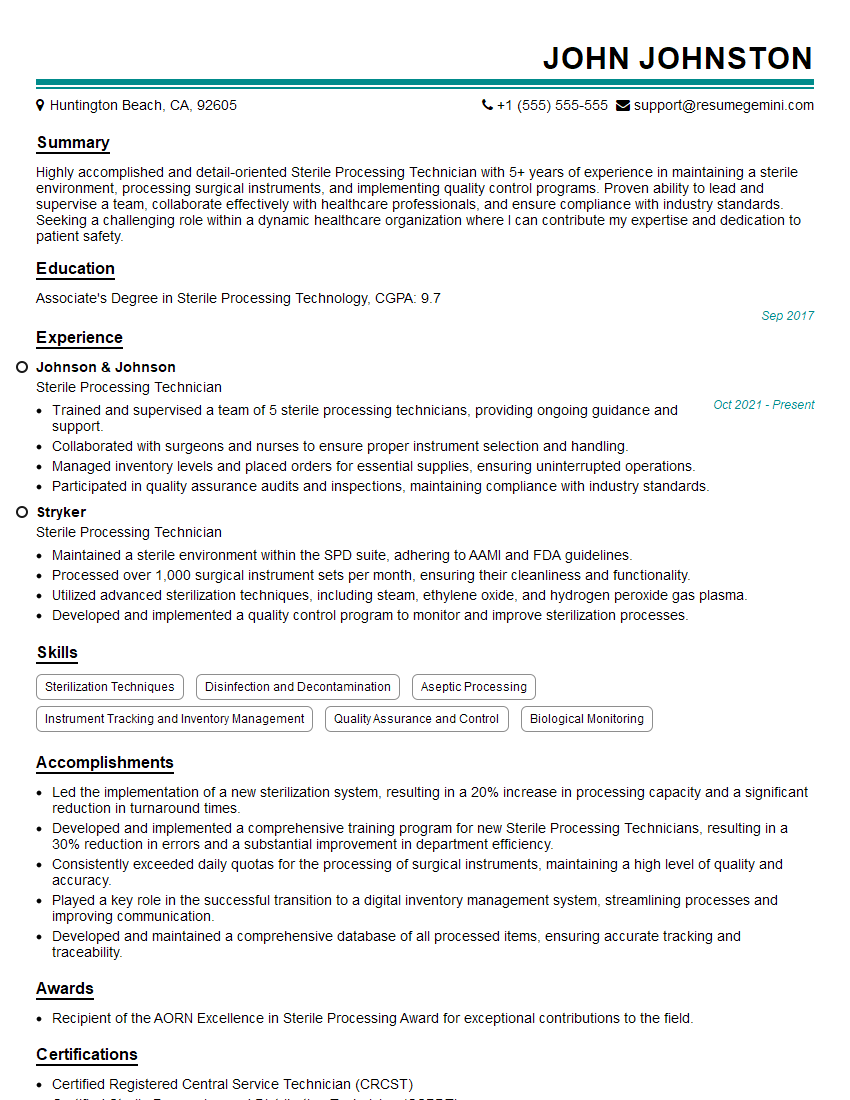
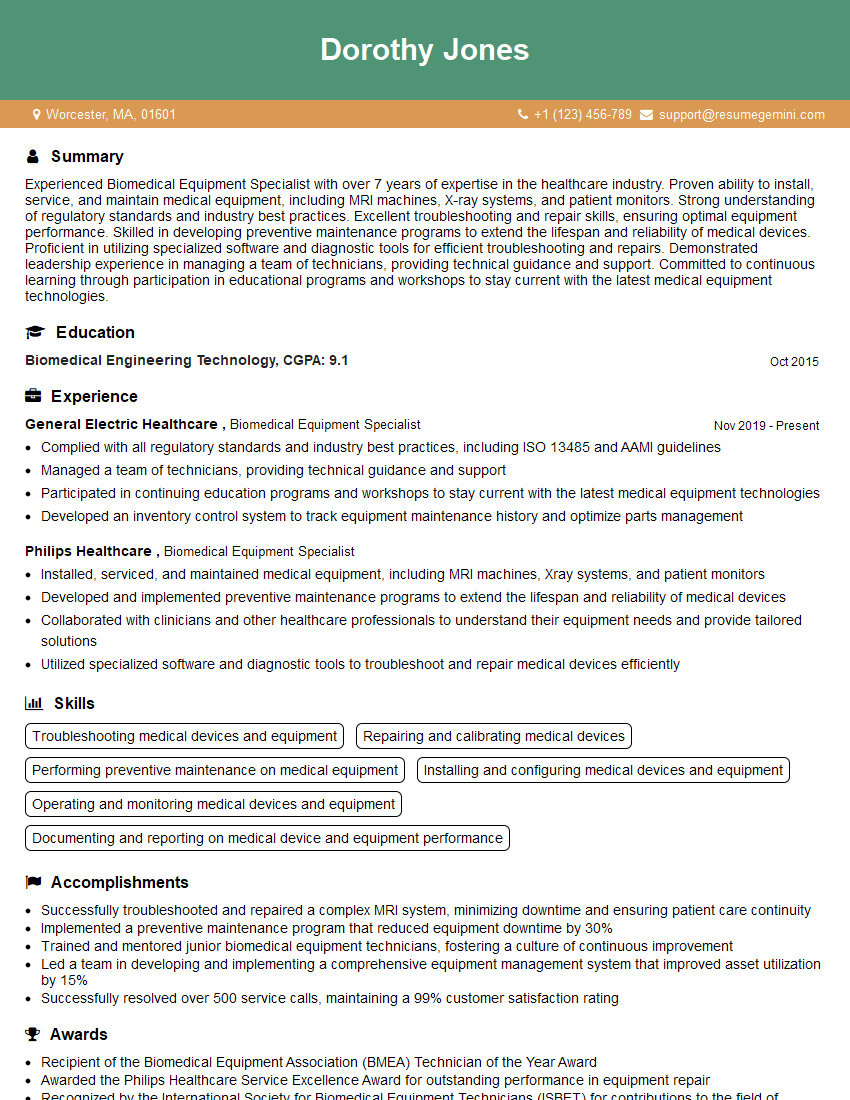
Mastering Life Support Equipment Maintenance opens doors to a rewarding career with significant growth potential in the healthcare industry. Proficiency in this field is highly valued, leading to increased responsibility and higher earning potential. To maximize your job prospects, create an ATS-friendly resume that highlights your skills and experience effectively. ResumeGemini is a trusted resource to help you build a professional and impactful resume. We provide examples of resumes tailored to Life Support Equipment Maintenance to guide you in crafting a compelling application.

Explore more articles
Users Rating of Our Blogs
Share Your Experience
We value your feedback! Please rate our content and share your thoughts (optional).
What Readers Say About Our Blog
Very informative content, great job.
good