Feeling uncertain about what to expect in your upcoming interview? We’ve got you covered! This blog highlights the most important Load Planning and Calculations interview questions and provides actionable advice to help you stand out as the ideal candidate. Let’s pave the way for your success.
Questions Asked in Load Planning and Calculations Interview
Q 1. Explain the difference between weight distribution and center of gravity in load planning.
Weight distribution and center of gravity are crucial aspects of load planning, both impacting stability and safety. Weight distribution refers to how the total weight of the cargo is spread across the vehicle. A poorly distributed load can lead to uneven weight on axles, potentially causing instability or even damage to the vehicle. Center of gravity (CG), on the other hand, is the point where the weight of the object is considered to be concentrated. It’s a crucial factor because a high CG makes the load more susceptible to tipping, especially during turns or on uneven terrain. Imagine stacking heavy boxes on top of a delivery truck: a good weight distribution would mean evenly spreading those boxes across the truck bed, while maintaining a low center of gravity by avoiding stacking them too high. A poorly distributed load might see all the boxes piled in one corner, making the truck unstable and potentially dangerous.
For example, consider transporting heavy machinery. Evenly distributing the weight across the trailer ensures that each axle carries a manageable load, preventing overloading and reducing the risk of accidents. Similarly, lowering the center of gravity, possibly by using specialized securing methods, reduces the risk of the machinery shifting during transit and tipping the truck.
Q 2. Describe your experience with various load securing methods.
Throughout my career, I’ve utilized a wide range of load securing methods, adapting my approach based on cargo characteristics and transport mode. These include:
- Strapping: I regularly use high-tensile steel straps to secure palletized goods, ensuring sufficient tension and proper attachment points. I meticulously calculate strap placement to avoid damage to the cargo and ensure proper weight distribution.
- Dunnage: Protecting cargo with dunnage, such as wood blocks or inflatable bladders, is critical for preventing shifting. I’ve used these to fill void spaces between items, especially with oddly shaped objects, greatly improving stability and minimizing damage.
- Load bars and nets: For lighter or oddly-shaped cargo, I use load bars and cargo nets to safely secure them. The combination offers a flexible solution that allows for securing various shapes and sizes.
- Shrink wrap: For palletized goods, particularly those susceptible to moisture or damage, shrink wrap provides an extra layer of protection.
- Container securing systems: In container shipping, I ensure proper lashing and securing of containers using twist locks and other approved systems to prevent movement during transit.
My experience allows me to select the most appropriate method, ensuring safety and preventing damage, while complying with all applicable regulations.
Q 3. How do you calculate the cubic capacity of a shipment?
Calculating cubic capacity, often expressed in cubic meters (m³) or cubic feet (ft³), is fundamental to determining shipment size and optimizing space utilization. It’s straightforward for regularly shaped items but requires more attention to detail for irregular shapes. The basic formula is: Length x Width x Height.
For rectangular items, you simply measure the length, width, and height of the item and multiply them. For example, a box with dimensions of 1 meter x 0.5 meters x 0.8 meters has a cubic capacity of 0.4 m³ (1 x 0.5 x 0.8 = 0.4).
When dealing with irregularly shaped items, you need to approximate the dimensions or break down the item into smaller, simpler shapes that can be measured individually. This often involves estimating the average dimensions for irregular parts and summing up the cubic capacity of all parts. For example, if you have a shipment of oddly-shaped parts, you would break them down into easily measurable cubes, cylinders, or other shapes. You’d then calculate the volume of each component and add them together to get the overall cubic capacity.
Q 4. What software or tools are you proficient in for load planning and optimization?
My proficiency extends to several industry-leading software and tools for load planning and optimization. I am highly skilled in:
- 3D Load Planning Software: I’m proficient in using several advanced 3D load planning software packages that allow for realistic visualization and optimization of cargo placement, considering weight, dimensions, and stability. This allows for precise load planning and minimizes wasted space.
- Route Optimization Software: I utilize route optimization software to determine the most efficient routes considering factors such as distance, traffic conditions, and delivery time windows. This significantly reduces transportation costs and improves delivery times.
- Transportation Management Systems (TMS): I have extensive experience using TMS platforms for managing shipments from origin to destination, encompassing tracking, documentation, and communication.
- Spreadsheet Software (Excel, Google Sheets): While less visually intuitive for complex loads, I can also efficiently leverage spreadsheet software for basic load planning and calculation, particularly when handling large datasets of shipments.
My proficiency in these tools allows me to make informed decisions, optimize space utilization, and improve overall efficiency.
Q 5. How do you handle unexpected delays or changes in a shipment’s schedule?
Unexpected delays or schedule changes require immediate and decisive action. My approach involves:
- Immediate Assessment: The first step is to quickly identify the nature and extent of the delay or change. This involves communication with all relevant parties – carriers, clients, and internal teams.
- Contingency Planning: I’ve developed strategies to anticipate such issues. This includes having backup transportation options or alternate routes identified.
- Communication and Transparency: Maintaining open communication with clients is crucial. I proactively update them about the delay or change, offering alternative solutions or adjusted timelines as appropriate.
- Documentation: Every step of the process is meticulously documented, ensuring accountability and traceability. This helps in identifying bottlenecks and improving processes for future shipments.
- Problem Resolution: I actively work to mitigate the impact of the delay. This could involve negotiating with carriers, rerouting the shipment, or finding alternative solutions to meet the client’s needs.
For example, I once faced a sudden port closure due to severe weather. By utilizing my backup transportation options and communicating proactively with the client, I successfully rerouted the shipment and minimized the overall delay.
Q 6. Describe your process for determining the most efficient route for a delivery.
Determining the most efficient route requires a multi-faceted approach. I consider several factors:
- Distance and Time: The shortest route isn’t always the fastest. I use route optimization software that considers real-time traffic conditions, road closures, and speed limits.
- Cost: Fuel costs, tolls, and driver wages are factored into route selection. A slightly longer route might be more cost-effective if it avoids costly tolls or congested areas.
- Delivery Time Windows: I consider the urgency of the delivery and any specified time windows. A faster route might be essential even if it’s slightly more expensive.
- Vehicle Restrictions: Route selection is tailored to the vehicle’s specifications, considering weight limits, height restrictions, and permissible routes.
- Safety: I prioritize safety, avoiding routes with known risks or hazardous conditions.
I often use specialized software that considers all these factors, providing multiple route options with detailed cost and time estimations. I then select the optimal route based on the specific requirements of each delivery.
Q 7. How do you ensure compliance with all relevant regulations and safety standards during load planning?
Compliance is paramount. My process for ensuring adherence to regulations and safety standards includes:
- Understanding Regulations: I stay up-to-date on all relevant regulations, including those pertaining to weight limits, hazardous materials, and driver hours of service. This often involves consulting government websites and industry publications.
- Proper Documentation: All documentation, including shipping manifests, bills of lading, and hazardous material declarations, is meticulously completed and accurately reflects the shipment details.
- Load Securement: I rigorously follow load securement guidelines to prevent shifting during transit. This involves using appropriate securing methods and ensuring proper tension and placement.
- Vehicle Inspections: I perform pre-trip inspections to ensure the vehicle is in good working condition and meets all safety standards.
- Driver Training: I collaborate with drivers to ensure they understand and adhere to all safety regulations and procedures, including proper load handling and securing techniques.
By diligently following these steps, I guarantee compliance, reduce the risk of accidents, and ensure the safe and efficient delivery of goods.
Q 8. Explain your experience with different types of cargo and their specific handling requirements.
My experience encompasses a wide range of cargo types, each demanding unique handling considerations. For instance, fragile goods like electronics require careful cushioning and secure bracing to prevent damage during transit. Conversely, bulk cargo, such as grains or minerals, needs specialized containers or methods to ensure efficient loading and prevent spillage. Hazardous materials present the most stringent requirements, necessitating adherence to strict regulations, specialized containers (often with GPS tracking), and detailed documentation. I’m proficient in handling temperature-sensitive goods, requiring precise temperature control throughout the journey. Perishable items, like fresh produce or pharmaceuticals, need to be transported in climate-controlled environments and often require expedited shipping. Finally, oversized or heavy-lift cargo necessitate special permits, specialized equipment, and careful route planning.
- Fragile Goods: Bubble wrap, custom-fit inserts, and secure bracing are essential.
- Bulk Cargo: Specialized containers, efficient loading techniques to minimize waste space, and prevention of cargo shift.
- Hazardous Materials: Strict adherence to regulations (e.g., IMDG Code for sea freight), specialized containers, and detailed documentation.
- Temperature-Sensitive Goods: Refrigerated containers, temperature monitoring devices, and proper documentation of temperature logs.
Q 9. How do you balance cost optimization with safety and efficiency in load planning?
Balancing cost optimization with safety and efficiency in load planning is a delicate act, akin to a three-legged stool. Each leg—cost, safety, and efficiency—must be strong and in balance to prevent collapse. Cost optimization involves maximizing space utilization and selecting the most economical transport mode. However, cramming cargo for minimal cost could compromise safety if it leads to instability or damage. Efficiency requires strategic placement of items to minimize handling time and optimize route planning. It might involve pre-sorting cargo by destination or utilizing specialized loading equipment. To achieve equilibrium, I utilize advanced software to simulate various load configurations, testing for stability and efficiency. I also factor in potential risks, like weather conditions and road restrictions. The process is iterative: evaluating cost-saving measures against safety and efficiency benchmarks, finding the optimal balance that meets all three objectives. For example, choosing a slower, less expensive shipping method might be justified if it doesn’t significantly impact delivery deadlines and minimizes the risk of damage.
Q 10. Describe a time you had to solve a complex load planning problem. What was your approach?
I once faced a challenging situation involving the shipment of oversized wind turbine components from a factory in the Midwest to a wind farm on the East Coast. The components were exceptionally long and heavy, exceeding standard transport limits. My approach involved a systematic problem-solving strategy:
- Assessment: I carefully studied the dimensions and weight of each component, noting its center of gravity. This was critical for stability calculations.
- Route Planning: I mapped potential routes, considering bridge height clearances, road weight limits, and any potential construction or road closures. This involved significant research and coordination with local authorities.
- Mode Selection: Initially, trucking seemed like the most direct approach, but the oversized dimensions ruled out many routes. I explored rail transport as a more feasible solution. It required specialized rail cars and careful coordination with the railway company.
- Securement Planning: I designed a securement plan to ensure the components were properly braced and protected during transit, minimizing the risk of movement or damage. This involved using specialized straps, blocking, and other support systems.
- Logistics Coordination: Effective communication with all involved parties, including the manufacturer, the railway company, and the wind farm team, was crucial for seamless execution.
Through this methodical approach, we successfully delivered the components on time and without incident. This case highlighted the importance of thorough planning, adaptability, and open communication.
Q 11. How familiar are you with different types of transportation modes (e.g., truck, rail, air, sea)?
I’m very familiar with all major transportation modes—truck, rail, air, and sea. Each mode has its own strengths and weaknesses concerning cost, speed, and capacity. Trucking offers flexibility and door-to-door delivery but has limitations in terms of capacity and distance. Rail transport is ideal for large volumes over long distances but can be less flexible regarding routing. Air freight is the fastest but the most expensive, best suited for urgent or high-value shipments. Sea freight is cost-effective for large, heavy goods across oceans but has the longest transit times. The choice depends on the specific needs of each shipment. I consider factors like cost, speed, environmental impact, reliability, and cargo characteristics to select the most appropriate mode. My expertise also extends to intermodal transport, which often combines two or more modes for optimal efficiency.
Q 12. How do you utilize load planning software to improve efficiency and reduce costs?
Load planning software is indispensable for efficient and cost-effective operations. I regularly use such software to optimize space utilization, simulate different loading configurations, and generate detailed documentation. Features like 3D modeling allow me to visualize the placement of cargo and check for potential conflicts. Automated weight and balance calculations ensure safety and compliance with regulations. Furthermore, many software packages integrate with transportation management systems, providing real-time tracking and visibility. This allows for more proactive management, faster issue resolution, and better overall cost control. For instance, I can use the software to compare different loading scenarios, identifying the option that minimizes the number of shipments, reduces empty space, and minimizes risk of damage. This translates directly into lower transportation costs and a smaller environmental footprint.
Q 13. What are some common challenges you face in load planning and how do you overcome them?
Common challenges in load planning include unpredictable delays, last-minute changes in shipment requirements, and capacity constraints. Delays can stem from weather conditions, traffic congestion, or port disruptions. Last-minute changes force adjustments to the existing plan, potentially leading to inefficiencies. Capacity constraints, like limited space on a truck or vessel, require careful optimization to maximize utilization. To overcome these, I employ proactive measures. This includes monitoring weather forecasts, traffic conditions, and port activity. Regular communication with all stakeholders minimizes surprises. I also develop contingency plans to accommodate unexpected events. Utilizing flexible scheduling and exploring alternative transport options aids in mitigating capacity constraints. Having a solid understanding of the potential challenges and incorporating these into planning is key to mitigating them successfully.
Q 14. What is your understanding of dimensional weight and how does it impact shipping costs?
Dimensional weight, also known as volumetric weight, is a calculation used by carriers to determine the chargeable weight of a shipment. It considers the package’s dimensions (length x width x height) and compares it to its actual weight. The higher of the two values determines the shipping cost. This ensures fairness, as a large, lightweight package occupies more space than a smaller, heavier one. The formula typically involves dividing the volume (in cubic centimeters or cubic inches) by a dimensional weight factor (e.g., 5000 cubic centimeters per kilogram, or 166 cubic inches per pound). For example, a package with a volume of 1 cubic meter and an actual weight of 10 kg might have a dimensional weight of 167 kg (1,000,000 cubic centimeters / 6000 cubic centimeters per kilogram). In this case, the dimensional weight would be the chargeable weight. Understanding dimensional weight is crucial for optimizing shipping costs, as careful packaging and efficient space utilization can significantly impact the overall expense. Minimizing empty space within packages and choosing appropriate packaging sizes are key strategies to lower dimensional weight and reduce transportation costs.
Q 15. How do you manage inventory levels to optimize load planning and minimize storage costs?
Optimizing inventory levels is crucial for efficient load planning and minimizing storage costs. It’s a balancing act between having enough stock to meet demand and avoiding excessive inventory that ties up capital and space. I employ several strategies:
- Demand Forecasting: Accurate prediction of future demand is paramount. I use various forecasting techniques, including time series analysis, moving averages, and incorporating seasonality and trend factors. This helps determine optimal order quantities and minimizes overstocking.
- Inventory Turnover Rate Analysis: Regularly reviewing the inventory turnover rate (the number of times inventory is sold or used in a period) helps identify slow-moving items. This allows for adjustments in ordering frequency and quantity, reducing storage costs and freeing up space for faster-moving goods. For instance, if a product has a low turnover rate, we might consider reducing order quantities or exploring alternative storage solutions.
- Just-in-Time (JIT) Inventory Management: For many products, a JIT approach, receiving inventory only as needed, significantly reduces storage costs and the risk of obsolescence. This requires strong coordination with suppliers and a robust supply chain.
- ABC Analysis: Categorizing inventory into A (high-value, high-demand), B (medium-value, medium-demand), and C (low-value, low-demand) items enables focused management. A items receive the most attention in terms of forecasting accuracy and stock control, while C items might have less stringent inventory control measures.
- Warehouse Management Systems (WMS): Using WMS software provides real-time inventory visibility and control, facilitating optimized storage location assignments and efficient order picking, contributing to cost savings.
By implementing these strategies, I ensure that we maintain sufficient inventory to meet customer needs while minimizing storage expenses and maximizing the efficiency of our load planning process.
Career Expert Tips:
- Ace those interviews! Prepare effectively by reviewing the Top 50 Most Common Interview Questions on ResumeGemini.
- Navigate your job search with confidence! Explore a wide range of Career Tips on ResumeGemini. Learn about common challenges and recommendations to overcome them.
- Craft the perfect resume! Master the Art of Resume Writing with ResumeGemini’s guide. Showcase your unique qualifications and achievements effectively.
- Don’t miss out on holiday savings! Build your dream resume with ResumeGemini’s ATS optimized templates.
Q 16. Explain the concept of load factor and its significance in transportation planning.
The load factor represents the percentage of a vehicle’s carrying capacity that is utilized. It’s a critical metric in transportation planning because it directly impacts profitability. A higher load factor means more efficient use of resources and lower transportation costs per unit.
The formula is: Load Factor = (Actual Weight or Volume / Maximum Weight or Volume) * 100%
For example, if a truck has a maximum capacity of 20,000 lbs and carries 15,000 lbs, the load factor is (15,000/20,000) * 100% = 75%. A higher load factor (closer to 100%) is generally more desirable, leading to reduced cost per unit transported. However, factors like safety regulations and the type of goods being transported constrain how close to 100% this factor can realistically get. For example, carrying fragile items may necessitate a lower load factor to avoid damage.
Q 17. How do you prioritize different shipments based on urgency and other factors?
Prioritizing shipments requires a systematic approach that considers various factors beyond just urgency. I use a weighted scoring system, assigning points based on several criteria:
- Urgency: Deadlines and delivery windows are given significant weight. Shipments with tight deadlines score higher.
- Value of Goods: High-value items receive priority to minimize potential losses from delays.
- Customer Importance: Key accounts or high-volume customers may be prioritized to maintain strong relationships.
- Product Perishability: Perishable goods require expedited handling and transportation.
- Transportation Costs: While not the primary driver, it’s considered to optimize overall cost-efficiency. Combining shipments to multiple destinations can help lower costs, sometimes at the expense of individual delivery time for some shipments.
The weighted scores allow for objective prioritization, balancing conflicting demands. This system is flexible; weights are adjusted based on the overall business priorities and any sudden changes to the logistics environment.
Q 18. How do you incorporate customer requirements into your load planning process?
Incorporating customer requirements is essential for maintaining strong relationships and delivering exceptional service. This involves:
- Clear Communication: Open communication channels with customers are critical to understanding their needs, including delivery windows, special handling requirements, and any specific packaging preferences.
- Flexible Planning: The load planning process should be flexible enough to accommodate various customer requirements, even if it means adjusting routes or schedules to some extent.
- Real-time Updates: Providing customers with real-time updates on their shipment’s status increases transparency and builds trust. This might involve using tracking systems and proactively communicating any potential delays.
- Customization: While efficiency is important, sometimes customizing the load plan to satisfy a specific customer need, such as delivering a smaller order separately, is worthwhile to enhance customer satisfaction.
By prioritizing clear communication and incorporating customer feedback, the load planning process becomes a tool for building customer loyalty and exceeding their expectations.
Q 19. What are the key metrics you use to evaluate the success of your load planning efforts?
Evaluating the success of load planning relies on several key metrics:
- Load Factor: As discussed, a high load factor indicates efficient resource utilization and cost savings.
- On-Time Delivery Rate: This measures the percentage of shipments delivered within the promised timeframe, a key indicator of service quality and customer satisfaction.
- Cost per Unit Transported: This metric tracks the efficiency of transportation costs relative to the volume of goods moved.
- Inventory Turnover Rate: A high turnover rate signifies efficient inventory management and reduced storage costs.
- Customer Satisfaction: Feedback from customers regarding delivery times, handling, and overall service quality is essential for continuous improvement.
- Transportation Damage Rate: Tracking the percentage of damaged goods during transit highlights areas for improvement in packaging and handling procedures.
Regularly monitoring and analyzing these metrics provide insights into the effectiveness of the load planning process, allowing for continuous optimization and improvement.
Q 20. Describe your experience with load balancing and its benefits.
Load balancing involves distributing shipments evenly across available resources (vehicles, routes, drivers) to maximize efficiency and minimize idle time. My experience with load balancing has been largely positive, significantly improving operational efficiency and reducing costs.
I’ve used load balancing algorithms and software solutions to optimize route planning and vehicle assignments. For instance, in a situation with multiple delivery points and several trucks available, load balancing software helps assign the optimal number of shipments and destinations to each truck, ensuring that each is utilized efficiently while minimizing the overall travel distance. This results in lower fuel consumption, reduced driver fatigue, and improved on-time delivery rates. It also improves warehouse efficiency by ensuring an even flow of goods for loading and unloading.
The benefits extend beyond just cost savings: improved driver morale due to optimized routes and schedules, enhanced customer satisfaction through faster and more reliable deliveries, and better utilization of resources are all significant advantages of implementing effective load balancing strategies.
Q 21. How do you handle situations where there’s a conflict between maximizing load capacity and minimizing transportation costs?
Balancing maximized load capacity and minimized transportation costs often involves trade-offs. The ideal solution often lies in finding the optimal balance, not necessarily aiming for the extreme in either direction. Several strategies are employed:
- Consolidation and LTL Shipping: Combining smaller shipments into larger ones (consolidation) and using Less-Than-Truckload (LTL) services for shipments that don’t fill an entire truck are cost-effective ways to improve load factors without compromising cost too much. LTL allows for sharing truck space with other shippers, reducing individual shipping costs.
- Route Optimization: Efficient route planning minimizes travel distances, reducing fuel costs and driver time, thereby lowering overall transport costs. This often requires careful consideration of traffic conditions, delivery windows, and potential road closures.
- Negotiation with Carriers: Negotiating better rates with carriers can significantly impact transportation costs, particularly when shipping high volumes consistently. Building strong relationships with carriers is key.
- Dynamic Routing: Using real-time data on traffic, weather, and other conditions, dynamic routing adapts routes to avoid delays and increase efficiency, ultimately saving time and money.
- Capacity Planning: Accurate forecasting of future demand helps in selecting appropriately sized vehicles; avoiding oversized vehicles when loads are smaller reduces unnecessary transportation costs. Similarly, ensuring enough capacity for peak demand avoids emergency situations necessitating the use of more expensive options.
Ultimately, the optimal solution involves analyzing the specific circumstances, weighing the costs and benefits of different approaches, and selecting the strategy that provides the best overall balance between load capacity and transportation costs.
Q 22. What is your experience with dangerous goods transportation and its regulations?
Dangerous goods transportation requires meticulous adherence to stringent regulations to ensure safety. My experience encompasses handling various classes of dangerous goods, from flammable liquids to corrosive materials, following regulations set by organizations like the International Air Transport Association (IATA), the International Maritime Organization (IMO), and the Department of Transportation (DOT). This includes understanding and applying the proper classification, packaging, labeling, and documentation requirements for each substance. For example, I’ve been directly involved in the transportation of lithium-ion batteries, requiring specific packaging and handling procedures to prevent fires or explosions. This involves careful assessment of the battery’s characteristics (e.g., watt-hour rating), selecting the appropriate UN-approved packaging, and ensuring all necessary documentation, including the Shipper’s Declaration for Dangerous Goods, is accurate and complete. Non-compliance can lead to significant penalties, delays, and even accidents, so precision and attention to detail are paramount.
Q 23. Explain your understanding of different types of packaging and their impact on load planning.
Packaging plays a crucial role in load planning, influencing stability, security, and the overall efficiency of the transportation process. Different packaging types have varying strengths, weights, and dimensions. For instance:
- Pallet-sized packaging: Offers efficient stacking and handling, maximizing space utilization. Think of standardized pallets carrying boxes of consumer goods.
- Bulk packaging: Ideal for loose materials like grains or powders, but requires specialized handling and securing. This may involve using bulkheads or other containment systems within the trailer.
- Specialized packaging: For fragile or sensitive items, this might involve custom-designed crates, shock-absorbing materials, or climate-controlled containers. For example, transporting pharmaceuticals might require temperature-controlled packaging and specialized handling to maintain product integrity.
Understanding the packaging’s characteristics is vital. Heavier packaging necessitates stronger securing methods to prevent shifting during transit. Fragile packaging requires careful placement to avoid damage. Proper consideration of packaging dimensions allows for optimal space utilization within the load, minimizing wasted space and transport costs.
Q 24. How do you handle situations where the available space for loading is limited?
Limited loading space demands creative and efficient load planning. My approach involves:
- 3D Load Planning Software: Utilizing software to visualize the available space and optimize the placement of items to maximize volume utilization.
- Careful Item Selection and Prioritization: Prioritizing high-value or time-sensitive items for optimal placement and ensuring critical items are easily accessible.
- Weight Distribution Analysis: Ensuring balanced weight distribution across the load to prevent instability and maintain optimal center of gravity.
- Item Consolidation: Combining smaller items into larger units when feasible to reduce the number of individual units and simplify handling.
- Alternative Packaging: Exploring alternatives, like using flat-pack furniture or collapsible containers, to optimize space usage.
For example, when faced with a short trailer and several oversized items, I’d use 3D software to digitally model the placement, experimenting with different orientations to find the most efficient arrangement. I’d also prioritize the most urgent shipments to ensure those items are loaded and secured first, ready for immediate unloading.
Q 25. How familiar are you with different types of trailers and their suitability for different loads?
Familiarity with different trailer types is fundamental for effective load planning. Knowing the trailer’s capacity (weight and volume), dimensions, and features is crucial. For example:
- Dry vans: Suitable for most general cargo, but offer limited protection against the elements.
- Refrigerated trailers (reefers): Essential for temperature-sensitive goods, requiring consideration of the reefer’s capacity and power requirements.
- Flatbeds: Ideal for oversized or heavy equipment, but require careful securing to prevent shifting during transit.
- Tank trailers: For liquids and gases, demanding specialized handling and safety procedures.
- Specialized trailers: Such as livestock trailers, hazardous materials trailers, or those with specialized features like air ride suspensions are tailored to specific cargo.
Choosing the right trailer ensures safe and efficient transportation. A reefer wouldn’t be suitable for steel beams; similarly, fragile electronics shouldn’t be placed on an open flatbed. Matching the cargo’s needs to the trailer’s capabilities is key to a successful shipment.
Q 26. How do you ensure the safety of both the cargo and the transportation personnel during the load planning process?
Cargo and personnel safety are paramount. My process incorporates:
- Proper Securing Techniques: Using appropriate restraints, including straps, chains, and blocking, to prevent cargo shifting during transit. This includes calculating the necessary securing force based on the weight and nature of the cargo and the vehicle’s movement.
- Weight Distribution: Ensuring balanced weight distribution to prevent overloading and maintain stability.
- Hazard Identification and Mitigation: Identifying potential hazards associated with the cargo, such as hazardous materials or sharp edges, and implementing appropriate safeguards.
- Compliance with Regulations: Adhering to all relevant safety regulations and guidelines, including those related to hazardous materials transport.
- Regular Inspections: Conducting thorough pre-trip and post-trip inspections of the vehicle and cargo to identify and address any potential issues.
For instance, transporting heavy machinery requires meticulous securing. We would use strategically placed straps and blocks to prevent shifting, and possibly even use additional support structures within the trailer. A thorough inspection before departure ensures everything is properly secured and the journey will be safe.
Q 27. Explain your process for creating and maintaining accurate load manifests.
Accurate load manifests are crucial for tracking and accountability. My process includes:
- Detailed Item Listing: Listing each item with its description, quantity, weight, dimensions, and any special handling instructions.
- Packaging Details: Specifying the type of packaging used for each item.
- Weight and Balance Data: Recording the total weight, center of gravity, and weight distribution of the load.
- Dangerous Goods Declaration: Including a separate section for dangerous goods, detailing the classification, quantity, and UN numbers.
- Verification and Cross-referencing: Verifying the accuracy of the manifest against the physical load before departure.
- Digital Manifest Management: Utilizing electronic systems to create, store, and access load manifests efficiently.
I treat the manifest as a legally binding document. Accuracy is critical; an error could lead to delays, fines, or even accidents. Using a digital system allows for easy updating and sharing with relevant stakeholders, enhancing transparency and traceability.
Q 28. Describe your experience with using GPS tracking and other technologies to monitor shipments.
GPS tracking and other technologies are invaluable tools for monitoring shipments. My experience includes utilizing:
- GPS Tracking Systems: Providing real-time location data, allowing for proactive management of delays or unexpected events. This includes monitoring speed, temperature (for refrigerated shipments), and even potential tampering.
- Telematics Systems: Integrating GPS data with other vehicle data, such as engine diagnostics and driver behavior, to optimize efficiency and safety.
- Electronic Logging Devices (ELDs): Ensuring compliance with hours-of-service regulations and improving driver safety.
- Data Analytics: Using data from tracking systems to analyze shipment patterns, identify potential bottlenecks, and improve overall logistics efficiency.
For instance, using GPS tracking, I’ve been able to identify and address delays caused by traffic congestion in real-time, rerouting shipments to avoid further delays and ensure timely deliveries. This proactive approach minimizes disruptions and enhances customer satisfaction.
Key Topics to Learn for Load Planning and Calculations Interview
- Weight Distribution and Center of Gravity: Understanding how weight affects stability and maneuvering, and calculating the center of gravity for optimal load distribution.
- Load Securement Techniques: Applying appropriate methods and equipment to prevent shifting or damage during transit; practical knowledge of regulations and best practices.
- Dimensional Analysis and Space Optimization: Efficiently utilizing available space within vehicles or containers; maximizing cubic capacity and minimizing wasted space.
- Capacity and Weight Limits: Understanding and applying legal and operational weight and dimensional limits for various vehicles and transportation modes.
- Software and Tools for Load Planning: Familiarity with relevant software and tools used for load planning and optimization, including their functionalities and limitations.
- Risk Assessment and Mitigation: Identifying potential risks associated with load planning and implementing strategies to mitigate those risks (e.g., potential for rollovers, shifting loads).
- Regulations and Compliance: Understanding and adhering to all relevant safety regulations and compliance standards related to load planning and transportation.
- Documentation and Record Keeping: Maintaining accurate and complete documentation of load plans, weight calculations, and securement methods.
- Problem-Solving and Critical Thinking: Applying logical reasoning and problem-solving skills to address unexpected challenges and optimize load plans in real-world scenarios.
- Communication and Collaboration: Effectively communicating load plans and collaborating with other team members (drivers, dispatchers, etc.) to ensure safe and efficient transportation.
Next Steps
Mastering Load Planning and Calculations is crucial for career advancement in logistics and transportation, opening doors to higher-paying roles and greater responsibility. An impressive resume is your key to unlocking these opportunities. Crafting an ATS-friendly resume ensures your qualifications are recognized by Applicant Tracking Systems, significantly increasing your chances of landing an interview. To build a compelling and effective resume, leverage the power of ResumeGemini. ResumeGemini provides a user-friendly platform and valuable resources to create a professional document that highlights your skills and experience. Examples of resumes tailored specifically to Load Planning and Calculations professionals are available to guide you.

Operations Manager Resume Sample
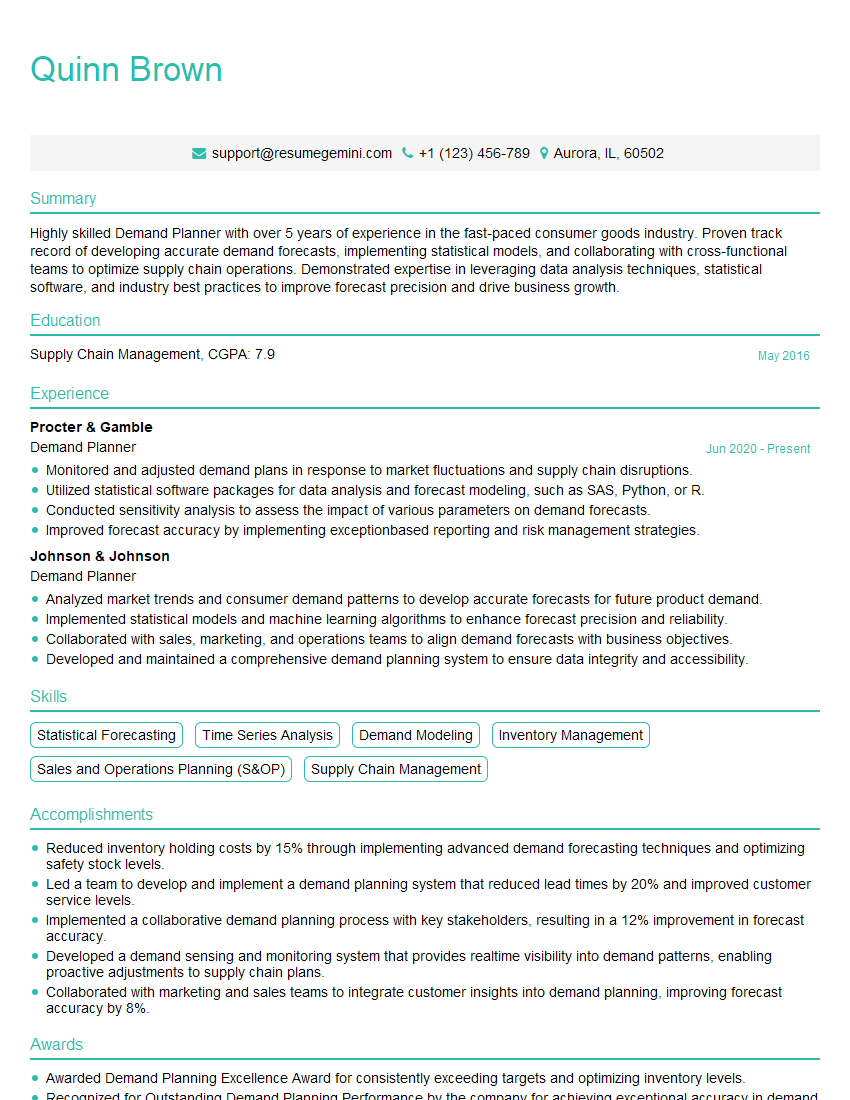
Demand Planner Resume Sample
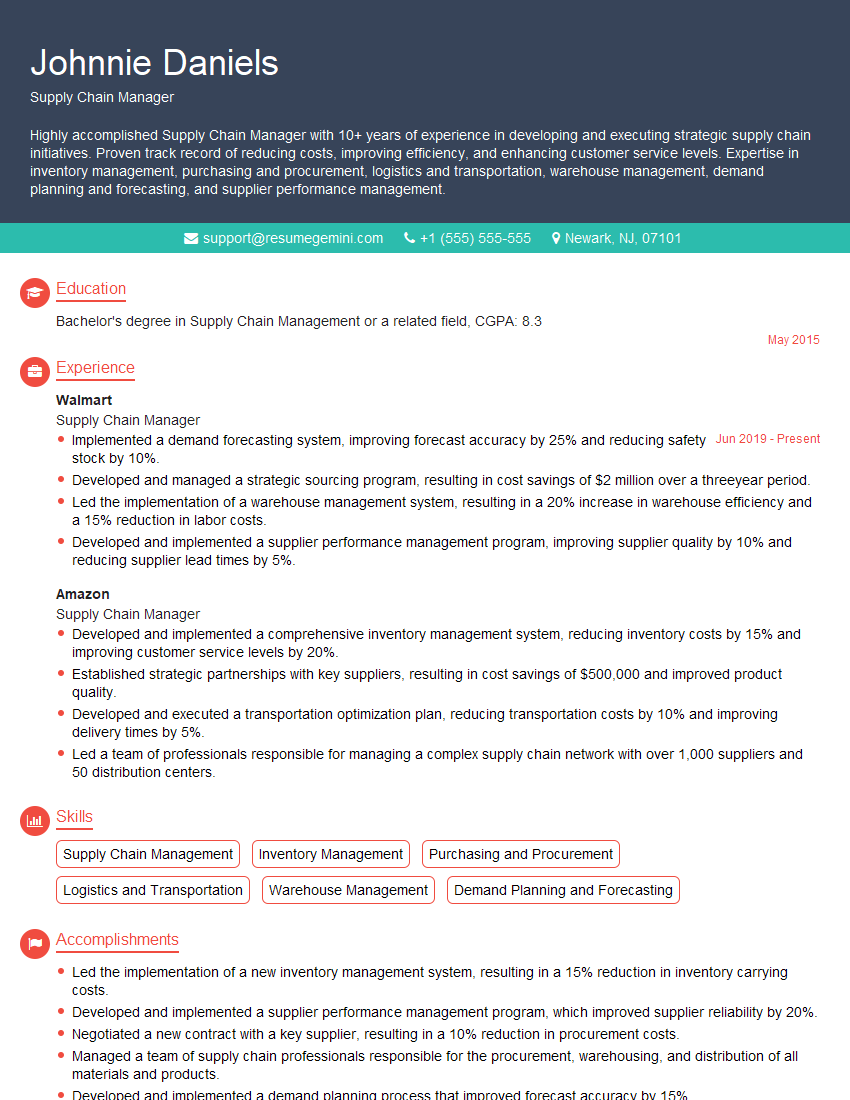
Supply Chain Manager Resume Sample
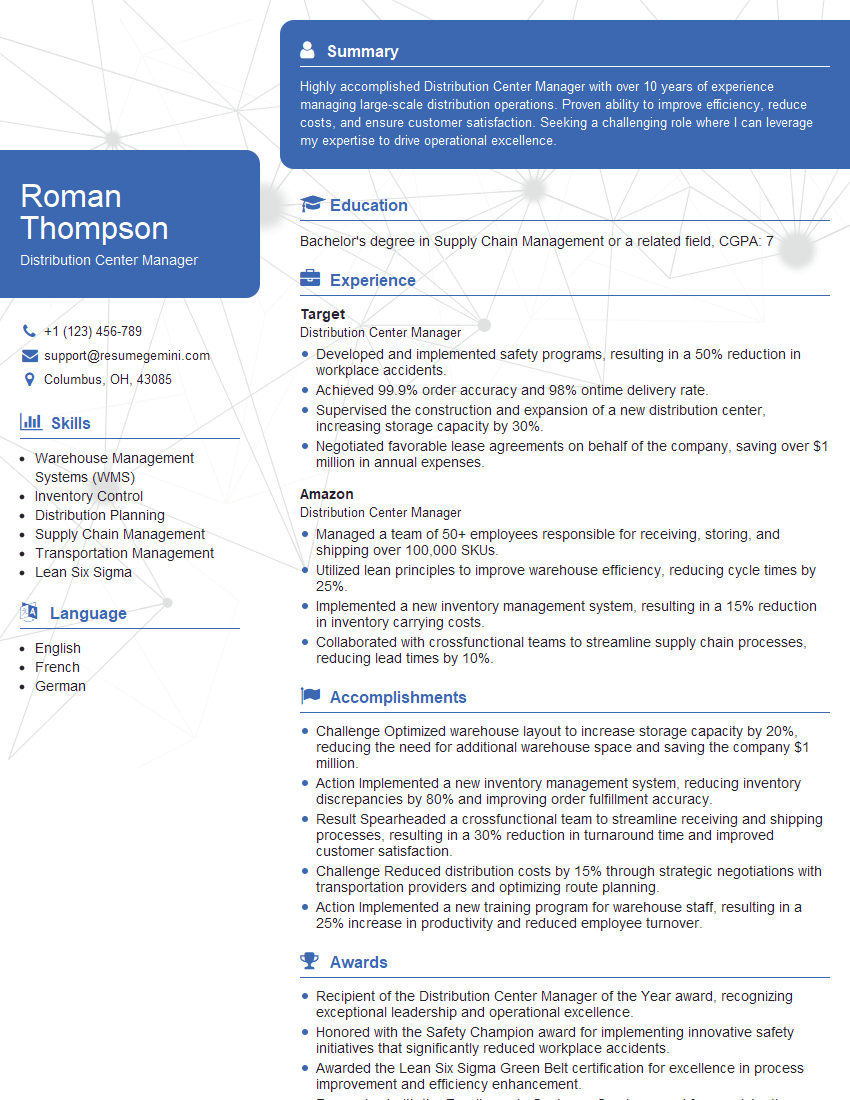
Distribution Center Manager Resume Sample
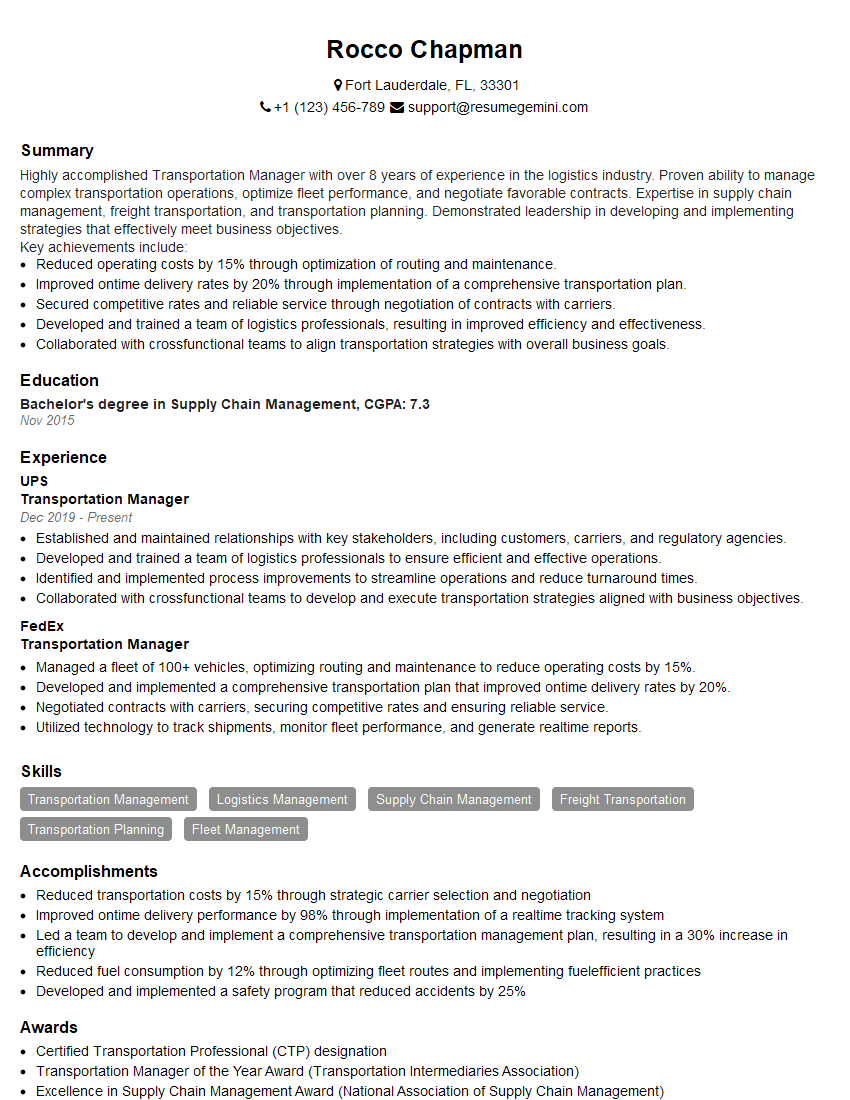
Transportation Manager Resume Sample
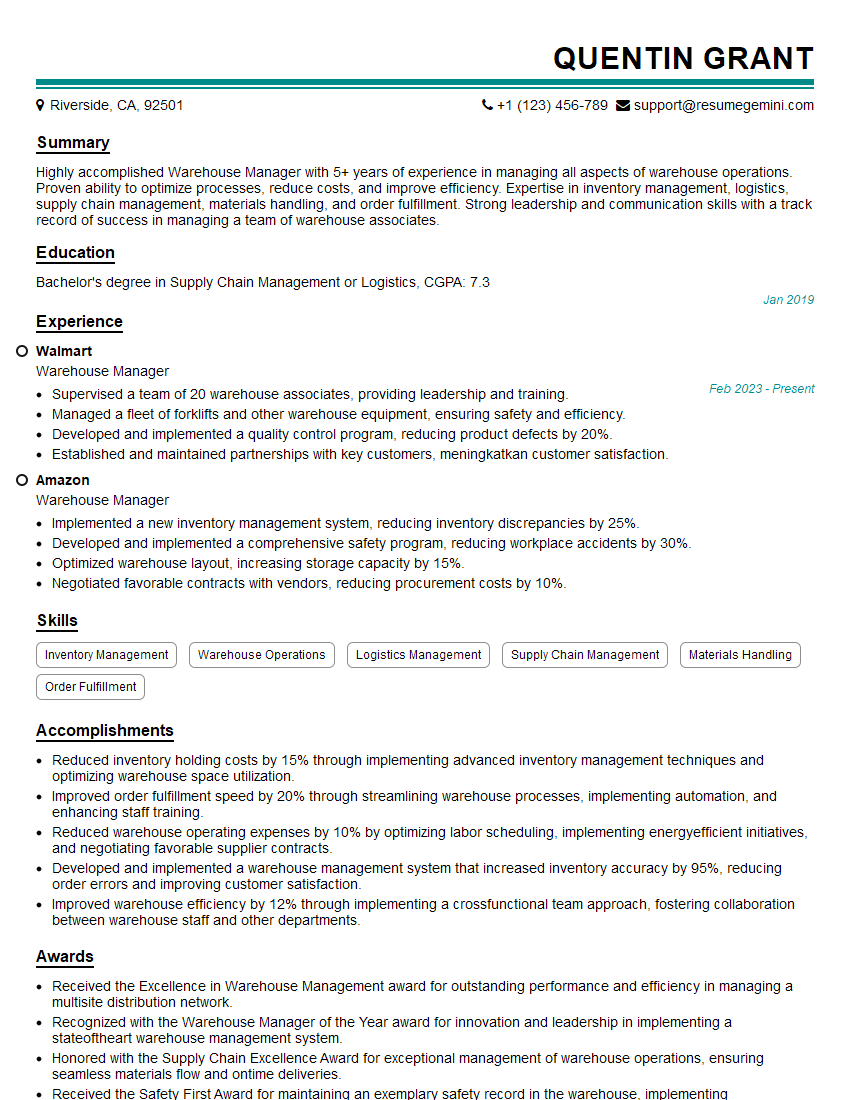
Warehouse Manager Resume Sample

Dispatch Manager Resume Sample
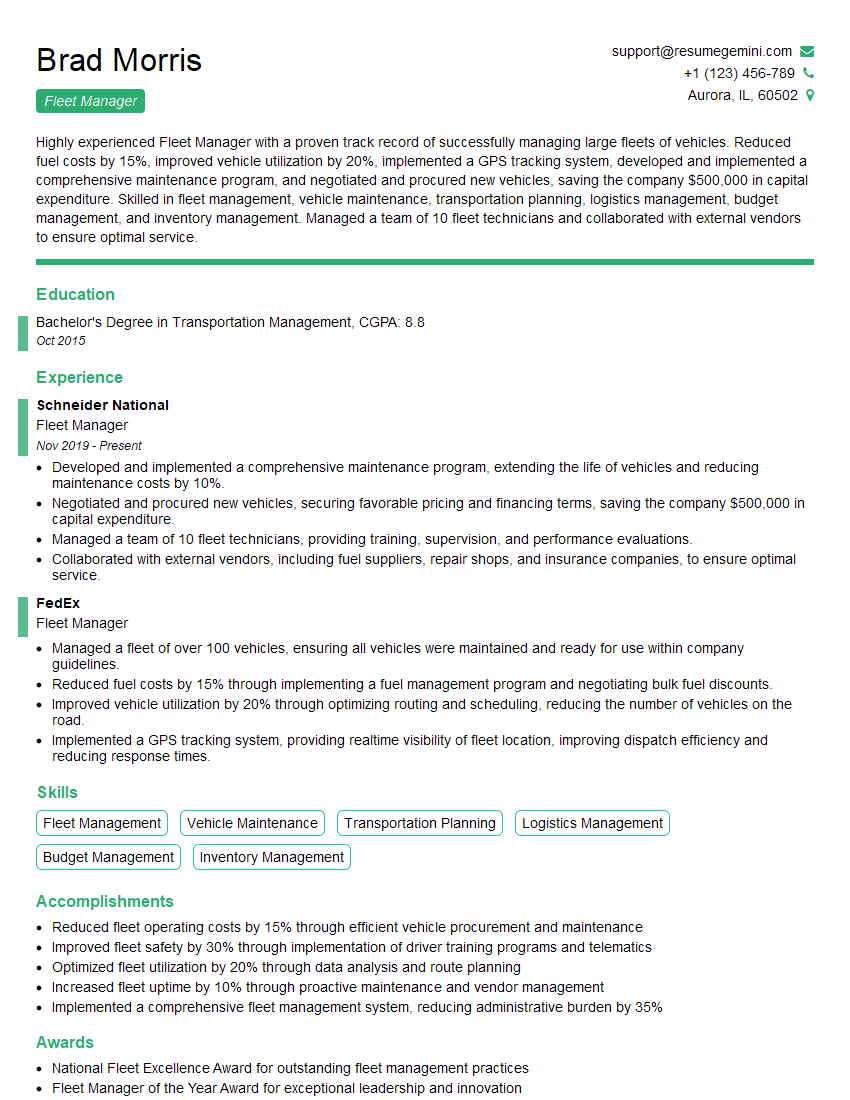
Fleet Manager Resume Sample
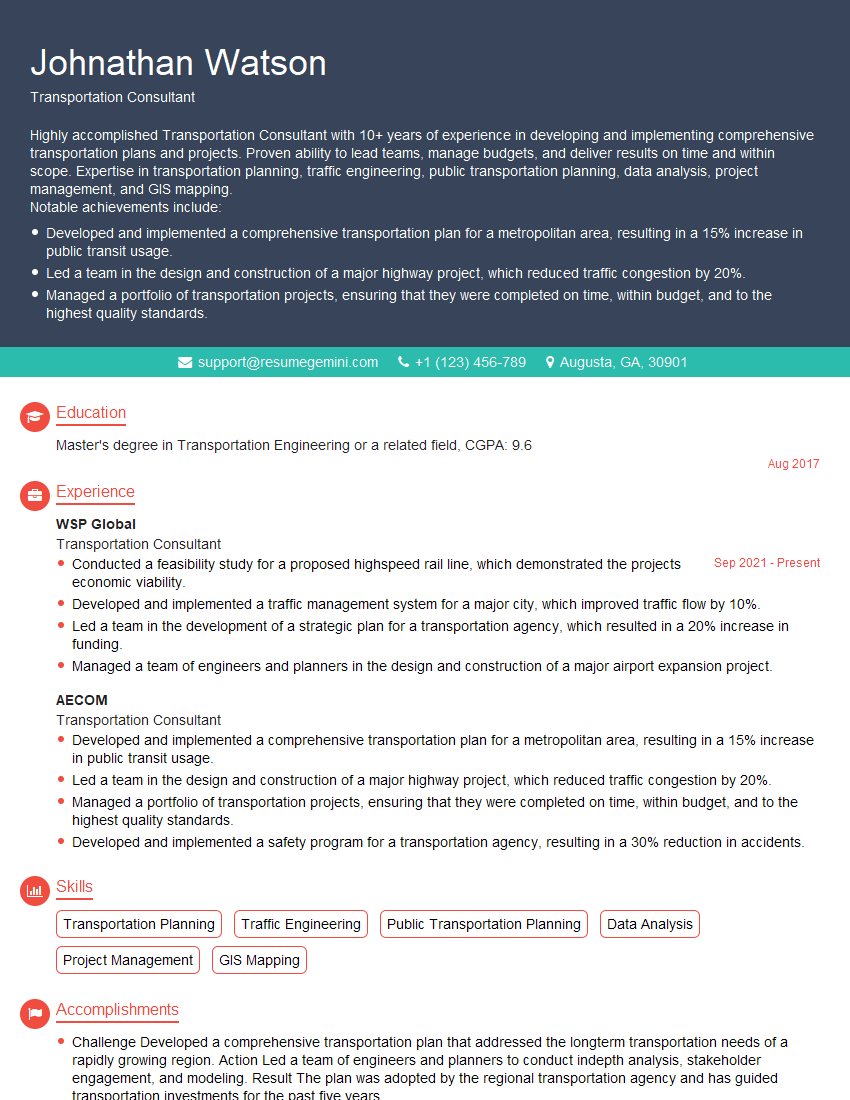
Transportation Consultant Resume Sample
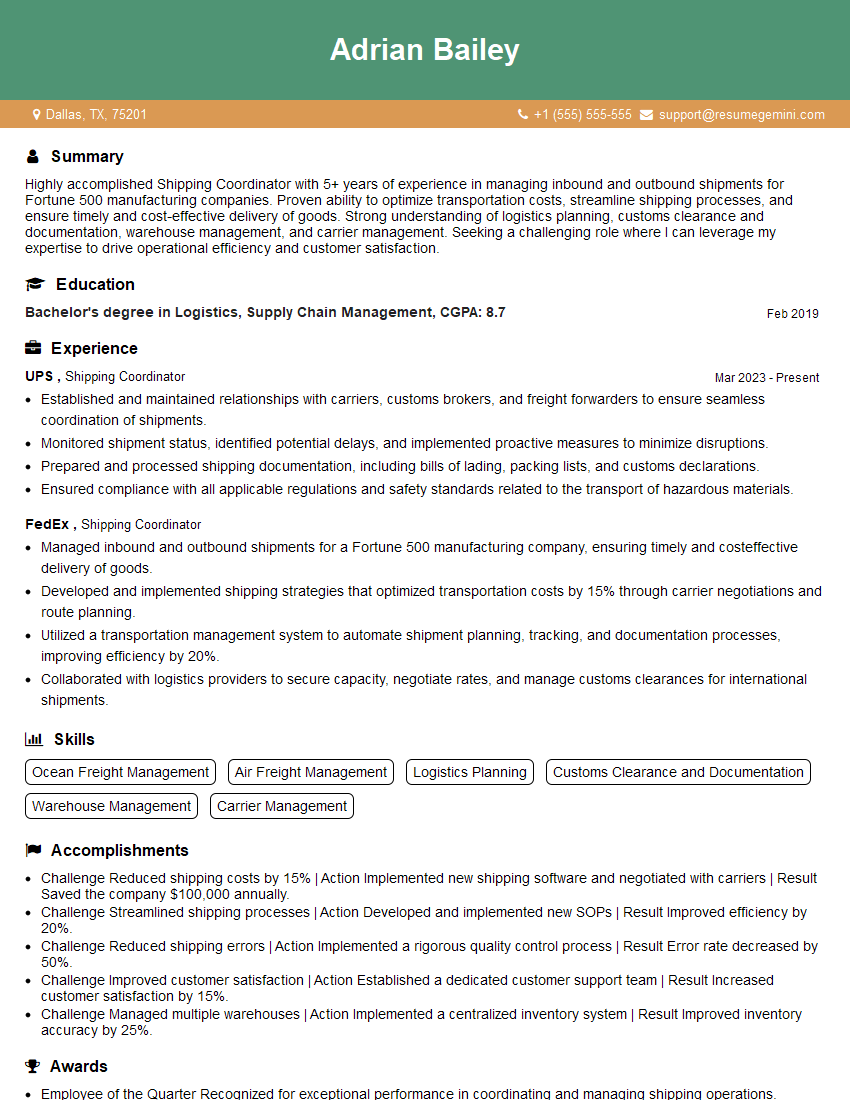
Shipping Coordinator Resume Sample
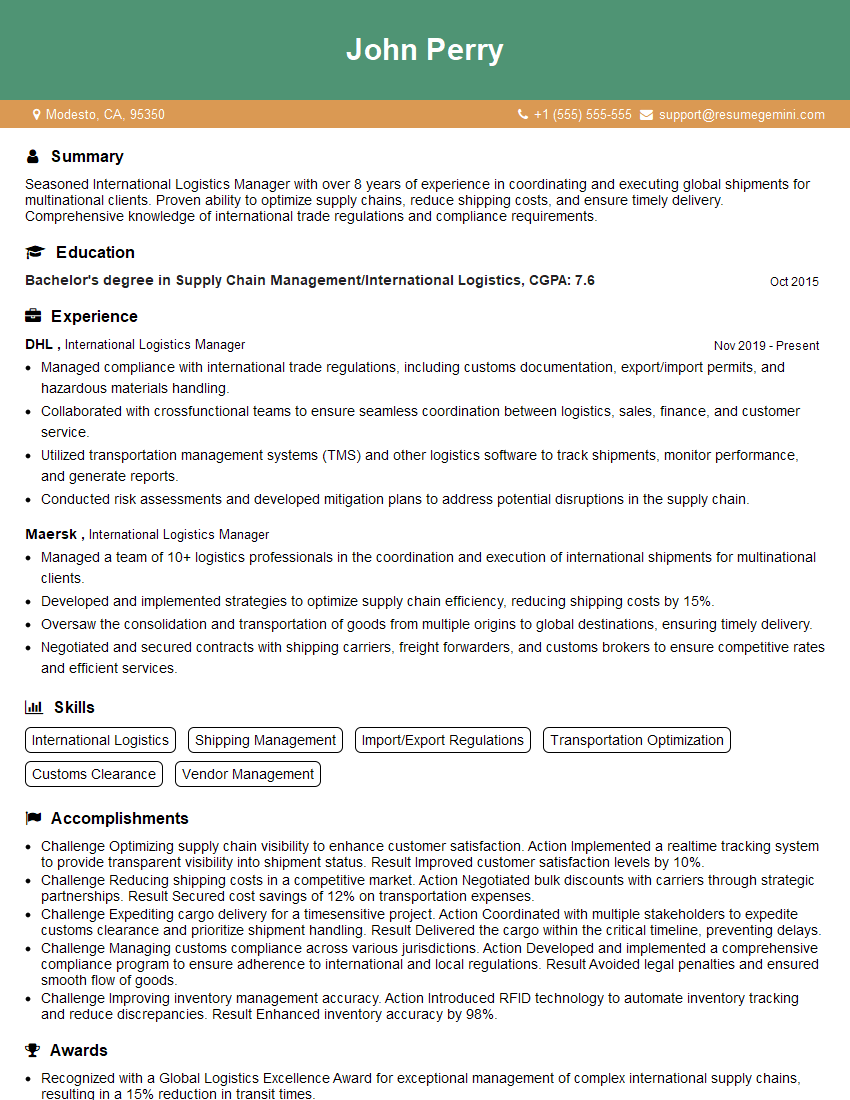
International Logistics Manager Resume Sample
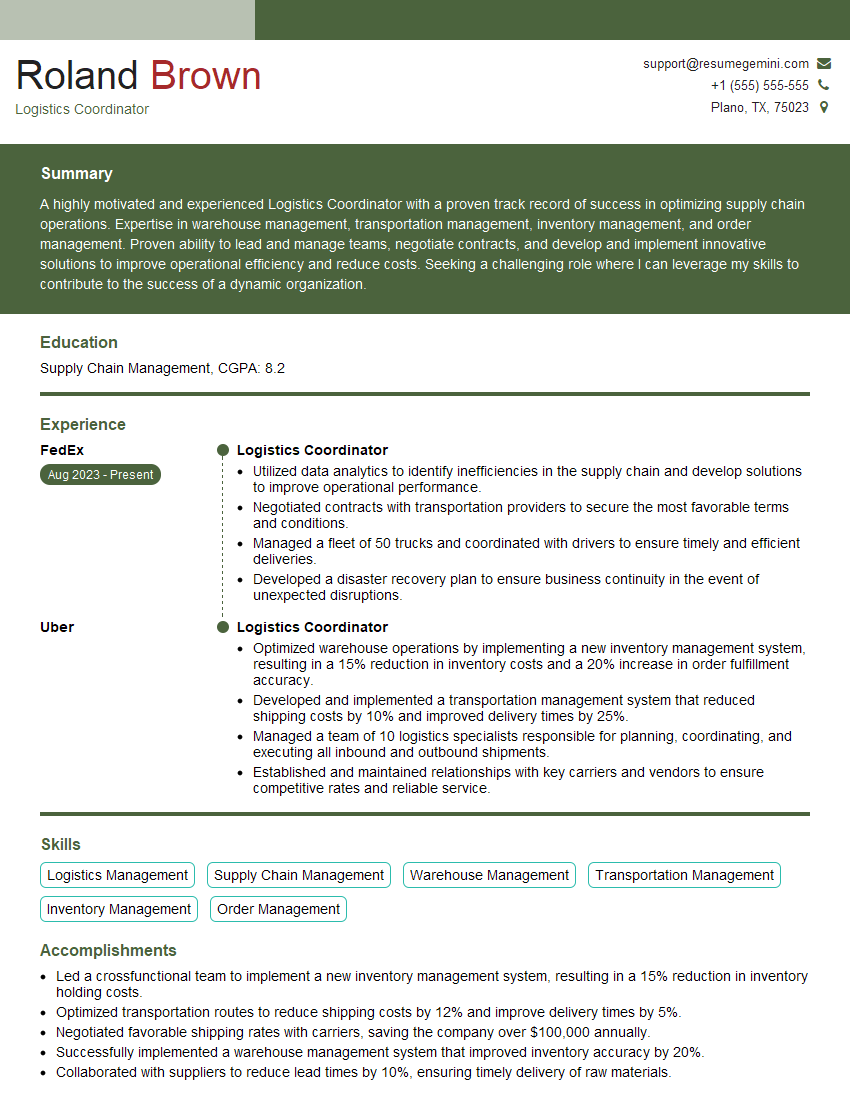
Logistics Coordinator Resume Sample
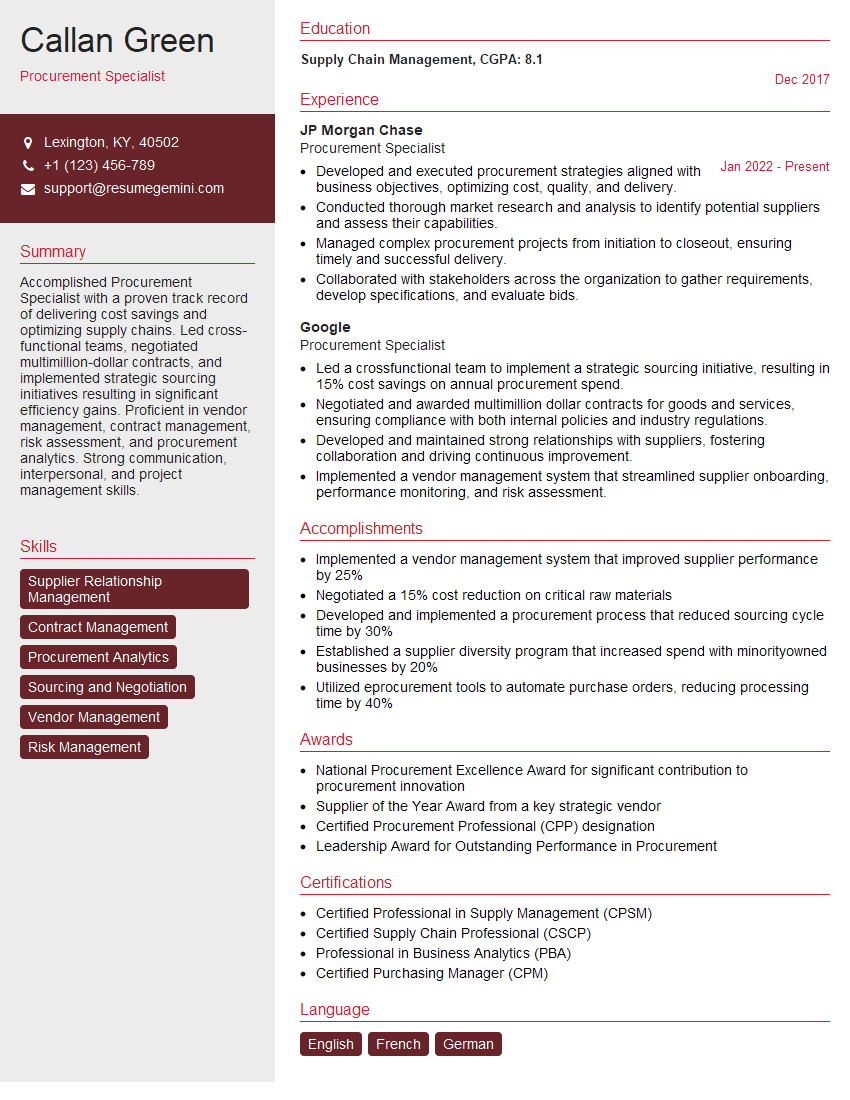
Procurement Specialist Resume Sample
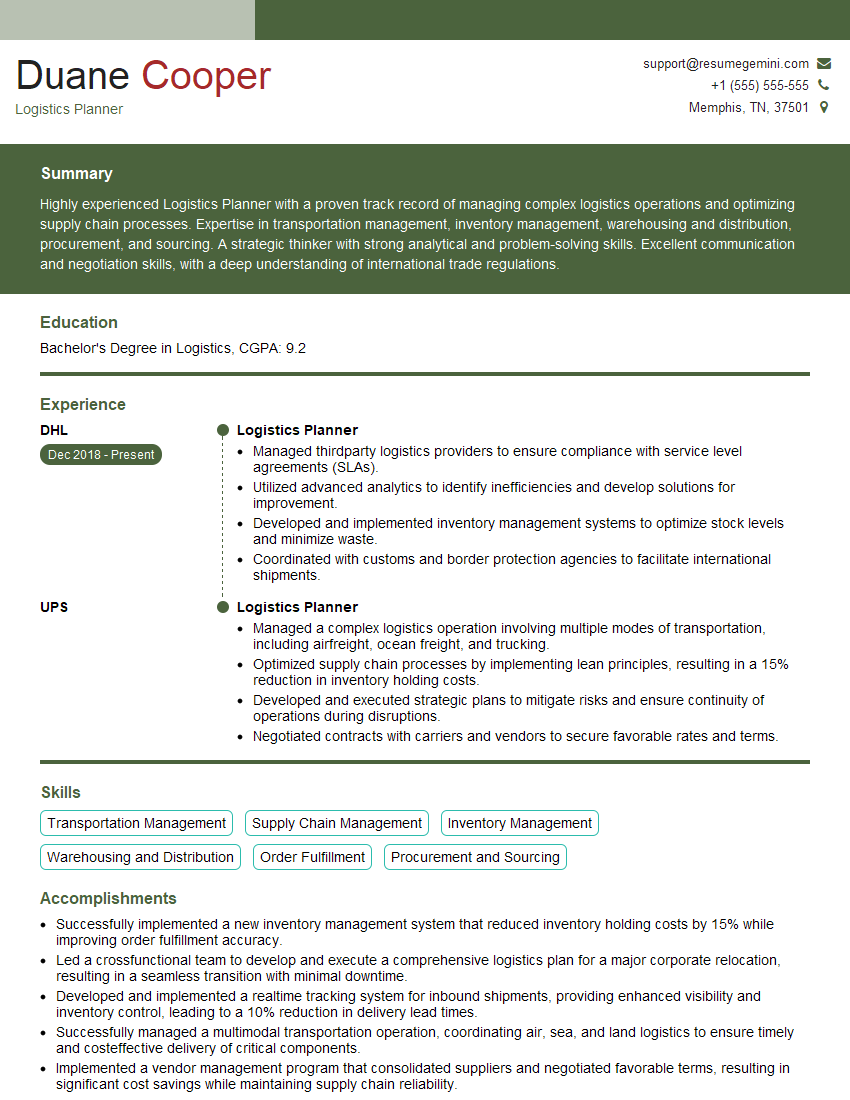
Logistics Planner Resume Sample
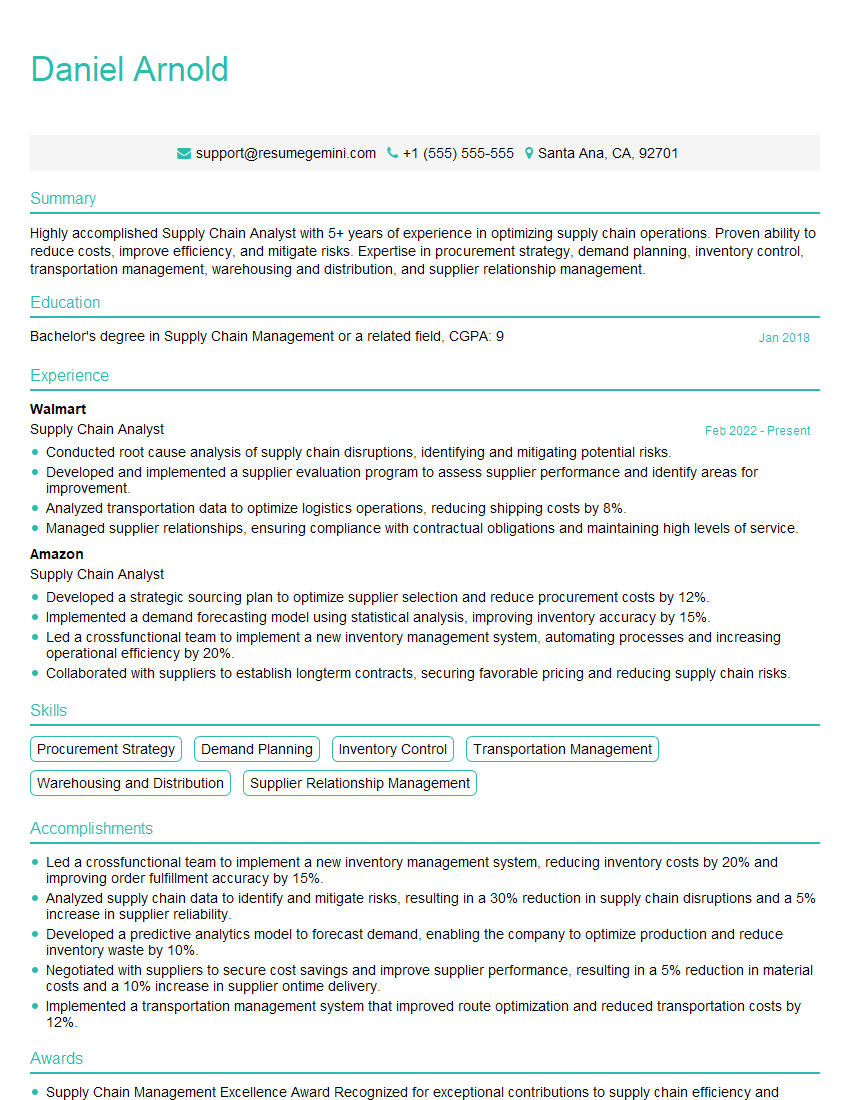
Supply Chain Analyst Resume Sample
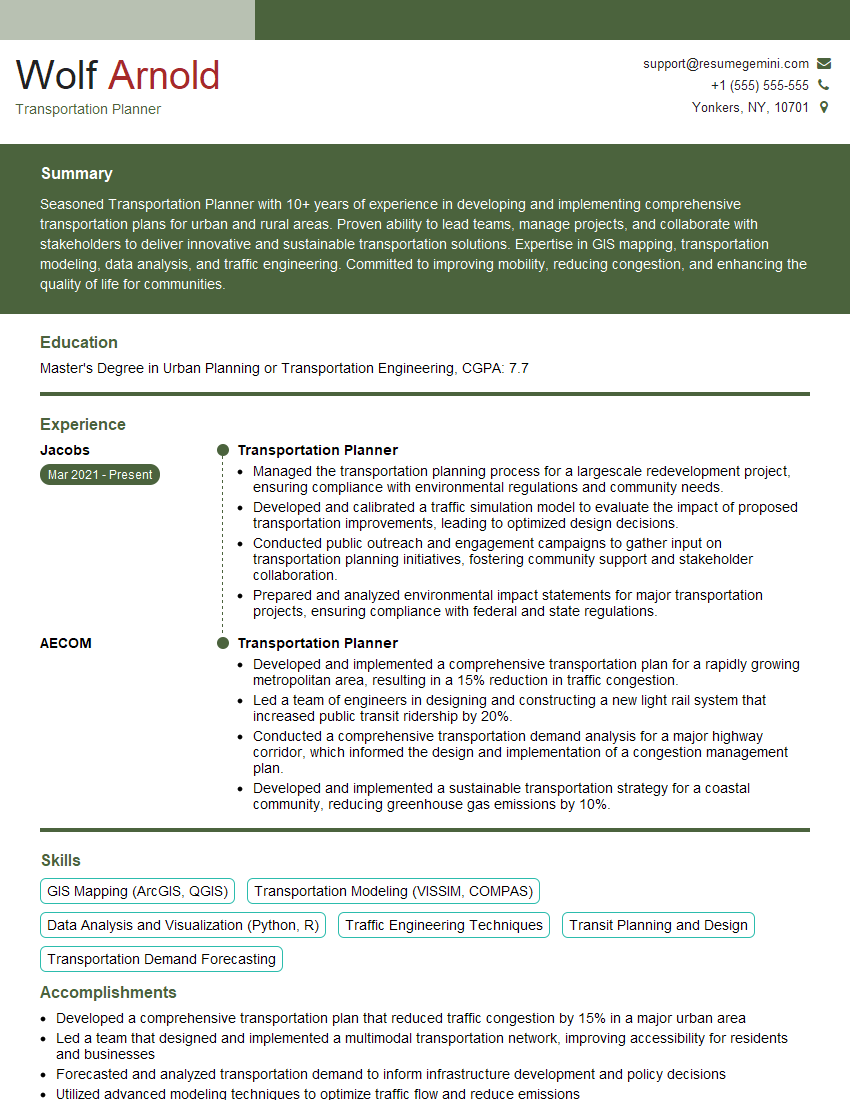
Transportation Planner Resume Sample
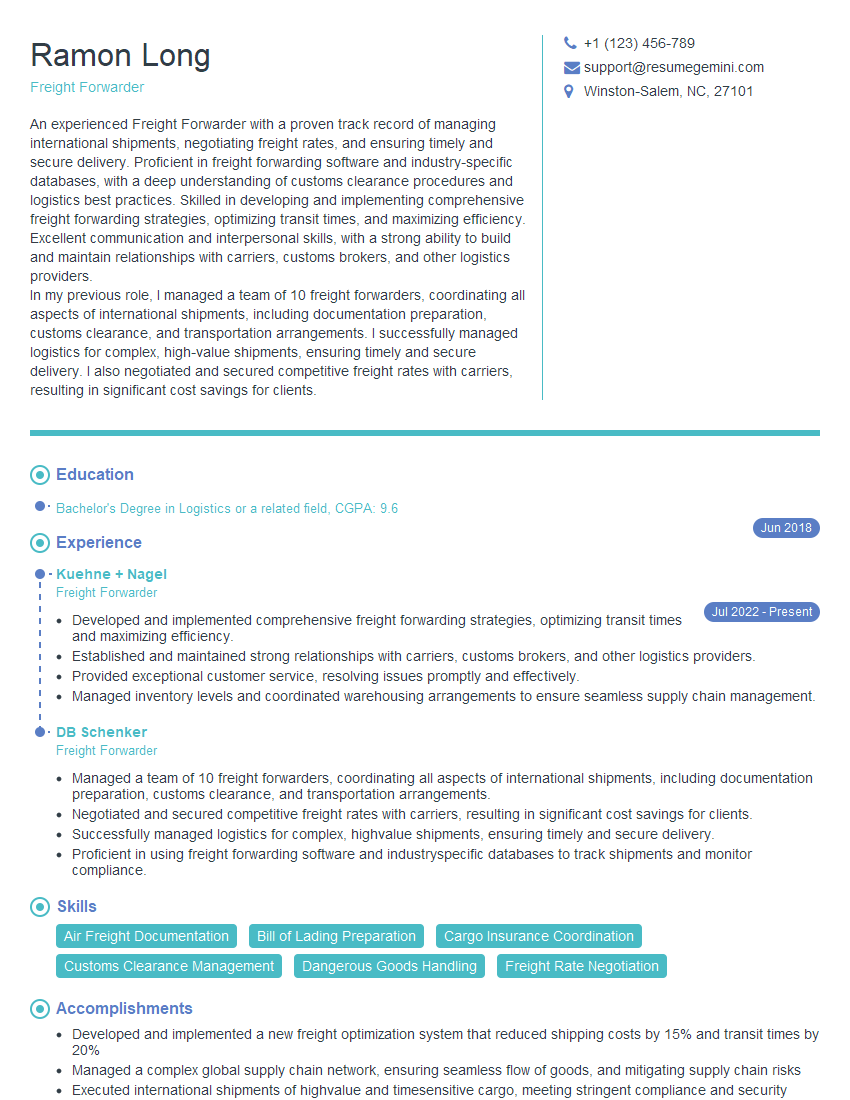
Freight Forwarder Resume Sample
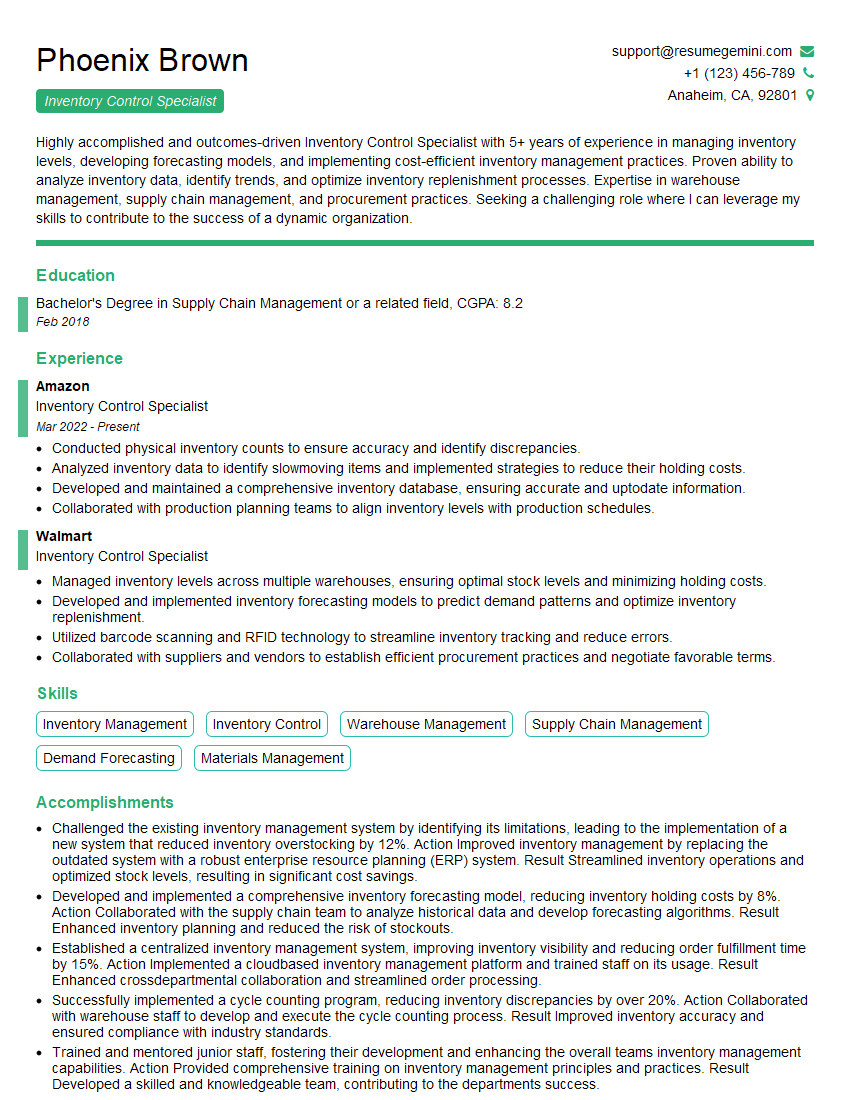
Inventory Control Specialist Resume Sample
- Operations Manager
- Demand Planner
- Supply Chain Manager
- Distribution Center Manager
- Transportation Manager
- Warehouse Manager
- Dispatch Manager
- Fleet Manager
- Transportation Consultant
- Shipping Coordinator
- International Logistics Manager
- Logistics Coordinator
- Procurement Specialist
- Logistics Planner
- Supply Chain Analyst
- Transportation Planner
- Freight Forwarder
- Inventory Control Specialist
Explore more articles
Users Rating of Our Blogs
Share Your Experience
We value your feedback! Please rate our content and share your thoughts (optional).
What Readers Say About Our Blog
Very informative content, great job.
good