Every successful interview starts with knowing what to expect. In this blog, we’ll take you through the top Log Transport interview questions, breaking them down with expert tips to help you deliver impactful answers. Step into your next interview fully prepared and ready to succeed.
Questions Asked in Log Transport Interview
Q 1. Explain the different modes of log transport (road, rail, sea, air) and their respective advantages and disadvantages.
Log transport utilizes various modes, each with its own strengths and weaknesses. Let’s explore road, rail, sea, and air transport.
- Road Transport: This is the most flexible mode, ideal for door-to-door delivery of smaller shipments and reaching remote areas. Advantages: High accessibility, speed for shorter distances, cost-effective for smaller loads. Disadvantages: Susceptible to traffic congestion and weather delays, higher fuel costs, limited cargo capacity compared to other modes.
- Rail Transport: Well-suited for transporting large quantities of goods over long distances. Advantages: High capacity, cost-effective for bulk shipments, less susceptible to traffic congestion than road. Disadvantages: Limited accessibility, slower than road transport, requires specialized infrastructure.
- Sea Transport: The most economical option for transporting massive volumes of goods across oceans. Advantages: Extremely high capacity, lowest cost per unit, suitable for large, bulky items. Disadvantages: Slowest mode, susceptible to weather disruptions and port congestion, requires specialized handling and packaging.
- Air Transport: The fastest mode, ideal for urgent, high-value, or time-sensitive goods. Advantages: Fastest transit times, ideal for perishable goods, secure for high-value items. Disadvantages: Most expensive mode, limited cargo capacity, stringent regulations and security procedures.
Choosing the right mode depends on factors like shipment size, urgency, cost, distance, and the nature of the goods. For instance, transporting fresh produce internationally would likely necessitate air freight due to its perishability, while bulk raw materials might be more economically transported by sea.
Q 2. Describe your experience with route optimization and planning software.
I have extensive experience using route optimization and planning software, such as [Software Name 1] and [Software Name 2]. These tools significantly enhance efficiency by considering factors like distance, traffic patterns, delivery deadlines, and fuel costs. They use sophisticated algorithms to generate the most efficient routes, minimizing transit times and operational costs. For example, in one project involving the delivery of building materials across a large metropolitan area, using route optimization software reduced delivery times by 15% and fuel consumption by 10%, demonstrating a tangible return on investment.
My proficiency extends to integrating these tools with our company’s Transportation Management System (TMS), allowing for seamless data exchange and real-time tracking and management of shipments. The ability to analyze historical data within these platforms enables us to identify recurring bottlenecks and refine our route planning strategies continually.
Q 3. How do you handle unexpected delays or disruptions in the log transport process?
Unexpected delays are an inherent part of log transport. My approach focuses on proactive risk management and reactive problem-solving.
- Proactive Measures: This involves careful route planning, considering potential disruptions like weather patterns, road closures, and port congestion. We utilize real-time traffic data and weather forecasts to anticipate potential problems. Diversification of routes and carriers is another key strategy to minimize impact if one route is affected.
- Reactive Measures: When disruptions occur, we leverage our TMS and communication systems to promptly assess the situation. This includes contacting carriers for updates, exploring alternative routes or modes of transport, and keeping clients informed transparently. For example, if a road is blocked, we might reroute the shipment using a different road or potentially utilize rail transport. We also have established relationships with various carriers to find alternative transportation options quickly in emergencies.
Maintaining open communication with all stakeholders is critical in handling disruptions effectively, ensuring minimal disruption to the supply chain.
Q 4. What are your methods for tracking and monitoring shipments in real-time?
We employ a multi-faceted approach to real-time tracking and monitoring, leveraging various technologies:
- GPS Tracking: GPS devices installed on vehicles provide real-time location data, allowing us to monitor the progress of shipments and anticipate potential delays.
- Telematics Systems: These systems offer more than just location data; they provide insights into vehicle performance, fuel consumption, driver behavior, and other relevant metrics, enabling proactive maintenance and improved route optimization.
- Transportation Management Systems (TMS): Our TMS integrates data from various sources, providing a centralized platform for monitoring all shipments, generating reports, and managing exceptions.
- Electronic Data Interchange (EDI): EDI facilitates seamless data exchange with carriers and clients, providing real-time updates on shipment status.
This integrated approach allows us to proactively address potential issues, provide accurate delivery estimations to clients, and optimize our operational efficiency. We provide clients with access to online portals for tracking shipments independently, promoting transparency and customer satisfaction.
Q 5. Explain your understanding of Incoterms and their impact on log transport.
Incoterms (International Commercial Terms) are standardized trade terms that define the responsibilities of buyers and sellers in international trade transactions. They significantly impact log transport by clearly defining who is responsible for various aspects of the shipping process, including cost and risk.
For example, under FOB (Free On Board), the seller is responsible for delivering the goods to the designated port, while the buyer assumes responsibility for the cost and risk of ocean freight. Conversely, under CIF (Cost, Insurance, and Freight), the seller is responsible for the cost of goods, insurance, and freight to the destination port. Misunderstanding Incoterms can lead to disputes and financial losses. Therefore, careful consideration and clear agreement on the applicable Incoterms are crucial before initiating any international shipment to avoid ambiguity and ensure smooth transport.
Q 6. How do you ensure compliance with relevant regulations and safety standards in log transport?
Compliance with regulations and safety standards is paramount in log transport. We adhere to a robust compliance framework that includes:
- Driver Training and Qualification: Our drivers undergo regular training on safe driving practices, vehicle maintenance, and regulatory compliance. We ensure that they possess the necessary licenses and certifications.
- Vehicle Maintenance and Inspection: Our vehicles undergo regular maintenance and safety inspections to ensure they meet all operational and safety standards. We maintain meticulous records of these inspections.
- Cargo Security: We employ appropriate security measures to protect cargo from theft and damage, including secure storage facilities and GPS tracking.
- Regulatory Compliance: We remain informed about and adhere to all relevant national and international regulations pertaining to transportation, including weight limits, hazardous materials handling, and environmental regulations.
- Insurance and Liability: We maintain comprehensive insurance coverage to mitigate potential risks and liabilities.
Continuous monitoring and auditing of our processes ensure consistent adherence to these standards, mitigating risks and minimizing the chance of non-compliance issues. We actively participate in industry best practices and training programs to remain up-to-date with changing regulations and improve our compliance efforts.
Q 7. Describe your experience with different types of cargo and their specific handling requirements.
My experience encompasses a wide range of cargo types, each requiring specific handling considerations:
- General Cargo: This encompasses a broad spectrum of goods and requires standard handling practices, focusing on efficient loading, securing, and unloading. Proper packaging and labeling are crucial.
- Hazardous Materials: Transporting hazardous materials mandates strict adherence to safety regulations, including specialized packaging, labeling, and handling procedures. Dedicated personnel with specific training handle such shipments.
- Refrigerated Cargo: Perishable goods necessitate the use of refrigerated containers and trucks to maintain specific temperature ranges throughout transit. Continuous monitoring of temperature is essential to prevent spoilage.
- Oversized or Heavy Cargo: These require specialized equipment and planning for transport, often involving permits and route planning that accommodates size and weight restrictions.
- Live Animals: Transporting live animals involves stringent regulations regarding animal welfare, including appropriate housing, feeding, and ventilation during transit.
Understanding the unique characteristics and handling requirements of each cargo type is crucial for ensuring its safe and timely delivery. This includes appropriate documentation, specialized equipment, and adherence to industry best practices to avoid damage, delays, and potential safety hazards.
Q 8. How do you manage logistics costs and optimize efficiency in log transport?
Managing logistics costs and optimizing efficiency in log transport requires a multifaceted approach focusing on route optimization, efficient vehicle utilization, and strategic partnerships. Think of it like orchestrating a complex symphony – each instrument (truck, driver, warehouse) needs to play its part perfectly for a harmonious outcome.
- Route Optimization: We leverage sophisticated route planning software that considers factors like traffic patterns, road conditions, and delivery deadlines. This minimizes mileage, fuel consumption, and driver downtime. For example, we might utilize algorithms to consolidate deliveries in a specific geographic area, avoiding unnecessary backtracking.
- Efficient Vehicle Utilization: Proper load planning is key. We avoid partial loads whenever possible, ensuring trucks are operating at near-capacity. This reduces the number of trips needed and consequently lowers fuel costs and driver expenses. We also monitor vehicle maintenance meticulously to minimize breakdowns and unexpected delays.
- Strategic Partnerships: Collaborating with reliable carriers and freight brokers can unlock cost savings through negotiated rates and access to wider transportation networks. Strong relationships foster trust and ensure smooth operations even during peak seasons.
- Technology Integration: Real-time tracking and monitoring systems provide data-driven insights into operational efficiency. We can identify bottlenecks, optimize delivery schedules, and proactively address potential issues.
By strategically implementing these strategies, we consistently reduce transportation costs while improving delivery times and overall customer satisfaction.
Q 9. What are your strategies for managing risks associated with log transport (e.g., theft, damage, delays)?
Risk management in log transport involves proactive measures to mitigate potential issues such as theft, damage, and delays. It’s about anticipating problems and putting robust strategies in place to handle them effectively.
- Theft Prevention: This includes using secure vehicles equipped with GPS tracking and alarm systems. We also utilize cargo insurance and work closely with law enforcement to report and deter theft. Furthermore, thorough driver vetting and background checks are crucial.
- Damage Mitigation: Proper packaging and handling procedures are fundamental to preventing damage. We use appropriate packaging materials and ensure drivers are trained in safe loading and unloading techniques. Regular equipment inspections also play a vital role.
- Delay Management: Real-time tracking allows for proactive response to potential delays. We have contingency plans in place, such as alternative routes and backup carriers, to ensure timely delivery even in unforeseen circumstances. Accurate weather forecasting and proactive communication with customers help mitigate delay impacts.
- Insurance and Contractual Protections: Comprehensive cargo insurance protects against loss or damage. We negotiate detailed contracts with carriers, clearly outlining responsibilities and liabilities in case of delays or accidents.
A robust risk management framework is not a one-size-fits-all approach. We tailor our strategies to the specific characteristics of each shipment, considering factors such as the goods being transported, the route, and the environmental conditions.
Q 10. Explain your experience with Transportation Management Systems (TMS).
Transportation Management Systems (TMS) are essential tools for streamlining and optimizing log transport operations. They’re like the conductor of an orchestra, coordinating all aspects of the transportation process.
My experience with TMS includes implementing and managing systems from several leading vendors. This involved configuring the system to meet our specific needs, including route optimization, carrier selection, and shipment tracking. I’ve utilized TMS to:
- Automate tasks: TMS automates many manual processes, such as generating shipping documents, scheduling deliveries, and tracking shipments. This saves time and reduces errors.
- Improve visibility: Real-time tracking capabilities provide complete visibility into the location and status of shipments. This allows us to proactively address any potential issues.
- Reduce costs: TMS helps to optimize routes, improve load planning, and negotiate better rates with carriers, leading to significant cost reductions.
- Enhance collaboration: TMS facilitates seamless communication and collaboration between different stakeholders, including shippers, carriers, and customers.
For example, in a previous role, I successfully implemented a new TMS, resulting in a 15% reduction in transportation costs and a 10% improvement in on-time delivery performance within six months.
Q 11. Describe your experience with Warehouse Management Systems (WMS) and their integration with log transport.
Warehouse Management Systems (WMS) play a crucial role in efficient inventory management and order fulfillment, and their integration with log transport is vital for seamless operations. Imagine WMS as the efficient stockroom manager, ensuring the right goods are ready for shipment at the right time.
My experience with WMS includes system selection, implementation, and integration with our TMS. This integration allows for:
- Real-time inventory visibility: WMS provides real-time updates on inventory levels, enabling accurate shipment scheduling and preventing stockouts.
- Automated order fulfillment: WMS automates the picking, packing, and shipping processes, leading to faster turnaround times and improved accuracy.
- Optimized warehouse layout: WMS helps optimize warehouse layout and workflows, minimizing travel time and improving overall efficiency.
- Improved data accuracy: WMS reduces manual data entry and ensures data consistency, minimizing errors and improving the accuracy of logistics information.
For example, the seamless integration between our WMS and TMS ensures that orders are automatically released to the transport system as soon as they’re ready, eliminating manual data transfer and reducing the risk of errors. This improves efficiency and reduces lead times.
Q 12. How do you handle customer inquiries and complaints related to log transport?
Handling customer inquiries and complaints related to log transport requires a proactive and empathetic approach. We aim to resolve issues quickly and effectively, turning potential negative experiences into positive ones.
Our process involves:
- Prompt acknowledgment: All inquiries and complaints are acknowledged promptly, ensuring customers feel heard and valued.
- Thorough investigation: We thoroughly investigate each complaint to understand the root cause of the problem.
- Transparent communication: We keep customers informed throughout the investigation and resolution process.
- Fair and equitable resolution: We strive to provide fair and equitable solutions to customer complaints, often offering compensation or other forms of redress.
- Proactive measures: We analyze customer feedback to identify trends and implement proactive measures to prevent similar issues from occurring in the future.
For example, if a customer reports a delayed shipment, we immediately track the shipment’s location, investigate the cause of the delay, and provide the customer with an updated estimated time of arrival (ETA). If the delay is our fault, we offer a suitable compensation.
Q 13. What is your experience with international log transport and customs procedures?
My experience with international log transport and customs procedures is extensive. Navigating international logistics requires a deep understanding of regulations, documentation, and cross-border processes. It’s like navigating a complex maze, but with the right map and expertise, it becomes manageable.
I have managed numerous international shipments, handling all aspects from documentation preparation to customs clearance. My expertise includes:
- Understanding Incoterms: Proficient in interpreting and applying Incoterms rules to clearly define responsibilities and liabilities between parties in international trade.
- Customs Compliance: Ensuring compliance with customs regulations in various countries, including preparing the necessary documentation (e.g., commercial invoices, packing lists, certificates of origin).
- Dealing with Freight Forwarders: Working effectively with freight forwarders to manage the international leg of shipments, including customs brokerage and handling any necessary documentation.
- Managing Export and Import Procedures: Experience in handling both export and import procedures, including documentation, compliance, and communication with relevant authorities.
For instance, I successfully navigated complex customs regulations in a recent shipment of sensitive equipment to Japan, ensuring timely clearance and avoiding potential penalties. This involved coordinating with a local customs broker, preparing all required documentation meticulously, and proactively addressing any queries from customs officials.
Q 14. Explain your understanding of different freight contracts and their implications.
Different freight contracts have significant implications for the responsibilities, liabilities, and costs associated with log transport. Choosing the right contract is crucial for protecting both the shipper and the carrier.
My experience encompasses various freight contracts, including:
- FCL (Full Container Load): This is ideal for large shipments where a full container is utilized. It’s typically more cost-effective per unit but requires a larger volume of goods.
- LCL (Less than Container Load): Suited for smaller shipments where the cargo shares a container with other shippers. More convenient for smaller volumes but can be slightly more expensive per unit.
- FOB (Free On Board): The seller is responsible for delivering the goods to the port of shipment, while the buyer is responsible for transportation from there. This clarifies responsibility but requires careful coordination at the point of transfer.
- CIF (Cost, Insurance, and Freight): The seller is responsible for the cost of the goods, insurance, and freight to the named port of destination. This simplifies the buyer’s responsibilities but increases the seller’s.
- EXW (Ex Works): The seller’s only obligation is to make the goods available at their premises. This places more responsibility on the buyer, including arranging all transportation and export formalities.
Understanding these contracts and their nuances is vital for negotiation, risk management, and ensuring a smooth and efficient transportation process. For example, in a recent negotiation, we opted for an FOB contract to minimize our responsibility and costs while ensuring the buyer was clear about their obligations.
Q 15. How do you manage relationships with carriers and other stakeholders in the log transport process?
Managing relationships with carriers and stakeholders in log transport is crucial for efficient and reliable operations. It’s about building trust and fostering collaborative partnerships. I approach this through a multi-faceted strategy:
- Open Communication: Regular meetings, clear communication channels (email, phone, project management software), and transparent updates on shipments are key. This ensures everyone is informed and aligned on expectations.
- Performance Monitoring and Feedback: I utilize Key Performance Indicators (KPIs) to track carrier performance (on-time delivery, damage rates, etc.). Regular feedback, both positive and constructive, helps identify areas for improvement and strengthens the relationship. For example, I’d highlight a carrier’s exceptional performance on a particularly challenging delivery to encourage continued excellence.
- Service Level Agreements (SLAs): Clearly defined SLAs outline expectations for service quality, response times, and dispute resolution. This ensures accountability and transparency. For instance, an SLA might stipulate a maximum response time of 2 hours to any logistical query.
- Conflict Resolution: Proactive problem-solving is essential. I implement a structured approach to address issues, focusing on finding mutually beneficial solutions. This might involve mediation or negotiating revised delivery schedules, for example.
- Relationship Building: Building strong personal relationships with key contacts at carriers is vital. Trust and mutual respect are built through regular interaction and collaborative problem-solving.
In one instance, I successfully navigated a critical shortage of refrigerated trucks during a peak season by proactively communicating with multiple carriers, negotiating higher rates temporarily, and securing alternative transport options. This highlighted the value of a strong carrier network and open communication during unexpected challenges.
Career Expert Tips:
- Ace those interviews! Prepare effectively by reviewing the Top 50 Most Common Interview Questions on ResumeGemini.
- Navigate your job search with confidence! Explore a wide range of Career Tips on ResumeGemini. Learn about common challenges and recommendations to overcome them.
- Craft the perfect resume! Master the Art of Resume Writing with ResumeGemini’s guide. Showcase your unique qualifications and achievements effectively.
- Don’t miss out on holiday savings! Build your dream resume with ResumeGemini’s ATS optimized templates.
Q 16. Describe your experience with using GPS tracking and other technologies to improve log transport efficiency.
GPS tracking and other technologies have revolutionized log transport efficiency. My experience spans several technologies, including:
- GPS Tracking: Real-time tracking provides visibility into shipment location, speed, and estimated time of arrival (ETA). This enables proactive management of delays, optimized routing, and improved customer communication. For example, if a truck is significantly delayed due to unexpected traffic, I can quickly reroute or inform the customer.
- Telematics: Telematics systems gather data on vehicle performance (fuel consumption, engine diagnostics, driver behavior) to identify areas for improvement in fuel efficiency and driver safety. Data analysis has allowed us to reduce fuel costs by 15% in one project, through driver training focusing on efficient driving techniques highlighted by the telematics data.
- Electronic Logging Devices (ELDs): ELDs automate driver logbook maintenance, ensuring compliance with hours-of-service regulations. This reduces administrative burden and minimizes the risk of fines.
- Route Optimization Software: These software applications analyze various factors (traffic, road closures, delivery schedules) to suggest the most efficient routes, minimizing transit times and fuel consumption.
Integrating these technologies creates a comprehensive view of the transport process, enabling data-driven decision-making for optimizing efficiency and cost-effectiveness. The ROI on these investments has been significant, with considerable improvements in on-time delivery and cost reduction.
Q 17. How do you ensure the timely and accurate delivery of goods?
Ensuring timely and accurate delivery relies on a combination of proactive planning and real-time monitoring:
- Precise Scheduling and Routing: Accurate delivery schedules are established considering factors such as traffic patterns, delivery windows, and potential delays. Route optimization software assists in identifying the most efficient routes.
- Real-time Tracking and Monitoring: GPS tracking provides continuous visibility into the location and progress of shipments, enabling proactive intervention in case of delays or unforeseen circumstances. Automated alerts notify relevant personnel of any deviations from the planned schedule.
- Proactive Communication: Regular updates are provided to customers and stakeholders, keeping them informed about the shipment status. This builds trust and minimizes potential frustrations due to unexpected delays.
- Efficient Handling and Documentation: Clear documentation (bills of lading, proof of delivery) ensures accurate tracking and reduces the risk of errors. Efficient warehouse operations contribute to swift loading and unloading times.
- Contingency Planning: Having backup plans for potential disruptions (weather, traffic congestion, equipment failure) is essential. This might involve using alternative routes or engaging backup carriers.
For example, during a severe snowstorm, we successfully rerouted several shipments using real-time traffic data and secured alternative transport options for sensitive time-critical deliveries. This prevented significant delays and maintained our commitment to on-time delivery.
Q 18. What metrics do you use to measure the performance of log transport operations?
Measuring the performance of log transport operations requires a balanced set of KPIs focusing on various aspects of the process. These include:
- On-Time Delivery Rate: Percentage of shipments delivered within the scheduled timeframe. A higher rate indicates efficient operations.
- Damage Rate: Percentage of shipments experiencing damage during transit. Lower rates indicate improved handling and packaging procedures.
- Cost per Mile: Total cost of transportation divided by the total miles traveled. Lower costs indicate operational efficiency.
- Fuel Efficiency: Measured by miles per gallon (mpg). Higher mpg signifies cost savings and reduced environmental impact.
- Driver Performance: Assessed through metrics like on-time performance, safety record, and adherence to regulations.
- Customer Satisfaction: Measured through surveys or feedback mechanisms. High satisfaction indicates improved service quality.
I regularly analyze these KPIs to identify trends, pinpoint areas for improvement, and track the effectiveness of implemented changes. Dashboards visualizing these metrics provide clear insights into overall operational performance.
Q 19. How do you handle situations involving damaged or lost goods?
Handling damaged or lost goods requires a systematic and documented approach:
- Immediate Investigation: Thorough investigation of the incident, including gathering evidence (photos, witness statements, delivery documentation), is crucial. This helps determine the cause of the damage or loss.
- Claims Processing: Filing claims with the appropriate parties (carriers, insurers) based on established procedures and documentation is essential. This includes providing all necessary evidence to support the claim.
- Customer Communication: Open communication with the customer is crucial, keeping them informed about the investigation and the claim process. This builds trust and minimizes frustration.
- Preventive Measures: Analyzing the cause of the incident helps identify ways to prevent similar situations in the future. This might involve improvements in packaging, handling procedures, or carrier selection.
- Documentation and Record Keeping: Maintaining detailed records of all incidents, investigations, and claim processes is crucial for compliance and future analysis.
In one case, a shipment of fragile goods was damaged. By meticulously documenting the damage with photographs and the delivery driver’s statement, we successfully processed a claim with the carrier and secured full compensation for the customer. The incident also led to us implementing improved packaging standards for similar shipments.
Q 20. Explain your experience with inventory management as it relates to log transport.
Inventory management is intrinsically linked to log transport. Effective inventory management minimizes storage costs, reduces lead times, and ensures goods are available when needed. My experience includes:
- Demand Forecasting: Accurate demand forecasting helps optimize inventory levels and transportation scheduling, minimizing storage costs and potential stockouts.
- Warehouse Management Systems (WMS): Utilizing WMS software for tracking inventory levels, managing stock movements, and optimizing warehouse layout leads to efficient order fulfillment and loading/unloading processes.
- Inventory Optimization: Strategies like Just-in-Time (JIT) inventory management can reduce storage costs by aligning inventory levels with actual demand. However, this requires precise transportation scheduling and reliable carrier relationships.
- Inventory Visibility: Real-time tracking of inventory levels across the supply chain enables proactive management of stock and improved responsiveness to customer demand.
By implementing a robust inventory management system integrated with transportation scheduling, we optimized warehouse operations and reduced inventory holding costs. This included implementing a JIT inventory system for a major client, which resulted in a 20% reduction in storage costs.
Q 21. Describe your experience with different types of transportation documentation.
Experience with various transportation documentation is fundamental for effective log transport. This encompasses:
- Bill of Lading (BOL): A crucial document acting as a contract between the shipper and the carrier, outlining the terms of the shipment (goods description, origin, destination, charges). It’s a legally binding document providing proof of shipment.
- Proof of Delivery (POD): Confirms that goods have been successfully delivered to the consignee. It’s signed by the recipient, providing evidence of delivery and completion of the transaction. Often includes a date, time, and signature.
- Commercial Invoice: Details the goods being shipped, their value, and the seller’s and buyer’s information. It’s needed for customs clearance and for invoicing purposes.
- Packing List: Provides a detailed description of the contents of each package, crucial for verifying the goods during loading and unloading and in case of damage claims.
- Customs Documents: Documents required for international shipments, including import/export declarations, certificates of origin, and other necessary permits and licenses.
Understanding the specific requirements and legal implications of each document is crucial for ensuring compliance, preventing delays, and resolving potential disputes. I have extensive experience managing these documents both manually and using electronic documentation systems, contributing to smoother and more efficient logistics processes.
Q 22. How do you prioritize shipments based on urgency and other factors?
Shipment prioritization is crucial for efficiency and customer satisfaction in log transport. We employ a multi-faceted approach, considering factors beyond simple urgency. A prioritization matrix typically involves assigning weights to different criteria.
- Urgency/Delivery Deadline: This is paramount. Shipments with tight deadlines or critical time windows receive top priority. We might use a system where deadlines are color-coded (red for immediate, yellow for urgent, green for standard).
- Value/Importance of Goods: High-value or perishable goods, like pharmaceuticals or electronics, automatically get prioritized to minimize losses or spoilage. We might use a scoring system based on the cost of goods and potential losses from delays.
- Customer Relationship: Key accounts or long-term partners may receive preferential treatment, reflecting the importance of maintaining strong relationships. This could be implemented with a tiered system of customer accounts.
- Transportation Mode: Faster modes of transport like air freight inherently receive higher priority for urgent shipments, whereas less time-sensitive shipments can utilize more cost-effective options like rail or sea freight. A simple rule could be that air freight always has precedence.
- Capacity and Resource Availability: Even with prioritisation, we must consider the physical capacity of our transportation network. If trucks are full, even the highest-priority shipment may experience a slight delay.
By combining these factors, we create a dynamic system that adapts to the daily fluctuations in demand and operational capabilities. Think of it like an air traffic control system – managing multiple variables to ensure smooth and efficient movement.
Q 23. What is your experience with negotiating rates with carriers?
Negotiating carrier rates is a continuous process requiring strong analytical and communication skills. My experience involves a detailed understanding of market conditions, competitor offerings, and my company’s specific needs.
- Market Research: I stay abreast of fuel prices, seasonal fluctuations, and overall market trends to understand the prevailing rates. I use industry benchmarks and online resources to get a sense of current pricing.
- Volume and Consistency: I leverage the volume of our shipments to negotiate better rates. Guaranteeing consistent volume is a powerful tool in securing discounts.
- Contract Negotiation: I carefully review and negotiate contract terms, paying close attention to clauses related to fuel surcharges, liability, and service level agreements. I also always look for opportunities to add value for the carrier and secure lower pricing based on this value proposition.
- Relationship Building: I believe in fostering strong relationships with carriers. Open communication and mutual respect lead to mutually beneficial arrangements. Building rapport enhances trust and can lead to more flexibility on pricing.
- Alternative Solutions: When necessary, I explore alternative transportation options to ensure competitiveness. This may include comparing different carriers or even exploring alternative modes of transport.
Successful rate negotiation is about strategic planning and persuasive communication. It’s not about squeezing the lowest price but finding the best value for money, considering all factors – price, reliability, and service quality.
Q 24. Explain your understanding of supply chain management and its role in log transport.
Supply chain management (SCM) is the overarching framework encompassing all aspects of getting products from origin to consumer. Log transport is an integral part of this, representing the physical movement of goods within the supply chain.
SCM involves planning, implementing, and controlling the flow of goods, information, and finances across the entire supply chain, from raw material sourcing to final delivery. Log transport is responsible for the efficient and cost-effective movement of goods within this framework. Its role includes:
- Selecting Transportation Modes: Choosing the optimal transportation mode (road, rail, sea, air) based on factors like speed, cost, and product characteristics.
- Route Optimization: Determining the most efficient routes to minimize transit times and transportation costs. This often involves using specialized software or logistics platforms.
- Inventory Management: Coordinating with warehouses and distribution centers to ensure efficient inventory levels and minimize storage costs. Log transport helps ensure that products arrive when and where needed.
- Tracking and Visibility: Providing real-time tracking and visibility of shipments to ensure timely delivery and proactive issue resolution. This requires use of GPS trackers, barcode scanning, and dedicated software.
- Risk Management: Mitigating risks such as delays, damage, and theft throughout the transportation process.
Essentially, log transport acts as the circulatory system of the supply chain, ensuring the smooth flow of products and information to maintain efficiency and satisfy customer demands. Without effective log transport, the entire supply chain grinds to a halt.
Q 25. How do you adapt to changing market conditions and customer demands in log transport?
The log transport industry is dynamic, constantly facing shifts in fuel prices, regulations, and customer expectations. Adaptability is key to survival and success. My approach focuses on:
- Monitoring Market Trends: I closely monitor fuel prices, economic indicators, and emerging regulations to anticipate potential impacts on our operations.
- Technological Adoption: Embracing new technologies, like route optimization software, telematics, and blockchain for tracking, allows for improved efficiency and cost savings.
- Diversification of Services: Offering a range of services, from simple transportation to specialized handling and warehousing, allows us to adapt to diverse customer needs.
- Strategic Partnerships: Developing strong relationships with carriers, suppliers, and technology providers provides us with flexibility and resilience in a volatile market.
- Continuous Improvement: Employing data analysis and process optimization techniques to identify areas for improvement and adapt our operations accordingly.
Adapting is not merely reacting to change; it’s about proactively anticipating potential challenges and creating strategies to mitigate risks and capitalize on emerging opportunities. It’s like a sailboat adapting its sails to changing wind conditions – constantly adjusting to stay on course.
Q 26. Describe a time you had to solve a complex problem in log transport. What was the problem, your solution, and the outcome?
One particularly challenging situation involved a major port strike that threatened to significantly disrupt our shipments of perishable goods. We had hundreds of containers scheduled to arrive at the port, and a prolonged delay could lead to massive losses.
The Problem: The strike caused an immediate backlog and complete halt of port operations. Our perishable goods were at risk of spoilage, causing significant financial damage. Our customers were facing potential shortages and significant delays in receiving their goods.
My Solution: I immediately implemented a multi-pronged strategy:
- Diversion of Shipments: I quickly rerouted shipments destined for the affected port to alternative ports, requiring close coordination with our overseas partners and domestic trucking network.
- Negotiation with Carriers: I engaged in intense negotiations with carriers, securing priority handling and expedited transport for our diverted shipments.
- Communication with Customers: I maintained open and transparent communication with our clients, keeping them informed of the situation and outlining the mitigation strategies we were employing.
- Real-Time Monitoring: I implemented a system for real-time tracking of shipments using GPS and a centralized dashboard, allowing for proactive identification and resolution of any potential delays.
The Outcome: While we experienced some minor delays, our proactive response minimized the disruption. We successfully averted significant financial losses from spoilage and maintained strong client relationships by keeping them informed and proactively working to minimize their inconvenience. The experience highlighted the value of contingency planning, strong communication, and collaborative problem-solving.
Q 27. How do you stay updated on industry best practices and technological advancements in log transport?
Staying updated is crucial in this fast-evolving field. My strategy for continuous learning includes:
- Industry Publications and Journals: I regularly read industry publications and journals (such as Journal of Business Logistics and trade magazines) to stay informed about the latest trends and best practices.
- Conferences and Workshops: Attending industry conferences and workshops allows me to network with peers and learn about new technologies and innovative approaches.
- Online Courses and Webinars: I participate in online courses and webinars offered by reputable organizations to deepen my knowledge in specific areas, such as supply chain analytics or transportation management systems (TMS).
- Professional Networks: I actively participate in professional networks and online forums to exchange ideas and learn from the experiences of other professionals in the field.
- Data Analytics and Benchmarking: I regularly analyze performance data and benchmark our operations against industry standards to identify areas for improvement.
Continuous learning is not just about keeping up – it’s about staying ahead of the curve, anticipating challenges, and leveraging new technologies to enhance efficiency and optimize our operations.
Q 28. What are your salary expectations for this log transport position?
My salary expectations for this position are commensurate with my experience and expertise in log transport, as well as the specific responsibilities and compensation structure of this role. I’m open to discussing a competitive salary range based on a comprehensive review of the position’s requirements and the company’s compensation policy.
Key Topics to Learn for Log Transport Interview
- Log Transportation Modes: Understanding the different modes of log transportation (trucking, rail, barge, pipeline) and their respective advantages and disadvantages in various geographical contexts and operational scenarios.
- Logistics and Supply Chain Management: Analyzing the entire process from forest harvesting to mill delivery, including planning, scheduling, routing optimization, and inventory management. Practical application involves optimizing routes to minimize transportation costs and delivery times.
- Regulations and Compliance: Familiarity with relevant safety regulations, environmental regulations, and permits required for log transportation. Understanding how to ensure compliance and manage potential risks associated with non-compliance.
- Equipment and Maintenance: Knowledge of the various types of equipment used in log transportation (trucks, trailers, loaders, etc.) and their maintenance requirements. Troubleshooting common mechanical issues and understanding preventative maintenance schedules are crucial.
- Cost Analysis and Budgeting: Understanding the various cost components associated with log transportation (fuel, maintenance, labor, permits) and developing accurate budgets. Practical application involves analyzing cost-effectiveness of different transportation modes and optimizing costs through efficient logistics planning.
- Safety Procedures and Risk Management: Understanding and implementing best practices for safe log transportation, including load securing, driver safety, and emergency response planning. Analyzing potential risks and developing mitigation strategies is critical.
- Technology and Automation: Exploring the role of technology in modern log transportation, including GPS tracking, route optimization software, and telematics. Understanding how these technologies improve efficiency and safety.
Next Steps
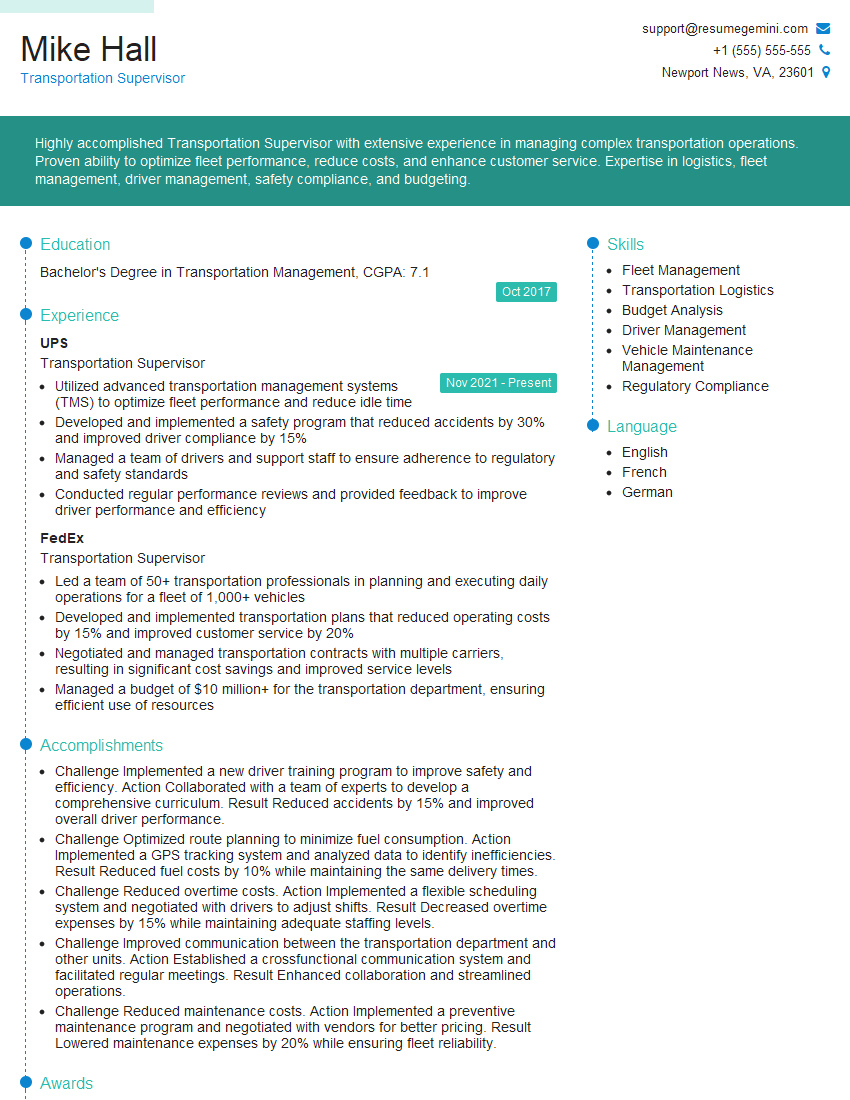
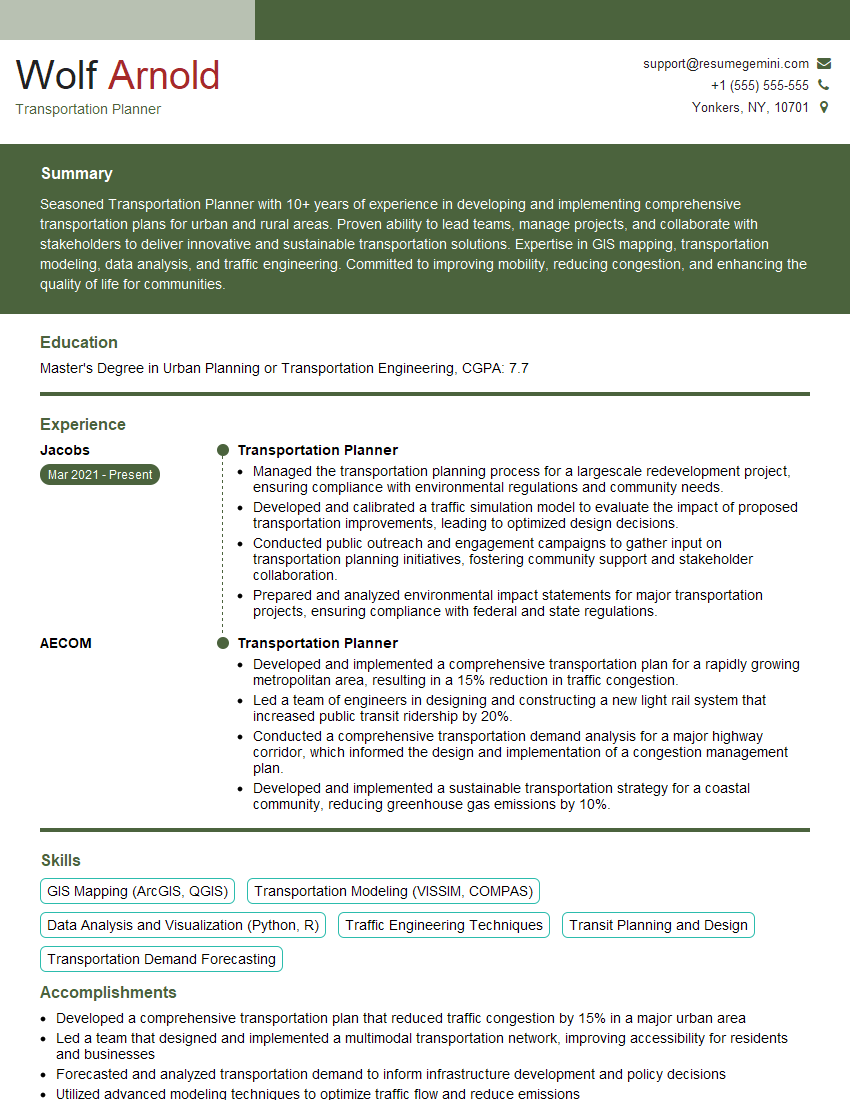
Mastering log transport principles is crucial for career advancement in this dynamic industry. A strong understanding of logistics, regulations, and operational efficiency significantly enhances your value to potential employers. To increase your chances of landing your dream job, it’s essential to create an ATS-friendly resume that showcases your skills and experience effectively. We strongly encourage you to leverage ResumeGemini, a trusted resource for building professional and impactful resumes. ResumeGemini provides examples of resumes tailored specifically to the Log Transport industry to help you craft a compelling application.

Explore more articles
Users Rating of Our Blogs
Share Your Experience
We value your feedback! Please rate our content and share your thoughts (optional).
What Readers Say About Our Blog
Very informative content, great job.
good