Are you ready to stand out in your next interview? Understanding and preparing for Logistics Support interview questions is a game-changer. In this blog, we’ve compiled key questions and expert advice to help you showcase your skills with confidence and precision. Let’s get started on your journey to acing the interview.
Questions Asked in Logistics Support Interview
Q 1. Explain the difference between inbound and outbound logistics.
Inbound and outbound logistics are two distinct but interconnected aspects of the supply chain. Think of it like this: inbound logistics is all about getting the goods into your warehouse or distribution center, while outbound logistics focuses on getting those goods out to your customers.
Inbound Logistics involves the processes of sourcing, procuring, and transporting raw materials, components, or finished goods from suppliers to your facility. This includes activities such as supplier selection, negotiation, order placement, quality control, receiving, and warehousing of incoming materials. For example, a clothing manufacturer would use inbound logistics to manage the flow of cotton, buttons, and zippers from their various suppliers.
Outbound Logistics, on the other hand, encompasses all the activities involved in getting your finished products to your customers. This includes warehousing, order fulfillment, picking, packing, shipping, transportation management, and customer service related to delivery. Using the same clothing manufacturer example, outbound logistics would manage the distribution of finished garments from the warehouse to retail stores or directly to consumers.
Both are crucial for efficient operations and customer satisfaction. Inefficiencies in either area can lead to delays, increased costs, and dissatisfied customers.
Q 2. Describe your experience with Warehouse Management Systems (WMS).
I have extensive experience with Warehouse Management Systems (WMS), having implemented and managed several different systems across various industries. My experience includes selecting, configuring, and integrating WMS solutions with other enterprise resource planning (ERP) systems and transportation management systems (TMS). I’m proficient in using WMS features like inventory management, order fulfillment, warehouse control, labor management, and reporting and analysis.
In a previous role, we migrated from a legacy system to a modern cloud-based WMS. This involved a comprehensive project that included data migration, user training, process optimization, and ongoing system maintenance. The new WMS dramatically improved our order accuracy, reduced warehouse operational costs, and increased overall efficiency. We saw a 15% reduction in order fulfillment time and a 10% decrease in inventory errors within the first six months of implementation. The process involved careful planning, stakeholder engagement, and rigorous testing to ensure a smooth transition.
I am also familiar with various WMS vendors and their functionalities, enabling me to assess the best fit for specific business needs and budgetary constraints.
Q 3. How do you prioritize tasks in a high-pressure logistics environment?
Prioritizing tasks in a high-pressure logistics environment requires a structured approach. I use a combination of methods to ensure critical tasks are addressed effectively. I start with a clear understanding of the overall objectives and deadlines. Then I leverage a prioritization matrix that considers factors such as urgency, impact, and dependencies.
My approach typically involves:
- Identifying urgent and critical tasks: This often involves analyzing potential consequences of delays and focusing on tasks with the most significant impact on delivery schedules and customer satisfaction.
- Utilizing a prioritization matrix: I frequently employ methods like the Eisenhower Matrix (Urgent/Important) to classify tasks and determine the optimal sequence of execution.
- Effective delegation and communication: I believe in distributing tasks efficiently among my team while maintaining open communication to ensure everyone is aligned on priorities and potential roadblocks.
- Regular monitoring and adjustment: The logistics landscape is dynamic. I continually monitor progress, identify potential bottlenecks, and re-prioritize tasks as needed, adapting to changing circumstances.
For example, if a critical shipment faces an unexpected delay, I would immediately prioritize finding alternative transportation options or adjusting delivery schedules, notifying affected customers promptly. Open communication and proactive problem-solving are key to navigating high-pressure situations.
Q 4. What are the key performance indicators (KPIs) you track in logistics?
The key performance indicators (KPIs) I track in logistics are diverse and depend on the specific goals and context but generally include:
- On-time delivery rate (OTDR): Measures the percentage of shipments delivered on or before the scheduled delivery date. This is a fundamental indicator of service quality.
- Order fulfillment cycle time: Tracks the time taken to process an order from receipt to shipment. Faster cycle times indicate improved efficiency.
- Inventory turnover rate: Measures how quickly inventory is sold and replenished. A high turnover rate indicates efficient inventory management.
- Warehouse productivity: Assesses the efficiency of warehouse operations, often measured in units handled per hour or order fulfillment cost per unit.
- Transportation costs: Monitors the expenses associated with transportation, aiming for cost-effective solutions without compromising service levels.
- Customer satisfaction (CSAT): Gauges customer satisfaction with delivery speed, accuracy, and overall service.
- Perfect order rate: Calculates the percentage of orders delivered on time, in full, and without errors. This is a holistic measure of operational excellence.
I regularly analyze these KPIs to identify areas for improvement and measure the effectiveness of implemented changes. Data-driven decision-making is essential in optimizing logistics operations.
Q 5. Explain your understanding of Lean logistics principles.
Lean logistics principles aim to eliminate waste and maximize value throughout the supply chain. It’s all about streamlining processes, minimizing inventory, and improving efficiency. The core principles often involve:
- Value Stream Mapping (VSM): Identifying all steps involved in a process to pinpoint areas of waste and inefficiency.
- 5S Methodology (Sort, Set in Order, Shine, Standardize, Sustain): Improving workplace organization and efficiency.
- Kaizen (Continuous Improvement): A philosophy of continuous improvement through small, incremental changes.
- Just-in-Time (JIT) Inventory Management: Minimizing inventory holding costs by receiving materials only when needed for production.
- Total Quality Management (TQM): Focus on continuous improvement of quality throughout the entire supply chain.
In practice, lean logistics might involve implementing efficient warehouse layout designs, optimizing transportation routes, reducing lead times, and improving communication with suppliers. The goal is to deliver maximum value to the customer while minimizing costs and waste.
Q 6. How do you handle unexpected delays or disruptions in the supply chain?
Unexpected delays or disruptions are inevitable in the supply chain. My approach to handling them is proactive and involves:
- Rapid identification and assessment: Quickly identifying the nature and extent of the disruption is crucial. This often involves utilizing real-time tracking systems and communication with relevant stakeholders.
- Developing contingency plans: Having pre-defined contingency plans for common disruptions (e.g., port congestion, natural disasters) can significantly minimize the impact.
- Communication and collaboration: Open communication with suppliers, customers, and internal teams is paramount to managing expectations and finding collaborative solutions.
- Exploring alternative solutions: This might involve finding alternative transportation modes, sourcing materials from different suppliers, or adjusting delivery schedules.
- Post-incident analysis: After resolving the disruption, a thorough analysis helps to identify the root causes and implement measures to prevent similar occurrences in the future.
For example, if a supplier factory closure causes a critical component shortage, I would immediately explore alternative suppliers, negotiate expedited shipping for existing stock, and communicate the potential impact to customers, offering proactive solutions to mitigate inconvenience.
Q 7. What inventory management techniques are you familiar with?
I’m familiar with a variety of inventory management techniques, each suited to different circumstances and business needs:
- Just-in-Time (JIT): Minimizing inventory holding costs by receiving materials only when needed. This requires excellent forecasting and strong supplier relationships.
- Economic Order Quantity (EOQ): Calculating the optimal order quantity to minimize the total cost of inventory (holding costs and ordering costs).
- First-In, First-Out (FIFO): Ensuring that the oldest inventory is used first to minimize the risk of spoilage or obsolescence.
- Last-In, First-Out (LIFO): Using the newest inventory first; often used for non-perishable goods, primarily for accounting purposes.
- ABC analysis: Categorizing inventory items based on their value and consumption rate to focus resources on managing high-value items.
- Safety Stock: Maintaining a buffer of inventory to mitigate unexpected demand fluctuations or supply chain disruptions.
The choice of technique depends on factors such as product characteristics, demand variability, and storage costs. I often employ a combination of techniques to optimize inventory management for specific products and situations.
Q 8. Describe your experience with different modes of transportation (e.g., air, sea, rail, road).
My experience spans all major modes of transportation. Think of it like choosing the right vehicle for a journey – each has its strengths and weaknesses.
- Air Freight: Ideal for high-value, time-sensitive goods. I’ve managed numerous air freight shipments, leveraging its speed for projects with tight deadlines, like delivering critical components for medical equipment or urgent fashion items. For example, I once oversaw the expedited shipment of replacement parts to a manufacturing plant in Asia, avoiding significant production downtime.
- Ocean Freight: The workhorse for large-volume, less-time-sensitive goods. I’ve been involved in optimizing container shipping routes, negotiating favorable rates with carriers, and minimizing transit times through careful planning. A recent project involved consolidating shipments from multiple suppliers to reduce overall freight costs by 15%.
- Rail Freight: Cost-effective for transporting large quantities over long distances. I’ve used rail extensively for bulk commodities and less-than-container-load (LCL) consolidation. For example, we used rail transport for raw materials in a construction project, minimizing road congestion and carbon footprint.
- Road Freight: Crucial for last-mile delivery and shorter hauls. I have a deep understanding of trucking regulations, route optimization, and managing trucking fleets. This often involves optimizing routes using route planning software to ensure timely and efficient delivery.
My experience encompasses not just choosing the right mode, but also managing the complexities of intermodal transport – combining different modes for optimal efficiency.
Q 9. How do you manage transportation costs effectively?
Managing transportation costs effectively is a multi-faceted approach. It’s not just about finding the cheapest option but optimizing the entire process.
- Negotiating Rates: I leverage my experience and relationships with carriers to secure favorable rates. Volume discounts are essential, and I continuously monitor market fluctuations to identify opportunities.
- Route Optimization: Employing route planning software and considering factors like fuel prices, traffic patterns, and driver hours of service are critical for minimizing fuel consumption and transit time.
- Consolidation: Combining smaller shipments into larger ones significantly reduces per-unit cost. This requires careful planning and coordination with suppliers and customers.
- Mode Selection: As mentioned earlier, selecting the most cost-effective mode for each shipment is crucial. This often involves a trade-off between speed and cost.
- Carrier Selection: Carefully evaluating carriers based on their reliability, track record, and service offerings is crucial.
For instance, in a recent project, implementing these strategies resulted in a 10% reduction in overall transportation costs without compromising delivery times.
Q 10. Explain your experience with customs regulations and documentation.
Navigating international customs regulations and documentation is a critical aspect of my role. It requires meticulous attention to detail and a thorough understanding of import/export procedures.
- Documentation: I’m proficient in preparing and managing all necessary documentation, including commercial invoices, packing lists, certificates of origin, and bills of lading. Accuracy is paramount to avoid delays and penalties.
- Regulations: I stay updated on ever-changing regulations for different countries and commodities. This involves regular monitoring of government websites and collaborating with customs brokers.
- Compliance: I’m committed to ensuring full compliance with all relevant regulations to avoid costly fines and legal issues. This includes understanding tariff classifications, restricted goods, and appropriate labeling.
- Brokerage: While I can handle many aspects independently, I work closely with customs brokers for complex shipments, leveraging their expertise to smoothly navigate customs procedures.
A recent example involved a shipment of specialized medical equipment to Japan, where meticulous attention to documentation and adherence to Japanese regulations ensured timely clearance and avoided significant delays.
Q 11. What software or tools are you proficient in for logistics management?
My proficiency in logistics software is a key asset. I am skilled in using various Transportation Management Systems (TMS), Warehouse Management Systems (WMS), and Enterprise Resource Planning (ERP) systems.
- TMS Examples: I have experience with
Oracle Transportation Management,SAP TM, andBlue Yonder Luminate, using these platforms to plan routes, track shipments, and manage carrier relationships. - WMS Examples: My experience includes using
Manhattan Associates WMSandInfor WMS, enabling me to optimize warehouse layouts, manage inventory, and streamline receiving and shipping processes. - ERP Integration: I’m adept at integrating logistics software with ERP systems like
SAP ERPandOracle NetSuitefor seamless data flow and enhanced visibility across the entire supply chain.
These tools are crucial for data-driven decision-making, enabling improved efficiency and cost reduction. For example, using a TMS to optimize routes led to a 5% reduction in fuel costs in one project.
Q 12. Describe your experience with supply chain risk management.
Supply chain risk management involves proactively identifying, assessing, and mitigating potential disruptions. It’s about anticipating problems before they impact operations.
- Risk Identification: I use various techniques to identify potential risks, including supplier audits, market analysis, geopolitical monitoring, and scenario planning.
- Risk Assessment: I assess the likelihood and impact of identified risks, prioritizing those with the highest potential for disruption.
- Mitigation Strategies: Once risks are identified and assessed, I develop and implement mitigation strategies, which might include diversifying suppliers, building safety stock, implementing contingency plans, and securing insurance.
- Monitoring & Response: Continuous monitoring of the supply chain is essential to detect emerging risks and respond effectively. This often involves using real-time data analytics and early warning systems.
For example, in anticipation of potential port congestion, I developed a contingency plan that involved using alternative ports and securing additional warehouse space. This prevented significant delays during a period of heightened shipping activity.
Q 13. How do you ensure accurate inventory tracking and reporting?
Accurate inventory tracking and reporting are fundamental to efficient logistics. This requires a combination of technology and well-defined processes.
- Barcode/RFID Technology: Utilizing barcode scanners and RFID tags for real-time inventory tracking improves accuracy and reduces manual data entry errors.
- WMS Integration: Integrating inventory tracking systems with the WMS provides a centralized view of inventory levels across all locations.
- Cycle Counting: Regular cycle counting helps identify discrepancies between physical inventory and system records, ensuring data accuracy.
- Reporting and Analytics: Generating regular inventory reports and analyzing data helps identify trends, optimize stock levels, and prevent stockouts or overstocking.
Implementing these measures in a previous role reduced inventory discrepancies by 15%, improving forecasting accuracy and minimizing stockouts.
Q 14. How do you optimize warehouse layout and operations for efficiency?
Optimizing warehouse layout and operations is crucial for maximizing efficiency and minimizing costs. This involves strategic planning and utilizing best practices.
- Slotting Optimization: Strategically placing inventory based on frequency of use and order picking patterns improves picking efficiency. Fast-moving items should be easily accessible.
- Workflow Design: Designing efficient workflows for receiving, storage, picking, packing, and shipping minimizes movement and handling times.
- Technology Integration: Implementing WMS and automated systems such as conveyor belts, automated guided vehicles (AGVs), and robotic systems can significantly enhance efficiency.
- Space Utilization: Maximizing vertical space using racking systems and optimizing the layout to minimize aisle space are important for maximizing storage capacity.
In a previous role, implementing a new warehouse layout based on these principles increased order fulfillment speed by 20% and reduced labor costs by 10%.
Q 15. How familiar are you with different types of warehousing (e.g., public, private, contract)?
Warehousing options significantly impact logistics costs and efficiency. Public warehousing involves renting space from a third-party provider; it’s ideal for businesses with fluctuating storage needs or those lacking capital investment for dedicated facilities. Private warehousing, conversely, involves owning and managing your own warehouse. This offers greater control and customization but requires substantial upfront investment and ongoing operational management. Finally, contract warehousing represents a hybrid approach, where a third-party provider manages a warehouse dedicated to a specific client’s needs, offering a balance of control and cost-effectiveness.
Example: A small startup might benefit from public warehousing initially, while a large retailer with consistent high volume would likely choose private warehousing. A company with seasonal peaks might opt for contract warehousing to scale their storage capacity as needed.
Career Expert Tips:
- Ace those interviews! Prepare effectively by reviewing the Top 50 Most Common Interview Questions on ResumeGemini.
- Navigate your job search with confidence! Explore a wide range of Career Tips on ResumeGemini. Learn about common challenges and recommendations to overcome them.
- Craft the perfect resume! Master the Art of Resume Writing with ResumeGemini’s guide. Showcase your unique qualifications and achievements effectively.
- Don’t miss out on holiday savings! Build your dream resume with ResumeGemini’s ATS optimized templates.
Q 16. Explain your understanding of the order fulfillment process.
Order fulfillment is the entire process from the moment a customer places an order until it’s delivered to their doorstep. It’s a crucial aspect of customer satisfaction and involves several key stages: receiving the order, picking and packing the items, staging the order for shipping, selecting the appropriate carrier, shipping and handling, and finally, managing returns if necessary. Efficient order fulfillment requires seamless integration between inventory management, warehousing, and transportation systems.
Example: Imagine an online clothing retailer. The process starts when a customer orders a shirt. The system triggers the warehouse to pick the shirt, pack it with appropriate inserts, and prepare it for shipping. The system then selects a carrier based on factors like delivery speed and cost, generates the shipping label, and updates the customer on the order status. Upon delivery, the system updates the order status to ‘complete’.
Q 17. How do you manage relationships with suppliers and carriers?
Managing supplier and carrier relationships is essential for a smoothly functioning logistics operation. This requires building strong, mutually beneficial partnerships based on trust, communication, and performance metrics. With suppliers, I focus on establishing clear SLAs (Service Level Agreements) that specify quality, delivery timelines, and penalties for non-compliance. Regular communication, performance reviews, and collaborative problem-solving are key. For carriers, I leverage technology such as TMS (Transportation Management Systems) to track shipments, compare carrier performance, and negotiate rates effectively. Building long-term relationships fosters reliability and cost savings.
Example: I’ve successfully negotiated better rates with a key carrier by demonstrating consistent high-volume shipping and a willingness to collaborate on route optimization. With a supplier, I’ve established a system of regular quality checks and collaborative issue resolution, leading to improved product quality and a reduced number of rejected shipments.
Q 18. Describe your experience with logistics budgeting and forecasting.
Logistics budgeting and forecasting involve predicting future costs and resource allocation for warehousing, transportation, and other logistics activities. This process begins with analyzing historical data on shipping costs, warehousing expenses, inventory levels, and fuel prices. This data is then used to develop detailed budgets, broken down by activity and cost driver. Forecasting techniques, such as time series analysis and regression models, are used to predict future expenses based on anticipated growth, seasonality, and market conditions. Regular monitoring and adjustments are vital for effective budget management.
Example: In a previous role, I developed a predictive model using historical data to forecast transportation costs for the next fiscal year, which helped us secure necessary funding and allocate resources proactively. The model accounted for fuel price fluctuations, seasonal demand peaks, and changes in transportation routes.
Q 19. How do you track and measure logistics performance?
Tracking and measuring logistics performance is done through Key Performance Indicators (KPIs). Common KPIs include on-time delivery rate, order fulfillment cycle time, inventory turnover rate, warehousing costs per unit, and transportation costs per unit. Data is collected from various sources, including warehouse management systems (WMS), transportation management systems (TMS), and enterprise resource planning (ERP) systems. Regular reporting and analysis of KPIs provide valuable insights into areas for improvement and allow for data-driven decision making.
Example: By monitoring our on-time delivery rate, we identified a bottleneck in our last-mile delivery process. Addressing this issue through improved route planning and carrier selection increased our on-time delivery rate by 15%.
Q 20. How do you improve efficiency and reduce costs in the logistics process?
Improving logistics efficiency and reducing costs requires a multifaceted approach. This includes optimizing warehousing layouts for efficient order picking, implementing inventory management techniques to minimize storage costs and reduce waste, negotiating favorable rates with carriers, and leveraging technology to automate tasks and improve visibility. Continuous improvement methodologies, such as Lean and Six Sigma, can be employed to identify and eliminate bottlenecks and inefficiencies throughout the logistics process. Effective route optimization and consolidation of shipments can also significantly reduce transportation costs.
Example: By implementing a warehouse management system (WMS), we improved order picking efficiency by 20% and reduced storage costs by 10%. We also streamlined our shipping process, consolidating smaller shipments to reduce transportation costs.
Q 21. Describe your experience with implementing new logistics technologies.
I have extensive experience implementing new logistics technologies to enhance efficiency and visibility. This includes implementing WMS and TMS systems, integrating these systems with our ERP, and utilizing data analytics tools for performance monitoring and predictive analysis. I’ve also overseen the implementation of RFID (Radio-Frequency Identification) technology for improved inventory tracking and warehouse automation. Successful technology implementation requires careful planning, thorough training, and ongoing support to ensure smooth integration and user adoption.
Example: In a previous role, I led the implementation of a new TMS system, which resulted in a 10% reduction in transportation costs and a significant improvement in shipment tracking accuracy. This involved selecting the appropriate software, customizing it to our specific needs, training our staff, and establishing ongoing support and maintenance procedures.
Q 22. How do you handle customer complaints or issues related to logistics?
Handling customer complaints effectively is paramount in logistics. My approach involves a three-step process: Active Listening, Problem Diagnosis, and Solution Implementation.
First, I actively listen to the customer, empathizing with their frustration and ensuring I fully understand the issue. This often involves clarifying details, asking clarifying questions, and confirming their expectations. For example, if a customer complains about a delayed delivery, I’d ask about the expected delivery date, the order number, and the impact of the delay on their business.
Next, I diagnose the root cause. Is it a carrier issue, a warehouse error, an inaccurate address, or something else? I utilize our tracking systems and communicate with relevant internal teams (warehouse, transportation, etc.) to pinpoint the problem. Let’s say the delay is due to a missed scan at a distribution center; I can directly address this with the appropriate team.
Finally, I implement a solution. This might involve expediting the shipment, offering a refund or discount, or providing proactive communication updates. For the delayed shipment, I would expedite it and proactively contact the customer with tracking information and an apology for the inconvenience. Maintaining clear, transparent communication throughout the process is crucial to retaining customer trust and loyalty. Following up after the resolution to ensure satisfaction is a crucial final step.
Q 23. How do you ensure compliance with relevant regulations and standards?
Compliance is critical in logistics. We adhere to a multifaceted approach focusing on proactive monitoring, documented procedures, and continuous improvement.
We maintain a comprehensive list of all applicable regulations and standards, including those related to transportation (DOT regulations), hazardous materials (HAZMAT), customs and import/export (e.g., customs declarations, tariffs), and data privacy (GDPR, CCPA). Regular audits and internal reviews are conducted to ensure adherence.
Our operational procedures are meticulously documented, specifying compliance requirements at every stage of the logistics process. Training programs for all personnel emphasize regulatory compliance. For instance, our HAZMAT handling procedures detail the specific packaging requirements, labeling, and transportation protocols for each hazardous material classification.
We actively monitor changes in regulations through industry publications, government websites, and professional associations. Any changes are promptly implemented and communicated to our teams. This continuous improvement cycle ensures we remain compliant and adaptable to the evolving regulatory landscape. We also invest in technology that assists with compliance reporting and record-keeping.
Q 24. Explain your experience with root cause analysis in logistics.
Root cause analysis (RCA) is vital for preventing recurring logistics issues. My experience leverages the 5 Whys methodology and Fishbone diagrams.
The 5 Whys method involves repeatedly asking ‘why’ to delve deeper into the cause of a problem. For example, if a shipment was damaged: Why was it damaged? (Poor packaging). Why was the packaging poor? (Insufficient training). Why was the training insufficient? (Lack of resources). Why was there a lack of resources? (Budget constraints). Why were there budget constraints? (Poor forecasting). This reveals the underlying systemic issue: poor budget forecasting leading to insufficient training and poor packaging.
Fishbone diagrams (Ishikawa diagrams) visually represent potential causes categorized by factors like manpower, machinery, materials, methods, and management. This helps in brainstorming a wider range of potential causes and identifying interdependencies. By analyzing data, we can then quantitatively determine the most significant contributing factors. Following RCA, we implement corrective actions, document them, and monitor their effectiveness to prevent recurrence.
Q 25. Describe a time you had to solve a complex logistics problem.
During a peak season rush, a major supplier experienced a warehouse fire, halting production and jeopardizing a key client’s launch event. We had only 72 hours to source alternative suppliers and reroute shipments across multiple continents to meet the deadline.
I immediately assembled a crisis management team, engaging multiple stakeholders: procurement, transportation, and customer service. We leveraged our existing supplier network to identify potential alternatives, assessing their capacity and lead times. We then negotiated expedited shipping rates with various carriers, utilizing air freight instead of sea freight. I personally monitored the progress in real-time, coordinating with each team to ensure seamless transitions. Finally, I established robust communication channels to keep the client informed of every step in the process.
The solution involved not only securing alternative suppliers but also optimizing the transportation network for maximum efficiency, taking into account customs requirements, potential delays, and the client’s specific needs. By using real-time tracking data and frequent communication, we were able to not only meet the deadline but also maintain the client’s trust and strengthen our relationship. This experience highlighted the importance of adaptability, resourcefulness, and teamwork in high-pressure situations.
Q 26. How do you stay updated on industry best practices and trends in logistics?
Staying updated in this dynamic industry is crucial. I utilize a multi-pronged approach combining professional networks, industry publications, and continuous learning.
I actively participate in professional organizations like the Council of Supply Chain Management Professionals (CSCMP), attending conferences and webinars. This offers valuable insights into emerging trends and best practices directly from industry leaders.
I subscribe to key logistics publications, journals, and newsletters to stay abreast of current events, innovative technologies, and evolving regulations. Industry blogs and podcasts provide additional insights into real-world applications and case studies.
I also actively pursue continuous learning through online courses and workshops. These initiatives help me hone my skills and explore new technologies, such as blockchain in supply chain management or the latest advancements in warehouse automation.
Q 27. What is your experience with different logistics strategies (e.g., just-in-time, cross-docking)?
I have extensive experience with various logistics strategies, each with specific applications and benefits.
Just-in-time (JIT) inventory management minimizes inventory holding costs by receiving materials only when needed for production. This requires precise demand forecasting and reliable supplier relationships. I’ve implemented JIT successfully in manufacturing environments, reducing warehouse space requirements and minimizing waste.
Cross-docking is a warehouse strategy where goods are unloaded from incoming shipments and immediately loaded onto outgoing shipments, bypassing storage. This expedites transit times and reduces handling costs. I’ve overseen the design and implementation of cross-docking operations for a major retailer, optimizing throughput and minimizing inventory dwell time.
Other strategies I’m familiar with include lean logistics (focused on waste reduction), third-party logistics (3PL), and distributed order management (DOM). The optimal strategy depends on the specific business needs, product characteristics, and market conditions.
Q 28. How do you use data analytics to improve logistics decision-making?
Data analytics are essential for enhancing logistics decision-making. I utilize data to optimize various aspects of the supply chain, including route optimization, inventory management, and performance analysis.
For route optimization, I utilize Geographic Information Systems (GIS) and transportation management systems (TMS) to analyze delivery routes, identify inefficiencies, and optimize delivery schedules. This can involve employing algorithms to consider factors like traffic patterns, distance, and delivery windows, resulting in fuel savings and faster delivery times. For example, analyzing historical delivery data can identify congested areas and suggest alternative routes.
In inventory management, data analytics helps predict demand, optimize stock levels, and reduce stockouts or overstocking. By analyzing historical sales data, seasonality trends, and external factors, we can create more accurate demand forecasts, leading to cost savings and improved customer service.
Performance analysis utilizes key performance indicators (KPIs) such as on-time delivery rates, order fulfillment cycle times, and inventory turnover. By tracking these KPIs and identifying trends, I can pinpoint areas for improvement and track the impact of implemented changes. Data visualization tools are used to communicate these findings effectively and make data-driven decisions.
Key Topics to Learn for Logistics Support Interview
- Supply Chain Management: Understanding the flow of goods and services, from origin to final destination. This includes procurement, warehousing, transportation, and inventory management.
- Inventory Control: Practical application involves optimizing stock levels to meet demand while minimizing storage costs and waste. This includes techniques like Just-in-Time (JIT) inventory and forecasting methodologies.
- Transportation and Distribution: Explore various modes of transport (road, rail, sea, air), their cost-effectiveness, and the impact of route optimization and logistics software on efficiency.
- Warehousing and Storage: Learn about warehouse layout design, inventory management systems (WMS), and the importance of safety and security protocols within a warehouse environment.
- Logistics Technology and Software: Familiarize yourself with Transportation Management Systems (TMS), Warehouse Management Systems (WMS), and Enterprise Resource Planning (ERP) systems, and their roles in optimizing logistics operations.
- Risk Management in Logistics: Understanding potential disruptions (weather, geopolitical events, supply chain bottlenecks) and developing mitigation strategies is crucial. This includes developing contingency plans and proactive risk assessment.
- Cost Optimization and Budgeting: Analyze logistics costs, identify areas for improvement, and develop strategies to reduce expenses while maintaining service levels.
- Compliance and Regulations: Understand relevant regulations and compliance requirements related to transportation, hazardous materials, and international trade.
- Performance Measurement and KPIs: Learn how to track and analyze key performance indicators (KPIs) such as on-time delivery, order fulfillment rate, and inventory turnover.
- Problem-Solving and Decision-Making: Be prepared to discuss your approach to solving logistical challenges, emphasizing analytical thinking, data-driven decision-making, and creative problem-solving.
Next Steps
Mastering Logistics Support opens doors to exciting career opportunities with significant growth potential. A strong understanding of these concepts will greatly enhance your interview performance and career prospects. To further strengthen your application, create an ATS-friendly resume that highlights your skills and experience effectively. ResumeGemini is a trusted resource that can help you build a professional and impactful resume. We provide examples of resumes tailored to Logistics Support to guide you in showcasing your qualifications.
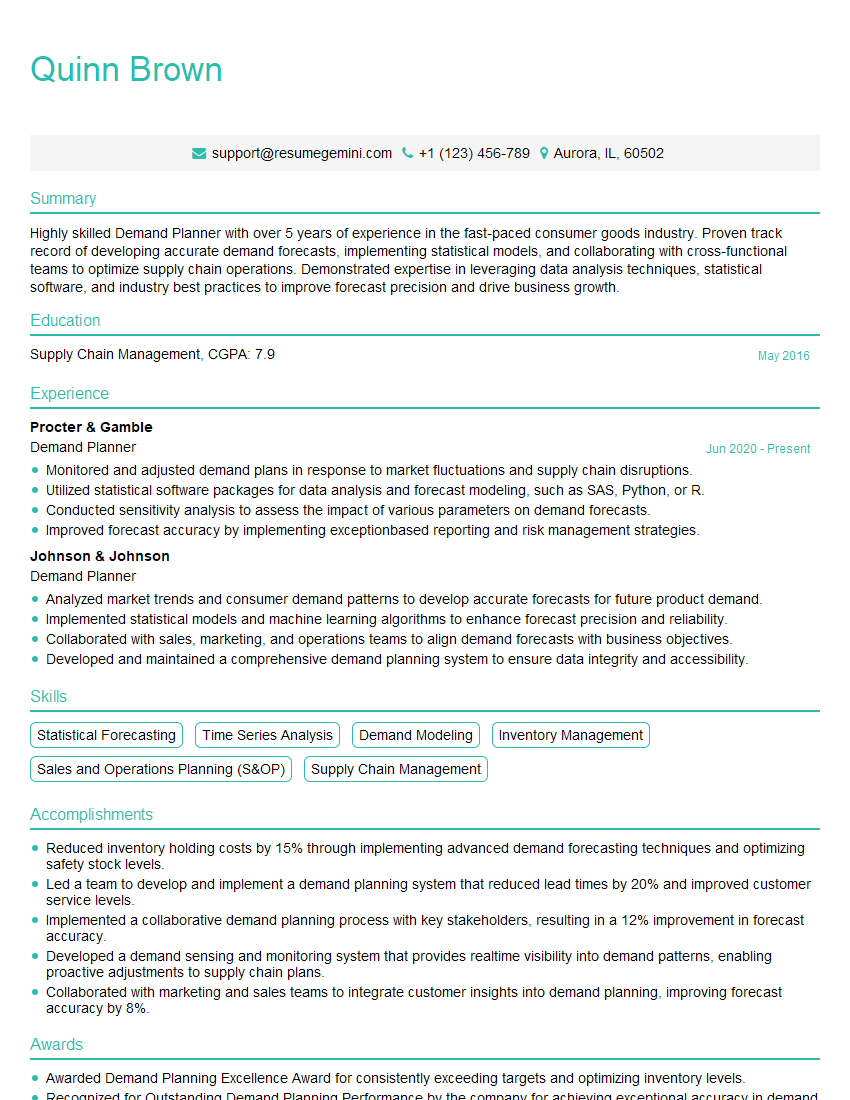
Demand Planner Resume Sample
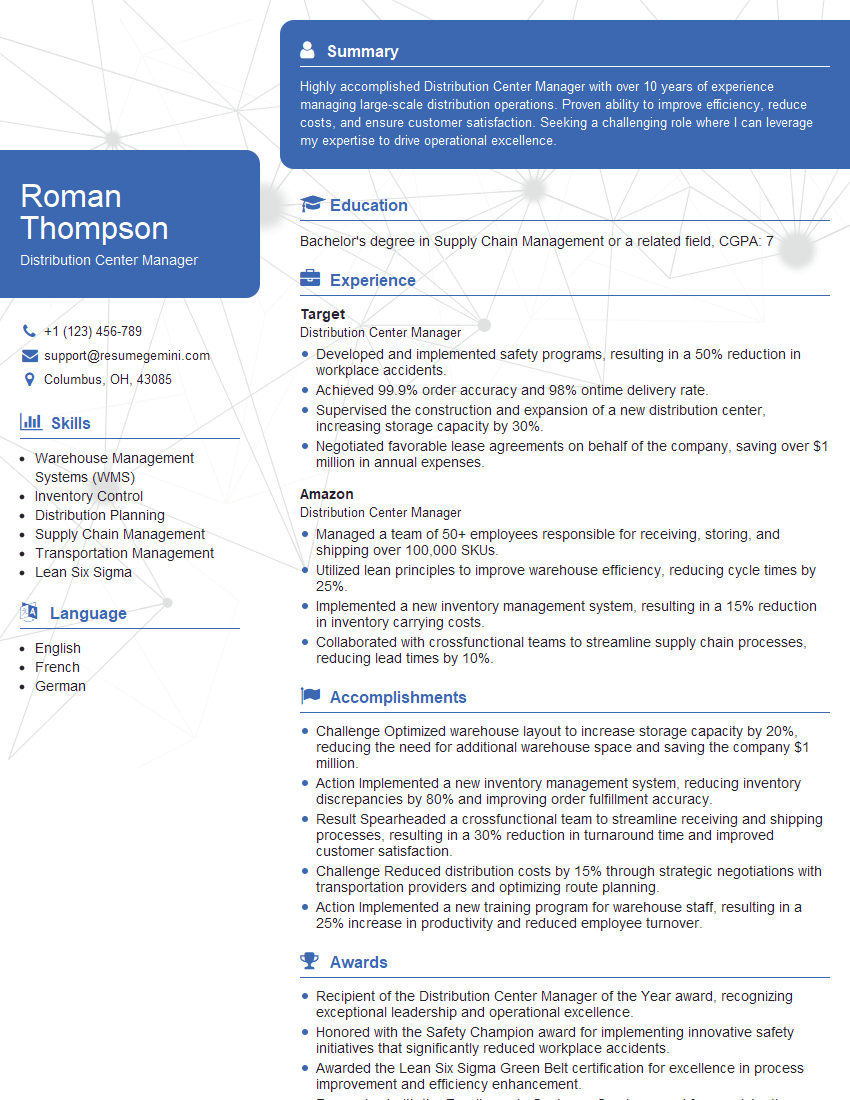
Distribution Center Manager Resume Sample
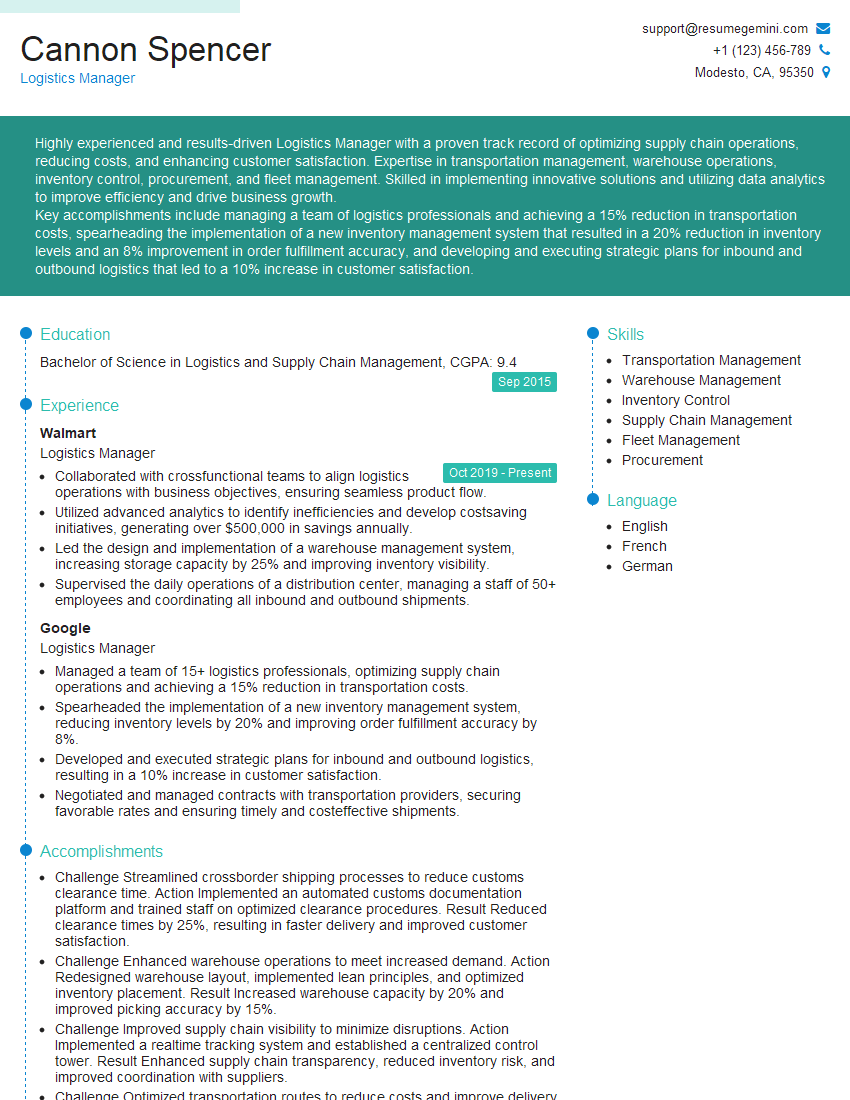
Logistics Manager Resume Sample
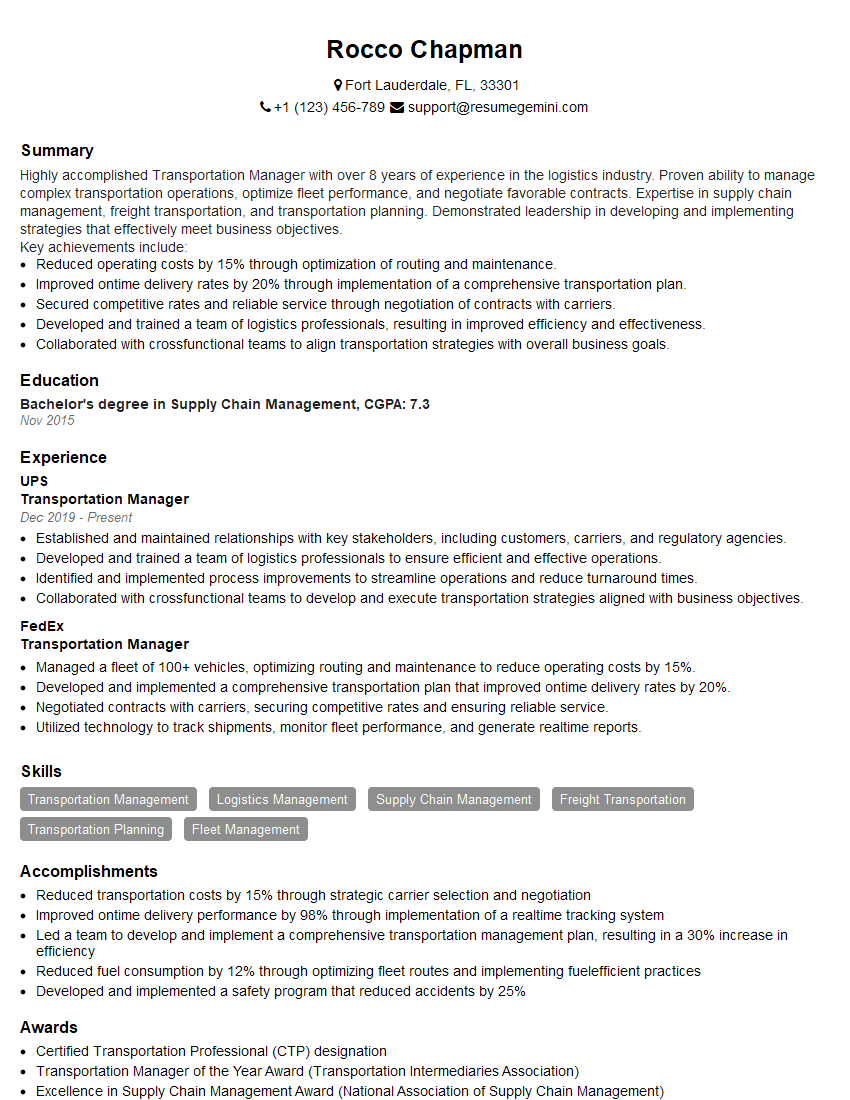
Transportation Manager Resume Sample
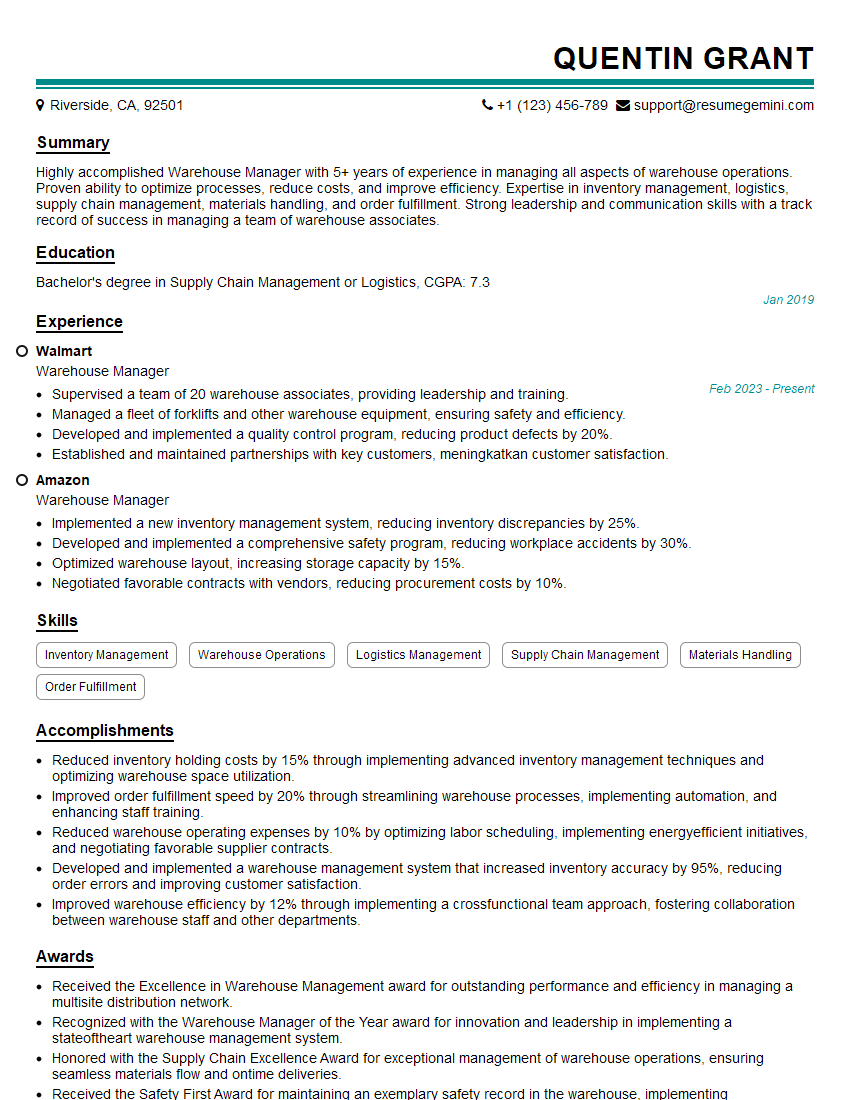
Warehouse Manager Resume Sample
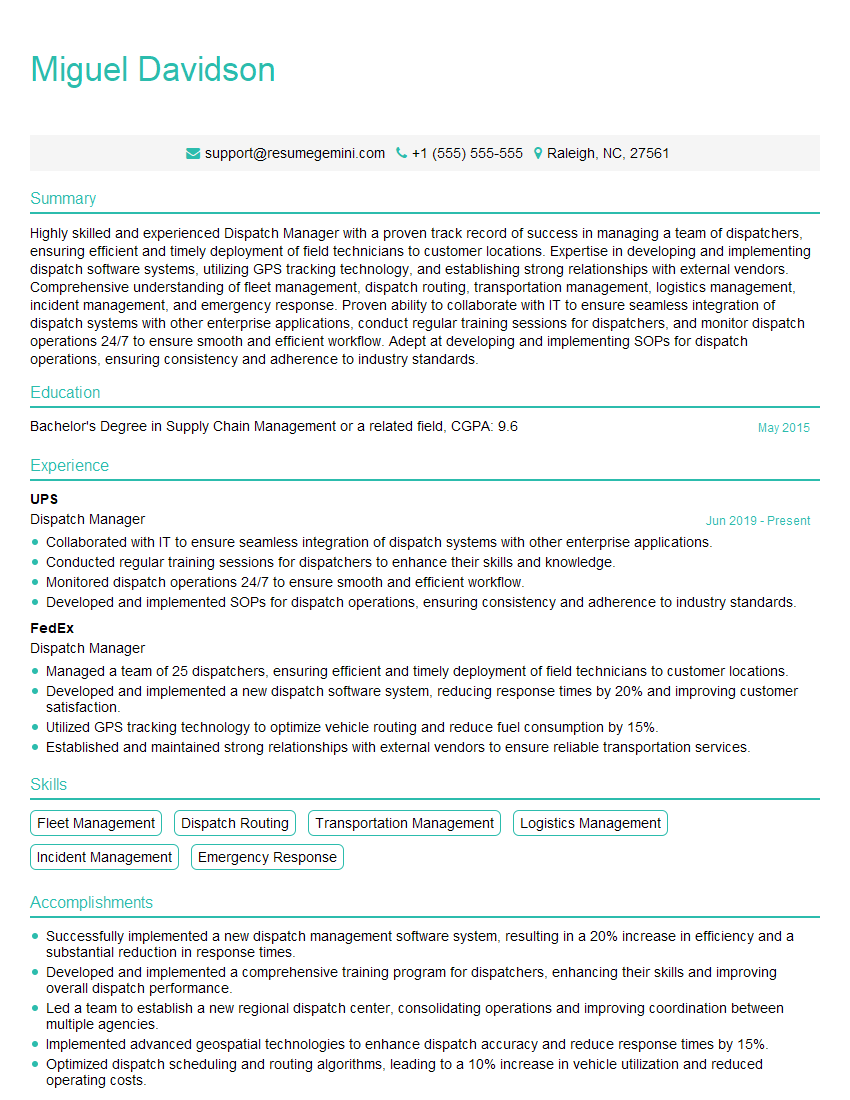
Dispatch Manager Resume Sample
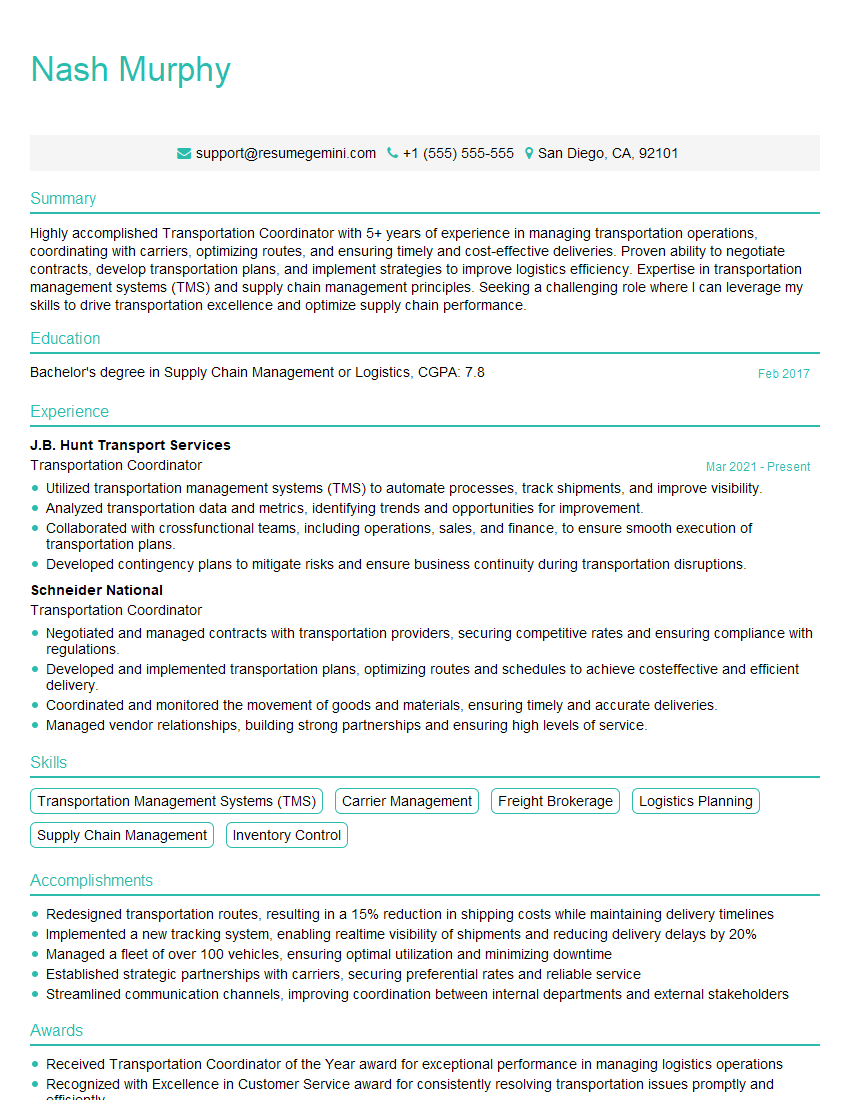
Transportation Coordinator Resume Sample
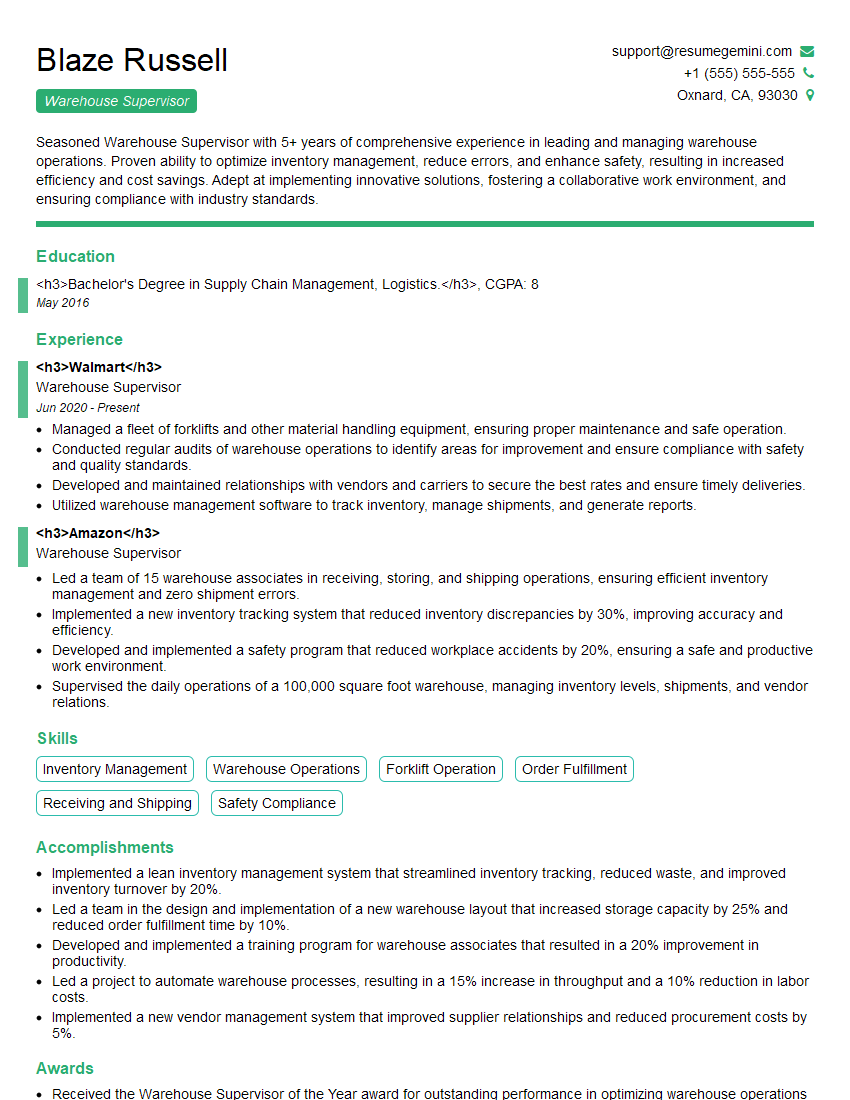
Warehouse Supervisor Resume Sample
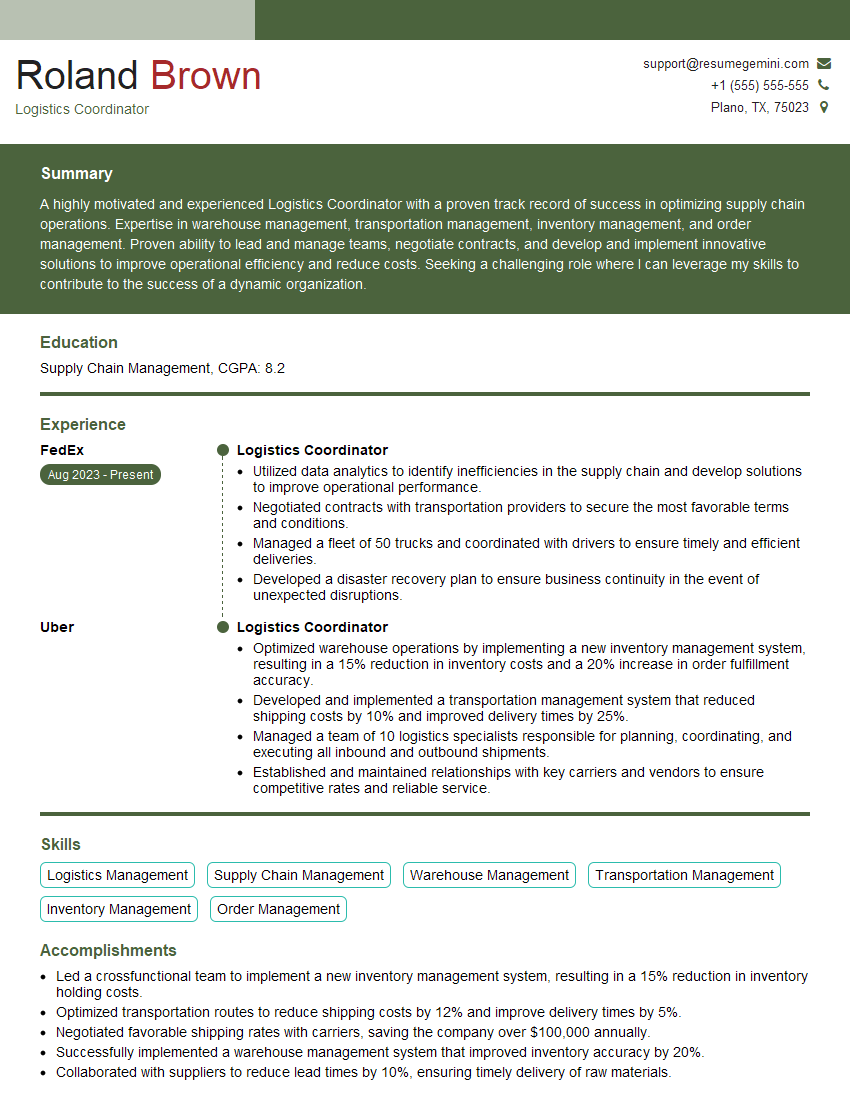
Logistics Coordinator Resume Sample
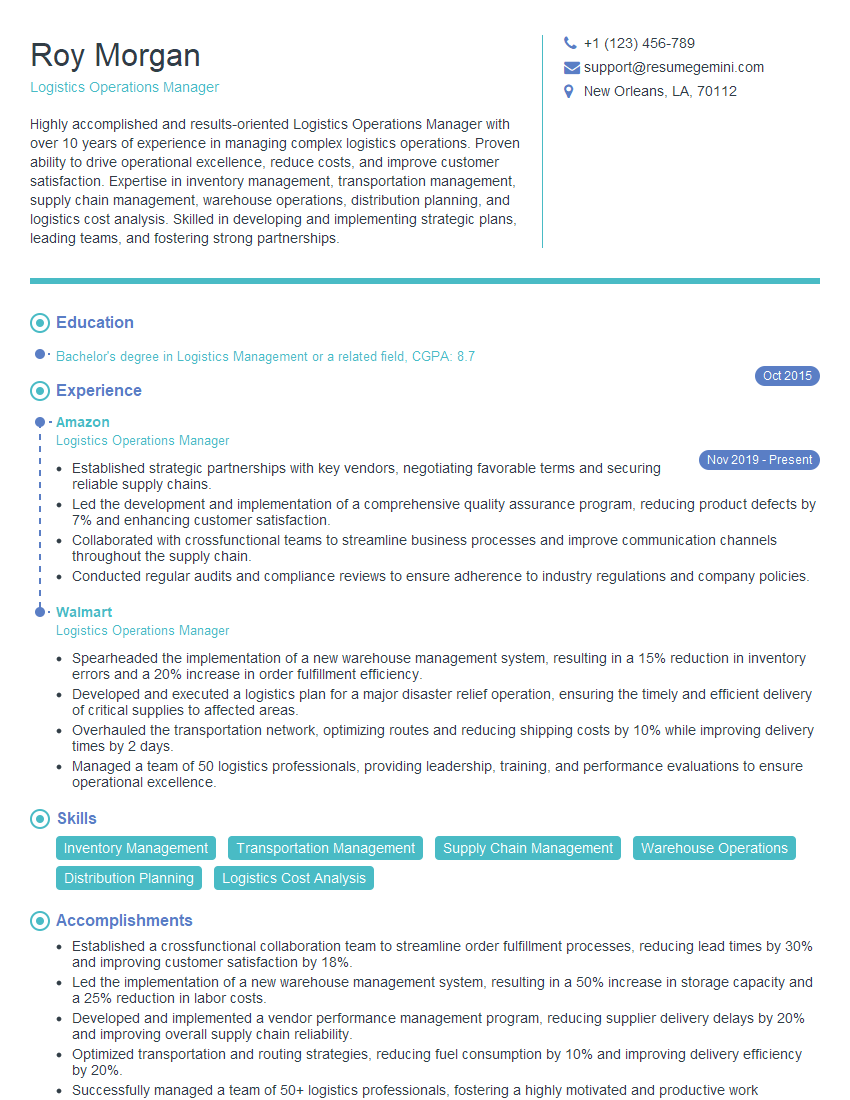
Logistics Operations Manager Resume Sample
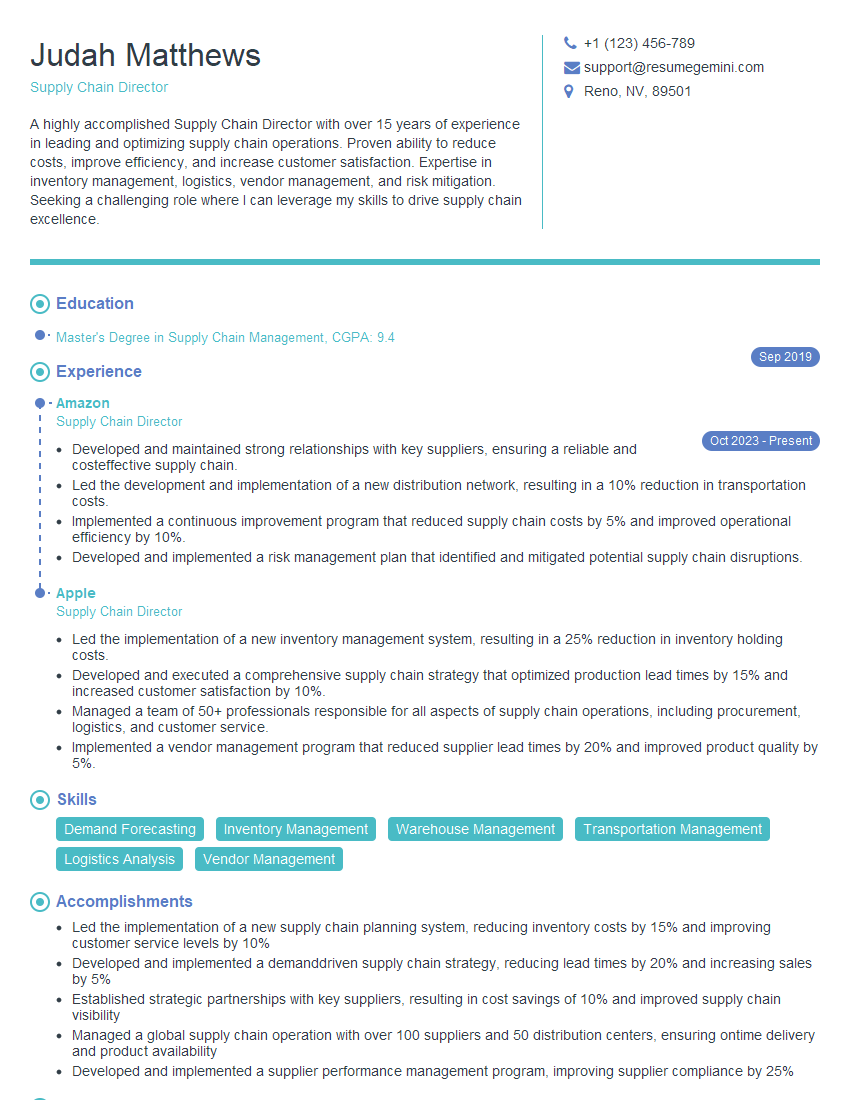
Supply Chain Director Resume Sample
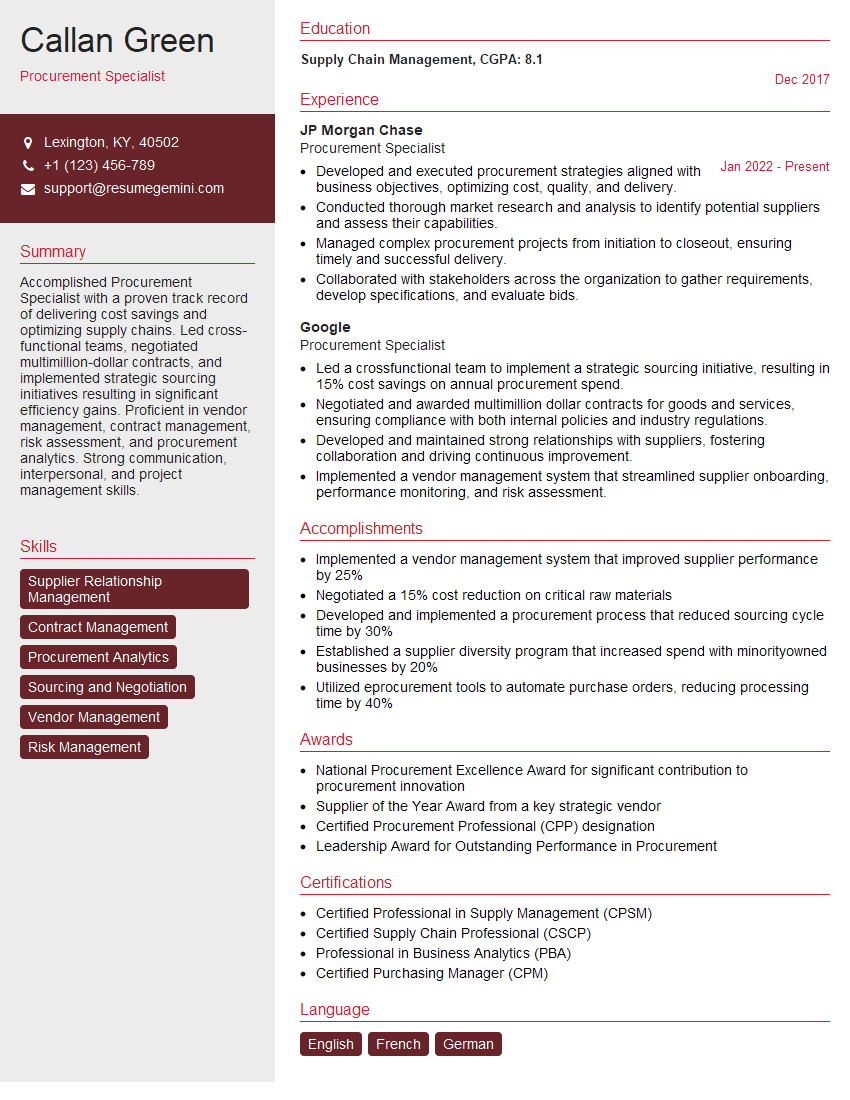
Procurement Specialist Resume Sample
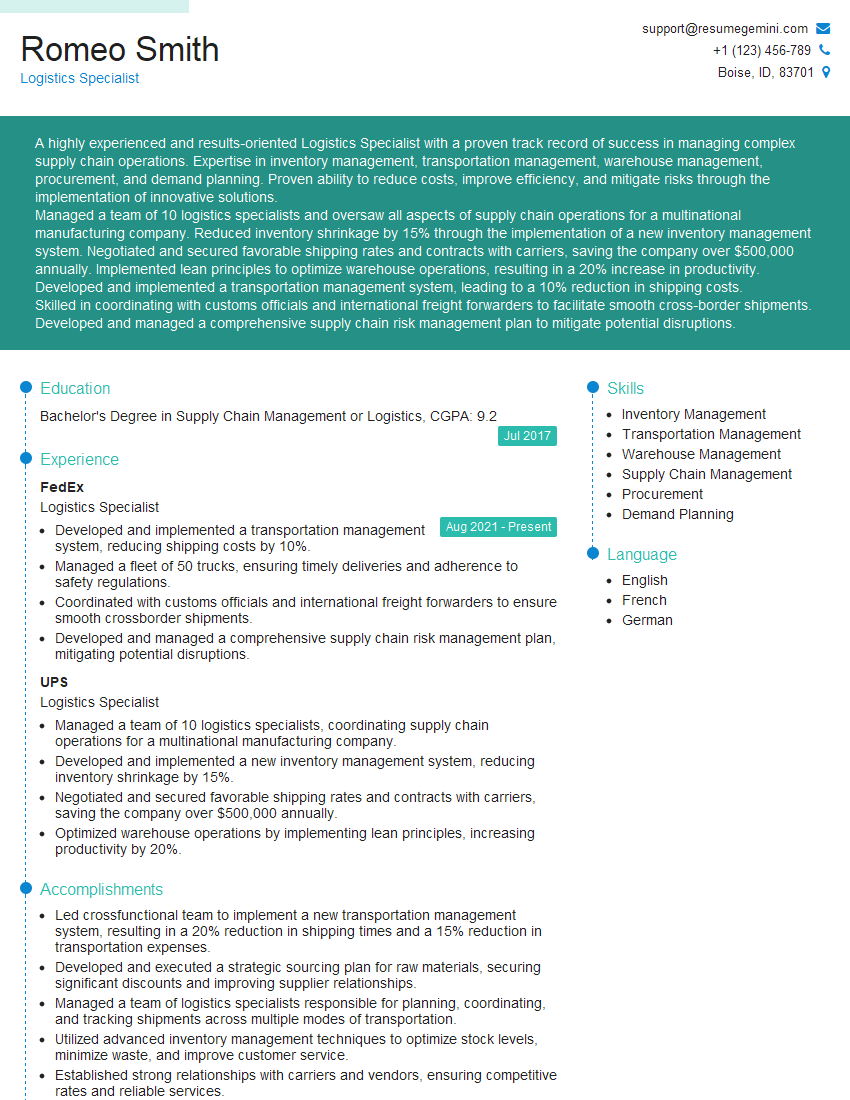
Logistics Specialist Resume Sample
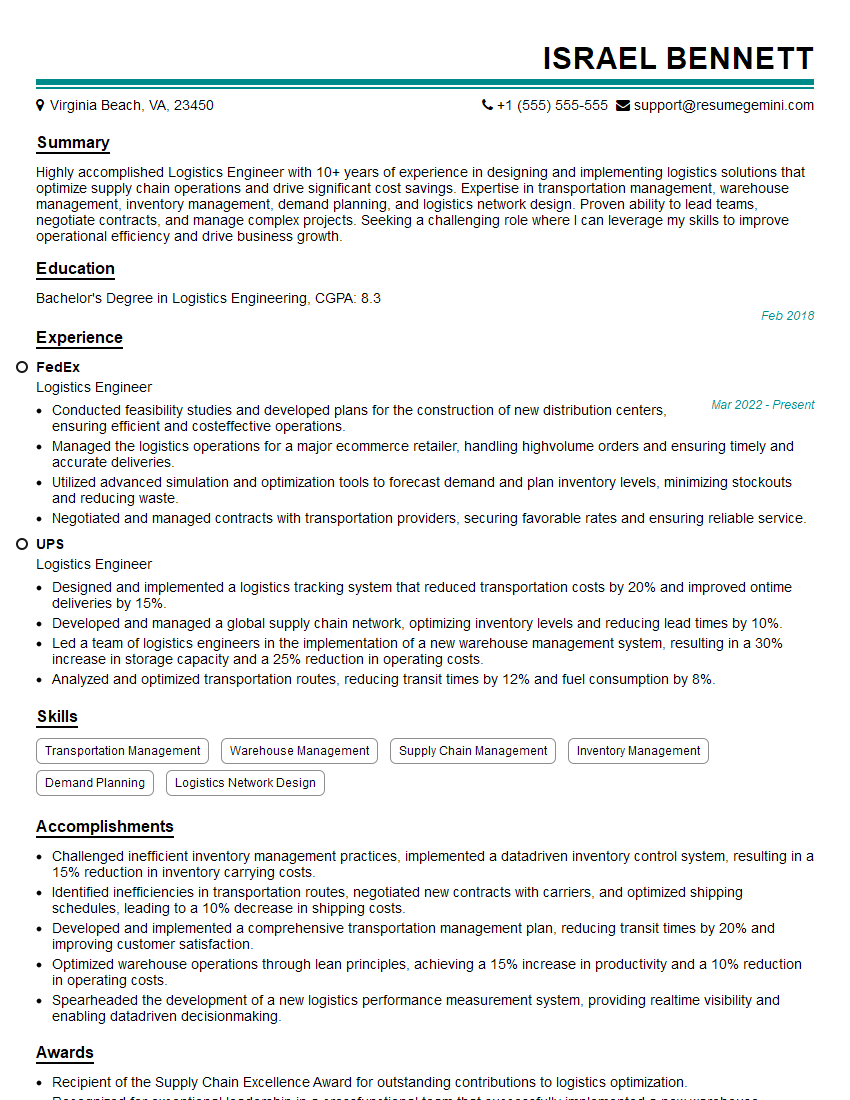
Logistics Engineer Resume Sample
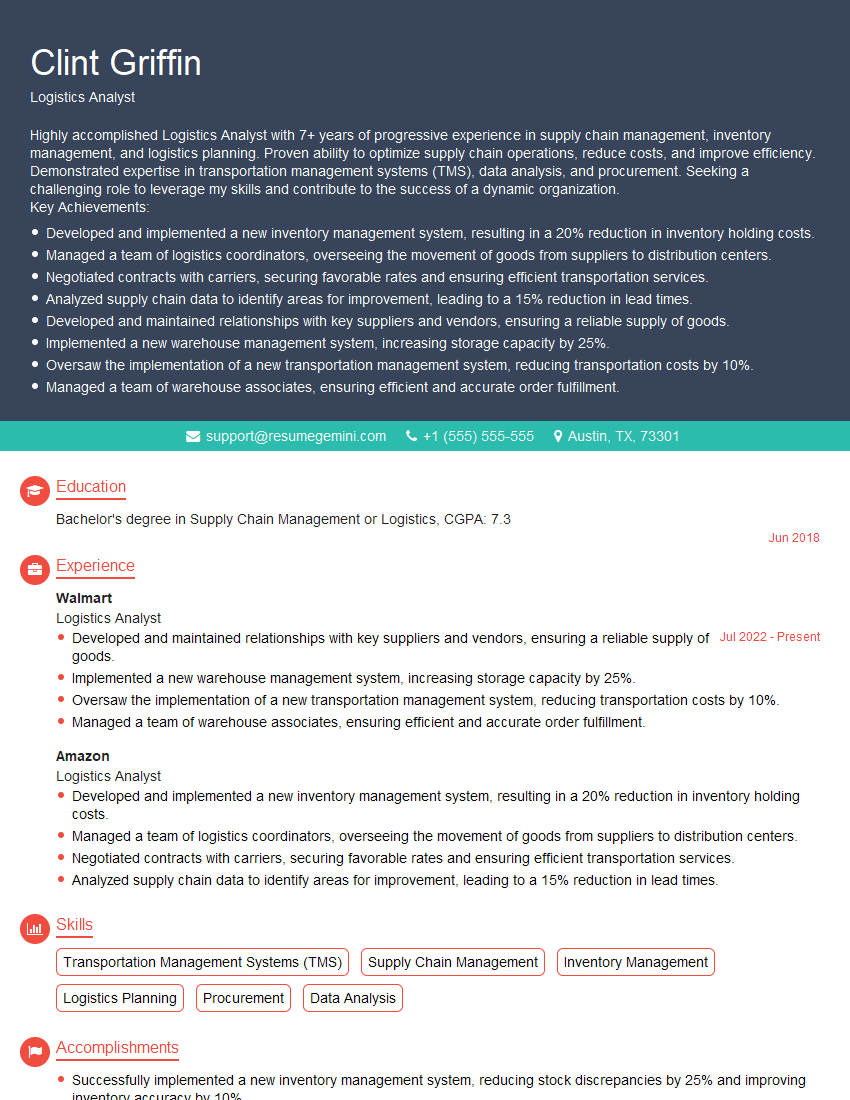
Logistics Analyst Resume Sample
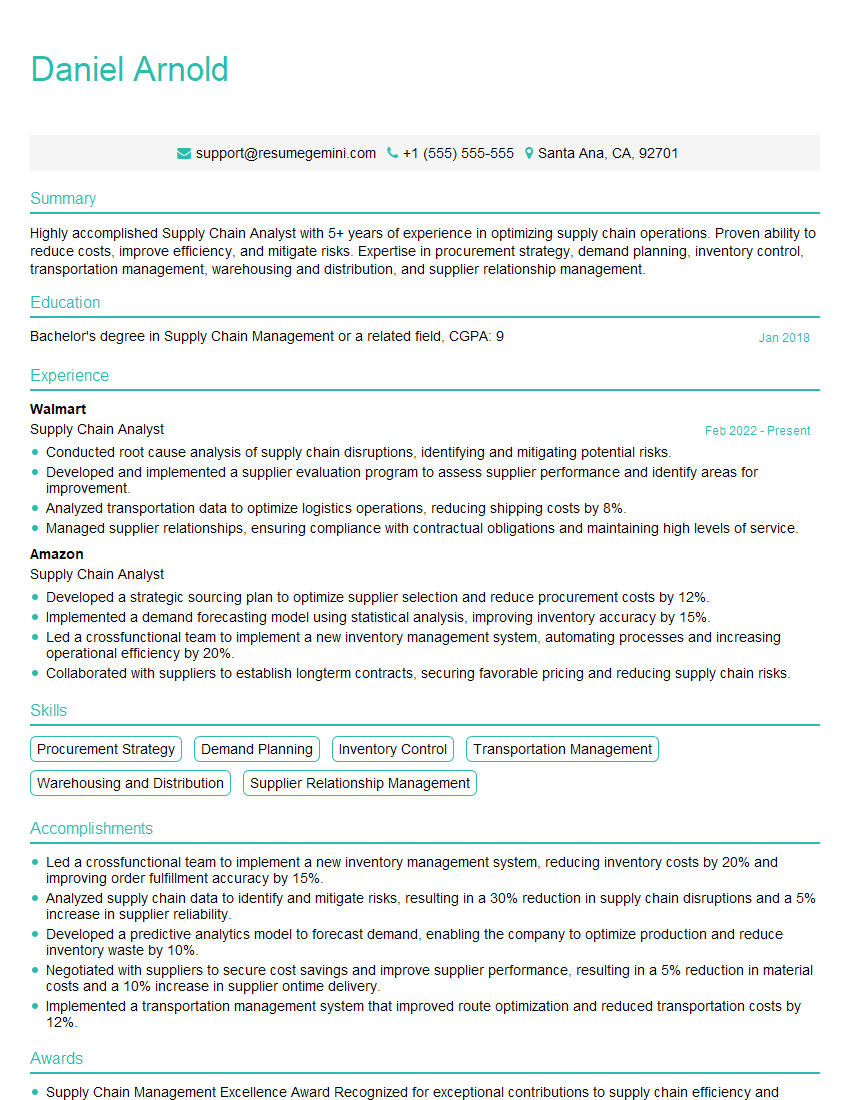
Supply Chain Analyst Resume Sample
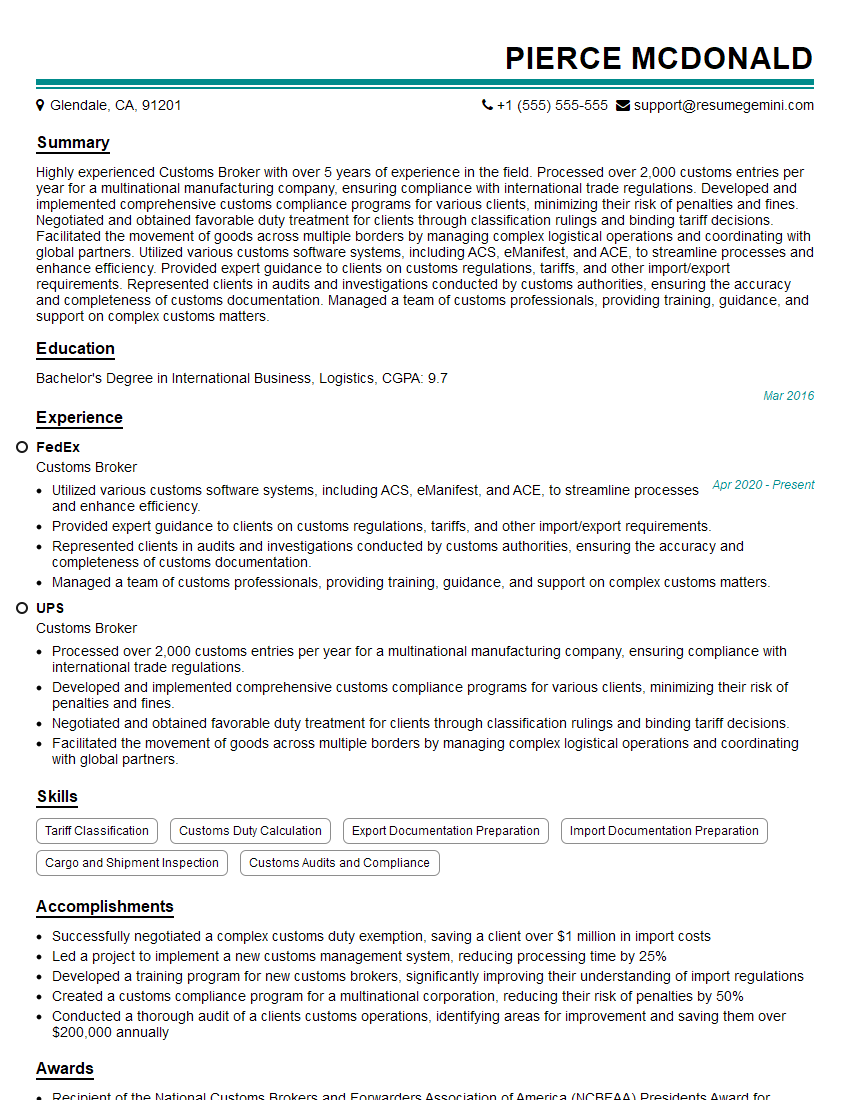
Customs Broker Resume Sample
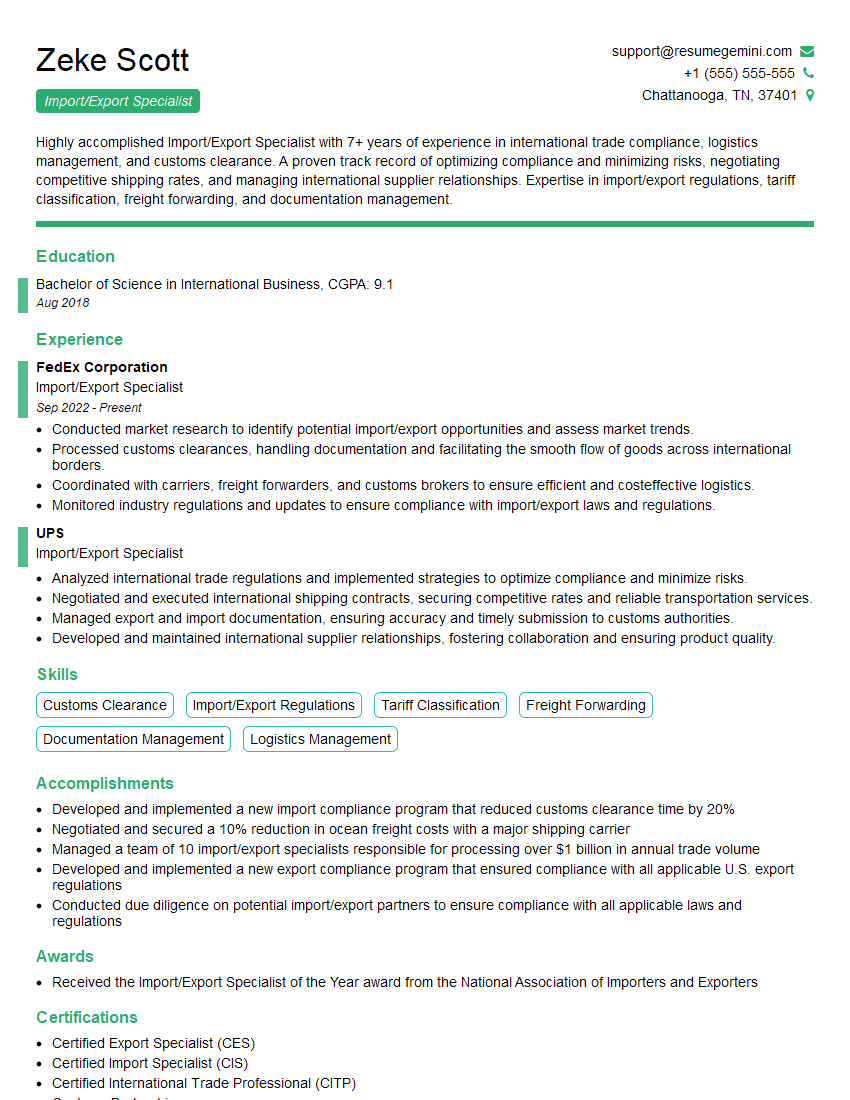
Import/Export Specialist Resume Sample
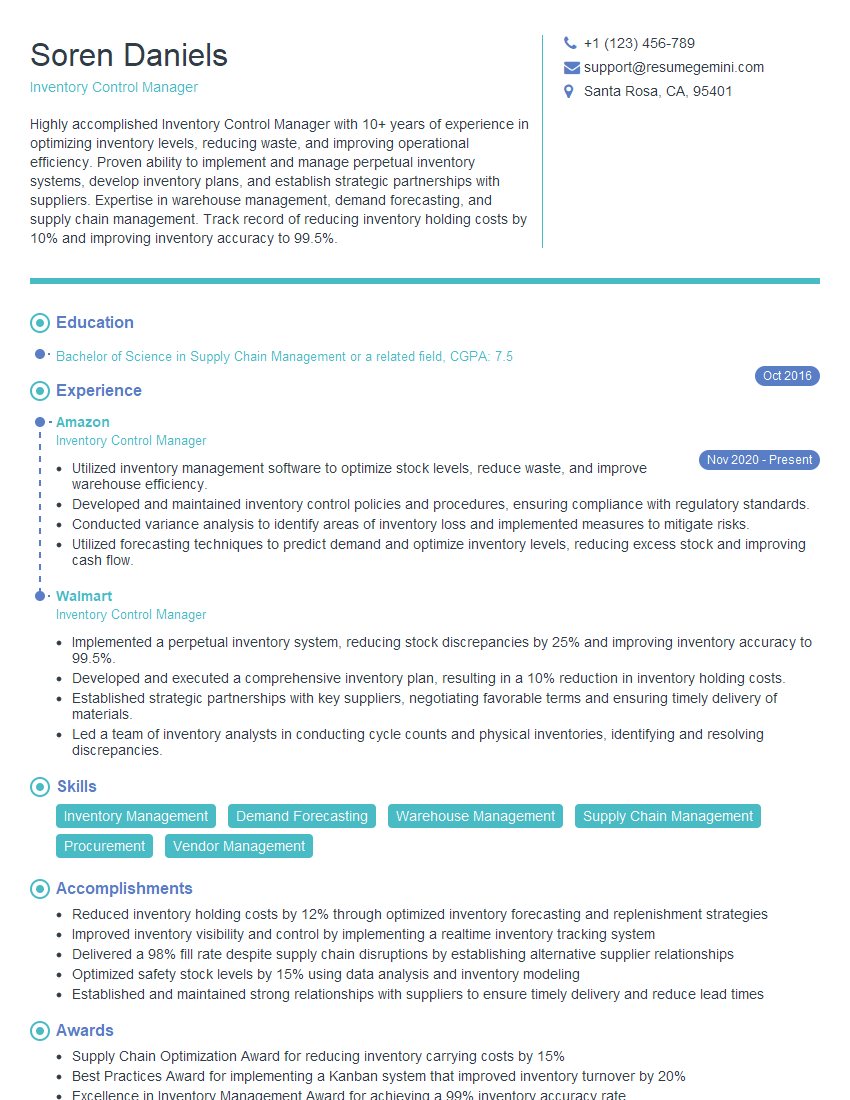
Inventory Control Manager Resume Sample
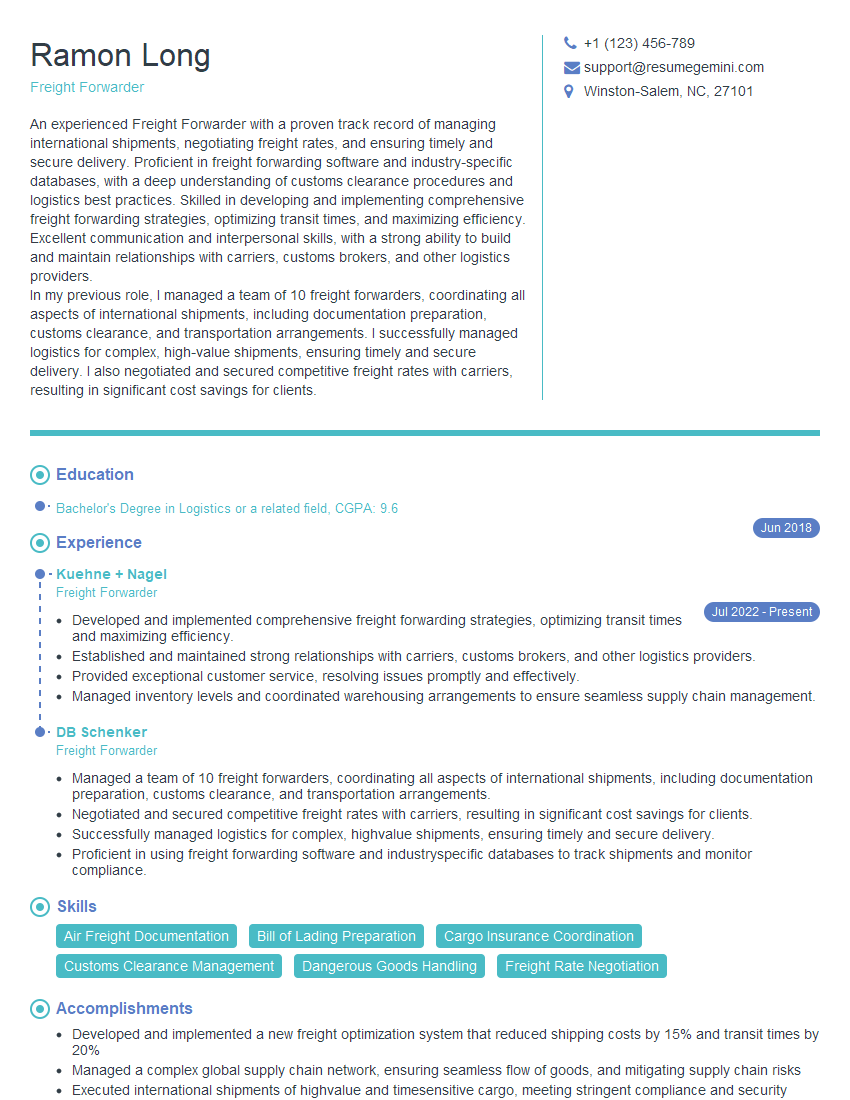
Freight Forwarder Resume Sample
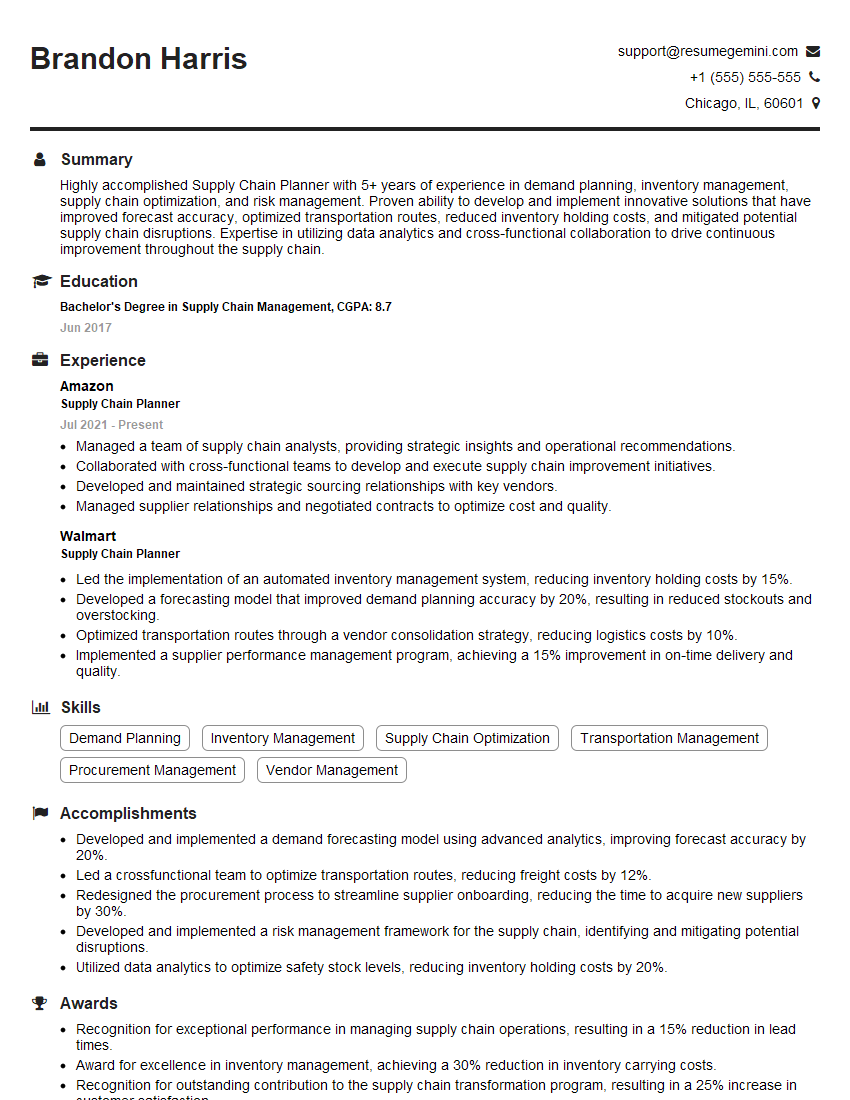
Supply Chain Planner Resume Sample
- Demand Planner
- Distribution Center Manager
- Logistics Manager
- Transportation Manager
- Warehouse Manager
- Dispatch Manager
- Transportation Coordinator
- Warehouse Supervisor
- Logistics Coordinator
- Logistics Operations Manager
- Supply Chain Director
- Procurement Specialist
- Logistics Specialist
- Logistics Engineer
- Logistics Analyst
- Supply Chain Analyst
- Customs Broker
- Import/Export Specialist
- Inventory Control Manager
- Freight Forwarder
- Supply Chain Planner
Explore more articles
Users Rating of Our Blogs
Share Your Experience
We value your feedback! Please rate our content and share your thoughts (optional).
What Readers Say About Our Blog
Very informative content, great job.
good