Interviews are opportunities to demonstrate your expertise, and this guide is here to help you shine. Explore the essential Machine Monitoring and Control interview questions that employers frequently ask, paired with strategies for crafting responses that set you apart from the competition.
Questions Asked in Machine Monitoring and Control Interview
Q 1. Explain the difference between open-loop and closed-loop control systems.
The core difference between open-loop and closed-loop control systems lies in their feedback mechanisms. An open-loop system, also known as a feedforward system, operates without feedback. It simply executes a pre-programmed sequence of actions without monitoring the actual output. Think of a toaster: you set the timer, and it runs its course regardless of whether the bread is actually toasted to your liking. The output is completely independent of the actual result.
In contrast, a closed-loop system, also called a feedback control system, continuously monitors the output and compares it to the desired setpoint. This comparison generates an error signal, which is used to adjust the control actions until the output matches the desired value. Imagine a cruise control system in a car: the system constantly monitors the vehicle’s speed and adjusts the throttle to maintain the set speed, compensating for changes in terrain or wind resistance. This feedback loop ensures accuracy and responsiveness.
In essence: Open-loop systems are simpler but less precise, while closed-loop systems are more complex but offer greater accuracy and adaptability.
- Open-loop Example: A simple timer controlling a motor for a specific duration.
- Closed-loop Example: A temperature controller maintaining a constant temperature in a furnace by adjusting the fuel input based on temperature readings.
Q 2. Describe your experience with PLC programming (specific PLCs like Allen-Bradley, Siemens, etc.).
I have extensive experience programming PLCs from various manufacturers, including Allen-Bradley (using RSLogix 5000 and Studio 5000) and Siemens (using TIA Portal). My experience spans a wide range of applications, from simple sequencing tasks to complex process control and data acquisition systems.
For example, I developed a sophisticated control program for an automated packaging line using Allen-Bradley PLCs. This involved intricate logic for managing conveyor belts, sensors, and robotic arms to ensure precise product handling and packaging. The program incorporated safety features to prevent malfunctions and protect personnel. Another project involved utilizing Siemens PLCs to control a complex water treatment facility. This required integrating data from numerous sensors, implementing PID control loops for precise chemical dosing, and developing a user interface for real-time monitoring and adjustments.
My proficiency extends beyond basic programming; I am adept at troubleshooting, debugging, and optimizing PLC programs to improve efficiency and reliability. I’m also comfortable working with various communication protocols to integrate PLCs with other industrial components.
// Example of simple ladder logic (Allen-Bradley): // Input: XIC[Sensor] // Sensor is on // Output: OTE[Motor] // Turn motor on Q 3. What are the common types of sensors used in machine monitoring?
The choice of sensors in machine monitoring depends heavily on the specific application and the parameters being measured. However, some commonly used sensor types include:
- Proximity Sensors: Detect the presence or absence of an object without physical contact. Used for detecting the position of parts, detecting jams, and ensuring safety.
- Limit Switches: Mechanical switches that activate when a moving part reaches a predetermined position. Used for end-of-travel detection, safety interlocks, and position feedback.
- Temperature Sensors (Thermocouples, RTDs): Measure temperature to monitor machine operating conditions and prevent overheating. Essential for avoiding component damage.
- Pressure Sensors: Monitor pressure within hydraulic or pneumatic systems to ensure proper operation and prevent leaks or overpressure situations. Crucial for maintaining system integrity.
- Vibration Sensors: Detect vibrations to identify potential imbalances, misalignments, or bearing wear, enabling predictive maintenance.
- Flow Sensors: Measure the flow rate of liquids or gases, valuable for monitoring efficiency and detecting leaks.
- Accelerometers: Measure acceleration and shock, often used for detecting impacts or abnormal operating conditions.
Often, a combination of sensors is used to gather a comprehensive picture of machine health and performance.
Q 4. How do you troubleshoot a malfunctioning machine using monitoring data?
Troubleshooting a malfunctioning machine using monitoring data is a systematic process. It begins with carefully analyzing the data collected by the various sensors and logging systems. Here’s a step-by-step approach:
- Identify the Anomaly: Pinpoint the specific deviation from normal operating parameters. This might involve comparing current data to historical data or baseline values.
- Isolate the Problem Area: Based on the identified anomaly, determine the machine component or system most likely affected. For instance, if vibration sensors show increased vibration in a specific motor, the problem likely lies with that motor.
- Review Sensor Data: Examine detailed sensor data around the time of the malfunction to look for trends or patterns. This can reveal underlying issues that may not be immediately apparent.
- Analyze Log Files: Review system log files for error messages, warnings, or events related to the malfunction. These logs often provide critical clues.
- Cross-Reference Data: Compare data from multiple sensors to rule out false positives or uncover correlations between different parameters. For example, a drop in pressure may be correlated with an increase in temperature.
- Perform Targeted Inspection: Once a likely cause has been identified, physically inspect the machine component to confirm the diagnosis and initiate corrective actions.
- Implement Corrective Measures: Address the root cause of the malfunction through repair, replacement, or process adjustments.
- Document Findings: Thoroughly document the troubleshooting process, including the root cause, corrective actions, and any lessons learned.
This systematic approach enables efficient and targeted troubleshooting, minimizing downtime and ensuring the machine’s prompt restoration to normal operation.
Q 5. Explain your experience with SCADA systems and their applications.
I have significant experience with SCADA (Supervisory Control and Data Acquisition) systems, having utilized them in various industrial automation projects. My experience encompasses system design, implementation, configuration, and troubleshooting. I am familiar with several popular SCADA platforms, including Ignition, Wonderware, and WinCC.
A notable project involved designing and implementing a SCADA system for a large water distribution network. This involved integrating data from numerous remote telemetry units (RTUs) and PLCs, creating a comprehensive real-time view of the network’s status. The SCADA system provided operators with tools for monitoring water levels, pressure, flow rates, and pump performance. It also included alarm management and historical data trending for analysis and reporting. Another example includes the development of a SCADA-based monitoring system for an oil refinery, enabling remote monitoring and control of critical processes, enhancing safety and efficiency.
SCADA applications extend beyond simple monitoring; they are pivotal for optimizing processes, enhancing safety, improving efficiency, and providing a centralized control point for large-scale operations.
Q 6. Describe your experience with different communication protocols (e.g., Profibus, Ethernet/IP).
My experience with industrial communication protocols includes Profibus, Ethernet/IP, Modbus, and others. I understand the strengths and limitations of each and can select the appropriate protocol based on project requirements.
Profibus, a fieldbus protocol, is well-suited for high-speed, real-time communication in demanding industrial applications. I’ve used it extensively in projects requiring precise synchronization and deterministic communication, such as those involving robotic systems or automated assembly lines. Ethernet/IP, a robust protocol based on Ethernet, is highly flexible and scalable, making it suitable for larger, distributed systems. I’ve employed it in large-scale monitoring and control systems where the ability to integrate different devices seamlessly is paramount. Understanding the specifics of each protocol, including their data structures and addressing schemes, is crucial for effective integration and troubleshooting.
Choosing the right protocol is a crucial decision as it directly impacts the efficiency, reliability, and maintainability of the overall system.
Q 7. What is PID control and how does it work?
PID control (Proportional-Integral-Derivative control) is a widely used feedback control algorithm for regulating a process variable to a desired setpoint. It works by continuously adjusting a control output based on the error between the measured process variable and the desired setpoint. The algorithm consists of three terms:
- Proportional (P): This term is proportional to the current error. A larger error results in a larger control output. It provides immediate response to changes but may lead to steady-state error.
- Integral (I): This term accumulates the error over time. It eliminates steady-state error by continuously adjusting the output until the error is zero. However, it can lead to overshoot and oscillations.
- Derivative (D): This term considers the rate of change of the error. It anticipates future errors and helps to dampen oscillations, improving stability. However, it can amplify noise.
The PID controller combines these three terms to generate a control output:
Output = Kp * Error + Ki * ∫Error dt + Kd * d(Error)/dt
where Kp, Ki, and Kd are the proportional, integral, and derivative gains, respectively, which need to be carefully tuned for optimal performance. Tuning involves adjusting these gains to balance responsiveness, stability, and accuracy. Inappropriate tuning can lead to oscillations, sluggish response, or instability.
PID control is widely used in industrial processes such as temperature control, pressure regulation, and flow control, ensuring efficient and stable operation.
Q 8. How do you handle data acquisition and logging in machine monitoring systems?
Data acquisition and logging in machine monitoring systems involve collecting real-time data from various machine sensors and storing it for analysis. This process is crucial for understanding machine health and performance. It typically involves several steps:
- Sensor Integration: Connecting sensors (e.g., vibration, temperature, pressure) to a data acquisition unit (DAU).
- Data Acquisition: The DAU reads sensor data at specified intervals and converts it into a digital format.
- Data Preprocessing: Cleaning and transforming raw data to remove noise, handle missing values, and ensure consistency. This might involve filtering, scaling, or unit conversions.
- Data Logging: Storing the processed data in a database or data storage system. This could be a local database, a cloud-based solution, or a combination of both. The logging system should be designed for efficient retrieval and analysis of large datasets.
- Data Formatting: Choosing a suitable data format (e.g., CSV, Parquet) that balances storage efficiency and ease of analysis.
For example, in a manufacturing plant monitoring a CNC machine, we might acquire data from vibration sensors, temperature sensors on the spindle, and current sensors measuring the motor load. This data is then logged, timestamped, and stored for later analysis to detect anomalies and prevent potential failures.
Q 9. What are the key performance indicators (KPIs) you monitor in a manufacturing environment?
Key Performance Indicators (KPIs) in a manufacturing environment depend on the specific machines and production goals. However, some common KPIs include:
- Overall Equipment Effectiveness (OEE): Measures the effectiveness of equipment utilization, considering availability, performance, and quality rate. A low OEE indicates downtime or production inefficiencies.
- Mean Time Between Failures (MTBF): The average time between equipment failures. A higher MTBF indicates greater machine reliability.
- Mean Time To Repair (MTTR): The average time taken to repair a failed machine. A lower MTTR reflects quicker maintenance and less production downtime.
- Production Rate/Throughput: The number of units produced per unit of time. This measures the overall production efficiency.
- Defect Rate: The percentage of defective products produced. This is crucial for quality control.
- Energy Consumption: Monitoring energy usage of machines can identify areas for energy efficiency improvements.
Imagine monitoring a bottling line. We would track OEE to understand overall efficiency, MTBF to predict potential downtime, and defect rate to ensure product quality. These KPIs would help us optimize the line’s performance and minimize production losses.
Q 10. Explain your understanding of predictive maintenance and its benefits.
Predictive maintenance uses data analytics and machine learning to predict potential equipment failures before they occur. This contrasts with reactive maintenance (fixing problems after they happen) and preventive maintenance (scheduled maintenance at fixed intervals). The benefits are substantial:
- Reduced Downtime: By predicting failures, we can schedule maintenance proactively, minimizing unexpected shutdowns and production losses.
- Lower Maintenance Costs: Predictive maintenance targets specific issues, avoiding unnecessary maintenance and repairs.
- Improved Safety: Early detection of potential failures prevents catastrophic equipment failures that could cause safety hazards.
- Extended Equipment Lifespan: By addressing problems early, we extend the operational life of machines.
- Optimized Resource Allocation: Maintenance resources can be allocated more efficiently, focusing on machines at higher risk of failure.
For example, analyzing vibration data from a pump might reveal a bearing is nearing failure. Predictive maintenance allows us to replace the bearing before it fails, preventing costly downtime and potential damage to other components.
Q 11. How do you interpret data from vibration sensors to diagnose machine problems?
Vibration sensors are crucial for diagnosing machine problems. They measure the vibrations produced by rotating machinery. These vibrations contain frequency components that indicate the health of various components. Analyzing this data involves:
- Time-Domain Analysis: Examining the raw vibration signal over time. Sudden increases in amplitude might suggest an impact or imbalance.
- Frequency-Domain Analysis: Transforming the time-domain signal into the frequency domain using techniques like Fast Fourier Transform (FFT). This reveals the frequencies at which the machine is vibrating. Specific frequencies correspond to different machine components (e.g., bearing faults, gear meshing problems).
- Order Analysis: This technique is useful for rotating machinery. It separates vibration frequencies based on the rotational speed of the machine, allowing us to isolate problems related to specific rotating components.
- Spectral Analysis: Identifying characteristic frequency peaks in the spectrum. These peaks are often indicative of specific faults. For example, a specific frequency peak might indicate a bearing defect.
Imagine a spectrum showing a sharp peak at a frequency consistent with a roller bearing defect. This would indicate a high probability of an impending bearing failure, triggering proactive maintenance.
Q 12. Describe your experience with data analysis tools and techniques for machine monitoring.
My experience encompasses several data analysis tools and techniques for machine monitoring. These include:
- Statistical Process Control (SPC): Monitoring process variability and identifying trends to detect anomalies.
- Time Series Analysis: Analyzing time-stamped data to identify patterns and predict future behavior using methods like ARIMA or exponential smoothing.
- Machine Learning (ML): Using algorithms like Support Vector Machines (SVM), Random Forests, or Neural Networks to classify machine states (e.g., normal, faulty) or predict remaining useful life (RUL).
- Data Visualization Tools: Tools like Tableau or Power BI are used to create dashboards and visualizations that aid in interpreting the data and identifying trends.
- Programming Languages: Proficiency in Python or MATLAB is essential for data manipulation, analysis, and model development. Libraries like Pandas, Scikit-learn, and TensorFlow are commonly used.
For example, I’ve used Python with Scikit-learn to build a machine learning model that predicts bearing failures based on vibration data. This model significantly improved our predictive maintenance capabilities and reduced downtime.
Q 13. What are the safety considerations in machine monitoring and control?
Safety is paramount in machine monitoring and control. Several considerations must be addressed:
- Emergency Shutdown Systems: Implementing robust emergency stop (E-stop) mechanisms to quickly shut down machines in hazardous situations. The monitoring system should trigger these mechanisms when critical thresholds are breached.
- Sensor Redundancy: Employing multiple sensors to monitor critical parameters. If one sensor fails, others can continue providing data.
- Data Validation: Implementing checks to ensure data accuracy and reliability. Incorrect data could lead to inappropriate actions by the control system.
- Operator Training: Operators should be well-trained in using the monitoring system and responding to alerts. Proper training ensures safe operation and reduces the risk of accidents.
- Safety Interlocks: Implementing physical and software interlocks to prevent unauthorized access or operation of hazardous machinery.
- Compliance with Safety Standards: Adhering to relevant industry safety standards (e.g., OSHA, IEC) is crucial.
For instance, in a robotic arm application, safety interlocks would ensure the robot stops immediately if a human enters its workspace. Redundant sensors would monitor its position and speed, providing multiple layers of safety.
Q 14. How do you ensure data integrity and security in a machine monitoring system?
Ensuring data integrity and security in machine monitoring systems is critical. Strategies include:
- Data Encryption: Encrypting data both in transit and at rest to prevent unauthorized access. This protects sensitive information and prevents tampering.
- Access Control: Implementing robust access control mechanisms to limit access to the monitoring system based on user roles and privileges.
- Data Backup and Recovery: Regularly backing up data to prevent data loss due to hardware failure or cyberattacks. Implementing a disaster recovery plan is also crucial.
- Network Security: Protecting the monitoring system from unauthorized access through firewalls, intrusion detection systems, and regular security audits.
- Data Validation and Error Detection: Implementing checks to detect and correct errors in the collected data. Data validation helps ensure the integrity of the information used for decision-making.
- Regular Security Updates: Keeping the monitoring system’s software and firmware up-to-date with security patches to address vulnerabilities.
Imagine a scenario where an attacker gains access to the monitoring system and manipulates the data. This could lead to inaccurate decisions, equipment damage, or even safety hazards. Robust security measures prevent this.
Q 15. What are the different types of actuators used in automation systems?
Actuators are the muscle of automation systems, converting control signals into physical motion or changes in a system’s state. There’s a wide variety, categorized broadly by their power source and type of motion:
- Pneumatic Actuators: Powered by compressed air. They are simple, relatively inexpensive, and offer high force outputs. Common examples include pneumatic cylinders (linear motion) and rotary actuators (rotary motion). Think of the automated arm on a car assembly line placing parts.
- Hydraulic Actuators: Powered by pressurized hydraulic fluid, offering exceptionally high force and power density. They’re used in heavy-duty applications like large presses or excavators. Imagine the powerful hydraulic arms of a construction crane.
- Electric Actuators: Powered by electricity, using motors to generate movement. They’re precise, controllable, and energy-efficient. Examples include stepper motors (precise positioning), servo motors (high-speed precise control), and linear actuators (linear motion). Robotic arms in factories often use electric actuators for their precise control.
- Electromagnetic Actuators: These actuators use magnetic fields to create force and motion. Solenoids are a prime example, used in applications requiring quick on/off actuation like valves in a process control system.
The choice of actuator depends heavily on the specific application’s requirements, considering factors like required force, speed, precision, cost, environmental conditions, and power availability.
Career Expert Tips:
- Ace those interviews! Prepare effectively by reviewing the Top 50 Most Common Interview Questions on ResumeGemini.
- Navigate your job search with confidence! Explore a wide range of Career Tips on ResumeGemini. Learn about common challenges and recommendations to overcome them.
- Craft the perfect resume! Master the Art of Resume Writing with ResumeGemini’s guide. Showcase your unique qualifications and achievements effectively.
- Don’t miss out on holiday savings! Build your dream resume with ResumeGemini’s ATS optimized templates.
Q 16. Describe your experience with HMI design and implementation.
My HMI design experience spans various industries, from food processing to pharmaceuticals. I’m proficient in designing user-friendly interfaces using SCADA software such as Ignition and Wonderware InTouch. My approach focuses on clear, intuitive visualizations that minimize operator errors and maximize efficiency.
For example, in a recent project involving a complex packaging line, I designed an HMI that used color-coded alarms to immediately highlight critical issues, such as jams or low material levels. I also implemented interactive dashboards that provided real-time performance metrics, enabling proactive maintenance and improved production throughput. I believe in user testing to ensure designs are practical and intuitive. I always keep in mind aspects of accessibility and maintainability – the HMI must be easy to understand and upgrade over time.
I’m also experienced in implementing alarm management systems that avoid alarm flooding, ensuring operators focus on critical issues rather than getting overwhelmed with a constant barrage of alerts. This often involves intelligent alarm filtering and contextual display features.
Q 17. How do you handle unexpected downtime or equipment failure?
Unexpected downtime is a serious issue, and my approach is rooted in proactive prevention and rapid response. First, a strong preventative maintenance schedule is critical; regular inspections and predictive maintenance using sensor data can prevent many failures.
When failure strikes, my methodology follows these steps:
- Immediate Assessment: Quickly determine the root cause of the downtime, isolating the affected area and prioritizing safety.
- Data Analysis: Investigate historical data and machine logs to identify patterns that may have led to the failure (e.g., excessive vibration, temperature fluctuations).
- Troubleshooting: Employ systematic troubleshooting techniques to pinpoint the faulty component or system. This may involve checking electrical connections, reviewing sensor readings, or using specialized diagnostic tools.
- Repair or Replacement: Once the problem is identified, the necessary repairs are carried out or faulty components replaced. I also prioritize finding temporary workarounds to minimize production delays while repairs are underway.
- Post-Mortem Analysis: After the issue is resolved, a thorough analysis is conducted to prevent similar incidents in the future. This might involve modifications to the machine design, improved maintenance protocols, or operator training.
Clear and timely communication with stakeholders is crucial throughout this process. Keeping everyone informed minimizes disruption and allows for collaborative problem-solving.
Q 18. What are your preferred methods for documenting machine control systems?
Effective documentation is paramount for maintaining and troubleshooting machine control systems. I favor a multi-faceted approach:
- Detailed schematics: Creating clear and accurate electrical and pneumatic schematics using software like AutoCAD Electrical. These diagrams are essential for understanding the system’s architecture and tracing signals.
- Program documentation: For PLCs, comprehensive comments within the code itself, along with separate documentation outlining the program’s logic and functionality. I use structured text for readability and maintainability.
- HMI documentation: Detailed descriptions of HMI screens and their functionalities, including navigation instructions and alarm definitions.
- Maintenance manuals: Comprehensive manuals outlining preventative maintenance procedures, troubleshooting steps, and parts lists. These manuals should be readily accessible to maintenance personnel.
- Version control: Utilizing version control systems (like Git) to track changes to the code, schematics, and documentation, making collaboration easier and reducing conflicts.
Consistency and clarity are key. All documentation should be easily searchable and understandable by others.
Q 19. Explain your experience with different types of industrial networks.
My experience encompasses a range of industrial networks, each with its strengths and weaknesses:
- Profibus: A robust fieldbus system widely used in process automation, offering high speed and reliable data transmission.
- Profinet: An Ethernet-based industrial network providing high bandwidth and flexibility for demanding applications. It’s often chosen for complex systems requiring real-time communication.
- Ethernet/IP: Another popular Ethernet-based network commonly used in factory automation, offering strong interoperability with various devices.
- Modbus: A simple and widely adopted serial communication protocol, often used for basic data acquisition and control in smaller systems.
Choosing the right network depends on factors such as the size of the system, the required communication speed, the types of devices being used, and the budget. I have experience designing and troubleshooting systems using these protocols, ensuring efficient data communication and system reliability.
Q 20. How do you integrate machine monitoring data with other enterprise systems?
Integrating machine monitoring data with enterprise systems is crucial for gaining a holistic view of operations. This often involves using data historians and middleware solutions.
For example, I’ve used OPC UA servers to bridge the gap between PLCs and enterprise resource planning (ERP) systems. OPC UA provides a standardized way to access and exchange data from various sources. The data might include production metrics, downtime events, and equipment status, allowing for more informed decision-making related to production scheduling, inventory management, and overall productivity.
Data often needs to be pre-processed and transformed to conform to the enterprise system’s format. This may involve using scripting languages like Python or specialized data integration tools. Secure data transfer is also a priority, often requiring the use of VPNs or other security measures.
Q 21. Describe a challenging machine monitoring project you’ve worked on and how you overcame the obstacles.
One challenging project involved optimizing the control system of a high-speed packaging line that was experiencing frequent stoppages due to complex interactions between the various machines. The initial control system lacked robust error handling and diagnostic capabilities.
To overcome this, I implemented a multi-stage approach:
- Detailed Data Acquisition: First, we deployed advanced sensors to capture detailed data on machine performance, including vibration, temperature, and pressure. This gave us a much better understanding of the root causes of the stoppages.
- Advanced Analytics: We applied statistical process control (SPC) techniques and machine learning algorithms to analyze the collected data and identify hidden correlations between machine parameters and failures. This helped us uncover subtle issues that were not previously apparent.
- Control System Upgrades: The existing PLC program was redesigned to incorporate improved error handling, fault detection, and recovery mechanisms. This involved using advanced PLC programming techniques such as state machines and event-driven programming.
- HMI Enhancement: The HMI was revamped to provide clear visualizations of machine status and diagnostics, enabling operators to quickly identify and resolve issues.
The result was a significant reduction in downtime, improved product quality, and increased overall efficiency. The project demonstrated the importance of a data-driven approach and the power of integrating advanced analytics with control system design.
Q 22. What are the advantages and disadvantages of different types of machine monitoring systems?
Machine monitoring systems come in various forms, each with its own strengths and weaknesses. Let’s compare a few common types:
- PLC-based systems: These utilize Programmable Logic Controllers as the core monitoring unit. Advantages include robust hardware, well-established reliability, and extensive industry support. Disadvantages can be limited data acquisition capabilities compared to modern systems and potential challenges with integrating data across multiple PLCs. For example, a legacy system might only offer basic vibration monitoring, while modern systems can incorporate advanced spectral analysis.
- SCADA (Supervisory Control and Data Acquisition) systems: SCADA systems provide a centralized view of multiple machines and processes. Advantages include real-time data visualization, centralized control, and alarm management. Disadvantages can be complexity in setup and configuration, higher initial investment costs, and potential single points of failure. I’ve worked on a project where a SCADA system successfully unified data from various production lines, improving overall efficiency and fault response time.
- Cloud-based systems: These systems leverage cloud computing for data storage, analysis, and visualization. Advantages include scalability, accessibility from anywhere with an internet connection, and advanced analytics capabilities through machine learning. Disadvantages are potential security concerns, reliance on internet connectivity, and potential latency issues. I’ve seen firsthand how cloud-based analytics can help predict machine failures weeks in advance, dramatically reducing downtime.
- Condition-based monitoring (CBM) systems: These systems focus on analyzing specific parameters (vibration, temperature, etc.) to predict potential failures. Advantages include proactive maintenance, reduced downtime, and optimized maintenance schedules. Disadvantages include the need for specialized sensors and analysis expertise. I’ve used CBM to successfully predict bearing failure in a high-speed centrifuge, preventing a costly and potentially dangerous failure.
The best choice depends heavily on the specific application, budget, and desired level of sophistication. A small workshop might benefit from a simple PLC-based system, while a large-scale industrial plant would likely require a more comprehensive SCADA or cloud-based solution.
Q 23. Explain your familiarity with cybersecurity best practices in industrial automation.
Cybersecurity in industrial automation is paramount, and I have extensive experience implementing and enforcing best practices. My approach is multi-layered, focusing on:
- Network segmentation: Isolating the control network from the corporate network significantly limits the impact of a breach. This involves using firewalls and VLANs to restrict access.
- Access control: Implementing robust authentication and authorization mechanisms, including strong passwords, multi-factor authentication, and role-based access control (RBAC). Only authorized personnel should have access to critical systems.
- Intrusion detection and prevention systems (IDS/IPS): These systems monitor network traffic for malicious activity and can automatically block or alert on suspicious behavior. Real-time monitoring and logging are crucial.
- Regular security audits and vulnerability assessments: Proactive identification and remediation of security weaknesses is essential. This includes penetration testing and regular software updates.
- Secure remote access: Using VPNs and other secure methods for remote access to control systems. This minimizes risks associated with remote management.
- Employee training: Educating employees about cybersecurity threats and best practices is critical. This includes phishing awareness and safe password management.
In one instance, I helped a client implement a secure remote access solution using a VPN and multi-factor authentication. This allowed for efficient remote troubleshooting while significantly reducing the risk of unauthorized access.
Q 24. How do you ensure the accuracy and reliability of machine monitoring data?
Ensuring accurate and reliable machine monitoring data requires a multi-faceted approach:
- Sensor calibration and validation: Regular calibration of sensors is critical to maintain accuracy. This involves comparing sensor readings against known standards. Validation involves checking the sensors against known good working conditions and comparing the data to other sensors in the system.
- Data validation and cleaning: Raw data often contains errors or outliers. Implementing data validation rules and algorithms can help identify and correct or remove these errors. This might involve filtering out noise, smoothing signals, or using statistical methods to detect anomalies.
- Redundancy and fault tolerance: Using redundant sensors or data acquisition systems can help mitigate the impact of sensor failures or data loss. Data can be checked against multiple sources for increased confidence.
- Data logging and traceability: Maintaining a detailed audit trail of all data acquisition and processing steps ensures traceability and allows for investigation of inconsistencies.
- Regular system checks and maintenance: Performing routine checks on the monitoring system itself helps prevent issues such as sensor drift or data corruption. This includes software updates and hardware maintenance.
For example, in a project involving high-temperature monitoring, we implemented redundant thermocouples and a data validation algorithm that flagged inconsistent readings, ensuring accurate temperature measurement even if one thermocouple failed.
Q 25. What are your experience with different types of control algorithms?
My experience encompasses a wide range of control algorithms, including:
- PID (Proportional-Integral-Derivative) control: A widely used algorithm for controlling continuous processes. I’ve used PID control in numerous applications, such as temperature regulation in industrial ovens and flow control in chemical processes. Tuning PID controllers to optimize performance is a crucial skill I’ve honed over the years.
- Fuzzy logic control: Suitable for systems with imprecise or uncertain parameters. I’ve applied fuzzy logic to control complex robotic systems where precise modeling was difficult.
- Model predictive control (MPC): This advanced algorithm predicts future system behavior and optimizes control actions accordingly. It’s particularly useful for systems with multiple inputs and outputs and constraints. I have successfully implemented MPC in a refinery to optimize energy consumption.
- Adaptive control: Algorithms that adjust their parameters based on system changes. This is essential for systems with varying operating conditions. I worked on an adaptive control system for a wind turbine that dynamically adjusted its control strategy based on wind speed and direction.
The choice of algorithm depends on the specific application and system characteristics. Often, a combination of techniques may be used for optimal performance.
Q 26. How do you stay up-to-date with the latest advancements in machine monitoring and control?
Staying current in the rapidly evolving field of machine monitoring and control requires a proactive and multi-pronged approach:
- Industry publications and conferences: I regularly read journals like IEEE Transactions on Industrial Informatics and attend conferences such as the ISA Expo. This allows me to stay abreast of the latest research and technological advancements.
- Online courses and webinars: Platforms like Coursera and edX offer valuable courses on advanced control techniques and machine learning applications. Webinars hosted by industry leaders often provide updates on the latest technologies.
- Professional networking: Engaging with colleagues and experts through professional organizations and online forums facilitates the exchange of knowledge and insights.
- Hands-on experience: Working on real-world projects provides invaluable practical experience and exposes me to the challenges and solutions in the field.
- Following industry influencers and thought leaders: Staying updated on the latest trends and ideas through blogs, social media, and other online platforms.
For example, I recently completed a course on deep learning for anomaly detection, which I am now applying to improve fault diagnosis in a client’s manufacturing facility.
Q 27. Describe your experience with programming languages relevant to machine control (e.g., Ladder Logic, Structured Text).
I’m proficient in several programming languages relevant to machine control:
- Ladder Logic (LD): A graphical programming language widely used for PLCs. I’ve used LD extensively for designing and implementing control logic for various industrial applications.
//Example Ladder Logic snippet (Illustrative): //Input: Start Button //Output: Motor On //---|---[Start Button]---|---[Motor On]---|--- - Structured Text (ST): A high-level programming language similar to Pascal or C. ST allows for more complex and structured programming compared to LD. I often prefer ST for implementing advanced control algorithms and data analysis routines.
// Example Structured Text snippet (Illustrative): //IF StartButton THEN // MotorOn := TRUE; //ELSE // MotorOn := FALSE; //END_IF; - Function Block Diagram (FBD): Another graphical programming language commonly used for PLCs. I have experience using FBD for visualizing and implementing control logic.
My experience spans across different PLC platforms, including Allen-Bradley, Siemens, and Schneider Electric, allowing me to adapt to various industrial environments.
Q 28. Explain your understanding of fault detection and diagnostics in industrial equipment.
Fault detection and diagnostics (FDD) in industrial equipment is crucial for ensuring uptime and preventing catastrophic failures. My approach involves a combination of techniques:
- Signal processing: Analyzing sensor data to identify deviations from normal operating conditions. This often involves techniques like Fourier transforms, wavelet analysis, and statistical process control (SPC).
- Machine learning: Training machine learning models on historical data to predict potential failures and identify anomalous patterns. This can involve supervised learning techniques like support vector machines or unsupervised learning techniques like clustering algorithms.
- Expert systems: Developing knowledge-based systems that use expert rules and heuristics to diagnose faults based on sensor readings and operational data.
- Model-based diagnostics: Using physical or empirical models of the equipment to identify faults by comparing predicted and actual behavior.
- Data visualization and reporting: Effective presentation of diagnostic information to operators and maintenance personnel is crucial for timely fault resolution. This often involves dashboards and alarm systems.
In a recent project, I developed a machine learning model that successfully predicted bearing failures in a large industrial motor weeks in advance, enabling proactive maintenance and preventing costly downtime. The model was trained on vibration data and other relevant parameters, and the results were presented through an easily understandable dashboard.
Key Topics to Learn for Machine Monitoring and Control Interview
- Sensor Technologies and Data Acquisition: Understanding various sensor types (temperature, pressure, vibration, etc.), their principles, and how data is acquired and pre-processed for analysis.
- Data Analysis and Interpretation: Applying statistical methods and signal processing techniques to identify trends, anomalies, and potential failures in machine performance. Practical application: diagnosing a machine malfunction based on sensor data.
- Control Systems and Algorithms: Familiarity with different control strategies (PID, predictive, adaptive) and their implementation in industrial settings. Understanding the trade-offs between different control approaches.
- Predictive Maintenance and Machine Learning: Applying machine learning algorithms for predictive maintenance, including anomaly detection and remaining useful life (RUL) prediction. Practical application: developing a model to predict when a machine needs maintenance.
- Industrial Communication Protocols: Knowledge of common industrial communication protocols (e.g., Profibus, Profinet, Ethernet/IP) and their role in data transmission and control system integration.
- Cybersecurity in Industrial Control Systems (ICS): Understanding the vulnerabilities and security threats specific to industrial control systems and best practices for securing them.
- Troubleshooting and Problem Solving: Developing a systematic approach to identifying and resolving issues in machine monitoring and control systems. This includes root cause analysis and preventative measures.
- SCADA and HMI Systems: Understanding the functionality and operation of Supervisory Control and Data Acquisition (SCADA) systems and Human-Machine Interfaces (HMI) for monitoring and controlling industrial processes.
Next Steps
Mastering Machine Monitoring and Control opens doors to exciting and rewarding career opportunities in automation, manufacturing, and various other industries. To maximize your job prospects, a well-crafted, ATS-friendly resume is crucial. This is where ResumeGemini can help! ResumeGemini provides a trusted platform for building professional resumes that highlight your skills and experience effectively. We offer examples of resumes tailored to Machine Monitoring and Control to help you create a compelling application that stands out from the competition. Take the next step in your career journey – create a winning resume with ResumeGemini.
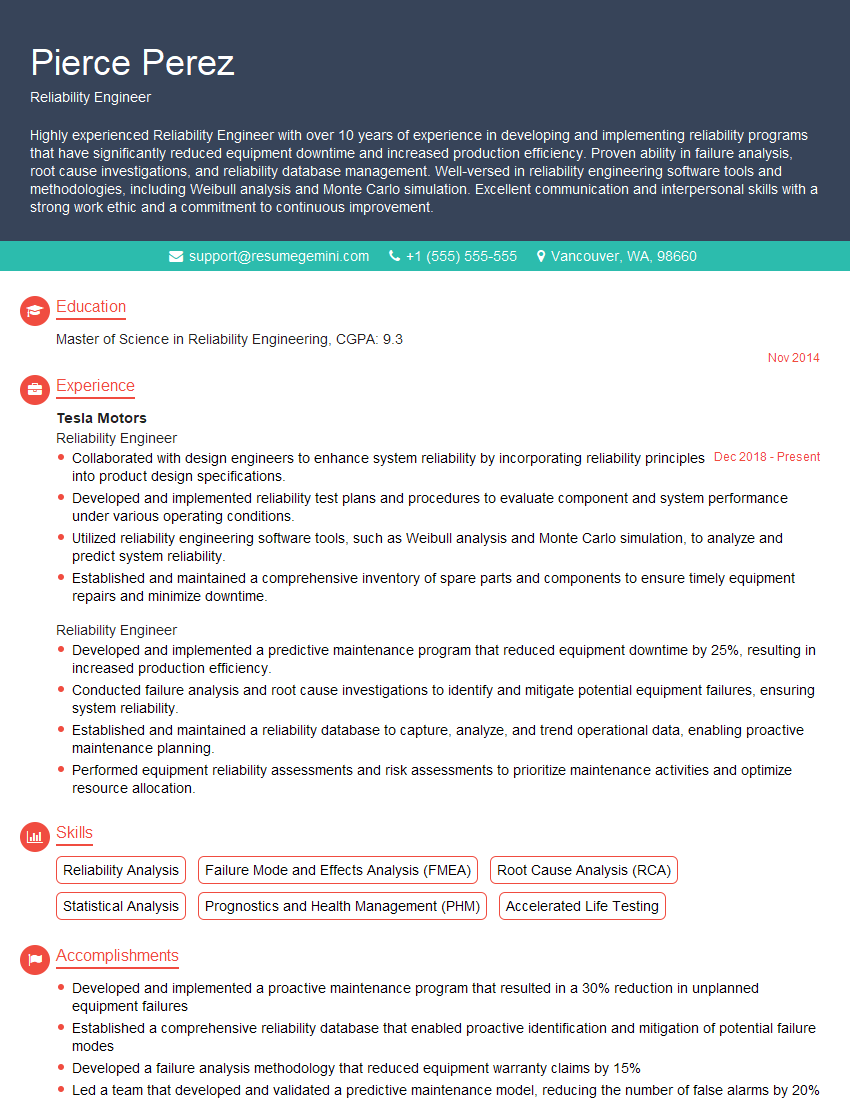
Reliability Engineer Resume Sample
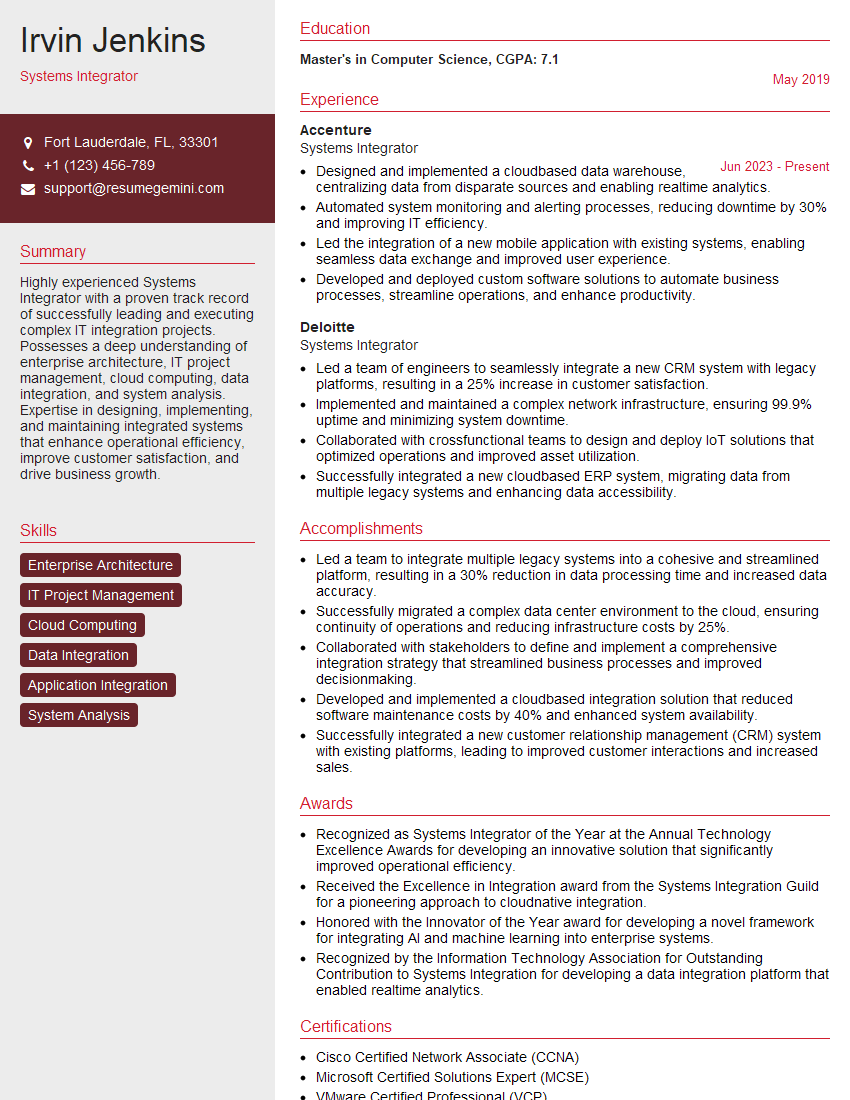
Systems Integrator Resume Sample
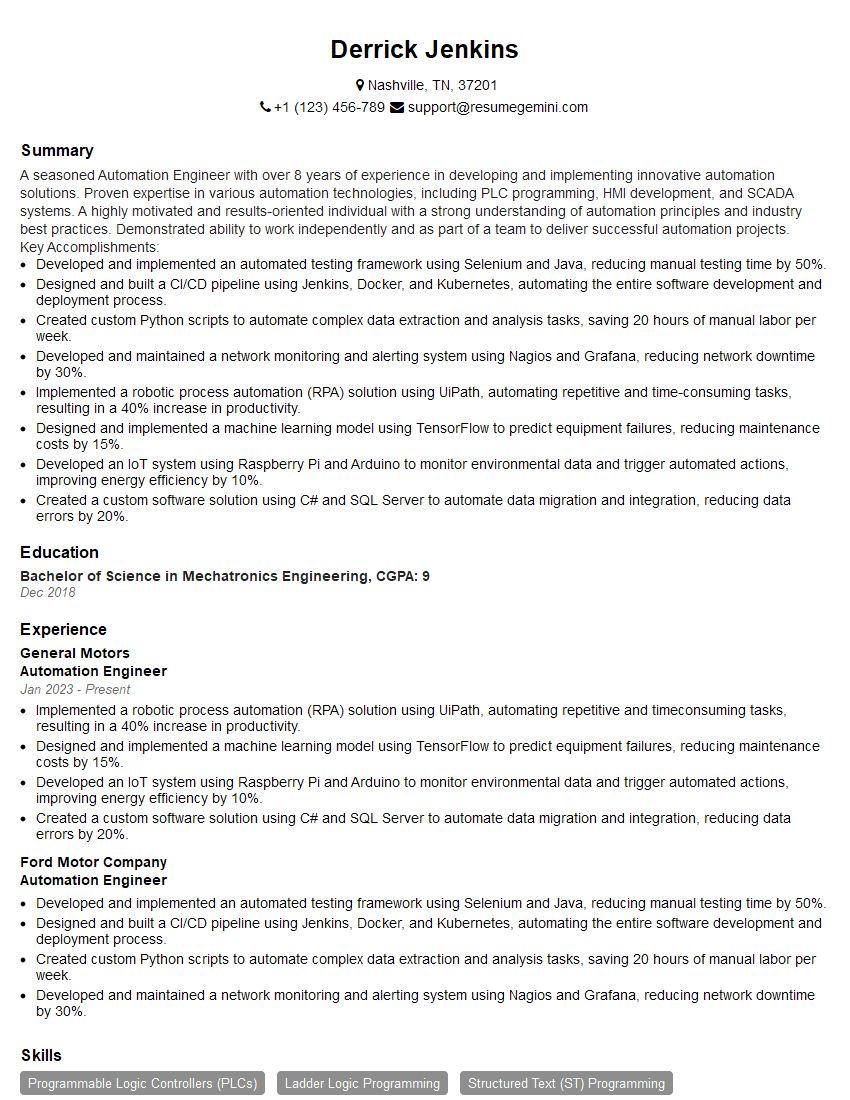
Automation Engineer Resume Sample
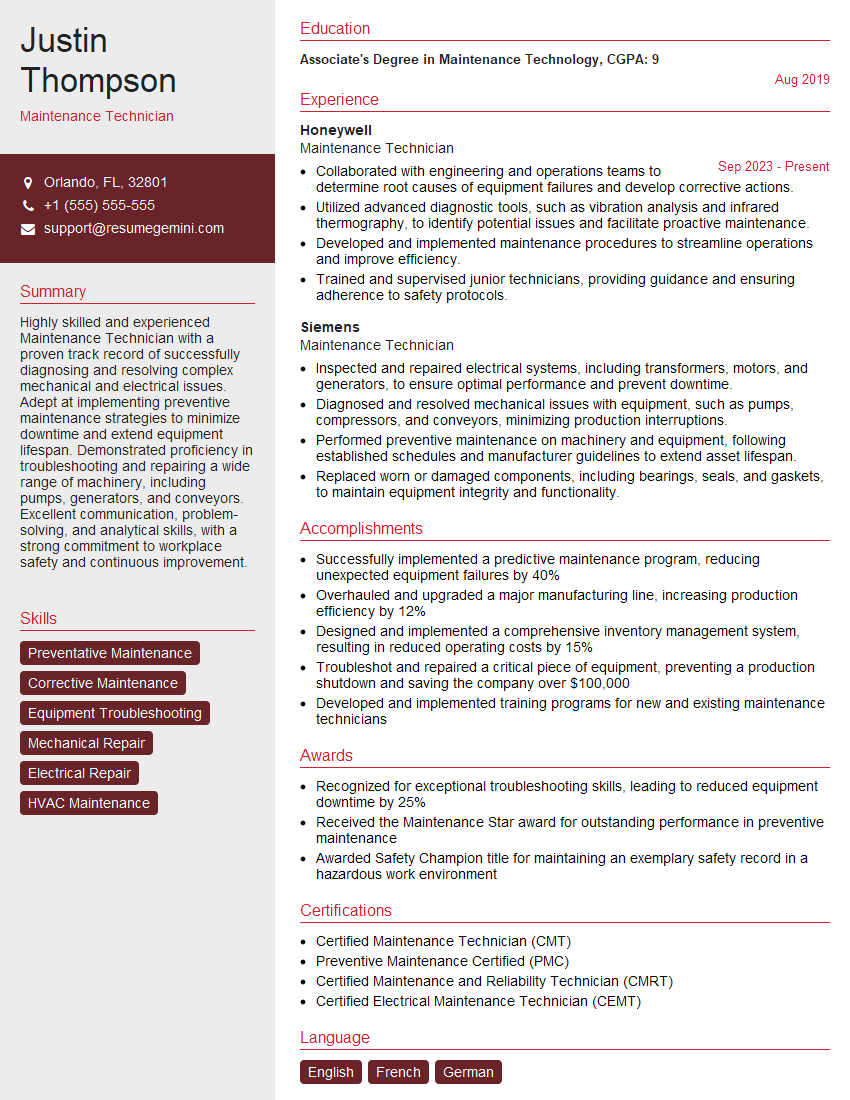
Maintenance Technician Resume Sample
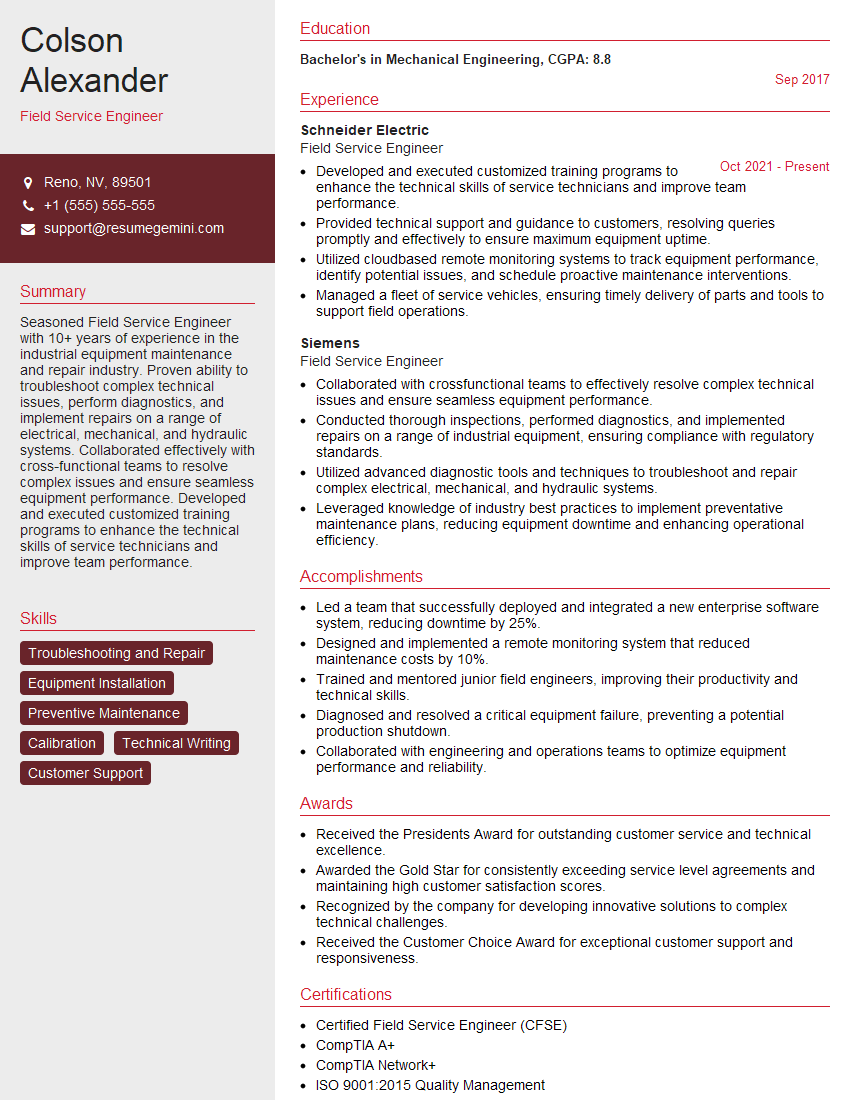
Field Service Engineer Resume Sample
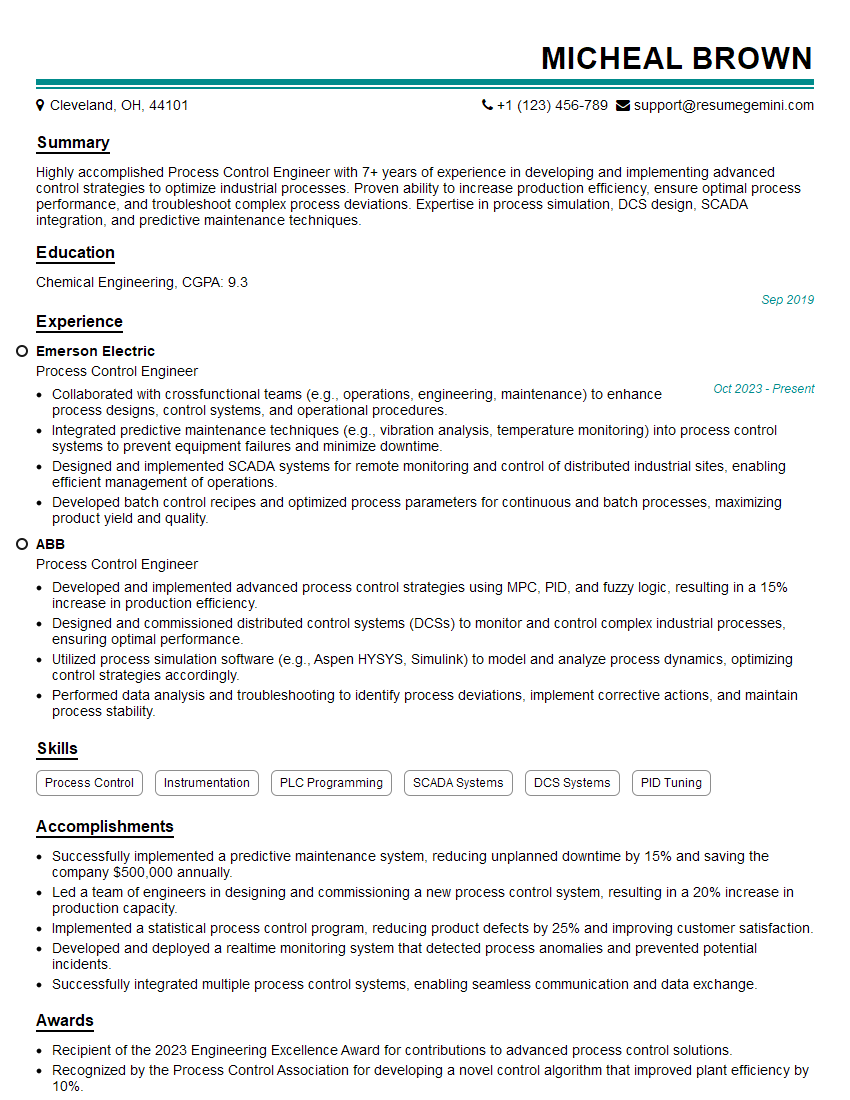
Process Control Engineer Resume Sample
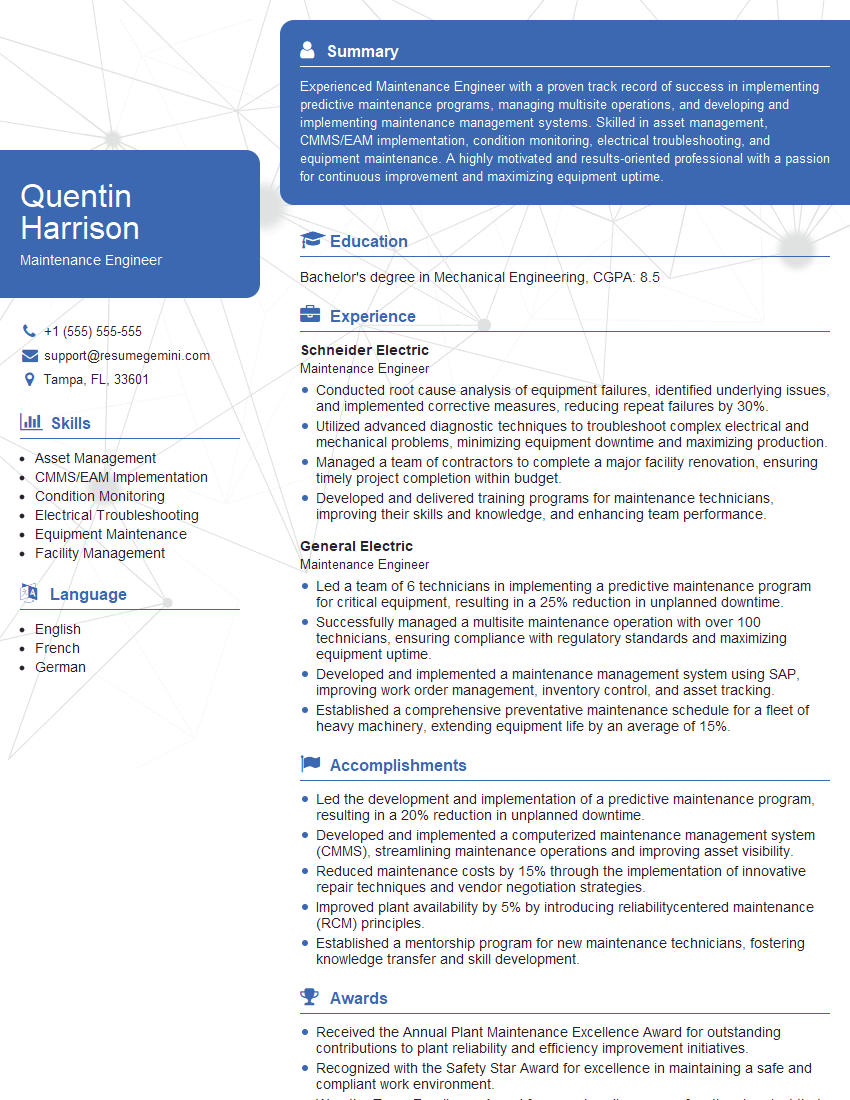
Maintenance Engineer Resume Sample
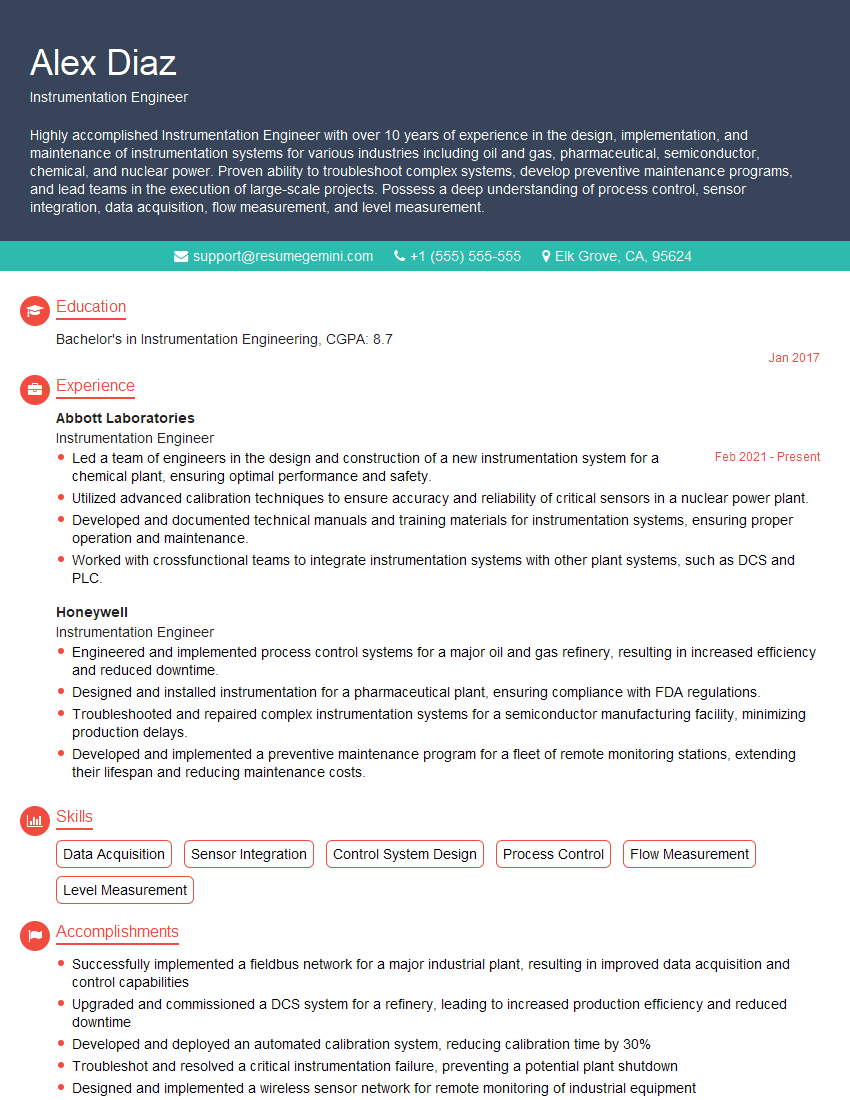
Instrumentation Engineer Resume Sample
Manufacturing Engineer Resume Sample
Quality Control Engineer Resume Sample

Control Systems Engineer Resume Sample
Mechatronics Engineer Resume Sample
Robotics Engineer Resume Sample
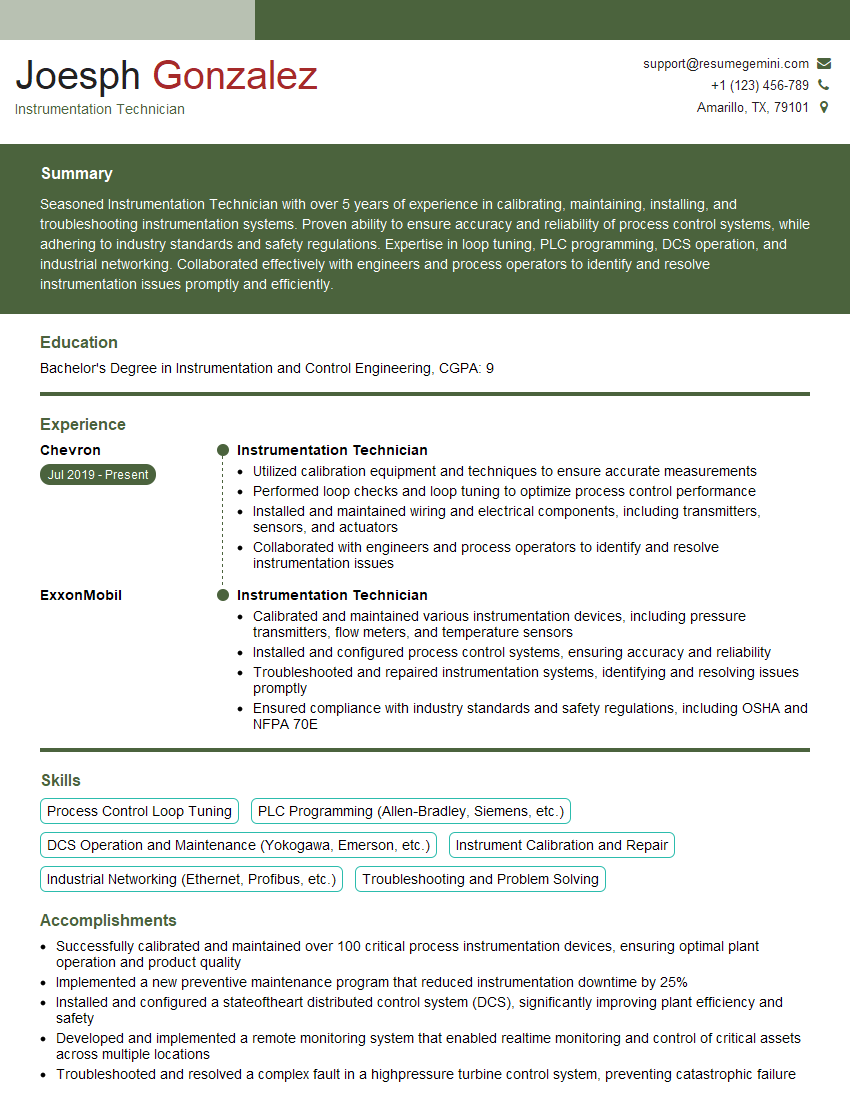
Instrumentation Technician Resume Sample
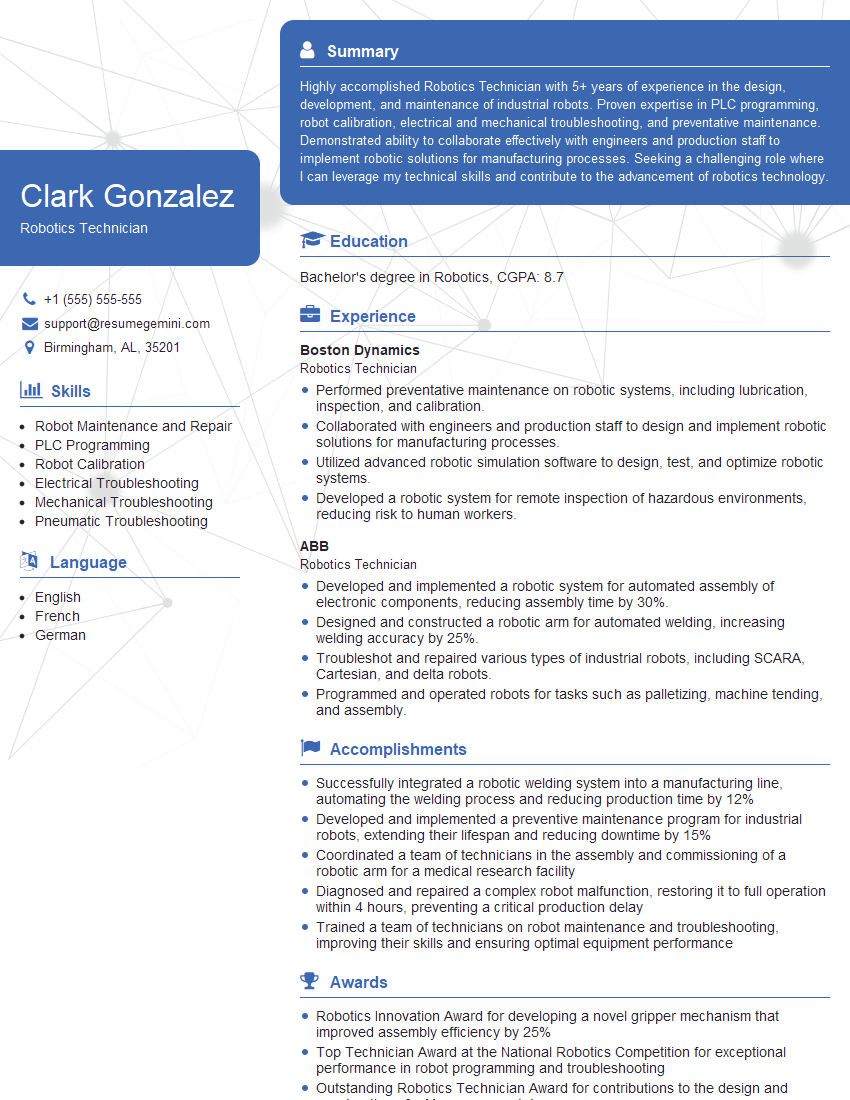
Robotics Technician Resume Sample
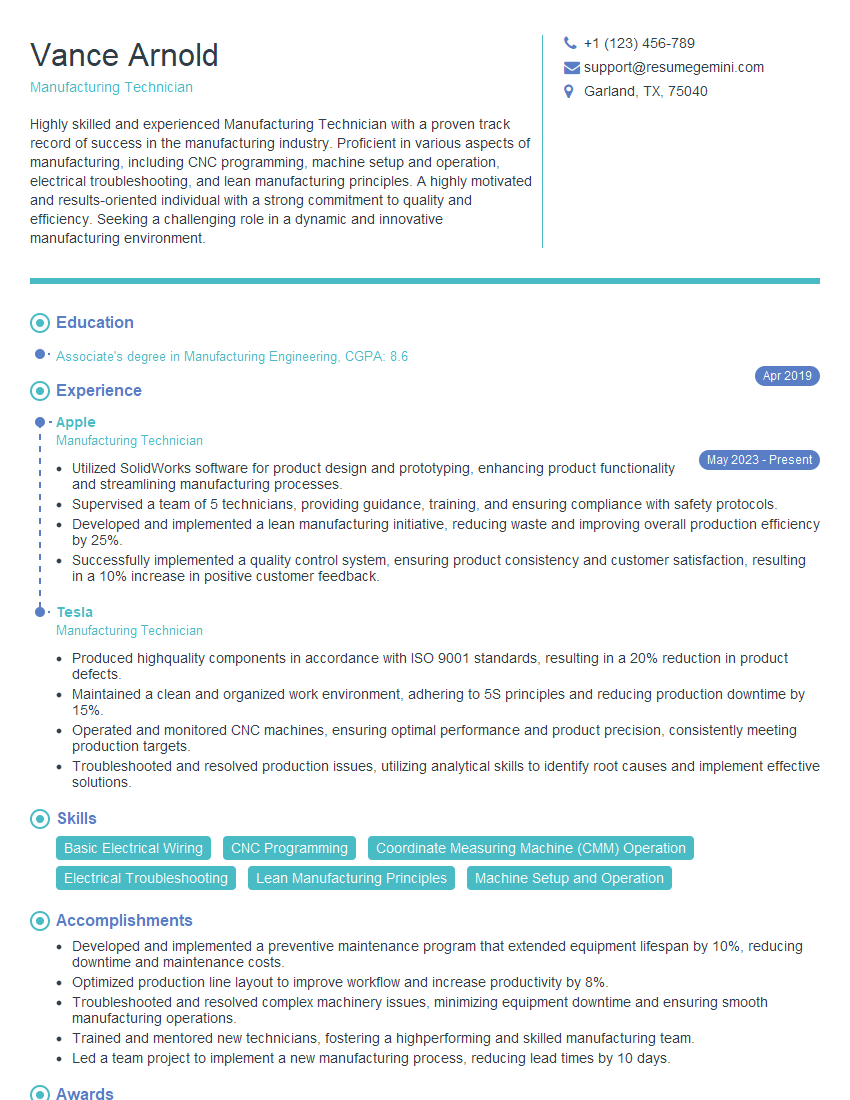
Manufacturing Technician Resume Sample
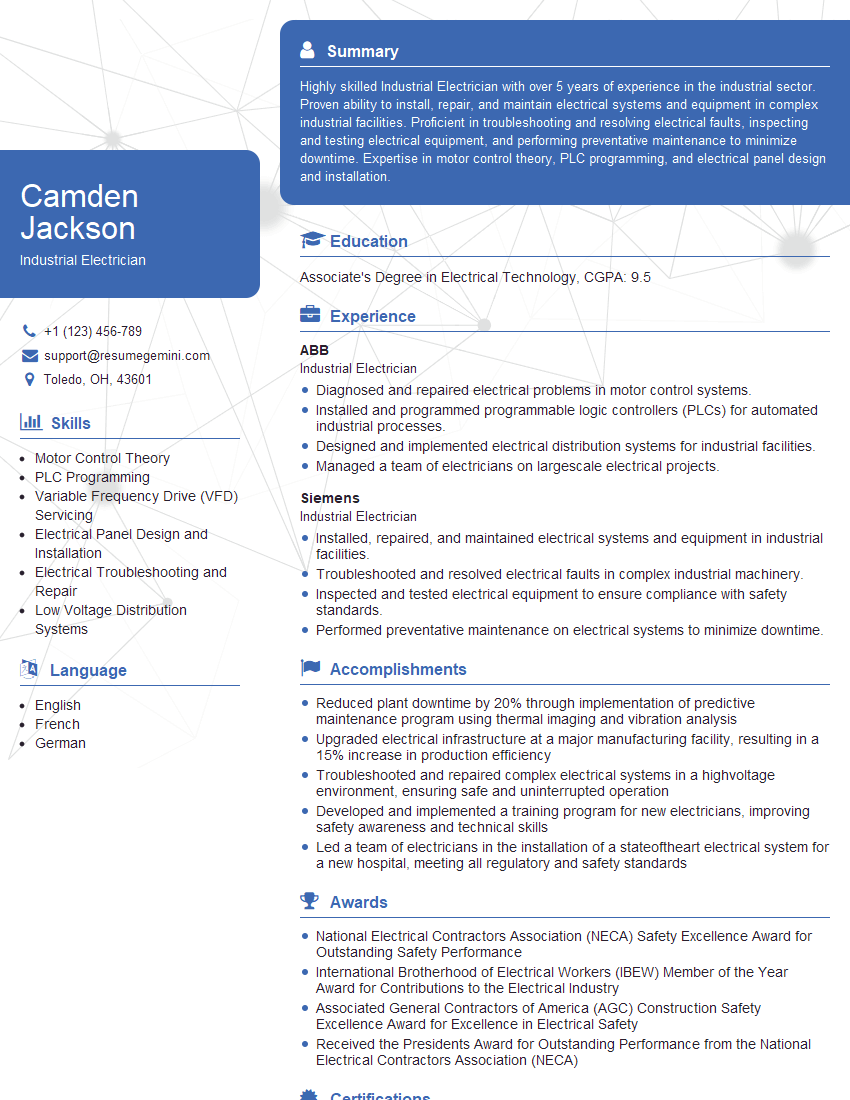
Industrial Electrician Resume Sample
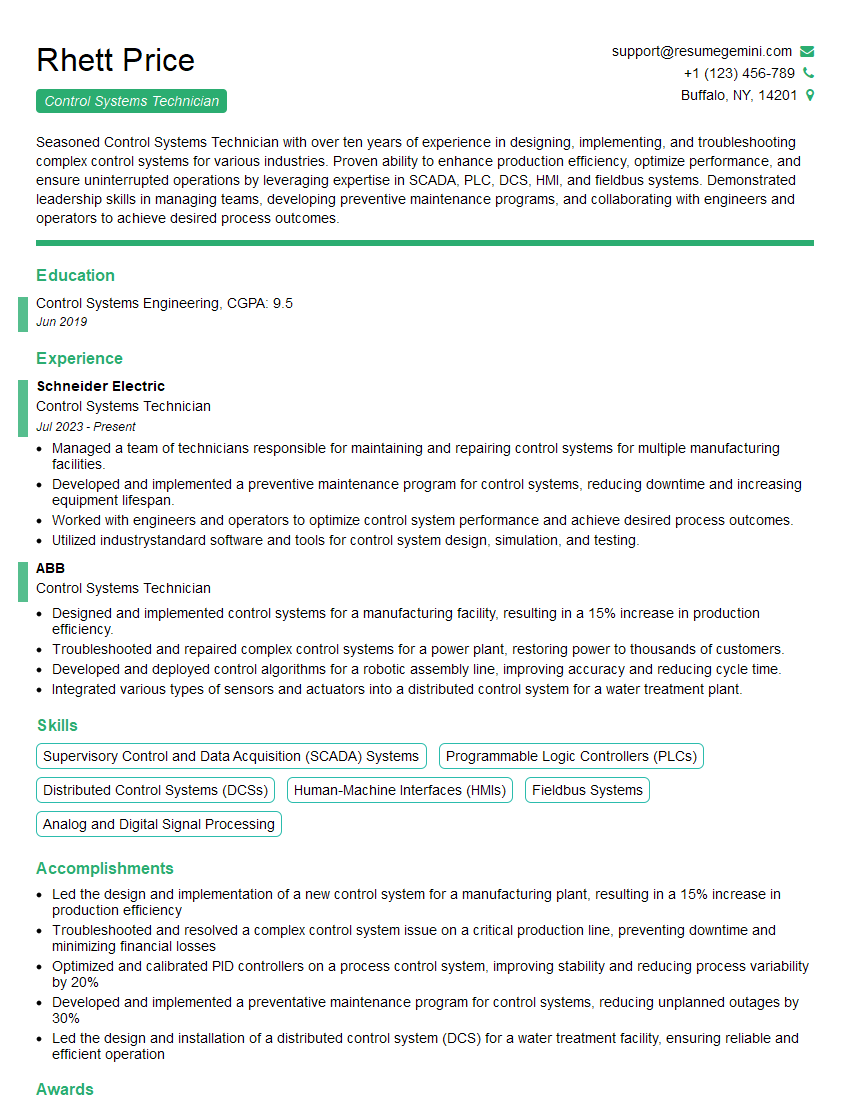
Control Systems Technician Resume Sample
- Reliability Engineer
- Systems Integrator
- Automation Engineer
- Maintenance Technician
- Field Service Engineer
- Process Control Engineer
- Maintenance Engineer
- Instrumentation Engineer
- Manufacturing Engineer
- Quality Control Engineer
- Control Systems Engineer
- Mechatronics Engineer
- Robotics Engineer
- Instrumentation Technician
- Robotics Technician
- Manufacturing Technician
- Industrial Electrician
- Control Systems Technician
Explore more articles
Users Rating of Our Blogs
Share Your Experience
We value your feedback! Please rate our content and share your thoughts (optional).
What Readers Say About Our Blog
Very informative content, great job.
good