Interviews are opportunities to demonstrate your expertise, and this guide is here to help you shine. Explore the essential Machinery and Equipment Troubleshooting interview questions that employers frequently ask, paired with strategies for crafting responses that set you apart from the competition.
Questions Asked in Machinery and Equipment Troubleshooting Interview
Q 1. Describe your experience diagnosing mechanical failures in machinery.
Diagnosing mechanical failures requires a systematic approach combining theoretical knowledge with practical experience. My experience spans various industrial machinery, including conveyor systems, CNC machines, and hydraulic presses. I’ve diagnosed issues ranging from simple bearing wear to complex hydraulic leaks and control system malfunctions. For example, I once diagnosed a recurring jamming issue in a high-speed bottling line by meticulously analyzing the operational data, eventually pinpointing a misaligned conveyor belt causing excessive friction. This involved not only identifying the physical problem but also understanding the contributing factors like speed and material properties.
Another instance involved a malfunctioning CNC machine. Through systematic checks – starting with the simplest, like power supply and emergency stops, and progressing to more intricate components like the servo motors and control software – I traced the root cause to a faulty encoder, leading to inaccurate positioning and ultimately, failed production runs.
Q 2. Explain the troubleshooting process you typically follow.
My troubleshooting process follows a structured methodology:
- Gather Information: Begin by collecting data – observing the machine’s behavior, reviewing maintenance logs, and interviewing operators. This step helps define the problem precisely.
- Visual Inspection: A thorough visual inspection often reveals obvious problems like loose connections, leaks, or physical damage. This is crucial for quick identification of easily fixable issues.
- Systematic Testing: Once the obvious issues are addressed, I proceed with systematic testing, isolating components to pinpoint the source of the malfunction. This could involve checking individual circuits, sensors, or actuators.
- Data Analysis: Where applicable, I analyze operational data like vibration patterns, temperature readings, and pressure gauges. Such data provides objective information about the equipment’s state and often hints at potential problems.
- Root Cause Identification: The goal isn’t just to fix the immediate symptom; I aim to identify the root cause to prevent recurrence. This step often requires careful consideration of operating conditions and past maintenance history.
- Implement Solution & Verification: After identifying the root cause and implementing the solution, thorough verification steps are critical. This involves observing machine functionality to confirm the problem is resolved.
Q 3. How do you identify the root cause of equipment malfunctions?
Identifying the root cause demands careful investigation, going beyond addressing surface-level symptoms. I utilize several techniques:
- 5 Whys Analysis: By repeatedly asking ‘why’ about the problem, we uncover underlying causes. For example: ‘Why is the motor overheating?’ (Because of excessive load). ‘Why is there excessive load?’ (Because the bearing is seized). ‘Why is the bearing seized?’ (Because of inadequate lubrication). This process helps us delve deeper into the problem.
- Fault Tree Analysis: This systematic approach maps out potential causes of a failure and their relationships, helping isolate the most likely root causes.
- Failure Mode and Effects Analysis (FMEA): Proactively analyzing potential failure modes helps anticipate and prevent future problems. This involves identifying potential failures, their effects, and the severity of those effects.
- Data Analysis: Analyzing historical data, operational logs, and sensor readings helps identify patterns and trends indicating underlying issues. For example, a gradual increase in vibration frequency over time might indicate bearing wear.
Q 4. What are your preferred diagnostic tools and techniques?
My diagnostic toolkit is diverse, including both sophisticated instruments and simple hand tools. I regularly use:
- Multimeters: For measuring voltage, current, and resistance in electrical circuits.
- Vibration Analyzers: To detect bearing wear, imbalance, and misalignment in rotating equipment.
- Thermal Imagers: To identify overheating components, indicating potential electrical or mechanical problems.
- Pressure Gauges: To measure hydraulic and pneumatic pressures in systems.
- Laser Alignment Tools: For precise alignment of shafts and other rotating components.
- Data Acquisition Systems: To monitor and record various parameters over time, revealing subtle changes that indicate impending failures.
- Software Diagnostics: Many modern machines have sophisticated diagnostic software, which can provide valuable insights into operational parameters and potential problems.
Beyond tools, my diagnostic skills also rely on the ability to interpret visual cues, listening for unusual sounds, and understanding the equipment’s operating principles.
Q 5. How do you prioritize maintenance tasks to minimize downtime?
Prioritizing maintenance tasks requires a strategic approach that balances the risk of equipment failure with the cost and disruption of maintenance activities. I use a combination of methods:
- Criticality Analysis: Identifying equipment critical to production and prioritizing maintenance based on the impact of failure. A critical piece of equipment requires more frequent and thorough maintenance than a less important one.
- Risk-Based Approach: Assessing the likelihood and severity of potential failures. Higher-risk equipment demands more attention.
- Predictive Maintenance: Leveraging data from sensors and diagnostic tools to predict when maintenance is needed, rather than relying on fixed schedules. This helps avoid unplanned downtime.
- Condition Monitoring: Continuously monitoring the condition of critical equipment through vibration analysis, oil analysis, and thermal imaging. This helps detect developing problems before they lead to failures.
- CMMS (Computerized Maintenance Management System): Using software to schedule, track, and manage maintenance activities. This helps ensure timely execution of tasks and improves the efficiency of the maintenance process.
Q 6. Explain your experience with preventative maintenance procedures.
Preventative maintenance is crucial for minimizing downtime and extending equipment lifespan. My experience includes implementing and overseeing various preventative maintenance procedures, including:
- Lubrication Schedules: Establishing regular lubrication schedules for bearings, gears, and other moving parts, using the correct type and quantity of lubricant. This prevents wear and tear, extending equipment life.
- Visual Inspections: Regularly inspecting equipment for signs of wear, damage, or loose connections. This allows early detection of potential problems.
- Cleaning and Adjustment: Regularly cleaning equipment and adjusting components to ensure proper operation. This removes debris and ensures optimal performance.
- Calibration: Regularly calibrating sensors and other measuring devices to ensure accuracy. Inaccurate readings can lead to faulty decisions.
- Component Replacement: Proactive replacement of components nearing the end of their expected lifespan, preventing unexpected failures. This involves having a good understanding of component lifespans and establishing proactive replacement schedules.
Implementing a robust preventative maintenance program requires careful planning, documentation, and training to ensure effective execution and adherence to established procedures.
Q 7. Describe a time you successfully resolved a complex equipment problem.
In a previous role, a large industrial press experienced intermittent power failures during operation. The initial diagnosis blamed faulty wiring, but repeated repairs failed to resolve the issue. The downtime was costing significant production losses.
After conducting a thorough review of operational data, maintenance logs, and electrical schematics, I noticed a correlation between the failures and high-ambient temperatures within the press enclosure. Further investigation revealed the thermal switches protecting the motor were failing prematurely due to the high temperatures. The air conditioning unit responsible for cooling the enclosure was underperforming.
Instead of simply replacing the thermal switches (a symptomatic fix), I advocated for upgrading the air conditioning system to a higher capacity unit. This resolved the root cause of the problem, preventing further failures and reducing the risk of costly downtime. This experience highlighted the importance of systematically investigating the issue, analyzing data, and addressing the root cause, rather than just the immediate symptoms.
Q 8. How familiar are you with hydraulic and pneumatic systems?
Hydraulic and pneumatic systems are fundamental to many machines. I have extensive experience with both, encompassing design, maintenance, and troubleshooting. Hydraulic systems use pressurized liquids to transmit power, while pneumatic systems use compressed air. Understanding the principles of fluid dynamics, pressure, and flow is crucial. For instance, I once diagnosed a leak in a hydraulic press by systematically checking all connections and seals, eventually finding a microscopic crack in a valve. In pneumatic systems, I’ve dealt with issues like air leaks causing insufficient actuation and solved them through careful inspection of tubing and fittings using tools like leak detectors. My experience covers a wide range of applications, from heavy machinery to precision manufacturing equipment.
Q 9. How do you interpret equipment schematics and diagrams?
Interpreting schematics and diagrams is a core skill for any machinery troubleshooter. I’m proficient in reading various types of diagrams, including P&IDs (Piping and Instrumentation Diagrams), electrical schematics, pneumatic and hydraulic circuit diagrams. I can visualize the system’s function from these diagrams, tracing the flow of fluids, electricity, or signals. For example, when troubleshooting a faulty conveyor belt system, I can use the electrical schematic to trace the wiring to identify a shorted wire causing a motor to malfunction. I also understand ladder logic diagrams for PLCs, which helps me diagnose and fix programmable logic control problems.
Understanding symbols and notations is crucial. For example, a ‘>’ in a pneumatic diagram might represent a directional control valve, while a ‘|||’ might signify a restriction. These nuances require a strong foundation in engineering graphics.
Q 10. What safety protocols do you follow when troubleshooting equipment?
Safety is my top priority. Before starting any troubleshooting, I always follow a rigorous safety protocol. This includes:
- Lockout/Tagout (LOTO): Securing all energy sources (electrical, hydraulic, pneumatic) to prevent accidental energization.
- Personal Protective Equipment (PPE): Wearing appropriate safety gear, such as safety glasses, gloves, hearing protection, and steel-toe boots, depending on the task.
- Risk Assessment: Identifying potential hazards and implementing mitigation strategies before commencing work. For example, if working near moving parts, I would ensure appropriate guarding is in place.
- Emergency Procedures: Understanding and being prepared for emergency situations, such as chemical spills or equipment failure.
- Following all company safety guidelines and regulations.
A real-world example: Before troubleshooting a malfunctioning robotic arm, I would lock out its power supply, then use the manipulator’s manual override to move it to a safe position before proceeding with diagnostics.
Q 11. How do you document your troubleshooting process and findings?
Thorough documentation is essential for effective troubleshooting and future reference. I use a structured approach, typically combining written reports with visual aids. My documentation includes:
- Detailed description of the problem: Including the symptoms, when the problem started, and any relevant information.
- Troubleshooting steps taken: A chronological log of actions, including measurements, tests performed, and observations.
- Findings and conclusions: Identifying the root cause of the problem and explaining how it was diagnosed.
- Corrective actions taken: A clear description of the repairs or adjustments made to resolve the issue.
- Photographs or diagrams: To visually document the condition of equipment before, during, and after the repairs.
- Parts replaced or adjusted: This helps with future inventory management and record keeping.
I often use digital tools such as maintenance management software or simply a well-organized folder structure to store this documentation. This allows easy access to past troubleshooting records for repetitive issues.
Q 12. What experience do you have with PLC programming and troubleshooting?
I have significant experience with PLC programming and troubleshooting, primarily using Allen-Bradley and Siemens PLCs. My skills encompass reading and understanding ladder logic, troubleshooting PLC programs using diagnostic tools, modifying existing programs, and writing new programs for automation tasks. I can effectively use programming software to diagnose faults within the PLC program itself. For example, I once solved a production line issue by identifying and correcting a logic error in the PLC program that was causing a timing conflict, ultimately stopping the whole line. My experience also includes working with HMI (Human Machine Interface) screens to interface with the PLCs and monitor the system’s operation.
Q 13. Describe your experience with vibration analysis and its application in troubleshooting.
Vibration analysis is a powerful tool for predictive maintenance and troubleshooting. I have experience using vibration analyzers to detect imbalances, misalignment, bearing wear, and other mechanical faults in rotating equipment. By analyzing the frequency and amplitude of vibrations, I can pinpoint the source of the problem before it leads to catastrophic failure. For instance, a high-frequency vibration in a motor might indicate bearing wear. Analyzing the frequency spectrum allows for precise identification of the faulty component. The data gathered helps in scheduling maintenance proactively, preventing unscheduled downtime.
I’m proficient in using both handheld analyzers and more sophisticated systems for data collection and analysis. The ability to interpret vibration data and correlate it with specific machine components is critical for accurate diagnoses.
Q 14. How do you handle situations where equipment malfunctions cause production delays?
Production delays due to equipment malfunctions are critical situations requiring swift and decisive action. My approach involves a structured process:
- Immediate Assessment: Quickly assessing the situation to determine the severity of the problem and the potential impact on production.
- Prioritization: Prioritizing repairs based on the criticality of the affected equipment and the urgency of restoring production.
- Troubleshooting and Repair: Employing efficient troubleshooting methods to quickly identify and resolve the root cause of the problem.
- Temporary Workarounds (if necessary): Implementing temporary solutions to minimize production downtime while permanent repairs are underway.
- Communication: Keeping all relevant personnel informed of the situation and the progress being made towards a solution.
- Root Cause Analysis (RCA): Once the problem is resolved, I conduct a thorough RCA to prevent similar incidents in the future. This may involve documentation, discussion with colleagues, and suggesting improvements to equipment or procedures.
For example, during a critical production run, a critical pump failed. I quickly diagnosed the problem (a clogged filter), cleared the filter, and restarted the pump, minimizing downtime. I then documented the event, ordered a replacement filter, and suggested implementing a preventative maintenance schedule for filter changes. Effective communication with management and the production team was crucial in mitigating the impact of the delay.
Q 15. How familiar are you with different types of sensors and their applications?
My familiarity with sensors is extensive. I’ve worked with a wide range of sensor types, each crucial for different aspects of machinery monitoring and control. For instance, proximity sensors, using inductive, capacitive, or photoelectric principles, detect the presence or absence of objects without physical contact – invaluable for safety systems and automated processes. Think of a robotic arm needing to precisely position parts; proximity sensors ensure it doesn’t collide with surrounding equipment. Then there are temperature sensors (thermocouples, RTDs, thermistors) that monitor operating temperatures, preventing overheating and potential damage. Imagine a large industrial oven; accurate temperature monitoring is critical for consistent product quality and safety. Pressure sensors are vital in hydraulic and pneumatic systems, ensuring optimal operation and preventing leaks or system failures. Think of a hydraulic press – precise pressure monitoring is key for controlled operation. Finally, vibration sensors (accelerometers) detect abnormal vibrations, early warning signs of bearing wear or imbalance – a significant factor in predictive maintenance, allowing us to schedule repairs before catastrophic failure. My experience extends to integrating sensor data into PLC (Programmable Logic Controller) systems for real-time monitoring and automated responses.
Career Expert Tips:
- Ace those interviews! Prepare effectively by reviewing the Top 50 Most Common Interview Questions on ResumeGemini.
- Navigate your job search with confidence! Explore a wide range of Career Tips on ResumeGemini. Learn about common challenges and recommendations to overcome them.
- Craft the perfect resume! Master the Art of Resume Writing with ResumeGemini’s guide. Showcase your unique qualifications and achievements effectively.
- Don’t miss out on holiday savings! Build your dream resume with ResumeGemini’s ATS optimized templates.
Q 16. Explain your understanding of predictive maintenance techniques.
Predictive maintenance is all about moving away from reactive (fixing things after they break) and preventive (scheduled maintenance regardless of condition) approaches. It uses data-driven insights to predict when equipment is likely to fail and schedule maintenance accordingly. This significantly reduces downtime, extends equipment lifespan, and optimizes maintenance costs. I’ve applied predictive maintenance techniques using vibration analysis, where we monitor the vibrational signatures of machinery components. Changes in these signatures – increased amplitude, frequency shifts – can indicate wear, misalignment, or imbalance long before a catastrophic failure occurs. We also use thermal imaging to identify hotspots indicative of electrical problems or excessive friction. Data from sensors (temperature, vibration, pressure) is often fed into machine learning algorithms that can identify patterns and predict potential failures with surprising accuracy. For example, in a recent project involving a large conveyor belt system, predictive maintenance, based on vibration analysis, allowed us to replace a worn bearing just before it completely failed, avoiding costly production downtime and potential safety risks.
Q 17. How do you stay up-to-date with the latest technologies and troubleshooting methods?
Keeping abreast of the latest technologies and troubleshooting methods is crucial in this rapidly evolving field. I regularly attend industry conferences and workshops, such as those hosted by the ASME (American Society of Mechanical Engineers) and IEEE (Institute of Electrical and Electronics Engineers). I also subscribe to key industry publications and actively participate in online professional communities and forums. Furthermore, I actively seek out training opportunities, particularly focusing on new sensor technologies, advanced analytics for predictive maintenance, and the latest in robotics and automation. For example, I recently completed a course on applying AI and machine learning to predictive maintenance, significantly improving my ability to interpret sensor data and make more accurate predictions of equipment failures.
Q 18. Describe your experience with electrical troubleshooting in machinery.
Electrical troubleshooting is a core competency for me. I am proficient in using multimeters, oscilloscopes, and other diagnostic tools to identify and resolve electrical issues in machinery. My experience includes troubleshooting faulty wiring, motor control circuits, PLC programming issues, and sensor malfunctions. A memorable instance involved a manufacturing line that kept experiencing unexpected shutdowns. Using a combination of electrical schematics, a multimeter, and an oscilloscope, I tracked the problem down to a faulty relay in the motor control circuit. Replacing the relay immediately resolved the problem, minimizing production downtime. My approach is methodical and systematic, beginning with a thorough visual inspection followed by targeted testing to isolate the faulty component. Safety is always paramount – I strictly adhere to lockout/tagout procedures to prevent electrical shocks and injuries.
Q 19. What is your experience with robotic systems and their maintenance?
My experience with robotic systems and their maintenance encompasses both industrial robots (used in manufacturing) and collaborative robots (cobots) used in more interactive settings. I’m familiar with various robot architectures, control systems, and programming languages. Maintenance includes routine inspections, lubrication, and sensor calibration. More complex tasks include troubleshooting mechanical issues (joint misalignments, actuator problems), electrical problems (wiring faults, sensor failures), and programming errors. I have experience working with both the hardware and software aspects of robotic systems, which allows for a comprehensive approach to troubleshooting. For example, in a recent project, I diagnosed and repaired a malfunction in a robotic welding system caused by a faulty encoder on one of the robot’s joints. Replacing the encoder restored the robot’s precision and accuracy. Safety is a primary concern in robotics maintenance, requiring a thorough understanding of emergency stop mechanisms and safety protocols.
Q 20. How do you effectively communicate technical information to non-technical personnel?
Effective communication with non-technical personnel is vital. I avoid technical jargon and use clear, concise language, accompanied by visual aids like diagrams or charts when appropriate. I focus on explaining the ‘why’ behind a problem, its potential impact, and the proposed solution in terms that everyone can easily understand. Instead of saying “The PLC is experiencing a bus contention error,” I might explain “The system’s computer is having trouble communicating with the machines, which is causing the shutdown.” I also actively listen and make sure the other person understands before moving on. I believe in building trust and rapport with individuals, ensuring they feel comfortable asking questions and voicing concerns.
Q 21. What are your strengths and weaknesses in troubleshooting?
My strengths lie in my systematic and analytical approach to troubleshooting, my ability to quickly identify root causes, and my strong practical skills. I also excel in communicating technical information effectively to both technical and non-technical audiences. One area I am constantly working to improve is my time management skills in situations involving multiple concurrent issues. I sometimes find myself spreading myself too thin, so I’m actively implementing techniques to prioritize tasks and delegate effectively when possible. I also plan to further deepen my knowledge of cutting-edge predictive maintenance techniques using AI and machine learning.
Q 22. How do you handle pressure and tight deadlines during troubleshooting?
Handling pressure and tight deadlines in troubleshooting is crucial. My approach involves a structured methodology that prioritizes efficiency without compromising quality. First, I conduct a rapid assessment to determine the urgency and potential impact of the malfunction. This helps prioritize tasks. Then, I break down the problem into smaller, manageable tasks. For example, if a production line is down, I wouldn’t try to fix everything at once. Instead, I’d focus on the most critical component first to get the line partially operational as quickly as possible, while simultaneously addressing less urgent issues. I use tools like Gantt charts to visualize timelines and deadlines, and I communicate regularly with stakeholders to manage expectations and secure necessary resources.
I also prioritize proactive measures. Regular preventative maintenance significantly reduces the frequency and severity of breakdowns, minimizing the need for urgent troubleshooting. In essence, I strive to create a system where emergency fixes are the exception, not the rule.
Q 23. Describe your experience with different types of machinery and equipment.
My experience spans a wide range of machinery and equipment, including hydraulic and pneumatic systems, conveyor systems, packaging machinery, robotic arms, CNC machines, and various types of industrial motors (AC, DC, Servo). I’ve worked extensively with both simple and complex systems, ranging from individual components to entire production lines. For instance, I successfully diagnosed and repaired a malfunctioning robotic arm in a high-speed packaging line, where the issue stemmed from a faulty encoder causing inaccurate positioning. I also have experience with troubleshooting issues in large industrial chillers and associated pump systems. My experience includes both mechanical and electrical systems, which gives me a holistic understanding of equipment operation.
Q 24. What is your experience with using Computerized Maintenance Management Systems (CMMS)?
I’m proficient in using various CMMS (Computerized Maintenance Management Systems), including [Mention Specific CMMS examples e.g., SAP PM, Maximo, UpKeep]. My experience encompasses using CMMS to schedule preventative maintenance, track work orders, manage inventory, generate reports, and analyze equipment performance data. For example, I utilized a CMMS to analyze historical maintenance data on a particular pump, identifying a recurring failure pattern that led to a proactive replacement strategy, preventing unexpected downtime. The ability to leverage data analytics within a CMMS is invaluable for both reactive and proactive maintenance planning.
Q 25. How do you ensure the safety of yourself and others during troubleshooting?
Safety is paramount in my troubleshooting process. Before starting any work, I always conduct a thorough risk assessment. This includes identifying potential hazards, such as exposed wiring, moving parts, or hazardous materials, and implementing appropriate safety measures. This might involve lockout/tagout procedures to isolate power sources, using personal protective equipment (PPE) like safety glasses, gloves, and hearing protection, and ensuring proper ventilation in enclosed spaces. I also communicate clearly with colleagues about the work being performed, establishing clear communication channels and ensuring everyone is aware of the potential risks. My philosophy is simple: no job is worth jeopardizing safety.
Q 26. Explain your understanding of different types of lubrication and their applications.
Understanding lubrication is critical for equipment longevity. Different types of lubricants are suited for different applications based on factors like operating temperature, load, and speed. For example:
- Mineral Oils: These are widely used and cost-effective for general-purpose applications where operating conditions are moderate.
- Synthetic Oils: They offer superior performance at extreme temperatures or under heavy loads, often extending equipment lifespan. Synthetic oils are frequently used in high-precision equipment.
- Grease: Grease is used where lubrication is needed in confined spaces or where frequent lubrication is impractical. Different greases have various viscosity grades and additives to suit different applications.
- Specialized Lubricants: These include high-temperature greases, food-grade lubricants, and others tailored to specific needs. For example, food-grade lubricants are crucial in industries where equipment comes into contact with food products.
Choosing the right lubricant is crucial for preventing premature wear, friction, and overheating, ensuring optimal equipment performance and extending its useful life.
Q 27. How do you handle situations where you are unsure of the cause of a malfunction?
When faced with an unknown malfunction, my approach is systematic and methodical. I start by gathering as much information as possible. This involves observing the equipment’s behavior, checking for error codes, interviewing operators, and reviewing historical maintenance records. I then use a process of elimination, testing various components to isolate the problem. I might use diagnostic tools such as multimeters, oscilloscopes, or specialized diagnostic software. If needed, I consult technical manuals, schematics, and industry resources to gain a deeper understanding of the system’s operation. If the problem remains elusive, I wouldn’t hesitate to seek help from colleagues or external experts. Collaboration and knowledge sharing are often key to resolving complex problems quickly and efficiently.
Q 28. Describe your experience working within a team to troubleshoot equipment issues.
Teamwork is essential in troubleshooting, especially when dealing with complex equipment. I’ve been part of several teams where effective communication and collaborative problem-solving were crucial to successful outcomes. My role often involves coordinating the team, delegating tasks based on individual expertise, and ensuring clear communication. For example, in a situation where a large packaging machine failed, I coordinated electricians, mechanics, and process engineers. The electricians focused on electrical diagnostics, the mechanics tackled mechanical components, and the process engineers evaluated the impact on the overall production process. This division of labor, combined with regular updates and progress discussions, allowed us to swiftly identify and resolve the root cause of the malfunction. Open communication and mutual respect are key for successful teamwork in a high-pressure environment.
Key Topics to Learn for Machinery and Equipment Troubleshooting Interview
- Understanding Mechanical Systems: Grasping fundamental mechanical principles like hydraulics, pneumatics, and kinematics is crucial. This forms the bedrock for diagnosing issues.
- Electrical Systems Diagnosis: Learn to troubleshoot electrical circuits, motor controls, and sensor systems. Practical experience with multimeters and troubleshooting charts is invaluable.
- Preventive Maintenance Strategies: Demonstrate knowledge of scheduled maintenance procedures, lubrication techniques, and the importance of regular inspections in preventing equipment failures.
- Diagnostic Tools and Techniques: Familiarize yourself with various diagnostic tools (e.g., oscilloscopes, thermal cameras) and troubleshooting methodologies (e.g., systematic elimination, root cause analysis).
- Safety Procedures and Regulations: Highlight your understanding of safety protocols and relevant industry regulations pertaining to machinery operation and maintenance. This demonstrates responsibility and professionalism.
- Troubleshooting Common Equipment Malfunctions: Prepare examples of troubleshooting specific equipment types (e.g., conveyors, pumps, compressors) and the steps involved in resolving common issues. Focus on your problem-solving process.
- Data Analysis and Interpretation: Demonstrate your ability to interpret sensor data, logs, and error codes to identify patterns and pinpoint the source of malfunctions.
- Communication and Teamwork: Highlight your ability to effectively communicate technical information to both technical and non-technical audiences and collaborate effectively within a team environment.
Next Steps
Mastering Machinery and Equipment Troubleshooting opens doors to exciting career advancements and higher earning potential. It demonstrates a crucial skillset highly valued across numerous industries. To maximize your job prospects, invest time in crafting an ATS-friendly resume that effectively showcases your abilities. ResumeGemini is a trusted resource to help you build a professional and impactful resume that gets noticed by recruiters. We offer examples of resumes tailored to Machinery and Equipment Troubleshooting to help guide you. Take the next step towards your dream career today!
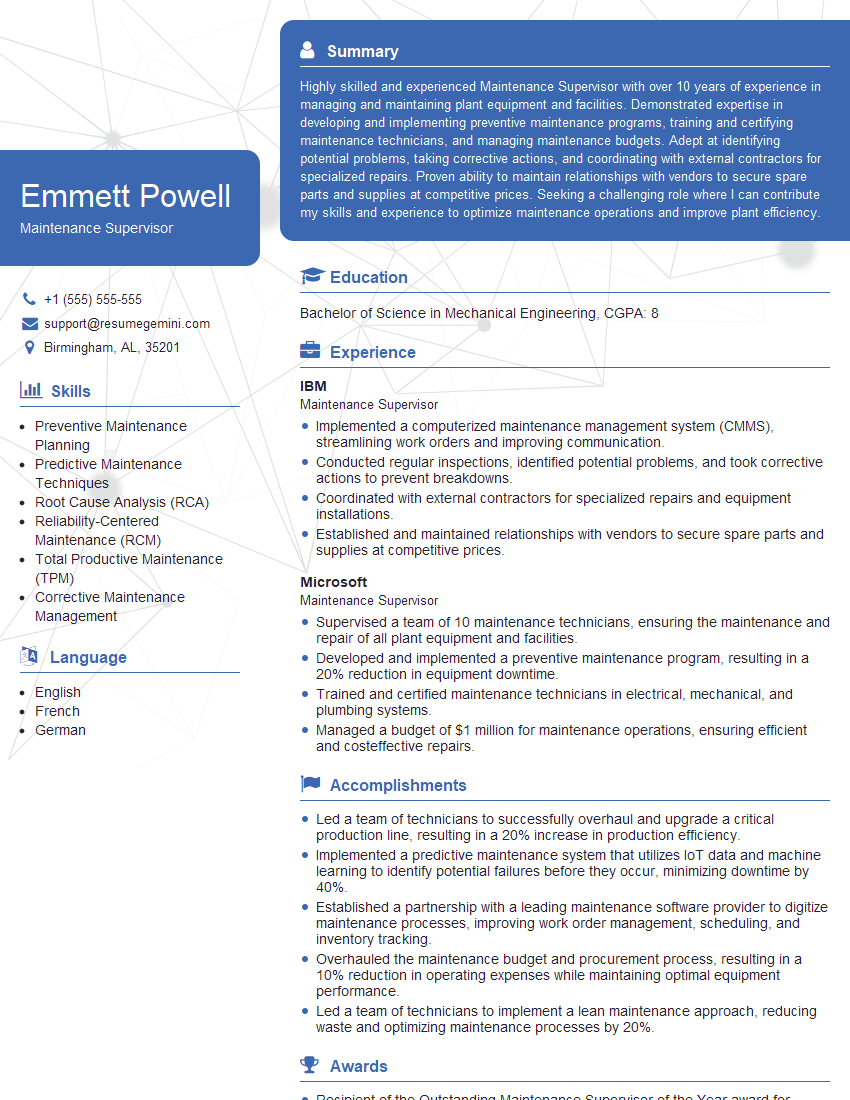
Maintenance Supervisor Resume Sample
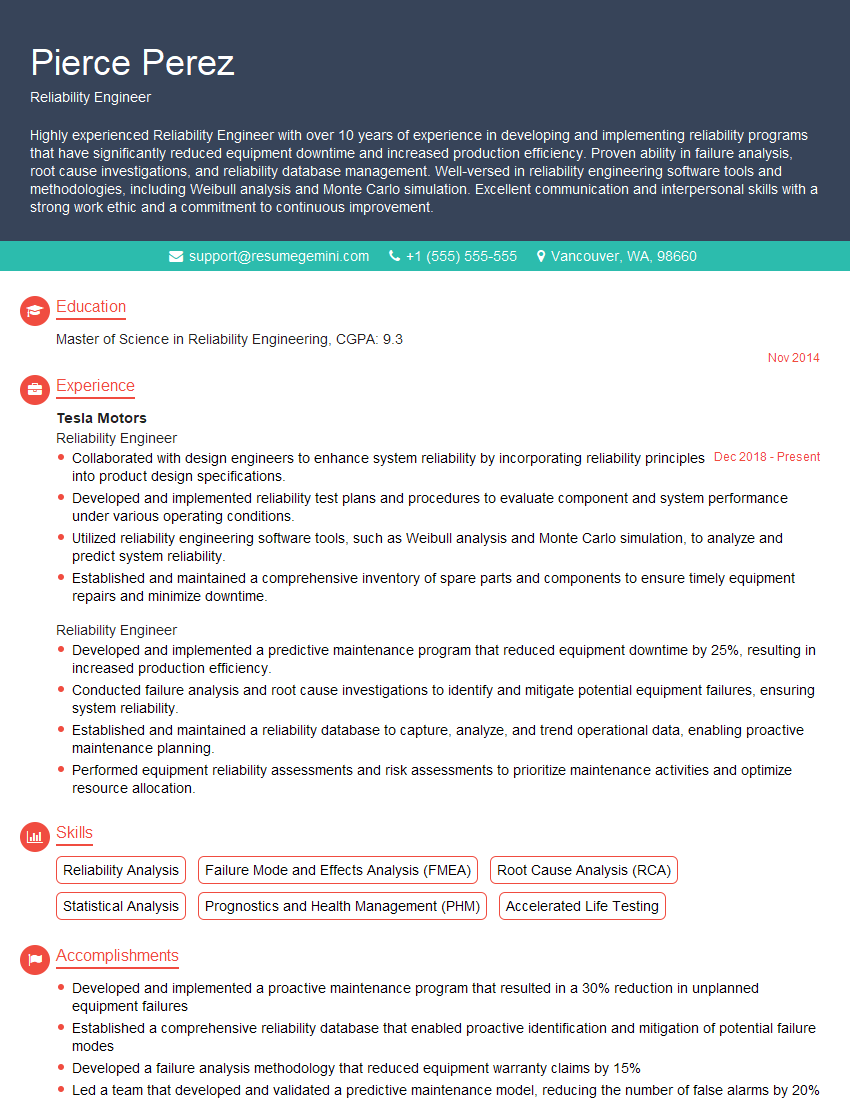
Reliability Engineer Resume Sample
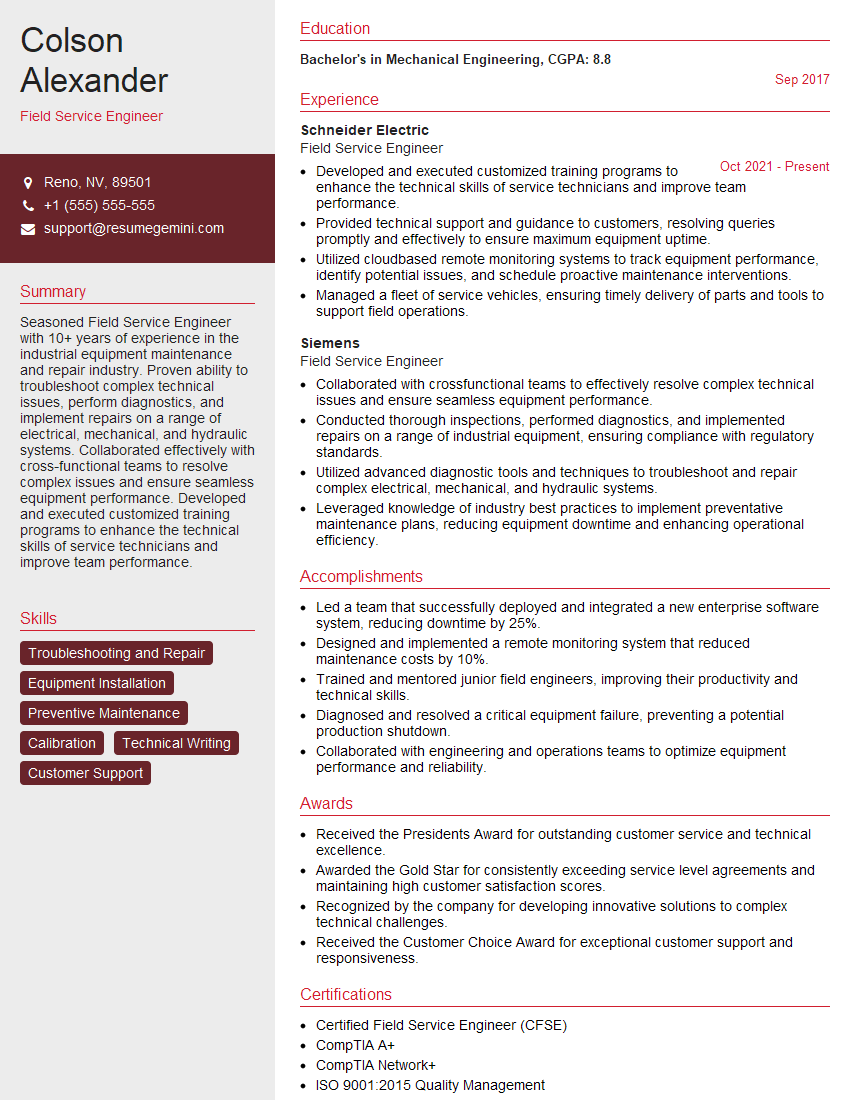
Field Service Engineer Resume Sample
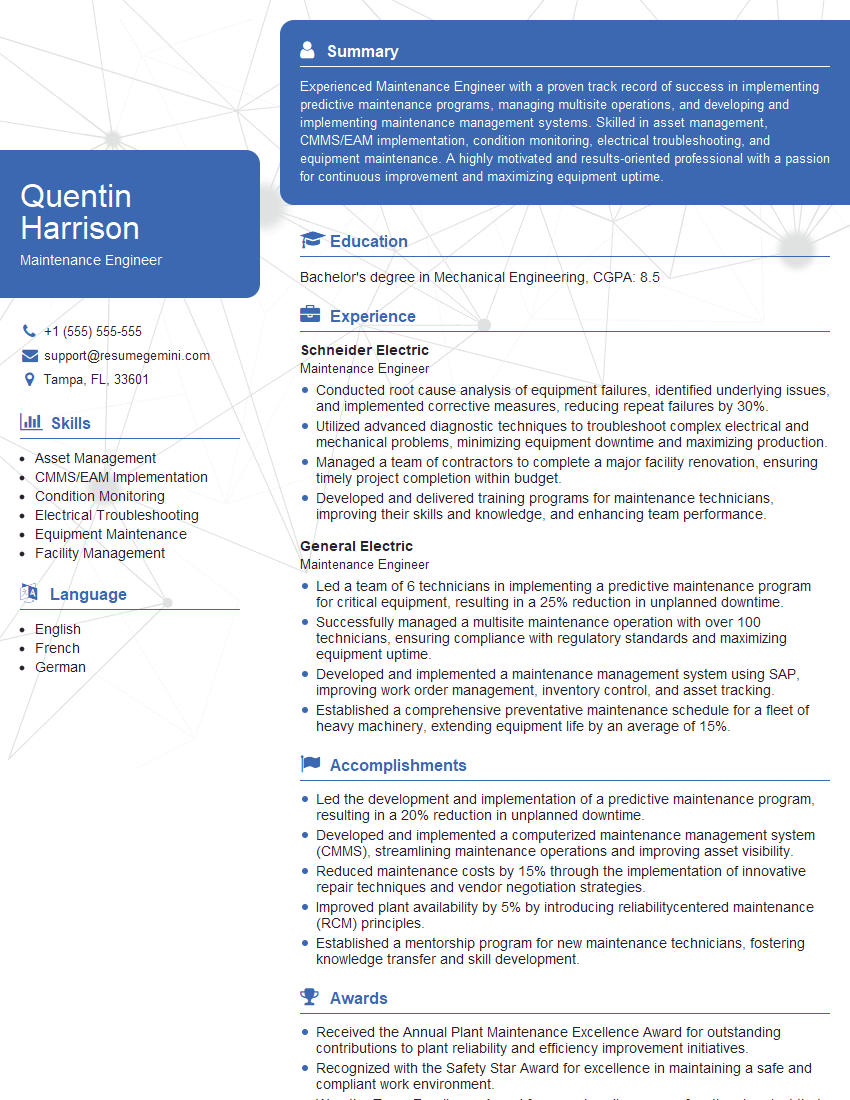
Maintenance Engineer Resume Sample
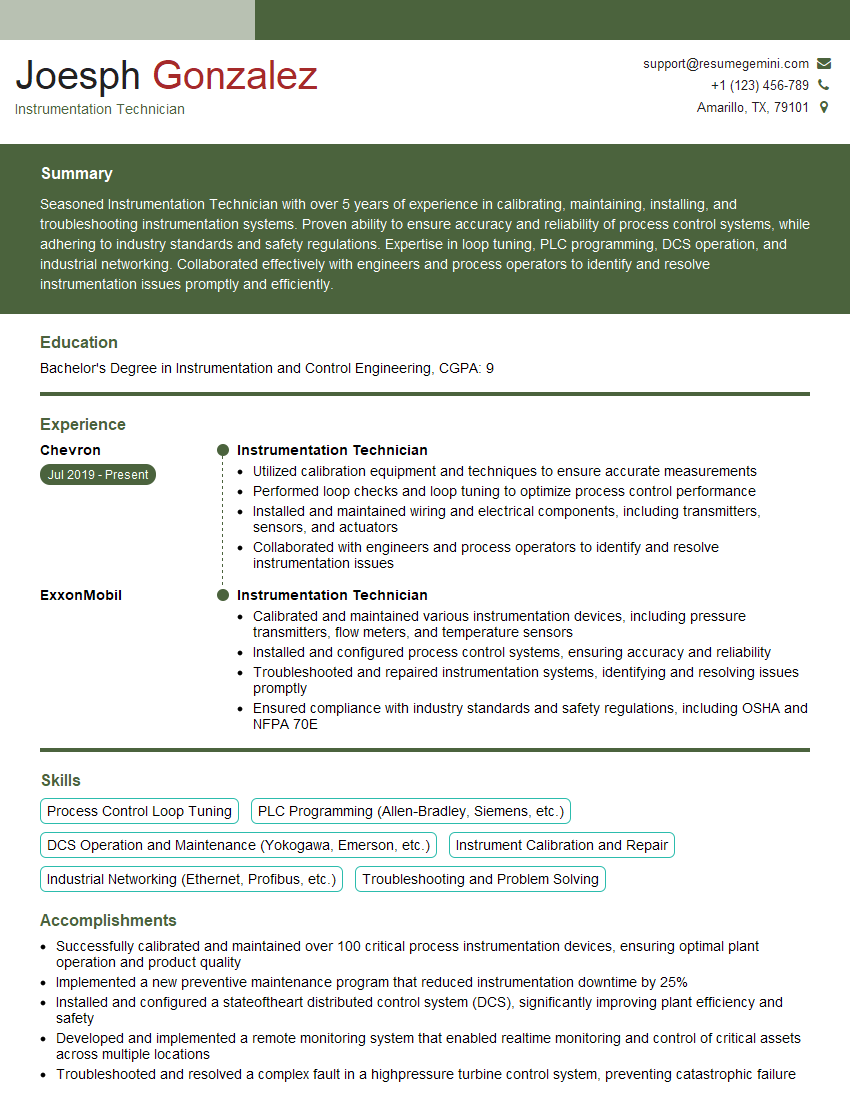
Instrumentation Technician Resume Sample

Automation Technician Resume Sample
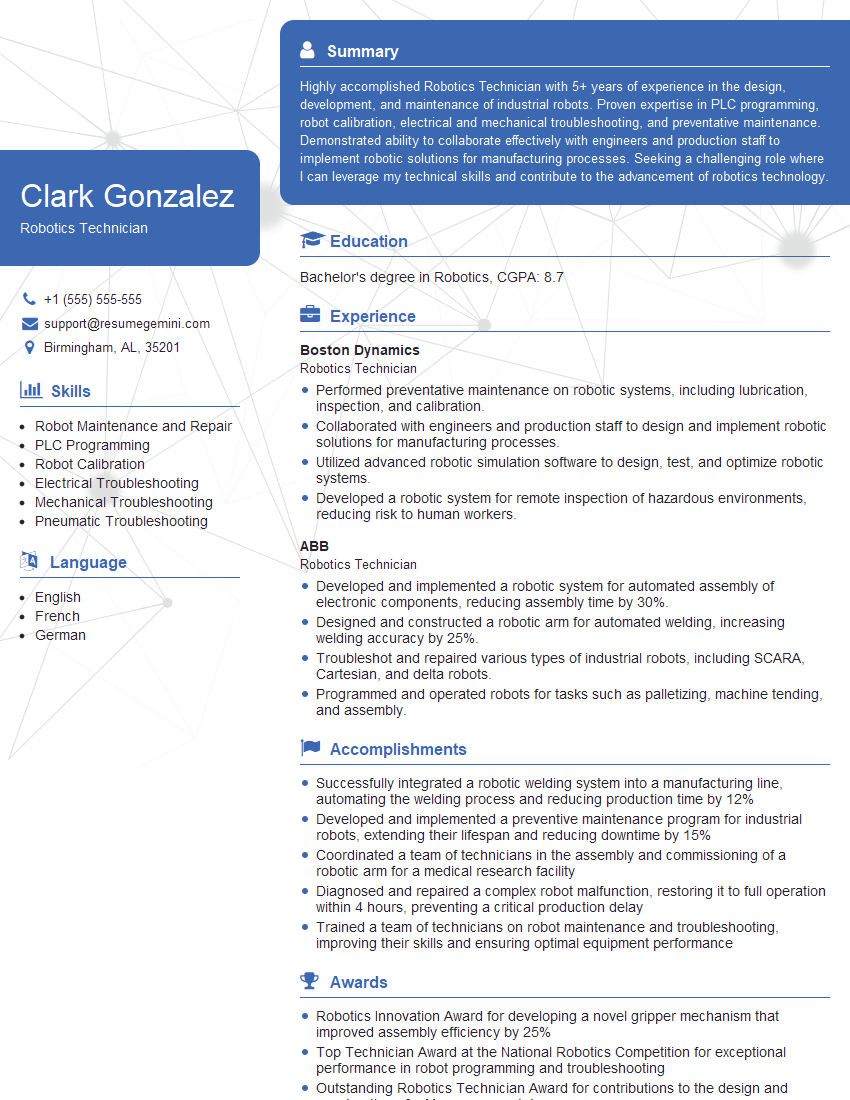
Robotics Technician Resume Sample
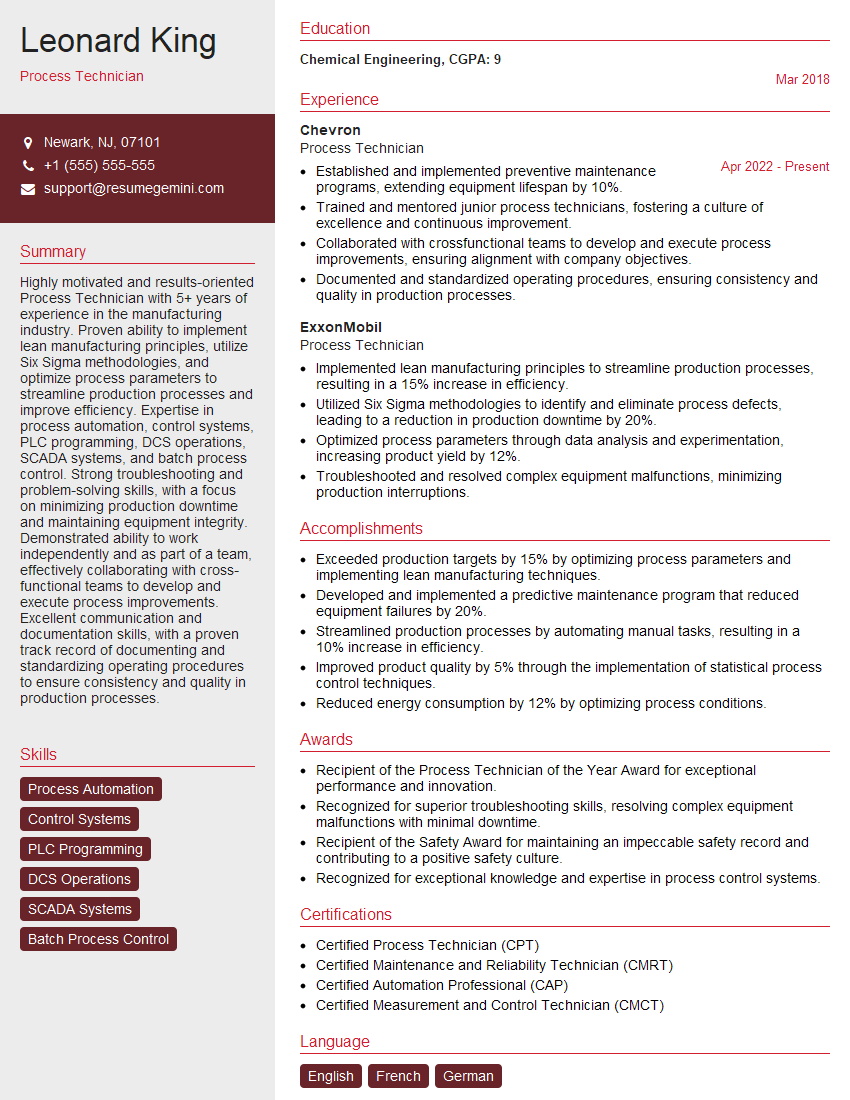
Process Technician Resume Sample
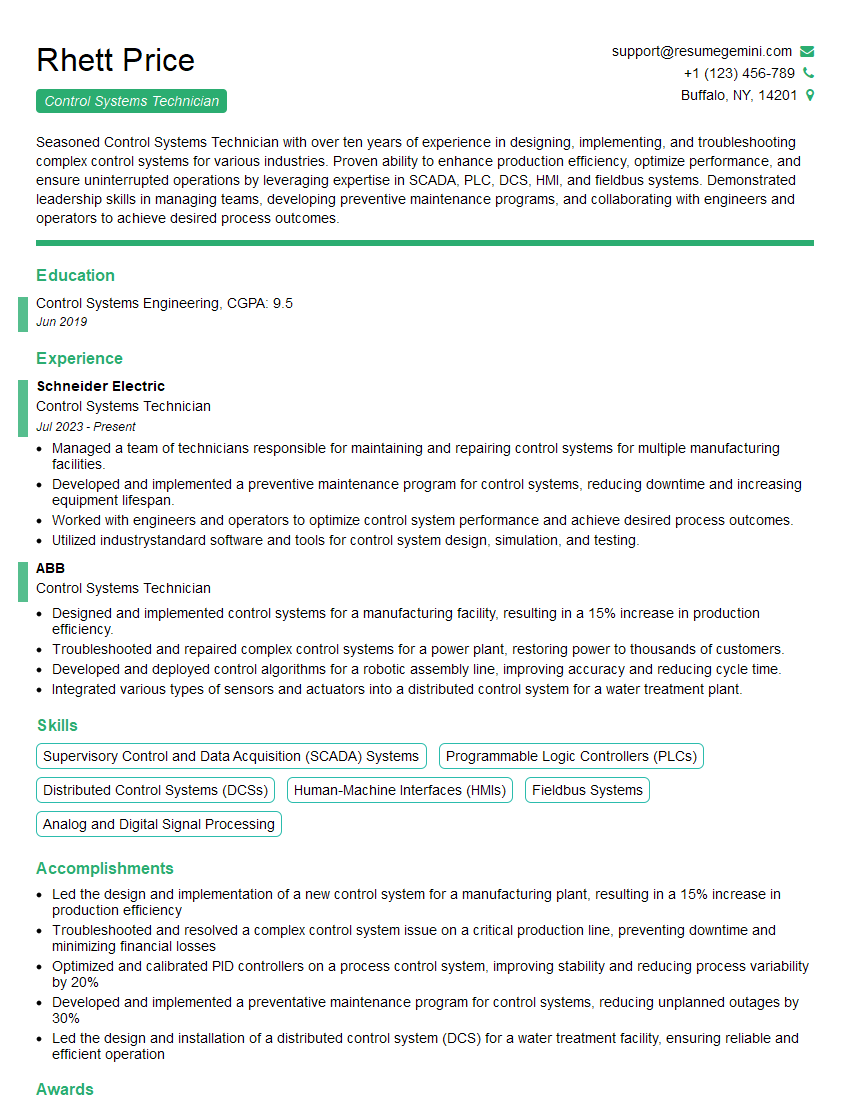
Control Systems Technician Resume Sample
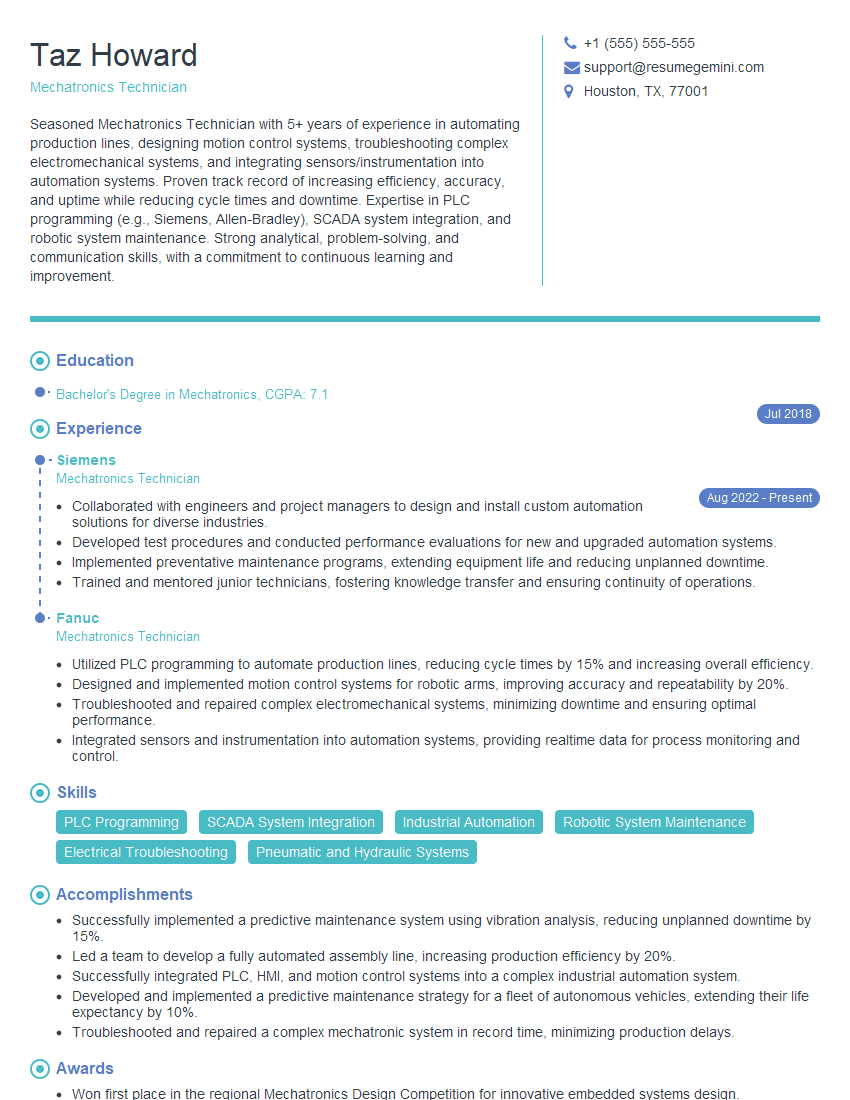
Mechatronics Technician Resume Sample
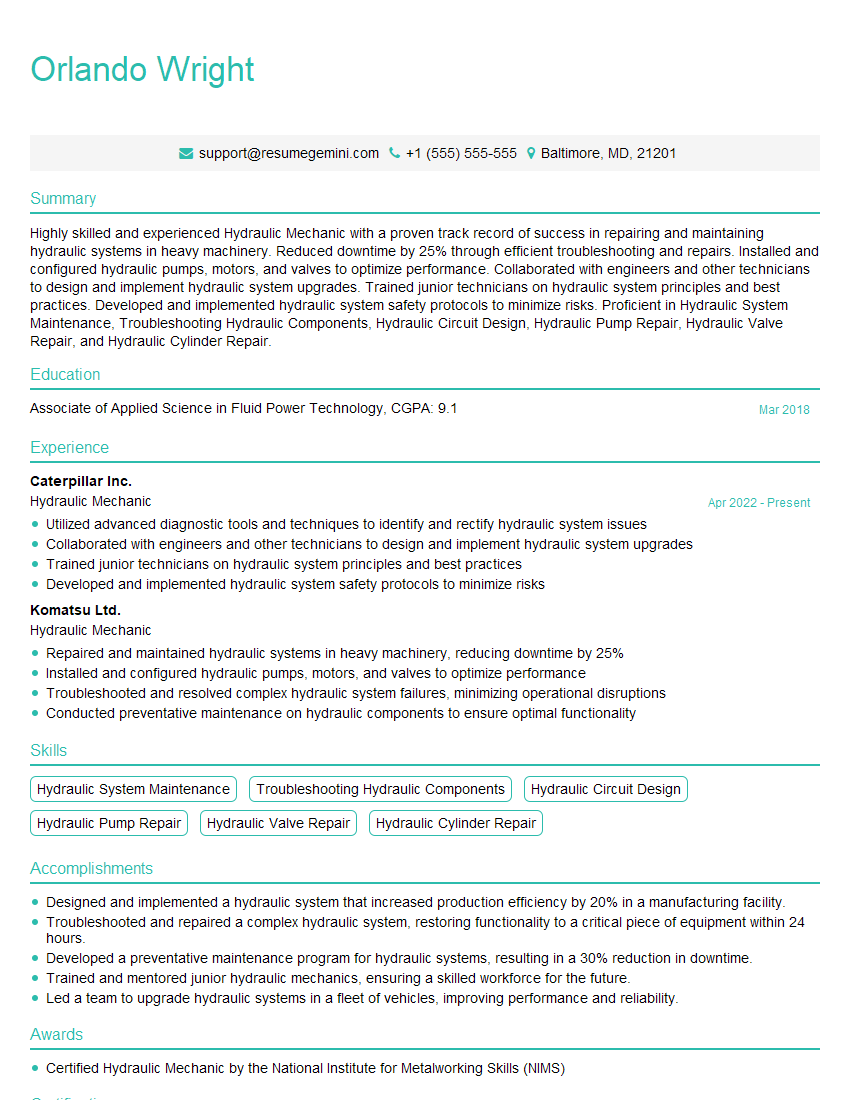
Hydraulic Mechanic Resume Sample
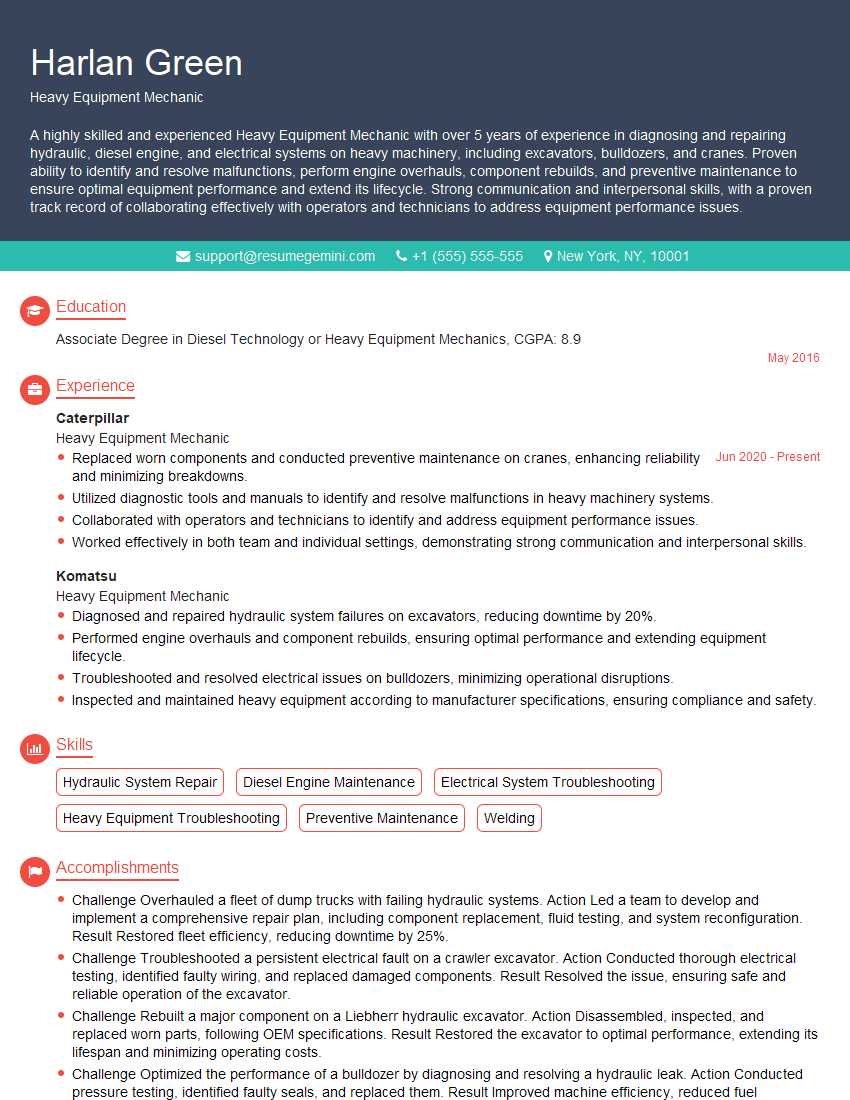
Heavy Equipment Mechanic Resume Sample

Electromechanical Technician Resume Sample
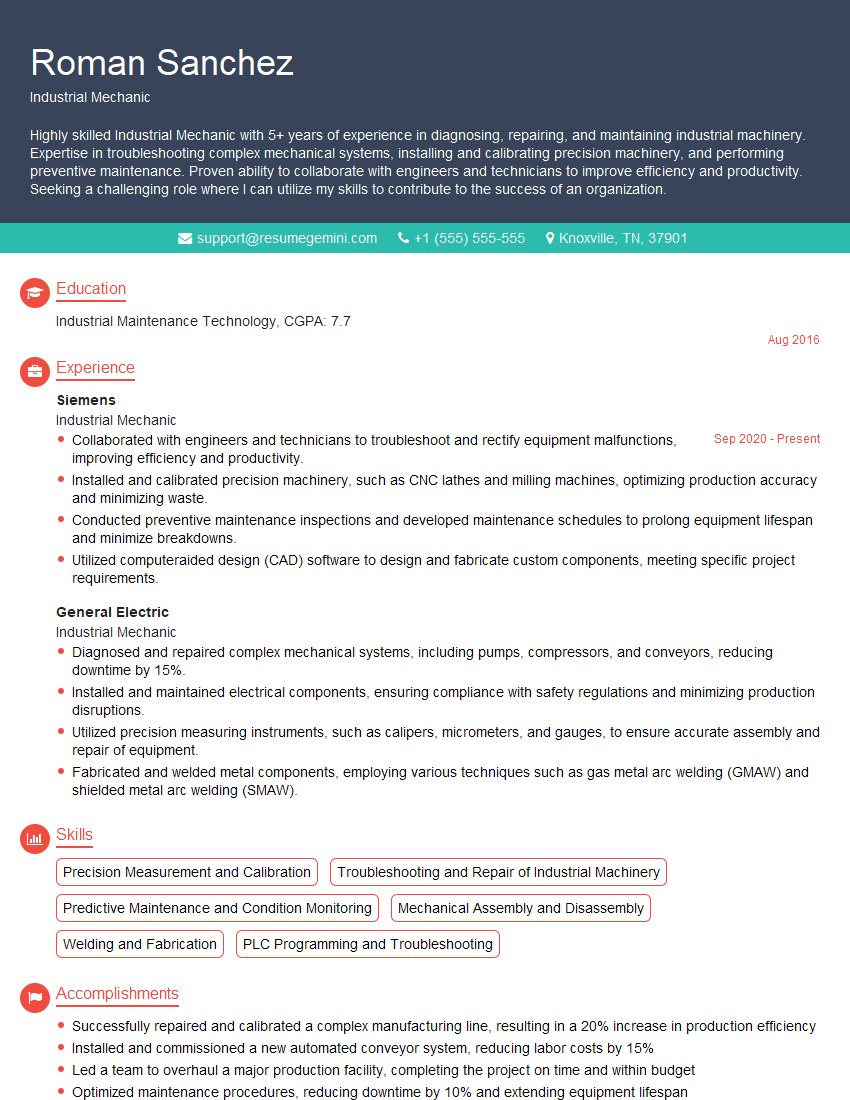
Industrial Mechanic Resume Sample
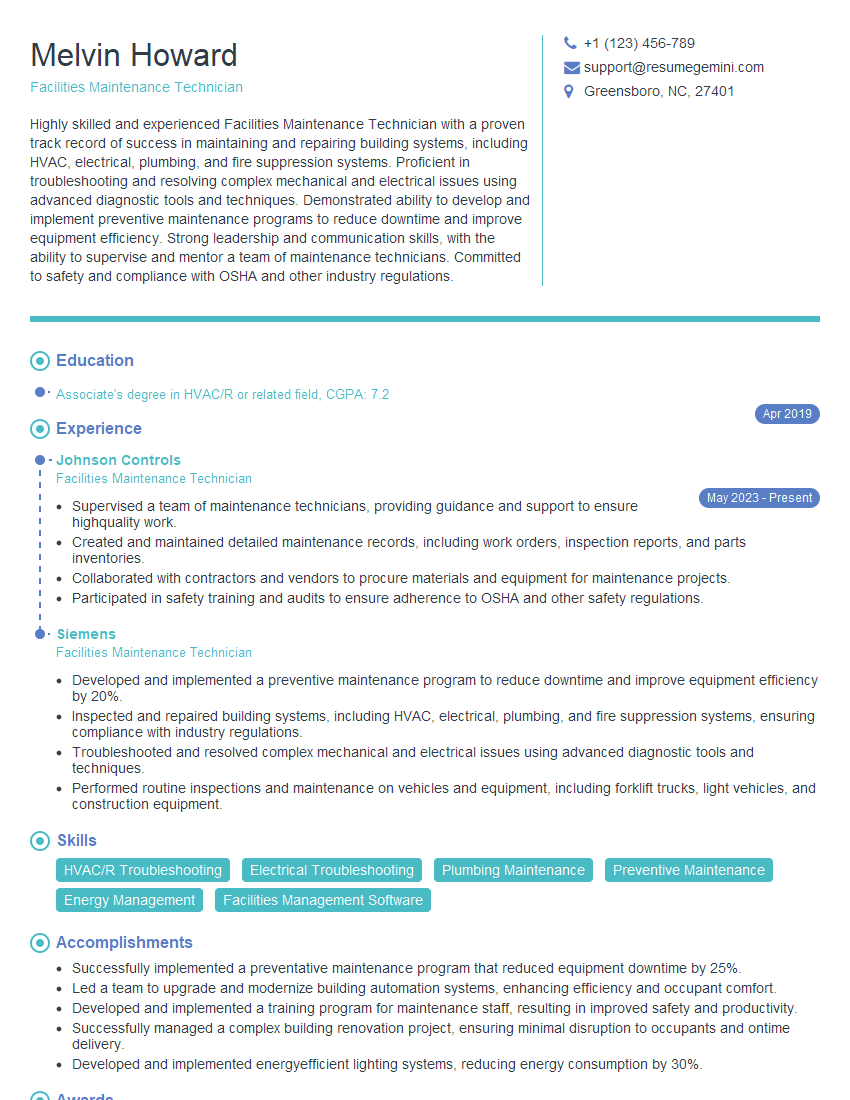
Facilities Maintenance Technician Resume Sample
- Maintenance Supervisor
- Reliability Engineer
- Field Service Engineer
- Maintenance Engineer
- Instrumentation Technician
- Automation Technician
- Robotics Technician
- Process Technician
- Control Systems Technician
- Mechatronics Technician
- Hydraulic Mechanic
- Heavy Equipment Mechanic
- Electromechanical Technician
- Industrial Mechanic
- Facilities Maintenance Technician
Explore more articles
Users Rating of Our Blogs
Share Your Experience
We value your feedback! Please rate our content and share your thoughts (optional).
What Readers Say About Our Blog
Very informative content, great job.
good