Every successful interview starts with knowing what to expect. In this blog, we’ll take you through the top Maintaining a Professional Appearance interview questions, breaking them down with expert tips to help you deliver impactful answers. Step into your next interview fully prepared and ready to succeed.
Questions Asked in Maintaining a Professional Appearance Interview
Q 1. What are three key elements of maintaining a professional appearance in a corporate setting?
Maintaining a professional appearance in a corporate setting hinges on three key elements: appropriate attire, impeccable personal hygiene, and mindful body language. These work in synergy to create a positive and credible first impression and foster trust and respect.
Appropriate Attire: This goes beyond just wearing clothes; it’s about choosing outfits that align with your company culture and the specific role. For instance, a lawyer might wear a suit, while a software engineer might opt for business casual.
Impeccable Personal Hygiene: This involves maintaining cleanliness and grooming. This includes showering regularly, using deodorant, keeping your hair neatly styled, and having clean, trimmed nails. It conveys respect for yourself and others.
Mindful Body Language: This encompasses your posture, gestures, and facial expressions. Maintaining good posture, making eye contact, and using appropriate hand gestures show confidence and engagement.
Q 2. How does appropriate attire vary across different industries or job roles?
Appropriate attire varies significantly across industries and job roles. A finance professional working on Wall Street will typically dress more formally in a suit than a software developer in a tech startup, who might wear jeans and a t-shirt (depending on the company culture). Even within the same industry, roles influence attire. A sales representative might wear business casual to meet clients, while an accountant might favor a more conservative business professional look.
Consider these examples:
- Finance: Suits, business formal attire are common.
- Technology: Business casual, often more relaxed.
- Healthcare: Scrubs or professional attire with specific safety requirements.
- Creative Industries: More individual expression allowed, but professionalism is still key.
Always check your company’s dress code policy for specific guidance.
Q 3. Explain the importance of personal hygiene in maintaining a professional image.
Personal hygiene is paramount in maintaining a professional image because it directly reflects your attention to detail and respect for yourself and others. Unkempt appearance can be distracting and create a negative impression, undermining your credibility and professionalism.
Consider the impact of:
- Body Odor: Can be incredibly off-putting and disruptive in a professional setting.
- Unclean Hair and Nails: Shows a lack of attention to detail and can be perceived as unhygienic.
- Visible Dirt or Stains: Creates a negative impression of carelessness.
Maintaining good hygiene is a fundamental aspect of professionalism and shows respect for your colleagues and clients.
Q 4. Describe the appropriate use of accessories in a professional context.
Accessories should be used sparingly and tastefully in a professional context. The goal is to complement your outfit, not overshadow it. Over-accessorizing can appear unprofessional and distracting.
Appropriate accessories might include:
- Watches: A classic and understated accessory.
- Minimalist Jewelry: A simple necklace or earrings can add a touch of elegance.
- Ties (for men): Should complement the shirt and suit.
- Scarves (for women): Can add a touch of personality while maintaining professionalism.
Avoid flashy or excessive jewelry, overly large or distracting accessories, and anything that might be considered controversial.
Q 5. How would you address a situation where a colleague’s appearance is unprofessional?
Addressing a colleague’s unprofessional appearance requires tact and sensitivity. A direct confrontation could be damaging. The best approach depends on your relationship with the colleague and the severity of the issue. If it’s a minor issue, you might choose to ignore it. However, if it’s impacting their performance or the company’s image, a private conversation is necessary.
Here’s a suggested approach:
- Choose a private setting: Speak to your colleague privately and respectfully.
- Focus on the impact, not the person: Explain how their appearance might be perceived by clients or colleagues, focusing on the potential consequences rather than criticizing their choices.
- Offer suggestions: If appropriate, gently suggest ways to improve their appearance, emphasizing the importance of adhering to company dress code.
- Refer to HR if needed: If the issue persists and your conversation was unsuccessful, refer the matter to Human Resources.
Q 6. What is the significance of nonverbal communication in projecting a professional image?
Nonverbal communication plays a significant role in projecting a professional image. It often speaks louder than words, instantly conveying confidence, competence, or lack thereof. Your body language, facial expressions, and even your tone of voice contribute to the overall impression you create.
For instance, maintaining eye contact demonstrates engagement and confidence, while slouching suggests disinterest or lack of confidence. A firm handshake conveys professionalism and self-assurance.
Being mindful of nonverbal cues is crucial in building rapport, establishing trust, and projecting a professional persona.
Q 7. How does body language contribute to a professional impression?
Body language significantly contributes to a professional impression. It includes posture, gestures, facial expressions, and eye contact. Good posture – standing or sitting tall with relaxed shoulders – communicates confidence and professionalism. Open and welcoming gestures, such as an open hand gesture, can show approachability.
Conversely, poor posture, such as slouching or fidgeting, can project insecurity and lack of confidence. Avoiding excessive hand gestures or distracting mannerisms is also important. Maintaining appropriate eye contact shows engagement and respect.
Paying attention to your body language can greatly enhance your professional image, making you appear more credible and competent.
Q 8. How do you maintain a professional appearance during virtual meetings?
Maintaining a professional appearance during virtual meetings requires attention to detail, even though you’re not physically present in an office. It’s all about creating a polished and credible visual impression.
- Choose a Professional Background: A clean, uncluttered background is key. Avoid distracting images or personal items. A neutral backdrop or a simple bookshelf works well.
- Appropriate Attire: Dress as you would for an in-person meeting. Business casual or business professional attire is generally recommended, depending on the context. Avoid pajamas or overly casual clothing.
- Good Lighting and Camera Placement: Ensure you have adequate lighting to illuminate your face clearly. Position your camera at eye level to avoid unflattering angles.
- Minimize Distractions: Silence your phone, close unnecessary tabs on your computer, and let your household members know you’re in a meeting. This prevents interruptions and keeps the focus on the meeting.
- Maintain Good Posture: Sit up straight and maintain eye contact with your camera. This projects confidence and engagement.
Think of it like this: your virtual appearance is your first impression – make it count! Just because you’re at home doesn’t mean you should slack on professionalism.
Q 9. Describe suitable attire for a job interview in a creative industry.
Attire for a creative industry job interview should reflect your personality and the company culture while maintaining a professional edge. It’s about finding a balance between expressing your individuality and showcasing your readiness to succeed in the role.
- Stylish but Polished: Instead of a stuffy suit, consider well-tailored separates. Think a stylish blazer paired with dark jeans or a sophisticated skirt and a fitted top.
- Showcase Your Style: Incorporate subtle elements that reflect your creative field, such as a unique piece of jewelry, a scarf with an interesting pattern, or a thoughtfully chosen handbag. However, don’t overdo it—the focus should remain on you, not your accessories.
- Consider the Company Culture: Research the company beforehand to gauge their dress code. If it’s a start-up with a more relaxed vibe, you might adjust your attire accordingly, but always lean towards the more polished side to err on the side of caution.
- Clean and Well-Maintained: Ensure your clothes are clean, wrinkle-free, and fit well. This shows that you’ve put thought into your appearance and respect the interview process.
For instance, an aspiring graphic designer might wear a crisp button-down shirt with a unique print paired with well-fitting dark trousers, while a potential video editor might opt for a stylish sweater and dark denim.
Q 10. What is considered appropriate footwear for a professional setting?
Appropriate footwear for a professional setting depends on the specific industry and dress code, but generally prioritizes comfort, safety, and professionalism.
- Closed-Toe Shoes: Closed-toe shoes are typically preferred in most professional settings, especially in corporate environments. Sandals, flip-flops, and open-toed shoes are generally considered too casual.
- Clean and Polished: Shoes should be clean, free of scuffs, and well-maintained. This demonstrates attention to detail and a sense of professionalism. Avoid excessively worn or damaged shoes.
- Comfort and Support: While appearance is important, comfort and support are also key, especially if you’re on your feet for extended periods. Choose shoes that provide adequate cushioning and support.
- Appropriate Heel Height (for Women): For women, moderate heel heights (around 2-3 inches) are typically appropriate. Avoid extremely high heels that may be uncomfortable or impractical.
- Context Matters: If you work in a creative industry or have a more relaxed dress code, you might have more leeway. However, it’s always better to err on the side of caution and choose professional-looking footwear.
For example, a conservative pair of loafers or oxfords are suitable for most professional settings, whereas comfortable but neat flats or low heels can also be appropriate for many workplaces.
Q 11. How should one handle unexpected wardrobe malfunctions during a workday?
Dealing with an unexpected wardrobe malfunction during the workday requires quick thinking and grace under pressure. Your goal is to resolve the issue discreetly and professionally, minimizing disruption.
- Assess the Situation: First, discreetly assess the extent of the problem. Is it something easily fixed or will it require more significant intervention?
- Improvise a Solution: If it’s a minor issue, like a loose button or a small snag, try to fix it discreetly in a restroom or private area. Safety pins and extra buttons can be lifesavers.
- Seek Assistance if Needed: If the problem is more significant, don’t hesitate to seek assistance from a trusted colleague or supervisor. Explain the situation calmly and professionally.
- Borrow or Substitute: If possible, borrow a garment or accessory to cover the problem temporarily. A sweater can often cover a variety of minor wardrobe issues.
- Maintain Composure: No matter the issue, maintain your composure and professionalism. Don’t let the situation affect your work or demeanor.
For example, if a zipper breaks, a safety pin or a spare blazer could help. The key is to react calmly and efficiently to minimize disruption.
Q 12. Explain the importance of grooming and its impact on professional image.
Grooming plays a crucial role in projecting a professional image. It demonstrates self-respect, attention to detail, and consideration for others. Neglecting grooming can send the wrong message, irrespective of how talented or skilled you are.
- Cleanliness is Paramount: This includes showering regularly, maintaining clean hair and nails, and using deodorant.
- Hair Care: Hair should be neatly styled and clean. Avoid extreme hairstyles that may be distracting or unprofessional in the workplace.
- Facial Hair (Men): If you have facial hair, keep it neatly trimmed and well-maintained. A clean-shaven look is generally preferred in most professional settings.
- Nails: Keep nails clean and trimmed. Avoid long or brightly colored nail polish, especially in more conservative workplaces.
- Jewelry: Keep jewelry minimal and understated. Avoid flashy or distracting pieces.
Think of your grooming as your personal brand; it’s the first thing people notice. A well-groomed individual conveys confidence and professionalism, creating a positive first impression and fostering trust.
Q 13. How do you adapt your professional appearance to different cultural contexts?
Adapting your professional appearance to different cultural contexts is vital for demonstrating respect and building rapport. What’s considered appropriate in one culture might be inappropriate in another.
- Research the Culture: Before traveling or interacting with individuals from different cultures, research their customs and norms regarding professional attire. This includes understanding what is considered modest or formal.
- Observe Local Customs: Pay attention to how local professionals dress. This can provide valuable insights into acceptable attire.
- Err on the Side of Conservatism: When in doubt, it’s usually best to err on the side of conservatism and dress more formally than you might normally. It’s better to be slightly overdressed than underdressed.
- Be Mindful of Religious Practices: Respect religious practices and avoid clothing that might be considered offensive or disrespectful.
- Seek Guidance: If you’re unsure about appropriate attire, don’t hesitate to ask a local colleague or contact for guidance.
For instance, in some cultures, women may be expected to cover their heads or arms, while in others, bright colors may be considered inappropriate for business settings. Adapting your style shows respect and demonstrates cultural awareness.
Q 14. Describe the differences between business casual and business formal attire.
Business casual and business formal attire represent different levels of formality in professional settings. The choice depends on the company culture, industry, and specific occasion.
- Business Formal: This is the most formal level of professional dress. It typically includes a suit (typically dark-colored for men, tailored suit or pantsuit for women), a collared shirt or blouse, dress shoes (typically closed-toe), and minimal jewelry. This is often required for important meetings, presentations, or client interactions.
- Business Casual: This is a less formal but still professional dress code. It allows for more flexibility, but still maintains a polished and professional look. Examples include dress pants or khakis, a button-down shirt or blouse, sweaters, and comfortable but neat shoes. Jeans are generally acceptable in some business casual settings, but it is always better to err on the side of caution unless your company specifies that they are appropriate.
Think of business formal as a suit and tie (or a pantsuit and blouse) while business casual could be khakis, a polo shirt, and loafers. The key difference is the level of formality and the overall impression of professionalism.
Q 15. How does maintaining a professional appearance impact workplace productivity?
Maintaining a professional appearance significantly boosts workplace productivity. It’s not just about looking good; it’s about projecting competence and fostering a positive work environment. When individuals present themselves professionally, it creates a sense of seriousness and dedication, leading to increased focus and efficiency. This positive perception extends to interactions with clients, colleagues, and superiors, facilitating smoother collaborations and more productive meetings.
For example, imagine a team meeting where one member is dressed casually while others are in business attire. The contrast might subtly shift the meeting’s dynamic, with the casually dressed member potentially perceived as less engaged or prepared. Conversely, when everyone presents a consistent professional image, it sets a tone of professionalism that encourages focused work and minimizes distractions.
- Increased Confidence: Professional attire can boost an individual’s self-confidence, leading to improved performance.
- Positive First Impressions: A professional appearance sets the stage for positive first impressions, vital in client interactions.
- Improved Teamwork: A shared sense of professionalism fostered by appropriate attire promotes team cohesion and collaborative efficiency.
Career Expert Tips:
- Ace those interviews! Prepare effectively by reviewing the Top 50 Most Common Interview Questions on ResumeGemini.
- Navigate your job search with confidence! Explore a wide range of Career Tips on ResumeGemini. Learn about common challenges and recommendations to overcome them.
- Craft the perfect resume! Master the Art of Resume Writing with ResumeGemini’s guide. Showcase your unique qualifications and achievements effectively.
- Don’t miss out on holiday savings! Build your dream resume with ResumeGemini’s ATS optimized templates.
Q 16. How can technology be used to enhance or maintain a professional appearance?
Technology plays a surprisingly crucial role in maintaining a professional appearance, both in the physical and digital worlds. For instance, apps can help manage wardrobe, schedule appointments with hairdressers or tailors, and even provide virtual styling advice.
In the digital realm, high-quality profile pictures and consistent branding across online platforms (LinkedIn, professional websites, etc.) are essential. Using professional headshot editing tools to improve image quality, maintaining a consistent tone in communication, and carefully curating the content you share online contribute to projecting a professional online persona. Think of your digital presence as an extension of your professional image in the physical world.
For example, using a virtual background during video calls can create a professional environment even if your home office isn’t picture-perfect. Similarly, choosing professional-looking email addresses and utilizing grammar and spell-check tools demonstrates attention to detail and enhances your online image.
Q 17. What are the potential consequences of neglecting professional appearance?
Neglecting professional appearance can have significant consequences, impacting both personal and professional life. It can lead to diminished credibility, missed opportunities, and even damage to reputation. Clients and colleagues may perceive a lack of professionalism as a lack of respect for them or the organization.
- Lost Opportunities: A less-than-professional image can negatively impact job prospects, promotions, and networking opportunities.
- Damaged Reputation: A consistently unprofessional appearance can harm one’s reputation, making it difficult to build trust and credibility.
- Negative Perceptions: People tend to judge based on initial impressions, and a careless appearance may lead to unfavorable judgements regarding competence and work ethic.
- Disciplinary Actions: In some workplaces, neglecting company dress codes can lead to disciplinary action, up to and including termination.
For example, showing up to a client meeting in wrinkled clothing could undermine your credibility and damage the client relationship. Similarly, consistently unprofessional attire in the workplace can lead to negative perceptions from colleagues and superiors, impacting your career progression.
Q 18. Describe the etiquette surrounding professional uniforms or company dress codes.
Professional uniforms or company dress codes are designed to ensure a consistent brand image and workplace culture. Etiquette dictates strict adherence to the stated dress code unless specific exemptions are granted. This means understanding the rules and consistently following them. It also includes keeping the uniform or attire clean, well-maintained, and appropriately fitted. Any modifications should be approved by the relevant authority.
For instance, if the dress code specifies a specific type of shoe, wearing a different type might be considered a breach of etiquette. Similarly, modifications to the uniform (e.g., altering the length of a skirt) should be approved to maintain consistency.
Maintaining the professionalism extends beyond just wearing the uniform correctly. It includes personal hygiene, proper grooming, and ensuring that the overall presentation is neat and tidy. This shows respect for the company, the brand, and your colleagues.
Q 19. How do you handle requests to attend events that require different attire?
Requests to attend events requiring different attire need careful consideration, balancing professional image with the event’s requirements. The first step is to review the event’s dress code and assess whether it conflicts with company policy. If there’s a conflict, discuss the situation with your supervisor or HR department to find a solution that respects both the company’s dress code and the event’s expectations. This might involve asking for clarification, suggesting alternative attire within the company’s guidelines, or seeking an exception.
For example, if an event specifies ‘cocktail attire’ but your company policy is business formal, you could discuss with your supervisor the possibility of wearing a business-appropriate dress or skirt suit that aligns with both requirements. Transparency and proactive communication are vital in handling such situations.
Q 20. How does maintaining a professional appearance relate to building trust and credibility?
Maintaining a professional appearance is intrinsically linked to building trust and credibility. It signals competence, respect, and attention to detail. When someone is well-presented, others tend to perceive them as more reliable, organized, and capable. This perception builds trust and enhances credibility, vital in both personal and professional contexts.
Imagine meeting a potential client for the first time. If you’re dressed professionally and well-groomed, you automatically convey a sense of seriousness and competence. This sets a positive tone and increases the likelihood of the client trusting your expertise and the services you offer. Conversely, a sloppy appearance might instantly undermine your credibility before you even begin to speak.
Q 21. How can you ensure your professional appearance is consistent across both in-person and online interactions?
Consistency in professional appearance across in-person and online interactions is crucial for maintaining a unified brand. This involves ensuring that your digital image reflects the same level of professionalism as your in-person presentation. High-quality profile pictures, professionally written bios, and consistent branding across platforms contribute to this. Avoid casual language, slang, or inappropriate imagery in online interactions.
For example, if you dress professionally in the office, ensure your LinkedIn profile picture reflects this image. Maintain a similar tone in your email communication as you would in a face-to-face conversation. Be mindful of your background in video calls and ensure it’s neat and professional. This consistency helps build trust and recognition across various communication channels, reinforcing your professional brand.
Q 22. How do you know when to adjust your professional appearance based on the circumstances?
Adjusting your professional appearance hinges on understanding context. It’s about aligning your attire with the specific situation, considering the environment, the people you’ll interact with, and the overall message you want to convey. Think of it like choosing the right outfit for a job interview versus a casual Friday at the office.
- Formal settings (e.g., client meetings, presentations, job interviews) generally call for more formal attire: suits, polished shoes, minimal jewelry.
- Informal settings (e.g., team lunches, internal meetings) allow for more relaxed attire, but still maintaining a neat and presentable look. Think business casual: dress pants or khakis, a button-down shirt or blouse, comfortable but clean shoes.
- Industry norms play a crucial role. A creative agency might have a more relaxed dress code than a law firm. Observing your colleagues and superiors can provide valuable insight.
- Weather conditions also matter. Adjust your attire based on temperature and precipitation. A light jacket or raincoat is appropriate for inclement weather.
Ultimately, it’s about making a thoughtful choice that reflects professionalism and respect for the situation.
Q 23. What resources do you use to stay up-to-date on current professional appearance trends?
Staying current on professional appearance trends requires a multi-pronged approach. I utilize a variety of resources to remain informed:
- Industry publications and websites: Many magazines and online platforms dedicated to business, fashion, and career advice offer insights into current trends. These often include articles and photo essays showcasing appropriate attire for various professions and events.
- Professional networking sites: LinkedIn, for example, allows you to observe the professional profiles and photos of individuals in your field, providing a glimpse into prevailing styles.
- Observing successful professionals: Paying attention to the attire of respected leaders and figures in your industry can offer valuable cues.
- Fashion blogs and influencers (with caution): While some fashion blogs and influencers offer valuable insights, it’s crucial to discern between trends that align with professional contexts and those that are overly casual or trendy.
It’s vital to remember that staying updated doesn’t necessitate blindly following every trend; rather, it’s about being aware of what’s current and discerning what works best within your specific professional context.
Q 24. How do you address questions regarding personal style in the workplace?
Addressing questions about personal style in the workplace requires tact and diplomacy. The key is to maintain a respectful and professional demeanor while upholding company dress code policies.
- Listen carefully: Understand the individual’s concerns or questions completely before responding.
- Refer to company policies: If the company has a formal dress code, politely refer to it and explain its importance in maintaining a consistent and professional image.
- Offer constructive feedback: If the question is about a particular outfit choice, offer gentle suggestions rather than direct criticism. For instance, instead of saying, “That’s inappropriate,” you could say, “Our company tends to favor more conservative attire for client meetings.”
- Focus on professionalism: Emphasize that maintaining a professional appearance enhances credibility and contributes to a positive work environment.
- If unsure, consult HR: In complex situations or instances of potential policy violations, referring the individual to HR is always best.
The goal is to provide guidance that is both helpful and respectful, promoting a positive and inclusive work environment.
Q 25. Describe a situation where you had to adapt your professional appearance for a specific event or situation.
During a crucial client presentation at a high-end conference, I realized my usual business casual attire (dress pants and a button-down shirt) felt slightly underdressed compared to the sharp suits of the other attendees. To project confidence and align with the event’s formality, I subtly adjusted my appearance. I swapped my shirt for a crisp, tailored blazer, ensuring it complemented my pants and shoes. This minor adjustment, made swiftly and discreetly, significantly enhanced my professional presence and contributed to a more successful interaction with the clients. It highlighted my ability to adapt to the demands of different settings while retaining my core professional image.
Q 26. How can maintaining a professional appearance contribute to a positive work environment?
Maintaining a professional appearance significantly contributes to a positive work environment in several ways:
- Enhances credibility and professionalism: A well-groomed appearance fosters trust and confidence among colleagues, clients, and superiors.
- Creates a positive first impression: First impressions are vital. Maintaining a professional appearance ensures a positive initial perception, setting a positive tone for interactions.
- Promotes respect and teamwork: Respectful attire demonstrates consideration for others and contributes to a harmonious and collaborative team.
- Supports a professional image: A consistent professional appearance across the team enhances the company’s overall image and reputation.
- Reflects company values: A well-defined dress code can reinforce organizational values and standards of excellence.
Essentially, a commitment to professional appearance enhances the overall quality of workplace interactions and promotes a productive and harmonious environment.
Q 27. How would you advise a colleague struggling with their professional appearance?
Advising a colleague struggling with their professional appearance requires sensitivity and a supportive approach. I wouldn’t offer direct criticism but rather provide guidance and support.
- Initiate a private conversation: Approach the colleague privately and express concern in a caring and respectful manner.
- Offer resources: Suggest helpful resources, such as articles on professional attire, style guides, or even a consultation with an image consultant (if company-sponsored).
- Focus on specific, constructive feedback: If there are specific aspects needing improvement (e.g., wrinkled clothing, unpolished shoes), offer gentle suggestions rather than blunt criticism. For instance, “I noticed your shirt was wrinkled today. Ironing can really elevate your appearance.”
- Frame it positively: Emphasize how improving their appearance can boost confidence and enhance their professional image.
- Emphasize company policies (if applicable): Gently remind them of company dress code guidelines if necessary.
The key is to be supportive, understanding, and offer practical help rather than judgment.
Q 28. Explain the importance of considering the company culture when choosing professional attire.
Company culture significantly influences appropriate professional attire. Ignoring this can lead to misinterpretations and discomfort.
- Observe your surroundings: Pay close attention to what your colleagues and superiors wear. This will offer valuable clues about the accepted range of attire.
- Review company policies: Many companies have official dress codes or guidelines. Refer to these documents for clear direction.
- Consider the company’s industry and values: A creative agency will likely have a different dress code than a financial institution. Observe the prevailing level of formality.
- When in doubt, err on the side of caution: It’s better to be slightly overdressed than underdressed, especially when meeting clients or superiors.
- Ask if uncertain: If unsure about the appropriateness of an outfit, discreetly ask a trusted colleague or your supervisor.
Respecting company culture through your attire demonstrates professionalism, adaptability, and a commitment to the organizational environment.
Key Topics to Learn for Maintaining a Professional Appearance Interview
- Understanding Professional Dress Codes: Learn to interpret and adapt to various workplace dress codes, from business formal to business casual. Consider factors like industry norms and company culture.
- Practical Application: Choosing Appropriate Attire: Practice selecting outfits that are clean, well-fitting, and appropriate for the specific interview setting. Consider the impact of accessories and grooming.
- Nonverbal Communication and Body Language: Explore how posture, gestures, and eye contact contribute to a professional image. Practice confident and respectful body language.
- Grooming and Hygiene: Understand the importance of maintaining impeccable hygiene and grooming habits. This includes neat hair, clean nails, and appropriate use of fragrances.
- Digital Professionalism: Extend your professional image to your online presence. Discuss the impact of your LinkedIn profile, email signature, and online communication style.
- Confidence and Self-Presentation: Develop strategies for projecting confidence and self-assurance through your appearance and demeanor. This includes maintaining good posture and making eye contact.
- Addressing Potential Challenges: Practice problem-solving scenarios. For example, how would you handle a wardrobe malfunction or an unexpected situation that impacts your appearance?
Next Steps
Mastering the art of maintaining a professional appearance is crucial for career advancement. It demonstrates respect for the interviewer and the organization, showcasing your attention to detail and commitment to professionalism. To further enhance your job prospects, creating a strong, ATS-friendly resume is essential. ResumeGemini can help you build a professional resume that highlights your skills and experience effectively. We offer examples of resumes tailored to showcasing your commitment to maintaining a professional appearance – explore them to gain valuable insights and inspiration for crafting your own compelling application.
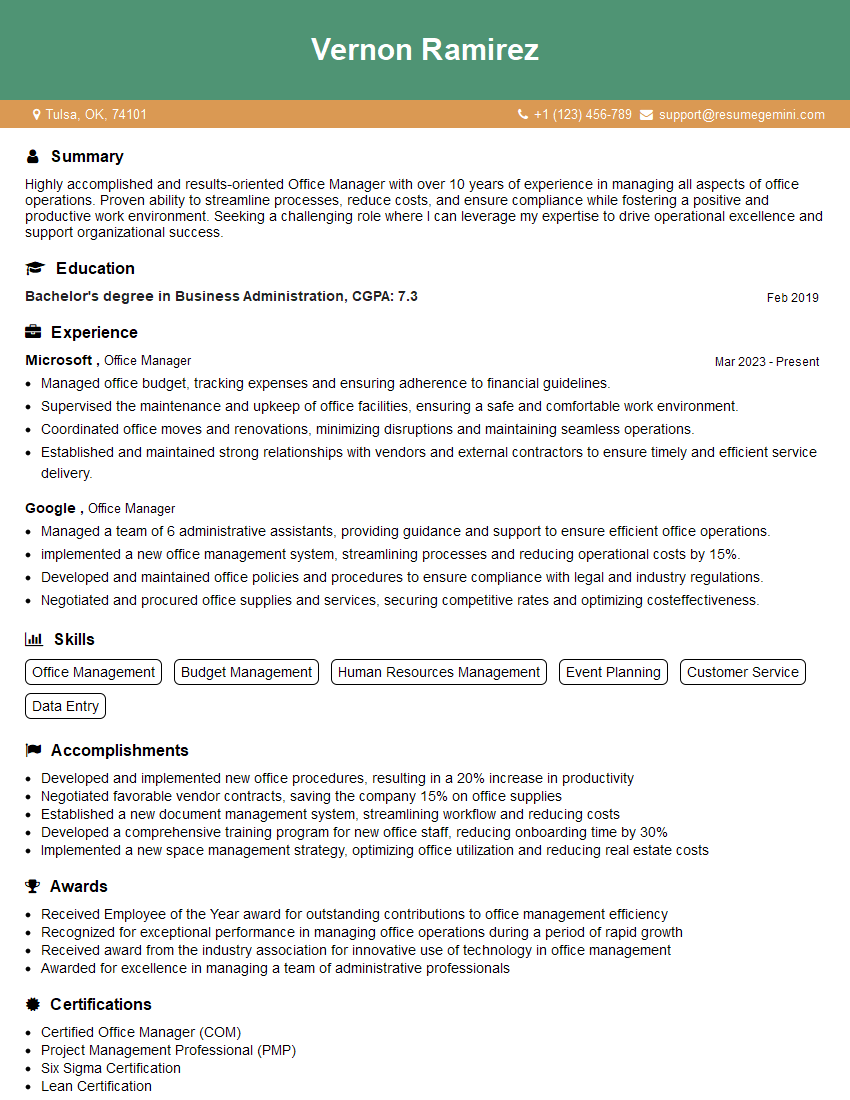
Office Manager Resume Sample
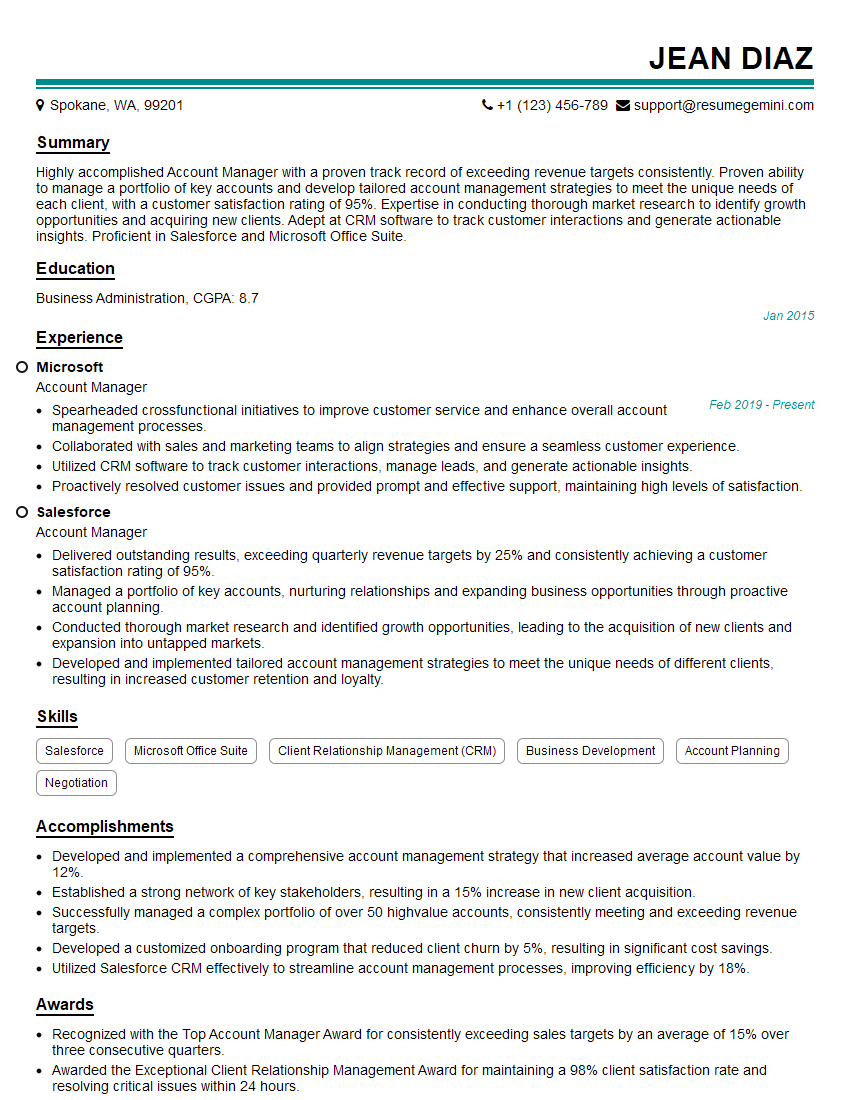
Account Manager Resume Sample
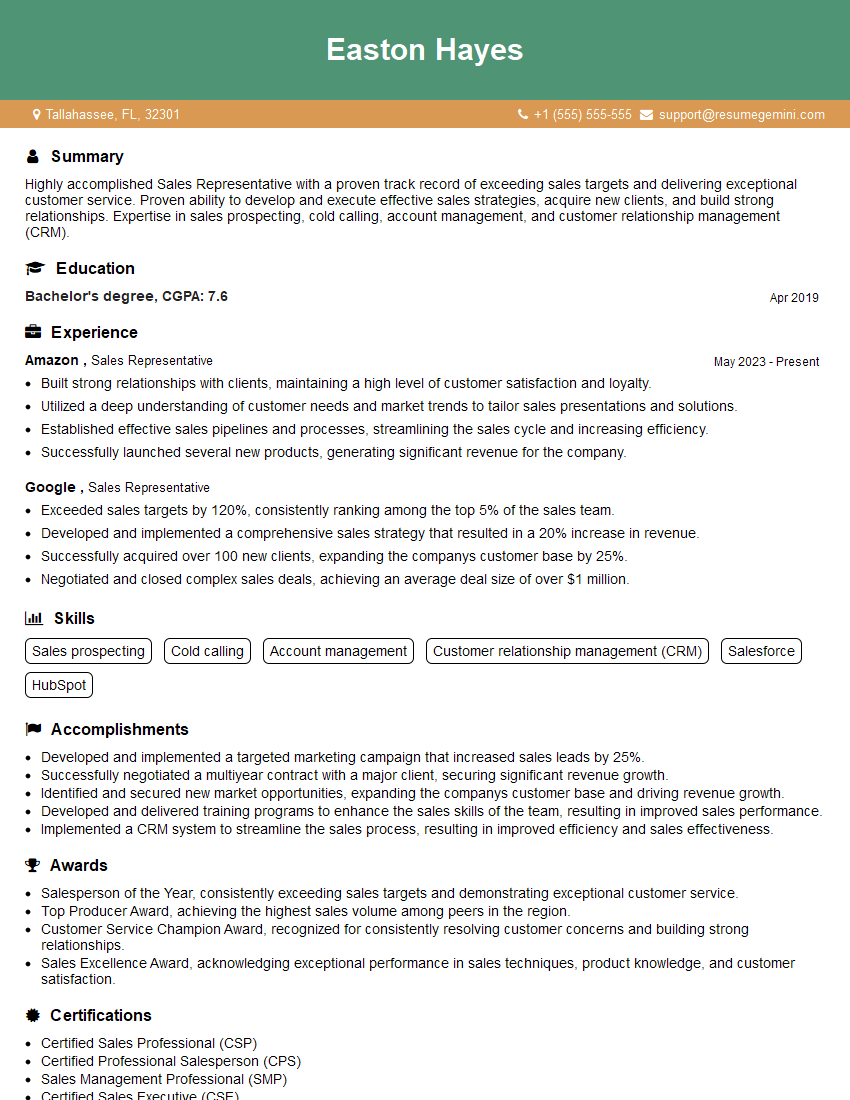
Sales Representative Resume Sample

Customer Service Manager Resume Sample
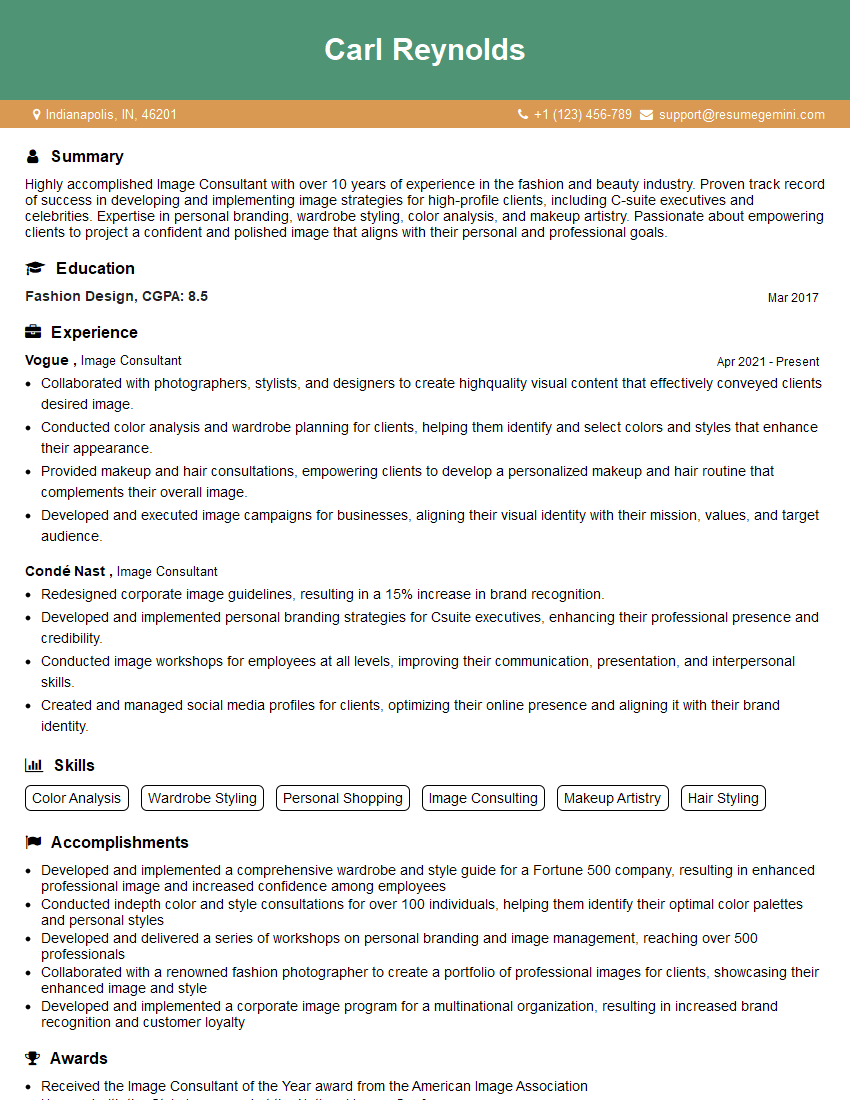
Image Consultant Resume Sample
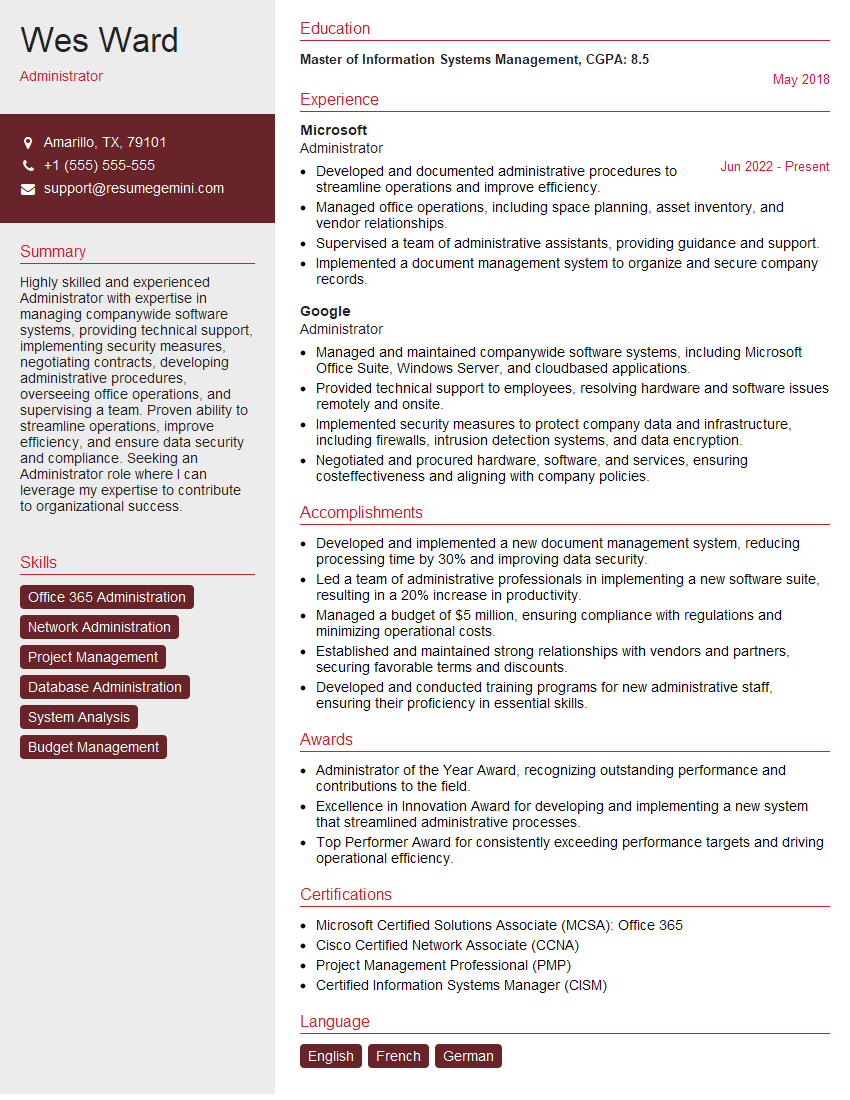
Administrator Resume Sample
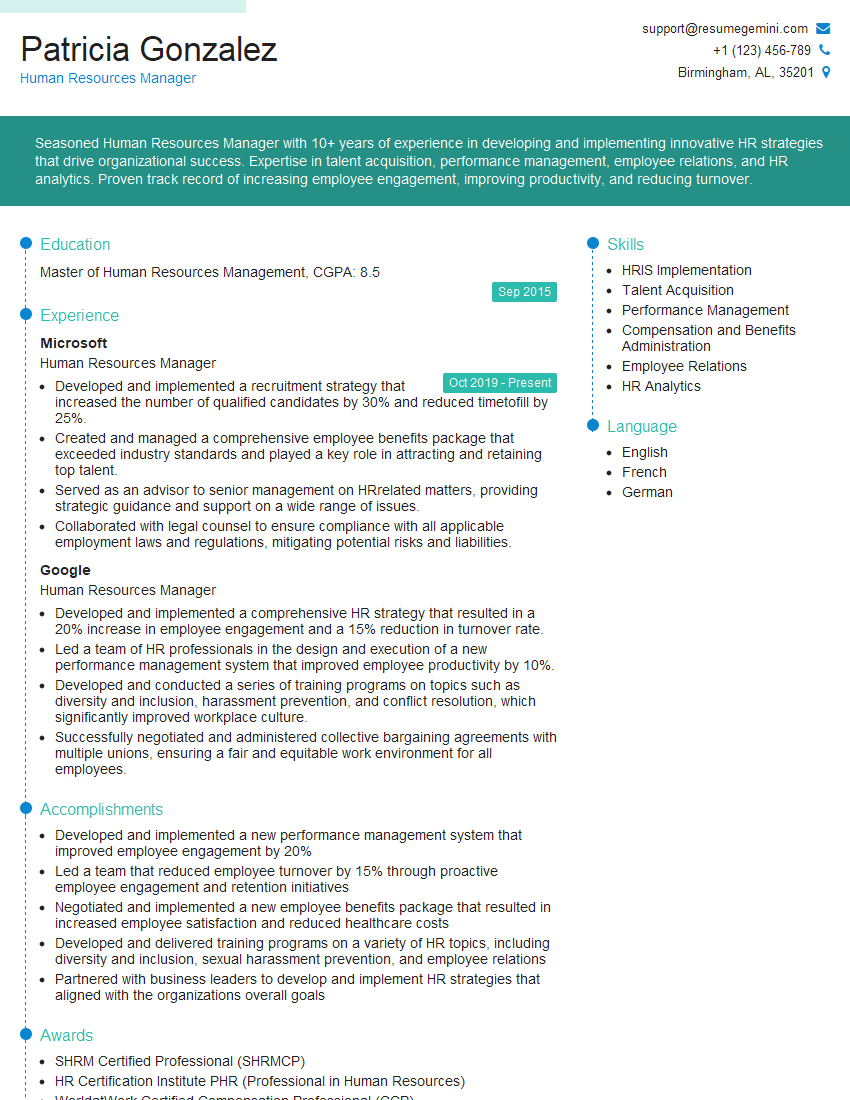
Human Resources Manager Resume Sample
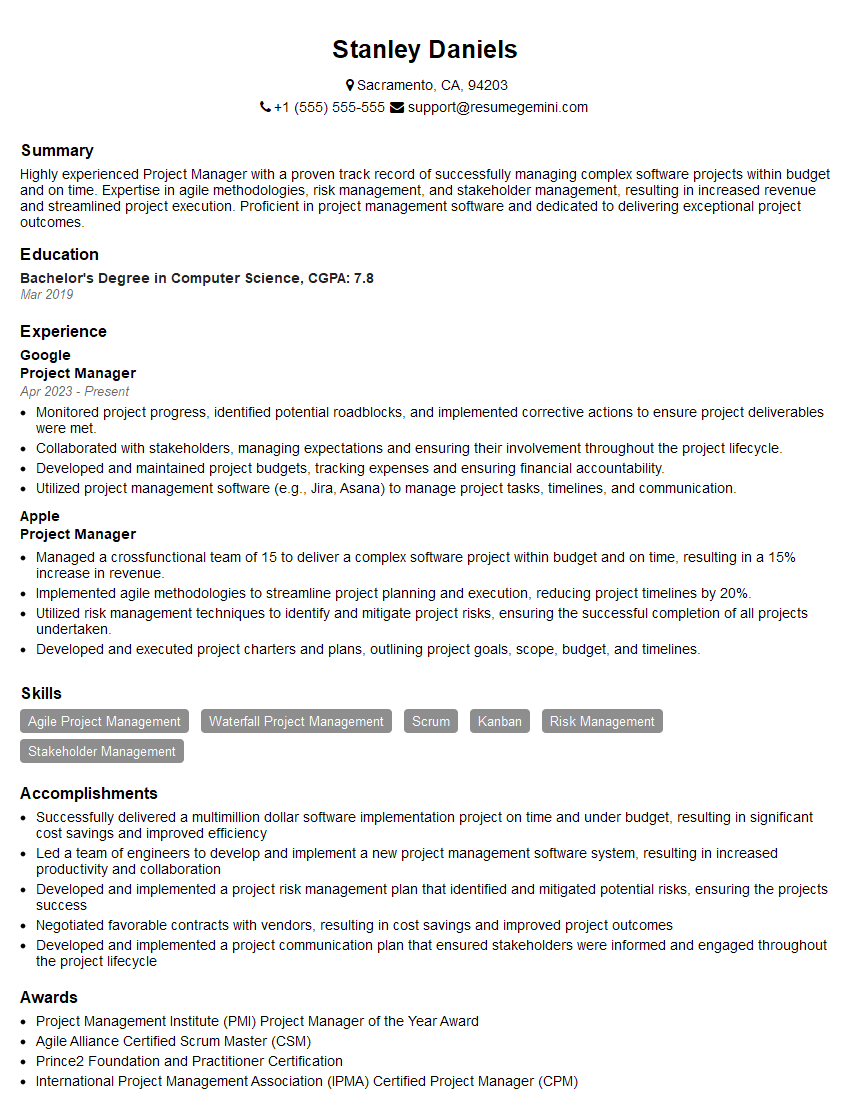
Project Manager Resume Sample
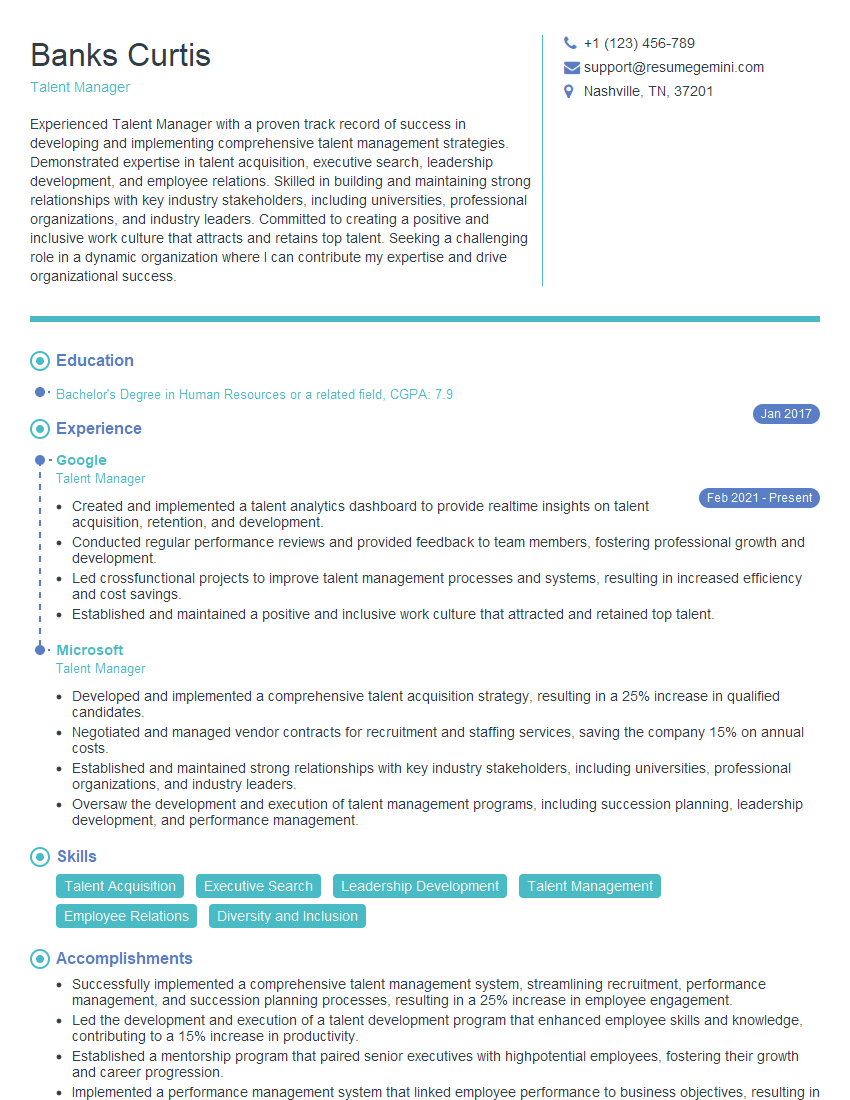
Talent Manager Resume Sample
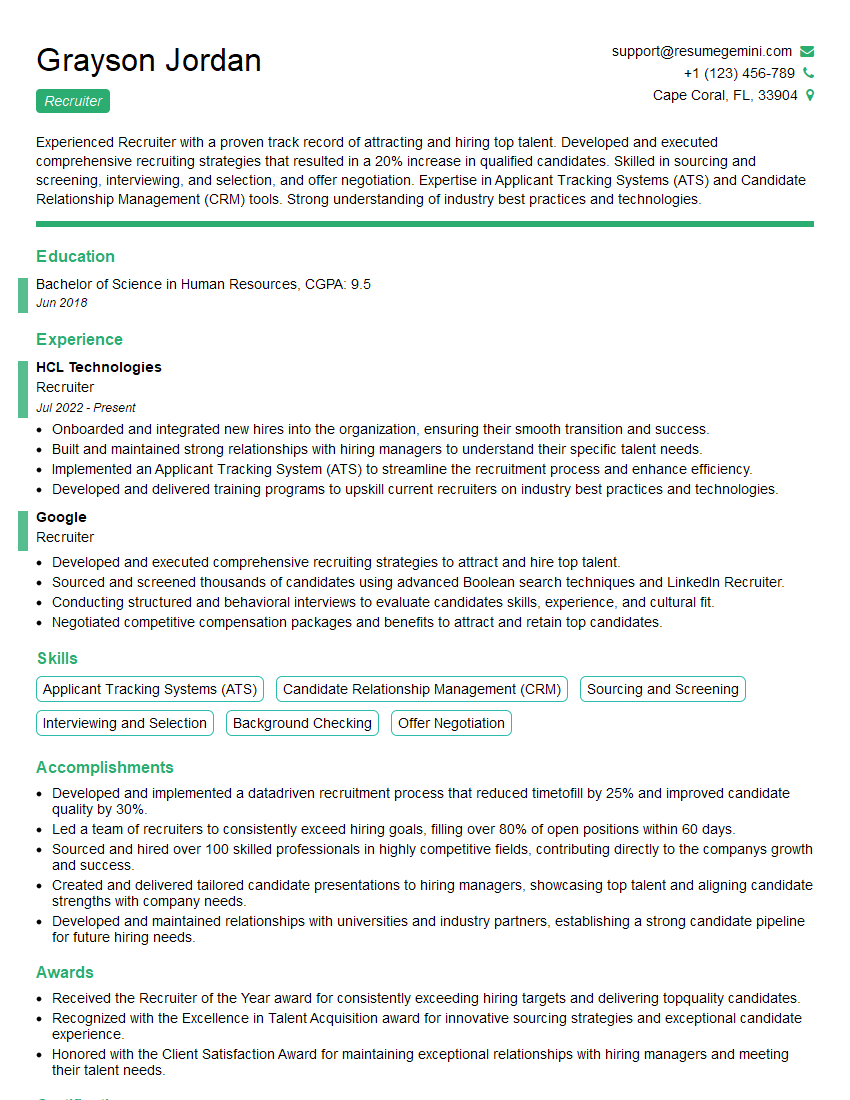
Recruiter Resume Sample
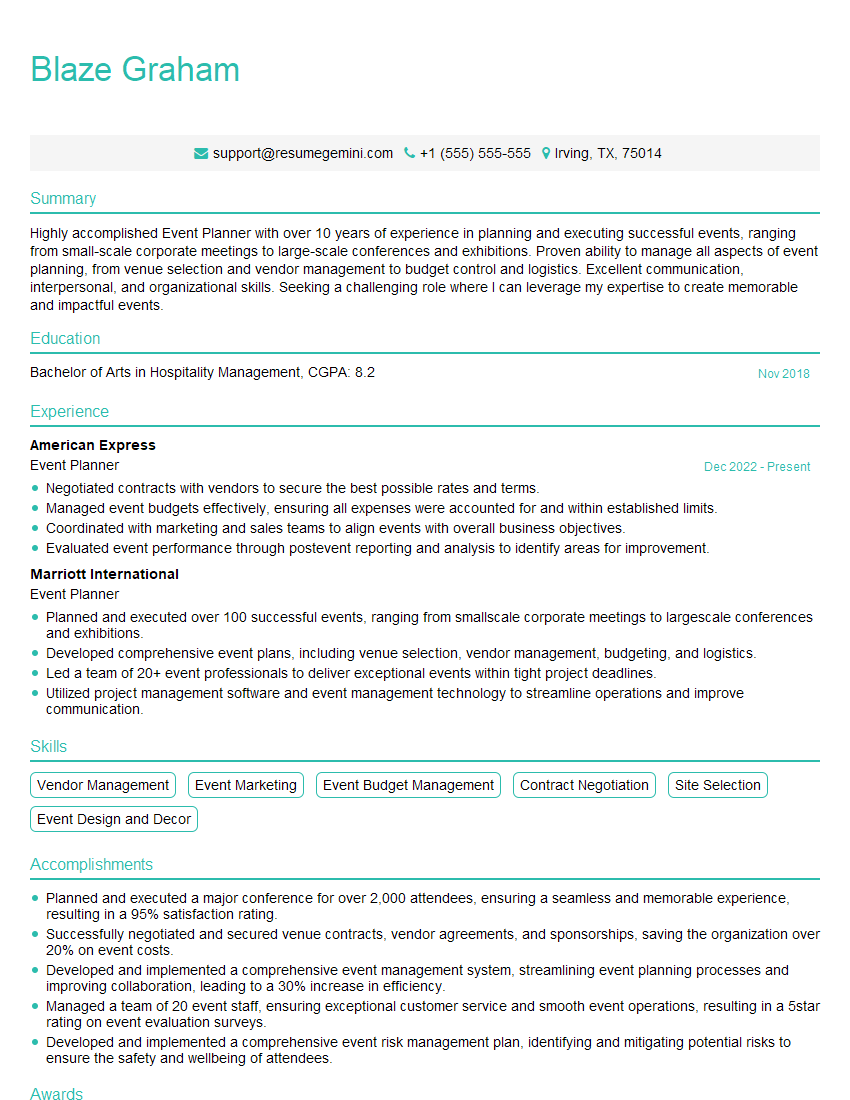
Event Planner Resume Sample
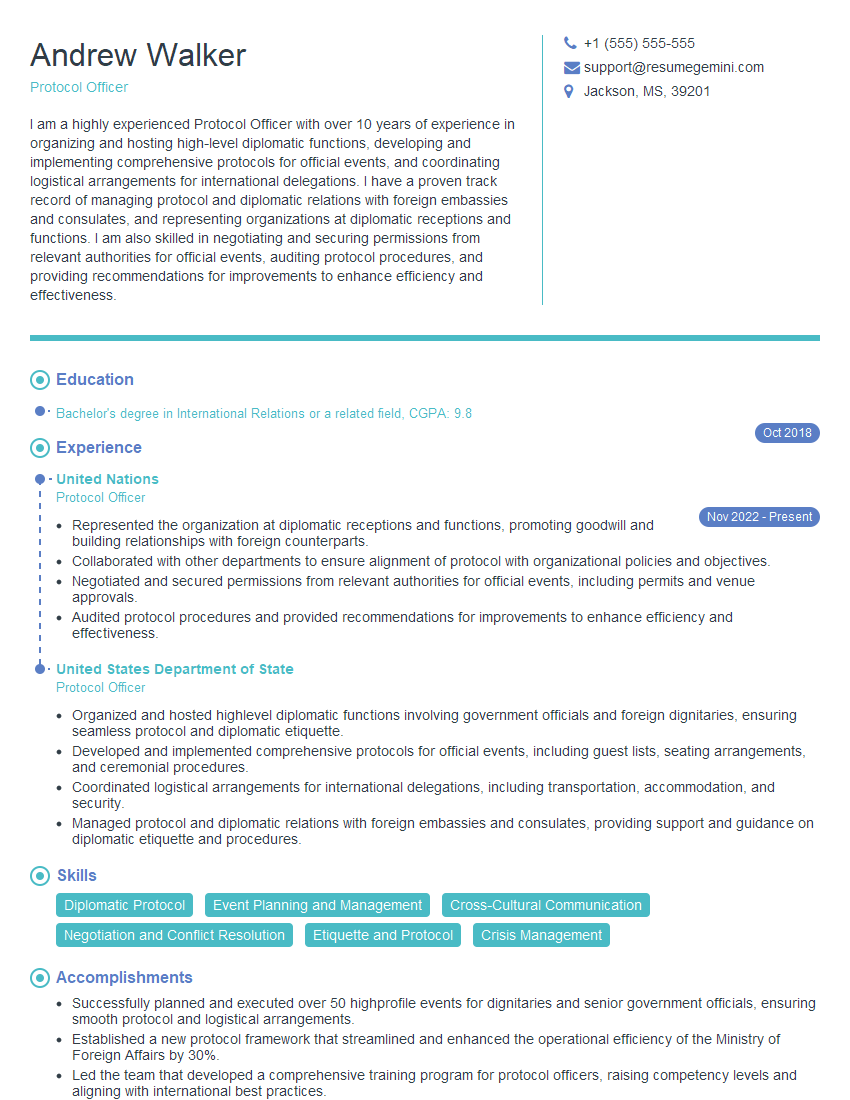
Protocol Officer Resume Sample
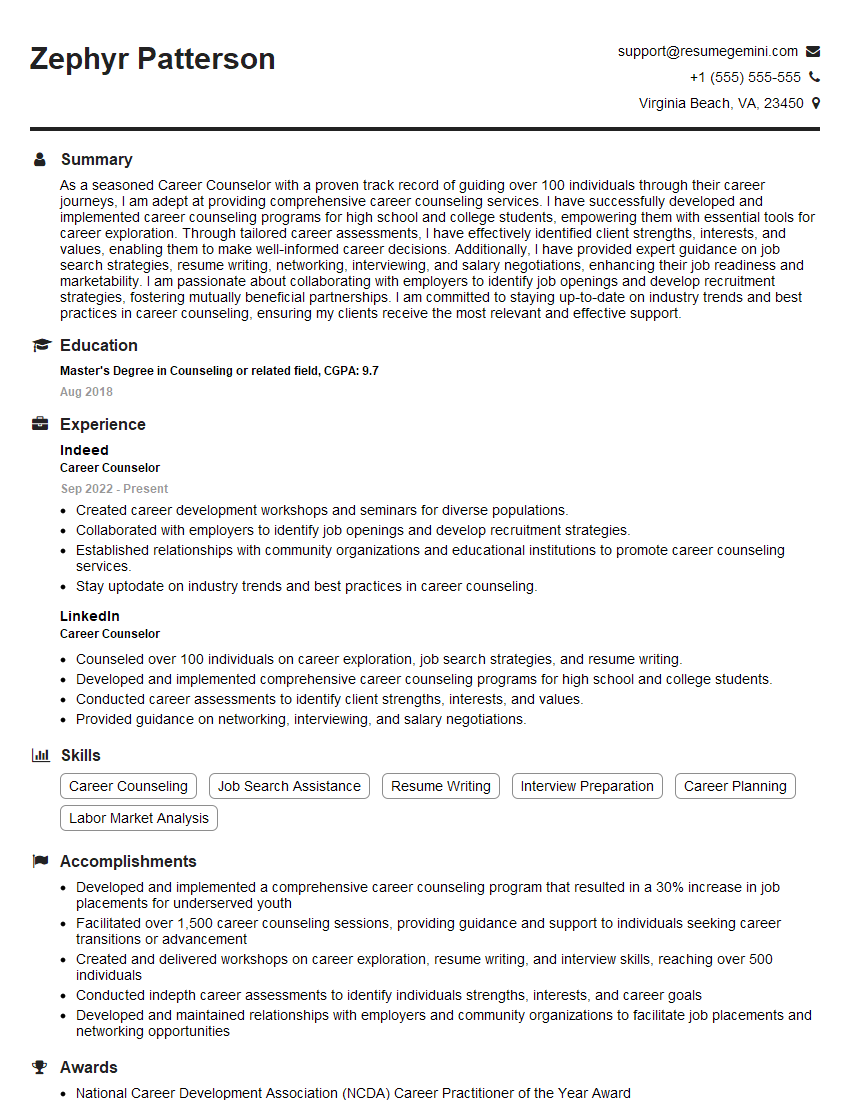
Career Counselor Resume Sample
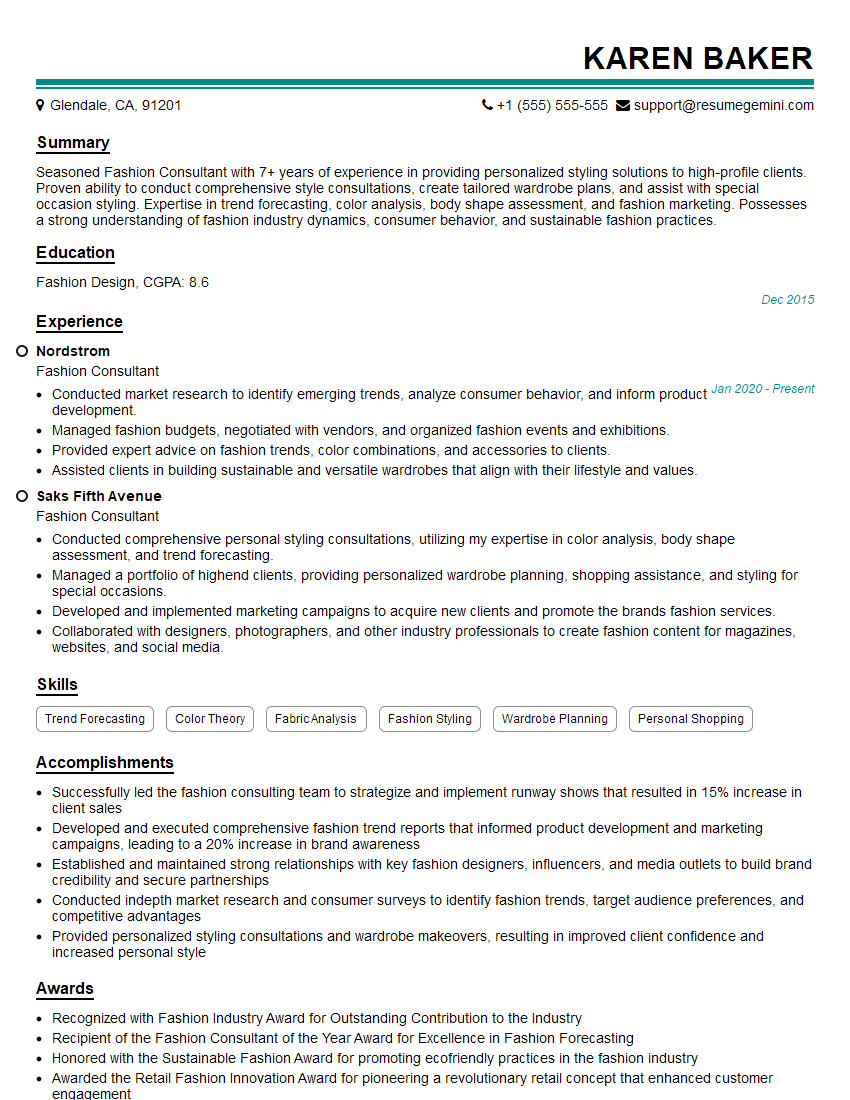
Fashion Consultant Resume Sample
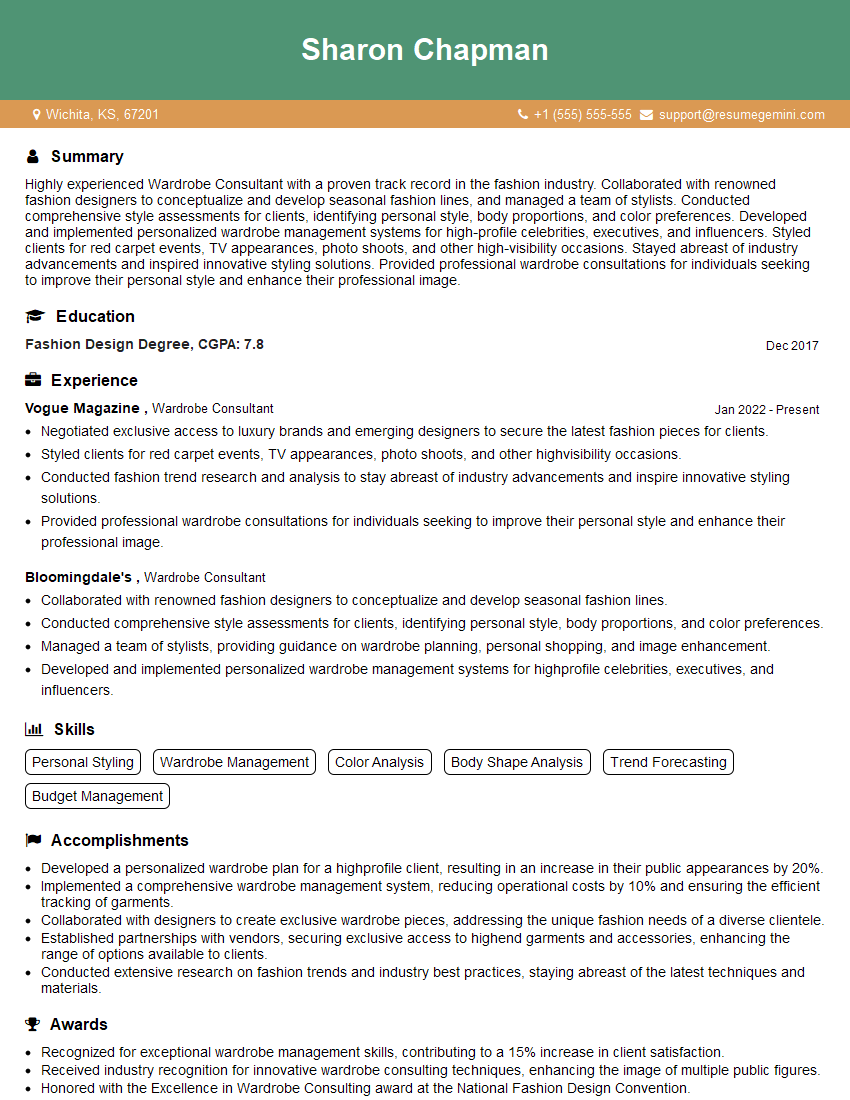
Wardrobe Consultant Resume Sample
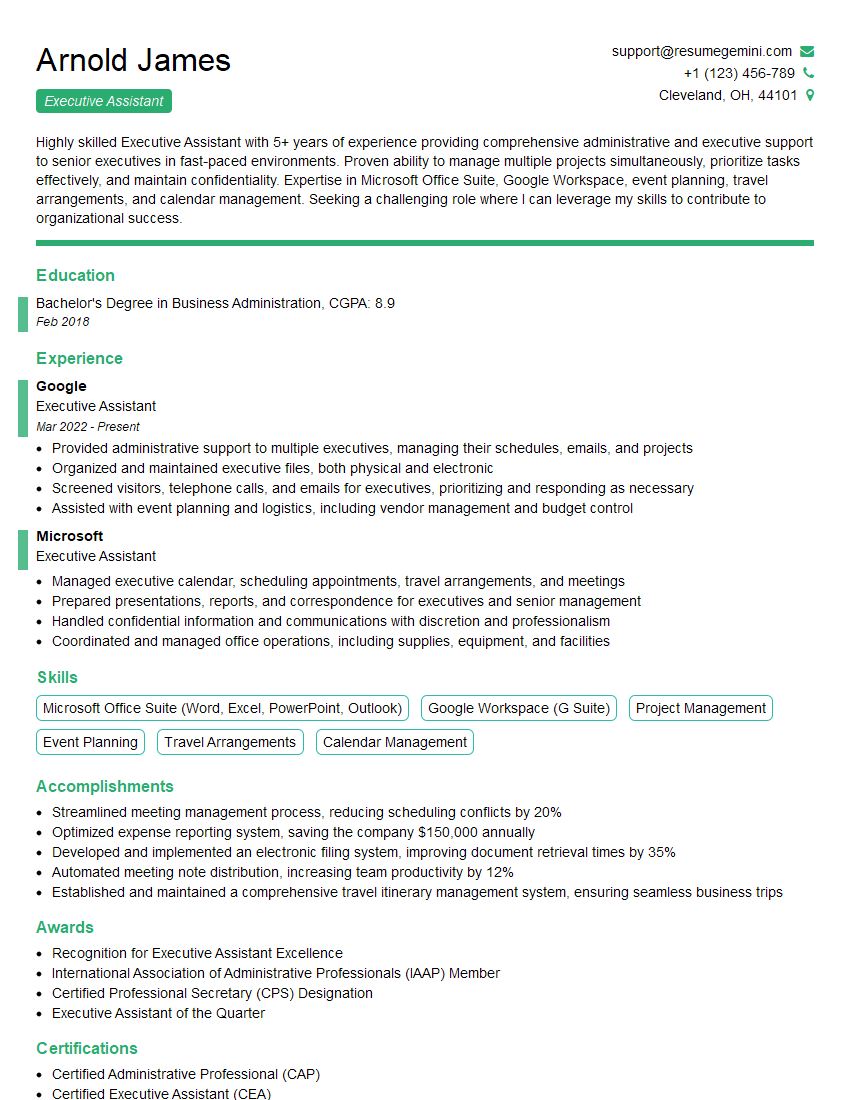
Executive Assistant Resume Sample
Explore more articles
Users Rating of Our Blogs
Share Your Experience
We value your feedback! Please rate our content and share your thoughts (optional).
What Readers Say About Our Blog
Very informative content, great job.
good