Unlock your full potential by mastering the most common Maintaining Objective Observation interview questions. This blog offers a deep dive into the critical topics, ensuring you’re not only prepared to answer but to excel. With these insights, you’ll approach your interview with clarity and confidence.
Questions Asked in Maintaining Objective Observation Interview
Q 1. Describe a situation where you had to maintain objectivity despite personal biases.
Maintaining objectivity, especially when personal biases are involved, requires a conscious effort to separate personal feelings from factual observations. Think of it like being a detective – you need to examine the evidence without letting your preconceived notions cloud your judgment.
In a previous project involving a performance review of a colleague, I noticed a tendency to favor individuals I personally enjoyed working with. I realized this was creating a bias in my assessment. To counteract this, I consciously focused on quantifiable metrics like project deliverables, deadlines met, and team collaboration contributions. By relying on concrete data and documented evidence, I could objectively evaluate their performance, even if my personal feelings might have leaned otherwise. The result was a more fair and accurate performance review.
Q 2. How do you ensure your observations are free from personal interpretations?
Eliminating personal interpretation from observations involves a multi-step process that emphasizes rigorous methodology and self-awareness. First, I establish clear, measurable criteria before starting any observation. This acts as a guideline, preventing subjective judgments. Secondly, I utilize structured observation tools, such as checklists or pre-defined data collection forms. These help standardize the data and minimize variability from different observers.
Thirdly, I practice mindful observation, constantly checking my own assumptions and biases. Regular reflection and even seeking feedback from peers helps to identify and correct any creeping subjectivity. Imagine observing a student’s behavior: Instead of noting ‘He was disruptive,’ I’d record specific actions: ‘He interrupted the lecture three times and made off-topic comments twice.’
Q 3. Explain your process for documenting objective observations.
Documenting objective observations requires a meticulous approach. My process starts with clearly defining the purpose of the observation and the key variables to be measured. I then use a structured format, typically a table or spreadsheet, to record my findings. Each entry includes a timestamp, a description of the observed event using precise and neutral language, and any relevant supporting data (e.g., measurements, photographs).
I avoid using subjective language like ‘good’ or ‘bad,’ opting instead for objective descriptions such as ‘the machine was operating at 90% capacity’ or ‘the subject exhibited three instances of aggressive behavior within a 10-minute period’. The goal is to create a record that is replicable and verifiable by others.
Q 4. How would you handle conflicting observations from multiple sources?
Conflicting observations from multiple sources require careful analysis and reconciliation. The first step is to examine each observation closely for potential biases. For example, an observer’s prior experience or relationship with the subject might influence their perception. Once biases are identified or accounted for, I then try to identify patterns or consistencies across different observations.
If inconsistencies remain, I might seek additional data or conduct further observation. In some instances, I might use statistical methods to weigh the observations based on their reliability and validity. Ultimately, the goal is to arrive at the most accurate and comprehensive representation of reality, acknowledging any remaining uncertainties.
Q 5. Describe a time you identified an error in a report due to a lack of objectivity.
During a quality control audit of a manufacturing process, I identified a report that highlighted a significant increase in product defects, attributing it solely to operator error. However, a closer review revealed a lack of consideration for other factors, such as machine malfunction rates and raw material quality. The report was biased, jumping to a conclusion without a thorough examination of all potential contributing factors.
By examining the raw data on machine maintenance logs and material quality testing, I was able to demonstrate a correlation between machine failures and the increased defect rate, significantly reducing the attributed percentage of operator error. This incident highlighted the importance of thoroughly considering all possibilities before drawing conclusions.
Q 6. What strategies do you use to minimize bias in data collection?
Minimizing bias in data collection requires a proactive and systematic approach. Firstly, I ensure that my sampling methods are representative of the population being studied. A biased sample will inevitably lead to biased results. Secondly, I utilize standardized procedures and instruments to ensure consistency in data collection across all participants or observations.
Blinding, where the observers are unaware of the hypothesis or the identities of the subjects, is another effective strategy. Finally, I use rigorous quality control checks to identify and address any inconsistencies or errors in the collected data. This comprehensive strategy ensures that the data reflects reality accurately, rather than being influenced by preconceived notions.
Q 7. How do you separate facts from opinions when making observations?
Separating facts from opinions is crucial for objective observation. Facts are verifiable statements that can be confirmed or refuted through evidence. Opinions, on the other hand, are subjective judgments or beliefs that reflect personal perspectives. The key lies in focusing on what can be directly observed and measured.
For instance, observing ‘The subject appeared agitated’ is an opinion. A factual observation would be: ‘The subject’s heart rate increased to 100 bpm, and they exhibited rapid, shallow breathing.’ By focusing on measurable data and avoiding evaluative language, you can ensure objectivity in your observations.
Q 8. Explain how you would address a situation where your observations challenge pre-conceived notions.
When my observations contradict pre-conceived notions, I embrace it as an opportunity for learning and refinement. It’s crucial to remember that objectivity isn’t about ignoring prior beliefs, but about acknowledging their potential influence and actively mitigating their impact on the observation process.
- Acknowledge the Discrepancy: First, I clearly identify the conflict between my observation and my existing beliefs. This involves careful self-reflection and honest introspection. For example, if I believed a particular project would fail based on past experiences, but my current observations indicate success, I’d acknowledge that discrepancy.
- Re-examine the Observation: I meticulously review the observational data, looking for potential errors, biases, or incomplete information. I might use tools like checklists or cross-referencing to ensure accuracy.
- Analyze the Pre-Conception: I critically evaluate the source and validity of my pre-conceived notion. Was it based on sound evidence? Could it be outdated or irrelevant in the current context? Perhaps my past experiences aren’t directly applicable to this specific situation.
- Adjust the Understanding: Based on the re-examination and analysis, I adjust my understanding. This might involve modifying my pre-conceived notion, completely discarding it, or refining it based on the new evidence. In the project example, I might revise my initial assessment to account for new factors contributing to the project’s success.
- Document Everything: I meticulously document the entire process: the initial belief, the observations, the analysis, and the final adjusted understanding. This transparency ensures accountability and aids future decision-making.
By systematically approaching these discrepancies, I ensure that my understanding is continuously refined and aligned with the evidence, ultimately enhancing the objectivity of my observations.
Q 9. How do you ensure the accuracy and reliability of your observations?
Ensuring accuracy and reliability in observations requires a multi-faceted approach that encompasses meticulous planning, rigorous data collection, and thorough analysis. It’s like being a detective – you need to carefully gather evidence and evaluate it systematically.
- Structured Observation Protocol: I use a standardized protocol to guide my observations. This might involve pre-defined checklists, data collection forms, or structured interview guides. This ensures consistency and minimizes variability.
- Multiple Data Points: I strive to collect multiple data points from various sources and perspectives. This triangulation of information helps cross-validate findings and reduce the impact of any single source of error. For example, I might combine direct observation with reviewing documents and interviewing multiple stakeholders.
- Calibration and Validation: When possible, I calibrate my observations against established standards or benchmarks. I may also seek independent verification of my findings from other observers. This process allows me to identify any systematic biases or errors in my own observations.
- Technological Tools: I leverage technology like data loggers, recording devices, and specialized software to improve the accuracy and precision of data collection. This reduces human error and provides a detailed record for review.
- Regular Review and Reflection: I regularly review my observation methods and data to identify areas for improvement. This continuous feedback loop ensures the ongoing quality and reliability of my work.
Q 10. Describe your approach to verifying the validity of information before incorporating it into your observations.
Verifying the validity of information before incorporating it into my observations is paramount to maintaining objectivity. This involves a critical evaluation of the source, the methodology used to gather the information, and the potential for bias.
- Source Credibility: I assess the credibility of the information source. Is it a reliable and reputable source? What is their potential motive for providing the information? For example, is it a peer-reviewed journal article, a government report, or an anecdotal account from an unreliable source?
- Methodology Scrutiny: I examine the methods used to collect the information. Are they rigorous and transparent? Could there be flaws in the methodology that might compromise the accuracy of the data? For instance, a survey with a biased sample could lead to inaccurate conclusions.
- Bias Detection: I actively search for potential biases in the information. Is the information presented in a balanced and neutral manner? Does it reflect any hidden agendas or perspectives? Knowing that biases exist is half the battle.
- Triangulation: I attempt to corroborate the information with evidence from multiple sources. This triangulation helps to establish the reliability of the information. If multiple independent sources confirm the same information, it increases confidence in its validity.
- Documentation: I meticulously document the source of the information, the methods used to verify it, and my assessment of its validity. This documentation allows for transparency and facilitates future review.
Q 11. How would you handle pressure to present observations that support a predetermined outcome?
Pressure to present observations that support a predetermined outcome is a significant ethical challenge. Maintaining objectivity in such situations demands integrity and a strong commitment to truth. It’s about defending your values and the integrity of the observation process itself.
- State the Facts: I clearly and concisely present my observations based solely on the evidence, regardless of whether they align with the desired outcome. I emphasize the facts and avoid making subjective interpretations.
- Document the Pressure: I document any instances of pressure to alter or suppress my observations. This documentation provides a record of events and protects against future accusations of manipulation or bias.
- Seek Clarification: I respectfully seek clarification on the reasons for the pressure. Perhaps there is missing information that would allow for a better understanding of the situation.
- Seek Ethical Guidance: In extreme cases, I would seek guidance from an ethics committee, a supervisor, or an external consultant to address the conflict of interest and protect myself from potential harm.
- Refuse to Compromise: Ultimately, if the pressure persists and compromises my ethical principles, I would refuse to comply. My integrity and the objectivity of my observations are non-negotiable.
Addressing pressure requires a combination of assertive communication, transparency, and a resolute commitment to ethical practices.
Q 12. How do you deal with incomplete or ambiguous information when making observations?
Dealing with incomplete or ambiguous information requires a cautious and methodical approach. Jumping to conclusions based on limited data is a common pitfall. It’s better to acknowledge uncertainty than make false assertions.
- Identify Gaps: I clearly identify the gaps in information and acknowledge the uncertainty they introduce. Instead of making assumptions, I openly state what is unknown.
- Explore Potential Explanations: I explore multiple possible explanations for the observed phenomenon, keeping in mind the limitations of the available data. This helps avoid premature conclusions based on incomplete information.
- Gather Additional Information: I actively seek additional information to fill the gaps. This might involve conducting further research, interviews, or observations. The goal is to reduce uncertainty, not eliminate it entirely.
- Qualitative Assessment: I employ qualitative assessments and use descriptive language to convey the nuances of incomplete data. It’s better to say “evidence suggests a possible trend” than “evidence confirms a trend” when data is limited.
- Transparency: I am transparent about the limitations of the available information in my reports and conclusions. This honesty builds trust and prevents misinterpretations.
Q 13. Describe a time when maintaining objectivity was crucial in resolving a conflict.
During a team project, a disagreement arose over the design approach. One team member strongly advocated for a more complex, technically impressive solution, while others preferred a simpler, more practical approach. Emotions ran high, and accusations of incompetence were flying. Maintaining objectivity was critical to resolving this conflict.
My approach involved:
- Neutral Facilitation: I facilitated a structured discussion, ensuring everyone had a chance to express their views without interruption. I focused on the facts and avoided taking sides.
- Data-Driven Analysis: We reviewed the project requirements, constraints, and available resources. We examined the pros and cons of each proposed approach based on objective criteria (time, cost, feasibility, etc.).
- Compromise and Collaboration: By objectively analyzing the data, we found a solution that incorporated the best aspects of both approaches. The team’s focus shifted from personal attacks to collaborative problem-solving. This resulted in a more robust and effective design.
The outcome demonstrated that objective analysis and collaborative problem-solving, guided by a focus on data rather than emotion, led to a successful resolution, resulting in a significantly stronger team.
Q 14. What techniques do you use to identify potential biases in your own observations?
Identifying biases in my own observations is a continuous process that requires self-awareness and critical self-reflection. It’s easy to overlook our own biases because they’re often unconscious.
- Self-Reflection: I regularly reflect on my own values, beliefs, and experiences to identify potential sources of bias. This involves considering how my personal background, culture, and previous experiences might influence my interpretation of events.
- Seek Feedback: I actively solicit feedback from colleagues, peers, or mentors who can provide an external perspective on my observations. This external viewpoint helps me identify blind spots and biases I might have overlooked.
- Structured Self-Checklists: I use structured checklists to guide my self-reflection. These checklists prompt me to consider potential biases related to confirmation bias, availability bias, anchoring bias, and other cognitive biases.
- Multiple Perspectives: I deliberately seek out and incorporate multiple perspectives in my observations. This helps to challenge my own assumptions and reduce the impact of individual biases.
- Documentation and Review: I document my observations and the process I used to make them. This allows me to review my work later and identify potential biases or areas where my approach could be improved.
The key is to actively engage in a process of ongoing self-assessment and improvement.
Q 15. How do you ensure your observations are consistent and repeatable?
Consistency and repeatability in observation are paramount. Think of it like a scientific experiment – you need to ensure that if someone else followed your methodology, they’d get similar results. This is achieved through meticulous planning and standardized procedures.
- Standardized Protocols: I develop and adhere to detailed, written protocols that specify every step of the observation process. This includes defining the observation method (e.g., direct observation, video recording), the data collection tools, and the criteria for recording data. For example, if observing patient behavior, my protocol might specify the exact observational periods, the coding system for behaviors, and the method of recording the data (e.g., checklists, field notes).
- Calibration and Training: Where multiple observers are involved, rigorous training and calibration sessions are crucial. We practice together using standardized scenarios, compare our observations, and discuss discrepancies until we reach a high level of inter-rater reliability. Think of it like musicians tuning their instruments before a concert – everyone needs to be on the same page.
- Regular Self-Checks: I conduct regular self-checks to ensure consistency in my own observations over time. This might involve reviewing my own recordings, comparing my data to established benchmarks, or seeking feedback from a supervisor.
By implementing these methods, I ensure my observations are not only reliable but also minimize the influence of personal biases or external factors.
Career Expert Tips:
- Ace those interviews! Prepare effectively by reviewing the Top 50 Most Common Interview Questions on ResumeGemini.
- Navigate your job search with confidence! Explore a wide range of Career Tips on ResumeGemini. Learn about common challenges and recommendations to overcome them.
- Craft the perfect resume! Master the Art of Resume Writing with ResumeGemini’s guide. Showcase your unique qualifications and achievements effectively.
- Don’t miss out on holiday savings! Build your dream resume with ResumeGemini’s ATS optimized templates.
Q 16. Explain your understanding of the importance of context in objective observation.
Context is the king of objective observation. It’s the surrounding circumstances and details that give meaning to what we observe. Ignoring context leads to misinterpretations and flawed conclusions. For instance, seeing someone crying might be interpreted as sadness, but within the context of a joyous wedding, it might signify overwhelming happiness.
- Environmental Factors: I carefully document the environment in which the observation takes place. This might include lighting, noise levels, temperature, and the presence of other people. Understanding the environment helps to explain the observed behavior or phenomenon.
- Prior Events: Knowing the events that preceded the observation is vital. For example, if I’m observing a student’s behavior in class, knowing if they experienced a stressful event before entering the classroom might significantly impact my interpretation of their actions.
- Individual Characteristics: Considering the individual’s unique characteristics, such as age, cultural background, and medical history, is essential. A child’s behavior will differ significantly from an adult’s, and cultural norms can influence interpretations.
By systematically documenting and considering the context, I ensure my observations are richer, more nuanced, and less susceptible to biases.
Q 17. How do you prioritize objectivity when working under time constraints?
Time constraints are a reality in many observation settings. Maintaining objectivity under pressure requires a strategic approach focused on prioritization and efficiency.
- Prioritized Observation Targets: I clearly define the most critical aspects of the observation to focus on, given the time limits. This requires careful planning and a clear understanding of the objectives. A checklist or observation schedule helps immensely.
- Targeted Data Collection: I use efficient data collection methods, such as pre-designed checklists or structured observation forms. This helps to streamline data collection and avoid unnecessary detail.
- Time-Sampling Techniques: When continuous observation isn’t feasible, time sampling can be employed. This involves observing at pre-determined intervals (e.g., every 5 minutes) instead of continuously.
- Focused Attention: I consciously strive to avoid distractions and focus solely on the pre-defined observation targets. This minimizes the risk of subjective influences creeping into my observations.
While speed is important, compromising objectivity is never acceptable. If time constraints severely limit the quality of observation, it’s better to acknowledge the limitations in the final report.
Q 18. How do you handle criticism of your observations?
Criticism is an opportunity for growth and improvement in objective observation. I welcome constructive feedback.
- Active Listening: I listen carefully to the criticism without becoming defensive. I try to understand the critic’s perspective and the basis for their concerns.
- Seeking Clarification: If the criticism is unclear, I ask clarifying questions to fully understand the points raised. For instance, ‘Could you elaborate on what specifically you found subjective in my observation?’
- Self-Reflection: I engage in self-reflection to evaluate whether the criticism is valid. This might involve reviewing my observation notes, considering alternative interpretations, or discussing the observation with a colleague.
- Documentation and Revision: If the criticism highlights a flaw or bias, I document the feedback and adjust my methods accordingly for future observations. I might revise my report to address the concerns.
Addressing criticism professionally not only improves the quality of my observations but also strengthens my credibility and builds trust.
Q 19. Describe your process for identifying and mitigating potential sources of error in your observations.
Identifying and mitigating sources of error is a proactive, systematic process.
- Observer Bias: I am aware of common biases (confirmation bias, halo effect, etc.) and employ strategies to minimize their impact. For example, using blind observation techniques (where the observer is unaware of the hypothesis or treatment being tested) helps reduce bias. Also, using multiple observers and comparing their results provides a check on individual biases.
- Measurement Error: I select and calibrate measurement tools carefully. If using rating scales, clear definitions and examples are crucial to ensure consistency. Regular recalibration of equipment ensures accuracy.
- Sampling Error: When dealing with a larger population, a representative sample is essential. Using random sampling techniques minimizes the chance of bias. The sample size needs to be adequate to draw meaningful conclusions.
- Environmental Factors: I document environmental conditions thoroughly to identify and control factors that could affect the observations. For instance, if observing plant growth, consistent light and temperature are crucial.
By systematically identifying potential errors and implementing appropriate mitigation strategies, I ensure the accuracy and reliability of my observations.
Q 20. How do you effectively communicate objective observations to different audiences?
Effective communication of objective observations requires tailoring the message to the audience. This involves selecting the appropriate language and format.
- Lay Audience: When communicating to a non-technical audience, I use clear, concise language, avoiding jargon. Visual aids, such as charts and graphs, can make data more accessible. Analogies and real-world examples can help illustrate complex findings.
- Technical Audience: For a technical audience, I use precise terminology and detailed descriptions. Statistical analyses and data tables are appropriate in this context.
- Report Writing: Formal reports should adhere to a structured format, including a clear statement of objectives, methods, results, and conclusions. Supporting evidence should be provided.
- Data Visualization: Using appropriate visualizations (e.g., graphs, charts, maps) can make complex data more understandable and impactful for any audience.
No matter the audience, clarity, accuracy, and transparency are critical in communicating objective observations.
Q 21. How do you differentiate between subjective opinions and objective facts in data analysis?
Differentiating between subjective opinions and objective facts is fundamental to data analysis. Objective facts are verifiable and based on empirical evidence, while subjective opinions are personal judgments or interpretations.
- Verifiability: Objective facts can be verified through independent means. For example, ‘The temperature was 25 degrees Celsius’ is verifiable, whereas ‘The room felt too warm’ is a subjective opinion.
- Measurability: Objective facts are measurable and quantifiable. ‘The plant grew 10 cm in a week’ is objective, while ‘The plant grew well’ is subjective.
- Bias Detection: I critically examine the data collection methods and potential sources of bias. Recognizing biases helps separate objective findings from subjective interpretations. For example, a survey with leading questions could generate subjective responses.
- Multiple Perspectives: If possible, I consider multiple perspectives and sources of data to cross-validate findings. This helps to strengthen the objectivity of the conclusions.
By employing rigorous analytical methods and carefully considering potential biases, I strive to ensure that my analysis is grounded in objective facts and avoids subjective interpretations.
Q 22. Describe a situation where you had to make a decision based on limited objective data.
Making decisions with limited objective data is a common challenge. It requires a structured approach focusing on what data *is* available, rather than lamenting what’s missing. For example, I once had to assess the feasibility of launching a new product line with only preliminary market research and sales projections from a single, smaller-than-usual focus group. Instead of dismissing the project, I focused on the robust aspects of the available data. This involved critically analyzing the focus group feedback, identifying consistent trends, and looking for correlations between those trends and the limited sales projections. I used statistical methods to evaluate the significance of the observed patterns, and presented a risk-assessment framework to leadership based on the known probabilities and potential losses, alongside the potential gains should the product launch succeed. This allowed for a data-driven, albeit cautious, go/no-go decision.
Q 23. How do you handle situations where subjective judgments are unavoidable?
Subjective judgments are sometimes unavoidable, particularly in human-centric fields. The key is to acknowledge their presence and minimize their influence on the overall conclusion. This is often achieved through a combination of strategies: First, I clearly define the boundaries between objective and subjective observations. Second, I document the subjective aspects explicitly, labeling them as such, so they are not inadvertently presented as objective findings. Third, I use multiple methods to mitigate bias. For example, if evaluating performance reviews, I may compare them to objective performance metrics (e.g., sales figures) and seek feedback from multiple sources to triangulate information. Finally, whenever possible, I leverage standardized evaluation tools and methodologies that reduce the scope for subjective interpretation.
Q 24. Explain how you would incorporate feedback to improve the objectivity of your observations.
Feedback is crucial for improving objectivity. My process involves actively soliciting feedback from various sources and critically evaluating it. I first consider the source’s expertise and potential biases. Then I analyze the feedback, looking for patterns and inconsistencies with my own observations. For example, if multiple colleagues identify a consistent bias in my data collection method, I will revise the method to address those concerns and document the changes made. I maintain a detailed log of feedback received, the actions taken in response, and the outcome – all of which contribute to continuous improvement in my observational methods and analytical skills. This iterative process ensures that my observations are not only accurate, but also robust and reliable.
Q 25. Describe a time you had to make a difficult decision based solely on objective evidence.
A difficult decision based solely on objective evidence involved resource allocation during a period of budget constraints. We had to choose between upgrading critical infrastructure (servers) or investing in a promising but unproven research project. The decision hinged entirely on objective data: server failure rate statistics, projected downtime costs, research grant success rates (in similar projects), and projected ROI from the research. By rigorously analyzing this data using cost-benefit analysis and risk assessment, we objectively prioritized infrastructure upgrades to minimize the potential for costly downtime, despite the attractiveness of the research project. The decision was difficult, but the data dictated the path towards minimizing risk and maximizing operational stability.
Q 26. How do you maintain objectivity when working with emotionally charged situations?
Maintaining objectivity in emotionally charged situations is challenging but essential. My approach involves developing a level of emotional distance without becoming detached. This means acknowledging my own emotional responses while carefully separating them from the objective facts. Techniques I use include structured observation protocols, focusing on observable behaviors rather than interpretations, and documenting the context of the situation without injecting personal feelings. For instance, when addressing a conflict between team members, I focus on documenting the events as observed (who said what, when, and how) and avoid judgments about intentions or character. This objective record then forms the basis for addressing the situation constructively.
Q 27. What are the potential consequences of failing to maintain objectivity in your work?
Failing to maintain objectivity carries serious consequences. Inaccuracies can lead to flawed decisions resulting in wasted resources, damaged reputations, and even legal liabilities. For example, in a scientific setting, biased observations could invalidate research findings, leading to retracted publications and loss of credibility. In a business context, inaccurate assessments could result in poor investment strategies, ineffective marketing campaigns, or the failure to identify critical risks. Ultimately, the consequences depend on the context, but a lack of objectivity almost always undermines reliability and trustworthiness.
Q 28. Explain your process for documenting and tracking your observations over time.
My process for documenting and tracking observations is systematic and comprehensive. I use a combination of digital and analog methods. Digital tools include databases, spreadsheets, and specialized software tailored to the observation type (e.g., statistical software for quantitative data, qualitative data analysis software for interviews). These platforms allow for efficient data storage, retrieval, and analysis. I also maintain detailed written notes, often in a dedicated lab notebook (for scientific research) or a project journal (for other settings). These notes capture contextual information, initial interpretations, and any methodological considerations. A crucial aspect is version control – tracking changes and modifications to ensure data integrity and the ability to audit the observation process over time.
Key Topics to Learn for Maintaining Objective Observation Interview
- Defining Objectivity: Understanding the difference between subjective and objective observation, and identifying potential biases.
- Data Collection Methods: Exploring various techniques for gathering objective data, including note-taking, recording, and using observation checklists.
- Minimizing Bias: Strategies for reducing personal bias and ensuring accurate observation, such as using standardized protocols and multiple observers.
- Contextual Awareness: Recognizing the importance of considering the environment and surrounding factors when making observations.
- Accurate Reporting: Learning to clearly and concisely document observations without interpretation or judgment, focusing on factual details.
- Practical Application in Different Fields: Examining how objective observation is applied in various professional settings (e.g., research, healthcare, law enforcement).
- Problem-Solving with Observation Data: Analyzing observed data to identify trends, patterns, and potential solutions to problems.
- Ethical Considerations: Understanding ethical implications of observation, including privacy, consent, and potential risks.
Next Steps
Mastering objective observation is crucial for career advancement in many fields, demonstrating your ability to analyze situations accurately and make informed decisions. A strong resume showcasing this skill is vital. To significantly boost your job prospects, create an ATS-friendly resume that highlights your capabilities. ResumeGemini is a trusted resource to help you build a professional and impactful resume that gets noticed. We provide examples of resumes tailored to Maintaining Objective Observation to guide you. Let ResumeGemini help you present your skills effectively and land your dream job.

Operations Manager Resume Sample
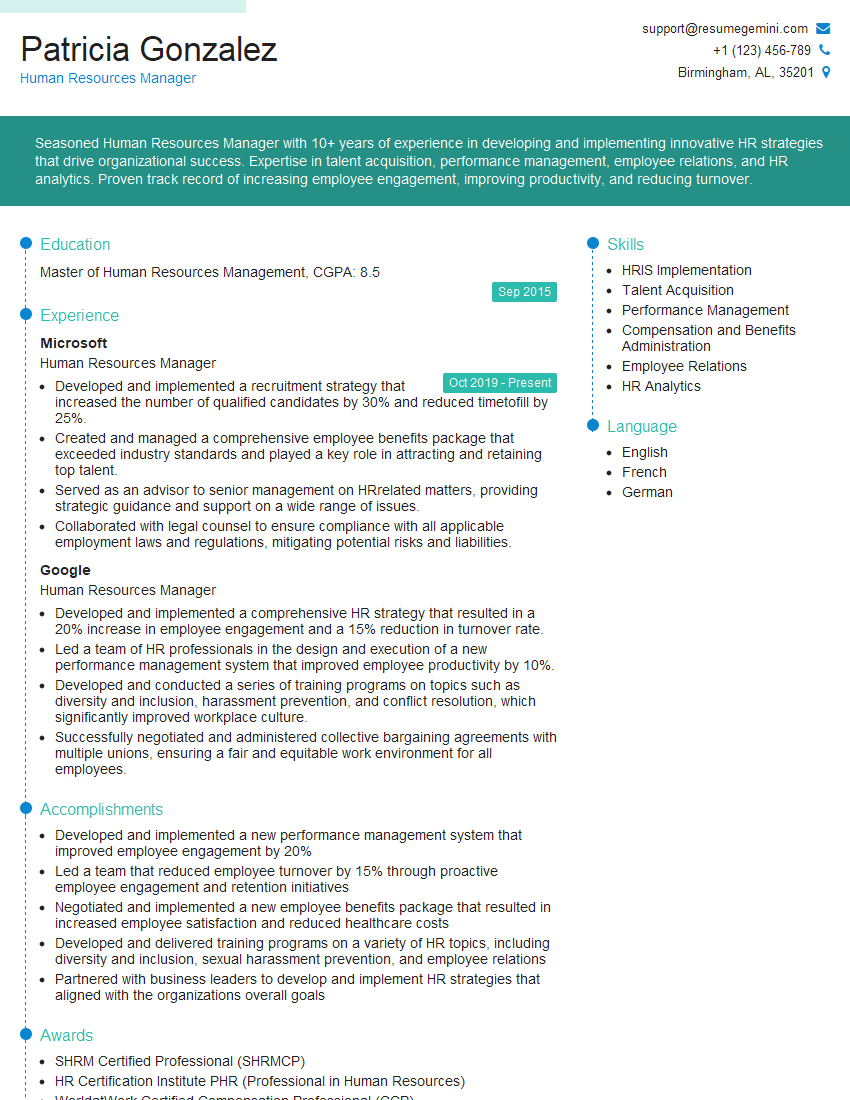
Human Resources Manager Resume Sample

Project Manager Resume Sample

Compliance Officer Resume Sample
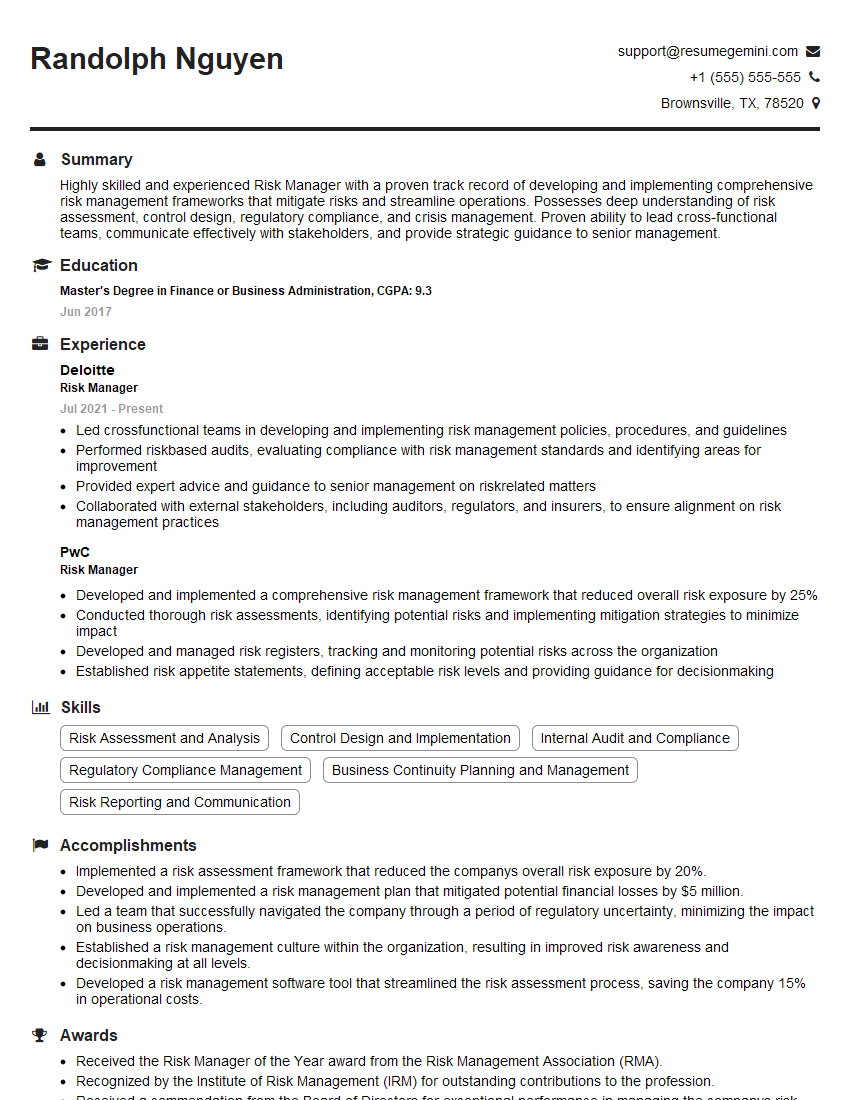
Risk Manager Resume Sample
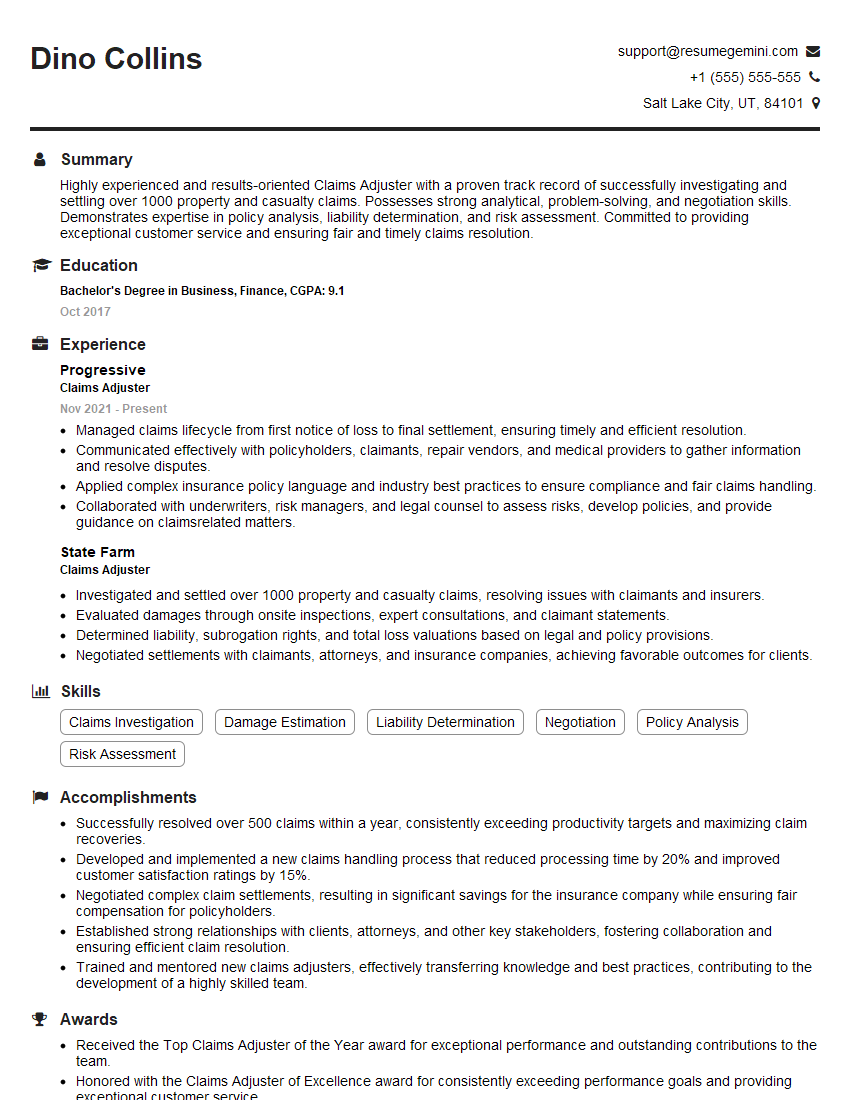
Claims Adjuster Resume Sample
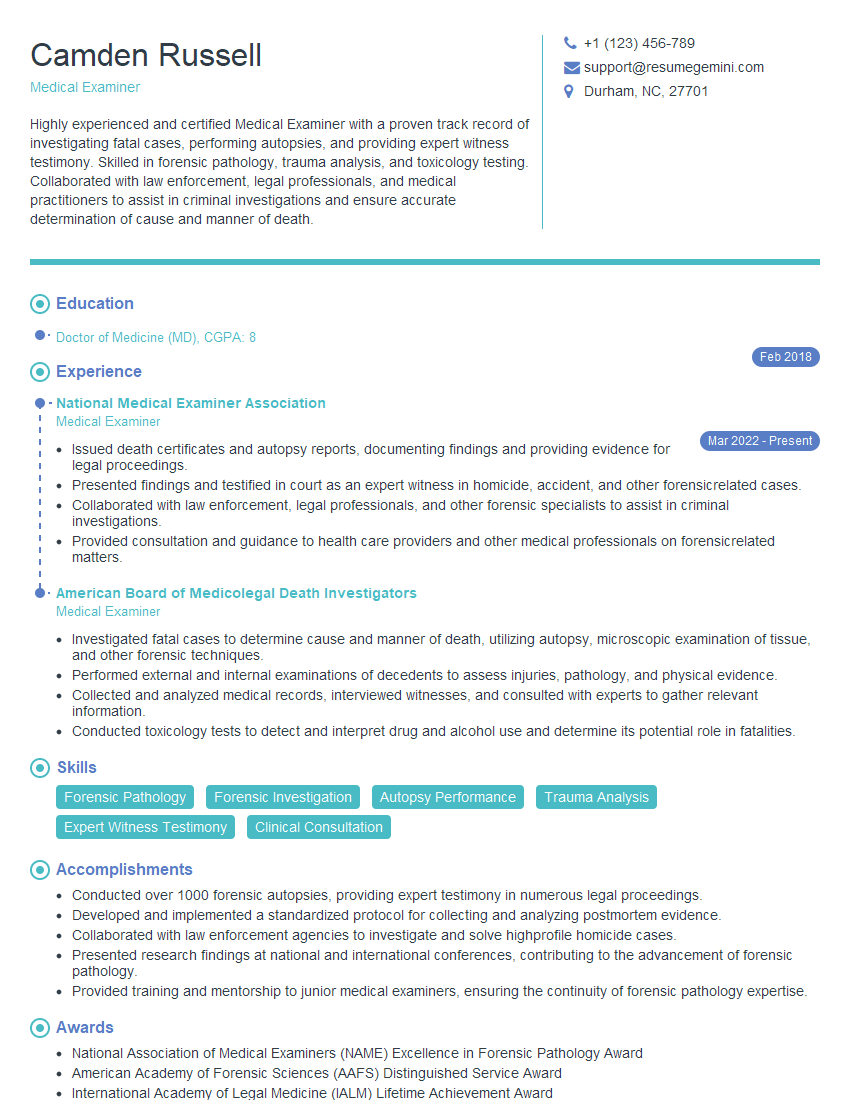
Medical Examiner Resume Sample
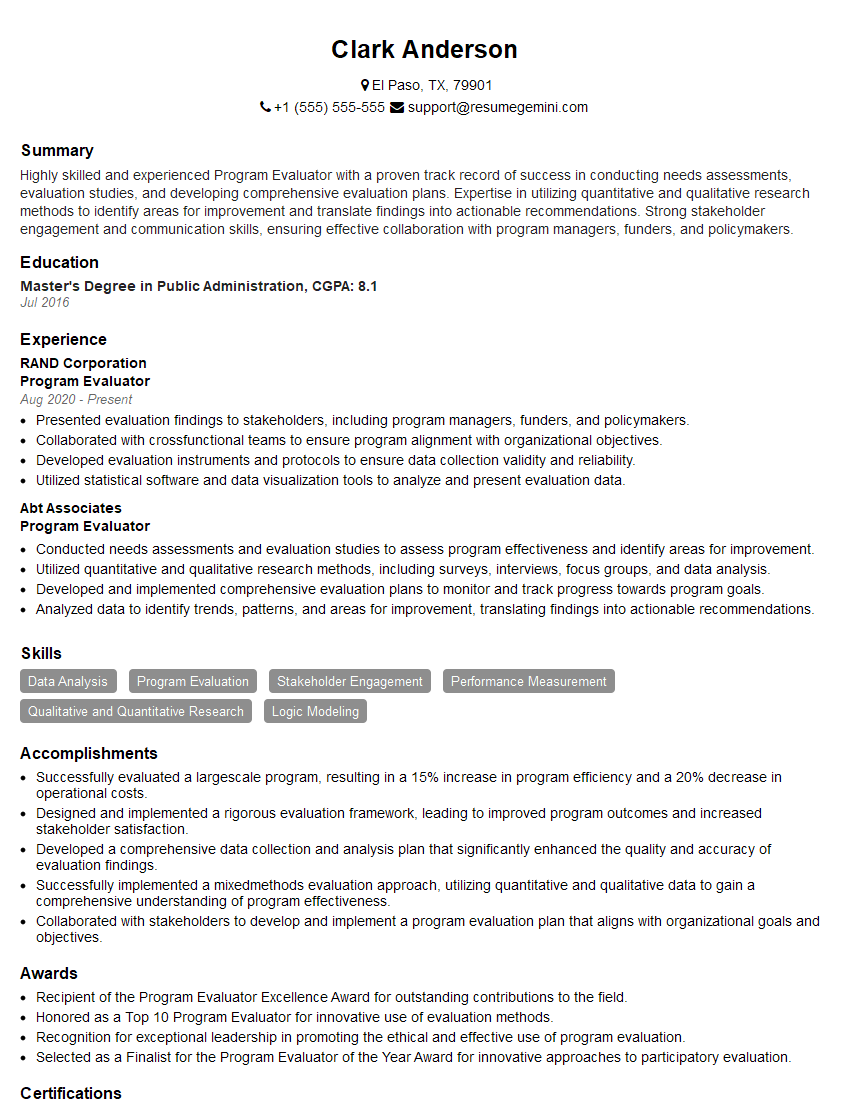
Program Evaluator Resume Sample
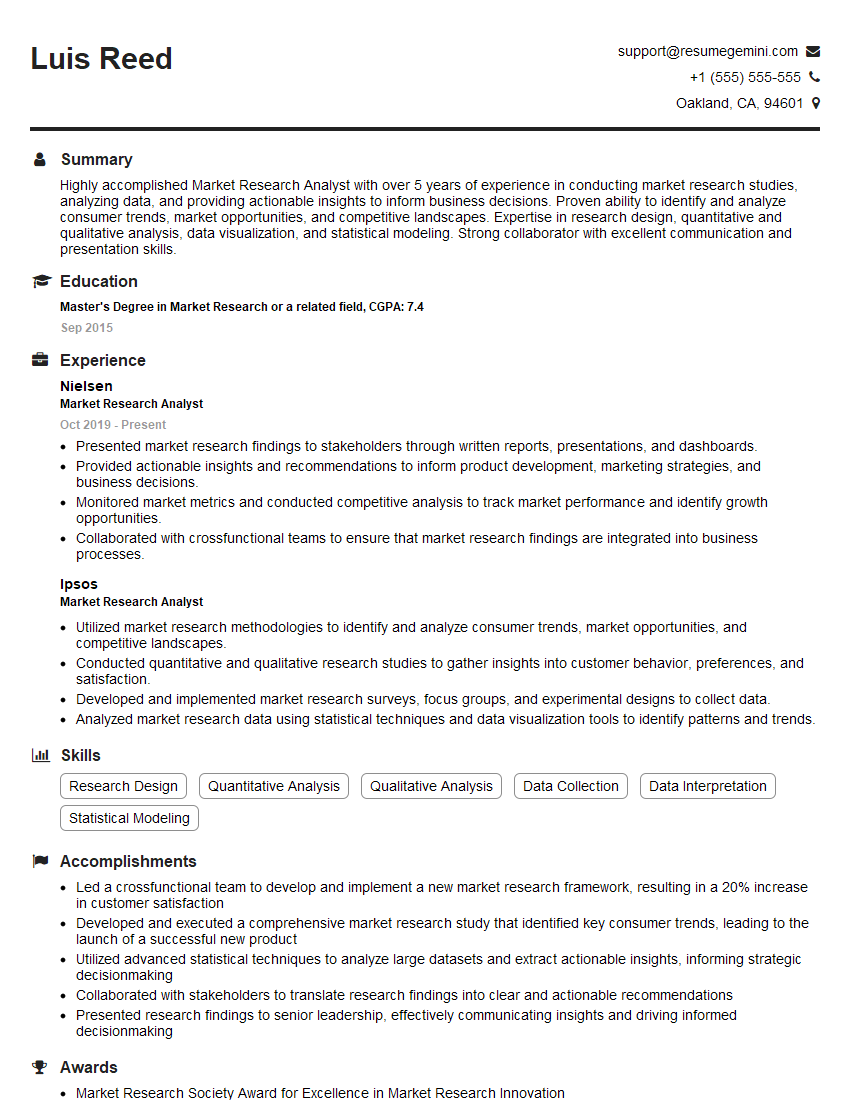
Market Research Analyst Resume Sample
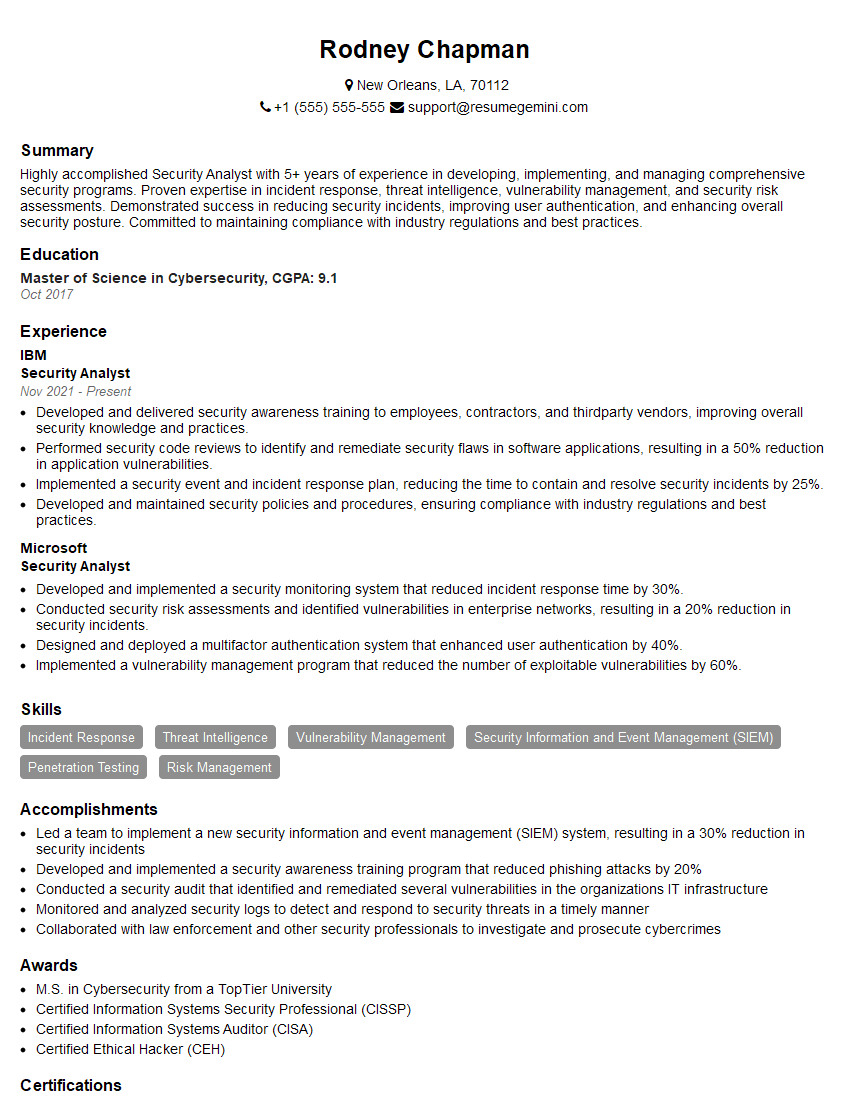
Security Analyst Resume Sample
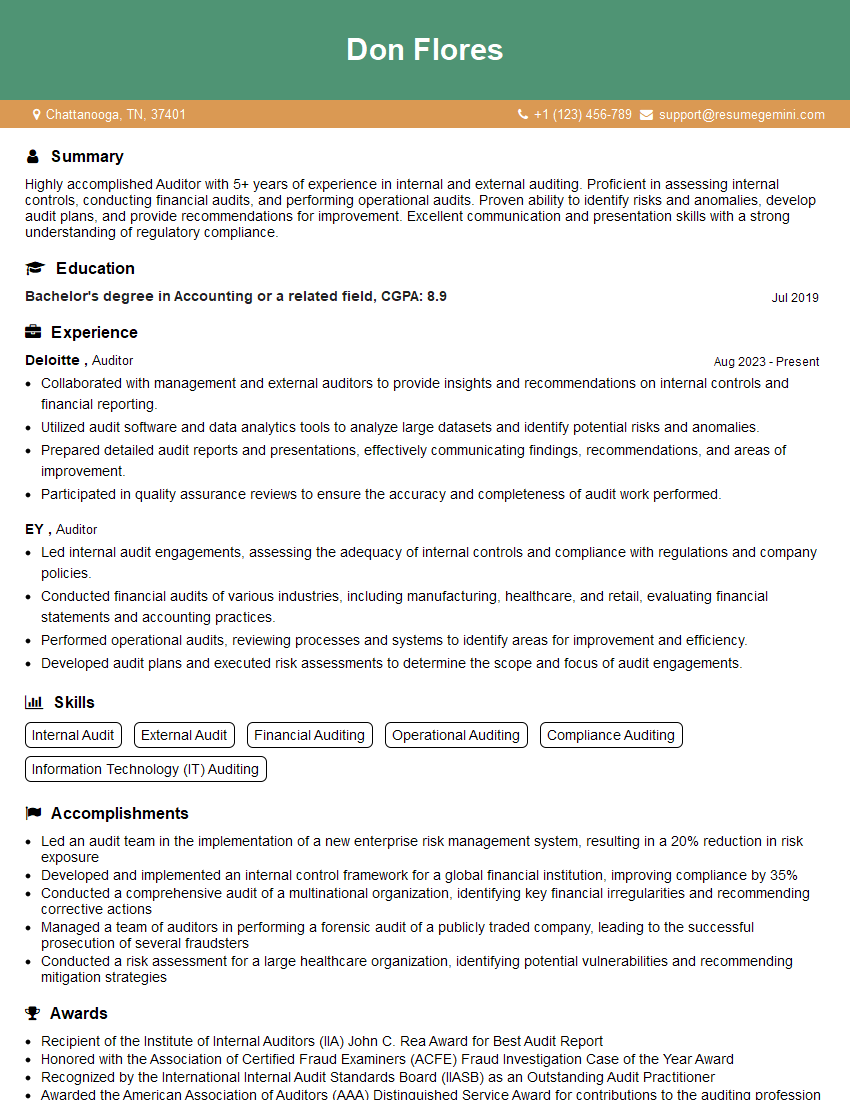
Auditor Resume Sample
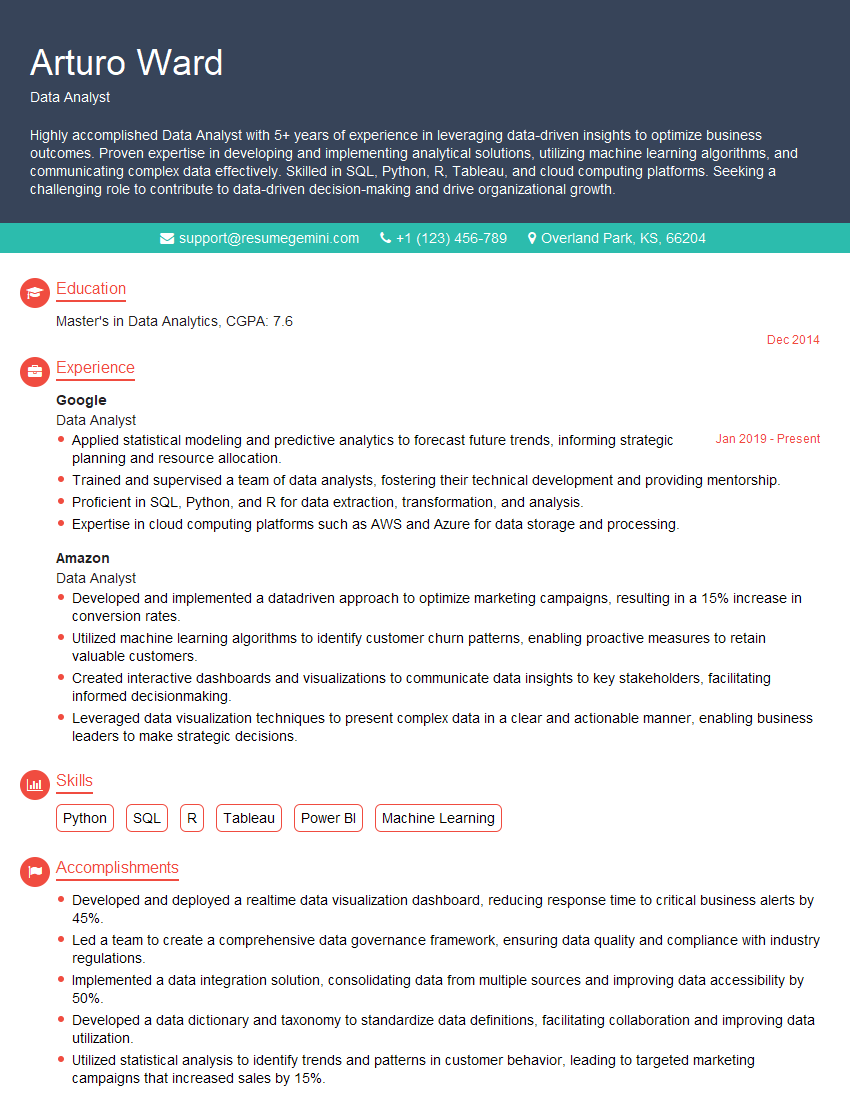
Data Analyst Resume Sample
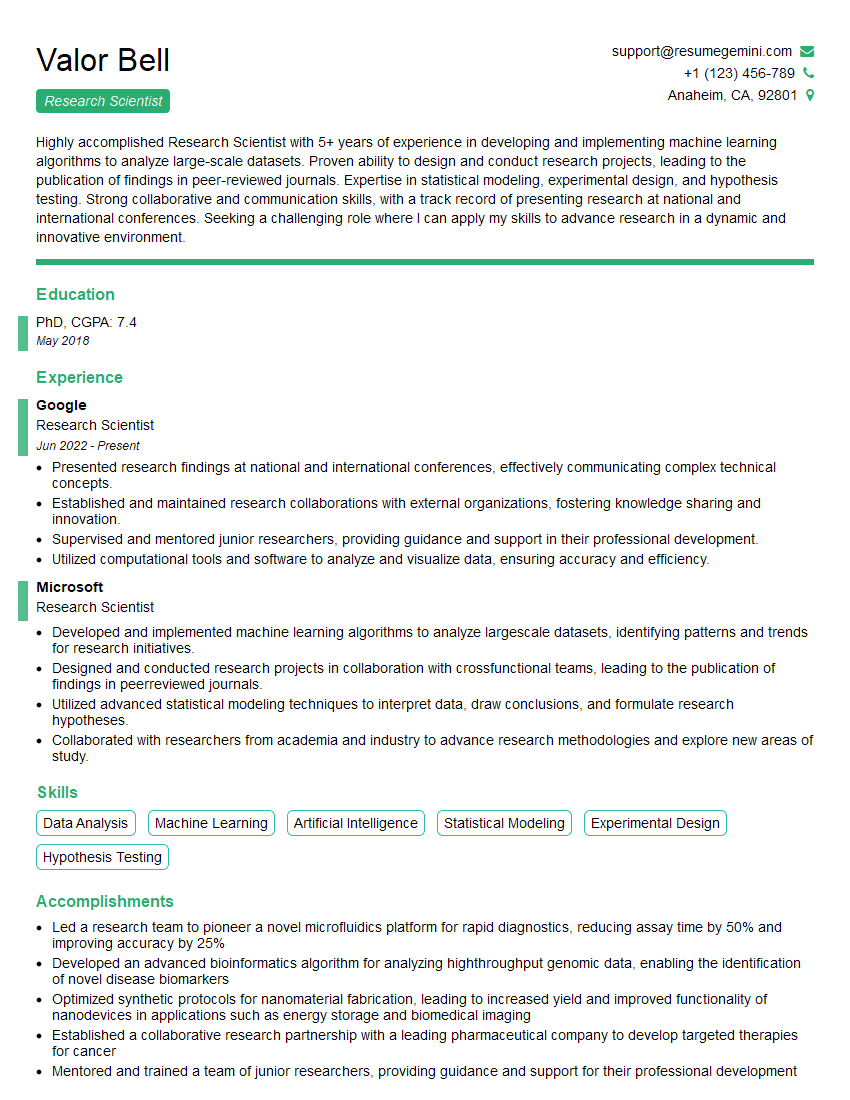
Research Scientist Resume Sample
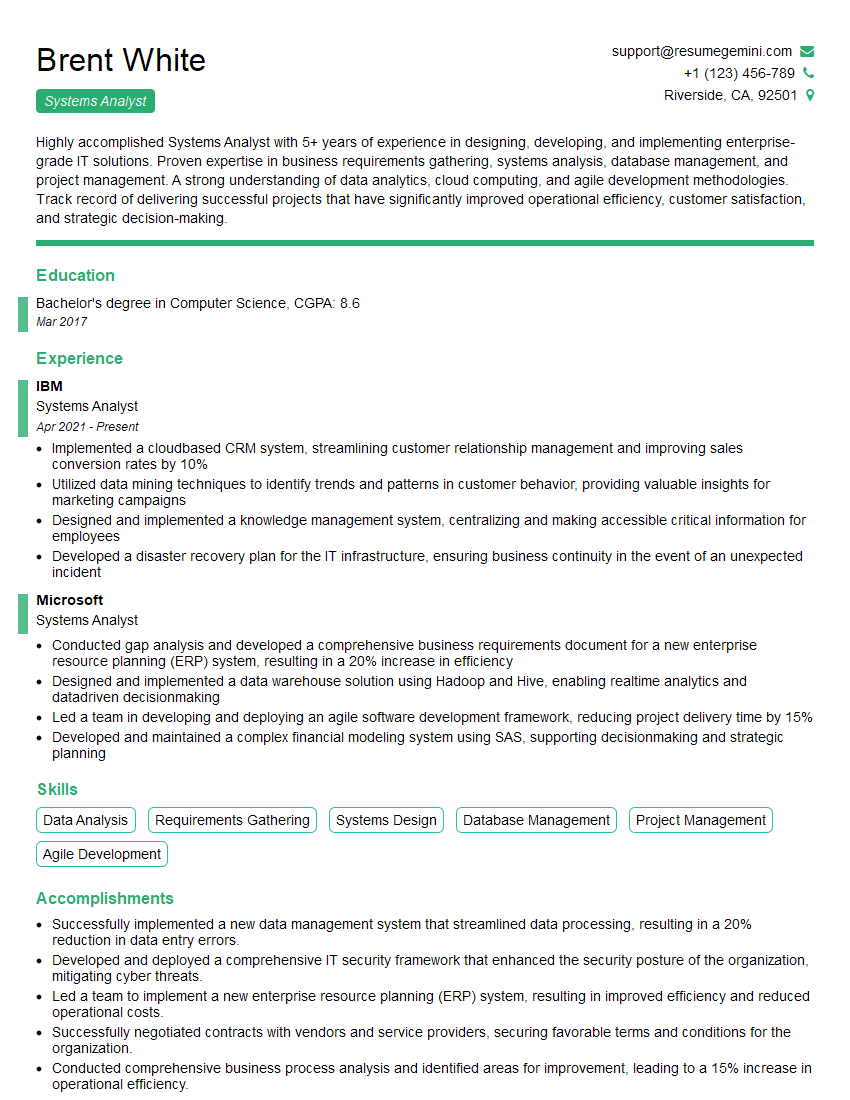
Systems Analyst Resume Sample

Software Tester Resume Sample
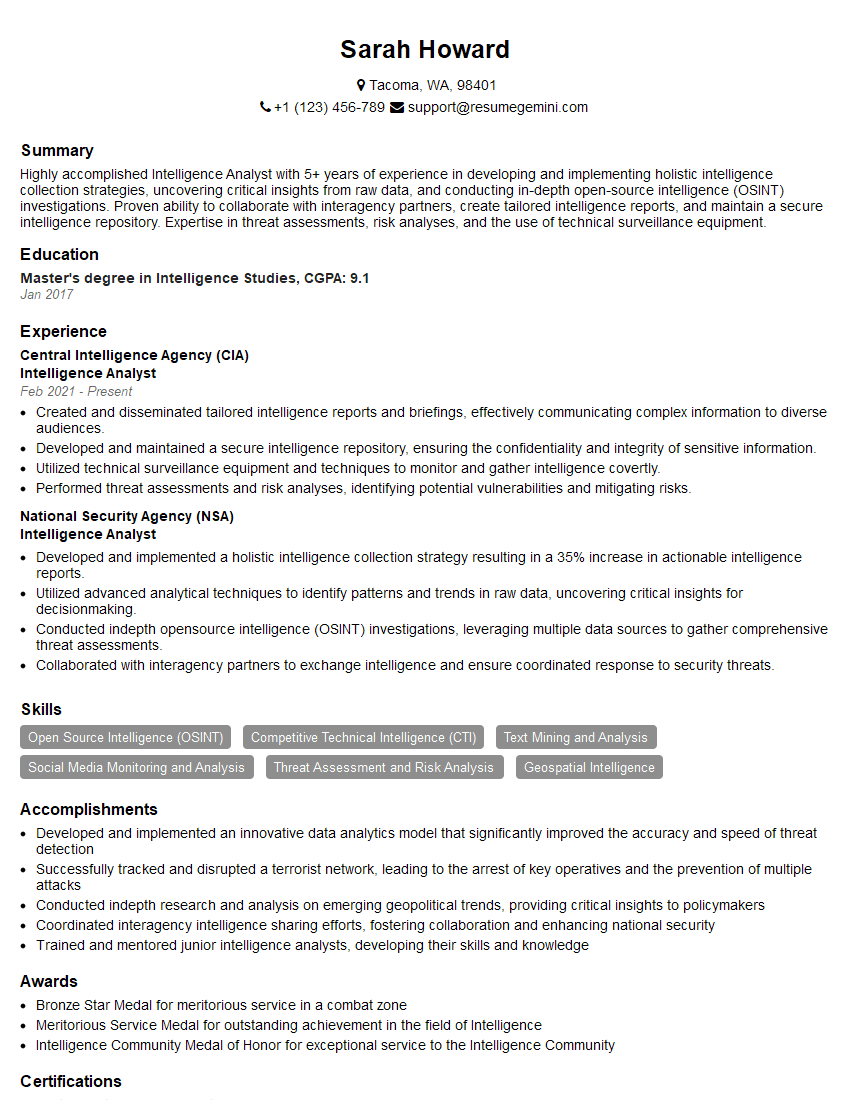
Intelligence Analyst Resume Sample
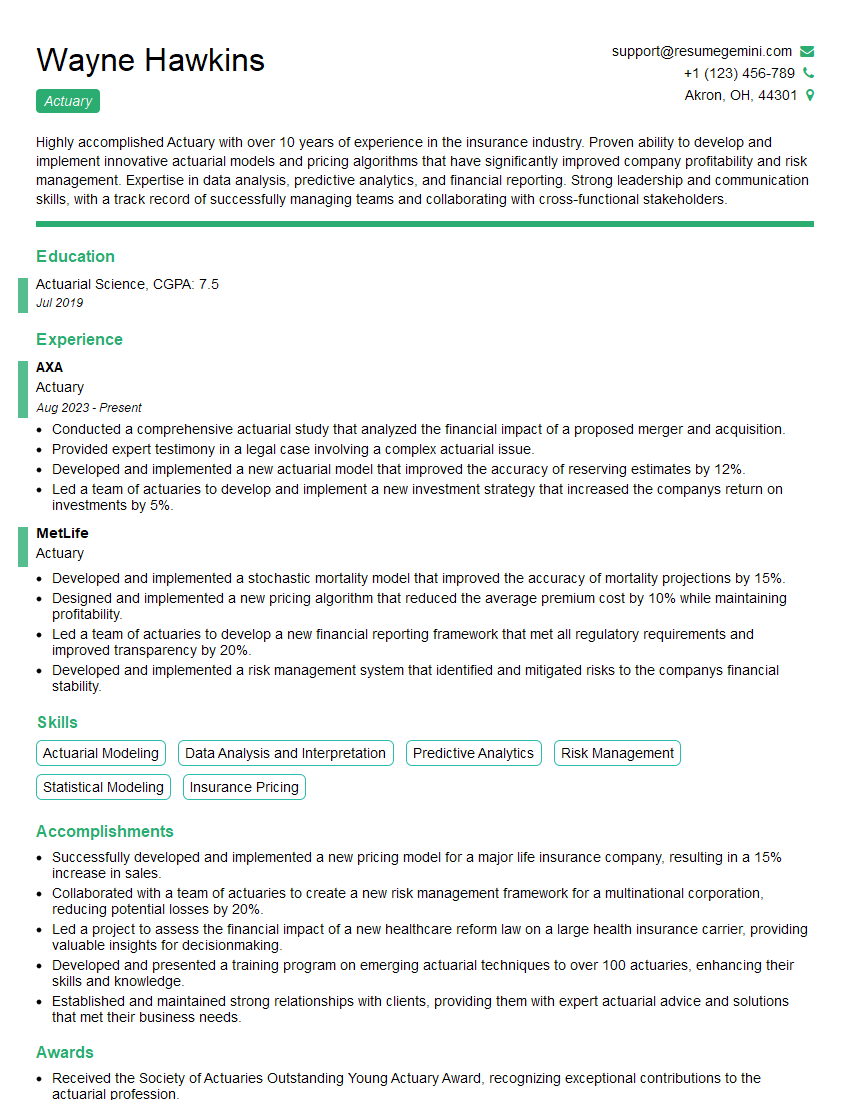
Actuary Resume Sample
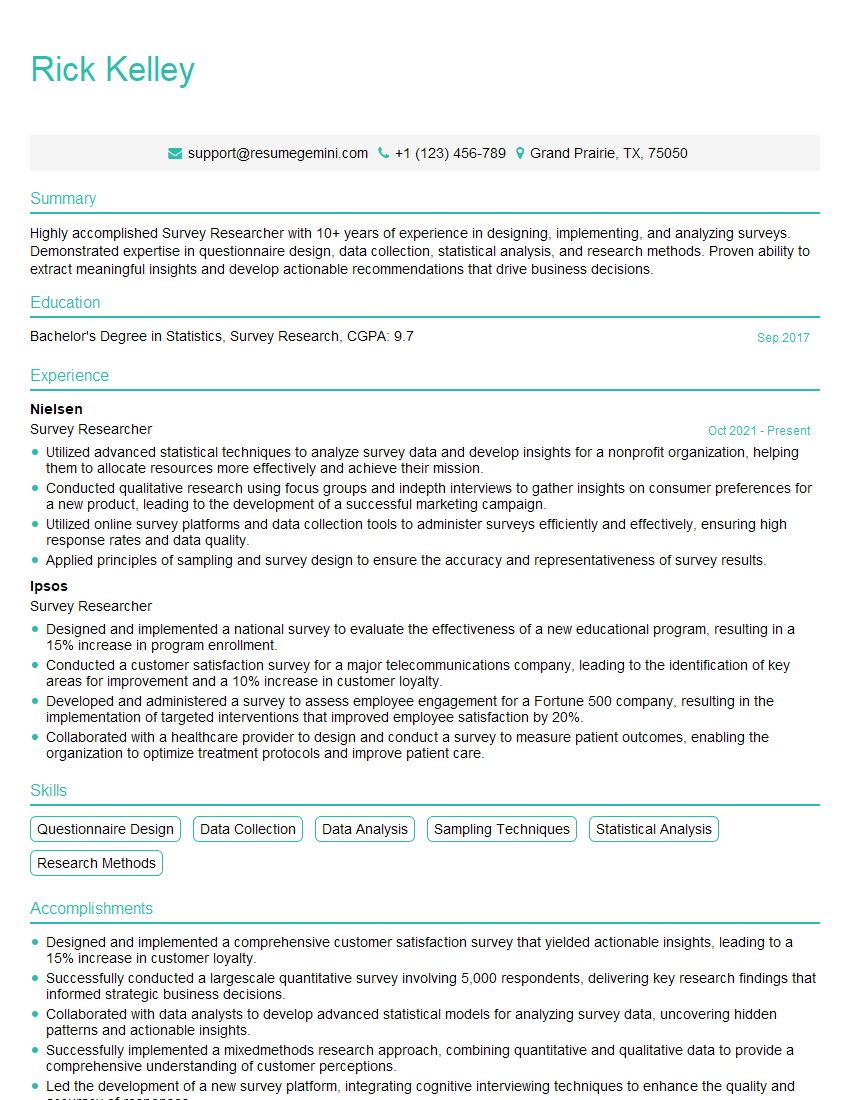
Survey Researcher Resume Sample
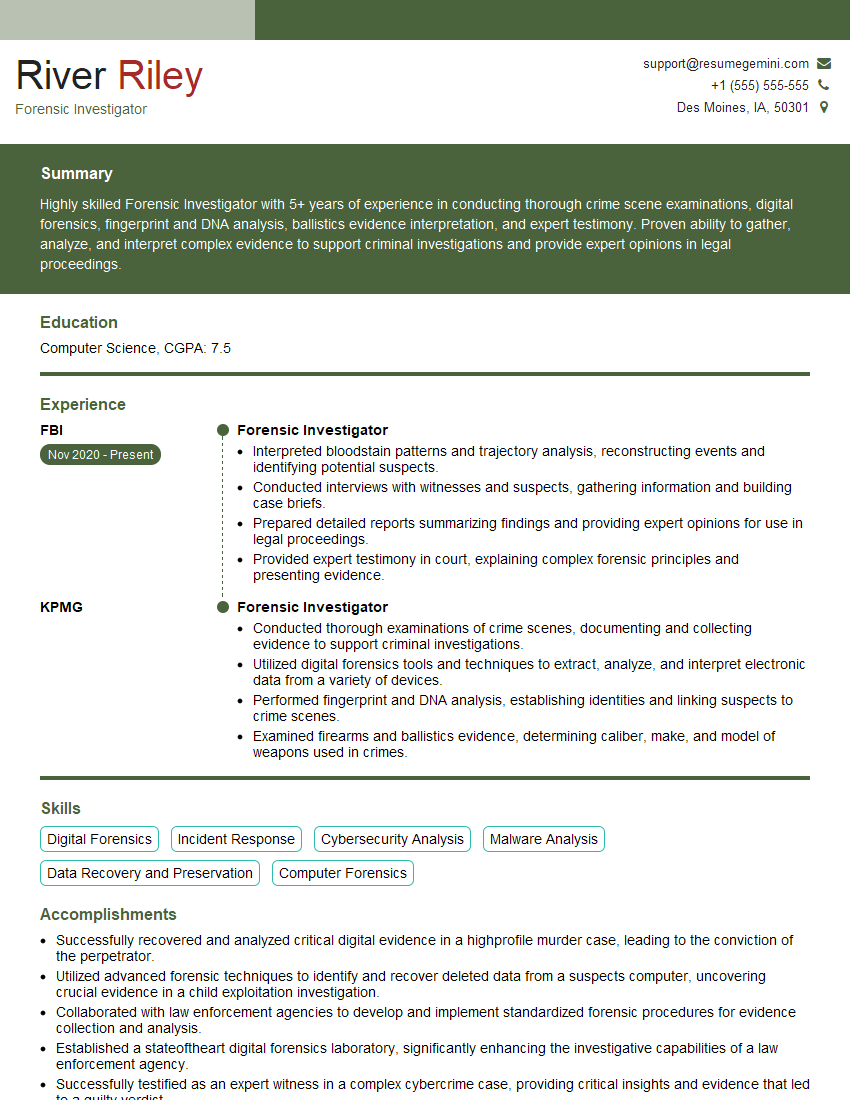
Forensic Investigator Resume Sample
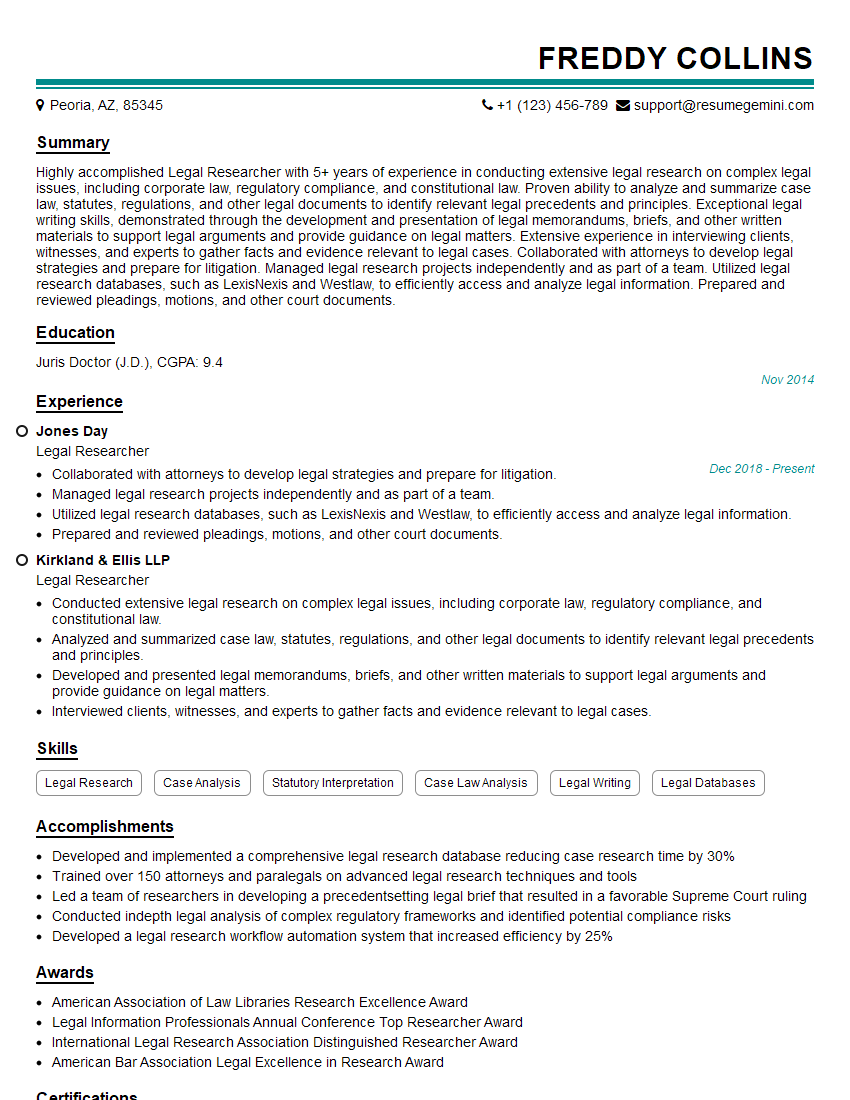
Legal Researcher Resume Sample
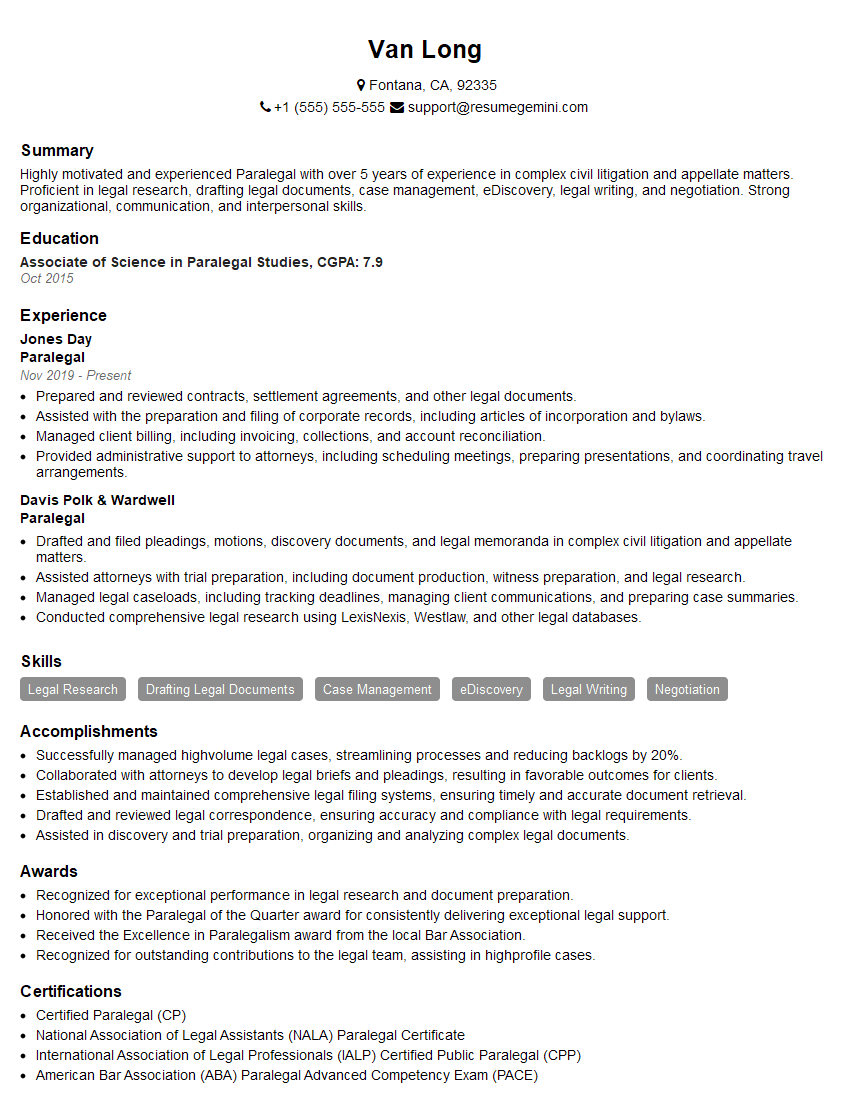
Paralegal Resume Sample

Technical Writer Resume Sample
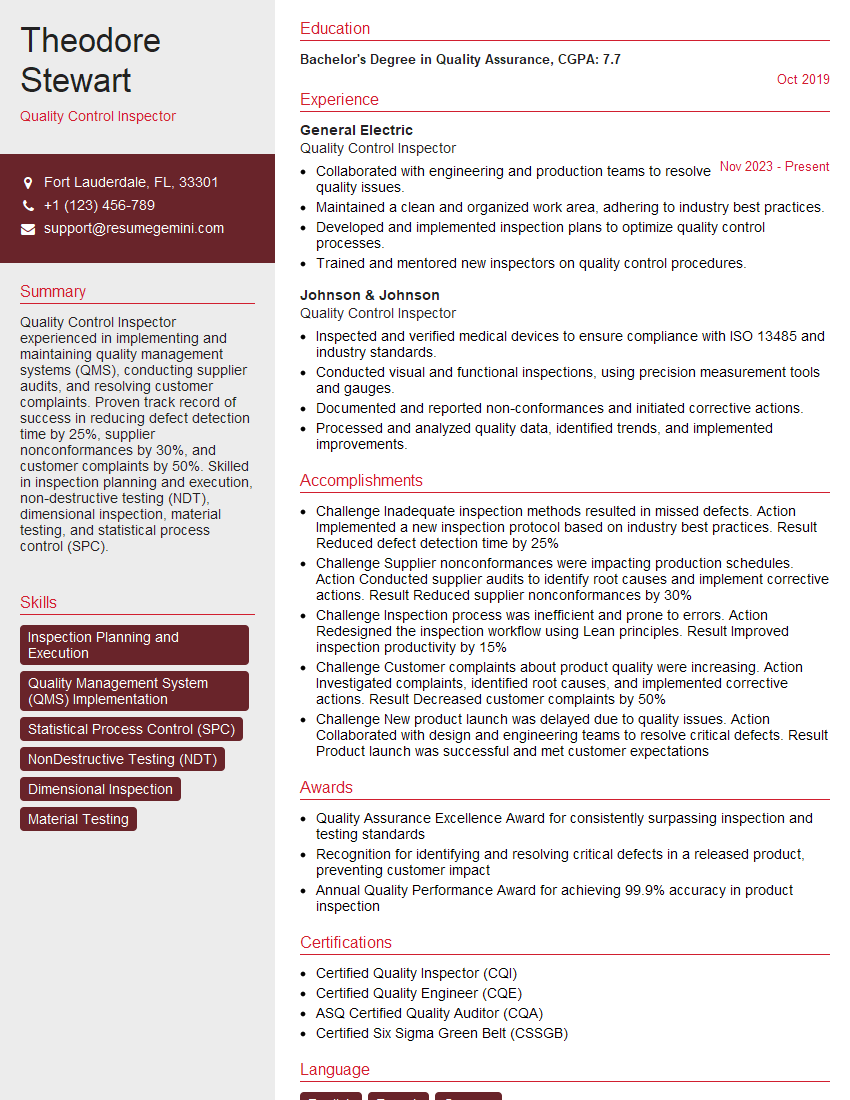
Quality Control Inspector Resume Sample
- Operations Manager
- Human Resources Manager
- Project Manager
- Compliance Officer
- Risk Manager
- Claims Adjuster
- Medical Examiner
- Program Evaluator
- Market Research Analyst
- Security Analyst
- Auditor
- Data Analyst
- Research Scientist
- Systems Analyst
- Software Tester
- Intelligence Analyst
- Actuary
- Survey Researcher
- Forensic Investigator
- Legal Researcher
- Paralegal
- Technical Writer
- Quality Control Inspector
Explore more articles
Users Rating of Our Blogs
Share Your Experience
We value your feedback! Please rate our content and share your thoughts (optional).
What Readers Say About Our Blog
Very informative content, great job.
good