Every successful interview starts with knowing what to expect. In this blog, we’ll take you through the top Interior Design Concepts interview questions, breaking them down with expert tips to help you deliver impactful answers. Step into your next interview fully prepared and ready to succeed.
Questions Asked in Interior Design Concepts Interview
Q 1. Explain your design process from concept to completion.
My design process is a collaborative journey, starting with a deep understanding of the client’s needs and vision. It’s not just about aesthetics; it’s about creating spaces that reflect their lifestyle and enhance their well-being.
- Phase 1: Initial Consultation & Concept Development: This involves a thorough discussion with the client to understand their brief, including their budget, functional requirements, and aesthetic preferences. I create mood boards and initial sketches to visualize the concept. For example, for a family home, this might involve discussions about open-plan living, dedicated play areas, and quiet zones for adults.
- Phase 2: Design Development: This phase refines the initial concept into detailed plans. I utilize software like SketchUp and AutoCAD to create accurate floor plans, elevations, and 3D renderings. This allows clients to visualize the space realistically before construction begins. We might explore different material palettes and furniture arrangements during this stage.
- Phase 3: Procurement & Specification: This is where I source materials and fixtures, ensuring they meet the design specifications and client’s budget. I work closely with suppliers and contractors to manage timelines and quality. This could include selecting sustainable materials, sourcing vintage pieces, or specifying custom-made elements.
- Phase 4: Construction & Installation: I oversee the construction process, regularly visiting the site to ensure the design is being implemented accurately. This involves liaising with contractors and addressing any unexpected issues that may arise. This might involve regular site visits and on-site problem-solving with contractors.
- Phase 5: Finalization & Handover: Once the project is complete, I conduct a final walk-through with the client, addressing any finishing touches and ensuring their complete satisfaction. I provide them with all necessary documentation for ongoing maintenance.
Q 2. Describe your experience with different design software (e.g., AutoCAD, SketchUp, Revit).
I’m proficient in several design software packages, each with its own strengths. My expertise ensures I can handle diverse projects effectively.
- AutoCAD: I use AutoCAD for precise 2D drafting, creating detailed floor plans, elevations, and sections. Its accuracy is crucial for construction documents.
- SketchUp: SketchUp is invaluable for 3D modeling and visualization. I use it to create realistic renderings that help clients visualize the final design and make informed decisions. For instance, I can easily show clients how different lighting schemes affect the ambiance of a room.
- Revit: While not always necessary for smaller projects, I utilize Revit for larger, more complex projects requiring Building Information Modeling (BIM). Revit facilitates seamless collaboration among different stakeholders and enables efficient management of building data throughout the project lifecycle.
Q 3. How do you stay current with the latest interior design trends?
Staying updated in the dynamic world of interior design is crucial. I employ a multi-pronged approach:
- Industry Publications and Websites: I regularly read design magazines, blogs, and online resources to stay abreast of emerging trends and innovative techniques. This might include publications like Architectural Digest or Dezeen.
- Trade Shows and Conferences: Attending industry events allows me to network with other designers, manufacturers, and suppliers, learn about new products, and experience the latest innovations firsthand.
- Online Courses and Workshops: Continuous professional development is key. I regularly take online courses to upskill in areas like sustainable design, specific software applications, or emerging design styles.
- Social Media: Platforms like Instagram and Pinterest provide inspiration and exposure to diverse design styles from around the world, allowing me to track emerging trends organically.
Q 4. What is your approach to managing client expectations and revisions?
Managing client expectations and revisions is essential for successful project delivery. Open communication and clear documentation are paramount.
- Clear Contracts: A well-defined contract outlines the scope of work, payment schedule, and revision process. This ensures transparency and minimizes misunderstandings.
- Regular Communication: I maintain consistent communication with clients throughout the project, providing regular updates, seeking feedback, and addressing concerns promptly. This fosters trust and prevents unexpected surprises.
- Defined Revision Process: The contract clearly outlines the number of allowed revisions and the associated costs. This manages expectations and avoids scope creep.
- Detailed Documentation: I meticulously document all decisions, changes, and approvals throughout the process. This serves as a reference point and minimizes disagreements.
For example, if a client requests a significant change after the design is finalized, I will discuss the implications on cost and timeline before proceeding.
Q 5. Explain your understanding of sustainable design principles.
Sustainable design principles are integral to my practice. It’s about creating spaces that are environmentally responsible, resource-efficient, and promote occupant health and well-being.
- Material Selection: I prioritize using sustainable and locally sourced materials, minimizing the carbon footprint associated with transportation. This includes using reclaimed wood, recycled materials, and sustainably harvested timber.
- Energy Efficiency: I incorporate design elements that promote energy efficiency, such as natural lighting, proper insulation, and energy-efficient appliances. This can significantly reduce the environmental impact of the space.
- Water Conservation: I design spaces that minimize water consumption through the use of low-flow fixtures and water-saving landscaping techniques.
- Indoor Air Quality: I select low-VOC (volatile organic compound) paints, finishes, and furnishings to promote healthy indoor air quality. This creates a healthier and more comfortable environment for the occupants.
- Waste Reduction: I strive to minimize waste generation throughout the construction process by carefully planning material quantities and employing efficient construction methods.
Q 6. How do you handle conflicting design preferences from multiple stakeholders?
Handling conflicting design preferences from multiple stakeholders requires skillful negotiation and diplomacy. My approach involves:
- Facilitated Discussions: I facilitate open and honest discussions among stakeholders, encouraging them to express their preferences and concerns. I act as a neutral mediator, helping them find common ground.
- Compromise and Collaboration: I guide stakeholders toward finding mutually acceptable solutions through compromise. This might involve incorporating elements from each stakeholder’s preferences to create a cohesive design.
- Prioritization: When necessary, I help stakeholders prioritize their needs based on the project’s overall goals and budget. This focuses the design decisions on the most crucial aspects.
- Visual Aids: I use visual aids, such as mood boards, renderings, and prototypes, to help stakeholders visualize different design options and reach a consensus.
- Documentation: I keep detailed records of all discussions and agreements to ensure clarity and accountability.
For example, if a couple disagrees on a color scheme, I might present several options that blend their preferences, allowing them to choose one that satisfies both parties.
Q 7. Describe your experience with space planning and optimizing layouts.
Space planning and layout optimization are foundational to my design process. It’s about creating functional and aesthetically pleasing spaces that meet the client’s needs. I use a combination of techniques:
- Needs Analysis: I thoroughly analyze the client’s functional requirements, considering their lifestyle, activities, and the number of occupants. This forms the basis for the spatial organization.
- Space Programming: I develop a space program that assigns specific functions to different areas within the space. This ensures the design is efficient and meets the intended purpose.
- Adjacency Matrix: I use an adjacency matrix to define the relationship between different spaces, determining which areas should be close to each other. This is particularly useful for optimizing workflow and convenience.
- Software Tools: I utilize design software like AutoCAD and SketchUp to create various layout options, experiment with different configurations, and assess their efficiency. This allows us to test various layouts virtually before making commitments to construction.
- Ergonomics and Circulation: I consider ergonomic principles and efficient circulation patterns when designing layouts, ensuring that the space is comfortable, safe, and easily navigable.
For instance, in designing a kitchen, I would optimize the layout to ensure a smooth workflow, placing the oven, stovetop, and sink in a convenient triangle formation.
Q 8. How do you incorporate universal design principles into your projects?
Universal design prioritizes creating spaces accessible and usable by everyone, regardless of age, ability, or disability. It’s about designing inclusively from the outset, rather than adding accessibility as an afterthought.
- Adaptability: I incorporate adjustable features like height-adjustable countertops, easily accessible light switches, and lever-style door handles. This ensures the space can accommodate changing needs over time.
- Accessibility: Wide doorways (at least 36 inches), ramps instead of steps, and accessible bathrooms with grab bars are essential. I always consult accessibility guidelines (like ADA standards) to ensure compliance.
- Simple and Intuitive Design: Clear pathways, good lighting, and easy-to-understand controls are crucial. For example, using contrasting colors to highlight door frames or switches improves visibility for those with visual impairments.
- Flexibility in Use: Designing multi-functional spaces is key. A room might serve as both a home office and a guest room, for example. Modular furniture and adaptable layouts facilitate this.
For example, in a recent kitchen renovation, I designed adjustable shelving, pull-out drawers for easy reach, and a cooktop with controls placed at a comfortable height for both seated and standing users. This approach ensures a fully inclusive space that functions beautifully for everyone.
Q 9. How do you select appropriate materials and finishes for a project?
Material and finish selection is crucial for both aesthetics and longevity. It involves careful consideration of factors such as durability, sustainability, cost, and the overall design aesthetic.
- Durability: High-traffic areas require durable materials like porcelain tile or hardwood flooring with a high Janka hardness rating. For low-traffic areas, softer materials like carpet or cork might be suitable.
- Maintenance: Low-maintenance materials are often prioritized, especially in busy households. For example, sealed granite countertops are easier to clean than porous natural stone.
- Sustainability: I prioritize eco-friendly materials like reclaimed wood, bamboo, or recycled glass. Sustainable choices minimize environmental impact and align with responsible design principles.
- Aesthetics: The chosen materials and finishes must complement the overall design style and color scheme. Textural variations and color palettes are carefully considered to create a harmonious and visually appealing environment.
- Budget: Cost-effective options are explored without compromising quality. For instance, engineered wood flooring can provide a similar look to solid hardwood at a lower cost.
In a recent project, we opted for sustainably sourced bamboo flooring in the bedrooms and durable porcelain tiles in the kitchen and bathrooms. This decision balanced cost-effectiveness with sustainability and durability.
Q 10. Describe your experience with creating detailed construction drawings and specifications.
Creating detailed construction drawings and specifications is paramount for successful project execution. It involves meticulous documentation of every aspect of the design, ensuring clarity and precision for the construction team.
- Floor Plans: Accurate floor plans with dimensions, wall locations, door and window placements, and finish details are essential.
- Elevations: Elevations show the exterior and interior wall finishes, window and door heights, and ceiling details.
- Sections: Sections provide detailed cross-sections of walls, floors, and ceilings, revealing construction methods and material specifications.
- Details: Detailed drawings illustrate specific components like custom cabinetry, built-in features, or complex joinery.
- Specifications: A comprehensive specification document outlines all materials, finishes, and construction methods in detail. This ensures consistent quality and prevents misunderstandings.
I utilize AutoCAD and Revit software to create precise and comprehensive drawings. My specifications follow the CSI MasterFormat system for standardized organization and clarity. I believe in providing enough detail to eliminate ambiguity and ensure smooth construction.
Q 11. Explain your understanding of building codes and regulations.
Understanding building codes and regulations is non-negotiable. These codes ensure the safety, health, and welfare of building occupants. Compliance is crucial for obtaining permits and avoiding costly delays and legal issues.
- Fire Safety: Codes dictate requirements for fire-resistant materials, smoke detectors, sprinkler systems, and egress routes.
- Accessibility: Codes address accessibility requirements for people with disabilities, as mentioned earlier.
- Structural Integrity: Codes specify load-bearing requirements, ensuring building stability and safety.
- Electrical and Plumbing Codes: I adhere to strict standards for electrical wiring, plumbing installations, and ventilation systems.
- Energy Efficiency: Building codes often incorporate energy efficiency standards, promoting sustainable design practices.
I always consult the relevant local and national building codes before starting any project. I often collaborate with structural engineers and other specialists to ensure full compliance.
Q 12. How do you manage project budgets and timelines effectively?
Effective budget and timeline management is essential for project success. It requires careful planning, meticulous tracking, and proactive communication.
- Detailed Budgeting: A comprehensive budget breaks down all project costs, including materials, labor, permits, and contingencies. I use specialized software to create detailed cost estimates.
- Timeline Development: A realistic project timeline is established, outlining key milestones and deadlines. Gantt charts are used to visualize the project schedule.
- Regular Monitoring: I track progress against the budget and timeline regularly, identifying potential issues early on.
- Contingency Planning: A contingency fund is allocated to address unexpected costs or delays.
- Communication: Open and transparent communication with clients is key to managing expectations and addressing any concerns.
For instance, in a recent project, we encountered a delay in material delivery. By promptly communicating with the client and adjusting the timeline, we managed to avoid significant cost overruns and maintain client satisfaction.
Q 13. Describe your experience with collaborating with contractors and suppliers.
Collaboration is central to successful project delivery. I cultivate strong working relationships with contractors and suppliers, fostering open communication and mutual respect.
- Selection Process: I carefully vet contractors and suppliers, considering their experience, reputation, and pricing. References are checked, and previous work is reviewed.
- Clear Communication: Detailed plans and specifications are shared with contractors and suppliers. Regular meetings are held to discuss progress, address concerns, and make necessary adjustments.
- Relationship Building: Building trust and rapport with contractors and suppliers is essential for smooth collaboration. This includes being responsive, respectful, and fair in all interactions.
- Conflict Resolution: I proactively address any conflicts or misunderstandings that may arise, focusing on finding mutually acceptable solutions.
In a past project, a supplier encountered a delay. By working closely with them, I explored alternative sourcing options, minimizing the disruption to the overall timeline.
Q 14. How do you handle project challenges and unexpected issues?
Project challenges are inevitable. My approach focuses on proactive problem-solving and maintaining a calm, resourceful demeanor.
- Risk Assessment: I identify potential challenges early on and develop mitigation strategies. This may involve selecting robust materials, allowing extra time for unforeseen delays, or having backup plans in place.
- Problem Solving: When challenges arise, I gather information, analyze the situation, and explore multiple solutions. I involve the relevant stakeholders in the decision-making process.
- Adaptability: I adapt plans as needed, adjusting the timeline or budget as appropriate. Flexibility and a willingness to find creative solutions are vital.
- Communication: Open and transparent communication with clients and the construction team is key to managing expectations and minimizing negative impacts.
For example, during a recent renovation, we discovered unexpected water damage behind a wall. By promptly contacting a specialist, we addressed the issue efficiently, minimizing disruption to the overall project.
Q 15. What is your approach to creating a cohesive design style within a project?
Creating a cohesive design style starts with understanding the client’s vision and translating it into a tangible concept. I begin by conducting a thorough needs analysis, exploring their lifestyle, preferences, and aspirations for the space. This involves detailed discussions, mood board creation, and potentially even site visits to assess existing conditions and gather inspiration from the surrounding environment. From there, I develop a comprehensive design concept that incorporates a unifying theme, color palette, material selection, and furniture style. This isn’t about imposing a style, but rather about crafting a unique narrative that reflects the client’s personality and the space’s purpose.
For example, if a client desires a modern farmhouse aesthetic, I wouldn’t simply slap on shiplap and call it a day. Instead, I’d carefully consider the balance of rustic elements – reclaimed wood, exposed beams – with sleek lines and contemporary furnishings. The goal is harmony, not a superficial imitation of a style. This process involves selecting consistent textures and patterns, and paying close attention to detail in every aspect, from the hardware to the artwork.
Career Expert Tips:
- Ace those interviews! Prepare effectively by reviewing the Top 50 Most Common Interview Questions on ResumeGemini.
- Navigate your job search with confidence! Explore a wide range of Career Tips on ResumeGemini. Learn about common challenges and recommendations to overcome them.
- Craft the perfect resume! Master the Art of Resume Writing with ResumeGemini’s guide. Showcase your unique qualifications and achievements effectively.
- Don’t miss out on holiday savings! Build your dream resume with ResumeGemini’s ATS optimized templates.
Q 16. Explain your knowledge of different design styles (e.g., Modern, Traditional, Minimalist).
My understanding of design styles encompasses a wide range, each with its distinct characteristics. Modern design prioritizes clean lines, functionality, and minimalism. Think open floor plans, neutral color palettes, and the use of natural materials. It’s all about creating a sense of spaciousness and serenity. Traditional design, on the other hand, embraces classic elegance, ornate details, rich textures, and a sense of history. This style often incorporates antique or antique-inspired furniture, symmetrical layouts, and warm, inviting color palettes. Think of the comfort and sophistication of a well-loved family home.
Minimalist design takes simplicity to its extreme. It focuses on essential elements, decluttering, and creating a calm, uncluttered environment. The palette is typically monochromatic, and functionality is paramount. This style values intentionality and removing anything that doesn’t serve a purpose. In my work, I often blend elements from different styles, creating a unique and personalized space that reflects the client’s individuality while maintaining a cohesive look. For instance, I might incorporate minimalist principles into a traditional setting to create a more contemporary feel, or blend modern elements with rustic textures for a unique farmhouse style.
Q 17. Describe your experience with lighting design and its impact on ambiance.
Lighting design is crucial in setting the mood and functionality of any space. It’s more than just illuminating a room; it’s about layering light to create depth, highlight architectural features, and enhance the overall atmosphere. I approach lighting design strategically, incorporating a combination of ambient, task, and accent lighting. Ambient lighting provides general illumination, such as recessed lighting or chandeliers. Task lighting focuses light on specific areas, like desk lamps for workspaces or pendant lights above kitchen islands. Accent lighting highlights artwork, architectural details, or other features to create visual interest.
The impact on ambiance is profound. Warm, soft lighting creates a cozy and intimate atmosphere, while cooler, brighter lighting can make a space feel more energetic and modern. For example, in a bedroom, I might use dimmable bedside lamps for a relaxing ambiance and recessed lighting for functional illumination. In a dining room, a statement chandelier provides ambient light, while strategically placed track lighting can highlight artwork or a buffet. The right lighting scheme can completely transform the feeling of a space, making it welcoming, functional, and aesthetically pleasing.
Q 18. How do you ensure accessibility for individuals with disabilities in your designs?
Accessibility is a non-negotiable aspect of my design process. I prioritize creating inclusive spaces that cater to individuals with disabilities. This includes adhering to ADA (Americans with Disabilities Act) guidelines and universal design principles. This means ensuring sufficient space for wheelchair maneuvering, installing grab bars in bathrooms, selecting appropriate door hardware, and implementing accessible features such as lever-style door handles and appropriately height-adjustable counters.
Beyond meeting minimum requirements, I strive to create beautiful and functional spaces that are enjoyable for everyone. This might involve incorporating ramps with attractive landscaping, selecting furniture with varied heights and adjustable features, or using clear and concise signage. Careful consideration is given to color contrast to improve visual accessibility for people with low vision. The aim is to create a space that’s not just accessible but also aesthetically pleasing and reflects the client’s style, ensuring everyone feels comfortable and included.
Q 19. Explain your understanding of color theory and its application in design.
Color theory is the foundation of effective interior design. Understanding the color wheel – its primary, secondary, and tertiary colors – and color relationships (complementary, analogous, triadic) is essential. I use this knowledge to create balanced and harmonious color palettes that evoke specific moods and enhance the overall design concept. Warm colors like reds and oranges create a cozy and energetic feel, while cool colors like blues and greens promote calmness and serenity. Neutral colors like grays and beiges provide a versatile backdrop and can be accented with bolder hues.
The application of color theory goes beyond simple color selection. It also includes understanding the psychological impact of color and its interaction with light and texture. For example, a small room might benefit from a light and airy color palette to make it feel more spacious, while a larger room could accommodate bolder and darker tones. I often use mood boards and digital tools to experiment with different color combinations and visualize their impact on the space before making final selections. This ensures that the color palette supports the overall design and complements the chosen materials and furnishings.
Q 20. How do you balance aesthetics with functionality in your design solutions?
Balancing aesthetics with functionality is paramount. A beautiful space that isn’t functional is ultimately unsuccessful, and vice-versa. My approach involves a careful consideration of both aspects from the initial design stages. I start by understanding the client’s needs and how they’ll use the space. This informs the layout, storage solutions, and selection of furniture and fixtures.
For example, in a kitchen, the aesthetic might be a sleek, modern design, but functionality requires sufficient counter space, well-placed appliances, and ample storage. I wouldn’t sacrifice practicality for visual appeal, nor would I create a functional space that lacks style and personality. The process involves finding creative solutions that integrate both. This might include built-in storage solutions that enhance the aesthetic, or choosing appliances that complement the design while providing desired functionality. The result is a space that is both beautiful and practical, a place that is both visually stunning and a pleasure to use.
Q 21. Describe your experience with presenting design proposals to clients.
Presenting design proposals is as much an art as it is a science. I begin by creating a visually appealing and comprehensive presentation that clearly communicates the design concept. This usually includes mood boards, floor plans, 3D renderings, material samples, and a detailed budget breakdown. I tailor the presentation to the client’s personality and level of understanding. Some clients prefer a highly technical explanation, while others prefer a more visual and intuitive approach.
During the presentation, I emphasize the thought process behind each design decision, highlighting how the choices reflect the client’s preferences and the space’s function. I actively listen to their feedback and address any concerns they may have. I ensure that the proposal is clear, concise, and easy to understand, and that all questions are answered thoroughly. I view this presentation as the culmination of my understanding of their vision and an opportunity to collaboratively refine the concept. The end result should be a mutual understanding and enthusiasm for the project moving forward.
Q 22. What is your approach to incorporating client feedback into your designs?
Client feedback is the cornerstone of successful interior design. My approach involves actively soliciting input at every stage, starting with an initial consultation where I delve into their lifestyle, preferences, and aspirations. I use a collaborative, iterative process. This means I don’t just take notes; I actively listen, ask clarifying questions, and visually represent their ideas using sketches and mood boards. After presenting initial concepts, I incorporate feedback through revisions, presenting updated designs until we achieve a mutual understanding and vision. For instance, a client might initially express a preference for minimalist aesthetics, but upon seeing the initial mood board incorporating natural materials and warm colors, they might share a desire to incorporate more texture and warmth. This valuable feedback shapes the final design. This collaborative process ensures the final product reflects the client’s personality and functional needs.
Q 23. How do you use technology to enhance your design process?
Technology significantly enhances my design process. I leverage 3D modeling software like SketchUp and Revit to create realistic visualizations, allowing clients to experience the space before construction begins. This allows for better communication and avoids costly mistakes. Furthermore, I utilize project management tools like Asana or Trello to streamline communication, track progress, and manage deadlines effectively. Virtual reality (VR) tools are also becoming increasingly important, offering immersive experiences that further enhance client understanding and engagement. Imagine walking through a virtual version of your future living room – it allows for immediate feedback and modifications, ensuring everyone is happy with the end result. I also utilize online platforms to source materials and collaborate with contractors, streamlining the entire project workflow.
Q 24. Describe your experience with creating mood boards and presentations.
Creating compelling mood boards and presentations is vital for communicating design concepts effectively. My approach begins with thorough research and the careful selection of images, fabrics, and paint samples that reflect the client’s style and the project’s overall aesthetic. I meticulously arrange these elements to showcase a cohesive vision, highlighting key features and details. My presentations go beyond simply displaying images; I use narrative storytelling to connect the design elements to the client’s lifestyle and needs. For example, I might present a mood board for a family home focusing on a sense of warmth and functionality, explaining how the chosen color palettes and furniture arrangements encourage relaxation and family interaction. I also use high-quality visuals and professional presentation software to deliver a polished and convincing pitch. Client feedback is integral during the presentation and drives adjustments to the mood board and design.
Q 25. How do you handle design criticism and feedback?
Design criticism is an integral part of the creative process. I view it as an opportunity for growth and improvement. My approach involves actively listening to feedback, asking clarifying questions to fully understand the concerns, and objectively evaluating their validity. I appreciate that feedback comes from diverse perspectives and experiences. If the criticism is constructive, I use it to refine and improve my design, offering detailed explanations of my design choices and incorporating the feedback where appropriate. If the criticism is subjective or based on personal preference, I try to understand the root of the concern and find a compromise that addresses their needs while maintaining the design’s integrity. Ultimately, my goal is to create a design that meets the client’s satisfaction and aligns with their vision.
Q 26. Explain your understanding of ergonomics and its role in interior design.
Ergonomics is crucial in interior design; it’s the science of designing spaces that fit the human body and enhance its well-being. Consider chair height and desk arrangement in a home office: improperly designed, these can lead to back pain and fatigue. My approach to integrating ergonomics involves considering factors like furniture dimensions, lighting, and accessibility. For example, in a kitchen, I might design counters at optimal heights for comfortable use, ensuring sufficient clearance between appliances and countertops. In a bedroom, I carefully choose the size and placement of beds and nightstands to facilitate easy access and movement. By carefully considering ergonomic principles, I create functional and comfortable living spaces that minimize physical strain and maximize user well-being. Neglecting ergonomics can lead to discomfort and potentially health problems, thus making it a critical aspect of my designs.
Q 27. Describe your experience with working on projects with diverse cultural influences.
I have had the pleasure of working on projects that incorporated diverse cultural influences. For example, I recently designed a home for a family with roots in both Moroccan and Scandinavian cultures. This involved incorporating elements of both cultures such as rich Moroccan textiles combined with minimalist Scandinavian furniture, creating a unique and harmonious blend. My approach involves extensive research to understand the cultural significance of the chosen elements and ensure they’re incorporated respectfully and authentically. I collaborate closely with clients to understand their cultural heritage and preferences, working to create a design that reflects their identity and values while fulfilling their functional requirements. Cultural sensitivity and collaboration are key to creating spaces that are both beautiful and culturally resonant.
Q 28. How do you measure the success of a completed design project?
Measuring the success of a completed design project involves a multifaceted approach. Ultimately, client satisfaction is paramount. Post-project feedback surveys help gauge their happiness with the final design and the overall process. However, success also involves achieving the project goals – whether it’s improving functionality, enhancing aesthetics, or creating a specific atmosphere. Success can also be measured by the project’s adherence to the budget and schedule. Furthermore, I consider the project’s lasting impact – does it stand the test of time, maintaining its beauty and functionality? Photographs of the completed space serve as a visual testament to the project’s success, showcasing the design’s impact and elegance. Finally, positive reviews and referrals from satisfied clients are strong indicators of a successful project and a thriving design practice.
Key Topics to Learn for Interior Design Concepts Interview
- Space Planning & Functionality: Understanding principles of space planning, traffic flow, and furniture arrangement to optimize functionality and user experience. Practical application: Designing a living room layout that maximizes natural light and conversation flow.
- Design Principles & Elements: Mastering the use of line, shape, form, color, texture, pattern, scale, and proportion to create visually appealing and cohesive designs. Practical application: Selecting appropriate materials and finishes to achieve a desired aesthetic.
- Sustainability & Eco-Friendly Design: Knowledge of sustainable materials, energy-efficient practices, and environmentally conscious design approaches. Practical application: Specifying reclaimed wood or low-VOC paints in a project.
- Lighting Design: Understanding the impact of different lighting types (ambient, task, accent) on mood and functionality. Practical application: Designing a lighting scheme for a retail space that highlights merchandise effectively.
- Material Selection & Specification: Deep understanding of various materials and their properties (durability, cost, maintenance) to select the right options for each project. Practical application: Choosing appropriate flooring for a high-traffic commercial space.
- Client Communication & Collaboration: Effective communication skills to understand client needs and present design concepts clearly and persuasively. Practical application: Presenting design options and addressing client feedback constructively.
- Design Software Proficiency: Familiarity with relevant design software (e.g., AutoCAD, SketchUp, Revit) and their application in the design process. Practical application: Creating detailed 2D and 3D models to communicate design intent.
- Budgeting & Cost Management: Understanding the financial aspects of design projects, including estimating costs and managing budgets effectively. Practical application: Developing a detailed budget for a residential renovation project.
Next Steps
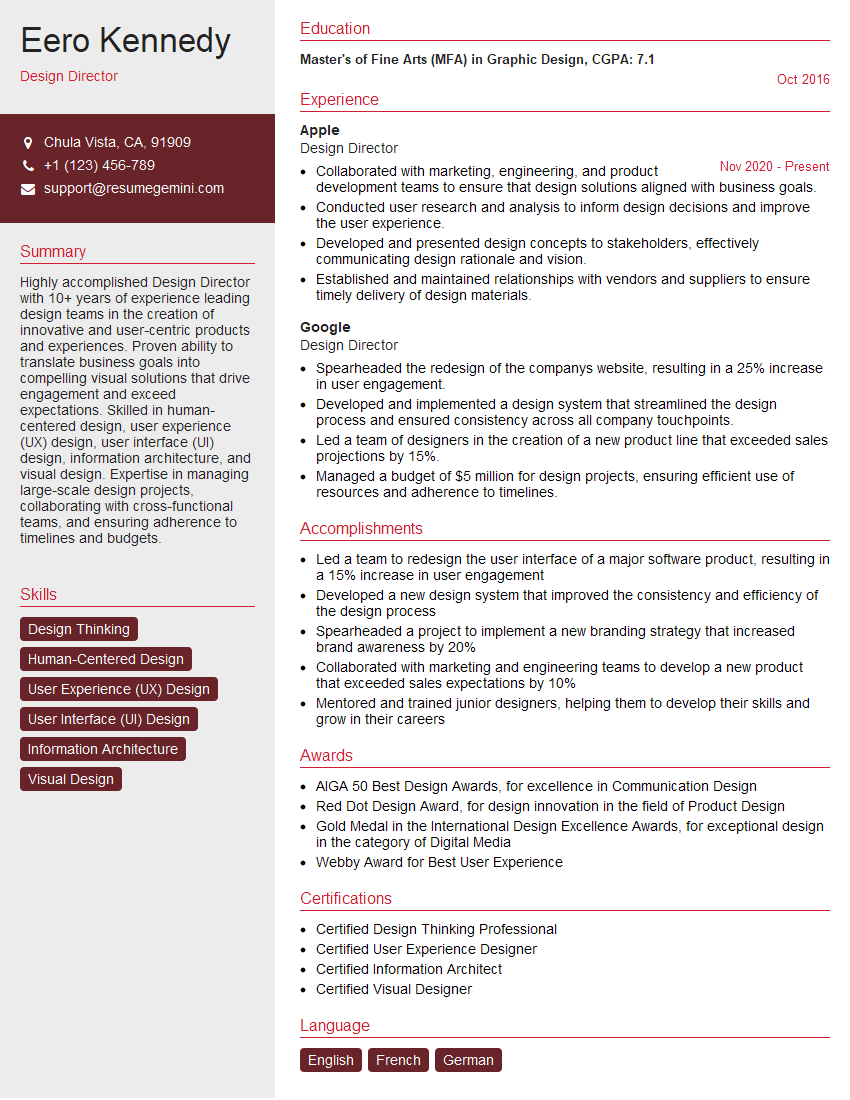
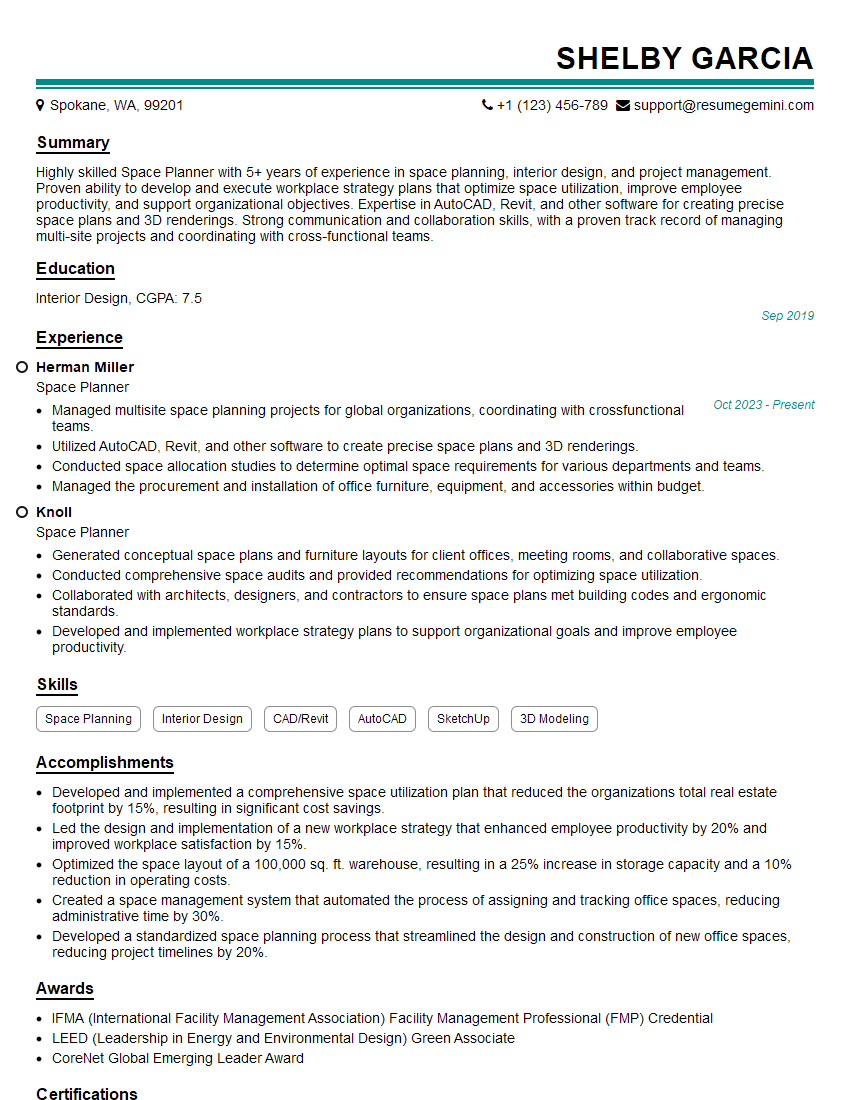
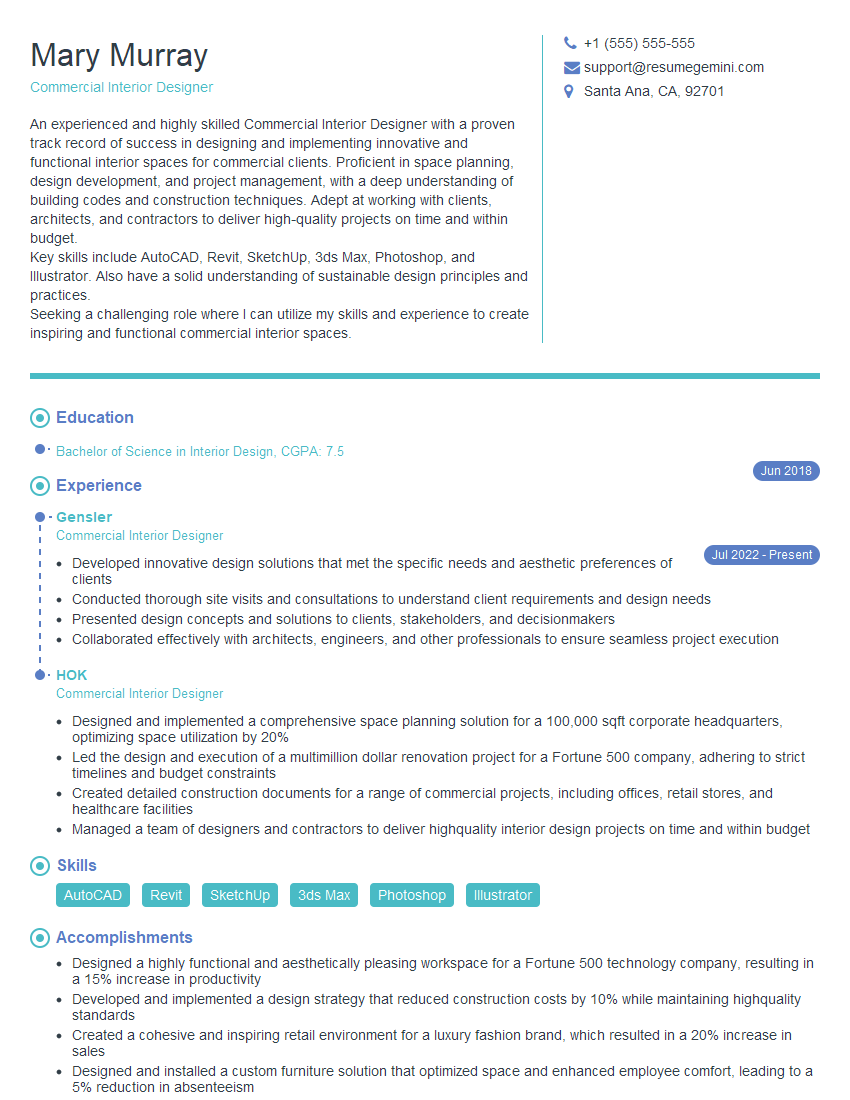
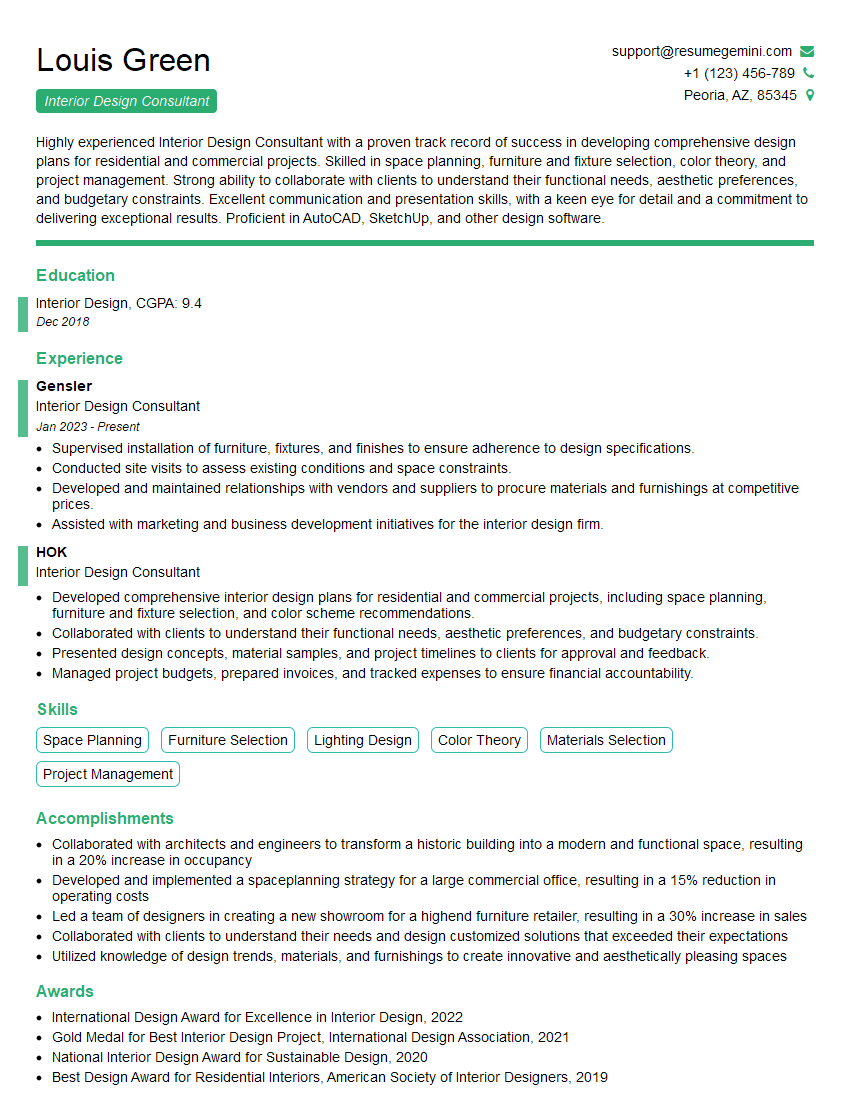
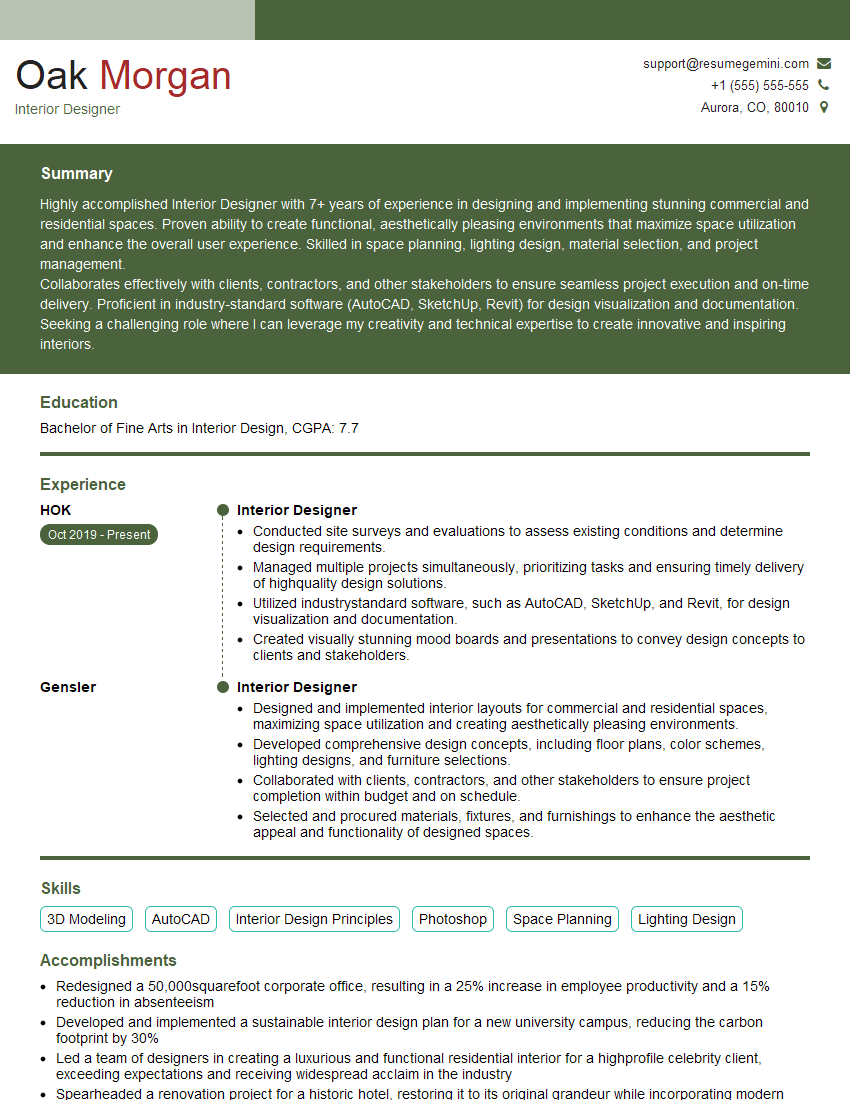
Mastering Interior Design Concepts is crucial for advancing your career and securing your dream role. A strong understanding of these principles demonstrates your professional competence and ability to tackle complex design challenges. To increase your job prospects, crafting an ATS-friendly resume is essential. ResumeGemini is a trusted resource to help you build a professional and impactful resume that highlights your skills and experience effectively. Examples of resumes tailored to Interior Design Concepts are available to guide you.

Explore more articles
Users Rating of Our Blogs
Share Your Experience
We value your feedback! Please rate our content and share your thoughts (optional).
What Readers Say About Our Blog
Very informative content, great job.
good