Preparation is the key to success in any interview. In this post, we’ll explore crucial Maintaining Objectivity and Impartiality interview questions and equip you with strategies to craft impactful answers. Whether you’re a beginner or a pro, these tips will elevate your preparation.
Questions Asked in Maintaining Objectivity and Impartiality Interview
Q 1. Describe a situation where you had to make a decision despite conflicting information.
Maintaining objectivity when faced with conflicting information requires a structured approach. It’s about carefully weighing all available data, identifying potential biases in the sources, and seeking additional information to fill knowledge gaps. One shouldn’t jump to conclusions based on limited or biased information.
For example, during a project assessment, I received reports indicating both significant progress and major setbacks. One report highlighted successful milestones, while another detailed critical delays and resource shortages. To make an objective decision, I cross-referenced the reports, interviewed team members from different departments, and reviewed project documentation. This multi-faceted approach allowed me to identify the root causes of the delays, understand the true extent of progress, and make a data-driven assessment of the project’s overall health.
Q 2. How do you ensure your personal biases do not influence your professional judgments?
Addressing personal biases is crucial for maintaining professional objectivity. It’s a continuous process that involves self-awareness, rigorous fact-checking, and actively seeking diverse perspectives. I employ several strategies:
- Self-reflection: Regularly identifying my own biases (e.g., through unconscious bias training) helps me to recognize potential influences on my judgment.
- Seeking diverse viewpoints: Actively soliciting input from people with differing backgrounds and perspectives ensures a more comprehensive understanding of the situation.
- Structured decision-making processes: Using clear guidelines and checklists helps to minimize the impact of unconscious biases. For instance, I might use a scoring system for evaluating options, with clear, predefined criteria.
- Data-driven decisions: Basing judgments primarily on empirical evidence reduces the influence of personal preferences.
Imagine evaluating a job applicant. My personal preference might lean towards candidates with similar backgrounds to my own. To counteract this, I ensure I use a standardized scoring system based on the job description and actively seek input from colleagues with different experiences.
Q 3. Explain your process for evaluating evidence objectively.
Objectively evaluating evidence is fundamental to impartiality. My process involves several key steps:
- Source evaluation: Assessing the credibility, authority, and potential biases of each source. This includes considering the source’s reputation, funding, methodology, and potential conflicts of interest.
- Data triangulation: Corroborating information from multiple independent sources to confirm accuracy and identify inconsistencies.
- Critical analysis: Examining the evidence for logical fallacies, unsupported claims, and potential biases in data collection and interpretation.
- Contextualization: Understanding the historical, social, and political context surrounding the evidence to better interpret its meaning.
For instance, when analyzing market research, I wouldn’t rely solely on a single report from a company with vested interests. Instead, I’d consult multiple reports from different agencies, academic studies, and industry publications to get a balanced understanding.
Q 4. How do you handle criticism of your decisions, especially if you believe it’s based on bias?
Handling criticism objectively requires separating the emotion from the message. While initial reactions may be defensive, a professional approach involves careful consideration of the feedback. Even if the criticism seems biased, I use a structured approach:
- Listen carefully: Understand the critic’s perspective, even if you disagree.
- Identify the core issue: Determine if there’s a valid point underlying the criticism, regardless of the tone or delivery.
- Examine the evidence: Evaluate whether the criticism is supported by facts or just opinion.
- Respond thoughtfully: Address the valid points, explain my reasoning, and offer appropriate solutions or adjustments.
Even if the criticism is fueled by bias, acknowledging the concerns demonstrates professionalism and open-mindedness. I focus on addressing the substance of the feedback, rather than reacting to the perceived bias.
Q 5. How do you maintain impartiality when dealing with individuals who hold strongly opposing viewpoints?
Maintaining impartiality when dealing with opposing viewpoints is about creating a fair and inclusive environment where all perspectives are heard and considered. This involves active listening, empathetic understanding, and a focus on finding common ground where possible.
- Neutral language: Using neutral and unbiased language is crucial. Avoid inflammatory terms or language that could be perceived as favoring one side.
- Active listening: Pay close attention to what each side is saying, asking clarifying questions to understand their perspective.
- Focus on facts and evidence: Ground the discussion in objective data rather than relying on opinions or emotions.
- Mediation if necessary: If the situation escalates, mediation can provide a neutral framework for resolving conflict.
Imagine facilitating a meeting with stakeholders holding strongly opposing views on a project’s future. By focusing on shared goals, such as project success, and framing discussions around facts and data, I can guide them towards a more collaborative environment.
Q 6. Describe a time you had to make a difficult decision with incomplete information. How did you ensure objectivity?
Making decisions with incomplete information is challenging but unavoidable in many professional contexts. The key is to acknowledge the limitations and employ a systematic approach to minimize uncertainty.
- Define the problem clearly: Precisely articulate the issue and the desired outcome.
- Gather available information: Collect all relevant data, even if it’s incomplete.
- Identify information gaps: Explicitly state what information is missing.
- Develop alternative scenarios: Consider different possibilities based on the available and missing information.
- Make a reasoned decision: Choose the option with the highest likelihood of success, given the available information and potential risks.
- Monitor and adjust: Continuously monitor the situation and adjust the decision as more information becomes available.
For example, during a crisis situation with limited data on its cause, I would prioritize actions that address the most immediate risks while simultaneously gathering more information to refine our response.
Q 7. How do you identify and mitigate potential biases in data analysis?
Identifying and mitigating biases in data analysis is crucial for drawing accurate conclusions. This process involves a multi-faceted approach.
- Understanding potential biases: Being aware of common biases like confirmation bias (favoring information confirming existing beliefs), selection bias (sampling error), and reporting bias (selective reporting of results).
- Data cleaning and preprocessing: Ensuring data quality by identifying and addressing missing values, outliers, and inconsistencies.
- Robust statistical methods: Employing statistical techniques that are less susceptible to bias, such as using appropriate control groups and randomization in experiments.
- Sensitivity analysis: Assessing how changes in assumptions or data affect the results.
- Peer review: Having colleagues review the analysis for potential biases before drawing conclusions.
For example, when analyzing survey data, I would ensure the sampling method avoids selection bias, examine the response rates to assess potential non-response bias, and use appropriate statistical methods to account for potential confounding variables.
Q 8. How do you handle pressure to reach a conclusion that might compromise your objectivity?
Maintaining objectivity under pressure requires a conscious and proactive approach. It’s about recognizing the pressure, understanding its source, and employing strategies to mitigate its influence on your judgment. Think of it like a tightrope walker – maintaining balance requires constant adjustments.
Firstly, I acknowledge the pressure. Instead of panicking, I identify the source: Is it a tight deadline? A demanding stakeholder? Understanding the root cause helps me address it effectively. Secondly, I employ several techniques: I explicitly state my commitment to objectivity to myself and others, reinforcing my intent. I actively seek diverse perspectives to challenge any pre-conceived notions. I meticulously document my reasoning, ensuring transparency and accountability in my decision-making process. Finally, I ensure I have a clear understanding of the relevant facts and evidence before formulating a conclusion, avoiding any rush to judgment. For example, if pressured to endorse a project before a thorough risk assessment is complete, I would politely but firmly insist on a complete evaluation to avoid compromising objectivity and potentially causing harm.
Q 9. Have you ever had to overrule a colleague’s decision due to lack of objectivity? How did you approach this?
Overruling a colleague’s decision is never easy, but it’s crucial when objectivity is compromised. It requires tact, diplomacy, and a clear demonstration of why the decision needs to be revisited. My approach prioritizes constructive feedback and collaboration rather than confrontation.
In one instance, a colleague proposed a solution that favored a specific client based on a personal relationship, overlooking more objective performance metrics. I approached the situation by first privately expressing my concerns, highlighting the specific data points that contradicted the decision. I emphasized the importance of consistent application of our company’s evaluation criteria and the potential reputational risk of appearing biased. I then presented alternative solutions supported by factual data. The discussion focused on improving the decision-making process rather than assigning blame. Ultimately, my colleague understood the flaw in their approach and agreed to a more objective solution.
Q 10. Describe a time you had to weigh competing values to reach a fair and unbiased solution.
Weighing competing values is a common challenge in many professional settings. It requires a structured approach to ensure fairness and avoid biases influencing the outcome. A useful framework is to clearly define the values involved, assign weights based on their relative importance, and then evaluate potential solutions against each value. Consider it like balancing a scale – each side represents a different value and the goal is to find equilibrium.
In a past project, we needed to decide on the location for a new facility. We had competing values: minimizing environmental impact, maximizing proximity to skilled labor, and optimizing cost-effectiveness. We established a weighted scoring system, assigning weights to each value based on pre-defined criteria. We then evaluated each potential location using this system, allowing for a transparent and objective comparison. This process, although challenging, helped us reach a decision that effectively balanced these competing values.
Q 11. How would you respond to accusations of bias in your decision-making process?
Accusations of bias need to be addressed seriously and professionally. The goal is not to become defensive but to understand the concerns and address them transparently. The first step is to actively listen to the accusation, without interrupting.
Then, I would reiterate my commitment to objectivity and impartiality. I would systematically review the decision-making process, examining the evidence used, ensuring all relevant perspectives were considered, and highlighting the criteria used to arrive at the decision. If there are gaps or shortcomings, I would acknowledge them, explain the steps taken to address them, and commit to avoiding such situations in the future. Transparency and a willingness to self-reflect are crucial to regaining trust.
Q 12. How do you ensure fairness in your evaluation of different perspectives?
Ensuring fairness in evaluating different perspectives involves creating a structured and systematic process. It’s not about treating everyone the same; it’s about treating everyone fairly, given their unique contexts and viewpoints.
I employ several methods: Firstly, I actively solicit diverse perspectives, creating a space where everyone feels comfortable expressing their views without fear of judgment. Secondly, I establish clear evaluation criteria upfront, making them transparent and accessible to all stakeholders. Thirdly, I use a structured framework for evaluating each perspective, ensuring consistent application of the criteria across the board. Fourthly, I meticulously document the evaluation process, justifying decisions based on the established criteria. This creates a transparent and auditable record. Finally, I seek feedback on the evaluation process itself, constantly striving to improve its fairness and objectivity.
Q 13. How do you maintain impartiality when dealing with emotionally charged situations?
Maintaining impartiality in emotionally charged situations requires self-awareness, emotional regulation, and a strong commitment to objective analysis. It’s like separating yourself from the heat of the fire while still assessing the damage.
I employ several strategies: Firstly, I acknowledge and name my own emotions. Understanding my emotional response allows me to manage it effectively. Secondly, I focus on facts and evidence, avoiding getting swept up in emotional narratives. Thirdly, I practice active listening, aiming to understand the emotional context behind the situation without being influenced by it. Fourthly, I use a structured decision-making process that separates emotional considerations from objective analysis. Finally, if necessary, I seek support from colleagues or mentors to maintain perspective and avoid allowing my emotions to cloud my judgment.
Q 14. How do you distinguish between facts and opinions when making decisions?
Distinguishing between facts and opinions is fundamental to objectivity. Facts are verifiable statements that can be proven or disproven. Opinions are subjective judgments, beliefs, or interpretations. Think of it as separating apples from oranges – they are distinct categories.
My approach involves several steps: Firstly, I verify the source of information, checking its credibility and reliability. Secondly, I examine the evidence presented, looking for verifiable data and avoiding unsubstantiated claims. Thirdly, I identify the underlying assumptions and biases that might influence opinions. Fourthly, I focus on quantifiable data and measurable outcomes whenever possible, leaving out subjective interpretations. By employing a rigorous fact-checking process and focusing on verifiable data, I strive to base my decisions on a solid foundation of facts rather than unreliable opinions.
Q 15. Describe your approach to conflict resolution, ensuring fairness to all involved parties.
My approach to conflict resolution centers on active listening, seeking to understand each party’s perspective before offering solutions. I employ a structured process. First, I establish a safe and neutral environment where everyone feels comfortable expressing their concerns. Then, I meticulously document the key points of contention, focusing on objective facts rather than emotional interpretations. Next, I facilitate collaborative problem-solving, guiding the parties towards mutually acceptable solutions that address the root causes of the conflict, not just the symptoms. Finally, I document the agreed-upon solutions and establish a follow-up process to ensure that the agreed-upon resolutions are effective and long-lasting. Fairness is ensured by giving equal time and consideration to all involved, actively challenging biases, and ensuring every voice is heard and respected. For instance, in a workplace dispute between two colleagues, I would ensure both have ample opportunity to present their case without interruption, and would steer the conversation toward finding a compromise that respects the needs and contributions of both individuals.
Career Expert Tips:
- Ace those interviews! Prepare effectively by reviewing the Top 50 Most Common Interview Questions on ResumeGemini.
- Navigate your job search with confidence! Explore a wide range of Career Tips on ResumeGemini. Learn about common challenges and recommendations to overcome them.
- Craft the perfect resume! Master the Art of Resume Writing with ResumeGemini’s guide. Showcase your unique qualifications and achievements effectively.
- Don’t miss out on holiday savings! Build your dream resume with ResumeGemini’s ATS optimized templates.
Q 16. How do you handle situations where your own values conflict with the requirements of objectivity?
Objectivity requires setting aside personal values when they conflict with the task at hand. This doesn’t mean abandoning my values; rather, it involves acknowledging their presence and consciously making a decision to prioritize the objective requirements. Think of it like wearing a professional hat: my personal beliefs are part of who I am, but my professional role demands a commitment to impartiality and evidence-based decision-making, even if my personal values might lean a different way. For example, if I were assessing a project proposal that promotes a practice I personally disagree with, I would need to bracket my personal feelings, carefully review the proposal’s merits based on established criteria, and evaluate the project’s potential impact objectively. My final assessment would reflect the facts and data, not my personal preferences.
Q 17. Describe a time you had to present information objectively, despite personal feelings on the subject.
During a budget review for a non-profit organization, I had to present financial data that showed a significant shortfall in a program I personally supported. While I deeply believed in the program’s mission, my role demanded presenting the facts accurately, without emotional bias. I presented the data clearly and concisely, highlighting the areas of concern and potential solutions without sugar-coating the reality of the situation. The presentation focused on the figures themselves, along with potential cost-saving strategies and alternative funding options, while maintaining a neutral tone. The ensuing discussion was open and honest, leading to a restructuring of the program that allowed it to continue, albeit with modifications.
Q 18. How do you ensure transparency in your decision-making process to maintain impartiality?
Transparency in my decision-making process is paramount. I ensure this by clearly articulating the criteria used for evaluation, making the decision-making process visible, and documenting all relevant information. This might involve sharing assessment rubrics, openly discussing the rationale behind decisions, and providing opportunities for feedback. For instance, when selecting candidates for a position, the selection criteria (skills, experience, etc.) are made clear upfront, and the scoring process for each candidate is transparent, allowing all applicants to understand the evaluation process and its results. This builds trust and confidence in the fairness and impartiality of the decision.
Q 19. How do you deal with information that challenges your pre-existing beliefs or assumptions?
Encountering information that contradicts my beliefs requires a rigorous self-assessment. I start by questioning my own assumptions and biases. I actively seek out diverse perspectives and evidence to challenge my initial reactions. This often involves engaging in thoughtful discussions with others holding differing views, researching the topic thoroughly from various sources, and critically evaluating the evidence presented. The goal is not to abandon my beliefs, but to refine and update them based on new information and credible evidence. This process allows me to evolve my understanding and strengthen my ability to assess situations objectively.
Q 20. How do you ensure that your decisions are based on evidence rather than intuition or speculation?
To avoid relying on intuition or speculation, I adhere to a structured approach that prioritizes evidence-based decision-making. This involves gathering comprehensive data from reliable sources, analyzing the data rigorously, and considering alternative explanations. I often use frameworks like cost-benefit analysis or risk assessment to objectively weigh the potential consequences of different options. The process is about minimizing subjective interpretations and maximizing the use of factual information in guiding my decisions. This approach ensures that my decisions are grounded in reality and are less susceptible to personal biases or unfounded assumptions.
Q 21. Describe a time you made a decision that was unpopular but you felt was the most objective and fair.
In a team project, I had to make a decision to remove a team member who was consistently underperforming and negatively impacting the team’s progress. While this decision was unpopular among some team members who had developed personal relationships with the individual, I felt it was the most objective and fair solution. My decision was based on documented performance metrics, repeated warnings, and opportunities for improvement that had not been met. The documentation was presented transparently to the team, explaining the rationale behind the decision and ensuring it was perceived as fair and necessary for the overall success of the project. Although difficult, it ultimately led to improved team performance and a more productive work environment.
Q 22. How do you incorporate feedback to improve your objectivity and impartiality?
Feedback is crucial for refining objectivity and impartiality. I treat feedback not as criticism, but as valuable data to improve my decision-making process. I actively solicit feedback from diverse sources, ensuring a range of perspectives. This includes seeking input from colleagues with differing viewpoints, supervisors, and even those affected by my decisions.
- Active Listening: I carefully listen to the feedback, paying attention not just to the content but also the tone and underlying concerns.
- Self-Reflection: I engage in introspection, analyzing whether the feedback points to genuine biases or areas needing improvement in my approach. I ask myself: Did I overlook crucial information? Did my personal beliefs influence my judgment?
- Actionable Steps: I translate feedback into concrete steps. For instance, if feedback suggests a lack of consideration for a specific group’s perspective, I actively seek out information and insights from that group in future decisions.
- Documentation and Tracking: I maintain a record of feedback received and the actions taken to address it. This allows me to track my progress in enhancing objectivity over time.
For example, if I receive feedback that a report I authored is overly optimistic in its projections, I would revisit my data sources, explore alternative methodologies, and revise my analysis to present a more balanced and accurate picture.
Q 23. How do you identify and address potential conflicts of interest that might compromise objectivity?
Identifying and managing conflicts of interest is paramount to maintain objectivity. I proactively disclose any potential conflicts, no matter how minor they may seem. My approach is multi-faceted:
- Self-Assessment: I regularly assess my personal relationships, financial interests, and affiliations to identify any potential conflicts. This includes considering family ties, investments, and memberships in organizations that could influence my work.
- Transparency: I openly declare potential conflicts to my supervisor or relevant stakeholders. This ensures transparency and allows for appropriate mitigation strategies to be put in place.
- Recusal: If a conflict of interest arises that cannot be mitigated, I recuse myself from the decision-making process to avoid any appearance of bias. This prioritizes integrity and the perception of fairness.
- Blind Review: Where feasible, I utilize blind review processes to minimize bias. For example, when evaluating grant applications, I might review applications without knowing the applicant’s identity or institution.
Imagine I’m reviewing a research proposal from a company where a close friend works. I would disclose this relationship, perhaps even ask to be excluded from the review process, to guarantee impartiality and avoid even the appearance of favoritism.
Q 24. How do you explain complex issues objectively to individuals with differing levels of understanding?
Communicating complex issues objectively requires tailoring the message to the audience’s understanding. I use a layered approach:
- Audience Analysis: Before communicating, I assess the audience’s knowledge base and familiarity with the topic. This informs the level of detail and technical jargon I use.
- Plain Language: I strive to use clear, concise, and accessible language, avoiding technical terms unless absolutely necessary. If specialized terms are unavoidable, I provide clear definitions.
- Visual Aids: Visual aids such as charts, graphs, and diagrams are effective tools to simplify complex information and make it more digestible.
- Multiple Formats: Offering information in various formats (written reports, presentations, Q&A sessions) allows individuals to access and process the information in a way that suits their learning style.
- Iterative Communication: I welcome questions and provide opportunities for clarification. Often, a simple explanation followed by a Q&A session proves more effective than a lengthy, complex report.
For instance, when explaining a complicated financial model to a non-financial audience, I would start with a high-level overview, using analogies and simple terms, and only delve into the technical details if asked.
Q 25. How do you ensure that you are considering all relevant perspectives when making a decision?
Considering all relevant perspectives is fundamental to objective decision-making. I employ a structured approach:
- Stakeholder Identification: I identify all individuals or groups who are affected by or have a vested interest in the decision. This could include employees, customers, investors, community members, etc.
- Perspective Gathering: I actively seek out and document the perspectives of each stakeholder. This may involve surveys, interviews, focus groups, or reviewing relevant documentation.
- Empathetic Consideration: I try to understand the rationale and motivations behind each perspective, even if I don’t necessarily agree with them. This requires active listening and a willingness to challenge my own assumptions.
- Synthesis and Weighing: I synthesize the different perspectives, considering their relative importance and potential impact. This is not about giving equal weight to every opinion but recognizing their relevance.
- Transparency: I document the different perspectives considered and how they informed the final decision. This increases accountability and allows for future review.
For example, when deciding on a new company policy, I would consult with employees at all levels, solicit feedback from customers, and assess the potential impact on various departments and stakeholders before finalizing the policy.
Q 26. Describe your strategy for verifying the accuracy and reliability of information sources.
Verifying information accuracy is vital for maintaining objectivity. My strategy involves multiple layers of verification:
- Source Evaluation: I critically assess the credibility and reputation of the information source. Is it a reputable organization? Are the authors qualified experts in their field? Is there evidence of bias?
- Triangulation: I consult multiple independent sources to corroborate the information. If several credible sources confirm the same information, it increases my confidence in its accuracy.
- Fact-Checking: I meticulously cross-check facts and figures against primary sources. This involves verifying data, statistics, and quotes.
- Methodology Review: For studies and research, I carefully examine the methodology employed to ensure its rigor and validity. Are the methods appropriate for the research question? Are potential biases addressed?
- Date of Publication: I consider the recency of the information, particularly in rapidly evolving fields. Outdated information can be misleading.
For example, if I’m relying on a statistic from a news article, I’d try to find the original source of that statistic (e.g., a government report or academic study) to confirm its accuracy and context.
Q 27. How do you deal with ambiguity and uncertainty when making decisions that require objectivity?
Ambiguity and uncertainty are inherent in many decision-making processes. My strategy is to:
- Define the Scope of Uncertainty: I explicitly identify the areas where uncertainty exists. This clarity helps to focus the decision-making process.
- Scenario Planning: I develop several possible scenarios based on different assumptions and levels of uncertainty. This allows me to anticipate potential outcomes and prepare for different contingencies.
- Risk Assessment: I assess the potential risks and consequences associated with each scenario. This helps to prioritize options and mitigate potential negative outcomes.
- Decision Criteria: I establish clear criteria for evaluating different options under conditions of uncertainty. These criteria might include cost-benefit analysis, ethical considerations, or potential impact on stakeholders.
- Transparency and Communication: I clearly communicate the uncertainties and assumptions underlying the decision. This increases transparency and allows others to understand the rationale behind the choice.
For example, if I’m making a decision based on projected sales figures that have a high degree of uncertainty, I might develop optimistic, pessimistic, and most-likely scenarios, and outline the risks associated with each.
Q 28. How would you assess the objectivity of a report or study that presents conflicting findings?
Assessing the objectivity of a report with conflicting findings requires a thorough examination of the methodology and underlying data.
- Methodology Scrutiny: I would critically evaluate the research methodologies used in the report. Were the methods rigorous and appropriate? Were biases properly addressed? Were control groups used effectively? Was the sample size adequate?
- Data Examination: I would carefully examine the data presented. Is the data source reliable? Are the statistics accurately reported and interpreted? Are there any discrepancies or inconsistencies in the data?
- Author Bias Assessment: I would consider the potential biases of the authors or researchers. Are there any conflicts of interest that might have influenced the findings?
- Peer Review Assessment: Has the report undergone peer review? Peer review is a crucial step in ensuring the quality and objectivity of research.
- Alternative Explanations: I would consider whether alternative explanations can account for the conflicting findings. Are there factors not considered in the study that could contribute to the discrepancies?
In essence, I’d strive to understand the reasons behind the conflicting findings before drawing any conclusions. It’s often not a matter of choosing one side or the other, but rather understanding the nuances and limitations of each perspective presented within the report.
Key Topics to Learn for Maintaining Objectivity and Impartiality Interviews
- Defining Objectivity and Impartiality: Understanding the nuances of these concepts and how they differ in various professional contexts.
- Recognizing Bias: Identifying personal biases and how they might influence decision-making. Practical exercises in self-reflection are crucial.
- Data-Driven Decision Making: Emphasizing the role of evidence and factual information in forming objective conclusions. Learn to present arguments supported by concrete data.
- Fairness and Equity in Practice: Applying objectivity and impartiality in real-world scenarios, including conflict resolution and problem-solving. Consider case studies to practice application.
- Communication Strategies: Developing effective communication techniques to convey information objectively and impartially, even in sensitive situations. Role-playing can be beneficial here.
- Ethical Considerations: Understanding the ethical implications of bias and the importance of maintaining integrity in professional decision-making.
- Handling Challenging Situations: Developing strategies for navigating situations where maintaining objectivity is difficult, such as dealing with conflicting perspectives or emotional pressures.
Next Steps
Mastering objectivity and impartiality is vital for career advancement, demonstrating your professionalism and trustworthiness to potential employers. It showcases your ability to make sound judgments and contribute fairly to any team. To significantly improve your job prospects, creating an ATS-friendly resume is crucial. ResumeGemini is a trusted resource to help you build a professional and impactful resume that highlights your skills in maintaining objectivity and impartiality. Examples of resumes tailored to emphasize these qualities are available, providing you with practical guidance and inspiration for crafting your own compelling application.
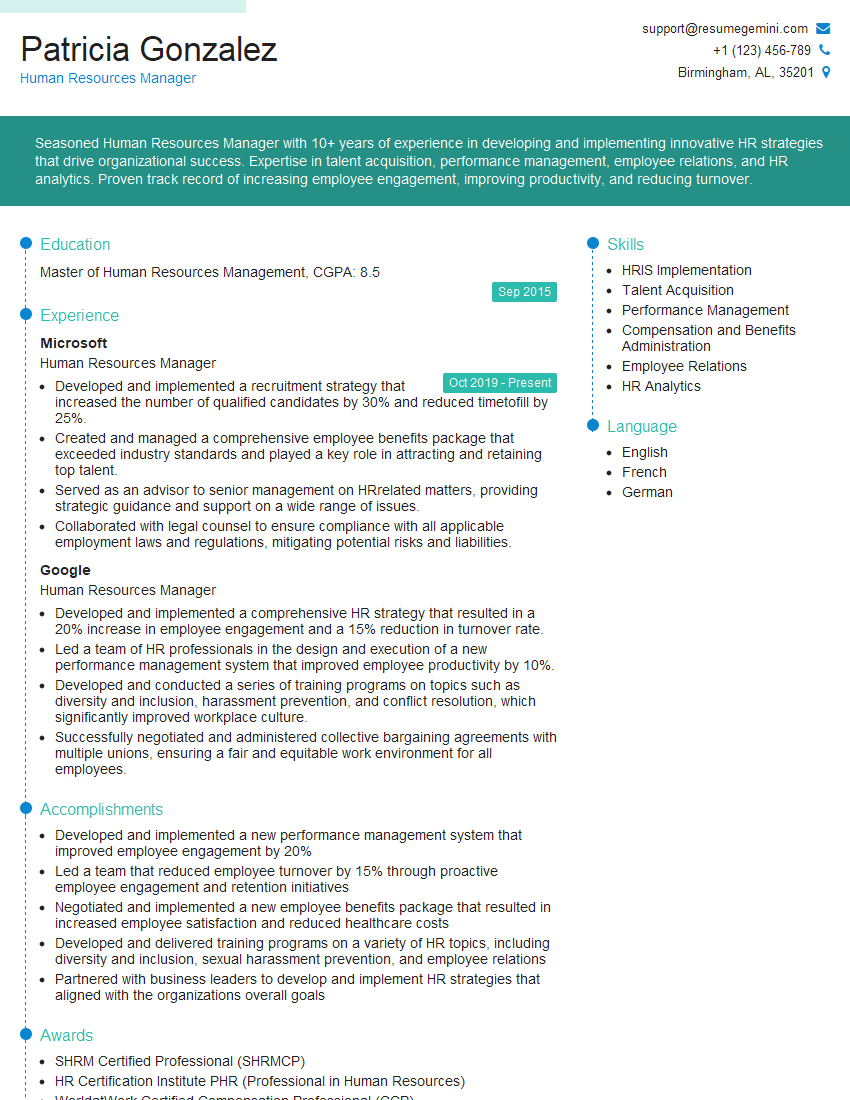
Human Resources Manager Resume Sample
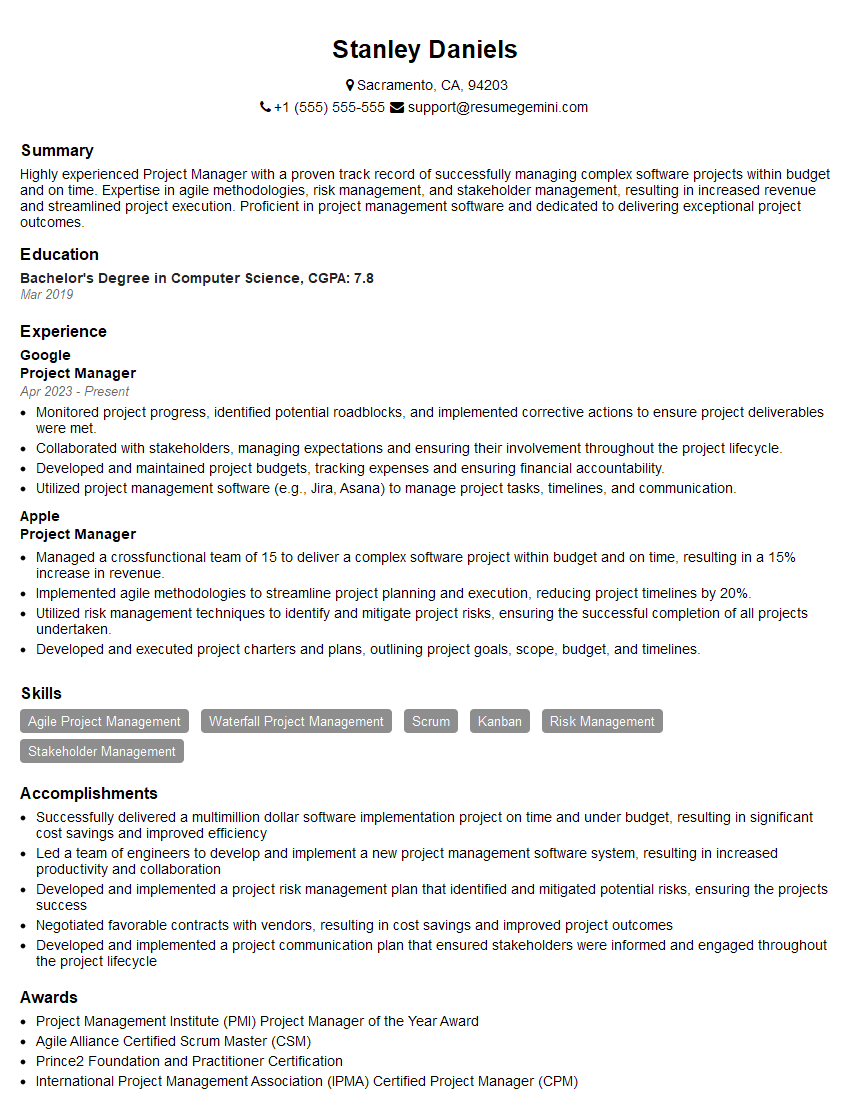
Project Manager Resume Sample

Professor Resume Sample
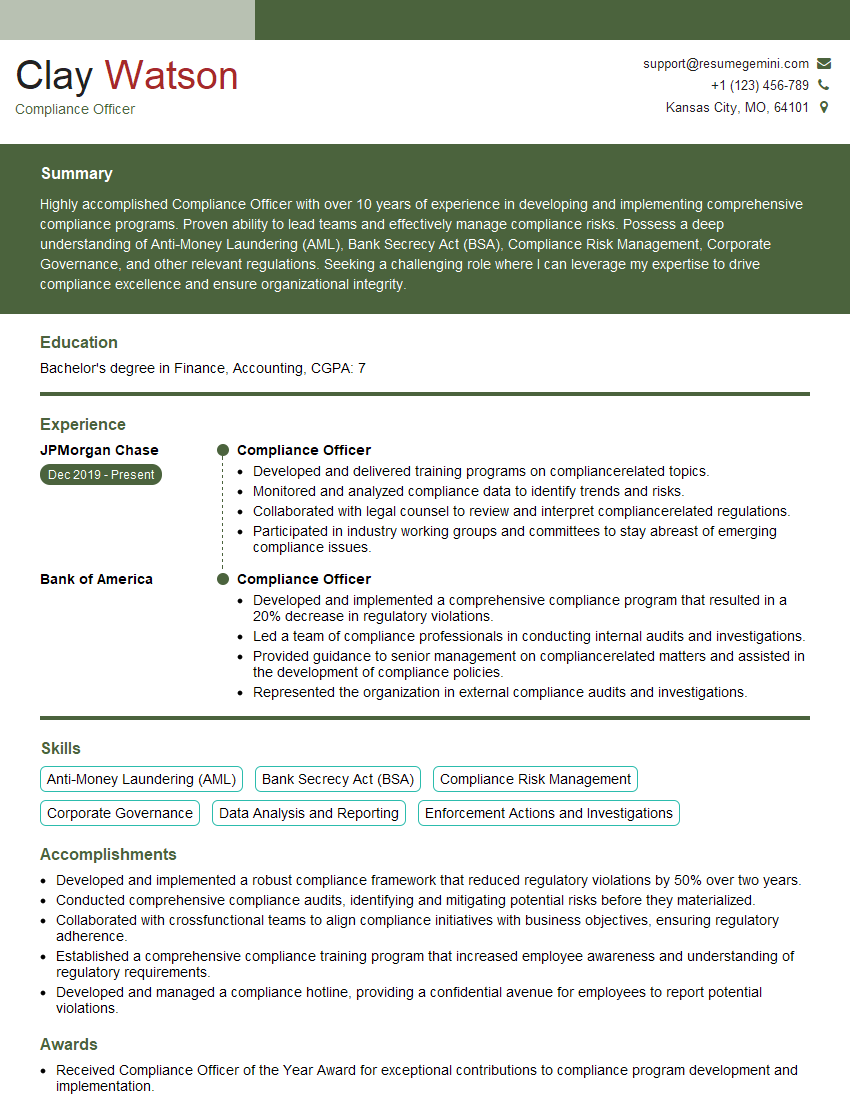
Compliance Officer Resume Sample
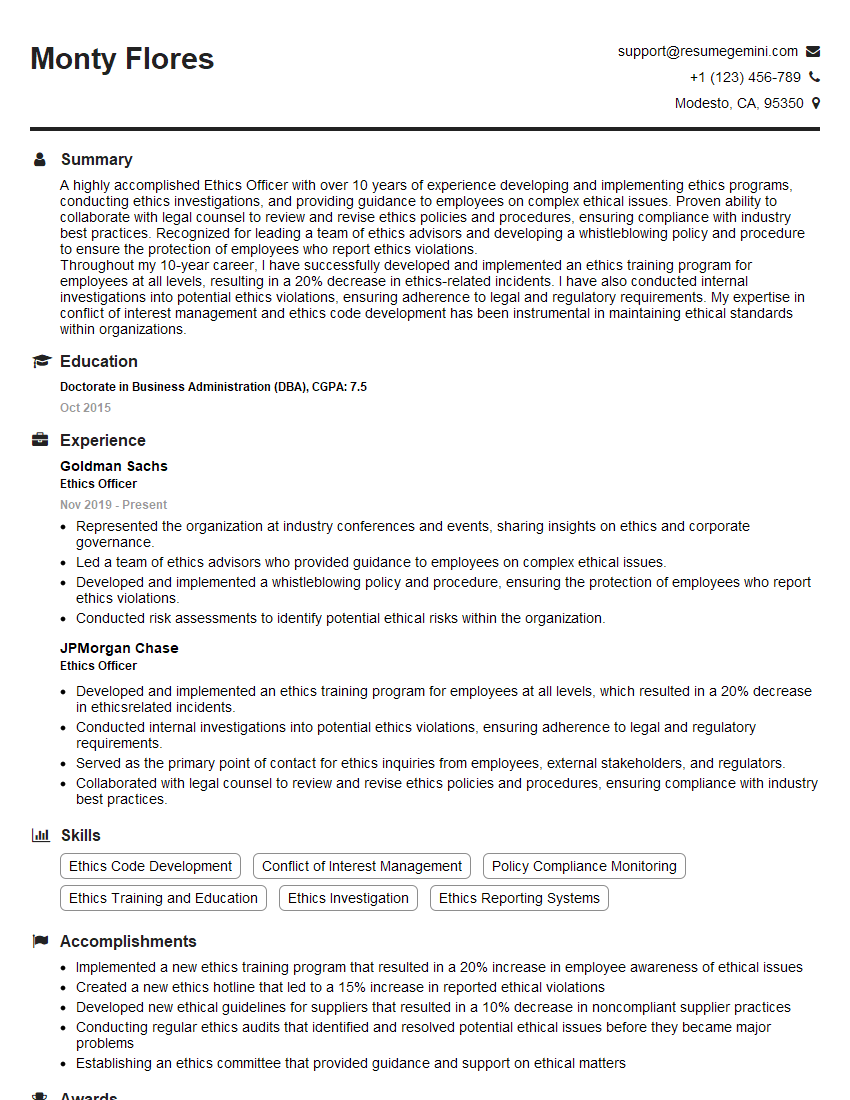
Ethics Officer Resume Sample
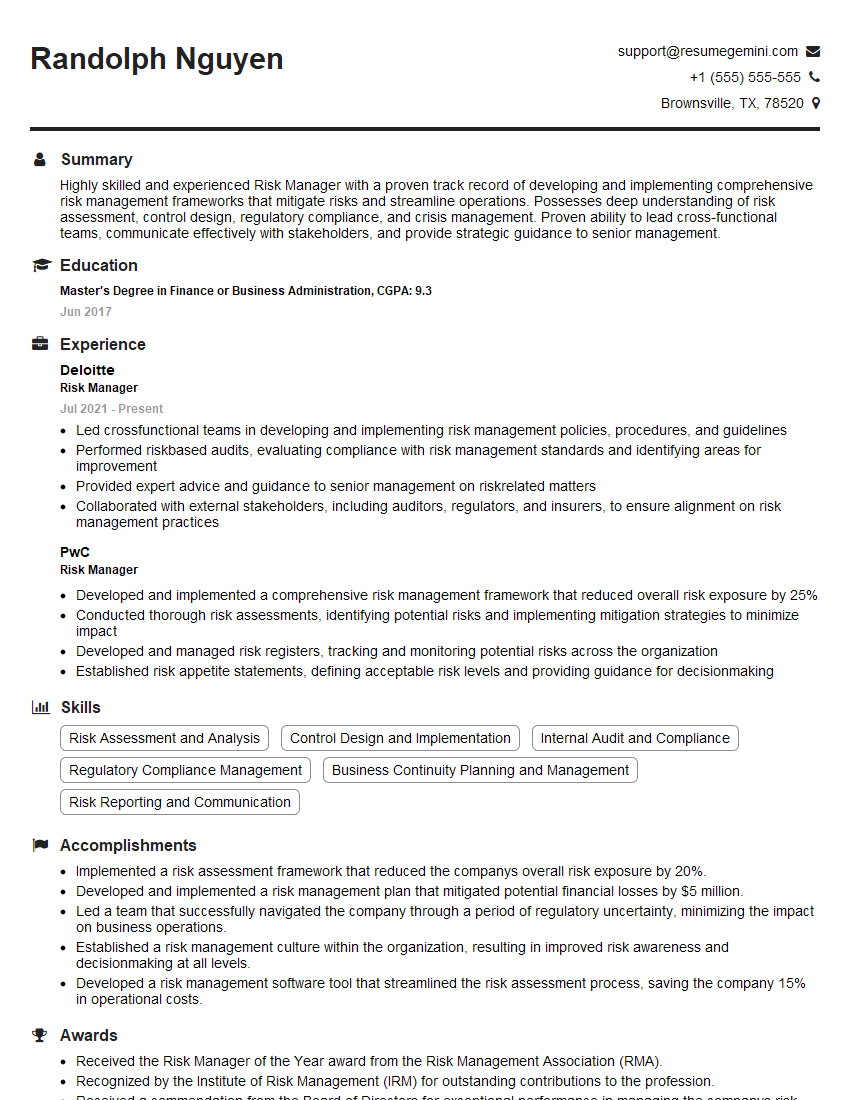
Risk Manager Resume Sample
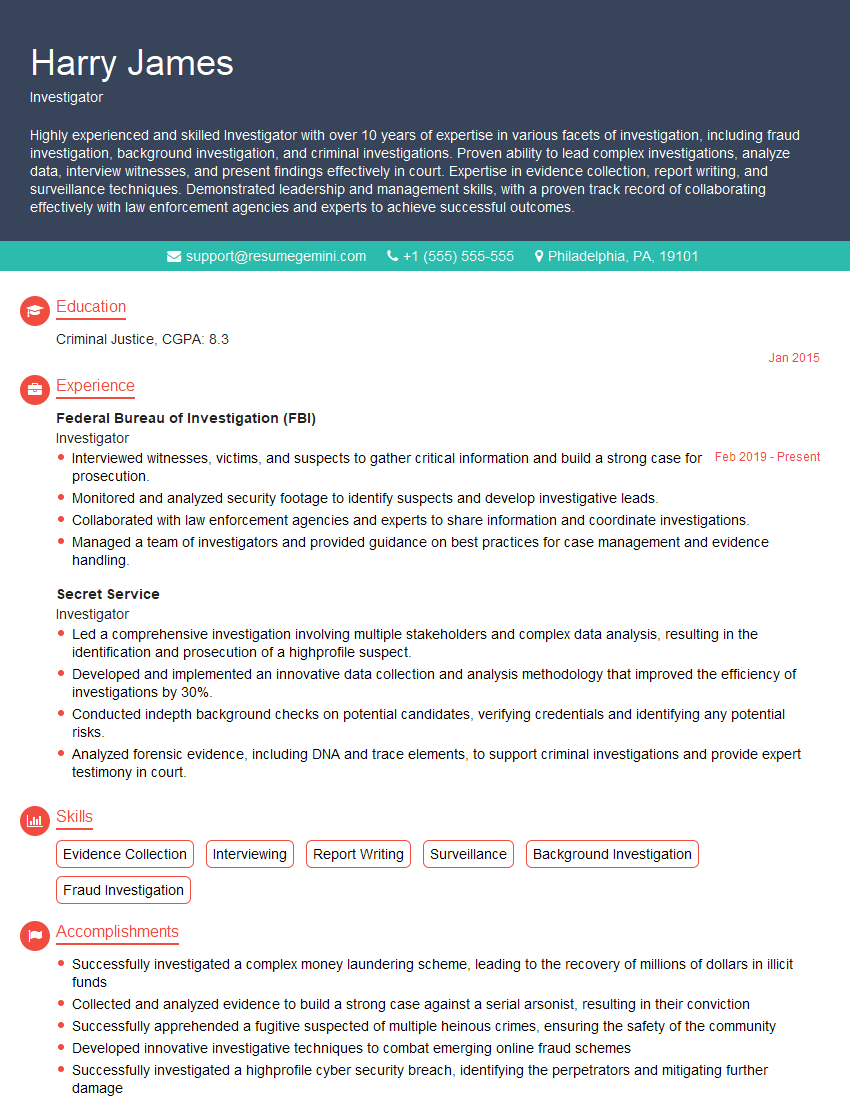
Investigator Resume Sample
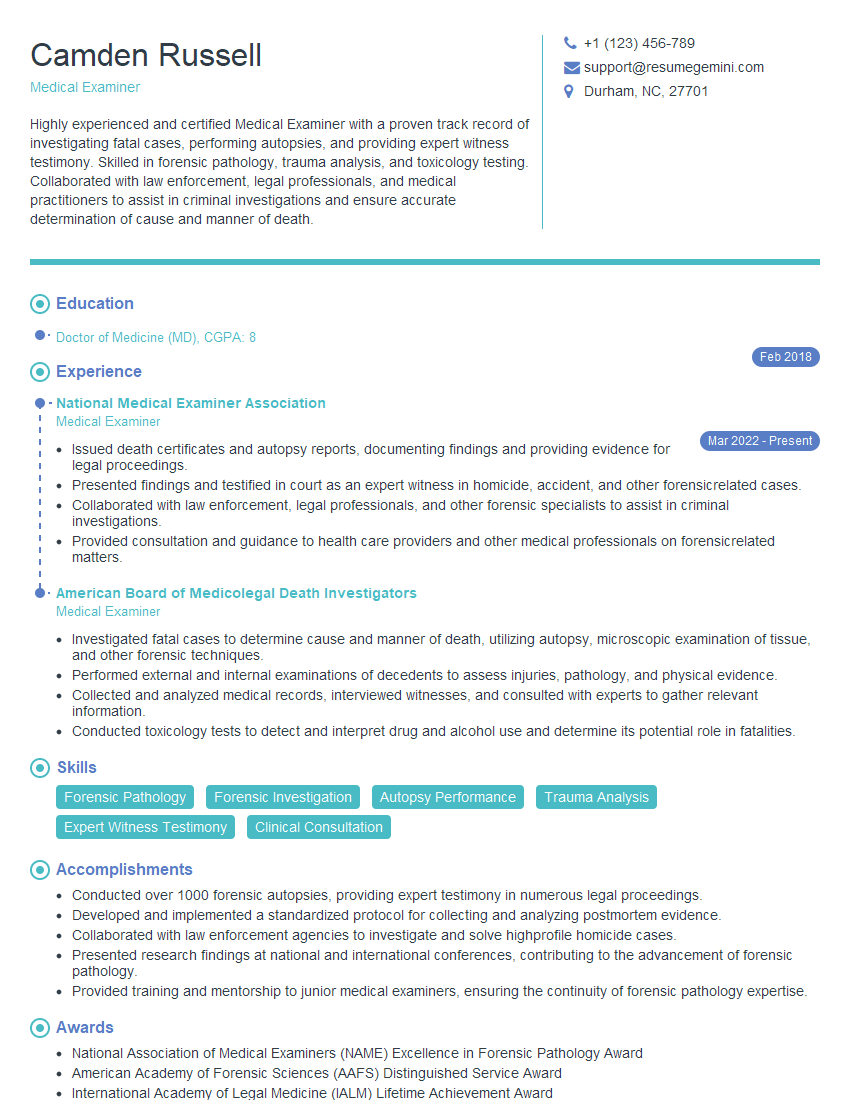
Medical Examiner Resume Sample
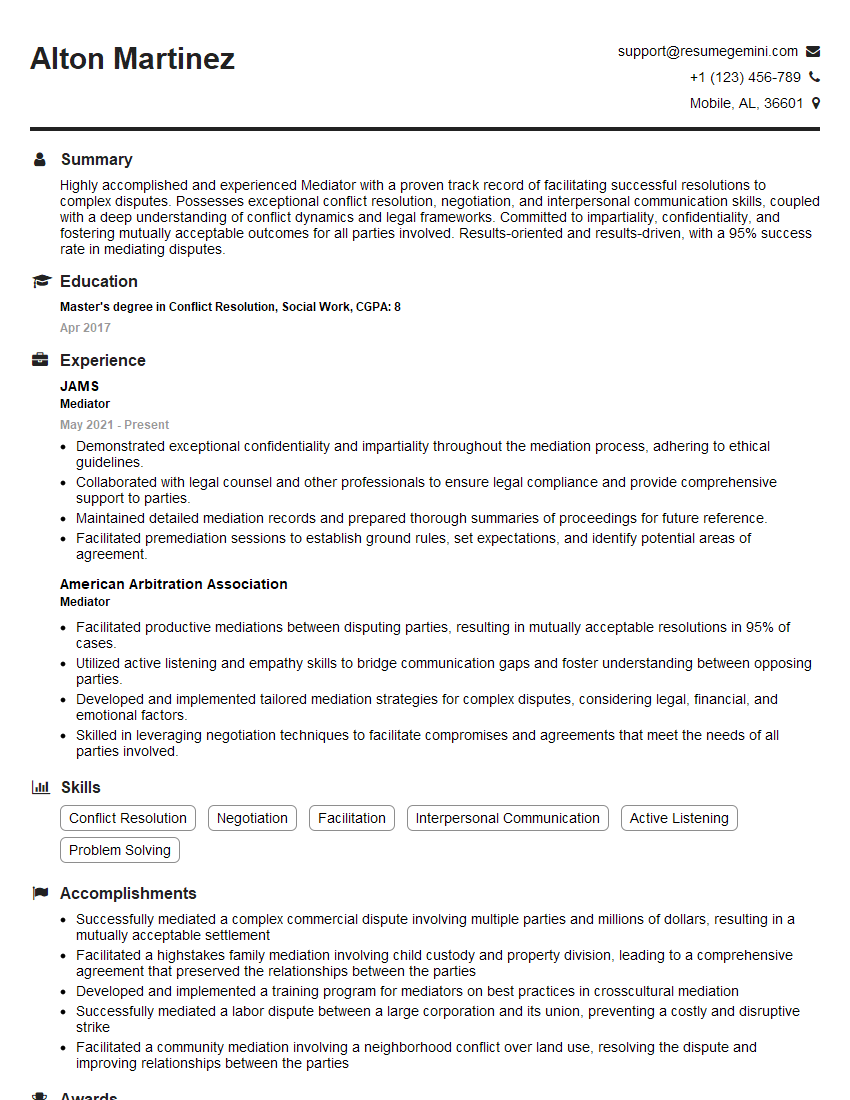
Mediator Resume Sample
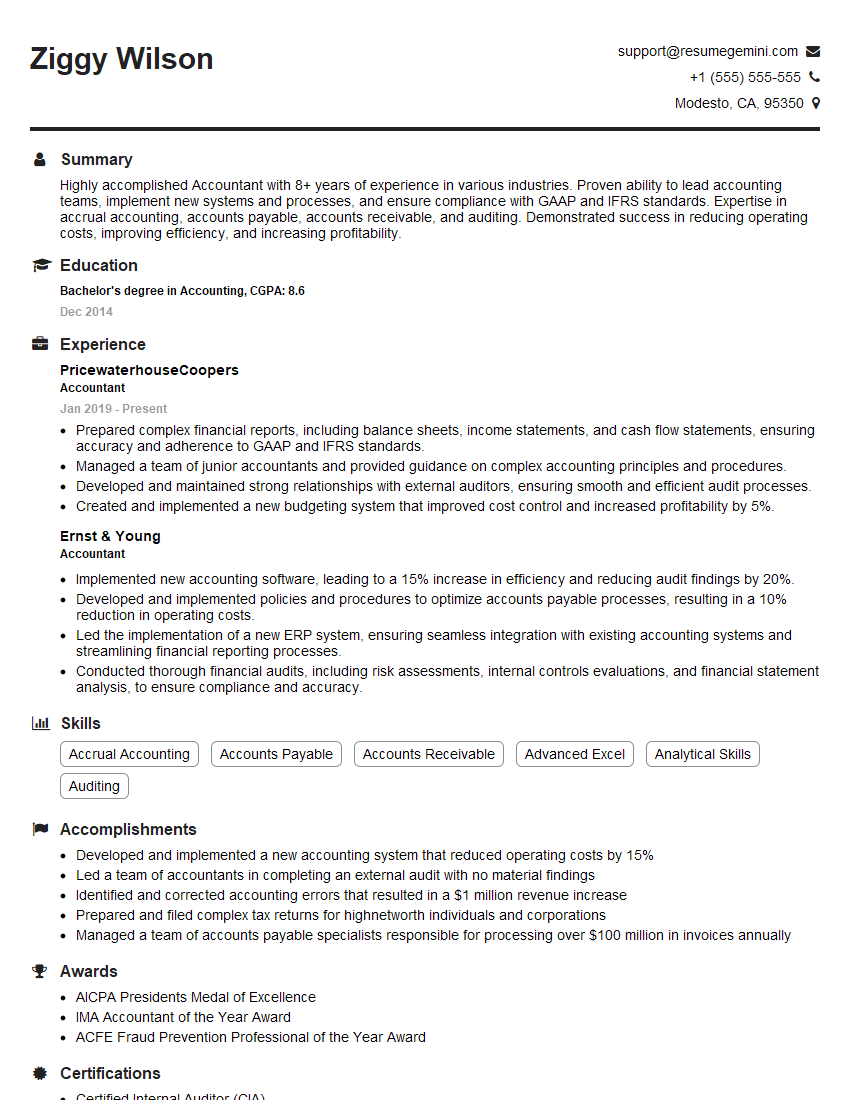
Accountant Resume Sample
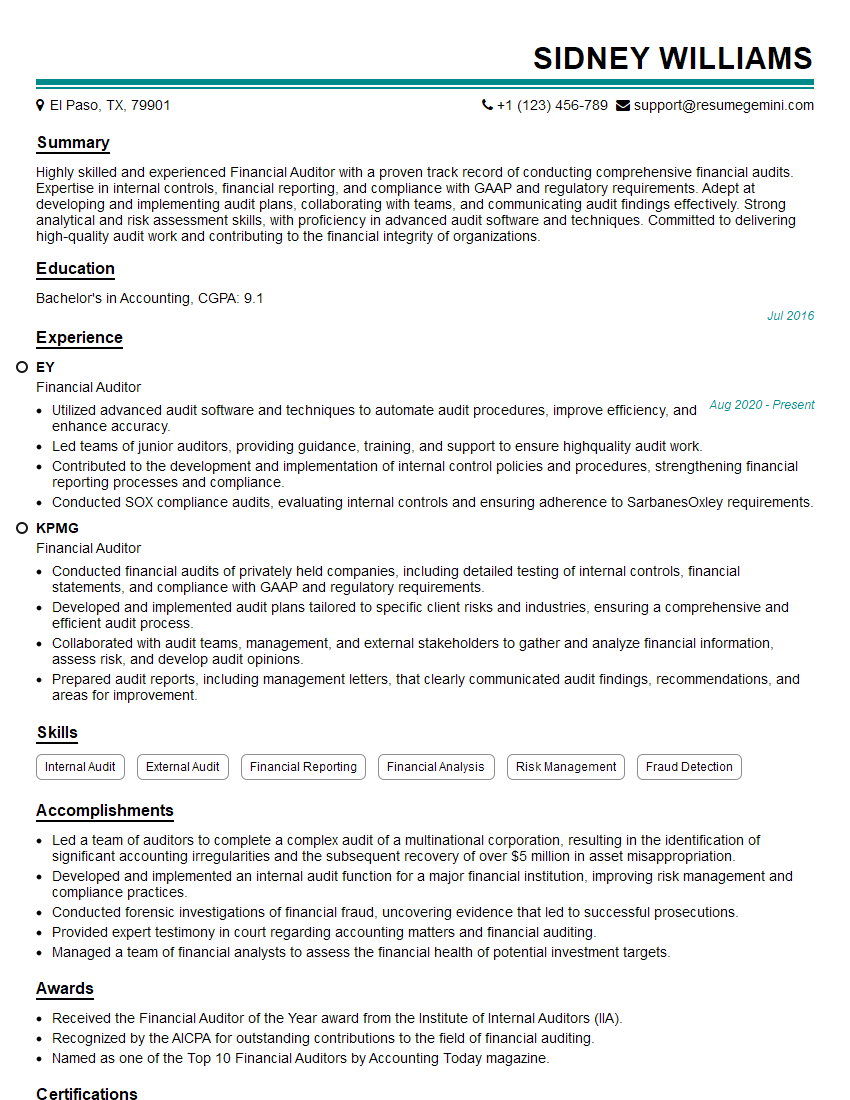
Financial Auditor Resume Sample
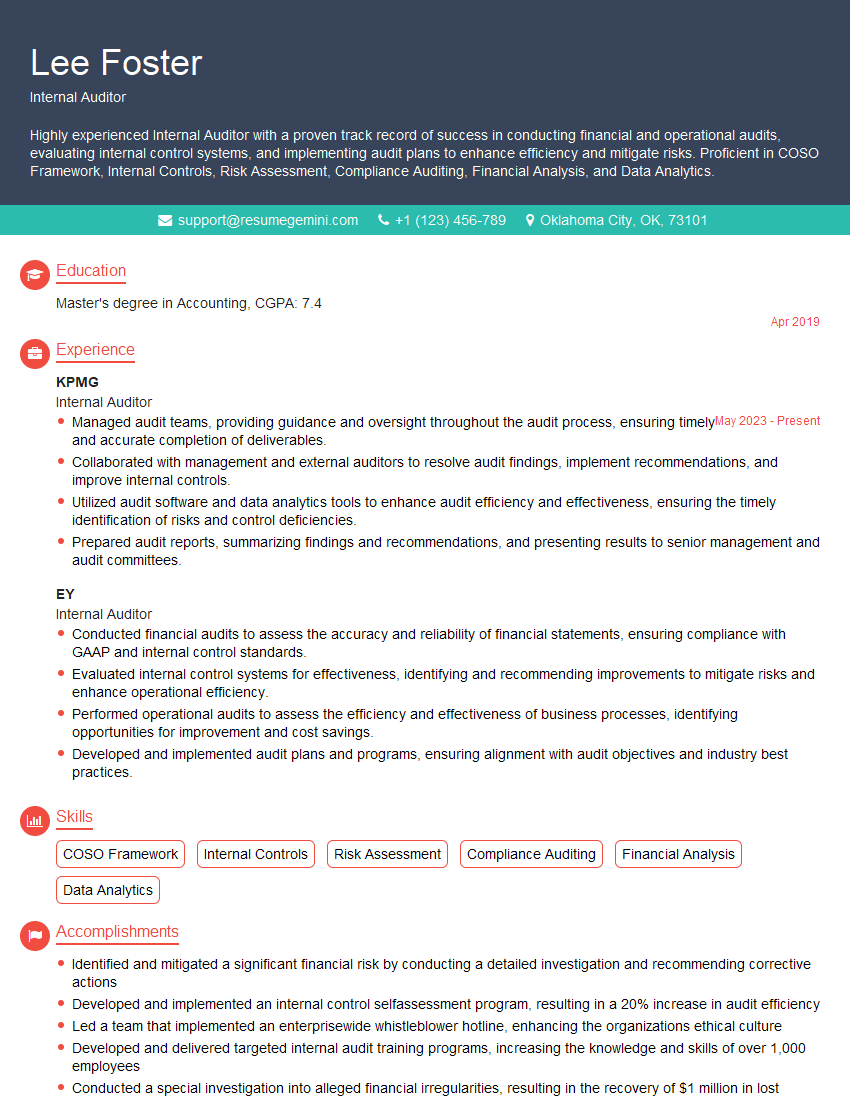
Internal Auditor Resume Sample
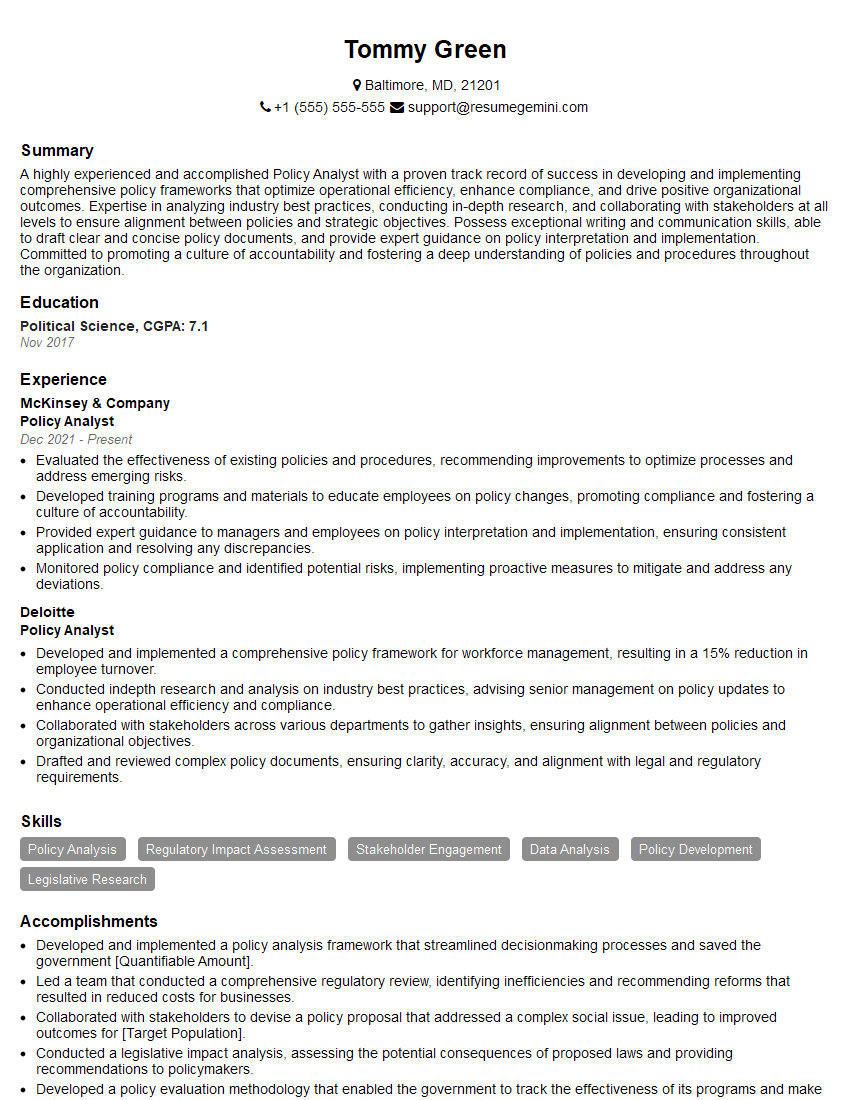
Policy Analyst Resume Sample
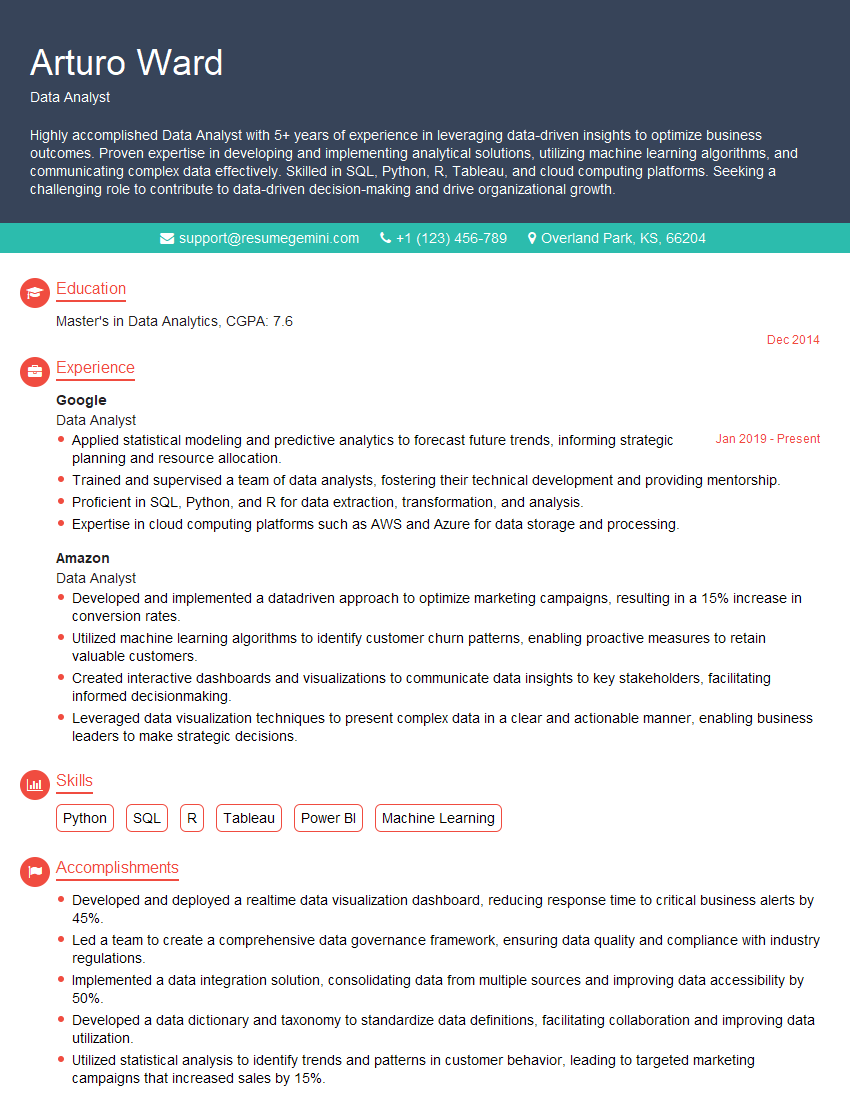
Data Analyst Resume Sample
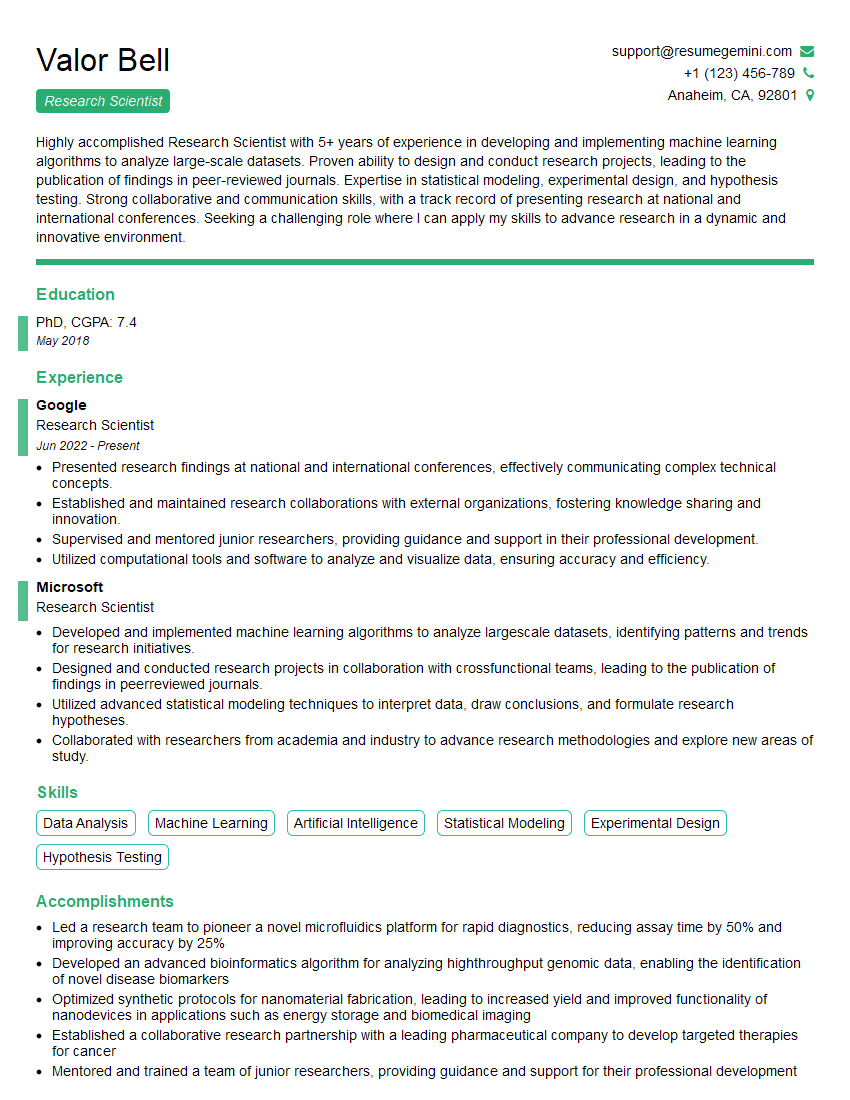
Research Scientist Resume Sample
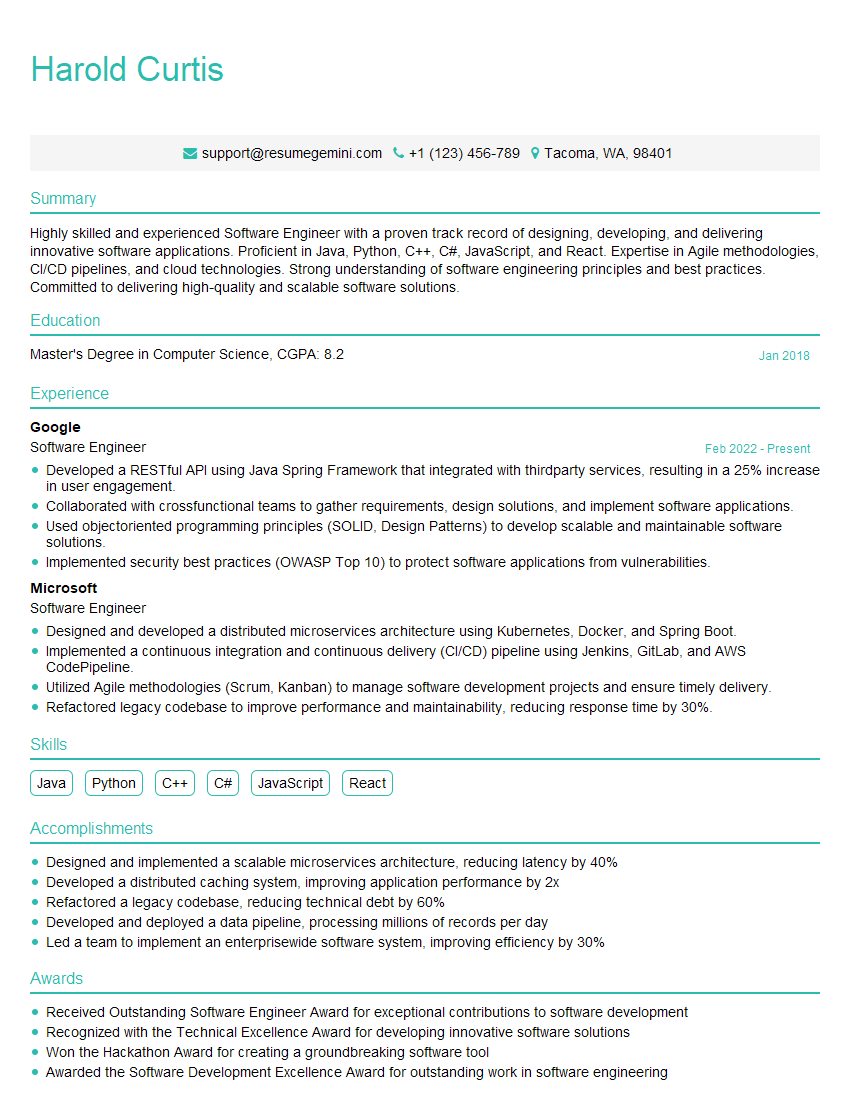
Software Engineer Resume Sample
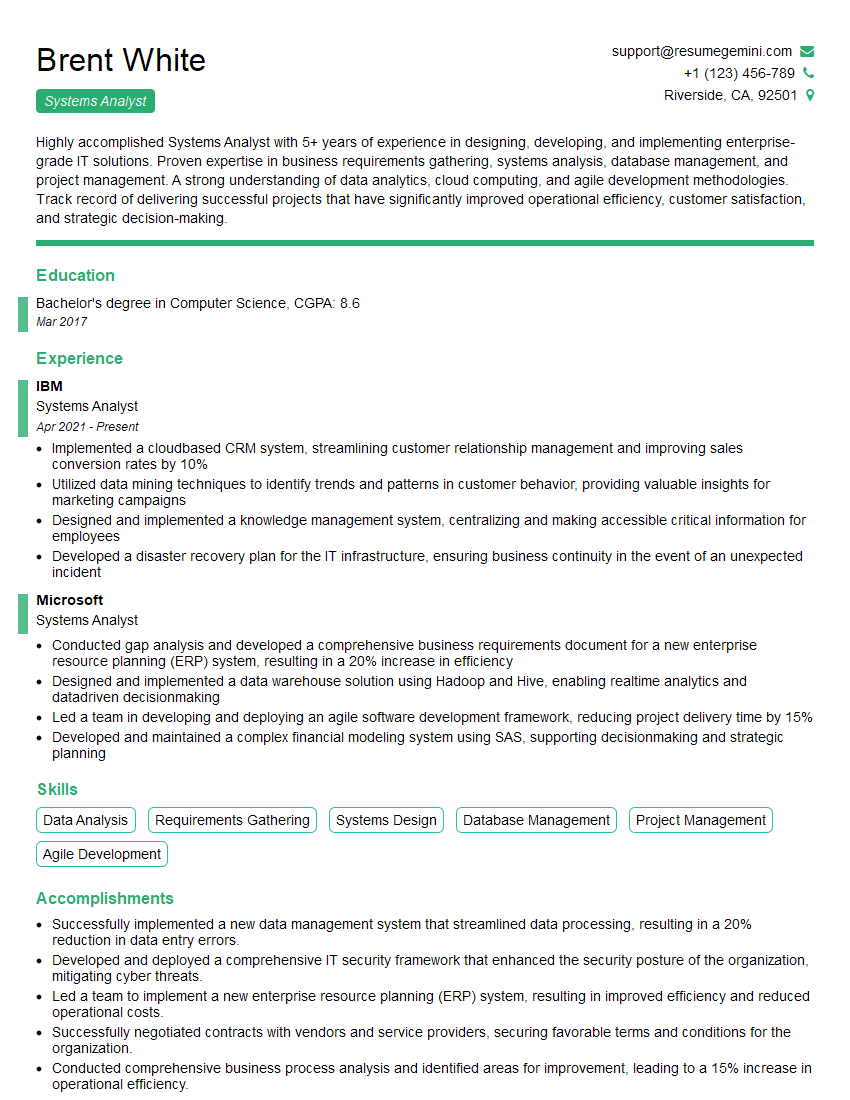
Systems Analyst Resume Sample
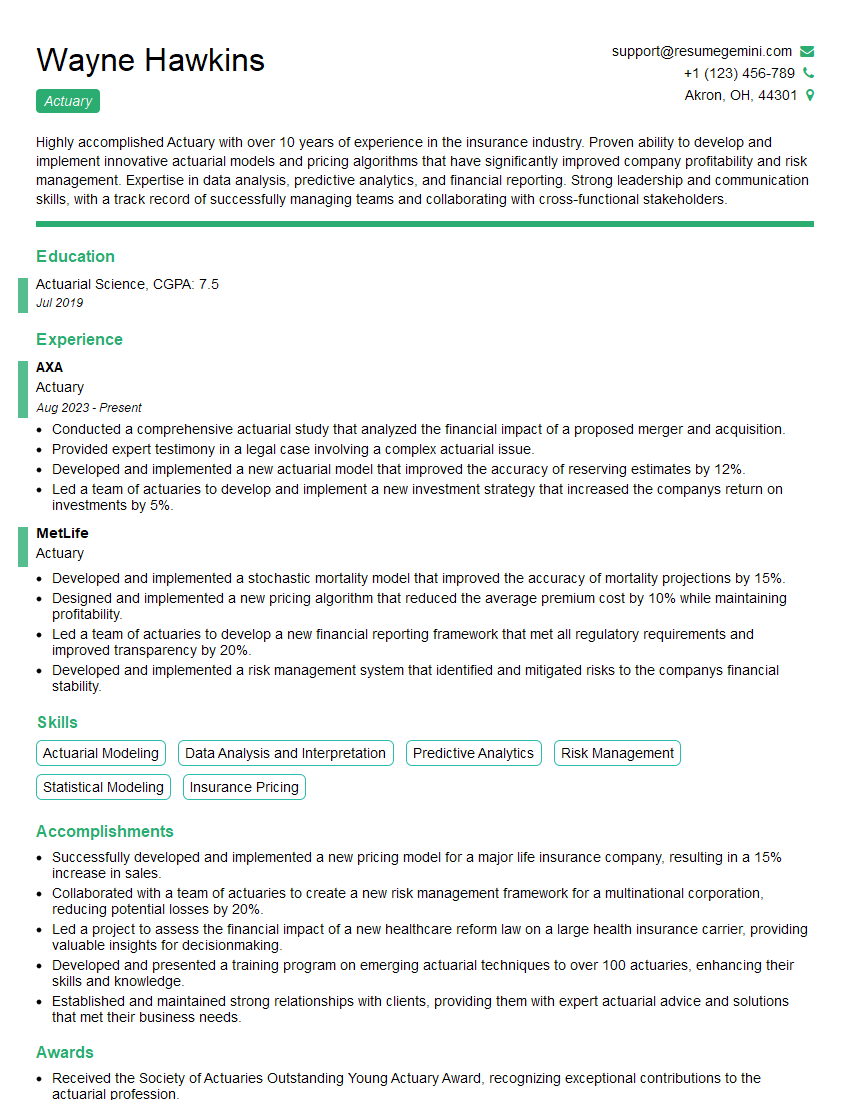
Actuary Resume Sample
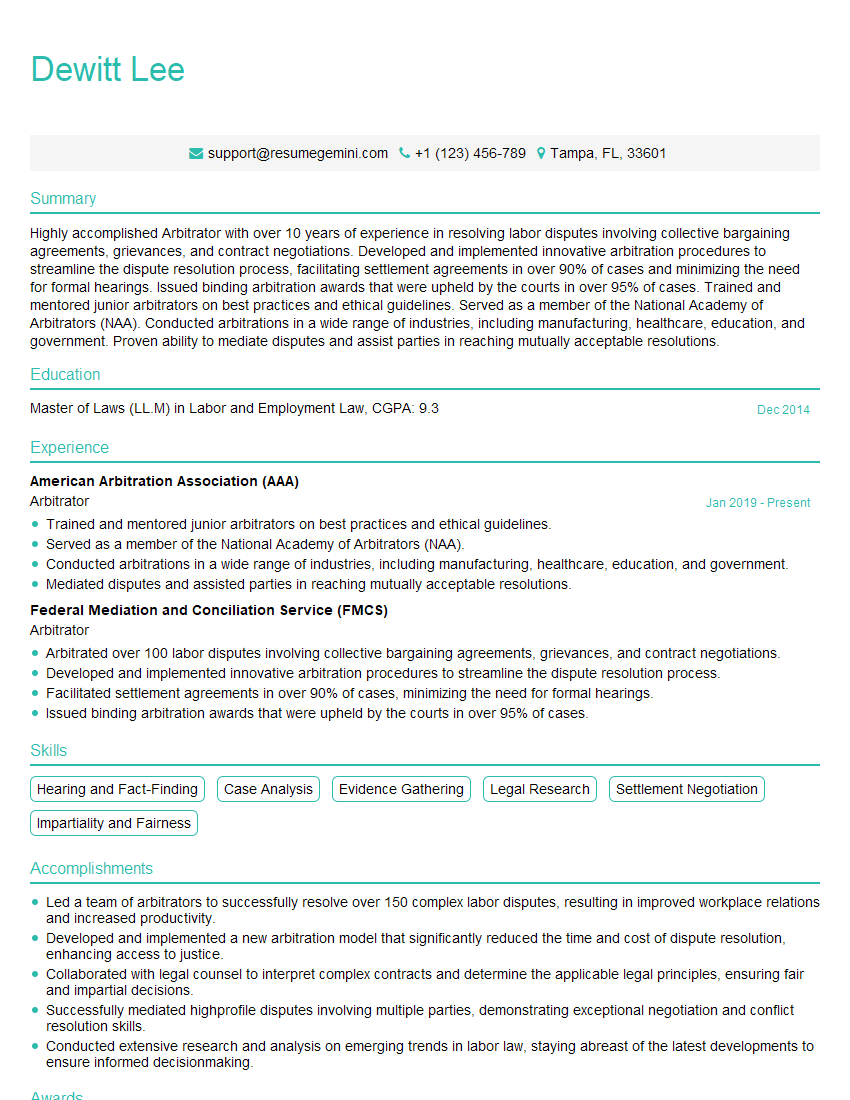
Arbitrator Resume Sample
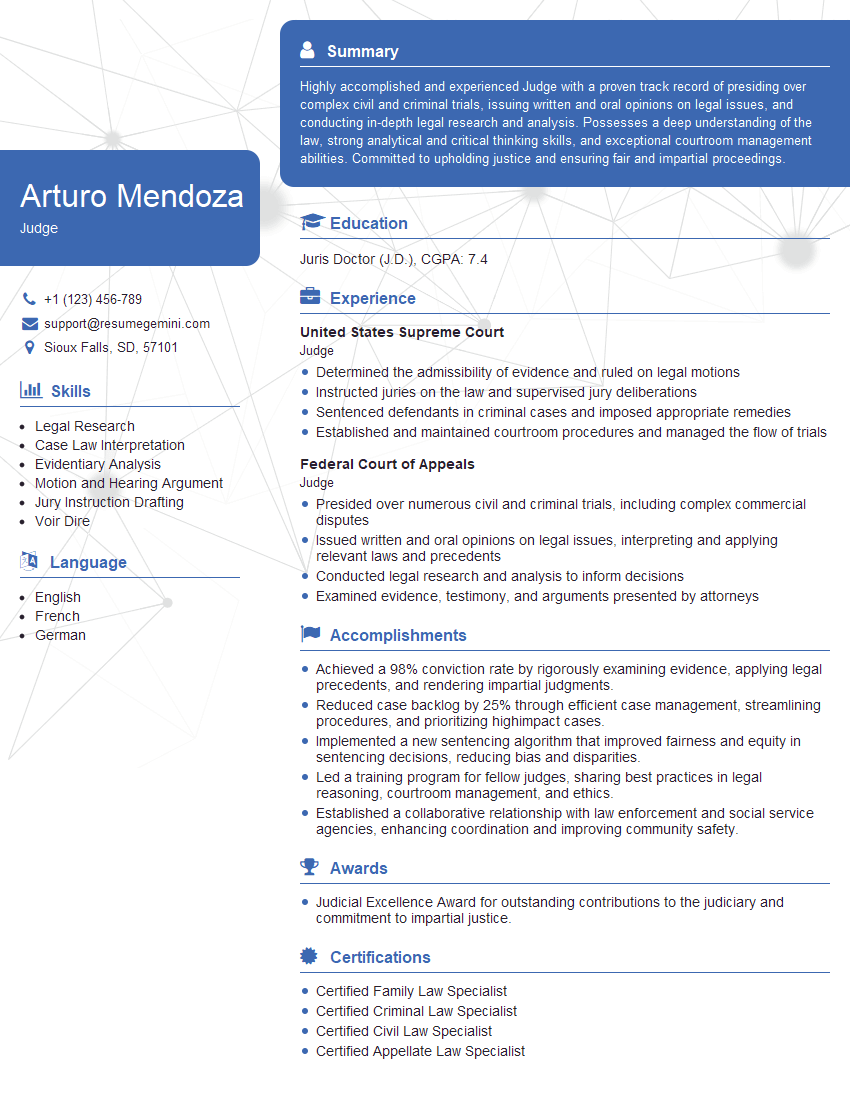
Judge Resume Sample
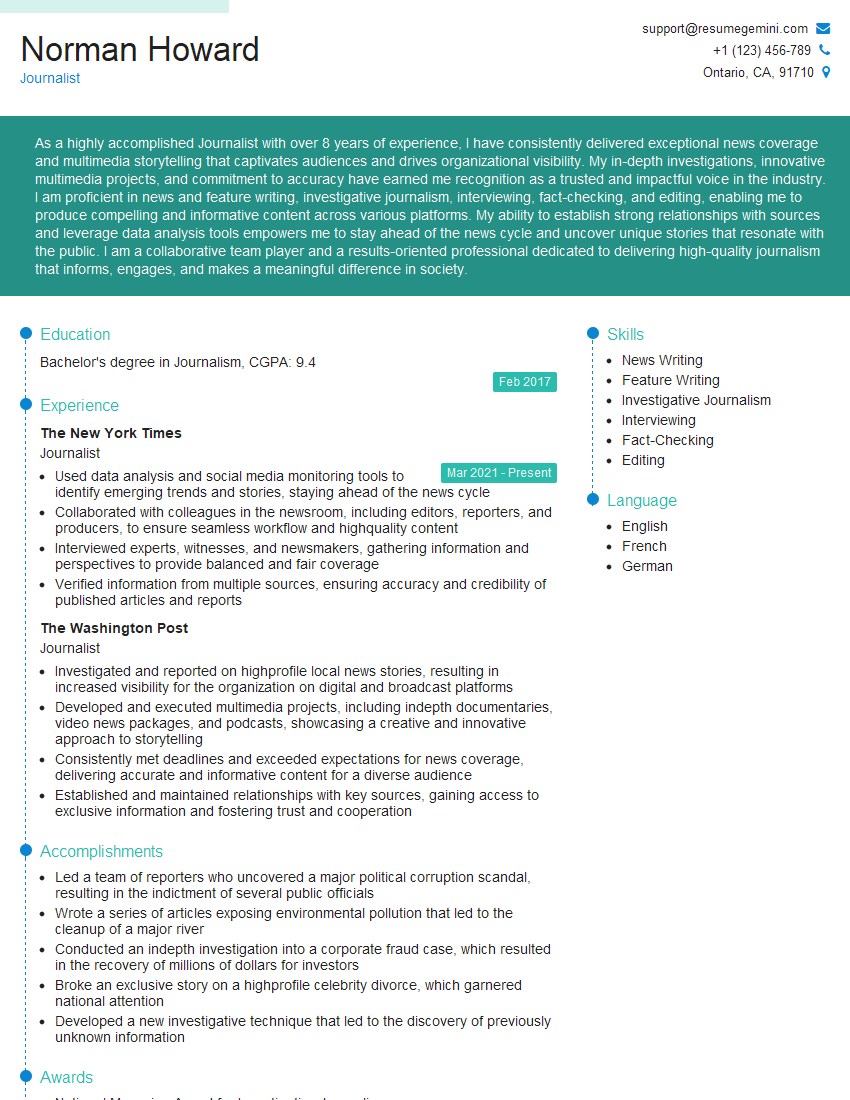
Journalist Resume Sample

Technical Writer Resume Sample
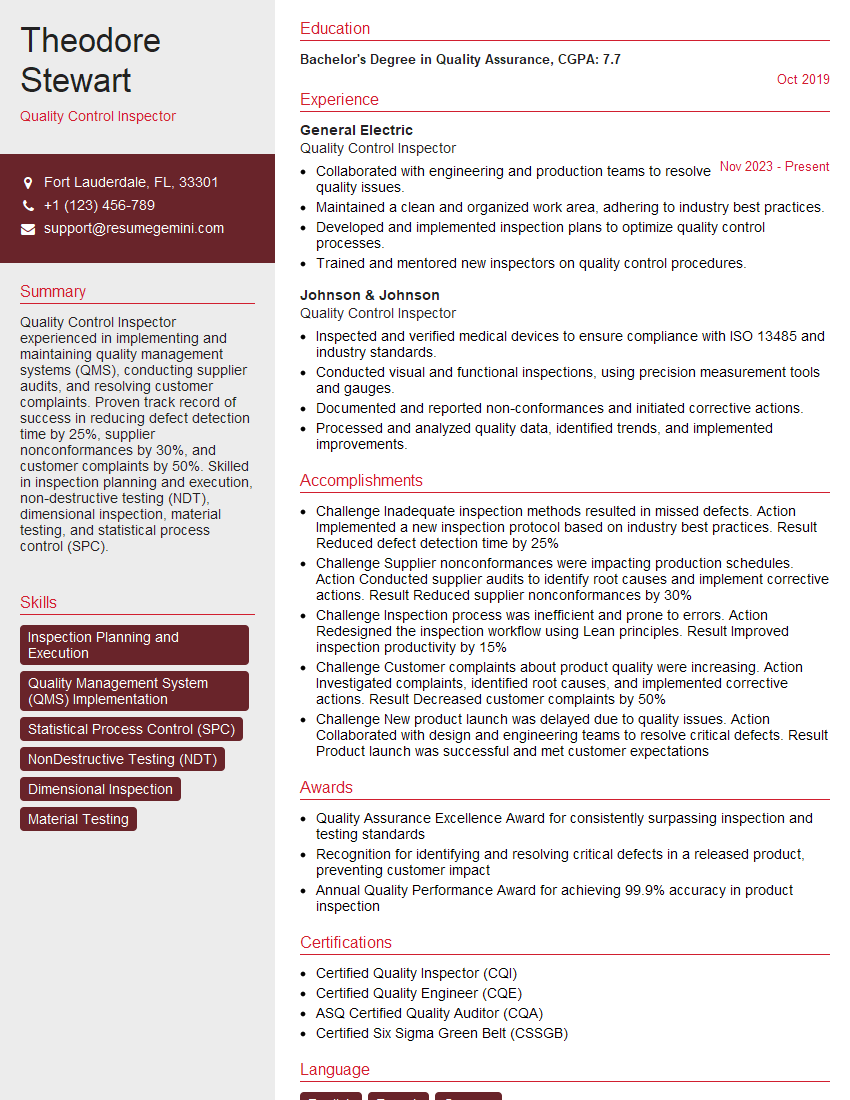
Quality Control Inspector Resume Sample
- Human Resources Manager
- Project Manager
- Professor
- Compliance Officer
- Ethics Officer
- Risk Manager
- Investigator
- Medical Examiner
- Mediator
- Accountant
- Financial Auditor
- Internal Auditor
- Policy Analyst
- Data Analyst
- Research Scientist
- Software Engineer
- Systems Analyst
- Actuary
- Arbitrator
- Judge
- Journalist
- Technical Writer
- Quality Control Inspector
Explore more articles
Users Rating of Our Blogs
Share Your Experience
We value your feedback! Please rate our content and share your thoughts (optional).
What Readers Say About Our Blog
Very informative content, great job.
good