Are you ready to stand out in your next interview? Understanding and preparing for Hair future interview questions is a game-changer. In this blog, we’ve compiled key questions and expert advice to help you showcase your skills with confidence and precision. Let’s get started on your journey to acing the interview.
Questions Asked in Hair future Interview
Q 1. Explain the different types of hair loss and their causes.
Hair loss, or alopecia, encompasses various types, each with distinct causes. Understanding these distinctions is crucial for effective treatment.
- Androgenetic Alopecia (AGA): This is the most common type, affecting both men and women. It’s a hereditary condition driven by a sensitivity to androgens (male hormones) leading to miniaturization of hair follicles, resulting in thinning and eventual hair loss. Think of it like a gradual shrinking of the hair’s ‘roots’.
- Telogen Effluvium: This is a temporary hair shedding triggered by stress, illness, surgery, or hormonal changes. Imagine your hair follicles going into a temporary ‘resting’ phase, leading to more hair falling out than usual. It’s usually reversible once the underlying cause is addressed.
- Alopecia Areata: An autoimmune disorder where the body attacks hair follicles, causing patchy hair loss. It can range from small patches to complete scalp hair loss (alopecia totalis) or even loss of all body hair (alopecia universalis). Think of it as the body’s immune system mistakenly targeting hair follicles.
- Traction Alopecia: Caused by chronic pulling or tension on the hair, often from tight hairstyles like braids or ponytails. This can permanently damage hair follicles, leading to irreversible hair loss in the affected areas.
- Scarring Alopecia (Cicatricial Alopecia): This involves the destruction of hair follicles and replacement with scar tissue, resulting in permanent hair loss. It can be caused by various factors, including infections, burns, or autoimmune diseases.
Identifying the specific type of hair loss is paramount in determining the appropriate treatment strategy. A thorough medical history and examination are essential for accurate diagnosis.
Q 2. Describe the various hair restoration techniques available.
Several techniques are available for hair restoration, each with its own advantages and limitations. The best option depends on individual factors such as the extent of hair loss, hair type, and overall health.
- Hair Transplantation (FUT & FUE): This involves surgically moving hair follicles from a donor area (usually the back of the scalp) to the balding area. Follicular Unit Transplantation (FUT) involves a strip excision, while Follicular Unit Extraction (FUE) involves individual follicle extraction. Both aim to create a natural-looking hairline and fuller hair.
- Low-Level Laser Therapy (LLLT): This non-invasive treatment uses low-level lasers to stimulate hair follicle growth. It’s often used in conjunction with other treatments to enhance results. It’s like giving your hair follicles a gentle ‘boost’ to encourage growth.
- Platelet-Rich Plasma (PRP) Therapy: This involves injecting concentrated platelet-rich plasma from the patient’s own blood into the scalp to stimulate hair growth. It’s believed to improve blood circulation and promote follicle regeneration.
- Medication: Oral medications like finasteride (for men) and minoxidil (for men and women) can help slow down hair loss and potentially stimulate some regrowth. These work by targeting hormones or improving blood flow to the scalp.
- Scalp Micropigmentation (SMP): This is a cosmetic procedure that involves tattooing small dots onto the scalp to simulate the appearance of hair follicles. It’s often used to camouflage thinning hair or create the illusion of a full head of hair.
Choosing the right technique requires a consultation with a qualified hair restoration specialist to assess the individual’s specific needs and expectations.
Q 3. What are the advantages and disadvantages of hair transplantation?
Hair transplantation, while offering the potential for significant improvement, comes with both advantages and disadvantages.
- Advantages:
- Permanent results: Transplanted hair follicles are permanent, offering long-term improvement.
- Natural-looking results: With skilled surgeons, the results are typically undetectable.
- Improved self-esteem: Restoring hair can significantly boost confidence and self-image.
- Disadvantages:
- Cost: Hair transplantation can be expensive.
- Surgical procedure: It involves surgery with associated risks and recovery time.
- Not a cure for all hair loss: It’s only effective for certain types and patterns of hair loss.
- Potential for complications: As with any surgery, there are potential risks.
The decision to undergo a hair transplant should be made after careful consideration of these factors and a thorough consultation with a specialist.
Q 4. How do you assess a patient’s suitability for hair restoration procedures?
Assessing suitability for hair restoration involves a comprehensive evaluation to determine the type of hair loss, the extent of hair loss, the patient’s overall health, and their expectations. This is a multi-step process:
- Medical history review: This includes details about past medical conditions, medications, and family history of hair loss.
- Physical examination: This involves examining the scalp to assess the pattern and extent of hair loss, the density of existing hair, and the quality of the donor hair.
- Hair analysis: This might involve microscopic examination of hair samples to assess hair follicle health.
- Assessment of donor area: Determining the availability of sufficient healthy donor hair is crucial.
- Discussion of expectations: Realistic expectations need to be set regarding the achievable results. Patients should understand limitations and potential complications.
- Review of potential risks and complications: This includes outlining the potential side effects and complications of the chosen procedure.
Based on this comprehensive evaluation, a personalized treatment plan can be developed. A thorough assessment ensures a safe and successful outcome.
Q 5. What are the potential risks and complications associated with hair transplants?
Although hair transplantation is generally safe, potential risks and complications exist. These can include:
- Infection: As with any surgical procedure, infection is a possibility. Proper sterile techniques help minimize this risk.
- Bleeding: Minor bleeding is common, but excessive bleeding can occur in rare cases.
- Scarring: While techniques aim to minimize scarring, scarring is possible, especially with FUT.
- Pain and discomfort: Discomfort is common immediately after the procedure, managed with pain relief medication.
- Swelling: Some swelling is normal, but excessive swelling can be managed.
- Numbness: Temporary numbness around the treated area is possible.
- Poor graft survival: Some transplanted grafts may not survive, impacting final results. This can be due to several factors.
- Unsatisfactory cosmetic results: Achieving natural-looking results requires skill and experience. Unsatisfactory results can occur due to surgeon error or unexpected healing responses.
A skilled and experienced surgeon will take steps to minimize these risks, and patients need to be informed of these possibilities before the procedure.
Q 6. Explain the role of nutrition in maintaining healthy hair growth.
Nutrition plays a vital role in maintaining healthy hair growth. Think of hair as another part of your body that needs proper nourishment to thrive. A balanced diet rich in essential nutrients is crucial.
- Protein: Hair is primarily made of protein, so a sufficient intake is essential for healthy growth. Good sources include lean meats, fish, beans, and lentils.
- Iron: Iron deficiency can lead to hair loss, so ensuring adequate intake through foods like spinach, red meat, and beans is important.
- Zinc: Zinc plays a role in hair follicle growth and repair. Good sources include oysters, nuts, and seeds.
- Biotin (Vitamin B7): While biotin deficiency is rare, it can lead to hair loss. Biotin is found in eggs, nuts, and sweet potatoes.
- Vitamin D: Vitamin D is linked to hair follicle growth cycles. Sunlight exposure and dietary sources are key.
- Omega-3 Fatty Acids: These healthy fats promote scalp health and overall hair health. Find them in fatty fish, flaxseeds, and chia seeds.
A balanced diet supplemented with these nutrients can help promote hair growth and prevent hair loss. If you suspect nutritional deficiencies are contributing to your hair loss, consult a doctor or registered dietitian.
Q 7. Discuss the impact of hormonal imbalances on hair loss.
Hormonal imbalances can significantly impact hair loss, particularly in women. Fluctuations in hormone levels can affect the hair growth cycle, leading to increased shedding or thinning.
- Androgens: Elevated levels of androgens, such as dihydrotestosterone (DHT), are a major factor in androgenetic alopecia, impacting both men and women. This can lead to miniaturization of hair follicles.
- Thyroid hormones: Both hypothyroidism (underactive thyroid) and hyperthyroidism (overactive thyroid) can cause hair loss. Maintaining healthy thyroid hormone levels is crucial.
- Polycystic ovary syndrome (PCOS): This hormonal disorder is a common cause of hair loss in women. It’s characterized by elevated androgen levels.
- Menopause: The hormonal changes associated with menopause often lead to hair thinning due to declining estrogen levels.
- Pregnancy and postpartum: Hormonal fluctuations during pregnancy and after childbirth can temporarily impact hair growth, often leading to increased shedding postpartum.
Addressing underlying hormonal imbalances through medical intervention, lifestyle changes, or hormonal replacement therapy can help mitigate hair loss caused by these conditions. Consulting an endocrinologist or a physician specializing in hormonal disorders is essential for accurate diagnosis and management.
Q 8. What are some non-surgical options for managing hair loss?
Non-surgical hair loss management offers several avenues to address thinning hair and improve appearance. These options are generally less invasive and carry lower risks than surgical procedures.
- Minoxidil (Rogaine): A topical medication applied directly to the scalp, stimulating hair growth in some individuals. It’s most effective for androgenetic alopecia (male and female pattern baldness) and works best in early stages of hair loss. Results vary, and it must be used consistently for ongoing benefit.
- Finasteride (Propecia): An oral medication primarily for men, blocking the conversion of testosterone to dihydrotestosterone (DHT), a hormone that contributes significantly to hair follicle miniaturization and hair loss. It can improve hair density, but effects can be gradual and cease upon discontinuation.
- Low-Level Laser Therapy (LLLT): This involves using low-level lasers or LEDs to stimulate hair follicles. Studies suggest it can improve hair growth in some, though more research is needed to establish its widespread effectiveness. Devices are available for home use or in-clinic treatments.
- Hair growth supplements: Many supplements, containing vitamins, minerals, and herbs, claim to support hair growth. While some nutrients are vital for healthy hair (like biotin and iron), evidence supporting the efficacy of many supplements for hair loss is limited. Always consult your doctor before taking any supplements.
- Hair thickening products: These products, including shampoos, conditioners, and serums, can make hair appear thicker and fuller by coating each strand, making them appear larger. They do not, however, address the underlying causes of hair loss.
The best non-surgical approach depends on individual factors, such as the type and severity of hair loss, overall health, and personal preferences. A thorough consultation with a dermatologist or hair specialist is crucial to determine the most suitable strategy.
Q 9. How do you counsel patients about realistic expectations regarding hair restoration?
Counseling patients about realistic expectations is paramount in managing their hair loss journey. Transparency and open communication build trust and prevent unrealistic expectations that can lead to disappointment.
I explain the limitations of various treatments, emphasizing that hair restoration is a process, not a quick fix. For instance, Minoxidil may take months to show noticeable results, and its effectiveness varies from person to person. Similarly, with hair transplants, not all follicles will survive, and the final results are usually seen several months to a year post-procedure.
I use before-and-after photos of previous patients with similar hair loss patterns to illustrate potential outcomes. This helps patients visualize realistic possibilities. I also discuss the potential side effects and limitations of each treatment option, ensuring they are fully informed.
Finally, I emphasize the importance of managing expectations regarding the longevity of results. For some treatments, continuous use is necessary to maintain the improvements; otherwise, hair loss may resume.
Q 10. Describe your experience with different hair analysis techniques.
My experience encompasses a range of hair analysis techniques, which are crucial for accurate diagnosis and treatment planning.
- Trichoscopy: This involves using a dermatoscope (a handheld device with magnification) to examine the scalp and hair follicles closely. It allows for detailed visualization of hair shafts, follicles, and the scalp’s surface, helping to identify signs of different hair loss conditions, such as inflammation or fungal infections.
- Hair pull test: A simple test where a small number of hairs are gently pulled to assess their strength and ease of removal. This can be useful in identifying conditions like telogen effluvium (temporary hair shedding).
- Scalp biopsy: A small sample of scalp tissue is taken for microscopic examination. This is a more invasive procedure, usually reserved for cases where the cause of hair loss is unclear or suspected to be related to a specific underlying medical condition.
- Blood tests: Blood tests can help determine if nutritional deficiencies (such as iron deficiency anemia) or hormonal imbalances are contributing to hair loss.
I often combine these techniques to arrive at a comprehensive understanding of a patient’s hair loss, guiding the selection of the most appropriate treatment strategy. For example, trichoscopy might reveal miniaturization of hair follicles suggestive of androgenetic alopecia, which would then inform treatment decisions regarding medication or potential hair transplantation.
Q 11. Explain the process of scalp micropigmentation.
Scalp micropigmentation (SMP) is a non-surgical cosmetic procedure that creates the illusion of hair follicles on the scalp, effectively camouflaging hair loss or scarring. It involves using a specialized tattoo machine with fine needles to deposit pigment into the upper dermis of the scalp.
The process typically involves several sessions spaced several weeks apart. During each session, the technician meticulously applies pigment to mimic the appearance of shaved hair. The depth and density of the pigment are carefully controlled to achieve a natural look.
Steps involved:
- Consultation and design: Determining the desired hair density, color, and overall appearance.
- Application of pigment: Using specialized needles to deposit pigment into the scalp.
- Multiple sessions: Several sessions are needed to achieve the desired results.
- Aftercare: Following specific instructions for wound healing and avoiding sun exposure.
SMP is a relatively quick and safe procedure with minimal downtime. It’s a great option for individuals who are not candidates for hair transplantation or prefer a non-surgical approach to hair loss management. However, it requires skilled technicians to avoid uneven pigment distribution or unnatural-looking results.
Q 12. How do you select the appropriate hair replacement system for a patient?
Selecting the appropriate hair replacement system requires a thorough evaluation of the patient’s individual needs and preferences. This is a highly personalized process, and there is no one-size-fits-all approach.
I consider several factors:
- Extent of hair loss: The overall area of hair loss dictates the size and type of system needed.
- Hair type and texture: The hair replacement system must match the patient’s natural hair color and texture as closely as possible for a seamless and natural appearance.
- Lifestyle and activity level: The system needs to be durable enough to withstand the patient’s lifestyle. For example, someone who is very active might need a more robust system compared to someone with a sedentary lifestyle.
- Budget: Hair replacement systems vary in price depending on factors such as the materials used and the complexity of the system.
- Patient expectations: A discussion of realistic expectations ensures the patient understands the limitations and benefits of different systems.
After carefully considering these factors, I guide the patient towards a system that meets their specific requirements and preferences. This may involve custom-designed systems for optimal integration with existing hair and a natural appearance.
Q 13. What are the latest advancements in hair restoration technology?
The field of hair restoration is constantly evolving, with exciting advancements emerging regularly.
- Improved hair transplantation techniques: Follicular unit extraction (FUE) has become increasingly refined, leading to smaller scars and faster recovery times. Techniques like robotic FUE are also gaining traction, promising enhanced precision and efficiency.
- Platelet-rich plasma (PRP) therapy: This involves injecting the patient’s own concentrated platelet-rich plasma into the scalp to stimulate hair follicle growth. It’s often used in combination with other treatments like hair transplantation or minoxidil to enhance results.
- Stem cell therapy: This is a promising area of research, with studies exploring the potential of stem cells to regenerate hair follicles. While still in the early stages of clinical development, it holds great potential for future advancements in hair restoration.
- Advanced hair analysis technologies: New technologies such as advanced digital imaging and AI-powered diagnostic tools help improve the accuracy of hair loss diagnosis and personalized treatment planning.
These advancements represent a considerable shift in the landscape of hair restoration, offering patients more effective, less invasive, and personalized treatment options.
Q 14. How do you manage patient expectations regarding hair growth timelines?
Managing patient expectations about hair growth timelines is crucial for a positive outcome. Hair growth is a gradual process, and patience is key. I explain that visible results may not be immediate and vary depending on factors such as the individual’s response to treatment and the type of treatment received.
For example, with minoxidil, noticeable improvements may take several months, while hair transplantation results are usually visible after several months to a year. I provide realistic timelines based on the selected treatment, emphasizing that consistency is vital for optimal outcomes. I also discuss the possibility of plateaus in hair growth, which can be disheartening, but are often temporary.
To maintain motivation and manage expectations, I schedule regular follow-up appointments to monitor progress. Open communication and honest discussions regarding potential challenges and setbacks are vital. I emphasize the importance of ongoing treatment, and I reinforce the patience required to see the full effects of hair restoration therapy.
Q 15. How do you address patient concerns and anxieties about hair loss?
Addressing patient concerns about hair loss begins with empathetic listening. I create a safe space where patients feel comfortable sharing their anxieties, which often go beyond the cosmetic. Hair loss can significantly impact self-esteem, confidence, and even mental health. My approach involves a thorough consultation, not just focusing on the hair itself but also exploring the patient’s emotional well-being. I explain the various causes of hair loss (genetics, hormonal changes, medical conditions, stress) in clear, non-technical terms. Then, I collaboratively develop a treatment plan, outlining realistic expectations and potential outcomes. For example, if a patient is experiencing stress-related hair loss, I might recommend stress-management techniques alongside topical treatments. If it’s androgenetic alopecia, I’ll explain the options, including medication, hair transplant procedures, and non-surgical solutions like hair fibers or wigs. Transparency and honest communication are key to building trust and alleviating anxieties.
I always emphasize that there are solutions available and that they vary depending on individual circumstances. For instance, I might reassure a younger patient concerned about early hair thinning that there are proactive measures we can take to slow down the process and maintain their existing hair. For an older patient, I might focus on enhancing their appearance with alternative options like scalp micropigmentation, while also addressing any underlying health concerns.
Career Expert Tips:
- Ace those interviews! Prepare effectively by reviewing the Top 50 Most Common Interview Questions on ResumeGemini.
- Navigate your job search with confidence! Explore a wide range of Career Tips on ResumeGemini. Learn about common challenges and recommendations to overcome them.
- Craft the perfect resume! Master the Art of Resume Writing with ResumeGemini’s guide. Showcase your unique qualifications and achievements effectively.
- Don’t miss out on holiday savings! Build your dream resume with ResumeGemini’s ATS optimized templates.
Q 16. Describe your experience with different types of hair extensions.
My experience encompasses a wide range of hair extension methods. I’m familiar with traditional sew-in extensions, tape-in extensions, clip-in extensions, and fusion bonding. Each method has its pros and cons. Sew-in extensions provide a longer-lasting solution but require more maintenance and can potentially cause damage if not applied correctly. Tape-in extensions are less damaging and offer a more natural look but may not be suitable for all hair types. Clip-in extensions are the most temporary and versatile but might not be as secure. Fusion bonding creates a seamless look but demands expertise to avoid hair breakage.
I carefully assess each patient’s hair type, lifestyle, and desired look before recommending a specific extension method. For example, a client with fine, delicate hair would benefit from lighter, less invasive methods like tape-ins or clip-ins, while someone with thicker, coarser hair might be a better candidate for sew-in extensions. My expertise also lies in proper aftercare advice, ensuring the extensions are maintained correctly to minimize damage and maximize longevity. This includes recommending appropriate shampoos, conditioners, and styling products, and teaching proper brushing and washing techniques.
Q 17. What are the ethical considerations in advertising hair restoration services?
Ethical advertising in hair restoration services centers around honesty, transparency, and realistic expectations. It’s crucial to avoid misleading claims or exaggerating results. Before-and-after photos should accurately reflect typical outcomes, avoiding heavily edited or selectively chosen images. Any testimonials must be genuine and not fabricated. Advertising should clearly state the limitations and potential risks associated with any procedure, such as scarring, infection, or unexpected results. Furthermore, it’s unethical to prey on patients’ insecurities or use manipulative marketing tactics to pressure them into unnecessary treatments.
Compliance with advertising regulations is paramount. I ensure all claims are substantiated by scientific evidence and avoid making promises that cannot be delivered. For example, it would be unethical to advertise a guaranteed cure for hair loss, as many forms are irreversible. Instead, we should highlight the potential benefits of various treatments in terms of slowing down hair loss, improving hair density, or providing effective cosmetic solutions.
Q 18. How do you stay current with the latest research and developments in the field of hair restoration?
Staying current in hair restoration requires a multifaceted approach. I actively participate in professional organizations such as the International Society of Hair Restoration Surgery (ISHRS) and attend their annual conferences and workshops. These events offer invaluable opportunities to learn about the latest research, surgical techniques, and non-surgical advancements. I also regularly review peer-reviewed medical journals, such as the Journal of Investigative Dermatology and the Journal of the American Academy of Dermatology, to stay abreast of emerging scientific discoveries. Furthermore, I participate in continuing medical education (CME) courses focused on hair transplantation, hair loss management, and related fields.
Online resources, including reputable medical websites and databases like PubMed, are also invaluable tools for staying informed. Networking with colleagues and attending webinars allows me to exchange knowledge and best practices within the field. This continuous learning ensures I can provide my patients with the most advanced and effective treatments available.
Q 19. Describe your experience working with patients who have alopecia.
Working with patients who have alopecia, which encompasses various conditions like alopecia areata, requires a nuanced understanding of the disease and its psychological impact. Alopecia areata can cause significant emotional distress, especially in children and adolescents. My approach involves a compassionate and empathetic dialogue, acknowledging the emotional toll of hair loss. I thoroughly assess the patient’s medical history, including any autoimmune disorders, and explore potential underlying causes. Treatment options range from topical corticosteroids and immunotherapy to systemic medications and, in severe cases, hair transplantation.
I emphasize a holistic approach that addresses both the medical and emotional aspects of the condition. I connect patients with support groups or mental health professionals if needed. Moreover, I explore cosmetic solutions like wigs, hairpieces, or scalp micropigmentation to help patients feel more comfortable and confident, regardless of the underlying medical condition. The goal is not just to treat the hair loss itself but to empower patients to manage their condition effectively and maintain a positive self-image.
Q 20. How do you handle challenging or difficult patient interactions?
Handling challenging patient interactions requires patience, empathy, and excellent communication skills. If a patient expresses dissatisfaction or frustration, I actively listen without interruption. I try to understand their perspective and address their concerns directly and honestly. If a misunderstanding arises, I clearly explain the procedure, treatment plan, or any potential complications. If the patient’s expectations are unrealistic, I gently guide them towards a more realistic understanding of the process and possible outcomes.
In situations where a conflict persists, I might involve a mediator or a colleague for a second opinion. Ultimately, my goal is to find a resolution that satisfies both parties while maintaining a professional and respectful relationship. I always prioritize the patient’s well-being, even if it means referring them to another specialist who might be a better fit for their needs or preferences.
Q 21. What is your approach to patient education regarding hair care?
Patient education is a cornerstone of my practice. I believe that informed patients are empowered patients. I explain hair care routines tailored to individual hair types and conditions. This includes recommendations for appropriate shampoos, conditioners, and styling products. I provide clear instructions on proper hair washing techniques, avoiding harsh treatments or excessive heat styling. Furthermore, I educate patients about the importance of a healthy diet and lifestyle factors that contribute to hair health, such as hydration and stress management.
For patients undergoing hair restoration procedures, I provide detailed pre- and post-operative instructions. This includes information on medications, wound care, and lifestyle modifications to promote optimal healing. I use visual aids, such as brochures and videos, to enhance understanding and encourage patients to ask questions throughout the process. My aim is to equip patients with the knowledge and tools to proactively care for their hair and maintain healthy, vibrant locks.
Q 22. Explain the importance of proper post-operative care after a hair transplant.
Post-operative care after a hair transplant is crucial for optimal results and minimizing complications. It’s like tending a delicate garden – proper care ensures healthy growth and prevents unwanted weeds.
Washing and Cleaning: Gentle cleansing with a prescribed shampoo is essential to prevent infection and remove scabs. Avoid harsh scrubbing or rubbing. I usually recommend starting with gentle washes after 2-3 days.
Medication: Antibiotics and anti-inflammatory medications might be prescribed to reduce swelling, infection risk, and pain. Adhering to the prescribed dosage and schedule is vital.
Avoiding Activities: Strenuous activities, excessive sweating, and direct sunlight exposure should be avoided in the initial weeks to minimize stress on the transplanted grafts. Imagine your newly planted hair follicles as seedlings – they need a calm environment to establish roots.
Follow-up Appointments: Regular follow-up appointments are crucial to monitor healing progress and address any concerns. I typically schedule check-ups at 2 weeks, 1 month, 3 months, and 6 months post-procedure.
Nutrition and Hydration: A balanced diet rich in protein and vitamins promotes healthy hair growth. Adequate hydration is also crucial.
For example, a patient who neglects proper washing might develop an infection, compromising the transplanted grafts. Conversely, a patient diligently following post-operative instructions typically experiences a smoother recovery and better results.
Q 23. What are the key factors to consider when pricing hair restoration services?
Pricing hair restoration services involves a complex interplay of several factors. It’s not just about the number of grafts but a holistic consideration of the patient’s needs and the clinic’s overhead.
Number of Grafts: This is a primary determinant, as the procedure’s complexity increases with the number of grafts needed. A larger transplant naturally costs more.
Technique Used: Different techniques, such as FUE (Follicular Unit Extraction) or FUT (Follicular Unit Transplantation), have varying costs due to differences in surgical time and expertise needed.
Surgeon’s Experience and Reputation: Experienced surgeons command higher fees due to their expertise and track record. This translates to better results and reduced risk of complications.
Clinic Location and Overhead: Clinics in major cities with higher operating costs naturally charge more compared to those in smaller towns.
Ancillary Services: Costs may vary based on whether medication, post-op care, or additional consultations are included in the package.
For instance, a large FUE transplant performed by a renowned surgeon in a major metropolitan area will be more expensive than a smaller FUT transplant by a less experienced surgeon in a rural location.
Q 24. How do you manage a patient with a severe case of androgenetic alopecia?
Managing severe androgenetic alopecia requires a multi-pronged approach combining medical treatments, surgical interventions, and patient counseling. It’s like fighting a wildfire – we need to control the spread and promote regrowth.
Medical Therapy: I typically start with a combination of finasteride (a 5-alpha reductase inhibitor) and minoxidil (a topical vasodilator) to slow down hair loss and stimulate new growth.
Hair Transplantation: If the medical therapy doesn’t yield satisfactory results, I would consider a hair transplant. This is often a solution for more advanced cases where significant hair loss has occurred.
Low-Level Laser Therapy (LLLT): LLLT can be a beneficial adjuvant therapy, stimulating hair follicle activity.
Platelet-Rich Plasma (PRP) Therapy: PRP injections can promote follicle stimulation and improve hair quality.
Patient Counseling: Open communication, realistic expectations, and psychological support are critical in managing this condition. Hair loss can be emotionally devastating, so addressing the patient’s psychological wellbeing is crucial.
For example, a patient with significant hair loss in the crown and frontal areas may benefit from a combination of medical therapy, a hair transplant, and PRP therapy, with regular follow-up appointments for monitoring and adjustments.
Q 25. Explain the difference between minoxidil and finasteride.
Minoxidil and finasteride are two commonly used medications for androgenetic alopecia, but they work through different mechanisms.
Minoxidil: This is a topical medication that works by widening blood vessels in the scalp, increasing blood flow to the hair follicles. Think of it as providing more nutrients and oxygen to the follicles, promoting hair growth. It’s available over-the-counter but often more effective with a prescription strength.
Finasteride: This is an oral medication that inhibits the enzyme 5-alpha reductase, which converts testosterone into dihydrotestosterone (DHT). DHT is a major contributor to hair loss in androgenetic alopecia. By reducing DHT levels, finasteride helps prevent further hair loss and can even stimulate some regrowth. It’s a prescription medication.
In essence, minoxidil focuses on improving blood flow to the follicles, while finasteride targets the hormonal cause of hair loss. They are often used together for a synergistic effect.
Q 26. What are the contraindications for hair transplantation?
Hair transplantation, while generally safe, has certain contraindications. It’s important to carefully assess the patient’s health to avoid complications.
Uncontrolled Medical Conditions: Patients with uncontrolled diabetes, hypertension, or bleeding disorders are typically not suitable candidates.
Active Infections: Any active scalp infections must be treated before proceeding with a transplant.
Certain Medications: Some medications, such as blood thinners, may increase the risk of bleeding during surgery. The medication needs to be discussed and potentially adjusted.
Poor Donor Hair: Insufficient donor hair density or poor hair quality in the donor area may make a successful transplant difficult.
Unrealistic Expectations: It is crucial to manage patient expectations realistically. The limitations of transplantation need to be explained and fully understood before the procedure.
For example, a patient with uncontrolled diabetes might have impaired wound healing, increasing the risk of infection after the transplant. Therefore, careful evaluation and medical optimization are essential before considering any surgical approach.
Q 27. How do you assess the density and quality of a patient’s existing hair?
Assessing hair density and quality involves a meticulous examination, using both visual inspection and potentially specialized tools.
Visual Examination: I carefully examine the scalp, assessing the hair distribution, density, and pattern of hair loss. This helps to determine the areas of concern and the extent of hair thinning.
Trichoscopy: Trichoscopy, a non-invasive technique using a specialized dermatoscope, provides a magnified view of the scalp and hair follicles. This allows for detailed assessment of follicle size, density, and any signs of inflammation or damage.
Hair Pull Test: In some cases, a gentle hair pull test is performed to assess the hair’s strength and the number of hairs shed. This helps to evaluate the anagen-telogen ratio (proportion of actively growing versus resting hairs).
Photography: Pre-operative photographs are crucial to document the patient’s baseline hair condition and track progress post-transplant.
For example, a trichoscopy might reveal miniaturized follicles in the thinning area, indicating androgenetic alopecia. The hair pull test might indicate an increased proportion of telogen hairs (resting hairs), further supporting the diagnosis.
Q 28. Describe your experience with managing adverse events related to hair restoration treatments.
Managing adverse events related to hair restoration treatments is a critical aspect of my practice. It requires prompt action, careful assessment, and transparent communication with the patient.
Infection: Post-operative infections are rare but can be serious. Prompt antibiotic treatment is necessary if an infection occurs. This includes meticulous cleaning and appropriate follow-up.
Bleeding: Excessive bleeding can be managed with pressure dressings and potentially surgical intervention. Patients are closely monitored for any signs of excessive bleeding.
Folliculitis: This is inflammation of hair follicles, and can be addressed with topical antibiotics or anti-inflammatory medications. In most cases, this resolves with the right treatment.
Poor Graft Survival: Factors such as improper surgical technique or poor post-operative care can affect graft survival. I focus on using techniques to maximize graft survival and providing detailed post-operative instructions.
Unsatisfactory Cosmetic Results: This can be due to factors such as unrealistic patient expectations, poor graft placement, or inadequate donor hair. Open communication and potentially corrective interventions are necessary.
For example, a case of post-operative folliculitis was successfully managed with topical antibiotics, regular cleaning, and patient education regarding hygiene. Transparent communication with the patient ensured their anxiety was addressed and the situation was resolved successfully.
Key Topics to Learn for Hair Future Interview
- Hair Science Fundamentals: Understanding hair structure, growth cycles, and common hair types (straight, wavy, curly, coily).
- Hair Care Practices: Knowledge of various hair care techniques, including washing, conditioning, styling, and treatments (e.g., deep conditioning, keratin treatments).
- Hair Styling Techniques: Proficiency in different styling methods, such as braiding, updos, cutting, coloring, and chemical treatments (perming, relaxing).
- Hair Product Knowledge: Familiarity with various hair products, their ingredients, and their effects on different hair types. Understanding product formulation and chemistry is a plus.
- Hair Health and Diagnosis: Ability to identify common hair problems (e.g., dandruff, hair loss, breakage) and recommend appropriate solutions.
- Client Consultation and Communication: Mastering effective communication with clients to understand their needs and preferences, and provide personalized recommendations.
- Salon Operations and Management (if applicable): Understanding of salon hygiene, safety regulations, scheduling, inventory management, and customer service.
- Industry Trends and Innovations: Staying up-to-date with the latest trends, technologies, and product developments in the hair industry.
- Problem-Solving and Critical Thinking: Ability to diagnose hair problems, troubleshoot styling challenges, and adapt techniques to meet diverse client needs.
Next Steps
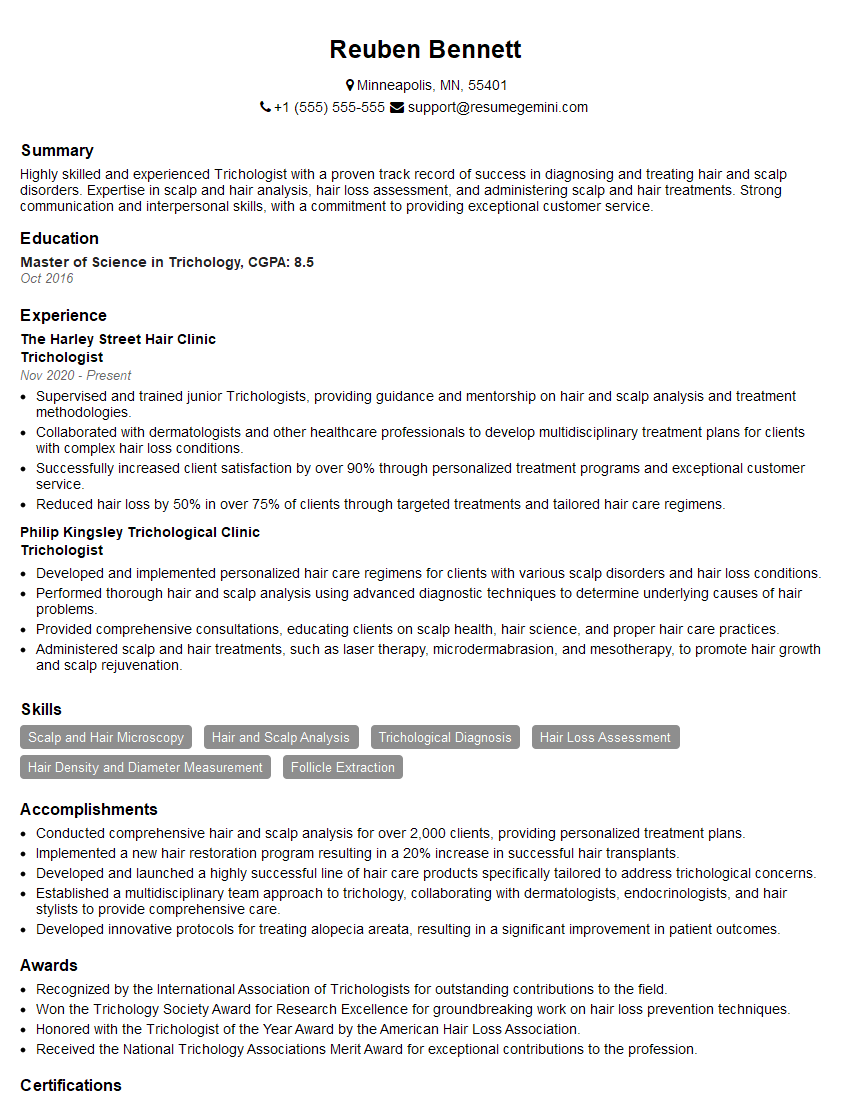
Mastering the intricacies of Hair Future will significantly enhance your career prospects, opening doors to diverse and rewarding roles within the beauty industry. A strong understanding of these key areas will make you a highly competitive candidate. To maximize your chances of success, crafting a compelling and ATS-friendly resume is crucial. ResumeGemini can help you build a professional resume that highlights your skills and experience effectively. Examples of resumes tailored to Hair Future are available to guide you. Invest the time to create a standout resume – it’s your first impression with potential employers.
Explore more articles
Users Rating of Our Blogs
Share Your Experience
We value your feedback! Please rate our content and share your thoughts (optional).
What Readers Say About Our Blog
Very informative content, great job.
good