Every successful interview starts with knowing what to expect. In this blog, we’ll take you through the top Maintaining work area interview questions, breaking them down with expert tips to help you deliver impactful answers. Step into your next interview fully prepared and ready to succeed.
Questions Asked in Maintaining work area Interview
Q 1. Describe your experience with various cleaning agents and their appropriate uses.
My experience encompasses a wide range of cleaning agents, each with specific applications and safety protocols. Understanding their properties is crucial for effective and safe cleaning. For example, I’m proficient in using disinfectants like bleach solutions (always diluted according to manufacturer instructions) for eliminating bacteria and viruses on surfaces. These are especially vital in high-traffic areas or after a confirmed illness. For tougher grease and grime, I utilize degreasers, ensuring proper ventilation as they often have strong fumes. Glass cleaners, designed for streak-free finishes, are employed on windows and mirrors. Finally, all-purpose cleaners provide a versatile option for general cleaning tasks. The key is always selecting the appropriate agent for the specific surface and contaminant, following the manufacturer’s safety data sheet (SDS) meticulously.
- Bleach Solutions: Effective disinfectant, requires proper dilution for safety.
- Degreasers: Powerful for grease and grime, necessitates good ventilation.
- Glass Cleaners: Designed for streak-free cleaning of glass surfaces.
- All-Purpose Cleaners: Versatile for general cleaning needs.
Q 2. How do you prioritize tasks in a busy work environment?
Prioritizing tasks in a busy environment requires a systematic approach. I typically use a combination of urgency and importance to create a prioritized list. Tasks that are both urgent and important get immediate attention. For example, a chemical spill needs immediate cleanup. Important but not urgent tasks, like preventative maintenance, are scheduled proactively. Urgent but less important tasks might involve minor adjustments to a workspace. Less important and non-urgent tasks can often be delegated or postponed. I utilize tools like checklists and scheduling apps to manage and track progress effectively. Regularly reviewing and adjusting the priorities based on changing circumstances ensures maximum efficiency.
Q 3. Explain your process for handling hazardous waste materials.
Handling hazardous waste is a critical aspect of maintaining a safe work environment and requires strict adherence to regulations and safety protocols. My process begins with proper identification of the waste material, referring to its SDS for handling instructions. This sheet details safe disposal methods and any necessary personal protective equipment (PPE). I then segregate the waste into appropriately labeled containers, ensuring no mixing of incompatible materials which could lead to dangerous reactions. Finally, I follow established procedures for the disposal of hazardous waste, which often involves contacting a licensed waste disposal company to ensure proper and legal removal. Maintaining detailed records of hazardous waste handling is essential for compliance and traceability.
Q 4. What safety measures do you employ when operating cleaning equipment?
Safety is paramount when operating cleaning equipment. Before using any equipment, I always inspect it for any damage or malfunctions. I ensure that I am properly trained on the specific equipment and understand its operating instructions. I always wear appropriate PPE, such as gloves, eye protection, and safety shoes, to protect myself from potential hazards. I maintain a clear and unobstructed workspace, free of clutter, to prevent accidents. For example, when using a vacuum cleaner, I check the cord for damage before plugging it in, and ensure the area is clear of any obstacles that could cause a trip or fall. Regular maintenance checks on the equipment itself are also crucial for safe operation.
Q 5. How do you ensure compliance with workplace safety regulations?
Ensuring compliance with workplace safety regulations is a continuous process. I stay updated on all relevant legislation and company policies. I participate in safety training sessions and refreshers to ensure my knowledge remains current. I report any unsafe conditions or practices immediately to my supervisor. I also make sure I understand and correctly use all the safety equipment provided, and that my actions always adhere to the established safety procedures. Understanding and complying with the various safety regulations is not just about following rules; it’s about fostering a culture of safety and protecting myself and my colleagues.
Q 6. Describe your experience with preventative maintenance procedures.
Preventative maintenance is key to extending the lifespan of cleaning equipment and preventing costly repairs. My experience includes regularly inspecting equipment for wear and tear, cleaning and lubricating moving parts, and replacing worn components promptly. I also maintain detailed logs of all maintenance activities to track performance and identify potential issues. Think of it like regular servicing for a car – it’s far more cost-effective and efficient to catch small problems before they escalate into major breakdowns. This preventative approach minimizes downtime and ensures the equipment operates efficiently and safely, contributing to a more productive work environment.
Q 7. How would you handle a spill of hazardous materials?
Handling a hazardous material spill requires a swift and controlled response. My first step is to ensure my safety by wearing appropriate PPE. Then, I would contain the spill to prevent further spread, using absorbent materials like spill kits. Next, I would carefully clean up the spill using the appropriate cleaning agents and methods, as specified in the SDS for the material. After cleanup, I would properly dispose of all contaminated materials following established procedures for hazardous waste. Finally, I would report the incident to my supervisor and document everything, including the type of material, quantity spilled, cleanup methods, and disposal procedure. Remember, speed and controlled actions are critical to minimizing the impact of a hazardous material spill.
Q 8. What is your experience with inventory management of cleaning supplies?
Inventory management of cleaning supplies is crucial for efficient and cost-effective workspace maintenance. My experience involves implementing and maintaining a robust system that tracks stock levels, consumption rates, and reorder points. This typically involves using a combination of physical inventory checks, spreadsheets, or dedicated inventory management software. For example, in my previous role, I implemented a system using a spreadsheet to track all cleaning supplies. This spreadsheet included columns for product name, quantity on hand, reorder point, supplier, and last order date. This allowed me to anticipate shortages and order supplies proactively, preventing delays and disruptions to cleaning schedules. Regular audits ensured accuracy and helped identify potential waste or overstocking.
Beyond simply tracking, I focus on optimizing inventory levels to minimize storage space and reduce waste. This includes regularly evaluating the usage of different supplies and adjusting order quantities accordingly. For example, if a particular cleaner is consistently underutilized, I would reduce the order quantity to avoid unnecessary storage and potential expiration.
Q 9. How do you maintain a clean and organized workspace?
Maintaining a clean and organized workspace is fundamental to productivity and safety. My approach is multifaceted and follows a consistent routine. First, I establish a designated place for everything, whether it’s cleaning supplies, documents, or equipment. This prevents clutter and makes it easy to find items when needed. Second, I prioritize regular cleaning. This includes daily tasks like wiping down surfaces, emptying trash cans, and vacuuming or sweeping floors, along with more in-depth cleaning, such as mopping and disinfecting, performed on a scheduled basis. Third, I actively address clutter throughout the day – I don’t let things pile up. A simple analogy is to think of it like tidying up your kitchen after each meal, preventing a huge cleaning task at the end of the day. Finally, I believe in a team approach; encouraging colleagues to take collective responsibility for maintaining a clean and organized shared space is essential.
Q 10. Describe your experience with various cleaning tools and equipment.
My experience encompasses a wide range of cleaning tools and equipment, from basic supplies like mops, brooms, and vacuum cleaners to more specialized equipment such as floor buffers, carpet extractors, and pressure washers. I’m proficient in using various types of cleaning chemicals, understanding their appropriate application and safety procedures. For instance, I’m familiar with the proper dilution ratios for disinfectants and the safe handling of chemicals like bleach. I also understand the importance of regularly inspecting and maintaining equipment to ensure its proper functioning and longevity. This includes tasks such as changing vacuum cleaner bags, replacing mop heads, and cleaning floor buffer pads. I prioritize safety, always following manufacturer’s instructions and wearing appropriate personal protective equipment (PPE) when handling chemicals or operating machinery.
Q 11. How do you deal with challenging clients or coworkers?
Handling challenging situations with clients or coworkers requires patience, empathy, and effective communication. My approach focuses on active listening, understanding their concerns, and finding mutually acceptable solutions. If a client expresses dissatisfaction, I carefully listen to their feedback, validate their concerns, and offer practical solutions to address their issues. If conflict arises with a coworker, I approach the situation directly, calmly expressing my perspective while acknowledging their viewpoint. I try to find common ground, focusing on problem-solving rather than assigning blame. For example, if a coworker consistently leaves their workspace messy, I might gently remind them of the importance of maintaining a clean environment and offer to collaborate on a cleaning schedule. Ultimately, open and honest communication, combined with a collaborative spirit, is key to resolving conflicts effectively.
Q 12. How familiar are you with different types of flooring and their appropriate cleaning methods?
Familiarity with different flooring types and their cleaning methods is paramount. My experience covers a wide range, including:
- Hardwood floors: Requiring sweeping, mopping with appropriate hardwood cleaners, and occasional polishing.
- Tile floors: Requiring sweeping or vacuuming, and mopping with a suitable tile cleaner. Grout cleaning might be needed periodically.
- Carpet: Requires regular vacuuming, spot cleaning, and periodic professional deep cleaning.
- Vinyl floors: Typically cleaned with a damp mop and a mild detergent.
Q 13. What is your experience with carpet cleaning and maintenance?
My carpet cleaning experience includes both routine maintenance and deep cleaning. Routine maintenance involves regular vacuuming to remove loose dirt and debris, which prevents soiling and prolongs carpet life. For spot cleaning, I use appropriate stain removers, always testing them in an inconspicuous area first. Deep cleaning, typically performed annually or as needed, is crucial for removing embedded dirt and allergens. This often involves using a professional carpet extractor or hot water extraction method, which uses pressurized hot water to loosen and remove dirt. I’m familiar with the process of pre-treating stains and using appropriate cleaning solutions to achieve optimal results. Proper drying is also critical to prevent mold and mildew growth.
Q 14. How do you handle difficult stains or messes?
Handling difficult stains or messes requires a systematic approach. First, I identify the type of stain or mess (e.g., ink, grease, blood). Then, I research or refer to a cleaning chart to determine the most effective cleaning method. I always test any cleaning solution on a small, inconspicuous area before applying it to the entire stain. For example, for a grease stain, I might use a degreasing agent; for a blood stain, I might use cold water and a mild detergent. I work methodically, starting from the outer edges of the stain to prevent spreading. Persistent stains might require repeated applications of the cleaning solution, and in some cases, professional cleaning services might be necessary. Thorough rinsing and drying are essential to prevent discoloration or residual odors. Proper safety precautions, like wearing gloves and adequate ventilation, are always observed.
Q 15. What is your experience with window cleaning?
Window cleaning is a crucial aspect of maintaining a clean and professional work area. My experience encompasses various techniques, from basic wiping and streak-free cleaning to tackling stubborn grime and hard-to-reach areas. I’m proficient in using different cleaning solutions, appropriate for various window materials and finishes, ensuring both cleanliness and protection. For instance, I’ve successfully cleaned large glass facades in office buildings, requiring the use of specialized equipment like extension poles and squeegees to reach high windows safely and efficiently. I also prioritize safety, always using appropriate safety equipment like gloves and harnesses when working at heights.
I’ve also learned to identify and address different types of window stains, from water spots and smudges to more persistent dirt and grime. This includes understanding the right cleaning agents for each type of stain and employing appropriate cleaning methods to avoid damaging the window surface. For example, I’ve developed techniques to remove stubborn bird droppings without leaving scratches.
Career Expert Tips:
- Ace those interviews! Prepare effectively by reviewing the Top 50 Most Common Interview Questions on ResumeGemini.
- Navigate your job search with confidence! Explore a wide range of Career Tips on ResumeGemini. Learn about common challenges and recommendations to overcome them.
- Craft the perfect resume! Master the Art of Resume Writing with ResumeGemini’s guide. Showcase your unique qualifications and achievements effectively.
- Don’t miss out on holiday savings! Build your dream resume with ResumeGemini’s ATS optimized templates.
Q 16. Describe your experience with waste disposal and recycling procedures.
Effective waste disposal and recycling are critical for maintaining a clean and environmentally responsible workplace. My experience involves a thorough understanding of different waste streams, including general waste, recyclables, hazardous waste, and potentially infectious materials (depending on the nature of the workplace). I adhere strictly to established procedures and protocols for each waste type, ensuring proper segregation, labeling, and disposal.
For example, in a previous role, I implemented a color-coded waste disposal system, making it easier for everyone to identify and sort waste correctly. This involved clear labeling of bins, employee training, and regular monitoring to maintain compliance. I also understand the importance of properly handling hazardous waste, such as used cleaning solutions, ensuring they are disposed of according to regulations and using appropriate personal protective equipment (PPE).
Recycling procedures are equally important. I’m experienced in sorting recyclable materials like paper, plastic, glass, and aluminum, adhering to local and company-specific guidelines. My experience has helped improve recycling rates and minimize the environmental impact of waste generation in the workplace.
Q 17. How do you ensure the workplace is free from health hazards?
Maintaining a hazard-free workplace is paramount. My approach involves proactive measures and adherence to established safety protocols. This includes regular inspections to identify potential hazards like spills, trip hazards, or damaged equipment. I am trained to handle and report any hazardous situations immediately, following established protocols for reporting and remediation.
For instance, I’m trained to handle spills safely, using appropriate absorbent materials and cleaning agents to eliminate the hazard and prevent slips and falls. I also conduct regular checks of emergency exits and fire safety equipment to ensure readiness in case of emergencies. I am skilled in identifying and mitigating potential ergonomic hazards, such as improperly adjusted workstations, to prevent injuries and promote a comfortable work environment. In addition, I’m knowledgeable about the proper use and storage of cleaning chemicals, always following safety data sheets (SDS) instructions to avoid health risks.
Q 18. How would you handle a malfunctioning piece of cleaning equipment?
When dealing with malfunctioning cleaning equipment, my first step is to assess the situation and ensure my own safety. If the malfunction poses an immediate safety risk (e.g., sparks, leaking fluids), I would immediately disconnect the power and report the issue to my supervisor.
Next, I would attempt a basic troubleshooting based on my knowledge of the equipment, but only if it’s safe to do so. This might include checking power cords, replacing batteries, or clearing blockages. However, if I am unsure or the problem persists, I will immediately report it to the designated maintenance personnel or my supervisor. I will clearly document the issue, including the type of equipment, the nature of the malfunction, and the steps I’ve already taken. I would ensure the area is properly cordoned off to prevent others from using the malfunctioning equipment until it is repaired.
Q 19. How familiar are you with OSHA regulations related to workplace safety?
I am familiar with OSHA regulations related to workplace safety, particularly those concerning the cleaning and maintenance industry. My understanding covers topics such as the use of personal protective equipment (PPE), proper handling of chemicals, hazard communication, and emergency procedures.
For example, I understand the importance of wearing appropriate PPE, including gloves, eye protection, and respirators when handling chemicals or working in potentially hazardous environments. I am also knowledgeable about the requirements for labeling and storing hazardous materials and the procedures for reporting accidents and injuries. My goal is to always adhere to all OSHA guidelines to maintain a safe and compliant work environment. Regular training on OSHA standards helps keep my knowledge up-to-date and my practices compliant.
Q 20. Describe your experience working under pressure to meet deadlines.
I thrive under pressure and am adept at managing multiple tasks and meeting deadlines effectively. For example, in a previous role, I was responsible for cleaning a large office space before a major client visit. I successfully prioritized tasks, coordinated with colleagues, and completed the cleaning efficiently and to a high standard, even though the deadline was tight. My ability to remain calm and organized under pressure, along with my efficient time-management skills, enables me to consistently meet deadlines and deliver high-quality results. I focus on prioritizing tasks based on urgency and impact and actively seeking support when needed to ensure timely completion.
Q 21. How do you communicate effectively with your supervisor and colleagues?
Effective communication is crucial in any workplace. I maintain open and clear communication with my supervisor and colleagues through various means. I regularly update my supervisor on my progress, especially regarding any potential issues or challenges. I also actively participate in team discussions, providing updates and contributing my insights. I prefer direct, respectful communication and am comfortable using both verbal and written communication to convey information accurately and effectively. For instance, I would use email to provide detailed reports or updates and utilize face-to-face communication for quick discussions and immediate feedback.
Active listening is another critical aspect of my communication style. I carefully listen to instructions, feedback, and concerns, ensuring I understand the message fully before responding. This approach helps prevent misunderstandings and promotes efficient teamwork.
Q 22. What are your strengths and weaknesses related to work area maintenance?
My strengths in work area maintenance lie in my meticulous attention to detail, proactive problem-solving, and my ability to efficiently manage multiple tasks simultaneously. I’m adept at identifying potential hazards before they escalate into significant issues. For instance, during my previous role, I instituted a weekly preventative maintenance checklist, reducing equipment downtime by 15%. My weakness is occasionally getting overly involved in perfecting minor details, which can sometimes impact my overall project timeline. I’m actively working on improving time management to better balance detail-oriented tasks with larger project goals.
Q 23. How do you adapt to changing priorities or unexpected situations?
Adapting to changing priorities is a crucial aspect of work area maintenance. I use a prioritization matrix, assessing tasks based on urgency and importance. For unexpected situations, I follow a structured approach: first, assess the situation; second, identify immediate safety concerns; third, determine the best course of action, often consulting with colleagues or supervisors if needed; and finally, document the event and any corrective actions. For example, during a sudden power outage, I quickly secured hazardous materials, redirected foot traffic, and contacted facilities management, ensuring minimal disruption to operations.
Q 24. Describe a time you solved a challenging problem in maintaining a work area.
In my previous role, we experienced a recurring issue with clogged drains in a high-traffic area. Initially, we addressed the problem reactively, using plungers and chemical drain cleaners. However, this proved inefficient and costly. I investigated the root cause, discovering that improper disposal of food waste was leading to blockages. I implemented a comprehensive solution: installing improved signage emphasizing proper waste disposal, providing additional waste bins for different waste types, and conducting regular drain inspections. This proactive approach significantly reduced drain blockages and lowered maintenance costs.
Q 25. What is your experience with pest control measures?
My experience with pest control involves both preventative measures and collaboration with professional exterminators. I’m knowledgeable about identifying common pests and their entry points. I enforce strict cleanliness standards, regularly inspect for signs of infestation, and ensure proper storage of food and materials. I know the importance of identifying the pest before implementing a solution, preventing the use of wrong chemicals that may be harmful to the environment. When an infestation is confirmed, I coordinate with professional exterminators, ensuring they have access to the affected areas and adhering to all safety protocols.
Q 26. How do you stay updated on best practices for work area maintenance?
I stay updated on best practices through several avenues. I regularly attend industry conferences and workshops, subscribe to relevant professional journals and online resources, and actively participate in online forums and communities dedicated to work area maintenance. I also leverage the expertise of my colleagues and seek mentorship from experienced professionals. Continuous learning ensures that I’m always familiar with the latest techniques, technologies, and safety regulations in the field.
Q 27. Describe your experience using computerized maintenance management systems (CMMS).
I have extensive experience using computerized maintenance management systems (CMMS), including scheduling preventative maintenance, tracking work orders, managing inventory, and generating reports. I’m proficient in using several CMMS platforms, including [Mention Specific CMMS Software, e.g., UpKeep, Fiix]. My experience includes data entry, report generation for analysis of maintenance costs and trends, and using the system to optimize maintenance schedules for maximum efficiency. I’m confident in my ability to leverage CMMS to improve maintenance processes and reduce downtime.
Q 28. How do you maintain a positive and professional attitude in your work?
Maintaining a positive and professional attitude is essential in any role, especially in work area maintenance. I believe in treating everyone with respect, communicating clearly and effectively, and always maintaining a calm and helpful demeanor, even under pressure. I actively seek feedback from colleagues and supervisors to identify areas for improvement. For example, if a colleague is frustrated with a task, I offer assistance and support, fostering a collaborative work environment. A positive attitude helps build trust and improve teamwork, making the work environment more efficient and pleasant for everyone.
Key Topics to Learn for Maintaining Work Area Interview
- Workplace Organization & Efficiency: Understanding principles of 5S (Sort, Set in Order, Shine, Standardize, Sustain) and their practical application in maintaining a clean, organized, and efficient work area. Consider how different organizational methods impact productivity and safety.
- Safety Procedures & Regulations: Familiarize yourself with relevant safety regulations and procedures pertaining to your specific industry and work environment. This includes understanding hazard identification, risk assessment, and the use of personal protective equipment (PPE).
- Equipment Maintenance & Troubleshooting: Learn about basic maintenance procedures for common tools and equipment used in your field. Practice explaining how you would troubleshoot minor malfunctions and when to seek professional assistance.
- Waste Management & Disposal: Understand proper waste disposal procedures, including segregation of materials and adherence to environmental regulations. Be prepared to discuss sustainable practices in waste management.
- Cleaning & Sanitation: Review best practices for cleaning and sanitizing different types of surfaces and equipment. Understand the importance of hygiene and its impact on workplace safety and health.
- Inventory Management (if applicable): If your role involves managing inventory of supplies or materials, understand inventory control methods, tracking systems, and how to prevent shortages or waste.
- Problem-Solving & Decision-Making: Be ready to discuss scenarios where you had to identify and resolve issues related to maintaining a work area. Highlight your problem-solving skills and ability to make informed decisions in challenging situations.
Next Steps
Mastering the art of maintaining a work area is crucial for career growth. A well-organized and safe workspace directly contributes to increased productivity, reduced errors, and improved overall performance. This skill demonstrates responsibility, attention to detail, and a commitment to a positive work environment – all highly valued by employers. To showcase these skills effectively, focus on building an ATS-friendly resume that highlights your relevant experience and accomplishments. ResumeGemini can be a trusted resource to help you create a professional and impactful resume that grabs the attention of recruiters. Examples of resumes tailored to Maintaining Work Area roles are available to guide you.
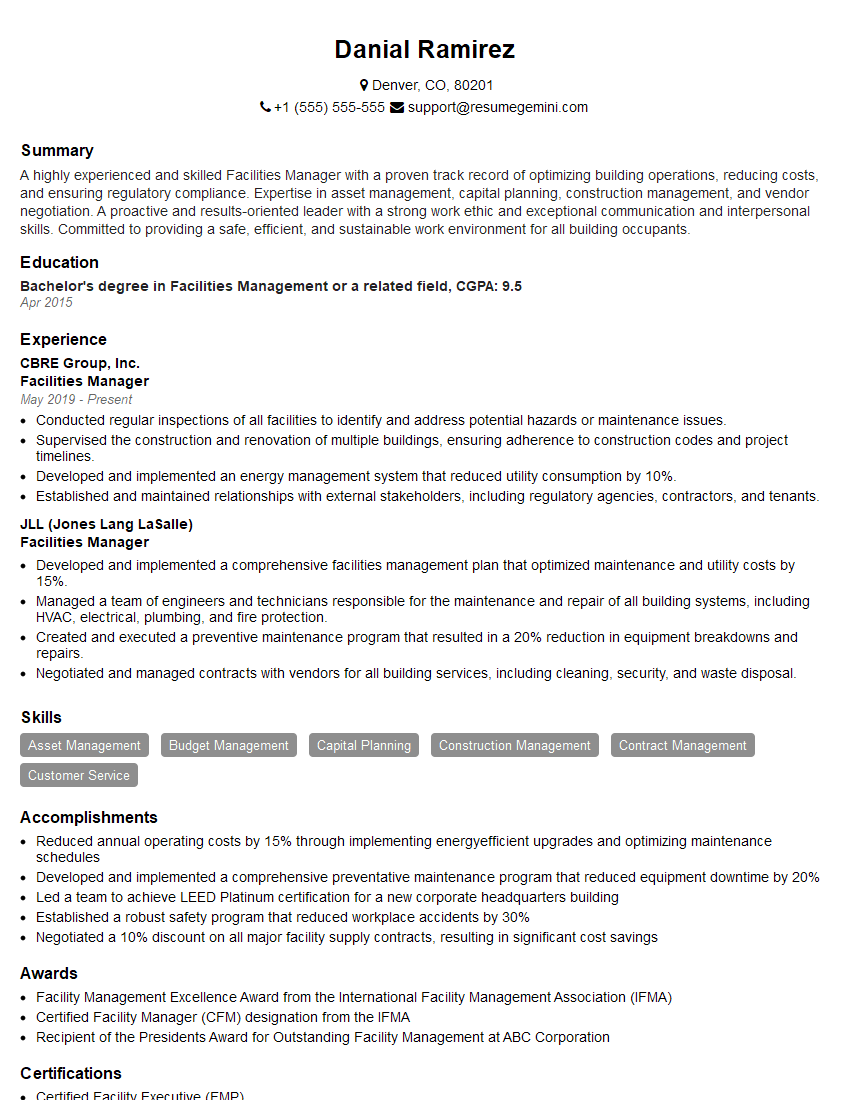
Facilities Manager Resume Sample
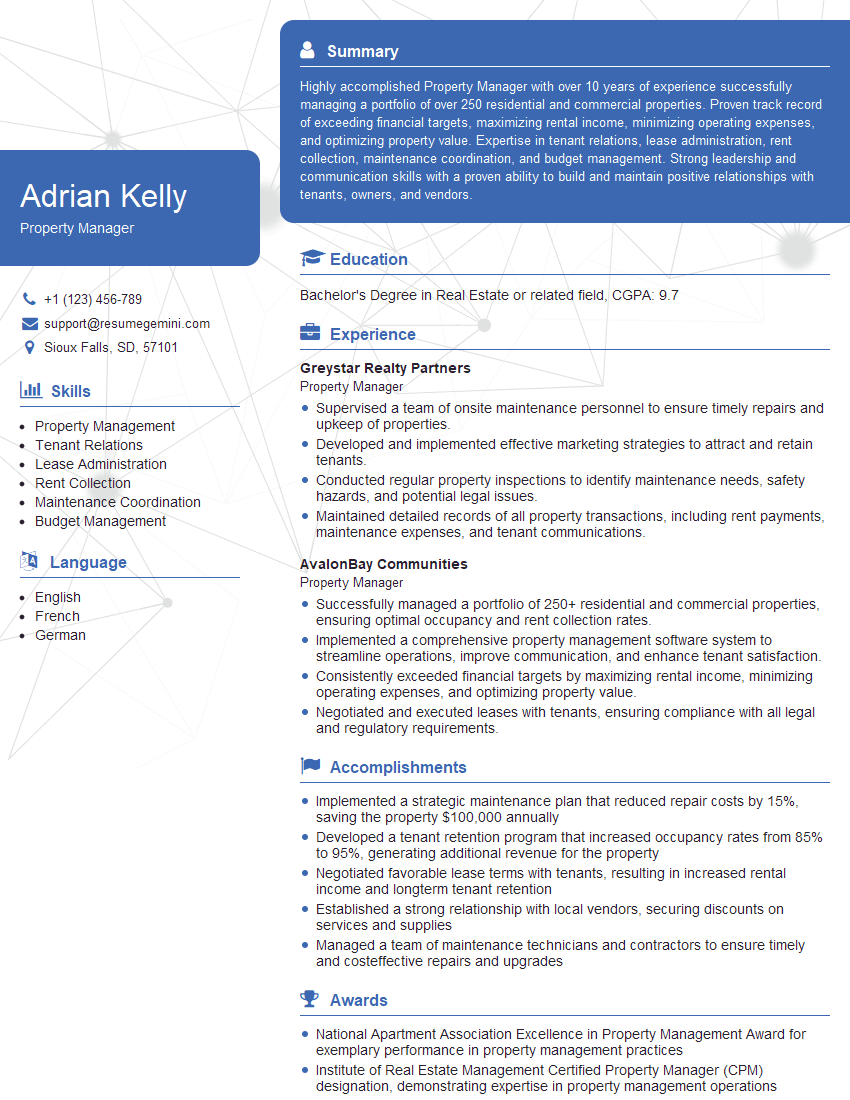
Property Manager Resume Sample
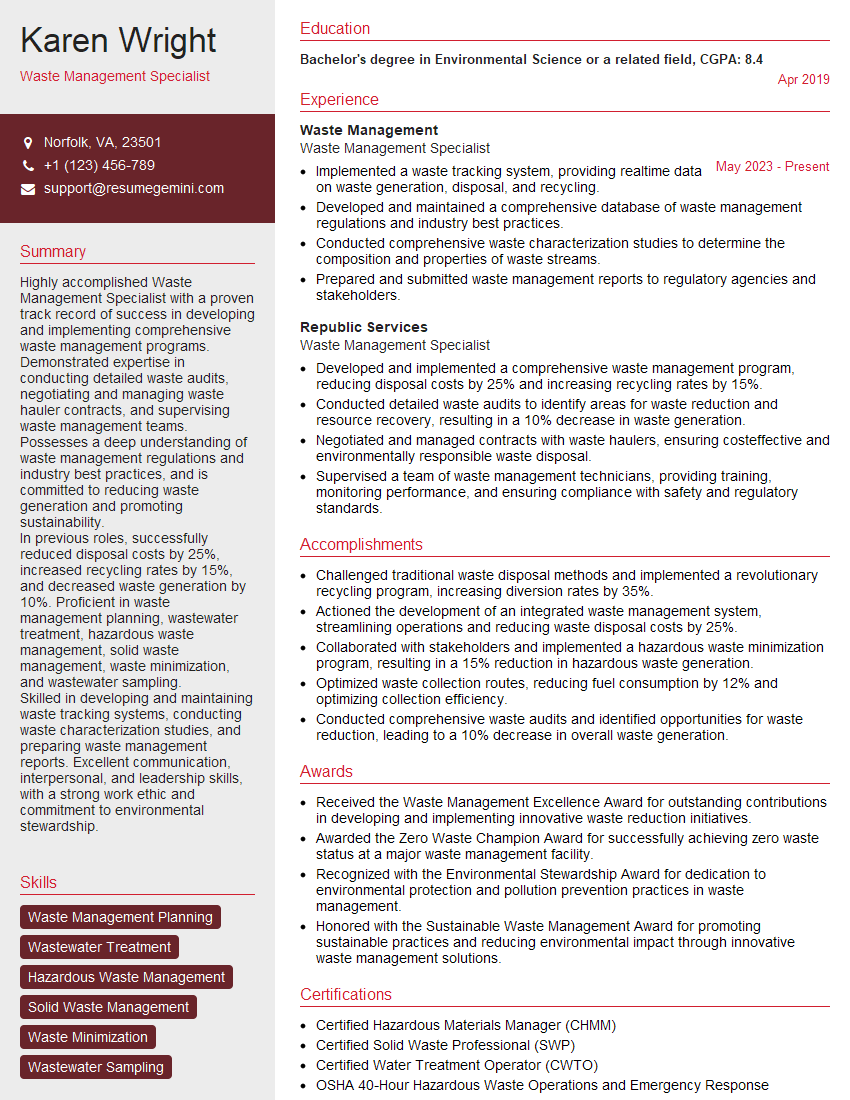
Waste Management Specialist Resume Sample
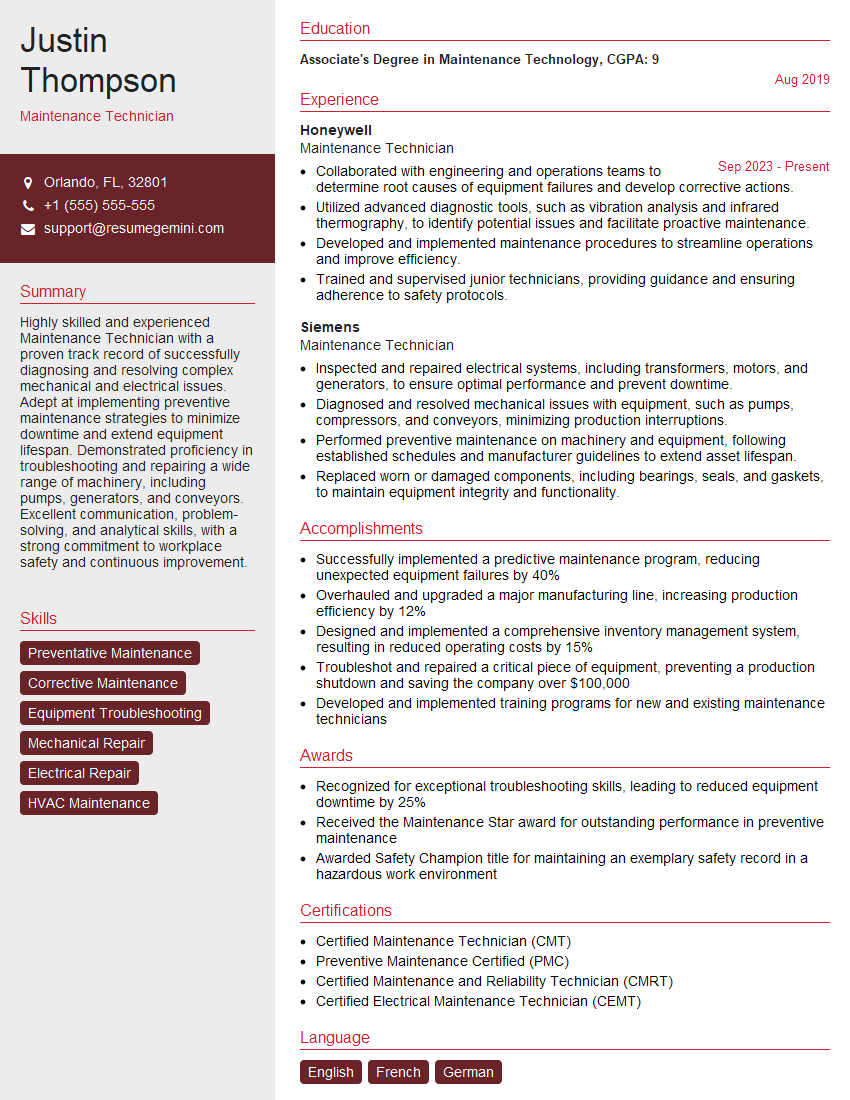
Maintenance Technician Resume Sample
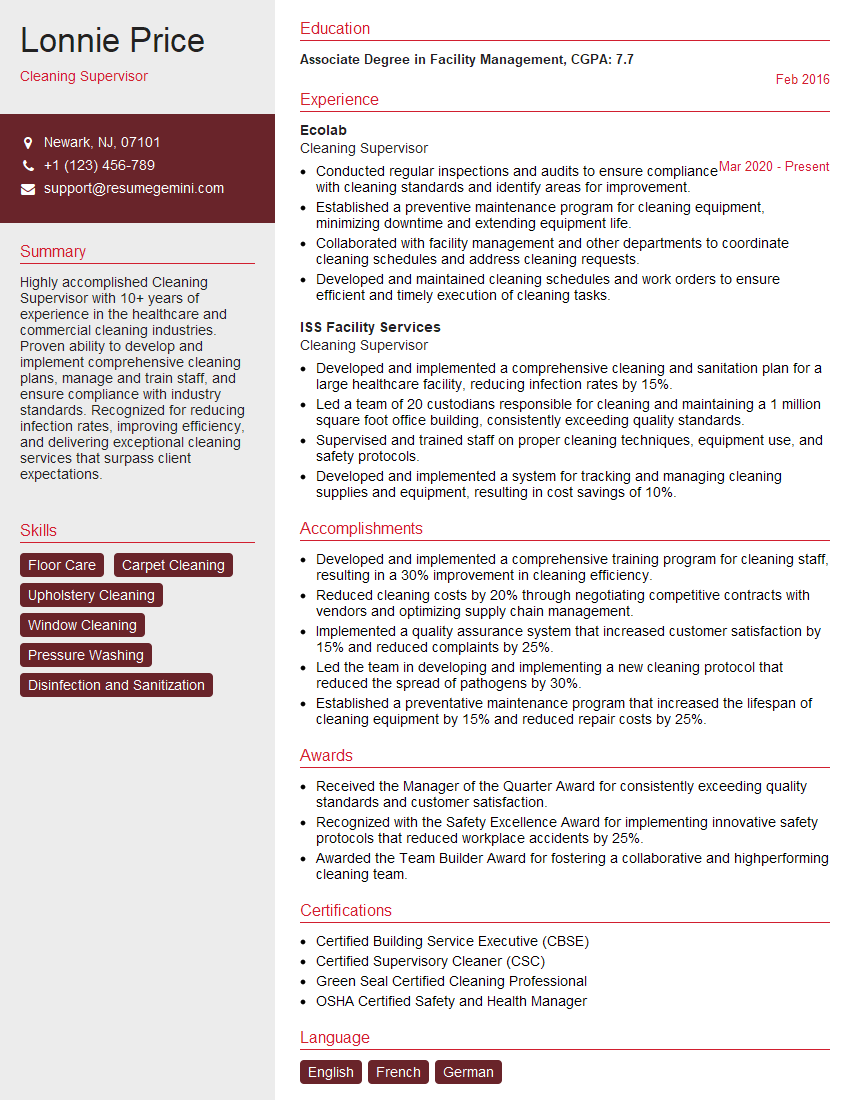
Cleaning Supervisor Resume Sample
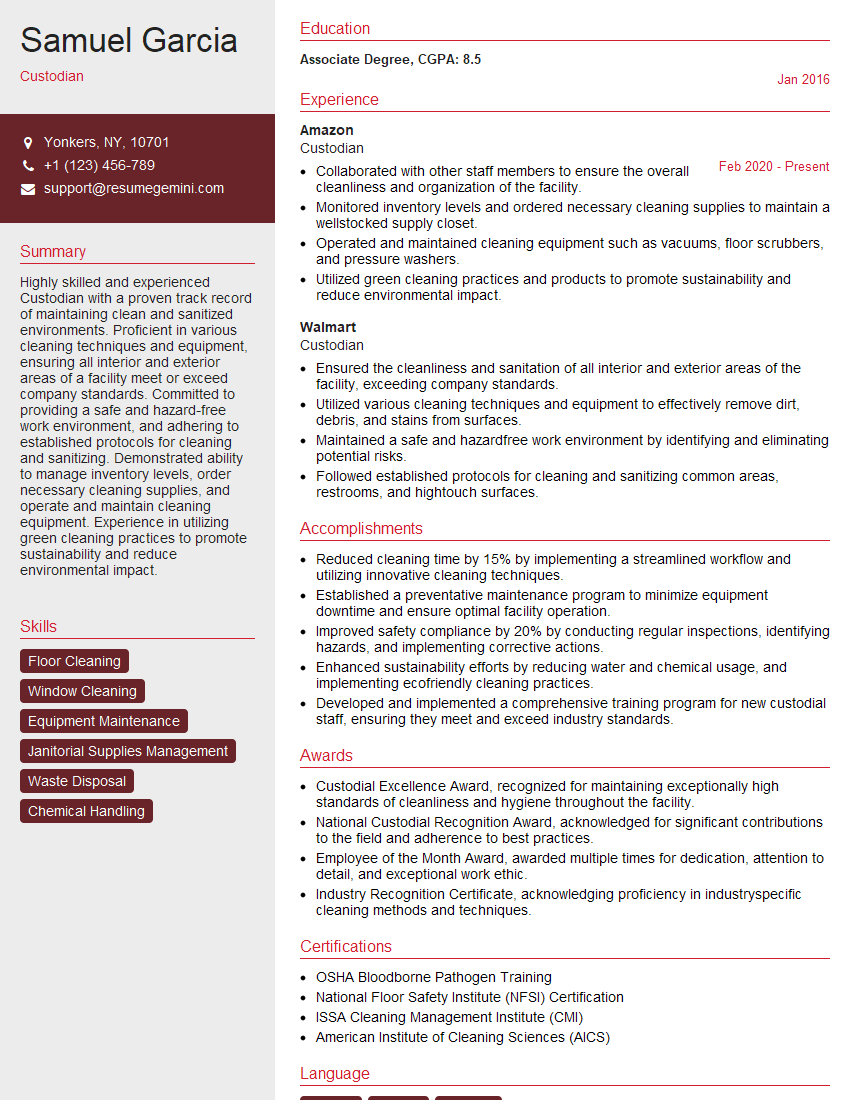
Custodian Resume Sample
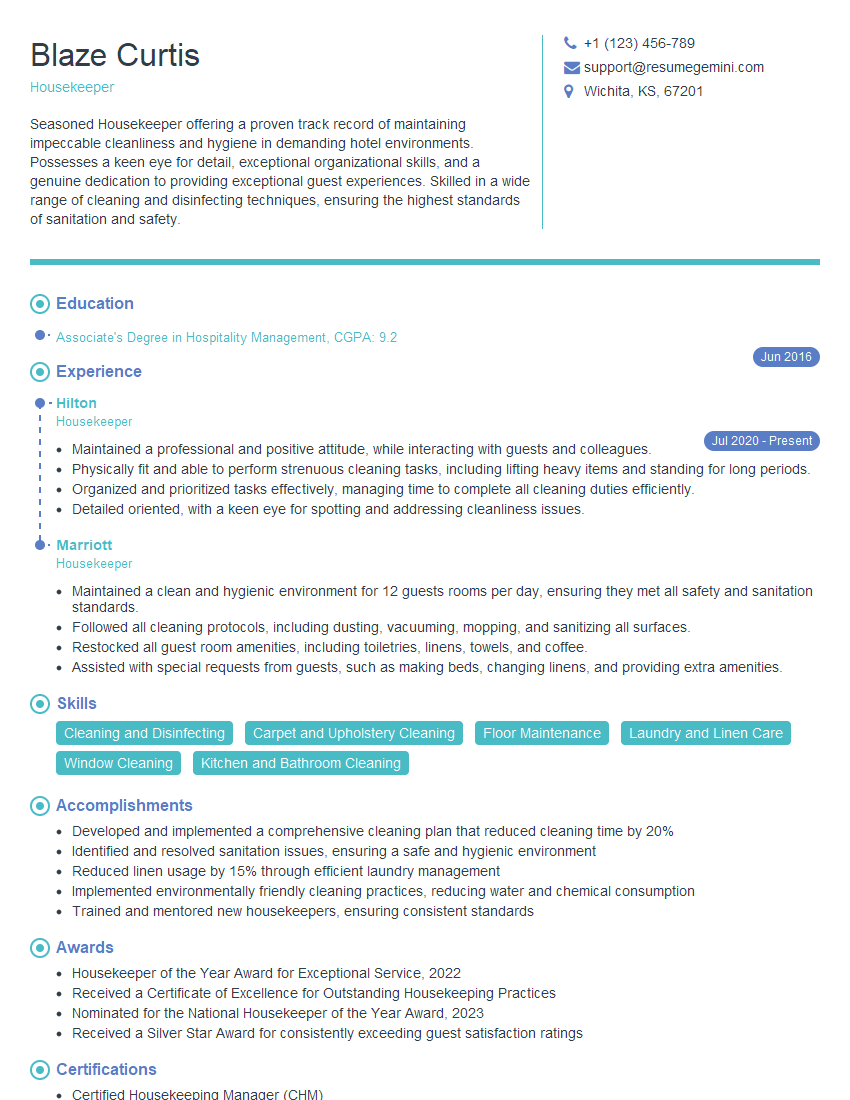
Housekeeper Resume Sample
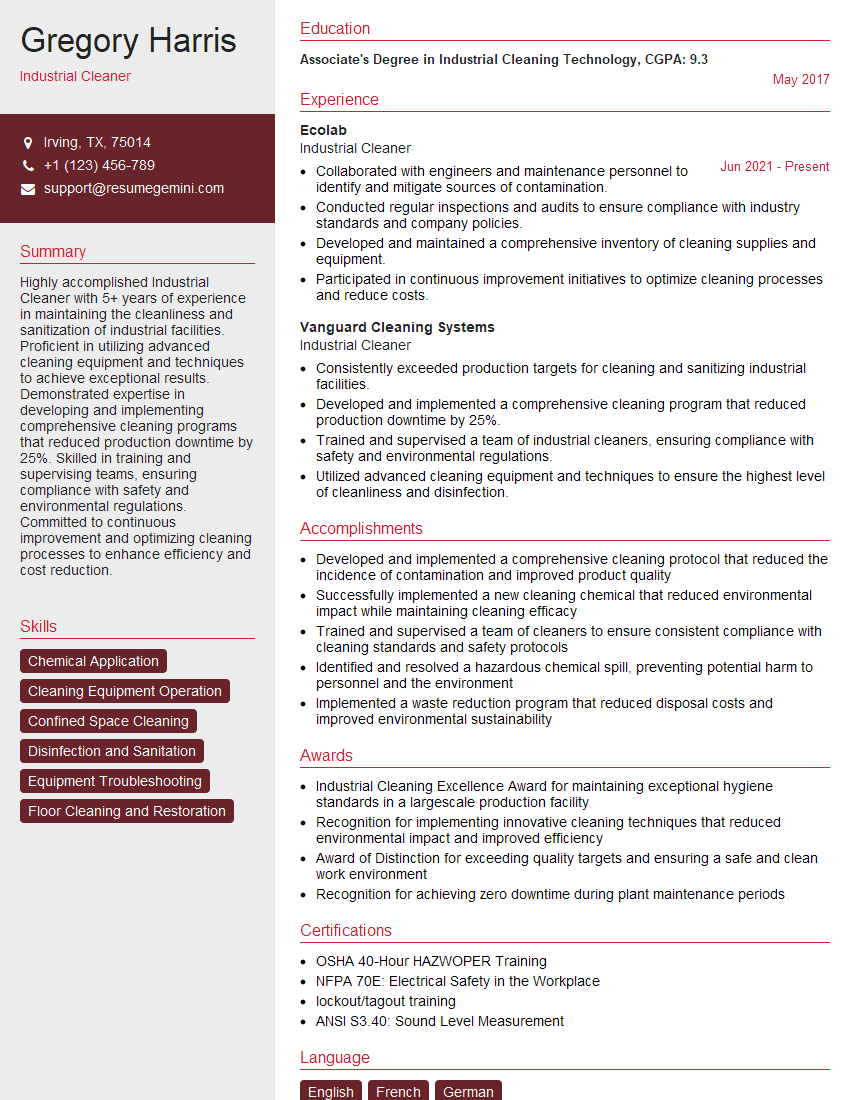
Industrial Cleaner Resume Sample
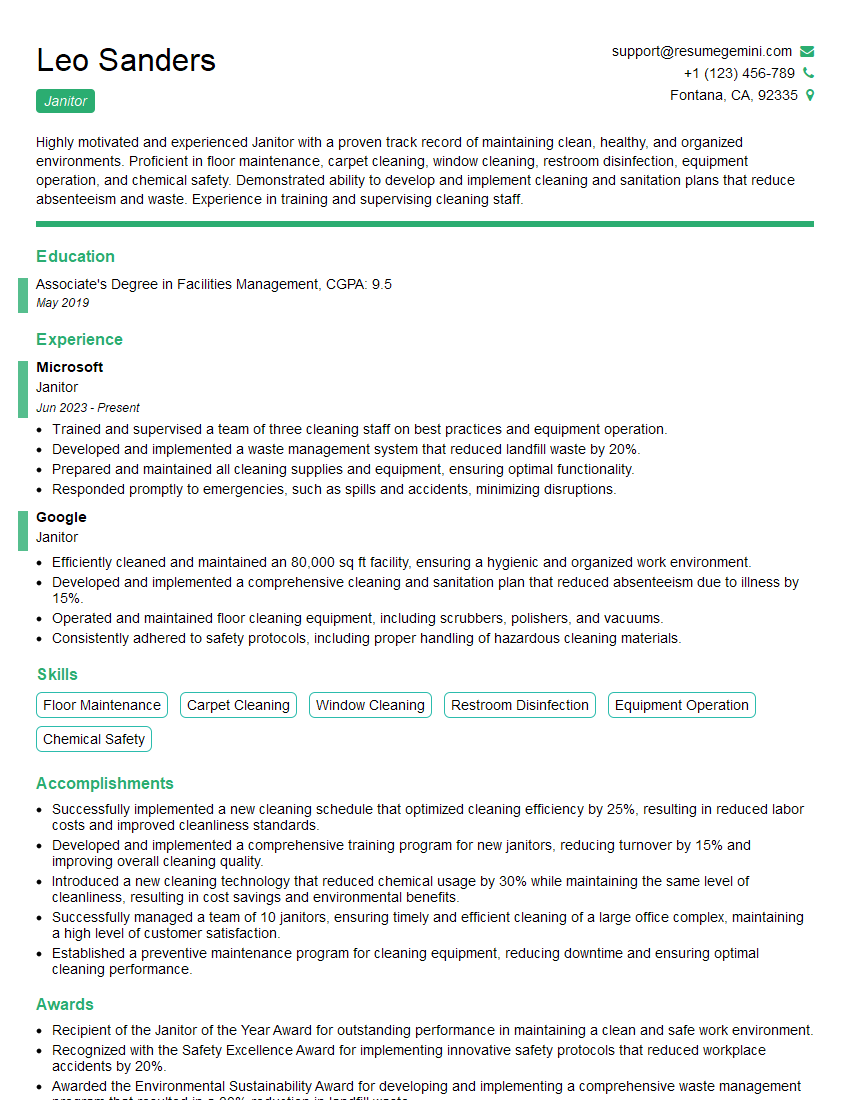
Janitor Resume Sample
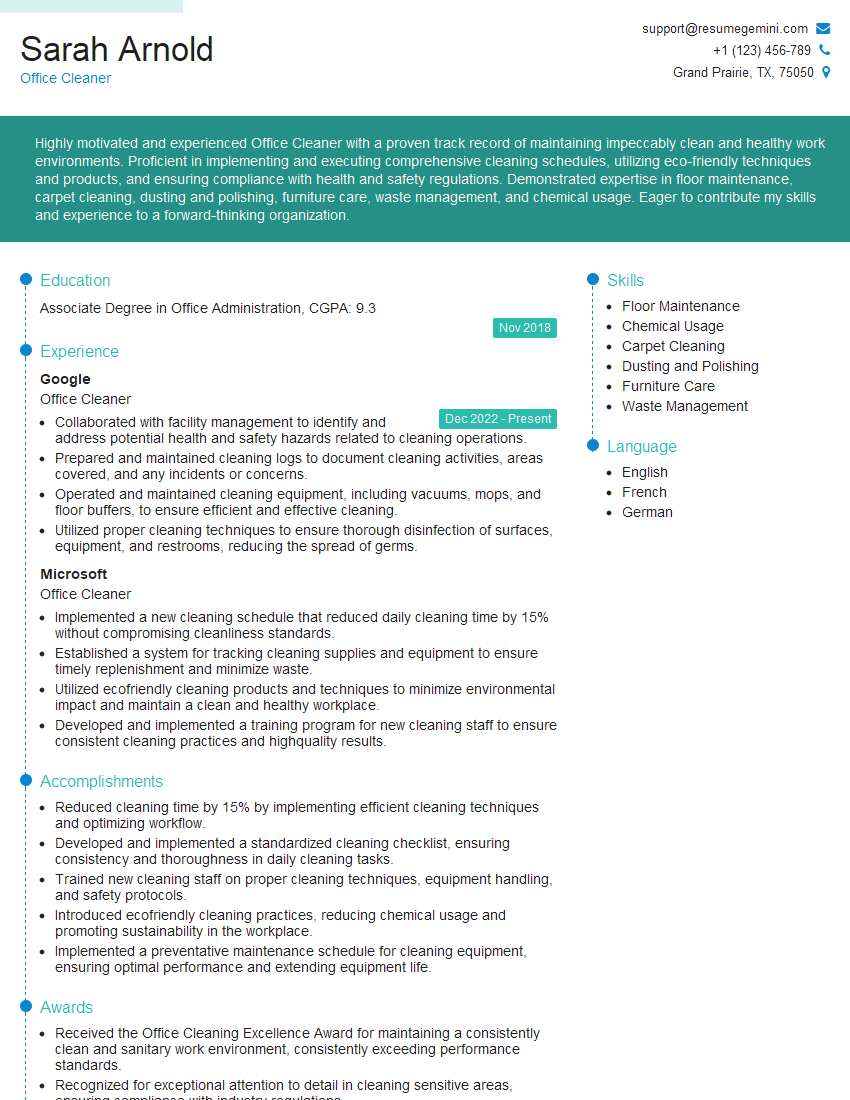
Office Cleaner Resume Sample
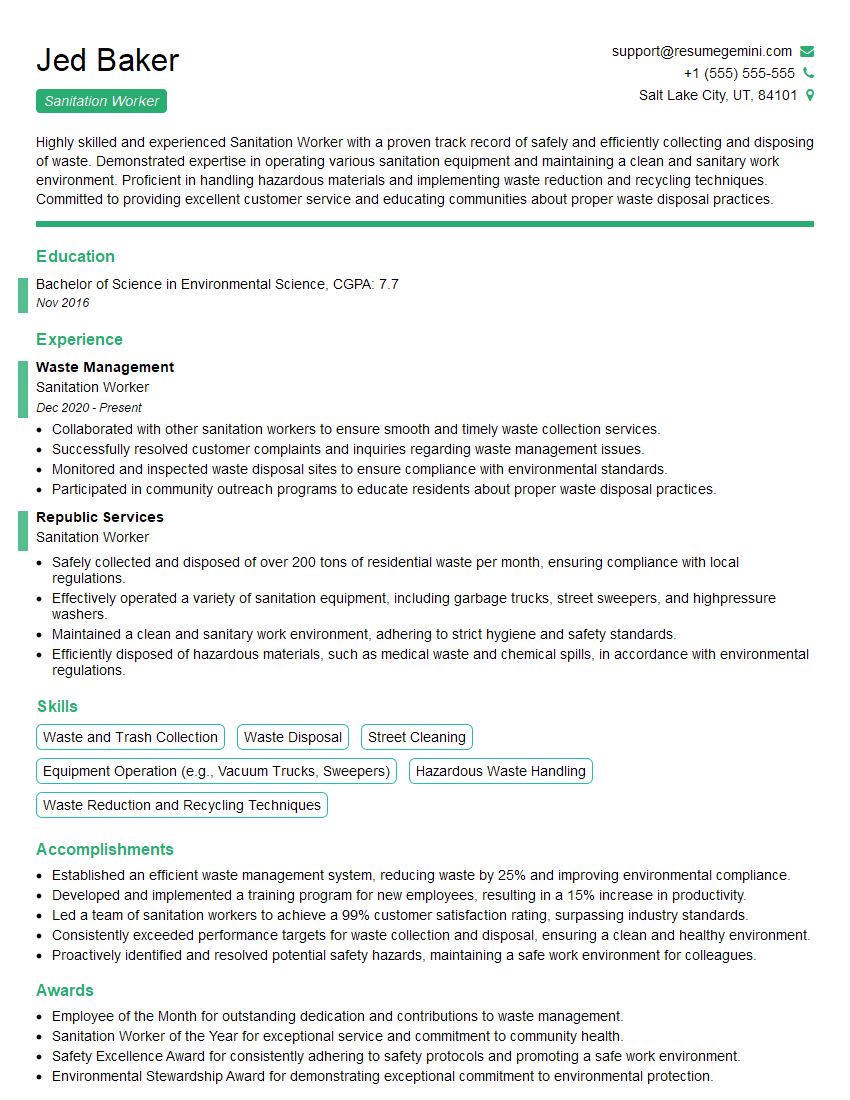
Sanitation Worker Resume Sample
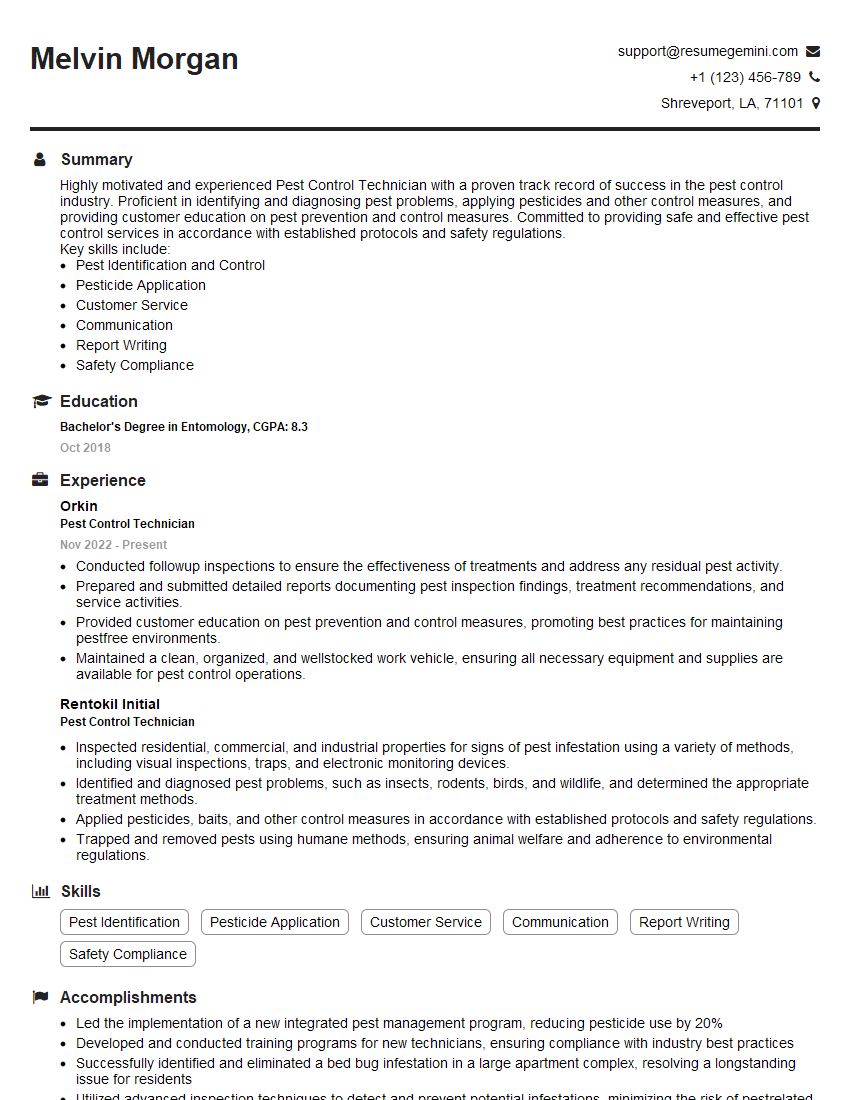
Pest Control Technician Resume Sample
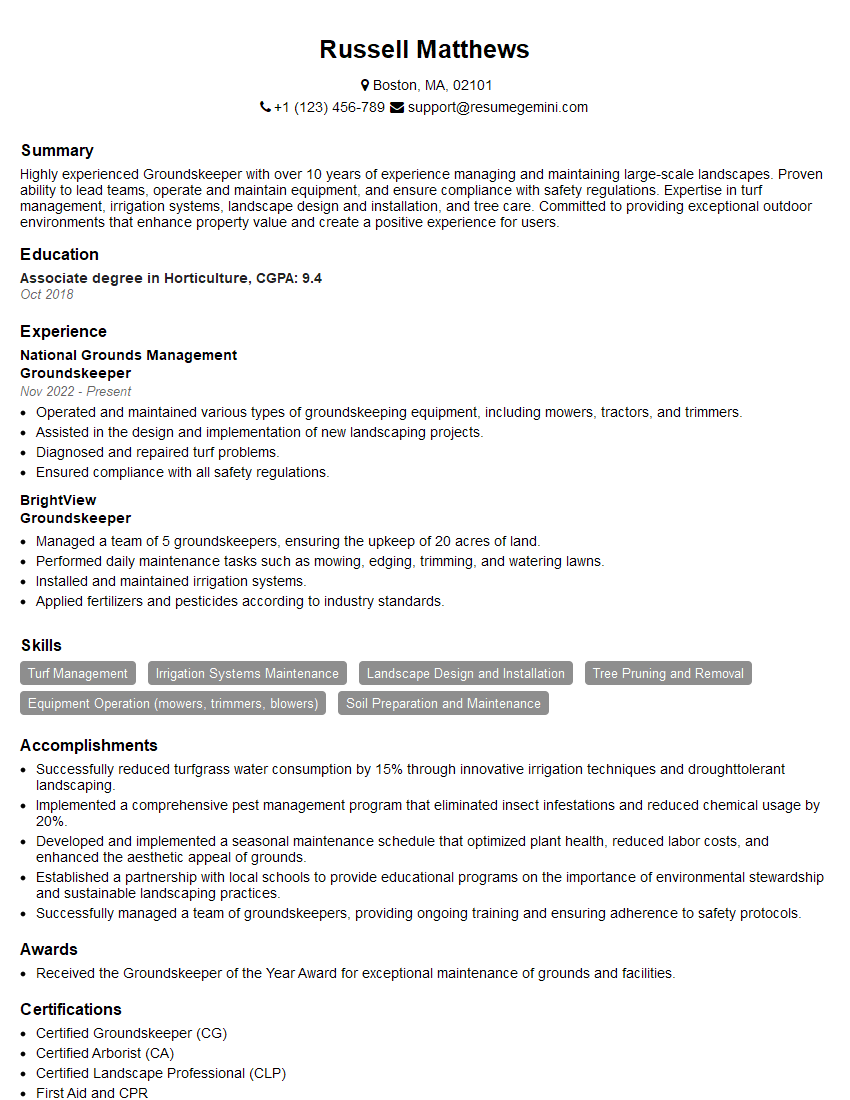
Groundskeeper Resume Sample
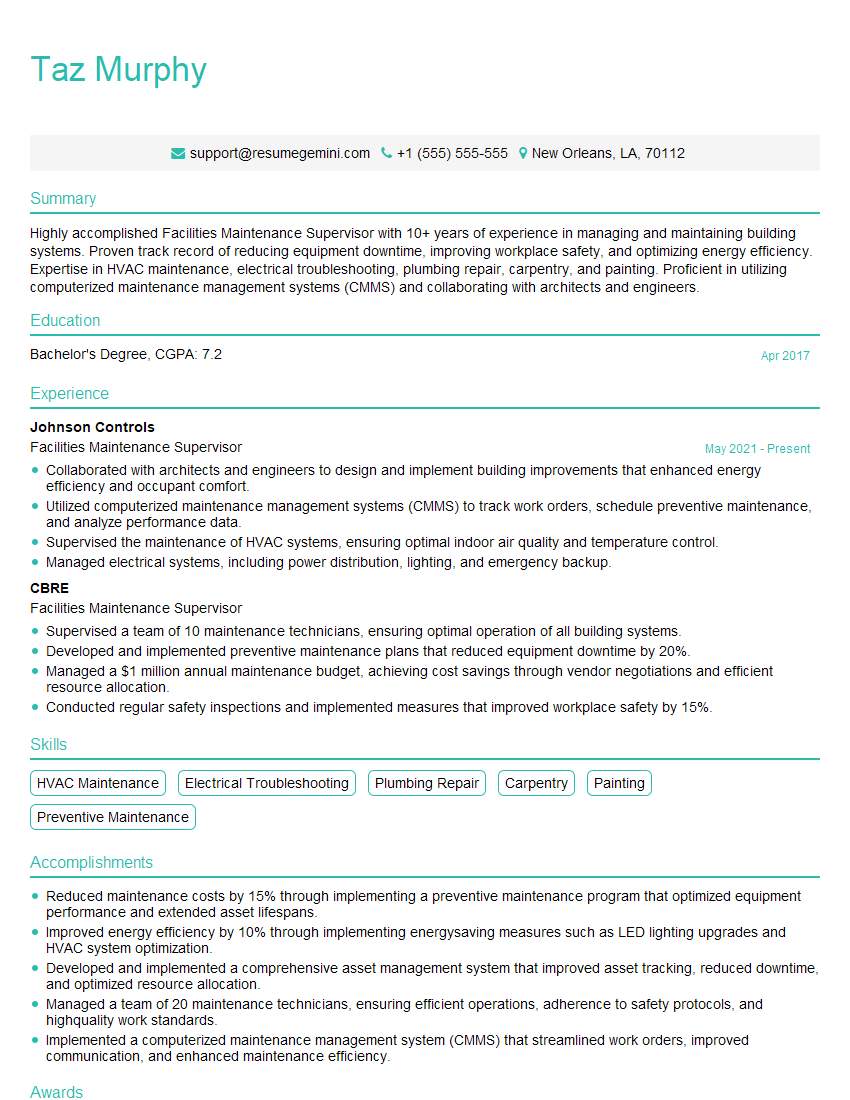
Facilities Maintenance Supervisor Resume Sample
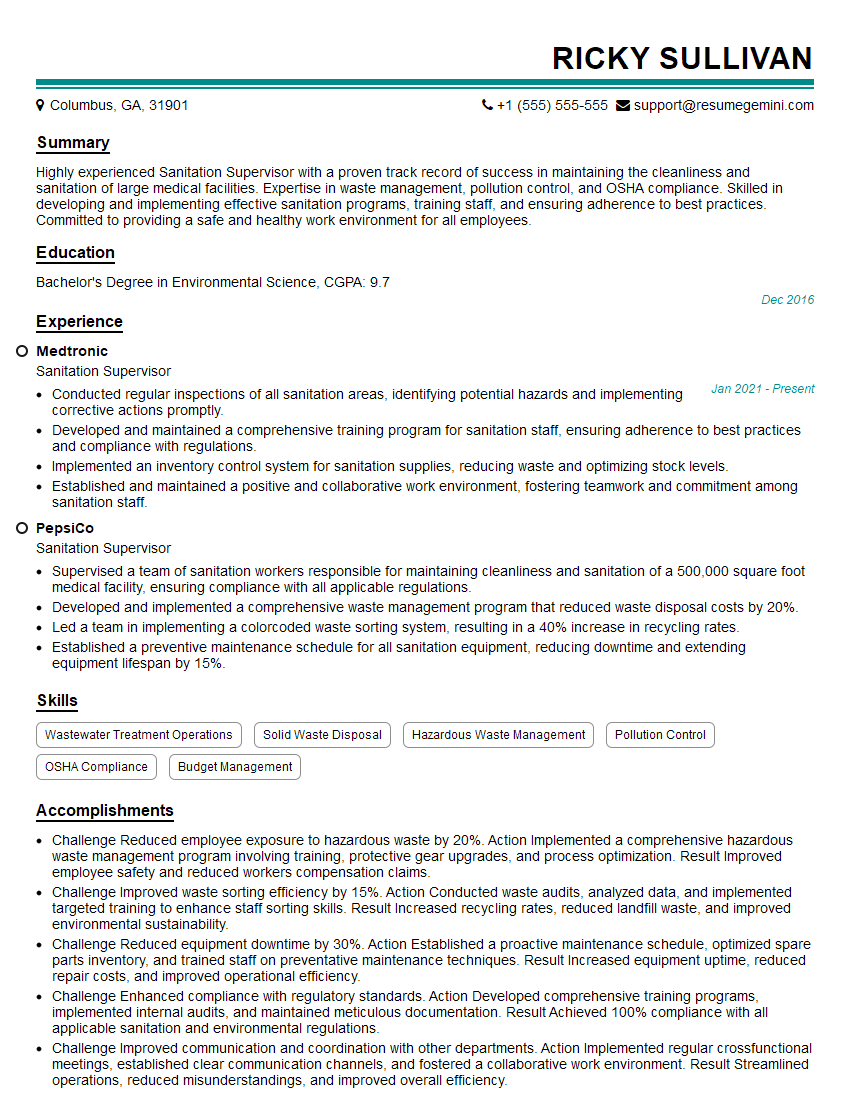
Sanitation Supervisor Resume Sample
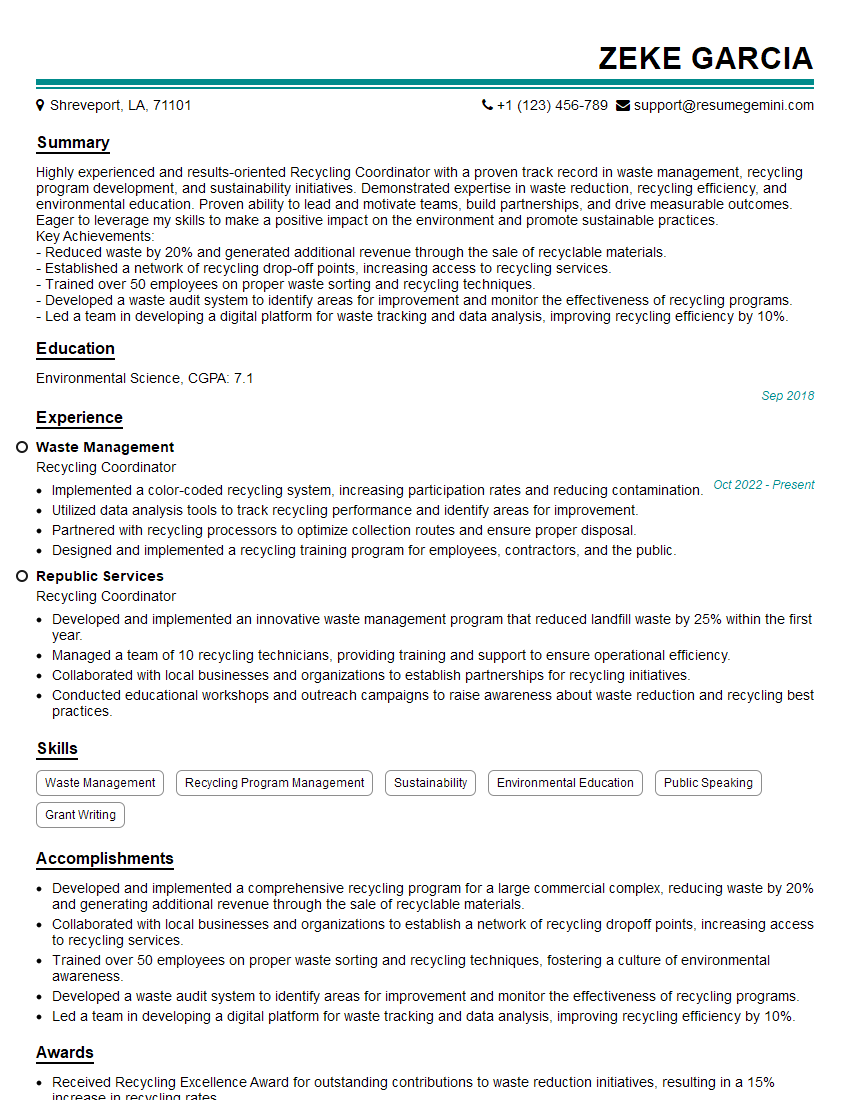
Recycling Coordinator Resume Sample
- Facilities Manager
- Property Manager
- Waste Management Specialist
- Maintenance Technician
- Cleaning Supervisor
- Custodian
- Housekeeper
- Industrial Cleaner
- Janitor
- Office Cleaner
- Sanitation Worker
- Pest Control Technician
- Groundskeeper
- Facilities Maintenance Supervisor
- Sanitation Supervisor
- Recycling Coordinator
Explore more articles
Users Rating of Our Blogs
Share Your Experience
We value your feedback! Please rate our content and share your thoughts (optional).
What Readers Say About Our Blog
Very informative content, great job.
good