The thought of an interview can be nerve-wracking, but the right preparation can make all the difference. Explore this comprehensive guide to Making adjustments to equipment interview questions and gain the confidence you need to showcase your abilities and secure the role.
Questions Asked in Making adjustments to equipment Interview
Q 1. Describe your experience calibrating precision instruments.
Calibrating precision instruments is crucial for ensuring accurate and reliable measurements. It involves adjusting the instrument to conform to a known standard, eliminating systematic errors. This process typically involves comparing the instrument’s readings against a traceable standard, identifying any deviations, and then making the necessary adjustments using specialized tools and techniques. For example, calibrating a digital caliper involves comparing its measurements against a calibrated gauge block of known dimensions. Any discrepancies are noted, and adjustments are made using the caliper’s internal calibration mechanism, if available, or via external adjustments to the instrument’s mechanical components. The entire process is meticulously documented to maintain a record of calibration history and ensure traceability.
In my experience, I’ve calibrated a wide range of instruments, including spectrophotometers (checking wavelength accuracy and absorbance), analytical balances (using certified weights), and pressure gauges (using calibrated pressure sources). The complexity of calibration varies depending on the instrument; some require simple adjustments while others necessitate a more involved procedure, potentially including software adjustments.
Q 2. Explain the process of troubleshooting malfunctioning equipment.
Troubleshooting malfunctioning equipment is a systematic process that begins with identifying the problem. This often involves observing the equipment, noting any error messages, unusual sounds, or irregular behavior. The next step is to gather information; this might include reviewing maintenance logs, consulting manuals, or speaking with colleagues. Once the problem is defined, a series of tests are conducted to isolate the root cause. This might involve checking connections, power supply, and individual components. If the problem isn’t easily identified, a more detailed investigation may be necessary, potentially involving specialized diagnostic tools or consulting external experts. After identifying the root cause, the appropriate repair or adjustment is made, followed by thorough testing to ensure the equipment is functioning correctly. Finally, all actions are meticulously documented.
For example, if a centrifuge is not spinning correctly, I would first check the power cord, circuit breaker, and any safety interlocks. If that doesn’t solve the issue, I’d then inspect the motor, drive belt, and internal components for any damage or wear. I might utilize a multimeter to check voltage and current to the motor, and perhaps a vibration sensor to diagnose any balance issues. Documentation throughout would be crucial, to track each step and the solution.
Q 3. How do you identify the root cause of equipment malfunctions?
Identifying the root cause of equipment malfunctions requires a methodical approach. It’s not enough to simply fix a symptom; the underlying problem needs to be addressed to prevent recurrence. I typically employ a structured troubleshooting process, often starting with a thorough visual inspection, followed by functional tests and checks on power, connections and known operational parameters. If the problem persists, I might use diagnostic tools such as multimeters, oscilloscopes, or specialized software to pinpoint the faulty component. I always refer to the equipment’s operating manual, schematics, and past maintenance records to help guide the process. It’s often a process of elimination, where each potential cause is systematically checked and ruled out until the root cause is identified. Documenting each step helps ensure a thorough investigation and prevents overlooking critical details.
Think of it like diagnosing a car problem. You wouldn’t just replace a tire because the car is making a noise; you would investigate where the noise is coming from, perhaps checking the brakes, the engine, or the suspension system before reaching a conclusion. Similarly, with equipment, a systematic approach ensures that the root cause is found, rather than just treating the symptoms.
Q 4. What safety precautions do you take when adjusting equipment?
Safety is paramount when adjusting or repairing equipment. Before starting any work, I always ensure the equipment is properly de-energized and locked out to prevent accidental start-up. I wear appropriate personal protective equipment (PPE), such as safety glasses, gloves, and protective clothing, as needed. I am familiar with the equipment’s safety features and operating procedures, and I strictly adhere to all relevant safety regulations and guidelines. I’m trained in recognizing and avoiding potential hazards, such as electrical shock, burns, or exposure to hazardous materials. Proper grounding and bonding procedures are followed where applicable. I often work in a designated safety area, ensuring the work environment is clean and free of obstructions. Additionally, I ensure proper ventilation if working with potentially harmful substances.
For example, before working on a high-voltage power supply, I would not only ensure the power is completely switched off, but also use a lockout/tagout system to physically prevent power from being restored accidentally. I would also use insulated tools to avoid electrical shock.
Q 5. Describe your experience with preventative maintenance.
Preventative maintenance is crucial for maximizing equipment lifespan and preventing unexpected downtime. It involves regularly inspecting, cleaning, and servicing equipment to identify and correct potential problems before they escalate. This can range from simple tasks like cleaning optical sensors and lubricating moving parts, to more complex procedures such as replacing worn components or recalibrating instruments. The frequency of preventative maintenance varies depending on the equipment’s usage, type, and manufacturer’s recommendations. I use checklists and scheduled maintenance programs to ensure all necessary tasks are completed at the appropriate intervals. Effective preventative maintenance often results in reduced repair costs, improved equipment reliability, and increased operational efficiency.
I’ve implemented and managed preventative maintenance programs for various types of equipment, including laboratory instruments, manufacturing machinery, and process control systems. For example, regularly cleaning and lubricating the moving parts of a precision milling machine prevents excessive wear and ensures accurate cutting operations. Similarly, regular calibration checks on analytical balances ensure the accuracy of measurements.
Q 6. How do you document equipment adjustments and maintenance?
Documentation is a cornerstone of effective equipment adjustment and maintenance. I maintain detailed records of all adjustments, repairs, and maintenance activities. This documentation typically includes the date, time, equipment identifier, description of the work performed, parts replaced, calibration data, and any relevant observations. I usually use a combination of electronic and paper-based systems to track this information. Electronic systems offer the advantage of easy searchability and data analysis. Paper-based records serve as a backup and can be useful in situations where electronic access is unavailable. All records are legible, accurate, and stored securely, ensuring that a complete history of the equipment’s maintenance and operational status is always readily available.
I often use specialized software or maintenance management systems to streamline the documentation process. These systems can automate tasks like scheduling preventative maintenance, generating reports, and tracking parts inventory. However, regardless of the system used, careful and accurate record keeping remains fundamental to ensuring equipment reliability and compliance with regulatory standards.
Q 7. What types of equipment have you adjusted or repaired?
Over my career, I’ve adjusted and repaired a wide variety of equipment. This includes precision instruments such as analytical balances, spectrophotometers, chromatographs, and microscopes, as well as more general equipment like pumps, compressors, centrifuges, and various types of machinery used in manufacturing and processing applications. I’ve also worked with control systems, including programmable logic controllers (PLCs) and industrial robots. My experience extends to both mechanical and electronic equipment. The specific tasks involved vary significantly depending on the equipment type, but the core principles of careful diagnosis, systematic repair, thorough testing, and meticulous documentation remain consistent across all my work.
This broad experience allows me to approach diverse equipment challenges with confidence, leveraging my knowledge and skills to effectively address any issues.
Q 8. How do you handle unexpected equipment failures?
Unexpected equipment failures require a calm, systematic approach. My first step is always safety – ensuring the equipment is powered down and secured if necessary to prevent further damage or injury. Then, I perform a preliminary assessment to identify the nature of the failure. This often involves checking for obvious signs of damage, reviewing recent operational logs, and consulting the equipment’s manual. I then prioritize the issue based on its impact on production or operations. Is it a complete shutdown, or a minor issue? Next, I start troubleshooting, using a combination of diagnostic tools, my knowledge of the equipment, and established troubleshooting procedures. This might involve checking wiring, connections, sensors, or software components. If the issue is beyond my immediate expertise, I don’t hesitate to escalate to a more senior technician or engineer. Finally, once the problem is resolved, I document the failure, the troubleshooting steps, and the solution. This documentation is crucial for preventative maintenance and avoiding future recurrences.
For example, I once encountered an unexpected shutdown of a precision milling machine. Initial inspection revealed no obvious damage. However, reviewing the operational logs showed a spike in current draw just before the failure. This led me to investigate the motor and its control circuitry, ultimately discovering a faulty capacitor that needed replacing.
Q 9. Describe your experience with different types of adjustment tools.
My experience encompasses a wide range of adjustment tools, from simple hand tools like screwdrivers and wrenches to specialized equipment such as micrometers, dial indicators, and laser alignment systems. I’m proficient with torque wrenches for precise tightening, ensuring components aren’t over- or under-stressed. I understand the importance of using the right tool for the job – using the wrong tool can lead to damage, inaccurate adjustments, and safety hazards. For example, a precision adjustment might require a micrometer for extremely fine adjustments, while a coarser adjustment might only need a wrench. I’m also familiar with digital readout tools that provide more accurate measurements and reduce the chances of human error. My experience also extends to using specialized software for adjusting and calibrating electronic components and systems.
For instance, during the calibration of a spectrometer, I used a micrometer to adjust the grating angle to extremely fine tolerances ensuring wavelength accuracy.
Q 10. Explain your understanding of tolerances and specifications.
Tolerances and specifications are crucial for ensuring equipment operates within acceptable parameters. Tolerances define the permissible variation from a nominal value. Specifications define the required characteristics or performance levels of a component or system. Understanding both is vital for making accurate adjustments. For example, a tolerance of ±0.01mm on a shaft diameter means the diameter can vary between 9.99mm and 10.01mm without impacting functionality. Specifications might dictate the maximum allowable vibration level of a machine or the accuracy of a measurement instrument. Ignoring tolerances and specifications can lead to equipment malfunction, reduced performance, or even safety hazards. I always carefully review the relevant documentation before performing any adjustments, ensuring that my adjustments fall within the defined parameters.
For example, in assembling a complex optical system, each lens needs to be positioned within extremely tight tolerances (e.g., micrometers). Deviating from these specifications would severely affect the system’s image quality.
Q 11. How do you ensure accuracy and precision during adjustments?
Accuracy and precision are paramount in equipment adjustments. I achieve this through a combination of careful measurement, the use of appropriate tools, and a methodical approach. Before making any adjustments, I always take baseline measurements using precision instruments like dial indicators or micrometers. I then make incremental adjustments, carefully measuring the results after each step. This iterative process allows for fine-tuning and minimizes the risk of over-correction. I also use appropriate clamping and support mechanisms to prevent accidental movement or damage during adjustments. Regular calibration of my tools is vital to maintain accuracy. I meticulously document all measurements and adjustments, creating a record of the process for future reference.
For instance, when aligning a robotic arm, I utilized a laser alignment system to precisely position each joint, meticulously checking the readings and making minor adjustments until the desired accuracy was achieved.
Q 12. What are some common causes of equipment misalignment?
Equipment misalignment can stem from various sources. Wear and tear on moving parts, such as bearings or gears, is a common culprit. Improper installation or assembly can also lead to misalignment, as can external forces like vibrations or impacts. Environmental factors such as temperature fluctuations or humidity can cause expansion and contraction of components, leading to misalignment over time. Finally, manufacturing defects or damage can also contribute to the problem. Identifying the root cause is crucial for effective correction. A systematic approach, involving visual inspection, vibration analysis, and possibly advanced diagnostics, is typically necessary.
For instance, I once found a conveyor belt misaligned due to wear on the rollers supporting the belt. Replacing the worn rollers corrected the misalignment.
Q 13. How do you prioritize equipment repairs and adjustments?
Prioritizing equipment repairs and adjustments involves considering several factors. The severity of the issue (e.g., complete shutdown versus minor performance degradation) is a major factor. The potential impact on production or operations, and the associated costs of downtime, also plays a key role. Safety hazards must be addressed immediately. Finally, the urgency of the repair or adjustment, and the availability of resources such as parts and personnel, are also important considerations. A structured approach, perhaps using a weighted scoring system or a prioritization matrix, can be helpful in managing multiple competing demands.
For instance, a critical machine failure causing complete production stoppage would always take precedence over a minor adjustment that only slightly impacts efficiency.
Q 14. Describe a time you had to troubleshoot a complex equipment issue.
I once faced a complex issue with a high-precision CNC machine that was producing parts outside of specifications. The initial troubleshooting involved checking the machine’s programming, tooling, and the workpiece material. However, the problem persisted. This led me to conduct a more thorough investigation. I checked the machine’s mechanical alignment, paying close attention to the slides and bearings. Using a laser interferometer, I discovered minute inaccuracies in the linear motion of the machine’s X-axis. This required a more significant intervention. I carefully documented my findings, consulted the manufacturer’s documentation, and worked with a specialist to perform precise adjustments and recalibrations. The issue was eventually traced to slight wear on a crucial bearing. After its replacement and the recalibration, the machine resumed producing parts within specifications.
Q 15. How do you stay up-to-date with new equipment technologies?
Staying current in the rapidly evolving world of equipment technology requires a multi-pronged approach. I actively participate in industry conferences and webinars, attending sessions focused on the latest advancements and best practices. This allows me to network with other professionals and learn about cutting-edge technologies directly from the experts. Beyond conferences, I subscribe to several reputable trade publications and online journals, ensuring I’m regularly exposed to new research and product releases. Finally, I dedicate time to online learning platforms, completing courses and tutorials on emerging equipment technologies. This continuous learning keeps my skills sharp and ensures I remain proficient in handling the latest machinery.
For example, recently I completed a course on the latest advancements in robotic welding, learning about new sensor technologies that allow for increased precision and automation. This directly impacted my ability to troubleshoot and optimize a similar robotic system at my previous workplace.
Career Expert Tips:
- Ace those interviews! Prepare effectively by reviewing the Top 50 Most Common Interview Questions on ResumeGemini.
- Navigate your job search with confidence! Explore a wide range of Career Tips on ResumeGemini. Learn about common challenges and recommendations to overcome them.
- Craft the perfect resume! Master the Art of Resume Writing with ResumeGemini’s guide. Showcase your unique qualifications and achievements effectively.
- Don’t miss out on holiday savings! Build your dream resume with ResumeGemini’s ATS optimized templates.
Q 16. What software or tools do you use to diagnose equipment problems?
Diagnosing equipment problems requires a combination of sophisticated software and specialized tools. For example, when dealing with programmable logic controllers (PLCs), I utilize software like RSLogix 5000 or similar platforms to monitor real-time data, identify fault codes, and debug the control program. These programs allow me to visualize the PLC’s operation, trace signals, and pinpoint issues within the logic. Beyond software, I frequently use multimeters to measure voltage, current, and resistance, and oscilloscopes to analyze signal waveforms. This helps determine if there are electrical faults. For more specialized applications, I might employ thermal imaging cameras to detect overheating components, or vibration analyzers to diagnose mechanical issues. Ultimately, the specific software and tools employed depend on the type of equipment and the nature of the problem.
Q 17. Explain your understanding of different types of sensors and transducers.
Sensors and transducers are crucial for collecting data from equipment, providing valuable insights into its operation. Sensors directly measure physical phenomena like temperature, pressure, or flow rate, while transducers convert these measurements into electrical signals that can be processed by a control system. Let’s take a look at some examples:
- Temperature Sensors: Thermocouples, RTDs (Resistance Temperature Detectors), and thermistors are common examples, each with its own advantages and applications. For instance, thermocouples are robust and handle high temperatures, while RTDs offer high accuracy.
- Pressure Sensors: Piezoresistive, capacitive, and strain gauge pressure sensors are widely used, depending on factors like pressure range and accuracy requirements. I’ve used piezoresistive sensors in hydraulic systems, where their ability to measure high pressures precisely is essential.
- Flow Sensors: These measure the rate of fluid flow. Examples include ultrasonic flow meters (non-invasive) and differential pressure flow meters. The selection depends on factors like the fluid type and the desired accuracy.
Understanding the principles of operation, limitations, and calibration procedures for various sensors is critical for accurate diagnosis and problem-solving. Choosing the right sensor for a given application is key to obtaining reliable and meaningful data.
Q 18. How do you interpret technical manuals and schematics?
Technical manuals and schematics are essentially the roadmaps for understanding and working with equipment. My approach to interpreting these documents is systematic. I begin by reviewing the overall system description and functional specifications to gain a high-level understanding. Then, I meticulously examine schematics, following signal paths and identifying component interconnections. This step-by-step analysis is critical for understanding the flow of information and energy within the system. I pay close attention to component designations, reference designators, and any annotations provided. For complex systems, I often create annotated versions of the schematics to highlight key elements and facilitate my understanding. Finally, the technical manual provides valuable supporting information such as safety precautions, troubleshooting guidelines, and detailed component specifications. The combination of schematic diagrams and detailed manuals provides a comprehensive guide for effective equipment maintenance and repair.
For instance, when troubleshooting a malfunctioning control system, I would cross-reference the schematic with the fault codes reported by the PLC to pinpoint the exact location of the issue.
Q 19. Describe your experience working with automated equipment.
My experience with automated equipment is extensive, encompassing both troubleshooting and optimization. I have worked with robotic systems used in manufacturing, automated material handling systems, and computer-controlled machining centers. This work has involved everything from routine maintenance and preventative measures to complex fault diagnosis and system upgrades. One project I am particularly proud of involved optimizing a robotic palletizing system. By analyzing the system’s performance data, I identified inefficiencies in the robot’s movements and made adjustments to the PLC program, resulting in a 15% increase in throughput. This experience has given me a thorough understanding of PLC programming, robotic control systems, and sensor integration within automated systems. My approach emphasizes a thorough understanding of the system’s logic and the identification of bottlenecks or areas for improvement. I prioritize safety and efficiency in my work with automated equipment.
Q 20. How do you ensure the safety of others when working with equipment?
Safety is paramount when working with equipment. My approach is based on a proactive and layered safety philosophy. This starts with a thorough risk assessment before undertaking any work, identifying potential hazards and implementing appropriate control measures. This often involves using lockout/tagout procedures to prevent accidental energization of equipment during maintenance. I always wear appropriate personal protective equipment (PPE), including safety glasses, gloves, and hearing protection, as necessary. Furthermore, I maintain a clean and organized workspace, minimizing trip hazards and ensuring that tools are stored properly. Beyond personal safety, I also ensure the safety of others by establishing clear communication protocols, warning others of potential hazards, and ensuring that work areas are properly secured. Regular safety training and adherence to company safety procedures are also integral parts of my safety practices.
For instance, before working on any electrical equipment, I would ensure a proper lockout/tagout procedure was in place, verifying that the power is indeed off before proceeding with the task.
Q 21. Explain your experience with hydraulic or pneumatic systems.
I possess significant experience working with both hydraulic and pneumatic systems. Hydraulic systems utilize pressurized liquids to transmit power, while pneumatic systems employ compressed air. Both systems are extensively used in various industrial applications, from heavy machinery to automated processes. My experience includes troubleshooting leaks, diagnosing malfunctions in pumps and valves, and performing preventative maintenance. In hydraulic systems, I’m familiar with the principles of fluid dynamics, pressure regulation, and the importance of fluid cleanliness. In pneumatic systems, I understand the principles of air compression, pressure regulation, and the use of actuators and valves. I’ve worked on systems ranging from simple pneumatic cylinders to complex hydraulic control systems in heavy equipment. My approach to these systems emphasizes careful analysis, systematic troubleshooting, and the proper use of specialized tools. For example, in diagnosing a hydraulic leak, I would use pressure gauges to isolate the source and determine the severity of the issue.
Q 22. Describe your experience with electrical troubleshooting.
Electrical troubleshooting involves systematically identifying and resolving issues in electrical systems. My experience spans various scenarios, from simple circuit malfunctions to complex control system problems. I utilize a methodical approach, starting with a thorough visual inspection to check for obvious problems like loose connections, damaged wires, or blown fuses. Then, I employ testing instruments like multimeters and oscilloscopes to measure voltage, current, and resistance, comparing readings to specifications to pinpoint the fault. For instance, in troubleshooting a malfunctioning motor, I might check the power supply, the motor windings for shorts or opens, and the control circuitry for faulty components. I’m also proficient in interpreting schematics and wiring diagrams, which are essential for understanding the system’s architecture and tracing signals. My experience also includes working with programmable logic controllers (PLCs) and troubleshooting their programming.
I believe effective troubleshooting is about more than just fixing the immediate problem; it’s about understanding the root cause to prevent recurrence. This requires a strong understanding of electrical theory and a systematic approach to problem-solving. I’m adept at identifying the specific faulty component, but equally important is analyzing the conditions that led to the failure to implement preventative measures.
Q 23. How do you maintain accurate records of equipment adjustments?
Maintaining accurate records of equipment adjustments is crucial for traceability, accountability, and future maintenance. I utilize a combination of digital and physical methods to ensure comprehensive documentation. This includes using a computerized maintenance management system (CMMS) to log all adjustments, including the date, time, equipment ID, nature of the adjustment, the parts used (if any), and the results of the adjustment. The CMMS allows for easy retrieval and analysis of this data. I also often create and maintain physical work orders with detailed descriptions, and I supplement this by taking clear photos or videos to document the before-and-after states of equipment components. For specialized equipment, I make sure to include the serial numbers of replaced parts. This meticulous record-keeping facilitates tracking of equipment performance, identifying recurring issues, and improving future maintenance procedures. Using a standard format ensures consistency and ease of access for others involved in the maintenance.
Q 24. How do you communicate technical information to non-technical audiences?
Communicating technical information to non-technical audiences requires clear, concise, and relatable language. I avoid using jargon and technical terms whenever possible, opting instead for plain English explanations. Visual aids, such as diagrams, charts, and even simple sketches, are invaluable tools. For example, rather than saying “The PLC’s PID loop is experiencing oscillations,” I might explain that “The machine’s temperature is fluctuating wildly, like a rollercoaster, because the control system isn’t working properly.” I also use analogies to illustrate complex concepts, making them easier to understand. A good example would be to compare the flow of electricity in a circuit to the flow of water in pipes. By breaking down complex concepts into smaller, simpler parts and using engaging examples, I ensure clear understanding and facilitate collaboration across various levels of technical expertise.
Q 25. What is your approach to continuous improvement in equipment maintenance?
Continuous improvement in equipment maintenance is a key aspect of ensuring operational efficiency and reducing downtime. My approach involves a cycle of analyzing past maintenance data, identifying trends, and implementing proactive measures to prevent future issues. This includes regularly reviewing CMMS data to identify recurring problems or equipment that consistently requires attention. For instance, if a specific component frequently fails, I would investigate potential causes, such as environmental factors, usage patterns, or design flaws. This analysis then informs decisions about preventative maintenance schedules, upgrades, or replacement strategies. I also actively seek feedback from operators to understand their experiences and identify potential problems before they become major issues. Regular training and attending industry workshops allow me to stay current with the latest technologies and best practices in maintenance, leading to continuous refinement of our methods.
Q 26. Describe a time you identified a potential equipment failure before it occurred.
During a routine inspection of a critical compressor, I noticed a slight vibration in one of the bearings, which wasn’t present during the previous inspection. While the compressor was still functioning, this unusual vibration was indicative of potential bearing wear and tear. Had this been ignored, it could have led to a catastrophic failure, resulting in significant downtime and potential damage to the connected systems. I immediately documented my findings, including a video of the vibration, and alerted the maintenance supervisor. A subsequent detailed inspection confirmed my suspicion; the bearing showed signs of significant wear. We were able to replace it proactively, preventing a potentially costly and disruptive breakdown. This situation highlights the importance of attentive inspections and the ability to interpret subtle indications of impending failures.
Q 27. How do you handle conflicting priorities in equipment maintenance?
Conflicting priorities in equipment maintenance are a common challenge. To address this effectively, I employ a prioritization framework based on risk assessment and criticality. I assess each task based on its potential impact on production, safety, and cost. Critical tasks that could cause significant production downtime or safety hazards are given top priority. For instance, repairing a malfunctioning safety system would always take precedence over a minor adjustment to a non-critical piece of equipment. I use tools like a weighted scoring system to quantify the risk and urgency of each task. This system helps me systematically allocate resources and plan maintenance schedules. Effective communication with supervisors and stakeholders is vital to ensure transparency and agreement on the prioritization. By applying this structured approach, I can efficiently manage multiple maintenance requests while ensuring the most critical tasks are addressed promptly.
Q 28. How do you prioritize safety when making equipment adjustments?
Safety is paramount during equipment adjustments. My approach involves a multi-layered safety protocol that begins with thorough risk assessment before commencing any work. This includes identifying potential hazards, such as electrical shock, moving parts, high temperatures, or hazardous materials. Appropriate personal protective equipment (PPE), such as safety glasses, gloves, and insulated tools, is always used. Lockout/Tagout procedures are rigorously followed whenever working on energized equipment to prevent accidental energization. I also ensure the work area is clear of obstructions and properly illuminated. Before starting any adjustment, I verify the equipment is properly de-energized or isolated. After completing the adjustment, I conduct thorough checks to ensure everything functions as expected and poses no safety hazards. Regular safety training and adherence to established safety protocols are essential components of my approach to ensure a safe working environment.
Key Topics to Learn for Making Adjustments to Equipment Interview
- Understanding Equipment Specifications: Learn to interpret technical manuals, diagrams, and specifications to identify the correct adjustments needed.
- Calibration and Alignment Techniques: Master the practical skills of calibrating and aligning various types of equipment, emphasizing precision and accuracy.
- Troubleshooting Common Issues: Develop a systematic approach to diagnosing and resolving equipment malfunctions through observation, testing, and logical deduction.
- Safety Procedures and Regulations: Understand and adhere to all relevant safety protocols when making adjustments to equipment, prioritizing personal safety and preventing damage.
- Preventive Maintenance and Inspection: Learn how to perform routine inspections and preventative maintenance to minimize the need for major adjustments and extend equipment lifespan.
- Use of Diagnostic Tools: Familiarize yourself with common diagnostic tools used to assess equipment performance and identify areas requiring adjustment.
- Documentation and Record Keeping: Understand the importance of accurately documenting all adjustments made, including date, time, and the nature of the adjustment.
- Impact of Adjustments on Overall System Performance: Analyze how individual equipment adjustments affect the overall system’s efficiency and output.
Next Steps
Mastering the art of making adjustments to equipment is crucial for career advancement in many technical fields. It demonstrates your problem-solving skills, attention to detail, and commitment to maintaining optimal operational efficiency. To significantly boost your job prospects, focus on creating a strong, ATS-friendly resume that highlights your abilities. ResumeGemini is a trusted resource to help you build a professional and impactful resume that showcases your skills effectively. We provide examples of resumes tailored to “Making adjustments to equipment” to help guide you in crafting your own compelling application.
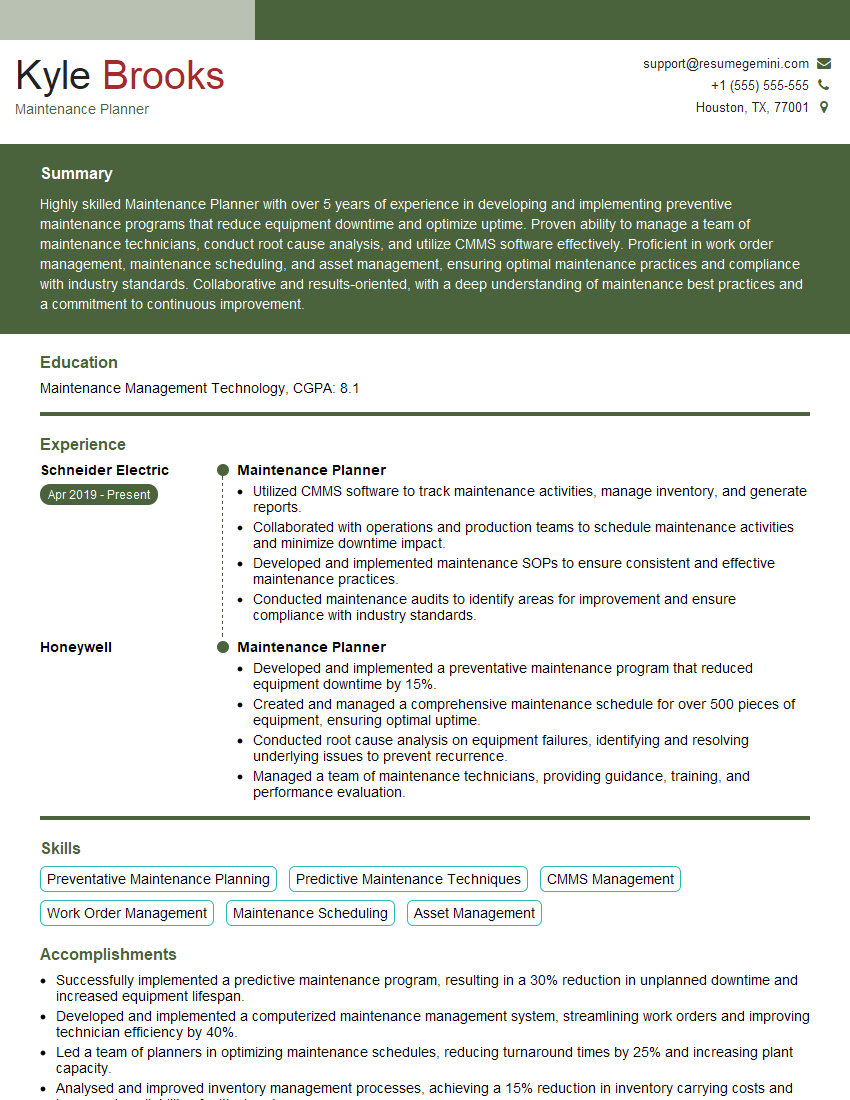
Maintenance Planner Resume Sample
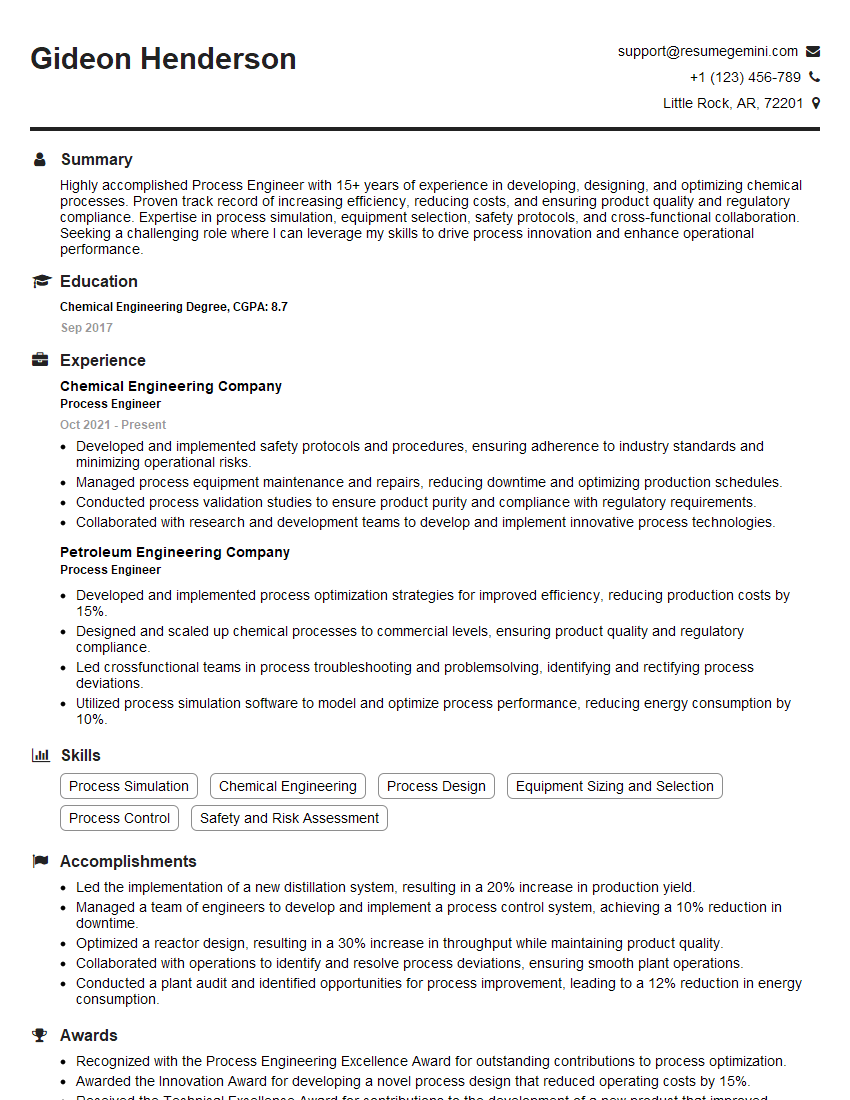
Process Engineer Resume Sample
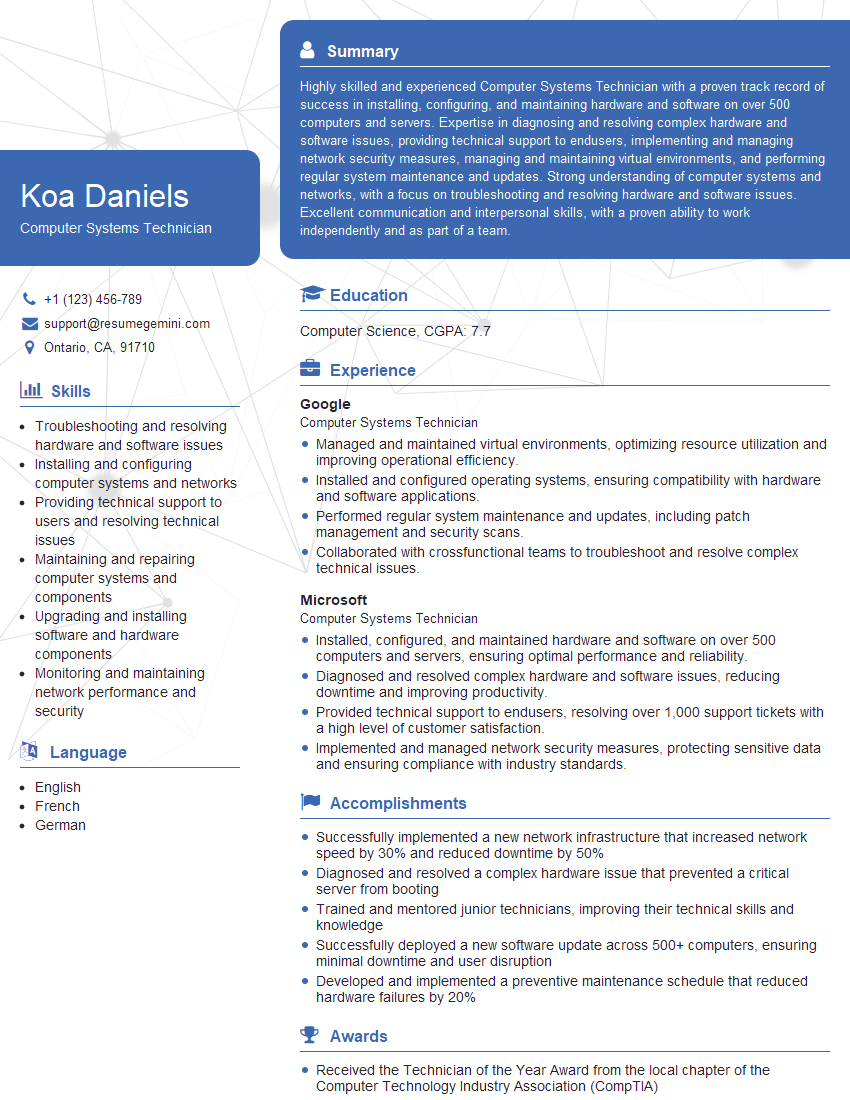
Computer Systems Technician Resume Sample

Network Engineer Resume Sample
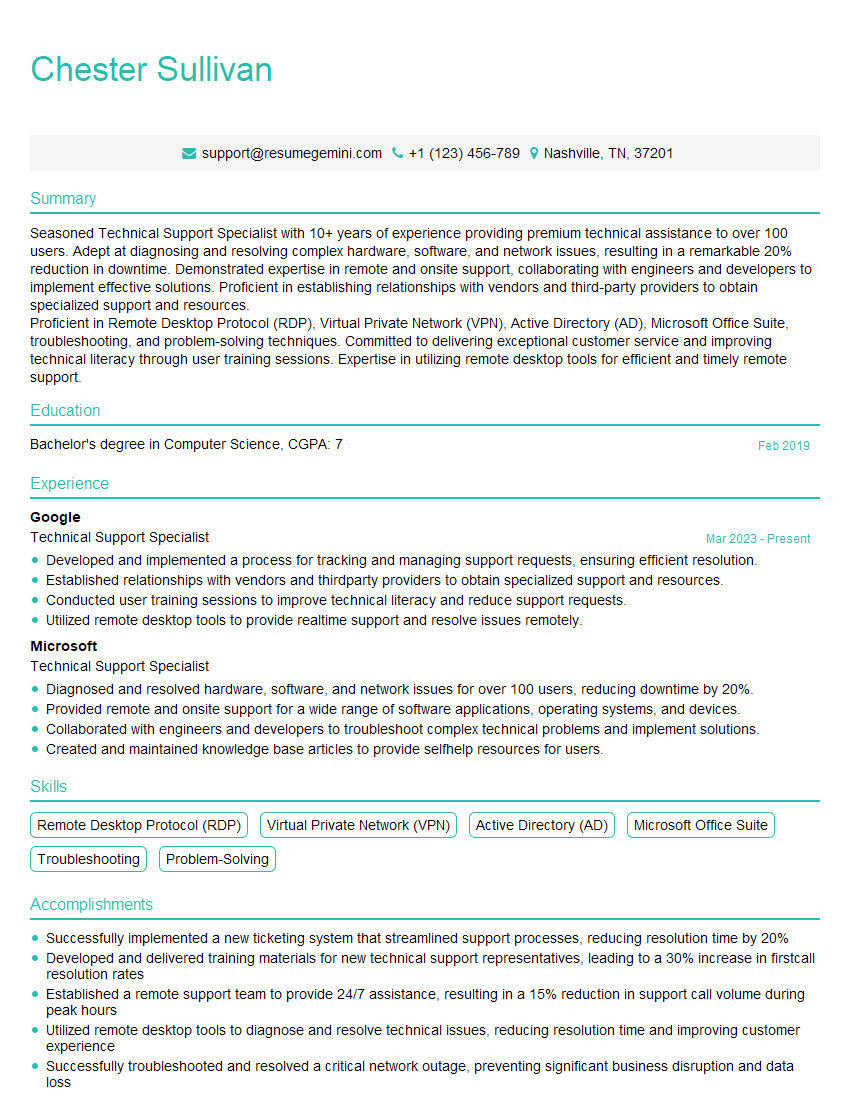
Technical Support Specialist Resume Sample
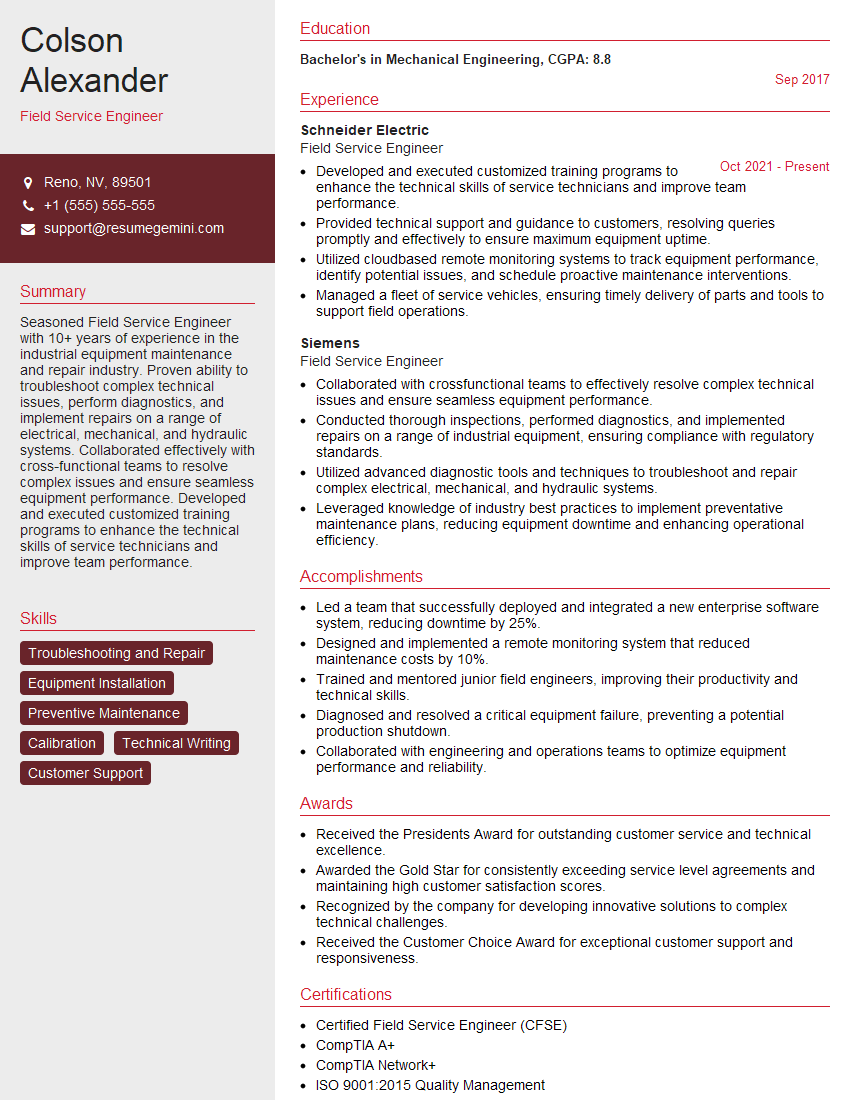
Field Service Engineer Resume Sample

Electronics Technician Resume Sample
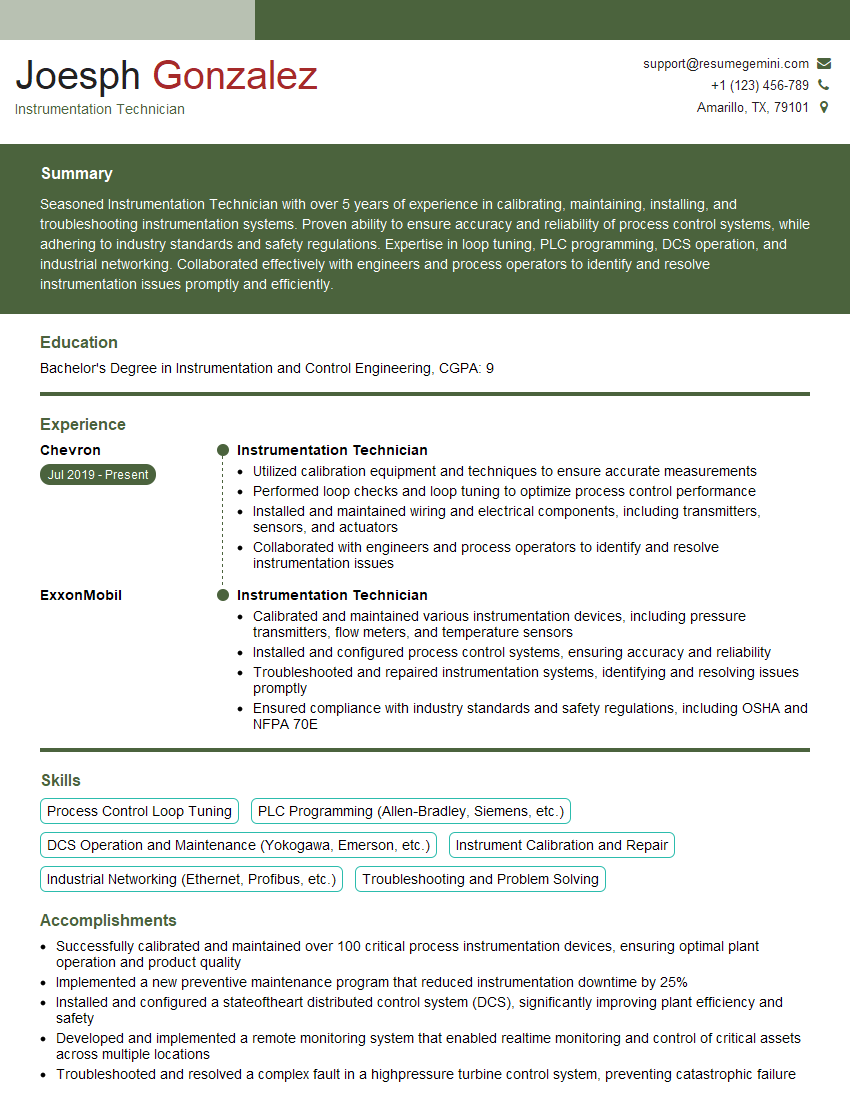
Instrumentation Technician Resume Sample
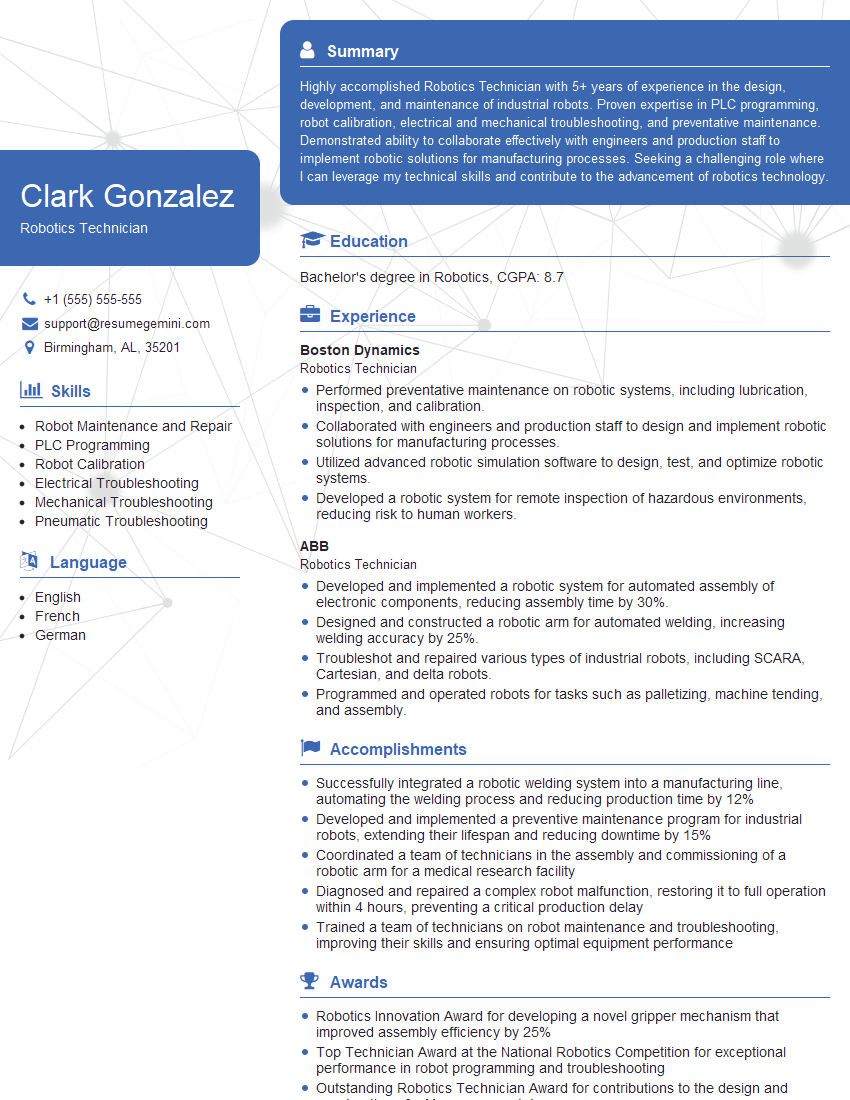
Robotics Technician Resume Sample
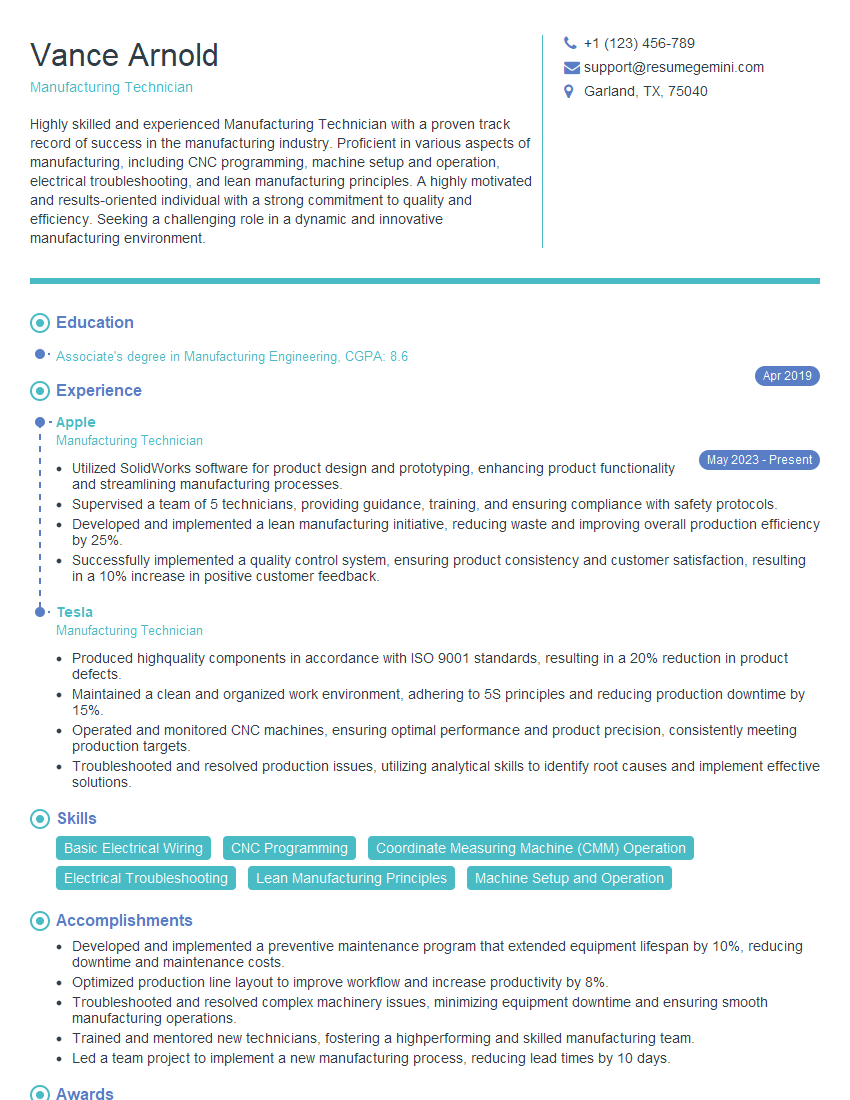
Manufacturing Technician Resume Sample
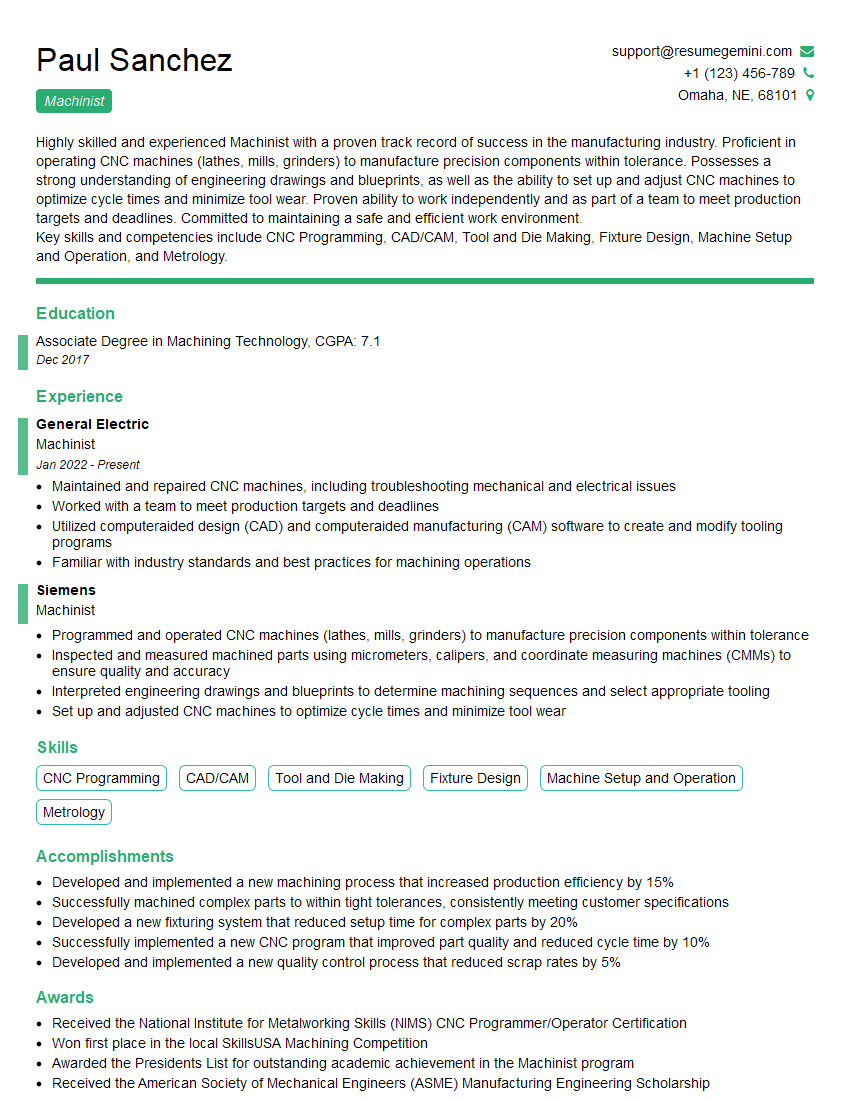
Machinist Resume Sample
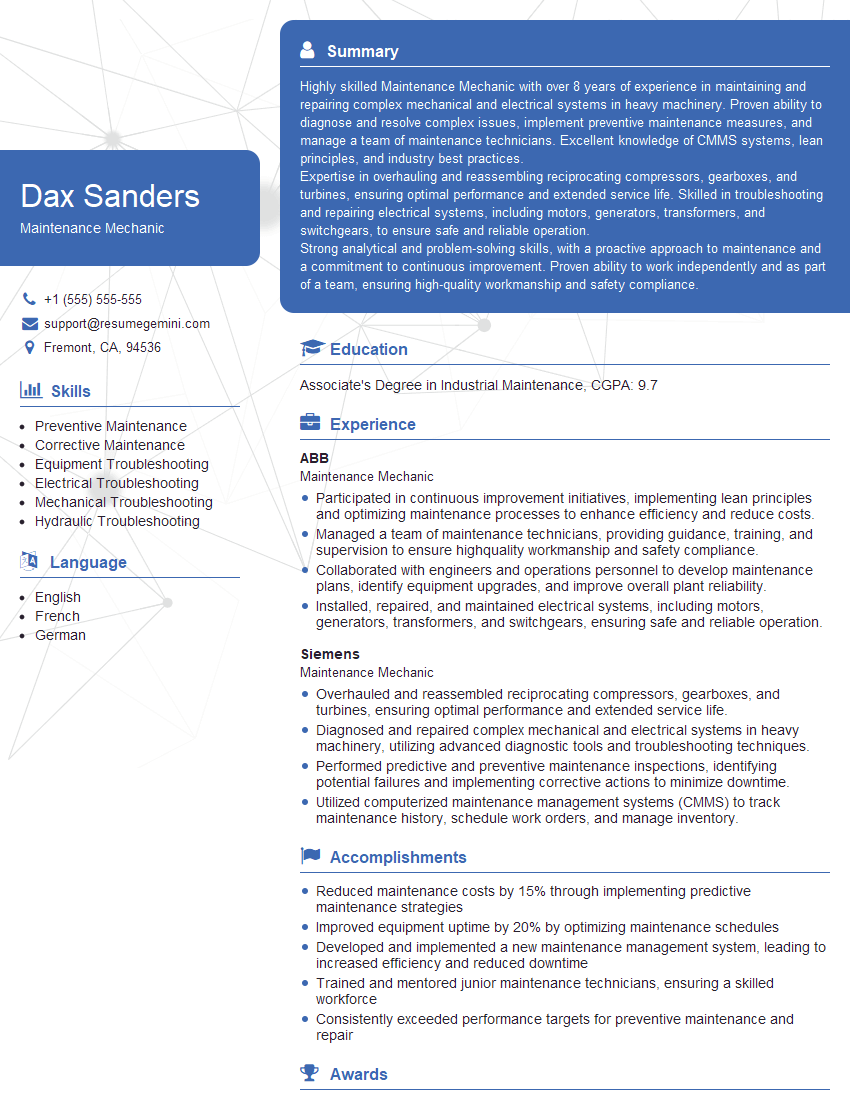
Maintenance Mechanic Resume Sample
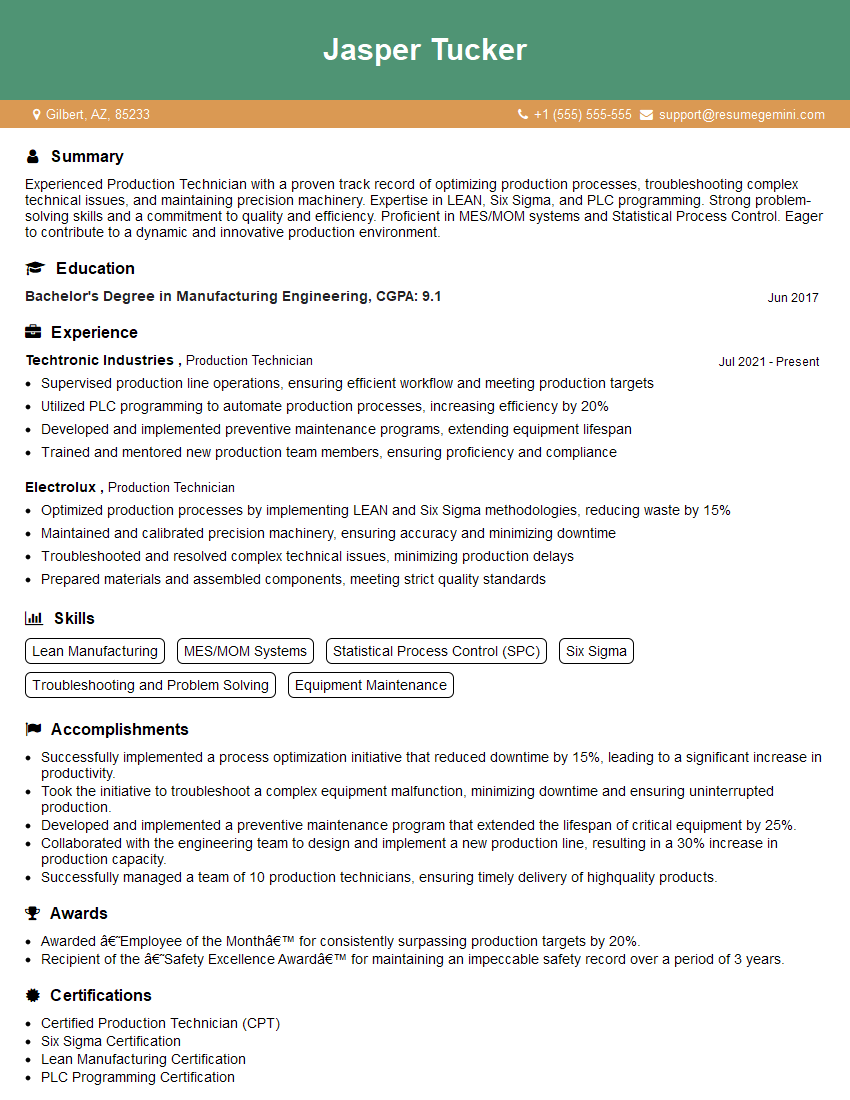
Production Technician Resume Sample
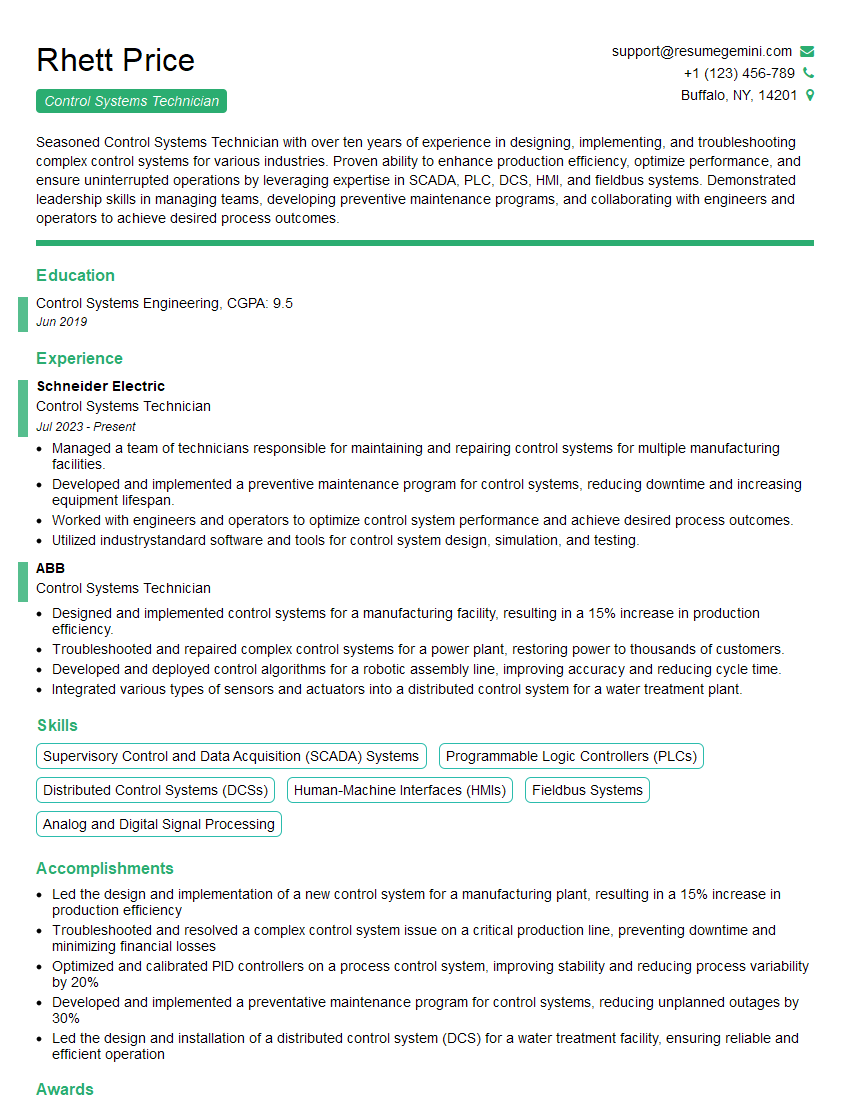
Control Systems Technician Resume Sample
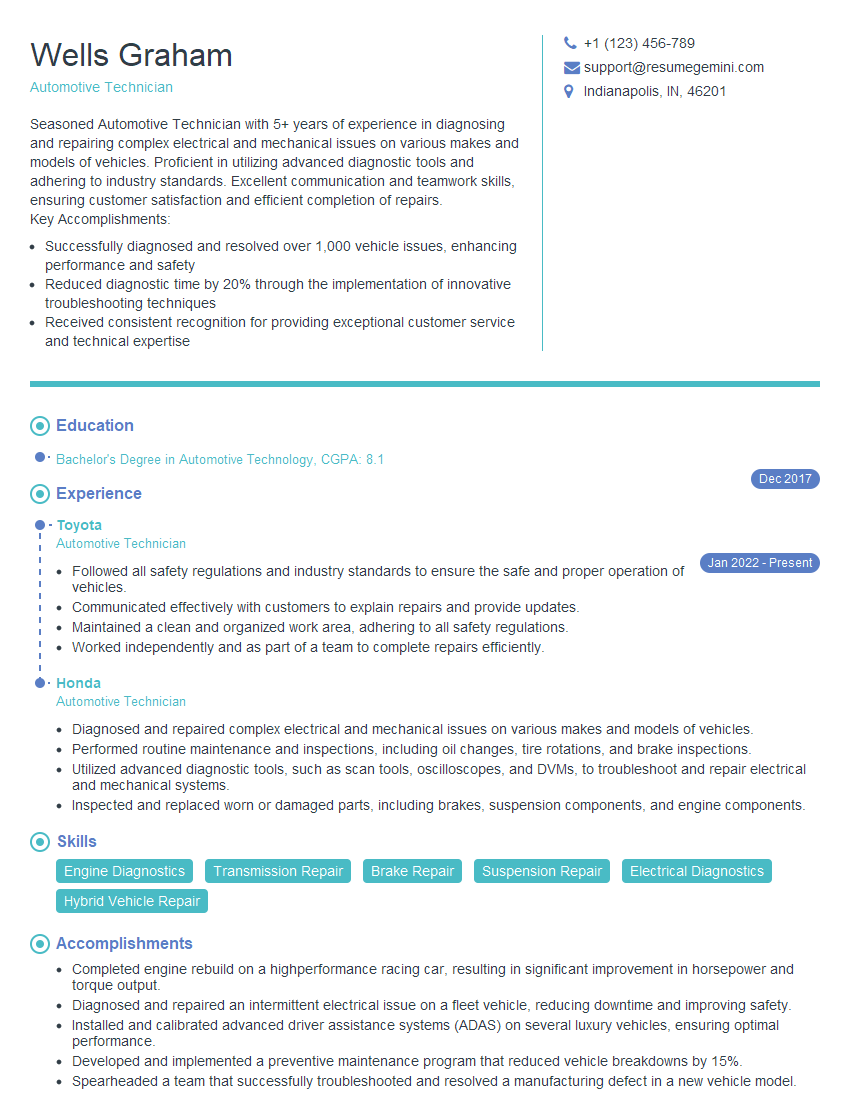
Automotive Technician Resume Sample
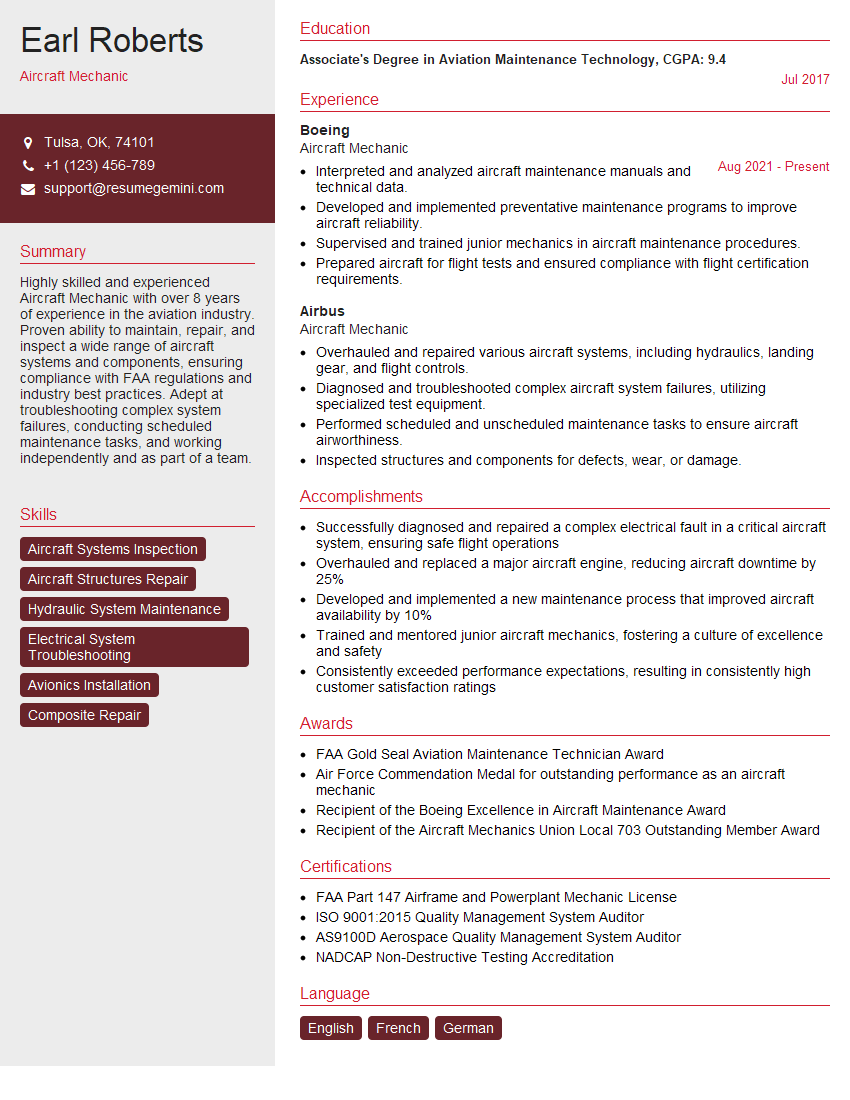
Aircraft Mechanic Resume Sample
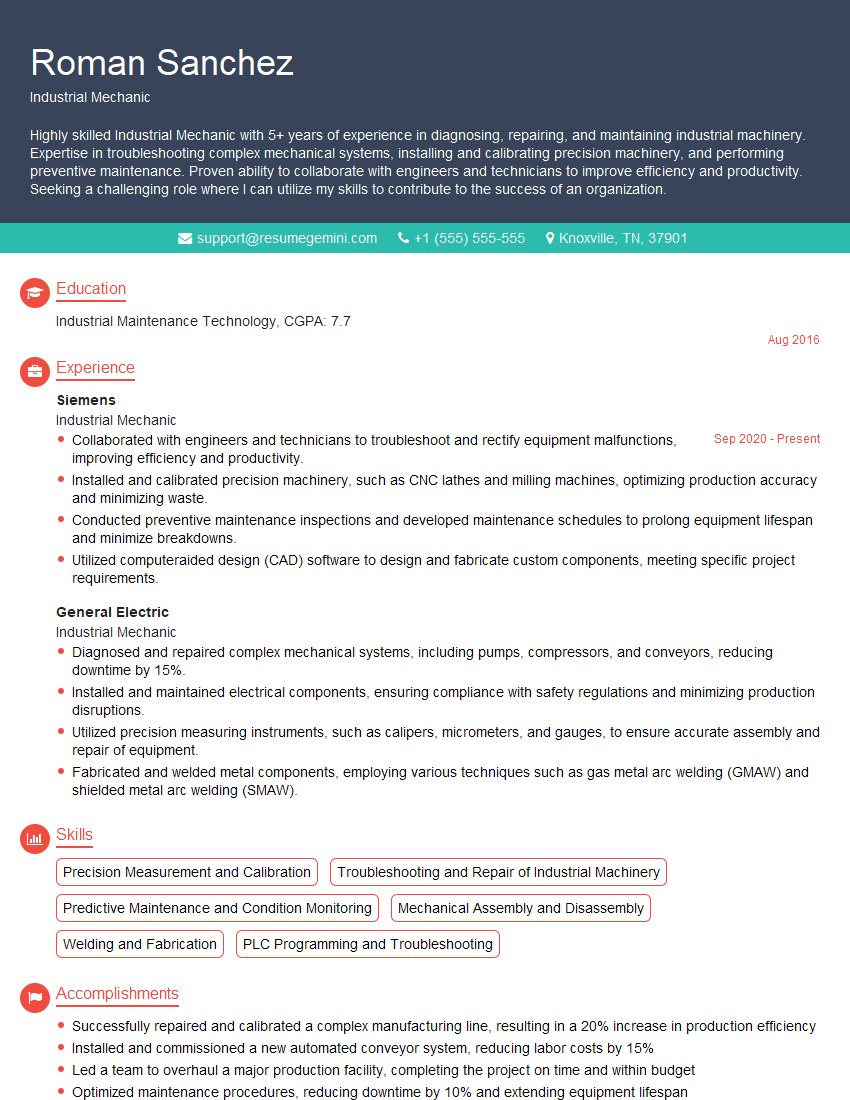
Industrial Mechanic Resume Sample
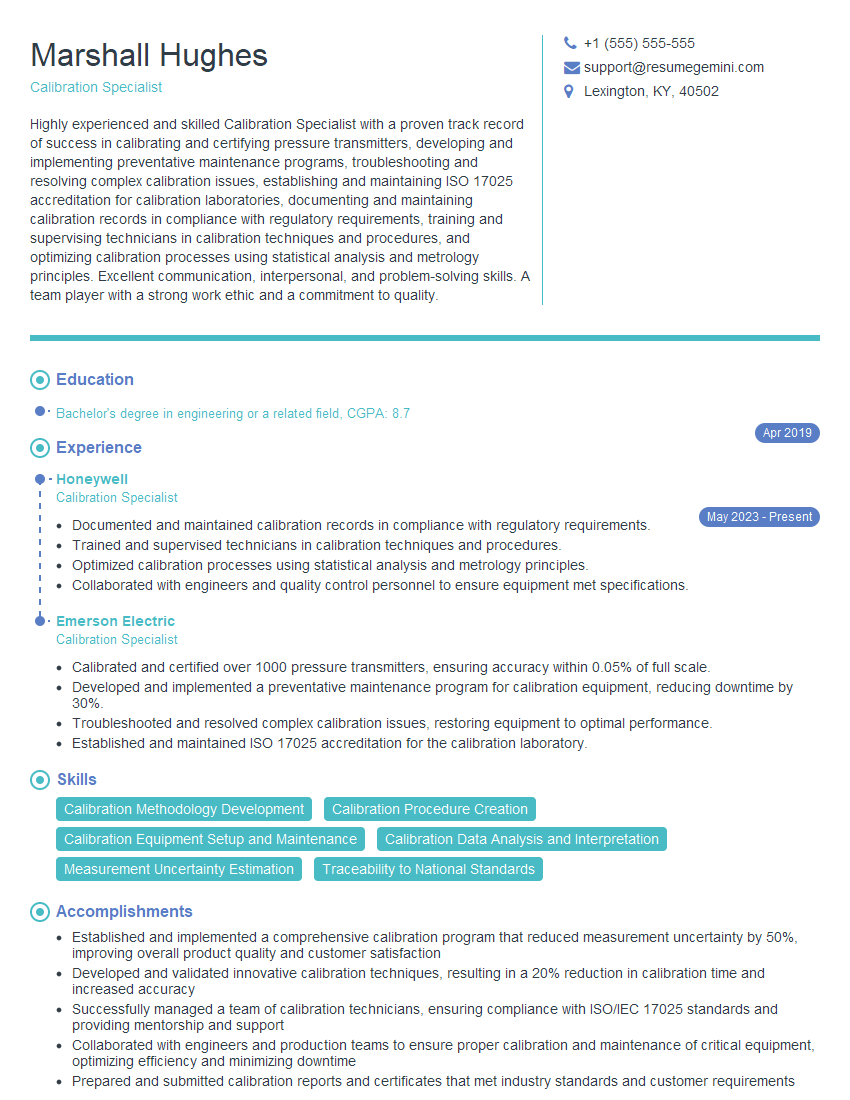
Calibration Specialist Resume Sample

Quality Control Inspector Resume Sample
- Maintenance Planner
- Process Engineer
- Computer Systems Technician
- Network Engineer
- Technical Support Specialist
- Field Service Engineer
- Electronics Technician
- Instrumentation Technician
- Robotics Technician
- Manufacturing Technician
- Machinist
- Maintenance Mechanic
- Production Technician
- Control Systems Technician
- Automotive Technician
- Aircraft Mechanic
- Industrial Mechanic
- Calibration Specialist
- Quality Control Inspector
Explore more articles
Users Rating of Our Blogs
Share Your Experience
We value your feedback! Please rate our content and share your thoughts (optional).
What Readers Say About Our Blog
Very informative content, great job.
good