Are you ready to stand out in your next interview? Understanding and preparing for Proficient in failure analysis techniques interview questions is a game-changer. In this blog, we’ve compiled key questions and expert advice to help you showcase your skills with confidence and precision. Let’s get started on your journey to acing the interview.
Questions Asked in Proficient in failure analysis techniques Interview
Q 1. Describe your experience with different failure analysis techniques (e.g., microscopy, spectroscopy, chemical analysis).
My experience encompasses a wide range of failure analysis techniques, crucial for pinpointing the root cause of component or system malfunctions. I’m proficient in various microscopy methods, including optical microscopy for initial visual inspection, scanning electron microscopy (SEM) for high-resolution imaging of surface features and microstructures, and transmission electron microscopy (TEM) for analyzing internal structures at the nanoscale. Spectroscopy plays a vital role; I routinely use techniques like energy-dispersive X-ray spectroscopy (EDS) coupled with SEM to determine elemental composition, Fourier-transform infrared spectroscopy (FTIR) to identify chemical bonds and functional groups in materials, and X-ray diffraction (XRD) for crystalline structure analysis. Chemical analysis methods such as gas chromatography-mass spectrometry (GC-MS) for identifying volatile organic compounds and inductively coupled plasma mass spectrometry (ICP-MS) for trace element analysis are also part of my skillset. For example, in analyzing a failed circuit board, I would initially use optical microscopy to locate the point of failure, then use SEM-EDS to determine if material degradation or contamination was involved, and finally, employ FTIR to analyze any polymeric materials for degradation products.
Q 2. Explain the process of conducting a root cause analysis for a product failure.
Conducting a thorough root cause analysis (RCA) for product failure involves a systematic approach. It begins with a detailed description of the failure, including symptoms, operating conditions, and environmental factors. Next, I carefully collect and preserve evidence, including the failed component, photographs, and any relevant data logs. Then comes the physical examination, using microscopy and other techniques as described above, to identify the physical failure mechanism. This is followed by material characterization using spectroscopic and chemical analysis methods. Data analysis is crucial here to identify trends and patterns. After establishing the failure mechanism, I systematically examine potential contributing factors through interviews, process reviews, design analysis, and manufacturing records. Ultimately, this process leads to the identification of the root cause – the underlying reason for the failure. A critical step is verification: I propose corrective actions and validate their effectiveness to prevent future occurrences. Think of it like solving a mystery; you gather clues, examine evidence, and systematically eliminate possibilities until you reach the core issue.
Q 3. How do you determine the appropriate failure analysis techniques for a specific component or system?
Selecting the appropriate failure analysis techniques depends entirely on the nature of the component or system and the suspected failure mode. For instance, if we suspect a metallurgical failure in a metal component, techniques such as SEM, TEM, and XRD would be suitable for microstructure and crystallographic analysis. For electronic components, SEM-EDS, FTIR, and cross-sectional analysis would be more relevant. If the failure involves a polymer, techniques like FTIR and thermal analysis would be essential. A systematic approach is key. I begin with non-destructive techniques like optical microscopy to gain initial insights. Based on the preliminary findings, I then strategically choose more advanced and potentially destructive methods. This tiered approach is efficient and cost-effective, avoiding unnecessary destructive testing.
Q 4. What are the key differences between destructive and non-destructive failure analysis methods?
The key difference lies in whether the analysis alters the component or system. Non-destructive techniques, such as optical microscopy, X-ray imaging, and ultrasonic testing, allow examination without causing damage. This preserves the sample for further analysis or for use as evidence. Destructive techniques, on the other hand, involve methods that alter or destroy the sample, such as cross-sectioning, chemical etching, and destructive mechanical testing. Destructive methods are often necessary to obtain information about the internal structure or composition of a component, particularly when a non-destructive method fails to reveal the root cause. The choice between destructive and non-destructive methods depends on the value of the sample, the information needed, and the cost-benefit analysis.
Q 5. How do you prioritize failure analysis tasks when dealing with multiple failures simultaneously?
Prioritizing failure analysis tasks when dealing with multiple failures simultaneously requires a structured approach. I prioritize based on several factors: the criticality of the affected system (e.g., a safety-critical component would be prioritized over a non-critical one), the potential impact on production or operations, the urgency of the situation (e.g., a complete production line shutdown demands immediate attention), and the availability of resources. I use a risk assessment matrix to rank failures based on severity and likelihood of recurrence. This allows me to focus efforts on the most critical and impactful failures first, while still ensuring that all failures are eventually addressed.
Q 6. Explain your experience with statistical analysis in failure analysis.
Statistical analysis is indispensable in failure analysis, particularly when dealing with multiple failures of the same type. I use statistical tools to analyze failure rates, identify trends, and assess the significance of observed data. For example, I might use Weibull analysis to model the lifetime distribution of a component and predict its reliability. Control charts are employed to monitor manufacturing processes and detect deviations that could lead to failures. Regression analysis helps uncover relationships between various factors and failure rates. In a recent project, we used statistical analysis of failure data from field returns to identify a previously unknown correlation between temperature and failure rate of a specific electronic component, leading to a significant improvement in its design.
Q 7. Describe a challenging failure analysis case you have encountered and how you overcame it.
One particularly challenging case involved the intermittent failure of a high-power laser system. Initial investigations revealed no obvious physical damage. Standard techniques like optical microscopy and thermal imaging yielded no clues. The problem was intermittent, making diagnosis difficult. After extensive investigation, we discovered that the issue was related to micro-fractures within a ceramic substrate, invisible to standard optical microscopy. The solution involved using high-resolution SEM with EDS to identify the tiny fracture sites and pinpoint the cause – a previously undetected flaw in the ceramic manufacturing process. This required a deeper understanding of material science and the ability to combine various analytical techniques to unravel the subtle failure mechanism. The case highlighted the importance of perseverance and a holistic approach in addressing complex failures.
Q 8. How do you document your failure analysis findings and communicate them to stakeholders?
Documenting failure analysis findings is crucial for effective communication and future prevention. My approach involves a structured report following a standard format. This usually includes a detailed executive summary highlighting key findings and recommendations, followed by a comprehensive section outlining the methodology employed (including specific techniques used such as microscopy, spectroscopy, etc.). The report then presents the results in a clear, concise manner, often supplemented with high-quality images and graphs. For instance, if analyzing a fractured component, I’d include detailed micrographs showing the fracture surface features, indicating the failure mechanism (e.g., brittle fracture, fatigue). Finally, a dedicated section offers conclusions, explaining the root cause of the failure, and provides actionable recommendations to prevent similar failures in the future. This report is tailored to the specific audience; a technical report for engineers would contain more detailed technical information than a summary report for upper management. Clear communication is key – I ensure to use simple language and avoid jargon wherever possible, supplementing with visuals for better understanding.
Q 9. What are some common pitfalls to avoid during failure analysis investigations?
Several pitfalls can derail a failure analysis investigation. One common mistake is jumping to conclusions before thoroughly examining all available evidence. This often leads to inaccurate diagnoses. For example, assuming a component failed due to a manufacturing defect without considering operational conditions or environmental factors. Another crucial aspect is proper sample handling. Contamination or damage to the failed component after the event can significantly alter the results and mislead the analysis. Similarly, overlooking subtle clues or focusing only on the most apparent damage can cause a missed root cause. A systematic and methodical approach, considering all possible factors, is paramount. A bias towards a specific cause should be avoided. For instance, the initial assumption might be material fatigue, but thorough analysis might reveal a design flaw. Using validated analytical techniques and proper documentation is crucial to prevent errors and build a robust case for the root cause of failure.
Q 10. How do you interpret failure modes and effects analysis (FMEA) data?
Failure Modes and Effects Analysis (FMEA) data provides a proactive approach to identify potential failure modes within a system and their effects. I interpret this data by focusing on the Severity, Occurrence, and Detection (SOD) ratings assigned to each potential failure mode. A high Severity rating indicates significant consequences if the failure occurs; a high Occurrence rating signifies a high probability of the failure happening; and a high Detection rating means the failure is likely to go undetected until it has already caused considerable damage. The Risk Priority Number (RPN), calculated as Severity x Occurrence x Detection, helps prioritize failure modes based on their risk level. High RPN values indicate critical areas needing immediate attention. I use this information to prioritize corrective actions, focusing on the highest-risk failure modes. For example, a high RPN for a specific component might lead to redesigning the component or implementing stricter quality control measures during manufacturing.
Q 11. Explain your understanding of Weibull analysis and its application in reliability engineering.
Weibull analysis is a statistical method used in reliability engineering to model the time-to-failure of a component or system. It’s particularly useful when dealing with data exhibiting non-constant failure rates. The Weibull distribution is characterized by two primary parameters: the shape parameter (β) and the scale parameter (η). The shape parameter describes the failure rate’s pattern (e.g., decreasing, constant, or increasing) while the scale parameter represents the characteristic life of the component. In practical terms, we use Weibull analysis to estimate the reliability of a component, predict its lifetime, and plan maintenance strategies. For instance, by analyzing failure data from a particular type of bearing using Weibull analysis, we can determine the distribution’s shape parameter indicating a wear-out failure mechanism and then predict the probability of failure at a specific operating time, enabling preventive maintenance schedules to avoid unexpected breakdowns.
Q 12. Describe your experience with different types of microscopy (e.g., SEM, TEM, optical microscopy).
My experience encompasses various microscopy techniques. Optical microscopy is used for initial visual inspection and provides overall morphology information at lower magnifications. Scanning Electron Microscopy (SEM) is indispensable for higher magnification imaging and surface analysis, revealing details such as fracture surfaces, material composition, and surface features. I’ve extensively used SEM with Energy Dispersive Spectroscopy (EDS) to determine elemental composition at the micro-scale. Transmission Electron Microscopy (TEM) provides even higher resolution, allowing for the analysis of crystalline structure and defects at the nanoscale. For example, in analyzing a failed solder joint, optical microscopy revealed a crack, SEM showed the crack propagation path, and TEM identified microstructural defects at the grain boundaries that initiated the crack. Each technique complements the other to provide a comprehensive understanding of the failure.
Q 13. How do you use spectroscopy techniques (e.g., EDS, XPS, FTIR) to characterize materials?
Spectroscopy techniques are vital for material characterization in failure analysis. Energy Dispersive Spectroscopy (EDS), coupled with SEM, provides elemental composition. X-ray Photoelectron Spectroscopy (XPS) offers surface chemical state information, useful for understanding corrosion or surface contamination. Fourier Transform Infrared Spectroscopy (FTIR) is invaluable for identifying organic materials and polymer degradation products. For instance, if investigating a component failure suspected to be caused by corrosion, EDS might reveal the presence of certain elements associated with corrosion products, XPS would provide the chemical state of these elements (indicating oxidation states), and FTIR would confirm the presence of organic coatings or contaminants involved in the corrosion process. Careful selection and combination of these techniques is critical for accurate characterization.
Q 14. Explain your experience with thermal analysis techniques (e.g., DSC, TGA).
Thermal analysis techniques are crucial for understanding material behavior under varying temperatures. Differential Scanning Calorimetry (DSC) measures heat flow associated with phase transitions and chemical reactions within the material. Thermogravimetric Analysis (TGA) measures weight changes as a function of temperature, useful for studying decomposition, oxidation, or moisture content. I’ve used DSC to analyze melting points, glass transitions, and crystallization behavior of polymers. TGA helps in identifying the presence of volatile components and quantifying their amount. For example, analyzing a failed electronic component that might have been exposed to high temperatures would involve TGA and DSC to determine if material degradation or decomposition occurred as a result of the elevated temperature. These techniques provide valuable insights into material stability and degradation mechanisms.
Q 15. How do you handle situations where the root cause of failure is not immediately apparent?
When the root cause of a failure isn’t immediately obvious, a systematic approach is crucial. Think of it like detective work – you need to gather evidence, form hypotheses, and test them rigorously. I begin with a thorough visual inspection, documenting all observations with photographs and detailed notes. This is followed by material characterization techniques like microscopy (optical, SEM, etc.) to understand the microstructure and identify any anomalies. Next, I employ a process of elimination, systematically ruling out potential causes based on the evidence gathered. For example, if a component failed due to excessive load, I’d expect to see evidence of plastic deformation or fracture consistent with overload. If that’s absent, I’d explore other possibilities, such as material defects, corrosion, or manufacturing flaws. This process might involve advanced analytical techniques like chemical analysis, X-ray diffraction, or finite element analysis (FEA) to simulate loading conditions and predict failure modes. Crucially, throughout this process, I maintain detailed records, documenting every step and rationale to ensure traceability and transparency. Often, I find that a combination of techniques and a keen eye for detail is essential to unveil the often-hidden root cause.
For instance, in one case, a seemingly simple pump failure wasn’t initially explained by standard wear analysis. After meticulous examination, including microscopic analysis of the pump shaft, I uncovered micro-cracks consistent with fatigue failure, ultimately attributable to subtle vibrations from a nearby compressor, a factor initially overlooked. This emphasizes the importance of a comprehensive and methodical approach, even for seemingly straightforward failures.
Career Expert Tips:
- Ace those interviews! Prepare effectively by reviewing the Top 50 Most Common Interview Questions on ResumeGemini.
- Navigate your job search with confidence! Explore a wide range of Career Tips on ResumeGemini. Learn about common challenges and recommendations to overcome them.
- Craft the perfect resume! Master the Art of Resume Writing with ResumeGemini’s guide. Showcase your unique qualifications and achievements effectively.
- Don’t miss out on holiday savings! Build your dream resume with ResumeGemini’s ATS optimized templates.
Q 16. What software tools are you proficient in for failure analysis and data analysis?
My software proficiency extends to several critical tools for failure analysis and data analysis. For image analysis and microstructure characterization, I’m adept at using ImageJ and Zeiss ZEN software. These allow for detailed measurements, particle size analysis, and automated feature detection on microscopic images. For data analysis and statistical modeling, I utilize R and Python, leveraging packages like Pandas, NumPy, and SciPy for data manipulation, statistical analysis, and visualization. MATLAB is also frequently used for advanced simulations and modeling of material behavior, particularly in fatigue and fracture analysis. Finally, I’m experienced with FEA software such as ANSYS and ABAQUS for simulating stress distributions and predicting failure modes under various loading conditions. The selection of software depends on the specific nature of the failure and the available data, ensuring that the right tool is used for the most effective analysis.
Q 17. Explain your understanding of corrosion and its effects on materials failure.
Corrosion is the deterioration of a material due to a chemical or electrochemical reaction with its environment. Think of rust on a car – that’s a classic example of corrosion. It’s a significant contributor to material failure, weakening structures and compromising their functionality. Several factors influence corrosion, including the material’s composition, the environment (humidity, temperature, presence of chemicals), and the presence of an electrolyte (a conductive medium, like water). The effects on material failure are multifaceted. For example, uniform corrosion, where the material degrades evenly across its surface, weakens the overall component over time. However, more localized corrosion types, such as pitting or crevice corrosion, can lead to catastrophic failures, even if the overall material loss is relatively small. Stress corrosion cracking is particularly dangerous, where tensile stresses combine with a corrosive environment to propagate cracks and lead to brittle fracture. Understanding the type of corrosion is paramount in determining the failure mechanism and mitigating future occurrences.
For instance, in a marine environment, saltwater’s high chloride ion concentration can cause severe pitting corrosion in steel components, leading to unexpected failures in offshore structures. Proper material selection (e.g., using corrosion-resistant stainless steels or applying protective coatings) is critical in preventing such failures. Regular inspections and maintenance can also help detect corrosion at an early stage, preventing catastrophic consequences.
Q 18. Describe your experience with fatigue and fracture analysis.
Fatigue and fracture analysis are integral parts of my work. Fatigue failure occurs when a material subjected to repeated cyclic loading gradually degrades and ultimately fractures at a stress level significantly lower than its ultimate tensile strength. Imagine repeatedly bending a paperclip – eventually, it’ll break, even though the force applied in each bend is small. Fracture analysis involves examining the fractured surface to determine the cause and mechanism of the fracture. The fracture surface often reveals valuable clues about the failure process, such as the presence of fatigue striations (characteristic markings indicating cyclic loading), brittle fracture features (indicating sudden failure), or ductile fracture features (indicating plastic deformation before failure). I often use techniques like fractography (microscopic examination of the fracture surface) and fatigue testing to determine the fatigue life and fatigue strength of materials. This involves applying cyclic loads to material samples and monitoring their response until failure.
In one project, analyzing the failure of a turbine blade, fractography revealed fatigue striations originating from a microscopic inclusion within the material. This indicated that a manufacturing defect triggered the fatigue failure, highlighting the importance of quality control in preventing fatigue-related failures.
Q 19. How do you assess the economic impact of product failures?
Assessing the economic impact of product failures requires a holistic approach that considers several factors. Direct costs include the cost of replacement parts, repair labor, downtime, and potential legal liabilities. Indirect costs are often harder to quantify but can be substantial, including loss of reputation, customer dissatisfaction, and potential loss of future sales. For example, a recall of a faulty product can cost millions of dollars in direct and indirect expenses. To estimate the economic impact, I often use data-driven methods and cost models. This includes analyzing historical data on similar failures, considering the product’s life cycle, and estimating the cost of preventative measures to mitigate future failures. The goal isn’t just to calculate the immediate costs but to inform decisions on how to prevent future occurrences and minimize overall economic losses.
A comprehensive cost-benefit analysis, comparing the costs of failure with the investments required for preventative measures (e.g., improved design, better quality control, enhanced maintenance programs), is typically performed to justify investments in preventative actions and optimize resource allocation.
Q 20. Explain your understanding of different failure mechanisms (e.g., creep, stress corrosion cracking).
Several failure mechanisms can lead to component failure. Creep is the time-dependent deformation of a material under constant stress at elevated temperatures. Imagine a metal wire slowly stretching under its own weight over a long period at high temperature; this is creep. Stress corrosion cracking (SCC) involves the combined effect of tensile stress and a corrosive environment leading to crack initiation and propagation. This is particularly dangerous because it can occur at stresses significantly below the material’s yield strength. Other mechanisms include fatigue, as previously discussed, brittle fracture (sudden failure without significant plastic deformation), ductile fracture (failure after significant plastic deformation), and environmentally assisted cracking (EAC), which encompasses a broader range of corrosion-related cracking mechanisms. A thorough understanding of these mechanisms is crucial to identify the root cause of a failure, implement corrective actions, and prevent similar incidents in the future.
For example, in high-pressure steam turbines, creep can be a significant concern, leading to the gradual elongation and eventual failure of turbine blades. Understanding creep behavior allows engineers to select appropriate materials and operating conditions to extend component lifetime.
Q 21. How do you ensure the accuracy and reliability of your failure analysis results?
Ensuring the accuracy and reliability of failure analysis results requires meticulous attention to detail throughout the entire process. First, proper sampling and handling of failed components are critical to avoid contamination or alteration of the evidence. I follow established protocols for sample preparation and preservation. Secondly, I utilize a combination of qualitative and quantitative analytical techniques, cross-checking results to ensure consistency and reliability. Replicate measurements and comparisons to established standards are essential. Thirdly, the use of calibrated equipment and adherence to standardized testing procedures helps eliminate systematic errors. Finally, and critically, rigorous documentation and peer review of findings are indispensable steps. This involves documenting every step of the analysis, including the methodology, results, and interpretation. Peer review by other experienced failure analysts helps identify potential biases or errors and increases confidence in the conclusions.
By adhering to these principles, I aim to minimize uncertainties and maximize the reliability and defensibility of my findings, forming a robust foundation for informed decision-making and preventative action.
Q 22. Describe your experience with failure analysis in different industries (e.g., automotive, aerospace, electronics).
My experience in failure analysis spans diverse industries, each presenting unique challenges and methodologies. In the automotive industry, I’ve investigated engine component failures, focusing on material degradation, fatigue cracking, and manufacturing defects. For instance, I helped pinpoint the root cause of a recurring crankshaft fracture in a particular engine model, utilizing fractography and metallurgical analysis to identify stress concentrations and material inconsistencies. This led to design modifications and improved quality control measures.
Within the aerospace sector, my work has involved analyzing the failure of composite materials in aircraft structures. This often involves non-destructive testing (NDT) methods like ultrasonic inspection and X-ray radiography, complemented by detailed microscopic examination to identify delamination, fiber breakage, or matrix cracking. A memorable case involved a failed component from a satellite launch vehicle; identifying the failure mode enabled a redesign that significantly improved the structural integrity and mission reliability.
In the electronics industry, I’ve investigated failures in printed circuit boards (PCBs), integrated circuits (ICs), and electronic components. Techniques like scanning electron microscopy (SEM) and energy-dispersive X-ray spectroscopy (EDS) are crucial here for identifying contaminants, shorts, and opens. I once helped a consumer electronics company resolve a widespread issue of premature component failure by identifying a manufacturing flaw leading to insufficient solder joint strength.
Q 23. How do you manage the ethical considerations associated with failure analysis investigations?
Ethical considerations are paramount in failure analysis. Maintaining objectivity, confidentiality, and integrity is crucial. I always ensure that my investigations are unbiased, adhering to strict protocols to prevent any potential conflict of interest. Data integrity is paramount—meticulously documented procedures and chain of custody are meticulously maintained.
Confidentiality is another key aspect. Client information and findings are treated with utmost discretion, respecting intellectual property rights and avoiding the disclosure of sensitive information without proper authorization. When dealing with safety-critical systems, I prioritize responsible reporting and the timely dissemination of critical findings to prevent potential risks or hazards.
Furthermore, transparency is essential. I clearly communicate the scope of the investigation, limitations, and any uncertainties associated with my findings. This allows stakeholders to understand the conclusions and potential implications fully. A strong emphasis on professional ethics is essential to uphold the credibility and trustworthiness of failure analysis results.
Q 24. Explain your understanding of accelerated life testing and its applications.
Accelerated life testing (ALT) is a powerful technique used to predict the reliability and lifespan of products in a much shorter timeframe than their actual expected operational life. It involves subjecting components or systems to environmental stresses (e.g., high temperature, humidity, vibration) at significantly higher levels than those encountered during normal operation.
By carefully monitoring the failure rate under these accelerated conditions, we can extrapolate the data to estimate the failure rate under normal operating conditions. This is often done using statistical models that account for the relationship between the accelerated stress and the resulting failure rate. For example, the Arrhenius model is often used to relate the failure rate to temperature.
Applications of ALT are vast. In the automotive industry, it can be used to predict the lifespan of batteries, tires, and other components under various driving conditions. In the electronics industry, ALT is crucial for assessing the reliability of integrated circuits and other sensitive electronic components under various temperatures and voltages. The key is selecting the appropriate stress factors and a statistical model that accurately reflects the failure mechanisms under consideration.
Q 25. How do you collaborate effectively with engineers and other stakeholders during a failure analysis investigation?
Effective collaboration is fundamental to successful failure analysis. I establish clear communication channels and regular meetings with engineers, designers, and other stakeholders from the outset of an investigation. This ensures everyone understands the scope of the analysis, the objectives, and the expected outcomes.
I use visual aids like diagrams, photos, and 3D models to convey complex technical information effectively. Regular progress reports and feedback sessions help to ensure alignment and address any emerging issues proactively. This collaborative approach fosters a shared understanding, leading to more efficient problem-solving and better acceptance of the final findings. Transparency and open communication are essential to building trust and fostering productive relationships with all stakeholders.
Q 26. How do you stay updated on the latest advancements in failure analysis techniques and technologies?
Staying current in the field of failure analysis requires a multifaceted approach. I actively participate in professional organizations like ASM International and IEEE, attending conferences, workshops, and seminars to learn about new techniques and technologies. These events provide valuable networking opportunities and exposure to cutting-edge research.
Reading peer-reviewed journals, industry publications, and online resources like reputable websites and technical blogs keeps me abreast of the latest advancements. I also leverage online courses and webinars offered by various institutions to enhance my expertise in specific areas. Continuously learning and adapting to new methodologies is vital to ensure high-quality analysis and interpretation of results in this rapidly evolving field.
Q 27. Describe your experience with writing technical reports and presenting your findings.
I have extensive experience in preparing comprehensive and well-structured technical reports that clearly present findings, methodologies, and conclusions. These reports utilize clear language, avoiding technical jargon whenever possible, making them easily understood by both technical and non-technical audiences. They include detailed descriptions of the failed component, the testing methods employed, visual aids such as photographs and micrographs, and a clear explanation of the root cause analysis. Data is presented using tables and graphs to maximize clarity and impact.
In addition to reports, I effectively present my findings in both formal presentations and informal meetings. I use visual aids, simulations, and concise summaries to communicate complex data clearly. Presenting my work, I focus on providing a narrative that guides the audience through the investigative process and makes the technical aspects accessible and engaging. The goal is always clear, concise communication to ensure actionable insights are readily understood and applied.
Key Topics to Learn for Proficient in Failure Analysis Techniques Interview
- Root Cause Analysis Methodologies: Understanding and applying various techniques like 5 Whys, Fishbone diagrams, Fault Tree Analysis, and FMEA (Failure Mode and Effects Analysis).
- Failure Analysis Tools and Techniques: Practical experience with microscopy (optical, SEM, etc.), material characterization techniques (e.g., XRD, chemical analysis), and non-destructive testing methods.
- Data Analysis and Interpretation: Proficiency in statistical analysis, data visualization, and drawing meaningful conclusions from experimental data to identify failure mechanisms.
- Reporting and Communication: Clearly and concisely communicating complex technical information to both technical and non-technical audiences through comprehensive reports and presentations.
- Specific Failure Modes: Deep understanding of common failure modes in relevant industries (e.g., fatigue, corrosion, fracture, thermal shock) and their underlying mechanisms.
- Preventive Measures and Solutions: Developing and proposing effective solutions and preventative measures to mitigate future failures based on thorough analysis.
- Case Studies and Problem Solving: Demonstrating the ability to analyze real-world failure scenarios, identify contributing factors, and propose effective corrective actions.
Next Steps
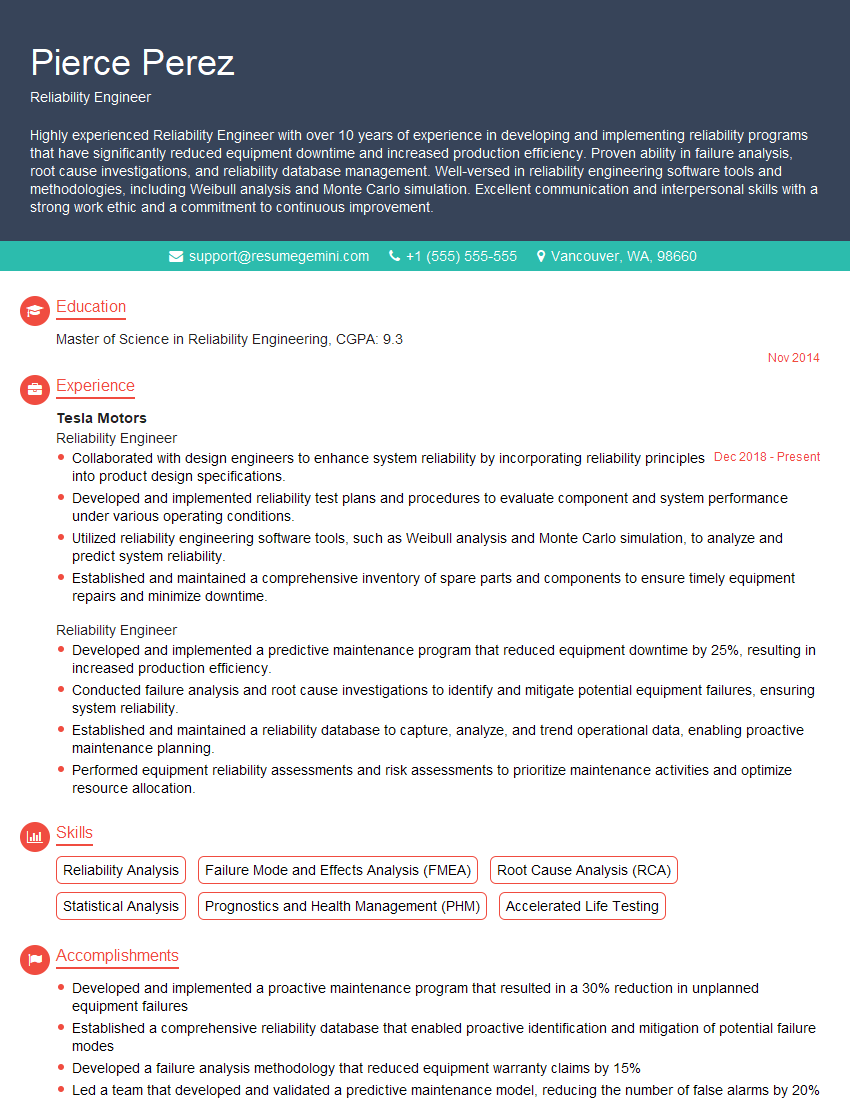
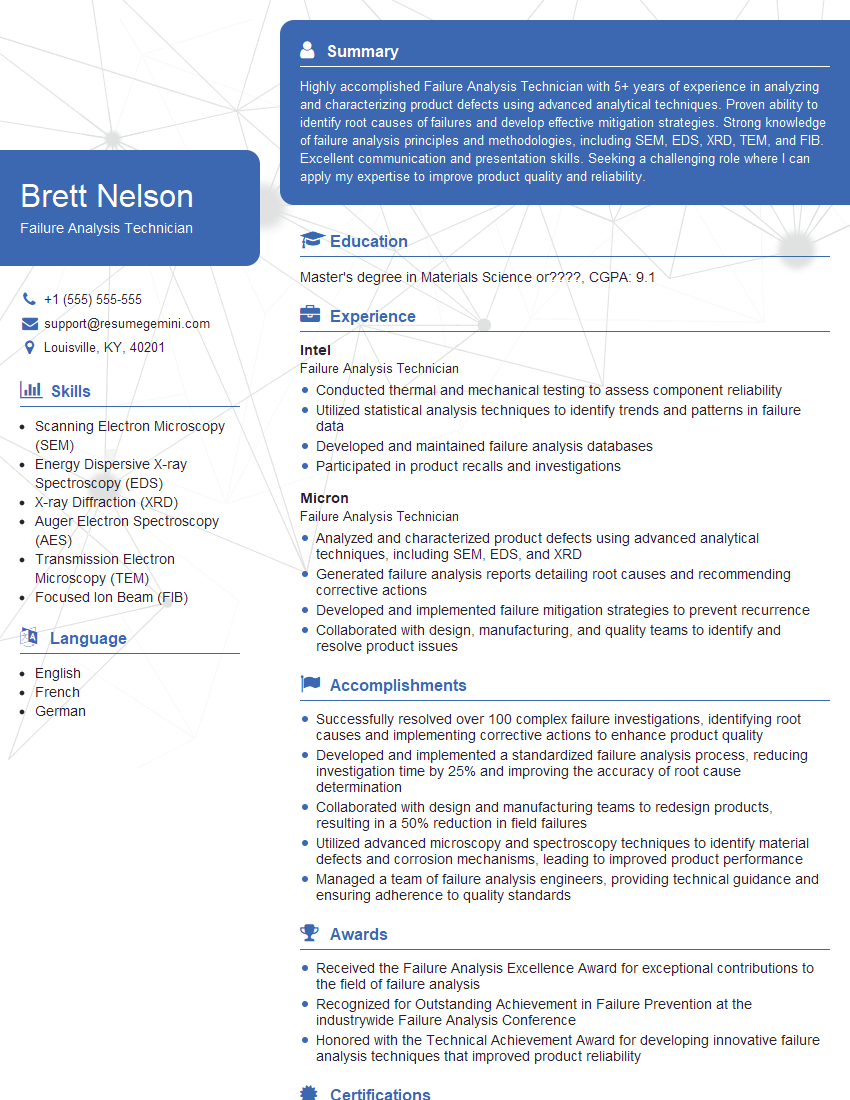
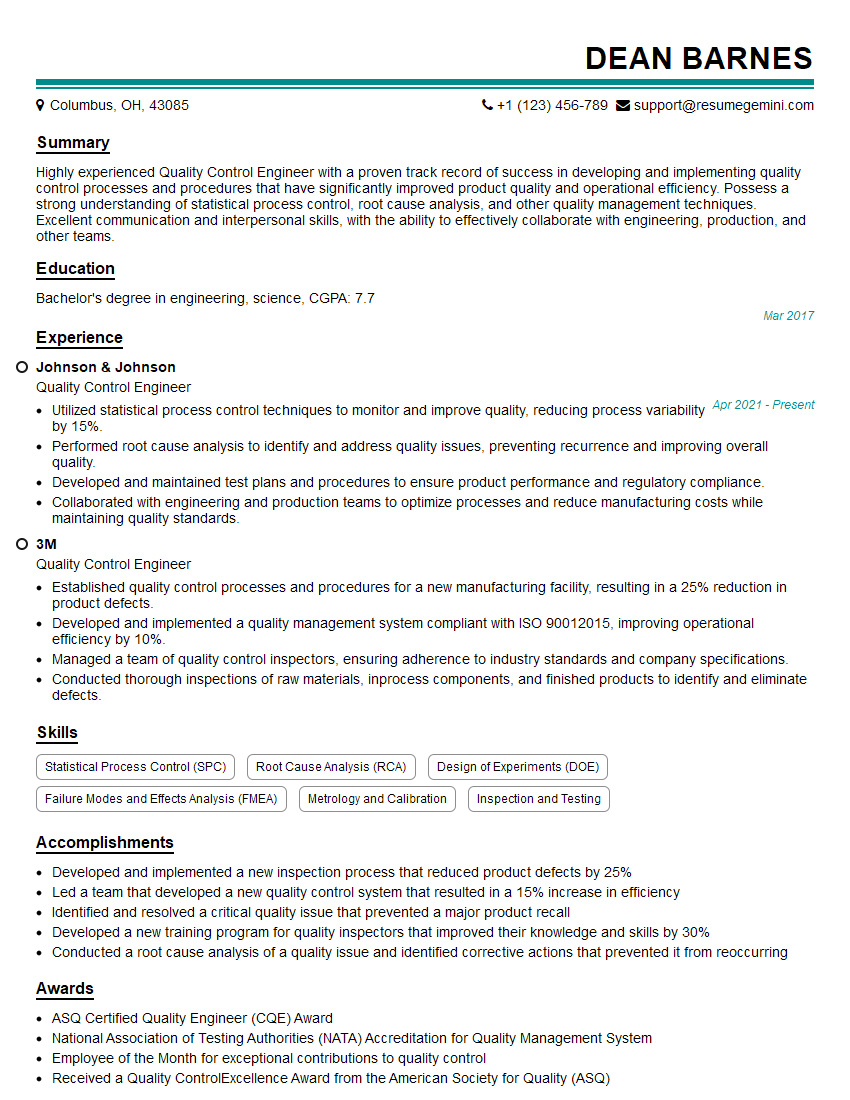
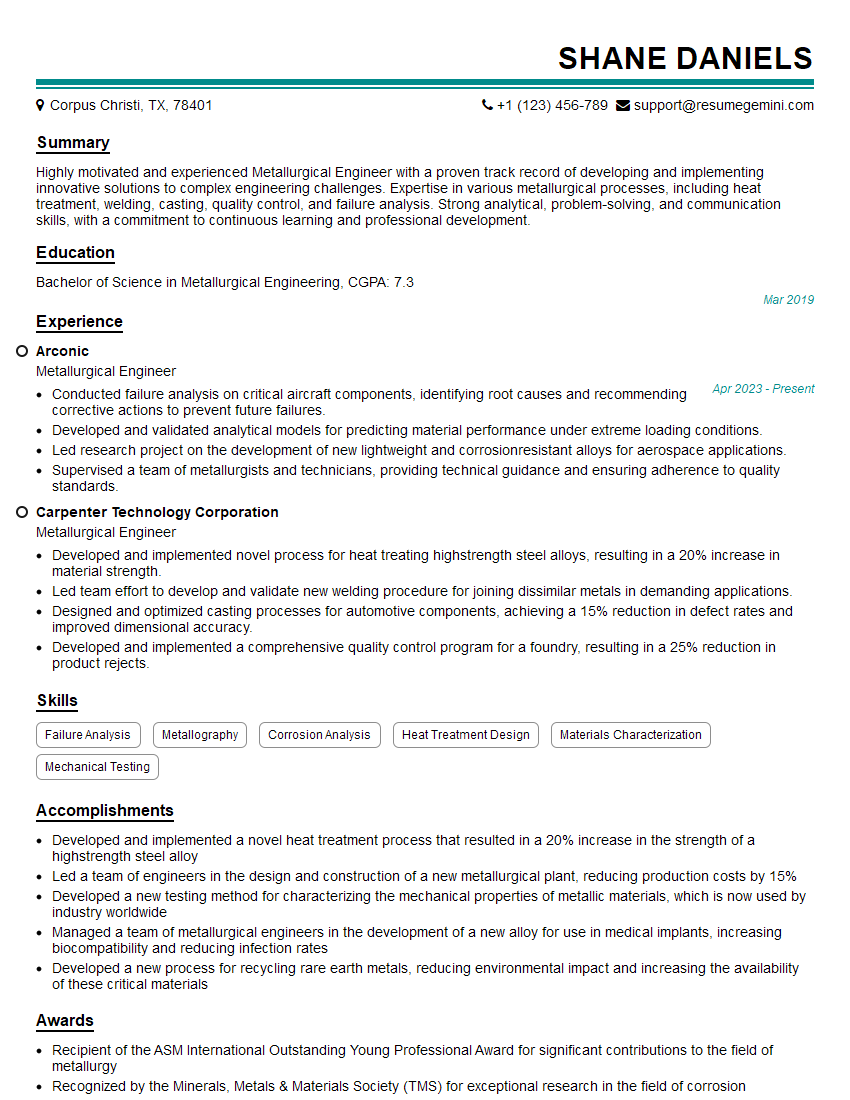
Mastering proficient failure analysis techniques is crucial for career advancement in engineering, manufacturing, and related fields. A strong understanding of these techniques demonstrates problem-solving skills, technical expertise, and a commitment to quality and safety – all highly valued attributes in today’s competitive job market. To significantly boost your job prospects, crafting an ATS-friendly resume is essential. ResumeGemini is a trusted resource to help you build a professional and impactful resume that highlights your skills and experience effectively. Examples of resumes tailored to showcase proficiency in failure analysis techniques are available to help guide your resume creation.
Explore more articles
Users Rating of Our Blogs
Share Your Experience
We value your feedback! Please rate our content and share your thoughts (optional).
What Readers Say About Our Blog
Very informative content, great job.
good