Are you ready to stand out in your next interview? Understanding and preparing for Managing Livestock interview questions is a game-changer. In this blog, we’ve compiled key questions and expert advice to help you showcase your skills with confidence and precision. Let’s get started on your journey to acing the interview.
Questions Asked in Managing Livestock Interview
Q 1. Describe your experience in livestock breeding programs.
My experience in livestock breeding programs spans over 15 years, encompassing both conventional and selective breeding techniques. I’ve worked extensively with dairy cattle, focusing on improving milk yield, fat content, and somatic cell count. For example, in one project, we implemented a genomic selection program, using SNP genotyping to identify superior breeding animals. This resulted in a 15% increase in milk production within three generations. With beef cattle, my focus has been on improving carcass quality and feed efficiency. We’ve successfully utilized artificial insemination (AI) and embryo transfer technologies to rapidly disseminate desirable traits within the herd. I also have experience with sheep and goat breeding programs, concentrating on improving reproductive rates and disease resistance. Each project requires a tailored approach, considering the specific breed, environmental conditions, and market demands. A critical aspect is meticulous record-keeping to track performance data and inform selection decisions.
Q 2. Explain your approach to disease prevention and control in livestock.
My approach to disease prevention and control is multifaceted and emphasizes a proactive, biosecurity-focused strategy. It begins with strict biosecurity protocols, including quarantine procedures for new animals, disinfection of facilities, and controlled access to the farm. Regular vaccination programs tailored to the specific risks present in the region and the species being raised are crucial. For instance, we implement a comprehensive vaccination schedule for clostridial diseases, BVD, and leptospirosis in our dairy herd. Early disease detection is equally important. We use regular health checks, including visual inspections, temperature monitoring, and fecal testing to detect early signs of illness. Prompt veterinary intervention is essential should illness occur. We maintain detailed health records for each animal, allowing us to identify trends and potential sources of disease outbreaks. Additionally, we utilize regular parasite control strategies, such as deworming, based on fecal egg counts, to minimize parasitic burdens. Finally, proper nutrition and animal welfare play significant roles in building a resilient herd less susceptible to disease.
Q 3. How do you manage feed costs and optimize animal nutrition?
Managing feed costs and optimizing animal nutrition requires a balanced approach. It begins with strategic feed sourcing. We analyze local feed markets to secure the most cost-effective feedstuffs while ensuring quality. This might involve negotiating bulk purchases of hay or grains, or exploring alternative feed sources like silage or by-products from local food processing industries. We employ feed budgeting and ration balancing techniques to ensure animals receive the right mix of nutrients at the optimal cost. This typically involves using specialized software to formulate rations based on animal requirements, feed composition, and available resources. For example, we might supplement grazing with a protein supplement to meet the nutritional needs of lactating cows. We also monitor feed intake and animal performance closely, making adjustments as needed to ensure maximum efficiency. Regular analysis of feed samples helps ensure quality and nutritional value. Waste minimization, such as using efficient feeding systems, also reduces costs.
Q 4. What are your strategies for improving livestock productivity?
Improving livestock productivity is a continuous process that involves several key strategies. Genetic improvement through selective breeding, as discussed earlier, is paramount. Beyond genetics, optimal nutrition and disease prevention, already highlighted, are foundational. We also focus on improving management practices. This includes optimizing housing conditions, ensuring adequate space and ventilation, and implementing comfortable resting areas. Effective heat stress management, especially in hotter climates, is critical. This could involve providing shade, installing sprinklers, or modifying feeding times. We also implement efficient herd management practices, such as precision livestock farming technologies. For instance, using electronic identification tags and data loggers allows us to monitor individual animal performance, allowing for targeted interventions when needed. Regular training for staff on best management practices ensures consistent application of strategies across the farm.
Q 5. Describe your experience with pasture management and rotational grazing.
Pasture management and rotational grazing are central to sustainable and productive livestock operations. We utilize a carefully planned rotational grazing system to maximize pasture utilization and minimize overgrazing. This involves dividing pastures into multiple paddocks and rotating livestock among them at regular intervals, allowing time for rest and regrowth. We monitor pasture growth and condition regularly, adjusting grazing periods as needed. Soil testing helps determine nutrient deficiencies and guides fertilization strategies to enhance pasture productivity. We also implement weed control practices to maintain pasture quality. Resting pastures allows for weed suppression and enables soil regeneration. A diverse mix of pasture species, offering a variety of nutritional components and improved soil health, is another key element. This promotes resilience to drought and pest pressure. Overseeing the implementation of these practices is crucial for the long-term health and productivity of the grazing land.
Q 6. How do you monitor and manage livestock health?
Livestock health monitoring and management is an ongoing process. We use a combination of methods. Daily visual observations for signs of illness, such as lameness, reduced appetite, or unusual behavior, are critical. Regular weight checks and body condition scoring provide important indicators of animal health and nutritional status. We collect data on milk production, reproduction rates, and mortality to track herd health. We also utilize diagnostic tools such as blood tests, fecal examinations, and milk somatic cell counts to identify and address potential problems early on. Electronic monitoring systems can provide real-time data on animal activity and health parameters. A well-maintained database allows us to track individual animal health records, identify trends, and make informed decisions regarding preventative measures and treatment strategies. Regular consultation with a veterinarian is essential for disease prevention, diagnosis, and treatment.
Q 7. What are your methods for handling and restraining livestock safely?
Safe handling and restraint of livestock is paramount for both animal welfare and worker safety. We train all staff on proper handling techniques, emphasizing calm and confident approaches. We utilize appropriate facilities, including well-designed handling chutes, crush pens, and headgates, that minimize stress on animals. We avoid using unnecessary force and ensure animals are restrained securely but comfortably. Specific restraint methods vary depending on the species and individual animal temperament. For example, using a halter and lead rope for cattle, or a shepherd’s crook for sheep, provides control while minimizing stress. Regular maintenance of handling equipment is essential to ensure its safety and effectiveness. We emphasize a proactive approach to training animals to willingly enter handling facilities, making the process smoother and safer for both animals and personnel. Regular reviews of handling protocols ensure they remain effective and align with best practice guidelines for animal welfare.
Q 8. Explain your experience with livestock record-keeping and data analysis.
Effective livestock record-keeping is the cornerstone of successful livestock management. It provides the data needed for informed decision-making, improving efficiency and profitability. My experience encompasses using both manual and digital systems. I’ve utilized spreadsheets for smaller herds, tracking parameters like birth dates, weights, vaccinations, and breeding cycles. For larger operations, I’ve implemented sophisticated herd management software, allowing for real-time data entry and analysis. This software often includes features such as automated alerts for due vaccinations or potential health issues. Data analysis involves identifying trends and patterns. For example, analyzing weight gain data over time can highlight nutritional deficiencies or identify individual animals requiring attention. Similarly, analyzing breeding records can optimize breeding strategies and improve reproductive efficiency. I am proficient in using statistical software to perform analyses, visualizing data through charts and graphs to easily identify areas for improvement in the livestock operation.
For instance, on a previous farm, we used detailed records to identify a correlation between a specific feed type and reduced milk production in our dairy cows. By switching feed, we saw a significant improvement in milk yield within a few weeks, demonstrating the direct impact of accurate data analysis on operational efficiency.
Q 9. How do you manage labor and allocate tasks within a livestock operation?
Managing labor effectively in livestock operations requires careful planning and delegation. It starts with clearly defining roles and responsibilities. I utilize a task-based scheduling system, assigning specific tasks to individuals based on their skills and experience. This might involve creating a daily or weekly schedule outlining tasks such as feeding, cleaning, animal health checks, and record-keeping. I believe in fostering teamwork and open communication. Regular team meetings are crucial for addressing concerns, sharing information, and ensuring everyone understands their role. Additionally, I regularly assess the workload and adjust schedules as needed to accommodate unforeseen events or seasonal changes in workload. Employee training is vital. It ensures everyone understands proper animal handling techniques, safety procedures, and the importance of maintaining high animal welfare standards.
For example, during lambing season, we would assign experienced staff to assist with deliveries, while less experienced team members would focus on tasks like feeding and cleaning. This division of labor ensures that the critical tasks are handled by the most skilled individuals, maximizing efficiency and minimizing stress.
Q 10. Describe your experience with animal welfare standards and compliance.
Animal welfare is paramount in any livestock operation I manage. My experience includes implementing and maintaining high standards of animal care, complying with all relevant regulations and best practices. This involves ensuring animals have access to adequate food, water, shelter, and veterinary care. I regularly inspect facilities to ensure they are clean, safe, and appropriate for the specific animal species. I also implement programs for early disease detection and prevention, including regular vaccinations and health checks. Understanding animal behavior is key to ensuring welfare. Recognizing signs of stress, illness, or discomfort allows for prompt intervention. I actively participate in training programs to remain updated on best practices and emerging research related to animal welfare. Furthermore, I ensure all staff receive thorough training in proper animal handling techniques to minimize stress and injury to animals.
For example, in one operation, we implemented a rotational grazing system to improve pasture quality and reduce parasite loads, significantly improving animal health and welfare. We also installed automated water systems to ensure consistent access to fresh water, especially during hot weather.
Q 11. How do you handle livestock emergencies and unexpected events?
Handling livestock emergencies requires a proactive and well-defined approach. This involves developing emergency plans that address various scenarios, including disease outbreaks, natural disasters, and equipment malfunctions. These plans should outline specific procedures, including contact lists for veterinarians, emergency services, and relevant authorities. Regular drills are crucial to ensure everyone understands their roles and responsibilities during emergencies. Maintaining good relationships with local veterinarians and emergency services is critical for rapid response. Having readily available supplies, such as medications, emergency equipment, and backup generators, is also essential. Post-emergency procedures should include damage assessment, animal welfare checks, and a thorough review of the response to identify areas for improvement.
For instance, during a severe storm, our pre-planned evacuation procedure allowed us to safely move our livestock to a designated shelter area, minimizing losses and ensuring animal safety. Post-storm, we quickly assessed the damage and implemented repairs, demonstrating the value of proactive planning and swift action.
Q 12. Explain your understanding of different livestock production systems.
My understanding of livestock production systems encompasses a wide range of approaches, each with its own advantages and disadvantages. I’m familiar with extensive grazing systems, where animals graze freely over large areas, relying primarily on natural pastures. Intensive systems, on the other hand, involve higher stocking densities and more intensive management practices, often using confinement housing. Integrated systems combine different approaches, such as integrating crop production with livestock grazing. Organic production systems emphasize natural methods and prohibit the use of synthetic fertilizers and pesticides. I’ve had experience with all these different systems and understand the specific management considerations required for each. Choosing the most appropriate system depends on several factors, including available land, climate, market demands, and environmental considerations.
For example, in a mountainous region with limited arable land, an extensive grazing system would be more suitable. Conversely, in an area with high population density and high demand for animal products, an intensive system might be more economically viable.
Q 13. What is your experience with livestock marketing and sales?
Successful livestock marketing and sales require a deep understanding of market trends, consumer preferences, and pricing strategies. My experience includes direct sales to consumers, selling through auction markets, and supplying to processing plants. I’m adept at identifying target markets and tailoring our products to meet specific customer needs. Understanding grading standards and quality assurance programs is essential to maximizing sales prices. Building relationships with buyers and establishing a strong reputation for consistently high-quality products is key to long-term success. Utilizing market analysis tools and forecasting techniques helps to anticipate market fluctuations and optimize pricing strategies. Effective marketing may involve creating a strong brand identity and utilizing various marketing channels, such as online platforms and farmer’s markets.
For instance, I successfully established direct relationships with local restaurants, supplying them with high-quality, locally sourced beef, resulting in premium pricing and enhanced brand recognition.
Q 14. How do you assess and address challenges related to livestock behavior?
Addressing challenges related to livestock behavior requires a thorough understanding of animal psychology and ethology (the study of animal behavior). I approach behavioral problems by first identifying the root cause. This might involve observing the animals’ behavior, assessing their environment, and considering factors such as nutrition, health, social dynamics, and handling practices. Once the cause is identified, I implement appropriate interventions. This may involve modifications to the animals’ environment, such as providing more space, enriching their surroundings, or adjusting social groupings. Behavioral modification techniques, such as positive reinforcement, can be effective in training and correcting undesirable behaviors. Addressing underlying health issues is often critical to resolving behavioral problems. Regular monitoring and early detection of health problems can help prevent behavioral issues from developing.
For example, we once noticed increased aggression in a group of bulls. After careful observation, we discovered that overcrowding was the root cause. By providing more space and rearranging their housing, we significantly reduced the aggressive behavior. This highlights the importance of understanding the link between environment and animal behavior.
Q 15. Describe your experience with the use of technology in livestock management.
Technology has revolutionized livestock management, improving efficiency and animal welfare. My experience encompasses a wide range of applications, from basic record-keeping software to sophisticated precision livestock farming (PLF) systems.
Record-keeping Software: I’ve utilized software to meticulously track animal health, breeding cycles, feed consumption, and production metrics. This allows for data-driven decision-making, such as identifying animals requiring attention or optimizing feeding strategies. For example, tracking individual cow milk yields allows for early identification of mastitis or other health issues.
Precision Livestock Farming (PLF) Technologies: I’ve worked with automated systems like electronic identification (EID) tags, activity monitors, and automated milking systems. EID tags provide real-time location and health data, while activity monitors can alert us to potential health problems through changes in movement patterns. Automated milking systems increase efficiency and reduce labor costs.
Data Analytics and Predictive Modeling: Beyond data collection, I use analytical tools to identify trends and predict future outcomes. This could involve forecasting feed requirements based on projected animal growth or identifying potential disease outbreaks based on historical data. This proactive approach helps prevent losses and optimize resource allocation.
Career Expert Tips:
- Ace those interviews! Prepare effectively by reviewing the Top 50 Most Common Interview Questions on ResumeGemini.
- Navigate your job search with confidence! Explore a wide range of Career Tips on ResumeGemini. Learn about common challenges and recommendations to overcome them.
- Craft the perfect resume! Master the Art of Resume Writing with ResumeGemini’s guide. Showcase your unique qualifications and achievements effectively.
- Don’t miss out on holiday savings! Build your dream resume with ResumeGemini’s ATS optimized templates.
Q 16. What are your strategies for minimizing environmental impact from livestock operations?
Minimizing the environmental impact of livestock operations is crucial for sustainability. My strategies focus on several key areas:
Improved Feed Efficiency: Optimizing livestock diets to maximize nutrient absorption minimizes waste and reduces the amount of feed required, thus reducing greenhouse gas emissions associated with feed production and transportation.
Manure Management: Effective manure management is critical. This includes proper storage to prevent runoff and the use of anaerobic digesters to generate biogas, a renewable energy source, and reduce methane emissions. We also utilize manure as fertilizer, reducing the need for synthetic fertilizers.
Grazing Management: Implementing rotational grazing systems helps improve pasture health, reduce soil erosion, and sequester carbon in the soil. This approach mimics natural grazing patterns and promotes biodiversity.
Water Conservation: Implementing water-efficient irrigation systems and monitoring water usage are essential to conserve this vital resource.
Waste Reduction: We actively look for ways to reduce waste throughout the operation, from feed to packaging materials. This is environmentally responsible and cost-effective.
Q 17. How do you manage biosecurity protocols on your farm/ranch?
Biosecurity is paramount to preventing disease outbreaks. Our protocols are multi-layered and rigorously enforced:
Quarantine: All new animals are quarantined for a specific period to observe for signs of illness before introducing them to the main herd.
Hygiene and Sanitation: Maintaining high hygiene standards through regular cleaning and disinfection of facilities, equipment, and vehicles is essential. Footbaths are used at entry points to control the spread of pathogens.
Pest Control: Effective pest control measures are implemented to minimize the risk of vector-borne diseases. This includes regular inspections and appropriate control measures.
Visitor Control: Restricted access to the farm and strict visitor protocols, including protective clothing, are essential to prevent the introduction of diseases.
Vaccination Programs: Regular vaccination programs are implemented to protect animals against common diseases.
Record Keeping: Meticulous record-keeping of animal health, movements, and treatments is essential for traceability and disease surveillance.
Q 18. Describe your experience with budgeting and financial management in a livestock operation.
Effective budgeting and financial management are crucial for the long-term success of any livestock operation. My experience involves:
Detailed Budgeting: Creating detailed budgets that encompass all aspects of the operation, including feed, labor, veterinary care, and equipment maintenance. This enables us to monitor expenses and make informed decisions.
Cost Analysis: Regularly analyzing costs to identify areas for improvement and cost reduction. For example, we compare feed costs from different suppliers and optimize feed rations to minimize expenses.
Inventory Management: Careful inventory management of feed, supplies, and livestock ensures efficiency and reduces waste. Tracking inventory helps prevent shortages and reduces spoilage.
Financial Reporting: Generating regular financial reports to track profitability and identify trends. This data-driven approach allows for proactive adjustments to ensure financial sustainability.
Market Analysis: Staying informed about market trends in livestock prices and feed costs is essential for making informed business decisions.
Q 19. Explain your knowledge of relevant livestock regulations and legislation.
Knowledge of relevant livestock regulations and legislation is essential for compliance and ethical operation. This includes understanding regulations related to animal welfare, biosecurity, environmental protection, and traceability. I stay current on all applicable laws and regulations at the local, state, and federal levels. This ensures the farm adheres to all standards, minimizing risks and maintaining operational integrity. For example, we ensure proper documentation for animal movement and adhere to regulations regarding the disposal of animal carcasses.
Q 20. How do you identify and address signs of stress in livestock?
Identifying and addressing stress in livestock is critical for animal welfare and productivity. Signs of stress can be subtle or overt and include:
Behavioral Changes: Changes in behavior such as restlessness, aggression, or isolation can indicate stress. For example, cows may exhibit reduced milk production or changes in their eating habits.
Physiological Changes: Changes in physiological parameters like heart rate, respiration rate, and cortisol levels (stress hormone) can be indicative of stress.
Reduced Productivity: Decreased milk production in dairy cows, reduced weight gain in beef cattle, or decreased egg production in poultry are often signs of chronic stress.
Addressing stress involves identifying the cause, whether it’s overcrowding, poor nutrition, harsh handling, or environmental factors, and implementing appropriate mitigation strategies. These might include improving housing conditions, providing adequate nutrition, implementing gentler handling techniques, or reducing exposure to stressors.
Q 21. What are your strategies for dealing with livestock predators?
Dealing with livestock predators requires a multi-faceted approach combining preventative measures and reactive strategies:
Preventative Measures: This includes securing fences, using guard animals (like llamas or donkeys), and implementing lighting and noise deterrents to make the area less attractive to predators.
Reactive Strategies: This involves promptly addressing predator attacks through methods like trapping or lethal control when necessary, always in compliance with local regulations and ethical considerations. Record keeping of predator activity and effectiveness of control measures is crucial for adjusting strategies.
Predator Management Programs: Working with wildlife agencies and participating in community predator management programs helps address wider predator issues and share knowledge and best practices.
The best approach depends on the specific predator, the type of livestock, and the local environment. A well-planned strategy that integrates both preventative and reactive measures is the most effective way to protect livestock and minimize losses.
Q 22. Describe your experience with selecting and implementing appropriate animal housing.
Selecting and implementing appropriate animal housing is crucial for animal welfare, productivity, and economic viability. It involves a thorough assessment of several factors, including the animal species, breed, age, and climate.
For example, dairy cows require free stalls or tie stalls with adequate space for comfortable lying and rising, while broiler chickens need well-ventilated barns with sufficient floor space to prevent overcrowding and stress. In colder climates, insulation and heating systems are essential to maintain optimal temperatures, while in warmer climates, ventilation and shade are paramount. I consider factors like cost-effectiveness of different materials and building designs, ease of cleaning and maintenance, and biosecurity measures to prevent disease spread.
In a recent project, we designed and built a new barn for a pig farm using a slatted floor system for improved hygiene and manure management. The building’s orientation was optimized to maximize natural sunlight and minimize wind exposure, reducing energy costs. We also incorporated a waste management system to collect and process the manure, converting it into biogas for energy and fertilizer.
Q 23. How do you manage water resources efficiently in a livestock operation?
Efficient water management in livestock operations is critical for profitability and environmental sustainability. It involves minimizing water waste while ensuring animals have consistent access to clean, fresh water. This necessitates a multifaceted approach.
Firstly, we need to choose water delivery systems carefully. Automatic drinkers are generally preferred for larger operations as they reduce water waste compared to open troughs, particularly in preventing spillage and contamination. Regular inspection and maintenance of water lines are necessary to avoid leaks and breakdowns. Secondly, water quality is vital. We regularly test the water for contaminants like bacteria and heavy metals to prevent health issues in the animals. Thirdly, water reuse where appropriate and feasible (e.g., recycled water for cleaning facilities) can significantly improve efficiency. Finally, implementing water conservation measures such as rainwater harvesting can further enhance water resource management.
On a previous farm, we implemented a rainwater harvesting system that collected and stored rainwater for non-potable uses like cleaning equipment and irrigating pasture. This reduced reliance on municipal water, saving both money and environmental resources.
Q 24. Explain your understanding of different livestock breeds and their characteristics.
Understanding livestock breeds and their characteristics is fundamental to successful livestock management. Different breeds exhibit varying traits in terms of growth rate, meat quality, milk production, disease resistance, and adaptability to different climates. This understanding informs breeding programs and management practices.
For instance, Angus cattle are known for their marbling and tenderness, making them highly desirable for beef production. Holstein Friesians are renowned for their high milk yield, but they might be more susceptible to certain diseases compared to more robust breeds. Similarly, selecting breeds adapted to local environmental conditions can reduce stress and improve performance. A thorough understanding of breed characteristics enables informed decisions about breeding strategies, feeding programs, and overall herd management.
In my experience, I have worked with various breeds of sheep, including Suffolk and Dorset, each with unique traits that dictated how we managed their grazing, shearing, and breeding programs. For instance, Suffolk sheep are known for their fast growth rate and lean meat, while Dorset sheep are characterized by their ability to breed out of season.
Q 25. How do you maintain accurate inventory records for your livestock?
Accurate livestock inventory records are the backbone of effective management. They provide essential information for tracking animal health, productivity, and financial performance. A robust system combines physical counts with individual animal identification. This identification can be through ear tags, microchips, or other methods, depending on the species and size of the operation.
I utilize specialized livestock management software to record births, deaths, movements (e.g., sales, transfers), weight gains, vaccinations, treatments, and other relevant data. This software generates reports on various key performance indicators (KPIs), allowing for timely intervention and informed decision-making. Regular reconciliation between physical counts and software records ensures data integrity. Accurate records are essential for compliance with regulations, accurate financial reporting, and efficient decision-making.
In a previous role, our farm implemented a system using RFID ear tags and a handheld scanner. This enabled quick and accurate tracking of individual animals, improving efficiency during feeding, health checks, and sales.
Q 26. Describe your experience with using performance data to improve livestock management.
Performance data is invaluable for improving livestock management. By monitoring key metrics such as weight gain, milk production, feed conversion ratio, and reproductive efficiency, we can identify areas for improvement and make data-driven decisions.
For instance, tracking daily weight gain allows us to assess the effectiveness of our feeding program. If weight gain is below expected levels, we can investigate potential causes, such as nutritional deficiencies or health problems. Similarly, monitoring reproductive performance helps identify animals with fertility issues, allowing for early intervention and improvements to breeding strategies. Data analysis can also reveal trends and patterns, facilitating proactive management and preventing potential problems.
I regularly use data analysis techniques to identify areas for improvement. For example, by analyzing feed conversion ratios across different groups of animals, I was able to optimize feed formulations, resulting in a 10% reduction in feed costs while maintaining productivity. Using statistical software and visualizing data through graphs and charts greatly aids in understanding trends and making effective decisions.
Q 27. What are your strategies for reducing waste and improving efficiency in livestock production?
Reducing waste and improving efficiency are crucial for the economic and environmental sustainability of livestock production. This involves a holistic approach focusing on several key areas.
Firstly, optimizing feed efficiency is paramount. This involves using balanced rations tailored to the animals’ nutritional needs, minimizing feed wastage through appropriate storage and feeding techniques, and potentially incorporating precision feeding systems. Secondly, improving manure management is essential. This involves utilizing anaerobic digesters to convert manure into biogas, reducing greenhouse gas emissions and providing a source of renewable energy. Also, utilizing manure as fertilizer reduces reliance on synthetic fertilizers. Thirdly, efficient use of water, as previously discussed, plays a critical role in reducing waste. Finally, implementing preventative healthcare programs reduces losses due to disease and improves overall productivity.
In one instance, we implemented a precision feeding system that delivered customized rations to individual animals based on their requirements, reducing feed waste by 15% and improving overall animal performance.
Q 28. How do you ensure the sustainability of your livestock operation for the long term?
Ensuring the long-term sustainability of a livestock operation requires a commitment to environmental responsibility, economic viability, and social equity. This involves adopting practices that minimize the environmental footprint, while maintaining profitable operations and ensuring fair treatment of workers and the community.
This includes adopting sustainable grazing practices, such as rotational grazing to prevent overgrazing and soil erosion. Implementing renewable energy sources, such as solar panels, reduces reliance on fossil fuels. Implementing responsible manure management practices minimizes pollution. Furthermore, adopting animal welfare best practices, including providing adequate space and enrichment, improves animal health and productivity while adhering to ethical considerations. Finally, actively engaging with the local community fosters a positive relationship and promotes the long-term sustainability of the operation.
Our farm has implemented a carbon offsetting program by planting trees on the property to compensate for greenhouse gas emissions. We also participate in a local farmer’s market, enhancing our relationship with the community while promoting the sustainability of our agricultural practices.
Key Topics to Learn for Managing Livestock Interview
- Animal Husbandry: Understanding animal breeds, nutrition, health, and welfare. Practical application: Explain your experience in optimizing animal feed rations for improved growth and milk production.
- Livestock Production Systems: Knowledge of various farming systems (e.g., intensive, extensive, free-range) and their impact on animal welfare and profitability. Practical application: Describe your experience in managing a specific livestock production system and its challenges.
- Breeding and Genetics: Familiarity with selection techniques, genetic improvement strategies, and reproductive technologies. Practical application: Discuss your role in implementing a breeding program to enhance a specific desirable trait in livestock.
- Animal Health and Disease Management: Understanding common livestock diseases, preventative measures, and treatment protocols. Practical application: Explain your approach to biosecurity and disease control on a farm.
- Financial Management: Budgeting, cost control, record-keeping, and profitability analysis in livestock operations. Practical application: Describe your experience in analyzing financial data to optimize farm profitability.
- Sustainable Livestock Practices: Implementing environmentally friendly techniques, minimizing environmental impact, and promoting sustainable farming practices. Practical application: Discuss your experience in incorporating sustainable practices into livestock management.
- Legislation and Regulations: Awareness of relevant regulations and compliance requirements concerning animal welfare, biosecurity, and environmental protection. Practical application: Explain how you ensured compliance with relevant regulations in your previous role.
- Personnel Management: Supervising and managing a team effectively, motivating employees, and fostering a positive work environment. Practical application: Describe your approach to team leadership and conflict resolution within a farming context.
Next Steps
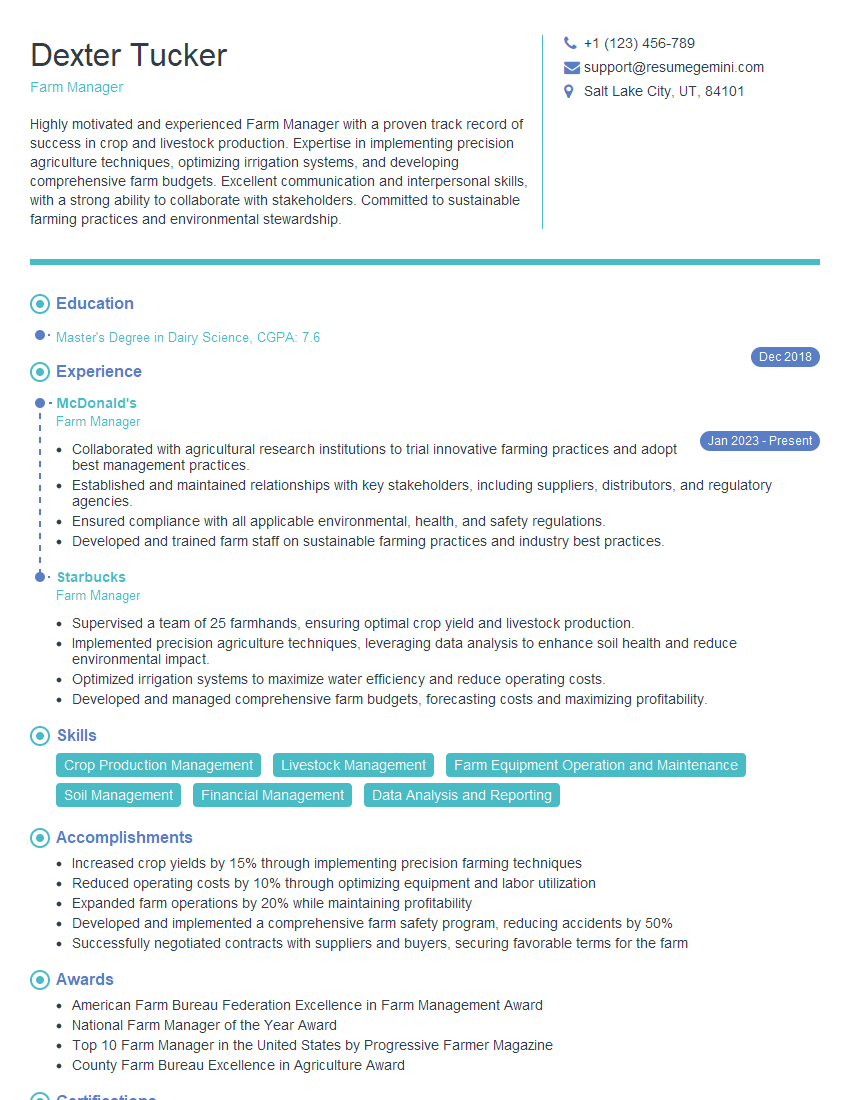
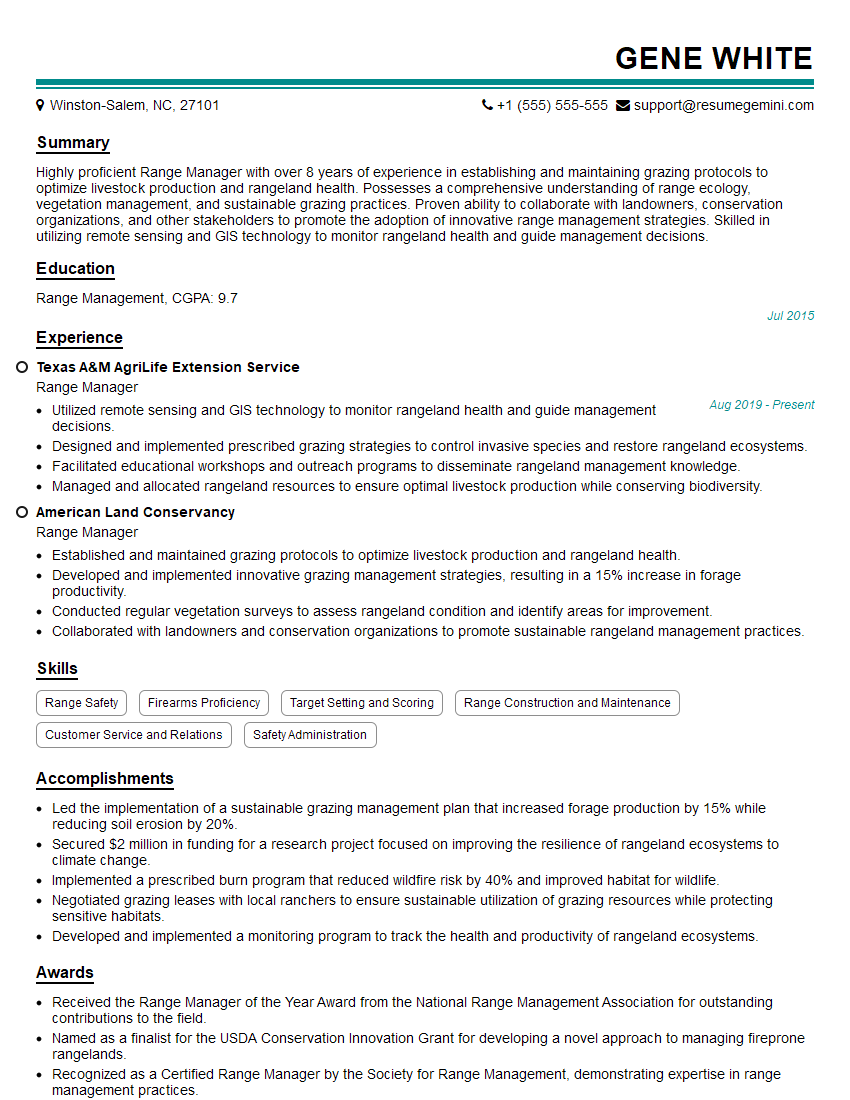
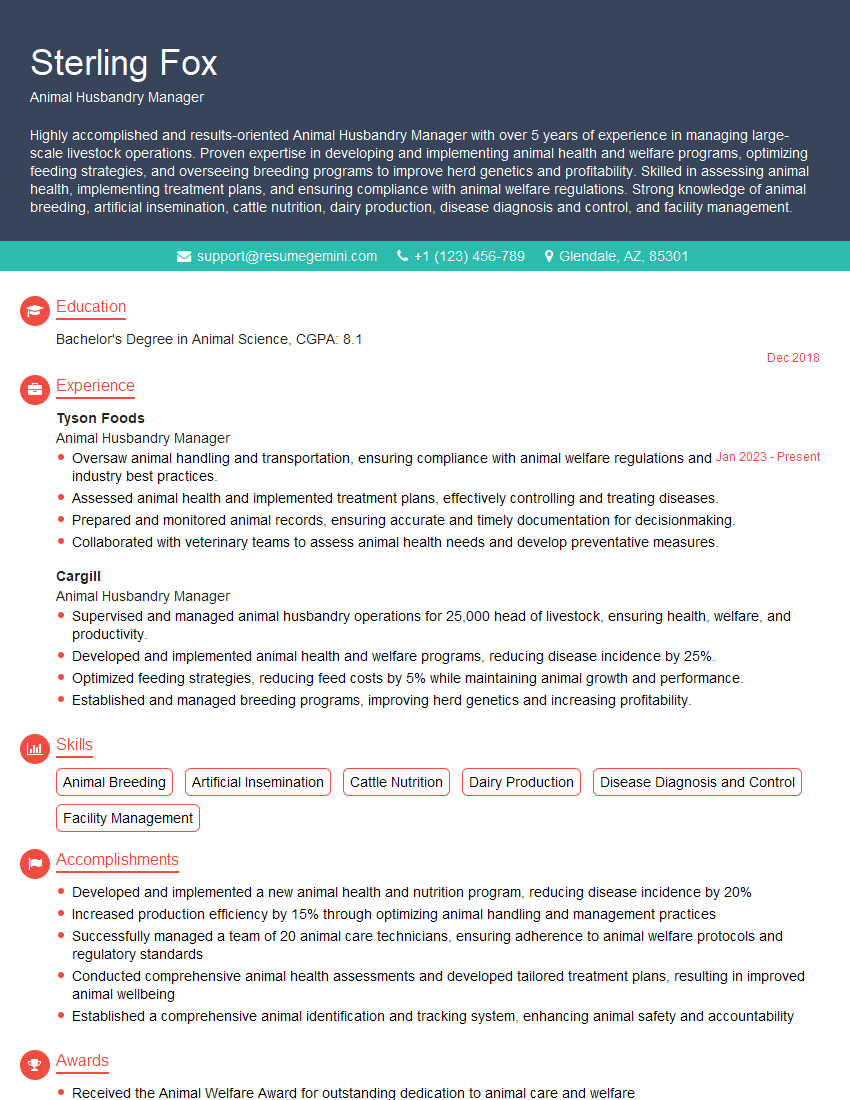
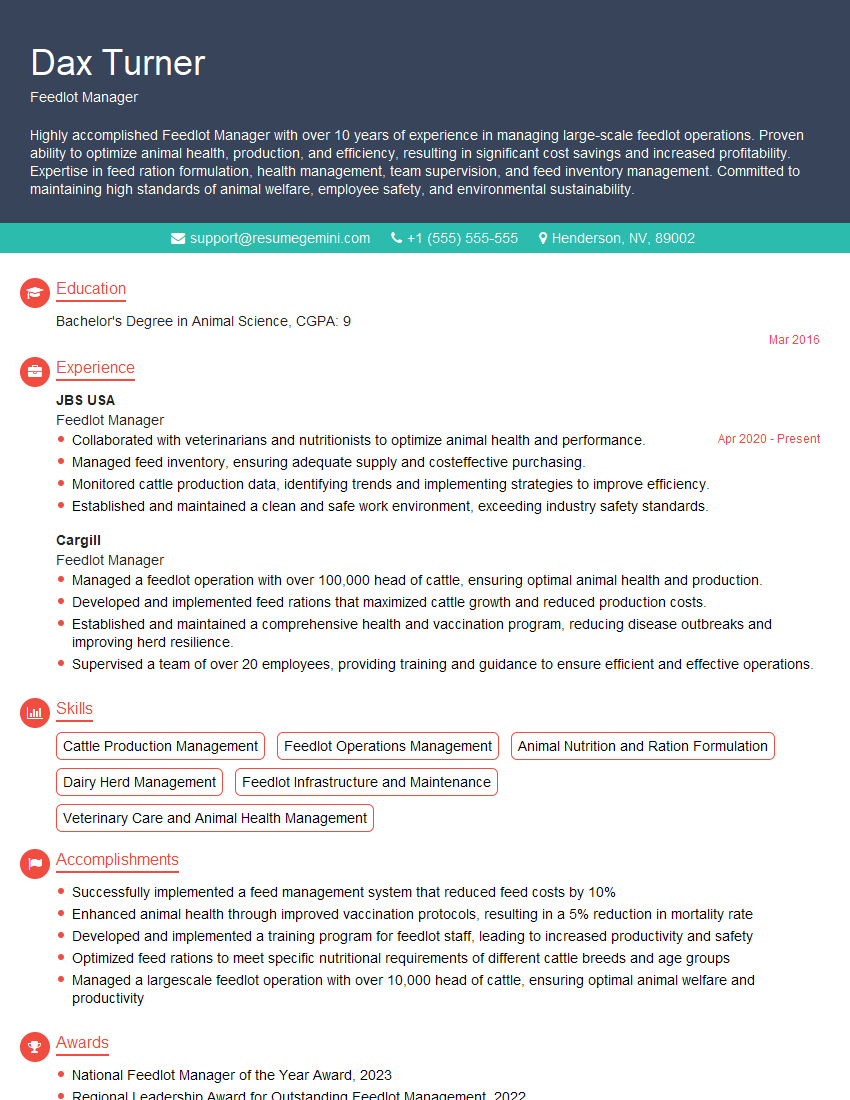
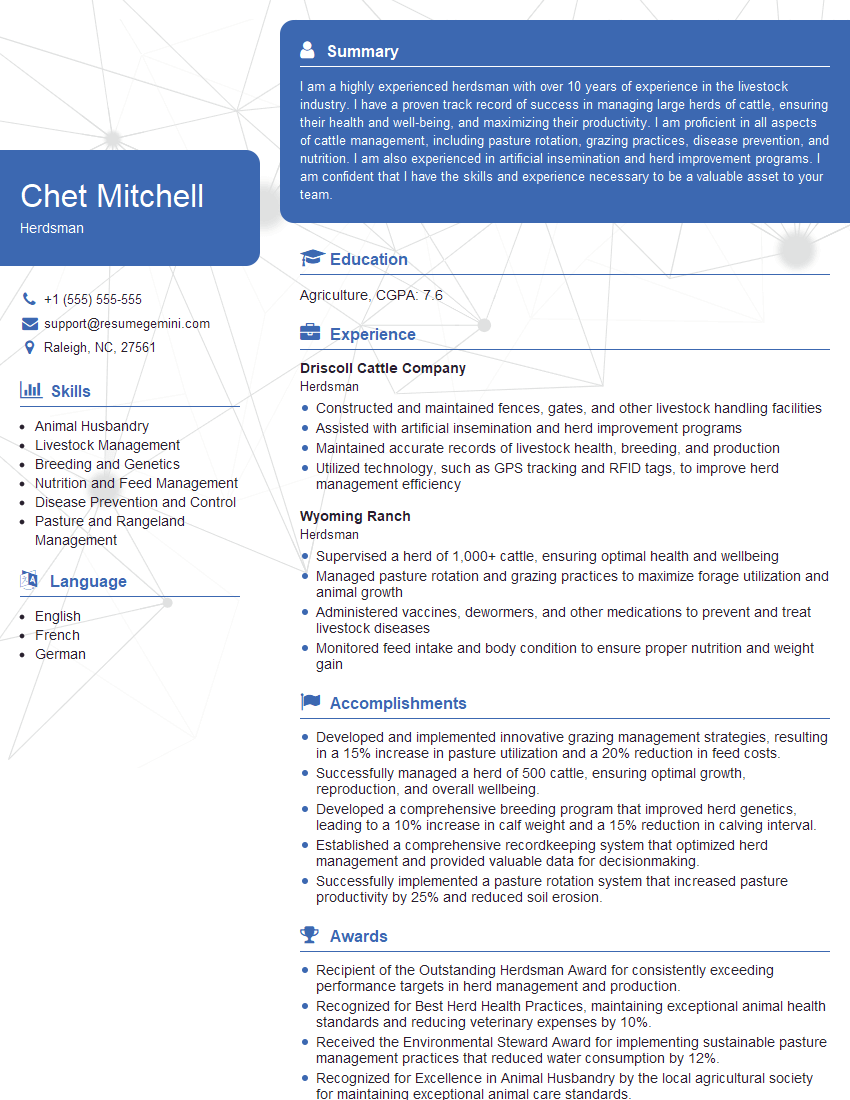
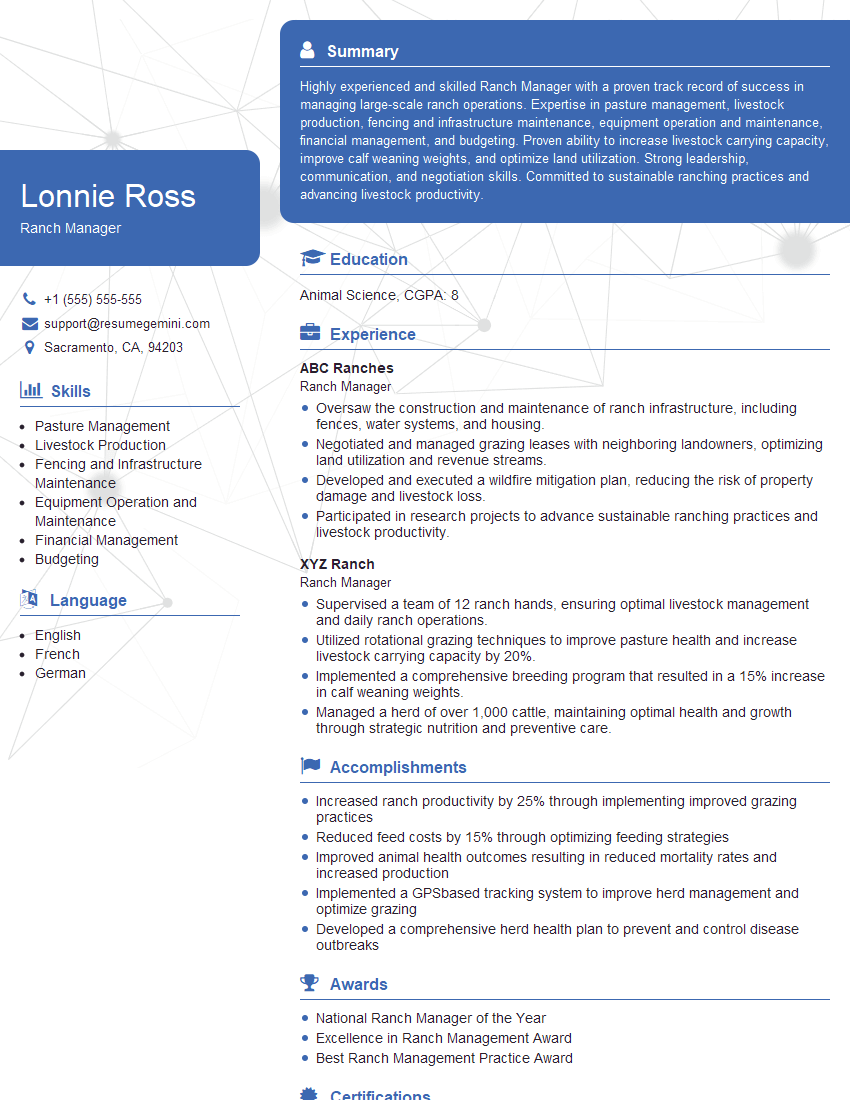
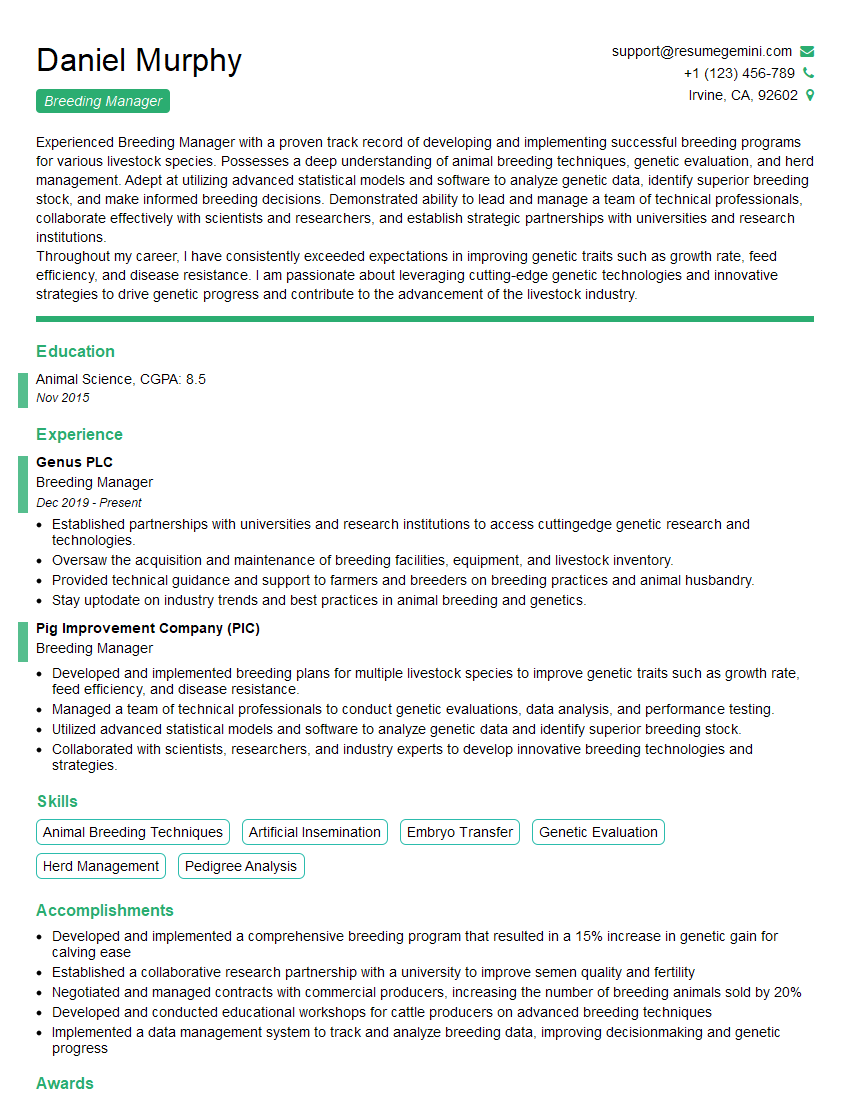
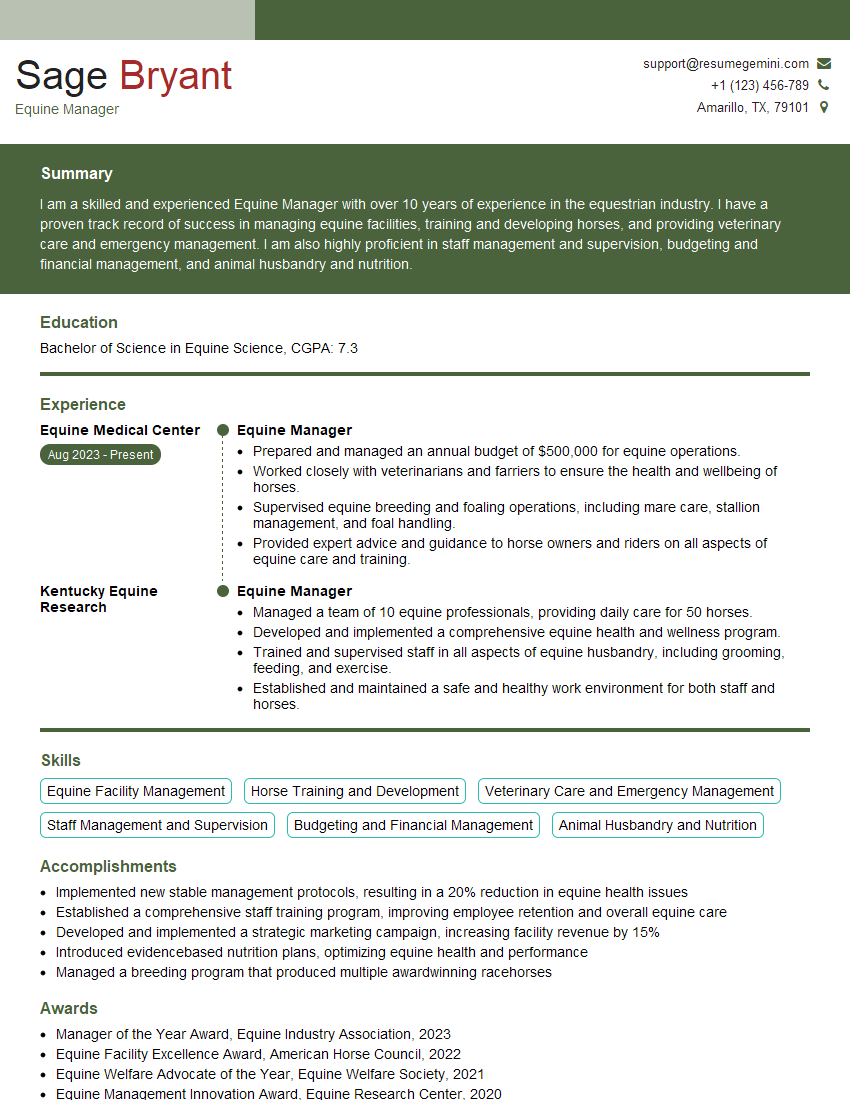
Mastering livestock management opens doors to rewarding careers with excellent growth potential. A strong understanding of these key areas will significantly boost your interview performance and career prospects. To maximize your chances, create an ATS-friendly resume that highlights your skills and experience effectively. ResumeGemini is a trusted resource that can help you build a professional and impactful resume. Examples of resumes tailored to Managing Livestock positions are available to guide you. Invest time in crafting a compelling resume – it’s your first impression with potential employers.


Explore more articles
Users Rating of Our Blogs
Share Your Experience
We value your feedback! Please rate our content and share your thoughts (optional).
What Readers Say About Our Blog
Very informative content, great job.
good