Every successful interview starts with knowing what to expect. In this blog, we’ll take you through the top Managing Quarterbacks and Skill Players interview questions, breaking them down with expert tips to help you deliver impactful answers. Step into your next interview fully prepared and ready to succeed.
Questions Asked in Managing Quarterbacks and Skill Players Interview
Q 1. Describe your philosophy for developing a young quarterback.
Developing a young quarterback is a holistic process focusing on mastering the fundamentals, building confidence, and fostering leadership. It’s not just about throwing the ball; it’s about understanding the game, reading defenses, and making smart decisions under pressure.
- Fundamentals First: We begin with meticulous work on footwork, throwing mechanics, and grip. Consistent repetition is key here. Imagine building a house – you need a strong foundation before adding the walls and roof. We use slow-motion video analysis and drills to refine these elements.
- Mental Game: Developing mental toughness is crucial. This involves film study, understanding offensive concepts, and practicing decision-making in pressure situations. We use simulated game scenarios and mental rehearsal techniques to prepare them for the speed and complexity of actual gameplay.
- Leadership Development: We encourage communication and interaction with teammates. A quarterback needs to be a leader on and off the field. We create opportunities for them to mentor younger players and build relationships within the team.
- Game Experience: Controlled exposure to game situations is vital. This may involve starting in low-pressure games and gradually increasing the stakes. It’s all about finding the balance between protecting the player and allowing them to gain valuable experience.
For instance, I worked with a young quarterback who struggled with his footwork. Through detailed video analysis and specific drills, we improved his footwork, leading to a significant increase in his accuracy and throwing power.
Q 2. How do you identify and correct mechanical flaws in a quarterback’s throwing motion?
Identifying and correcting mechanical flaws in a quarterback’s throwing motion requires a systematic approach combining visual observation, video analysis, and hands-on coaching.
- Visual Assessment: We start by observing the quarterback’s entire throwing motion, from the stance to the follow-through. We look for inconsistencies, such as an unbalanced stance, improper footwork, or a flawed throwing arm action.
- Video Analysis: Slow-motion video allows for a detailed examination of each phase of the throw. We can pinpoint specific flaws and measure the impact on accuracy, velocity, and consistency. Think of it as a surgeon using an X-ray to identify the precise location of a problem.
- Hands-on Coaching: We provide individual coaching to correct the identified flaws. This might involve adjusting the grip, footwork, or arm motion. We use drills that target the specific issues, gradually building correct muscle memory.
- Iterative Process: Correcting mechanical flaws is an iterative process. We continuously monitor progress, adjusting our coaching approach based on the results. We track metrics like accuracy, velocity, and consistency to ensure we are moving in the right direction.
For example, a quarterback might be consistently throwing behind the receiver. Through video analysis, we might discover that his throwing motion is starting too late or his weight transfer is inefficient. We would then work with him to fix these mechanics using specific drills.
Q 3. Explain your approach to designing a passing game plan to exploit defensive weaknesses.
Designing a passing game plan involves a deep understanding of our own strengths and the opposing defense’s weaknesses. It’s about creating advantageous matchups and exploiting vulnerabilities. We use a combination of film study, statistical analysis, and player tendencies to formulate our strategy.
- Film Study: We meticulously study film of the opposing defense, identifying their coverage schemes, tendencies, and personnel groupings. This helps us anticipate their likely reactions to our offensive plays.
- Statistical Analysis: We use statistical data to identify the opposing defense’s weaknesses, such as their susceptibility to certain pass concepts or their struggles against specific receiver matchups.
- Player Tendencies: Understanding the individual strengths and weaknesses of our own players is crucial. We design plays that maximize their skills and minimize their vulnerabilities.
- Play Design: Once we’ve identified the opposing defense’s weaknesses and our team’s strengths, we design plays that exploit those mismatches. This involves selecting the right routes, formations, and protections to create favorable one-on-one matchups.
For instance, if the opposing defense struggles against deep passes down the sideline, we might incorporate several plays designed to exploit this vulnerability. If a particular linebacker is slow to react to certain routes, we’ll create plays to isolate him against a quick receiver.
Q 4. How do you manage the egos and competitive dynamics within a group of skilled players?
Managing egos and competitive dynamics within a group of skilled players requires fostering a culture of collaboration and mutual respect. It’s about creating a team environment where individual success contributes to the collective goal.
- Open Communication: We encourage open and honest communication between players and coaches. This ensures that everyone feels heard and valued. We address concerns promptly and fairly.
- Team-First Mentality: We emphasize a team-first approach, focusing on shared success rather than individual glory. We celebrate team accomplishments and acknowledge individual contributions within that context.
- Fair Competition: We foster healthy competition by creating a level playing field where everyone has an equal opportunity to showcase their talents. However, competition must be constructive, promoting individual growth while strengthening team cohesion.
- Individual Recognition: We actively recognize and reward individual achievements, acknowledging players’ hard work and dedication. This demonstrates our appreciation for their efforts and contributes to maintaining high morale.
If a star player is unhappy about their playing time, for example, we address their concerns directly, explaining the rationale behind our decisions and working towards a solution that meets both the individual’s and the team’s needs.
Q 5. Describe your strategy for incorporating new offensive schemes or plays.
Incorporating new offensive schemes or plays requires a phased approach that balances innovation with the team’s current capabilities and comfort level.
- Gradual Introduction: We avoid overwhelming the team by introducing new plays gradually. We start with a few core plays and gradually add more complexity as the players become more familiar.
- Practice and Repetition: We dedicate ample practice time to mastering the new plays. This includes walk-throughs, individual drills, and team scrimmages. Repetition builds confidence and muscle memory.
- Film Study and Analysis: We use film to analyze the effectiveness of the new plays, identifying any adjustments needed. This iterative approach allows us to refine the plays based on real-time performance.
- Player Feedback: We actively solicit feedback from players on the new plays, addressing any concerns or suggestions. This participatory approach ensures player buy-in and ownership of the offensive system.
For example, when introducing a new passing concept, we might start with a simpler version, focusing on mastering the basic route combinations before adding more intricate variations. Continuous feedback and adjustment based on practice sessions and game performances allow seamless integration.
Q 6. What metrics do you use to evaluate the performance of your quarterbacks and skill players?
Evaluating quarterbacks and skill players requires a multifaceted approach that goes beyond simple statistics. We consider a range of metrics to paint a complete picture of performance.
- Completion Percentage: A basic but important metric indicating accuracy.
- Yards Per Attempt (YPA): Reflects efficiency and decision-making.
- Interception Rate: Indicates risk-taking and ball security.
- Passer Rating: A composite score combining several key metrics.
- Touchdown-to-Interception Ratio: Shows the ability to make crucial plays in scoring positions.
- Rushing Yards & Touchdowns (for quarterbacks): Measures the quarterback’s ability to extend plays and score on the ground.
- Receptions, Yards After Catch (YAC), and Touchdowns (for skill players): Shows the players’ receiving efficiency and ability to gain yardage after the catch.
- Drops (for skill players): Indicates ball security and focus.
- Missed Assignments: This shows consistency and understanding of the play concepts.
- Film Review: In-depth analysis of game film provides context and identifies areas for improvement.
We don’t rely on any single metric; instead, we use a combination of these metrics in conjunction with film study to form a holistic assessment of player performance.
Q 7. How do you handle injuries within your skill position group?
Handling injuries within the skill position group requires a coordinated effort involving medical staff, coaching staff, and the injured player. Our approach focuses on player health, recovery, and minimizing disruption to the team.
- Immediate Medical Attention: Prompt and appropriate medical attention is paramount. We have a team of medical professionals on hand to assess and treat injuries.
- Rehabilitation and Recovery: We work closely with medical staff to develop a tailored rehabilitation plan for each injured player. This may involve physical therapy, strength training, and other specialized treatments.
- Player Development (During Recovery): We use this time to ensure the player stays engaged with film study, play analysis and strategical preparation for their eventual return.
- Roster Management: We utilize a combination of active roster players and backup players from the practice squad to fill the gaps left by injuries. This approach requires having talented and reliable players in reserve.
- Communication: Open communication with the injured player is vital. We provide ongoing support and keep them updated on their progress. Maintaining team morale is of paramount importance during these situations.
For example, if our starting wide receiver suffers a hamstring injury, we might elevate a player from our practice squad to the active roster and adjust the offensive game plan to emphasize the strengths of the available players.
Q 8. How do you tailor your coaching approach to different player personalities and learning styles?
Coaching is not a one-size-fits-all approach. Understanding individual player personalities and learning styles is crucial for maximizing their potential. I believe in a personalized approach, starting with a thorough assessment of each player’s strengths, weaknesses, and preferred learning methods. Some players thrive on direct instruction and detailed explanations, while others learn better through visual aids, repetition, and hands-on practice.
- Visual Learners: For these players, I utilize diagrams, video clips, and demonstrations to illustrate concepts. I might even use technology like video analysis software to showcase their own performance and highlight areas for improvement.
- Auditory Learners: With auditory learners, clear verbal explanations, drills with verbal cues, and group discussions are key. Regular feedback sessions are also important, allowing for dialogue and clarification.
- Kinesthetic Learners: This group learns best by doing. I focus on more hands-on drills, simulations, and game-like scenarios. Allowing for experimentation and immediate feedback is crucial.
For example, I once had a young receiver who was incredibly talented but lacked confidence. He was a kinesthetic learner, so instead of focusing on complex route combinations at first, we started with basic footwork drills and one-on-one repetitions. As his confidence and skills improved, we gradually integrated him into more complex drills and team practices. The key is flexibility and adaptation – tailoring the method to the player, not the other way around.
Q 9. Describe a time you had to adapt your game plan during a game due to unforeseen circumstances.
During a crucial playoff game, our starting quarterback suffered a concussion in the second quarter. Our backup, while talented, hadn’t seen extensive playing time. Our initial game plan relied heavily on passing plays designed to exploit the opposing team’s weak secondary. With the backup quarterback’s strengths in running the option and short passes, I immediately adjusted our strategy.
We shifted our offensive scheme to a more run-heavy approach, incorporating option plays to utilize his mobility. This minimized the risk of turnovers and allowed him to gain confidence. We also simplified our passing game, focusing on quick, high-percentage throws. We utilized more play-action passes to keep the defense honest. The communication aspect was vital; the coaching staff quickly briefed the backup on the adjusted game plan and ensured all players understood the changes. This pivot was a success—we managed to control the clock, grind out yards, and eventually win the game, proving the importance of adaptability in high-pressure situations.
Q 10. How do you balance individual player development with team success?
Balancing individual player development with team success is a constant juggling act. My philosophy centers around the idea that a strong team is built on strong individuals. I believe in identifying each player’s unique strengths and working with them to refine their skills, while simultaneously integrating their contributions into a cohesive team strategy.
I utilize a system of individualized training plans alongside team drills. This allows players to focus on their areas for improvement while participating in team activities that build synergy and communication. For example, a highly talented wide receiver might receive extra coaching in advanced route running techniques, while still practicing alongside the team in passing drills and red zone plays. Regular performance reviews and feedback sessions are crucial, making sure individual progress aligns with overall team goals. Success, for me, means both a winning team and individual player growth.
Q 11. What is your approach to building team chemistry and camaraderie among skill players?
Building strong team chemistry among skill players requires a multifaceted approach that goes beyond the field. It’s about creating a culture of trust, respect, and shared purpose.
- Team Building Activities: Organizing team-building activities outside of practice helps to break down barriers and foster camaraderie.
- Open Communication: Encouraging open and honest communication between players and coaches is vital.
- Shared Goals: Clearly articulating shared team goals and celebrating successes together reinforces unity.
- Mentorship Programs: Pairing veteran players with rookies fosters a sense of belonging and provides valuable learning opportunities.
In practice, we make a point of incorporating competitive yet fun drills where players work together. We also encourage informal interactions, like team dinners or social outings. It’s about fostering an environment where players support each other both on and off the field. This creates a strong bond that translates into better on-field performance.
Q 12. Explain your method for recruiting and evaluating college skill position prospects.
Recruiting and evaluating college skill position prospects involves a thorough and multi-faceted process. I start by analyzing game film, focusing on aspects like route running, ball skills, speed, agility, and decision-making. I look beyond statistics – raw talent is important, but so is their ability to perform under pressure, work ethic, and character.
I attend college games, combine events, and pro days to observe players firsthand. This allows me to assess their physical attributes, agility, and how they react in game situations. I also conduct thorough background checks and speak to coaches and teammates to gather insights into their character and work habits. The goal is to identify players who not only have the skills but also the right mental fortitude and coachability to succeed at the professional level. It’s a holistic assessment, focusing on both tangible and intangible qualities.
Q 13. How do you utilize technology (film study, analytics) to improve player performance?
Technology plays a crucial role in enhancing player performance. We utilize film study extensively, breaking down game footage to identify strengths, weaknesses, and areas for improvement in technique. We use software that allows us to slow down the film, analyze individual plays, and chart player movements and performance.
Analytics provide quantitative data that complements qualitative film analysis. We track metrics such as completion percentage, yards per attempt, yards after catch, and various other statistical measures to gain insights into player performance and effectiveness. This data helps us make informed decisions regarding game planning and player development. For instance, if the analytics reveal a pattern of poor decisions in the red zone, we can dedicate extra practice time to improve decision-making in those high-pressure situations.
Q 14. Describe your experience in working with offensive playbooks and game planning software.
I have extensive experience working with various offensive playbooks and game planning software. I’m proficient in using software to create and manage offensive game plans, including designing formations, plays, and routes, assigning player roles, and simulating game scenarios.
The software allows for quick adjustments and modifications based on opponent tendencies and player performance. It also facilitates efficient communication within the coaching staff. The ability to visually represent offensive schemes enhances understanding and allows for more effective communication with the players. We utilize the software to create practice plans, incorporating various drills and scenarios designed to improve skill and decision-making.
Q 15. How do you prioritize practice drills to maximize player development and game readiness?
Prioritizing practice drills requires a strategic approach balancing fundamental skill development with game-specific scenarios. I start by assessing individual player strengths and weaknesses through film study and performance metrics. Then, I design a practice plan that addresses these needs, focusing on a tiered system.
Fundamentals First: A significant portion of practice is dedicated to fundamental drills. For quarterbacks, this includes footwork drills, throwing mechanics, and reading defenses. For receivers, it’s route running precision, catching techniques, and hand-eye coordination. Running backs focus on ball security, footwork, and agility drills.
Game-Specific Situations: We then transition to drills simulating game scenarios. This includes red-zone drills, two-minute drills, third-down situations, and specific opponent-based strategies. This allows players to practice under pressure and apply their learned skills in realistic contexts.
Individualized Training: I believe in individualized attention. Players who need extra help in specific areas receive focused coaching and extra reps. This might involve extra time with a throwing coach for a quarterback struggling with accuracy, or individualized route-running drills for a receiver.
Progression and Repetition: Drills are carefully sequenced from simple to complex, building gradually on previously learned skills. Repetition is crucial for muscle memory and skill refinement, ensuring consistent performance.
For example, a struggling quarterback might start with basic throwing mechanics drills before progressing to 7-on-7 drills and finally to full-team scrimmages.
Career Expert Tips:
- Ace those interviews! Prepare effectively by reviewing the Top 50 Most Common Interview Questions on ResumeGemini.
- Navigate your job search with confidence! Explore a wide range of Career Tips on ResumeGemini. Learn about common challenges and recommendations to overcome them.
- Craft the perfect resume! Master the Art of Resume Writing with ResumeGemini’s guide. Showcase your unique qualifications and achievements effectively.
- Don’t miss out on holiday savings! Build your dream resume with ResumeGemini’s ATS optimized templates.
Q 16. How do you motivate underperforming players and maintain high standards?
Motivating underperforming players requires a blend of understanding, support, and constructive feedback. It’s crucial to avoid public criticism; instead, I opt for private, one-on-one conversations to address concerns.
Identify the Root Cause: First, I try to understand the reason for underperformance. Is it a technical issue, a confidence problem, a lack of focus, or something else entirely? Sometimes, it’s even off-field issues impacting on-field performance.
Positive Reinforcement: I focus on highlighting their strengths and past successes to rebuild confidence. Even small victories are celebrated. This positive reinforcement can counteract negative self-perception.
Specific, Measurable Goals: We work together to set achievable, short-term goals, which provide a sense of accomplishment and boost motivation. These could be specific technical improvements or performance benchmarks.
Role Adjustment: In some cases, adjusting a player’s role can help. A receiver struggling to get open might be more effective in different formations or routes. It’s about finding where they can excel.
Accountability and Support: I provide a supportive environment while also maintaining high standards. Players are held accountable for their performance, but they also know they have my support and guidance.
For instance, with a running back struggling with fumbles, we might start by focusing solely on ball security drills before incorporating them into more complex plays. Consistent, positive reinforcement and building confidence slowly is key.
Q 17. Explain your approach to developing a strong quarterback-receiver connection.
Developing a strong quarterback-receiver connection requires dedicated time and effort. It’s more than just throwing and catching; it’s about building trust, understanding, and anticipating each other’s actions.
Extra Practice Time: We dedicate extra time outside of regular practice, focusing on specific routes, reads, and timing. This is vital to establish a rhythm and build rapport.
Film Study: Thorough film study, both of past games and opposing defenses, helps quarterbacks and receivers understand tendencies, anticipate defensive strategies, and execute plays more effectively.
Communication: Open communication is essential. Quarterbacks and receivers need to discuss route adjustments, read options, and overall game plans, ensuring they’re on the same page.
Practice in Game-like Conditions: Drills simulating pressure situations (like two-minute drills) are critical. These high-pressure situations test the connection and help them build the trust needed for optimal performance under stress.
Building Chemistry: Team-building exercises and social interactions are surprisingly impactful. Stronger personal relationships translate to better on-field communication and trust.
For example, we might focus on practicing a specific slant route repeatedly, adjusting timing and throwing placement until the connection is seamless. This consistency is what builds a championship-caliber chemistry.
Q 18. What techniques do you use to improve the running backs’ pass protection skills?
Improving running backs’ pass protection skills requires a multi-pronged approach focusing on technique, strength training, and film study.
Proper Technique: We emphasize proper stance, footwork, hand placement, and punch technique. Drills focus on mirroring the rusher’s movements and maintaining a balanced posture while engaging the defender. Incorrect technique leads to penalties and injuries.
Strength and Conditioning: Strength training plays a critical role. Running backs need the lower-body strength to anchor against larger defensive linemen. Specific exercises focusing on legs, core, and grip strength are essential.
Film Study: Analyzing film helps running backs understand various blitz packages and defensive schemes. Learning to identify the blitzing linebacker or defensive end is crucial for effective pass protection.
Drill Work: One-on-one pass protection drills against defensive linemen allow them to practice different techniques under pressure. We start with slower, more controlled drills and increase the intensity gradually.
Live Reps: Incorporating pass protection into 7-on-7 and 11-on-11 drills helps build muscle memory and improve timing under game conditions.
For instance, a running back might struggle with pass blocking because they consistently drop their hands. We’d focus on drills correcting hand placement and grip strength, reinforcing proper technique before moving on to more advanced drills.
Q 19. How do you identify and develop leadership qualities within your skill position players?
Identifying and developing leadership qualities in skill position players involves fostering accountability, empowering individuals, and providing opportunities for growth. It’s not just about vocal leaders; it’s about those who lead by example.
Observe and Identify: I closely observe players during practices and games, identifying those who demonstrate initiative, accountability, and a positive influence on their teammates. Leadership traits can manifest in different ways.
Delegation and Responsibility: I delegate responsibility. For example, giving a player responsibility for organizing a drill or leading a film session demonstrates trust and allows them to develop leadership skills.
Mentorship: I pair experienced players with newer ones, fostering a mentorship relationship. This not only helps the younger players but also enhances the leadership skills of the mentor.
Communication and Feedback: Creating a safe space for open communication and constructive feedback fosters a culture of mutual respect and helps players learn from each other.
Leading by Example: Players learn by watching. My own leadership style and the way I interact with the team sets a tone and influences their behavior.
A player who consistently displays dedication in practice and motivates teammates might be given more responsibilities. We would then support them through coaching and guidance as they step into more of a leadership role.
Q 20. What is your approach to dealing with player conflicts or disagreements?
Addressing player conflicts requires a fair, impartial, and timely approach. The goal is to resolve the conflict while maintaining team unity and fostering respect amongst players.
Private Meeting: I typically start by speaking to each player individually, privately, to understand their perspective. This allows them to express themselves without feeling pressure from their teammates.
Active Listening: I actively listen to both sides of the conflict, without interrupting or judging. Understanding the underlying cause of the conflict is crucial.
Facilitation: Once I understand both perspectives, I facilitate a discussion where players can openly communicate their grievances and find common ground. The focus is on finding a solution together.
Setting Expectations: I set clear expectations for professional conduct and remind players of their responsibilities as teammates. Respectful communication and accountability are emphasized.
Mediation and Compromise: Sometimes, I act as a mediator to help them find a compromise. The goal isn’t necessarily to determine who is right or wrong, but to find a solution that works for everyone and moves the team forward.
If a conflict persists, I might involve team leadership or even seek external support from team management. Transparency and consistency in handling conflict are vital for maintaining a healthy team dynamic.
Q 21. Describe your experience with implementing various offensive formations and schemes.
My experience with offensive formations and schemes is extensive. I’m proficient in various styles, from pro-style offenses to spread formations, adapting our strategy based on player personnel, opponent matchups, and game situations.
Pro-Style Offense: This system is based on strong running game and utilizes play-action passing, requiring a strong quarterback capable of reading defenses and making pre-snap adjustments. We focus on power running plays and short to intermediate passes.
Spread Offense: This involves utilizing multiple receivers to stretch the field and exploit mismatches. It requires a quarterback with quick release and good accuracy to throw into tight windows. We emphasize quick passes, utilizing speed and agility of receivers.
Multiple Formations: I’m comfortable using multiple formations to keep defenses guessing and utilize various strengths of our players. This often involves integrating a mix of spread, I-formation, and shotgun formations to generate balance.
Adaptability: My core strength lies in my adaptability. I can adjust our schemes to counter specific defensive strategies, tailoring our approach based on game situations and opponent tendencies.
Statistical Analysis: We heavily utilize statistical analysis to measure the effectiveness of different plays and formations, identifying areas for improvement and optimizing our offensive strategy. This data-driven approach ensures we are always making informed decisions.
For example, against a team with a strong pass rush, we might adjust our scheme to utilize quicker passing plays and increase running plays to keep the defense guessing.
Q 22. How do you balance the use of running and passing plays within your offensive game plan?
Balancing run and pass plays is crucial for a successful offense. It’s not about a rigid percentage split, but rather a dynamic approach based on several factors: the opponent’s defensive tendencies, our team’s strengths, game situation (score, time remaining, down and distance), and the performance of our players on a given day.
We utilize game film analysis to identify weaknesses in the opposing defense. If they’re heavily stacked against the run, we might lean towards a pass-heavy approach to exploit that vulnerability. Conversely, a weak run defense might dictate a more run-oriented game plan. We also look at our own team’s strengths. Do we have a powerful running back or a high-octane passing attack? This will influence the game plan significantly.
Finally, in-game adjustments are vital. If our running game isn’t working, we need to shift to the pass more frequently and vice versa. Think of it like a chess match: we’re constantly adapting our strategy based on the opponent’s moves.
For example, if we’re down by a touchdown in the fourth quarter, we might become more pass-heavy to score quickly, even if that means taking more risks.
Q 23. What are your strategies for managing player fatigue and preventing injuries?
Managing player fatigue and preventing injuries is paramount. We use a multi-pronged approach that includes meticulous planning, in-game monitoring, and a commitment to player well-being.
- Strategic Rotations: We implement regular rotations, especially for skill positions like running back and wide receiver. This prevents burnout and gives players time to rest and recover. For quarterbacks, even though they don’t run as frequently, mental fatigue is a real factor, so we use appropriate substitutions during practices and games.
- Practice Management: Practices are designed to be intense but not overly strenuous. We avoid unnecessary contact drills, particularly in the late stages of practice. We emphasize conditioning and skill development with a focus on technique and efficiency.
- Hydration and Nutrition: Players are educated about proper hydration and nutrition, vital components in preventing injuries and maintaining energy levels throughout games and practices.
- Monitoring: We constantly monitor players’ physical condition, both during practice and games. Signs of fatigue or injury are addressed immediately. If a player seems off, we might rest them for a few plays or even substitute them for a game.
- Strength and Conditioning: A dedicated strength and conditioning program is essential. This program focuses on building muscle endurance, flexibility, and overall strength to minimize the risk of injury.
Essentially, it’s about balancing the demands of high-performance competition with the need to protect player health. A healthy player is a productive player.
Q 24. Describe a time you had to make a tough decision regarding player playing time.
In a crucial playoff game, we had two talented running backs, both capable of leading our rushing attack. One was a powerful, between-the-tackles runner, and the other was a shifty, outside runner. The powerful back had been carrying the load all season, but the shifty back had a breakout game the previous week. The opponent’s defensive scheme seemed heavily geared towards stopping our power runner.
The decision was tough, as both backs were critical to our success. However, based on the opponent’s defensive alignment and the previous week’s performance of the shifty back, I opted to give the shifty back more carries. It wasn’t an easy decision, as it meant potentially limiting the touches of our proven workhorse. However, it paid off. The shifty back excelled, exploiting the defensive weaknesses. It led to a victory, justifying the decision. The key was the data analysis and evaluating the opponent’s defensive strategy in making this call.
Q 25. How do you adapt your coaching style to different levels of competition (e.g., high school, college, pro)?
Coaching styles need to adapt to different competitive levels. At the high school level, the focus is often on fundamental skill development and instilling a strong work ethic. Players often have varying levels of experience, requiring a more patient and individualized approach to coaching.
At the college level, the competition intensifies. The players are more skilled and the playbook becomes more complex. This requires greater emphasis on strategy, game planning, and advanced tactical adjustments. The players are often more independent thinkers and require more nuanced instruction.
In professional football, the emphasis shifts to refinement and maximization of already-high skill levels. Coaching focuses on fine-tuning techniques, implementing intricate play designs, and developing intricate communication strategies. Players at this level have immense experience, and coaching largely becomes about adapting strategies in response to real-time situations.
The core principles of coaching—leadership, communication, and motivation—remain consistent, but the method of implementation varies based on player capabilities, experience and the competitive environment. I find that active listening and observation help to adapt my approach to what each level needs.
Q 26. How do you measure the effectiveness of your coaching strategies and make adjustments?
Measuring coaching effectiveness and making adjustments is an ongoing process. We utilize various methods:
- Statistical Analysis: We track key performance indicators (KPIs) such as yards per play, completion percentage, red zone efficiency, and turnover rate. These statistics provide quantitative data on the success of our strategies.
- Game Film Review: Meticulous game film review is essential. We analyze individual player performances, identifying strengths and weaknesses. We also analyze the opponent’s defensive schemes, examining what worked and what didn’t.
- Player Feedback: We actively solicit feedback from our players. Their insights and perspectives are invaluable in identifying areas for improvement.
- Practice Observations: We observe player performance during practices. This helps identify potential problems early on, allowing for corrective measures.
Based on this data, we make adjustments to our game plans, player assignments, and practice routines. It’s a cyclical process of data collection, analysis, and adaptation. We’re constantly striving to improve our strategies to maximize offensive effectiveness.
Q 27. What are your strategies for maximizing the effectiveness of your skill players in the red zone?
Maximizing skill players’ effectiveness in the red zone requires a multi-faceted approach that focuses on specific plays, player matchups, and practice refinement.
- Play Design: Red zone plays need to be designed for short yardage and scoring. We focus on plays that exploit specific matchups and create mismatches favorable to our skill players. This might involve using play-action passes, designed runs inside the tackles, or quick passes to the flat.
- Personnel Grouping: We strategically employ personnel groupings based on the opponent’s defensive alignment. For example, we may use heavier formations with multiple tight ends to run the ball effectively, or spread formations to create space for receivers and target mismatches.
- Player Roles and Responsibilities: We clearly define roles and responsibilities for each skill player in the red zone. This involves practice reps where they learn the nuances and subtle movements within specific plays. This ensures smooth execution and minimizes errors.
- Practice Focus: We dedicate significant practice time to red zone situations. This allows players to refine their skills, build confidence, and practice executing the specific plays and schemes we want to utilize.
A strong red zone offense is about precision, exploiting advantageous matchups, and consistent execution under pressure. It is less about brute force and more about smart play calls and impeccable execution.
Q 28. How do you create a positive and productive team culture within your offensive unit?
Creating a positive and productive team culture within the offensive unit is vital for success. This starts with establishing clear expectations, fostering open communication, and building trust and mutual respect.
- Clear Communication: Open and honest communication is crucial. We maintain a system where players feel comfortable expressing their ideas, concerns, and feedback. This is vital for building trust.
- Team-building Activities: We engage in team-building exercises and activities, both on and off the field, to build camaraderie and foster a strong team bond. This strengthens the bond between players and helps them work together more effectively.
- Accountability: Players need to be held accountable for their actions and performance. But it needs to be done constructively; we focus on improvement, not simply on punishment.
- Positive Reinforcement: Positive reinforcement is key. We celebrate successes and build confidence in players. Recognizing hard work and individual accomplishments is crucial for fostering a positive environment.
- Leadership Development: We encourage leadership development within the unit. By identifying and developing leaders, we ensure team cohesion and player motivation.
A positive team culture is not just about winning games; it’s about creating an environment where players feel valued, supported, and empowered to perform at their best. It’s about creating a family dynamic where everyone contributes to collective success.
Key Topics to Learn for Managing Quarterbacks and Skill Players Interview
- Game Strategy & Play Calling: Understanding offensive schemes, play selection based on opponent tendencies, and adapting strategies mid-game.
- Quarterback Development & Mentorship: Techniques for improving quarterback mechanics, decision-making, and leadership skills; fostering a positive coaching relationship.
- Skill Player Utilization & Roles: Optimizing the strengths of each skill player (receivers, running backs, tight ends) within the offensive system; designing plays to exploit matchups.
- Player Performance Analysis & Evaluation: Utilizing metrics and film study to assess player performance, identify areas for improvement, and make data-driven decisions.
- Practice Planning & Implementation: Designing effective practice plans that focus on skill development, game preparation, and player conditioning.
- Communication & Teamwork: Building strong relationships with players, coaches, and other staff; clear and concise communication strategies on and off the field.
- Problem-Solving & Adaptability: Identifying and resolving on-field challenges in real-time; adjusting game plans based on unforeseen circumstances.
- Injury Prevention & Management: Implementing training programs and strategies to minimize the risk of injury; addressing injuries effectively and efficiently.
- Recruiting & Talent Acquisition (if applicable): Identifying and evaluating potential players; understanding the recruiting process and compliance regulations.
Next Steps
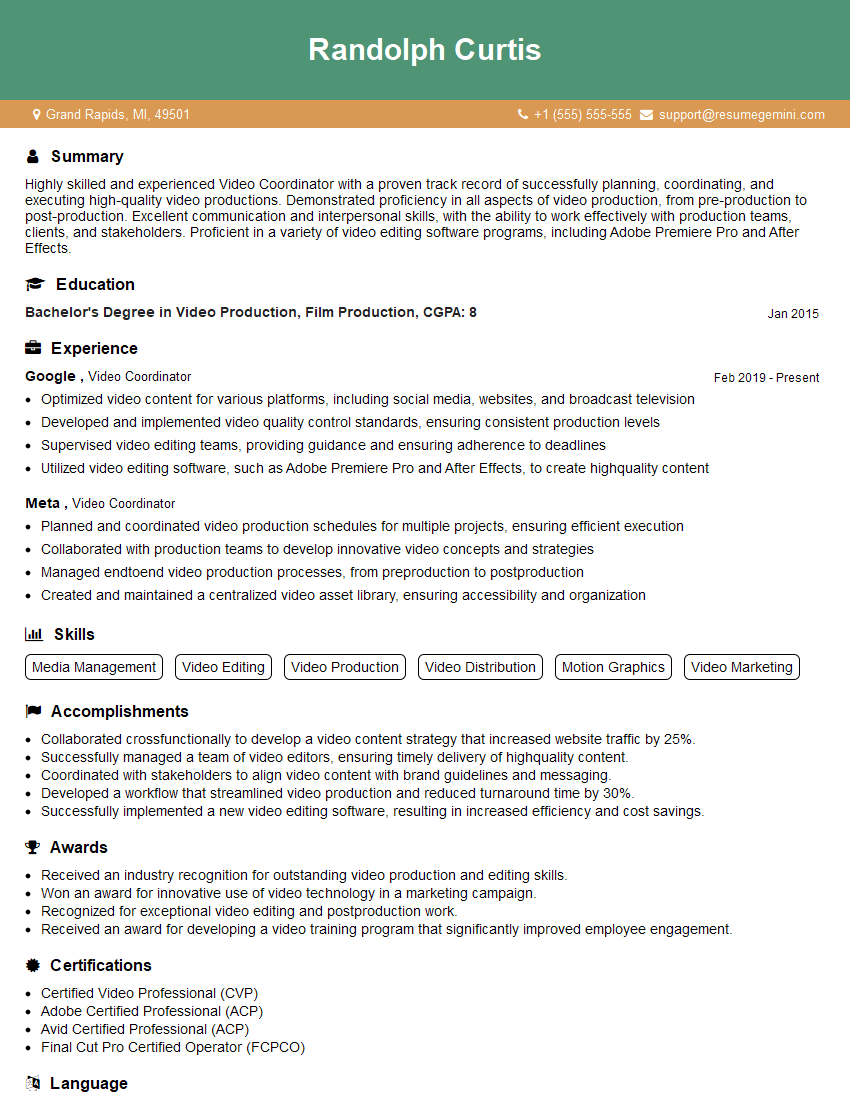
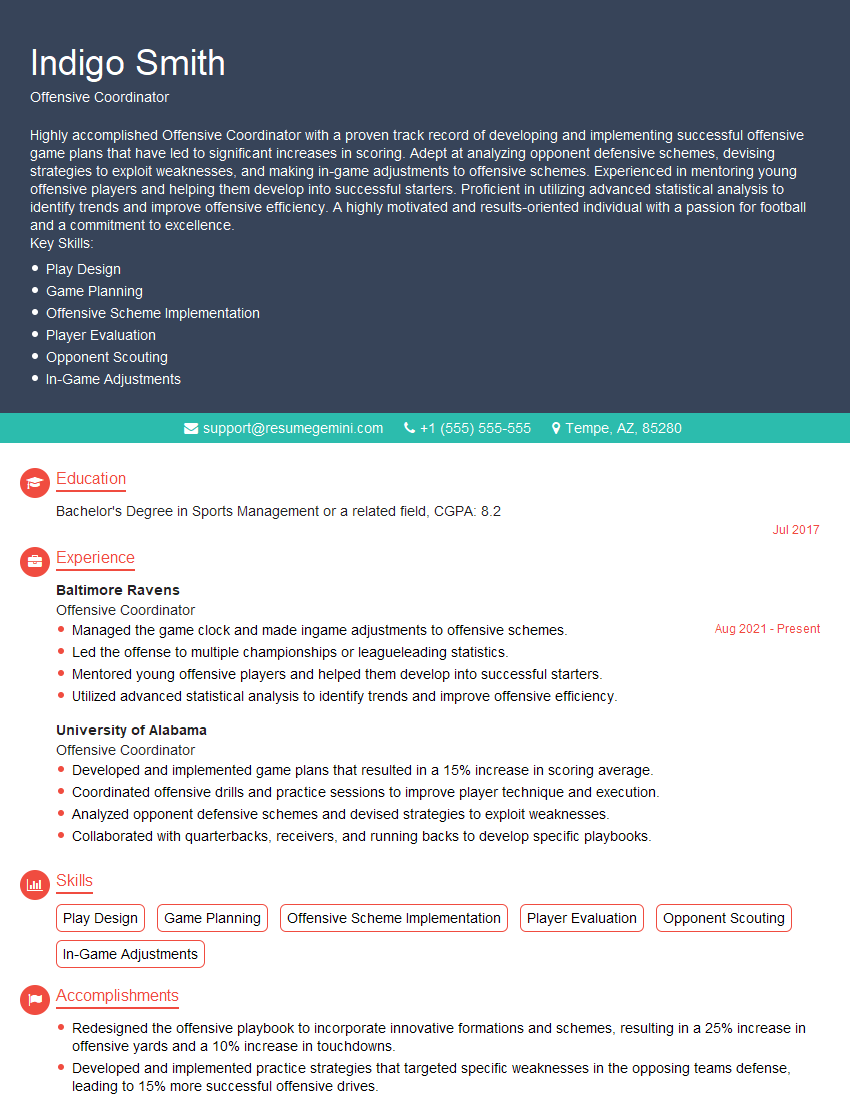
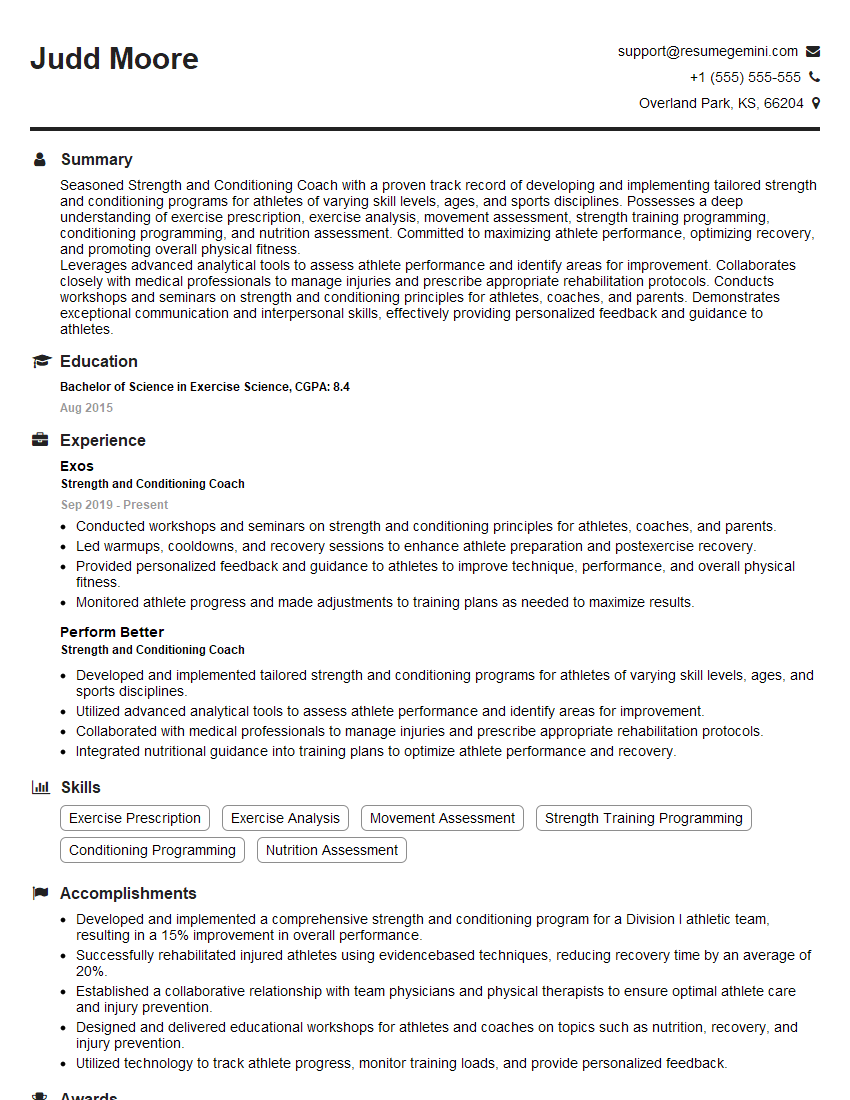
Mastering the art of managing quarterbacks and skill players is crucial for career advancement in coaching and athletic management. A strong understanding of these topics demonstrates your strategic thinking, leadership potential, and ability to optimize team performance. To significantly improve your job prospects, creating an ATS-friendly resume is essential. This ensures your application gets noticed by recruiters. We highly recommend using ResumeGemini to build a professional and impactful resume. ResumeGemini provides an enhanced resume-building experience and offers examples of resumes tailored to Managing Quarterbacks and Skill Players to help guide your preparation. Take the next step and craft a resume that showcases your skills and expertise effectively.
Explore more articles
Users Rating of Our Blogs
Share Your Experience
We value your feedback! Please rate our content and share your thoughts (optional).
What Readers Say About Our Blog
Very informative content, great job.
good