Cracking a skill-specific interview, like one for Marine Ecosystem and Wildlife Conservation, requires understanding the nuances of the role. In this blog, we present the questions you’re most likely to encounter, along with insights into how to answer them effectively. Let’s ensure you’re ready to make a strong impression.
Questions Asked in Marine Ecosystem and Wildlife Conservation Interview
Q 1. Explain the concept of trophic cascades in marine ecosystems.
Trophic cascades illustrate how changes at one level of a food web dramatically affect other levels. Imagine a marine ecosystem where sea otters prey on sea urchins, which in turn feed on kelp forests. If sea otter populations decline (perhaps due to hunting), the sea urchin population explodes unchecked. This leads to overgrazing of kelp forests, resulting in a drastic reduction in kelp and a significant alteration of the entire ecosystem. This is a trophic cascade – a top-down effect where the abundance of one species dramatically impacts the abundance of other species across multiple trophic levels.
For instance, the reintroduction of wolves to Yellowstone National Park (though a terrestrial example) showcased a similar effect. The wolves’ predation on elk reduced elk grazing pressure, allowing willow and aspen trees to recover, benefiting other species. In marine systems, the removal of apex predators like sharks can lead to mesopredator release, where smaller predatory fish increase in number, negatively affecting their prey species and the overall ecosystem balance.
Q 2. Describe the impacts of climate change on coral reef ecosystems.
Climate change poses a severe threat to coral reef ecosystems, primarily through coral bleaching. Rising ocean temperatures cause corals to expel their symbiotic algae (zooxanthellae), which provide them with food and their vibrant colors. This bleaching leaves corals vulnerable to disease and death. Ocean acidification, another consequence of increased atmospheric CO2, reduces the availability of carbonate ions needed for coral calcification, hindering their growth and structural integrity.
Further, changes in sea level, increased storm intensity, and altered ocean currents all contribute to coral reef degradation. For example, more frequent and intense storms can physically damage coral structures, while changes in currents can affect the delivery of nutrients and larvae, impacting coral reproduction and survival. The combined effects of these factors significantly reduce coral reef biodiversity and their ability to provide essential ecosystem services such as coastal protection and fisheries support.
Q 3. What are the key threats to marine biodiversity?
Marine biodiversity faces numerous threats, many stemming from human activities. Overfishing is a major contributor, depleting fish stocks and disrupting food webs. Pollution, including plastic debris, chemical runoff, and noise pollution, harms marine organisms and their habitats. Habitat destruction from coastal development, dredging, and destructive fishing practices further diminishes biodiversity.
- Climate change: As previously discussed, rising temperatures, ocean acidification, and sea-level rise have devastating impacts.
- Invasive species: Non-native species can outcompete native organisms, disrupting ecosystems.
- Disease outbreaks: Often exacerbated by stress factors like pollution and warming waters.
Addressing these threats requires a multifaceted approach involving stricter regulations, sustainable practices, and international cooperation.
Q 4. Discuss different approaches to marine protected area management.
Marine protected area (MPA) management approaches vary considerably, depending on the specific goals and context. Some MPAs focus on strict protection, prohibiting all extractive activities to allow ecosystems to fully recover. Others employ a zoning approach, designating areas for different uses, such as fishing, recreation, or scientific research, with varying levels of restriction.
Adaptive management is crucial, involving ongoing monitoring and evaluation of MPA effectiveness, allowing for adjustments to management strategies based on scientific data and stakeholder input. Successful MPA management necessitates strong community engagement, involving local communities in the planning and implementation process to ensure local ownership and support. Effective enforcement is also vital to deter illegal activities and maintain the integrity of the protected area. Finally, collaboration among different stakeholders, including government agencies, scientists, local communities, and the private sector, is essential for achieving long-term success.
Q 5. Explain the principles of sustainable fisheries management.
Sustainable fisheries management aims to maintain fish populations at healthy levels, ensuring long-term productivity and economic viability. Key principles include:
- Setting catch limits: Based on scientific assessments of stock size and reproductive capacity to avoid overfishing.
- Managing fishing effort: Controlling the number of fishing vessels, fishing gear, and fishing days.
- Protecting spawning grounds and nursery habitats: Ensuring the survival of young fish and the overall health of fish populations.
- Combating illegal, unreported, and unregulated (IUU) fishing: Addressing a significant threat to fish stocks and the sustainability of fisheries.
- Ecosystem-based management: Considering the interconnectedness of species and habitats within the marine ecosystem.
The implementation of these principles often requires international collaboration and strong governmental regulation to address the challenges of overfishing.
Q 6. Describe the life cycle of a commercially important fish species.
Let’s take Atlantic cod (Gadus morhua) as an example. Atlantic cod have a complex life cycle. They begin as eggs, which are released into the water column and drift with currents. After hatching, the larval stage is highly vulnerable, with high mortality rates. As they grow, they transition to juveniles, and eventually into adults. Adult cod migrate to spawning grounds, where they release eggs, completing the life cycle.
Different life stages have different habitat requirements and vulnerabilities. Juveniles require specific nursery habitats, such as seagrass beds or estuaries, for protection and food. Adults may undertake long migrations, requiring access to a range of habitats for feeding and reproduction. Understanding this life cycle is crucial for effective fisheries management, as protecting critical habitats at various life stages is essential for maintaining healthy populations. For example, protecting spawning grounds ensures sufficient recruitment to maintain the stock.
Q 7. How do you assess the health of a marine ecosystem?
Assessing the health of a marine ecosystem requires a holistic approach, integrating various indicators. This includes monitoring:
- Water quality: Assessing parameters like temperature, salinity, dissolved oxygen, and nutrient levels. Deviations from normal ranges can indicate pollution or other stressors.
- Biodiversity: Assessing the abundance and diversity of species at different trophic levels provides insights into ecosystem integrity. Changes in species composition can indicate imbalances or environmental changes.
- Habitat condition: Evaluating the extent and quality of various habitats like seagrass beds, coral reefs, and mangroves. Habitat degradation can severely impact ecosystem health.
- Trophic interactions: Examining the relationships between predator and prey species and their influence on overall ecosystem dynamics. Disruptions in trophic cascades can signal underlying problems.
Utilizing a combination of these indicators allows for a comprehensive evaluation of ecosystem health. This data is essential for informing conservation strategies and managing human impacts to ensure marine ecosystem sustainability.
Q 8. What are the challenges of marine mammal conservation?
Marine mammal conservation faces numerous interconnected challenges. These can be broadly categorized into threats from human activities, natural events, and inherent biological vulnerabilities.
- Habitat Loss and Degradation: Coastal development, pollution, and climate change significantly impact crucial habitats like breeding grounds and feeding areas. For example, noise pollution from shipping disrupts whale communication and navigation.
- Entanglement in Fishing Gear: Many marine mammals, especially seals and dolphins, become entangled in fishing nets, leading to injury, drowning, or starvation. This is a major concern globally.
- Climate Change: Rising sea temperatures, ocean acidification, and changes in prey distribution directly threaten marine mammal populations. Shifting ice patterns, crucial for Arctic species like polar bears, are a prime example.
- Pollution: Chemical pollutants, plastics, and noise pollution can cause various health problems, weaken immune systems, and impact reproductive success. Bioaccumulation of toxins in the food chain is particularly concerning.
- Disease Outbreaks: Similar to terrestrial animals, marine mammals are susceptible to infectious diseases. Changes in environmental conditions can exacerbate disease spread.
- Human Interaction and Disturbance: Whale watching, though a positive industry in some ways, can cause stress and disruption if not managed responsibly. Boating traffic can also lead to collisions.
Addressing these challenges requires a multifaceted approach combining policy changes, technological advancements, and public awareness campaigns.
Q 9. Discuss the role of citizen science in marine conservation.
Citizen science plays a vital role in marine conservation by expanding the reach and capacity of scientific research. It empowers volunteers to participate directly in data collection and analysis, enhancing the scale and scope of monitoring efforts. Imagine it as a vast, collaborative network extending the eyes and ears of scientists across vast marine environments.
- Data Collection: Citizen scientists can contribute through beach cleanups, reporting sightings of marine animals (e.g., through apps), participating in underwater surveys, or monitoring water quality parameters. This crowdsourced data can reveal patterns and trends not possible through limited professional efforts.
- Species Monitoring: Tracking sea turtle nesting sites or monitoring the migration patterns of whales relies heavily on citizen science. Local knowledge and community engagement are essential for effectively protecting these species.
- Increased Awareness: Participating in citizen science projects fosters a deeper understanding and appreciation of marine ecosystems, thereby promoting conservation ethics.
- Cost-Effectiveness: Citizen science dramatically reduces the cost and time required for large-scale monitoring programs. It is a sustainable solution for expanding research capacity.
However, ensuring data quality and validating citizen-collected information are crucial aspects of successful citizen science initiatives. Proper training and quality control measures are necessary to maintain scientific rigor.
Q 10. Explain different methods for monitoring marine pollution.
Monitoring marine pollution employs a range of methods, each targeting specific pollutants and environmental compartments.
- Water Sampling and Analysis: Collecting water samples at various depths and locations allows scientists to measure the concentration of various pollutants, such as heavy metals, pesticides, and plastics. Advanced techniques like chromatography and mass spectrometry are used for detailed chemical analysis.
- Sediment Analysis: Sediment cores provide a historical record of pollution, revealing long-term trends and patterns. The concentration of pollutants in sediment can indicate past and present pollution levels.
- Biomonitoring: Analyzing the tissues of marine organisms (e.g., fish, mussels) for pollutants reveals bioaccumulation levels. This indicates how pollutants are moving through the food web and their potential impact on marine life.
- Remote Sensing: Satellite imagery and aerial surveys help monitor large-scale pollution events like oil spills or algal blooms. These technologies provide a broader perspective on the spatial extent of pollution.
- Acoustic Monitoring: Sound travels efficiently underwater, and this technique can help detect and map pollution sources, for instance, noise pollution or the location of underwater debris.
Combining different methods gives a more comprehensive picture of the extent, distribution, and impact of marine pollution.
Q 11. Describe the impacts of invasive species on marine ecosystems.
Invasive species, organisms introduced outside their natural range, can wreak havoc on marine ecosystems. Their impacts are multifaceted and often devastating.
- Competition for Resources: Invasive species can outcompete native species for food, habitat, and other resources, leading to population declines or even extinctions of native species. Consider the lionfish invasion in the Caribbean, where they decimate native fish populations.
- Predation: Invasive predators can dramatically alter the structure of food webs by consuming native prey species at unsustainable rates.
- Disease Transmission: Invasive species can introduce new diseases to native populations, which may lack immunity to these novel pathogens.
- Habitat Alteration: Some invasive species can physically modify habitats, making them less suitable for native organisms. For example, certain algae can form dense mats that smother other organisms.
- Hybridization: Invasive species can hybridize with native species, leading to genetic dilution and loss of genetic diversity in native populations. This can weaken the native species’ ability to adapt to changing environments.
Controlling and managing invasive species requires a combination of prevention (e.g., stringent biosecurity measures), early detection, and eradication or control efforts. This often involves expensive and long-term commitment.
Q 12. What are the ethical considerations in marine wildlife research?
Ethical considerations in marine wildlife research are paramount and must guide every aspect of the research process. The core principle is minimizing harm and maximizing the benefits of the research.
- Animal Welfare: Researchers must prioritize the welfare of animals, minimizing stress, pain, and injury. This includes proper handling techniques, appropriate anesthesia, and humane euthanasia when necessary. Ethical review boards play a critical role in evaluating research proposals for potential welfare risks.
- Data Integrity and Transparency: Researchers have an ethical obligation to collect and report data accurately and transparently, avoiding bias or manipulation. Data should be made available to the broader scientific community, promoting collaboration and scrutiny.
- Permitting and Regulations: Adhering to all relevant permits and regulations is crucial for conducting ethical research. This often involves obtaining permission from governing agencies and working within the framework of established conservation laws.
- Indigenous Knowledge: Recognizing and incorporating the knowledge of Indigenous communities who have a long history of interacting with marine environments is essential. Their insights can inform research design and implementation, promoting culturally sensitive and ethically appropriate research.
- Conflict of Interest: Researchers must disclose any potential conflicts of interest that might compromise the objectivity or integrity of their work. Transparency is critical in maintaining public trust.
Ethical considerations are not merely add-ons; they are fundamental to the design, execution, and dissemination of research, ensuring that the quest for knowledge does not come at the cost of marine wildlife welfare and the integrity of science itself.
Q 13. How can we mitigate the effects of plastic pollution in the ocean?
Mitigating plastic pollution in the ocean requires a multi-pronged approach targeting both prevention and remediation.
- Reduce Plastic Consumption: The most effective strategy is to reduce our dependence on single-use plastics. This involves promoting reusable alternatives, improving recycling infrastructure, and developing biodegradable and compostable materials.
- Improve Waste Management: Effective waste management systems are crucial to prevent plastic waste from entering the ocean. This includes investing in better waste collection and disposal infrastructure, particularly in coastal communities.
- Clean-up Efforts: While not a long-term solution, clean-up initiatives are necessary to remove existing plastic debris from the ocean. This can involve large-scale ocean cleanups, beach cleanups, and river cleanups.
- Technological Innovations: Developing technologies to remove microplastics and other plastic debris from the ocean is an area of active research. This could involve using specialized filters or deploying autonomous robots.
- Policy and Regulation: Stronger international agreements and national policies are needed to regulate the production, use, and disposal of plastics. This includes reducing plastic production, banning harmful plastics, and promoting extended producer responsibility.
- Public Awareness and Education: Raising public awareness about the devastating effects of plastic pollution is vital in fostering behavioral change and supporting conservation efforts.
Addressing plastic pollution effectively requires a collaborative effort between governments, industries, researchers, and individuals. It’s a complex challenge demanding a multifaceted strategy.
Q 14. Explain the importance of marine biodiversity for ecosystem services.
Marine biodiversity is the foundation of numerous ecosystem services that benefit humanity. These services are the benefits that humans derive from the natural environment.
- Fisheries and Food Security: A diverse marine ecosystem supports healthy fish stocks, providing food for millions of people worldwide. A loss of biodiversity can lead to declining fish populations and food insecurity.
- Coastal Protection: Mangrove forests, seagrass beds, and coral reefs act as natural barriers against storms and erosion, protecting coastal communities and infrastructure.
- Climate Regulation: Ocean ecosystems play a significant role in regulating the global climate by absorbing carbon dioxide and regulating sea temperatures.
- Tourism and Recreation: Healthy marine ecosystems attract tourists, supporting local economies through activities like diving, snorkeling, and whale watching.
- Pharmaceutical and Biotechnological Resources: Marine organisms produce a variety of compounds with potential medicinal applications. Marine biodiversity is a source of valuable resources for pharmaceutical and biotechnological research.
- Nutrient Cycling: Marine organisms play a crucial role in nutrient cycling, which is essential for the productivity of the ocean ecosystem.
Protecting marine biodiversity is not just about preserving individual species; it’s about safeguarding the essential services that these ecosystems provide for the well-being of the planet and humanity.
Q 15. Describe the different types of marine habitats and their unique characteristics.
Marine habitats are incredibly diverse, each supporting unique communities of life. We can broadly categorize them into several key types:
- Coastal Habitats: These are found in the shallow waters near the shore. Examples include:
- Estuaries: Where freshwater rivers meet the ocean, creating brackish water and high biodiversity (e.g., Chesapeake Bay).
- Salt Marshes: Tidal wetlands with salt-tolerant grasses, crucial for nursery habitats (e.g., Wadden Sea).
- Mangrove Forests: Tropical and subtropical coastal wetlands dominated by mangrove trees, offering protection and nurseries for many species (e.g., Sundarbans).
- Rocky Shores: Intertidal zones with rocky surfaces, characterized by organisms adapted to varying levels of submersion (e.g., Pacific Northwest coast).
- Sandy Beaches: Dynamic environments with shifting sands, supporting specialized fauna adapted to wave action (e.g., beaches of Florida).
- Open Ocean Habitats: These cover the vast expanse of the ocean, including:
- Pelagic Zone: The open water column, hosting a wide range of organisms from microscopic plankton to large whales (e.g., the Sargasso Sea).
- Coral Reefs: Highly biodiverse underwater ecosystems built by coral polyps, known as the ‘rainforests of the sea’ (e.g., Great Barrier Reef).
- Seagrass Beds: Underwater meadows of seagrasses, crucial for coastal protection and providing habitat for many species (e.g., Mediterranean Seagrass meadows).
- Deep Sea Habitats: These are found in the aphotic zone (no sunlight), with unique adaptations to extreme pressure and darkness:
- Abyssal Plains: Flat, deep-sea regions characterized by low temperatures and limited food sources.
- Hydrothermal Vents: Unique ecosystems around volcanic vents that support chemosynthetic life.
Each of these habitats possesses unique physical and chemical characteristics, such as temperature, salinity, light penetration, nutrient availability, and water flow, which shape the biodiversity they support. Understanding these differences is essential for effective conservation efforts.
Career Expert Tips:
- Ace those interviews! Prepare effectively by reviewing the Top 50 Most Common Interview Questions on ResumeGemini.
- Navigate your job search with confidence! Explore a wide range of Career Tips on ResumeGemini. Learn about common challenges and recommendations to overcome them.
- Craft the perfect resume! Master the Art of Resume Writing with ResumeGemini’s guide. Showcase your unique qualifications and achievements effectively.
- Don’t miss out on holiday savings! Build your dream resume with ResumeGemini’s ATS optimized templates.
Q 16. What are the key regulations governing marine resource extraction?
Regulations governing marine resource extraction are complex and vary significantly by country and region. Key international agreements and national laws aim to manage fisheries, mining, and other extractive activities sustainably. Some key elements include:
- Fisheries Management: This involves setting catch limits (quotas), establishing fishing seasons, regulating gear types, and creating marine protected areas to prevent overfishing and protect fish stocks. Examples include the Magnuson-Stevens Fishery Conservation and Management Act in the US and the Common Fisheries Policy in the EU.
- Marine Protected Areas (MPAs): These are designated areas with varying levels of protection, restricting or prohibiting activities like fishing and mining to conserve biodiversity and ecosystem services. The design and management of MPAs are crucial for effectiveness.
- Mining Regulations: Deep-sea mining is a relatively new industry with developing regulations. These focus on minimizing environmental impacts, including potential damage to benthic habitats and release of pollutants. International organizations like the International Seabed Authority are working on developing robust rules.
- Pollution Control: Laws aim to reduce pollution from various sources, including ships (ballast water management), land-based runoff (nutrients, plastics), and industrial discharges. These often involve setting emission limits and enforcing standards.
Enforcement of these regulations is a major challenge. Illegal, unreported, and unregulated (IUU) fishing, for example, remains a significant threat to marine ecosystems. Effective monitoring, surveillance, and collaboration are essential to ensure compliance.
Q 17. Discuss the role of marine reserves in protecting biodiversity.
Marine reserves, a type of MPA, play a crucial role in protecting biodiversity by establishing fully or partially protected areas where human activities are restricted. Their effectiveness stems from several mechanisms:
- Habitat Protection: Reserves safeguard critical habitats, allowing species to thrive and populations to recover from exploitation or degradation.
- Spillover Effect: Increased abundance and biomass within reserves can lead to spillover of individuals into adjacent areas, benefiting fisheries and overall biodiversity.
- Genetic Diversity: Reserves help maintain genetic diversity within populations, making them more resilient to environmental changes and diseases.
- Ecosystem Services: Protection of marine habitats helps maintain crucial ecosystem services such as carbon sequestration, coastal protection, and nutrient cycling.
- Scientific Research: Reserves provide excellent opportunities for scientific research on ecosystem dynamics, species interactions, and the effectiveness of conservation measures.
The success of marine reserves depends on factors like size, location, management effectiveness, and enforcement. Well-designed and managed reserves can significantly contribute to the conservation of marine biodiversity and enhance the resilience of ocean ecosystems to climate change and other stressors.
Q 18. How can we improve public awareness of marine conservation issues?
Improving public awareness of marine conservation issues requires a multi-pronged approach engaging various communication channels and stakeholders.
- Educational Programs: Schools, museums, and aquariums can implement programs highlighting the importance of marine ecosystems and the threats they face. Interactive exhibits, documentaries, and educational games can effectively engage diverse audiences.
- Media Campaigns: Targeted media campaigns using television, radio, social media, and online platforms can raise awareness of specific issues like plastic pollution, overfishing, and climate change impacts on oceans. Compelling visuals and stories can resonate with a broader audience.
- Citizen Science Initiatives: Engaging the public in data collection and monitoring efforts, like beach cleanups or coral reef surveys, can foster a sense of ownership and responsibility. This provides hands-on experiences and tangible results.
- Community Engagement: Collaborating with local communities, fishing groups, and tourism operators can facilitate shared stewardship and promote responsible practices. Empowering local communities to actively participate in conservation efforts is crucial.
- Policy Advocacy: Educating the public about relevant policies and encouraging participation in advocacy efforts can strengthen political will for marine conservation. Citizen engagement can influence legislative decisions.
Measuring the effectiveness of these efforts requires monitoring changes in public attitudes, behaviors, and support for conservation policies.
Q 19. Describe the process of developing a marine conservation plan.
Developing a comprehensive marine conservation plan involves a systematic approach incorporating various steps:
- Assessment and Prioritization: This includes identifying key biodiversity hotspots, assessing threats to marine ecosystems, and prioritizing conservation targets based on ecological importance, vulnerability, and feasibility.
- Stakeholder Engagement: Involving all relevant stakeholders, including local communities, governments, scientists, and industries, is crucial to ensure the plan’s acceptance and effectiveness. Collaborative decision-making can lead to more sustainable solutions.
- Goal Setting and Objectives: Clear, measurable, achievable, relevant, and time-bound (SMART) goals and objectives need to be established for the plan. These might include restoring degraded habitats, reducing pollution, or protecting specific species.
- Action Planning and Implementation: Developing specific actions to achieve the objectives, including regulations, management strategies, enforcement mechanisms, and monitoring programs. A detailed implementation schedule is necessary.
- Monitoring and Evaluation: Establishing a robust monitoring program to track progress towards goals and objectives. Regular evaluation is necessary to adapt the plan based on the results and changing circumstances.
- Adaptive Management: The plan should be adaptive and flexible, allowing adjustments based on new information, monitoring results, and changing conditions. This iterative process ensures ongoing effectiveness.
The process often involves utilizing spatial planning tools and models to optimize resource allocation and minimize conflicts among various uses of the marine environment.
Q 20. What are the challenges of restoring degraded marine habitats?
Restoring degraded marine habitats presents numerous challenges due to the complexity of marine ecosystems and the range of stressors involved. Some key difficulties include:
- Identifying the root causes of degradation: Accurately determining the underlying causes of habitat damage (e.g., pollution, overfishing, climate change) is crucial for designing effective restoration strategies. This often requires extensive investigation and data analysis.
- Scale and complexity of marine ecosystems: The vastness and interconnectedness of marine environments make large-scale restoration efforts costly and logistically challenging. Restoring degraded areas often involves coordinating efforts across multiple jurisdictions and stakeholder groups.
- Slow recovery rates: Marine ecosystems can recover slowly from disturbance, requiring long-term commitments and patience. The timeframes involved can pose challenges for funding and project management.
- Unforeseen consequences: Restoration interventions can have unintended ecological consequences if not carefully planned and monitored. Thorough environmental impact assessments and adaptive management approaches are crucial.
- Funding limitations: Marine restoration projects are often expensive, requiring significant investments in research, technology, labor, and monitoring. Securing adequate funding can be a major obstacle.
Successful restoration often involves a combination of techniques, including habitat creation (e.g., artificial reefs), habitat rehabilitation (e.g., seagrass transplantation), and pollution remediation. Monitoring and adaptive management are essential to ensure that restoration efforts achieve desired outcomes and contribute to long-term ecosystem health.
Q 21. Explain the concept of ocean acidification and its impacts.
Ocean acidification is the ongoing decrease in the pH of the Earth’s oceans, caused by the absorption of excess carbon dioxide (CO2) from the atmosphere. This process has significant impacts on marine life and ecosystems:
- Shell Formation: Increased CO2 lowers the carbonate ion concentration in seawater, making it more difficult for marine organisms like corals, shellfish, and plankton to build and maintain their calcium carbonate shells and skeletons. This weakens their structures and reduces their survival.
- Coral Bleaching: Ocean acidification exacerbates the effects of warming waters, contributing to coral bleaching events. Acidified waters can also hinder the ability of corals to recover from bleaching.
- Food Web Disruptions: The impacts on shell-forming organisms can cascade through the food web, affecting species that rely on them for food. This can lead to changes in community structure and biodiversity.
- Impacts on Fish Physiology: Ocean acidification can also directly affect the physiology of fish, impacting their growth, development, and behavior. Some species show reduced olfactory sensitivity, affecting their ability to find food and mates.
- Economic Consequences: The impacts of ocean acidification on fisheries and aquaculture pose significant economic risks to communities dependent on these industries.
Mitigating ocean acidification requires addressing the root cause: reducing atmospheric CO2 emissions through transitioning to renewable energy, improving energy efficiency, and adopting sustainable land-use practices. Research on adaptation strategies for vulnerable species is also essential.
Q 22. Describe the role of technology in marine conservation research.
Technology has revolutionized marine conservation research, offering unprecedented capabilities to study and protect our oceans. It allows us to monitor vast areas, collect detailed data, and analyze complex ecological interactions with a level of precision previously unimaginable.
- Remote Sensing: Satellites and aerial drones provide imagery and data on ocean temperature, chlorophyll concentration (indicating phytoplankton blooms), and even the distribution of marine mammals. This helps us track changes in habitat and identify areas under stress.
- Acoustic Monitoring: Underwater acoustics are used to monitor whale populations, assess fish stocks, and detect the presence of invasive species. Sonar technology, for example, can map the ocean floor and identify critical habitats like coral reefs.
- Genetic Analysis: DNA analysis helps us understand population genetics, track movements of species, and identify sources of pollution or illegal fishing activities. This is crucial for managing fisheries and protecting endangered species.
- Autonomous Underwater Vehicles (AUVs) and Remotely Operated Vehicles (ROVs): These robotic vehicles allow us to explore the deep ocean, collect samples from remote locations, and conduct long-term monitoring without risking human divers.
- Data Management and Modeling: Advanced computing techniques enable us to process and analyze massive datasets, develop predictive models of ocean change, and assess the effectiveness of conservation interventions. For instance, we can model the impact of climate change on coral reefs or predict the spread of invasive species.
For example, in a recent project, we used satellite imagery combined with acoustic data to monitor the migration patterns of endangered sea turtles, allowing us to identify critical nesting sites and implement protective measures.
Q 23. How do you assess the effectiveness of a marine conservation program?
Assessing the effectiveness of a marine conservation program requires a multifaceted approach, combining quantitative and qualitative methods. We need to establish clear, measurable goals before launching any program, and then track progress towards those goals using various indicators.
- Monitoring Biodiversity: Regular surveys of key species and habitats allow us to track population trends and assess the impact of conservation actions. This might involve counting specific species, measuring habitat area, or analyzing water quality.
- Assessing Human Impacts: We need to monitor human activities that might impact the marine environment, such as fishing pressure, pollution levels, and coastal development. This can be done through surveys, data collected from fisheries, or by using remote sensing to monitor changes in coastal habitats.
- Socioeconomic Evaluation: Successful conservation programs often benefit local communities. We assess the program’s impact on livelihoods, employment, and community well-being. This can involve economic surveys, interviews, and analysis of local markets.
- Adaptive Management: Effective programs are flexible and adjust based on new information. This means regularly reviewing the program’s effectiveness, analyzing collected data, and adapting strategies as needed. This iterative process is crucial for long-term success.
A robust assessment often involves statistical analysis, including comparing data from before and after the intervention to determine if significant changes have occurred. It is also important to consider potential confounding factors when analyzing the data. For instance, a decrease in fish stocks could be due to the conservation program or changes in ocean temperature.
Q 24. What are the economic benefits of marine conservation?
The economic benefits of marine conservation are substantial and often underestimated. A healthy marine environment provides numerous goods and services that are essential for human well-being and economic prosperity.
- Fisheries: Sustainable fisheries provide livelihoods for millions and contribute billions of dollars to global economies. Conservation ensures long-term productivity by preventing overfishing and habitat destruction.
- Tourism and Recreation: Coastal and marine tourism is a major industry, with millions of people visiting beaches, coral reefs, and other marine areas annually. Healthy marine ecosystems attract tourists, creating jobs and revenue for local communities.
- Coastal Protection: Mangrove forests, seagrass beds, and coral reefs act as natural buffers against storms and erosion, protecting coastal communities and infrastructure. Their conservation saves billions of dollars in damages caused by natural disasters.
- Biodiversity and Pharmaceuticals: Marine ecosystems are a vast source of biodiversity, with many species containing compounds with potential medicinal applications. Conservation ensures the continued discovery of new drugs and therapies.
- Carbon Sequestration: Oceans play a vital role in absorbing carbon dioxide from the atmosphere, mitigating climate change. Protecting marine ecosystems enhances their capacity for carbon sequestration.
For example, the economic value of coral reefs, including tourism, fisheries, and coastal protection, has been estimated to be in the hundreds of billions of dollars annually. Investing in their conservation is therefore an economically sound decision.
Q 25. Discuss the role of international collaboration in marine conservation.
International collaboration is paramount for effective marine conservation because many marine species and ecosystems transcend national boundaries. Pollution, overfishing, and climate change don’t recognize political borders; therefore, a global effort is essential.
- Shared Resources: Many marine resources, such as migratory fish stocks and shared ocean areas, require cooperative management across countries. International agreements and treaties provide the framework for such collaboration.
- Scientific Exchange: International collaboration fosters the exchange of scientific knowledge, data, and research methodologies, leading to a better understanding of marine ecosystems and more effective conservation strategies.
- Combating Illegal Activities: Illegal fishing, pollution, and other harmful activities often involve transnational networks. International cooperation is crucial for enforcing regulations, sharing intelligence, and tackling these crimes.
- Addressing Transboundary Issues: Pollution from one country can impact neighboring countries’ marine ecosystems. International agreements are necessary to address transboundary pollution and ensure that each nation takes responsibility for its actions.
- Financial and Technical Assistance: Wealthier nations can provide financial and technical support to developing countries, helping them to improve their marine conservation capabilities.
Examples include the Convention on Biological Diversity (CBD), the Convention on International Trade in Endangered Species of Wild Fauna and Flora (CITES), and various regional fisheries management organizations. These agreements provide frameworks for international cooperation, but successful implementation requires ongoing commitment and collaboration among nations.
Q 26. Explain the concept of ecosystem-based management in the marine environment.
Ecosystem-based management (EBM) is a holistic approach to marine conservation that considers the entire ecosystem, including its interactions between species and the environment, rather than focusing on individual species or sectors in isolation. The aim is to maintain the integrity and productivity of the ecosystem as a whole.
- Holistic Approach: EBM integrates various factors, such as physical processes, biological interactions, and human activities, to understand how the ecosystem functions. It avoids a narrow focus on individual species or problems.
- Adaptive Management: Similar to other conservation strategies, EBM emphasizes flexibility and learning. It recognizes that our understanding of ecosystems is constantly evolving, so strategies are adjusted as new information becomes available.
- Stakeholder Engagement: EBM involves all stakeholders—scientists, government agencies, local communities, industry representatives—in the decision-making process. This collaborative approach ensures that management plans are socially and economically sustainable.
- Precautionary Approach: When there is scientific uncertainty about the impacts of human activities, EBM prioritizes caution, preventing actions that could cause irreversible harm to the ecosystem.
- Long-term Perspective: EBM takes a long-term view, focusing on the sustainability of the ecosystem over many generations.
An example would be managing a coastal area by considering the interactions between mangroves, seagrass beds, coral reefs, and fisheries. Instead of solely focusing on fish stocks, an EBM approach would also protect and restore the habitats that support those stocks, taking into account the social and economic needs of local communities.
Q 27. How do you balance conservation goals with human use of marine resources?
Balancing conservation goals with human use of marine resources is a complex challenge that requires careful planning, stakeholder engagement, and innovative solutions. It’s a matter of finding sustainable ways for humans to utilize marine resources without compromising the long-term health of the ecosystem.
- Sustainable Fisheries Management: Implementing fishing quotas, gear restrictions, and marine protected areas can protect fish stocks while allowing for continued fishing activity. This requires balancing the needs of fishers with the need to maintain healthy populations.
- Integrated Coastal Zone Management: Managing coastal areas to accommodate both development and conservation requires zoning regulations, environmental impact assessments, and community involvement. It aims to minimize conflict and ensure development doesn’t lead to habitat loss.
- Marine Protected Areas (MPAs): Establishing MPAs can conserve biodiversity and provide spawning and nursery grounds for fish, while also providing opportunities for ecotourism and research.
- Ecosystem Services Valuation: Putting a monetary value on the ecosystem services provided by marine environments (e.g., fisheries, tourism, coastal protection) can help demonstrate the economic importance of conservation and inform decision-making processes.
- Participatory Decision-Making: Engaging all stakeholders—local communities, government agencies, and industries—in the decision-making process ensures that management strategies are both effective and acceptable to all involved. This approach encourages collaboration and ownership.
Finding the right balance often involves compromises and trade-offs. For example, establishing a marine protected area might temporarily impact fishing in that area, but the long-term benefits for fish stocks and the wider ecosystem are likely to outweigh the short-term costs.
Q 28. Describe your experience with data analysis and interpretation in a marine context.
My experience with data analysis and interpretation in a marine context is extensive, encompassing a wide range of techniques and applications.
- Statistical Analysis: I regularly use statistical software (e.g., R, SPSS) to analyze data from marine surveys, including species abundance, distribution, and environmental parameters. I apply various statistical tests (t-tests, ANOVA, regression analysis) to identify trends and relationships between variables.
- Spatial Analysis: I use Geographic Information Systems (GIS) software to map spatial data, such as species distributions, habitat characteristics, and pollution levels. This allows me to identify critical habitats, hotspots of activity, and areas under threat.
- Time Series Analysis: I analyze time series data to detect trends and patterns in marine populations, environmental variables, and human activities. This helps to understand how these factors are changing over time and to predict future trends.
- Data Visualization: I use various methods to visualize data, such as graphs, charts, and maps, making it easier to understand complex patterns and communicate findings to both scientific and non-scientific audiences. I create presentations, reports, and scientific publications showcasing our findings.
- Model Development: I have experience developing and applying ecological models to understand how marine ecosystems function and to predict the impacts of human activities and climate change. For example, I have used population dynamics models to assess the impact of fishing on fish stocks.
In a recent project involving the analysis of long-term data on coral reef health, I used time series analysis to identify periods of decline and recovery, and then used spatial analysis to pinpoint the geographic location of these changes. These findings guided strategies for reef restoration and management.
Key Topics to Learn for Marine Ecosystem and Wildlife Conservation Interview
- Marine Ecosystem Dynamics: Understanding key processes like nutrient cycling, primary production, and trophic interactions. Practical application: Analyzing the impact of pollution on a specific ecosystem.
- Wildlife Biology & Conservation: Species-specific conservation strategies, population dynamics, and habitat management. Practical application: Designing a monitoring program for a threatened marine species.
- Marine Protected Areas (MPAs): Design, management, and effectiveness of MPAs in protecting biodiversity and ecosystem services. Practical application: Evaluating the success of an existing MPA using ecological indicators.
- Climate Change Impacts: Understanding the effects of climate change on marine ecosystems and wildlife, including ocean acidification and rising sea levels. Practical application: Developing adaptation strategies for vulnerable marine species.
- Fisheries Management: Sustainable fisheries practices, stock assessment, and bycatch mitigation. Practical application: Evaluating the effectiveness of different fishing gear types on minimizing bycatch.
- Pollution & its Impacts: Sources, effects, and remediation strategies for marine pollution (plastic, chemical, noise). Practical application: Designing a pollution monitoring program for a coastal region.
- Conservation Legislation & Policy: International and national laws and policies related to marine conservation. Practical application: Analyzing the effectiveness of a specific conservation policy.
- Data Analysis & Interpretation: Skills in using statistical software and interpreting ecological data to inform conservation decisions. Practical application: Analyzing data from a long-term monitoring program to assess population trends.
- Conservation Communication & Outreach: Effectively communicating scientific information to diverse audiences, including policymakers and the public. Practical application: Developing an educational outreach program for a local community.
Next Steps
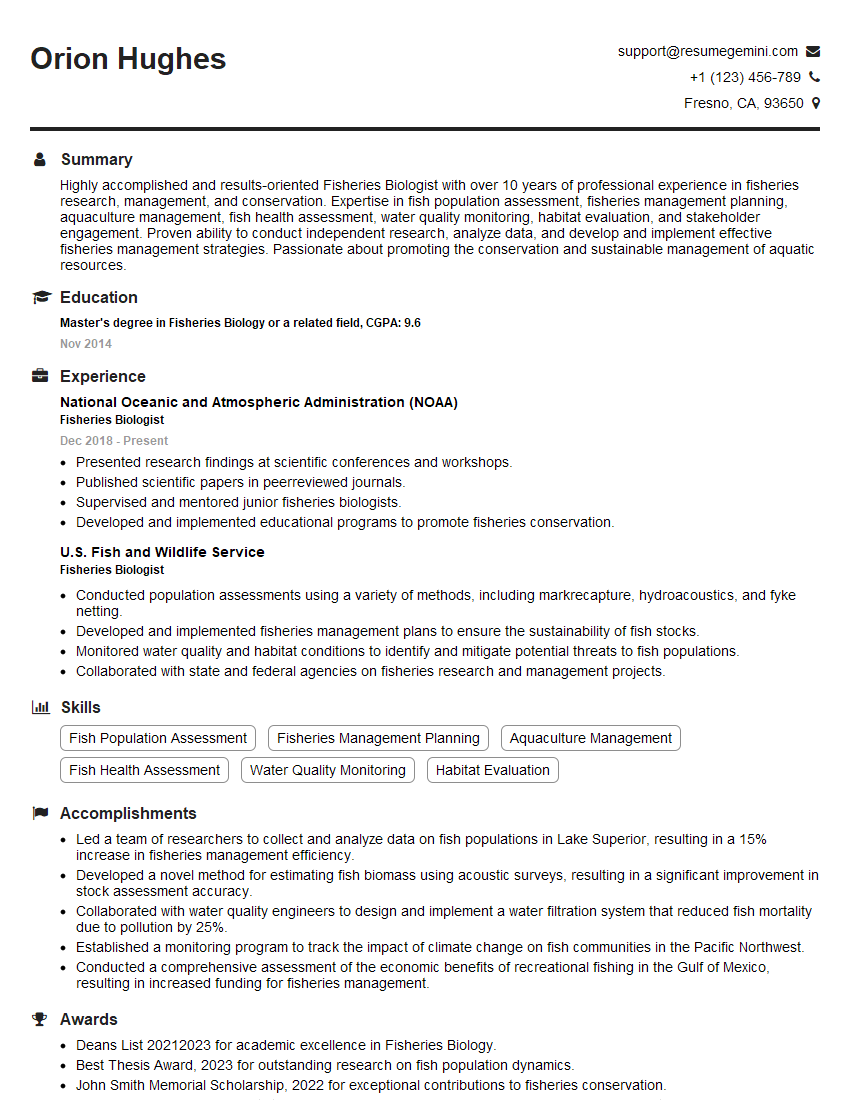
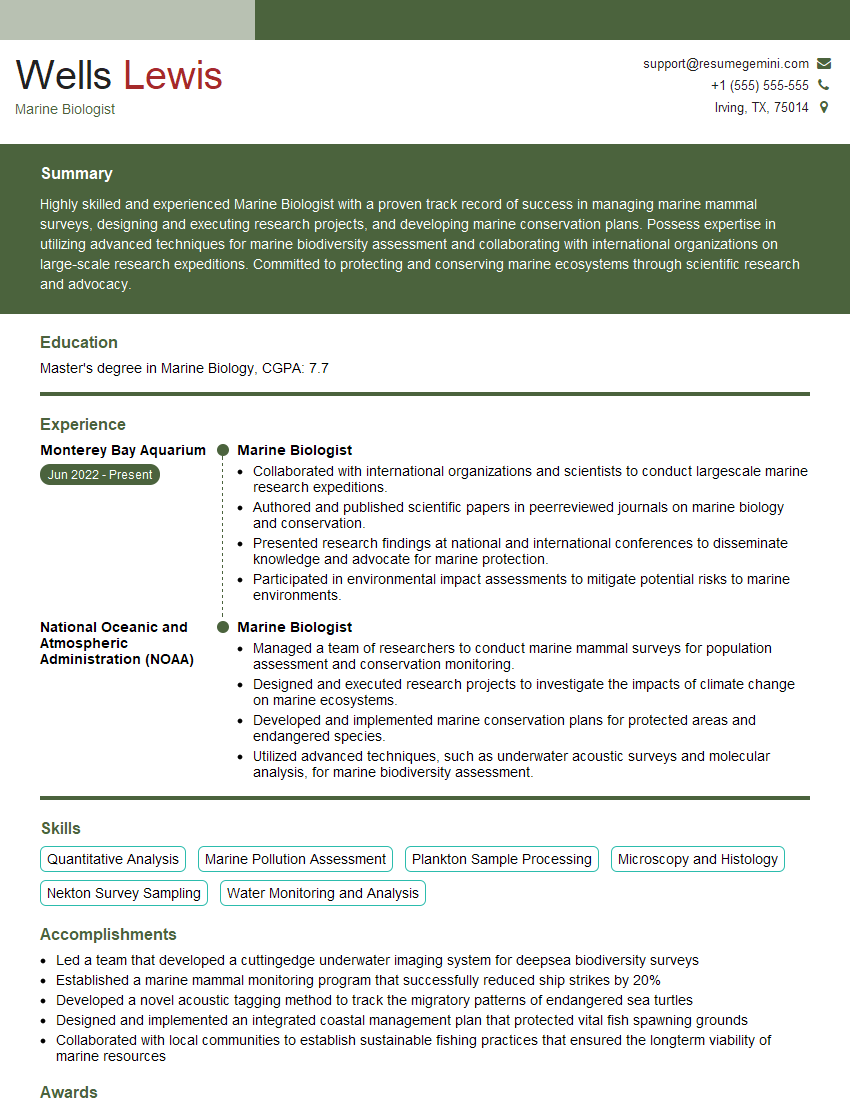
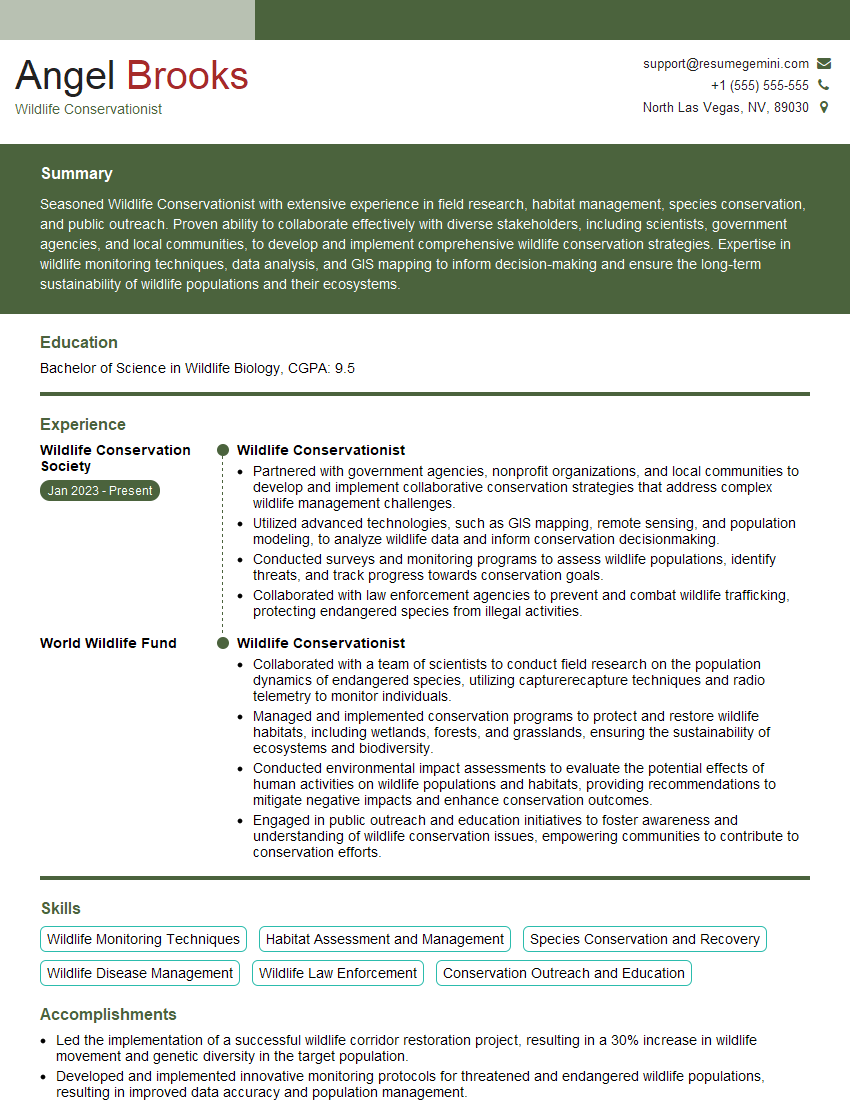
Mastering Marine Ecosystem and Wildlife Conservation opens doors to impactful careers contributing to the health of our oceans and the incredible life within them. To maximize your job prospects, create a compelling and ATS-friendly resume that showcases your skills and experience effectively. ResumeGemini is a trusted resource that can help you build a professional resume tailored to this competitive field. Take advantage of the provided resume examples tailored specifically to Marine Ecosystem and Wildlife Conservation to guide your resume creation process. A strong resume is your first step towards securing your dream role in this crucial area of conservation.
Explore more articles
Users Rating of Our Blogs
Share Your Experience
We value your feedback! Please rate our content and share your thoughts (optional).
What Readers Say About Our Blog
Very informative content, great job.
good