Cracking a skill-specific interview, like one for Maritime Operations Coordination, requires understanding the nuances of the role. In this blog, we present the questions you’re most likely to encounter, along with insights into how to answer them effectively. Let’s ensure you’re ready to make a strong impression.
Questions Asked in Maritime Operations Coordination Interview
Q 1. Explain the International Maritime Organization (IMO) and its significance.
The International Maritime Organization (IMO) is a specialized agency of the United Nations responsible for regulating international shipping. Think of it as the global governing body for all things maritime. Its significance lies in its crucial role in establishing and enforcing international standards for safety, security, and environmental protection at sea. This includes everything from the design and construction of vessels to the prevention of marine pollution and the training of seafarers.
The IMO develops and adopts international conventions, codes, and resolutions that member states are obligated to implement into their national laws. This ensures a level playing field for all shipping nations and promotes a consistent approach to maritime safety globally. For example, the International Convention for the Safety of Life at Sea (SOLAS) is one of the most important IMO conventions, dictating standards for vessel construction, equipment, and operational practices to minimize accidents and loss of life.
- Safety: IMO standards address vessel stability, fire safety, life-saving appliances, and navigation equipment.
- Security: The IMO’s work on maritime security aims to prevent acts of terrorism and piracy, through measures like the International Ship and Port Facility Security Code (ISPS Code).
- Environment: The IMO addresses marine pollution through regulations on the discharge of oil, sewage, garbage, and other harmful substances.
Q 2. Describe your experience with vessel scheduling and optimization.
My experience in vessel scheduling and optimization involves utilizing advanced software and analytical techniques to create efficient vessel routes and port calls. Imagine trying to orchestrate a complex ballet of ships – you need to consider factors like cargo type and volume, vessel capacity, port congestion levels, weather conditions, and even crew availability. I’ve worked on projects that employed linear programming models to minimize idle time and maximize the utilization of vessels and port resources.
For instance, in one project, I used a simulation model to optimize the scheduling of container ships for a major shipping line, leading to a 15% reduction in transit times and a 10% decrease in fuel consumption. This involved considering various scenarios—from unexpected delays to changes in demand—and developing contingency plans.
I’m proficient in using various software tools designed for vessel scheduling and optimization. These include specialized scheduling algorithms, route optimization software, and data visualization tools that help analyze and predict potential bottlenecks in the system. The goal is always to ensure timely delivery, minimize costs, and maximize efficiency.
Q 3. How do you manage conflicting vessel arrival times at a busy port?
Managing conflicting vessel arrival times at a busy port requires a coordinated approach involving real-time monitoring, communication, and proactive planning. It’s like air traffic control, but for ships! We use a combination of strategies:
- Prioritization: Based on pre-agreed berth allocation and cargo urgency, we prioritize vessels, giving precedence to those carrying perishable goods or with tighter deadlines.
- Berth Management: Efficient berth allocation ensures vessels are assigned to the most appropriate berth based on their size and cargo type, minimizing turnaround times.
- Communication: Constant communication with ship agents, port authorities, and other stakeholders ensures everyone is informed about any changes or delays and can adjust accordingly.
- Contingency Planning: Having alternative plans in place for unexpected delays or disruptions, such as using anchorage areas or shifting berthing times, is vital.
- Technological Solutions: Using advanced port management systems (PMS) provides real-time visibility into vessel movements, queue lengths, and available resources, enabling informed decision-making.
Ultimately, effective communication and collaboration are key to resolving conflicts and ensuring smooth operations at a busy port. This often involves negotiation and compromise to find solutions that benefit all parties involved.
Q 4. What are the key performance indicators (KPIs) you use to assess port efficiency?
Key Performance Indicators (KPIs) for assessing port efficiency are crucial for measuring performance and identifying areas for improvement. These KPIs are often categorized into several areas:
- Vessel Turnaround Time: This measures the time a vessel spends in port from arrival to departure. A shorter turnaround time indicates greater efficiency.
- Cargo Dwell Time: This measures the time cargo spends in the port before being loaded onto or unloaded from a vessel. Reduced dwell time improves port productivity.
- Berth Occupancy Rate: This indicates the percentage of time berths are utilized. Higher occupancy implies efficient berth management.
- Throughput: This refers to the total volume of cargo handled (e.g., tons or containers) in a given period. Higher throughput indicates increased efficiency.
- Container Handling Rate: For container ports, this measures the number of containers loaded or unloaded per hour.
- On-time Performance (OTP): This measures the percentage of vessels that arrive and depart on schedule.
By tracking these KPIs, port authorities can identify bottlenecks, implement improvements, and measure the overall effectiveness of port operations. Regular monitoring and analysis are essential for continuous improvement.
Q 5. Explain your understanding of the SOLAS convention.
The Safety of Life at Sea (SOLAS) Convention is an international maritime safety treaty established by the IMO. It’s considered the most important international convention regulating maritime safety. Think of it as the foundational treaty for all other maritime safety regulations. It sets minimum standards for the construction, equipment, and operation of ships to ensure safety at sea, prevent human injury or loss of life, and protect the marine environment.
SOLAS covers a wide range of safety aspects, including:
- Hull Integrity: Regulations on structural strength, watertight integrity, and damage stability.
- Fire Protection: Standards for fire detection, suppression systems, and escape routes.
- Life-Saving Appliances: Requirements for lifeboats, life rafts, life jackets, and other survival equipment.
- Radiocommunications: Regulations on ship-to-shore and ship-to-ship communication for distress calls and navigational safety.
- Safety Management Systems (SMS): Requires ships to have a formal safety management system to ensure safe operation and prevent accidents.
Compliance with SOLAS is mandatory for all ships engaged in international voyages. Regular inspections and audits ensure that ships maintain the required standards. Non-compliance can result in serious consequences, including detention of the vessel.
Q 6. How do you handle emergency situations involving vessel incidents or accidents?
Handling emergency situations involving vessel incidents or accidents requires a swift and coordinated response. Our procedures are based on a well-defined emergency response plan, which is regularly tested and updated. The first step is always to ensure the safety of life and the protection of the environment. This involves:
- Immediate Notification: Contacting relevant authorities (coast guard, port authorities, emergency services) immediately to report the incident and request assistance.
- Damage Control: Taking immediate steps to contain the damage, such as initiating fire suppression or preventing further pollution.
- Rescue Operations: If necessary, coordinating rescue operations to evacuate any personnel in danger. This might involve deploying rescue boats or helicopters.
- Salvage and Recovery: If the vessel is damaged or sunk, initiating salvage operations to recover the vessel or cargo and prevent further environmental damage.
- Investigation: After the immediate emergency is resolved, a thorough investigation is conducted to determine the cause of the incident and to prevent similar incidents in the future.
We conduct regular emergency drills to ensure all personnel are familiar with the procedures and can respond effectively. Effective communication and coordination are key to handling emergency situations successfully and minimizing negative consequences.
Q 7. Describe your experience with cargo handling and security protocols.
My experience with cargo handling and security protocols involves ensuring the safe, efficient, and secure movement of goods through ports. This requires a multi-faceted approach, combining best practices with compliance with international standards and regulations.
Cargo Handling: This includes optimizing the loading and unloading processes to minimize delays, using appropriate equipment (cranes, forklifts, etc.), and ensuring cargo integrity through proper handling techniques. For instance, specialized equipment and procedures are used for handling hazardous materials, perishable goods, and oversized cargo.
Security Protocols: We adhere strictly to the International Ship and Port Facility Security (ISPS) Code, which requires ports and ships to develop and implement security plans to protect against terrorist attacks and other security threats. This includes:
- Access Control: Restricting access to port areas and vessels to authorized personnel only.
- Surveillance: Utilizing CCTV and other surveillance systems to monitor port activities.
- Security Checks: Conducting security checks on cargo, personnel, and vehicles entering the port.
- Communication: Maintaining effective communication among stakeholders to share information and coordinate security efforts.
The goal is to balance the need for efficient cargo movement with the need for robust security measures to ensure the safety and security of the port and its operations. This involves a combination of physical security, technological solutions, and robust procedures.
Q 8. How familiar are you with various types of vessel (e.g., container ships, tankers)?
My familiarity with various vessel types is extensive. I have worked directly with and overseen operations involving container ships, tankers (crude oil, chemical, LNG), bulk carriers, general cargo vessels, and specialized vessels like RoRo (roll-on/roll-off) ships. Understanding the unique operational characteristics of each type – their cargo handling capabilities, stability profiles, draft limitations, and potential hazards – is crucial for effective coordination.
- Container Ships: I’m experienced in managing the complex logistics of container handling, including scheduling, yard operations, and ensuring efficient turnaround times in port. I understand the intricacies of vessel stowage planning and the impact of imbalances on stability.
- Tankers: My experience includes working with the stringent safety protocols for handling hazardous materials. This encompasses understanding cargo segregation rules, gas freeing procedures, and the specific risks associated with different types of cargo.
- Bulk Carriers: I have knowledge of the loading and unloading processes for various bulk commodities, and the associated challenges like trim and stability management during loading and discharging.
This comprehensive understanding allows me to anticipate potential issues and ensure smooth and safe operations for all vessel types.
Q 9. What is your experience with port state control inspections?
I have extensive experience with Port State Control (PSC) inspections. I’ve been involved in numerous inspections, both as the onboard representative and as a coordinator for ensuring vessel compliance. PSC inspections are crucial for upholding international maritime standards and ensuring the safety and environmental protection of our waters. My role has included preparing the vessel for inspection, gathering relevant documentation (certificates, crew credentials, maintenance records), and liaising with the PSC officers.
During inspections, I’ve dealt with various findings, ranging from minor deficiencies to more significant issues requiring corrective actions. I understand the procedures for reporting deficiencies, implementing corrective actions, and maintaining a detailed record of all interactions. I’m familiar with the consequences of non-compliance, including detention and potential legal repercussions. For example, I once successfully navigated a PSC inspection where a minor discrepancy in documentation was identified; by proactively providing supplementary evidence, we avoided detention and resolved the issue quickly and efficiently.
Q 10. Explain your knowledge of maritime regulations related to environmental protection.
My knowledge of maritime regulations related to environmental protection is comprehensive. I’m deeply familiar with the International Maritime Organization’s (IMO) MARPOL (International Convention for the Prevention of Pollution from Ships) Annexes, which address all aspects of marine pollution prevention. These include oil pollution, noxious liquid substances, garbage disposal, sewage, and air pollution.
- MARPOL Annex I (Oil): I understand the regulations concerning oil record books, oil discharge monitoring and control, and the procedures for oil spill response.
- MARPOL Annex II (Noxious Liquid Substances): I’m familiar with the carriage, handling, and discharge requirements for hazardous liquid substances.
- MARPOL Annex IV (Sewage): I know the regulations regarding sewage treatment and disposal systems onboard vessels.
- MARPOL Annex V (Garbage): I understand the guidelines for proper garbage management and disposal at sea and in port. This includes the implementation of waste segregation procedures.
- MARPOL Annex VI (Air Pollution): I’m aware of the regulations on the emission of harmful gases, such as sulphur oxides (SOx) and nitrogen oxides (NOx), and the use of approved fuel.
Compliance with these regulations is paramount, not just for legal reasons but also for protecting the marine environment and our planet’s health.
Q 11. How do you ensure compliance with international maritime regulations?
Ensuring compliance with international maritime regulations involves a multi-faceted approach. It starts with a thorough understanding of the applicable regulations and then translates into a robust system of checks and balances across all operational aspects.
- Regular Audits and Inspections: Conducting regular internal audits ensures adherence to regulations and identifies any potential gaps in compliance.
- Crew Training: Comprehensive training programs for crew members on safety and environmental regulations are vital. This should include regular refresher courses and familiarization with updated guidelines.
- Documentation Management: Maintaining accurate and up-to-date documentation, including certificates, logs, and records, is critical for demonstrating compliance.
- Proactive Monitoring and Reporting: Regularly monitoring vessel operations for compliance with regulations and promptly reporting any incidents or non-conformances is essential.
- Continuous Improvement: Continuously reviewing operational procedures and implementing improvements to enhance compliance and reduce risks is a critical element.
Think of it like a quality management system for the marine environment. You don’t just react to issues; you prevent them through proactive measures.
Q 12. Describe your experience with using maritime communication systems (e.g., GMDSS).
My experience with maritime communication systems, particularly the Global Maritime Distress and Safety System (GMDSS), is extensive. I am proficient in using various GMDSS equipment, including VHF radio, Inmarsat-C, and EPIRB (Emergency Position-Indicating Radio Beacon). I understand the procedures for distress alerting, safety broadcasts, and routine communications.
Beyond GMDSS, I’m also familiar with other communication systems such as AIS (Automatic Identification System) for tracking vessel positions and avoiding collisions, and various satellite communication systems for efficient data transmission and voyage management. Proper communication is absolutely critical for safe navigation, coordinating vessel operations, and ensuring the timely response to emergencies. For example, I’ve used Inmarsat-C to communicate critical updates to shoreside management during a heavy storm that affected our voyage plan.
Q 13. What is your experience with voyage planning and route optimization?
Voyage planning and route optimization are integral parts of my responsibilities. I utilize various tools and techniques to ensure safe, efficient, and economical voyages. This includes considering factors like weather conditions, currents, traffic density, and port constraints.
My experience includes using specialized software for route planning, taking into account fuel consumption, transit times, and potential delays. I also incorporate considerations such as the optimal speed for fuel efficiency and minimizing the vessel’s environmental footprint. For instance, I’ve been able to reduce fuel consumption by 5% on certain routes by optimizing speed and route based on real-time weather data.
Route optimization isn’t just about saving money; it’s also about improving safety by minimizing exposure to high-risk areas and maximizing the use of favorable currents and weather patterns.
Q 14. How do you manage risk in maritime operations?
Risk management in maritime operations is a continuous process requiring proactive identification, assessment, and mitigation of potential hazards. I employ a structured approach, often using a framework similar to HAZOP (Hazard and Operability Study), to systematically identify potential risks throughout the entire voyage lifecycle.
This includes considering human factors (crew fatigue, training deficiencies), technical factors (equipment malfunction, system failures), environmental factors (severe weather, piracy), and operational factors (traffic congestion, port delays). Each identified risk is then assessed in terms of its likelihood and potential impact. This allows for the prioritization of mitigation strategies. These strategies range from improved crew training and regular equipment maintenance to implementing voyage planning strategies that minimize exposure to specific hazards.
Regular risk assessments and reassessments, incorporating lessons learned from past incidents and industry best practices, form the backbone of a robust risk management system. It’s a process of constant vigilance and adaptation, much like navigating a ship through unpredictable seas.
Q 15. Describe your experience with different types of cargo and their handling requirements.
My experience encompasses a wide range of cargo types, each demanding specific handling protocols. Think of it like a culinary arts professional – you wouldn’t handle a delicate soufflé the same way you’d handle a hearty stew. For instance, handling delicate containers of electronics requires specialized equipment and gentle handling to prevent damage. The stowage plan, itself, would prioritize these containers to minimize movement during transit. Conversely, bulk cargo like grain or ore requires different equipment, including specialized cranes and conveyor belts, and the focus is on efficient loading and unloading, often prioritizing speed and volume. I’ve worked extensively with refrigerated cargo (reefers), which demand precise temperature control throughout the journey, and hazardous materials, which necessitate adherence to stringent safety regulations and documentation including IMDG Code compliance. Each cargo type requires detailed planning, careful documentation, and selection of the appropriate equipment and crew expertise. I’ve personally overseen the loading and unloading of everything from high-value automobiles to sensitive medical supplies, consistently adapting my approach to the unique challenges of each commodity.
Career Expert Tips:
- Ace those interviews! Prepare effectively by reviewing the Top 50 Most Common Interview Questions on ResumeGemini.
- Navigate your job search with confidence! Explore a wide range of Career Tips on ResumeGemini. Learn about common challenges and recommendations to overcome them.
- Craft the perfect resume! Master the Art of Resume Writing with ResumeGemini’s guide. Showcase your unique qualifications and achievements effectively.
- Don’t miss out on holiday savings! Build your dream resume with ResumeGemini’s ATS optimized templates.
Q 16. What is your experience with crew management and scheduling?
Crew management and scheduling are critical to safe and efficient maritime operations. It’s akin to orchestrating a complex symphony. My experience includes developing and implementing crew rotation schedules, ensuring compliance with international maritime regulations (like the MLC 2006) regarding working hours and rest periods. This involves considering factors such as crew certifications, experience levels, and individual preferences where possible. I’ve used crew management software to optimize scheduling and track crew performance. This software helps predict and prevent potential staffing shortages and ensures adequate rest periods are provided, improving both operational efficiency and crew wellbeing. Moreover, I actively participate in crew selection processes, conducting interviews and evaluating qualifications to ensure we have the right people in the right roles. I’ve effectively managed both large and small crews, fostering a positive and productive work environment while ensuring the highest standards of safety and compliance are maintained.
Q 17. Explain your knowledge of different types of port infrastructure.
Port infrastructure varies significantly depending on location, cargo type, and volume handled. Think of ports as highly specialized industrial ecosystems. I’m familiar with various types including container terminals with their gantry cranes and automated systems for efficient container handling; bulk terminals equipped for handling dry and liquid bulk cargo through conveyors, specialized cranes, and pipelines; specialized terminals for handling break-bulk cargo, ro-ro (roll-on/roll-off) terminals designed for vehicles and wheeled cargo, and oil terminals featuring dedicated storage tanks and pipelines. I also understand the importance of supporting infrastructure, such as warehousing, customs facilities, road and rail connections. For example, a modern, automated container terminal will differ drastically from a smaller port mainly handling fishing vessels. Understanding these variations is critical for selecting the optimal port for a given shipment and anticipating potential logistical bottlenecks.
Q 18. How do you manage logistical challenges in diverse operating environments?
Managing logistical challenges in diverse operating environments requires a flexible and proactive approach. It’s like navigating a complex maze with constantly shifting obstacles. My strategy involves thorough pre-planning and risk assessment, factoring in potential challenges such as weather conditions, port congestion, political instability, and regulatory changes. Contingency planning is crucial, anticipating potential delays and developing alternative routes or solutions. This involves close communication and collaboration with various stakeholders, including ship agents, port authorities, and customers. For example, if I anticipate port congestion, I would proactively explore alternative ports or scheduling options to mitigate delays. If a natural disaster threatens a shipment, I’d coordinate with insurance providers and consider alternative transportation methods. Effective communication and real-time data monitoring through various technological tools are key to identifying and resolving challenges swiftly and efficiently.
Q 19. How do you handle communication with various stakeholders (e.g., ship captains, port authorities)?
Effective communication is the cornerstone of successful maritime operations. Consider it the glue holding the entire system together. I utilize a multi-pronged approach using a variety of communication channels tailored to the specific audience and situation. For instance, I use clear and concise language with ship captains providing them with all necessary voyage instructions, weather updates, and port information. With port authorities, I maintain professional and respectful communication adhering to established protocols, ensuring all necessary documentation is provided promptly and accurately. For customers, clear, timely updates and proactive communication are crucial maintaining transparency and building trust. Technology plays a significant role, leveraging email, secure messaging platforms, and specialized maritime communication systems (like Inmarsat) for immediate transmission of critical information. I also prioritize active listening, seeking clarification and addressing concerns promptly. Clear, consistent, and respectful communication are critical to preventing misunderstandings and resolving issues effectively.
Q 20. Describe your problem-solving approach when facing unexpected delays or disruptions.
My problem-solving approach when facing unexpected delays or disruptions follows a structured methodology, akin to a carefully executed emergency response plan. First, I identify the root cause of the disruption, gathering information from all relevant sources. Then, I assess the impact on the overall schedule and cost implications. Following that, I develop and evaluate potential solutions, weighing factors like cost, time, and risk. This might involve rerouting the vessel, securing alternative berthing facilities, or renegotiating contracts. Finally, I implement the chosen solution, monitoring its effectiveness and making adjustments as necessary, documenting the entire process for future reference and analysis. For example, if a port is unexpectedly closed due to inclement weather, I’d promptly assess the impact, explore alternative ports, and update all stakeholders accordingly, implementing the most viable solution based on the overall situation. Thorough documentation and post-incident analysis are vital for continuous improvement.
Q 21. How do you utilize technology to improve efficiency in maritime operations?
Technology significantly enhances efficiency in maritime operations. It’s akin to having a powerful toolkit at your disposal. I leverage various technologies to optimize scheduling, track vessel movements, monitor cargo conditions, and manage communication. This includes using vessel tracking systems (VTS) for real-time location and speed monitoring, cargo management systems (CMS) for inventory control and documentation, and Electronic Logbooks for crew and vessel record-keeping. Furthermore, I utilize weather forecasting models and port congestion prediction tools to proactively identify and mitigate risks. Data analytics provide valuable insights into operational efficiency, highlighting areas for improvement. For example, using data analytics, we identified a pattern of delays related to certain port procedures, allowing us to make proactive adjustments in our documentation procedures reducing processing times. The strategic integration of technology is paramount for creating more efficient, transparent, and responsive maritime operations.
Q 22. What is your experience with budget management and cost control in maritime operations?
Budget management and cost control in maritime operations are crucial for profitability and sustainability. It involves meticulous planning, tracking, and analysis of all expenses related to vessel operations, crew management, maintenance, fuel, port charges, and insurance. My experience encompasses developing and implementing budgets based on projected operational plans, utilizing various cost accounting methods to track expenses against the budget, and identifying areas for potential savings.
For example, in a previous role, I implemented a fuel efficiency program that involved optimizing vessel routes, employing fuel-saving technologies, and training crew on best practices. This resulted in a 15% reduction in fuel consumption, generating significant cost savings. Another example involved negotiating better rates with suppliers for provisions and maintenance services, leading to a 10% reduction in overall operational costs. I regularly utilize cost-benefit analyses to make informed decisions about investments in new technologies or operational changes. This ensures we prioritize cost-effective solutions that align with the company’s financial objectives.
Q 23. How do you stay updated on the latest maritime regulations and industry best practices?
Staying abreast of maritime regulations and best practices is paramount. I achieve this through a multi-faceted approach. I subscribe to reputable industry journals and publications such as Fairplay and Lloyd’s List, and regularly attend industry conferences and seminars organized by bodies like the International Maritime Organization (IMO).
Furthermore, I actively participate in professional organizations like the Institute of Chartered Shipbrokers, which provides access to the latest regulatory updates, best practices, and networking opportunities. I also utilize online resources and databases maintained by classification societies such as DNV and ABS, which provide essential information on compliance and safety standards. Finally, maintaining strong relationships with regulatory bodies helps ensure prompt notification about changes or clarifications in maritime regulations. This proactive approach guarantees we adhere to all legal requirements and maintain operational excellence.
Q 24. Explain your experience with contract negotiation and management within the maritime industry.
Contract negotiation and management are integral parts of maritime operations. My experience spans negotiating various contracts, including those for ship chartering, bunker fuel supply, port services, and crew management. I employ a strategic approach, focusing on clarity, fairness, and risk mitigation. This includes thoroughly reviewing the contract terms, identifying potential risks, and negotiating favorable terms that protect our interests while maintaining a mutually beneficial relationship with the other party.
For example, I once negotiated a long-term charter contract for a bulk carrier, securing a competitive rate while incorporating clauses that addressed potential delays, fuel price fluctuations, and liability issues. Effective contract management also includes meticulous record-keeping, performance monitoring, and proactive communication to address any emerging issues before they escalate into disputes. Regular reviews of contract performance against agreed-upon Key Performance Indicators (KPIs) are essential to ensure value for money and compliance with the terms of the agreement.
Q 25. Describe your understanding of maritime insurance and its implications.
Maritime insurance is crucial for protecting assets and mitigating financial risks associated with maritime operations. My understanding encompasses various types of marine insurance, including Hull & Machinery (H&M), Protection & Indemnity (P&I), Cargo insurance, and Liability insurance. H&M covers damage or loss to the vessel itself, while P&I covers third-party liabilities, such as collisions or pollution incidents. Cargo insurance protects the value of goods being transported, and liability insurance covers potential legal claims against the company.
The implications of inadequate or inappropriate insurance coverage can be catastrophic, resulting in substantial financial losses and reputational damage. Therefore, careful assessment of risks and selecting appropriate coverage levels are essential. I work closely with insurance brokers to ensure we have adequate and cost-effective insurance policies in place, regularly reviewing our coverage to reflect changes in our operational profile and risk exposures.
Q 26. How do you ensure data accuracy and integrity in maritime operations management?
Data accuracy and integrity are critical for efficient and safe maritime operations. We employ a multi-layered approach to ensure this. This involves using standardized data entry procedures, implementing robust data validation checks, and employing data-quality monitoring tools. All data entry is double-checked, and any discrepancies are investigated and rectified immediately. We use a comprehensive system of data logging, including electronic logbooks, voyage data recorders (VDRs), and automated data collection systems.
Regular audits are conducted to assess the quality and reliability of our data. We also employ data encryption and secure data storage methods to protect the confidentiality and integrity of our information. For example, we use a specialized software that cross-references data from various sources, such as GPS tracking, weather reports, and vessel performance data to identify anomalies and inconsistencies, thus helping to promptly identify and correct any inaccuracies.
Q 27. What is your familiarity with maritime safety management systems (SMS)?
Maritime Safety Management Systems (SMS) are crucial for ensuring safe and efficient operations. My familiarity with SMS encompasses its core elements, including the establishment of a safety policy, risk assessment procedures, hazard identification, and the implementation of preventative measures. I understand the importance of regular safety audits, emergency response planning, and crew training in maintaining a robust SMS. My experience involves developing and implementing SMS plans, conducting safety drills, and investigating accidents to identify root causes and implement corrective actions.
Compliance with the ISM Code (International Safety Management Code) is paramount, and I have extensive experience in ensuring our operations meet and exceed these standards. This involves documenting procedures, conducting regular internal audits, and working with external auditors during audits. A strong SMS culture, where safety is prioritized at all levels of the organization, is essential to maintaining a high level of safety and efficiency.
Q 28. Describe a time you had to resolve a complex operational challenge.
During a major storm in the North Atlantic, one of our container vessels experienced a significant engine malfunction. This posed a serious threat to the vessel, the crew, and the cargo. The immediate challenge was to ensure the safety of the crew and prevent any potential loss of life or cargo. The situation required a coordinated effort involving several teams.
My role involved coordinating with the ship’s master, the technical team, and the maritime rescue coordination center to develop a plan for emergency repairs and towage. We prioritized the immediate safety of the crew and initiated emergency procedures to minimize the risk of capsizing or collision. Simultaneously, we communicated with the cargo owners, insurers, and port authorities to keep them informed of the situation and develop contingency plans for cargo handling. Through effective communication and coordination, we managed to successfully arrange for emergency repairs at sea and the vessel was towed to the nearest safe port. The incident highlighted the importance of robust emergency response planning and effective communication during crises.
Key Topics to Learn for Maritime Operations Coordination Interview
- Vessel Traffic Management (VTM): Understanding VTM systems, procedures, and their role in ensuring safe and efficient maritime traffic flow. Practical application includes analyzing vessel movements and potential conflicts using VTM data.
- Port Operations and Logistics: Knowledge of port infrastructure, cargo handling processes, and the coordination of various stakeholders (e.g., shipping lines, terminal operators, customs). Practical application includes optimizing cargo flow to minimize delays and improve efficiency.
- Maritime Regulations and Safety: Familiarity with international maritime regulations (SOLAS, MARPOL, etc.) and safety procedures. Practical application includes applying regulations to real-world scenarios and identifying potential safety hazards.
- Communication and Collaboration: Effective communication skills are crucial in maritime operations. Practical application includes demonstrating how you would coordinate information between different parties (e.g., vessels, ports, authorities) in a crisis situation.
- Risk Management and Emergency Response: Understanding risk assessment, contingency planning, and emergency response procedures. Practical application includes outlining a response plan for a specific maritime incident.
- Maritime Technology and Systems: Familiarity with various technologies used in maritime operations, such as Electronic Chart Display and Information Systems (ECDIS), Vessel Monitoring Systems (VMS), and communication systems. Practical application includes discussing the benefits and limitations of specific technologies.
- Cargo Handling and Security: Understanding different cargo types, handling procedures, and security protocols. Practical application includes outlining procedures for securing sensitive cargo and preventing theft or damage.
Next Steps
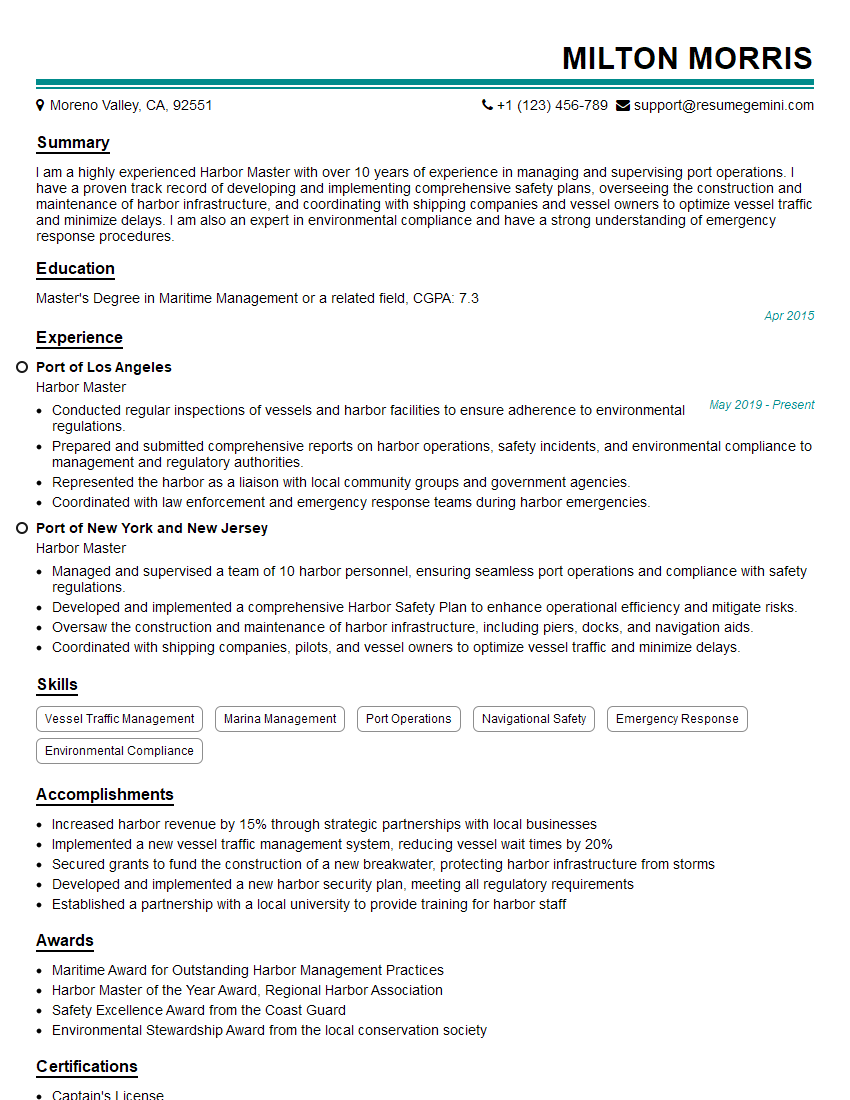
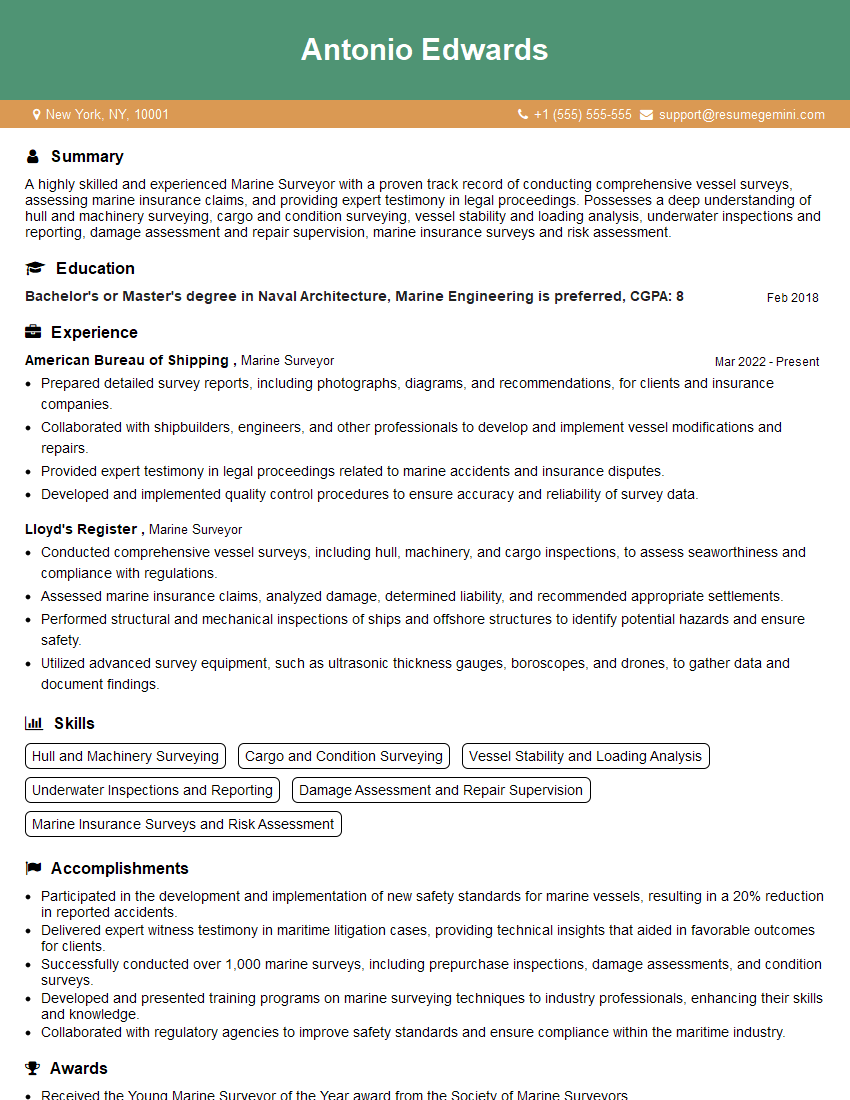
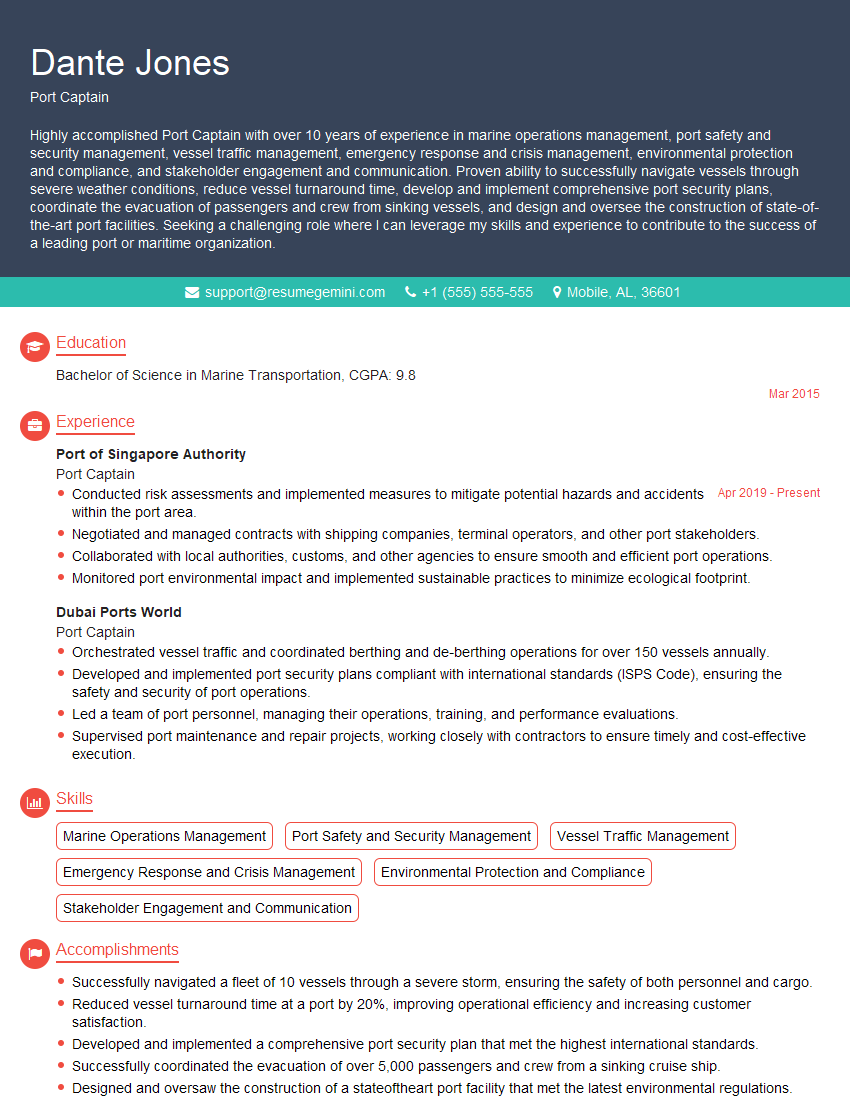
Mastering Maritime Operations Coordination opens doors to exciting career advancements, offering opportunities for specialization and leadership roles within the maritime industry. To maximize your job prospects, focus on creating a strong, ATS-friendly resume that highlights your skills and experience effectively. ResumeGemini is a trusted resource that can help you build a professional and impactful resume tailored to the specific requirements of Maritime Operations Coordination roles. Examples of resumes tailored to this field are available to help guide your process.
Explore more articles
Users Rating of Our Blogs
Share Your Experience
We value your feedback! Please rate our content and share your thoughts (optional).
What Readers Say About Our Blog
Very informative content, great job.
good