Every successful interview starts with knowing what to expect. In this blog, we’ll take you through the top Testing and Calibration of Equipment interview questions, breaking them down with expert tips to help you deliver impactful answers. Step into your next interview fully prepared and ready to succeed.
Questions Asked in Testing and Calibration of Equipment Interview
Q 1. Explain the difference between accuracy and precision in measurement.
Accuracy and precision are two crucial aspects of measurement, often confused but distinct. Accuracy refers to how close a measurement is to the true or accepted value. Think of it like hitting the bullseye on a dartboard – a highly accurate measurement lands very close to the center. Precision, on the other hand, describes the reproducibility of measurements. It’s about how close repeated measurements are to each other, regardless of whether they’re close to the true value. Imagine a dart player consistently hitting the same spot, but that spot is far from the bullseye – this demonstrates high precision but low accuracy. A measurement can be precise but inaccurate, accurate but imprecise, or ideally, both accurate and precise.
Example: Imagine measuring the length of a table. If the true length is 1 meter, and you measure it as 1.02 meters repeatedly, you have high precision (consistent measurements) but slightly low accuracy (not exactly 1 meter). If your measurements are 0.98m, 1.05m, and 0.95m, you have low precision and low accuracy.
Q 2. Describe the process of calibrating a pressure gauge.
Calibrating a pressure gauge involves comparing its readings to a known accurate standard. Here’s a step-by-step process:
- Gather Equipment: You’ll need the pressure gauge, a calibrated pressure source (like a deadweight tester or a calibrated pressure transducer), appropriate connecting tubing, and documentation.
- Prepare the System: Ensure the pressure gauge and the pressure source are properly connected using leak-free fittings. Check for any obstructions in the tubing.
- Apply Pressure: Incrementally increase the pressure from the source, recording the readings on both the gauge being calibrated and the standard. Start at low pressure and gradually increase to the full-scale range of the gauge. Multiple readings should be taken at each pressure point.
- Compare Readings: Compare the readings from the gauge to those from the standard. Note any deviations.
- Document Findings: Record all data, including date, time, temperature, pressure points, and the deviations between the gauge and the standard. This forms the basis for the calibration certificate.
- Adjust (If Necessary): Some pressure gauges have adjustment mechanisms. If significant discrepancies exist and the gauge is adjustable, adjustments might be made within the manufacturer’s guidelines. However, many modern gauges are non-adjustable, requiring replacement if the error is beyond the acceptable tolerance.
- Issue Calibration Certificate: Once the calibration is complete, a certificate is issued documenting the results, including the measurement uncertainty, the date of calibration, and the expiry date.
Q 3. What are the different types of calibration methods?
Several calibration methods exist, each suited for different equipment and applications:
- Comparison Calibration: This is the most common method, directly comparing the device under test (DUT) to a known standard. The example of calibrating a pressure gauge above uses this method.
- Substitution Calibration: The DUT is substituted for a standard within a measurement system. This is useful when the DUT is integrated into a larger system that’s difficult to disconnect.
- Functional Calibration: The calibration assesses the DUT’s overall performance by measuring its output under specific operating conditions. This is common in complex systems like analyzers or controllers.
- In-situ Calibration: Calibration occurs within the operational environment of the DUT. This minimizes the effects of removing the equipment from its normal setting.
The choice of method depends on factors like the type of equipment, the required accuracy, and available resources.
Q 4. How do you handle discrepancies found during calibration?
Discrepancies found during calibration must be handled systematically. The first step is to investigate the root cause. This may involve checking the calibration equipment, the test environment (temperature, humidity), and the procedures followed. If the error is within the acceptable tolerance, the gauge can still be used, but the deviation should be documented on the calibration certificate. If the error exceeds the tolerance limits, the gauge may need adjustment (if possible), repair, or replacement. A thorough investigation and documentation of the entire process are crucial, including all attempts to correct and identify the root cause. If repetitive issues with the equipment exist, preventative maintenance steps may need to be reviewed.
Example: If a thermometer consistently reads 2°C lower than the standard, it might need recalibration or repair. But if the discrepancy is only 0.5°C and within the acceptable tolerance (as specified by the manufacturer or relevant standards), then the thermometer is still usable.
Q 5. What is a calibration certificate and what information does it contain?
A calibration certificate is a formal document that provides evidence that an instrument has been calibrated according to a specific procedure. It’s a crucial part of quality assurance. A comprehensive certificate will include:
- Unique Identification Number: For the equipment.
- Date of Calibration: And sometimes the time.
- Calibration Method Used: A reference to the specific standards and procedures followed.
- Measurement Results: Including any deviations from the standard and uncertainty estimates.
- Calibration Standards Used: Identification of the standards used in the calibration process, including their traceability information.
- Expiry Date: The date after which the calibration is no longer considered valid.
- Details of the Calibration Laboratory: Including accreditation information if applicable.
- Signature(s) of the Calibration Personnel: And perhaps a stamp or seal.
Q 6. Explain the concept of traceability in calibration.
Traceability in calibration ensures that measurements can be linked back to internationally recognized standards. It’s a chain of comparisons that validates the accuracy and reliability of the measurements. For example, a pressure gauge is calibrated against a pressure standard, which itself is calibrated against a national standard, which is ultimately traceable to the International System of Units (SI) definition of the pascal. This unbroken chain ensures confidence in the reliability of the measurement made by your pressure gauge. Without traceability, the accuracy of the calibration is questionable.
Analogy: Imagine tracing your family tree back to your ancestors. Traceability in calibration works similarly, tracing the accuracy of your measurement back to the fundamental units of measurement.
Q 7. What are the common sources of measurement errors?
Measurement errors can stem from various sources:
- Environmental Factors: Temperature, humidity, pressure, and vibration can all significantly impact measurements.
- Instrument Errors: These include inherent flaws in the instrument (e.g., non-linearity), aging, wear and tear, or improper handling.
- Observer Errors: Parallax errors (reading the instrument from an angle), misinterpreting scales, or human bias can lead to inaccuracies.
- Calibration Errors: Using inaccurate standards, improper calibration procedures, or outdated calibration can introduce errors.
- Method Errors: Using an unsuitable measurement method or neglecting to consider all influencing factors can impact accuracy.
Careful planning, proper instrument selection, controlled environmental conditions, well-trained personnel, and regular calibration are essential to minimize these errors.
Q 8. How do you maintain the integrity of calibration standards?
Maintaining the integrity of calibration standards is paramount to ensuring accurate and reliable measurements. Think of calibration standards as the gold standard – they’re the reference against which all other equipment is measured. To maintain their integrity, we must meticulously follow a comprehensive program that includes:
- Proper Handling and Storage: Standards should be handled with extreme care, avoiding any damage or contamination. This often involves using appropriate gloves, tools, and storage containers, and maintaining a controlled environment (temperature, humidity). For example, a precision weight set would be stored in a desiccator to prevent moisture absorption.
- Regular Inspection: Visual inspection for any signs of damage or wear is crucial. This includes checking for scratches, dents, or corrosion on physical standards. For software-based standards, we verify data integrity and version control.
- Scheduled Calibration: Even calibration standards need to be calibrated! They are traceable to national or international standards, and these higher-level standards are used to verify the accuracy of our working standards at set intervals. This ensures ongoing traceability.
- Environmental Control: Maintaining a stable environment is key, particularly for standards sensitive to temperature, humidity, or pressure. This might involve using climate-controlled storage facilities or specialized enclosures.
- Documentation: Meticulous records are essential. Every handling, inspection, and calibration event must be thoroughly documented, including the date, time, results, and any deviations.
Neglecting any of these steps can compromise the integrity of the standards and, consequently, the accuracy of all measurements taken using equipment calibrated against them. Imagine a scenario where a precision balance is calibrated against a faulty weight – all measurements taken using that balance would be inaccurate and potentially lead to costly errors.
Q 9. Describe your experience with different types of test equipment.
My experience encompasses a wide range of test equipment, including:
- Electrical Test Equipment: Multimeters, oscilloscopes, power supplies, function generators, spectrum analyzers. I’ve worked extensively with calibrating these devices, ensuring accuracy in voltage, current, frequency, and other electrical parameters. For instance, I’ve calibrated high-precision oscilloscopes for use in high-speed signal analysis.
- Mechanical Test Equipment: Force gauges, torque wrenches, pressure gauges, dimensional measuring equipment (calipers, micrometers). I have experience in verifying the accuracy of these instruments, ensuring the correct measurement of force, torque, pressure and dimensions. I recall a project where calibrating a precision force gauge was crucial for ensuring the safety of a new automotive component.
- Temperature Measurement Equipment: Thermometers, thermocouples, RTDs. I am proficient in calibrating these instruments using various techniques, including dry-block calibrators and temperature baths. Accurate temperature measurement is crucial in many industries; for example, in pharmaceutical manufacturing where precise temperature control is essential for product stability.
- Environmental Test Equipment: Environmental chambers (temperature, humidity, vibration). Calibrating these more complex systems involves multiple parameters and often requires specialized software and procedures. A recent project involved calibrating an environmental chamber used to test the durability of electronics in extreme conditions.
My experience also covers using and calibrating various software-based measurement systems, including data acquisition systems and automated test equipment. This broad experience allows me to adapt quickly to different equipment and ensure consistent calibration procedures across various applications.
Q 10. How do you determine the appropriate calibration interval for a piece of equipment?
Determining the appropriate calibration interval is a crucial aspect of a robust calibration program. It balances the need for accurate measurements with cost and downtime. Several factors influence this decision:
- Equipment Criticality: How critical is the equipment to the process or product? Equipment used in safety-critical applications will generally require more frequent calibration than equipment used for less critical tasks. A device used in a life-saving medical application would need much shorter calibration intervals than an office printer.
- Equipment Usage: How often is the equipment used? Higher usage generally implies more frequent calibration, as increased use increases the potential for wear and tear. A high-volume production line machine will require more frequent calibration than equipment used only occasionally.
- Equipment Stability: Some equipment maintains its accuracy for longer periods than others. The inherent stability of the equipment is often indicated by its manufacturer’s specifications. Highly stable instruments might require less frequent calibration.
- Environmental Factors: Harsh environments (vibration, temperature fluctuations, humidity) can affect equipment accuracy more quickly, leading to shorter calibration intervals.
- Calibration History: Analyzing past calibration data can help establish trends and determine optimal intervals. If an instrument consistently shows drift or instability, it might necessitate shorter intervals.
- Manufacturer’s Recommendations: Manufacturers often provide guidelines for recommended calibration intervals.
Often, a risk assessment is performed to formally determine the appropriate interval. This involves considering the potential consequences of inaccurate measurements and balancing them against the costs of more frequent calibration. A formal calibration schedule should be developed and meticulously followed.
Q 11. What are some common statistical methods used in calibration analysis?
Several statistical methods are used in calibration analysis to assess equipment accuracy and uncertainty. These methods help ensure that calibration results are reliable and defensible.
- Linear Regression: Used to model the relationship between the measured values and the reference values. The slope and intercept of the regression line provide information about the accuracy and linearity of the equipment.
- Uncertainty Analysis: Determines the overall uncertainty associated with the calibration result, considering various sources of error (e.g., measurement uncertainty, standard uncertainty). This often uses the concept of standard deviation and confidence intervals.
- Goodness-of-Fit Tests: Tests like the chi-squared test evaluate how well the calibration data fits a specified model (often a linear model). This helps determine if systematic errors are present.
- Analysis of Variance (ANOVA): Used to compare the means of different groups of data (e.g., data collected at different points in time) to assess the stability of the equipment over time.
- Control Charts: Used to monitor equipment performance over time and to detect trends or shifts in accuracy. Shewhart charts and CUSUM charts are commonly used.
The specific statistical methods employed depend on the type of equipment, the calibration procedure, and the desired level of confidence in the results. Proper application of these methods is crucial for ensuring the reliability of calibration data.
Q 12. Explain the importance of proper documentation in calibration.
Proper documentation is the cornerstone of a reliable calibration program. It provides a verifiable audit trail, ensures traceability, and supports compliance with regulatory requirements. Key elements of proper calibration documentation include:
- Calibration Certificate or Report: A formal document outlining the calibration procedure, results, uncertainties, and the status of the equipment (passed or failed).
- Calibration Procedure: A detailed step-by-step guide outlining how the calibration was performed. This includes the equipment used, the standards employed, and the measurement techniques.
- Equipment Identification: Unique identification of the equipment being calibrated (serial number, asset tag). This allows for easy tracking of the equipment’s calibration history.
- Calibration Data: Raw data obtained during the calibration process. This provides a complete record of the measurements made.
- Traceability: A clear chain of traceability to national or international standards, demonstrating the accuracy and reliability of the calibration results.
- Approvals and Signatures: Signatures from authorized personnel confirming the calibration process and results.
- Non-conformances: Documentation of any deviations or discrepancies encountered during calibration.
Comprehensive documentation provides legal protection, demonstrates compliance, and allows for efficient tracking and management of the calibration process. Lack of proper documentation can lead to significant issues, including regulatory non-compliance, disputes over measurement accuracy, and increased costs due to rework.
Q 13. How do you troubleshoot a faulty test instrument?
Troubleshooting a faulty test instrument requires a systematic approach. It’s like detective work – you need to gather clues and systematically eliminate possibilities.
- Visual Inspection: Start with a thorough visual inspection of the instrument. Look for any obvious signs of damage (e.g., loose connections, broken components, physical damage). Sometimes the simplest problems are the most easily overlooked.
- Check Calibration Status: Ensure the instrument is within its calibration interval. If it’s outside the interval, it may be necessary to recalibrate or repair it.
- Review Operating Procedures: Ensure the instrument is being operated according to the manufacturer’s instructions. Incorrect operation can lead to inaccurate measurements or damage to the instrument.
- Check Calibration Standards: Verify the accuracy of the calibration standards being used. Faulty standards can lead to incorrect calibration of the instrument.
- Test with Known Standards: Use known good standards to test the instrument’s functionality. This helps determine if the problem lies with the instrument itself or with the standards.
- Isolate the Problem: Use systematic elimination to pinpoint the specific component or function that is malfunctioning. This might involve testing individual circuits or modules.
- Consult Documentation: Refer to the instrument’s maintenance manual or troubleshooting guide for additional information.
- Seek Expert Assistance: If the problem cannot be solved, seek assistance from a qualified technician or the instrument manufacturer.
Remember safety precautions throughout the troubleshooting process. Disconnect the instrument from any power sources before opening it, and always follow safety guidelines specific to the type of instrument being repaired.
Q 14. What are the different types of calibration standards?
Calibration standards are categorized in various ways depending on their function and traceability.
- International Standards: These are the highest level of standards, typically maintained by national metrology institutes (NMIs). They form the basis of traceability for all other standards.
- National Standards: Maintained by national metrology institutes, they are traceable to international standards.
- Secondary Standards: Calibrated against national or primary standards, these standards are used to calibrate working standards.
- Working Standards: These are the standards most commonly used for day-to-day calibration of instruments. They are calibrated against secondary standards.
- Reference Standards: Highly accurate standards used for calibrating secondary or working standards. They may themselves be calibrated against national standards.
- Transfer Standards: Designed for easy transport and are often used to calibrate equipment in remote locations or difficult to reach places.
The type of standard used depends on the required level of accuracy and the specific application. For example, a high-precision laboratory might use reference standards, while a field technician might use a portable transfer standard.
Q 15. How do you ensure the safety of personnel and equipment during calibration?
Safety is paramount during calibration. We begin by conducting a thorough risk assessment, identifying potential hazards like electrical shock, exposure to hazardous materials, or mechanical injuries from moving parts. This assessment informs the development of a detailed safety plan, which includes:
- Personal Protective Equipment (PPE): Requiring appropriate PPE such as safety glasses, gloves, lab coats, and safety shoes, depending on the equipment and procedures.
- Lockout/Tagout Procedures: Implementing lockout/tagout procedures to prevent accidental energization or startup of equipment during calibration.
- Safe Work Practices: Establishing and enforcing safe work practices, including proper handling of tools, materials, and calibrated equipment. This might include proper lifting techniques or specific procedures for handling delicate instruments.
- Environmental Controls: Ensuring a clean and organized workspace to minimize tripping hazards and prevent damage to equipment. This could include proper ventilation for certain applications or use of anti-static mats.
- Training: Providing comprehensive training to all personnel involved in calibration, covering both the technical aspects and safety procedures. This training includes emergency response protocols.
For instance, when calibrating a high-voltage power supply, we’d implement strict lockout/tagout protocols, use insulated tools, and ensure all personnel involved are familiar with high-voltage safety procedures. Regular safety audits are also conducted to ensure the effectiveness of our safety plan.
Career Expert Tips:
- Ace those interviews! Prepare effectively by reviewing the Top 50 Most Common Interview Questions on ResumeGemini.
- Navigate your job search with confidence! Explore a wide range of Career Tips on ResumeGemini. Learn about common challenges and recommendations to overcome them.
- Craft the perfect resume! Master the Art of Resume Writing with ResumeGemini’s guide. Showcase your unique qualifications and achievements effectively.
- Don’t miss out on holiday savings! Build your dream resume with ResumeGemini’s ATS optimized templates.
Q 16. Describe your experience with ISO 9001 or other quality management systems.
I have extensive experience working within ISO 9001:2015 quality management systems. In my previous role, I was directly responsible for maintaining the calibration laboratory’s compliance with the standard. This involved developing and implementing documented procedures for all calibration activities, ensuring traceability of calibration standards, and managing non-conformances.
Specifically, I was involved in:
- Internal Audits: Conducting internal audits to identify areas for improvement in our calibration processes.
- Corrective Actions: Investigating and resolving non-conformances related to calibration procedures and equipment.
- Calibration Records Management: Implementing and maintaining a robust system for managing calibration records, ensuring their accuracy, integrity, and accessibility.
- Continuous Improvement: Identifying and implementing improvements in our calibration processes based on data analysis and best practices.
This experience instilled in me a deep understanding of quality management principles and the importance of a systematic approach to calibration to guarantee accuracy and reliability of equipment.
Q 17. Explain your understanding of uncertainty analysis in measurement.
Uncertainty analysis in measurement is crucial because it quantifies the doubt associated with a measured value. It acknowledges that no measurement is perfectly precise; there’s always some degree of uncertainty due to various factors. Understanding uncertainty helps us determine the reliability and trustworthiness of our measurement results.
Uncertainty is expressed quantitatively, usually as a standard uncertainty (combined standard uncertainty for multiple sources). The sources of uncertainty include:
- Resolution of the measuring instrument: The smallest increment the instrument can display.
- Calibration uncertainty of standards: The uncertainty associated with the reference standards used for calibration.
- Environmental factors: Temperature, humidity, and pressure fluctuations.
- Operator skill: The skill and experience of the person performing the measurement.
- Method uncertainty: The inherent uncertainty of the measurement method used.
We use various methods to evaluate uncertainty, often combining them. For example, we might use a Type A method (statistical analysis of repeated measurements) for evaluating the repeatability of a measurement and a Type B method (using prior knowledge or manufacturer’s specifications) to estimate uncertainty due to instrument resolution. The overall uncertainty is then calculated by combining these individual uncertainties using appropriate statistical methods (usually, the root-sum-square method). This expanded uncertainty is then reported along with the measured value, providing a complete picture of the measurement’s reliability.
Q 18. How do you handle equipment that fails calibration?
When equipment fails calibration, it’s treated as a non-conformance. The first step is a thorough investigation to determine the root cause of the failure. This might involve checking the equipment for physical damage, reviewing calibration records to identify trends, or examining operating procedures. The next steps are dependent on the outcome of the investigation and the severity of the failure.
Possible actions include:
- Repair: If the failure is due to a repairable issue, the equipment is repaired by a qualified technician. Following repair, it undergoes recalibration to verify its functionality.
- Adjustment: Minor adjustments might be possible to bring the equipment back within its acceptable tolerances.
- Replacement: If the equipment is beyond repair or the cost of repair is excessive, it may be replaced with a new or reconditioned instrument.
- Out-of-Service: Equipment that consistently fails calibration or poses a significant risk may be taken out of service until the issue is resolved. A thorough report documenting the failure, investigation, and corrective actions is compiled and shared with relevant stakeholders.
Throughout this process, we ensure that all actions are documented in accordance with our quality management system to maintain traceability and ensure compliance.
Q 19. What are your experience with different types of sensors and transducers?
My experience encompasses a wide range of sensors and transducers, including:
- Temperature Sensors: Thermocouples (various types – K, J, T, etc.), RTDs, thermistors, infrared thermometers.
- Pressure Sensors: Strain gauge pressure transducers, piezoelectric pressure sensors, capacitive pressure sensors.
- Flow Sensors: Differential pressure flow meters, ultrasonic flow meters, turbine flow meters.
- Force Sensors: Load cells, strain gauges.
- Displacement Sensors: Linear variable differential transformers (LVDTs), potentiometers, inductive sensors.
I’m familiar with the principles of operation, calibration techniques, and potential sources of error for each type. This includes understanding the importance of sensor selection based on the application requirements, such as accuracy, range, and environmental factors. For example, when calibrating a high-temperature thermocouple, we would use a calibrated temperature bath or furnace, while for a low-pressure transducer, we might use a precision pressure calibrator.
Q 20. What is your experience with calibration software?
I have experience with various calibration software packages, including both commercially available software and custom-built applications. My experience includes using software to:
- Manage Calibration Schedules: Software helps automate the scheduling and tracking of calibration due dates.
- Generate Calibration Certificates: Software helps generate compliant and traceable calibration certificates automatically.
- Analyze Calibration Data: Data analysis capabilities allow us to identify trends, patterns and potential issues in calibration data.
- Manage Calibration Assets: Track the location, status, and history of calibrated equipment.
- Interface with Calibration Equipment: Some software packages can directly interface with calibration equipment for automated data acquisition.
My preference leans towards software that is well-documented, user-friendly, and offers robust data management and reporting capabilities. This ensures data integrity and aids in compliance with regulatory requirements.
Q 21. How do you manage a calibration workload?
Managing a calibration workload effectively requires a structured approach. I typically employ a combination of techniques to ensure all equipment is calibrated on time and within budget:
- Calibration Scheduling: Using a computerized maintenance management system (CMMS) or calibration management software to schedule calibrations based on frequency recommendations and equipment criticality. Prioritization of equipment based on risk assessment is key.
- Resource Allocation: Assigning calibration tasks to technicians based on their skills and availability. This may involve balancing workload across multiple technicians.
- Inventory Management: Maintaining an accurate inventory of all equipment requiring calibration, tracking its location and status.
- Performance Monitoring: Regularly monitoring calibration turnaround times and identifying any bottlenecks or areas for improvement. Data analysis can highlight inefficiencies.
- Outsourcing: For specialized equipment or when internal capacity is limited, utilizing accredited external calibration laboratories.
Regular review of the calibration schedule, coupled with proactive communication with stakeholders ensures that calibration activities run smoothly and meet organizational needs.
Q 22. Explain the concept of a Measurement Assurance Program (MAP).
A Measurement Assurance Program (MAP) is a comprehensive system designed to ensure the accuracy and reliability of measurements throughout an organization. It goes beyond simply calibrating individual instruments; it focuses on the entire measurement process, from the initial design of the measurement system to the final reporting of results. Think of it as a quality control system specifically for measurements.
A robust MAP typically includes:
- Traceability: Ensuring all measurements can be traced back to national or international standards.
- Calibration procedures: Detailed and documented procedures for calibrating equipment at defined intervals.
- Uncertainty analysis: Quantifying the uncertainty associated with each measurement.
- Statistical process control (SPC): Monitoring measurement processes for trends and out-of-control conditions.
- Corrective actions: Procedures for addressing deviations from established standards.
- Regular audits and reviews: To verify the effectiveness of the MAP.
For example, a pharmaceutical company might use a MAP to ensure the accuracy of weighing scales used in drug production. Inaccurate measurements could lead to incorrect dosages, impacting product efficacy and patient safety. The MAP provides the framework to minimize such risks.
Q 23. How do you validate a new test method?
Validating a new test method involves rigorously demonstrating that it produces accurate and reliable results. This process typically involves several stages:
- Preliminary studies: Initial testing to assess the method’s feasibility and identify potential problems.
- Method development and optimization: Refining the method to ensure its precision, accuracy, and reproducibility.
- Specificity and selectivity testing: Ensuring the method only measures the intended analyte and is not affected by other substances.
- Linearity and range testing: Determining the method’s ability to produce accurate results over a range of concentrations.
- Accuracy and precision studies: Assessing the method’s accuracy (closeness to the true value) and precision (reproducibility of results).
- Limit of detection (LOD) and limit of quantification (LOQ) determination: Establishing the lowest concentration of the analyte that can be reliably detected and quantified.
- Robustness testing: Evaluating the method’s resistance to small variations in parameters such as temperature and reagent concentration.
- Comparison to a reference method (if available): Comparing the results obtained using the new method to those obtained using an established and validated reference method.
For instance, validating a new method for measuring the concentration of a specific impurity in a pharmaceutical product requires careful testing to ensure the method is accurate and reliable before it’s used for quality control purposes. Failure to properly validate could lead to releasing substandard products.
Q 24. Describe your experience with different calibration techniques (e.g., comparison, substitution).
I have extensive experience with various calibration techniques, including comparison and substitution methods.
Comparison Calibration: This involves comparing the output of the instrument being calibrated to that of a known standard, often a higher-accuracy instrument. The difference between the two readings is used to determine the correction needed for the instrument under test. Think of comparing a less accurate kitchen scale with a certified laboratory scale – the difference tells us how much the kitchen scale is off.
Substitution Calibration: This method involves substituting the instrument being calibrated with the standard. The standard is connected to the same system and measurements are taken under identical conditions. The difference between the readings helps determine the instrument’s calibration error. This is helpful in systems where direct comparison is difficult.
Beyond these two, I am familiar with other methods such as:
- Calibration using certified reference materials (CRMs): Using materials with certified properties to calibrate instruments.
- In-situ calibration: Calibrating an instrument while it remains in its operational environment.
The choice of technique depends on the type of instrument, required accuracy, and available resources. In my experience, the key is to meticulously document each step and account for any potential sources of error.
Q 25. What are your experience with root cause analysis in calibration failures?
Root cause analysis (RCA) in calibration failures is crucial to prevent future occurrences. I utilize various techniques, often combining several approaches for a thorough investigation:
- 5 Whys: Repeatedly asking “why” to drill down to the root cause of the failure. For example, “Why did the scale fail calibration? Because it was damaged. Why was it damaged? Because it was dropped. Why was it dropped? Because the technician wasn’t careful. Why wasn’t the technician careful? Because there wasn’t sufficient training.” This helps to trace back the events and identify shortcomings in training, processes or equipment.
- Fishbone Diagram (Ishikawa Diagram): A visual tool to map out potential causes of a problem, categorized by factors such as people, methods, machines, materials, environment, and measurement.
- Fault Tree Analysis (FTA): A deductive reasoning technique that starts with an undesired event and works backward to identify potential causes.
Once the root cause is identified, corrective actions are implemented to prevent recurrence. This might involve retraining personnel, improving equipment maintenance procedures, or replacing faulty equipment. The effectiveness of corrective actions is then monitored to ensure the problem is truly resolved. Documentation of the entire RCA process is vital.
Q 26. Describe your proficiency with various data analysis tools.
My proficiency with data analysis tools is extensive. I’m comfortable using statistical software packages such as:
- MINITAB: For statistical process control (SPC), capability analysis, and regression analysis.
- JMP: For exploratory data analysis, design of experiments (DOE), and statistical modeling.
- Microsoft Excel: For basic data analysis, charting, and spreadsheet management (though I prefer dedicated statistical packages for complex analyses).
I use these tools to analyze calibration data, identify trends, assess uncertainties, and generate reports. For example, I use SPC charts to monitor the performance of instruments over time, identifying potential issues before they lead to significant errors. Furthermore, I’m adept at using data analysis to support root cause investigations and demonstrate the effectiveness of corrective actions.
Q 27. How do you stay current with changes in calibration standards and technology?
Staying current is paramount in the field of calibration. I actively engage in several strategies:
- Professional memberships: I maintain memberships with organizations like NIST (National Institute of Standards and Technology) and A2LA (American Association for Laboratory Accreditation), providing access to the latest standards and best practices.
- Industry publications and conferences: I regularly read journals such as Metrologia and attend relevant conferences to learn about new techniques and technologies.
- Training courses: I participate in ongoing training courses to update my knowledge on new calibration methods and software.
- Online resources: I leverage online resources and webinars offered by instrument manufacturers and standards organizations.
This continuous learning ensures that I’m always up-to-date on the latest standards, technologies, and best practices. This is critical for maintaining the highest level of accuracy and reliability in our calibration processes.
Q 28. What is your experience with implementing and maintaining a calibration program?
I have extensive experience in implementing and maintaining calibration programs. My approach involves:
- Needs assessment: Determining the specific calibration needs of the organization based on its equipment and processes.
- Development of calibration procedures: Creating detailed and documented procedures that outline the steps involved in calibrating each type of equipment.
- Selection and procurement of calibration equipment: Choosing appropriate calibration equipment with traceability to national standards.
- Calibration schedule development: Establishing a schedule for regular calibration based on equipment usage and manufacturer recommendations.
- Calibration personnel training: Ensuring that personnel are properly trained and competent to perform calibration tasks.
- Data management: Implementing a system for tracking and managing calibration data, including results and associated uncertainties.
- Internal audits: Conducting regular internal audits to ensure compliance with established procedures and standards.
- Continuous improvement: Regularly reviewing and improving the calibration program based on audit findings, best practices, and technological advancements.
For instance, in a previous role, I implemented a new calibration management system that improved traceability, reduced downtime, and enhanced overall efficiency. This involved working closely with stakeholders across different departments, establishing clear procedures, and investing in appropriate software and hardware. A well-maintained program ensures confidence in our measurements and compliance with regulations.
Key Topics to Learn for Testing and Calibration of Equipment Interview
- Measurement Uncertainty: Understanding sources of error, propagation of uncertainty, and methods for minimizing uncertainty in measurements. Practical application: Analyzing measurement data to determine the overall uncertainty of a calibration.
- Calibration Standards and Traceability: Knowing the importance of using traceable standards and understanding the chain of traceability to national or international standards. Practical application: Explaining how to select appropriate calibration standards for specific equipment.
- Calibration Procedures and Methods: Familiarity with various calibration techniques (e.g., comparison calibration, functional calibration) and the ability to select appropriate methods based on equipment type and specifications. Practical application: Describing the step-by-step procedure for calibrating a specific piece of equipment.
- Data Analysis and Reporting: Proficiency in analyzing calibration data, identifying trends, and generating clear and concise calibration reports. Practical application: Interpreting calibration data to determine if equipment is within acceptable tolerances.
- Equipment Specific Knowledge: Deep understanding of the testing and calibration procedures for specific types of equipment relevant to the target role (e.g., pressure gauges, temperature sensors, electronic balances). Practical application: Demonstrating expertise in the calibration of a particular type of equipment commonly used in the industry.
- Troubleshooting and Problem Solving: Ability to identify and troubleshoot issues during the calibration process, and develop effective solutions to ensure accurate and reliable results. Practical application: Describing how to handle unexpected results or discrepancies during a calibration procedure.
- Calibration Software and Data Management: Familiarity with calibration management software and understanding of best practices for data management and record keeping. Practical application: Explaining how to use calibration software to track and manage calibration data efficiently.
- Regulatory Compliance: Awareness of relevant industry standards and regulations (e.g., ISO 17025) related to calibration and testing. Practical application: Discussing the importance of adhering to specific regulatory requirements during the calibration process.
Next Steps
Mastering Testing and Calibration of Equipment opens doors to exciting career opportunities in various industries. A strong understanding of these principles demonstrates technical expertise and problem-solving skills highly valued by employers. To maximize your job prospects, focus on building an ATS-friendly resume that effectively showcases your skills and experience. ResumeGemini is a trusted resource to help you create a professional and impactful resume. They provide examples of resumes tailored to Testing and Calibration of Equipment to guide you through the process. Invest in your future – create a resume that gets noticed!
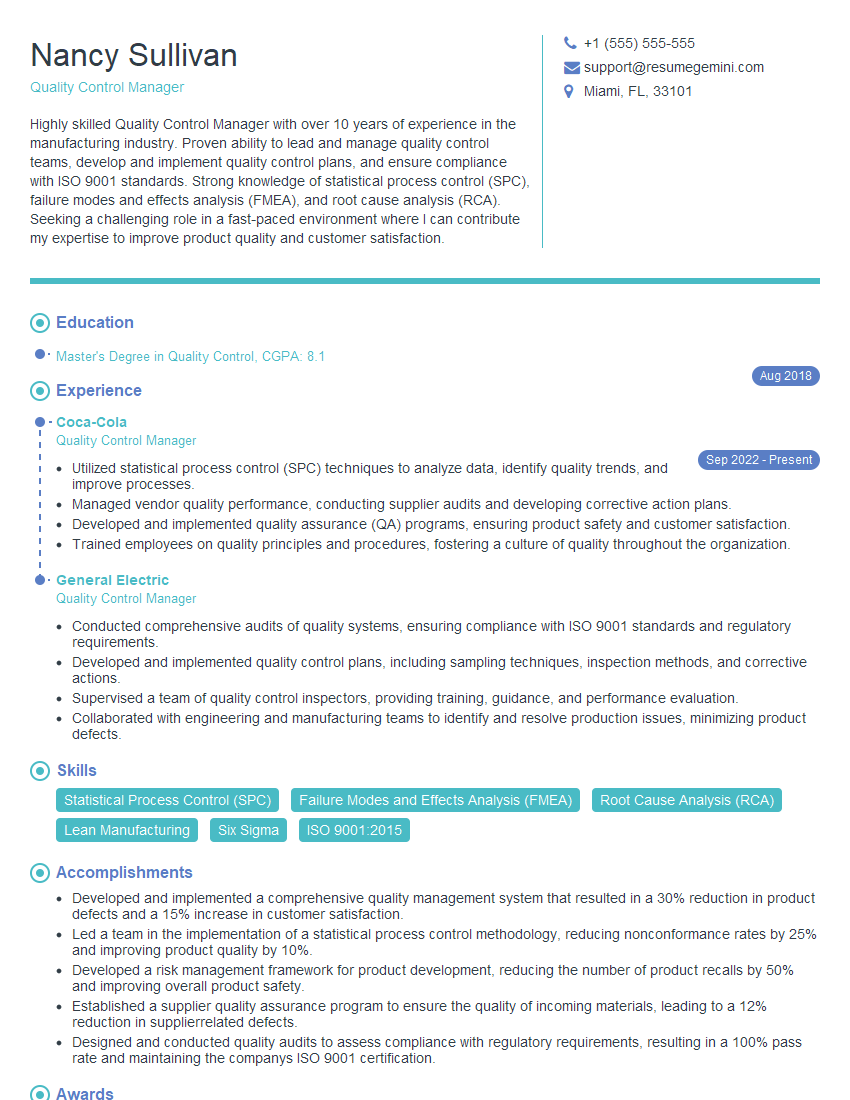
Quality Control Manager Resume Sample
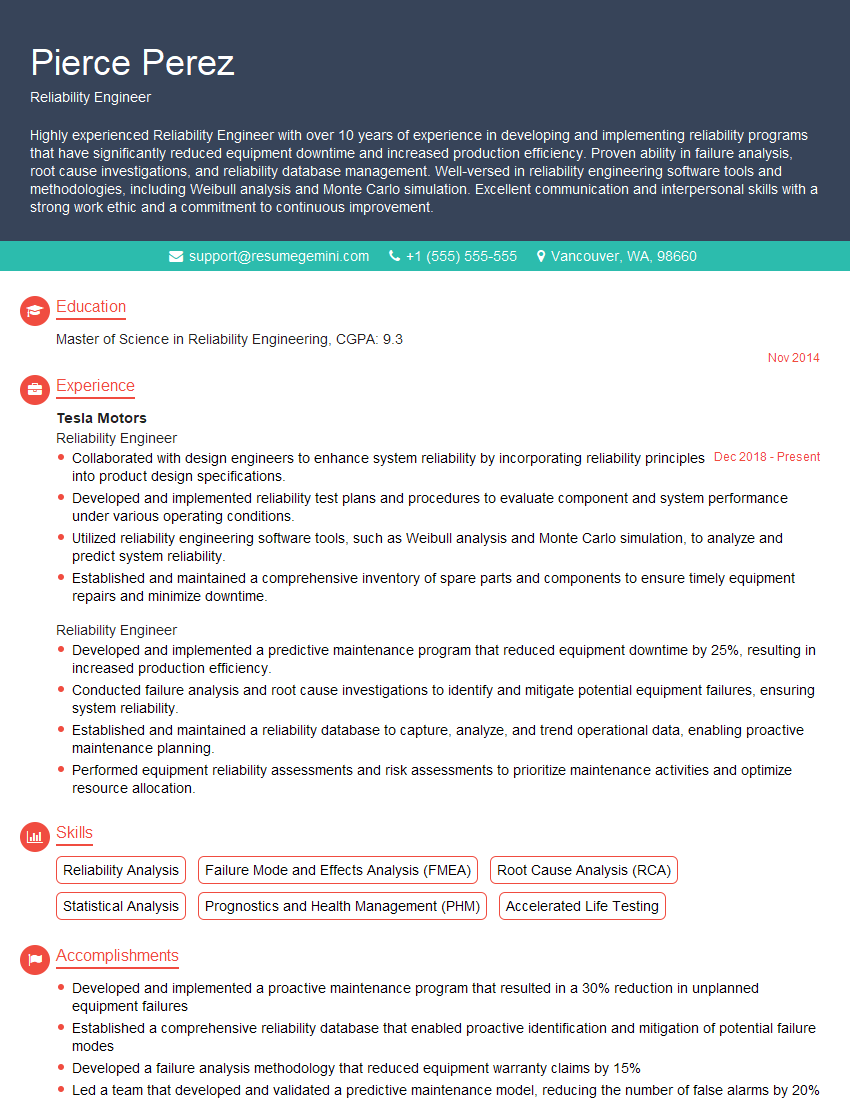
Reliability Engineer Resume Sample
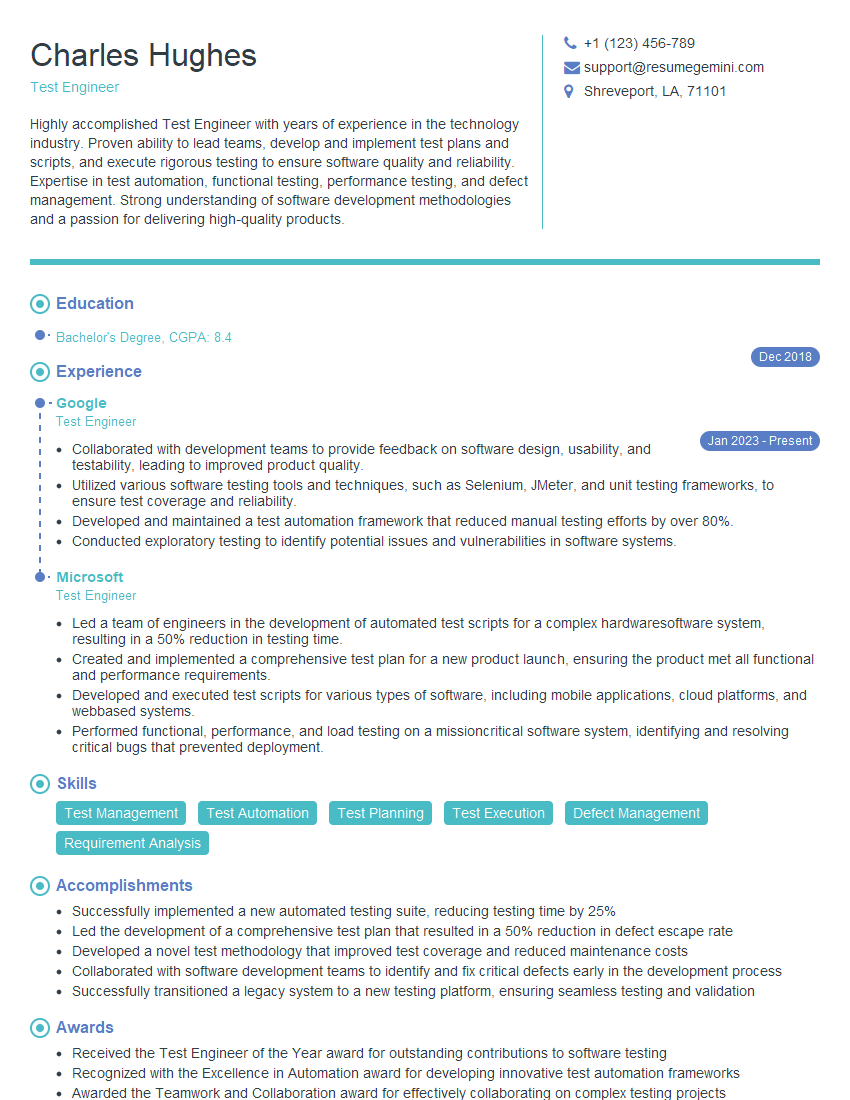
Test Engineer Resume Sample
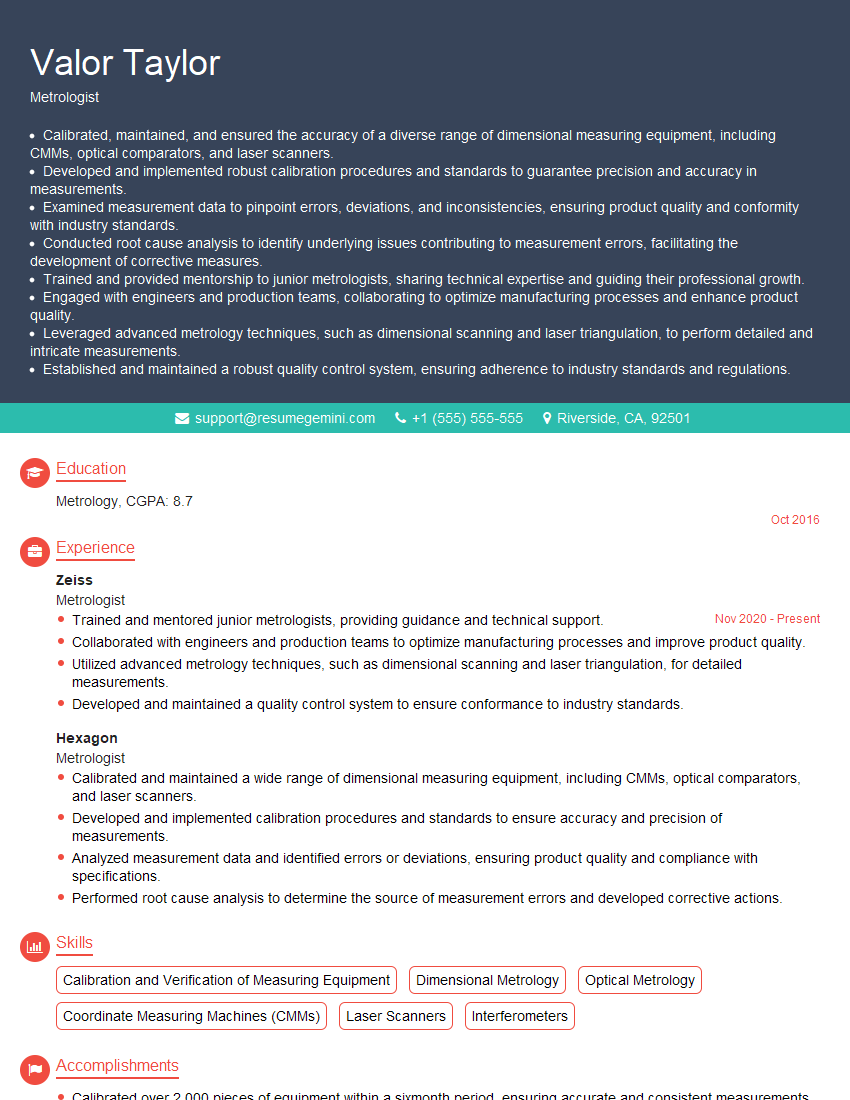
Metrologist Resume Sample
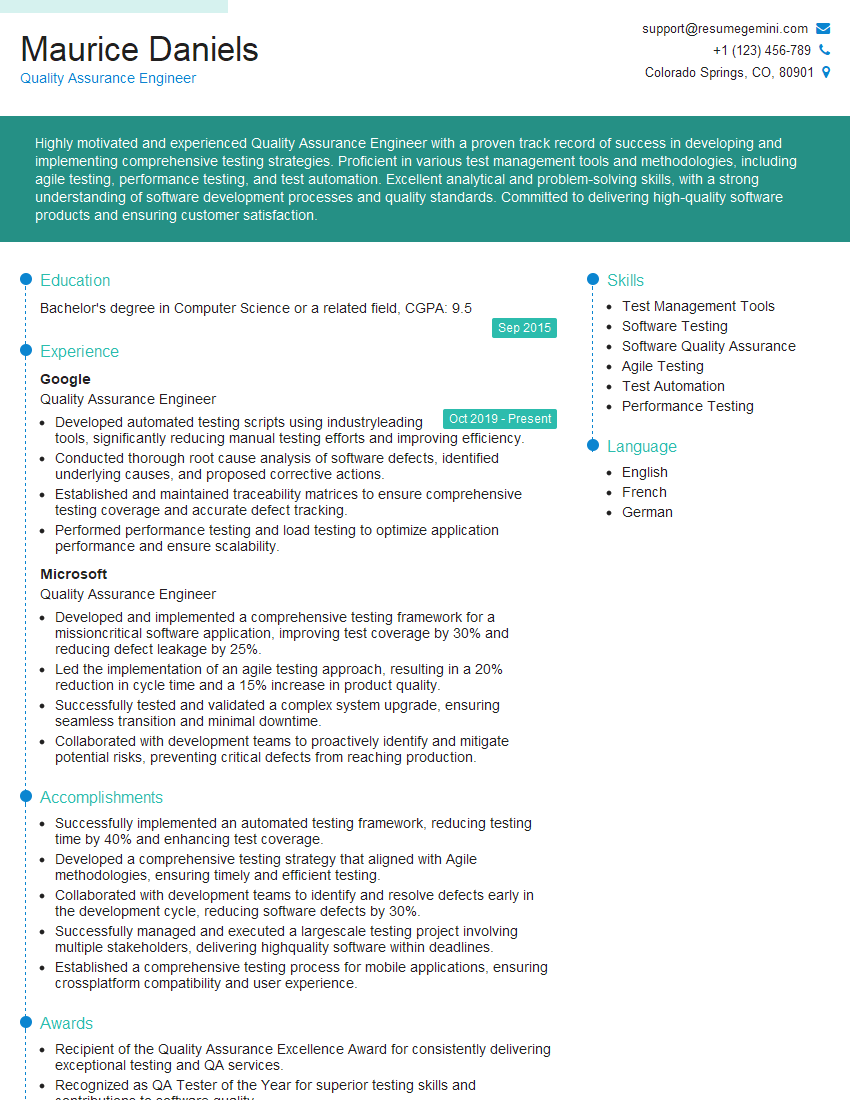
Quality Assurance Engineer Resume Sample
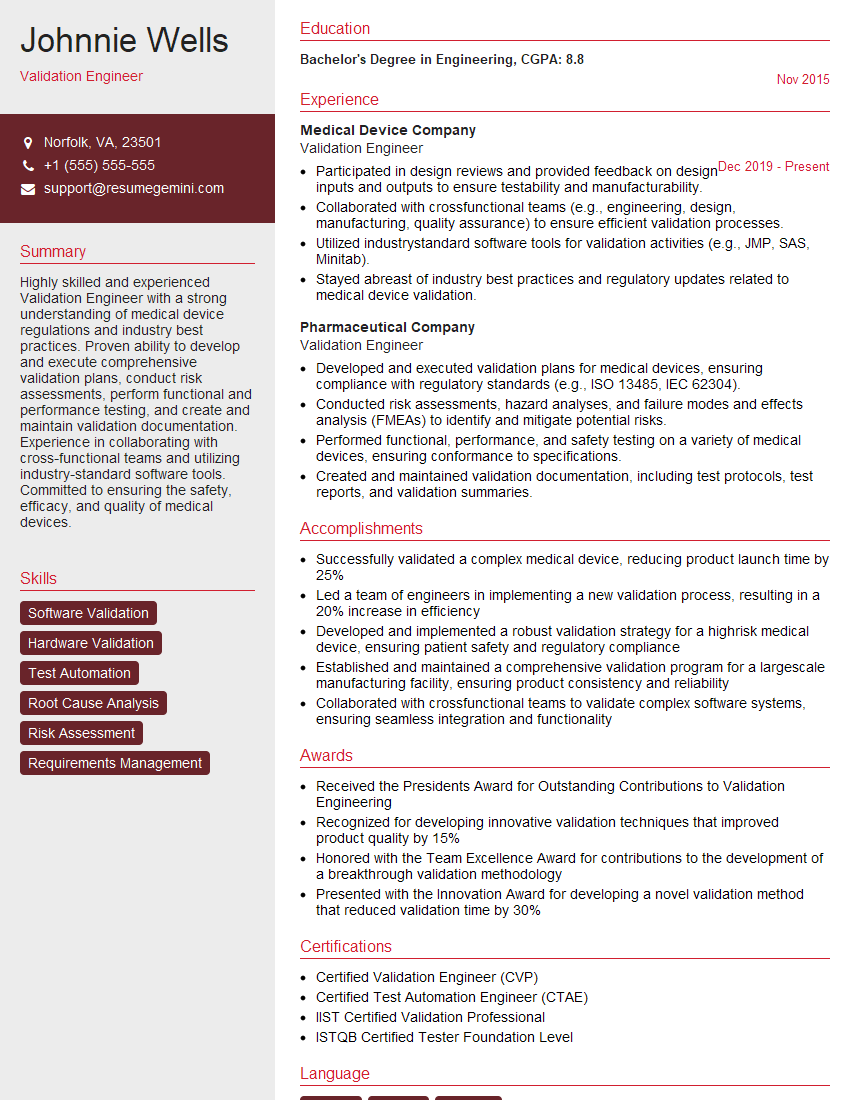
Validation Engineer Resume Sample
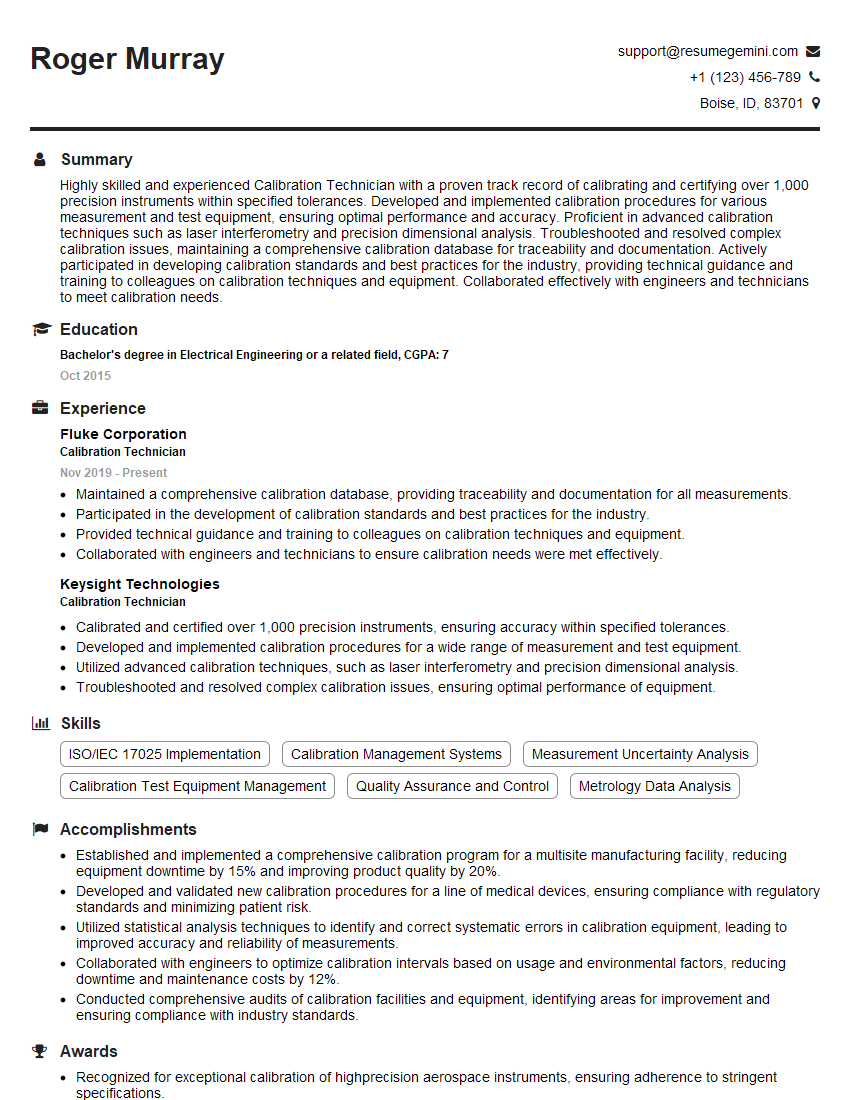
Calibration Technician Resume Sample
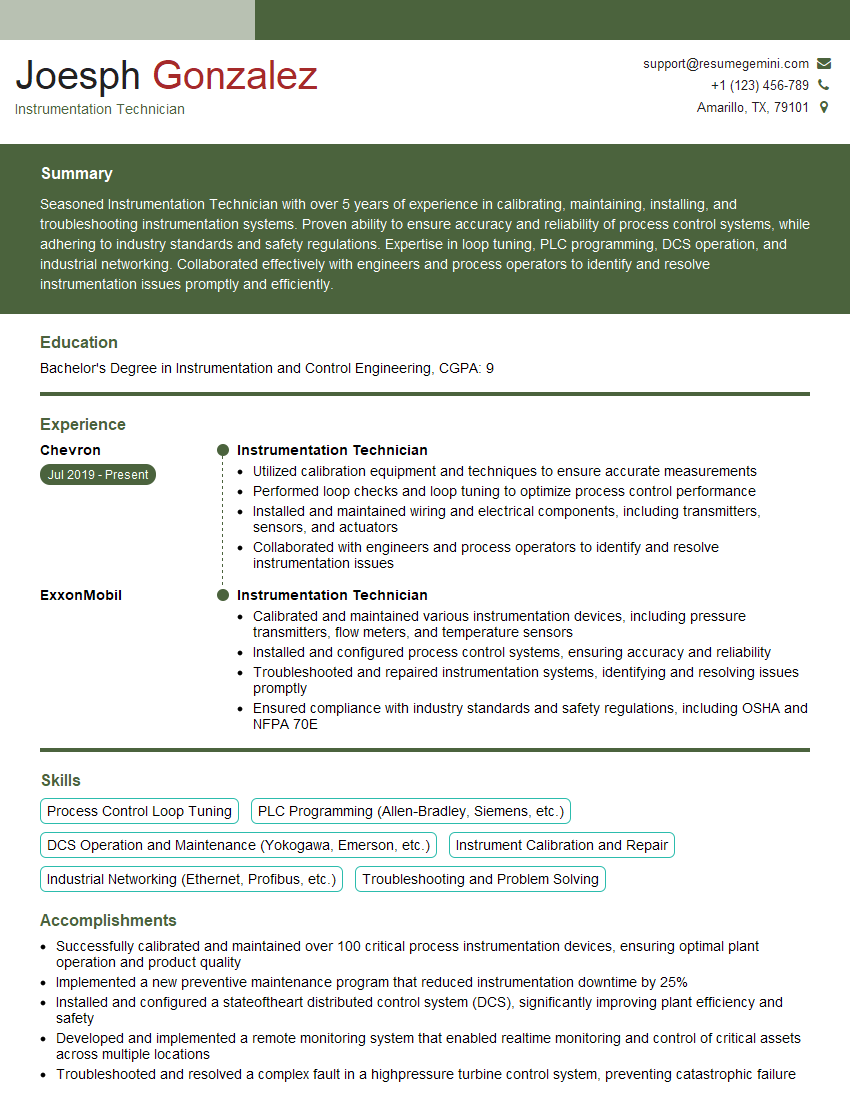
Instrumentation Technician Resume Sample
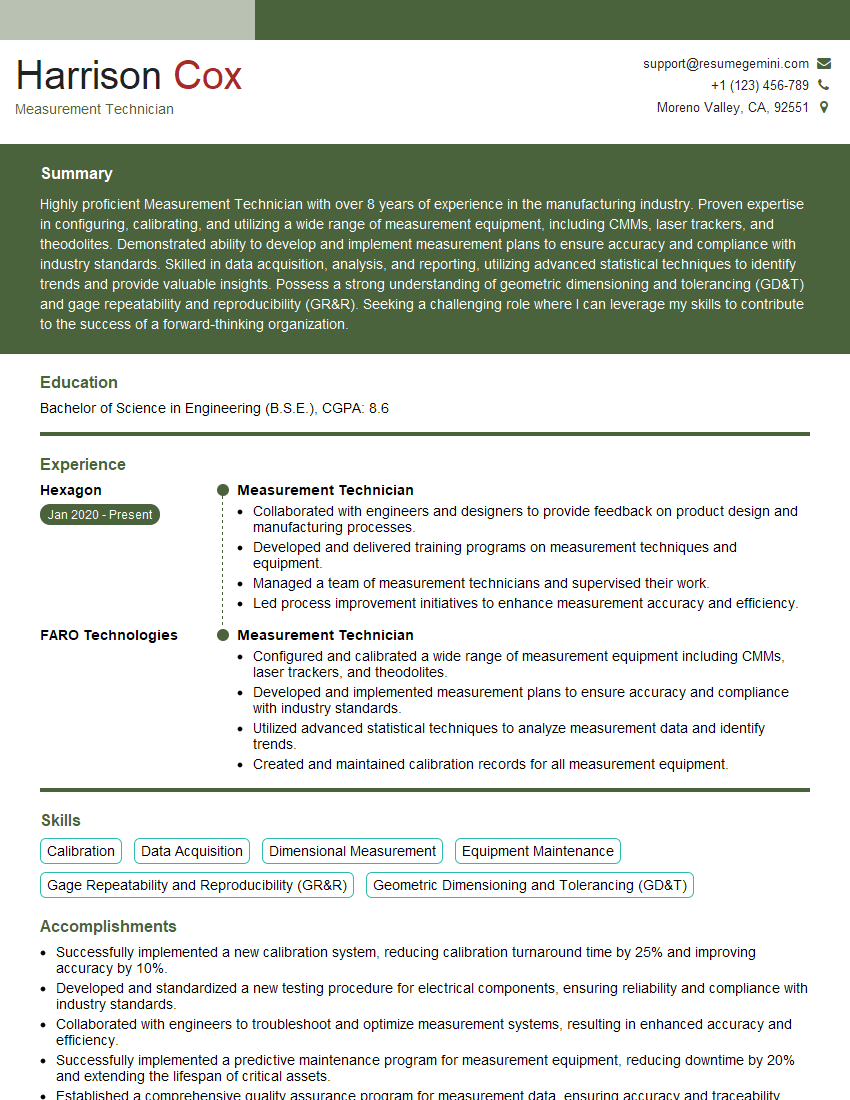
Measurement Technician Resume Sample
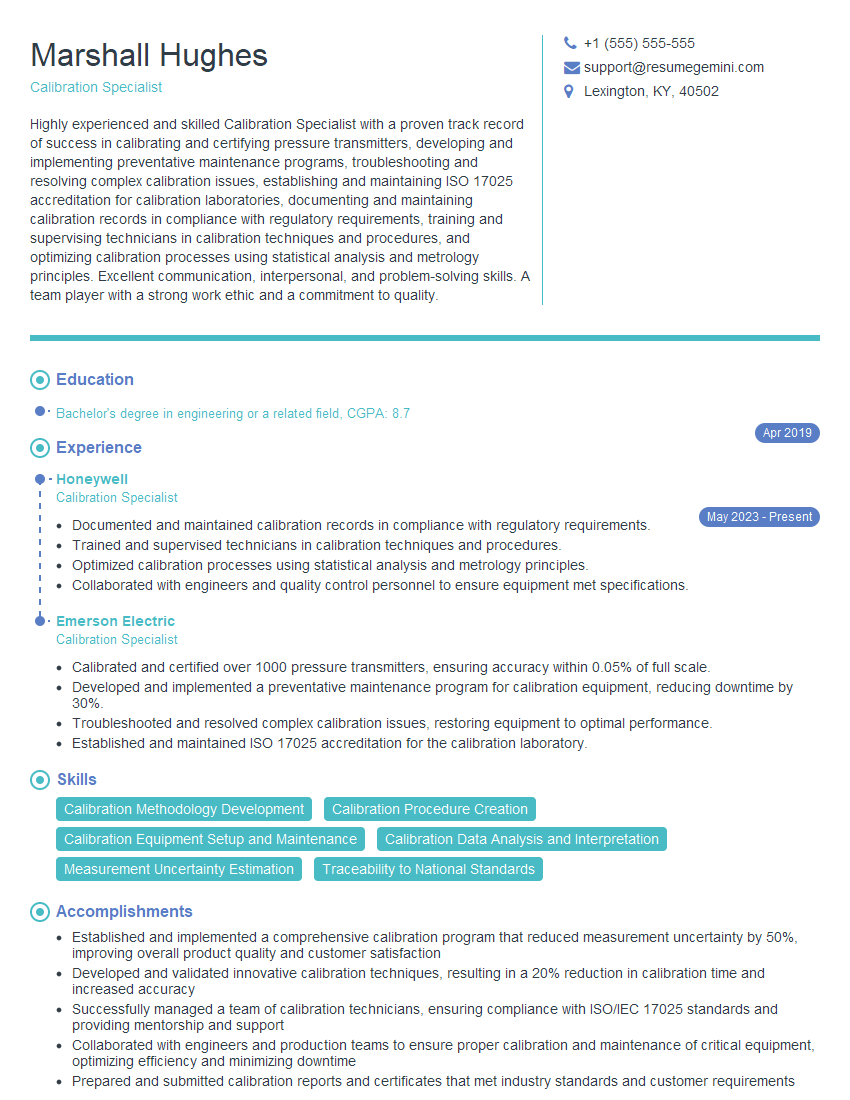
Calibration Specialist Resume Sample
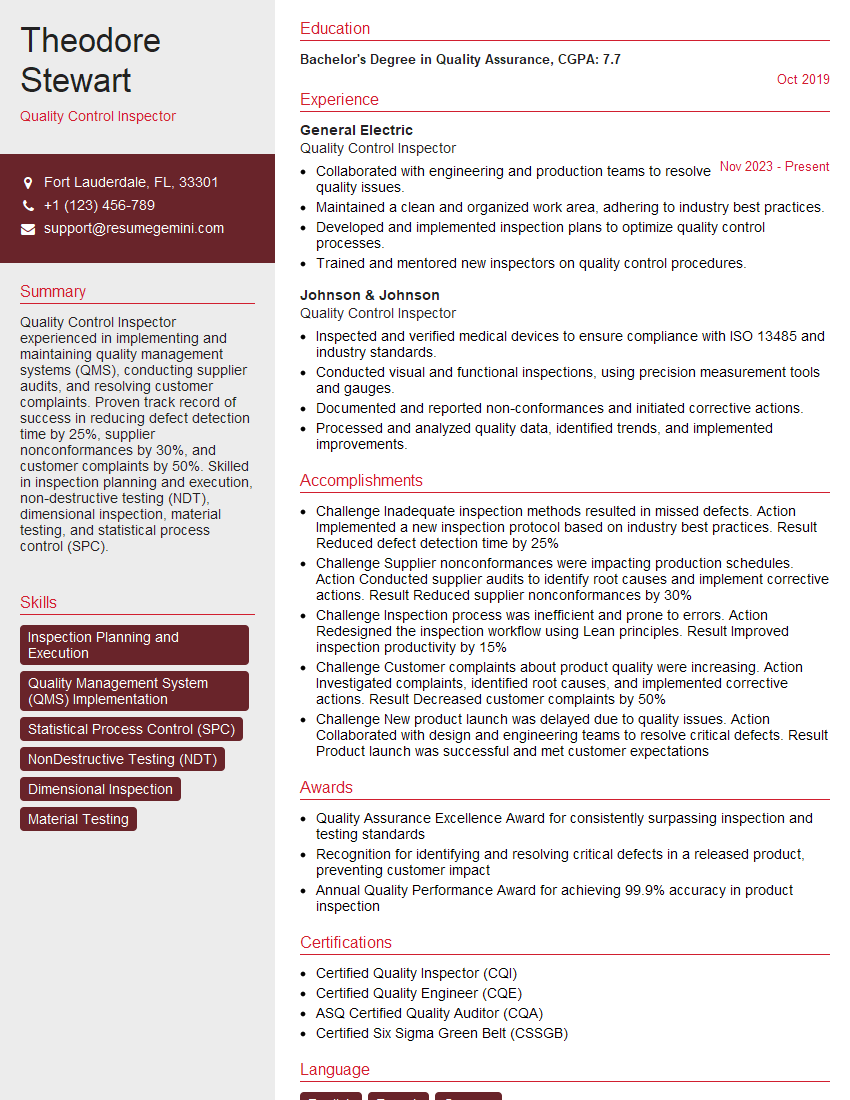
Quality Control Inspector Resume Sample
Explore more articles
Users Rating of Our Blogs
Share Your Experience
We value your feedback! Please rate our content and share your thoughts (optional).
What Readers Say About Our Blog
Very informative content, great job.
good