Are you ready to stand out in your next interview? Understanding and preparing for Mastitis Prevention interview questions is a game-changer. In this blog, we’ve compiled key questions and expert advice to help you showcase your skills with confidence and precision. Let’s get started on your journey to acing the interview.
Questions Asked in Mastitis Prevention Interview
Q 1. Describe the common causes of mastitis.
Mastitis, an inflammation of the mammary gland, is primarily caused by bacterial infections. These infections typically enter the udder through the teat canal, the natural opening at the end of the teat. Several factors contribute to this entry and subsequent infection.
- Environmental Bacteria: Bacteria like Staphylococcus aureus, Escherichia coli, and Streptococcus agalactiae are common culprits. These bacteria can reside in the environment, on the farmer’s hands, or on milking equipment, easily finding their way into the udder.
- Teat Injuries: Any injury to the teat, such as cracks, cuts, or abrasions, provides an entry point for bacteria. This can result from rough handling during milking, injury from sharp objects in the pasture, or even aggressive suckling by calves.
- Milking Practices: Improper milking techniques, including inadequate teat disinfection and incomplete milking, increase the risk. Leaving milk in the udder creates a breeding ground for bacteria.
- Immune System Weakness: A cow’s immune system plays a critical role in fighting infection. Stress, poor nutrition, and other health issues can weaken the immune response, making the cow more susceptible to mastitis.
Think of it like this: the teat canal is like a door to the udder. Keeping that door clean and preventing damage is crucial to preventing unwelcome bacterial guests from entering.
Q 2. Explain the difference between clinical and subclinical mastitis.
The key difference between clinical and subclinical mastitis lies in the visibility of symptoms.
- Clinical Mastitis: This is the easily noticeable form, characterized by visible signs like swollen and inflamed udders, abnormal milk (e.g., watery, clotty, bloody), fever, and reduced milk production. A farmer will easily see these changes in their cows. Imagine a visible, painful wound on the udder—that’s clinical mastitis.
- Subclinical Mastitis: This form is hidden, lacking obvious symptoms. The cow may appear perfectly healthy, but milk production might be slightly reduced, and the milk quality is subtly affected. It’s only detectable through testing, typically by analyzing somatic cell counts (SCC) in the milk.
Subclinical mastitis is often the more insidious problem. Because it doesn’t present visible symptoms, it can go undetected, leading to chronic infection and long-term damage, ultimately affecting the herd’s overall productivity and milk quality.
Q 3. What are the key indicators of mastitis in a dairy herd?
Detecting mastitis early is vital for effective management. Key indicators include:
- Changes in Milk Appearance: Watery, clotty, or bloody milk is a strong sign. The milk may also be thicker than normal or have a different color.
- Udder Changes: Swelling, heat, pain, or hardness in the udder. The affected quarter might feel firmer or warmer to the touch than the others.
- Abnormal Milk Production: A noticeable decrease in milk yield from one or more quarters.
- Behavioral Changes: The cow may appear less active, restless, or have a reduced appetite.
- Systemic Signs: In severe cases, fever, depression, and other systemic signs might be observed.
- Elevated Somatic Cell Count (SCC): This is a key diagnostic indicator, discussed in more detail later.
Regular observation of your cows is critical. Knowing your animals’ baseline behavior and milk production helps you quickly notice any deviations indicating potential problems.
Q 4. Outline the best practices for mastitis prevention on a dairy farm.
Preventing mastitis involves a comprehensive approach incorporating various best practices:
- Good Milking Hygiene: Thorough cleaning and disinfection of the teats before and after milking are essential. This includes using pre- and post-dip solutions.
- Proper Milking Technique: Ensure complete milking to prevent milk residue buildup, which can harbor bacteria. Avoid rough handling of the teats and udder.
- Dry Cow Therapy: Administering antibiotics during the dry period helps prevent new infections and reduce the risk of mastitis during lactation.
- Teat Management: Regularly check teats for injuries, cracks, or other damage. Apply appropriate treatments to heal injuries and prevent further bacterial entry.
- Healthy Cows: Maintain a high standard of animal health, nutrition, and overall well-being. A healthy cow has a stronger immune system to fight off infections.
- Clean and Dry Housing: Keep the cows in clean, dry housing to minimize exposure to environmental bacteria.
- Cull Infected Cows: In some cases, chronically infected cows may need to be removed from the herd to prevent spread of infection.
- Regular Testing: Routinely monitor SCCs and conduct CMT (California Mastitis Test) to detect subclinical mastitis.
Prevention is far more cost-effective and humane than treating mastitis. A proactive approach ensures healthy cows and a productive dairy operation.
Q 5. Discuss the role of milking hygiene in mastitis prevention.
Milking hygiene is paramount in mastitis prevention. It forms the first line of defense against bacterial contamination. The process involves several key steps:
- Pre-Milking Teat Preparation: Thorough cleaning of the teats using a disinfectant solution to remove dirt, manure, and other contaminants.
- Pre-Dip Application: Applying a pre-dip solution that acts as a disinfectant, killing many bacteria before milking begins.
- Post-Milking Teat Treatment: Applying a post-dip solution immediately after milking to protect the teat canal and prevent bacterial entry.
- Proper Milking Equipment: Regular cleaning and sanitization of all milking equipment is crucial to prevent bacterial build-up.
- Hand Hygiene: Milkers should maintain good hand hygiene to avoid transferring bacteria to the teats.
Imagine the teat canal as a gateway to the udder. Pre- and post-dips act as guards, eliminating bacteria before they can enter, while meticulous cleaning removes any unwanted visitors lurking at the doorstep.
Q 6. What are the common methods for detecting mastitis?
Several methods are used to detect mastitis, ranging from simple visual observations to sophisticated laboratory tests:
- Visual Inspection: Regularly checking the udder for swelling, redness, and other visible signs.
- California Mastitis Test (CMT): A rapid, on-farm test that detects increased SCCs by reacting with milk components. It gives a quick indication of infection, but it doesn’t identify the specific bacteria.
- Somatic Cell Count (SCC): Analysis of milk samples to determine the number of somatic cells (primarily white blood cells). An elevated SCC indicates an inflammatory response, usually caused by infection.
- Milk Culture: A laboratory test that isolates and identifies the specific bacteria causing the infection, guiding appropriate treatment strategies.
The choice of method depends on the resources and priorities of the dairy. Simple tests like CMT offer quick screenings, while lab tests provide more detailed diagnostic information.
Q 7. How do you interpret somatic cell counts (SCC)?
Somatic cell counts (SCC) represent the number of somatic cells (mostly white blood cells) present in a milk sample. These cells increase during an infection as part of the body’s immune response to fight off bacteria. Therefore, SCC is a valuable indirect indicator of mastitis.
Interpreting SCC:
- Low SCC: Indicates healthy udder tissue and minimal inflammation. This is generally considered desirable.
- Elevated SCC: Suggests inflammation, often indicating the presence of mastitis, either clinical or subclinical. The higher the SCC, the more severe the inflammation usually is.
Thresholds vary depending on the country and laboratory, but generally, an SCC above a certain level (e.g., 200,000 cells/ml) suggests a problem and warrants further investigation, such as the CMT or a milk culture.
Think of SCC as a signal of the immune system’s activity. A high SCC is like a fire alarm alerting you to a potential infection.
Q 8. Explain the importance of proper teat preparation and milking techniques.
Proper teat preparation and milking techniques are the first line of defense against mastitis, a painful and costly udder infection in dairy cows. Think of it like this: you wouldn’t perform surgery without sterilizing the area first – the same principle applies here. Effective teat preparation minimizes the risk of bacteria entering the teat canal during milking.
Pre-milking teat disinfection: Before milking, each teat should be thoroughly cleaned and disinfected using an effective teat dip containing an appropriate antimicrobial agent. This removes dirt, manure, and bacteria that might be lurking on the teat surface. A proper dip time (usually 30 seconds) is critical for efficacy.
Fore-stripping: Before attaching the milking machine, manually remove the first few streams of milk from each teat. This helps to detect any abnormalities, such as clots or changes in milk consistency, which can be early signs of mastitis. It also helps to flush out any bacteria that may be present in the teat cistern.
Proper milking machine attachment and detachment: Ensure the milking machine cups are properly attached and detached to avoid teat trauma, which can create entry points for bacteria. Improper vacuum levels or overly aggressive milking can cause injury and increase mastitis risk.
Post-milking teat disinfection: After milking, immediately apply a post-milking teat dip to protect the teat canal from environmental contamination. This creates a physical barrier against bacteria entering the udder.
Consistent and meticulous attention to these details significantly reduces the incidence of mastitis on a dairy farm. For instance, I worked with a farm that drastically reduced their mastitis cases by implementing a stricter teat preparation protocol and providing thorough training to their milking staff.
Q 9. Describe different treatment options for mastitis.
Mastitis treatment options vary depending on the severity and type of infection. Early diagnosis is key for effective treatment and to prevent spread to other cows.
Antibiotics: For clinical mastitis (visible symptoms), antibiotics are often necessary to eliminate the infection. The choice of antibiotic depends on the bacteria identified through a culture and sensitivity test. Antibiotic treatment should always follow veterinary guidance and comply with withdrawal times to ensure milk safety.
Non-antibiotic therapies: In some cases, especially for subclinical mastitis (no visible symptoms), non-antibiotic therapies like immunomodulators may be used to boost the cow’s immune response. These can help the cow fight off the infection without the use of antibiotics.
Supportive therapy: This includes measures such as ensuring adequate hydration and nutrition to support the cow’s immune system and overall health. Pain relief may also be necessary to alleviate discomfort.
The choice of treatment always involves careful consideration of several factors, and a veterinary consultation is essential to determine the best course of action. Self-treating mastitis can lead to treatment failures, increased antibiotic resistance, and potentially more severe complications.
Q 10. What are the economic impacts of mastitis on a dairy farm?
Mastitis carries significant economic consequences for dairy farms. The costs are multifaceted and can severely impact profitability.
Reduced milk production: Infected udders produce less milk, directly impacting income. This reduction can range from minor decreases in subclinical cases to significant losses in severe clinical cases.
Milk quality issues: Mastitis can cause changes in milk composition, making it unsuitable for sale. This leads to discarding affected milk, resulting in further financial losses. For example, the presence of somatic cells (white blood cells) can trigger rejection of milk by processing plants.
Treatment costs: The cost of antibiotics, veterinary services, and labor associated with treatment can add up, putting a strain on the farm’s budget.
Culling: In persistent or severe cases, infected cows may need to be culled (removed from the herd), representing a significant capital loss.
Reduced reproductive performance: Mastitis can negatively impact reproductive health, leading to reduced conception rates and increased calving intervals, impacting overall herd productivity.
The cumulative impact of these factors can significantly reduce a dairy farm’s profitability. A farm experiencing a high prevalence of mastitis can experience tens of thousands of dollars in losses annually.
Q 11. How do you manage antibiotic use in mastitis treatment?
Responsible antibiotic use is crucial in mastitis management, combating both the infection and the growing threat of antibiotic resistance. It’s not just about treating the cow; it’s about protecting public health and the long-term effectiveness of these essential drugs.
Culture and sensitivity testing: Before starting antibiotic treatment, a milk sample should be cultured to identify the causative bacteria. This allows for targeted antibiotic selection, maximizing efficacy and minimizing the risk of resistance development.
Veterinary guidance: Antibiotic treatment decisions should always be made in consultation with a veterinarian. They can assess the severity of the infection and recommend the appropriate antibiotic, dosage, and treatment duration.
Adherence to withdrawal times: It is critical to strictly adhere to the recommended withdrawal times before the milk from treated cows can be sold. This ensures that antibiotic residues do not enter the food chain.
Appropriate antibiotic selection: Choose antibiotics judiciously, selecting those with the narrowest spectrum of activity necessary to treat the identified bacteria. This limits the collateral damage to the cow’s gut microbiome and reduces the selective pressure that drives resistance.
Alternatives to antibiotics: When appropriate, explore non-antibiotic treatment options, such as immunomodulators, to reduce the reliance on antibiotics.
By adopting these strategies, dairy farmers can effectively control mastitis while safeguarding the long-term effectiveness of antibiotics.
Q 12. What are the biosecurity measures to prevent mastitis introduction?
Biosecurity measures are crucial in preventing the introduction and spread of mastitis-causing pathogens onto a dairy farm. Think of it as building a strong fortress to keep out invaders.
Quarantine protocols: New animals should be quarantined for a period before being introduced to the main herd to observe for any signs of infection. This allows early detection and isolation of any potentially infected animals.
Hygiene practices: Strict hygiene protocols, such as handwashing and disinfection of equipment, should be followed by everyone working with the animals. Visitors should also follow strict hygiene practices to minimize the risk of introducing pathogens.
Rodent and pest control: Rodents and other pests can carry pathogens, so a robust pest control program is essential.
Proper manure management: Manure can harbor mastitis pathogens. Good manure management practices, such as efficient removal and proper disposal, reduce the risk of contamination.
Footbaths: Using footbaths at entry points to the barn can help prevent the spread of pathogens through foot traffic.
Consistent implementation of these biosecurity measures creates a healthier environment, reducing the risk of mastitis outbreaks.
Q 13. Describe the role of nutrition in mastitis prevention and management.
Nutrition plays a vital role in both preventing and managing mastitis. A well-nourished cow has a stronger immune system, better able to fight off infection.
Balanced ration: A balanced diet provides all the essential nutrients necessary for optimal immune function, including adequate energy, protein, vitamins, and minerals. Nutrient deficiencies weaken the immune system, increasing susceptibility to mastitis.
Energy balance: Negative energy balance around calving increases the risk of mastitis. Ensuring adequate energy intake during this critical period supports immune function and overall health.
Selenium and Vitamin E: These antioxidants play a crucial role in immune function. Supplemental feeding might be necessary to ensure adequate levels, particularly during periods of stress or increased risk of mastitis.
Omega-3 fatty acids: Studies suggest that omega-3 fatty acids may have anti-inflammatory properties that can help manage mastitis.
Careful attention to nutritional management can significantly contribute to a healthier herd with reduced susceptibility to mastitis. For example, I’ve seen farms improve their mastitis control by implementing a nutrition plan focusing on pre and post-calving energy intake.
Q 14. How do you implement a herd-level mastitis control program?
A successful herd-level mastitis control program is a holistic approach involving multiple strategies and consistent monitoring.
Record keeping: Accurate and detailed record-keeping of mastitis cases, including individual cow records, is crucial for tracking trends, identifying high-risk cows, and evaluating the effectiveness of interventions.
Regular milk testing: Regular somatic cell count (SCC) testing helps to detect subclinical mastitis, enabling timely intervention and preventing the development of clinical cases. Bulk tank SCC monitoring provides a general picture of herd health.
Dry cow therapy: Treating cows with antibiotics during the dry period can help prevent new infections and reduce the incidence of mastitis in the subsequent lactation.
Culling program: Culling chronically infected cows is necessary to prevent the spread of infection and improve overall herd health. This requires careful evaluation and balancing economic factors with herd health goals.
Employee training: Training staff on proper milking techniques, teat preparation, and hygiene practices is essential for successful mastitis control. Consistent, high-quality milking is paramount.
Veterinary consultation: Regular consultation with a veterinarian is necessary to develop a customized mastitis control program tailored to the specific needs of the herd and to monitor its effectiveness.
Regular review and adjustments based on data and veterinary advice are crucial for the long-term success of any herd-level mastitis control program. It’s an iterative process, not a one-time fix.
Q 15. Explain the importance of dry cow therapy.
Dry cow therapy is crucial for preventing new mastitis infections during the dry period, a time when cows are not producing milk and are more susceptible to infection. Think of it as giving the udder a thorough cleaning and protecting it before a long break. The therapy involves infusing the udder with antibiotics to kill any existing bacteria and create a sterile environment.
The importance lies in reducing the incidence of mastitis at the start of the next lactation. A significant proportion of new infections originate during the dry period, so successfully treating existing infections and preventing new ones is paramount for maintaining herd health and milk production. Without dry cow therapy, the risk of a cow developing mastitis at calving increases dramatically, leading to higher treatment costs, milk losses, and potential culling.
Effective dry cow therapy involves careful selection of antibiotics based on local pathogen prevalence, correct administration technique, and ensuring proper teat sealant application to prevent bacterial entry. It’s a proactive approach, preventing problems rather than reacting to them.
Career Expert Tips:
- Ace those interviews! Prepare effectively by reviewing the Top 50 Most Common Interview Questions on ResumeGemini.
- Navigate your job search with confidence! Explore a wide range of Career Tips on ResumeGemini. Learn about common challenges and recommendations to overcome them.
- Craft the perfect resume! Master the Art of Resume Writing with ResumeGemini’s guide. Showcase your unique qualifications and achievements effectively.
- Don’t miss out on holiday savings! Build your dream resume with ResumeGemini’s ATS optimized templates.
Q 16. What are the key performance indicators (KPIs) for mastitis control?
Key Performance Indicators (KPIs) for mastitis control are crucial for tracking progress and identifying areas needing improvement. They provide a quantifiable measure of the success of your mastitis prevention program. Here are some key KPIs:
- Somatic Cell Count (SCC): This measures the number of white blood cells in the milk, indicating the level of inflammation. A lower SCC signifies better udder health. Regular monitoring is vital.
- Clinical Mastitis Cases: The number of cases diagnosed with visible signs of mastitis (e.g., swelling, abnormal milk). A decrease in these cases reflects improved control.
- Subclinical Mastitis Prevalence: This is determined through SCC testing and identifies infections without visible symptoms. This is crucial because subclinical mastitis can significantly impact milk production and spread infection.
- Treatment Costs: Monitoring costs associated with treating mastitis helps assess the program’s economic efficiency.
- Culling Rate Due to Mastitis: Tracking how many cows are culled because of persistent mastitis indicates the program’s long-term effectiveness. High culling rates indicate a failure to control the disease.
- Milk Production per Cow: Mastitis negatively impacts milk production. A healthy herd will show higher yields.
Tracking these KPIs over time, and comparing them to previous years or industry benchmarks, allows for data-driven decision-making and program refinement.
Q 17. How do you monitor the effectiveness of your mastitis prevention program?
Monitoring the effectiveness of a mastitis prevention program involves regular assessment and analysis of data. It’s not a one-time event, but an ongoing process. Think of it as routinely checking your car’s engine to prevent major breakdowns.
Here’s how to monitor effectiveness:
- Regular SCC Testing: Bulk tank SCC and individual cow SCC provide early warning signals of infection. Regular testing (e.g., monthly) allows for quick identification of issues.
- Clinical Mastitis Recording: Maintain accurate records of clinical mastitis cases, including the date, cow ID, severity, and treatment provided. This helps track trends and identify problem areas.
- Regular Udder Examinations: Visual checks for abnormalities (swelling, heat, changes in milk) provide immediate insight into udder health. This is particularly useful to spot potential infections.
- Antibiotic Use Monitoring: Track the type and frequency of antibiotic use to identify potential antibiotic resistance issues and improve treatment strategies.
- Data Analysis: Regularly analyze the collected data to look for patterns, trends, and areas needing improvement. This helps identify risk factors and refine prevention strategies. Use software to aid visualization.
- Farm Audits: Conduct regular farm audits to evaluate milking hygiene, cleaning protocols, and overall management practices that affect mastitis incidence.
By combining data from these sources, you create a holistic view of your program’s performance, enabling you to make informed adjustments for continuous improvement.
Q 18. Describe different types of mastitis pathogens.
Mastitis is caused by various pathogens, broadly classified as either environmental or contagious. Understanding this is key to developing effective prevention and treatment strategies.
- Environmental Pathogens: These bacteria originate from the environment (e.g., soil, manure, bedding). Common examples include Escherichia coli (E. coli), Streptococcus uberis, and Staphylococcus aureus (though S. aureus can also be contagious). These often cause severe clinical mastitis. Think of them as opportunistic invaders.
- Contagious Pathogens: These bacteria spread directly from one cow to another, typically during milking. Streptococcus agalactiae and Staphylococcus aureus are the primary culprits. They persist in the udder, causing chronic infections and spreading easily.
Identifying the prevalent pathogens in your herd through milk culture testing is essential for tailoring your prevention and treatment strategies. For example, if E. coli is prevalent, improving hygiene practices is crucial. If S. aureus is a major concern, strict milking hygiene and culling of persistent infected cows might be necessary.
Q 19. How do you manage mastitis outbreaks?
Managing mastitis outbreaks requires a rapid and decisive response. It’s like fighting a fire—you need to contain the spread and extinguish the flames quickly. A multi-pronged approach is necessary.
- Immediate Isolation: Isolate affected cows to prevent the spread of infection to healthy animals. This includes separating them during milking and restricting their movement.
- Rapid Diagnosis: Perform milk culture tests to identify the causative agent(s). This informs targeted treatment and helps prevent antibiotic resistance.
- Targeted Treatment: Administer appropriate antibiotics based on the identified pathogen(s). Follow veterinarian recommendations carefully regarding dosage and duration of treatment.
- Improved Hygiene: Implement stricter hygiene practices throughout the milking process, including thorough teat disinfection and udder preparation. This is paramount to stop further transmission.
- Environmental Sanitation: Clean and disinfect the milking parlor and other areas where cows congregate. Address potential sources of contamination in the environment.
- Monitoring and Follow-up: Monitor the herd closely for new cases and conduct regular SCC testing to assess the effectiveness of interventions. Continue monitoring the effectiveness of the implemented controls.
Successful management of a mastitis outbreak requires a coordinated effort, involving veterinarians, farmers, and potentially other specialists. Early detection and rapid intervention are key to minimizing losses and restoring herd health.
Q 20. What is the role of genetics in mastitis resistance?
Genetics plays a significant role in a cow’s susceptibility to mastitis. Just like some people are naturally more prone to certain illnesses, some cows have genetic traits that make them more resistant. This is a long-term strategy focusing on breeding for improved udder health.
Breed differences exist; some breeds are naturally more resistant. Selection for traits like strong udder support, good teat conformation, and a low SCC in the dam (mother) can significantly improve the resistance of offspring. This requires careful record-keeping and genetic evaluation of cows within the herd. Advanced technologies such as genomic selection are now being used to identify and select animals with superior mastitis resistance genes.
While genetic selection is a long-term strategy, it is a powerful tool for building a naturally resistant herd. It’s important to combine genetic selection with other management strategies for optimal mastitis control. It’s a marathon, not a sprint.
Q 21. Discuss the use of technology in mastitis detection and prevention.
Technology plays an increasingly important role in mastitis detection and prevention. These technologies improve accuracy, speed, and efficiency of detection and management.
- Automated Milking Systems: Modern milking systems can incorporate sensors that detect changes in milk flow and conductivity, providing early warnings of mastitis. These systems allow for real-time monitoring of each cow.
- Milk Meters with SCC Sensors: These tools allow for rapid and accurate measurement of individual cow SCC, enabling early detection of subclinical mastitis. Immediate intervention is key in managing subclinical cases effectively.
- Infrared Thermography: This non-invasive technology measures the temperature of the udder, helping to detect inflammation associated with mastitis. It’s a rapid screening method, particularly useful for large herds.
- Data Management Software: Software systems integrate data from various sources (SCC, clinical mastitis cases, treatments) to track trends, analyze risks, and support decision-making. This provides actionable insights and long-term planning.
- Robotics and AI: Emerging technologies include robotic milking systems with integrated mastitis detection and AI-powered systems that analyze large datasets to predict outbreaks and optimize prevention strategies. This helps create proactive strategies.
The use of technology significantly enhances our ability to detect, manage, and prevent mastitis, moving from reactive to proactive strategies.
Q 22. Explain the importance of record-keeping in mastitis management.
Record-keeping is the cornerstone of effective mastitis management. Think of it as a detective’s notebook – it provides crucial clues to identify trends, pinpoint problem areas, and measure the success of your prevention and treatment strategies. Without detailed records, you’re essentially flying blind.
- Individual Cow Records: Tracking each cow’s somatic cell count (SCC) – an indicator of infection – through regular milk testing is paramount. Note any clinical signs (e.g., swollen udder, abnormal milk), treatment administered, and response to treatment. This allows you to identify persistent infections or cows at high risk.
- Bulk Tank SCC: Monitoring the bulk tank SCC gives an overall picture of herd health. A rising SCC suggests a potential problem needing investigation.
- Treatment Records: Meticulously document all treatments, including the antibiotic used, dosage, and administration route. This is essential for antibiotic stewardship, avoiding resistance, and complying with regulations.
- Environmental Factors: Record weather conditions, bedding type, milking hygiene practices, and any other relevant factors that might influence mastitis incidence. This helps you identify environmental risk factors.
For example, if we consistently see high SCCs in a particular pen, we might investigate bedding quality or milking machine settings. By analyzing this data over time, we can refine our mastitis control program and demonstrate its effectiveness.
Q 23. How do you handle mastitis in heifers and young cows?
Mastitis in heifers and young cows requires a slightly different approach than in older cows. Their immune systems are still developing, making them more susceptible to infection. Early detection is key.
- Prevention is paramount: Focus on excellent hygiene during milking, ensuring proper teat preparation and disinfection. Vaccination programs tailored for heifers are very effective.
- Careful Observation: Heifers should be regularly checked for signs of mastitis. Any abnormality in milk, udder swelling or changes in behavior should prompt immediate investigation. Early intervention minimizes long-term complications.
- Treatment: Antibiotic treatment should follow veterinary guidance, carefully considering the animal’s age and the potential impact on future milk production. Sometimes, supportive therapy like cold compresses and pain relief may be sufficient for mild cases.
- Culling Considerations: In cases of severe, persistent mastitis, culling might be necessary to prevent further spread of infection and safeguard herd health. This decision is made in conjunction with economic factors and overall herd management.
Imagine a young heifer with a swollen quarter. Quick action, involving careful examination, might reveal a minor infection treatable with topical therapies. This prevents the infection from becoming systemic and compromising future productivity.
Q 24. What is the role of vaccination in mastitis prevention?
Vaccination plays a significant role in preventing mastitis, particularly against common bacterial pathogens like E. coli and Streptococcus agalactiae. It’s a proactive strategy that strengthens the cow’s immune response.
- Types of Vaccines: Vaccines may target specific bacteria or employ a broader approach, protecting against multiple pathogens. The choice depends on the specific bacterial prevalence on the farm.
- Vaccination Schedules: Vaccinations are often administered before calving, bolstering immunity during the dry period when cows are particularly vulnerable. Booster shots may be necessary depending on the vaccine type and herd history.
- Herd Immunity: Vaccinating a large proportion of the herd contributes to herd immunity, offering a protective effect even for unvaccinated animals.
- Combination Strategies: Vaccination is most effective when combined with other mastitis control measures such as good hygiene and teat dipping.
For example, a farm experiencing recurring E. coli mastitis might implement a vaccination program targeting this specific bacteria. This, combined with improved hygiene, significantly reduces the incidence of this type of infection.
Q 25. Describe your experience with different teat dip formulations.
I’ve had extensive experience with various teat dip formulations, each with its strengths and weaknesses. The choice depends on factors like pathogen prevalence, cost, and environmental impact.
- Iodine-based Dips: These are widely used and effective against a broad range of bacteria. However, they can be irritating to the skin if used improperly and might stain the milking equipment.
- Chlorine-based Dips: These are powerful disinfectants but can be corrosive to milking equipment and can be harmful to the environment if not managed properly.
- Quarternary Ammonium Compounds (Quats): These are less harsh than iodine or chlorine but may be less effective against certain bacteria. They are generally considered safer for the environment.
- Acidified Dips: These are gaining popularity as they are effective, environmentally friendly, and less likely to cause skin irritation.
In practice, I often recommend a combination approach. For example, a farm with a history of Staphylococcus aureus infections might use a teat dip containing a powerful broad spectrum agent before transitioning to a gentler, preventative acidified dip. Regular monitoring of SCC helps us tailor the teat dip selection to the specific needs of the herd.
Q 26. Explain the importance of cow comfort in reducing mastitis risk.
Cow comfort is inextricably linked to mastitis prevention. Stressed or uncomfortable cows are more susceptible to infection. Think of it like this: if a human is constantly stressed, their immune system weakens, making them more vulnerable to illness. The same principle applies to cows.
- Proper Housing: Providing clean, dry bedding, sufficient space, and adequate ventilation minimizes the risk of udder injuries and exposure to pathogens.
- Comfortable Milking Environment: The milking process should be efficient and stress-free. Improper milking machine settings or aggressive handling can cause teat injuries and increase susceptibility to infection.
- Nutrition: A well-balanced diet contributes to a strong immune system. Nutritional deficiencies weaken the cow’s natural defenses against mastitis.
- Minimizing Stress: Avoid overcrowding, sudden changes in routines, and other stressors that can compromise the cow’s immune response.
For instance, cows housed on poorly drained concrete are far more likely to suffer from udder injuries and subsequent infections. By providing comfortable, clean bedding, we significantly reduce this risk and improve overall herd health.
Q 27. How do you communicate mastitis control strategies to farm staff?
Effective communication is crucial for successful mastitis control. It’s not enough to develop a sophisticated program; you need to ensure everyone understands and buys into it.
- Hands-on Training: Conduct regular training sessions, demonstrating proper milking hygiene techniques, teat preparation, and early detection of mastitis. Include visual aids and role-playing.
- Clear Protocols: Develop clear, concise written protocols outlining each step of the mastitis control program. Provide these protocols to all farm staff and regularly review them.
- Open Communication Channels: Encourage open communication between farm staff and management. Create a culture where staff feel comfortable reporting any concerns or deviations from protocol.
- Incentivize Good Practices: Acknowledge and reward staff for their adherence to the mastitis control program. This builds morale and encourages consistent implementation.
I use a combination of on-farm demonstrations, written guidelines, and regular feedback sessions to ensure all staff understand their roles in the mastitis control plan. This collaborative approach enhances compliance and program success.
Q 28. Discuss the ethical considerations related to mastitis treatment and prevention.
Ethical considerations in mastitis treatment and prevention are paramount. Our actions should always prioritize the welfare of the animals and the responsible use of resources.
- Antibiotic Stewardship: The overuse of antibiotics contributes to antimicrobial resistance. We must carefully follow veterinary guidance, using antibiotics only when necessary and at the appropriate dosage. Regular testing for antibiotic sensitivity is crucial.
- Pain Management: Mastitis can cause significant pain and discomfort. We should provide appropriate pain relief as needed, ensuring the animals receive compassionate care.
- Early Intervention: Early detection and intervention can minimize suffering and improve treatment outcomes. Regular milk testing and attentive observation are crucial for early detection.
- Humane Culling: In some cases, culling may be necessary to prevent further suffering and the spread of infection. This decision should be made ethically and humanely, always prioritizing the animal’s welfare.
- Transparency and Traceability: Maintaining accurate records regarding treatment and culling is vital for ensuring transparency and traceability in our practices.
We must balance the economic implications of mastitis with the ethical obligation to provide optimal care for each animal. It’s a holistic approach that requires continuous assessment and improvement.
Key Topics to Learn for Mastitis Prevention Interview
- Udder Health and Hygiene: Understanding the anatomy of the udder, proper cleaning and pre-milking procedures, and the importance of maintaining a clean milking environment.
- Milking Techniques: Mastering correct milking procedures to minimize trauma to the udder, including proper teat preparation, milking machine attachment and detachment, and post-milking teat disinfection.
- Mastitis Detection and Diagnosis: Learning to identify clinical and subclinical mastitis through physical examination, milk analysis (e.g., California Mastitis Test), and other diagnostic tools.
- Pathogen Identification and Control: Understanding the various bacterial pathogens responsible for mastitis (e.g., *Staphylococcus aureus*, *Escherichia coli*) and strategies for their control, including antibiotic therapy and biosecurity measures.
- Dry Cow Therapy and Management: Knowing the importance of proper dry cow therapy protocols to prevent new infections during the dry period and understanding the risks associated with antibiotic resistance.
- Nutrition and Herd Management: Understanding the role of nutrition in maintaining udder health, including balanced diets and the impact of stress and environmental factors on mastitis incidence.
- Data Analysis and Prevention Strategies: Analyzing mastitis data to identify trends and develop targeted prevention strategies, including herd-specific risk factors and the implementation of best practices.
- Economic Impact of Mastitis: Understanding the economic losses associated with mastitis, including reduced milk yield, increased veterinary costs, and culling of infected animals.
- Regulatory Compliance: Familiarity with relevant regulations and guidelines related to mastitis prevention and antibiotic use in dairy farming.
Next Steps
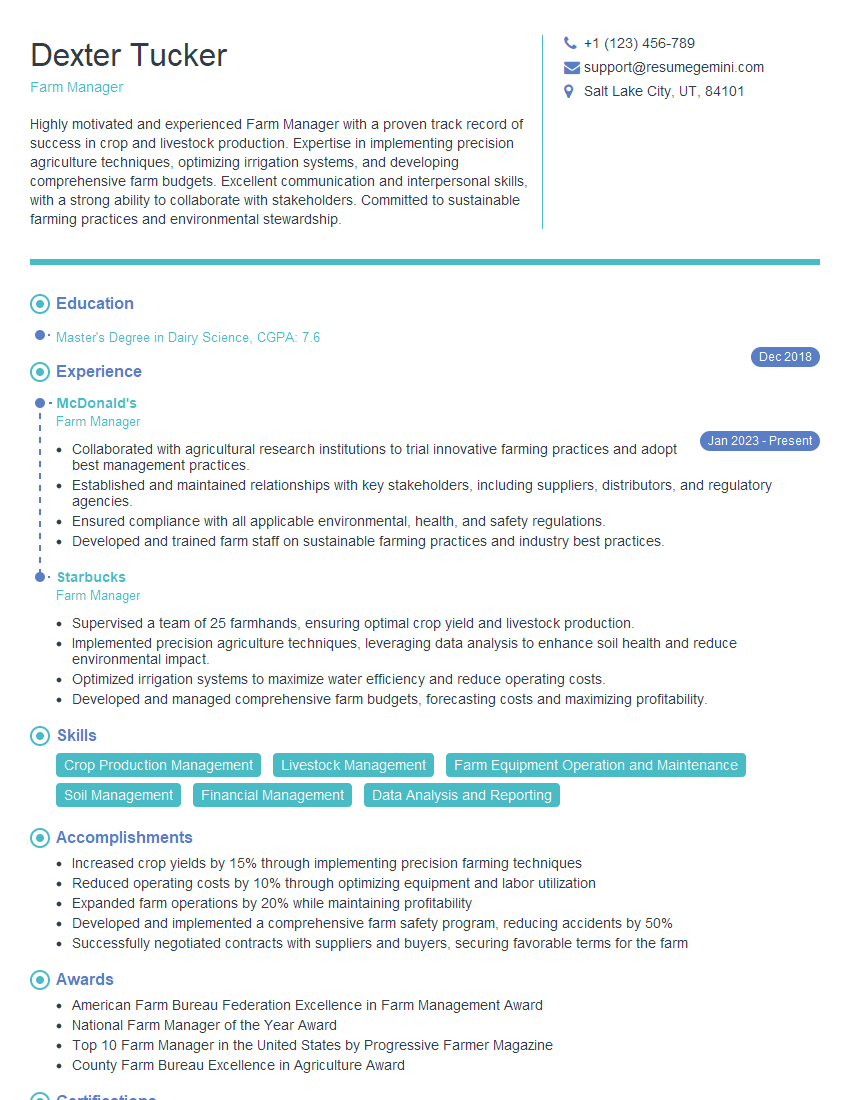
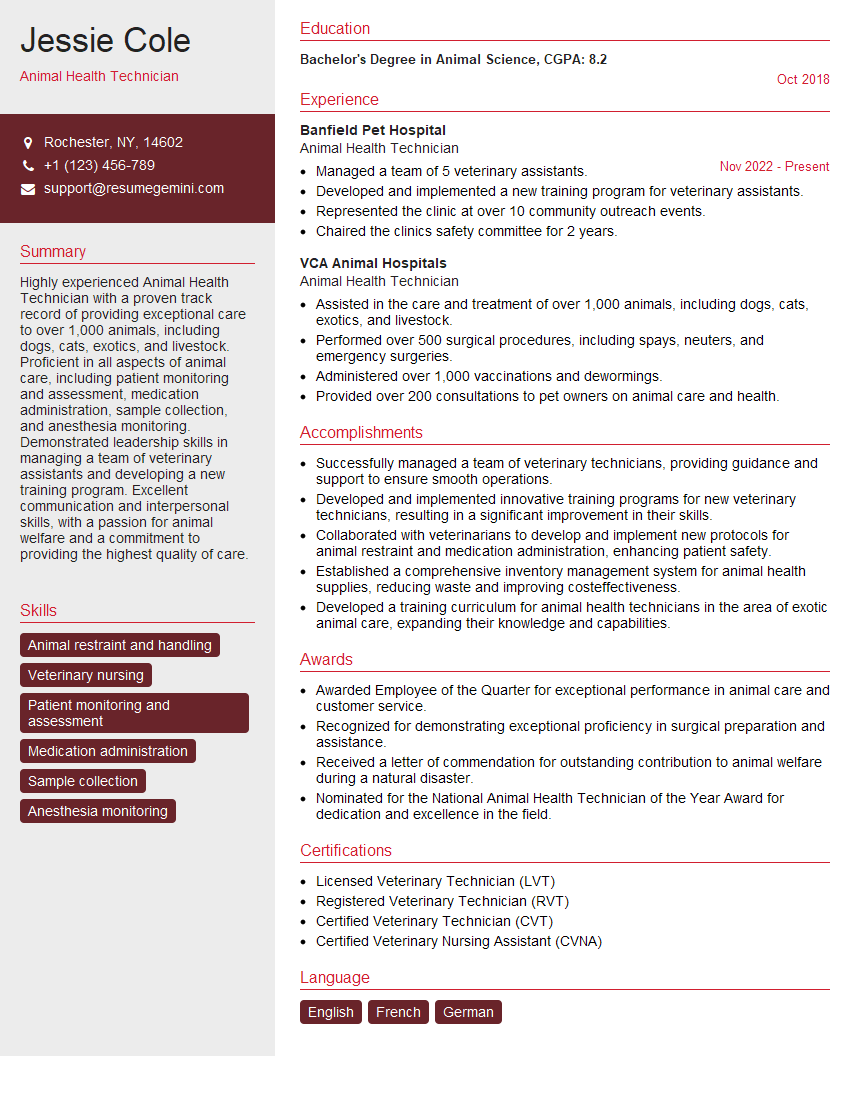
Mastering Mastitis Prevention demonstrates a crucial skillset highly valued in the dairy industry, significantly boosting your career prospects. A strong, ATS-friendly resume is essential for showcasing your expertise to potential employers. To maximize your job search success, leverage the power of ResumeGemini to craft a professional and impactful resume tailored to highlight your Mastitis Prevention knowledge. ResumeGemini provides examples of resumes specifically designed for this field, ensuring you present yourself effectively. Invest in your future – build a winning resume with ResumeGemini today.

Explore more articles
Users Rating of Our Blogs
Share Your Experience
We value your feedback! Please rate our content and share your thoughts (optional).
What Readers Say About Our Blog
Very informative content, great job.
good