Interviews are more than just a Q&A session—they’re a chance to prove your worth. This blog dives into essential Material Handling Expertise interview questions and expert tips to help you align your answers with what hiring managers are looking for. Start preparing to shine!
Questions Asked in Material Handling Expertise Interview
Q 1. Describe your experience with various material handling equipment.
Throughout my career, I’ve worked extensively with a wide range of material handling equipment, from basic hand trucks and pallet jacks to sophisticated automated systems. My experience encompasses:
- Forklifts: I’m proficient in operating various types, including counterbalanced, reach trucks, and order pickers, and I understand the importance of regular maintenance and safety checks.
- Conveyors: I’ve worked with roller, belt, and chain conveyors, designing and troubleshooting systems to optimize product flow and minimize bottlenecks. For instance, in a previous role, I redesigned a conveyor system to reduce transit time by 15%, improving overall warehouse efficiency.
- Automated Guided Vehicles (AGVs): I have experience integrating and managing AGVs in large warehouse environments. This includes programming routes, managing battery charging cycles, and troubleshooting system malfunctions. This significantly boosted order fulfillment speed in a previous project.
- Stackers and Cranes: My experience includes utilizing various types of stackers and cranes for high-bay storage and retrieval, always adhering to strict safety protocols.
- Warehouse Control Systems (WCS): I’m familiar with interfacing different material handling equipment with WCS for synchronized operations, resulting in improved throughput and reduced errors.
My hands-on experience with this diverse equipment allows me to effectively assess, implement, and optimize material handling solutions for any warehouse environment.
Q 2. What are the different types of warehouse layouts, and what are their advantages and disadvantages?
Warehouse layouts significantly impact efficiency. The most common types include:
- U-shaped layout: Workstations are arranged in a U-shape to minimize travel distances. Advantage: Reduces travel time. Disadvantage: Can be inflexible to changes in product flow.
- I-shaped layout: A linear arrangement suitable for simple, high-volume operations. Advantage: Simple, easy to manage. Disadvantage: Limited flexibility, potential bottlenecks.
- L-shaped layout: A combination of U and I shapes, offering a compromise between flexibility and efficiency. Advantage: Moderately flexible and efficient. Disadvantage: May still have potential bottlenecks depending on design.
- Random layout: Products are stored in any available space. Advantage: Highly flexible. Disadvantage: Requires sophisticated inventory management and can lead to inefficient travel times.
- Dedicated storage layout: Specific areas are allocated to particular products. Advantage: Easy picking and organization. Disadvantage: Less flexible, space may be wasted if demand changes.
The optimal layout depends on various factors, including the type of goods handled, order fulfillment methods, and space constraints. Careful consideration of these factors is crucial for maximizing efficiency and minimizing costs.
Q 3. Explain your understanding of inventory management techniques (FIFO, LIFO, etc.).
Inventory management techniques are crucial for maintaining optimal stock levels and minimizing waste. Here’s an explanation of some key methods:
- FIFO (First-In, First-Out): Older items are used or sold before newer ones. Example: A grocery store using FIFO ensures that products with shorter expiration dates are sold first. Advantage: Minimizes spoilage and waste. Disadvantage: May not be suitable for products with long shelf lives.
- LIFO (Last-In, First-Out): Newer items are used or sold before older ones. Example: This is often used for identical items where the cost of goods sold is determined by the most recent purchases. Advantage: Can reduce tax liability in inflationary periods (due to matching lower costs with current sales). Disadvantage: Can lead to higher spoilage costs if products have short shelf lives.
- FEFO (First-Expired, First-Out): Prioritizes items with the earliest expiration dates. Example: Essential for perishable goods. Advantage: Minimizes spoilage and waste. Disadvantage: Requires careful tracking of expiration dates.
Choosing the right technique depends on the specific characteristics of the products and the business goals. Often, a combination of these methods is used for optimal inventory management.
Q 4. How do you optimize warehouse space and workflow?
Optimizing warehouse space and workflow involves a multi-faceted approach:
- Efficient storage systems: Utilizing high-bay racking, mezzanines, and other space-saving solutions to maximize vertical space.
- Optimized layout: Designing the warehouse layout to minimize travel distances between receiving, storage, and shipping areas. This often involves using simulation software to test different scenarios before implementation.
- Improved slotting: Strategically placing frequently accessed items in easily accessible locations.
- Cross-docking: Minimizing storage time by directly transferring goods from inbound to outbound shipments.
- Lean principles: Implementing lean manufacturing principles to eliminate waste and improve efficiency throughout the warehouse operations.
- Technology Integration: Utilizing WMS and other software solutions to manage inventory, track shipments, and optimize processes.
For example, in a previous project, I implemented a new slotting strategy that reduced picking time by 20% and increased overall productivity. Regular audits and analysis are essential to continuously improve space utilization and workflow.
Q 5. What safety procedures are essential in a warehouse environment?
Safety is paramount in a warehouse environment. Essential safety procedures include:
- Proper training: All employees must receive comprehensive training on safe operating procedures for all equipment and tasks.
- Equipment maintenance: Regular maintenance checks and repairs of all material handling equipment to prevent malfunctions.
- Personal Protective Equipment (PPE): Providing and enforcing the use of appropriate PPE such as safety shoes, high-visibility vests, and hard hats.
- Safe storage practices: Proper stacking of materials to prevent collapses and ensuring adequate aisle space.
- Emergency procedures: Establishing clear emergency procedures and conducting regular drills.
- Housekeeping: Maintaining a clean and organized warehouse to minimize trip hazards and potential accidents.
- Ergonomic considerations: Designing workstations and processes to minimize physical strain on employees. This involves using proper lifting techniques and minimizing repetitive movements.
Implementing a robust safety program, combined with regular safety audits and employee feedback, is critical to creating a safe and productive work environment. A proactive approach to safety is essential, not just a reactive one.
Q 6. Describe your experience with warehouse management systems (WMS).
My experience with Warehouse Management Systems (WMS) is extensive. I’ve worked with various WMS platforms, from on-premise solutions to cloud-based SaaS offerings. My expertise encompasses:
- Implementation and Configuration: I’ve led the implementation of WMS solutions in multiple warehouse environments, tailoring the systems to meet specific client requirements.
- Data Migration: I’m experienced in migrating existing inventory and operational data into new WMS systems, ensuring data integrity and accuracy.
- System Integration: I’ve integrated WMS with other enterprise systems, such as ERP and TMS, to create a seamless flow of information across the supply chain.
- Reporting and Analytics: I’m adept at utilizing WMS reporting features to track key performance indicators (KPIs) and identify areas for improvement. For example, I have used WMS data to identify slow-moving inventory and suggest strategies for reducing storage costs.
- User Training: I’ve provided comprehensive training to warehouse personnel on the use of WMS software.
Utilizing a WMS is fundamental for enhancing warehouse productivity, improving inventory accuracy and reducing costs. Understanding the nuances and adapting the WMS to the specific needs of the business is key.
Q 7. How do you handle discrepancies in inventory counts?
Inventory discrepancies are inevitable, but a systematic approach is crucial for resolving them efficiently. My approach involves:
- Identify the Discrepancy: First, accurately identify the extent and nature of the discrepancy. Is it a shortage, surplus, or a mismatch in location?
- Investigate the Root Cause: Determine the underlying reasons for the discrepancy. This often involves reviewing picking lists, shipping documents, and WMS data to identify potential errors in the process.
- Reconciliation: Conduct a physical count of the inventory to verify the actual stock levels. This may involve implementing a cycle counting process to improve accuracy.
- Correct the Records: Update the inventory records in the WMS to reflect the actual count. This ensures data integrity and accuracy.
- Implement Preventative Measures: Analyze the root causes to identify areas for improvement and implement corrective actions. This may involve adjusting picking procedures, improving data entry practices, or enhancing WMS functionality.
A combination of regular cycle counting, robust WMS functionalities, and a well-defined process for handling discrepancies is essential for maintaining accurate inventory levels and minimizing the impact of errors.
Q 8. Explain your experience with different types of conveyors.
My experience with conveyors spans a wide range of types, each suited to different material handling needs. I’ve worked extensively with:
- Roller Conveyors: These are simple, gravity-fed systems ideal for lighter items and short distances. I used them in a previous role to move packaged goods from the production line to the palletizing station, significantly improving throughput compared to manual handling.
- Belt Conveyors: These are more powerful and versatile, capable of handling heavier loads and longer distances. I oversaw the implementation of a complex belt conveyor system in a distribution center, optimizing its speed and capacity to meet peak season demands. This involved careful consideration of belt material, incline angles, and safety features.
- Screw Conveyors: These are specialized for bulk materials like grains or powders. I’ve worked with them in a manufacturing plant, ensuring the consistent and efficient movement of raw materials throughout the production process. Regular maintenance and adjustments to the screw pitch were key to preventing jams and maintaining throughput.
- Chain Conveyors: These are durable and suited for heavier, bulkier items. I was involved in selecting and installing a chain conveyor system for a large automotive parts warehouse, which improved the handling of heavy engine components.
- Overhead Conveyors: These systems provide a space-saving solution for moving items vertically and horizontally. I helped design and implement a system to transport materials between different floors of a manufacturing facility, optimizing workflow and minimizing floor space usage.
My experience includes not only selection and implementation, but also maintenance, troubleshooting, and performance optimization of these systems. I understand the importance of choosing the right conveyor type based on factors like payload, throughput requirements, product characteristics, and available space.
Q 9. How would you improve efficiency in a slow-moving warehouse?
Improving efficiency in a slow-moving warehouse requires a systematic approach, focusing on identifying bottlenecks and optimizing processes. My strategy would involve:
- Process Mapping and Analysis: A thorough analysis of the current workflow using process mapping techniques to identify bottlenecks and areas for improvement. This might involve time-motion studies to pinpoint delays in specific areas.
- Inventory Optimization: Implementing strategies like ABC analysis to prioritize high-value items, improving storage location assignments for faster retrieval. This could involve re-organizing the warehouse layout to reduce travel time.
- Technology Upgrades: Implementing Warehouse Management Systems (WMS) and Radio Frequency Identification (RFID) technology to automate tasks such as order picking and inventory tracking, eliminating human error and improving accuracy. This might involve integrating the WMS with existing conveyor systems and material handling equipment.
- Cross-Training and Staff Optimization: Ensuring staff are cross-trained to handle multiple tasks, providing flexibility and reducing downtime. This involves clear job descriptions, adequate training programs and robust staff scheduling.
- Equipment Maintenance: Regular maintenance of material handling equipment such as forklifts and conveyors is crucial to minimize downtime and ensure efficient operation. A preventative maintenance schedule is key here.
For example, in a previous project, we reduced warehouse processing time by 25% by implementing a WMS and optimizing the picking process based on process mapping. This involved re-organizing the layout and strategically deploying picking carts, reducing travel time.
Q 10. What metrics do you use to assess warehouse performance?
Assessing warehouse performance requires a comprehensive set of metrics. Key indicators I regularly use include:
- Order Fulfillment Rate: The percentage of orders fulfilled accurately and on time. This is a critical metric reflecting the efficiency of the entire warehouse operation.
- Inventory Accuracy: The degree to which the physical inventory matches the recorded inventory. This ensures smooth order fulfillment and minimizes stockouts.
- Throughput: The number of units processed or moved per unit of time (e.g., units per hour). This shows the overall efficiency of the warehouse process.
- Order Cycle Time: The time taken to process an order from receipt to shipment. This helps identify bottlenecks and areas for improvement.
- Storage Density: The amount of storage space utilized efficiently. This metric measures space optimization and storage system efficiency.
- Labor Productivity: Measures the output per labor hour, which helps evaluate workforce effectiveness and identify areas where training or process improvements might be beneficial.
- Damage Rate: Percentage of damaged goods during handling or storage; important for quality control and cost management.
I use these metrics in conjunction with each other to get a holistic view of warehouse performance. Regular monitoring and analysis of these metrics allow for proactive adjustments and improvements.
Q 11. Describe your experience with implementing new material handling technologies.
I have extensive experience implementing new material handling technologies. This has included:
- Automated Guided Vehicles (AGVs): I oversaw the integration of AGVs into a large distribution center, replacing manual forklift operations. This significantly improved efficiency, reduced labor costs, and improved safety. The implementation involved detailed planning of routes, charging stations, and integration with the WMS.
- Warehouse Management Systems (WMS): I’ve implemented several WMS solutions, improving inventory control, order fulfillment, and overall warehouse visibility. This involved selecting the appropriate software, configuring it to the specific needs of the warehouse, and training staff on its use. Proper data migration and testing were also essential to a smooth implementation.
- Robotics: I’ve worked with robotic systems for tasks such as picking and palletizing, increasing speed and accuracy. Implementing robotic systems requires careful consideration of safety, integration with existing systems, and potential impacts on the workforce. Retraining of staff is often essential.
- RFID Technology: I’ve used RFID to enhance inventory tracking and improve the accuracy of receiving and shipping processes. This involved tagging items with RFID chips and installing RFID readers at key points throughout the warehouse. This reduced manual counting and improved inventory accuracy.
In each case, successful implementation required thorough planning, stakeholder engagement, and a phased approach to minimize disruption and ensure a smooth transition. Post-implementation monitoring and evaluation were crucial to ensure the technology was meeting its objectives.
Q 12. How do you manage peak season demands in a warehouse?
Managing peak season demands requires proactive planning and flexible strategies. My approach involves:
- Demand Forecasting: Accurate forecasting of peak season demand to anticipate resource needs and avoid stockouts or delays.
- Capacity Planning: Evaluating the warehouse’s capacity and identifying potential bottlenecks, addressing them through temporary staffing, equipment rental, or process optimization.
- Inventory Management: Strategic management of inventory levels to meet peak demand while minimizing storage costs and avoiding excess stock.
- Staffing: Hiring temporary staff or using flexible staffing models to meet the increased workload during peak seasons. Training should be provided well in advance of peak season.
- Process Optimization: Streamlining warehouse processes to improve efficiency and throughput during peak times. This might involve adjusting shift patterns and prioritizing high-demand items.
- Communication: Clear communication with suppliers, customers, and internal teams is crucial to ensure smooth operations during peak periods. Regular status updates and contingency planning are essential.
For example, in one instance we successfully managed a 50% increase in order volume during peak season by implementing a temporary staffing plan and optimizing the picking and packing processes. Effective communication throughout the process was crucial to team morale and operational success.
Q 13. What is your experience with different types of storage systems (e.g., racking, shelving)?
My experience with various storage systems is extensive. I’ve worked with:
- Pallet Racking: This is a common system for storing palletized goods, offering high storage density and easy access. I’ve designed and implemented various configurations of pallet racking, optimizing space utilization based on the specific needs of the warehouse and the dimensions of the stored goods. Understanding load capacity and safety regulations is crucial for this.
- Shelving: Various types of shelving, from light-duty shelving for smaller items to heavy-duty shelving for heavier loads. I’ve specified shelving systems based on the weight capacity, accessibility requirements, and space constraints of the warehouse.
- Cantilever Racking: Ideal for long, bulky items such as lumber or pipes. I’ve overseen the installation and utilization of cantilever racking in several warehousing environments.
- Drive-in/Drive-through Racking: These systems maximize storage density but require careful management of stock rotation. My experience includes the planning and implementation of these systems in high-density storage warehouses.
- Mobile Racking: Space-saving solution ideal for narrow aisles. I have experience in designing systems considering safety and operational procedures in mobile racking systems.
Choosing the right storage system depends on factors like product characteristics, storage capacity needs, access frequency, and available space. I always consider safety regulations and proper load bearing capacity when implementing or modifying these systems.
Q 14. How do you ensure the accuracy of shipping and receiving processes?
Ensuring accuracy in shipping and receiving processes is paramount. My strategies include:
- Barcode and RFID scanning: Implementing barcode or RFID scanning at every stage of the process, from receiving to shipping, significantly minimizes errors in product identification and quantity verification.
- Double-checking: Implementing a double-checking system where one person verifies the other’s work reduces human error considerably. This involves independent confirmation of item counts and order accuracy.
- Warehouse Management System (WMS) Integration: Using a WMS to manage inventory and track orders automatically, minimizing manual data entry and reducing the risk of errors in order picking and packing.
- Regular Audits: Conducting regular physical inventory audits to verify the accuracy of the recorded inventory and identify any discrepancies. This also verifies the accuracy of the WMS itself.
- Training and Procedures: Providing thorough training to staff on proper receiving and shipping procedures, emphasizing the importance of accuracy and attention to detail. Clear, standardized procedures are essential.
- Quality Control Checks: Implementing quality control checks at various stages of the process, including checking for damage or defects before shipment. This also ensures accurate quantity checks.
For example, implementing a barcode scanning system in a previous role resulted in a 99% reduction in shipping errors. This demonstrably improved customer satisfaction and reduced costly returns and replacements.
Q 15. How do you handle damaged goods in a warehouse?
Handling damaged goods requires a systematic approach to minimize losses and ensure safety. The process begins with immediate identification and segregation. Damaged goods are clearly marked and moved to a designated area, separate from undamaged inventory, to prevent accidental use or further damage. Next, a thorough assessment is conducted to determine the extent of the damage and its cause. This helps identify areas for improvement in handling procedures or supplier quality. Based on this assessment, a decision is made on the best course of action – repair, salvage, or disposal. Documentation is crucial throughout this process, including photos, damage reports, and disposition records. For example, slightly damaged boxes might be salvaged by repackaging, while severely damaged electronics would require proper disposal to comply with e-waste regulations. A robust damage reporting system and regular audits help keep track of losses and identify trends, leading to proactive damage prevention strategies.
Career Expert Tips:
- Ace those interviews! Prepare effectively by reviewing the Top 50 Most Common Interview Questions on ResumeGemini.
- Navigate your job search with confidence! Explore a wide range of Career Tips on ResumeGemini. Learn about common challenges and recommendations to overcome them.
- Craft the perfect resume! Master the Art of Resume Writing with ResumeGemini’s guide. Showcase your unique qualifications and achievements effectively.
- Don’t miss out on holiday savings! Build your dream resume with ResumeGemini’s ATS optimized templates.
Q 16. What are your strategies for reducing warehouse accidents?
Reducing warehouse accidents requires a multi-faceted strategy focusing on prevention, training, and a strong safety culture. This includes implementing clear visual cues like aisle markers, color-coded zones, and signage to improve organization and visibility. Regular equipment maintenance is essential. Forklifts, conveyor belts, and other machinery should be inspected regularly to ensure they’re functioning properly and are in compliance with safety standards. Furthermore, implementing a robust safety training program is critical. New employees receive comprehensive training on safe operating procedures, including hazard identification and mitigation. Ongoing refresher training keeps safety awareness high. A culture of safety is also crucial, encouraging employees to report near misses and unsafe conditions without fear of reprisal. Regular safety meetings, audits, and incentives for safe practices all contribute to this culture. For instance, implementing a ‘Stop Work Authority’ policy empowers employees to halt operations if they see something unsafe.
Q 17. Explain your understanding of lean manufacturing principles in material handling.
Lean manufacturing principles, applied to material handling, focus on eliminating waste and maximizing efficiency. This involves streamlining workflows, optimizing storage locations, and using the right equipment for the job. One key concept is ‘5S’ – Sort, Set in Order, Shine, Standardize, Sustain – which provides a structured approach to workplace organization. For example, sorting items by frequency of access ensures frequently needed items are easily accessible, reducing search time. Another crucial element is minimizing movement. This involves strategic warehouse layout planning to reduce unnecessary travel distances, implementing efficient picking strategies like ‘wave picking’ or ‘zone picking’, and using automation such as automated guided vehicles (AGVs) to optimize material flow. Value-stream mapping, a tool used in Lean, helps visualize material flow and pinpoint areas of inefficiency to identify opportunities for improvement. The overall goal is to ensure a smooth, efficient flow of materials from receiving to shipping, eliminating any non-value-added activities that increase costs or lead to delays.
Q 18. How do you manage the movement of hazardous materials?
Managing hazardous materials requires strict adherence to regulations and safety protocols. This begins with proper identification and labeling of hazardous materials upon receipt. Designated storage areas with appropriate containment measures are crucial – these areas might require specialized flooring, ventilation, and fire suppression systems. Material Safety Data Sheets (MSDS) must be readily available for all hazardous materials, providing information on handling, storage, and emergency procedures. Employee training is paramount, covering safe handling techniques, personal protective equipment (PPE) requirements, and emergency response protocols. Inventory management is also critical to track quantities, expiry dates, and ensure proper rotation to minimize the risk of degradation or accidental spills. Regular inspections and audits ensure compliance with relevant regulations. For instance, transportation of hazardous materials requires special permits and specific packaging to prevent leaks or spills during transit. Each step, from receiving to disposal, must follow a well-defined and documented procedure.
Q 19. Describe your experience with different types of forklifts and their applications.
My experience encompasses a wide range of forklifts, each suited to different applications. Counterbalance forklifts are the most common, ideal for general warehouse operations, stacking pallets, and moving heavy loads over longer distances. Reach trucks are excellent for accessing high racking systems, maximizing vertical storage space. Order pickers are designed for efficient picking of individual items from various locations, optimizing order fulfillment speed. Sit-down forklifts provide more stability and control for heavier loads and longer work periods, while stand-up forklifts are better suited for shorter tasks and maneuverability in tighter spaces. Narrow aisle forklifts, such as turret trucks, maximize space utilization in narrow warehouse aisles. The choice of forklift depends on the specific warehouse layout, load capacity requirements, and the nature of the operations. For instance, a distribution center handling large volumes of palletized goods might predominantly use counterbalance and reach trucks, whereas a smaller warehouse focusing on order picking might prioritize order pickers and stand-up forklifts.
Q 20. How do you ensure compliance with relevant health and safety regulations?
Ensuring compliance with health and safety regulations requires a proactive and multi-pronged approach. This starts with thoroughly understanding the applicable regulations, such as OSHA (Occupational Safety and Health Administration) standards in the US or equivalent regulations in other regions. Regular audits, both internal and external, are conducted to assess compliance and identify areas for improvement. Documentation is vital; records of training, inspections, and maintenance are meticulously maintained to demonstrate adherence to regulations. An effective safety management system, incorporating risk assessments, hazard identification, and control measures, is implemented. This system is regularly reviewed and updated to address new risks and changing regulations. For example, regular fire drills and emergency evacuation plans are essential, alongside training on the proper use of fire extinguishers and emergency procedures. Moreover, continuous monitoring of employee safety performance and feedback mechanisms help proactively address any safety concerns.
Q 21. How do you train new employees on safe material handling practices?
Training new employees on safe material handling practices is crucial for a safe and efficient workplace. This training involves both classroom sessions and hands-on practical exercises. The classroom component covers relevant regulations, hazard identification, proper use of equipment (forklifts, hand trucks, etc.), safe lifting techniques, and emergency procedures. The hands-on component allows employees to practice safe handling techniques under supervision. This includes operating forklifts in a designated training area and practicing safe lifting techniques with various loads. Regular assessments and quizzes ensure that employees have grasped the key concepts and procedures. Following the initial training, ongoing refresher training and regular safety meetings are conducted to reinforce safe practices and address any new hazards or updated regulations. A mentoring program, pairing experienced employees with new hires, provides additional on-the-job guidance and support. This comprehensive approach ensures that employees develop a strong safety mindset and the necessary skills to perform their tasks safely and efficiently.
Q 22. What is your experience with RFID or barcode scanning technology?
RFID (Radio-Frequency Identification) and barcode scanning are crucial technologies in modern material handling, offering automated data capture for efficient inventory management and tracking. My experience spans several years, encompassing both the implementation and daily operation of these systems.
With barcode scanning, I’ve worked extensively with handheld scanners, integrated scanning systems on forklifts, and point-of-sale systems for receiving and shipping. This includes troubleshooting scanner malfunctions, optimizing scanning processes for speed and accuracy, and managing data integrity within the warehouse management system (WMS).
My RFID experience includes implementing and managing RFID tags for high-value inventory, enabling real-time tracking and improved accuracy in stock counts. I’ve also worked with RFID readers integrated into conveyor systems for automated data collection, significantly reducing manual labor and errors. For example, in one project, we replaced a manual inventory count system with an RFID system, reducing the process from two days to four hours and eliminating a 10% error rate. This improved efficiency and provided us with real-time visibility into inventory levels.
Q 23. How do you prioritize tasks in a high-pressure warehouse environment?
Prioritizing tasks in a high-pressure warehouse environment requires a structured approach. I typically use a combination of techniques, including urgency/importance matrices and Kanban systems. The urgency/importance matrix helps me categorize tasks based on their deadline and impact, allowing me to focus on critical tasks first. Kanban boards, both physical and digital, provide a visual representation of the workflow and help manage bottlenecks.
In addition, I actively communicate with team members, understanding their workload and roadblocks. This collaborative approach allows for efficient task delegation and resource allocation. For example, during peak shipping season, I prioritize orders with the earliest delivery deadlines and high-value items while ensuring that essential maintenance tasks are scheduled accordingly to prevent larger disruptions later.
Q 24. Describe a time you had to solve a complex material handling problem.
In a previous role, we faced a significant challenge with order fulfillment accuracy. Our picking process was manual, leading to a high error rate and customer dissatisfaction. The warehouse was operating at maximum capacity, and implementing a new system within the existing constraints was extremely challenging.
To solve this, I first conducted a thorough analysis of the existing process, identifying bottlenecks and areas of frequent error. This involved studying order picking routes, analyzing error reports, and interviewing warehouse staff. Based on my analysis, I proposed implementing a zone picking system, combined with barcode scanning verification at each picking station. This system divided the warehouse into picking zones, assigning pickers to specific zones, improving efficiency and accuracy. We also implemented a real-time reporting system to track performance and identify areas requiring further improvement.
The result was a significant reduction in order fulfillment errors (from 8% to less than 1%), improved picking efficiency (by 15%), and a substantial increase in customer satisfaction.
Q 25. What are your thoughts on automation in material handling?
Automation in material handling is transformative. It offers significant improvements in efficiency, accuracy, and safety. I believe that a strategic blend of automation and human expertise is ideal for optimal results. While automation excels at repetitive tasks, human workers are still essential for tasks requiring judgment, problem-solving, and adaptability.
For example, automated guided vehicles (AGVs) and automated storage and retrieval systems (AS/RS) can significantly increase throughput and reduce labor costs in warehousing. However, the human element remains important for managing exceptions, troubleshooting malfunctions, and overseeing the overall operation. A well-integrated system that leverages the strengths of both automation and human expertise is crucial for maximizing efficiency and minimizing risk.
Q 26. How do you ensure the security of inventory in a warehouse?
Ensuring inventory security requires a multi-layered approach. This includes physical security measures, such as access control systems, surveillance cameras, and secure storage areas. However, equally important are procedural safeguards and technological solutions.
Access control systems, using keycards or biometric scanners, restrict entry to authorized personnel only. Regular inventory counts, using cycle counting methods, help detect discrepancies early. The utilization of RFID or barcode scanning systems facilitates real-time tracking, providing an audit trail for every item. Furthermore, robust security protocols within the WMS prevent unauthorized access and modifications to inventory data. Employee training on security procedures is crucial to maintain a culture of accountability and awareness. For example, we implemented a two-person verification process for high-value items in a previous warehouse, significantly reducing instances of theft and misplacement.
Q 27. What is your experience with implementing and managing a warehouse budget?
My experience with warehouse budgeting includes developing and managing budgets that balance operational needs with cost-effectiveness. This involves forecasting expenses, analyzing historical data, and identifying areas for potential cost savings.
I’ve used various budgeting software and techniques to track expenditures, measure performance against the budget, and adjust strategies as needed. For example, I’ve successfully negotiated better rates with logistics providers, implemented energy-efficient equipment, and streamlined warehouse processes to reduce operational costs without compromising efficiency. Regular budget reviews and reporting help to ensure transparency and accountability.
Q 28. How do you stay updated on the latest trends and best practices in material handling?
Staying updated on the latest trends and best practices in material handling requires a multifaceted approach. I regularly attend industry conferences and webinars, subscribe to relevant trade publications, and actively participate in online professional communities. I also engage in continuous learning through online courses and certifications offered by reputable organizations.
This ongoing professional development enables me to adopt innovative technologies and strategies, ensuring that my knowledge and skills remain current and aligned with industry best practices. Staying informed is key to remaining competitive in this ever-evolving field.
Key Topics to Learn for Material Handling Expertise Interview
- Warehouse Layout and Design: Understanding principles of efficient warehouse design, including slotting optimization, flow patterns, and space utilization. Consider the impact of different storage methods (e.g., racking, shelving, bulk storage) on efficiency and safety.
- Material Handling Equipment: Familiarity with various equipment types (forklifts, conveyors, automated guided vehicles (AGVs), cranes), their operational principles, maintenance requirements, and safety protocols. Be prepared to discuss practical applications and limitations of each type.
- Inventory Management Techniques: Knowledge of inventory control systems, including FIFO, LIFO, and JIT methodologies. Understanding the role of accurate inventory tracking in optimizing warehouse operations and minimizing costs.
- Supply Chain Optimization: Discuss your understanding of how material handling impacts the broader supply chain, including transportation, warehousing, and order fulfillment. Be ready to analyze potential bottlenecks and suggest improvements.
- Safety and Ergonomics: Demonstrate your awareness of safety regulations and best practices in material handling. Discuss ergonomic considerations for both equipment operation and warehouse layout to prevent injuries.
- Lean Principles and Kaizen: Understanding and applying lean methodologies to improve efficiency and reduce waste in material handling processes. Be prepared to discuss examples of Kaizen events or continuous improvement initiatives.
- Warehouse Management Systems (WMS): Familiarity with WMS software and its role in managing inventory, tracking shipments, and optimizing warehouse operations. Discuss your experience with specific WMS platforms if applicable.
- Problem-Solving and Troubleshooting: Demonstrate your ability to identify and resolve issues related to material handling equipment, processes, or workflow. Use examples to illustrate your problem-solving skills.
Next Steps
Mastering Material Handling Expertise is crucial for career advancement in logistics, supply chain management, and warehousing. A strong understanding of these principles will significantly enhance your job prospects and open doors to higher-level positions. To make a compelling impression, create an ATS-friendly resume that highlights your skills and experience effectively. ResumeGemini is a trusted resource that can help you build a professional and impactful resume. We provide examples of resumes tailored to Material Handling Expertise to guide you through the process.

Procurement Manager Resume Sample
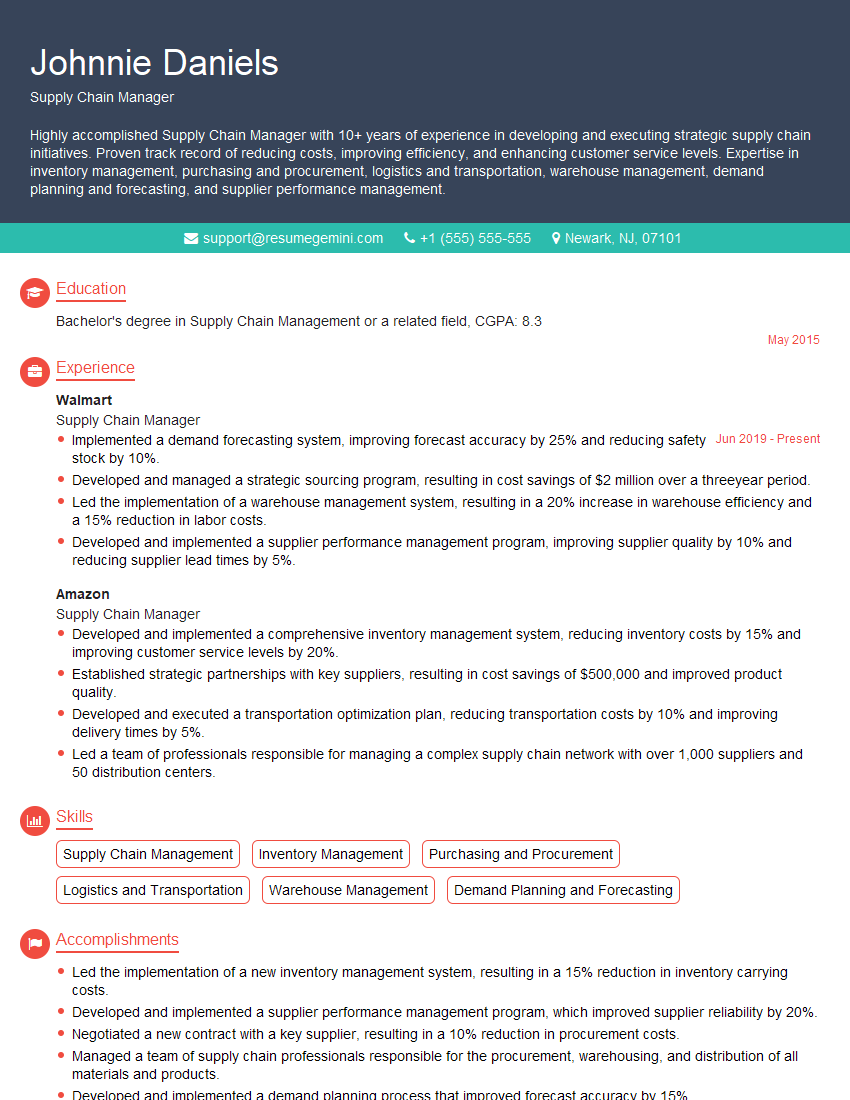
Supply Chain Manager Resume Sample
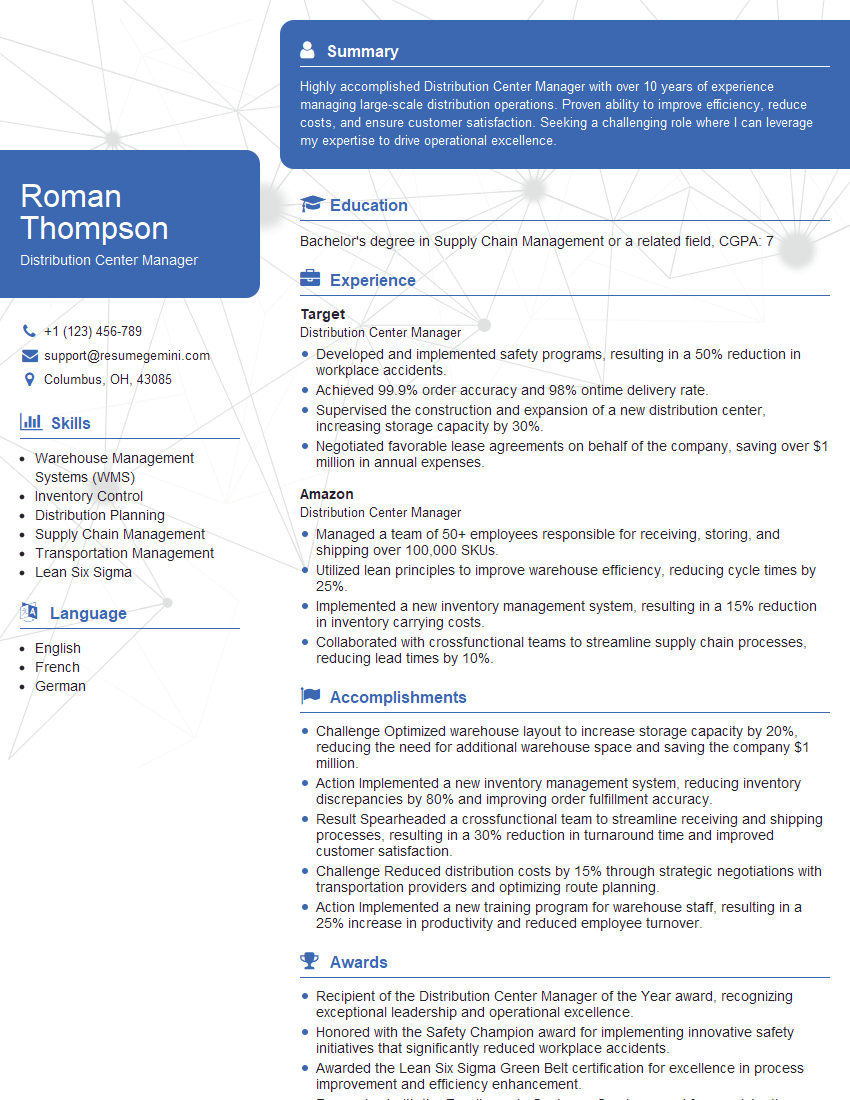
Distribution Center Manager Resume Sample
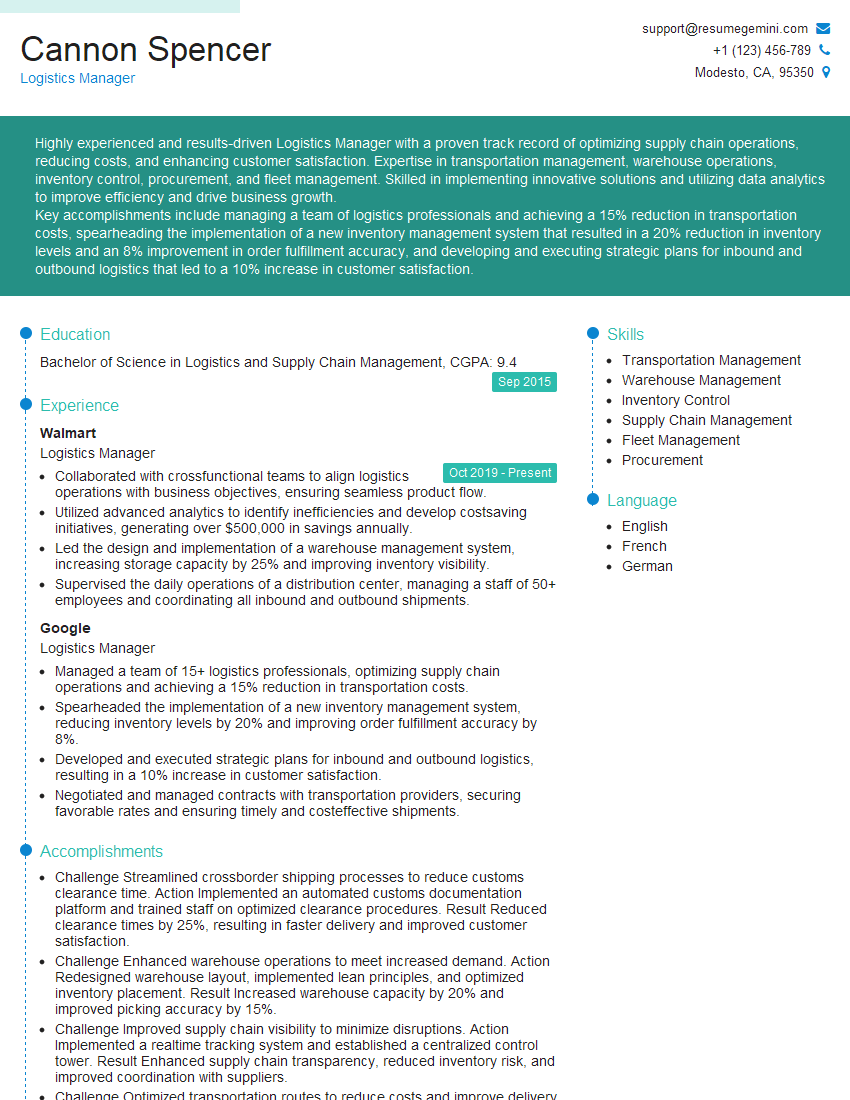
Logistics Manager Resume Sample
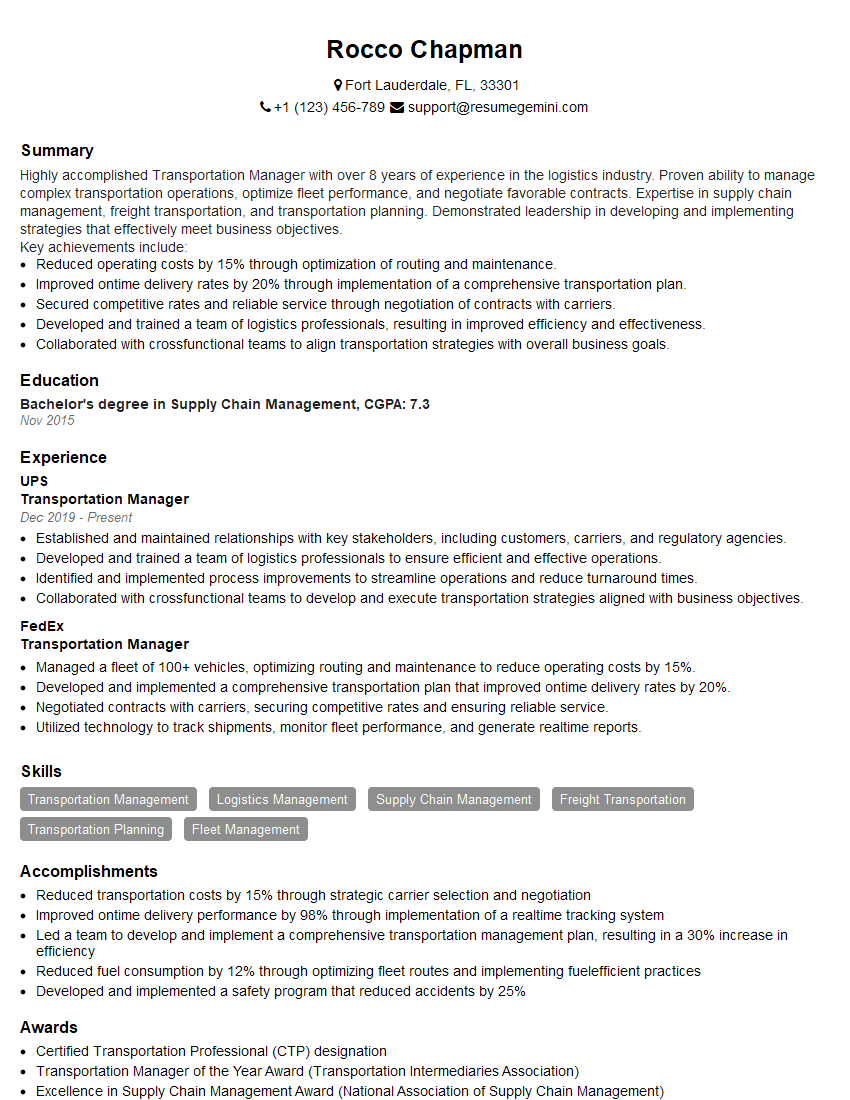
Transportation Manager Resume Sample
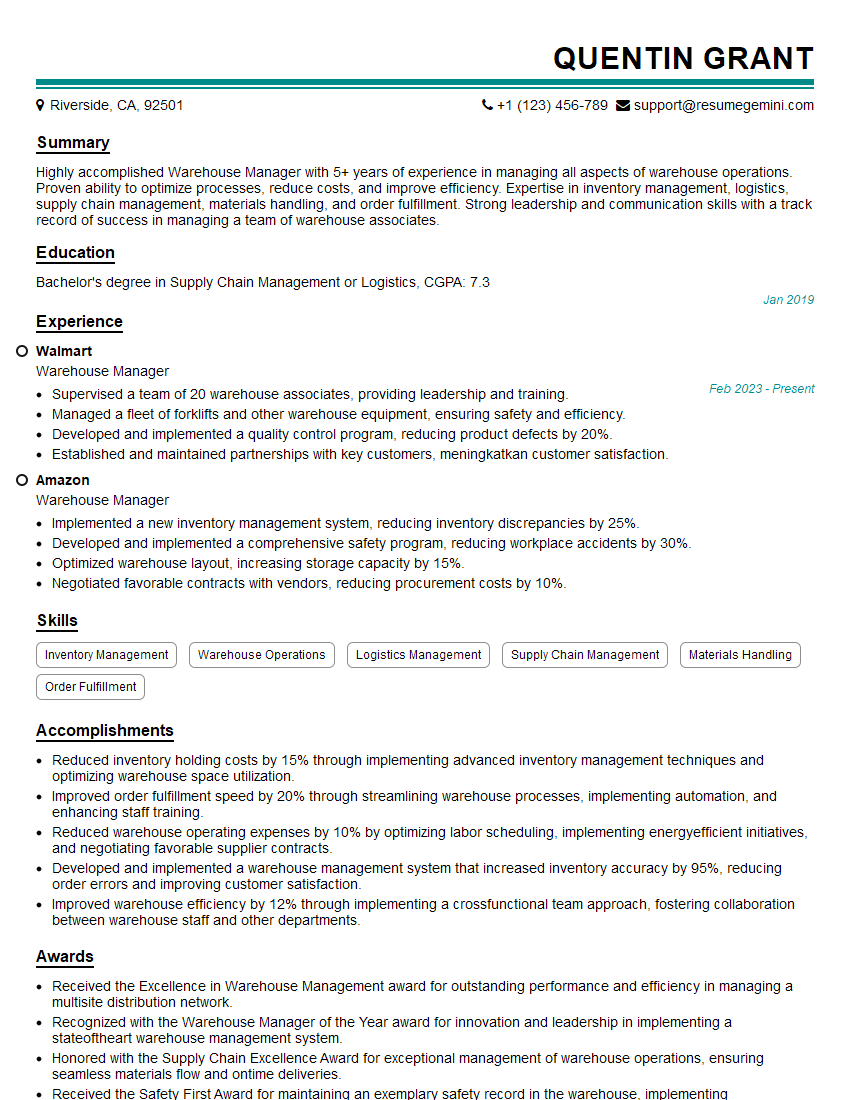
Warehouse Manager Resume Sample
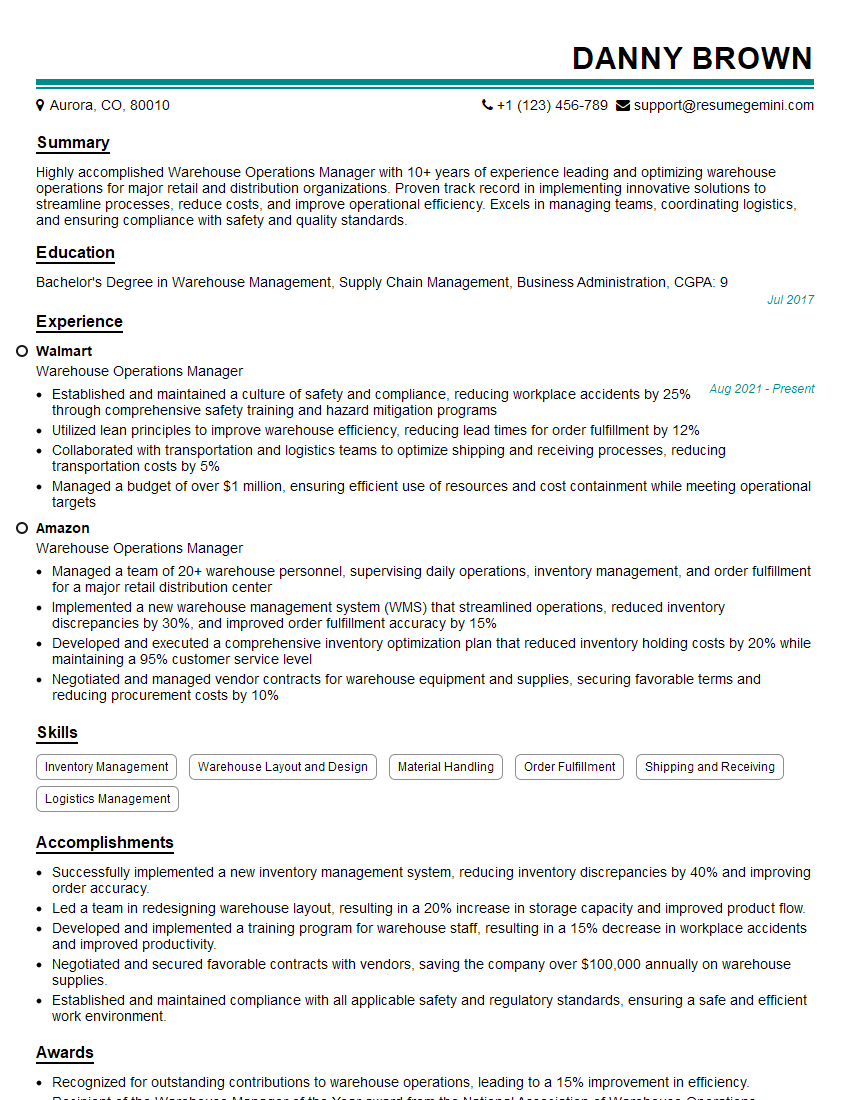
Warehouse Operations Manager Resume Sample
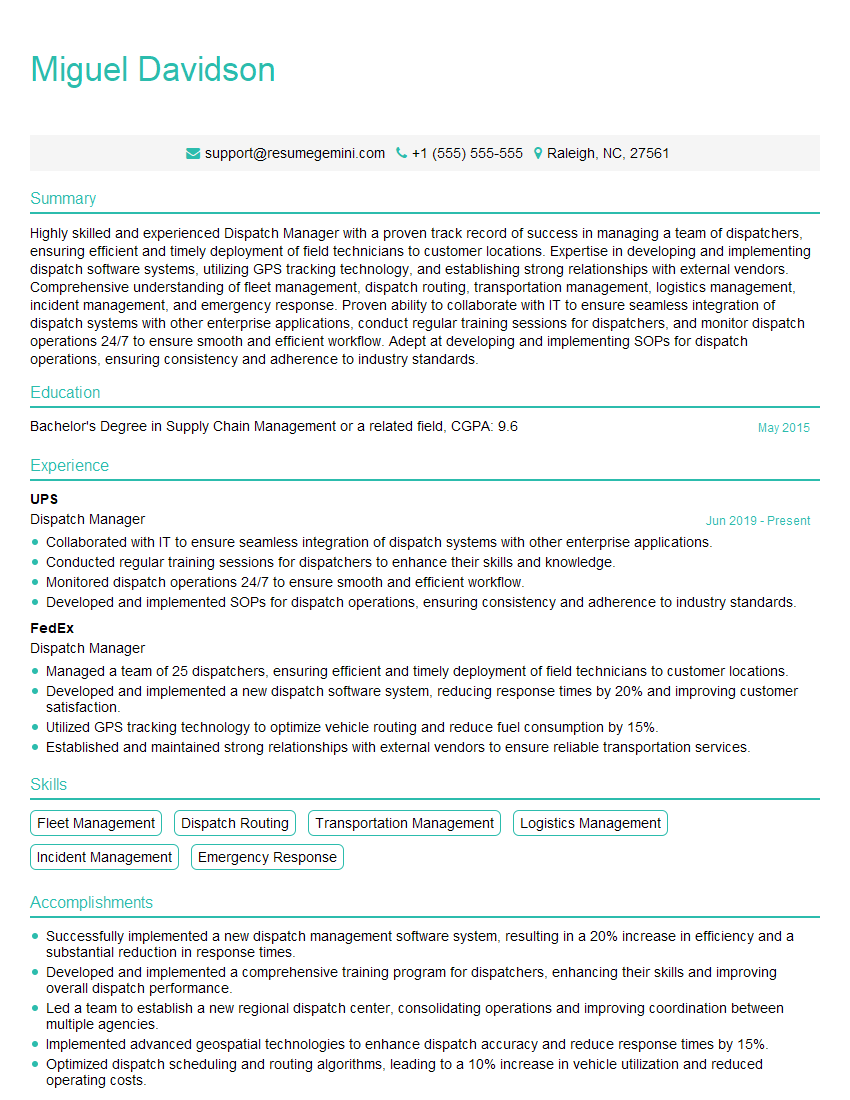
Dispatch Manager Resume Sample
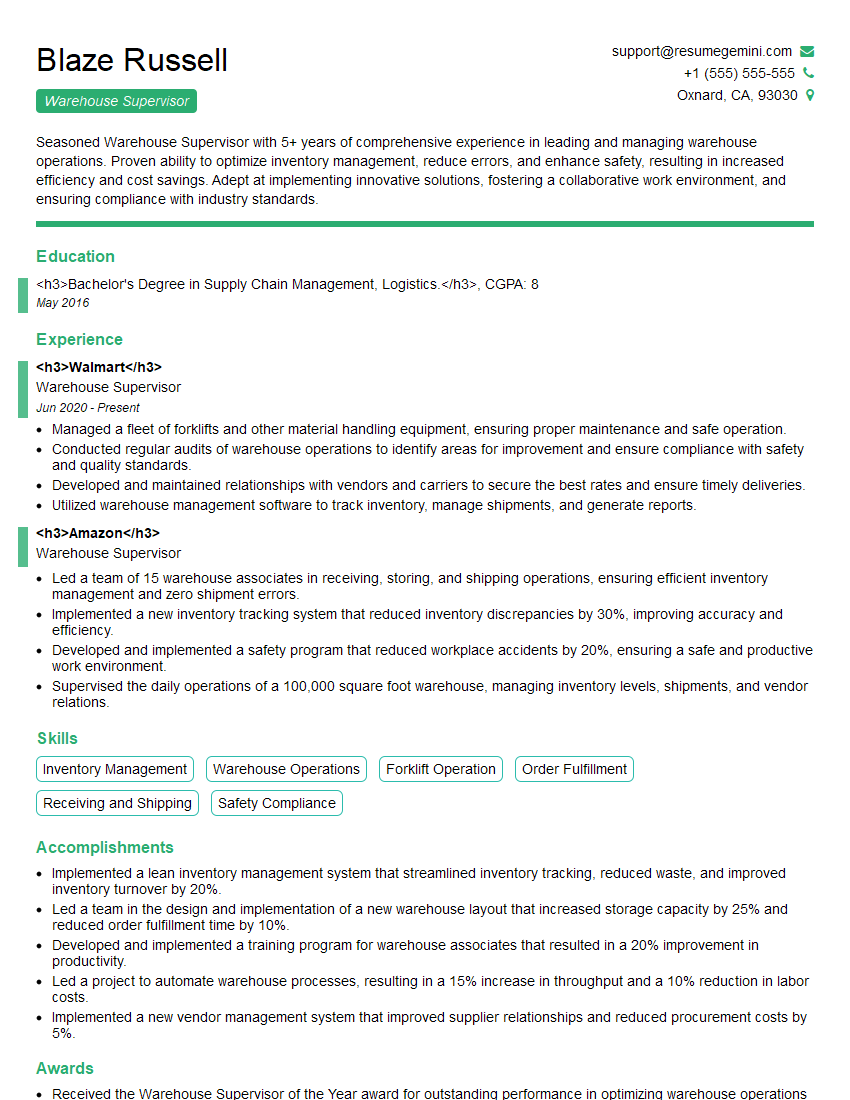
Warehouse Supervisor Resume Sample
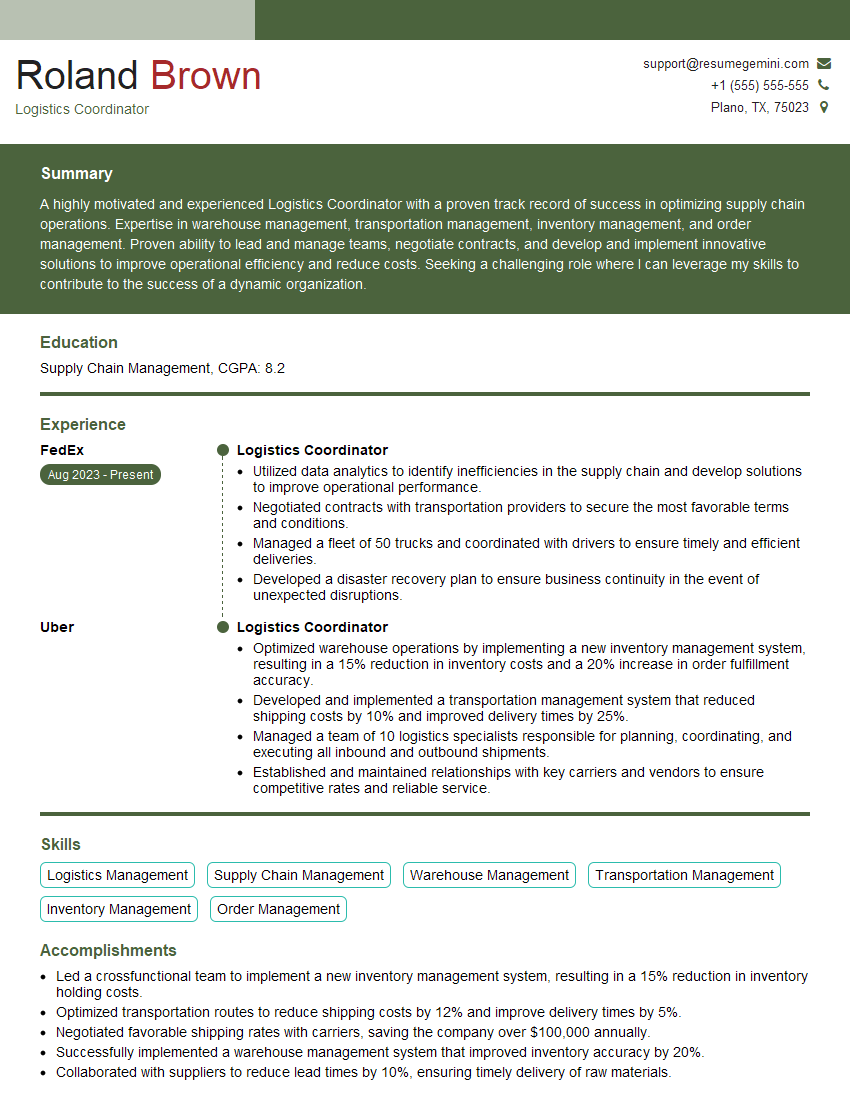
Logistics Coordinator Resume Sample
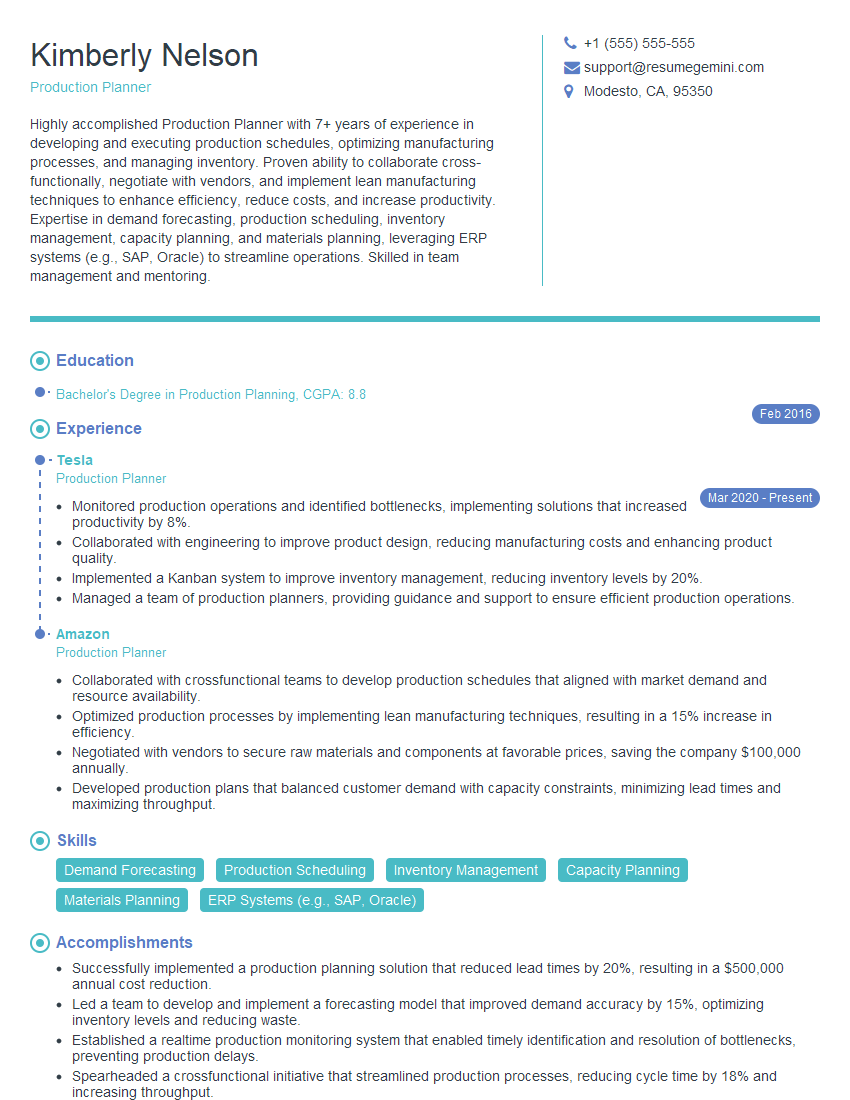
Production Planner Resume Sample
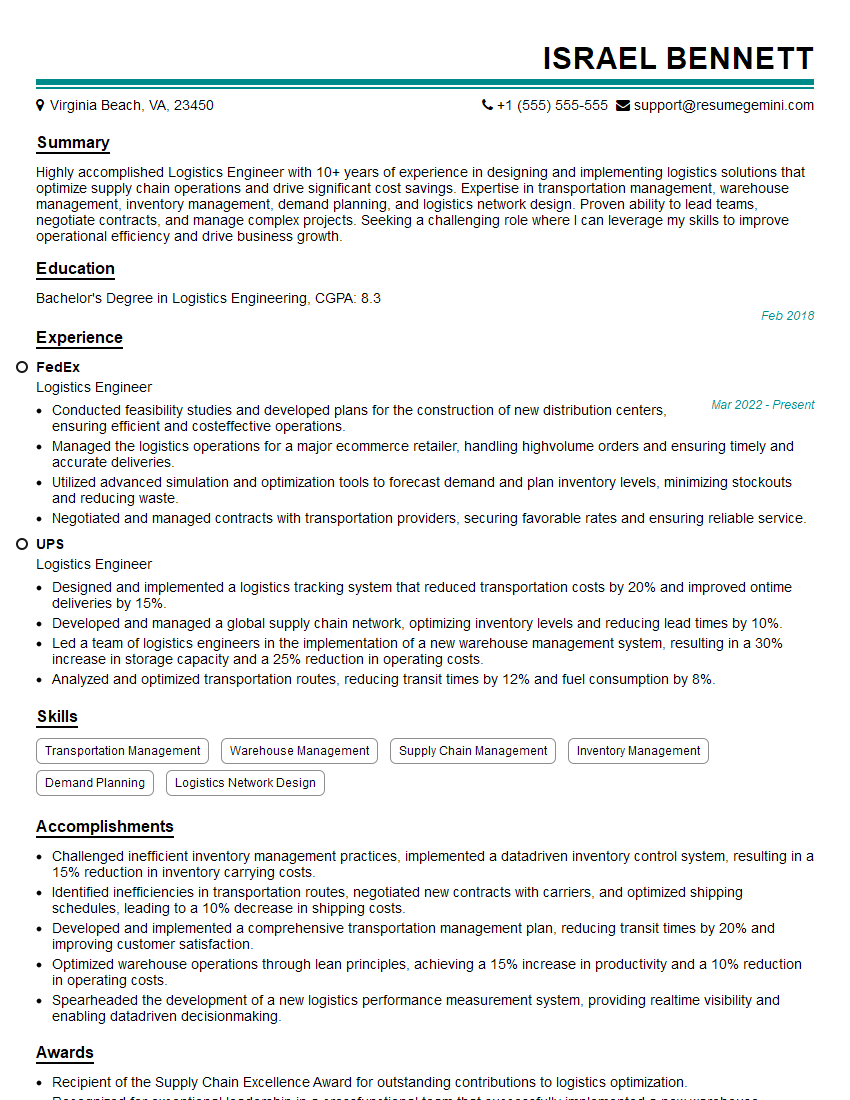
Logistics Engineer Resume Sample
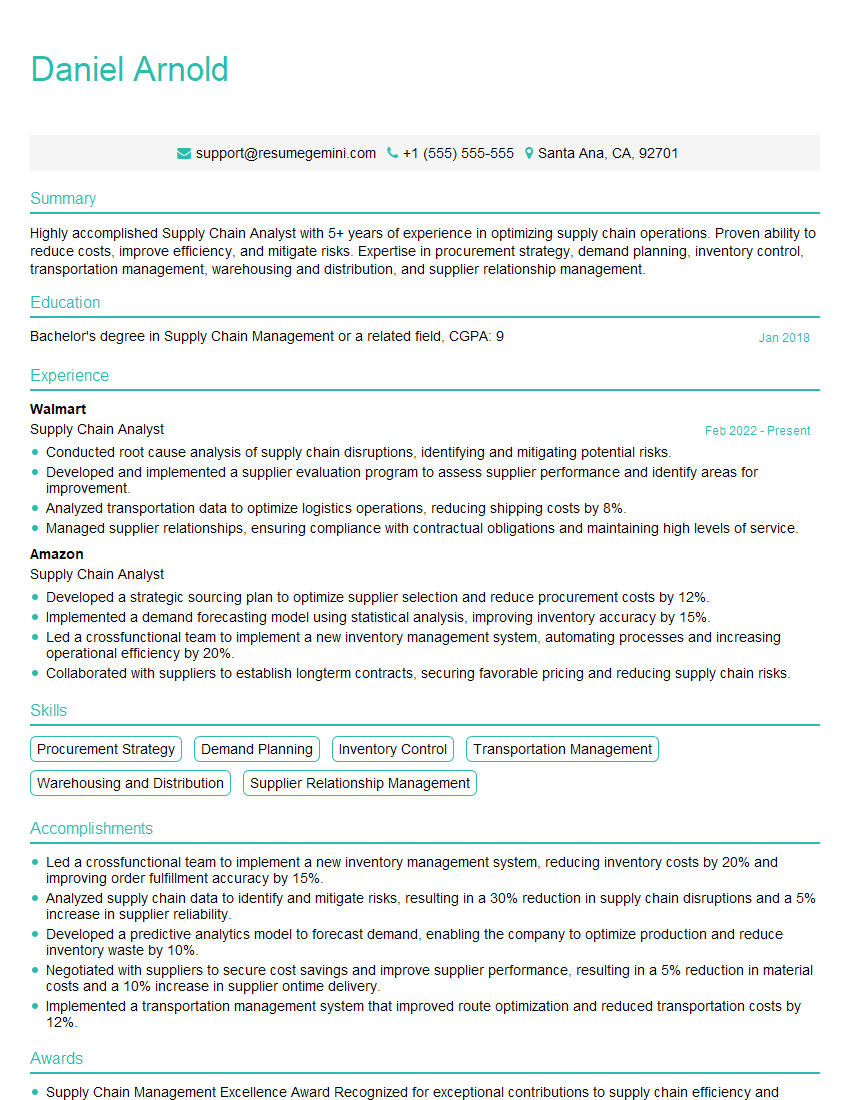
Supply Chain Analyst Resume Sample
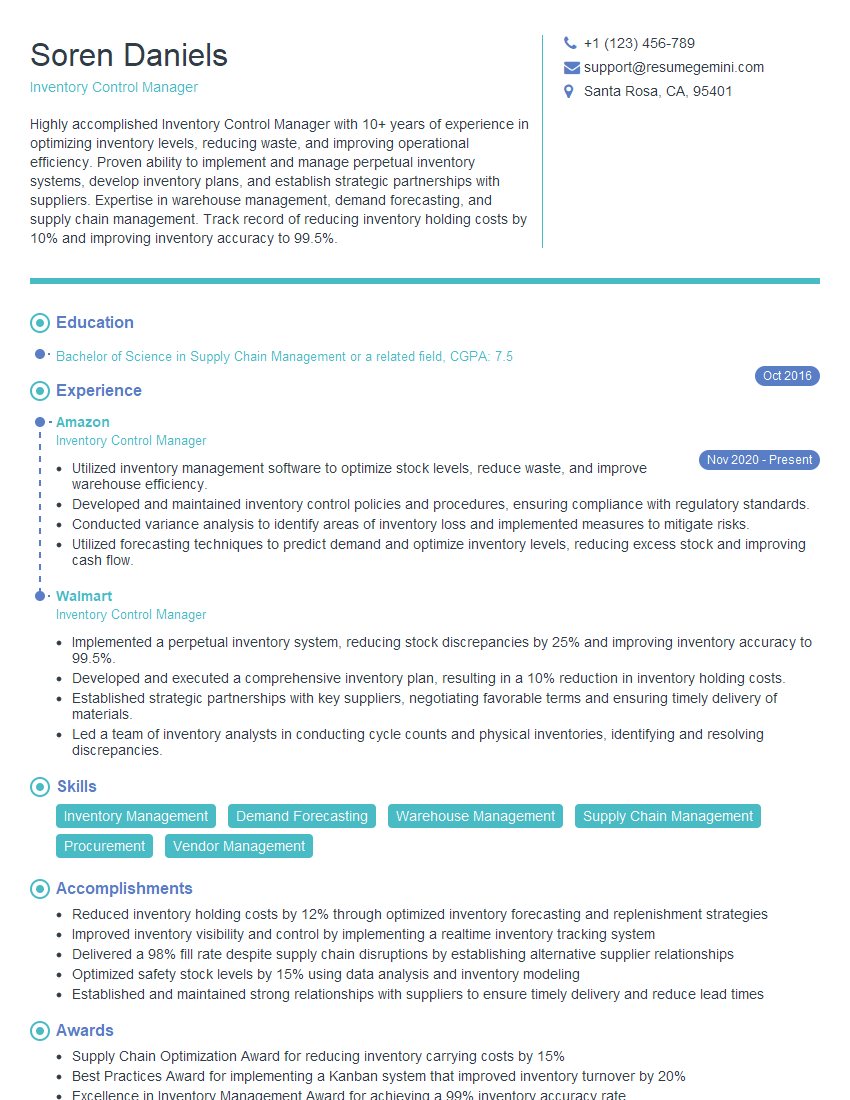
Inventory Control Manager Resume Sample

Shipping and Receiving Clerk Resume Sample
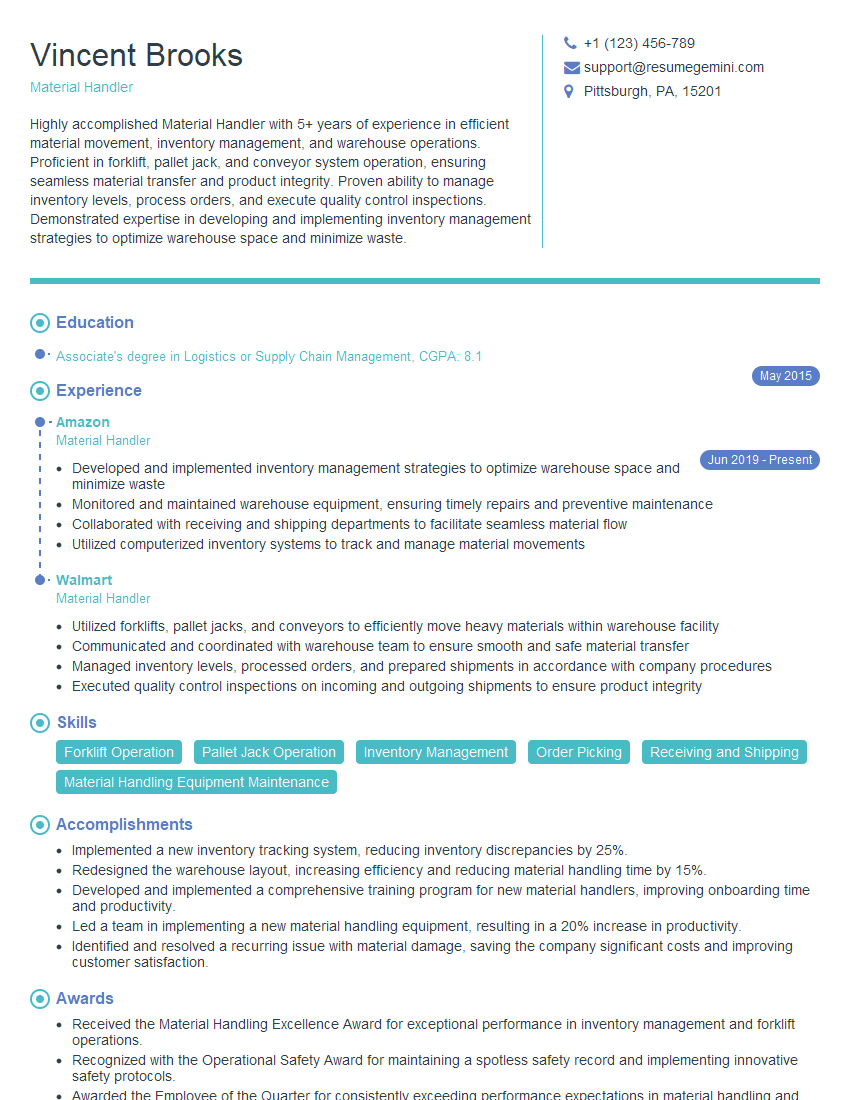
Material Handler Resume Sample
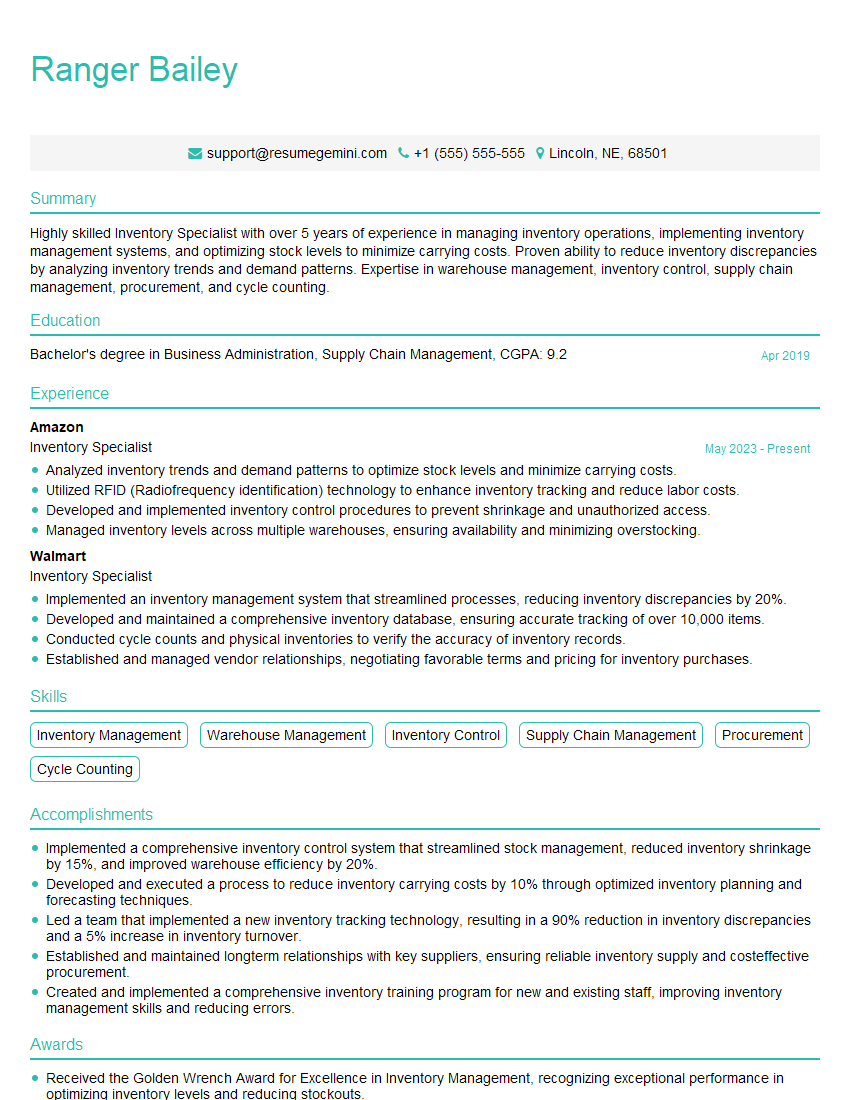
Inventory Specialist Resume Sample
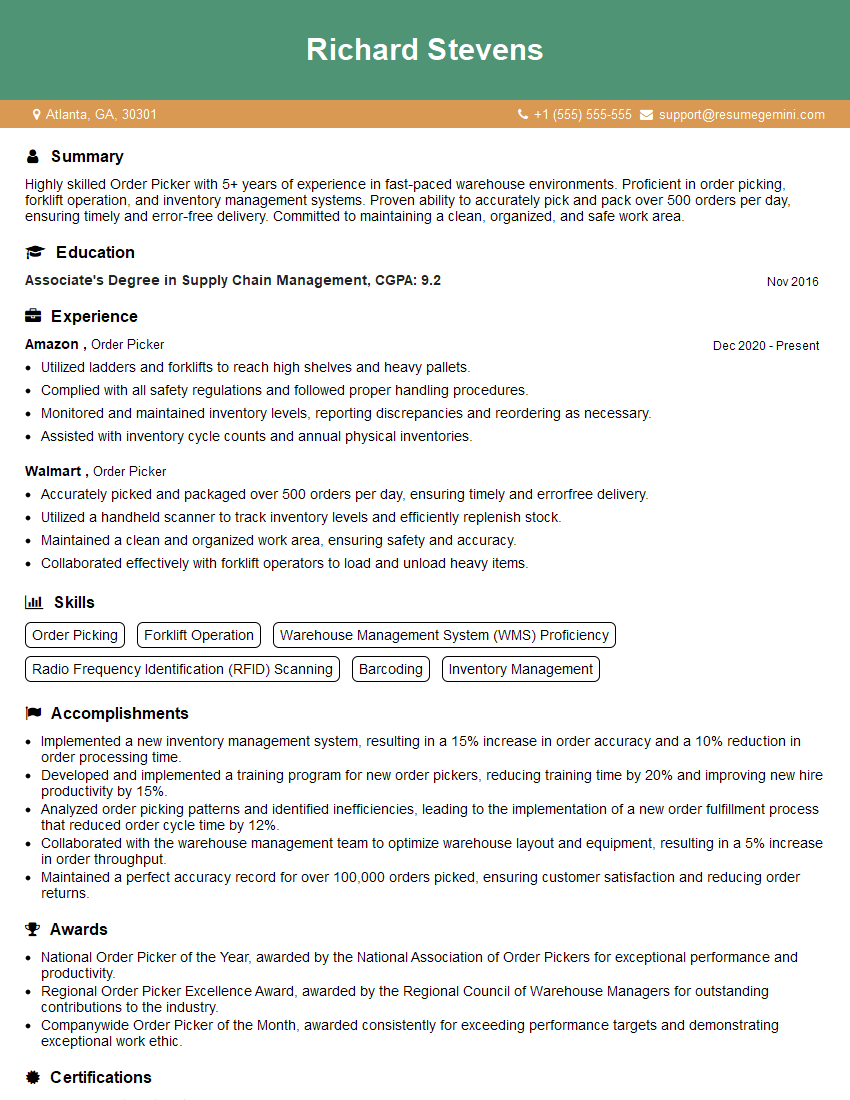
Order Picker Resume Sample
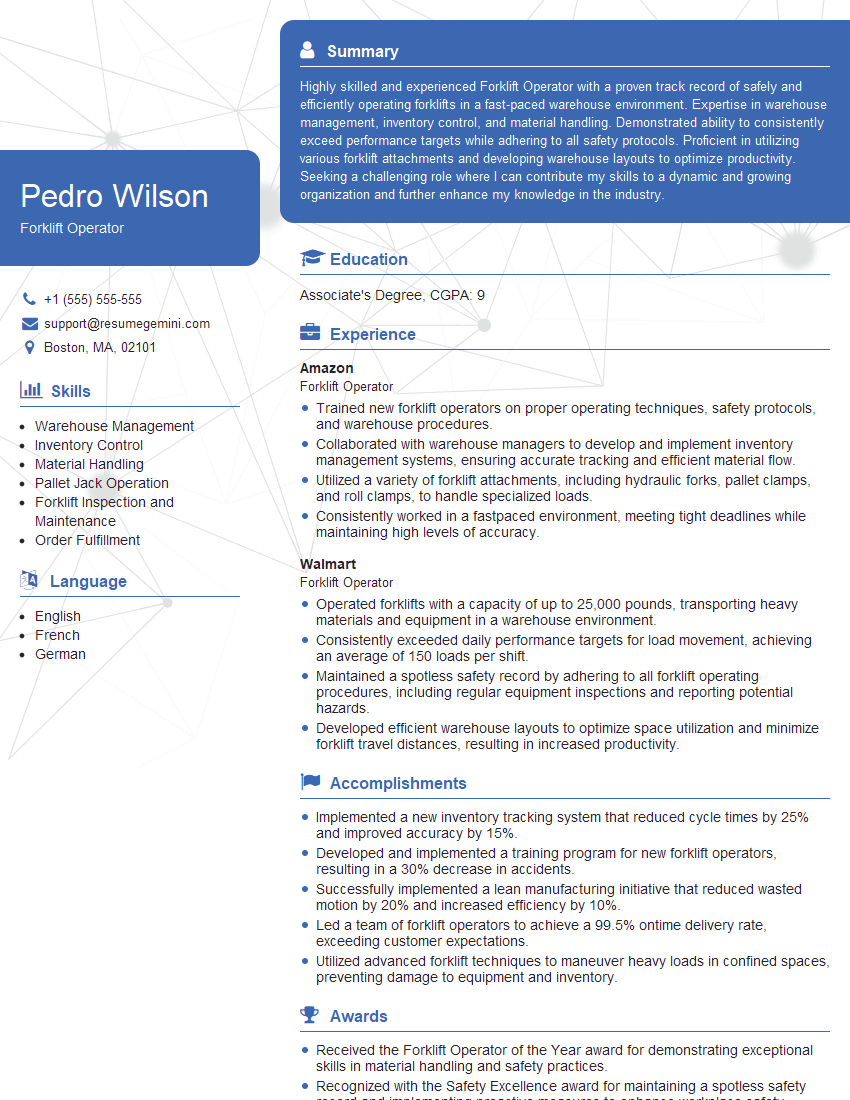
Forklift Operator Resume Sample
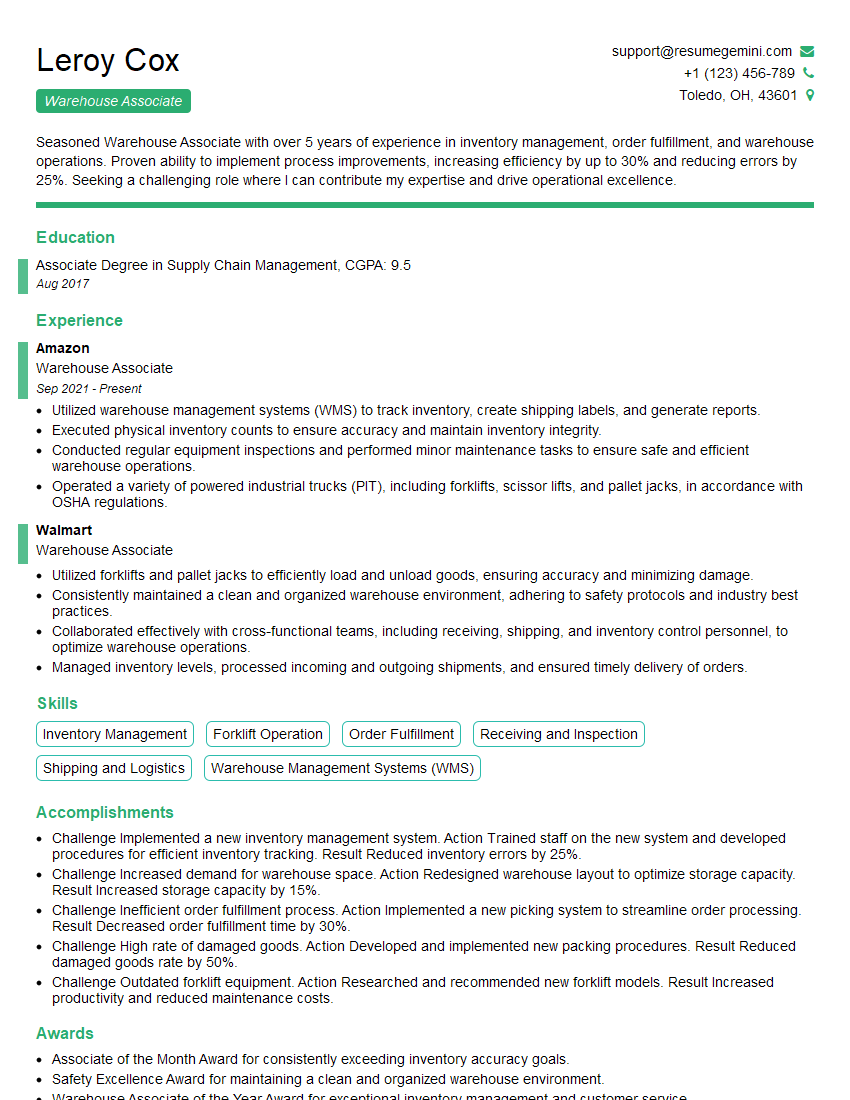
Warehouse Associate Resume Sample
- Procurement Manager
- Supply Chain Manager
- Distribution Center Manager
- Logistics Manager
- Transportation Manager
- Warehouse Manager
- Warehouse Operations Manager
- Dispatch Manager
- Warehouse Supervisor
- Logistics Coordinator
- Production Planner
- Logistics Engineer
- Supply Chain Analyst
- Inventory Control Manager
- Shipping and Receiving Clerk
- Material Handler
- Inventory Specialist
- Order Picker
- Forklift Operator
- Warehouse Associate
Explore more articles
Users Rating of Our Blogs
Share Your Experience
We value your feedback! Please rate our content and share your thoughts (optional).
What Readers Say About Our Blog
Very informative content, great job.
good