Feeling uncertain about what to expect in your upcoming interview? We’ve got you covered! This blog highlights the most important Material Safety Data Sheets (MSDS) Knowledge interview questions and provides actionable advice to help you stand out as the ideal candidate. Let’s pave the way for your success.
Questions Asked in Material Safety Data Sheets (MSDS) Knowledge Interview
Q 1. What is a Material Safety Data Sheet (MSDS) and its purpose?
A Material Safety Data Sheet (MSDS), now more commonly called a Safety Data Sheet (SDS), is a document that provides comprehensive information on the potential hazards associated with a chemical product and how to work safely with it. Think of it as the chemical’s resume, detailing its properties, risks, and handling instructions. Its purpose is to ensure the safe handling, storage, and use of chemicals by providing crucial information to workers, emergency responders, and others who may come into contact with the substance.
Q 2. Explain the different sections of an MSDS and the information contained within each.
SDSs are typically organized into 16 sections, although the exact format and content may vary slightly depending on the country and specific regulations. Here’s a general overview:
- Section 1: Identification: Product name, manufacturer’s information, emergency contact details.
- Section 2: Hazard Identification: Summary of the chemical’s hazards, including classification according to the Globally Harmonized System (GHS), signal words (Danger or Warning), hazard statements, and precautionary statements.
- Section 3: Composition/Information on Ingredients: Lists the chemical components and their concentrations.
- Section 4: First-aid Measures: Describes immediate steps to take in case of exposure.
- Section 5: Fire-fighting Measures: Provides guidance on extinguishing fires involving the chemical.
- Section 6: Accidental Release Measures: Details procedures for cleaning up spills.
- Section 7: Handling and Storage: Explains safe handling and storage practices to minimize risk.
- Section 8: Exposure Controls/Personal Protection: Specifies appropriate personal protective equipment (PPE) like gloves, respirators, and eye protection.
- Section 9: Physical and Chemical Properties: Lists the physical characteristics of the substance, such as boiling point, melting point, and flammability.
- Section 10: Stability and Reactivity: Describes the chemical’s stability and potential reactions under various conditions.
- Section 11: Toxicological Information: Provides information on health hazards associated with exposure.
- Section 12: Ecological Information: Describes the environmental impact of the chemical.
- Section 13: Disposal Considerations: Explains how to dispose of the chemical properly.
- Section 14: Transport Information: Provides guidance on safe transportation of the chemical.
- Section 15: Regulatory Information: Lists relevant regulations and legal requirements.
- Section 16: Other Information: Includes additional information, such as revision dates and references.
For example, Section 2 would clearly state if a chemical is flammable (indicated by a flame pictogram), toxic (skull and crossbones), or corrosive (corrosive pictogram).
Q 3. How frequently should MSDSs be reviewed and updated?
SDSs should be reviewed and updated at least annually, or more frequently if there are any changes in the chemical’s composition, manufacturing process, handling procedures, or new toxicological or hazard data becomes available. Significant changes in regulations also necessitate updates. Think of it like keeping your company’s safety manual up-to-date – constant review is essential for maintaining safety.
Q 4. What are the key hazards identified in MSDSs?
Key hazards identified in SDSs vary widely depending on the specific chemical, but common ones include:
- Flammability/Combustibility: The chemical’s ability to ignite and burn.
- Toxicity: The potential for the chemical to cause harm through inhalation, ingestion, or skin contact.
- Corrosivity: The ability to cause damage to living tissue or materials.
- Reactivity: The tendency to undergo dangerous chemical reactions.
- Carcinogenicity: The potential to cause cancer.
- Respiratory sensitization: The potential to cause allergic reactions in the respiratory system.
- Skin sensitization: The potential to cause allergic reactions on the skin.
- Reproductive toxicity: The potential to affect fertility or cause birth defects.
- Environmental hazards: The potential to harm the environment.
For instance, an SDS for a highly flammable solvent would prominently highlight flammability hazards, providing specific fire safety precautions.
Q 5. Describe the different hazard classes and their implications.
The GHS (Globally Harmonized System) categorizes hazards into several classes, including:
- Physical hazards: Explosives, flammables, oxidizers, corrosives, etc. These hazards relate to the physical properties of the chemical and their potential for causing harm.
- Health hazards: Acute toxicity, skin corrosion/irritation, serious eye damage/eye irritation, respiratory sensitization, skin sensitization, germ cell mutagenicity, carcinogenicity, reproductive toxicity, STOT SE (Specific target organ toxicity – single exposure), STOT RE (Specific target organ toxicity – repeated exposure), aspiration hazard. These hazards relate to the potential for chemicals to cause harm to human health through various routes of exposure.
- Environmental hazards: Aquatic toxicity. These hazards describe the potential for the substance to cause harm to the environment.
The implications of each hazard class are significant. For example, a chemical classified as a carcinogen requires strict handling procedures, including PPE and engineering controls, to minimize worker exposure. A highly toxic chemical requires very stringent safety measures to avoid accidental poisoning.
Q 6. How do you interpret the Globally Harmonized System of Classification and Labelling of Chemicals (GHS) pictograms?
GHS pictograms are standardized symbols used to quickly communicate hazard information. They are diamond-shaped and include a specific symbol representing a particular hazard class. For example:
- Flame: Flammable substances.
- Exclamation mark: Irritant, harmful, or other health hazard.
- Health hazard: Toxic or health hazardous substances.
- Corrosion: Corrosive substances.
- Environment: Hazardous to the environment.
- Gas cylinder: Gases under pressure.
- Exploding bomb: Explosives.
- Skull and crossbones: Acute toxicity (lethal).
Understanding these pictograms is crucial for quickly assessing the potential dangers of a chemical before handling. Seeing a skull and crossbones immediately indicates a highly toxic substance requiring extra caution.
Q 7. What are the legal requirements for MSDS handling and access?
Legal requirements for SDS handling and access vary by country and jurisdiction but generally include:
- Availability: SDSs must be readily available to all employees who may be exposed to hazardous chemicals.
- Accessibility: They should be easily accessible in a central location, often electronically, as well as in hard copy format.
- Training: Employees must receive training on how to interpret and use the information provided in SDSs.
- Language: SDSs must be provided in the language(s) understood by the employees.
- Updates: Employers must ensure that SDSs are kept up-to-date and reflect the most current information on the hazards and safe handling of chemicals.
- Record Keeping: Records demonstrating compliance with SDS regulations should be maintained.
Failure to comply with these legal requirements can lead to significant penalties, including fines and legal action. Maintaining a robust SDS management system is critical for legal compliance and worker safety.
Q 8. How do you ensure MSDS accuracy and compliance?
Ensuring MSDS accuracy and compliance is paramount for workplace safety. It’s a multi-faceted process involving several key steps. First, we rely on reputable suppliers to provide accurate and up-to-date MSDSs. We verify this information by cross-referencing data with other sources, such as the manufacturer’s website or relevant regulatory databases. Second, we establish a robust internal review process. This includes having designated personnel, often with specialized training in chemistry and safety regulations, to check the MSDS against our internal safety standards and regulatory requirements. We look for things like inconsistencies, missing information, or outdated hazard classifications. Third, regular updates are crucial. We have a system in place to track updates from suppliers and immediately incorporate any changes into our internal MSDS database. This ensures that the information is always current and accurate, reflecting the latest findings and regulations.
For example, if a supplier changes the formulation of a chemical, leading to a shift in its hazard classification, we ensure this update is immediately reflected in our internal MSDS and communicated to all relevant personnel.
Q 9. Explain the importance of proper storage and handling of hazardous materials as detailed in the MSDS.
Proper storage and handling of hazardous materials, as outlined in the MSDS, are critical for preventing accidents and protecting employee health. The MSDS details specific storage requirements, including temperature, ventilation, and compatibility with other substances. For instance, incompatible materials stored together could react violently, leading to fires or explosions. The MSDS also dictates appropriate handling procedures, such as the use of Personal Protective Equipment (PPE), like gloves, goggles, and respirators, to minimize exposure. It might also specify safe handling techniques to avoid spills or releases. Failure to comply with these instructions can result in serious injuries, environmental damage, and legal repercussions.
Imagine storing a highly flammable solvent near an ignition source. The MSDS would clearly indicate this incompatibility and the need for separate storage areas, adequate ventilation, and the use of flame-resistant materials. Following these guidelines prevents potential fires and explosions.
Q 10. How do you communicate MSDS information to employees?
Communicating MSDS information effectively to employees is crucial. Our approach is multi-pronged. First, we conduct comprehensive safety training sessions where employees receive hands-on instruction on interpreting MSDSs. We use real-world examples and interactive exercises to ensure they understand the information presented. Second, we provide easy access to a centralized MSDS database, either through a digital platform or physical copies in strategic locations. Third, we ensure that supervisors and safety officers are well-versed in the MSDS information for the materials they oversee, enabling them to answer employee queries and address concerns promptly. Furthermore, we use visual aids like posters and infographics to summarize key safety information and reinforce training messages. We also utilize regular safety meetings and newsletters to remind employees of safe handling practices and highlight changes or updates to existing MSDS.
For example, we might use a color-coded system on storage containers that corresponds to hazard classes indicated in the MSDS, offering a quick visual reference for employees.
Q 11. What is your process for handling changes to an MSDS?
Our process for handling MSDS changes is rigorous and ensures timely updates. Whenever a supplier provides a revised MSDS, we follow a strict verification protocol. The updated MSDS is compared to the previous version to identify changes. The changes are then reviewed by our safety team to assess their implications for our workplace safety procedures. Significant changes trigger immediate action. We update our internal database, inform relevant personnel, and potentially revise our safety protocols or training materials. We also maintain a version history of all MSDSs, allowing us to track changes over time. Finally, we document all changes and their implementation, maintaining a record of compliance.
For example, if a new hazard is identified, we would update the MSDS, revise our safety protocols to address the new risk, and retrain employees on the updated procedures.
Q 12. How do you manage MSDSs for multiple locations or facilities?
Managing MSDSs for multiple locations or facilities requires a centralized and organized system. We use a digital platform designed for MSDS management. This platform allows us to store, access, and update MSDSs for all locations from a central point. This eliminates the risk of inconsistencies across facilities and ensures that all employees have access to the most current information regardless of location. The platform also often includes features like automated alerts for updates and expiry dates, and the ability to generate reports on MSDS compliance. Each facility’s specific needs are still accommodated within the central system. This integrated approach improves efficiency, reduces redundancy, and ensures uniformity in safety practices across all our facilities.
For example, if a regulatory change affects a particular chemical, we can update the MSDS centrally and be confident that the update is reflected across all our locations.
Q 13. Describe a situation where you had to interpret complex MSDS information to solve a safety problem.
In one instance, we experienced a minor incident involving a chemical reaction producing unexpected fumes. The MSDS for the involved chemicals initially seemed to offer incomplete information about potential reaction byproducts. This created some uncertainty about the potential health risks. I then utilized several resources to investigate. By consulting more detailed technical documentation from the chemical manufacturers, and comparing it to several online chemical databases, I identified the unexpected byproducts and their associated hazards. This allowed us to implement appropriate control measures, including enhanced ventilation and additional PPE requirements, preventing further incidents and ensuring employee safety.
This instance highlighted the importance of going beyond the basic information provided in an MSDS, and the necessity to have access to and utilize other reference material and resources when needed.
Q 14. How do you ensure all employees have access to relevant MSDS information?
Ensuring all employees have access to relevant MSDS information involves a combination of strategies. We implement a digital platform that is accessible from any company device, accessible through logins linked to employee ID and job role, allowing employees to search for and view MSDSs relevant to their work. We also maintain physical copies in easily accessible areas, especially in locations with limited digital access. Regular safety training ensures employees understand how to access and interpret the information. The training includes hands-on exercises and reinforces the importance of consulting the MSDS before handling any hazardous material. We also encourage employees to ask questions and seek clarification if needed. Finally, we use multiple communication channels such as posters, newsletters and regular toolbox talks to remind employees of the resources available to them and the importance of safety.
This multi-faceted approach ensures that employees, regardless of their technical skills or location, can access and understand the information they need to work safely.
Q 15. What training programs do you recommend for employees handling hazardous materials based on MSDS information?
Training programs for employees handling hazardous materials should be comprehensive and tailored to the specific hazards present in the workplace. These programs must be based on the information provided in the Safety Data Sheets (SDSs) – the updated version of MSDSs. The training should go beyond simply reading the SDS; it should focus on practical application and hazard awareness.
- Initial Training: This should cover basic hazard communication, proper handling procedures, personal protective equipment (PPE) selection and use, emergency response procedures (including spill response), and waste disposal methods. This training should utilize the SDS as the primary reference document, emphasizing specific hazards and control measures for each chemical.
- Refresher Training: Regular refresher training is crucial to reinforce learned behaviors and address any changes in procedures, regulations, or the introduction of new chemicals. Frequency depends on the hazards and risk levels, but annual refresher training is a common practice.
- Specialized Training: For workers handling particularly hazardous materials, specialized training might be needed. For example, employees working with highly toxic or flammable materials might require specialized training in handling, containment, and emergency response.
- Hands-On Training: Practical, hands-on training is essential. This could involve demonstrations, mock spills, and practice with appropriate PPE. The SDS provides guidance on the required PPE, allowing trainers to simulate real-world scenarios effectively.
Imagine a scenario where an employee is handling concentrated sulfuric acid. The SDS would detail the corrosive nature, potential for burns, and necessary PPE (like gloves, eye protection, and aprons). Training should cover proper handling techniques, the consequences of improper handling, and emergency procedures in case of a spill or accidental exposure. The goal is not just to know the information but to internalize it and react appropriately in emergency situations.
Career Expert Tips:
- Ace those interviews! Prepare effectively by reviewing the Top 50 Most Common Interview Questions on ResumeGemini.
- Navigate your job search with confidence! Explore a wide range of Career Tips on ResumeGemini. Learn about common challenges and recommendations to overcome them.
- Craft the perfect resume! Master the Art of Resume Writing with ResumeGemini’s guide. Showcase your unique qualifications and achievements effectively.
- Don’t miss out on holiday savings! Build your dream resume with ResumeGemini’s ATS optimized templates.
Q 16. How do you identify and address inconsistencies in MSDS information from different suppliers?
Inconsistencies in SDS information from different suppliers for the same chemical are a significant concern. They can lead to confusion, inappropriate handling procedures, and potential safety hazards. Addressing these requires a systematic approach.
- Verification and Cross-Referencing: Begin by verifying the supplier’s information. Contact the supplier directly to clarify discrepancies. Compare the SDSs against reputable sources, such as the manufacturer’s SDS, or recognized databases like the PubChem database. Look for differences in CAS numbers (Chemical Abstracts Service Registry Numbers) – a unique identifier for each chemical. Any inconsistencies in this key identifier indicate a significant problem requiring immediate action.
- Prioritize the Most Stringent Requirements: When inconsistencies exist, always err on the side of caution. Adopt the strictest safety measures suggested among all SDSs. For example, if one SDS recommends higher-level PPE than others, it’s wise to use the higher level.
- Documentation and Communication: Maintain meticulous records of all discrepancies and the steps taken to resolve them. This is crucial for audits and demonstrating compliance. Inform all relevant personnel about the discrepancies and the adopted safety measures.
- Supplier Selection: Consider evaluating supplier reliability and the quality of their SDS provision as part of future supplier selection criteria. Choosing reputable suppliers helps minimize the risk of inconsistent or inaccurate SDS information.
Imagine two suppliers provide SDSs for the same chemical, but one lists a lower flashpoint. The lower flashpoint indicates a higher flammability risk. You must investigate this discrepancy, potentially contacting both suppliers to resolve the conflict. In the meantime, it’s safer to treat the chemical according to the SDS indicating the lower flashpoint, utilizing enhanced fire safety precautions.
Q 17. What are the potential consequences of non-compliance with MSDS regulations?
Non-compliance with MSDS (now SDS) regulations can result in serious consequences, affecting both the company and its employees. The severity of penalties varies depending on the jurisdiction and the nature of the violation.
- Fines and Penalties: Regulatory agencies like OSHA (in the US) can impose significant fines for non-compliance. These fines can range from thousands to millions of dollars depending on the severity and number of violations.
- Legal Liability: Companies face legal liability for injuries or illnesses resulting from inadequate hazard communication or non-compliance with SDS regulations. This can lead to lawsuits and significant financial payouts.
- Reputational Damage: Non-compliance can damage a company’s reputation, leading to loss of consumer trust and business opportunities.
- Work Stoppages: In serious cases, regulatory agencies might order work stoppages until the violations are rectified.
- Criminal Charges: In extreme cases involving willful negligence or disregard for safety regulations, criminal charges might be filed against responsible individuals.
For instance, failing to provide readily accessible SDSs to employees or failing to train employees properly on chemical hazards can result in severe penalties if an incident occurs due to this lack of compliance. The consequences can be financially devastating and severely impact the company’s image.
Q 18. Describe your experience using MSDS software or databases.
I have extensive experience using various MSDS/SDS software and databases. My experience includes using both standalone software packages and integrated systems within larger Enterprise Resource Planning (ERP) systems. This experience spans managing, updating, searching, and retrieving SDSs.
- Software Packages: I’ve worked with software that allows for central storage and management of SDSs, enabling easy search and retrieval by chemical name, CAS number, or other identifying information. These systems usually offer features like automated updates, version control, and reporting capabilities.
- Databases: I am proficient in using online databases that provide access to SDSs for various chemicals, often including tools for cross-referencing and comparing information from different suppliers. Some databases even provide hazard communication tools based on the stored SDS data.
- Integration with ERP Systems: I have experience with SDS management systems integrated into ERP software. This allows for seamless data flow and management of SDS information within the overall business workflow. For example, integration into procurement systems ensures that all purchased chemicals are accompanied by their corresponding SDS, readily available to employees.
In one role, I implemented a new SDS management system that improved efficiency by automating the updates and reducing the risk of using outdated information significantly. This involved migrating existing SDSs into the new system, training employees on its use, and establishing workflows to maintain accuracy.
Q 19. How familiar are you with OSHA regulations concerning MSDS?
My familiarity with OSHA regulations concerning SDSs is comprehensive. I understand the requirements of OSHA’s Hazard Communication Standard (HCS), which mandates the use of SDSs and the implementation of a comprehensive hazard communication program.
I am well-versed in the following aspects:
- SDS Requirements: I know the specific information required in an SDS according to OSHA’s HCS, including identification, hazards identification, composition/information on ingredients, first-aid measures, fire-fighting measures, accidental release measures, handling and storage, exposure controls/personal protection, physical and chemical properties, stability and reactivity, toxicological information, ecological information, disposal considerations, transport information, regulatory information, other information.
- Employee Training: I understand the OSHA requirements for employee training on hazard communication, emphasizing the importance of SDS training.
- Labeling Requirements: I am familiar with OSHA’s requirements for labeling containers of hazardous chemicals.
- Record-Keeping: I understand the importance of maintaining accurate records related to SDSs and the hazard communication program.
- Compliance Audits: I’m aware of the procedures for OSHA inspections and compliance audits.
My understanding of OSHA regulations goes beyond simple knowledge; I can apply it practically to ensure compliance and maintain a safe working environment. For instance, I can help design and implement training programs that fulfill all OSHA stipulations, ensuring employees understand the chemical hazards in their work areas.
Q 20. Explain the difference between an MSDS and a Safety Data Sheet (SDS).
While both MSDS and SDS refer to documents providing safety information about hazardous materials, they are not interchangeable. The term ‘MSDS’ (Material Safety Data Sheet) is largely outdated. The Globally Harmonized System of Classification and Labelling of Chemicals (GHS) led to the replacement of MSDS with the SDS (Safety Data Sheet).
The key differences are:
- Format and Content: SDSs follow a standardized 16-section format mandated by GHS, offering a more consistent and comprehensive presentation of hazard information compared to the variable formats of older MSDSs.
- Global Harmonization: SDSs aim for global harmonization of chemical hazard communication, making it easier for companies to operate internationally. MSDSs lacked this global consistency.
- Hazard Communication: SDSs provide clearer and more detailed hazard information, including pictograms and standardized hazard statements, improving communication and understanding of potential risks.
Think of it like updating an old software application: The SDS is the improved, standardized version, offering better functionality (clearer hazard information) and compatibility (global harmonization).
Q 21. How do you handle outdated or missing MSDSs?
Outdated or missing SDSs are serious safety hazards. They can lead to inadequate safety measures and potential accidents. Handling these situations requires a proactive and documented approach.
- Immediate Action: If an SDS is missing for a chemical in use, immediately restrict access to and the use of that chemical until a current SDS is obtained. This is paramount to protecting employees.
- Supplier Contact: Contact the chemical supplier immediately to request a current SDS. Keep records of this communication.
- Online Databases: Utilize online databases, manufacturer websites, or other reputable sources to attempt to locate the SDS. Always verify the authenticity and current validity of any retrieved SDS.
- Internal Communication: Communicate clearly to all affected employees about the missing or outdated SDS and any interim safety measures in place.
- Regular Audits: Implement a system for regular audits of SDSs to ensure they are current and accessible. This preventative measure can help identify missing or outdated documents before they create a safety hazard.
- Document Control: Establish a clear document control procedure to manage SDSs, including version control and a defined process for updating or replacing documents.
Imagine a scenario where an employee is using a chemical and discovers the SDS is outdated. Immediate action is required: stop using the chemical, contact the supplier, and inform all employees who may have handled the chemical. Failure to do so could lead to hazardous exposures and accidents.
Q 22. What is your approach to ensuring proper disposal of hazardous materials based on MSDS guidelines?
Proper disposal of hazardous materials, as guided by the MSDS, is paramount for environmental protection and worker safety. My approach involves a multi-step process. First, I meticulously review the MSDS section on waste disposal. This section specifies the proper methods, including permitted disposal sites, required containers, and any necessary pre-treatment steps (like neutralization or dilution). Next, I ensure that all personnel involved in the disposal process are thoroughly trained and understand the specific instructions provided in the MSDS for that particular material. This includes understanding any special handling requirements (like preventing contact with incompatible materials) and emergency procedures. Finally, I maintain detailed records of the disposal, including the date, quantity disposed of, the disposal method used, and the name of the disposal facility. This documentation is crucial for compliance and potential audits. For example, if a chemical requires special waste treatment, I wouldn’t simply throw it in the regular trash; I would contact a licensed hazardous waste disposal company. Accurate record-keeping is essential to prove that all procedures were followed correctly.
Q 23. What are the key differences between physical hazards, health hazards, and environmental hazards as listed in an MSDS?
The MSDS clearly distinguishes between physical, health, and environmental hazards. Physical hazards relate to the inherent properties of a material that pose a danger through physical contact or exposure. Examples include flammability (e.g., gasoline), reactivity (e.g., strong oxidizers), and explosiveness (e.g., dynamite). These hazards cause immediate physical harm. Health hazards concern the potential for a substance to harm human health through various routes of exposure (inhalation, ingestion, skin contact). This includes acute effects (like immediate irritation or poisoning) and chronic effects (like cancer or reproductive harm). Carcinogens, irritants, and sensitizers all fall under this category. Finally, environmental hazards focus on the material’s potential to negatively affect the environment. This can involve water contamination (e.g., heavy metals leaching into groundwater), soil contamination, or air pollution (e.g., release of greenhouse gases). The MSDS will highlight the potential ecological impacts of the substance and offer guidance on minimizing environmental harm.
Q 24. How would you handle a situation where an employee is injured due to a hazardous material, and the MSDS is incomplete or unclear?
An incomplete or unclear MSDS presents a serious safety challenge. My immediate response would be to prioritize the employee’s well-being. This involves administering first aid, contacting emergency medical services if necessary, and documenting the incident meticulously. Simultaneously, I would initiate an investigation to determine the cause of the injury and identify any gaps in the safety protocols. I would then reach out to the manufacturer of the hazardous material to request a complete and updated MSDS, clarifying any ambiguities in the existing document. In the interim, if the injury requires immediate treatment and the information on the MSDS is insufficient, I would consult with a qualified toxicologist or occupational health professional for guidance on the best course of action.
Q 25. Describe your experience with creating or modifying MSDSs.
I have extensive experience in both creating and modifying MSDSs. My involvement has ranged from collaborating with manufacturers to compile comprehensive safety data for newly developed materials to updating existing MSDSs to reflect changes in regulatory requirements or new scientific findings. This includes gathering data from various sources like toxicological studies, chemical analyses, and industrial hygiene assessments. I’m proficient in using specialized software to create and format compliant MSDSs, ensuring they meet the requirements of OSHA and other relevant regulatory bodies. For example, I have been involved in updating MSDSs for a range of chemicals following the introduction of Globally Harmonized System of Classification and Labelling of Chemicals (GHS) guidelines. This required a thorough review of the existing hazard classifications and a careful re-write of the safety precautions.
Q 26. What resources do you utilize to stay current with changes in MSDS regulations and best practices?
Staying updated on MSDS regulations and best practices is crucial. I regularly consult several resources. This includes government websites like OSHA and the EPA, which publish updated regulations and guidance documents. I also subscribe to industry-specific journals and newsletters that cover advancements in chemical safety and hazard communication. Professional organizations such as the AIHA (American Industrial Hygiene Association) offer valuable resources, training programs, and conferences that provide insights into the latest developments. Furthermore, I maintain contact with key regulatory bodies to ensure that our company’s MSDSs always reflect the most current standards and regulations.
Q 27. How would you train new employees on the proper use and interpretation of MSDSs?
Training new employees on MSDS interpretation and proper usage is a crucial part of my responsibilities. Our training program is multifaceted and includes both classroom instruction and hands-on activities. The training begins with an overview of what an MSDS is and its importance. Then, we cover the key sections of an MSDS, explaining the information contained within each section (e.g., hazard identification, first aid measures, handling and storage). We also conduct interactive exercises, using real-world examples to illustrate how to interpret the data and apply the safety precautions. Finally, we have a practical component where employees practice locating and interpreting MSDSs for materials they will be handling in their day-to-day jobs. The training concludes with a written test to assess comprehension and retention of the material.
Q 28. How do you ensure the confidentiality of MSDS information?
Confidentiality of MSDS information is strictly maintained in accordance with company policy and relevant regulations. Access to MSDSs is restricted to authorized personnel only. We utilize secure document management systems to store and manage the MSDSs, limiting access based on roles and responsibilities. Hard copies of MSDSs are kept in secure locations, and access is controlled. Furthermore, any MSDSs that contain sensitive or proprietary information have additional security measures in place to prevent unauthorized disclosure. We conduct regular audits to ensure compliance with our confidentiality protocols. We also train all employees on their responsibilities regarding the proper handling and protection of confidential MSDS data.
Key Topics to Learn for Material Safety Data Sheets (MSDS) Knowledge Interview
- Understanding MSDS Structure and Sections: Learn the standardized format of an MSDS, including sections on identification, hazards, composition, first aid, handling and storage, and more. Practice identifying key information within each section.
- Hazard Identification and Risk Assessment: Develop your ability to interpret hazard statements, pictograms, and signal words. Practice conducting basic risk assessments based on MSDS information and workplace scenarios.
- Safety Precautions and Control Measures: Understand how to implement appropriate personal protective equipment (PPE), handling procedures, and emergency response protocols based on MSDS data. Be prepared to discuss practical examples.
- Chemical Compatibility and Reactivity: Learn to identify potential hazards from mixing chemicals and understand the importance of checking MSDSs before handling multiple substances. Discuss safe storage practices.
- Legal and Regulatory Compliance: Understand the legal requirements and responsibilities associated with handling and using chemicals based on MSDS information and relevant regulations (e.g., OSHA).
- Data Interpretation and Application: Practice interpreting complex data presented in MSDSs and applying this information to real-world scenarios, including incident response and preventative measures.
- Communication and Training: Understand the importance of clearly communicating MSDS information to colleagues and ensuring proper training on safe chemical handling procedures.
Next Steps
Mastering Material Safety Data Sheets (MSDS) knowledge is crucial for career advancement in many safety-sensitive industries. A strong understanding of MSDSs demonstrates your commitment to safety and regulatory compliance, making you a highly valuable asset to any organization. To increase your job prospects, focus on building an ATS-friendly resume that highlights your skills and experience. ResumeGemini is a trusted resource to help you create a professional and impactful resume. Examples of resumes tailored to Material Safety Data Sheets (MSDS) Knowledge are available to help guide your resume creation process.
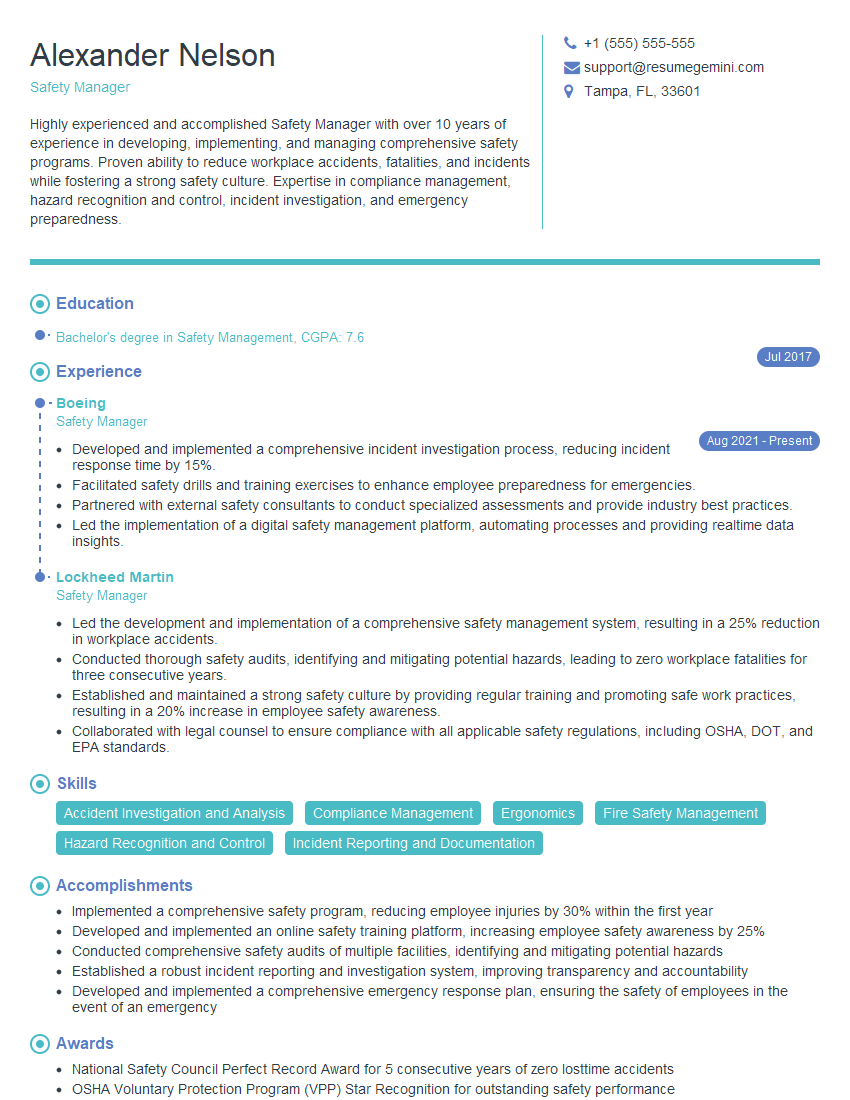
Safety Manager Resume Sample
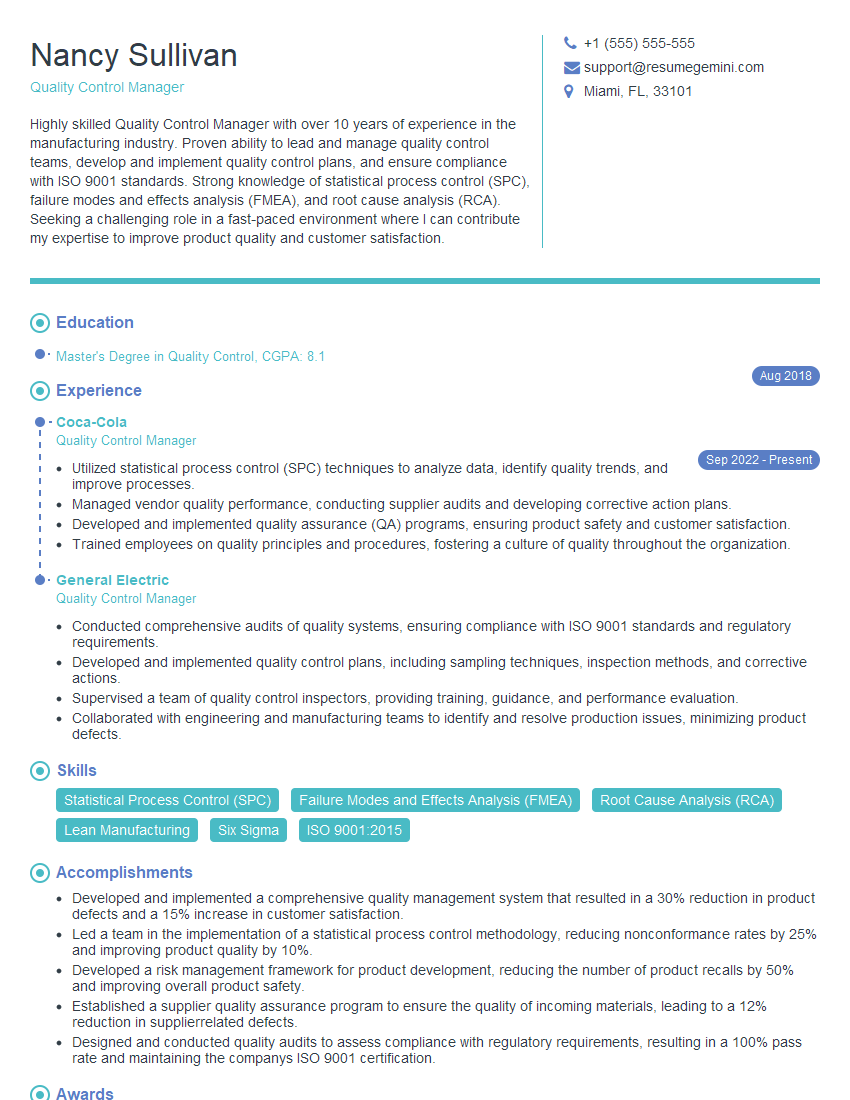
Quality Control Manager Resume Sample
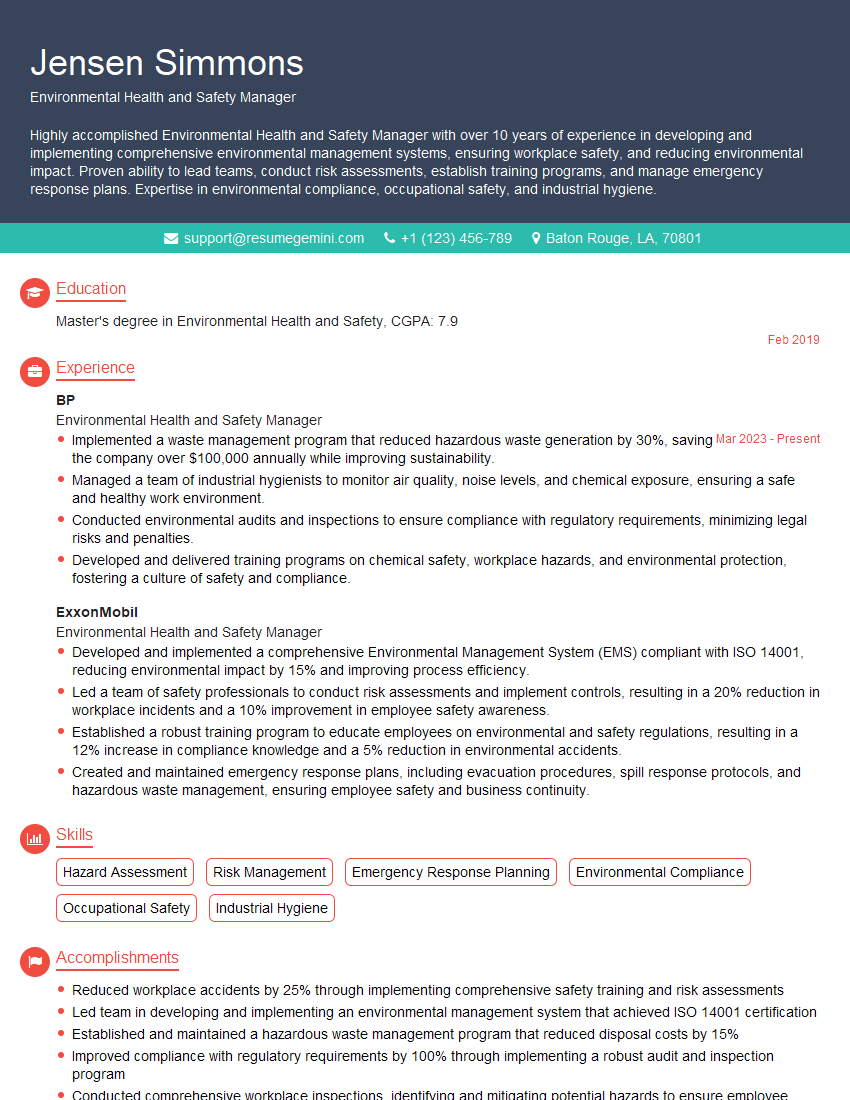
Environmental Health and Safety Manager Resume Sample

Compliance Manager Resume Sample
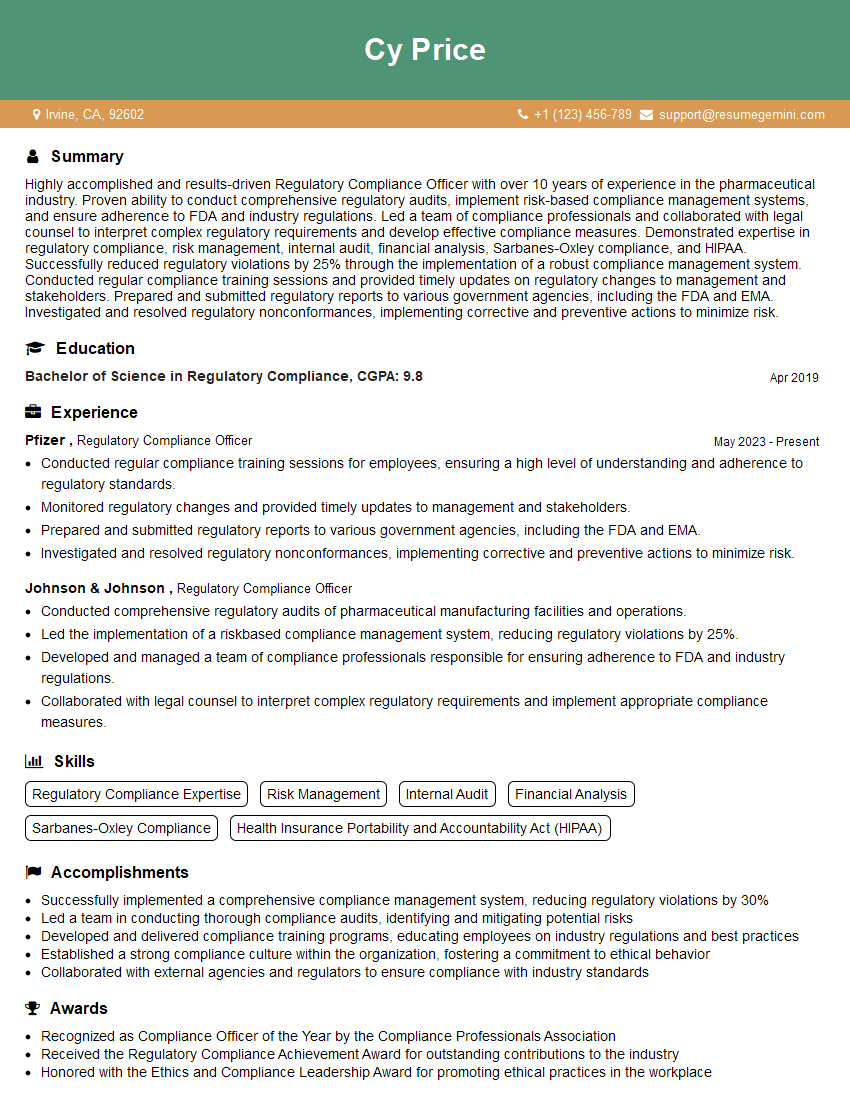
Regulatory Compliance Officer Resume Sample
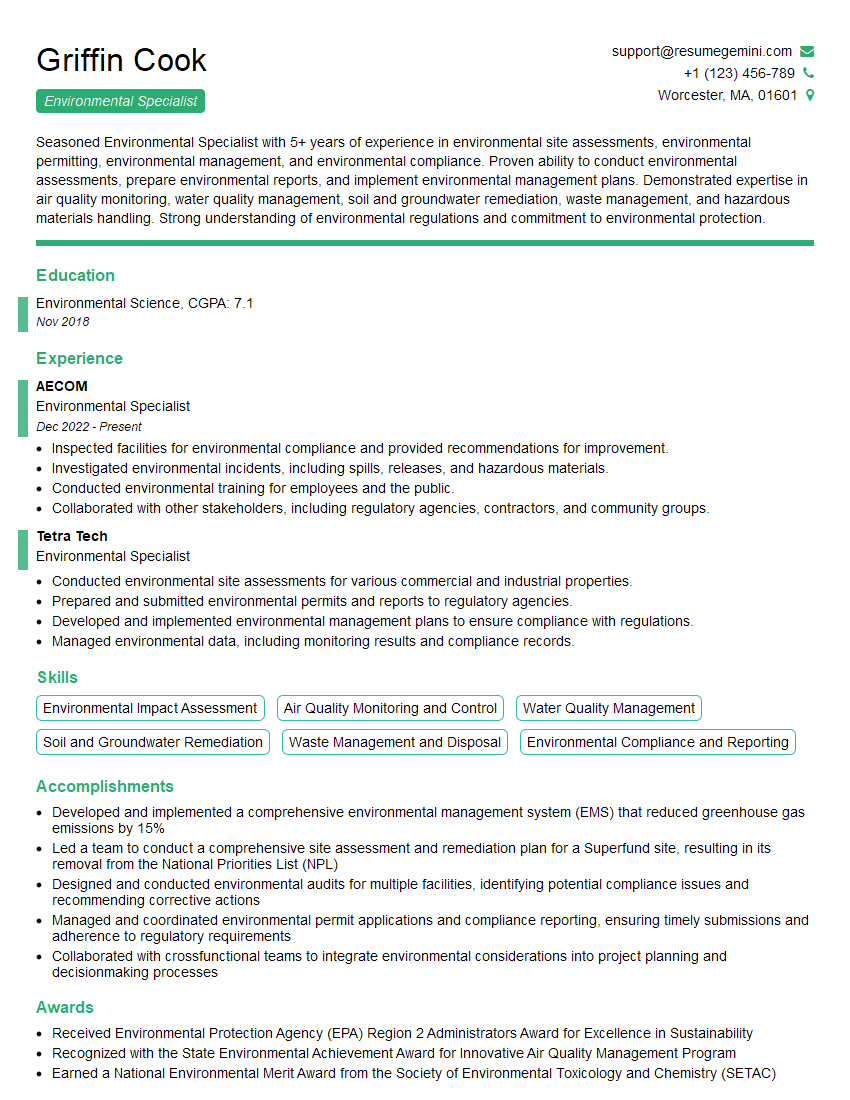
Environmental Specialist Resume Sample
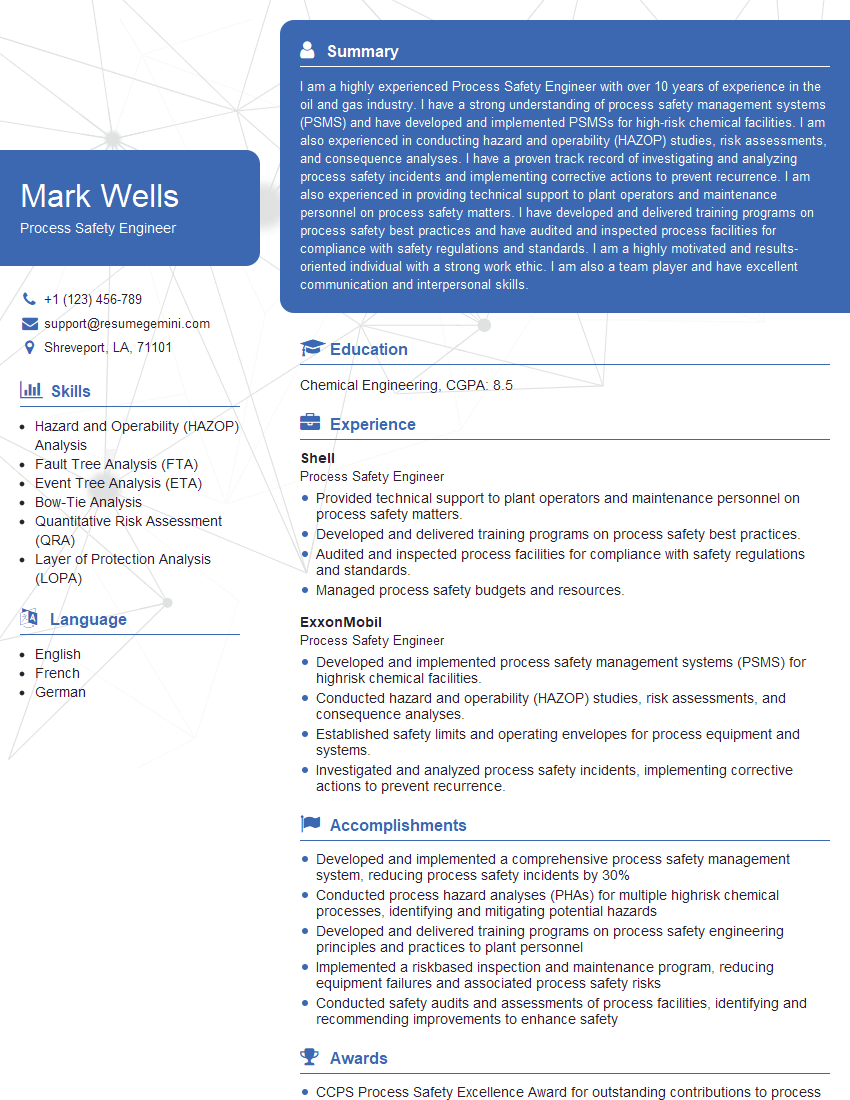
Process Safety Engineer Resume Sample
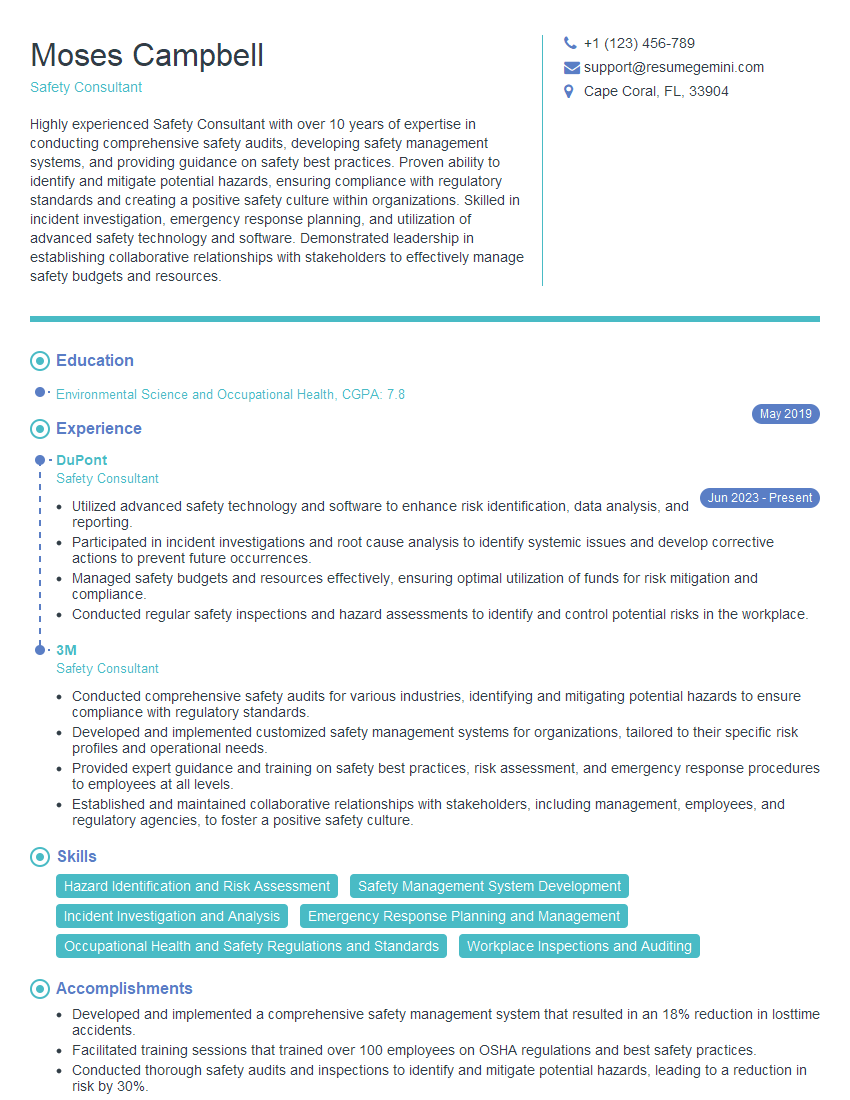
Safety Consultant Resume Sample

Safety Engineer Resume Sample
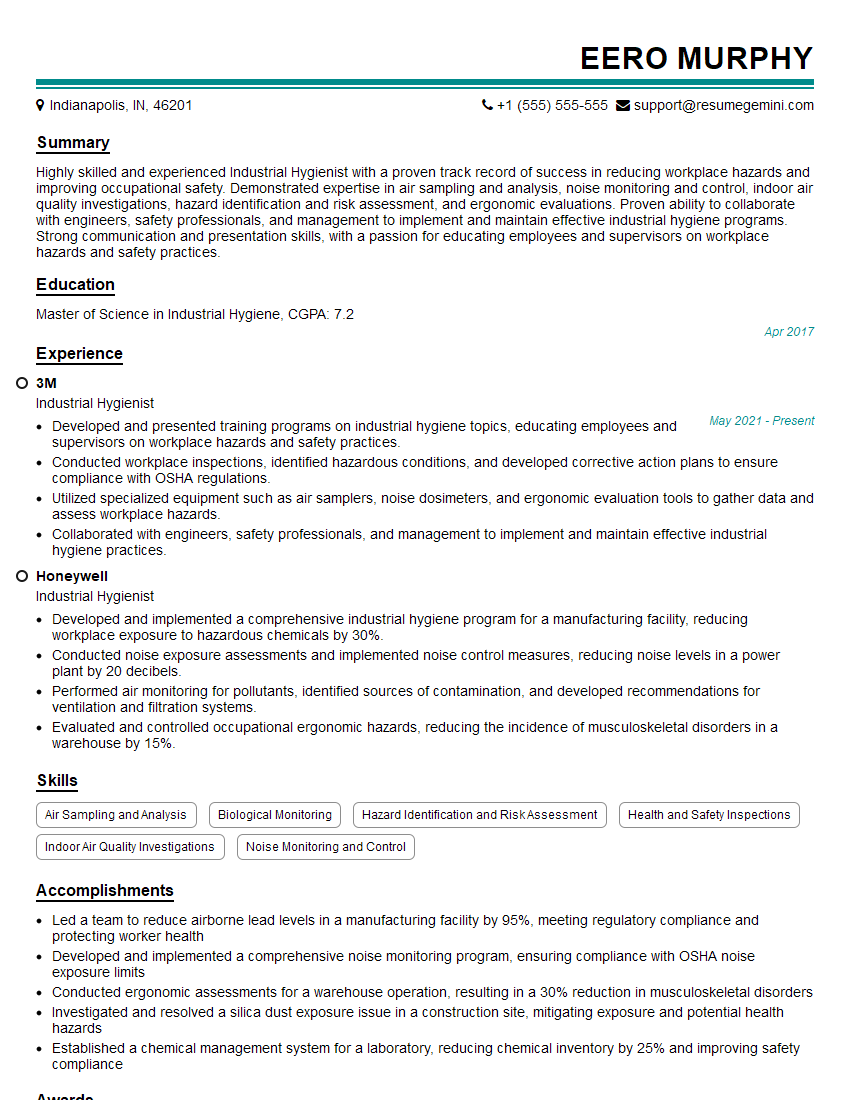
Industrial Hygienist Resume Sample
Explore more articles
Users Rating of Our Blogs
Share Your Experience
We value your feedback! Please rate our content and share your thoughts (optional).
What Readers Say About Our Blog
Very informative content, great job.
good