Preparation is the key to success in any interview. In this post, we’ll explore crucial Material Safety Data Sheets interview questions and equip you with strategies to craft impactful answers. Whether you’re a beginner or a pro, these tips will elevate your preparation.
Questions Asked in Material Safety Data Sheets Interview
Q 1. What are the key sections of a Material Safety Data Sheet?
A Material Safety Data Sheet (SDS) provides comprehensive information about the hazards of a chemical and how to work safely with it. While the exact sections and their order might vary slightly depending on the country and the specific SDS format, the key sections generally include:
- Identification: This section provides the product name, manufacturer’s contact information, and emergency contact details. Think of it as the chemical’s identity card.
- Hazard Identification: This crucial section lists the potential hazards associated with the chemical, including physical hazards (flammability, explosivity), health hazards (toxicity, carcinogenicity), and environmental hazards. This is the warning label’s detailed explanation.
- Composition/Information on Ingredients: This section lists the chemical components of the mixture and their concentrations, usually expressed as percentages. This is like a recipe for the chemical product.
- First-aid measures: This details the immediate actions to take in case of accidental exposure, providing specific instructions for eye contact, skin contact, inhalation, and ingestion. This is your emergency response plan for chemical accidents.
- Fire-fighting measures: This outlines appropriate extinguishing agents and firefighting procedures. It’s your guide for putting out chemical fires safely.
- Accidental release measures: This explains how to contain and clean up spills. This acts as a spill control manual.
- Handling and storage: This section provides recommendations on how to safely handle and store the chemical, preventing accidents. Think of this as the chemical’s care instructions.
- Exposure controls/personal protection: This details the necessary personal protective equipment (PPE) and engineering controls to minimize exposure. This is your safety gear shopping list.
- Physical and chemical properties: This describes the physical properties (e.g., melting point, boiling point, density) and chemical properties (e.g., reactivity, stability) of the chemical. This section helps you understand how the chemical behaves.
- Stability and reactivity: This section describes the chemical’s stability, potential hazards from incompatible materials, and hazardous decomposition products. This helps avoid dangerous reactions.
- Toxicological information: This section provides information about the potential health effects of exposure to the chemical, including acute and chronic effects. This is the health impact assessment.
- Ecological information: This section describes the potential environmental effects of the chemical. This is your environmental impact report.
- Disposal considerations: This section explains how to properly dispose of the chemical and its waste. This shows you how to get rid of the chemical responsibly.
- Transport information: This section provides information on the safe transportation of the chemical, including relevant regulations and classifications. This is your shipping guide.
- Regulatory information: This section lists the relevant regulations and legal requirements concerning the chemical. This is the chemical’s legal compliance document.
- Other information: This section may include additional information, such as references, revision dates, and other relevant details.
Q 2. Explain the Globally Harmonized System of Classification and Labelling of Chemicals (GHS).
The Globally Harmonized System of Classification and Labelling of Chemicals (GHS) is an internationally agreed-upon system for classifying chemicals according to their health, environmental, and physical hazards. It aims to standardize hazard communication worldwide, making it easier to understand chemical risks regardless of where the product is manufactured or used. Think of it as a universal language for chemical safety.
Key aspects of GHS include:
- Classification: Chemicals are classified into hazard classes based on their inherent properties. This involves testing and evaluating the chemical’s potential to cause harm.
- Labelling: Standardized labels are used to communicate the hazards, including pictograms (symbols), signal words (e.g., ‘Danger’, ‘Warning’), hazard statements, and precautionary statements.
- Safety Data Sheets (SDS): A standardized format for SDSs ensures consistent and comprehensive information is provided on the hazards and safe handling of chemicals. This provides a detailed description of the hazards in the same format globally.
The GHS has significantly improved chemical safety globally by creating a unified approach to hazard communication, reducing confusion and improving worker safety.
Q 3. How do you identify the hazards associated with a chemical using its SDS?
Identifying the hazards associated with a chemical using its SDS involves focusing primarily on the ‘Hazard Identification’ section (section 2). This section summarizes the hazards, providing a clear overview of the potential risks. Within this section, you’ll find:
- Hazard statements: These are standardized phrases that describe the nature and degree of the hazard. For example, ‘Causes serious eye irritation’ or ‘May cause cancer’.
- Pictograms: These are graphical symbols that visually communicate the type of hazard. They act as quick visual warnings.
- Signal words: These words (‘Danger’ or ‘Warning’) indicate the severity of the hazard. ‘Danger’ signifies more severe hazards than ‘Warning’.
By carefully reviewing this section, you get a clear understanding of the chemical’s potential dangers, allowing you to implement appropriate safety measures.
Q 4. Describe the different hazard classes and their corresponding pictograms.
The GHS defines several hazard classes, each with a corresponding pictogram. Here are some key examples:
- Flammables: A flame pictogram indicates flammability. This means the chemical can easily catch fire.
- Oxidizers: A circle with a flame indicates an oxidizing substance, meaning it can intensify fires.
- Corrosives: A pictogram showing a hand and surface being eaten away indicates corrosive properties. This chemical can damage skin and other materials.
- Toxic/Hazardous to health: A skull and crossbones pictogram represents acute toxicity, while other pictograms represent different health hazards, including respiratory sensitizers, reproductive toxicity etc.
- Environmental hazards: Pictograms for environmental hazards indicate the chemical’s potential to harm aquatic life or the ozone layer.
- Explosives: An exploding object pictogram signifies the risk of explosion.
- Gases under pressure: A gas cylinder pictogram shows chemicals stored under high pressure.
It’s crucial to understand the specific meaning of each pictogram and hazard statement to adequately assess the risks.
Q 5. What are the different routes of exposure to hazardous chemicals?
Hazardous chemicals can enter the body through several routes of exposure:
- Inhalation: Breathing in airborne particles or vapors. Think of factory workers breathing in fumes.
- Skin absorption: Contact with the skin allows the chemical to penetrate and be absorbed into the bloodstream. A common example is handling pesticides without gloves.
- Ingestion: Accidental swallowing of the chemical. This might happen by accidentally ingesting contaminated food or drink.
- Eye contact: Direct contact with the eyes can cause irritation, burns, or other damage. Splashing chemicals in the eyes is a significant concern.
The SDS will usually detail the potential health effects associated with each route of exposure.
Q 6. Explain the difference between acute and chronic health effects.
The distinction between acute and chronic health effects lies in the timeframe of their onset:
- Acute health effects: These are immediate or short-term effects that occur soon after exposure. Think of a sudden allergic reaction or a burn from a corrosive chemical.
- Chronic health effects: These develop over a longer period with repeated or prolonged exposure. Examples include cancer, liver damage, or respiratory problems resulting from years of inhaling toxic substances.
The SDS will usually specify the potential for both acute and chronic health effects, allowing you to understand the short-term and long-term implications of chemical exposure.
Q 7. How do you interpret the Personal Protective Equipment (PPE) recommendations on an SDS?
The ‘Exposure Controls/Personal Protection’ section (section 8) of the SDS provides crucial information on the appropriate Personal Protective Equipment (PPE). This section describes the necessary PPE to minimize exposure risks and should be followed diligently. The recommendations typically include:
- Respiratory protection: This may specify the type of respirator required, such as a dust mask or a full-face respirator, depending on the hazard.
- Eye protection: This might include safety glasses, goggles, or face shields. The level of protection will depend on the potential for eye irritation or injury.
- Hand protection: This section specifies the type of gloves suitable for handling the chemical, considering factors like material compatibility and chemical resistance. Different chemicals require different glove materials (e.g., nitrile, neoprene).
- Skin protection: This may include aprons, coveralls, or other protective clothing to prevent skin contact.
- Other protective measures: This could include specific requirements like protective footwear or hearing protection.
It’s essential to remember that the PPE recommendations are minimum requirements. Always consider using additional PPE if deemed necessary by a risk assessment.
Q 8. What are the responsibilities of an employer regarding SDS access and training?
Employers have a crucial responsibility to ensure readily accessible Safety Data Sheets (SDSs) for all hazardous chemicals used in their workplace. This isn’t just about providing physical copies; it’s about ensuring employees understand where to find them, how to interpret them, and the importance of their contents. This involves several key actions:
- Providing Access: SDSs must be readily available to all employees who may handle hazardous chemicals. This could involve a central location, like a dedicated SDS binder or a digital database, with easy-to-navigate search functionalities. Think of it like a library for chemical safety information.
- Training: Employers must provide training on the proper interpretation and use of SDS information. This training should cover identifying hazards, understanding precautions, and knowing what to do in case of an emergency. Regular refresher courses are important, as regulations and chemical handling practices may evolve. For example, training could involve a scenario-based exercise where employees are presented with a chemical spill and must use the SDS to determine the appropriate response.
- Language Accessibility: SDSs need to be available in a language understood by all employees. If the primary language in your workplace isn’t English, you must translate the SDS into that language to ensure effective communication and safety.
- Maintaining Updated SDSs: Employers must ensure that all SDSs are current and reflect the latest information on the hazards and safe handling of chemicals. Outdated SDSs can put workers at risk.
Failure to fulfill these responsibilities can lead to serious consequences, including fines, lawsuits, and, most importantly, worker injuries or fatalities.
Q 9. How do you handle an SDS for a mixture of chemicals?
Handling an SDS for a mixture of chemicals requires a more nuanced approach. There’s no single SDS for a mixture unless the manufacturer has created one. The approach depends on whether the mixture is classified as hazardous.
- If the mixture is hazardous: The supplier must provide an SDS for that specific mixture. This SDS will outline the hazards of the mixture as a whole, not just the individual components. It will contain information relevant to the combined chemical properties.
- If the mixture is not hazardous: Even if the mixture isn’t classified as hazardous, it’s good practice to keep SDSs for all individual components. This allows for a comprehensive understanding of potential risks, even if the combination isn’t itself classified.
- If the SDS is not available: If you’re using a mixture and lack an SDS, you must conduct a hazard assessment to determine the potential risks. This might involve consulting the SDSs for the individual components and employing expert advice to assess the combined risks.
Imagine making a cake: Flour, sugar, and eggs are individually safe, but the combination requires careful handling during preparation to avoid burns or messes. Similarly, even non-hazardous individual components can pose risks when mixed.
Q 10. Describe the procedures for handling spills of hazardous materials.
Handling hazardous material spills is a critical aspect of workplace safety. Procedures must be established and practiced regularly to minimize risks. A proper response involves several steps:
- Evacuation and Isolation: Immediately evacuate the area and isolate the spill to prevent further exposure. This might involve cordoning off the spill zone and restricting access.
- Personal Protective Equipment (PPE): Ensure personnel responding to the spill are wearing the appropriate PPE as indicated on the SDS, such as respirators, gloves, and eye protection. The level of PPE needed will depend entirely on the hazardous chemical involved.
- Spill Containment and Cleanup: Use appropriate absorbent materials to contain the spill and prevent it from spreading. The SDS provides guidance on the specific cleanup methods recommended for the material. For example, some materials require specialized neutralizers, while others need only to be absorbed with a suitable material.
- Waste Disposal: Properly dispose of the contaminated materials according to local, state, and federal regulations. The SDS will give you information about proper waste handling.
- Post-Spill Monitoring: Monitor the area for any lingering effects and ensure the environment is safe before allowing personnel back into the area.
Regular spill drills and training are essential to ensure employees are prepared to respond effectively in the event of a spill, and having readily accessible SDSs is critical for the appropriate response to the type of spilled material.
Q 11. What are the legal requirements for SDS maintenance and updates?
Legal requirements for SDS maintenance and updates vary slightly depending on the jurisdiction (OSHA in the US, WHMIS in Canada, etc.), but the general principles are consistent. Employers must:
- Maintain current SDSs: SDSs must be current and reflect the latest information. Manufacturers frequently update SDSs, so employers need a system to track these updates and replace outdated versions. Think of this as regularly updating your computer’s software—it’s crucial for optimal and safe operation.
- Obtain updated versions promptly: When a manufacturer issues an update, the employer must obtain and distribute the updated SDS within a reasonable time frame. There’s no universally defined timeframe, but prompt action is crucial.
- Proper storage and retrieval: SDSs must be easily accessible to employees. This means having a well-organized system for storing and retrieving SDSs, whether that’s physical or digital. A chaotic system leads to inefficiency and may put workers at risk.
- Proper record-keeping: Employers often need to maintain records demonstrating their compliance with SDS regulations. This might include logs of SDS updates and employee training records.
Failure to keep SDSs current and accessible can result in penalties and legal action. The emphasis is on proactive maintenance to prevent accidents and ensure worker safety.
Q 12. How do you ensure compliance with OSHA regulations regarding SDS?
Ensuring compliance with OSHA regulations regarding SDS involves a multi-faceted approach:
- SDS Availability: Ensure SDSs are readily accessible to all employees who work with hazardous chemicals. This often involves a centralized system (physical or digital) that’s easily searchable.
- Employee Training: Provide thorough training on how to use and interpret SDSs. This is not a one-time event but an ongoing process that includes regular updates and refresher courses.
- Language Compliance: Provide SDSs in the language understood by all workers. This is especially crucial in diverse work environments.
- Regular Audits: Conduct regular internal audits to verify compliance with OSHA regulations. This involves checking the accessibility of SDSs, the effectiveness of employee training, and the currency of the SDS information.
- Staying Updated: Stay informed about changes to OSHA regulations and best practices regarding hazardous chemical handling. OSHA’s website and other relevant resources are great starting points.
- Record-Keeping: Meticulous record-keeping is essential. Documenting training sessions, SDS updates, and audit findings provides a detailed trail of compliance.
Compliance isn’t just about avoiding penalties; it’s about protecting employees from harm and creating a safe work environment. A proactive approach, using checklists, training records, and regular internal audits, is the best way to achieve and maintain compliance.
Q 13. What is the role of SDS in emergency response planning?
SDSs are indispensable components of effective emergency response planning. They provide crucial information to first responders and employees during hazardous material incidents. Here’s how:
- Identifying Hazards: SDSs clearly outline the potential hazards of a specific chemical, including its health effects, flammability, and reactivity. This enables first responders to understand the risks and take appropriate protective measures.
- First Aid Measures: SDSs provide essential first aid information in case of exposure. This is crucial for both immediate treatment and for informing medical professionals.
- Spill Response: SDSs detail the recommended procedures for handling spills or leaks, including cleanup methods and appropriate personal protective equipment (PPE).
- Emergency Contact Information: SDSs often contain contact information for manufacturers or other relevant parties who can provide expert advice during emergencies.
- Fire Fighting Measures: SDSs provide guidance on the appropriate methods for extinguishing fires involving the specific chemical, helping to mitigate damage and prevent escalation.
Emergency response plans should include a detailed procedure for accessing and utilizing SDS information quickly and efficiently. This might involve having easily accessible physical copies and digital access in a readily available location. Think of SDSs as the chemical’s ’emergency instruction manual’ for responding to any incident.
Q 14. How do you communicate SDS information to employees with limited English proficiency?
Communicating SDS information to employees with limited English proficiency requires a multifaceted approach that prioritizes clarity and understanding. Simply providing an English-language SDS is insufficient.
- Translation: The most effective strategy is to translate the SDS into the employee’s native language. Professional translation services should be employed to ensure accuracy and clarity.
- Visual Aids: Use pictograms or other visual aids to supplement the written text, making the information more accessible to those who may have difficulty with reading or understanding complex terminology.
- Interpreters: Provide training sessions with interpreters present to ensure that employees understand the key information presented in the SDS.
- Simplified Language: If full translation isn’t immediately feasible, consider using simplified English or other plain language versions of the SDS. Avoid complex scientific terminology and use everyday language.
- Training Materials: Training materials should also be translated or simplified to aid understanding and to allow for more interaction and questions.
Effective communication is paramount for worker safety. Investing in these translation and interpretation services is essential for ensuring the safety of all employees, regardless of their linguistic background. Think of it as providing a bridge to safety and understanding.
Q 15. What is the difference between an SDS and a Safety Data Sheet?
There is no difference; SDS and Safety Data Sheet are interchangeable terms. An SDS is a document that provides comprehensive information on the hazards of a chemical and how to work safely with it. Think of it as the chemical’s resume, detailing its properties and potential dangers.
Career Expert Tips:
- Ace those interviews! Prepare effectively by reviewing the Top 50 Most Common Interview Questions on ResumeGemini.
- Navigate your job search with confidence! Explore a wide range of Career Tips on ResumeGemini. Learn about common challenges and recommendations to overcome them.
- Craft the perfect resume! Master the Art of Resume Writing with ResumeGemini’s guide. Showcase your unique qualifications and achievements effectively.
- Don’t miss out on holiday savings! Build your dream resume with ResumeGemini’s ATS optimized templates.
Q 16. How do you determine if an SDS is up-to-date and valid?
Determining if an SDS is up-to-date and valid involves several steps. First, check the revision date at the top or bottom of the SDS. This date indicates the last time the document was updated. A significantly outdated revision date (e.g., more than a year old without a clear reason) raises concerns. Second, look for a version number; a higher version number usually indicates a newer revision. Third, compare the current SDS with previous versions. Significant changes in hazard classifications, recommended PPE, or first-aid measures warrant careful review and potential retraining. Finally, always rely on the SDS provided by the manufacturer or reputable supplier; avoid using outdated or unverified SDSs downloaded from third-party websites. For example, an SDS for a cleaning product should be reviewed annually, especially if the formula has been altered or if there are changes in safety regulations.
Q 17. Describe your experience with SDS software and databases.
My experience with SDS software and databases spans several years. I’ve extensively used both dedicated SDS management systems and integrated platforms within ERP (Enterprise Resource Planning) software. This includes software solutions such as Chemwatch, ehs-software, and various custom-built systems. I’m proficient in importing, organizing, searching, and updating SDS data within these systems. I’m familiar with features like automated alerts for expired SDSs, version control, and the ability to generate reports and labels directly from SDS data. For instance, in one project, I implemented a centralized SDS database which reduced the time spent searching for relevant documents by over 50% and significantly minimized the risk of using outdated safety information.
Q 18. How do you manage SDS for multiple locations or facilities?
Managing SDSs for multiple locations or facilities requires a centralized, well-organized system. I typically recommend a cloud-based SDS management system that allows for simultaneous access and updates across all locations. This ensures all facilities have access to the most current version. The system should have robust user permissions to control access and ensure only authorized personnel can make changes. Version control is critical to track alterations and maintain a record of changes. In addition, a comprehensive training program for all employees ensures everyone understands how to locate, access, and interpret the information within the SDSs. For example, a company with manufacturing plants in different states might use a central database to ensure consistency and compliance across all locations.
Q 19. What are the key differences between SDSs from different countries?
SDSs from different countries vary primarily due to differing regulatory requirements. The format, required sections, and terminology can differ. For example, the Globally Harmonized System of Classification and Labelling of Chemicals (GHS) provides a standardized framework, but individual countries may have unique additions or interpretations. The EU’s REACH regulation presents a unique set of requirements, while the US relies on OSHA and other agencies. It’s crucial to use SDSs that comply with the regulations of the country where the chemical is being used. Ignoring these differences can lead to significant legal and safety issues. Imagine a company importing chemicals from China – they would need to ensure they have the correct SDS compliant with all relevant EU and national regulations before those chemicals could be used in their European operations.
Q 20. How do you ensure the accuracy and completeness of SDS information?
Ensuring SDS accuracy and completeness involves a multi-step process. First, verify the source: always rely on the SDS provided directly by the manufacturer or a reputable supplier. Second, regularly review the SDS for any inconsistencies or missing information. Third, compare the SDS to other relevant sources and documentation. Fourth, consult with experts, such as toxicologists or industrial hygienists, when necessary to clarify complex issues or interpret ambiguous information. Fifth, implement a system for regular updates and reviews, based on new safety data, changes in regulations, or internal audits. Think of it like a detective investigating a case; all evidence should be thoroughly examined and checked for consistency.
Q 21. Explain the process for updating an SDS when new information becomes available.
Updating an SDS when new information becomes available is a formal process. First, identify the source of the new information (e.g., new research, regulatory changes, incident reports). Second, assess the impact of the new information on the existing SDS. Third, revise the SDS to incorporate the new data, adhering to all relevant regulatory requirements. Fourth, assign a new revision number and date to the updated SDS. Fifth, distribute the updated SDS to all relevant personnel and stakeholders. Sixth, retain previous versions for audit trails. Seventh, any significant changes might require additional employee training. For example, if a newly discovered hazard is found, the SDS needs immediate updating to ensure employee safety with revised safety procedures, potentially involving retraining and enhanced protective measures.
Q 22. Describe your experience with SDS training and education programs.
My SDS training and education extend beyond basic compliance. I’ve completed several GHS (Globally Harmonized System) certification programs, focusing on hazard communication and the practical application of SDS information. This includes advanced training on interpreting complex chemical data, recognizing inconsistencies, and understanding the nuances of different SDS formats. I’ve also participated in workshops on SDS authoring and updating, which gives me a deep appreciation for the process involved in creating accurate and reliable SDSs. Furthermore, I’ve actively sought out continuing education opportunities to stay current with evolving regulations and best practices in SDS management, including webinars and industry conferences focused on chemical safety. My experience encompasses both theoretical knowledge and practical application, allowing me to effectively navigate the complexities of SDS interpretation and management.
Q 23. How do you handle conflicting information from different SDSs for the same chemical?
Conflicting information across SDSs for the same chemical is a serious concern. My approach involves a systematic investigation to determine the most reliable source. First, I would verify the SDS version numbers and issue dates. Newer versions generally supersede older ones. Then, I would assess the credibility of the sources. An SDS from the original manufacturer is considered the most authoritative. If the discrepancy involves crucial safety information like health hazards or flammability, I would contact the manufacturers directly to clarify the inconsistencies. I might also consult relevant scientific literature or regulatory databases to corroborate the data. Ultimately, the goal is to identify the most accurate and up-to-date information to ensure worker safety. In my previous role, a conflicting SDS situation concerning a solvent’s flash point was resolved by directly contacting the manufacturer, who provided a revised SDS correcting an error in the previous version.
Q 24. How do you manage SDSs for obsolete or discontinued chemicals?
Managing SDSs for obsolete or discontinued chemicals requires a careful and compliant approach. We should never simply discard them. The recommended practice is to archive them securely in a designated, easily accessible location, ideally a digital database. This ensures that if any historical information is required – for example, during an incident investigation or a regulatory audit – the data remains retrievable. The archive should also be clearly labeled to identify the obsolete material and the date of discontinuation. Furthermore, it is vital to document the reason for discontinuation. This is crucial for maintaining accurate records and could be valuable if a similar chemical is introduced in the future. Think of it like a historical library for your chemical inventory. Having a robust system in place for managing these documents reduces the risk of non-compliance and ensures that we have a complete picture of our historical chemical usage.
Q 25. What is your experience with SDS audits and inspections?
I have extensive experience with SDS audits and inspections, both conducting them and undergoing them. I understand the importance of thoroughness, accuracy, and compliance with all relevant regulations. My experience involves reviewing SDSs for completeness, accuracy, and consistency with the Globally Harmonized System (GHS) standards. I check for proper labeling, readily accessible locations, and employee training documentation related to SDS usage. During audits, I identify areas for improvement and work with stakeholders to correct any deficiencies promptly. I’m familiar with various auditing techniques, from random sampling to comprehensive reviews, and I can adapt my approach based on the specific requirements and the size of the organization. A successful audit, for me, is about not just finding problems, but collaboratively improving chemical safety management systems.
Q 26. Explain your approach to SDS management in a high-volume manufacturing environment.
In a high-volume manufacturing environment, effective SDS management requires a robust, centralized system. This often involves leveraging software solutions for SDS authoring, storage, and distribution. A key element is automating the process of updating and distributing new or revised SDSs to all relevant personnel. A well-defined workflow is crucial, ensuring that all new chemicals are properly assessed and that SDSs are created and made available promptly. Regular training and communication are essential for keeping employees informed about safe handling procedures. In addition to a digital system, we should also have a secure physical archive for a backup, in case of data loss. In my experience, having clearly defined roles and responsibilities regarding SDS management is just as crucial as choosing the right technology. A shared understanding of procedures ensures that the system is consistently maintained and that everyone is responsible for its effective use.
Q 27. Describe a situation where you had to interpret a complex SDS to solve a safety issue.
During a production incident involving a novel chemical, we encountered an SDS with ambiguous information regarding its reaction with water. The SDS mentioned potential exothermic reactions but lacked specific details on the reaction rate or energy release. To resolve this, I first consulted the chemical’s manufacturer for clarification. Then I reviewed peer-reviewed literature on the chemical’s properties. Through this research, I discovered that while the reaction with water was indeed exothermic, the reaction rate was slow under normal conditions. However, it would accelerate significantly under high temperatures or specific catalysts. This information allowed us to implement safety precautions, such as controlling the temperature and preventing potential catalysts from coming into contact with the chemical. This systematic analysis ensured a safe resolution to the incident and reinforced the importance of thorough SDS interpretation and detailed investigation in situations of ambiguity.
Key Topics to Learn for Material Safety Data Sheets Interview
- Understanding the Structure of an MSDS: Learn to navigate the different sections of an MSDS, including identification, hazards, composition, first aid measures, and handling & storage.
- Hazard Identification and Risk Assessment: Practice identifying potential hazards from MSDS information and applying this knowledge to develop safe work practices and risk mitigation strategies. This includes understanding pictograms and signal words.
- Interpreting Chemical Information: Develop proficiency in understanding chemical names, CAS numbers, and other identifiers. Practice interpreting data on physical and chemical properties, health hazards, and environmental impacts.
- Practical Application in Workplace Safety: Consider scenarios where MSDS information is critical, such as spill response, emergency procedures, and the selection of appropriate personal protective equipment (PPE).
- Regulatory Compliance: Understand the importance of MSDS in adhering to relevant occupational safety and health regulations (OSHA, WHMIS, etc.).
- Data Interpretation and Problem-Solving: Practice analyzing MSDS information to solve hypothetical workplace safety problems. For example, how would you handle a spill of a specific chemical based on its MSDS?
- Communication and Training: Consider how to effectively communicate MSDS information to colleagues and train them on safe handling procedures.
Next Steps
Mastering Material Safety Data Sheets is crucial for career advancement in many safety-sensitive industries. A strong understanding demonstrates your commitment to workplace safety and your ability to handle responsibilities effectively. To maximize your job prospects, it’s essential to have an ATS-friendly resume that showcases your skills and experience. ResumeGemini is a trusted resource to help you build a professional and impactful resume that highlights your expertise in MSDS interpretation and application. Examples of resumes tailored to Material Safety Data Sheets are available to guide you. Invest time in crafting a compelling resume – it’s your first impression with potential employers.
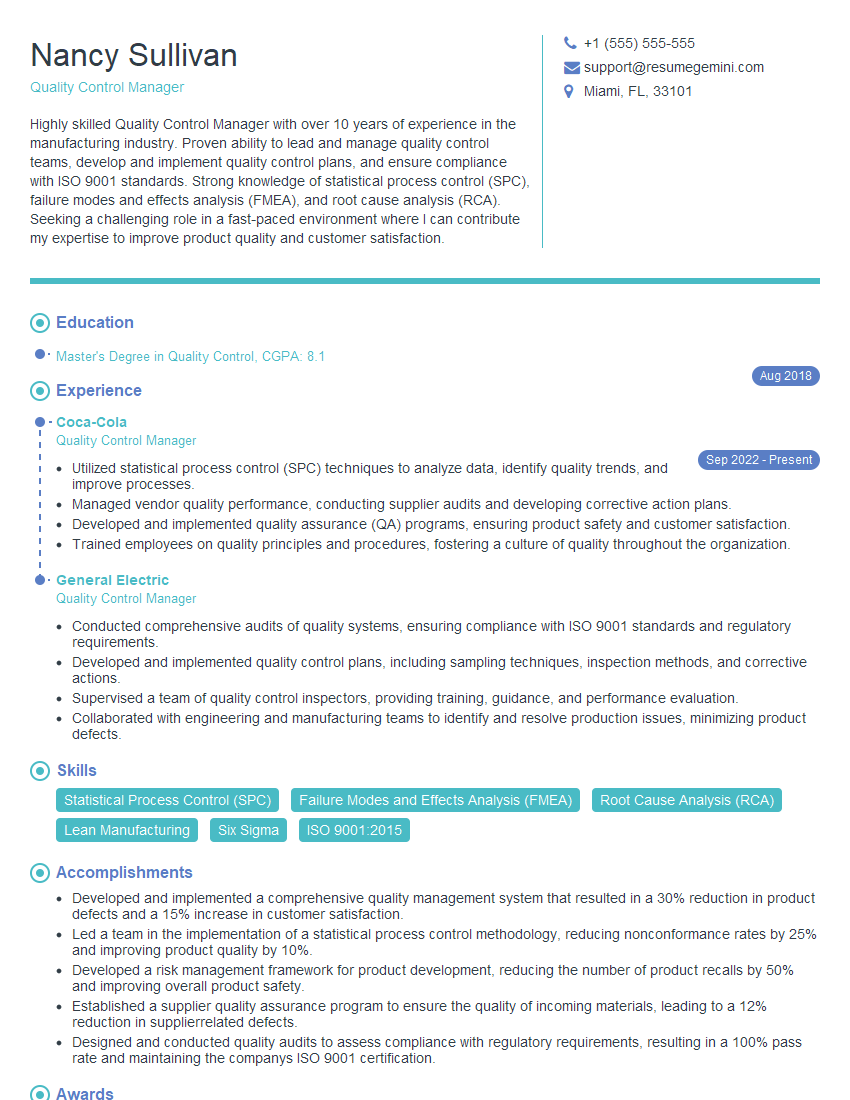
Quality Control Manager Resume Sample
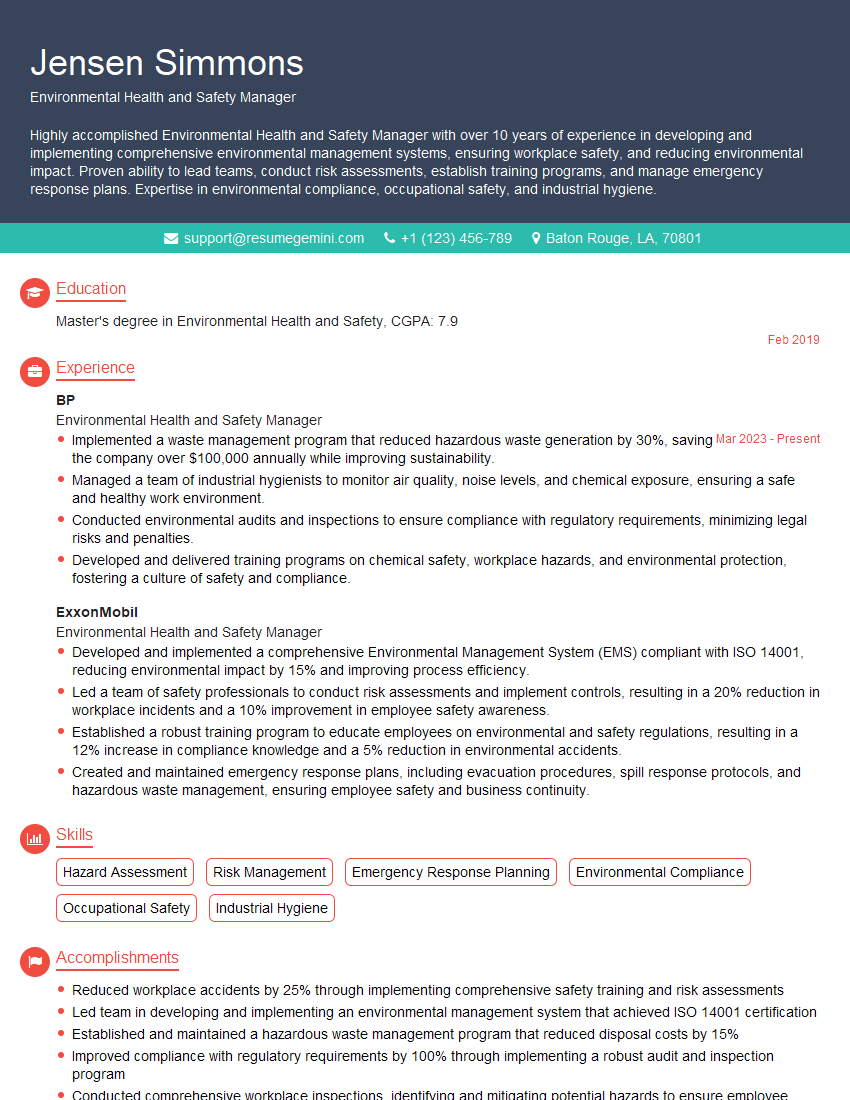
Environmental Health and Safety Manager Resume Sample

Compliance Manager Resume Sample
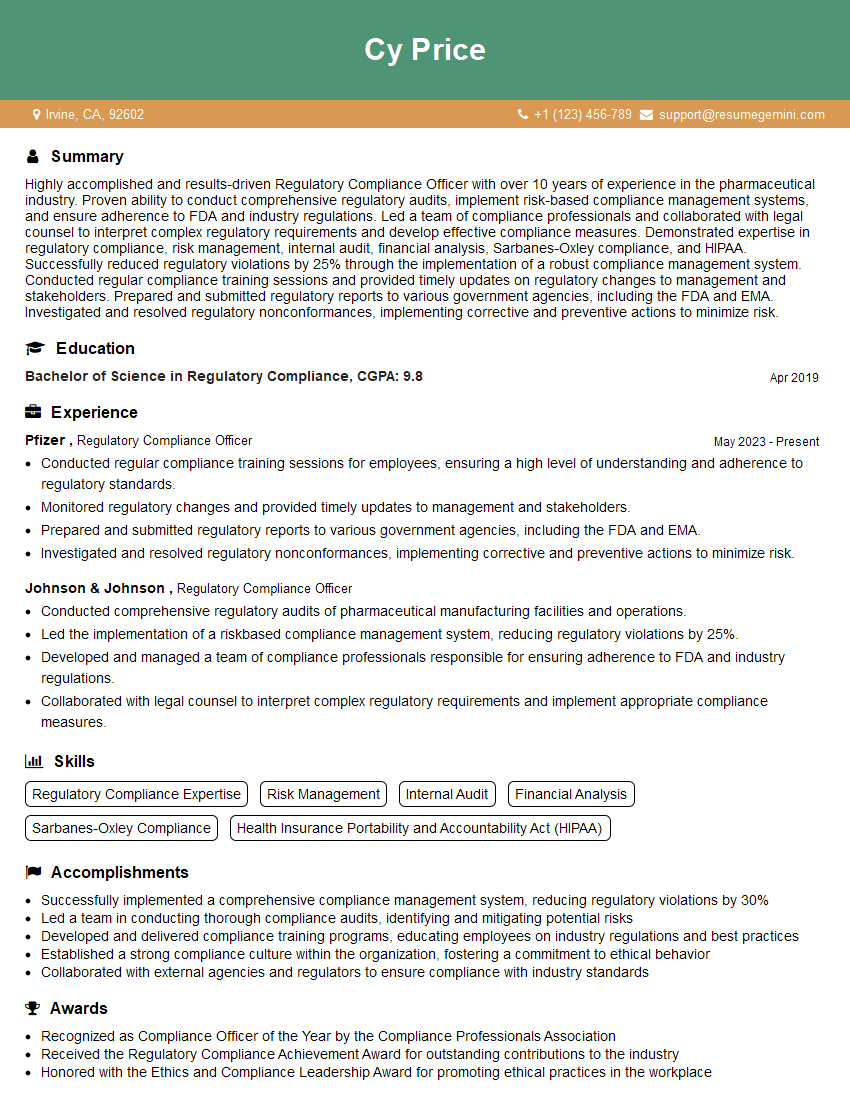
Regulatory Compliance Officer Resume Sample
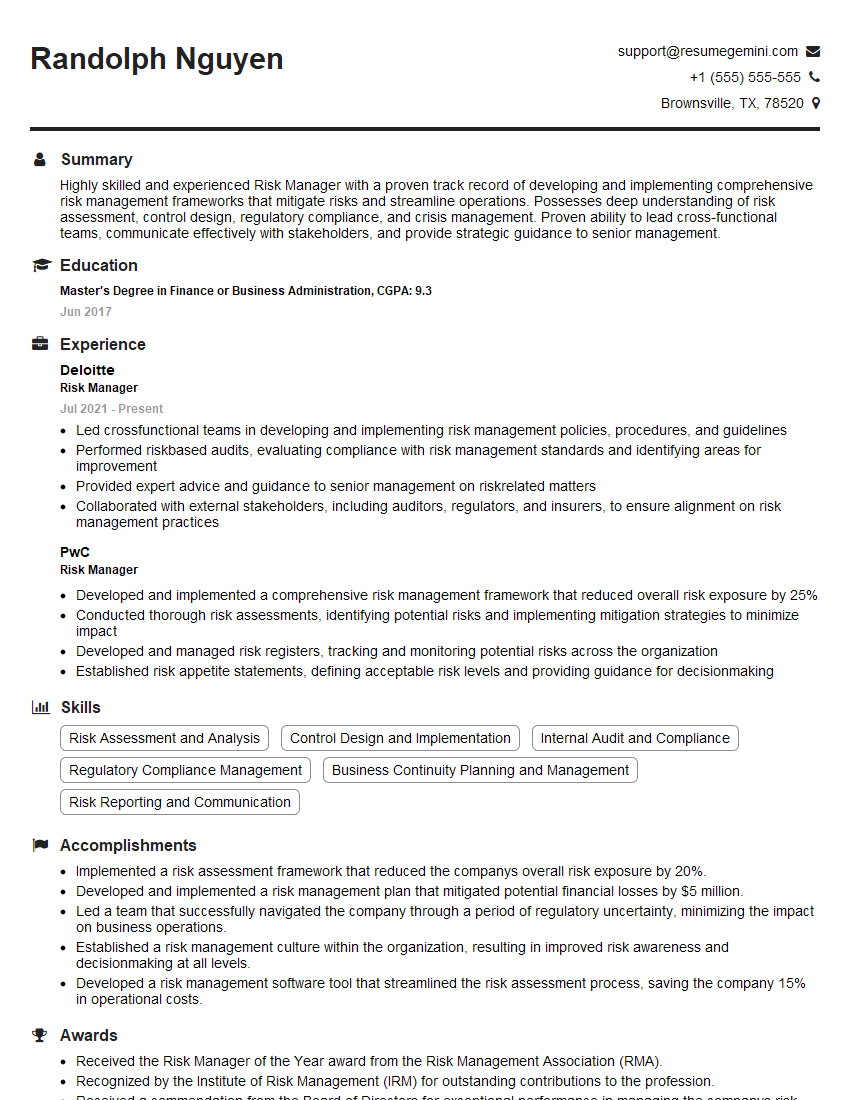
Risk Manager Resume Sample
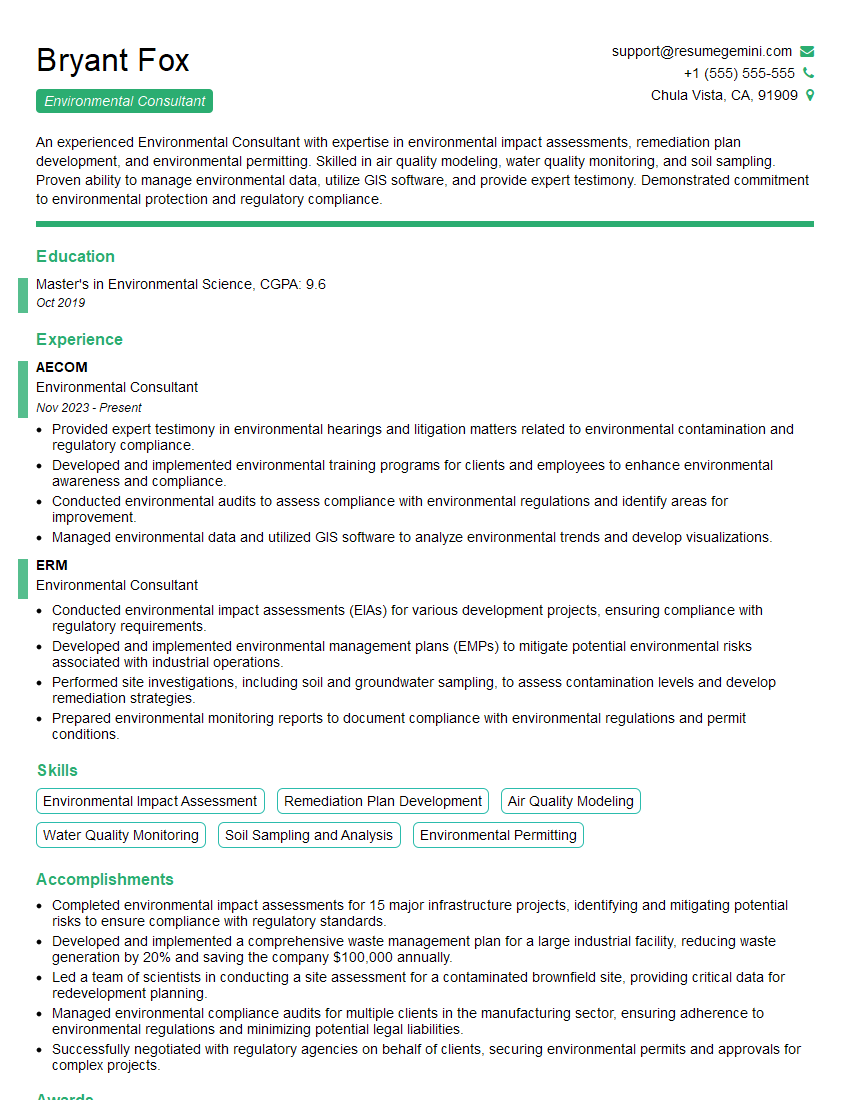
Environmental Consultant Resume Sample
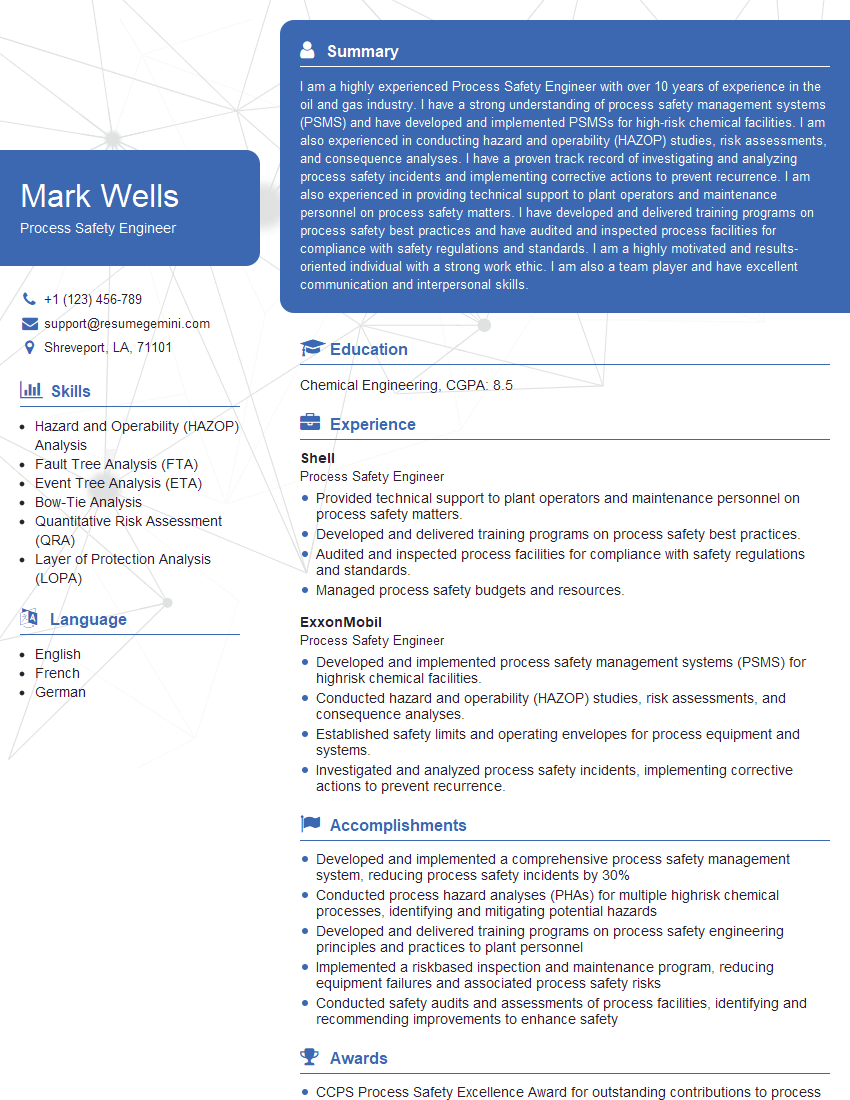
Process Safety Engineer Resume Sample
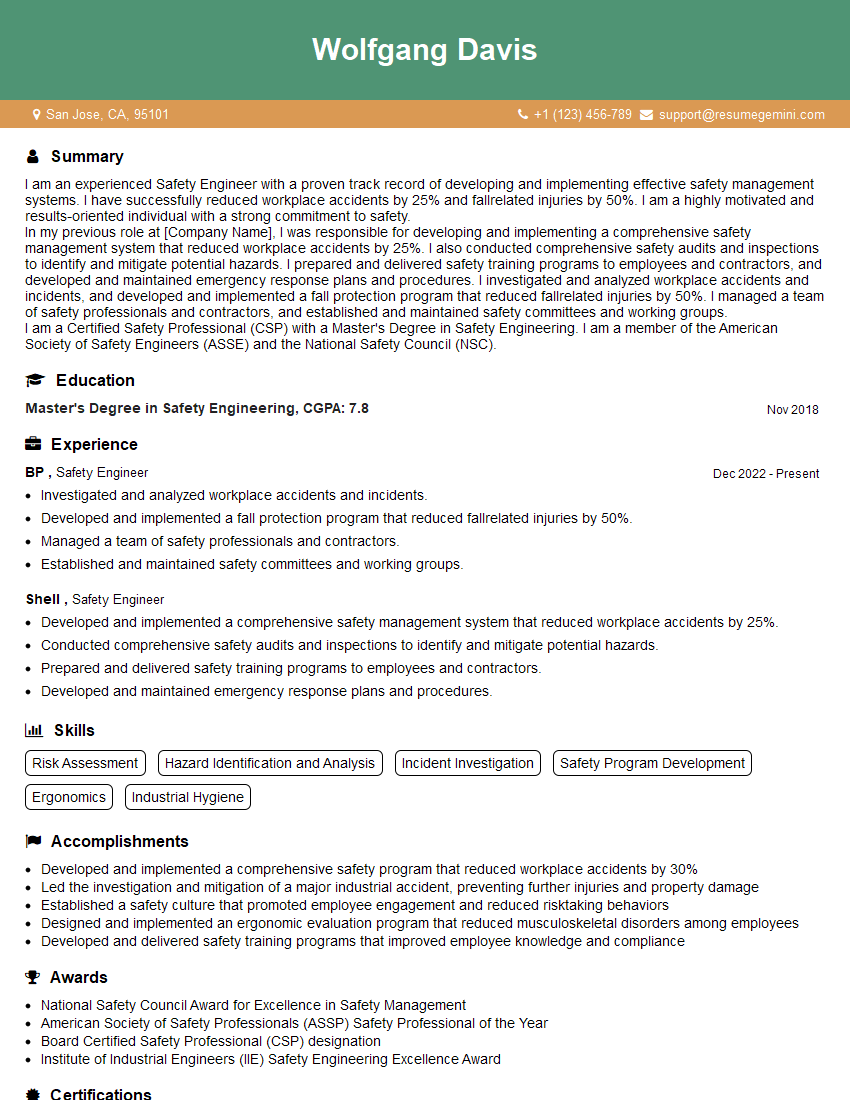
Safety Engineer Resume Sample
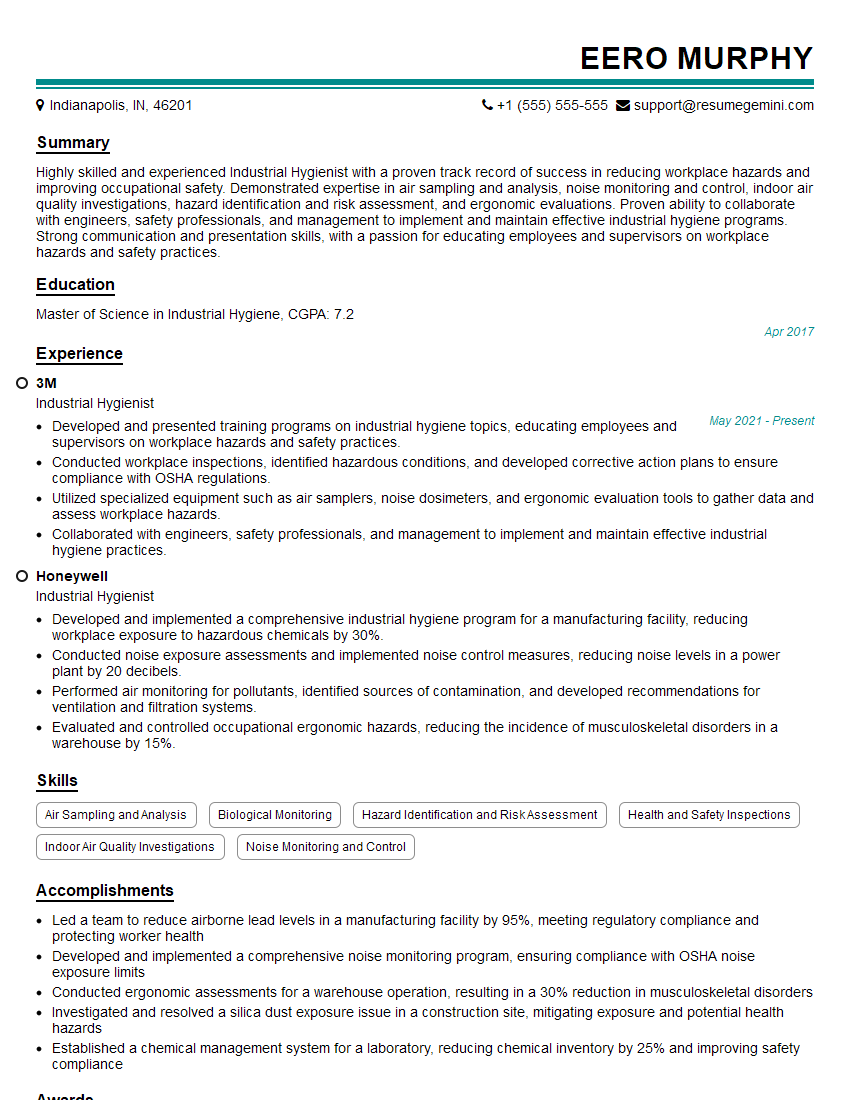
Industrial Hygienist Resume Sample
Explore more articles
Users Rating of Our Blogs
Share Your Experience
We value your feedback! Please rate our content and share your thoughts (optional).
What Readers Say About Our Blog
Very informative content, great job.
good