Interviews are more than just a Q&A session—they’re a chance to prove your worth. This blog dives into essential Materials and Process Selection interview questions and expert tips to help you align your answers with what hiring managers are looking for. Start preparing to shine!
Questions Asked in Materials and Process Selection Interview
Q 1. Explain the difference between tensile strength and yield strength.
Tensile strength and yield strength are both crucial measures of a material’s ability to withstand pulling forces, but they represent different points on the material’s stress-strain curve. Think of it like stretching a rubber band.
Tensile strength represents the maximum stress a material can withstand before it breaks. It’s the highest point on the stress-strain curve. Imagine snapping the rubber band – that’s the point where its tensile strength is exceeded. It’s usually expressed in units of Pascals (Pa) or pounds per square inch (psi).
Yield strength, on the other hand, is the stress at which the material starts to deform permanently. It’s the point on the curve where the material transitions from elastic deformation (where it returns to its original shape after the force is removed) to plastic deformation (where it remains permanently deformed). This is like stretching the rubber band past a certain point where it no longer snaps back to its original length. Yield strength is also expressed in Pa or psi.
In essence, yield strength indicates the material’s resistance to permanent deformation, while tensile strength indicates its ultimate resistance to breaking. A material with a high yield strength will deform less under load, while a material with high tensile strength will withstand greater loads before failure.
Q 2. Describe the process of fatigue failure in materials.
Fatigue failure is a progressive and localized structural damage that occurs when a material is subjected to repeated cyclic loading. Imagine repeatedly bending a paperclip back and forth; eventually, it will break, even though the force applied in each cycle might be far less than the paperclip’s ultimate tensile strength. This is fatigue.
The process involves several stages:
- Crack Initiation: Microscopic cracks form at stress concentrations, such as surface imperfections, inclusions, or sharp corners.
- Crack Propagation: These cracks gradually grow larger with each cycle of loading, often following specific crystallographic planes in the material.
- Final Fracture: Eventually, the crack reaches a critical size, causing sudden and catastrophic failure. This often happens unexpectedly, as the crack growth can be subtle until the very end.
Factors influencing fatigue failure include the magnitude of the applied stress, the number of cycles, the material’s properties (like its fatigue strength), surface finish, and the presence of corrosive environments. Understanding fatigue behavior is crucial in designing components that withstand repeated loading, such as airplane wings or car axles.
Q 3. What are the key factors to consider when selecting a material for a high-temperature application?
Selecting materials for high-temperature applications requires careful consideration of several key factors. Think of designing a turbine blade for a jet engine – it needs to withstand extreme heat and still retain its strength.
- High-Temperature Strength: The material should retain sufficient strength and stiffness at the operating temperature. Creep resistance (resistance to slow deformation under sustained stress at high temperatures) is crucial.
- Oxidation Resistance: The material must resist oxidation and other forms of high-temperature corrosion. Formation of a protective oxide layer can be beneficial.
- Thermal Shock Resistance: Ability to withstand rapid temperature changes without cracking or fracturing. Materials with low thermal expansion coefficients are preferred.
- Creep Resistance: The material’s resistance to gradual deformation under prolonged exposure to high temperatures and stress.
- Cost and Availability: While performance is paramount, cost and the material’s availability must be considered.
Common materials for high-temperature applications include superalloys (nickel-based or cobalt-based), ceramics, and certain advanced polymers. The specific choice depends on the exact operating conditions and performance requirements.
Q 4. How do you determine the appropriate manufacturing process for a given component?
Determining the appropriate manufacturing process for a component is a multi-faceted decision that requires a thorough understanding of the component’s design, material properties, desired tolerances, production volume, and cost constraints. It’s like choosing the right tool for the job.
A systematic approach involves:
- Analyzing the Design: Consider the component’s geometry, complexity, and required surface finish. Intricate shapes might necessitate processes like machining or casting, while simpler parts might be suitable for forging or injection molding.
- Material Selection: The material’s properties dictate which processes are feasible. For example, brittle materials are unsuitable for forging.
- Tolerances and Surface Finish: Tight tolerances and smooth surface finishes are often achieved through machining, while casting might offer lower precision.
- Production Volume: High-volume production favors processes like casting or injection molding, while low-volume production might justify more expensive techniques like machining.
- Cost Analysis: Compare the costs associated with different processes, including material costs, tooling costs, and labor costs.
Process selection often involves trade-offs. For instance, casting is cost-effective for high volumes but may result in lower precision than machining. A decision matrix can be used to systematically evaluate different process options based on predefined criteria and weighting.
Q 5. Explain the concept of material degradation and its impact on product lifespan.
Material degradation refers to the undesirable changes in a material’s properties over time, often due to environmental factors or usage. Think of a rusty car – that’s a prime example of material degradation.
This degradation can manifest in various ways:
- Corrosion: Chemical reactions between the material and its environment, leading to material loss.
- Creep: Time-dependent deformation under sustained stress at elevated temperatures.
- Fatigue: Progressive damage from repeated cyclic loading.
- Wear: Material loss due to surface abrasion or friction.
- Radiation Damage: Material degradation due to exposure to high-energy radiation.
Material degradation directly impacts product lifespan. It can lead to reduced functionality, performance degradation, and ultimately, failure. Understanding degradation mechanisms and implementing preventative measures, such as protective coatings or material selection, are crucial for extending product life and ensuring safety and reliability.
Q 6. What are the different types of corrosion and how can they be prevented?
Corrosion is the deterioration of a material, usually a metal, due to its reaction with its environment. There are several types:
- Uniform Corrosion: Evenly distributed attack across the surface. Think of a rusty nail.
- Galvanic Corrosion: Occurs when two dissimilar metals are in contact in an electrolyte. The more active metal corrodes preferentially. This is why you shouldn’t use different metals in direct contact in a saltwater environment.
- Pitting Corrosion: Localized attack that forms small pits or holes. This is often difficult to detect.
- Crevice Corrosion: Corrosion in confined spaces, like cracks or crevices, where oxygen depletion creates a highly corrosive environment.
- Stress Corrosion Cracking: The combined effect of tensile stress and a corrosive environment leading to crack formation and propagation.
Corrosion prevention strategies include:
- Material Selection: Choose corrosion-resistant materials like stainless steels or titanium.
- Protective Coatings: Apply paints, polymers, or metallic coatings to prevent environmental exposure.
- Corrosion Inhibitors: Add chemicals to the environment to reduce corrosion rates.
- Cathodic Protection: Use an external current to protect the metal from corrosion.
- Design Modifications: Avoid sharp corners, crevices, and stagnant areas where corrosion can concentrate.
The choice of prevention method depends on the type of corrosion, the material, and the environment.
Q 7. Compare and contrast casting, forging, and machining processes.
Casting, forging, and machining are three fundamental manufacturing processes with distinct characteristics:
Casting: Molten material is poured into a mold, allowed to solidify, and then removed. It’s excellent for complex shapes and high-volume production. Think of casting engine blocks.
- Advantages: Complex shapes, high production rates, relatively low tooling costs.
- Disadvantages: Surface finish can be rough, dimensional accuracy can be limited, potential for internal porosity.
Forging: Shaping a heated metal workpiece using compressive forces. It produces strong, dense parts with excellent mechanical properties. Think of forging a hammer head.
- Advantages: High strength and ductility, excellent grain structure, precise shapes achievable.
- Disadvantages: Limited to simpler shapes, higher tooling costs, can be energy-intensive.
Machining: Removing material from a workpiece using cutting tools. It allows for high precision and complex shapes but is generally more expensive and time-consuming. Think of CNC machining a turbine blade.
- Advantages: High precision, good surface finish, wide range of materials can be machined.
- Disadvantages: Lower production rates, higher tooling costs, material waste.
The best process depends on the part’s complexity, required tolerances, material properties, and production volume. Often, a combination of processes is used to achieve the desired outcome.
Q 8. Describe your experience with Finite Element Analysis (FEA) in materials selection.
Finite Element Analysis (FEA) is a powerful computational tool I use extensively in materials selection. It allows us to predict the behavior of a material under various loading conditions without needing to physically test every possible scenario. Essentially, FEA breaks down a complex structure into smaller, simpler elements, and then applies mathematical equations to simulate stress, strain, displacement, and other relevant factors.
In a materials selection context, I use FEA to compare the performance of different materials for a specific application. For instance, if designing a lightweight car part, I might run FEA simulations comparing aluminum alloys, carbon fiber composites, and high-strength steels. By inputting the geometry, material properties (like Young’s modulus and yield strength), and loading conditions (forces, pressures, temperatures), I can see how each material responds. This helps in identifying the best material that meets strength, stiffness, and weight requirements while minimizing cost and maximizing performance.
For example, in a previous project involving a pressure vessel, I used FEA to analyze the stress distribution under different pressure levels for various candidate materials, including stainless steel and titanium alloys. FEA showed that titanium, while more expensive, offered a significant weight reduction without compromising safety, leading to its selection.
Q 9. How do you assess the environmental impact of different materials and processes?
Assessing the environmental impact of materials and processes is crucial for sustainable design. My approach involves a lifecycle assessment (LCA), a cradle-to-grave analysis evaluating the environmental burden of a product or process from raw material extraction to disposal or recycling. I consider several factors:
- Material Extraction: The energy used and environmental damage caused during raw material extraction (e.g., mining, logging).
- Manufacturing: Energy consumption, waste generation, and emissions during manufacturing processes.
- Transportation: Energy consumption associated with transporting raw materials and finished products.
- Use Phase: Energy consumption during the product’s lifetime and any emissions or waste generated.
- End-of-Life: Energy used and environmental impact of disposal or recycling options.
Software tools like SimaPro and GaBi help quantify these impacts. I use this data to compare the environmental performance of different materials and processes, prioritizing those with lower carbon footprints, reduced water usage, and minimized waste generation. For example, choosing recycled aluminum over virgin aluminum significantly reduces the environmental burden. Similarly, selecting biodegradable plastics over conventional ones can reduce landfill waste.
Q 10. Explain the concept of material compatibility and its importance in design.
Material compatibility refers to the ability of different materials to coexist without undergoing undesirable interactions that could compromise performance, safety, or longevity. This is especially critical in applications involving chemical contact or differing thermal expansion rates. For example, incompatibility can lead to corrosion, stress cracking, or embrittlement.
In design, ensuring material compatibility is paramount. Consider a situation where dissimilar metals are in contact within a corrosive environment. If not carefully considered, galvanic corrosion can occur, leading to accelerated degradation of one or both metals. I use various methods to assess compatibility, including consulting material compatibility charts, performing electrochemical tests, and considering factors like temperature and pH. Proper selection of materials and the use of protective coatings (e.g., passivation) are key strategies to mitigate incompatibility issues.
A specific example involves designing a chemical reactor. The choice of materials for the reactor vessel, internal components, and seals must consider compatibility with the process fluids and operating temperatures. Selecting incompatible materials could result in leaks, corrosion, and even catastrophic failure.
Q 11. What are the advantages and disadvantages of using composite materials?
Composite materials, made from combining two or more distinct materials with contrasting properties, offer a unique balance of advantages and disadvantages:
- Advantages: High strength-to-weight ratio, stiffness, tailored properties (by adjusting the fiber type and matrix), resistance to corrosion, and design flexibility.
- Disadvantages: Can be more expensive than traditional materials, potentially anisotropic properties (meaning properties vary with direction), sensitivity to impact damage, and challenges in joining and repairing.
For instance, carbon fiber reinforced polymers (CFRPs) are extensively used in aerospace applications due to their exceptional strength and lightweight nature. However, their high cost and susceptibility to impact damage must be carefully considered. In contrast, fiberglass-reinforced polymers (FRPs) are more cost-effective but offer lower strength and stiffness. The choice between these, or other composite materials, depends on the specific application requirements and trade-offs.
Q 12. How do you handle material specifications and tolerances in a manufacturing setting?
Handling material specifications and tolerances is crucial for consistent product quality and manufacturability. This involves a multi-step process:
- Defining Specifications: Clearly defining material properties (chemical composition, mechanical properties, etc.) and dimensional tolerances based on design requirements and manufacturing capabilities.
- Material Selection: Choosing materials that meet the defined specifications and are readily available from reliable suppliers.
- Supplier Management: Establishing strong relationships with suppliers to ensure consistent material quality and adherence to specifications.
- Inspection and Quality Control: Implementing rigorous inspection procedures throughout the manufacturing process to verify compliance with material specifications and tolerances. This includes using tools like CMM (Coordinate Measuring Machines) and destructive/non-destructive testing.
- Documentation: Maintaining detailed records of material properties, inspections, and any deviations from specifications. This is vital for traceability and quality assurance.
Failure to properly manage material specifications and tolerances can lead to production delays, scrap, and ultimately, product failure. A robust quality management system (QMS) is essential for effective control of these factors.
Q 13. Describe your experience with different testing methods for materials characterization.
My experience encompasses a broad range of material characterization methods, both destructive and non-destructive:
- Destructive Testing: Tensile testing (measuring strength and ductility), hardness testing (measuring resistance to indentation), impact testing (measuring resistance to fracture under impact), fatigue testing (measuring resistance to cyclic loading), and fracture toughness testing.
- Non-Destructive Testing (NDT): Ultrasonic testing (detecting internal flaws), radiographic testing (detecting internal flaws using X-rays), visual inspection, magnetic particle inspection (detecting surface cracks in ferromagnetic materials), and liquid penetrant inspection (detecting surface cracks).
The choice of testing method depends on the material type, the specific properties of interest, and the application requirements. For instance, tensile testing is essential for determining the yield strength and ultimate tensile strength of metals, while hardness testing is a quick and convenient method for assessing the relative hardness of various materials. NDT methods are critical for ensuring the integrity of components without causing damage.
Q 14. What software or tools do you use for materials selection and process simulation?
I utilize a variety of software and tools for materials selection and process simulation, including:
- CES Selector: A comprehensive materials selection database providing information on thousands of materials and their properties.
- ANSYS: A powerful FEA software package for simulating structural, thermal, fluid, and electromagnetic behavior.
- Abaqus: Another widely used FEA software known for its advanced capabilities in nonlinear analysis and large-scale simulations.
- MATLAB: A programming environment used for data analysis, algorithm development, and creating custom simulations.
- SimaPro and GaBi: Software tools for performing lifecycle assessments (LCA).
My proficiency in these tools allows me to conduct comprehensive analyses, optimize designs, and make informed materials selection decisions based on performance, cost, and environmental impact. The choice of software often depends on the specific problem’s complexity and the desired level of detail in the analysis.
Q 15. Explain the concept of Design for Manufacturing (DFM).
Design for Manufacturing (DFM) is a systematic approach to product design that considers the manufacturing process from the very beginning. Instead of designing a product first and then figuring out how to make it, DFM integrates manufacturing considerations throughout the entire design process. This leads to cost-effective, efficient, and high-quality production.
Think of it like baking a cake. A DFM approach would be like planning your cake recipe and baking process simultaneously. You wouldn’t just design a complex, multi-layered cake without considering whether you have the right pans, oven, and skill level to bake it successfully. Similarly, in manufacturing, DFM ensures the design is feasible, manufacturable, and minimizes potential problems down the line.
- Key Aspects of DFM:
- Material selection: Choosing materials easily sourced and processed.
- Process simplification: Designing for simpler assembly and fewer parts.
- Tolerance analysis: Defining acceptable variations in dimensions and properties.
- Cost optimization: Minimizing material usage, machining time, and labor.
For example, designing a plastic part with simple geometry and standard tolerances would be a DFM-focused approach compared to a complex shape that requires specialized and costly tooling.
Career Expert Tips:
- Ace those interviews! Prepare effectively by reviewing the Top 50 Most Common Interview Questions on ResumeGemini.
- Navigate your job search with confidence! Explore a wide range of Career Tips on ResumeGemini. Learn about common challenges and recommendations to overcome them.
- Craft the perfect resume! Master the Art of Resume Writing with ResumeGemini’s guide. Showcase your unique qualifications and achievements effectively.
- Don’t miss out on holiday savings! Build your dream resume with ResumeGemini’s ATS optimized templates.
Q 16. How do you manage risks associated with material failure?
Managing risks associated with material failure requires a multi-pronged strategy that combines material selection, robust testing, and proactive failure analysis. It starts with a thorough understanding of the intended application and the stresses the material will encounter.
- Material Selection: Selecting a material with appropriate mechanical properties (strength, toughness, fatigue resistance), thermal properties (resistance to heat or cold), and chemical properties (resistance to corrosion or degradation) is crucial. Factor of safety is also applied here to ensure the material can withstand unexpected loads.
- Testing and Analysis: Rigorous testing procedures, including tensile testing, fatigue testing, impact testing, and environmental testing, are employed to validate material performance under various conditions. Finite Element Analysis (FEA) can also model the stresses and strains on a component to predict potential failure points.
- Failure Analysis: Investigating failed components to determine the root cause of failure is essential for preventing future occurrences. This may involve microscopic examination, chemical analysis, or stress analysis.
- Redundancy and Safety Factors: Incorporating design features like redundant components or increasing design safety factors to provide extra protection against failure.
For example, in aerospace engineering, where material failure can be catastrophic, multiple layers of redundancy are incorporated into critical components. Materials are meticulously selected and undergo extensive testing to minimize failure risk.
Q 17. What is your experience with Six Sigma methodologies in manufacturing?
My experience with Six Sigma methodologies in manufacturing has been extensive. I’ve been involved in several projects utilizing DMAIC (Define, Measure, Analyze, Improve, Control) to optimize manufacturing processes and reduce defects. I’m proficient in using statistical tools like control charts, process capability analysis (Cp, Cpk), and Design of Experiments (DOE) to identify and eliminate sources of variation.
In one project, we utilized Six Sigma to reduce defects in a precision machining process. Through DMAIC, we identified that tool wear was the primary contributor to variation. By optimizing tool maintenance schedules and implementing a more robust tool selection process, we reduced defects by over 75%, significantly improving product quality and yield.
Beyond DMAIC, I have also applied Design for Six Sigma (DFSS) principles in new product development to ensure robust designs with minimal variation from the outset. This proactive approach minimizes potential issues during production and improves overall product quality and reliability.
Q 18. Describe a time you had to troubleshoot a materials or process-related problem.
During the development of a new medical device component, we encountered a problem with the surface finish of a titanium implant. The required surface roughness was critical for cell adhesion and biocompatibility, but we were consistently exceeding the acceptable range.
Our troubleshooting process involved:
- Identifying the problem: We precisely measured the surface roughness of multiple samples and confirmed the deviation from the specification.
- Analyzing potential root causes: We investigated various factors, including the machining parameters (speed, feed, depth of cut), the tool condition, and the post-machining cleaning process.
- Testing hypotheses: We systematically altered each parameter to determine its effect on surface roughness. For instance, we tested different cutting fluids, tool materials, and cleaning solutions.
- Implementing corrective actions: Our analysis revealed that the combination of the cutting speed and the type of cutting fluid were causing the issue. Adjusting these parameters and implementing a stricter cleaning process resolved the problem.
- Verification: We conducted further testing to verify that the surface roughness met the specifications consistently.
This systematic approach, combined with rigorous testing, enabled us to resolve the issue and deliver a compliant component.
Q 19. How do you stay up-to-date with the latest advancements in materials science and engineering?
Staying current in materials science and engineering involves a multifaceted approach. I regularly:
- Read peer-reviewed journals: Publications like Nature Materials, Advanced Materials, and Acta Materialia offer insights into cutting-edge research and advancements.
- Attend conferences and workshops: Participating in industry conferences, such as those organized by ASM International or TMS, allows me to network with experts and learn about the latest developments.
- Utilize online resources: Websites like the Materials Information Society and various databases provide access to a wealth of material properties and research findings.
- Follow key researchers and institutions: Keeping tabs on leading researchers and institutions in the field provides access to early insights into their work.
- Engage in professional development: I consistently engage in professional development courses and training to broaden my knowledge of emerging materials and processes.
This continuous learning ensures my expertise remains relevant and allows me to leverage the latest innovations in my work.
Q 20. What are the key considerations for selecting a material for a biocompatible application?
Selecting a material for a biocompatible application demands careful consideration of several critical factors. The material must not only be inert or interact minimally with biological systems but also possess appropriate mechanical properties and be easily sterilized.
- Biocompatibility: The material must not elicit adverse biological responses like inflammation, toxicity, or allergic reactions. Extensive biocompatibility testing, often involving in vitro (cell culture) and in vivo (animal) studies, is required.
- Mechanical Properties: Depending on the application (e.g., implant, drug delivery system), the material needs to possess suitable strength, flexibility, and durability to withstand the stresses of the biological environment.
- Sterilizability: The material must be able to withstand sterilization processes (autoclaving, gamma irradiation, ethylene oxide) without compromising its properties or integrity.
- Degradability (if applicable): For temporary implants, biodegradability is crucial, ensuring the material breaks down into harmless byproducts over time.
- Processability: The material should be easily fabricated into the desired shape and form, using manufacturing techniques that are compatible with biocompatibility requirements.
For example, titanium alloys are widely used in orthopedic implants due to their excellent biocompatibility, high strength, and good corrosion resistance. However, for drug delivery systems, biodegradable polymers like polylactic acid (PLA) or polyglycolic acid (PGA) might be preferred due to their ability to degrade safely within the body.
Q 21. Explain the difference between additive and subtractive manufacturing processes.
Additive and subtractive manufacturing represent fundamentally different approaches to creating parts.
- Subtractive Manufacturing: This traditional approach involves removing material from a larger block to create the desired shape. Think of carving a sculpture from a block of wood or machining a part from a metal billet. Examples include milling, turning, drilling, and grinding. It’s generally better suited for creating complex shapes with tight tolerances.
- Additive Manufacturing (3D Printing): This newer approach builds up a three-dimensional object by adding material layer by layer. The process begins with a digital 3D model, and material is deposited to create the object. Examples include stereolithography (SLA), selective laser melting (SLM), fused deposition modeling (FDM), and inkjet printing. It’s particularly useful for creating complex geometries, intricate designs, and customized parts.
The choice between these methods depends on factors such as part complexity, material properties, production volume, and cost. Subtractive manufacturing is often more efficient for high-volume production of simple parts, while additive manufacturing excels in prototyping, low-volume production, and creating highly customized or complex parts.
Q 22. How do you balance cost, performance, and manufacturability in material selection?
Balancing cost, performance, and manufacturability in material selection is a crucial aspect of engineering design. It’s often a trade-off; rarely can you optimize all three simultaneously. Think of it like choosing a car: you can have a cheap, fuel-efficient car (cost and performance), but it might not be as comfortable or durable (manufacturability and performance). Conversely, a luxury car might offer excellent performance and comfort, but it comes with a hefty price tag and complex manufacturing.
My approach involves a systematic process:
- Define Requirements: Clearly specify the performance needs (strength, weight, corrosion resistance, etc.), the budget constraints, and the desired manufacturing process (casting, machining, 3D printing, etc.).
- Material Screening: Use material selection databases and software (like CES EduPack) to identify potential candidates based on the defined requirements. This narrows down the options based on initial criteria.
- Comparative Analysis: Create a weighted decision matrix to compare the shortlisted materials, assigning weights to cost, performance parameters, and manufacturability aspects based on their relative importance to the project. This helps visualize the trade-offs and make informed choices.
- Prototyping and Testing: Build prototypes using the top candidates to validate the performance predictions and manufacturability in a real-world setting. This step is crucial for confirming theoretical calculations and identifying potential issues early on.
- Final Selection: Based on the prototyping results and the weighted decision matrix, make the final material selection, optimizing for the most important factors given the project’s constraints.
For example, in designing a bicycle frame, we might compare steel (high strength, relatively cheap, easily weldable), aluminum (lighter weight, good strength-to-weight ratio, can be expensive to machine), and carbon fiber (highest strength-to-weight ratio, but expensive and requires specialized manufacturing). The choice depends on the target market (high-end vs. budget), manufacturing capabilities, and the desired performance characteristics (speed, durability, weight).
Q 23. Describe your experience with different types of joining processes (welding, bonding, etc.).
I have extensive experience with various joining processes, each with its strengths and weaknesses. My experience spans:
- Welding: I’m proficient in different welding techniques, including Gas Metal Arc Welding (GMAW), Gas Tungsten Arc Welding (GTAW), and Resistance Spot Welding (RSW). My expertise extends to selecting the appropriate welding parameters (current, voltage, travel speed) for different materials and thicknesses to ensure high-quality, strong, and reliable joints. I understand the importance of proper weld preparation and post-weld heat treatment to prevent defects.
- Bonding (Adhesives): I have experience selecting and applying various adhesives, including structural adhesives, epoxies, and cyanoacrylates. The choice of adhesive depends heavily on the materials being joined, the environmental conditions (temperature, humidity, chemicals), and the required bond strength and durability. Proper surface preparation is critical for achieving strong and durable adhesive bonds.
- Mechanical Fastening: This includes riveting, bolting, and screwing. This is often a simpler method than welding or bonding, especially for dissimilar materials or when disassembly is required. The design of the joint (e.g., hole size, thread type) is critical to prevent failure.
- Soldering and Brazing: I have experience in these processes, especially when joining smaller components or those requiring high thermal conductivity. These processes utilize filler metals with lower melting points compared to the base metals.
In practice, the selection of a joining process depends heavily on the materials involved, the required joint strength, the manufacturing cost, and the overall design considerations. I always consider the potential failure modes of each joining technique to ensure a robust and reliable design.
Q 24. What are the common failure modes for different materials (e.g., brittle fracture, creep)?
Understanding common failure modes is vital for selecting appropriate materials and designing robust components. Failure can occur in numerous ways depending on the material properties and the applied stresses.
- Brittle Fracture: This is a sudden, catastrophic failure without significant plastic deformation, typical of brittle materials like ceramics and some steels at low temperatures. It often arises from high tensile stresses or the presence of stress concentrators like cracks or notches.
- Ductile Fracture: This involves significant plastic deformation before failure, which is characteristic of ductile materials like many metals. It often occurs due to excessive plastic deformation leading to the formation of a neck and eventual separation.
- Creep: This is a time-dependent deformation under sustained stress at high temperatures. It is a significant concern in high-temperature applications such as gas turbines, where materials can slowly deform and potentially fail over time.
- Fatigue: Repeated cyclical loading can lead to fatigue failure, even at stresses below the yield strength. Crack initiation and propagation are crucial aspects of fatigue. This is a common failure mechanism in many engineering components subjected to vibrations or repetitive loading.
- Corrosion: Chemical or electrochemical reactions can degrade the material, reducing its strength and leading to failure. The type of corrosion depends on the material, the environment (presence of water, oxygen, acids, etc.), and the stress state.
For example, choosing a material for a pressure vessel operating at high temperatures requires careful consideration of creep resistance. Similarly, components subjected to cyclic loading, such as aircraft wings, need to be designed to resist fatigue failure. Understanding these failure modes allows us to select appropriate materials with sufficient safety margins and prevent catastrophic failures.
Q 25. How do you select appropriate surface treatments for a given material and application?
Surface treatments significantly affect a material’s properties and performance. The selection process depends on the base material, the desired outcome, and the application environment.
- Improve Wear Resistance: Hard coatings like chromium plating or nitriding can improve wear resistance for components subjected to friction, like engine parts.
- Enhance Corrosion Resistance: Anodizing (for aluminum), galvanizing (for steel), or painting provide corrosion protection in harsh environments.
- Increase Lubricity: Coatings like PTFE or molybdenum disulfide (MoS2) reduce friction and wear.
- Improve Aesthetics: Powder coating or painting offer decorative finishes.
- Modify Surface Energy: Plasma treatments can alter the surface energy for improved adhesion or biocompatibility.
For instance, stainless steel can be passivated to enhance its corrosion resistance. This involves creating a thin oxide layer on the surface that protects the underlying metal. Titanium can be coated with diamond-like carbon (DLC) for applications needing high wear resistance and low friction. The process selection depends on the desired properties, cost considerations, and the compatibility with the base material. It’s important to consider the potential changes in the mechanical properties or corrosion resistance due to the surface treatment.
Q 26. What are your experiences with different types of plastics and their properties?
My experience with plastics encompasses a wide range of materials and applications. I understand the properties and limitations of various plastic families:
- Thermoplastics: These materials can be repeatedly melted and reshaped (e.g., polyethylene (PE), polypropylene (PP), polyvinyl chloride (PVC), polycarbonate (PC), ABS). PE and PP are commonly used for packaging due to their low cost and flexibility. PC and ABS are stronger and used in more demanding applications like automotive parts.
- Thermosets: These materials undergo irreversible chemical changes during curing, forming a rigid structure (e.g., epoxy, polyester, phenolic resins). They are often used for high-strength, high-temperature applications.
- Engineering Plastics: These high-performance plastics offer superior mechanical properties, thermal stability, and chemical resistance (e.g., PEEK, PTFE, ULTEM). They are used in applications requiring high performance, often at a higher cost.
When choosing plastics, I consider factors such as:
- Mechanical properties: Strength, stiffness, toughness, elongation
- Thermal properties: Melting point, glass transition temperature, heat deflection temperature
- Chemical resistance: Resistance to solvents, acids, and bases
- Processability: Ease of molding, extrusion, or other manufacturing processes
- Cost: Material cost and processing cost
For example, in selecting a material for a medical implant, biocompatibility, sterilization resistance, and long-term durability are crucial factors, likely leading to the selection of a high-performance biocompatible polymer like PEEK or a specialized medical-grade silicone.
Q 27. How would you approach the selection of a material for a high-volume production process?
Material selection for high-volume production demands a different approach than low-volume applications. Cost is a major driver, and manufacturability is paramount. The process involves:
- Focus on Cost-Effective Materials: Prioritize materials with low cost per unit. This might involve selecting less expensive materials that still meet performance requirements.
- Easy Processability: Select materials easily processed by common and efficient techniques like injection molding (plastics), die casting (metals), or roll forming (metals). Complex processing techniques increase unit cost significantly.
- Material Availability and Supply Chain: Ensure the chosen material has reliable sources to prevent production delays due to supply chain issues. Consider the geographical location of suppliers.
- Waste Minimization: Choose materials and processes that minimize material waste during production to reduce costs and environmental impact. This often involves optimizing the design to reduce scrap.
- Recycling Potential: Consider the end-of-life recyclability of the material to reduce environmental impact and potentially recover material costs.
For example, in mass-producing a plastic bottle, the material choice would focus on inexpensive and easily injection-molded materials like polyethylene terephthalate (PET) due to their low cost, high production rates, and established recycling infrastructure. In contrast, a bespoke material for high-performance applications may be suitable for low-volume manufacture but unsuitable for mass production due to cost and process complexity.
Q 28. Describe your understanding of material selection databases and software.
Material selection databases and software are indispensable tools in my work. They provide comprehensive material property data, allowing for efficient screening and comparison of potential candidates. My experience includes using several such tools, including:
- CES EduPack: This is a comprehensive database containing extensive data on various materials, including their mechanical, thermal, electrical, and other properties. It features sophisticated search and analysis capabilities to support material selection decision-making. It allows for efficient comparison across multiple criteria and facilitates the creation of decision matrices.
- Granta MI: Another powerful software providing similar functionalities to CES EduPack, featuring advanced data management and analysis tools. It’s often used in larger organizations for managing material information across multiple projects.
- Other Specialized Databases: Depending on the application, I may also use specialized databases for specific material types, such as polymer databases for plastic selection or metal databases focusing on mechanical properties of alloys.
These databases don’t simply provide data; they are powerful tools for systematic selection processes. They allow engineers to consider various constraints such as cost, environmental impact, and regulatory compliance alongside the performance characteristics, ensuring a more holistic and informed material selection process. This is especially useful for complex projects involving multiple materials and components.
Key Topics to Learn for Materials and Process Selection Interview
- Material Properties & Selection: Understanding mechanical, thermal, electrical, and chemical properties of various materials (metals, polymers, ceramics, composites) and how to choose the optimal material based on application requirements. Practical application: Selecting the right material for a high-temperature component in an engine.
- Manufacturing Processes: Familiarity with various manufacturing techniques like casting, forging, machining, additive manufacturing (3D printing), and their impact on material properties and cost. Practical application: Evaluating the feasibility and cost-effectiveness of different manufacturing methods for a specific product design.
- Process Optimization: Analyzing and improving existing manufacturing processes to enhance efficiency, reduce costs, and improve product quality. Practical application: Implementing lean manufacturing principles to minimize waste and improve throughput.
- Failure Analysis & Prevention: Identifying the causes of material failures and implementing preventative measures. Practical application: Investigating a component failure to determine the root cause and recommend improvements in material selection or manufacturing.
- Life Cycle Assessment (LCA): Evaluating the environmental impact of materials and manufacturing processes throughout a product’s lifecycle. Practical application: Comparing the environmental footprint of different material choices for a sustainable product design.
- Material Modeling & Simulation: Utilizing computational tools to predict material behavior and optimize designs. Practical application: Using Finite Element Analysis (FEA) to simulate the stress and strain on a component under different loading conditions.
- Sustainability and Green Materials: Understanding the principles of sustainable materials selection and the use of eco-friendly materials and processes. Practical application: Choosing recycled or bio-based materials to reduce the environmental impact of a product.
Next Steps
Mastering Materials and Process Selection is crucial for career advancement in engineering and related fields. A strong understanding of these concepts demonstrates your ability to solve complex problems and contribute to innovative product development. To maximize your job prospects, creating an ATS-friendly resume is essential. ResumeGemini is a trusted resource that can help you build a compelling and effective resume tailored to the specific requirements of your target roles. Examples of resumes tailored to Materials and Process Selection are available to help guide your process. Invest the time in crafting a strong resume; it’s your first impression with potential employers.
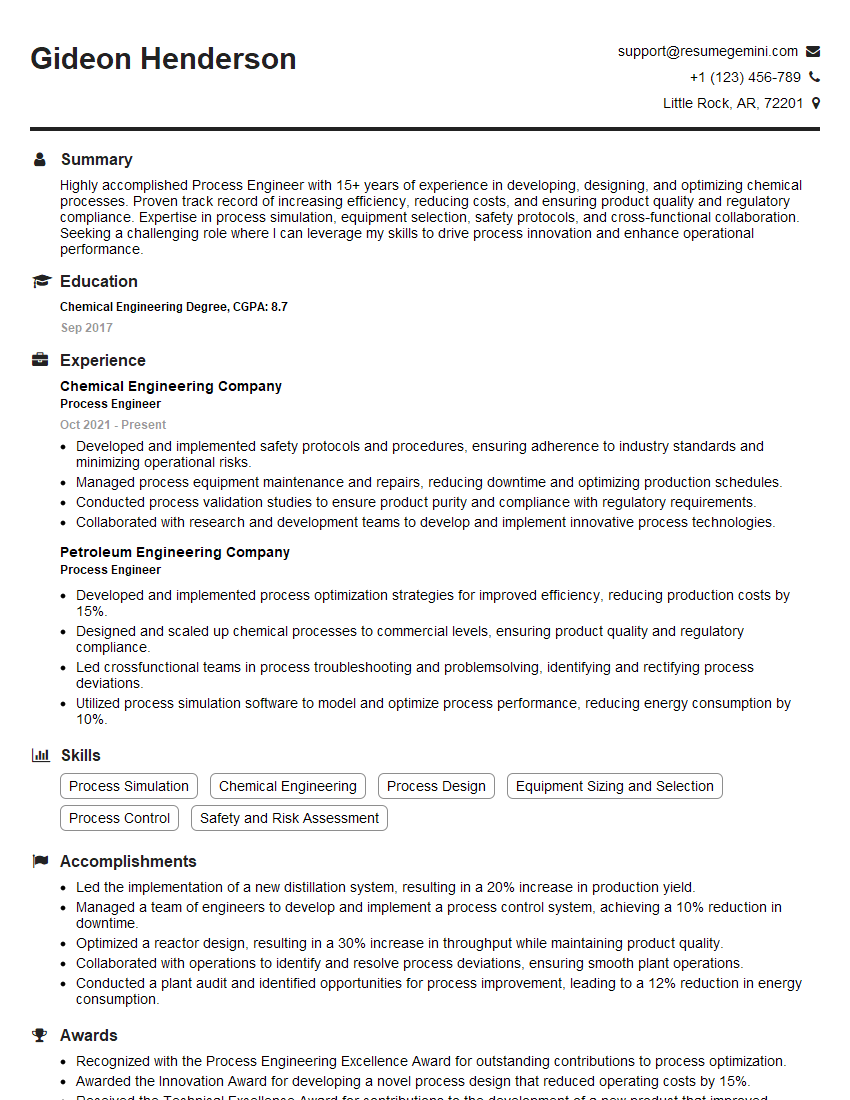
Process Engineer Resume Sample
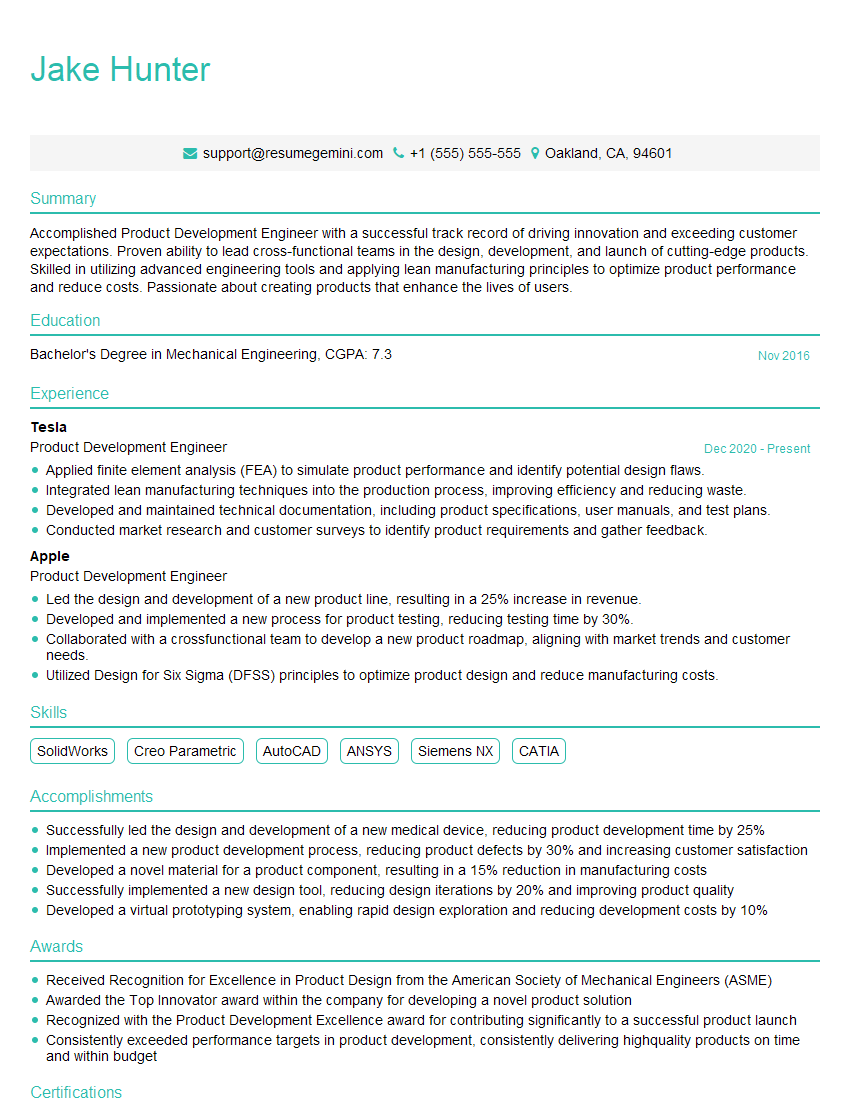
Product Development Engineer Resume Sample
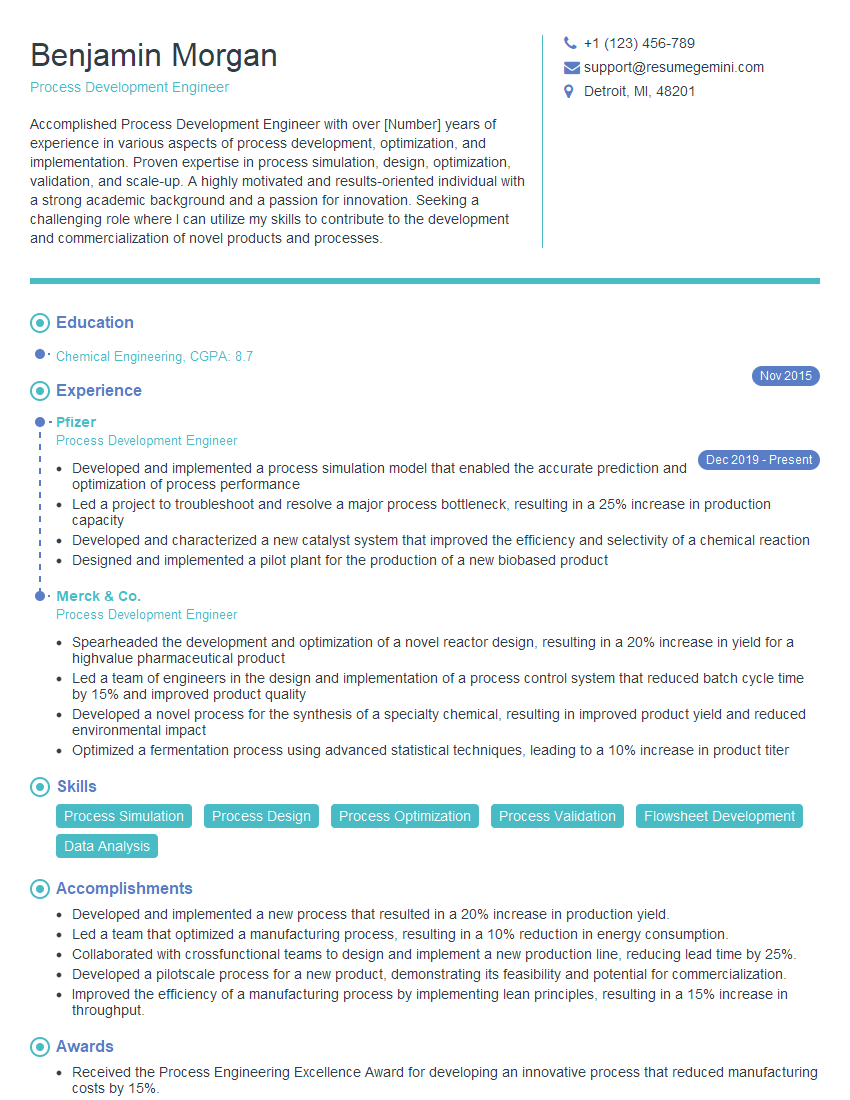
Process Development Engineer Resume Sample
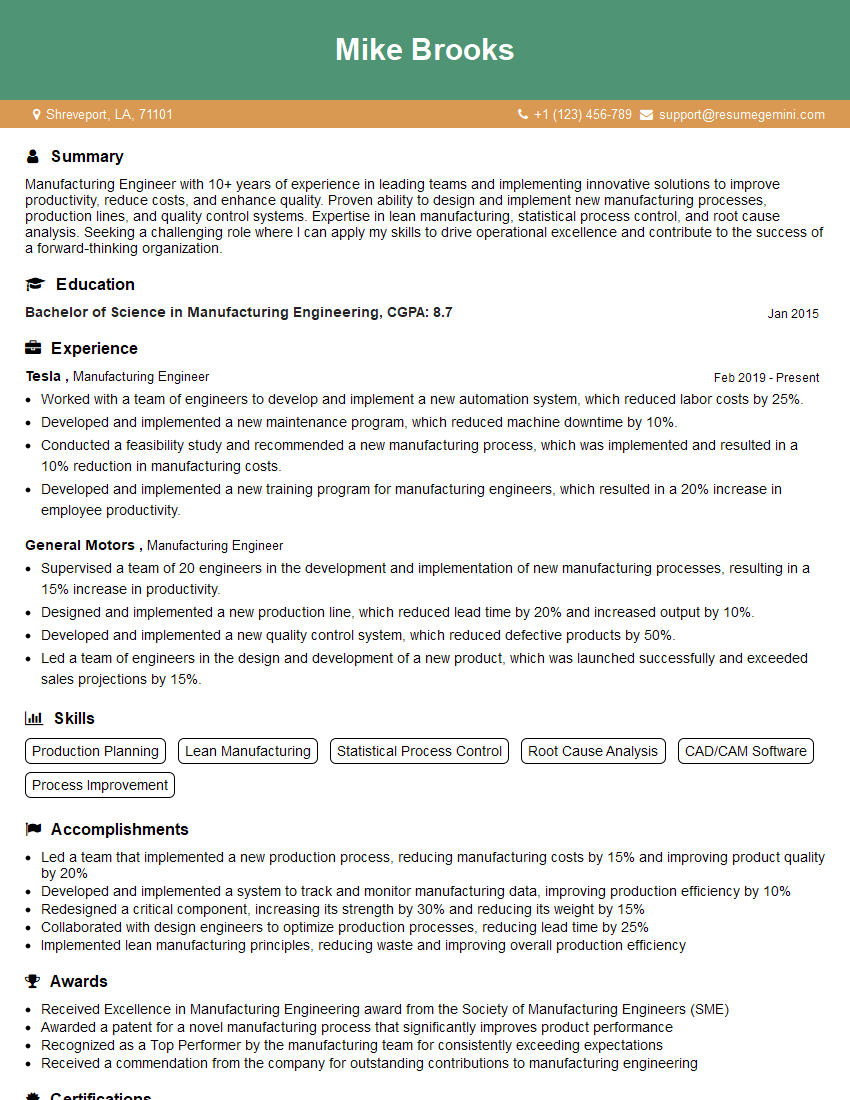
Manufacturing Engineer Resume Sample
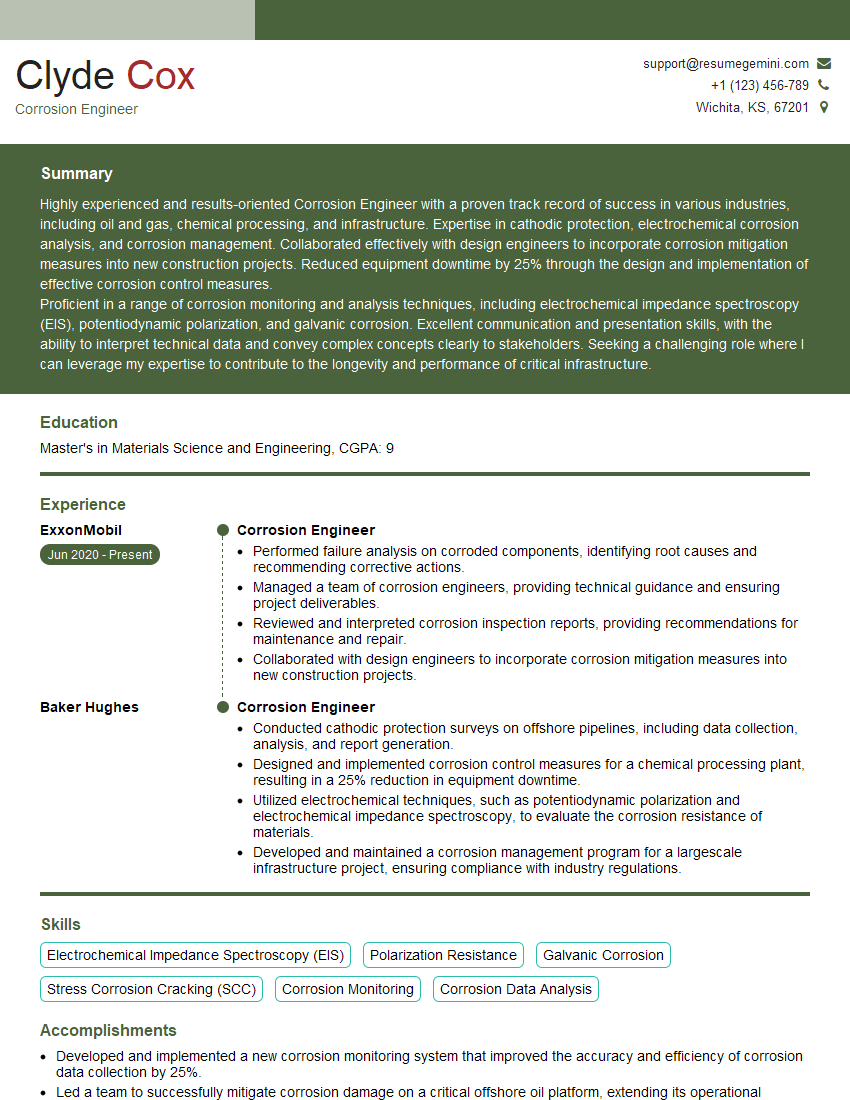
Corrosion Engineer Resume Sample
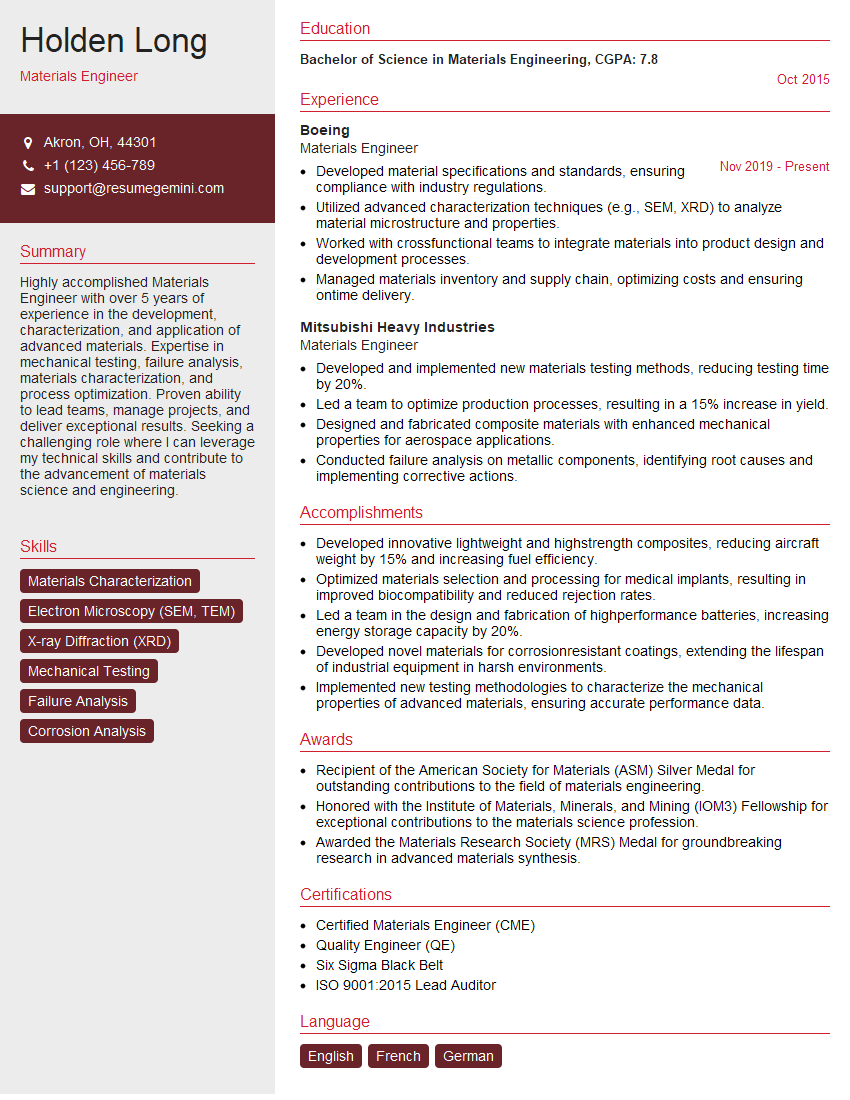
Materials Engineer Resume Sample

Metallurgist Resume Sample

Welding Engineer Resume Sample
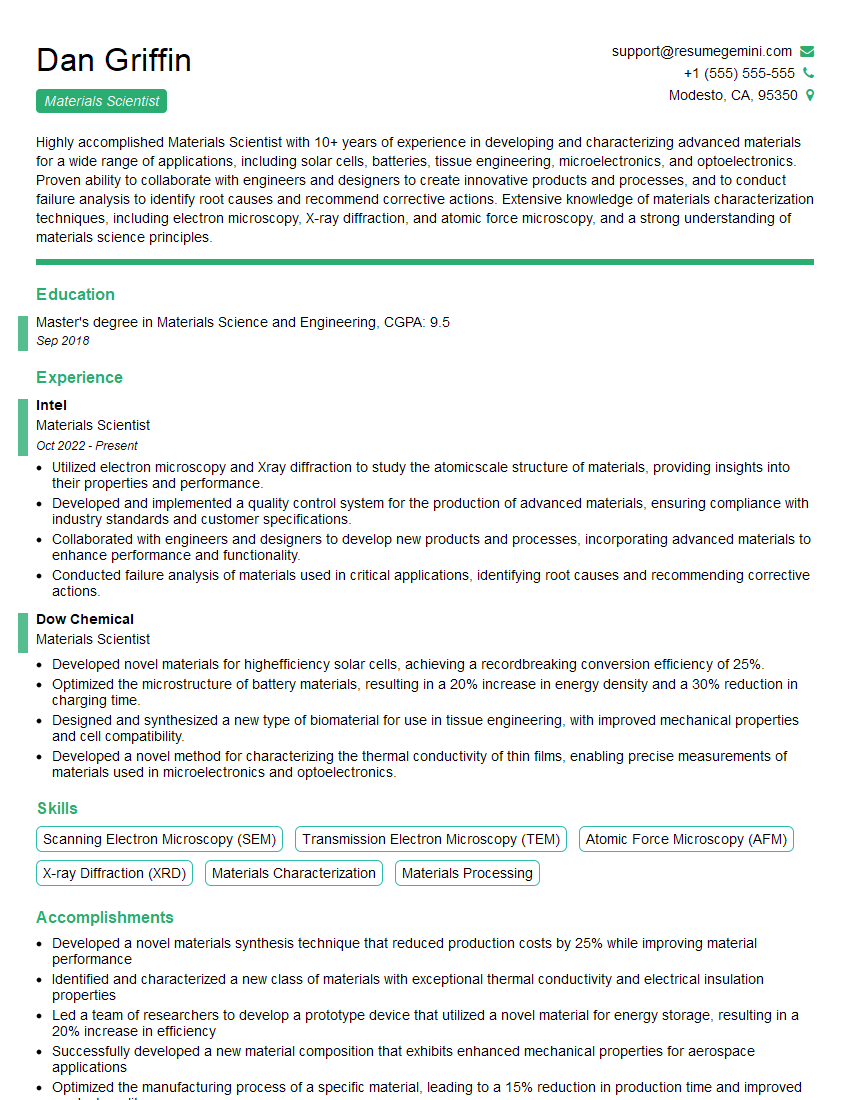
Materials Scientist Resume Sample
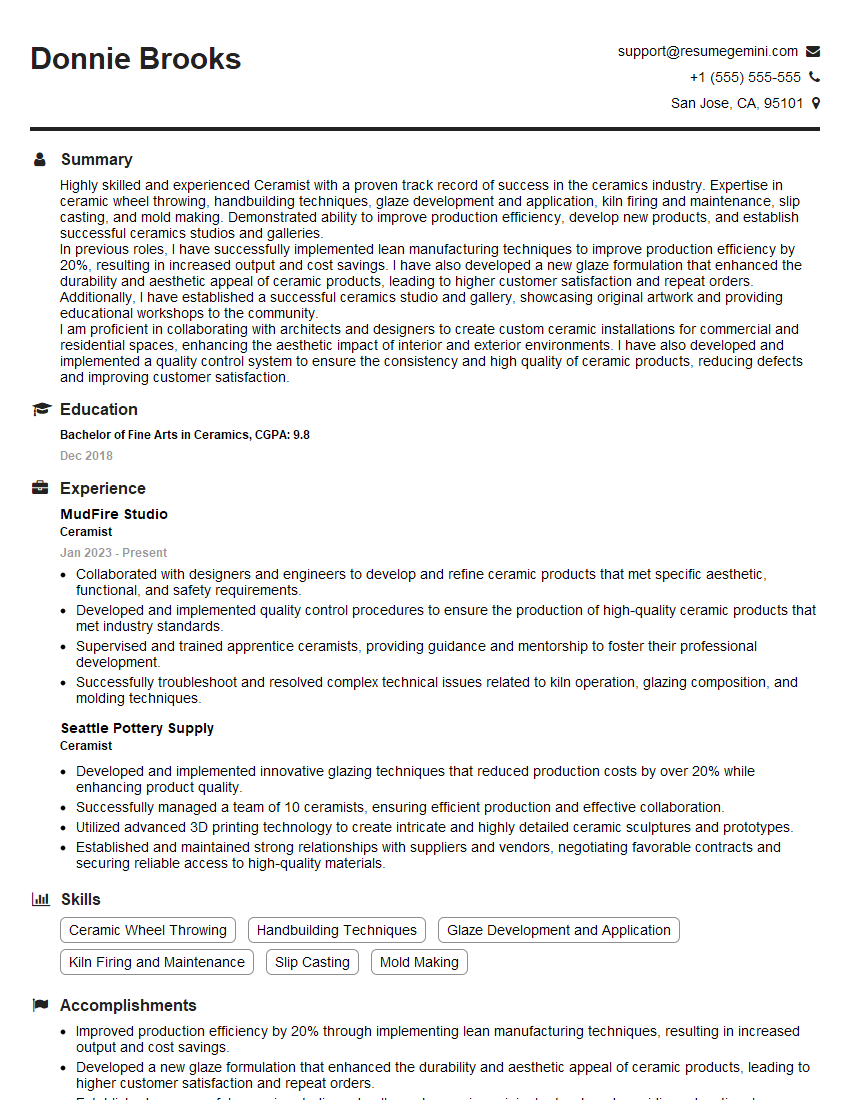
Ceramist Resume Sample
Explore more articles
Users Rating of Our Blogs
Share Your Experience
We value your feedback! Please rate our content and share your thoughts (optional).
What Readers Say About Our Blog
Very informative content, great job.
good