Interviews are opportunities to demonstrate your expertise, and this guide is here to help you shine. Explore the essential Materials Handling and Transport interview questions that employers frequently ask, paired with strategies for crafting responses that set you apart from the competition.
Questions Asked in Materials Handling and Transport Interview
Q 1. Explain the difference between FIFO and LIFO inventory management systems.
FIFO and LIFO are inventory accounting methods that dictate the order in which inventory is expensed. FIFO, or First-In, First-Out, assumes that the oldest items are sold first. LIFO, or Last-In, First-Out, assumes that the newest items are sold first.
Think of it like a stack of pancakes. FIFO is like eating the bottom pancake first; LIFO is like eating the top pancake first.
Impact on Financial Statements: During periods of inflation, FIFO results in lower cost of goods sold (COGS) and higher net income because older, cheaper inventory is being expensed. LIFO results in higher COGS and lower net income. Conversely, during deflation, LIFO produces lower COGS and higher net income.
Practical Application: Perishable goods like dairy products almost always use FIFO to minimize spoilage. Businesses dealing with non-perishable goods with stable pricing might choose either method based on tax implications. It’s crucial to note that LIFO is not permitted under IFRS (International Financial Reporting Standards).
Q 2. Describe your experience with various warehouse management systems (WMS).
I have extensive experience with various WMS, including Manhattan Associates, Blue Yonder (formerly JDA Software), and NetSuite WMS. My experience spans implementation, customization, and ongoing management.
In my previous role at [Previous Company Name], I led the implementation of Manhattan Associates WMS for a new distribution center. This involved mapping our existing processes to the system’s functionalities, configuring the system to optimize our picking strategies (e.g., zone picking, batch picking), integrating it with our existing ERP system, and training staff. We saw a significant improvement in order fulfillment accuracy and efficiency, reducing picking errors by 15% and cycle time by 10%.
With Blue Yonder, I focused on optimizing warehouse operations using its advanced analytics capabilities to improve slotting strategies and predict future demand. This resulted in better space utilization and reduced travel times for our warehouse operators.
My experience encompasses both cloud-based and on-premise WMS solutions, allowing me to adapt to various organizational needs and technological infrastructures.
Q 3. How do you optimize warehouse layout for efficient material flow?
Optimizing a warehouse layout is crucial for efficient material flow. The goal is to minimize travel distances and maximize space utilization. I use a systematic approach:
- Demand Analysis: Understanding the frequency of access to different items is crucial. Fast-moving items (A-items) should be located close to shipping and receiving areas. Slow-moving items (C-items) can be further away.
- Process Mapping: Visually mapping the flow of goods (receiving, storage, picking, packing, shipping) helps identify bottlenecks and inefficiencies.
- Slotting Optimization: This involves strategically assigning locations to SKUs (Stock Keeping Units) based on demand, size, and weight. Software tools can assist in automating this process.
- Cross-Docking: If applicable, implementing cross-docking strategies can bypass the need for storage, dramatically speeding up transit times.
- Aisle Design: Aisle width should be optimized considering the type of equipment used (forklifts, reach trucks). Narrower aisles save space, but require more maneuverable equipment.
- Vertical Space Utilization: Make use of vertical space using racking systems and mezzanine floors to maximize storage capacity.
For example, in a project at [Previous Company Name], we redesigned the warehouse layout using ABC analysis, resulting in a 20% reduction in order fulfillment time.
Q 4. What are the key performance indicators (KPIs) you track in a warehouse environment?
Key Performance Indicators (KPIs) are vital for monitoring warehouse efficiency and identifying areas for improvement. I typically track:
- Order Fulfillment Rate: Percentage of orders fulfilled accurately and on time.
- Inventory Accuracy: Accuracy of inventory records compared to physical count.
- Order Cycle Time: Time taken to fulfill an order, from receiving to shipping.
- Warehouse Throughput: Volume of goods processed per unit of time.
- Storage Capacity Utilization: Percentage of available storage space used.
- Picking Accuracy: Percentage of orders picked without errors.
- Labor Productivity: Units processed per labor hour.
- Inventory Turnover Rate: How quickly inventory is sold and replenished.
- Damage Rate: Percentage of damaged goods during handling and storage.
Regularly reviewing these KPIs helps identify trends, enabling proactive intervention and continuous improvement initiatives.
Q 5. Explain your experience with different types of transportation modes (e.g., truck, rail, air, sea).
My experience encompasses all major transportation modes: truck, rail, air, and sea. The choice of mode depends on several factors, including cost, speed, reliability, and the nature of the goods being transported.
- Truck: Offers flexibility and speed for shorter distances and less-than-truckload (LTL) or full-truckload (FTL) shipments. Ideal for time-sensitive goods and regional distribution.
- Rail: Cost-effective for long distances and high volumes. Suitable for bulk goods like raw materials and heavy machinery. However, transit times are longer.
- Air: Fastest but most expensive mode, primarily used for urgent shipments, high-value goods, or perishable items with short shelf lives.
- Sea: Most cost-effective for extremely large volumes and long distances. Suitable for bulk goods and low-value, non-perishable items. Transit times are significantly longer.
I am proficient in selecting the optimal mode based on a thorough cost-benefit analysis and considering factors like lead times, insurance requirements, and potential risks.
Q 6. How do you manage transportation costs effectively?
Effective transportation cost management requires a multi-faceted approach:
- Negotiation with Carriers: Securing favorable rates through effective negotiation with multiple carriers creates competitive pricing.
- Route Optimization: Utilizing route optimization software to identify the most efficient routes minimizes fuel consumption and travel time.
- Load Consolidation: Combining multiple shipments into a single truckload reduces per-unit transportation costs.
- Carrier Selection: Choosing carriers with a proven track record of on-time delivery and reliability minimizes delays and associated costs.
- Freight Auditing: Regularly auditing freight bills to identify and correct any billing errors.
- Mode Optimization: Selecting the most cost-effective transportation mode for each shipment, balancing speed and cost.
- Inventory Management: Optimizing inventory levels to reduce the frequency of shipments and minimize transportation costs.
For instance, in a previous role, we implemented a carrier negotiation strategy that resulted in a 12% reduction in our annual transportation costs.
Q 7. What are your strategies for ensuring on-time delivery?
Ensuring on-time delivery requires a proactive and integrated approach across the entire supply chain:
- Accurate Forecasting: Accurate demand forecasting helps to ensure that sufficient inventory is available to meet customer orders.
- Effective Inventory Management: Maintaining optimal inventory levels minimizes stockouts and delays.
- Reliable Transportation Partners: Choosing carriers with a strong track record of on-time performance is crucial.
- Real-time Tracking: Utilizing real-time tracking systems enables monitoring of shipments and proactive response to potential delays.
- Proactive Communication: Maintaining clear and open communication with customers and carriers minimizes misunderstandings and delays.
- Contingency Planning: Having contingency plans in place to address potential disruptions (e.g., weather, traffic congestion) is vital.
- Performance Monitoring: Tracking on-time delivery performance and identifying areas for improvement through KPI monitoring.
In my experience, using a robust transportation management system (TMS) integrated with the WMS and ERP systems helps create a seamless flow of information, enabling proactive management and preventing potential delays.
Q 8. Describe your experience with load planning and securing cargo.
Load planning and securing cargo is crucial for safe and efficient transportation. It involves optimizing space utilization within a vehicle or container while ensuring the cargo remains stable and secure throughout transit, preventing damage and accidents. This includes considering factors like weight distribution, center of gravity, and potential shifting during movement.
My experience includes years of working with diverse cargo types, from delicate electronics to heavy machinery. I’ve utilized various securing methods, including:
- lashing straps: These are essential for securing palletized goods and larger items. Proper tension and placement are key to prevent shifting.
- Dunnage: This includes using materials like wood blocks, airbags, and foam to fill void spaces and prevent cargo movement.
- Load bars and beams: These provide structural support and securement points for heavier loads.
For example, when shipping fragile ceramics, I’d employ multiple layers of protective padding and utilize shock-absorbing materials, in addition to robust strapping. For a shipment of heavy steel pipes, I’d strategically place them to balance weight, utilize robust load securing chains and ensure proper chocking to prevent rolling.
Q 9. How do you handle shipping documentation and customs compliance?
Handling shipping documentation and ensuring customs compliance is vital to avoid delays and penalties. It requires meticulous attention to detail and a thorough understanding of international trade regulations.
My process typically involves:
- Accurate data entry: Correctly filling out all necessary forms (e.g., commercial invoices, packing lists, bills of lading) is paramount. Any inaccuracies can cause significant delays.
- Harmonized System (HS) Code Classification: Accurately classifying goods using the HS Code is critical for customs duties and tax calculations. Misclassification can lead to hefty fines.
- Compliance with regulations: Staying abreast of evolving regulations and trade agreements for each country involved is ongoing and important.
- Electronic data interchange (EDI): Utilizing electronic systems where possible to expedite customs clearance processes.
In one instance, I successfully navigated a complex shipment to Japan by meticulously preparing all documentation well in advance and proactively contacting customs brokers to pre-clear any potential issues. This proactive approach resulted in a smooth, on-time delivery.
Q 10. What safety measures do you implement in a warehouse setting?
Warehouse safety is paramount. My approach is proactive, focusing on prevention rather than reaction. This involves a multifaceted strategy encompassing:
- Proper training: All staff receive comprehensive training on safe operating procedures for equipment, including forklifts, pallet jacks, and other machinery. Regular refresher courses are provided.
- Clean and organized workspace: A clutter-free environment minimizes trip hazards and improves visibility. Designated walkways and storage areas are clearly marked.
- Equipment maintenance: Regular inspections and maintenance of all equipment ensure it is in safe working order. Malfunctioning equipment is promptly removed from service.
- Personal Protective Equipment (PPE): Appropriate PPE, such as safety shoes, high-visibility vests, and safety glasses, is mandatory and readily available.
- Emergency procedures: Clear emergency procedures are in place, including evacuation plans and readily accessible first-aid kits.
For example, we implemented a color-coded system for identifying hazardous materials, making it instantly recognizable to staff. We also conduct regular safety audits to identify and rectify potential hazards before they cause incidents.
Q 11. How do you manage inventory discrepancies?
Inventory discrepancies, where the recorded inventory doesn’t match the physical count, can significantly impact operational efficiency and profitability. Addressing them requires a systematic approach.
My strategy involves:
- Regular cycle counting: Instead of a full annual inventory count, we perform frequent cycle counts of smaller sections of the warehouse. This allows for quicker identification and resolution of discrepancies.
- Root cause analysis: Once a discrepancy is found, a thorough investigation is conducted to determine the underlying cause – whether it’s data entry errors, theft, damage, or poor stock rotation.
- Improved data management: Implementing robust inventory management systems with real-time tracking and automated alerts can minimize discrepancies.
- Staff training: Ensuring staff are adequately trained in inventory procedures, including proper receiving, put-away, and picking techniques.
In a past role, we implemented a barcode scanning system which significantly reduced discrepancies and improved overall inventory accuracy. Identifying a pattern of errors in a specific aisle led us to improve lighting and reorganize the layout, resulting in fewer errors.
Q 12. Describe your experience with different types of material handling equipment.
My experience encompasses a wide range of material handling equipment, including:
- Forklifts: Various types, including counterbalance, reach trucks, and order pickers, for efficient movement of palletized goods.
- Conveyors: Roller, belt, and chain conveyors for automated movement of goods within a warehouse.
- Pallet jacks and hand trucks: For manual movement of pallets and smaller loads.
- Automated Guided Vehicles (AGVs): For automated transport of materials within a warehouse or factory floor.
- Cranes: Overhead and mobile cranes for handling heavy and bulky items.
I’m familiar with their operational characteristics, safety procedures, and maintenance requirements. I can operate and troubleshoot many of these machines.
Q 13. How do you select the appropriate material handling equipment for a specific task?
Selecting the right material handling equipment involves careful consideration of several factors:
- Load capacity and dimensions: The equipment must be able to handle the weight and size of the goods being moved.
- Warehouse layout and space constraints: The equipment must be suitable for the available space and maneuverability requirements.
- Throughput requirements: The equipment’s speed and efficiency must meet the required handling volume.
- Budgetary considerations: The cost of purchase, maintenance, and operation must be within budget.
- Safety and ergonomics: The equipment should prioritize operator safety and minimize physical strain.
For instance, a small warehouse with limited space might benefit from narrow-aisle forklifts, while a large distribution center might utilize AGVs for increased efficiency. A high-volume operation handling fragile goods might require specialized conveyor systems with shock absorption.
Q 14. Explain your experience with inventory control and cycle counting.
Inventory control and cycle counting are essential for maintaining accurate inventory levels and minimizing losses. My experience involves:
- Implementing and managing inventory management systems: Utilizing software to track inventory levels, manage stock movements, and generate reports.
- Developing and implementing cycle counting procedures: Establishing a schedule for regular cycle counting to ensure accuracy and identify discrepancies promptly.
- Analyzing inventory data to identify trends and optimize stock levels: Using data to predict demand, minimize stockouts, and reduce waste.
- Working with stakeholders to improve inventory processes: Collaborating with purchasing, warehousing, and sales teams to optimize inventory flow and accuracy.
In one instance, we implemented a new inventory system that reduced stockouts by 15% and improved order fulfillment times. Regular cycle counting helped us identify slow-moving items, allowing us to adjust purchasing strategies and free up valuable warehouse space.
Q 15. How do you improve warehouse efficiency and productivity?
Improving warehouse efficiency and productivity is a multifaceted challenge requiring a holistic approach. It’s not just about moving things faster; it’s about optimizing the entire process from receiving to shipping. My strategy focuses on several key areas:
Process Optimization: This involves analyzing the current workflow, identifying bottlenecks (like slow loading docks or inefficient picking routes), and streamlining processes. For example, implementing a ‘wave picking’ system can significantly reduce travel time for order fulfillment. I’d use tools like process mapping to visualize the flow and pinpoint areas for improvement.
Technology Integration: Utilizing Warehouse Management Systems (WMS) is crucial. A good WMS optimizes inventory placement, directs workers to the most efficient picking paths, and tracks every movement in real-time. This allows for better inventory control, faster order fulfillment, and more accurate reporting.
Space Optimization: Maximizing vertical space using high-bay racking or mezzanine floors can drastically increase storage capacity without expanding the warehouse footprint. Efficient slotting – assigning fast-moving items to easily accessible locations – minimizes travel time.
Automation: Implementing automated guided vehicles (AGVs) or conveyor systems can automate material movement, freeing up human workers for more value-added tasks. This is particularly beneficial in large warehouses with high throughput.
Training and Employee Engagement: A well-trained and motivated workforce is essential. Providing proper training on equipment, safety procedures, and new technologies ensures smooth operations and reduces errors. Employee feedback is vital for continuous improvement.
In one previous role, I implemented a new WMS and redesigned the warehouse layout, resulting in a 15% increase in order fulfillment speed and a 10% reduction in labor costs.
Career Expert Tips:
- Ace those interviews! Prepare effectively by reviewing the Top 50 Most Common Interview Questions on ResumeGemini.
- Navigate your job search with confidence! Explore a wide range of Career Tips on ResumeGemini. Learn about common challenges and recommendations to overcome them.
- Craft the perfect resume! Master the Art of Resume Writing with ResumeGemini’s guide. Showcase your unique qualifications and achievements effectively.
- Don’t miss out on holiday savings! Build your dream resume with ResumeGemini’s ATS optimized templates.
Q 16. Describe your experience with RFID or barcode technology in a warehouse.
I have extensive experience with both RFID and barcode technologies in warehouse environments. Barcodes are a mature technology, providing a cost-effective method for tracking individual items. However, their reliance on line-of-sight scanning can be a limitation. RFID, on the other hand, offers significant advantages, especially in high-volume scenarios. RFID tags can be read from a distance, even through packaging, enabling faster and more accurate inventory tracking.
In a previous project, we transitioned from a barcode-based system to RFID for tracking pallets. This resulted in a significant reduction in inventory discrepancies, improved accuracy of stock levels, and faster cycle counting. We also implemented RFID-enabled gates at the shipping and receiving docks to automatically register the movement of goods, eliminating manual data entry and reducing errors. The transition required careful planning, including staff training on the new technology and integration with the WMS.
Q 17. How do you resolve conflicts between different departments within a logistics operation?
Resolving interdepartmental conflicts in logistics requires strong communication, collaboration, and a focus on shared goals. The key is to move beyond individual departmental objectives and focus on optimizing the overall logistics operation. My approach typically involves:
Open Communication: Facilitating open dialogues between the conflicting departments to understand the root causes of the conflict. This often involves active listening and identifying individual perspectives.
Data-Driven Analysis: Utilizing data to objectively assess the impact of the conflict on overall efficiency and identify areas for improvement. Presenting data-backed evidence is often helpful in resolving disagreements.
Collaborative Problem-Solving: Bringing the conflicting parties together to collaboratively brainstorm solutions that address everyone’s concerns. This might involve compromise or finding creative solutions that benefit all involved.
Mediation and Facilitation: If necessary, acting as a mediator to guide the discussion, ensure everyone is heard, and help reach a mutually acceptable agreement. This involves understanding the dynamics of the conflict and guiding the parties towards a resolution.
Establish Clear KPIs and Accountability: Setting clear Key Performance Indicators (KPIs) and establishing accountability for achieving those goals can help align department objectives and encourage collaboration.
In one instance, a conflict arose between the warehouse and transportation departments regarding delivery schedules. By analyzing delivery data and collaboratively adjusting the warehouse picking strategy, we were able to optimize the workflow, improve on-time delivery rates, and resolve the conflict.
Q 18. How familiar are you with Lean principles and their application in materials handling?
Lean principles are fundamental to efficient materials handling. Lean focuses on eliminating waste (muda) in all aspects of the process. My experience involves applying several Lean tools and philosophies:
5S Methodology: Implementing 5S (Sort, Set in Order, Shine, Standardize, Sustain) to create a more organized and efficient warehouse environment, reducing search time and improving safety.
Value Stream Mapping: Utilizing value stream mapping to visually represent the entire materials handling process, identify bottlenecks, and develop improvement plans. This helps identify areas where waste is occurring.
Kaizen Events: Participating in Kaizen events (continuous improvement workshops) to rapidly identify and implement improvements in specific areas of the process. These events involve cross-functional teams.
Kanban Systems: Implementing Kanban systems to manage workflow and prevent overproduction or stockouts. This ensures materials flow smoothly through the system.
For example, in a previous role, we applied Lean principles to reduce the time it took to pick and pack orders by 20%. This involved streamlining the picking process, improving warehouse layout, and implementing a Kanban system for managing inventory.
Q 19. What is your experience with different types of warehouse storage systems?
My experience encompasses a wide range of warehouse storage systems, each with its own advantages and disadvantages. The optimal system depends on factors like product characteristics, throughput, storage capacity needs, and budget:
Pallet Racking: A versatile system suitable for a wide range of goods, offering high storage density and easy access. Various types exist, including selective, drive-in, and push-back racking.
Shelving: Ideal for smaller items and individual pieces, offering easy access and good visibility. Different types of shelving exist, such as cantilever and mobile shelving.
High-Bay Racking: Maximizes vertical space, ideal for high-volume storage, often used with automated retrieval systems.
Flow Racking: Optimized for first-in, first-out (FIFO) inventory management, ideal for fast-moving items.
Automated Storage and Retrieval Systems (AS/RS): Highly automated systems using robots or cranes for efficient storage and retrieval, ideal for high-volume and high-throughput applications.
In past projects, I’ve been involved in selecting and implementing various storage systems, considering factors such as product dimensions, turnover rates, and budget constraints. For instance, we successfully implemented a high-bay racking system in a distribution center, significantly increasing storage capacity and improving order fulfillment efficiency.
Q 20. How do you manage risk in transportation and logistics?
Managing risk in transportation and logistics is crucial for ensuring on-time delivery, minimizing costs, and maintaining customer satisfaction. My risk management approach is proactive and multi-layered:
Carrier Selection: Careful selection of reliable and reputable carriers with proven track records, considering factors like safety ratings, insurance coverage, and service reliability.
Route Optimization: Optimizing transportation routes to minimize transit times, reduce fuel consumption, and avoid high-risk areas. This often involves using route planning software.
Cargo Insurance: Securing adequate cargo insurance to protect against loss or damage during transit. This is particularly important for high-value goods.
Security Measures: Implementing security measures such as GPS tracking, tamper-evident seals, and secure loading/unloading procedures to deter theft and prevent damage.
Contingency Planning: Developing contingency plans to address potential disruptions, such as weather delays, traffic congestion, or carrier failures. This might involve having backup carriers or alternative routes.
Real-time Monitoring: Using technology to track shipments in real-time, allowing for proactive identification and mitigation of potential problems.
For instance, in a previous role, we implemented a real-time tracking system that enabled us to identify and resolve a potential delivery delay caused by unexpected road closures, preventing a significant disruption to our customers.
Q 21. What is your experience with supply chain planning and forecasting?
Supply chain planning and forecasting is critical for ensuring smooth operations and meeting customer demand. My experience includes various aspects of this process:
Demand Forecasting: Utilizing various forecasting techniques, such as time series analysis, moving averages, and exponential smoothing, to predict future demand for products. This often involves considering seasonal trends and other relevant factors.
Inventory Management: Optimizing inventory levels to balance the costs of holding excess inventory with the risks of stockouts. This often involves using inventory management software and applying techniques like Economic Order Quantity (EOQ).
Capacity Planning: Assessing the capacity of the supply chain to meet forecasted demand, considering factors such as warehouse space, transportation capacity, and production capacity.
Supplier Relationship Management: Building strong relationships with suppliers to ensure timely delivery of materials and components. This includes collaborating on forecasting and planning activities.
Risk Assessment: Identifying and assessing potential risks in the supply chain, such as supplier disruptions, geopolitical instability, or natural disasters. Developing mitigation strategies to minimize the impact of these risks.
In one project, I developed a new demand forecasting model that improved forecast accuracy by 15%, resulting in significant reductions in inventory holding costs and stockouts. This involved a collaborative effort with sales, marketing, and procurement teams.
Q 22. How do you handle unexpected delays or disruptions in the supply chain?
Unexpected delays and disruptions are unfortunately common in supply chains. My approach involves a multi-pronged strategy focusing on proactive risk management, real-time monitoring, and agile response.
First, I leverage predictive analytics to identify potential bottlenecks. This might involve analyzing historical data on weather patterns affecting transportation, supplier performance history, or even geopolitical events. For example, if a key supplier consistently experiences delays, I’d investigate the root cause and explore alternative sourcing options.
Second, I implement robust real-time tracking systems. This allows for immediate identification of delays. If a shipment is delayed, I’ll immediately alert relevant stakeholders (clients, suppliers, internal teams) and explore alternative solutions, such as rerouting shipments, utilizing faster transport modes (air freight instead of sea freight), or negotiating with suppliers for expedited delivery.
Third, a well-defined contingency plan is crucial. This plan should outline alternative transportation routes, backup suppliers, and communication protocols. Think of it as a playbook for handling various types of disruptions. For instance, a natural disaster closing a major highway would necessitate immediate activation of the contingency plan, rerouting shipments through secondary roads or alternate modes of transportation.
Finally, post-incident analysis is key. After a disruption, we conduct a thorough review to understand what happened, what worked well, and where improvements can be made. This helps refine our risk mitigation strategies and improve our overall resilience to future disruptions.
Q 23. Describe your experience with route optimization and scheduling.
Route optimization and scheduling are central to efficient logistics. My experience involves leveraging various software and techniques to create the most cost-effective and time-efficient routes. This often incorporates elements of vehicle routing problems (VRP), where the goal is to find the optimal sequence of stops for a fleet of vehicles.
I’ve worked extensively with software packages that utilize algorithms such as Dijkstra’s algorithm or more advanced heuristic approaches for larger-scale problems. These programs consider factors like distance, traffic patterns, delivery windows, and vehicle capacity to generate optimal routes. For example, in one project, we utilized a route optimization software to reduce delivery times by 15% and fuel consumption by 10% by dynamically adjusting routes based on real-time traffic data.
Beyond software, effective scheduling necessitates a deep understanding of the intricacies of transportation networks. This includes knowledge of different transportation modes (trucking, rail, sea freight, air freight), their associated costs, and their suitability for different types of cargo. For instance, time-sensitive deliveries might require air freight, while bulk, low-value goods might be best suited for sea freight. Developing a robust schedule that considers these factors ensures timely deliveries while minimizing costs.
Q 24. How do you ensure the security of goods in transit?
Ensuring the security of goods in transit is paramount. My approach integrates physical security measures with technological safeguards and robust procedures.
Physically, this includes using secure facilities for storage and transportation, utilizing tamper-evident seals and containers, and employing trained security personnel where necessary. For example, high-value goods might be transported in armored vehicles with GPS tracking and security escorts.
Technology plays a crucial role. GPS tracking systems provide real-time location data, allowing for monitoring of shipments and immediate detection of any deviations from planned routes. Furthermore, cargo sensors can detect unauthorized access or environmental changes (temperature fluctuations, vibrations) that might indicate tampering. Data encryption helps protect sensitive information associated with shipments.
Finally, well-defined procedures are crucial. This includes thorough documentation, verification of driver credentials, regular security audits, and effective communication protocols in case of security breaches. A detailed incident response plan is also vital, outlining steps to take in the event of theft or damage.
Q 25. What is your experience with different transportation regulations and compliance requirements?
Navigating transportation regulations and compliance is a critical aspect of my role. My experience encompasses familiarity with a range of regulations, including those related to hazardous materials (HAZMAT), customs and border protection, environmental protection, and driver regulations (hours of service).
I am proficient in understanding and complying with regulations such as the Department of Transportation (DOT) regulations in the US, or equivalent regulations in other jurisdictions. This involves ensuring proper documentation (bills of lading, manifests, certificates of origin), adhering to weight and dimension limits, and maintaining accurate records for audits.
For example, when shipping hazardous materials, I meticulously ensure compliance with all HAZMAT regulations, including proper labeling, packaging, and documentation. This requires understanding the specific hazard class of the material and applying the appropriate safety protocols. Non-compliance can lead to severe penalties and safety risks.
Staying updated on evolving regulations is crucial. I regularly review regulatory updates and engage with industry professionals and legal experts to ensure continued compliance.
Q 26. How do you maintain accurate records and reports related to materials handling and transport?
Maintaining accurate records and reports is crucial for efficient operations and regulatory compliance. I rely on a combination of technological tools and established procedures.
We utilize Transportation Management Systems (TMS) to track shipments from origin to destination, record delivery information, and generate various reports. These systems automate data entry and reduce the risk of human error. Key data points tracked typically include shipment details, location, delivery times, costs, and any incidents.
In addition to TMS, we maintain a robust document management system for storing all relevant paperwork, such as bills of lading, customs declarations, and proof of delivery. This ensures easy accessibility and traceability of information. This is particularly important for audits or in case of disputes.
Regular reporting is crucial. I create regular reports on key performance indicators (KPIs) such as on-time delivery rates, cost per shipment, and inventory turnover. These reports help us to identify areas for improvement and monitor overall performance. Custom reports can also be generated to address specific business needs.
Q 27. How would you improve the efficiency of a slow-moving product in a warehouse?
Improving the efficiency of slow-moving products in a warehouse requires a multi-faceted approach aimed at optimizing storage, inventory management, and potentially marketing/sales strategies.
First, I’d analyze the reasons for the slow movement. Is it due to obsolescence, poor demand forecasting, ineffective marketing, or high storage costs? Understanding the root cause is essential for selecting the appropriate solution.
If the product is truly obsolete, aggressive clearance strategies (discounts, bundled sales) are warranted. For products with low but persistent demand, optimizing storage location is key. Frequently accessed items should be placed in easily accessible areas to minimize picking time. Consider implementing a dedicated area for slow-moving items to reduce clutter and improve the organization of the warehouse.
Inventory management plays a crucial role. Implementing robust forecasting models can help to reduce excess inventory. Consider adjusting order quantities and reorder points based on historical sales data and projected future demand. Reviewing the pricing strategy and promotional activities can also stimulate demand.
Finally, analyze the layout of the warehouse to ensure optimal flow and minimize unnecessary movement. Implementing efficient warehouse management systems (WMS) can streamline processes and provide better visibility into inventory levels, thus assisting with decision-making regarding slow-moving products.
Q 28. What is your experience with implementing new technologies or systems in a logistics environment?
I have extensive experience in implementing new technologies and systems in logistics environments. This has ranged from simple upgrades to complex system integrations.
One example involved the implementation of a new Warehouse Management System (WMS). This involved a thorough needs assessment to determine the optimal system for our specific requirements. The process encompassed selecting a vendor, configuring the system, integrating it with our existing ERP system, and providing extensive training to our warehouse personnel. This resulted in significant improvements in accuracy, efficiency, and overall warehouse operations.
Another project involved integrating a real-time tracking system for all shipments. This enhanced visibility into our supply chain, allowing for better monitoring of shipments, proactive identification of delays, and more effective communication with clients. The data generated also enabled better analysis and optimization of our routes and schedules.
Successful technology implementation demands careful planning, thorough testing, and comprehensive training. It’s crucial to involve stakeholders throughout the process to ensure buy-in and address any concerns. Post-implementation review and ongoing optimization are equally important to maximize the benefits of the new systems.
Key Topics to Learn for Materials Handling and Transport Interview
- Warehouse Management Systems (WMS): Understanding WMS functionalities, implementation, and optimization strategies. Practical application: Explain how a WMS improves efficiency in a distribution center.
- Inventory Management Techniques: Exploring various inventory control methods (FIFO, LIFO, etc.) and their impact on operational costs. Practical application: Discuss the advantages and disadvantages of implementing a just-in-time inventory system.
- Supply Chain Optimization: Analyzing and improving the flow of goods and information throughout the supply chain. Practical application: Describe how to minimize transportation costs while maintaining on-time delivery.
- Transportation Modes & Logistics: Comparing different transportation methods (road, rail, sea, air) and selecting the most suitable option based on factors like cost, speed, and reliability. Practical application: Evaluate the pros and cons of using intermodal transport for a specific scenario.
- Safety Regulations & Compliance: Knowledge of relevant safety standards and regulations in materials handling and transportation. Practical application: Explain how to ensure compliance with OSHA regulations in a warehouse environment.
- Equipment & Technology: Familiarity with various materials handling equipment (forklifts, conveyors, automated guided vehicles) and their applications. Practical application: Describe the maintenance procedures for a specific piece of equipment.
- Lean Principles & Kaizen: Implementing continuous improvement methodologies to optimize efficiency and reduce waste in materials handling processes. Practical application: Explain how you would apply Kaizen to reduce downtime in a loading dock operation.
- Problem-Solving & Decision-Making: Demonstrating the ability to identify, analyze, and solve problems related to materials handling and transport operations. Practical application: Describe your approach to resolving a conflict between on-time delivery and minimizing transportation costs.
Next Steps
Mastering Materials Handling and Transport opens doors to exciting career opportunities in logistics, supply chain management, and warehousing. A strong understanding of these principles is highly valued by employers. To maximize your job prospects, create an ATS-friendly resume that showcases your skills and experience effectively. ResumeGemini is a trusted resource that can help you build a professional and impactful resume. We provide examples of resumes tailored to the Materials Handling and Transport industry to guide you in creating yours.
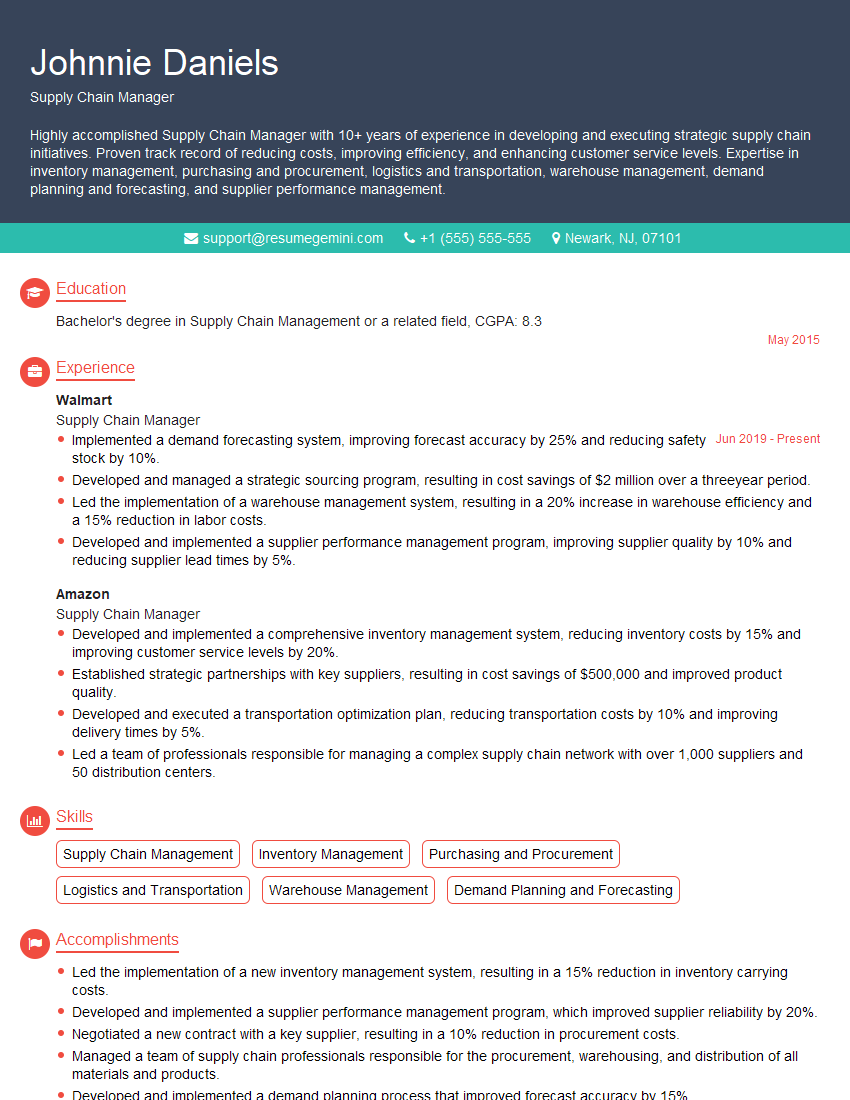
Supply Chain Manager Resume Sample
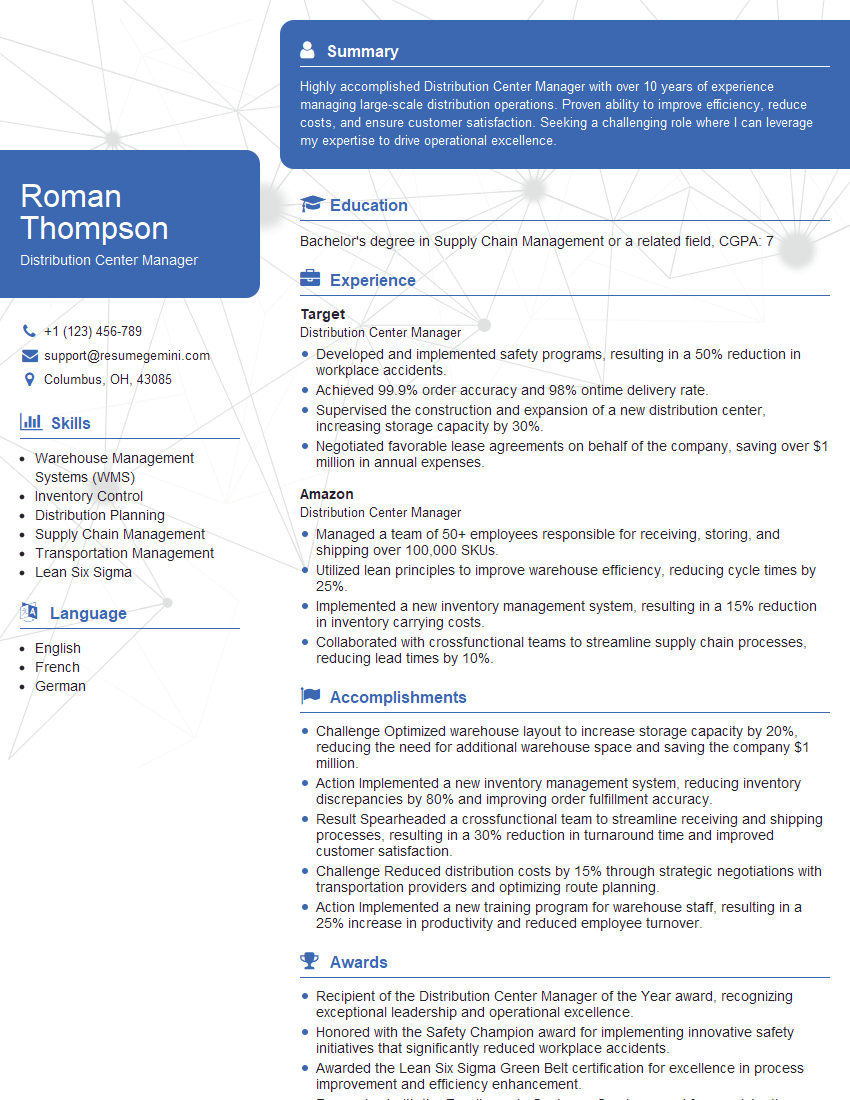
Distribution Center Manager Resume Sample
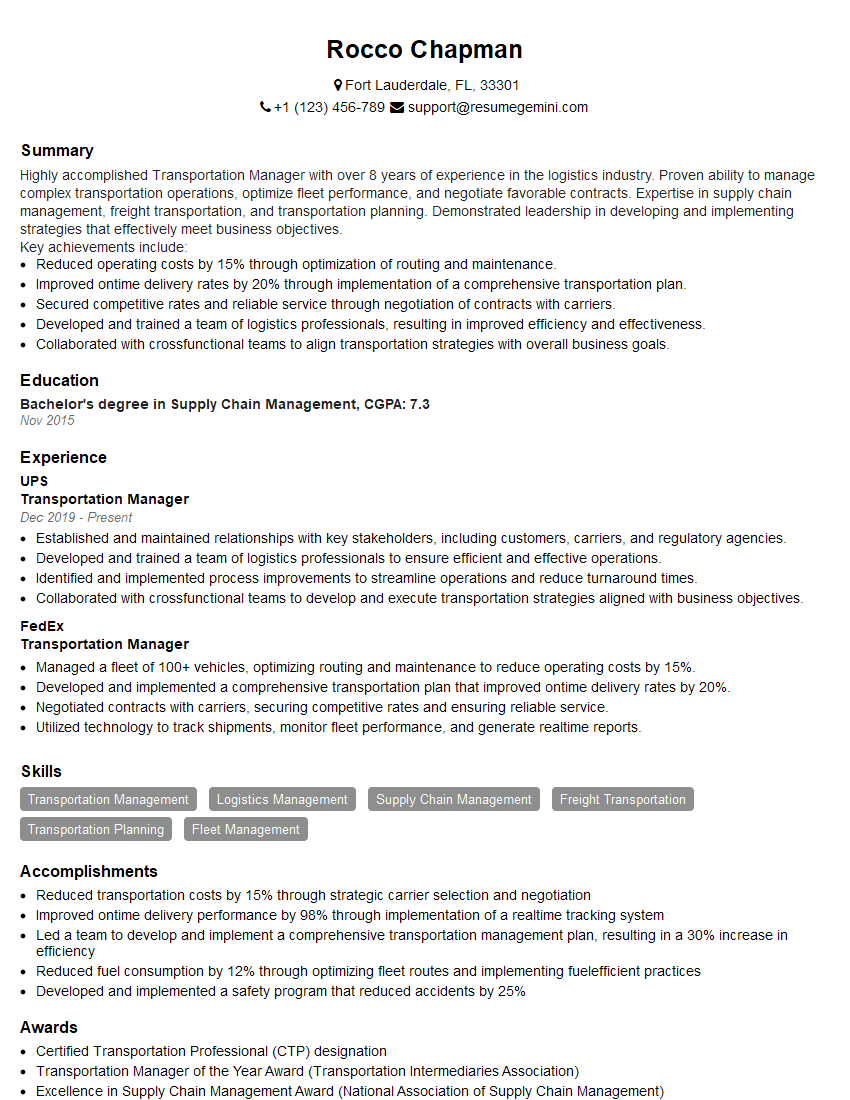
Transportation Manager Resume Sample
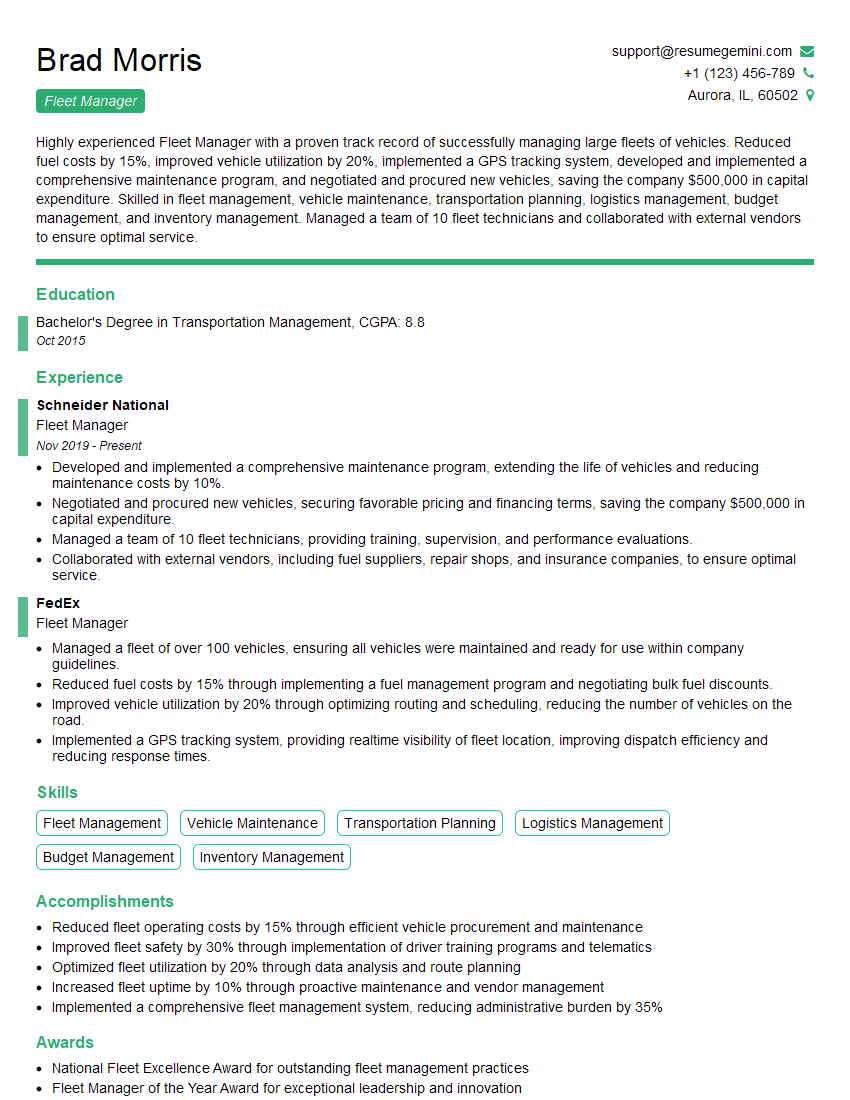
Fleet Manager Resume Sample
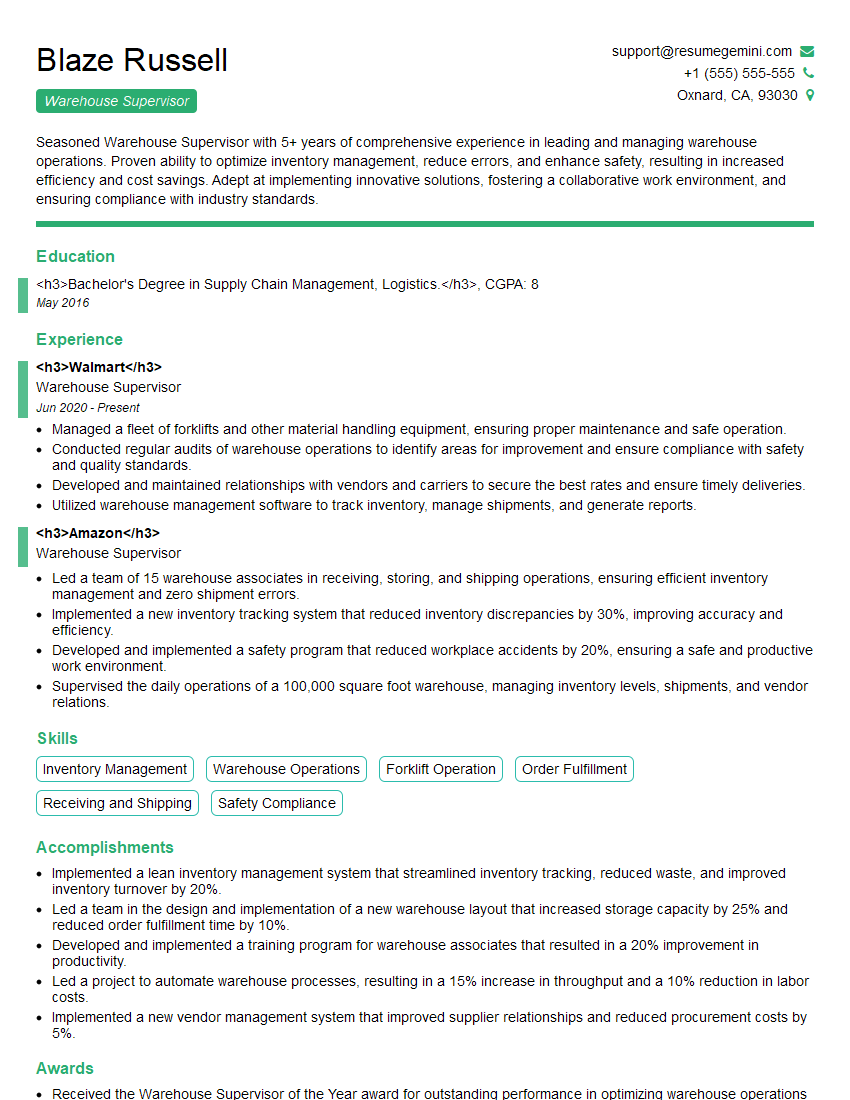
Warehouse Supervisor Resume Sample
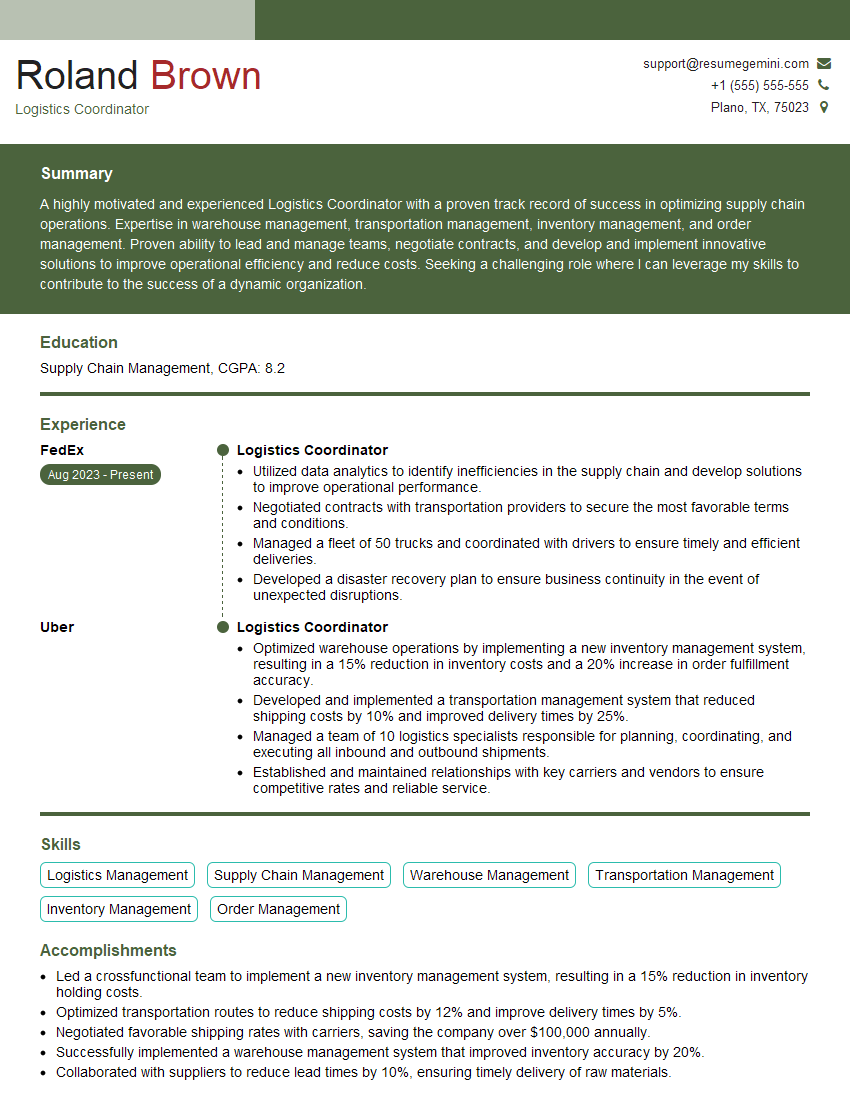
Logistics Coordinator Resume Sample
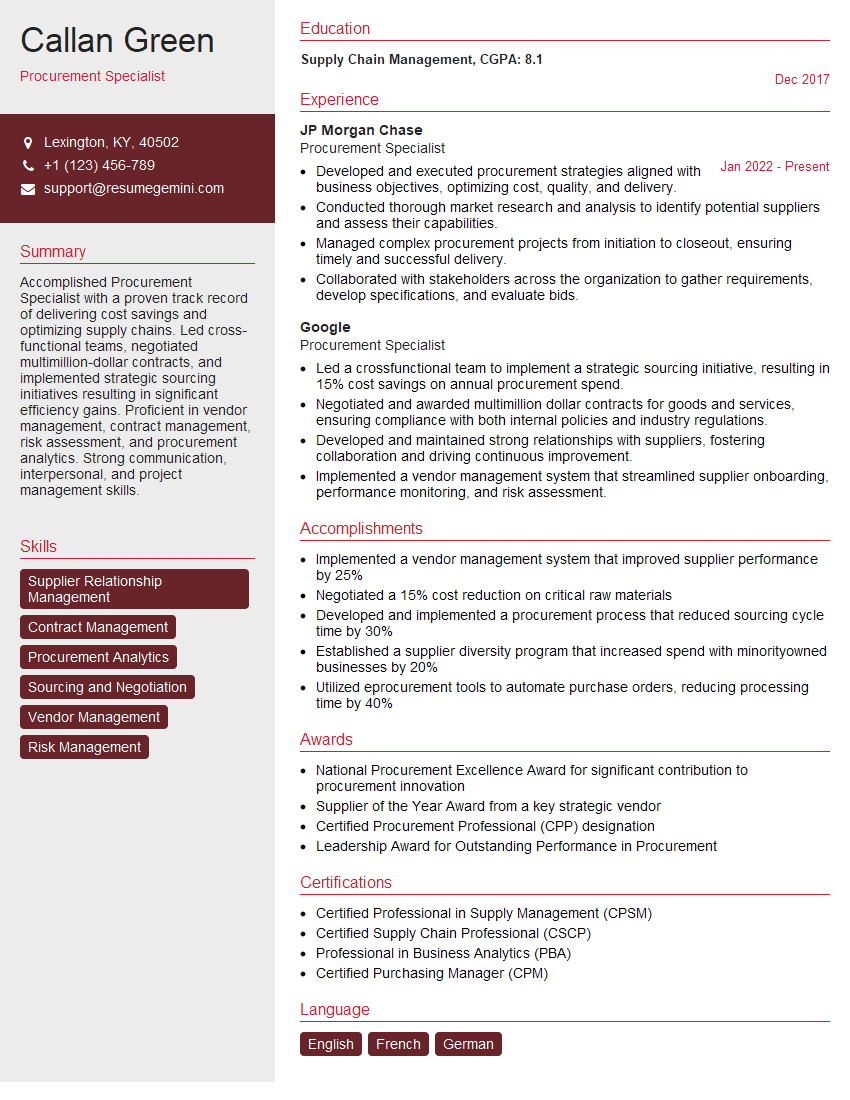
Procurement Specialist Resume Sample
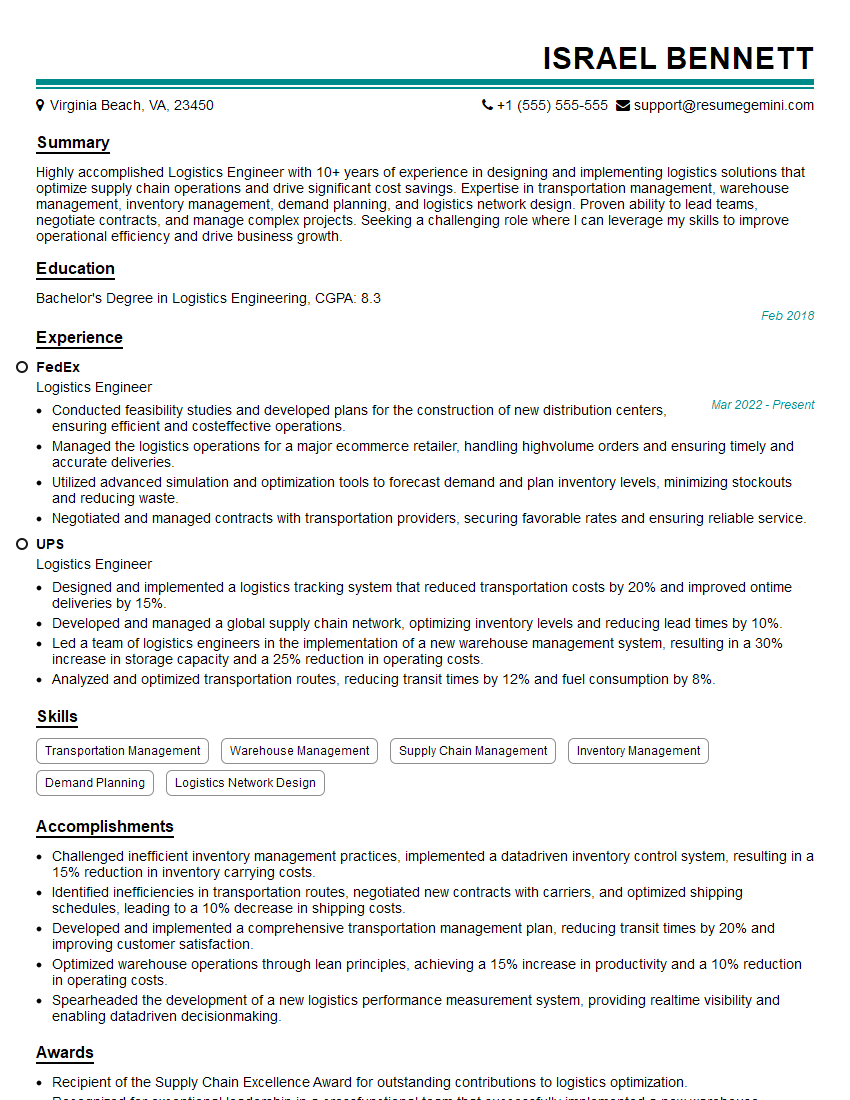
Logistics Engineer Resume Sample
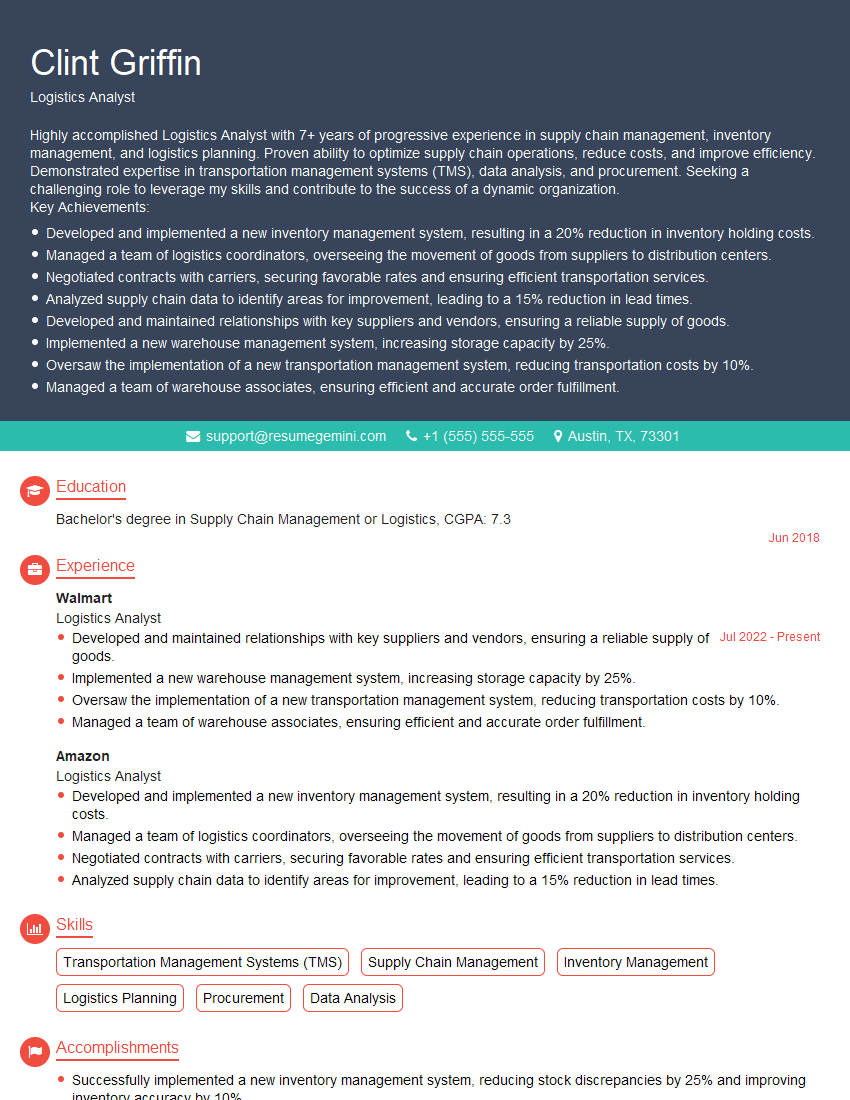
Logistics Analyst Resume Sample
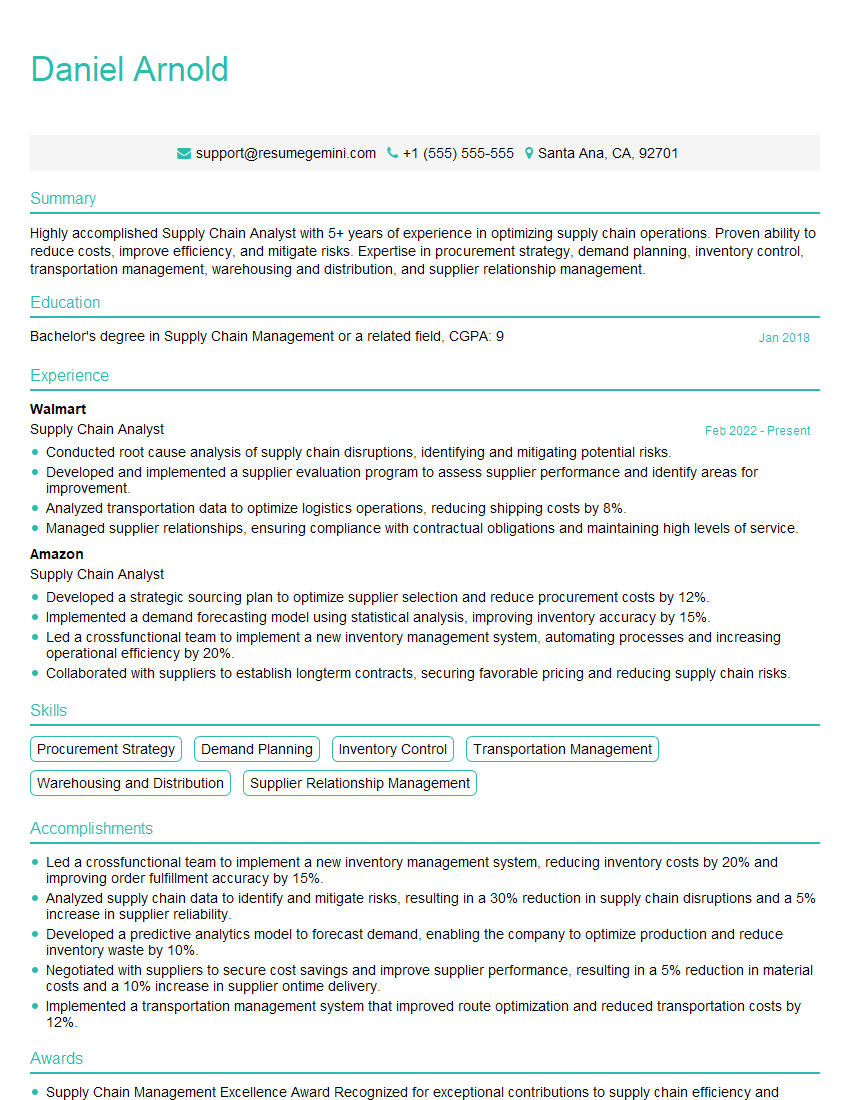
Supply Chain Analyst Resume Sample
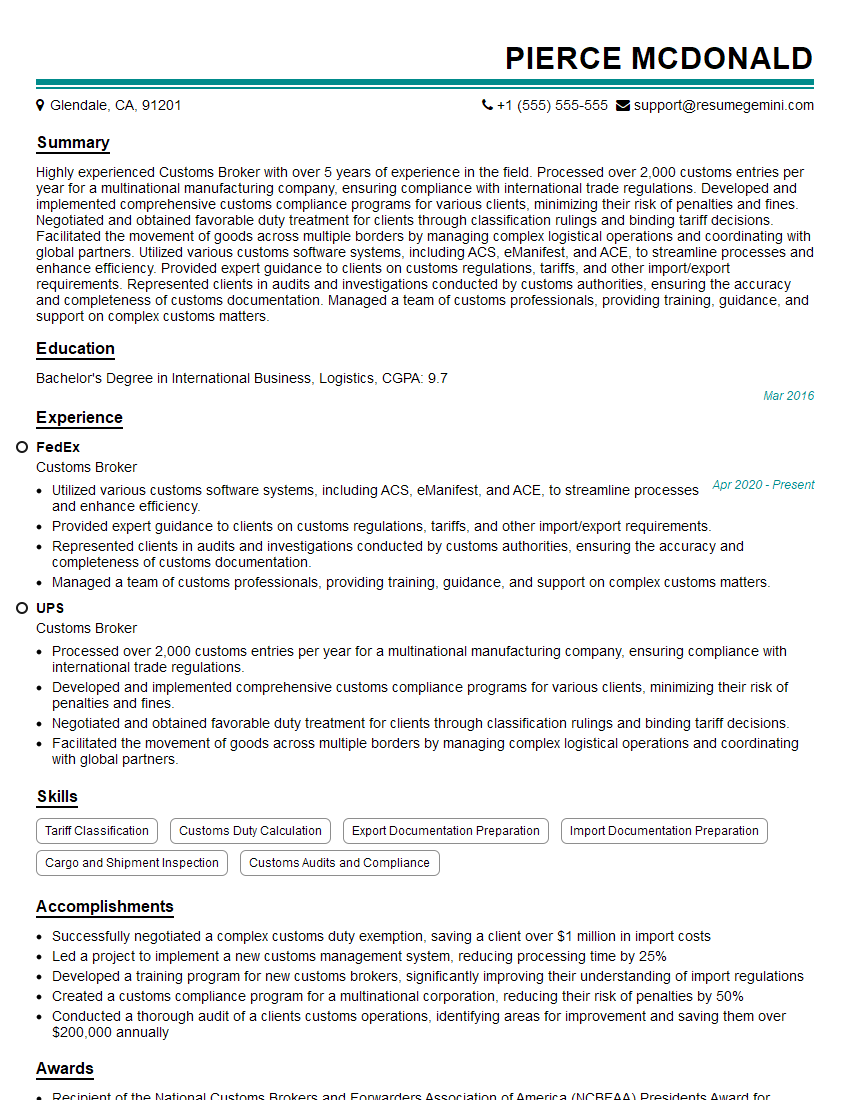
Customs Broker Resume Sample
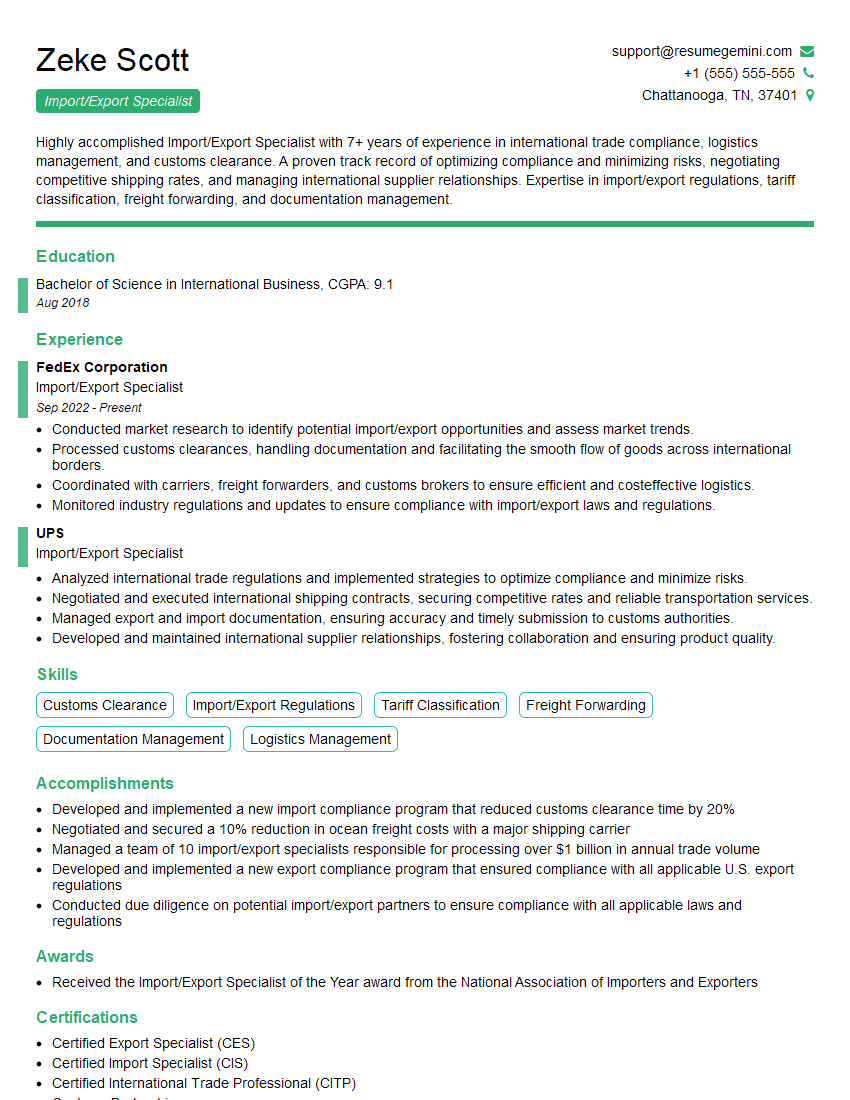
Import/Export Specialist Resume Sample
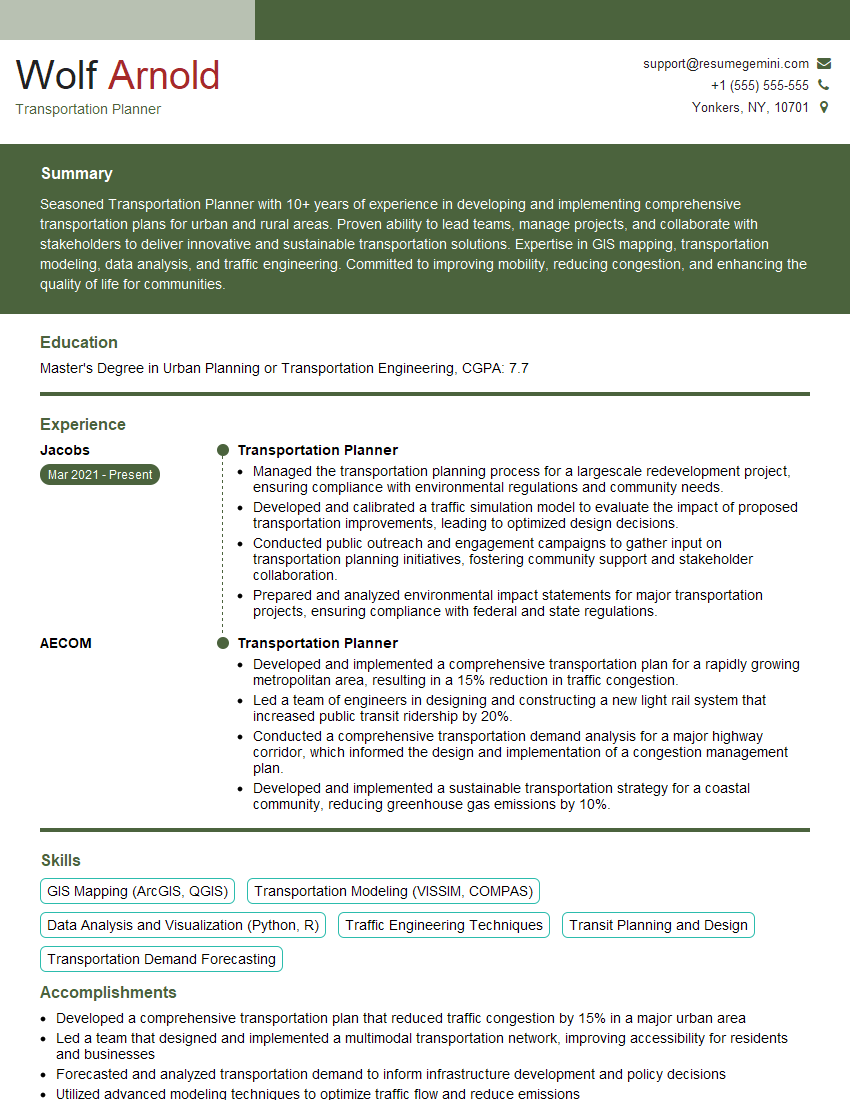
Transportation Planner Resume Sample
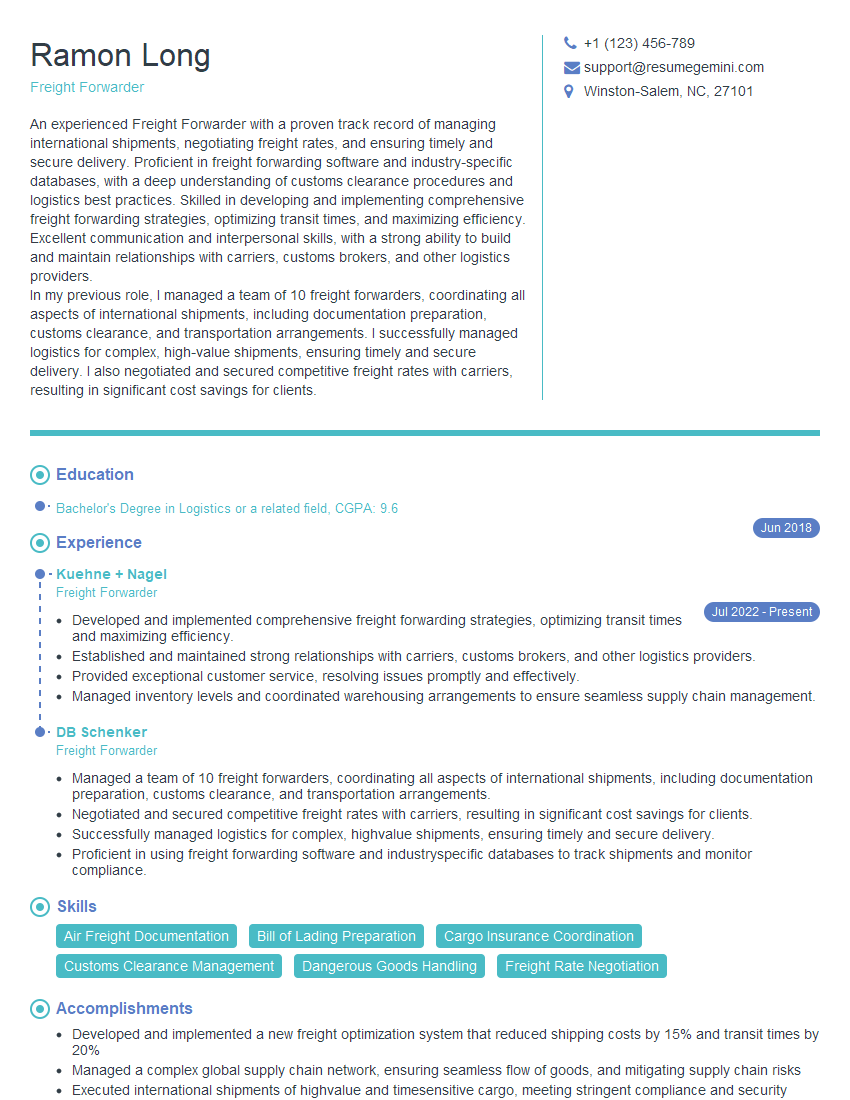
Freight Forwarder Resume Sample
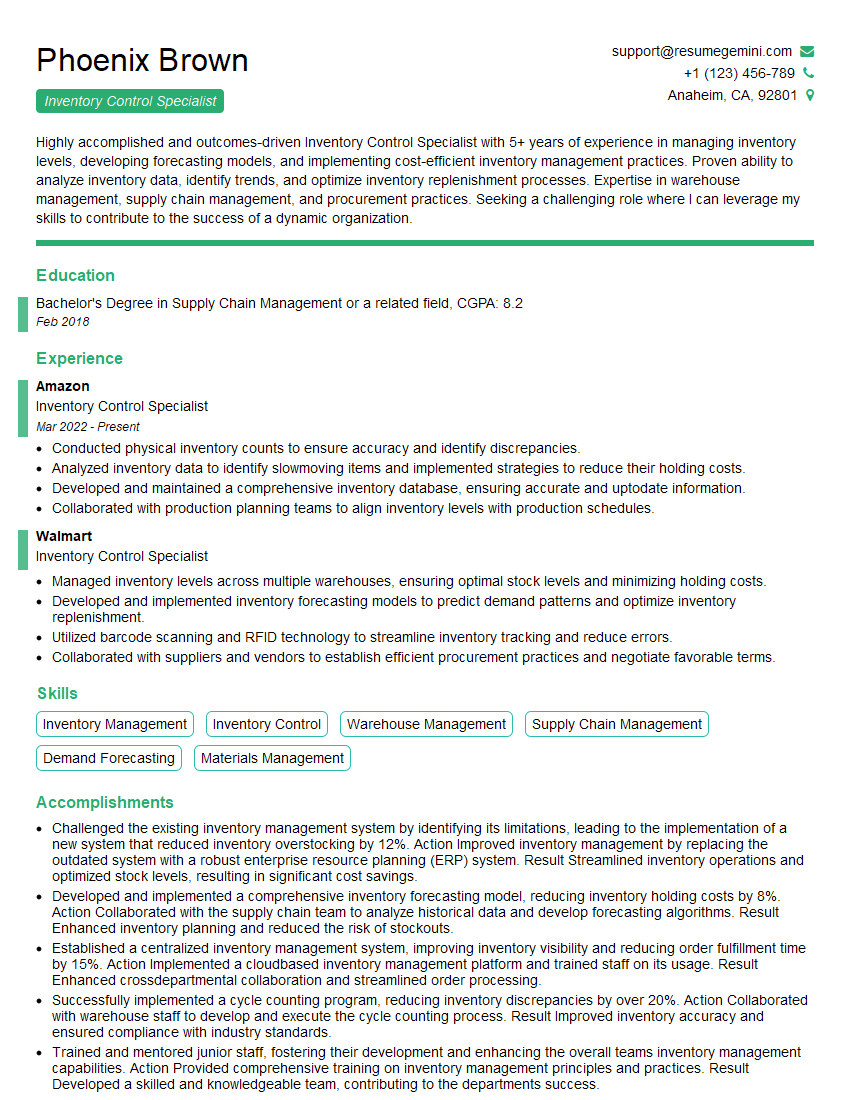
Inventory Control Specialist Resume Sample

Shipping and Receiving Clerk Resume Sample
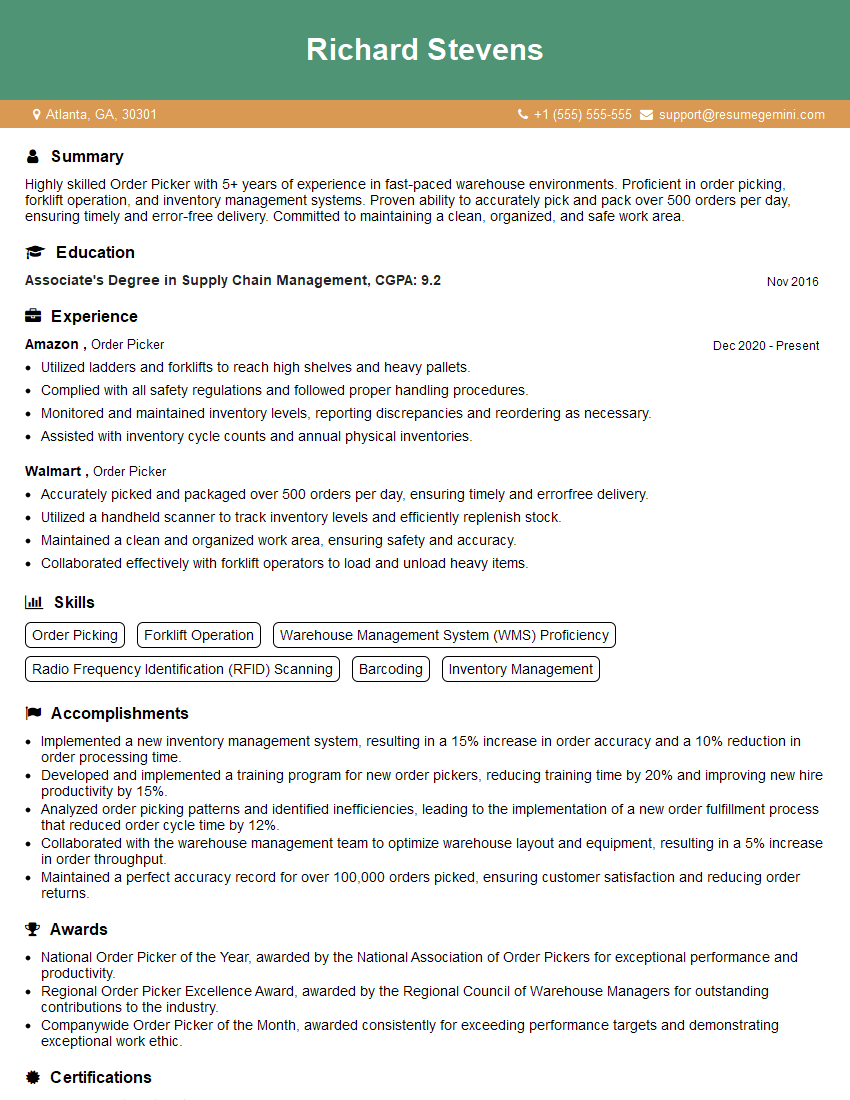
Order Picker Resume Sample
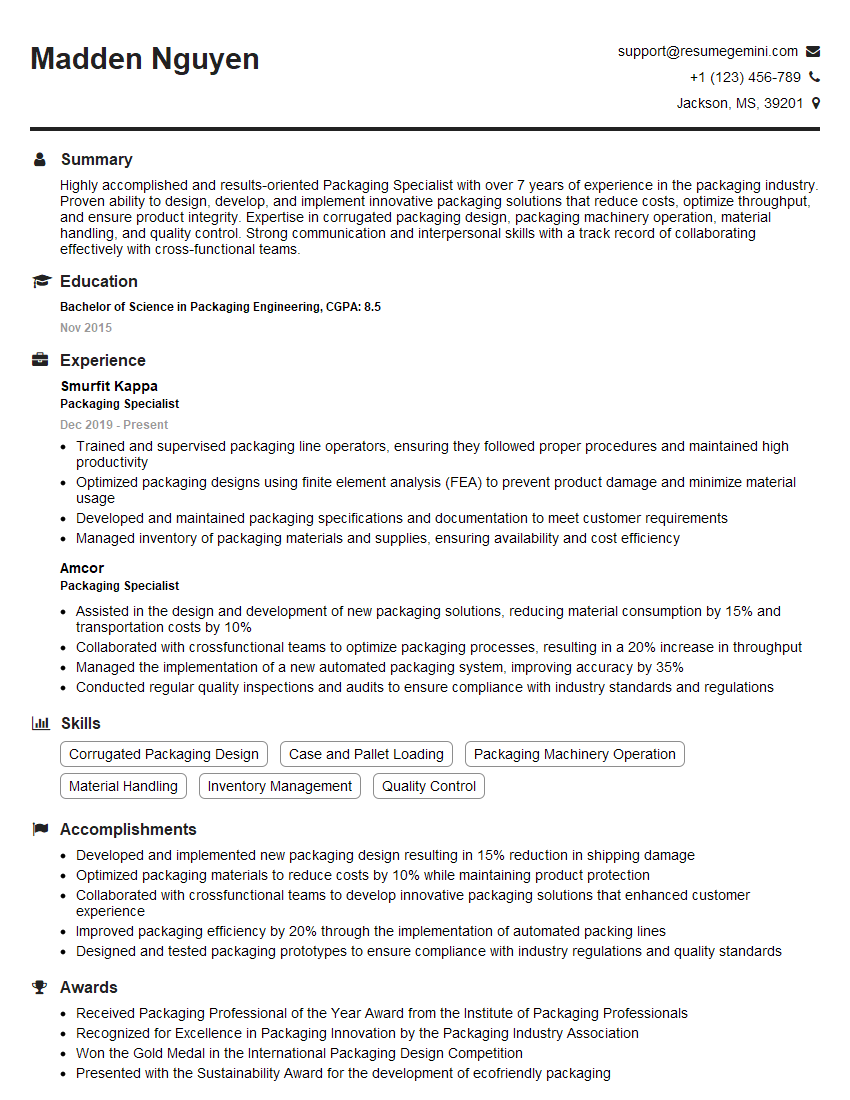
Packaging Specialist Resume Sample
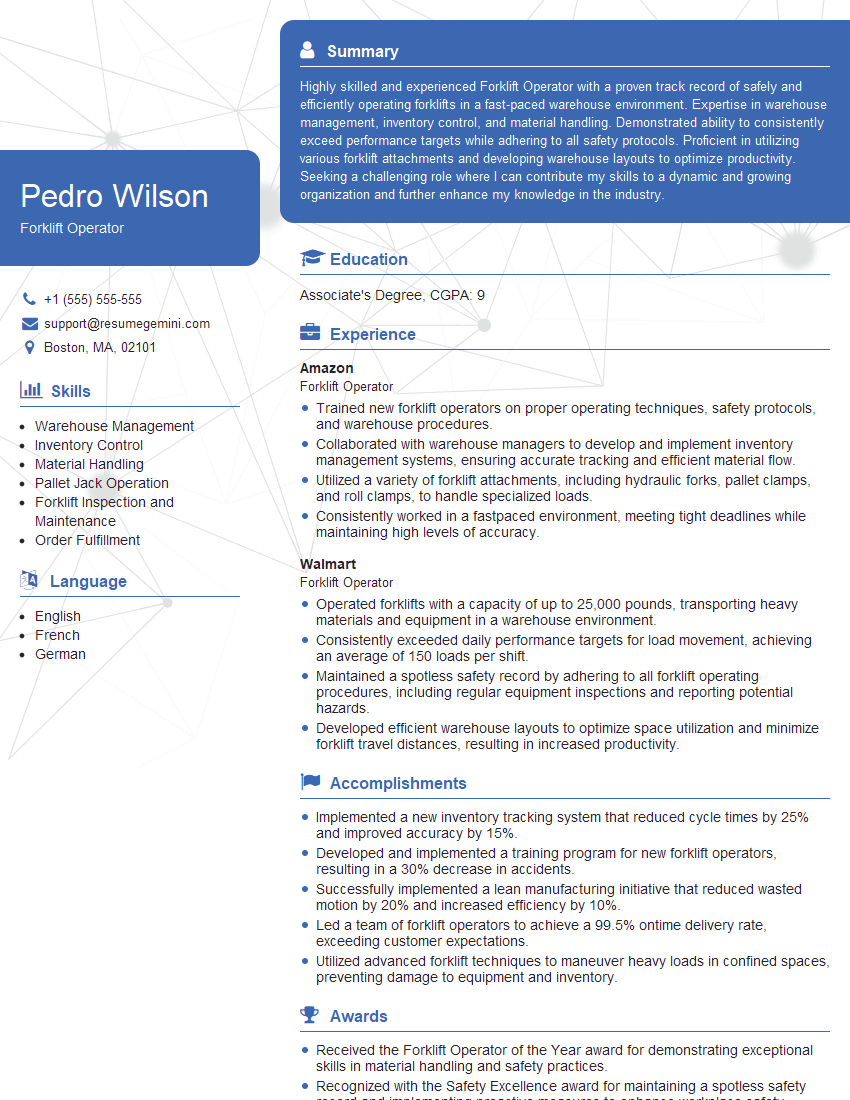
Forklift Operator Resume Sample
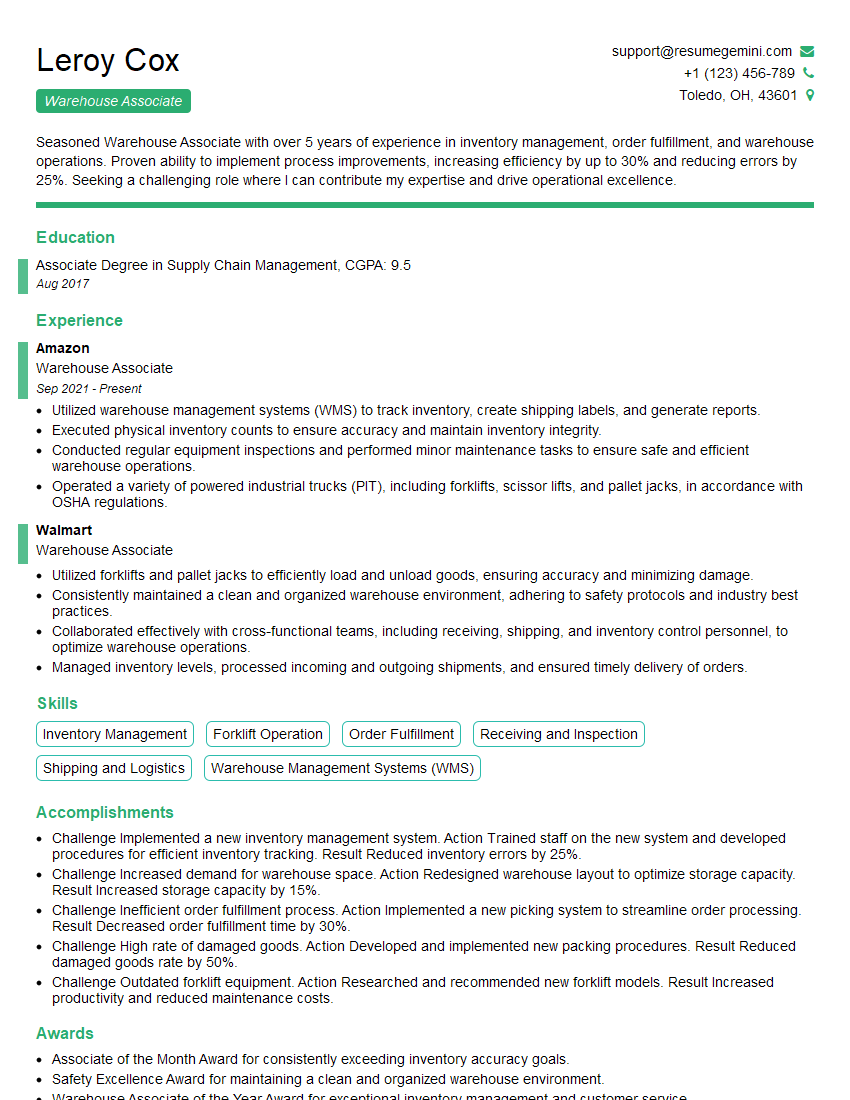
Warehouse Associate Resume Sample
- Supply Chain Manager
- Distribution Center Manager
- Transportation Manager
- Fleet Manager
- Warehouse Supervisor
- Logistics Coordinator
- Procurement Specialist
- Logistics Engineer
- Logistics Analyst
- Supply Chain Analyst
- Customs Broker
- Import/Export Specialist
- Transportation Planner
- Freight Forwarder
- Inventory Control Specialist
- Shipping and Receiving Clerk
- Order Picker
- Packaging Specialist
- Forklift Operator
- Warehouse Associate
Explore more articles
Users Rating of Our Blogs
Share Your Experience
We value your feedback! Please rate our content and share your thoughts (optional).
What Readers Say About Our Blog
Very informative content, great job.
good