Feeling uncertain about what to expect in your upcoming interview? We’ve got you covered! This blog highlights the most important Materials Inspection interview questions and provides actionable advice to help you stand out as the ideal candidate. Let’s pave the way for your success.
Questions Asked in Materials Inspection Interview
Q 1. Explain the different types of non-destructive testing (NDT) methods.
Non-destructive testing (NDT) encompasses a range of techniques used to evaluate the properties of a material, component, or system without causing damage. This is crucial for ensuring safety, reliability, and longevity in various industries. Different methods employ various physical principles to detect internal flaws or assess surface conditions. Some of the most common NDT methods include:
- Visual Inspection (VI): The simplest method, involving visual examination for surface defects like cracks, corrosion, or dents. Think of a mechanic visually checking a car’s tire for wear and tear.
- Ultrasonic Testing (UT): Uses high-frequency sound waves to detect internal flaws. It’s like using sonar to map the ocean floor – sound waves bounce back from internal defects, revealing their location and size.
- Radiographic Testing (RT): Employs X-rays or gamma rays to penetrate materials, creating images that reveal internal flaws. Similar to a medical X-ray, but for industrial components.
- Magnetic Particle Inspection (MPI): Uses magnetic fields and ferromagnetic particles to detect surface and near-surface cracks in ferromagnetic materials. Think of iron filings aligning along magnetic field lines to reveal a hidden crack.
- Liquid Penetrant Testing (LPT): Uses a colored or fluorescent dye to detect surface-breaking flaws. It’s like using a highlighter to make cracks more visible.
- Eddy Current Testing (ECT): Uses electromagnetic induction to detect surface and near-surface flaws in conductive materials. It’s a bit like using a metal detector, but instead of finding buried treasure, it finds hidden defects.
The choice of NDT method depends on the material, the type of defect expected, and the accessibility of the component.
Q 2. Describe your experience with ultrasonic testing (UT).
My experience with ultrasonic testing (UT) spans over ten years, encompassing various applications across different industries, including aerospace, energy, and manufacturing. I’m proficient in using both pulse-echo and through-transmission techniques, interpreting A-scan, B-scan, and C-scan displays. I’ve worked with a range of UT equipment, from handheld units to automated systems, and I’m familiar with various probe types and their applications. For example, I was instrumental in identifying a critical fatigue crack in a pressure vessel during a routine inspection using UT. The crack, undetectable by visual inspection, was successfully located and quantified using advanced UT techniques, preventing a potential catastrophic failure.
I’m also experienced in setting up and calibrating UT equipment, and I understand the importance of proper probe selection and coupling techniques to ensure accurate and reliable results. I’ve trained numerous technicians in UT techniques and procedures and consistently adhere to industry standards and best practices.
Q 3. How do you interpret radiographic images?
Interpreting radiographic images requires a keen eye for detail and a strong understanding of radiographic principles. The images, often called radiographs, show variations in material density as different shades of gray. Darker areas indicate less dense material (e.g., voids or cracks), while lighter areas indicate denser material. I look for anomalies like discontinuities (cracks, porosity, inclusions), misalignment of parts, and variations in thickness. The interpretation process often involves comparing the radiograph to reference standards or comparing with known good parts.
For instance, a lack of proper penetration in a weld indicates a potentially critical flaw. I consider the image’s overall quality, including factors like density, contrast, and sharpness to ensure the accuracy of interpretation. The experience and training involved in radiographic interpretation allow for accurate identification of defects and the assessment of their severity.
Q 4. What are the limitations of magnetic particle inspection (MPI)?
Magnetic particle inspection (MPI) is a highly effective method, but it does have limitations. Firstly, it only works on ferromagnetic materials (iron, nickel, cobalt, and their alloys). Non-ferromagnetic materials, such as aluminum or stainless steel, cannot be inspected using this method. Secondly, surface preparation is crucial; surface coatings or contamination can mask flaws. Thirdly, the depth of penetration is limited, primarily detecting surface and near-surface flaws. Deep-seated defects might go undetected. Finally, the interpretation of the results can be subjective and requires significant experience to avoid misinterpretations. For example, a strong magnetic field might induce surface irregularities that can be mistaken for cracks if not carefully interpreted.
Q 5. Explain the principles of liquid penetrant testing (LPT).
Liquid penetrant testing (LPT) is a simple yet effective method for detecting surface-breaking flaws. It works on the principle of capillary action. A liquid penetrant, usually a brightly colored or fluorescent dye, is applied to the surface of the component. This penetrant seeps into any surface-breaking flaws. After a dwell time, excess penetrant is removed. A developer is then applied, which draws the penetrant out of the flaws, making them visible. Fluorescent penetrants require UV light for inspection. The size, shape, and location of indications are then evaluated to assess the severity of the defect.
Imagine a sponge soaking up water – the penetrant acts similarly, penetrating the crack and then getting drawn out by the developer, making it easily visible. This method is widely used for inspecting components with complex geometries, like castings, welds, and fasteners.
Q 6. How would you identify and classify different types of material defects?
Identifying and classifying material defects requires a systematic approach. I typically consider the type of defect, its location (surface, subsurface, or internal), its size and shape, and its orientation. Common defect types include:
- Cracks: Breaks in the material’s continuity, often caused by fatigue or stress.
- Porosity: Numerous small voids within the material, often found in castings or welds.
- Inclusions: Foreign material embedded within the base material.
- Lack of Fusion: Incomplete joining of two weld components in welding.
- Laminations: Layers of weakness within a material, often caused by manufacturing processes.
Classification often involves using standardized terminology and grading systems. Severity is usually determined by factors like defect size, location, and orientation relative to the component’s loading and stress conditions. This often involves referencing relevant standards and codes to determine the acceptability of the defect.
Q 7. Describe your experience with eddy current testing (ECT).
My experience with eddy current testing (ECT) is extensive, covering applications in aerospace, automotive, and power generation. I’m experienced in both manual and automated ECT systems. I’m proficient in interpreting ECT signals and identifying various types of defects, from surface cracks and corrosion to variations in material properties. I’ve used ECT to inspect tubing, wires, and other conductive components for surface and near-surface flaws. I’m also familiar with different probe types and their applications, understanding that probe selection directly impacts the sensitivity and depth of penetration in an ECT inspection.
For example, I once used ECT to identify a subtle change in the conductivity of a critical aircraft component indicating early-stage corrosion – this was crucial in preventing a potential in-flight failure. ECT’s ability to provide real-time data and scan large areas quickly is particularly advantageous in many industrial settings.
Q 8. What is your experience with visual inspection techniques?
Visual inspection is the cornerstone of many materials inspection processes. It’s a non-destructive technique relying on the examiner’s trained observation to identify surface defects and anomalies. This involves carefully examining the material’s surface for flaws such as cracks, corrosion, dents, scratches, discoloration, and inconsistencies in dimensions or finish. The level of detail required varies depending on the application and material specifications.
My experience encompasses a wide range of materials, from simple metal components to complex composite structures. For example, I’ve performed visual inspections on aircraft parts, ensuring they met stringent airworthiness standards, and inspected welds on pressure vessels, verifying their integrity. I am proficient in using various magnification tools, like magnifying glasses and borescopes, to enhance my visual acuity and detect subtle defects.
Visual inspection often involves using standardized checklists and documentation procedures, allowing for consistent and repeatable results. The checklist serves as a guide, ensuring no critical areas are overlooked, and the detailed documentation allows for traceability and future reference.
Q 9. How do you ensure the accuracy and reliability of your inspection results?
Accuracy and reliability in materials inspection are paramount. I ensure this through several key strategies. Firstly, I adhere to rigorous standardized procedures and checklists specific to the material and application. This consistency minimizes the chance of human error and ensures a comprehensive examination.
Secondly, I employ multiple verification techniques. For example, visual inspection findings may be confirmed by using other non-destructive testing (NDT) methods like ultrasonic testing (UT) or magnetic particle inspection (MPI) if needed. This cross-validation significantly increases the confidence in the inspection results.
Thirdly, regular calibration and maintenance of inspection equipment is crucial. Magnifying glasses, borescopes, and measuring instruments are checked to ensure accuracy. My own skills are also regularly updated and assessed through continuing education and participation in proficiency testing programs. Finally, meticulous record-keeping and clear documentation are fundamental to tracking the inspection process and maintaining its integrity.
Q 10. Describe your experience with creating and interpreting inspection reports.
Creating and interpreting inspection reports are critical for effective communication and decision-making. My reports are clear, concise, and comprehensive, detailing the inspection methods used, the findings, and their interpretations. Each report includes identification of the material, part number, date of inspection, and the inspector’s name and qualifications.
For example, when inspecting a batch of steel rods for surface imperfections, the report would include detailed descriptions and photographs of any defects found, their location, and their severity based on a pre-defined grading system. This is often accompanied by a quantitative assessment, like the number and size of surface cracks found. If any defects exceed acceptable limits, clear recommendations for corrective actions are included.
I use various software tools to enhance the creation and presentation of inspection reports. These tools allow for the incorporation of images, diagrams, and other relevant data to give a complete picture of the inspection process and its findings. The use of standardized templates also ensures consistency across different inspections.
Q 11. How do you handle discrepancies or inconsistencies found during inspection?
Discrepancies or inconsistencies are addressed through a systematic approach. First, I carefully review the original inspection data and methodology to identify possible sources of error. This might involve double-checking measurements, re-examining the area of concern, or repeating the inspection process with different equipment.
If the inconsistency persists, I escalate the issue to a senior inspector or engineer for further evaluation and guidance. Depending on the severity of the discrepancy, further NDT methods may be implemented to confirm the findings. For example, a visual indication of a crack might be confirmed using dye penetrant testing.
Complete documentation of the discrepancies, investigative process, and resolution is essential. This documentation provides a record for future reference and helps prevent similar issues from occurring again. The final decision regarding the material’s disposition (e.g., repair, rejection, or further testing) is made in accordance with the relevant material specifications and safety regulations.
Q 12. What safety precautions do you take during materials inspection?
Safety is always my top priority. I follow all relevant safety procedures and regulations when conducting materials inspections. This includes wearing appropriate personal protective equipment (PPE), such as safety glasses, gloves, and hearing protection, depending on the material being inspected and the tools being used.
For example, when working with potentially hazardous materials like asbestos or lead, I wear specialized protective clothing and respirators. When working at heights or in confined spaces, I use appropriate safety harnesses and follow lockout/tagout procedures to prevent accidental equipment activation.
I am familiar with and adhere to all relevant safety data sheets (SDS) for the materials I am inspecting. Furthermore, I regularly assess the workplace for potential hazards and proactively address them. Safety training is an ongoing commitment, ensuring I remain up-to-date on the latest safety practices and regulations.
Q 13. Explain your understanding of material specifications and standards (e.g., ASTM).
Understanding material specifications and standards, such as those published by ASTM (American Society for Testing and Materials), is crucial for effective materials inspection. These standards provide detailed requirements for material properties, manufacturing processes, and testing methods. They serve as the basis for determining whether a material meets the required quality and safety standards.
For instance, ASTM A36 specifies the requirements for structural steel. An inspector needs to know this standard to ensure that a steel beam used in construction meets the minimum specified yield strength, tensile strength, and chemical composition. Deviation from these specifications might compromise the structural integrity of the building.
My knowledge extends to various standards relating to different materials such as metals, polymers, composites, and ceramics. I’m familiar with both national and international standards, enabling me to conduct inspections for a wide variety of applications and industries. I also understand how different standards may apply depending on the specific application and regulatory requirements.
Q 14. How do you determine the appropriate NDT method for a specific application?
Selecting the appropriate NDT method depends on several factors, including the material type, the type of defect being sought, the material’s accessibility, and the required sensitivity and accuracy. There’s no one-size-fits-all solution.
For example, if a surface crack is suspected in a metallic component, magnetic particle inspection (MPI) or dye penetrant inspection (DPI) might be suitable choices. However, if internal flaws are suspected in a thick metal component, ultrasonic testing (UT) is often a more appropriate method. For composite materials, radiography or thermography might be more effective.
The process involves considering the advantages and limitations of each NDT method. I carefully assess the specific application requirements and select the method that is most likely to provide the necessary information efficiently and effectively. In some cases, a combination of NDT methods might be necessary for a complete and accurate assessment. For instance, visual inspection might be followed by UT to provide a comprehensive evaluation.
Q 15. What is your experience with different types of welding defects?
Welding defects are imperfections in a weld that can compromise its structural integrity. My experience encompasses a wide range, from the most common to more complex issues. I’ve encountered and identified numerous defects during my career, including:
- Porosity: Tiny holes within the weld caused by trapped gases. Think of it like Swiss cheese – not desirable in a weld! I’ve used radiographic testing (RT) extensively to detect porosity, especially in critical welds.
- Inclusion: Foreign materials embedded in the weld metal, such as slag (from welding fluxes) or oxides. These inclusions can act as stress concentrators, weakening the weld. Microscopic examination and metallographic analysis are invaluable for identifying inclusions.
- Lack of Fusion: Incomplete bonding between the weld metal and the base material. This is a serious defect as it creates a weak point prone to cracking. Ultrasonic testing (UT) is frequently used to detect lack of fusion.
- Undercutting: A groove melted into the base material at the edge of the weld. This reduces the weld’s effective cross-sectional area and strength. Visual inspection, often supplemented with dye penetrant testing (PT), helps detect undercutting.
- Cracking: Fractures within the weld metal or heat-affected zone. This can be caused by various factors including residual stresses, hydrogen embrittlement, or improper welding procedures. Again, visual inspection and specialized techniques like dye penetrant testing are helpful.
Identifying these defects requires a combination of visual inspection, non-destructive testing (NDT) methods, and sometimes destructive testing. I’m proficient in interpreting the results of these tests to assess the severity of defects and make recommendations for repair or rejection.
Career Expert Tips:
- Ace those interviews! Prepare effectively by reviewing the Top 50 Most Common Interview Questions on ResumeGemini.
- Navigate your job search with confidence! Explore a wide range of Career Tips on ResumeGemini. Learn about common challenges and recommendations to overcome them.
- Craft the perfect resume! Master the Art of Resume Writing with ResumeGemini’s guide. Showcase your unique qualifications and achievements effectively.
- Don’t miss out on holiday savings! Build your dream resume with ResumeGemini’s ATS optimized templates.
Q 16. Describe your experience with metallurgical analysis techniques.
Metallurgical analysis is crucial for understanding material properties and identifying the root cause of failures. My experience includes a variety of techniques, including:
- Optical Microscopy: Examining polished and etched metal samples under a microscope to reveal microstructure, grain size, and the presence of phases. This helps in identifying potential issues like improper heat treatment or material segregation.
- Scanning Electron Microscopy (SEM): A more powerful technique that provides higher magnification and resolution, allowing for detailed analysis of microstructure, inclusions, and fracture surfaces. I’ve used SEM to analyze weld failures, identifying the precise mechanisms of crack propagation.
- Electron Probe Microanalysis (EPMA): This technique allows for compositional analysis of very small areas of a material, helping to determine the presence of specific elements or phases. It’s been instrumental in investigating corrosion and failure mechanisms.
- X-ray Diffraction (XRD): Used to identify the crystalline phases present in a material, which is crucial for determining the material’s properties and processing history. I’ve utilized XRD to verify the correct phase formation after heat treatment.
Combining these techniques allows for a comprehensive understanding of the material’s properties and history, crucial for defect analysis and quality control.
Q 17. How do you interpret material test reports (e.g., tensile tests, hardness tests)?
Material test reports are essential for verifying material properties and ensuring they meet specifications. I am adept at interpreting reports from various tests, including tensile, hardness, and impact tests. For instance:
- Tensile Tests: These reports provide information on ultimate tensile strength, yield strength, elongation, and reduction in area. I look for values that fall within the specified range. Deviations might indicate improper heat treatment or material defects.
- Hardness Tests: Hardness tests, such as Rockwell, Brinell, or Vickers, measure a material’s resistance to indentation. The results provide information about the material’s strength and workability. I’ve used hardness testing to verify heat treatment effectiveness and to assess the potential for wear or fatigue.
- Impact Tests: These tests, like the Charpy or Izod impact test, measure a material’s resistance to fracture under impact loading. Low impact values could indicate brittle behavior at low temperatures. I utilize this data to assess the material’s suitability for low-temperature applications.
I pay close attention to any anomalies or outliers in the data, and cross-reference results with other tests and visual inspections to provide a complete picture of the material’s condition.
Q 18. How familiar are you with statistical process control (SPC)?
Statistical Process Control (SPC) is an essential tool for monitoring and improving processes, ensuring consistency and quality. My experience with SPC involves using control charts (e.g., X-bar and R charts, p-charts, c-charts) to monitor process parameters and identify trends or deviations from the norm. For example, in a welding operation, I would use SPC to monitor weld penetration depth, bead width, or the number of defects per unit.
By analyzing control chart data, I can identify assignable causes of variation (special cause variation) and distinguish them from common cause variation. This enables proactive intervention to prevent defects and maintain consistent quality. I’m also familiar with capability analysis to determine whether a process is capable of meeting specified requirements.
For instance, If the process capability index (Cpk) is less than 1, it indicates the process is not capable of meeting specifications and corrective action is needed.
Q 19. Describe your experience with quality control systems (e.g., ISO 9001).
I have extensive experience working within quality control systems, most notably ISO 9001. I understand the requirements of the standard, including document control, internal audits, corrective and preventive actions (CAPA), and management review. I’ve been involved in developing and implementing quality plans, conducting internal audits, and participating in management review meetings.
My practical experience includes developing and maintaining inspection procedures, training personnel on quality control principles, and working with suppliers to ensure the quality of incoming materials. For example, I was involved in establishing a robust quality management system for a manufacturing facility, leading to significant improvements in product quality and reduced customer complaints.
Q 20. How do you handle pressure from management to compromise inspection standards?
Maintaining inspection integrity is paramount, even under pressure. If management attempts to compromise standards, my response is always professional yet firm. I would:
- Clearly and calmly explain the potential consequences: Highlighting the risks associated with accepting substandard materials, such as safety hazards, financial losses, or reputational damage.
- Document the situation: Maintain a detailed record of the request, my response, and any subsequent actions. This creates a paper trail should further action be necessary.
- Escalate the issue if necessary: If the pressure persists, I would escalate the matter to higher management or relevant authorities to resolve the conflict.
- Refuse to compromise ethical standards: I would ultimately refuse to compromise my integrity and adhere to the established quality standards and regulations.
My priority is ensuring product safety and quality, and I believe that ethical behavior is essential in this field.
Q 21. What is your experience with data analysis related to materials inspection?
Data analysis is critical in materials inspection for identifying trends, improving processes, and making informed decisions. I’m proficient in using various statistical methods and software tools for data analysis. My experience includes:
- Analyzing NDT data: Using statistical methods to interpret data from various NDT techniques (e.g., ultrasonic, radiographic, magnetic particle) to identify defect trends and assess material quality.
- Trend analysis: Identifying patterns and trends in defect rates, material properties, or process parameters to pinpoint potential problem areas and prevent future defects.
- Statistical process control (SPC): Employing SPC charts and techniques to monitor processes, detect anomalies, and ensure that processes remain within acceptable control limits.
- Root cause analysis: Using statistical tools and techniques to identify the root cause of material failures or defects to develop effective corrective actions.
I’m comfortable using software like Minitab or JMP to perform statistical analysis and generate reports, and I can clearly communicate the results to both technical and non-technical audiences.
Q 22. How do you maintain your NDT certifications and stay up-to-date with industry best practices?
Maintaining my NDT certifications requires continuous professional development. I achieve this through a multi-pronged approach. Firstly, I actively participate in continuing education courses and workshops offered by organizations like ASNT (American Society for Nondestructive Testing) and other relevant professional bodies. These courses cover the latest advancements in techniques, technologies, and industry best practices. Secondly, I regularly review and update my knowledge base through journals, industry publications, and online resources dedicated to NDT. Staying abreast of new standards and codes, such as ASME Section V and API standards, is crucial. Finally, I actively seek opportunities to participate in professional networking events and conferences, allowing for valuable peer-to-peer learning and engagement with leading experts in the field. This combination ensures my certifications remain current and my knowledge remains at the cutting edge of the industry.
Q 23. Describe a challenging inspection situation you faced and how you resolved it.
During a pressure vessel inspection, we discovered an anomaly in a weld that was initially difficult to classify using conventional ultrasonic testing (UT). The indication was subtle, and the geometry of the weld made it challenging to obtain clear and consistent readings. To resolve this, I implemented a multi-faceted approach. First, I employed phased array UT, which allowed me to perform more detailed scans and manipulate the beam angles to gain better access to the suspect area. This revealed a complex crack network, far more extensive than initially suspected with standard UT. Secondly, I used digital radiography (DR) to obtain a clearer visual representation of the anomaly, confirming the severity of the cracking identified via UT. The combined results from both methods provided conclusive evidence of the defect’s size and nature. This enabled the client to make informed decisions regarding repair or replacement, preventing potential catastrophic failure. This experience reinforced the importance of combining various NDT techniques for comprehensive and accurate inspections, particularly in challenging scenarios.
Q 24. Explain your understanding of corrosion mechanisms and prevention strategies.
Corrosion is the deterioration of a material due to a chemical or electrochemical reaction with its environment. Several mechanisms drive this process, including uniform corrosion (even attack across a surface), pitting corrosion (localized attack forming pits), crevice corrosion (corrosion within confined spaces), galvanic corrosion (different metals in contact), and stress corrosion cracking (combination of stress and corrosive environment). Prevention strategies involve material selection (choosing corrosion-resistant materials like stainless steel or alloys), protective coatings (applying paints, galvanizing, or plating), cathodic protection (using a sacrificial anode to protect a metal structure), and environmental control (reducing moisture, oxygen, or corrosive chemicals in the environment). For example, in offshore oil and gas platforms, a combination of protective coatings, cathodic protection, and regular inspections is employed to combat the aggressive marine environment. Selecting appropriate materials and implementing these prevention strategies significantly extends the lifespan of assets and prevents costly damage and potential safety hazards.
Q 25. What is your experience with using inspection software and reporting tools?
I’m proficient in several inspection software packages, including those that integrate data acquisition, analysis, and reporting. My experience includes using software for ultrasonic testing (UT), radiographic testing (RT), and liquid penetrant testing (PT). These programs allow for automated data analysis, creating detailed reports with images, measurements, and interpretations of the findings. For instance, I’ve extensively used software capable of automatically identifying flaws and measuring their dimensions in ultrasonic scans, drastically reducing the time required for analysis and improving accuracy. Furthermore, I am experienced in generating comprehensive reports using tools that can easily integrate images, 3D models, and customized templates for diverse audiences (technical and non-technical).
Q 26. How do you manage your workload and prioritize tasks during busy periods?
Managing workload during peak times requires a structured and prioritized approach. I utilize task management tools, like project management software, to list and schedule all inspections and tasks with clear deadlines. I prioritize tasks based on urgency and importance, focusing on critical inspections with potential safety implications first. I also employ time management techniques like time blocking and the Pomodoro Technique to maintain focus and efficiency throughout the day. Open communication with colleagues and supervisors regarding workload and potential bottlenecks is also essential. Delegation of tasks where possible and seeking assistance when necessary are also key to prevent burnout and ensure timely completion of all assignments without compromising quality.
Q 27. Describe your experience with different types of materials, including metals, polymers, and composites.
My experience encompasses a wide range of materials. With metals, I am proficient in inspecting ferrous and non-ferrous alloys, including carbon steel, stainless steel, aluminum, and titanium, using various NDT techniques. In polymer inspections, I’m experienced in evaluating plastics and elastomers for flaws like voids, inclusions, and delaminations, typically using techniques like visual inspection, ultrasonic testing, and dye penetrant testing. I have also worked extensively with composite materials, such as fiberglass reinforced polymers (FRP) and carbon fiber reinforced polymers (CFRP). These often require specialized inspection methods such as ultrasonic C-scan, thermography, and acoustic emission testing to detect internal defects or matrix degradation. Understanding the unique properties and failure modes of each material type is crucial for selecting appropriate inspection techniques and interpreting results accurately.
Q 28. How do you communicate your findings effectively to both technical and non-technical audiences?
Effective communication is key to my role. When communicating with technical audiences, I use precise terminology and detailed technical reports with supporting data and images. With non-technical audiences, I employ clear and concise language, avoiding jargon, and rely on visual aids, such as simplified diagrams and photos. I tailor my communication style to suit the audience’s level of understanding. For example, when presenting to engineers, I’ll discuss the specific types of defects and their potential consequences. However, when presenting to upper management, I’ll focus on the overall condition of the asset and the potential risks associated with any identified defects, using simple language to explain the implications. Regardless of the audience, I always ensure that my findings are presented in an unbiased and objective manner.
Key Topics to Learn for Materials Inspection Interview
- Destructive and Non-Destructive Testing (NDT): Understand the principles and applications of various NDT methods like visual inspection, ultrasonic testing, radiographic testing, liquid penetrant testing, and magnetic particle testing. Consider the limitations and advantages of each method.
- Material Properties and Characterization: Be prepared to discuss mechanical properties (tensile strength, yield strength, hardness, etc.), physical properties (density, melting point, thermal conductivity, etc.), and chemical composition. Know how these properties are determined and their significance in material selection and performance.
- Quality Control and Assurance: Familiarize yourself with quality control procedures, statistical process control (SPC), and the importance of documentation and traceability in materials inspection. Understand relevant standards and specifications (e.g., ASTM, ISO).
- Failure Analysis: Develop your ability to analyze material failures, identifying root causes and recommending preventative measures. This includes understanding fracture mechanics and common failure modes.
- Metallurgy Fundamentals: A basic understanding of metallurgy, including different types of materials (metals, polymers, ceramics, composites), their microstructure, and how processing affects properties, is highly beneficial.
- Report Writing and Communication: Practice clearly and concisely communicating your findings, both verbally and in written reports. Accuracy and detail are paramount in this role.
- Safety Procedures and Regulations: Demonstrate a strong understanding of relevant safety regulations and procedures for handling materials and operating inspection equipment.
Next Steps
Mastering Materials Inspection opens doors to a rewarding career with excellent growth potential in diverse industries. To maximize your job prospects, creating a strong, ATS-friendly resume is crucial. ResumeGemini is a trusted resource that can help you build a professional resume that highlights your skills and experience effectively. Take advantage of their tools and resources to craft a compelling resume showcasing your expertise in Materials Inspection. Examples of resumes tailored to this field are available to guide you.

Quality Assurance Manager Resume Sample
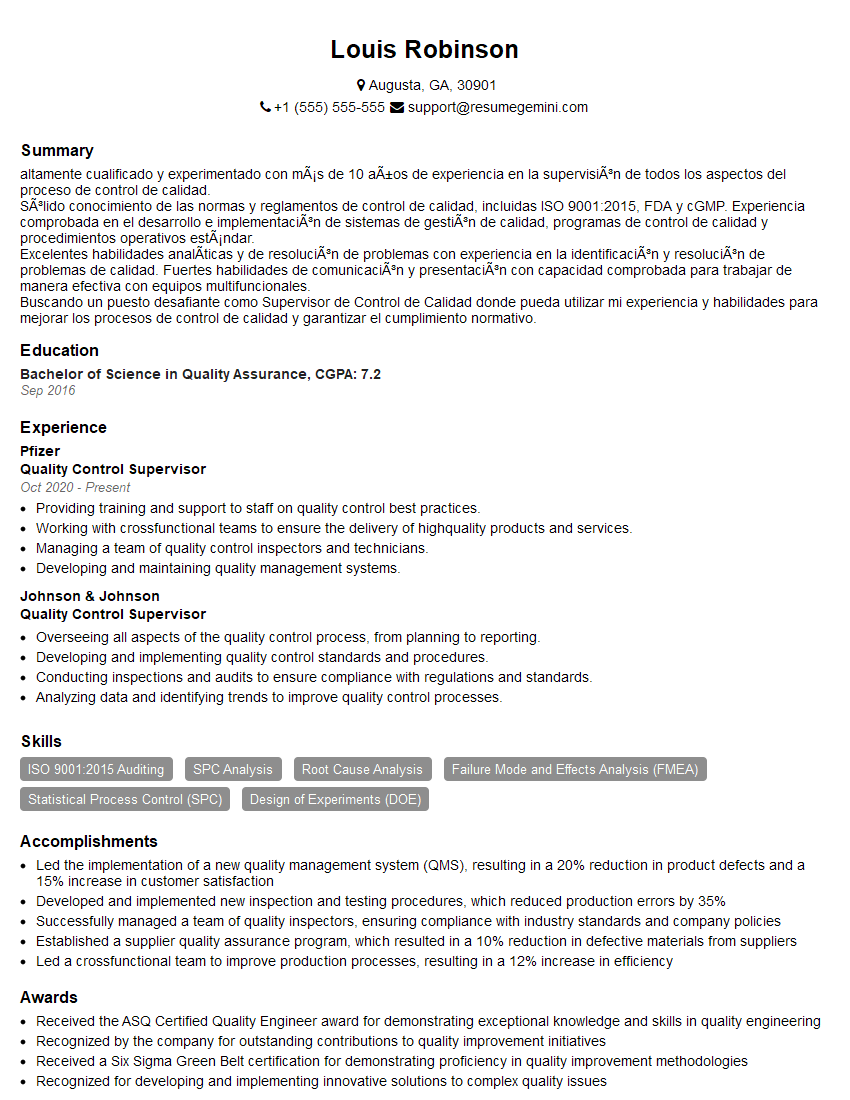
Quality Control Supervisor Resume Sample
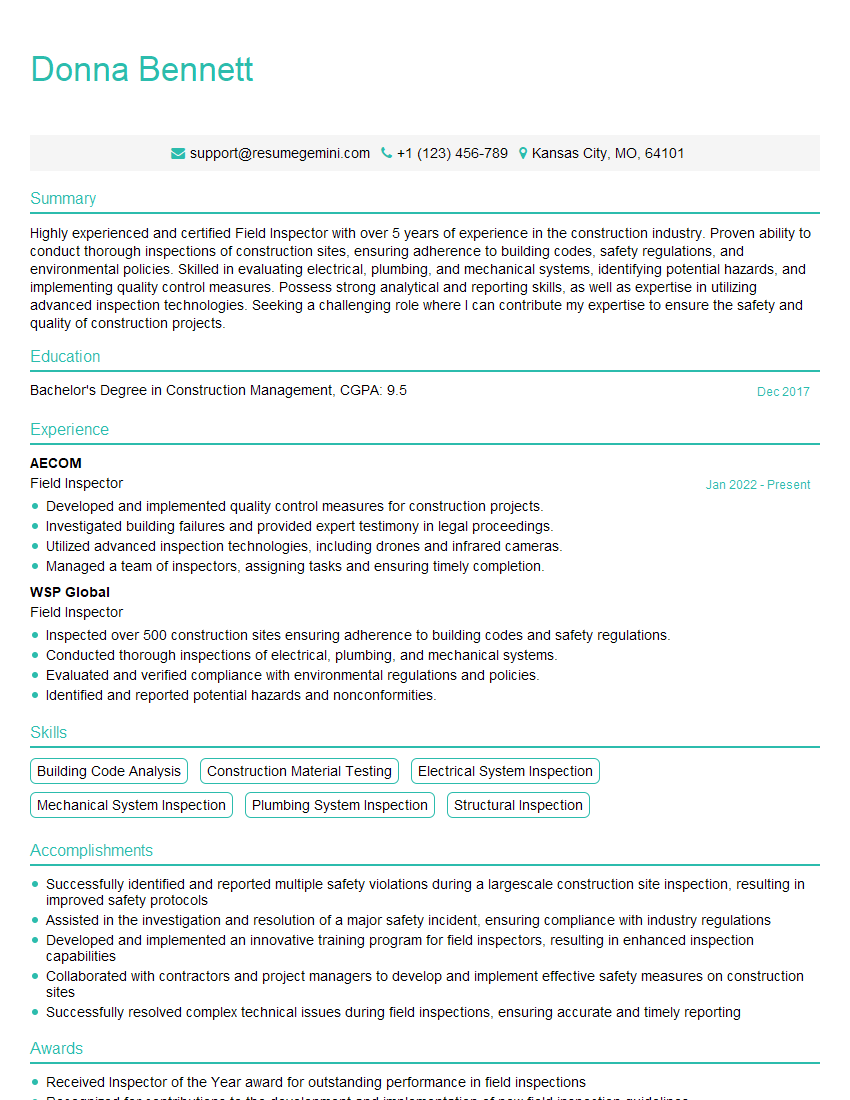
Field Inspector Resume Sample
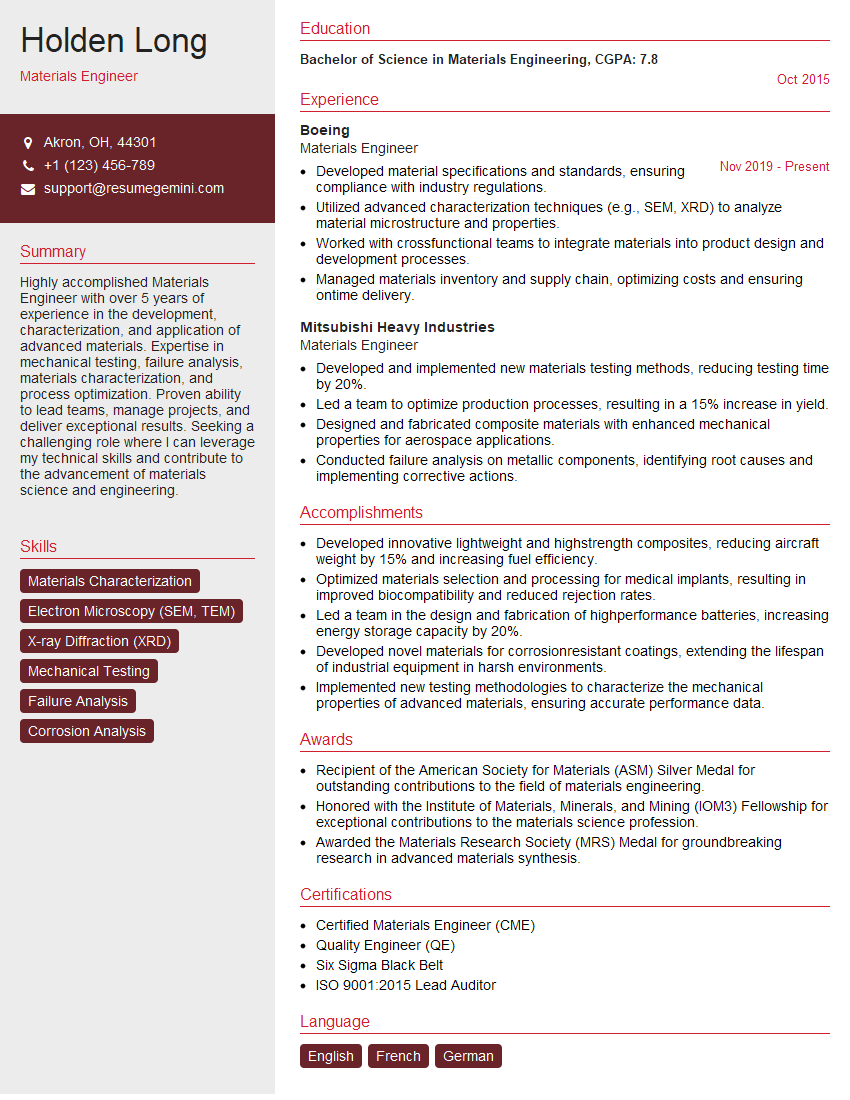
Materials Engineer Resume Sample
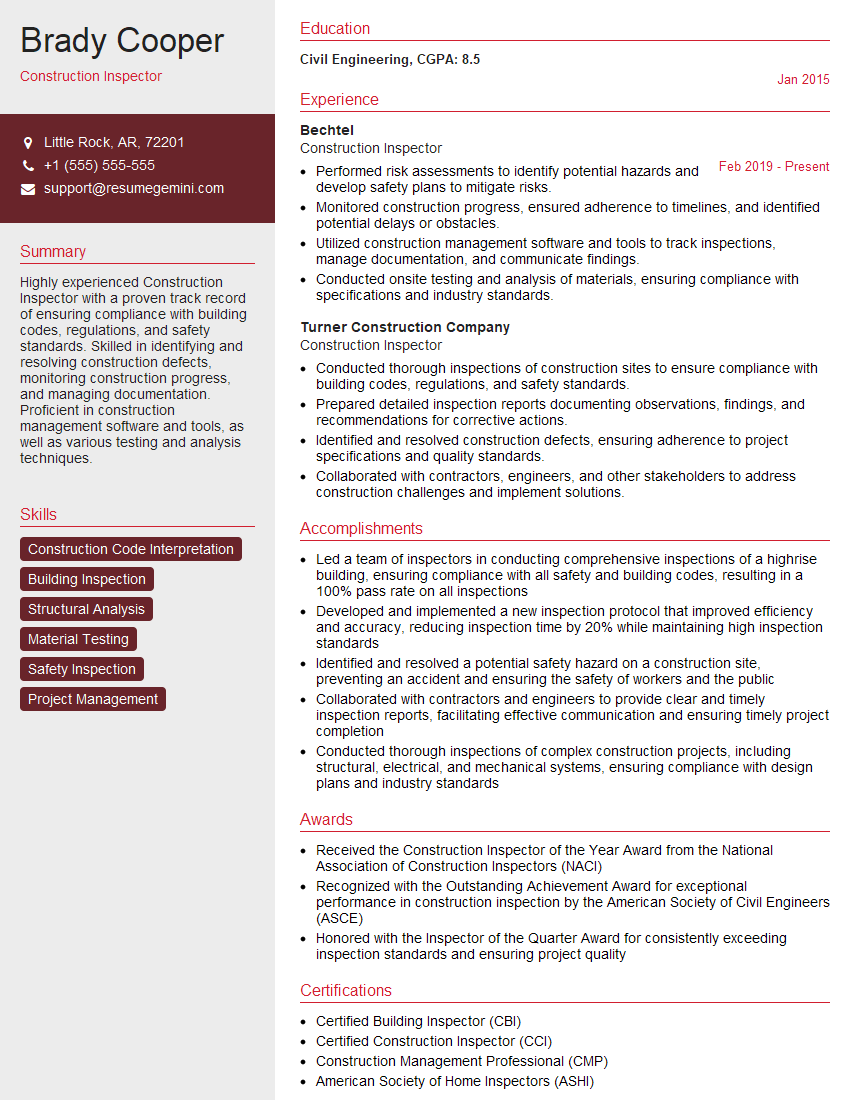
Construction Inspector Resume Sample
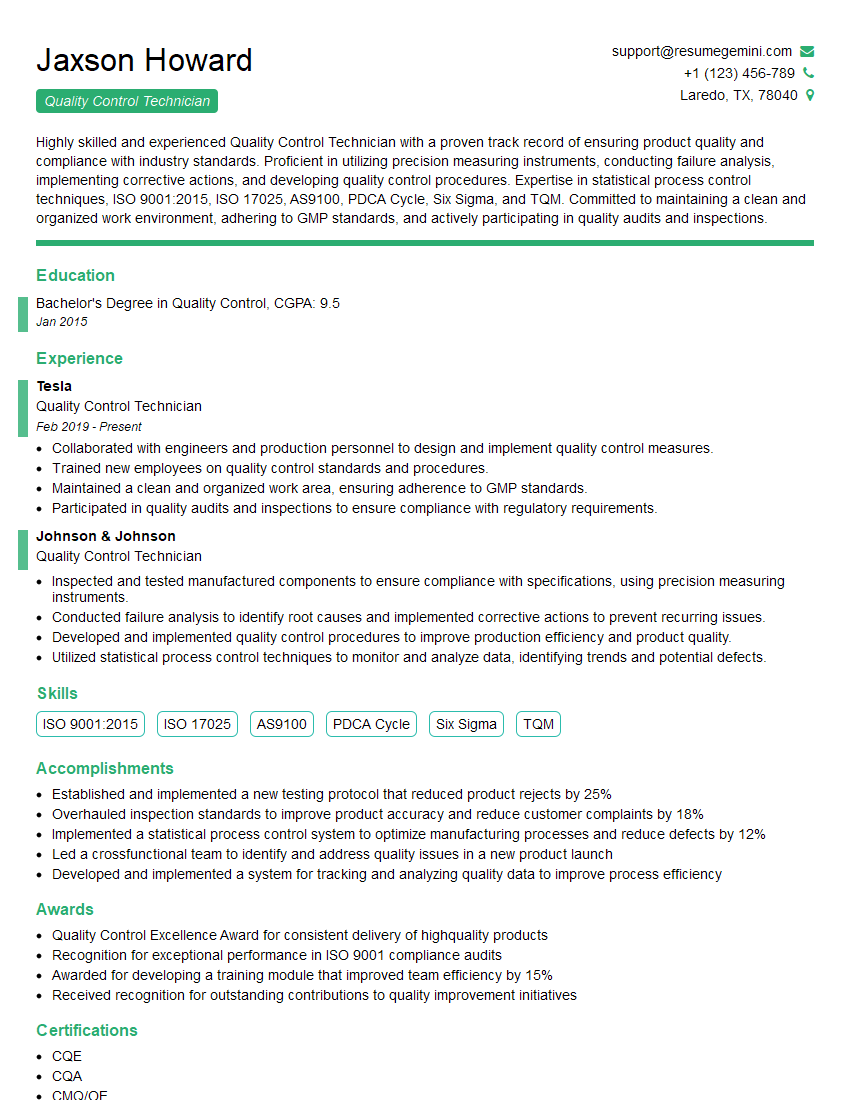
Quality Control Technician Resume Sample
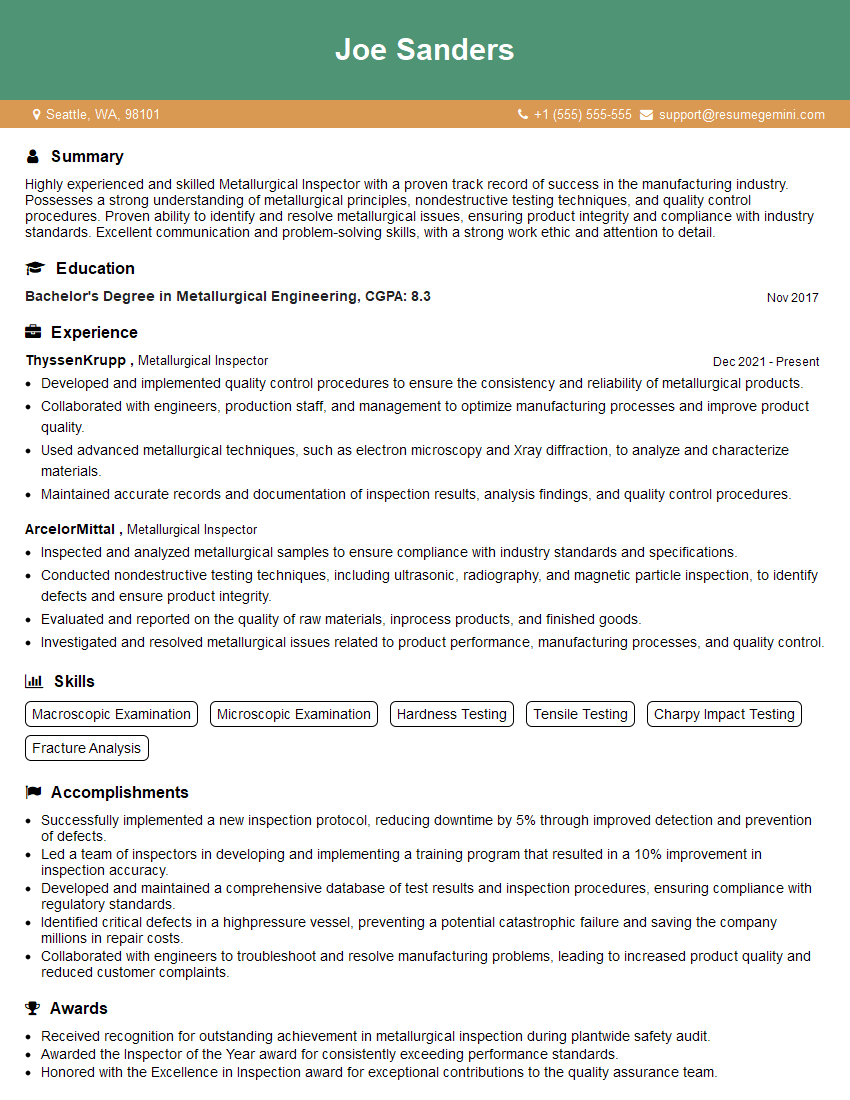
Metallurgical Inspector Resume Sample
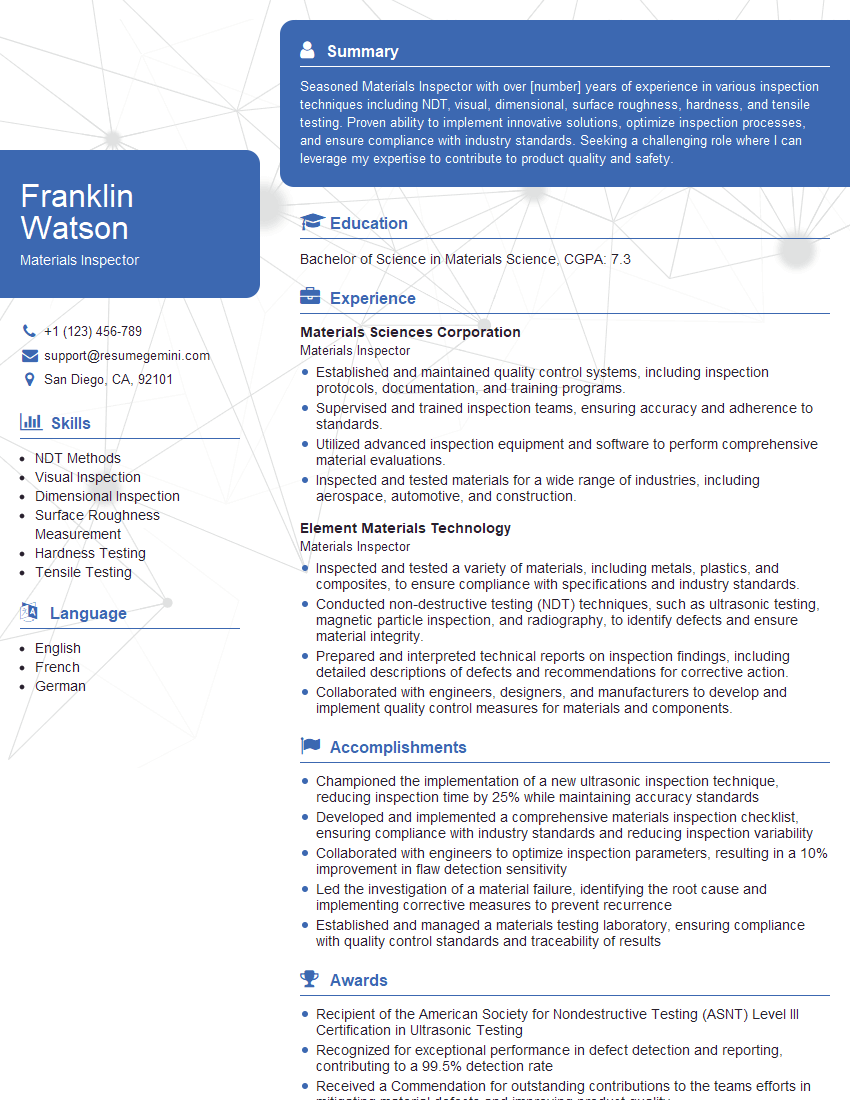
Materials Inspector Resume Sample

Quality Control Inspector Resume Sample
Explore more articles
Users Rating of Our Blogs
Share Your Experience
We value your feedback! Please rate our content and share your thoughts (optional).
What Readers Say About Our Blog
Very informative content, great job.
good