Interviews are more than just a Q&A session—they’re a chance to prove your worth. This blog dives into essential Measuring and Inspection Equipment interview questions and expert tips to help you align your answers with what hiring managers are looking for. Start preparing to shine!
Questions Asked in Measuring and Inspection Equipment Interview
Q 1. Explain the principle of operation of a Coordinate Measuring Machine (CMM).
A Coordinate Measuring Machine (CMM) is a device used to measure the physical geometrical characteristics of an object. Its principle of operation relies on precisely positioning a probe at various points on the object’s surface and recording these coordinates in three-dimensional space (X, Y, and Z). This data is then used to create a digital model of the part, allowing for highly accurate comparisons against a CAD model or specifications. Think of it like a super-precise robotic arm with a touch-sensitive finger that meticulously maps out the shape of an object.
The CMM uses a system of linear encoders or scales to track the movement of the probe. These encoders provide incredibly high-resolution positional feedback, translating the probe’s movements into precise coordinates. The probe itself senses contact with the object, triggering a signal that the CMM records. Sophisticated software then processes the coordinate data to calculate dimensions, angles, surface areas, and other geometric parameters.
For instance, a CMM might be used to inspect a complex engine part, ensuring that all its features – from the size of holes to the angles of surfaces – are within the specified tolerances. The CMM’s accuracy and repeatability allow for the detection of even tiny deviations, preventing costly errors in manufacturing.
Q 2. Describe different types of CMM probes and their applications.
CMM probes come in various types, each designed for specific applications. The choice of probe depends on the part’s geometry, material, and the required level of accuracy.
- Contact Probes: These are the most common type, using a stylus to physically touch the object’s surface. Different stylus configurations (e.g., single-point, multiple-point, scanning) are available to accommodate different geometries. Think of it like using a pencil to trace the outline of an object.
- Trigger Probes: These probes signal when they make contact with the part’s surface. They are suitable for measuring discrete points.
- Scanning Probes: These probes continuously collect data as they move across the part’s surface, creating a 3D point cloud. They’re ideal for complex curves and freeform surfaces. Imagine a paintbrush creating a continuous line instead of individual dots.
- Non-Contact Probes: These use technologies such as laser scanning or optical methods to measure the part without physical contact. They are particularly useful for fragile or delicate parts or high-speed measurements.
For example, a trigger probe would be suitable for measuring the dimensions of holes in a metal plate, while a scanning probe would be better suited for capturing the intricate details of a sculpted automotive part. Non-contact probes might be used for measuring the dimensions of a delicate microchip.
Q 3. How do you calibrate a micrometer?
Calibrating a micrometer ensures its accuracy. This process typically involves using a set of calibrated gauge blocks (precision-machined blocks with precisely known dimensions). Here’s a step-by-step procedure:
- Clean the micrometer: Remove any dirt or debris that could affect measurements.
- Check for zero setting: Close the micrometer jaws completely and verify that the reading is zero. Adjust if necessary (this might involve a minor adjustment using the micrometer’s ratchet).
- Measure the gauge blocks: Using a known gauge block (e.g., 1 mm, 10 mm), carefully measure it with the micrometer, taking multiple readings. The average of these readings should be very close to the known dimension.
- Compare measurements: Compare your readings to the known dimensions of the gauge blocks. Any significant deviation indicates a calibration issue.
- Record readings: Document all readings, including the gauge blocks used and the micrometer readings.
- Adjustment (if necessary): If significant discrepancies are found, it might be possible to adjust the micrometer (often a function only of properly trained personnel and accredited laboratories). However, substantial errors often require professional calibration.
Imagine it like checking a kitchen scale using known weights. If the scale consistently gives a wrong reading, you know it needs calibration to ensure your recipes turn out correctly.
Q 4. What are the common sources of error in measurement?
Errors in measurement can stem from various sources. These can broadly be classified into:
- Environmental Factors: Temperature fluctuations, humidity, and vibrations can all significantly affect measurement accuracy. Imagine trying to measure a metal object on a hot day; thermal expansion will alter its dimensions.
- Instrument Errors: These include issues with the measuring instrument itself, such as wear and tear, misalignment, or incorrect calibration. A worn-out micrometer will give inconsistent readings.
- Operator Errors: Human error plays a significant role, including parallax error (incorrect reading due to angle), improper handling of the instrument, or misinterpretation of the readings. This is why proper training is essential.
- Part Errors: The part being measured may not be perfectly uniform or may have inherent imperfections that affect the measurement result. For example, a slightly warped surface will give inaccurate readings.
Understanding these sources is crucial for minimizing errors and ensuring accurate and reliable measurements. Proper environmental control, regular instrument calibration, and rigorous operator training all contribute to improving measurement quality.
Q 5. Explain the concept of measurement uncertainty.
Measurement uncertainty quantifies the doubt associated with a measurement result. It’s a range of values within which the true value of the measurement is likely to lie. It encompasses all possible sources of error, including systematic errors (consistent biases) and random errors (unpredictable variations). Instead of saying ‘the length is exactly 10 cm’, we might say ‘the length is 10 cm ± 0.1 cm’, where the ± 0.1 cm represents the measurement uncertainty.
Uncertainty is expressed with a specific level of confidence (e.g., 95% confidence level), indicating the probability that the true value falls within the stated range. It’s crucial for determining the acceptability of measurements in various applications. A larger uncertainty indicates a lower confidence in the measurement’s reliability.
For instance, in aerospace engineering, measurement uncertainty needs to be extremely low to guarantee safety and functionality. Conversely, less critical applications might tolerate higher uncertainty levels.
Q 6. What is the difference between accuracy and precision?
Accuracy and precision are often confused but are distinct concepts in measurement:
- Accuracy: Refers to how close a measurement is to the true value. A highly accurate measurement is very close to the actual value.
- Precision: Refers to the reproducibility of a measurement. A precise measurement yields consistent results when repeated multiple times, even if those results are not close to the true value.
Think of it like shooting arrows at a target. High accuracy means the arrows are clustered around the bullseye. High precision means the arrows are clustered tightly together, regardless of where they land on the target. You can have high precision but low accuracy (arrows tightly grouped but far from the bullseye) or high accuracy and high precision (arrows tightly grouped around the bullseye).
Q 7. How do you handle outliers in measurement data?
Outliers in measurement data are values that significantly deviate from the overall pattern. They can be caused by various factors, including measurement errors, equipment malfunctions, or unexpected events. Handling outliers requires careful consideration:
- Identify Outliers: Use statistical methods such as box plots or scatter plots to visualize data and identify points that lie far from the others.
- Investigate the Cause: Before discarding an outlier, try to determine its cause. Was there a problem with the equipment? Was there an error in recording the data? If a correctable error is found, correct it; otherwise proceed to step 3.
- Handle Outliers Appropriately: Several strategies exist for handling outliers. These include:
- Removal: Outliers can be removed, but only if a clear reason for their presence has been established. This should be done cautiously and transparently.
- Transformation: Applying mathematical transformations (e.g., logarithmic transformation) can sometimes reduce the influence of outliers.
- Robust Statistical Methods: Using robust statistical methods less sensitive to outliers, such as median instead of mean, can mitigate their effects.
- Document Decisions: Keep a detailed record of how outliers were identified and handled, including justifications for the chosen approach. Transparency is vital for maintaining data integrity.
For example, if a single measurement in a series of 100 readings is significantly off, it should be checked thoroughly. If the cause of the outlier is discovered (e.g. a momentary power surge), the data point can be corrected, if not it may be justifiable to remove it from your calculations, after proper justification.
Q 8. Describe your experience with statistical process control (SPC).
Statistical Process Control (SPC) is a powerful collection of tools used to monitor and control a process to ensure it’s producing consistent, high-quality output. It involves collecting data from the manufacturing process, analyzing it statistically, and using that analysis to identify and address sources of variation. Think of it like a quality control dashboard for your production line.
My experience with SPC spans several years and various industries. I’ve extensively used control charts like X-bar and R charts, p-charts, and c-charts to monitor process parameters such as dimensions, weight, and defect rates. For instance, in a previous role, we implemented X-bar and R charts to monitor the diameter of a crucial component in an automotive part. By tracking the average diameter (X-bar) and the range of variation (R) within each sample, we were able to quickly detect shifts in the process and prevent the production of out-of-specification parts, saving the company significant rework and scrap costs.
Beyond basic control charting, I’m proficient in using capability analysis tools (Cp, Cpk) to assess the process’s ability to meet customer requirements and in using advanced techniques like process capability studies to improve process performance. I’m also familiar with software such as Minitab and JMP for efficient SPC data analysis.
Q 9. What are the different types of gauges used in inspection?
Gauges are crucial measurement tools used in inspection. They come in various types, each suited for specific applications. Broadly, we can categorize them into:
- Mechanical Gauges: These rely on mechanical principles for measurement. Examples include dial indicators, depth gauges, calipers (vernier and digital), and micrometers. They’re generally robust and reliable, but their accuracy depends on proper calibration and handling.
- Optical Gauges: These use light principles for measurement, offering high accuracy and precision. Examples include optical comparators, which project a magnified image of a part onto a screen for comparison against a master template, and laser measurement systems which utilize lasers for high precision distance measurements.
- Electronic Gauges: These use electronic sensors for measurement, often providing digital readouts. They can be very precise and automate the measurement process. Digital calipers and micrometers, and coordinate measuring machines (CMMs) fall into this category.
- Air Gauges: These utilize compressed air to measure dimensions indirectly. A change in air pressure corresponds to a change in the part’s dimensions. They are often used for fast and precise measurements, especially in high-volume manufacturing.
The selection of the appropriate gauge depends on the required accuracy, the type of part being measured, and the overall inspection process.
Q 10. Explain the use of a dial indicator.
A dial indicator, also known as a dial gauge, is a mechanical gauge used to measure small displacements or variations in dimensions with high precision. It typically consists of a dial with a pointer that rotates in response to the movement of a probe. The dial is graduated to indicate the amount of movement, usually in thousandths of an inch or millimeters.
The dial indicator is used in various applications, such as checking surface flatness, measuring runout on rotating parts, or verifying the alignment of machine components. For instance, a dial indicator can be mounted on a stand and used to measure the height of a part, detect variations in the flatness of a surface plate, or to check the parallelism of two surfaces.
To use a dial indicator effectively, it’s crucial to ensure its proper zeroing and that the probe is perpendicular to the surface being measured. The reading on the dial should be carefully interpreted to ensure accuracy. Regular calibration is essential to maintain its accuracy.
Q 11. How do you interpret a control chart?
Control charts visually display data collected from a process over time, allowing you to monitor process stability and identify potential problems. They typically include a center line representing the average value, an upper control limit (UCL), and a lower control limit (LCL).
Interpreting a control chart involves looking for patterns or points that fall outside the control limits or exhibit unusual patterns. Points outside the control limits suggest the process is out of control, indicating a special cause of variation that needs investigation. Patterns within the limits, such as trends, cycles, or unusually clustered points, also indicate potential process instability and warrant further investigation.
For example, a point falling above the UCL on an X-bar chart could suggest a sudden increase in the average dimension of a manufactured part, potentially indicating a machine malfunction or a change in material properties. A consistent upward trend might indicate tool wear or a gradual change in environmental conditions. Identifying these patterns allows for timely corrective action, preventing the production of defective products.
Q 12. What is the difference between destructive and non-destructive testing?
The key difference between destructive and non-destructive testing (NDT) lies in the impact on the sample being tested.
- Destructive Testing (DT): DT involves testing a sample to failure or destruction in order to determine its properties. This could include tensile testing (pulling a material until it breaks to determine its tensile strength), impact testing (measuring the material’s resistance to impact), or hardness testing (determining the material’s resistance to indentation).
- Non-Destructive Testing (NDT): NDT methods examine a sample without causing damage. This allows for repeated testing of the same component and assessment of the component in-service. Methods like ultrasonic testing, radiographic testing, and visual inspection fall under NDT.
The choice between DT and NDT depends on the application. DT provides precise material property data but destroys the sample. NDT is preferred when preserving the sample is crucial, like testing a component in a finished product.
Q 13. Describe your experience with various non-destructive testing (NDT) methods.
My experience with NDT methods is extensive, encompassing several techniques:
- Ultrasonic Testing (UT): I’ve used UT to detect internal flaws in materials like welds and castings by transmitting high-frequency sound waves and analyzing the reflected signals. This is particularly useful in detecting cracks, voids, or inclusions. For example, I used UT to inspect the welds of a pressure vessel to ensure its structural integrity.
- Radiographic Testing (RT): I’m experienced in interpreting radiographic images (X-rays or gamma rays) to detect internal flaws in materials. This is invaluable for identifying porosity, cracks, and inclusions in components that are opaque to visible light. I used RT to inspect castings for hidden defects during quality control checks.
- Liquid Penetrant Testing (PT): This method is used to detect surface-breaking flaws. A dye is applied to the surface, penetrates into cracks, and is then revealed by a developer. I employed PT to inspect components for surface cracks before assembly.
- Magnetic Particle Testing (MT): This technique is used to detect surface and near-surface flaws in ferromagnetic materials. Magnetic fields are applied to the part, and magnetic particles are used to reveal the flaws. I utilized MT to inspect welds for cracks in critical structural components.
- Visual Inspection (VT): This is a fundamental NDT method often used in conjunction with other methods. It involves carefully examining the surface of a component for visible flaws. Proficiency in VT is essential for any NDT professional.
I’m proficient in interpreting results, selecting the appropriate method for a given application, and ensuring compliance with relevant standards and codes.
Q 14. What are the safety precautions when using measuring and inspection equipment?
Safety is paramount when using measuring and inspection equipment. Precautions vary depending on the equipment but generally include:
- Proper Training: Operators must receive adequate training on the safe operation and maintenance of each piece of equipment before using it. This includes understanding the equipment’s limitations and potential hazards.
- Personal Protective Equipment (PPE): Appropriate PPE should always be worn. This can include safety glasses or goggles to protect against flying debris, hearing protection when using noisy equipment, and gloves to prevent cuts or contamination.
- Calibration and Maintenance: Equipment should be regularly calibrated and maintained to ensure accuracy and safety. Damaged or malfunctioning equipment should be taken out of service immediately.
- Safe Handling: Equipment should be handled with care to prevent damage or injury. This includes proper lifting techniques, avoiding dropping equipment, and keeping work areas clean and organized.
- Environmental Considerations: Environmental factors should be considered, such as avoiding the use of equipment in wet or hazardous environments unless appropriate safety measures are in place.
- Specific Equipment Precautions: Specific precautions are required for certain equipment. For instance, when using laser measurement systems, appropriate eye protection must be used. When using compressed air gauges, care must be taken to avoid injury from high-pressure air.
Following these safety precautions minimizes the risk of accidents and ensures a safe working environment.
Q 15. Explain your experience with different types of optical measuring instruments.
My experience with optical measuring instruments spans a wide range, from basic tools like optical comparators and microscopes to advanced systems like coordinate measuring machines (CMMs) with optical probes and laser scanners. Optical comparators are invaluable for quickly checking the dimensions and shape of parts against a template. Microscopes, especially those with integrated cameras and measuring software, allow for detailed analysis of surface features and micro-structures. CMMs with optical probes provide highly accurate, non-contact measurements of complex geometries, crucial in aerospace and automotive manufacturing. Laser scanners, on the other hand, offer rapid, three-dimensional surface scanning capabilities, perfect for reverse engineering or inspecting large parts. I’ve worked extensively with each, understanding their strengths and limitations, choosing the right instrument for the specific application and required precision.
For example, while checking the accuracy of a precision molded plastic part, I used a CMM with an optical probe for its superior accuracy and non-contact measurement capabilities, preventing any damage to the delicate part. In another scenario involving the inspection of a micro-fluidic chip, a high-powered microscope with integrated measurement software provided the necessary magnification and precision for analyzing the intricate channels.
Career Expert Tips:
- Ace those interviews! Prepare effectively by reviewing the Top 50 Most Common Interview Questions on ResumeGemini.
- Navigate your job search with confidence! Explore a wide range of Career Tips on ResumeGemini. Learn about common challenges and recommendations to overcome them.
- Craft the perfect resume! Master the Art of Resume Writing with ResumeGemini’s guide. Showcase your unique qualifications and achievements effectively.
- Don’t miss out on holiday savings! Build your dream resume with ResumeGemini’s ATS optimized templates.
Q 16. How do you ensure traceability in your measurements?
Traceability in measurements is paramount. It ensures that our measurements can be reliably linked back to national or international standards. We achieve this through a multi-pronged approach. First, all our measuring instruments are regularly calibrated against traceable standards, using accredited calibration laboratories. This means their calibration can be traced back to national standards like those maintained by NIST (National Institute of Standards and Technology) or similar organizations. Calibration certificates provide the necessary documentation. Second, we maintain a comprehensive calibration and maintenance schedule, ensuring regular checks and servicing of our equipment. Third, our measurement processes are documented and controlled, including detailed procedures for instrument operation, data recording, and handling. Finally, the use of a robust data management system which includes version control, audit trails and secure storage ensure full traceability and prevent data loss or corruption. This helps identify, locate, and interpret the measurement data over its entire life cycle.
Q 17. How do you select the appropriate measuring instrument for a given task?
Selecting the right measuring instrument is crucial for accurate and efficient work. The process involves considering several key factors. First, the required accuracy and precision need to be identified based on the tolerance requirements of the part or process being measured. Second, the size and geometry of the part dictate the instrument’s capabilities. A small, delicate component might require a microscope or optical comparator, while a large casting would necessitate a CMM or laser scanner. Third, the material properties of the part influence the choice of measurement technique. Non-contact methods are preferred for delicate or easily damaged surfaces. Finally, the time available for measurement and budget limitations play a role. Faster methods like laser scanning may be preferred for high-throughput applications, but may not be cost effective for lower volume work.
Imagine needing to measure the thickness of a thin film. A standard micrometer might not be precise enough, but an interferometer would provide the required accuracy. Conversely, for measuring the overall dimensions of a large engine block, a CMM would be far more efficient than a micrometer.
Q 18. Describe your experience with data acquisition and analysis software.
I have extensive experience with various data acquisition and analysis software packages, including specialized software for CMMs, microscopy, and surface roughness measurement. This software usually offers features for data import, visualization, statistical analysis, reporting, and often integration with CAD systems. I’m proficient in using these tools to process large datasets, identify trends and anomalies, and generate comprehensive reports. I am familiar with software capable of automated measurements, data filtering and error correction. This automation helps to improve efficiency and minimizes human error in the analysis.
For instance, when working with CMM data, I utilize software to perform geometric dimensioning and tolerancing (GD&T) analysis, ensuring that the measured parts conform to design specifications. In microscopy, image analysis software allows for accurate measurement of features, even at very high magnifications.
Q 19. How do you manage and document measurement data?
Measurement data management is critical for maintaining data integrity and traceability. We follow a structured approach: data is collected electronically whenever possible, minimizing manual transcription errors. Each data file is clearly labelled with relevant information such as part number, date, operator ID, instrument used and the measurement procedure followed. We utilize a secure, version-controlled database to store the data, with access control to protect it from unauthorized modifications or deletions. Regular backups are performed to protect against data loss. Comprehensive reports are generated which clearly present the results and their statistical analysis, along with all relevant metadata. These reports are reviewed and signed off by authorized personnel to ensure compliance and document all activities.
Q 20. Explain your experience with different types of surface roughness measurement.
Surface roughness measurement involves quantifying the texture of a surface, which is crucial for determining its functionality and performance. I have experience with various techniques, including stylus profilometry, optical profilometry, and confocal microscopy. Stylus profilometry is a classic method that uses a diamond stylus to physically trace the surface profile; however, the stylus can damage delicate surfaces. Optical profilometry, employing techniques like interferometry or confocal microscopy, offers non-contact measurement, ideal for delicate surfaces and provides high resolution data. Confocal microscopy allows for the measurement of extremely fine surface features.
The choice of technique depends on the required resolution, surface type, and material properties. For example, stylus profilometry might be suitable for measuring the roughness of a machined metal part, while optical profilometry or confocal microscopy would be preferred for measuring the surface roughness of a silicon wafer or a thin film.
Q 21. What is the significance of ISO 9000 standards in quality control?
ISO 9000 standards are a family of standards that provide a framework for quality management systems (QMS). They are globally recognized and are incredibly significant in quality control because they provide a structured approach to ensuring consistent product quality and customer satisfaction. Compliance with ISO 9000 standards demonstrates a commitment to quality, which is crucial for building trust and credibility with customers. In our work, adherence to ISO 9000 principles ensures that our measurement processes are controlled, documented, and traceable, which is vital for producing reliable and accurate measurement data. This includes calibration procedures, data management, and personnel training, all contributing to the overall quality and reliability of our services.
For example, our documented procedures for instrument calibration and the traceability of those calibrations are crucial aspects of our ISO 9001 compliance. This traceability ensures that our measurements are consistent and reliable, meeting customer expectations and minimizing discrepancies.
Q 22. How do you handle discrepancies between measurement results?
Discrepancies in measurement results are inevitable, but understanding their source is crucial. My approach involves a systematic investigation, starting with verifying the calibration status of the equipment. Is it within its calibration cycle? If not, recalibration is the first step. Then, I analyze the measurement process itself. Was the setup correct? Were environmental factors, like temperature or humidity, within acceptable ranges for the instrument? Were proper measurement techniques followed?
Next, I examine the data. Do the discrepancies fall within the acceptable tolerance range? If they are minor variations, they may be due to random error and can be addressed by averaging multiple readings. However, significant deviations suggest a systematic error, indicating potential problems with the equipment, the sample being measured, or the measurement procedure itself. I would then conduct a thorough investigation, possibly involving repeat measurements with different equipment or different operators, to pinpoint the source of the discrepancy and implement corrective actions.
For example, during a recent project involving the measurement of the thickness of thin films, we encountered consistent discrepancies between our measurements and the manufacturer’s specifications. Through careful investigation, we discovered a slight misalignment in the measurement system’s optics, causing a systematic error. Adjusting the alignment resolved the issue.
Q 23. Describe your experience with automated inspection systems.
I have extensive experience with automated inspection systems, from simple vision systems to complex CMM (Coordinate Measuring Machine) setups integrated with robotic arms. My work has involved programming, operating, and troubleshooting these systems across various manufacturing environments.
For instance, I was instrumental in developing an automated optical inspection (AOI) system for a printed circuit board (PCB) manufacturer. This system utilized machine vision techniques to identify defects like missing components, solder bridges, and shorts with far greater speed and consistency than manual inspection. The automation involved programming a vision system to recognize specific features, comparing them to CAD models and flagging any deviations outside of tolerance.
Another significant experience involved the integration of a CMM with a robotic arm for automated dimensional inspection of automotive parts. This system significantly reduced inspection time and human error, improving overall quality control. This required proficiency in programming robotic movements, coordinating data acquisition from the CMM, and creating automated reporting systems.
Q 24. Explain the concept of tolerance and its importance in manufacturing.
Tolerance in manufacturing refers to the permissible variation from a specified dimension or characteristic. It defines an acceptable range of values within which a measured characteristic must fall to be considered conforming to design specifications. Think of it as the allowable error.
Its importance is paramount. Tolerances ensure interchangeability of parts, maintain product functionality, and prevent costly rework or scrap. Tight tolerances lead to higher precision, but often increase manufacturing cost and complexity. Conversely, overly loose tolerances can compromise product performance and reliability.
For example, consider a bolt and nut. If the tolerance on the bolt diameter is too loose, the nut may not fit snugly, resulting in a loose connection and potential failure. Conversely, too tight a tolerance would make it difficult and costly to manufacture the bolt and nut to consistently meet the specifications. Determining the appropriate tolerance requires a careful balance between the desired precision and practical manufacturing considerations.
Q 25. How do you troubleshoot malfunctioning measuring equipment?
Troubleshooting malfunctioning measuring equipment is a systematic process. I begin by reviewing the equipment’s error messages and logs, if available. Then I check for obvious issues: Is the equipment properly powered? Are there any visible signs of damage? Are the connections secure?
Next, I perform a series of checks to ensure proper calibration and functionality. This might involve checking calibration certificates, performing a known-good-part measurement (measuring a part with known dimensions), and comparing the results to the expected values. I also consider environmental factors like temperature and humidity, as these can influence measurement accuracy.
If the issue persists, I’ll delve deeper. This could involve checking the instrument’s internal settings, verifying sensor readings, or even isolating individual components for testing. For complex systems, I might utilize diagnostic software or consult the manufacturer’s documentation and support. For example, when working on a laser displacement sensor that was providing erratic readings, I systematically checked the laser alignment, the sensor’s power supply, and finally, identified a loose cable connection that was causing the intermittent errors.
Q 26. Describe your experience with different types of sensors used in measurement.
My experience spans a wide range of sensors, including:
- Contact Sensors: Dial indicators, micrometers, and CMM probes utilize physical contact to measure dimensions. These are accurate but can sometimes deform or damage delicate parts.
- Non-Contact Sensors: These include laser displacement sensors, vision systems, and eddy current sensors. Laser sensors measure distances with high precision, vision systems capture images for dimensional analysis, and eddy current sensors detect flaws in conductive materials without physical contact. This is particularly useful for measuring delicate parts or materials.
- Optical Sensors: These sensors utilize light to make measurements. Examples include laser scanners for 3D surface mapping and optical comparators for precise dimensional comparison.
- Capacitive Sensors: These sensors measure changes in capacitance to detect proximity or displacement. They are ideal for high-speed measurements and applications where contact is undesirable.
The choice of sensor depends entirely on the application, the material being measured, the required accuracy, and the desired speed of measurement.
Q 27. What are the latest advancements in measuring and inspection technology?
Measuring and inspection technology is rapidly evolving. Some of the latest advancements include:
- Advanced imaging techniques: High-resolution cameras, 3D scanning, and advanced image processing algorithms are enabling more accurate and detailed inspections. For example, structured light scanning allows for precise 3D measurements of complex shapes.
- Artificial Intelligence (AI) and Machine Learning (ML): AI and ML are being integrated into inspection systems to automate defect detection, classification, and analysis, significantly improving efficiency and accuracy. These systems can learn to identify subtle defects that might be missed by human inspectors.
- Portable and handheld measurement tools: The development of smaller, more portable, and user-friendly instruments expands measurement capabilities to diverse environments and simplifies on-site inspections.
- Increased integration and automation: Systems are becoming more integrated, allowing for seamless data flow between different inspection tools and manufacturing systems. This supports real-time quality control and monitoring.
- Big data analytics: The ability to collect and analyze vast amounts of measurement data allows for deeper insights into manufacturing processes, leading to continuous improvement and enhanced quality.
These advancements are constantly pushing the boundaries of precision, efficiency, and automation in quality control and inspection, improving product quality, reducing costs, and accelerating manufacturing processes.
Key Topics to Learn for Measuring and Inspection Equipment Interview
- Dimensional Metrology: Understanding various measurement techniques (e.g., linear, angular, surface roughness), their principles, and associated uncertainties. Consider practical applications in manufacturing tolerances and quality control.
- Types of Measuring Instruments: Familiarize yourself with common equipment like calipers, micrometers, CMMs (Coordinate Measuring Machines), optical comparators, and laser scanners. Understand their operational principles, limitations, and appropriate applications for different scenarios.
- Inspection Techniques: Explore various inspection methods including visual inspection, dimensional inspection, non-destructive testing (NDT) methods (e.g., ultrasonic, magnetic particle inspection), and their applications in ensuring product quality and safety.
- Data Acquisition and Analysis: Learn how data is collected from measuring equipment, processed, and analyzed to identify trends, potential issues, and ensure compliance with specifications. This includes understanding statistical process control (SPC) and data interpretation.
- Calibration and Maintenance: Understanding the importance of regular calibration and maintenance of measuring equipment to ensure accuracy and reliability. Explore calibration procedures and best practices for maintaining equipment in optimal working condition.
- Quality Control Systems: Familiarize yourself with relevant quality management systems like ISO 9001 and their impact on measurement and inspection processes. Understand the role of documentation and traceability in maintaining quality standards.
- Troubleshooting and Problem Solving: Develop your ability to identify and resolve issues related to measuring equipment malfunction, inaccurate readings, and process inconsistencies. Practice applying systematic troubleshooting techniques.
Next Steps
Mastering Measuring and Inspection Equipment is crucial for a successful career in manufacturing, quality control, and related fields. A strong understanding of these principles will open doors to exciting opportunities and advancement within your chosen career path. To significantly enhance your job prospects, focus on creating an ATS-friendly resume that highlights your skills and experience effectively. ResumeGemini is a trusted resource that can help you build a professional and impactful resume. They offer examples of resumes tailored to the Measuring and Inspection Equipment field to help you get started. Invest time in crafting a compelling resume—it’s your first impression on potential employers.

Quality Assurance Manager Resume Sample

Quality Control Manager Resume Sample
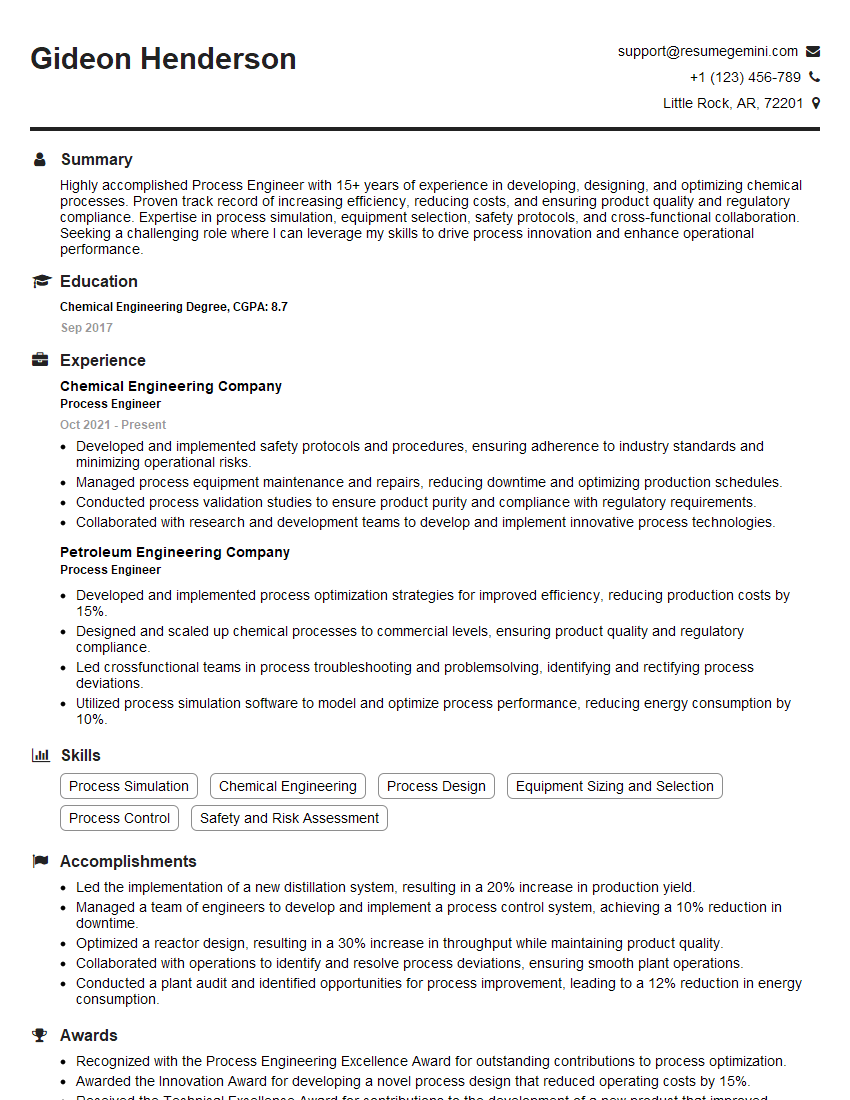
Process Engineer Resume Sample
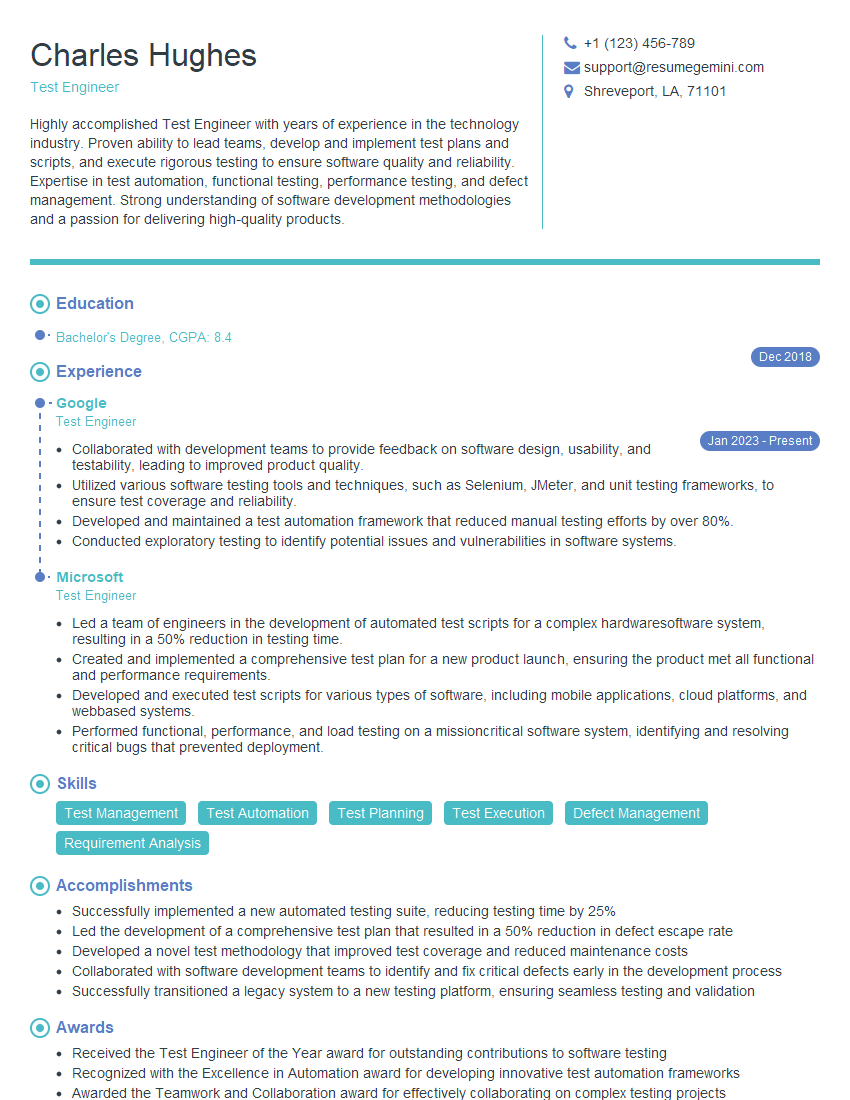
Test Engineer Resume Sample
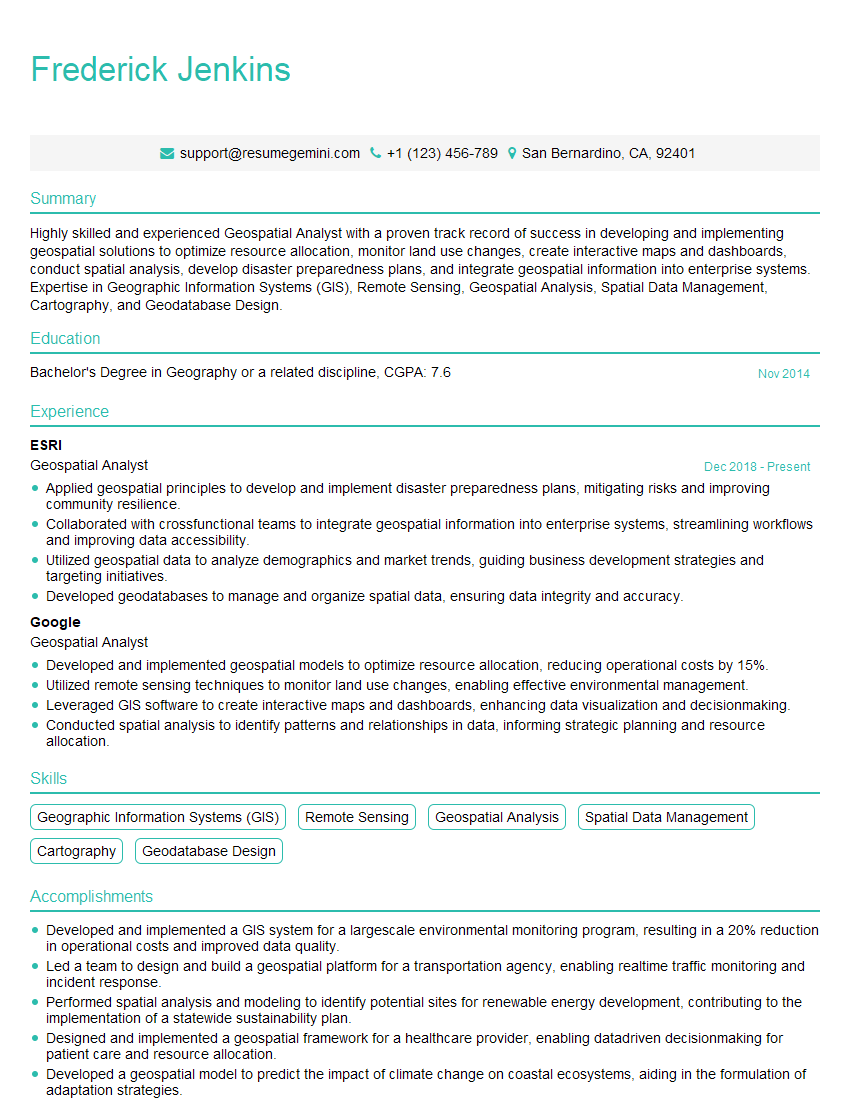
Geospatial Analyst Resume Sample
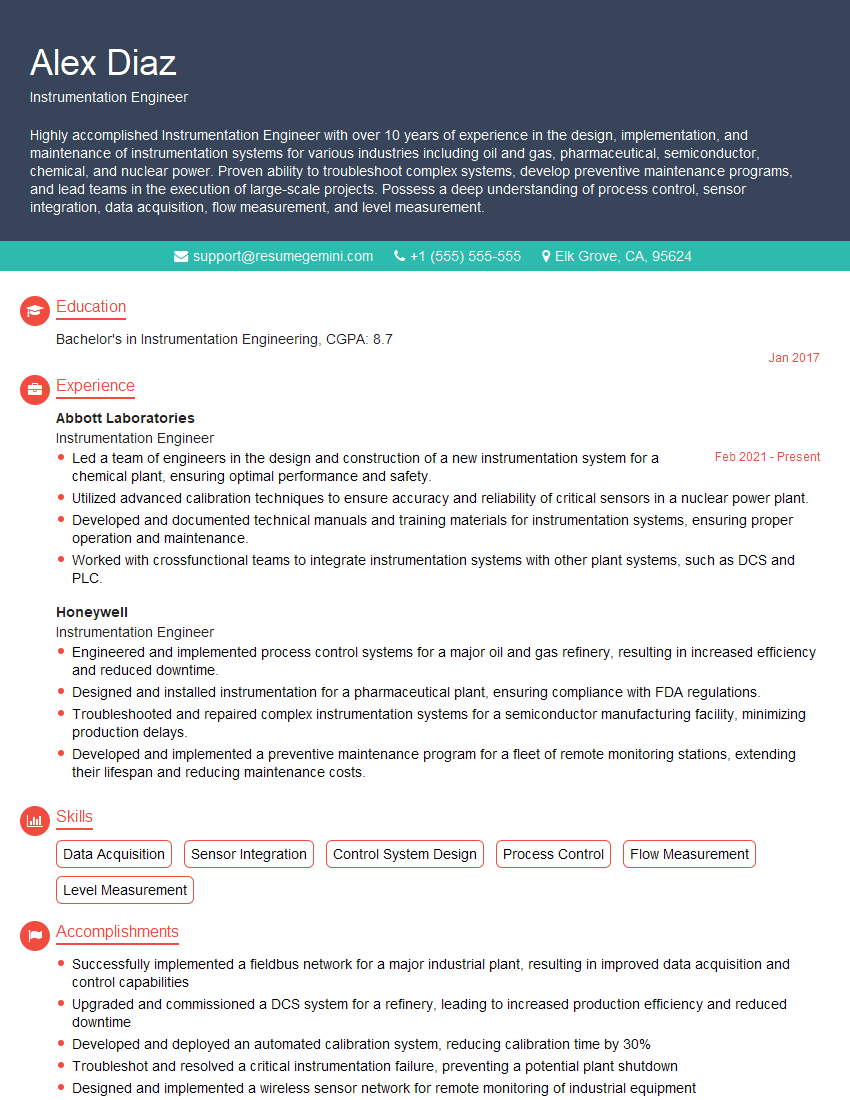
Instrumentation Engineer Resume Sample
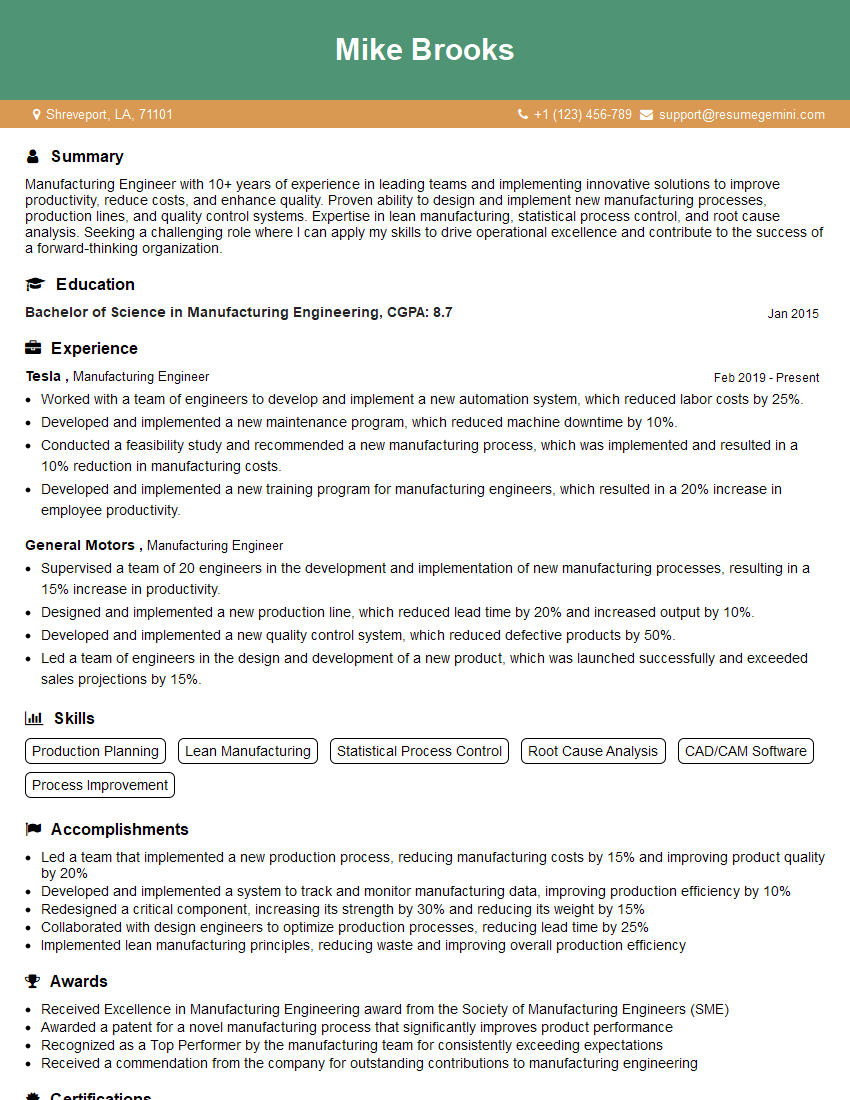
Manufacturing Engineer Resume Sample

Metrologist Resume Sample

Quality Assurance Engineer Resume Sample
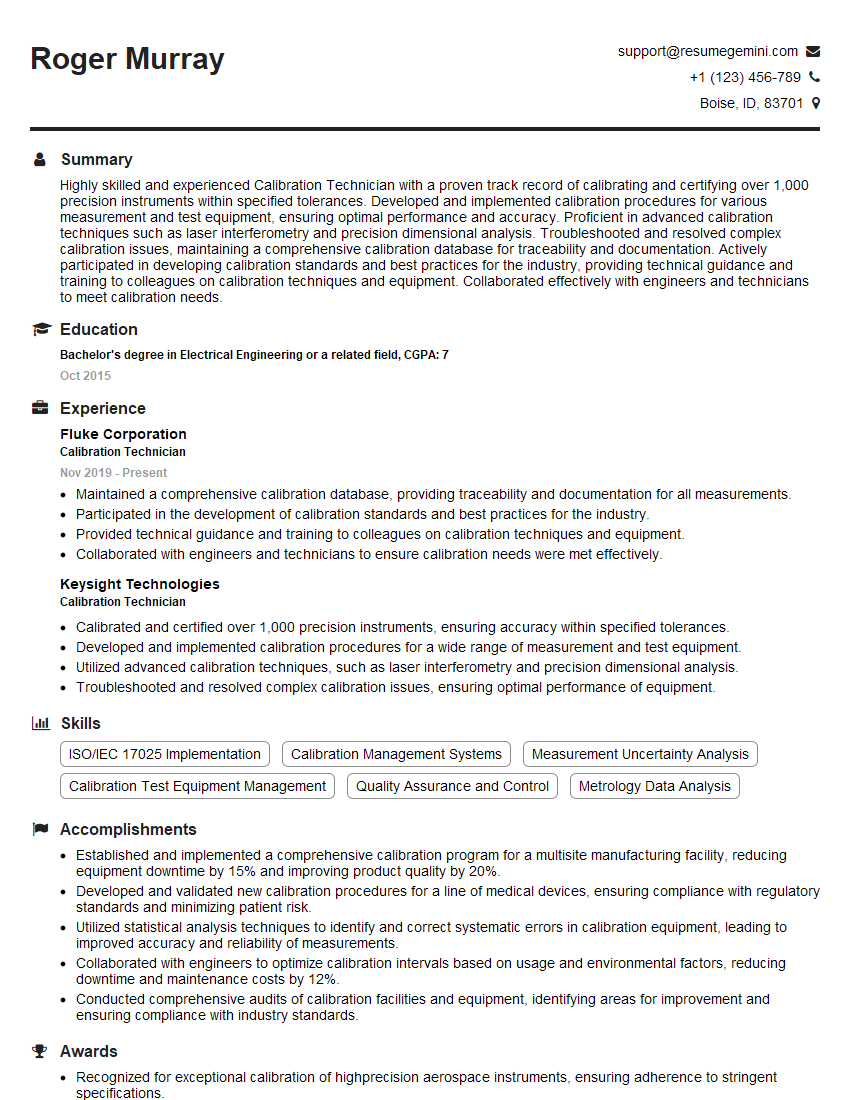
Calibration Technician Resume Sample
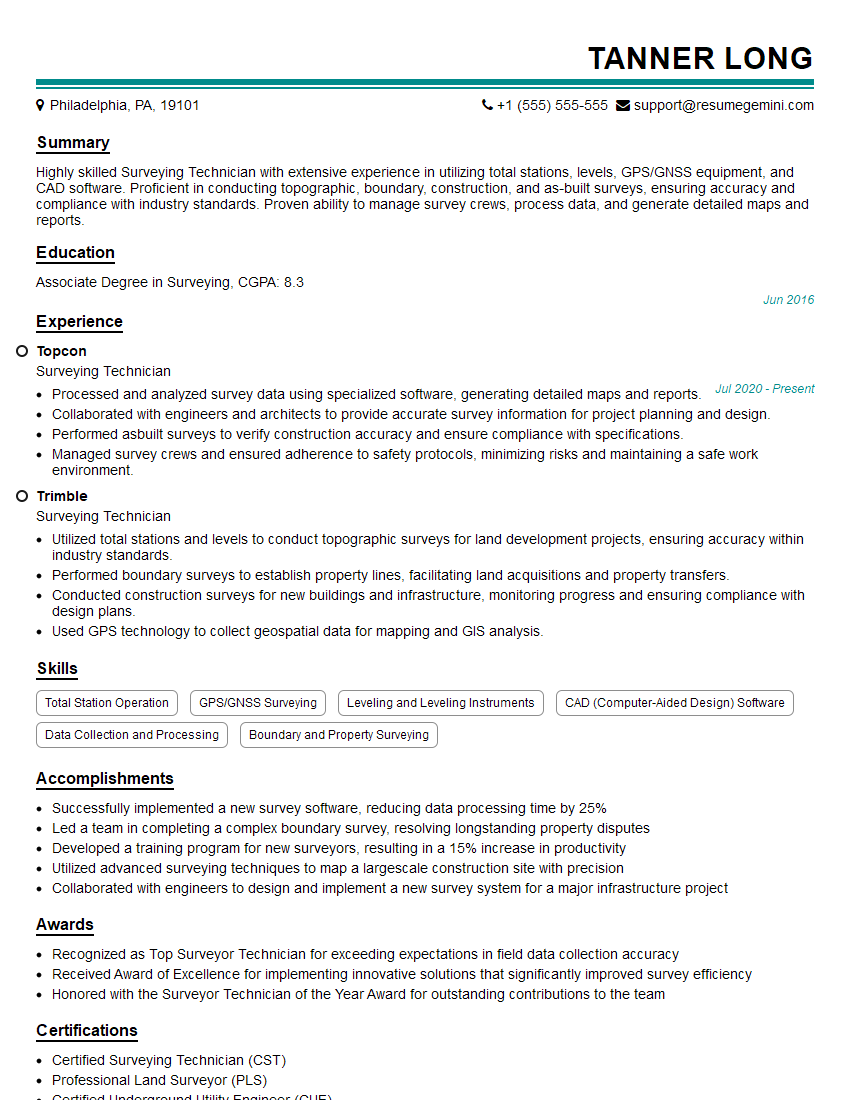
Surveying Technician Resume Sample
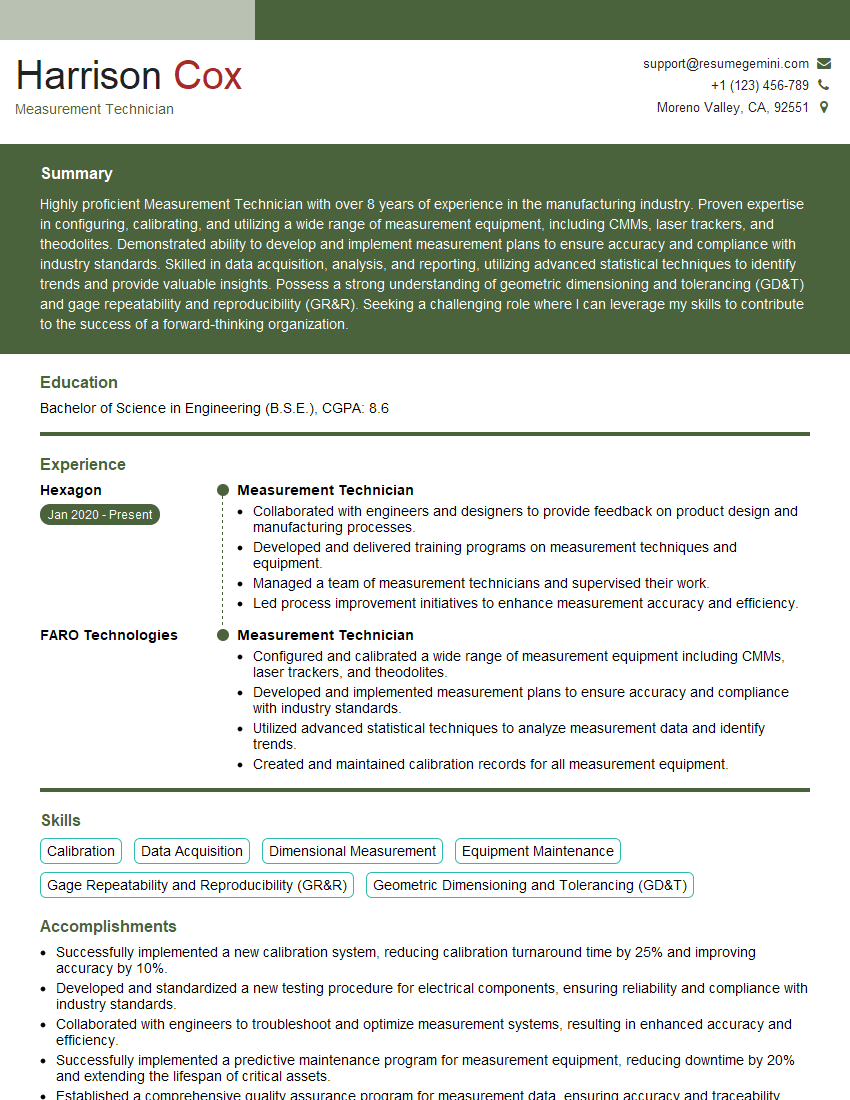
Measurement Technician Resume Sample
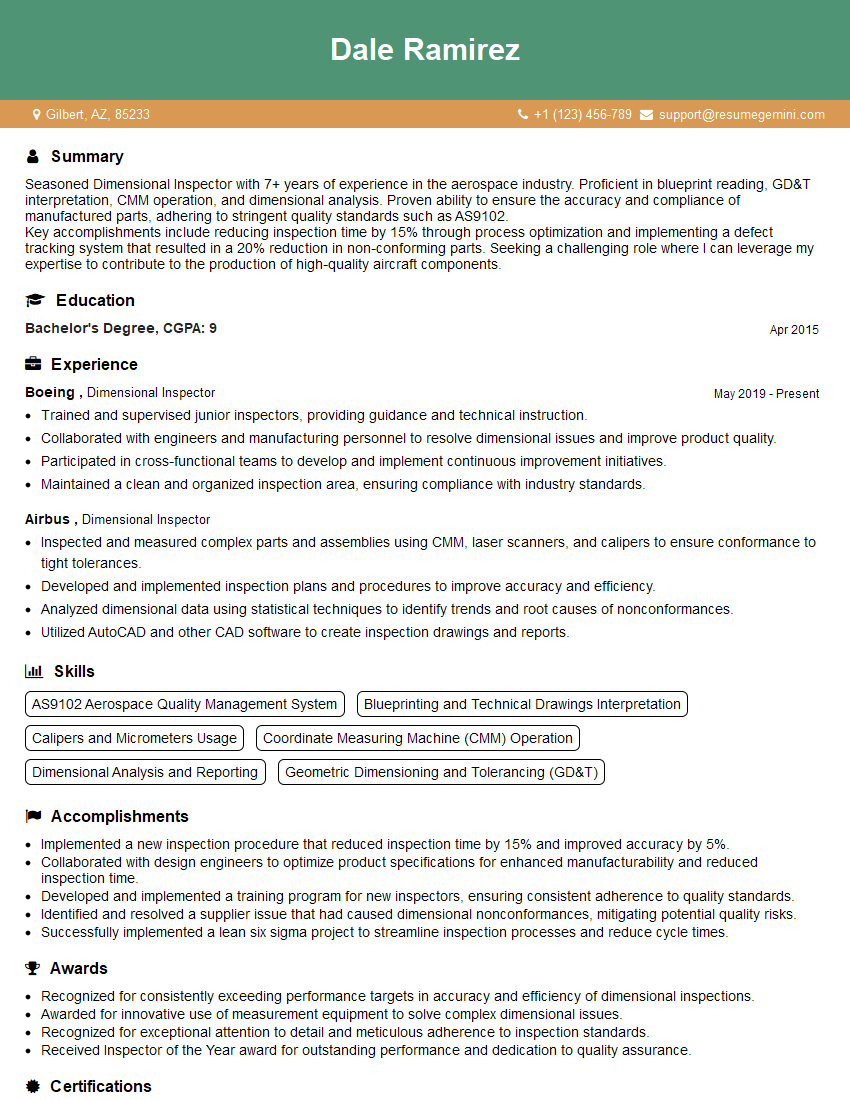
Dimensional Inspector Resume Sample
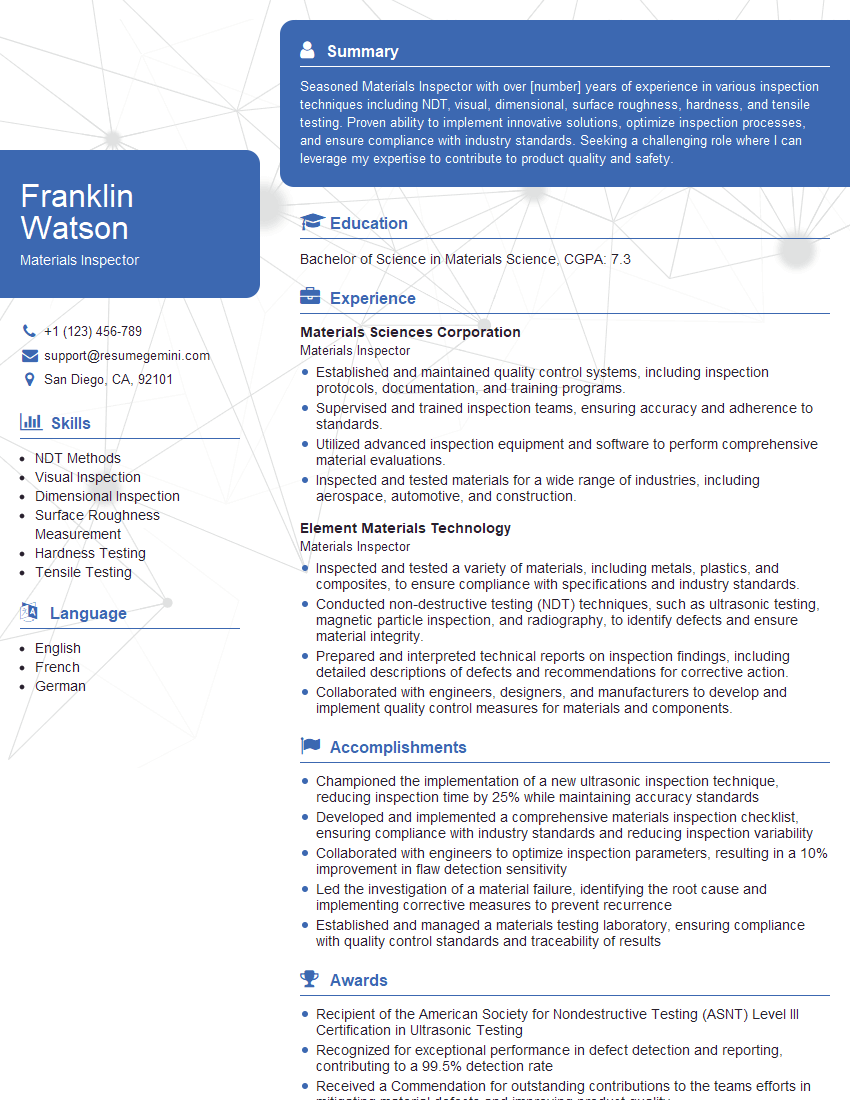
Materials Inspector Resume Sample

Quality Control Inspector Resume Sample
- Quality Assurance Manager
- Quality Control Manager
- Process Engineer
- Test Engineer
- Geospatial Analyst
- Instrumentation Engineer
- Manufacturing Engineer
- Metrologist
- Quality Assurance Engineer
- Calibration Technician
- Surveying Technician
- Measurement Technician
- Dimensional Inspector
- Materials Inspector
- Quality Control Inspector
Explore more articles
Users Rating of Our Blogs
Share Your Experience
We value your feedback! Please rate our content and share your thoughts (optional).
What Readers Say About Our Blog
Very informative content, great job.
good