Cracking a skill-specific interview, like one for Mechanical Properties Testing, requires understanding the nuances of the role. In this blog, we present the questions you’re most likely to encounter, along with insights into how to answer them effectively. Let’s ensure you’re ready to make a strong impression.
Questions Asked in Mechanical Properties Testing Interview
Q 1. Explain the difference between tensile strength and yield strength.
Tensile strength and yield strength are both crucial measures of a material’s resistance to deformation under tensile stress, but they represent different points on the material’s stress-strain curve. Tensile strength represents the maximum stress a material can withstand before it breaks or fractures. It’s the highest point on the stress-strain curve. Think of it as the ultimate breaking point. Yield strength, on the other hand, indicates the stress at which the material begins to deform plastically (permanently). Before the yield point, the material will return to its original shape once the stress is removed (elastic deformation). After the yield point, permanent deformation occurs. Imagine bending a paperclip – it yields before it breaks. The yield strength is the stress at which that permanent bending begins. Therefore, while both are vital for material selection, yield strength helps in designing for permanent deformation avoidance, and tensile strength defines the ultimate load-bearing capacity.
Q 2. Describe the process of conducting a tensile test.
A tensile test is a fundamental mechanical test that measures a material’s response to a uniaxial tensile force. The process typically involves the following steps:
- Specimen Preparation: A standardized specimen with a defined gauge length (the region where elongation is measured) and cross-sectional area is prepared from the material being tested. The specimen geometry is crucial for accurate results.
- Mounting the Specimen: The specimen is carefully gripped in the jaws of a universal testing machine. Proper gripping is essential to prevent premature failure.
- Applying Tensile Load: The machine applies a controlled tensile load to the specimen, gradually increasing the force. The load is usually applied at a constant rate of elongation or cross-head speed.
- Data Acquisition: The machine continuously monitors and records both the applied load and the resulting elongation (or strain) of the specimen. This data is plotted as a stress-strain curve.
- Data Analysis: The stress-strain curve is analyzed to determine key material properties such as tensile strength, yield strength, elastic modulus, and elongation at break. Different methods are used to determine the yield strength (e.g., 0.2% offset method).
For example, imagine testing the tensile strength of a steel rod. We’d prepare a standardized rod, clamp it, pull it until it breaks, record the force and elongation, and determine the steel’s strength from the resulting curve. This data is crucial for engineers designing structures and components.
Q 3. What is the significance of the elastic modulus?
The elastic modulus, also known as Young’s modulus, is a measure of a material’s stiffness or resistance to elastic deformation. It represents the slope of the linear elastic region of the stress-strain curve. Specifically, it’s the ratio of stress to strain in the elastic region. A higher elastic modulus indicates a stiffer material, meaning it requires a greater stress to produce a given amount of strain. Think of a steel spring versus a rubber band – steel has a much higher elastic modulus, meaning it’s much harder to stretch.
Its significance lies in its crucial role in structural design and material selection. Engineers use the elastic modulus to predict how a material will deform under load in the elastic region. Knowing this allows them to design structures that can withstand expected loads without undergoing permanent deformation. For example, choosing a material with a high elastic modulus is vital for applications requiring minimal deflection under load, such as building bridges or designing aircraft components.
Q 4. How do you determine the Poisson’s ratio of a material?
Poisson’s ratio describes the ratio of transverse strain to axial strain when a material is subjected to uniaxial stress. In simpler terms, it measures how much a material shrinks in one direction when stretched in another. If you pull on a rubber band, it gets longer (axial strain) and thinner (transverse strain). Poisson’s ratio quantifies this relationship.
To determine Poisson’s ratio, you need to measure both the axial strain (change in length in the direction of the applied force) and the transverse strain (change in width or thickness perpendicular to the applied force) during a tensile test. Poisson’s ratio (ν) is then calculated using the formula:
ν = - (Transverse Strain / Axial Strain)
The negative sign is used because axial and transverse strains have opposite signs. A typical tensile testing machine can directly measure both strains, allowing for the calculation. This ratio is crucial in applications involving stresses in multiple directions, offering insights into the material’s behavior under complex loading conditions. Understanding Poisson’s ratio allows for accurate stress and strain calculations in more complex structures.
Q 5. Explain the different types of hardness testing methods.
Hardness testing measures a material’s resistance to indentation or scratching. Several methods exist, each with its own advantages and disadvantages:
- Brinell Hardness Test: Uses a hardened steel ball or carbide indenter to create an indentation under a known load. The hardness is determined by measuring the indentation diameter.
- Rockwell Hardness Test: Measures the depth of penetration of an indenter under a major and minor load. This test is widely used for its speed and simplicity.
- Vickers Hardness Test: Employs a diamond indenter in the shape of a square-based pyramid. Hardness is calculated based on the diagonal length of the resulting indentation. This provides more consistent results across various materials and hardness levels.
- Shore Durometer: Uses a specialized indenter that measures the resistance to penetration on softer materials, like rubbers and plastics. Several scales exist depending on the material being tested.
The choice of method depends on the material’s hardness range, size, and shape. For instance, Brinell is often used for soft materials, while Vickers is preferred for harder materials, giving more accurate results on a wider scale.
Q 6. What are the advantages and disadvantages of Rockwell hardness testing?
Rockwell hardness testing offers several advantages: it’s fast, relatively simple, and provides a direct hardness number without complex calculations. Its ease of use and relatively inexpensive equipment make it very popular for quality control applications and mass production environments. It’s also non-destructive in many cases, as the indentation is generally relatively small.
However, it also has disadvantages. The test’s accuracy is limited by the size and shape of the indenter, and the method is less suited for very thin materials or those with a very rough surface finish. Furthermore, the Rockwell test is sensitive to surface conditions, meaning inconsistencies in surface finish can affect the test results. Unlike other methods, it doesn’t directly measure the indentation size, which could be an issue in certain analyses. Thus while convenient, it’s essential to consider these limitations when choosing a testing method.
Q 7. Describe the principles behind Charpy impact testing.
Charpy impact testing evaluates a material’s ability to absorb energy upon impact, reflecting its toughness and resistance to brittle fracture, especially at low temperatures. A standardized notched specimen is struck by a pendulum hammer with a known energy. The energy absorbed during the fracture is measured by observing the pendulum’s swing after impact. The energy absorbed represents the material’s impact toughness. A higher absorbed energy indicates greater toughness. This test is crucial for assessing materials prone to brittle fracture, especially in cold environments. For example, selecting a material for a bridge component in a cold climate might necessitate Charpy impact testing to verify it can withstand sudden impacts without shattering.
The test helps assess the ductile-to-brittle transition temperature (DBTT), where the material’s behavior shifts from ductile (absorbing energy before fracturing) to brittle (fracturing suddenly with little energy absorption). This temperature is vital for selecting materials for applications exposed to low temperatures where brittle fracture is a concern.
Q 8. How does temperature affect material properties?
Temperature significantly impacts material properties. Think of it like this: imagine a rubber band. In a cold room, it’s stiff and less stretchy. In a warm room, it’s more pliable and stretches further. This illustrates the effect of temperature on ductility (ability to deform before fracture) and stiffness (resistance to deformation).
More specifically, increasing temperature generally reduces the yield strength (the stress at which permanent deformation begins) and tensile strength (the maximum stress a material can withstand before failure) of most materials. This is because higher temperatures increase atomic vibrations, making it easier for dislocations (defects in the crystal structure) to move, thus leading to easier deformation. Conversely, the ductility often increases with temperature up to a certain point, before potentially decreasing due to other factors. For example, certain plastics become brittle at very low temperatures, while some metals experience a significant loss of strength at very high temperatures.
Understanding this temperature dependency is crucial in engineering design. For instance, designing a bridge requires considering the material’s strength at various temperatures to ensure its structural integrity across seasons. Similarly, designing a rocket engine requires materials that can withstand the extreme temperatures involved in combustion.
Q 9. Explain fatigue testing and its importance.
Fatigue testing simulates the repetitive loading and unloading that components experience in real-world applications, to determine their resistance to failure under such conditions. Imagine a metal spoon bending every time you stir your coffee; fatigue testing assesses how many bends the spoon can withstand before breaking.
It’s vital because most mechanical failures occur due to fatigue, not from a single overload. Fatigue failure is insidious; it often starts with microscopic cracks that propagate gradually under repeated stress cycles until catastrophic failure occurs. This is often unpredictable by only considering static strength.
The test involves applying cyclic loading (varying stress levels) to a specimen and monitoring its life until failure. Parameters like stress amplitude, mean stress, and loading frequency are carefully controlled. Data obtained helps determine the fatigue life (number of cycles to failure) for a given stress level, commonly represented by an S-N curve (Stress vs. Number of cycles). This curve helps engineers design components with sufficient fatigue life to prevent premature failure in service.
For example, in the aerospace industry, fatigue testing is crucial for airplane wings, which repeatedly experience stress from flight cycles. Similarly, bridges are rigorously tested to endure the cyclic loading from traffic.
Q 10. What is creep and how is it measured?
Creep is the time-dependent deformation of a material under sustained stress at elevated temperatures. Imagine a hot asphalt road; over time, it sags slightly under its own weight – that’s creep in action. It’s a permanent deformation, unlike elastic deformation, which is reversible.
Creep is measured using a creep testing machine. A specimen is subjected to a constant load at a high temperature, and its elongation (or strain) is monitored over time. The data obtained can be plotted as a creep curve, showing the relationship between strain and time. From the curve, parameters like the minimum creep rate (the rate at which creep occurs after the initial transient phase) and time to rupture (time until the specimen fails) can be extracted.
Understanding creep is critical in high-temperature applications. For example, in power plants, turbine blades operate at very high temperatures and are constantly under stress. Creep resistance is crucial to ensure their longevity. Similarly, designing components for spacecraft requires materials that can resist creep at the extreme temperatures of space.
Q 11. Describe the different types of fracture.
Fracture is the separation of a material into two or more pieces under stress. There are several types, broadly classified into ductile and brittle fractures:
- Ductile Fracture: Characterized by significant plastic deformation before fracture. It involves the formation of a neck (reduction in cross-sectional area) followed by the growth of voids and cavities, eventually leading to the formation of a cup-and-cone fracture surface. This type of fracture gives warning signs, such as noticeable deformation before failure.
- Brittle Fracture: Occurs suddenly with minimal plastic deformation. It’s characterized by a relatively flat, crystalline fracture surface. There’s little to no warning before failure. Examples include glass breaking or a cast iron pipe snapping.
- Fatigue Fracture: As discussed earlier, this involves progressive crack growth under cyclic loading. The fracture surface often shows characteristic beach marks (lines of arrested crack growth) indicating the stages of crack propagation.
- Cleavage Fracture: A type of brittle fracture that occurs along specific crystallographic planes in a material. It’s common in metals with body-centered cubic (BCC) crystal structures.
Understanding these different fracture types is essential in failure analysis, as it helps determine the cause of failure and improve the design of components to prevent future occurrences.
Q 12. How do you interpret a stress-strain curve?
A stress-strain curve is a graphical representation of a material’s response to applied stress. The x-axis represents strain (deformation) and the y-axis represents stress (force per unit area).
Key features of the curve are:
- Elastic Region: The initial linear portion where the material deforms elastically and returns to its original shape upon removal of the load. The slope of this region is Young’s modulus (E), a measure of the material’s stiffness.
- Yield Strength: The stress at which plastic deformation (permanent deformation) begins. It’s typically defined as the 0.2% offset yield strength.
- Ultimate Tensile Strength (UTS): The maximum stress the material can withstand before failure.
- Fracture Strength: The stress at which the material fractures.
- Ductility: Represented by the elongation or reduction in area at fracture; it indicates the material’s ability to deform plastically before failure.
By analyzing the stress-strain curve, engineers can determine a material’s strength, stiffness, ductility, and toughness, all vital for selecting appropriate materials for various applications.
Q 13. What is the difference between ductile and brittle fracture?
The main difference between ductile and brittle fracture lies in the amount of plastic deformation that occurs before failure. Ductile fracture involves significant plastic deformation, often accompanied by necking (reduction in cross-sectional area) and visible warning signs before failure. Brittle fracture, on the other hand, occurs suddenly with minimal or no plastic deformation; the material fails without much prior indication.
Imagine bending a copper wire versus snapping a piece of chalk. Bending the copper wire requires considerable force, and the wire deforms visibly before breaking (ductile). The chalk, however, snaps almost instantly with little deformation (brittle). Ductile materials are preferred in many applications where the ability to absorb energy before failure is important, while brittle materials might be suitable where stiffness and dimensional stability are critical, but failure needs to be considered a high risk.
Q 14. Explain the concept of strain hardening.
Strain hardening, also known as work hardening, is the phenomenon where a metal becomes stronger and harder when plastically deformed. Think of repeatedly bending a paperclip; it becomes progressively more difficult to bend further because the metal is becoming stronger and more resistant to further deformation.
This increase in strength and hardness is due to the increased dislocation density within the metal’s crystal structure. These dislocations impede each other’s movement, making it harder for the material to deform plastically. However, this increase in strength often comes at the cost of reduced ductility; the material becomes less able to deform before failure. This trade-off between strength and ductility is a critical aspect of material science.
Strain hardening is utilized in many manufacturing processes like cold rolling or drawing to increase the strength of materials. For example, cold rolling is used to produce stronger and harder sheet metals for automotive body panels. However, it’s important to consider the reduced ductility as it can make the material more susceptible to brittle fracture.
Q 15. What are the different types of failure modes?
Failure modes describe how a material breaks down under stress. Understanding these is crucial for designing reliable components. They aren’t mutually exclusive; a material might exhibit multiple failure modes simultaneously.
- Ductile Fracture: This involves significant plastic deformation before failure. Think of pulling taffy – it stretches and necks down before finally breaking. This is generally preferred in engineering because it provides warning signs before complete failure. Examples include yielding and necking in tensile testing.
- Brittle Fracture: This occurs suddenly with little to no plastic deformation. Imagine snapping a dry twig – it breaks instantly. Brittle failure is dangerous because it offers no warning. Examples include cracking in ceramics or glass.
- Fatigue Failure: This is caused by repeated cyclic loading, eventually leading to crack initiation and propagation even at stresses below the material’s yield strength. Think of a paper clip bent back and forth many times until it breaks. This is a major concern in many engineering applications.
- Creep Failure: This is time-dependent deformation under constant load, often at high temperatures. Imagine a plastic bottle slowly deforming over time under its own weight. This is particularly relevant in high-temperature applications like gas turbines.
- Corrosion Fatigue: This combines the effects of fatigue and corrosion, accelerating failure. Imagine a metal bridge corroding and simultaneously experiencing cyclical stress from traffic, leading to premature failure.
Career Expert Tips:
- Ace those interviews! Prepare effectively by reviewing the Top 50 Most Common Interview Questions on ResumeGemini.
- Navigate your job search with confidence! Explore a wide range of Career Tips on ResumeGemini. Learn about common challenges and recommendations to overcome them.
- Craft the perfect resume! Master the Art of Resume Writing with ResumeGemini’s guide. Showcase your unique qualifications and achievements effectively.
- Don’t miss out on holiday savings! Build your dream resume with ResumeGemini’s ATS optimized templates.
Q 16. How do you select the appropriate testing method for a given material?
Selecting the right testing method depends on the material properties of interest and the application. It’s a crucial step to ensure the test results are meaningful and relevant.
For instance, if we need to determine the tensile strength of a steel bar, we’d use a tensile test. If we’re interested in the hardness of a component, we’d perform a hardness test (Rockwell, Brinell, Vickers). For evaluating a material’s resistance to impact, an Izod or Charpy impact test would be suitable. The choice also involves considering factors like the material’s shape and size, the desired level of accuracy, and available testing equipment.
In my experience, I always start by carefully reviewing the material’s specifications and the requirements of the application. Then, I consult relevant standards (e.g., ASTM) to identify the appropriate test methods. Finally, I consider the available resources and select the most efficient and accurate method.
Q 17. Explain the importance of proper sample preparation in mechanical testing.
Proper sample preparation is paramount for obtaining reliable and accurate results. Defects or inconsistencies in the sample can significantly skew the data, leading to incorrect conclusions about the material’s properties.
The preparation process depends heavily on the material and the type of test. For tensile testing, the sample must be carefully machined to precise dimensions, ensuring consistent cross-sectional area and surface finish. Imperfections, such as scratches or burrs, can act as stress concentrators, leading to premature failure. For hardness testing, a smooth, flat surface is crucial to ensure accurate indentation measurements. Improper preparation can lead to inaccurate hardness values. For impact testing, the sample needs to be free from defects and properly notched to initiate crack propagation from a specific point.
In my work, I’ve always stressed the importance of meticulous sample preparation, following established standards and documenting every step of the process to maintain traceability and reproducibility.
Q 18. How do you ensure the accuracy and reliability of test results?
Ensuring accuracy and reliability involves a multi-faceted approach that spans the entire testing process.
- Calibration: Regular calibration of testing machines and instruments is essential. This ensures that measurements are traceable to national or international standards.
- Standard Operating Procedures (SOPs): Adhering to strict SOPs minimizes variations between tests and operators.
- Control Samples: Using control samples with known properties helps to verify the accuracy and consistency of the test setup.
- Statistical Analysis: Applying statistical methods to analyze test data helps to identify outliers and assess the variability of results.
- Proper Sample Handling: Avoiding contamination or damage to the sample is crucial.
- Experienced Personnel: Training and experience of testing personnel are crucial to reduce human error.
In my experience, rigorous attention to detail and a commitment to quality control are essential for producing reliable and trustworthy test results.
Q 19. What are some common sources of error in mechanical testing?
Several factors can introduce errors into mechanical testing.
- Machine Errors: Miscalibration, wear and tear, or malfunctioning equipment can lead to inaccurate measurements. For example, a poorly calibrated load cell will give erroneous strength values.
- Environmental Factors: Temperature, humidity, and vibrations can affect test results. For instance, high temperature can affect the material’s properties.
- Sample Preparation Errors: Inconsistent sample dimensions, surface defects, or improper handling can introduce errors. A sample with a scratch might fail prematurely.
- Operator Errors: Incorrect setup, improper alignment, or human error during the test can lead to inaccurate data. For example, misinterpreting a dial gauge can lead to errors.
- Data Acquisition Errors: Problems with data acquisition systems can lead to lost or corrupted data. For instance, software glitches can result in incomplete data logs.
A thorough understanding of potential error sources and the implementation of rigorous quality control measures is crucial to minimize their impact.
Q 20. Describe your experience with data analysis and reporting in mechanical testing.
Data analysis and reporting are integral parts of mechanical testing. My experience includes using various software packages to analyze raw data, generate graphs, and produce comprehensive reports. This typically involves:
- Data Cleaning: Identifying and handling outliers or missing data points.
- Statistical Analysis: Calculating mean, standard deviation, and other statistical parameters to assess data variability.
- Curve Fitting: Fitting appropriate curves to stress-strain data to determine material properties.
- Report Generation: Creating clear and concise reports summarizing the test results, including relevant graphs and charts.
I am proficient in using software such as TestWorks, LabVIEW, and MATLAB for data analysis and report generation. I always ensure reports include a detailed description of the testing methodology, a clear presentation of results, and a discussion of the implications of the findings.
Q 21. Explain your understanding of different material standards (e.g., ASTM).
Material standards, such as those published by ASTM International, provide standardized procedures and specifications for mechanical testing. These standards ensure consistency and comparability of test results across different laboratories and organizations.
My understanding of ASTM standards includes familiarity with various test methods, including those for tensile testing (ASTM E8), hardness testing (ASTM E18), impact testing (ASTM E23), and fatigue testing (ASTM E466). These standards specify the required equipment, sample preparation procedures, testing procedures, and data reporting requirements. Adherence to these standards is essential for generating reliable and meaningful results that can be compared with data from other sources. This allows for a consistent and universally understood approach to material characterization.
Q 22. How do you handle discrepancies or inconsistencies in test results?
Discrepancies in mechanical testing results are inevitable, but understanding their root causes is crucial for maintaining data integrity. My approach involves a systematic investigation, starting with a review of the entire testing process. This includes checking for errors in sample preparation (e.g., incorrect dimensions, surface flaws), ensuring the testing machine was properly calibrated and functioning correctly, and verifying the accuracy of the data acquisition system.
I look for patterns in the inconsistencies. Are the results consistently higher or lower than expected? Do certain tests exhibit more variability than others? This helps pinpoint the potential source of the problem. For instance, consistently low tensile strength might indicate a problem with the specimen’s heat treatment or a flaw in the machine’s grip system. Statistical analysis, such as calculating standard deviations and conducting control charts, helps to determine if the variations are within acceptable limits or indicate a significant issue. If the discrepancies are significant and cannot be explained by random error, I would repeat the tests with new samples and equipment to rule out systematic errors. Detailed documentation of every step, including deviations from the standard procedure, is vital for traceability and troubleshooting.
Ultimately, a thorough investigation, combining technical expertise with a methodical approach to data analysis, ensures reliable and trustworthy test results.
Q 23. Describe a time you had to troubleshoot a problem during a mechanical test.
During a fatigue test on a batch of newly designed aircraft components, we experienced unexpectedly high failure rates at significantly lower cycle counts than predicted by our simulations. Initially, we suspected flaws in the material itself, but a careful inspection revealed no obvious defects.
My troubleshooting strategy involved a structured approach. First, I meticulously reviewed the test setup, checking the alignment of the grips, the accuracy of the load cell calibration, and the precise control of the loading frequency. We discovered a minor misalignment in the grip system that was causing uneven stress distribution on the specimens. A simple adjustment significantly improved the test results, and the failure rates aligned much more closely with our simulations. This experience highlighted the importance of paying close attention to even seemingly minor details in the experimental setup and the need for thorough checks and double-checking at every stage.
Q 24. What software are you proficient in for data acquisition and analysis in mechanical testing?
I am proficient in several software packages for data acquisition and analysis in mechanical testing. My primary software is TestXpert III, a comprehensive package widely used for controlling universal testing machines and acquiring and analyzing data from various types of mechanical tests, including tensile, compression, flexure, and fatigue. I’m also familiar with Bluehill, another industry-standard software offering similar capabilities. These packages allow for real-time data monitoring, automated test procedures, and comprehensive statistical analysis of the results. I have also utilized MATLAB and Python for more advanced data processing and custom algorithm development, particularly for complex fatigue analysis and the development of custom data visualization tools.
Q 25. How familiar are you with different types of testing machines (e.g., universal testing machine)?
I have extensive experience with various types of testing machines, most prominently the universal testing machine (UTM). I understand the different configurations and capabilities of UTMs, including servo-hydraulic, electromechanical, and screw-driven systems. I know how to select the appropriate machine and grips for specific tests, taking into account the material properties, specimen geometry, and the required force range. Beyond UTMs, I’m familiar with specialized testing machines such as impact testers (e.g., Charpy and Izod), hardness testers (Brinell, Rockwell, Vickers), and fatigue testing systems. I understand the principles of operation for each machine, the importance of proper calibration and maintenance, and the limitations of each testing method. Choosing the right machine and applying the proper test method are critical for obtaining reliable and meaningful results.
Q 26. Describe your experience with non-destructive testing methods.
My experience with non-destructive testing (NDT) methods includes several techniques used to evaluate the integrity of materials without causing damage. I’m proficient in visual inspection, a fundamental technique for detecting surface defects. I have also worked with ultrasonic testing (UT) for identifying internal flaws by analyzing the reflection of ultrasonic waves. Radiographic testing (RT), using X-rays or gamma rays, is another method I’m familiar with for inspecting internal structures and detecting defects such as cracks and voids. While not directly involved in performing these tests myself, I understand their principles, applications, and limitations, which is critical for selecting appropriate testing methods and interpreting the results.
This knowledge is particularly valuable when planning destructive tests. NDT allows us to pre-screen samples to identify and discard those with significant defects, ensuring that destructive testing is performed on representative specimens.
Q 27. How do you maintain and calibrate testing equipment?
Maintaining and calibrating testing equipment is essential for ensuring the accuracy and reliability of test results. Our lab follows rigorous procedures, including regular calibration of load cells, extensometers, and other critical components, in accordance with established standards (e.g., ISO 17025). Calibration involves comparing the machine’s readings to traceable standards, using certified equipment. Frequency of calibration depends on the type of equipment and its usage, but we typically schedule calibrations annually or more frequently for high-usage equipment.
Preventive maintenance involves regular inspections, lubrication, and cleaning of the testing machines. This includes checking for wear and tear on components, replacing worn parts, and ensuring the proper functioning of safety mechanisms. Detailed records are kept for all calibration and maintenance activities, ensuring complete traceability and regulatory compliance.
Q 28. Explain your experience with statistical analysis of mechanical test data.
Statistical analysis plays a crucial role in interpreting mechanical test data and drawing meaningful conclusions. I’m proficient in using various statistical methods, including descriptive statistics (mean, standard deviation, variance), hypothesis testing (t-tests, ANOVA), and regression analysis. These techniques help to determine the precision and accuracy of the test data, identify outliers, and assess the significance of any observed differences between samples or test conditions.
For instance, I routinely use ANOVA to compare the mean tensile strengths of different batches of material to assess whether there are statistically significant differences between them. Regression analysis is used to establish relationships between material properties and processing parameters. Understanding these statistical techniques is essential for not only reporting the results but also for providing scientifically sound interpretations and drawing valid conclusions from the experimental data.
Key Topics to Learn for Mechanical Properties Testing Interview
- Stress-Strain Relationships: Understanding the fundamental concepts of stress, strain, elasticity, plasticity, and their graphical representation (stress-strain curves). Focus on the different regions of the curve and their significance.
- Tensile Testing: Master the principles and procedures of tensile testing, including specimen preparation, machine operation, data acquisition, and analysis. Understand the calculation of key properties like Young’s modulus, yield strength, ultimate tensile strength, and elongation.
- Compression Testing: Learn about compression testing methods and the determination of compressive strength and modulus. Consider the differences between tensile and compressive behavior of materials.
- Hardness Testing: Familiarize yourself with various hardness testing methods (Brinell, Rockwell, Vickers) and their applications. Understand the relationship between hardness and other mechanical properties.
- Fatigue Testing: Grasp the concepts of fatigue failure, S-N curves, fatigue life, and the factors influencing fatigue strength. Understand different fatigue testing methods.
- Impact Testing: Learn about impact testing (Charpy and Izod) and the determination of impact energy and its relation to material toughness and ductility. Understand the influence of temperature on impact properties.
- Creep Testing: Understand the concept of creep and creep rupture, and how to interpret creep curves. Know the factors affecting creep behavior.
- Fracture Mechanics: Gain a foundational understanding of fracture mechanics principles, including stress intensity factors and crack propagation.
- Practical Applications: Be prepared to discuss how these tests are used to characterize materials for specific engineering applications (e.g., selecting materials for automotive parts, aerospace components, or medical implants).
- Data Analysis and Interpretation: Practice interpreting experimental data, identifying anomalies, and drawing meaningful conclusions. Understand the limitations of different testing methods.
Next Steps
Mastering Mechanical Properties Testing is crucial for a successful career in materials science, engineering, and related fields. A strong understanding of these principles opens doors to exciting opportunities and positions you as a valuable asset to any organization. To maximize your job prospects, it’s essential to create an ATS-friendly resume that highlights your skills and experience effectively. ResumeGemini is a trusted resource that can help you build a professional and impactful resume. They provide examples of resumes tailored to Mechanical Properties Testing, ensuring your application stands out.

Process Engineer Resume Sample

Research Scientist Resume Sample

Aerospace Engineer Resume Sample
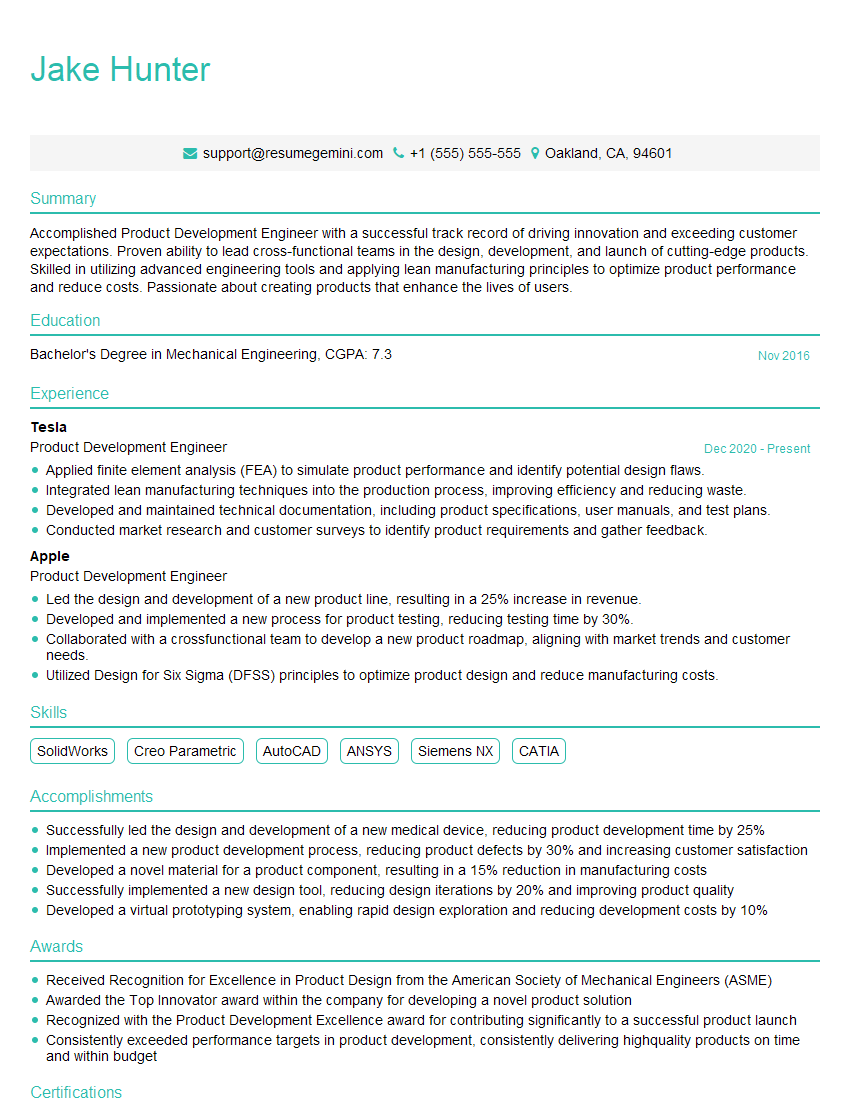
Product Development Engineer Resume Sample

Geotechnical Engineer Resume Sample

Structural Engineer Resume Sample

Manufacturing Engineer Resume Sample

Quality Control Engineer Resume Sample

Corrosion Engineer Resume Sample

Materials Engineer Resume Sample

Metallurgist Resume Sample
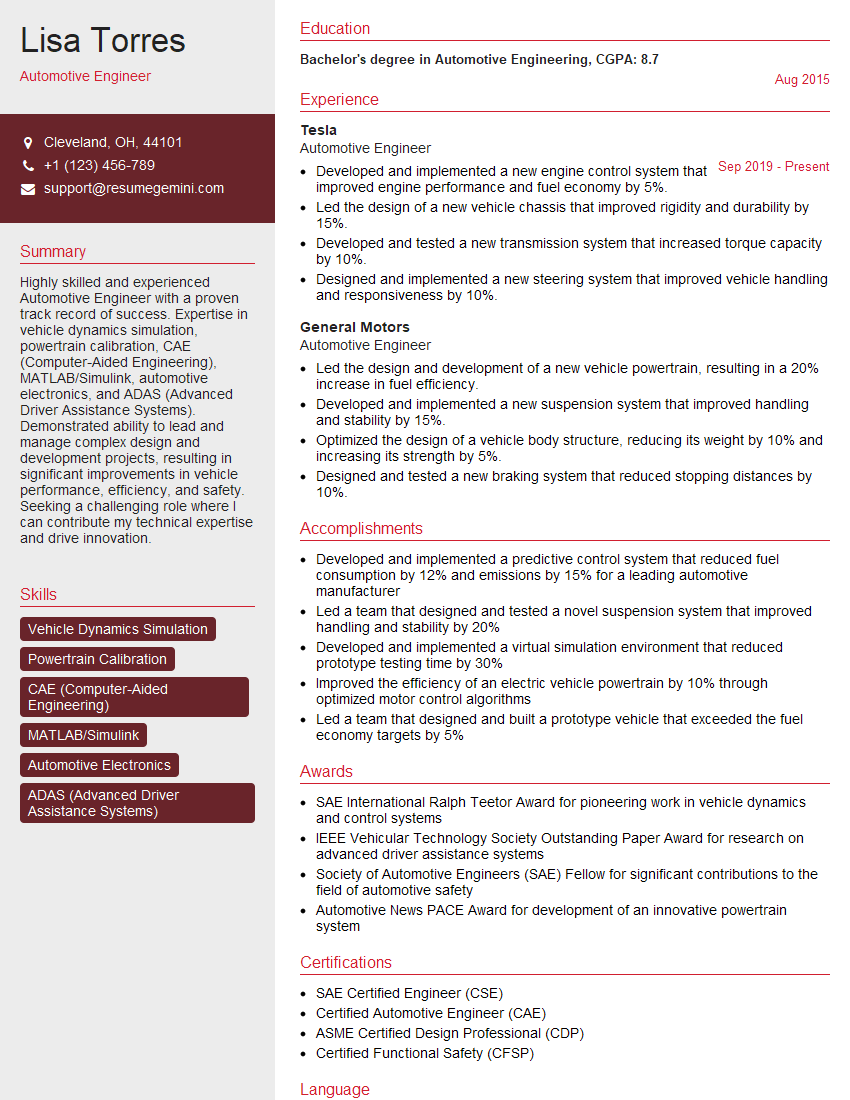
Automotive Engineer Resume Sample

Quality Assurance Engineer Resume Sample

Laboratory Technician Resume Sample

Engineering Technologist Resume Sample

Materials Scientist Resume Sample
- Process Engineer
- Research Scientist
- Aerospace Engineer
- Product Development Engineer
- Geotechnical Engineer
- Structural Engineer
- Manufacturing Engineer
- Quality Control Engineer
- Corrosion Engineer
- Materials Engineer
- Metallurgist
- Automotive Engineer
- Quality Assurance Engineer
- Laboratory Technician
- Engineering Technologist
- Materials Scientist
Explore more articles
Users Rating of Our Blogs
Share Your Experience
We value your feedback! Please rate our content and share your thoughts (optional).
What Readers Say About Our Blog
Very informative content, great job.
good