Are you ready to stand out in your next interview? Understanding and preparing for Handling of Hazardous Materials interview questions is a game-changer. In this blog, we’ve compiled key questions and expert advice to help you showcase your skills with confidence and precision. Let’s get started on your journey to acing the interview.
Questions Asked in Handling of Hazardous Materials Interview
Q 1. Describe your experience with the handling and transportation of hazardous materials in accordance with DOT regulations.
My experience with hazardous materials handling and transportation under DOT regulations spans over 10 years, encompassing both theoretical knowledge and extensive hands-on practice. I’ve been directly involved in the shipping, receiving, and inventory management of a wide range of hazardous materials, ensuring strict adherence to all applicable DOT regulations. This includes proper classification, packaging, labeling, documentation (shipping papers), and emergency response planning. I’ve worked with various modes of transportation – trucking, rail, and air – and have a deep understanding of the specific regulations governing each. For example, I’ve personally overseen the preparation of hazardous materials shipments requiring placarding and ensured all documentation met the requirements for safe transportation, preventing costly delays and potential fines. My expertise extends to understanding and implementing the Hazardous Materials Transportation Act (HMTA) and its associated regulations, including the development and execution of comprehensive safety programs.
I’ve also managed the training of numerous colleagues on proper hazardous materials handling procedures, ensuring regulatory compliance across the organization. In one instance, a misunderstanding regarding the proper placarding of a shipment could have resulted in a significant safety hazard. Through proactive training and my own expertise, we identified and corrected the issue before it led to an incident.
Q 2. Explain the different classes of hazardous materials and their associated risks.
Hazardous materials are classified into nine classes by the DOT, each with unique hazards and requiring specific handling procedures. Think of it like sorting your recycling: you need to separate materials based on their type to dispose of them properly.
- Class 1: Explosives: These materials can detonate or rapidly deflagrate (burn very quickly). Examples include dynamite and fireworks. The risk is obvious – potential for severe injury or death from blast and fragmentation.
- Class 2: Gases: Compressed, liquefied, or dissolved gases. Risks include flammability, toxicity, and asphyxiation. Examples are propane and oxygen.
- Class 3: Flammable Liquids: Liquids that easily ignite and burn rapidly. Gasoline and paint thinner are examples. Risks include fire and explosions.
- Class 4: Flammable Solids; Spontaneously Combustible Materials; Dangerous When Wet Materials: These include materials that can easily ignite, spontaneously combust, or react dangerously with water. Examples include magnesium and calcium carbide.
- Class 5: Oxidizers and Organic Peroxides: Materials that readily yield oxygen and may cause or enhance combustion. Examples include bleach and hydrogen peroxide. The risk is enhanced fire hazards.
- Class 6: Toxic and Infectious Substances: Materials that can cause serious health problems or death through inhalation, ingestion, or skin contact. Examples include pesticides and biological agents. Risks include poisoning and disease.
- Class 7: Radioactive Materials: Materials that emit ionizing radiation, posing risks of radiation exposure and potential long-term health consequences. Examples include uranium and plutonium.
- Class 8: Corrosive Materials: Materials that cause visible destruction or irreversible alterations to living tissue by chemical action. Examples include acids and alkalis. Risks include chemical burns and tissue damage.
- Class 9: Miscellaneous Hazardous Materials: Materials that present other hazards not covered in the other classes. Examples include lithium batteries and dry ice. Risks vary depending on the specific material.
Understanding these classes is crucial for safe handling and transport. Each class requires specific packaging, labeling, and handling procedures.
Q 3. What are the key components of a comprehensive hazardous materials spill response plan?
A comprehensive hazardous materials spill response plan is essential for mitigating risks and protecting people and the environment. It’s like having a detailed fire drill plan, but for hazardous spills. Key components include:
- Pre-planning and training: Identifying potential spill locations, determining vulnerable populations, and providing regular training to employees on response procedures.
- Spill response team: Establishing a dedicated team with designated roles and responsibilities. This team should be thoroughly trained in emergency procedures and the use of appropriate PPE.
- Emergency notification procedures: Defining procedures for notifying relevant authorities (e.g., emergency services, environmental agencies), and informing affected parties. This includes establishing clear communication channels.
- Containment and cleanup procedures: Specifying methods for containing and cleaning up various types of spills, taking into account the specific hazardous materials involved. This often requires specialized equipment and techniques.
- Waste disposal procedures: Outlining proper disposal methods for contaminated materials and waste generated during the cleanup process. Strict adherence to environmental regulations is crucial here.
- Personal Protective Equipment (PPE): Specifying the appropriate PPE for different spill scenarios. This is dependent upon the hazardous material involved and will include appropriate respirators, gloves, suits, etc.
- Post-incident procedures: Detailing actions to be taken after the spill has been contained and cleaned up, including documenting the incident, conducting post-incident reviews, and making improvements to the plan as needed.
Regular drills and reviews are critical to ensure the plan remains effective and up-to-date.
Q 4. How do you identify and assess potential hazards associated with hazardous materials?
Identifying and assessing potential hazards associated with hazardous materials requires a multi-faceted approach, a combination of careful observation, documentation review, and risk assessment. It’s like being a detective, carefully examining the clues to determine the potential dangers.
- Hazard Communication Program: This is the cornerstone. It includes proper labeling, safety data sheets (SDS), and employee training. The labels and SDS provide crucial information about the hazards of the material.
- Material Safety Data Sheets (MSDS/SDS): These sheets are invaluable, providing detailed information on the physical and chemical properties of the material, its potential health effects, and appropriate handling precautions. Review is vital before any handling begins.
- Visual Inspection: Check the container for damage, leaks, or improper labeling. This is your initial line of defense.
- Inventory Management: Maintaining accurate inventory records allows for effective tracking and helps identify potential storage issues, such as incompatible materials stored together.
- Risk Assessment: This formally evaluates the likelihood and severity of potential hazards. It considers factors like the quantity of the material, its toxicity, and the potential for exposure. This often utilizes a matrix to score and prioritize risks.
For example, if I encounter an unmarked container, I would immediately treat it as potentially hazardous and implement appropriate safety precautions before attempting to identify the contents. This careful approach prevents accidents.
Q 5. Describe your experience with personal protective equipment (PPE) specific to hazardous materials handling.
My experience with PPE for hazardous materials handling is extensive and encompasses a variety of scenarios. The choice of PPE depends entirely on the specific hazard presented by the material. It’s not a one-size-fits-all solution. You wouldn’t wear the same gear to handle acid as you would to handle radioactive materials.
- Respiratory Protection: This can range from simple dust masks to full-face respirators with specialized cartridges designed to filter out specific gases and vapors, depending on the material’s toxicity.
- Chemical Protective Clothing: This includes gloves, suits, and boots made from materials resistant to the specific chemicals being handled. The material of the suit must be compatible with the chemical involved. Some materials are resistant to acids but not to bases, for example.
- Eye Protection: Safety glasses, goggles, or face shields offer protection from splashes or fumes.
- Hearing Protection: In certain situations, such as working with noisy machinery, earplugs or earmuffs are essential.
Proper training on selecting, fitting, and using PPE is paramount. I’ve personally trained numerous individuals on the correct selection and use of PPE relevant to specific hazardous materials and the importance of proper fit and maintenance to ensure effectiveness.
Q 6. What are the procedures for properly labeling and packaging hazardous materials for transport?
Proper labeling and packaging are fundamental to safe transport of hazardous materials. Think of it like clearly marking a package so the delivery service knows how to handle it. Failure to do so can lead to serious accidents and legal repercussions.
- Labels: The DOT requires specific labels based on the hazard class of the material. These labels clearly communicate the risks associated with the material. The labels are diamond-shaped and contain information about the hazard class and UN number.
- Packaging: Packaging must be robust enough to withstand the stresses of transport and prevent leaks or spills. The choice of packaging material and design is dictated by the physical and chemical properties of the material. Regulations specify requirements for different packaging types.
- Placards: For larger shipments, placards are displayed on the outside of the transport vehicle to provide a clear warning to others about the hazardous materials being transported. These provide a visual cue of the hazard class.
- Shipping Papers: Detailed documentation accompanying the shipment that includes information about the hazardous materials, their quantities, and proper handling instructions. This documentation is essential for emergency responders.
In short, proper labeling and packaging help prevent accidents, protect workers and the public, and ensure compliance with regulations.
Q 7. Explain the importance of Material Safety Data Sheets (MSDS) in hazardous materials management.
Material Safety Data Sheets (MSDS), now known as Safety Data Sheets (SDS), are crucial documents that provide comprehensive information about hazardous materials. Think of them as an instruction manual for safe handling. They are the cornerstone of a safe hazardous materials management program.
- Detailed Information: SDSs contain detailed information about the chemical composition of the material, its physical and chemical properties, health hazards, and safety precautions. They explain potential health effects, how to handle spills and leaks, and personal protective equipment requirements.
- Regulatory Compliance: Access to and proper handling of SDSs are crucial for compliance with OSHA and other regulations concerning hazardous materials.
- Emergency Response: In case of an emergency, the SDS provides vital information for emergency responders, allowing them to make informed decisions about containment and cleanup.
- Training and Education: SDSs are essential resources for training employees on the safe handling and use of hazardous materials. They provide the basis for comprehensive training programs.
Without access to and proper understanding of the information within an SDS, safe and compliant hazardous material handling would be impossible.
Q 8. How do you ensure compliance with OSHA regulations regarding hazardous materials?
Ensuring OSHA compliance for hazardous materials begins with a comprehensive understanding of the relevant regulations, which vary depending on the specific materials handled. This involves regular training for all personnel, maintaining detailed Safety Data Sheets (SDS) for every hazardous substance, and implementing robust safety programs. We establish clear procedures for handling, storage, and disposal, tailored to each material’s specific hazards. This includes establishing engineering controls such as proper ventilation and containment systems. Furthermore, we conduct regular inspections to ensure these procedures are being followed correctly and to identify any potential hazards or deficiencies in our safety program. For example, in a previous role, we implemented a color-coded labeling system for all storage areas, greatly improving the clarity and speed of identification of hazardous materials. This visual system supplemented the existing SDS documentation and significantly reduced the risk of accidental exposure.
Beyond this, it requires record-keeping of all training, inspections, and incidents. OSHA compliance isn’t a one-time task; it’s an ongoing process of continuous improvement. We conduct regular audits to proactively identify potential non-compliance issues and address them before they lead to accidents or citations.
Q 9. Describe your experience with emergency response procedures for hazardous material incidents.
My experience with emergency response procedures involves extensive training in recognizing and responding to hazardous material incidents. This includes understanding the various types of hazardous materials, their potential hazards, and the appropriate personal protective equipment (PPE) required for each scenario. I’m proficient in using various emergency response equipment, including spill kits, decontamination equipment, and specialized breathing apparatus. I’ve participated in numerous drills and real-world emergency responses, adhering to established protocols such as identifying the hazard, isolating the area, notifying emergency services, and initiating containment and cleanup efforts.
In one instance, we had a significant chemical spill involving a corrosive material. My team and I immediately followed our established protocols: activating our emergency response plan, securing the area, donning the appropriate PPE, and containing the spill using absorbent materials and a containment berm. We coordinated with emergency responders, providing them with essential information about the spilled material and its hazards. This quick and coordinated response minimized environmental damage and prevented injuries.
Q 10. What is your familiarity with the Globally Harmonized System of Classification and Labelling of Chemicals (GHS)?
The Globally Harmonized System of Classification and Labelling of Chemicals (GHS) is a globally recognized system for classifying and communicating the hazards of chemicals. My familiarity with GHS is extensive, covering its core elements: classification of chemicals based on their health, environmental, and physical hazards; standardized safety data sheets (SDS); and harmonized hazard labels. I understand how to interpret SDS information and apply the hazard pictograms, signal words (danger, warning), and hazard statements to ensure safe handling and use of chemicals. This ensures consistent communication of hazard information across international borders, preventing misinterpretations and improving workplace safety.
For example, understanding GHS allows me to quickly identify the potential risks associated with a new chemical based on its label and SDS. This includes understanding the specific precautions that must be taken and the appropriate PPE required. This ensures that everyone who handles the chemical is aware of the potential risks and knows how to minimize their exposure.
Q 11. How do you manage waste generated from hazardous materials handling?
Managing hazardous waste generated from handling hazardous materials is critical for environmental protection and compliance. Our procedures begin with proper segregation of waste streams according to their hazardous characteristics. We utilize clearly labeled containers and storage areas designated for each waste type to prevent cross-contamination. Detailed records are maintained for every hazardous waste generated, including the type of waste, its quantity, and its disposal method. We adhere to all applicable regulations, such as those dictated by the Resource Conservation and Recovery Act (RCRA) in the US, by carefully selecting licensed and permitted waste haulers for transport and disposal. Regular audits ensure compliance and environmental responsibility.
We also emphasize waste minimization techniques. This includes implementing practices to reduce the amount of hazardous waste generated, such as using less hazardous materials when possible, implementing proper recycling programs and employing efficient processes that minimize waste production.
Q 12. Describe your understanding of different hazardous waste disposal methods.
Hazardous waste disposal methods vary considerably depending on the nature of the waste. Common methods include incineration (for certain organic wastes), chemical treatment (neutralization, oxidation), biological treatment (bioremediation), solidification/stabilization (to reduce mobility), and landfilling (in appropriately lined and monitored facilities). Each method has its own advantages and disadvantages, and the selection process depends on several factors, including the waste’s characteristics, regulatory requirements, and cost-effectiveness. The selection process must always ensure environmental protection and adherence to all relevant regulations. For example, we might use incineration for highly flammable organic solvents, while a chemical treatment method might be appropriate for neutralizing acidic wastes. Landfilling is typically a last resort after treatment to reduce the overall risk.
Q 13. What are the signs and symptoms of exposure to common hazardous materials?
The signs and symptoms of exposure to common hazardous materials vary greatly depending on the specific material and the route of exposure (inhalation, ingestion, skin contact). Some common examples include:
- Acids: Skin burns, respiratory irritation, eye damage.
- Alkalis (bases): Similar to acids – skin burns, respiratory irritation, eye damage.
- Solvents: Dizziness, headaches, nausea, skin irritation, central nervous system depression.
- Heavy metals (lead, mercury): Neurological problems, kidney damage, reproductive issues.
- Cyanides: Shortness of breath, dizziness, loss of consciousness.
It’s crucial to always consult the SDS for a specific material to understand the potential health effects of exposure and appropriate first aid measures. Early recognition of symptoms is crucial for prompt medical attention.
Q 14. How would you respond to a minor hazardous material spill?
Responding to a minor hazardous material spill requires a systematic approach. The first step is to ensure the safety of personnel by evacuating the area and ensuring everyone is wearing the appropriate personal protective equipment (PPE). Next, we would contain the spill to prevent further spread. This may involve using absorbent materials, diking agents, or other containment methods depending on the nature of the spill. Once contained, the next step involves cleaning up the spill using appropriate procedures outlined in the SDS. This might include using specialized cleaning agents and disposal procedures. Finally, we document the incident, including the type and quantity of material spilled, the cleanup methods used, and any injuries sustained. We then review the incident to identify any areas for improvement in our safety procedures.
For instance, a small spill of a non-reactive solvent would require absorbent pads, careful collection of the contaminated materials, and disposal according to local regulations. In contrast, a spill of a corrosive material would necessitate a more cautious approach, potentially involving specialized neutralization procedures before cleanup.
Q 15. Explain the process for conducting a hazard assessment for a workplace using hazardous materials.
A hazard assessment for hazardous materials involves systematically identifying potential hazards and evaluating the risks associated with their presence in the workplace. It’s like a detective’s investigation, meticulously searching for clues of danger.
The process typically follows these steps:
- Identify Hazardous Materials: This involves creating a comprehensive inventory of all hazardous materials present, including chemicals, biological agents, and radioactive substances. Consider their physical and chemical properties (flammability, toxicity, reactivity).
- Identify Potential Hazards: For each material, determine the potential hazards associated with its use, storage, handling, and disposal. Examples include fire, explosion, toxicity, and environmental damage. Consider both acute (immediate) and chronic (long-term) effects.
- Identify Exposed Workers: Determine which workers are exposed to each hazard and the frequency, duration, and intensity of their exposure. This might involve job shadowing and reviewing work procedures.
- Evaluate the Risk: Combine the likelihood of the hazard occurring with the severity of the potential consequences to determine the overall risk level. This is often done using a risk matrix.
- Implement Control Measures: Based on the risk assessment, implement control measures to minimize or eliminate the hazards. This could include engineering controls (e.g., ventilation), administrative controls (e.g., work permits), and personal protective equipment (PPE).
- Monitor and Review: Regularly monitor the effectiveness of the control measures and review the hazard assessment periodically to ensure it remains accurate and relevant.
For instance, in a laboratory setting, a hazard assessment would involve identifying the specific chemicals used, their potential for fire or explosion, the toxicity of fumes, and the risk of spills. The assessment would then outline procedures for safe handling, including the use of fume hoods, proper ventilation, and specific PPE.
Career Expert Tips:
- Ace those interviews! Prepare effectively by reviewing the Top 50 Most Common Interview Questions on ResumeGemini.
- Navigate your job search with confidence! Explore a wide range of Career Tips on ResumeGemini. Learn about common challenges and recommendations to overcome them.
- Craft the perfect resume! Master the Art of Resume Writing with ResumeGemini’s guide. Showcase your unique qualifications and achievements effectively.
- Don’t miss out on holiday savings! Build your dream resume with ResumeGemini’s ATS optimized templates.
Q 16. How do you ensure the safe storage and handling of hazardous materials in a warehouse setting?
Safe storage and handling in a warehouse require a multi-faceted approach focusing on segregation, containment, and control. Think of it as creating a secure and organized system to prevent accidents.
- Segregation: Incompatible materials must be stored separately to prevent reactions. For instance, oxidizers should never be stored near flammable materials. Clearly label storage areas to indicate the type of hazardous materials inside.
- Containment: Use appropriate containment systems, such as spill pallets, secondary containment, and leak-proof containers to prevent spills and leaks. These systems act as a safety net.
- Storage Conditions: Store materials according to the manufacturer’s recommendations. This might include temperature control, humidity control, and protection from direct sunlight. Consider the impact of things like extreme heat or cold.
- Inventory Management: Maintain an accurate inventory of all hazardous materials, including their location, quantity, and date of receipt. This helps track usage and ensures appropriate disposal.
- Access Control: Restrict access to hazardous materials storage areas to authorized personnel only. This might involve locked doors and restricted entry procedures. Clear signage is essential.
- Emergency Preparedness: Develop and implement emergency procedures for spills, leaks, and fires. This includes having appropriate spill kits, fire extinguishers, and emergency contact information readily available.
For example, a warehouse storing chemicals would segregate flammables from oxidizers, using clearly labeled cabinets with spill trays underneath. Emergency response plans would be in place, including the location of spill kits and the procedures for contacting emergency services.
Q 17. What are the legal responsibilities of employers regarding hazardous materials handling?
Employers have significant legal responsibilities concerning hazardous materials handling, varying by jurisdiction but generally encompassing:
- Compliance with Regulations: Adherence to all relevant local, state, and federal regulations, such as OSHA (Occupational Safety and Health Administration) standards in the US or equivalent regulations in other countries. This includes proper labeling, storage, handling, and disposal procedures.
- Hazard Communication: Providing employees with clear and accurate information about the hazards of the materials they handle, including Safety Data Sheets (SDS) and training.
- Employee Training: Providing comprehensive training to employees on the safe handling, storage, and disposal of hazardous materials. This training should be tailored to the specific hazards present in the workplace.
- Personal Protective Equipment (PPE): Providing and ensuring the proper use of PPE, such as respirators, gloves, and eye protection, to protect workers from exposure.
- Incident Reporting: Implementing procedures for reporting and investigating accidents and incidents involving hazardous materials.
- Record Keeping: Maintaining accurate records of hazardous materials handling activities, including training records, incident reports, and inventory data.
Failure to comply with these responsibilities can result in significant fines, penalties, and legal action. A company’s failure to provide adequate training resulting in an employee injury is a prime example of legal negligence.
Q 18. Describe your experience with using specialized equipment for handling hazardous materials.
My experience with specialized equipment includes using:
- Vacuum Trucks: For safely cleaning up spills of liquids, particularly those that pose environmental hazards. This involves understanding the different types of vacuums (high-pressure, low-pressure) and their applications.
- Spill Response Kits: For immediate containment and cleanup of smaller spills. This entails familiarity with absorbent materials, neutralizers, and proper disposal procedures.
- Drum Handling Equipment: Such as drum pumps, drum dollies, and drum rotators for safe transfer of materials from drums without manual handling. Ensuring proper equipment maintenance is key.
- Respiratory Protection Equipment: I’m proficient in using and maintaining various types of respirators, including air-purifying respirators and supplied-air respirators, as well as conducting fit testing. Proper selection based on the specific hazard is crucial.
- Specialized Handling Containers: These include specialized containers for transporting radioactive materials, flammables, and other highly hazardous materials that require specific handling and regulatory compliance.
In one instance, I used a vacuum truck to safely clean up a significant chemical spill at a manufacturing plant, minimizing environmental impact and protecting the safety of workers.
Q 19. How do you maintain accurate records of hazardous materials handling activities?
Maintaining accurate records is paramount for demonstrating compliance and facilitating effective management of hazardous materials. It’s like maintaining a comprehensive and organized logbook.
My approach involves:
- Inventory Tracking System: Using a computerized or manual system to track all incoming and outgoing hazardous materials, including quantities, locations, and dates. This ensures accountability and prevents loss.
- SDS Management: Maintaining an up-to-date database of Safety Data Sheets (SDS) for every hazardous material in the facility. SDS are updated frequently so keeping them current is critical.
- Training Records: Maintaining records of all employee training related to hazardous materials handling, including dates of training, participants, and topics covered. This verifies that workers are adequately prepared.
- Incident Reporting System: Documenting all incidents and near misses involving hazardous materials, including detailed descriptions of what occurred, corrective actions taken, and follow-up measures. Learning from mistakes is important.
- Waste Disposal Records: Keeping detailed records of hazardous waste disposal, including the type of waste, the amount, the date of disposal, and the name of the disposal contractor. This is a crucial element of regulatory compliance.
These records are crucial for audits, emergency response, and demonstrating compliance with regulatory requirements. Using a dedicated database or software can greatly streamline this process.
Q 20. Explain the importance of employee training in hazardous materials handling.
Employee training is the cornerstone of safe hazardous materials handling. It’s about empowering workers with the knowledge and skills to handle potential risks responsibly. It’s like giving them a safety net.
The importance stems from:
- Preventing Accidents: Proper training reduces the likelihood of accidents and injuries. Workers understand risks and safety procedures.
- Minimizing Environmental Impact: Training on proper handling and disposal minimizes the environmental impact of hazardous materials. This promotes responsible environmental stewardship.
- Ensuring Compliance: Training demonstrates adherence to regulatory requirements, helping to prevent fines and legal issues. It is a form of due diligence.
- Boosting Employee Morale: Demonstrating a commitment to employee safety improves morale and job satisfaction. Workers feel valued and protected.
- Improving Efficiency: Well-trained employees work more safely and efficiently. They know the proper techniques and procedures.
A comprehensive training program should include theoretical instruction, hands-on practice, and regular refresher courses. This would include scenario-based training, and simulations of emergency situations.
Q 21. What are the common types of respiratory protection used when handling hazardous materials?
The choice of respiratory protection depends entirely on the specific hazardous materials being handled and the level of risk. It’s like choosing the right tool for the job.
Common types include:
- Air-Purifying Respirators (APR): These respirators filter the air to remove contaminants. They are suitable for environments with known contaminants at levels below the immediately dangerous to life or health (IDLH) limit. Various types exist depending on the filter type (e.g., particulate, gas, vapor).
- Supplied-Air Respirators (SAR): These respirators provide a continuous supply of clean air from an external source, such as a compressed air tank or a breathing apparatus. They are necessary for environments with high concentrations of hazardous materials or oxygen-deficient atmospheres.
- Self-Contained Breathing Apparatus (SCBA): These respirators provide a self-contained supply of air, allowing workers to enter hazardous environments without reliance on external air supplies. These are frequently used in situations of extreme risk.
Selecting the appropriate respirator requires careful consideration of the specific hazards, the concentration of contaminants, and the duration of exposure. Proper fit testing and training are essential to ensure the respirator provides adequate protection.
Q 22. How do you determine the appropriate PPE for different hazardous materials?
Selecting the right Personal Protective Equipment (PPE) for hazardous materials is crucial and depends entirely on the specific hazards involved. It’s not a one-size-fits-all approach. We need to identify the hazards first – are we dealing with corrosive chemicals, respiratory irritants, flammable liquids, or biological agents? Each hazard necessitates different protective measures.
The process typically involves a hazard assessment, consulting the Safety Data Sheet (SDS) of the material, and then choosing PPE to mitigate the identified risks. For example:
- Corrosive chemicals: Require chemical-resistant gloves (e.g., neoprene, nitrile), eye protection (goggles or face shield), and possibly an apron or coveralls.
- Respiratory hazards: May necessitate respirators – the type depending on the specific hazard (e.g., particulate respirator for dust, a full-face respirator for gases). Proper fit testing is paramount.
- Flammable materials: Often call for flame-resistant clothing and gloves.
Remember, layering PPE is sometimes necessary. For instance, you might wear chemical-resistant gloves underneath flame-resistant gloves if handling a flammable, corrosive substance. Training on proper PPE donning and doffing procedures is also essential to prevent cross-contamination and ensure the PPE remains effective.
Q 23. Describe your understanding of the different types of hazardous material incidents (e.g., spills, fires, explosions).
Hazardous material incidents can be broadly categorized, and understanding these categories is fundamental to effective response. A spill, for example, involves the unintentional release of a hazardous substance into the environment. The severity depends on the quantity spilled, the nature of the substance, and the location of the spill. A small spill of a relatively benign chemical might require only containment and cleanup, while a large spill of a highly toxic substance could necessitate extensive evacuation and environmental remediation.
Fires involving hazardous materials are incredibly dangerous because the burning material can release toxic fumes and create explosive situations. The response depends heavily on the type of material burning and the potential for explosion. Specialized fire suppression techniques, such as using specific extinguishing agents, may be needed.
Explosions are catastrophic events, often resulting in significant property damage and potential loss of life. These incidents often stem from the improper handling or storage of volatile substances. The investigation after an explosion focuses on determining the root cause, ensuring site stability, and preventing future incidents.
Each incident type demands a unique and tailored response, emphasizing the importance of thorough planning and training.
Q 24. Explain the process of reporting hazardous material incidents to the appropriate authorities.
Reporting hazardous material incidents follows a structured process designed for prompt and effective response. The first step is always to ensure the safety of personnel involved, then immediately contact emergency services. The specific number will vary by location – in many places, it’s a 911 or equivalent emergency line.
Next, follow your company’s emergency response plan. This plan outlines the procedures for reporting, containment, and evacuation. After contacting emergency services, notify your supervisor or designated emergency contact person. They will then likely coordinate with relevant regulatory agencies (like OSHA or EPA depending on the location and the nature of the materials).
The report should include as much detail as possible: the type and quantity of material involved, the location of the incident, the extent of the damage, and any injuries sustained. Accurate and timely reporting is crucial for preventing further harm and facilitating the appropriate response.
Maintaining detailed records of the incident, including the response measures taken, is essential for future analysis and improvement of safety protocols.
Q 25. How do you ensure the safety of your team while handling hazardous materials?
Ensuring team safety during hazardous material handling is my top priority. This involves a multi-layered approach, starting with comprehensive training. My team receives regular, in-depth instruction on the properties of the materials they handle, the appropriate PPE, emergency response procedures, and safe work practices. We conduct practical drills simulating various scenarios to ensure proficiency.
We utilize a robust permit-to-work system for all high-risk tasks, requiring detailed risk assessments before any work commences. This includes evaluating potential hazards, identifying control measures, and assigning responsibilities. Regular inspections of equipment and work areas are conducted to maintain a safe environment.
Open communication is paramount; we encourage team members to report any safety concerns without fear of reprisal. We foster a strong safety culture where each individual feels empowered to raise concerns and contribute to a safer work environment. We also regularly review and update our safety protocols based on lessons learned from near misses and incidents.
Q 26. Describe your experience with conducting hazardous materials inspections.
I have extensive experience in conducting hazardous materials inspections, focusing both on compliance with regulations and the identification of potential hazards. These inspections cover storage areas, handling procedures, and emergency response plans. I utilize checklists and documented procedures to ensure a thorough and consistent approach.
A typical inspection would involve visually inspecting storage containers for damage, verifying proper labeling and SDS availability, checking for appropriate ventilation, and assessing the integrity of containment systems. I’d also observe work practices to ensure compliance with safety procedures and look for potential hazards, such as leaks, spills, or improper handling techniques.
During an inspection, I document all findings, noting any non-compliances, safety concerns, or areas requiring improvement. I provide recommendations for corrective actions and follow up to ensure these actions are implemented. The goal is not only to identify immediate hazards but also to prevent future incidents by improving overall safety procedures.
Q 27. What are your strategies for minimizing exposure to hazardous materials?
Minimizing exposure to hazardous materials requires a proactive and multi-faceted strategy. Engineering controls are the most effective – things like installing ventilation systems to reduce airborne contaminants, using enclosed systems to prevent spills, and providing adequate shielding to reduce radiation exposure.
Administrative controls, such as implementing safe work practices, establishing clear procedures, providing training, and limiting exposure time, are also vital. This might include rotating personnel to reduce individual exposure or using remote handling equipment.
Personal Protective Equipment (PPE) acts as the last line of defense. As mentioned previously, selecting the right PPE and ensuring it’s properly used and maintained is crucial. Regular monitoring of exposure levels through air sampling and biomonitoring can help evaluate the effectiveness of control measures and identify any areas needing improvement. Emergency response planning is also key, ensuring we have procedures in place to handle unexpected events.
Q 28. How do you stay current with changes in hazardous materials regulations?
Staying current with changes in hazardous materials regulations is a continuous process. I regularly review updates from relevant agencies like OSHA and EPA, subscribing to their newsletters and attending industry conferences and workshops. Professional development courses and certifications are also important for maintaining up-to-date knowledge.
I actively participate in professional organizations related to hazardous materials management, which provides access to the latest information and best practices. Networking with other professionals in the field facilitates information exchange and allows for a collaborative approach to staying informed. The constant evolution of regulations, new materials and technologies, and best practices requires ongoing vigilance.
By adopting these methods, I ensure that my knowledge and practices remain current and compliant, contributing to the highest standards of safety within my team and organization. This proactive approach mitigates risk and ensures responsible management of hazardous materials.
Key Topics to Learn for Handling of Hazardous Materials Interview
- Hazard Communication: Understanding Safety Data Sheets (SDS), labels, and pictograms; applying this knowledge to safe handling procedures.
- Personal Protective Equipment (PPE): Selecting appropriate PPE based on hazard assessment; proper donning, doffing, and maintenance of PPE.
- Spill Response and Cleanup: Procedures for containing and cleaning up spills of various hazardous materials; understanding the importance of secondary containment.
- Emergency Procedures: Knowledge of emergency response plans, including evacuation procedures and contacting emergency services; familiarity with different types of hazardous material incidents.
- Transportation Regulations: Understanding DOT regulations (or equivalent) for the safe transportation of hazardous materials; proper documentation and placarding.
- Storage and Handling Practices: Safe storage techniques for various hazardous materials; understanding compatibility issues and segregation requirements.
- Waste Management: Proper disposal methods for hazardous waste; compliance with relevant environmental regulations.
- Regulatory Compliance: Familiarity with OSHA (or equivalent) regulations related to hazardous materials handling; understanding record-keeping requirements.
- Risk Assessment and Mitigation: Conducting hazard assessments to identify potential risks; implementing control measures to mitigate those risks.
- Practical Application: Being able to describe real-world scenarios and how you would apply your knowledge to handle them safely and efficiently. Consider examples from past experiences or hypothetical situations.
Next Steps
Mastering the handling of hazardous materials is crucial for career advancement in many industries, opening doors to specialized roles and higher earning potential. A strong resume is your key to unlocking these opportunities. Creating an ATS-friendly resume is essential to ensure your application gets noticed by recruiters. To help you build a professional and impactful resume, we recommend using ResumeGemini. ResumeGemini offers a user-friendly platform and provides examples of resumes tailored to the Handling of Hazardous Materials field to guide you.
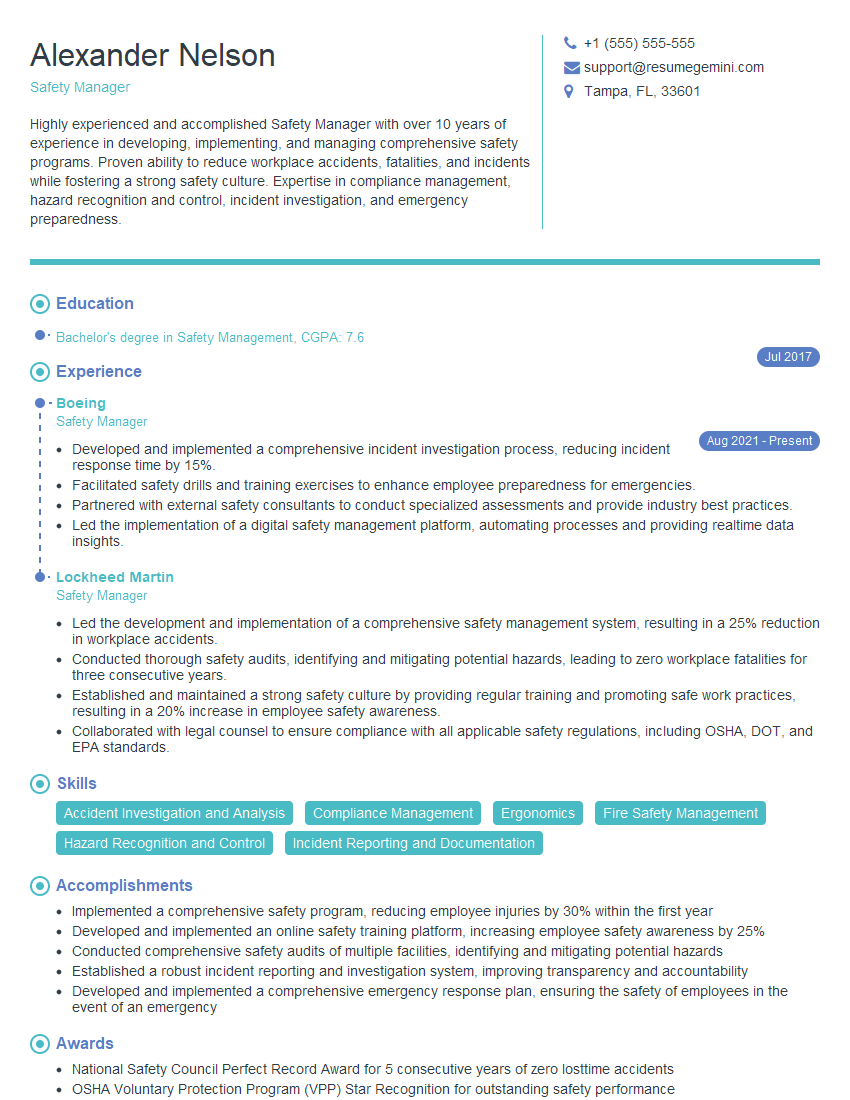
Safety Manager Resume Sample
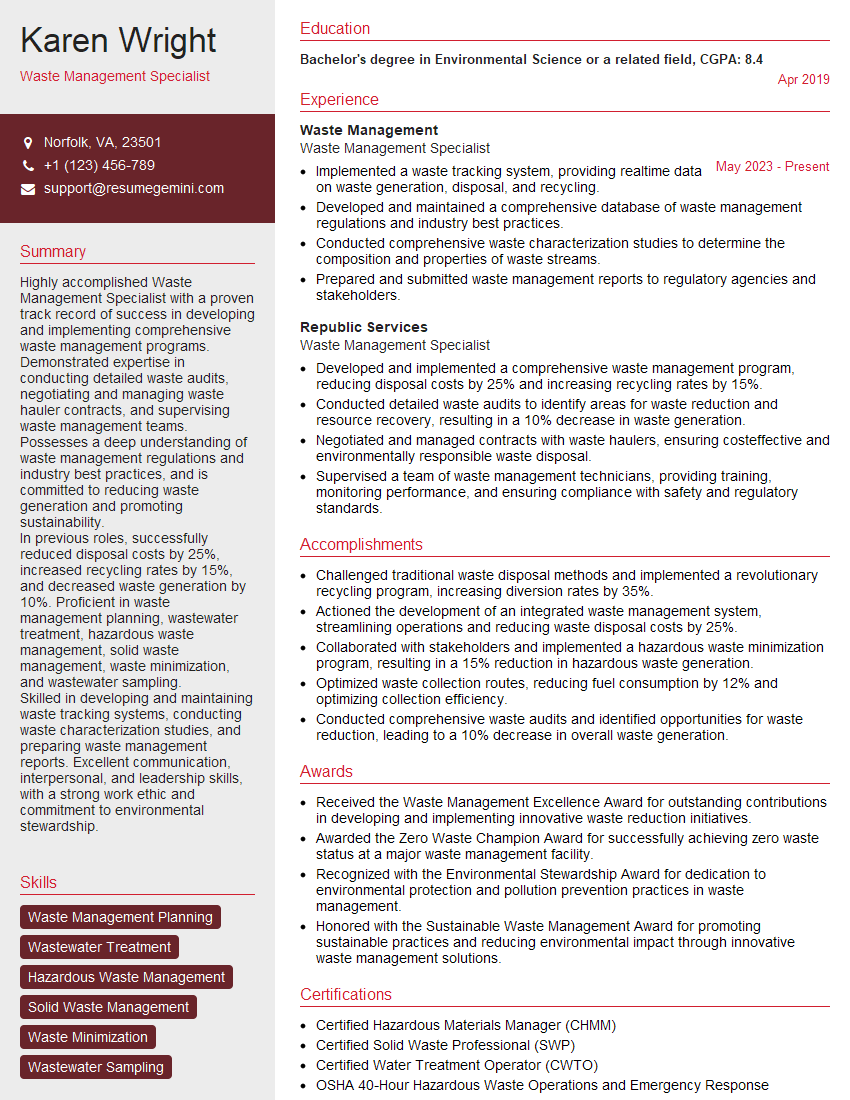
Waste Management Specialist Resume Sample

Health and Safety Manager Resume Sample
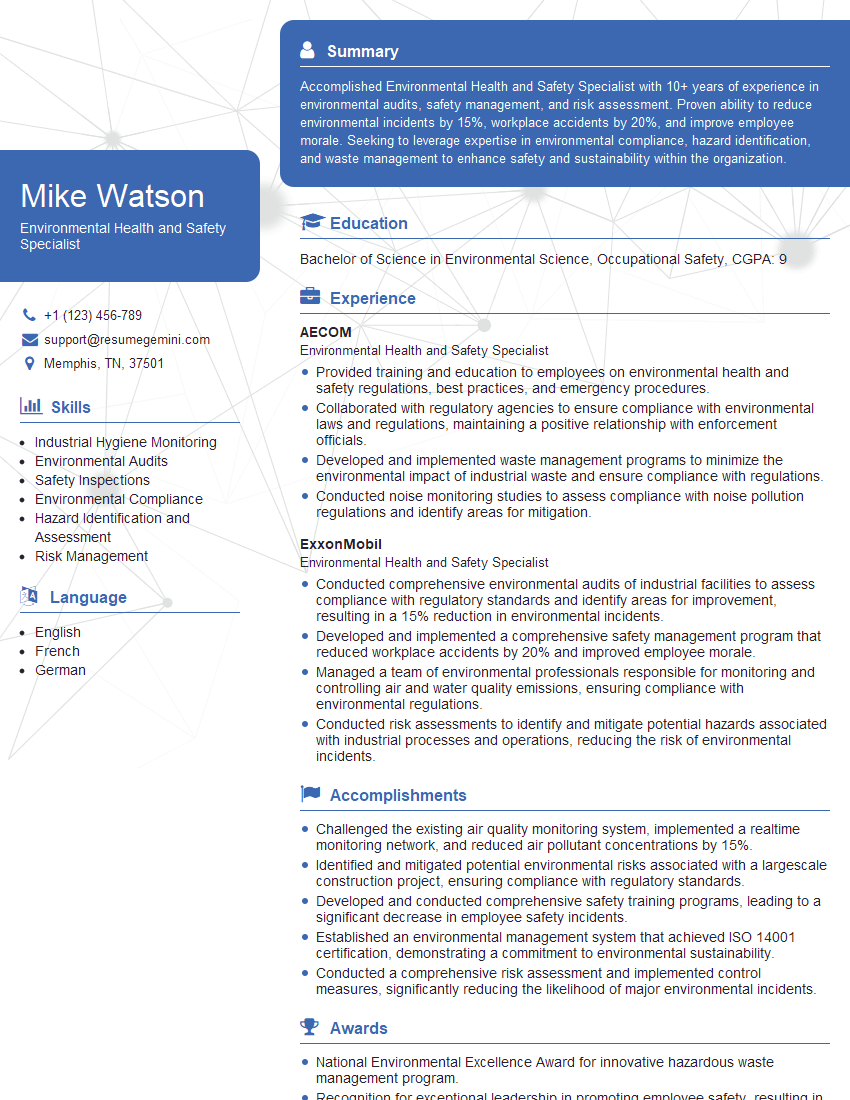
Environmental Health and Safety Specialist Resume Sample
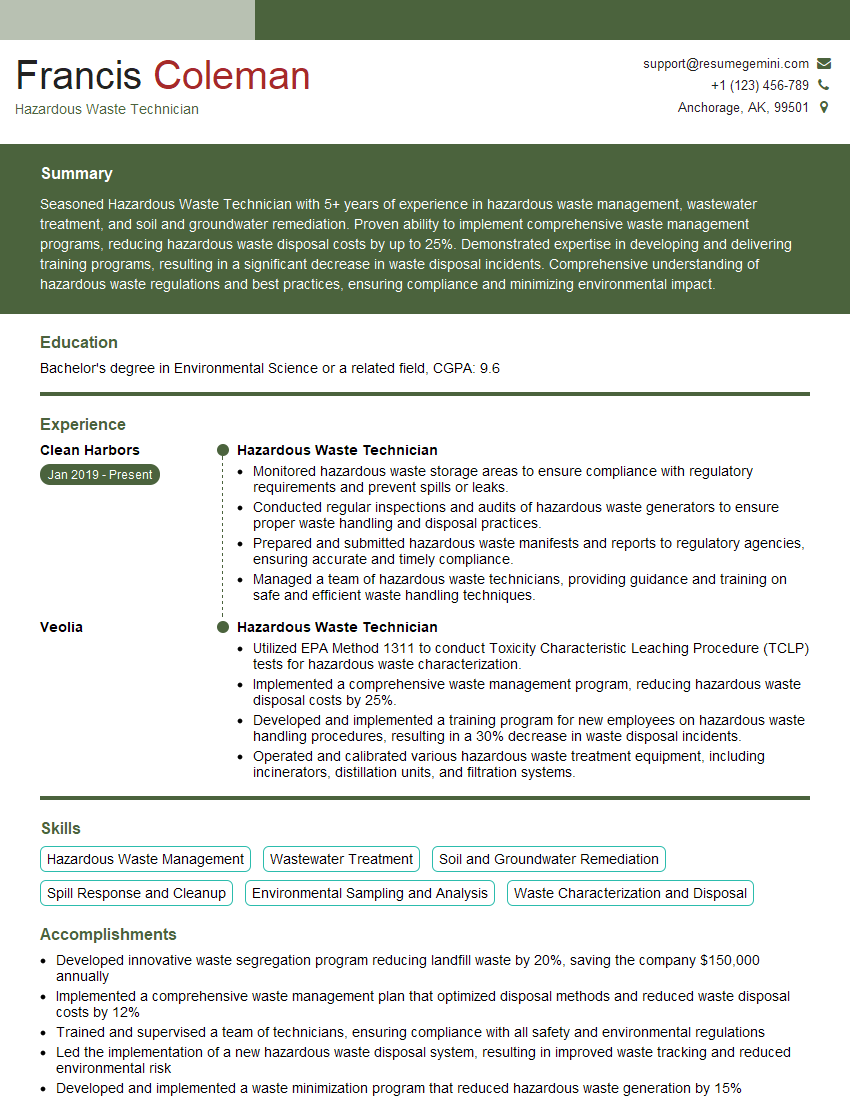
Hazardous Waste Technician Resume Sample
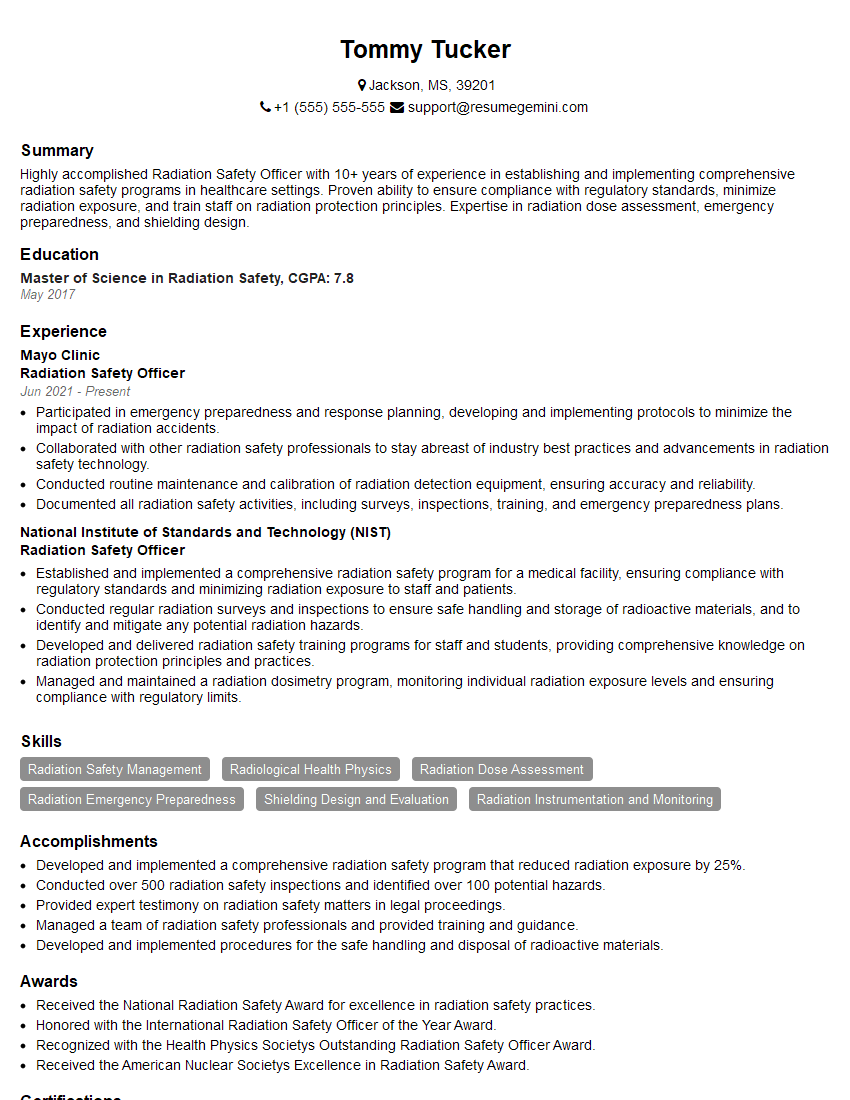
Radiation Safety Officer Resume Sample
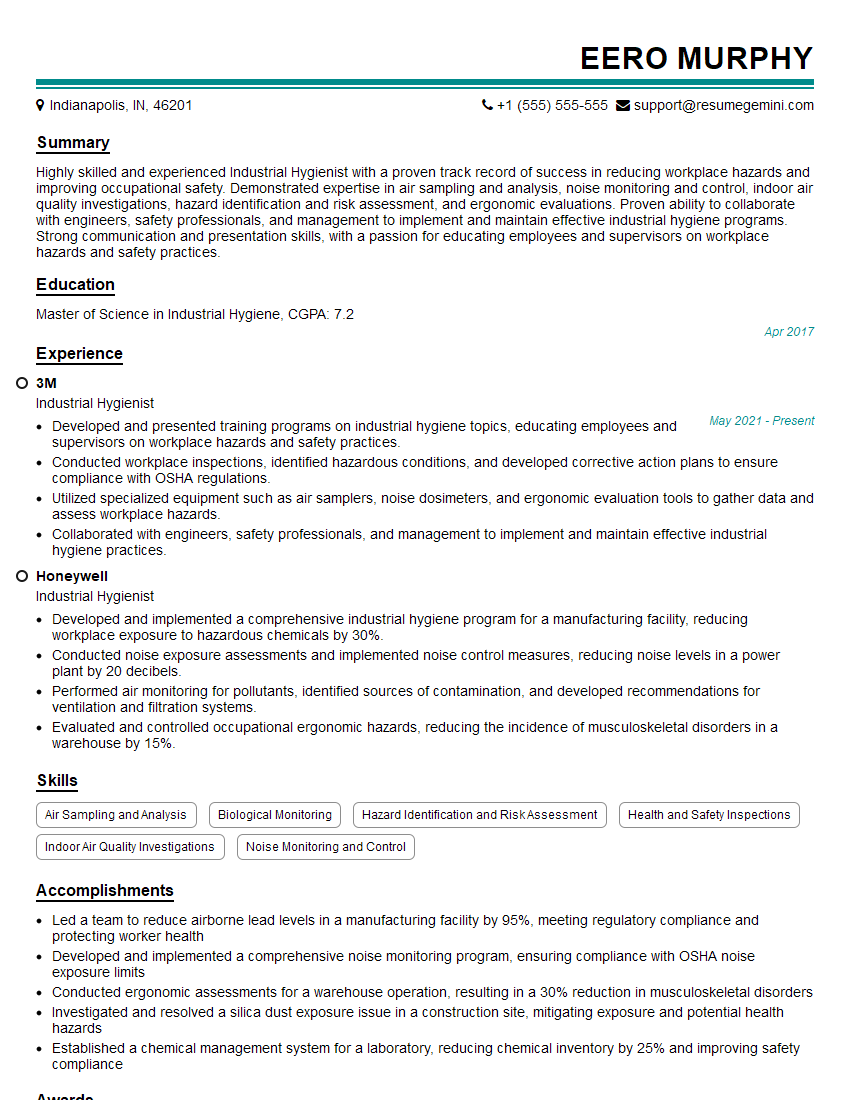
Industrial Hygienist Resume Sample
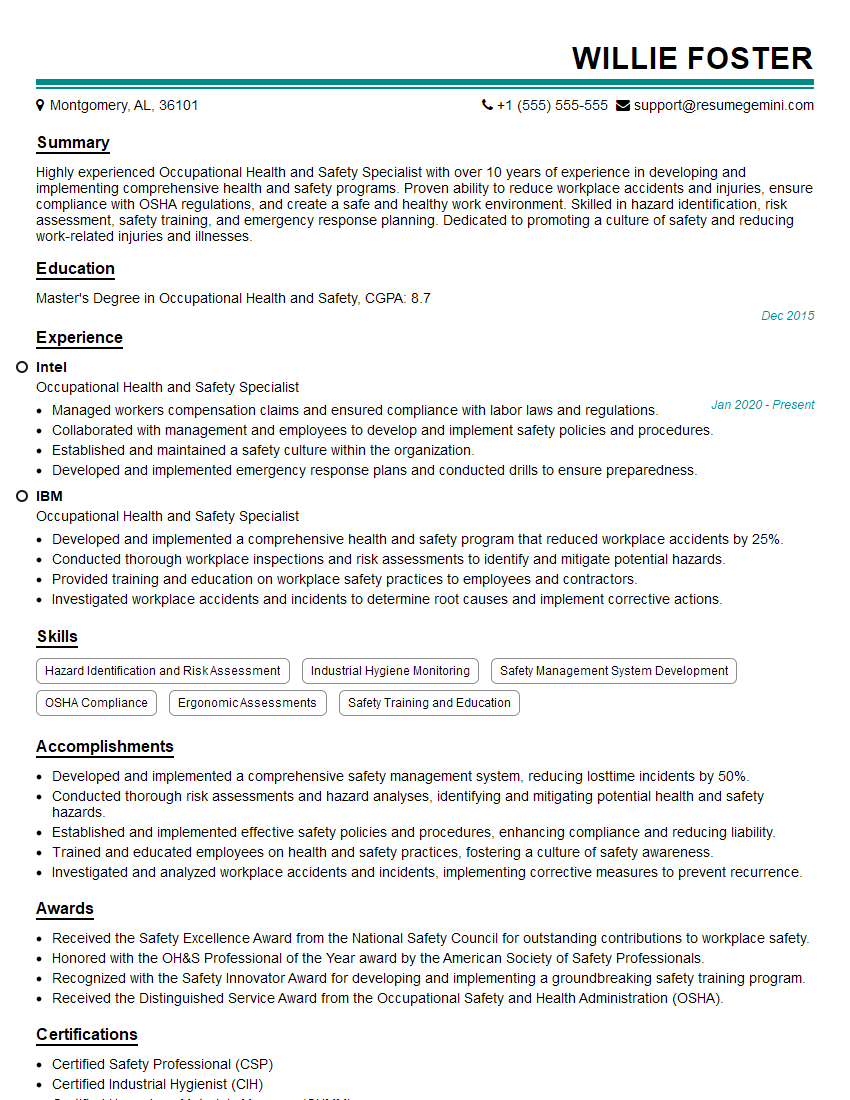
Occupational Health and Safety Specialist Resume Sample

Safety Officer Resume Sample
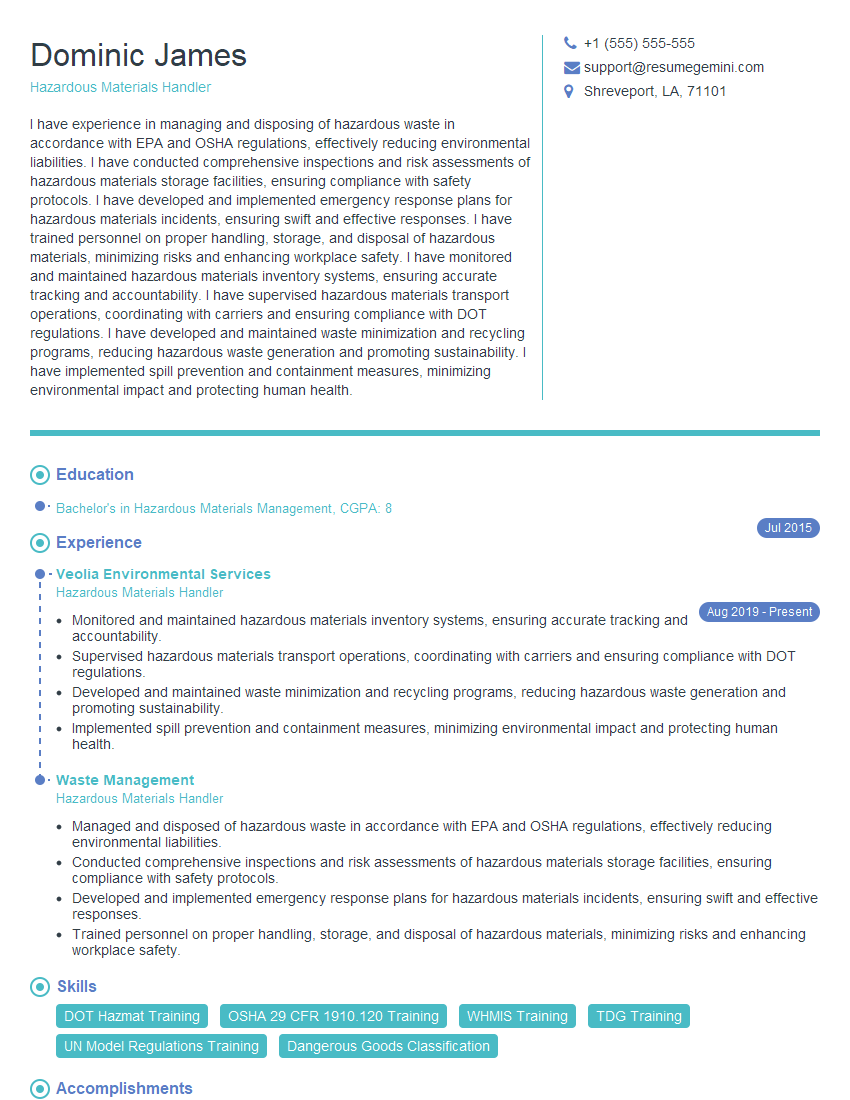
Hazardous Materials Handler Resume Sample
Explore more articles
Users Rating of Our Blogs
Share Your Experience
We value your feedback! Please rate our content and share your thoughts (optional).
What Readers Say About Our Blog
Very informative content, great job.
good