The thought of an interview can be nerve-wracking, but the right preparation can make all the difference. Explore this comprehensive guide to Mechanical Testing (Tensile, Hardness, Fatigue) interview questions and gain the confidence you need to showcase your abilities and secure the role.
Questions Asked in Mechanical Testing (Tensile, Hardness, Fatigue) Interview
Q 1. Explain the principles behind a tensile test.
A tensile test is a fundamental materials science test that measures a material’s resistance to being pulled apart. We apply a controlled tensile force to a specimen, typically a standardized bar or rod, and monitor its response. This response reveals crucial properties about the material’s strength and ductility.
The test involves clamping the specimen in a machine that applies a gradually increasing tensile load. As the load increases, we measure the elongation (change in length) of the specimen. This data allows us to create a stress-strain curve, a graphical representation that reveals key material characteristics.
Imagine pulling on a piece of taffy – initially it stretches easily, then it resists more strongly before finally breaking. The tensile test essentially quantifies this behavior in a precise and controlled manner, allowing engineers to predict how a material will perform under real-world loads.
Q 2. How do you determine the yield strength from a tensile test curve?
The yield strength represents the point at which the material begins to deform plastically, meaning the deformation becomes permanent even after the load is removed. It’s not a single point but rather a region on the stress-strain curve. There are two common methods to determine the yield strength from a tensile test curve:
Offset Method: This is the most common method. A line parallel to the elastic region (the initial linear portion of the curve) is drawn, offsetting from the origin by a specific strain value (typically 0.2%). The intersection of this line with the stress-strain curve defines the yield strength.
0.01% Proof Strength: This method uses a smaller offset of 0.01% strain, resulting in a slightly higher value for the yield strength.
The choice of method depends on the specific material and application requirements. The offset method is more commonly used for its practicality.
Q 3. What is the difference between ultimate tensile strength and yield strength?
Both ultimate tensile strength (UTS) and yield strength are critical measures of a material’s strength, but they represent different stages of deformation:
Yield Strength: Indicates the stress at which the material begins to deform permanently. It’s a measure of the material’s resistance to permanent deformation.
Ultimate Tensile Strength (UTS): Represents the maximum stress the material can withstand before it begins to neck (localize deformation) and eventually fracture. It indicates the maximum load-carrying capacity of the material.
Imagine a rubber band. The yield strength would be the point where it starts to stretch and doesn’t return to its original length. The UTS would be the point just before it snaps.
Q 4. Describe different types of hardness testing methods (Rockwell, Brinell, Vickers).
Hardness testing measures a material’s resistance to indentation. Several methods exist, each using a different indenter and force application:
Rockwell Hardness: This method uses a diamond cone or hardened steel ball indenter. A minor load is applied initially, followed by a major load. The difference in penetration depth determines the hardness number. Various scales exist (e.g., Rockwell B, Rockwell C) depending on the indenter and load used, making it suitable for a wide range of materials.
Brinell Hardness: A hardened steel ball indenter is pressed into the material under a specific load. The average diameter of the resulting indentation is measured, and the hardness number is calculated. It’s best suited for softer materials due to the risk of ball deformation with harder materials.
Vickers Hardness: This uses a diamond pyramid indenter. A load is applied, and the diagonal lengths of the resulting indentation are measured. The hardness number is calculated based on the load and the indentation diagonals. Vickers is versatile and can test a wide range of materials, from very hard to very soft.
The choice of method depends on the material’s hardness and the desired accuracy.
Q 5. What factors influence hardness values?
Several factors influence hardness values:
Material Composition: The presence of alloying elements significantly impacts hardness. For example, carbon content greatly affects the hardness of steel.
Microstructure: Grain size, phase distribution, and the presence of precipitates all influence hardness. Finer grains generally lead to higher hardness.
Heat Treatment: Processes like quenching and tempering can drastically alter the microstructure and, consequently, the hardness of the material.
Strain Hardening (Work Hardening): Plastic deformation increases the dislocation density, making the material harder.
Testing Conditions: Factors like load duration, surface preparation, and testing temperature also influence the hardness measurements.
Q 6. Explain the relationship between hardness and tensile strength.
Hardness and tensile strength show a strong positive correlation; harder materials generally exhibit higher tensile strength. This is because both properties are related to the material’s resistance to deformation. A material that resists indentation (high hardness) will also generally resist tensile forces (high tensile strength).
However, the relationship isn’t linear; different materials might have different hardness-tensile strength relationships. Empirical equations and correlations exist for specific material classes to estimate one property from the other, but direct testing is always preferred for accurate determination.
Q 7. Define fatigue and fatigue failure.
Fatigue is the progressive and localized structural damage that occurs when a material is subjected to cyclic loading (repeated stress). This damage accumulates over time, eventually leading to failure, even if the maximum stress in each cycle is significantly lower than the material’s ultimate tensile strength.
Fatigue failure is the catastrophic fracture of a component resulting from fatigue. It’s often characterized by a specific fracture surface with distinct regions: a smooth, beach-mark region indicating crack propagation and a rougher region representing the final fracture. Fatigue failures are unpredictable and can occur without any visible signs of yielding or plastic deformation, making them particularly dangerous in engineering applications.
Imagine repeatedly bending a paperclip back and forth. Eventually, it will break, even though the force applied in each bend is far less than what would be needed to snap it in a single attempt. This is a simple demonstration of fatigue.
Q 8. What is the S-N curve and what information does it provide?
The S-N curve, also known as the Wöhler curve, is a graphical representation of the fatigue behavior of a material. It plots the stress amplitude (S) against the number of cycles to failure (N). Essentially, it shows how much stress a material can withstand for a given number of loading cycles before it breaks due to fatigue.
The information provided by an S-N curve is crucial for designing components that will withstand repeated loading. It allows engineers to determine the fatigue limit (the stress level below which fatigue failure will not occur, even after an extremely large number of cycles), or fatigue strength at a specific number of cycles. For materials without a clear fatigue limit (like many aluminum alloys), it shows the relationship between stress and life allowing for prediction of failure at a given stress level.
Example: Imagine designing a bridge. The S-N curve for the steel used in the bridge’s suspension cables would be critical. It would allow engineers to determine the appropriate cable diameter and safety factor to ensure the bridge can withstand millions of cycles of loading from traffic and wind without fatigue failure.
Q 9. Explain the different types of fatigue loading (axial, bending, torsional).
Fatigue loading refers to cyclic stresses applied to a material. Different types exist, primarily categorized by the direction of the applied load:
- Axial Loading: This involves a fluctuating tensile and compressive load applied along the longitudinal axis of the component. Think of repeatedly stretching and compressing a spring. This is a relatively simple loading scenario, often used in initial fatigue tests.
- Bending Loading: This involves a cyclical bending moment applied to a component, causing alternating tensile and compressive stresses across its cross-section. Consider the repeated flexing of a cantilever beam, such as a diving board. Bending is a more complex loading scenario, as stress varies across the section.
- Torsional Loading: This entails a fluctuating torque applied to a component, resulting in shear stresses. Imagine twisting a rod back and forth repeatedly. This is common in rotating shafts and components.
Understanding the type of fatigue loading is crucial because it influences the stress distribution within the component, and hence its fatigue life. Each loading type requires a different analysis approach.
Q 10. Describe the techniques used to improve fatigue resistance.
Several techniques can enhance a material’s fatigue resistance. These strategies often focus on reducing stress concentration, improving surface finish, or modifying material properties:
- Surface Treatments: Shot peening (bombarding the surface with small shot), polishing, and case hardening can create compressive residual stresses on the surface, improving resistance to fatigue crack initiation.
- Design Modifications: Reducing stress concentrations through design changes (e.g., using fillets instead of sharp corners), optimizing geometry to avoid stress raisers, and applying proper load paths are vital.
- Material Selection: Choosing materials with inherently higher fatigue strength, like certain high-strength steels or titanium alloys, can significantly extend component life.
- Heat Treatment: Processes like tempering and annealing can alter the microstructure, influencing fatigue properties.
- Coatings: Applying protective coatings can act as a barrier against corrosion, which often leads to fatigue crack initiation.
Example: Aircraft wings are subjected to significant fatigue loading. Manufacturers use a combination of techniques such as carefully designed geometry to minimize stress concentrations, advanced aluminum alloys with high fatigue resistance, and surface treatments like shot peening to ensure their structural integrity.
Q 11. How do you calculate the fatigue life of a component?
Calculating fatigue life involves several methods, with the most common being using the S-N curve obtained from fatigue testing. The process involves:
- Determine the stress amplitude (Sa) experienced by the component under the expected operating conditions. This requires a detailed analysis of the applied loads and the component’s geometry.
- Locate the stress amplitude (Sa) on the S-N curve for the material.
- Read the corresponding number of cycles to failure (N) from the curve. This number represents the estimated fatigue life of the component under the given stress conditions.
More advanced methods include using Miner’s rule for cumulative damage and fracture mechanics approaches for crack propagation. Software tools are often used for complex geometries and loading scenarios.
Note: The accuracy of fatigue life prediction depends on the quality of the S-N curve and the accuracy of the stress analysis. Safety factors are incorporated into the design to account for uncertainties.
Q 12. What are the limitations of standard tensile testing?
Standard tensile testing, while widely used and valuable, has limitations:
- Does not directly assess fatigue behavior: Tensile testing provides static strength properties (yield strength, tensile strength, etc.) but doesn’t directly predict fatigue life. Fatigue testing is needed for that.
- Does not capture the effect of defects: Small defects, inclusions, or surface imperfections, which significantly affect fatigue life, are not directly assessed in standard tensile tests.
- Limited information on ductile-brittle transition: While the tensile test gives some indication of ductility, it may not fully capture the transition behavior at lower temperatures.
- Neglects multiaxial stresses: Standard tensile testing is uniaxial, whereas many real-world components experience multiaxial stress states, affecting fatigue behavior.
Therefore, while tensile testing provides essential baseline material properties, it should be complemented with other tests like fatigue and fracture toughness tests for a comprehensive understanding of a material’s performance under realistic conditions.
Q 13. Explain the importance of specimen preparation in mechanical testing.
Specimen preparation is critical for reliable and reproducible mechanical testing results. Inaccurate preparation can lead to erroneous conclusions, particularly influencing fatigue life predictions. Key aspects include:
- Geometry: Precise adherence to standardized dimensions (e.g., ASTM standards) is crucial. Deviations can affect stress distributions and hence test results.
- Surface Finish: A smooth surface minimizes stress concentrations that can prematurely initiate fatigue cracks, especially in fatigue testing. Rough surfaces can drastically reduce fatigue life.
- Orientation: The orientation of the specimen relative to the material’s grain structure can affect mechanical properties. Controlling the orientation ensures consistent results across multiple tests.
- Freedom from Defects: The specimen should be free from significant surface imperfections, cracks, or internal defects that could initiate failure before the intended material response is observed.
Example: Improperly prepared specimens in a fatigue test could result in premature failure, leading to underestimation of the component’s fatigue life in real-world applications. This could have serious consequences in safety-critical systems.
Q 14. How do you handle outliers in your test data?
Outliers in test data can arise from various sources, including measurement errors, specimen flaws, or unexpected events during testing. Handling them requires careful consideration:
- Identify Potential Causes: Examine the testing process, including equipment calibration, specimen preparation, and testing procedures, to pinpoint potential sources of error.
- Visual Inspection: Inspect the data visually using plots (scatter plots, box plots, histograms) to identify outliers clearly deviating from the general trend.
- Statistical Analysis: Employ statistical methods like the Grubbs’ test or Dixon’s Q test to determine if the outlier is statistically significant. This helps decide whether to remove it.
- Investigation: If a statistical test indicates a significant outlier, investigate the specific test for any anomalies (e.g., equipment malfunction, specimen defect). This could lead to the discovery of a critical issue.
- Data Handling: Depending on the cause and statistical analysis, you can either remove the outlier, replace it with an average of the nearby data points, or retain it while acknowledging its presence in the analysis and reporting.
Careful documentation and justification are essential when handling outliers. Transparent reporting ensures the reliability and credibility of the obtained results.
Q 15. What is the significance of the elastic modulus?
The elastic modulus, also known as Young’s modulus, is a fundamental material property that quantifies a material’s stiffness or resistance to elastic deformation under tensile or compressive stress. Imagine stretching a rubber band – the stiffer the rubber band, the higher its elastic modulus. It represents the slope of the linear elastic region of the stress-strain curve obtained from a tensile test. A higher elastic modulus means the material requires a greater stress to produce a given amount of strain, indicating it’s less prone to deformation under load. For example, steel has a much higher elastic modulus than rubber, meaning steel is much harder to deform elastically.
Practically, the elastic modulus is crucial in engineering design. Knowing the elastic modulus of a material allows engineers to predict how a structure will deform under load, ensuring its structural integrity and preventing failure. For instance, when designing a bridge, the elastic modulus of the steel used is critical in calculating deflection and ensuring the bridge can withstand traffic loads without excessive bending.
Career Expert Tips:
- Ace those interviews! Prepare effectively by reviewing the Top 50 Most Common Interview Questions on ResumeGemini.
- Navigate your job search with confidence! Explore a wide range of Career Tips on ResumeGemini. Learn about common challenges and recommendations to overcome them.
- Craft the perfect resume! Master the Art of Resume Writing with ResumeGemini’s guide. Showcase your unique qualifications and achievements effectively.
- Don’t miss out on holiday savings! Build your dream resume with ResumeGemini’s ATS optimized templates.
Q 16. What is Poisson’s ratio and how is it determined?
Poisson’s ratio describes the ratio of transverse strain to axial strain in a material subjected to uniaxial stress. Think of stretching a rubber band again: as it gets longer (axial strain), it also gets thinner (transverse strain). Poisson’s ratio quantifies this relationship. It’s determined experimentally from tensile testing. By measuring the change in both the length and the diameter of a specimen under tension, we can calculate the axial and transverse strains, and their ratio gives us Poisson’s ratio.
The value of Poisson’s ratio typically ranges from 0 to 0.5. A value of 0.5 indicates an incompressible material (volume remains constant under deformation), while a value of 0 suggests no transverse strain occurs during axial deformation. Knowing Poisson’s ratio is essential for accurate stress analysis in complex geometries and for predicting volumetric changes in materials under load. For instance, in designing pressure vessels, considering Poisson’s ratio ensures accurate prediction of wall thickness changes under internal pressure.
Q 17. How does temperature affect the mechanical properties of materials?
Temperature significantly influences the mechanical properties of materials. Generally, increasing temperature reduces yield strength, tensile strength, and elastic modulus while increasing ductility. This is because higher temperatures increase atomic mobility, allowing dislocations (crystal imperfections that hinder plastic flow) to move more easily, leading to easier deformation. Conversely, lower temperatures tend to make materials stronger and more brittle.
Consider the example of a metal: at room temperature, it might be strong and relatively stiff. As its temperature increases, it becomes weaker and more prone to deformation. Conversely, at very low temperatures, the metal could become brittle and fracture more easily under stress. This temperature dependence is critical in applications like cryogenics (very low temperatures) or high-temperature environments, where material selection must account for these changes.
Q 18. What are the different types of fracture modes?
Fracture modes describe the way a material breaks under stress. There are three primary modes:
- Mode I (Opening mode): A tensile stress perpendicular to the crack plane causes the crack to open. Think of pulling apart two pieces of tape.
- Mode II (Sliding mode): A shear stress parallel to the crack plane and perpendicular to the crack front causes the crack to slide. Imagine sliding two pieces of wood against each other along a crack.
- Mode III (Tearing mode): A shear stress parallel to both the crack plane and the crack front causes the crack to tear. Similar to ripping apart a sheet of paper along a pre-existing tear.
Understanding fracture modes is vital in fracture mechanics, enabling us to predict crack propagation and material failure under various loading conditions. This knowledge is used in designing components to resist fatigue and preventing catastrophic failures in applications like aircraft structures and pressure vessels.
Q 19. Describe how creep testing is performed and what information it yields.
Creep testing involves subjecting a material to a constant load (or stress) at a constant, elevated temperature for an extended period. The test measures the material’s deformation (creep strain) as a function of time. This allows us to determine the material’s creep resistance and predict its long-term performance at high temperatures.
The test typically involves placing a specimen in a furnace at a specified temperature and applying a constant load using a testing machine. The elongation of the specimen is monitored over time, often for many hours or even days. The data obtained creates a creep curve, which shows the relationship between creep strain and time. This curve can be used to determine important parameters such as the creep rate (how fast the material deforms) and the time to failure. This information is critical in designing components for high-temperature applications like gas turbines and nuclear reactors.
Q 20. Explain the concept of stress concentration.
Stress concentration refers to the localized increase in stress that occurs around geometric discontinuities like holes, notches, or fillets in a component under load. These stress concentrations can be significantly higher than the nominal stress applied to the component, making these areas prone to failure. Imagine trying to bend a paper clip: it will always break at the sharp bend, where the stress is concentrated.
The degree of stress concentration is quantified by the stress concentration factor (Kt), which is the ratio of the maximum stress to the nominal stress. Design engineers employ techniques like using fillets (smooth transitions between different radii) and optimizing geometries to reduce stress concentrations and improve the fatigue life of components. Ignoring stress concentrations can lead to premature failure, especially under cyclic loading (fatigue). Therefore, understanding and managing stress concentrations are crucial for structural integrity and safety.
Q 21. How does grain size affect the mechanical properties of a material?
Grain size significantly affects the mechanical properties of polycrystalline materials (materials composed of many small crystals or grains). Smaller grains generally lead to higher strength and hardness but lower ductility (ability to deform plastically before fracture). This is because grain boundaries hinder the movement of dislocations, the crystallographic defects responsible for plastic deformation.
Consider two materials with the same composition but different grain sizes: the material with finer grains will be stronger and harder because the dislocations have more grain boundaries to encounter, effectively blocking their movement. The material with coarser grains will be weaker but more ductile because the dislocations have fewer obstacles in their path. This effect is exploited in material processing techniques such as heat treatments to control grain size and tailor mechanical properties for specific applications.
Q 22. What are some common failure mechanisms in fatigue?
Fatigue failure is the progressive and localized structural damage that occurs when a material is subjected to cyclic loading. It’s like repeatedly bending a paperclip – eventually, it’ll break, even if the force applied in each bend is less than what would break it instantly. Several mechanisms contribute to this:
- Crack Initiation: This is the first stage, where microscopic cracks begin to form at stress concentrations (like surface imperfections or internal flaws). Think of a tiny scratch on a metal component acting as a starting point for a crack.
- Crack Propagation: Once initiated, the crack grows slowly with each cycle of loading. The crack propagates along planes of maximum shear stress, making it crucial to understand the material’s microstructure and loading conditions. Imagine the crack slowly spreading like a spiderweb.
- Final Fracture: Eventually, the crack grows large enough that the remaining cross-sectional area can no longer support the load, leading to sudden and catastrophic failure. This is the final stage, resembling the paperclip snapping.
Common failure mechanisms include:
- Fatigue Striations: Microscopic markings on the fracture surface indicating crack growth per cycle.
- Beach Marks: Macroscopic markings indicating periods of crack growth under varying load conditions.
- Transgranular Fracture: Crack propagation through the grains of the material.
- Intergranular Fracture: Crack propagation along the grain boundaries.
Q 23. Explain the role of strain hardening in mechanical testing.
Strain hardening, also known as work hardening, is the increase in the yield strength of a material due to plastic deformation. Imagine repeatedly hammering a piece of metal – it becomes harder and stronger because the dislocations within the crystal structure tangle and hinder further movement. This phenomenon is crucial in mechanical testing because:
- It affects the stress-strain curve: The curve becomes steeper after the yield point due to increased resistance to further deformation.
- It increases the material’s strength: This is particularly beneficial in applications requiring high strength and durability.
- It can be used to control material properties: Controlled strain hardening can be used to tailor the material properties to specific design requirements.
During tensile testing, the strain hardening effect is clearly visible in the region of plastic deformation. The stress increases with increasing strain until the ultimate tensile strength is reached, after which necking occurs.
Q 24. Describe the difference between static and dynamic testing.
The key difference lies in the rate and type of loading applied to the material:
- Static testing: This involves applying a constant load or displacement to a material until failure. Think of slowly stretching a rubber band until it breaks. Examples include tensile, compression, and bend tests. The primary focus is on determining the material’s strength and ductility under static conditions.
- Dynamic testing: This involves applying a rapidly varying load or displacement, such as impact or cyclic loading. Think of repeatedly hitting a metal bar with a hammer. Examples include impact tests (Charpy, Izod), fatigue tests, and vibration tests. The focus here is on assessing a material’s response to time-varying loads, specifically its resilience and resistance to fatigue.
In essence, static tests assess strength under steady conditions while dynamic tests evaluate performance under changing and often more aggressive conditions.
Q 25. How do you interpret a stress-strain curve?
A stress-strain curve is a graphical representation of the relationship between stress (force per unit area) and strain (deformation per unit length) of a material during a tensile test. It’s like a material’s fingerprint, revealing key properties.
- Elastic Region: The initial linear portion. The material returns to its original shape after unloading (Hooke’s Law applies). The slope gives the Young’s modulus (a measure of stiffness).
- Yield Point: The point where plastic deformation begins. Permanent deformation occurs beyond this point.
- Plastic Region: The region beyond the yield point where permanent deformation occurs. Strain hardening occurs in this region.
- Ultimate Tensile Strength: The maximum stress the material can withstand before failure.
- Fracture Point: The point where the material breaks.
By analyzing the shape and key points of the stress-strain curve, we can determine important material properties like yield strength, tensile strength, ductility (elongation), and Young’s modulus. These properties are crucial for selecting appropriate materials for engineering applications.
Q 26. What is the importance of proper calibration in mechanical testing?
Proper calibration is absolutely paramount in mechanical testing to ensure accurate and reliable results. Think of a poorly calibrated scale – your weight would be inaccurate! Similarly, uncalibrated equipment leads to erroneous data, potentially causing design flaws and safety hazards. Calibration involves verifying the accuracy of the testing equipment against known standards. This includes:
- Load cells: Ensuring accurate force measurements.
- Extensometers: Ensuring accurate strain measurements.
- Temperature control systems: Maintaining consistent test temperatures.
- Alignment of grips: Preventing premature failure due to misalignment.
Regular calibration, using traceable standards, is essential to maintain the integrity of the test data and ensure compliance with relevant standards.
Q 27. Explain how you would troubleshoot a problem during a tensile test.
Troubleshooting during a tensile test requires a systematic approach:
- Identify the problem: Observe the behavior of the system. Is the load cell showing unusual readings? Is the sample breaking prematurely? Is there slippage in the grips?
- Check the sample: Inspect the sample for any defects (e.g., cracks, scratches) that might cause premature failure. Ensure correct dimensions and orientation.
- Verify equipment settings: Ensure the strain rate, load limits, and other test parameters are correctly set. Double-check all connections and settings of the testing machine.
- Check grips and alignment: Check for proper alignment and gripping of the specimen. Loose grips or misalignment can lead to inaccurate results or premature failure.
- Examine the load cell and extensometer: Ensure both are properly calibrated and functioning correctly. A faulty load cell or extensometer can lead to inaccurate readings.
- Review the test procedure: Confirm the test is being conducted according to the specified standards and procedures.
If the problem persists after these steps, consult the testing machine’s manual or seek expert assistance.
Q 28. Describe your experience with different types of testing equipment.
Throughout my career, I’ve worked extensively with a variety of mechanical testing equipment, including:
- Universal Testing Machines (UTMs): These are workhorses for tensile, compression, flexural, and shear testing. I have experience with both hydraulic and servo-hydraulic UTMs from various manufacturers, enabling me to perform tests on a wide range of materials and geometries.
- Hardness Testers: I’m proficient in using Rockwell, Brinell, and Vickers hardness testers, understanding the nuances of each method and selecting the appropriate test for the material being analyzed.
- Fatigue Testing Machines: My experience includes using both resonant and servo-hydraulic fatigue testing machines for high-cycle and low-cycle fatigue tests. I’m comfortable designing and executing complex fatigue tests, including variable amplitude loading.
- Impact Testers: I’m familiar with Charpy and Izod impact testing, understanding the significance of testing parameters and interpreting the results.
My expertise extends beyond simply operating the equipment. I am adept at selecting the appropriate testing method, designing test procedures, interpreting results, and troubleshooting problems, ensuring accurate and reliable results.
Key Topics to Learn for Mechanical Testing (Tensile, Hardness, Fatigue) Interview
Ace your next Mechanical Testing interview by mastering these key concepts. We’ve broken down the essentials to help you feel confident and prepared.
- Tensile Testing:
- Stress-strain curves: understanding elastic and plastic regions, yield strength, ultimate tensile strength, and fracture strength.
- Practical applications: material selection for specific applications based on tensile properties, quality control in manufacturing.
- Advanced concepts: true stress-true strain relationships, necking phenomenon.
- Hardness Testing:
- Various hardness scales (Brinell, Rockwell, Vickers): understanding their principles and applications.
- Practical applications: assessing the surface hardness of materials, quality control, predicting wear resistance.
- Advanced concepts: correlation between hardness and other mechanical properties, microhardness testing.
- Fatigue Testing:
- S-N curves: understanding fatigue life and endurance limit.
- Practical applications: designing components to withstand cyclic loading, failure analysis of fatigued parts.
- Advanced concepts: fatigue crack propagation, different types of fatigue loading (e.g., axial, bending, torsional).
- General Mechanical Testing Principles:
- Understanding standard test procedures and relevant ASTM/ISO standards.
- Data analysis and interpretation of test results.
- Troubleshooting common issues encountered during testing.
Next Steps
Mastering mechanical testing techniques is crucial for career advancement in engineering and materials science. It demonstrates a strong foundation in practical problem-solving and opens doors to exciting opportunities. To maximize your job prospects, create a compelling and ATS-friendly resume that highlights your skills and experience. ResumeGemini is a trusted resource that can help you craft a professional resume tailored to your specific field. Examples of resumes tailored to Mechanical Testing (Tensile, Hardness, Fatigue) are available to guide you.

Quality Assurance Manager Resume Sample

Engineering Manager Resume Sample
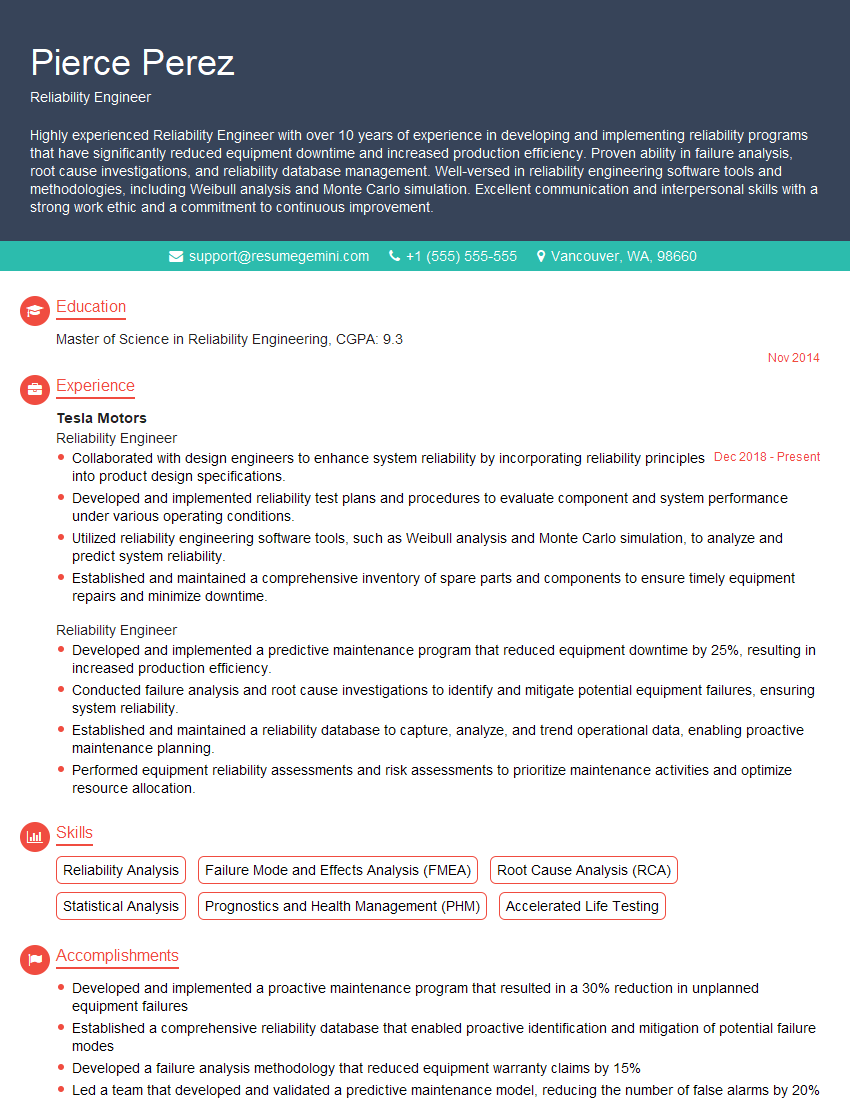
Reliability Engineer Resume Sample

Process Engineer Resume Sample

Research Scientist Resume Sample

Test Engineer Resume Sample

Engineering Technician Resume Sample
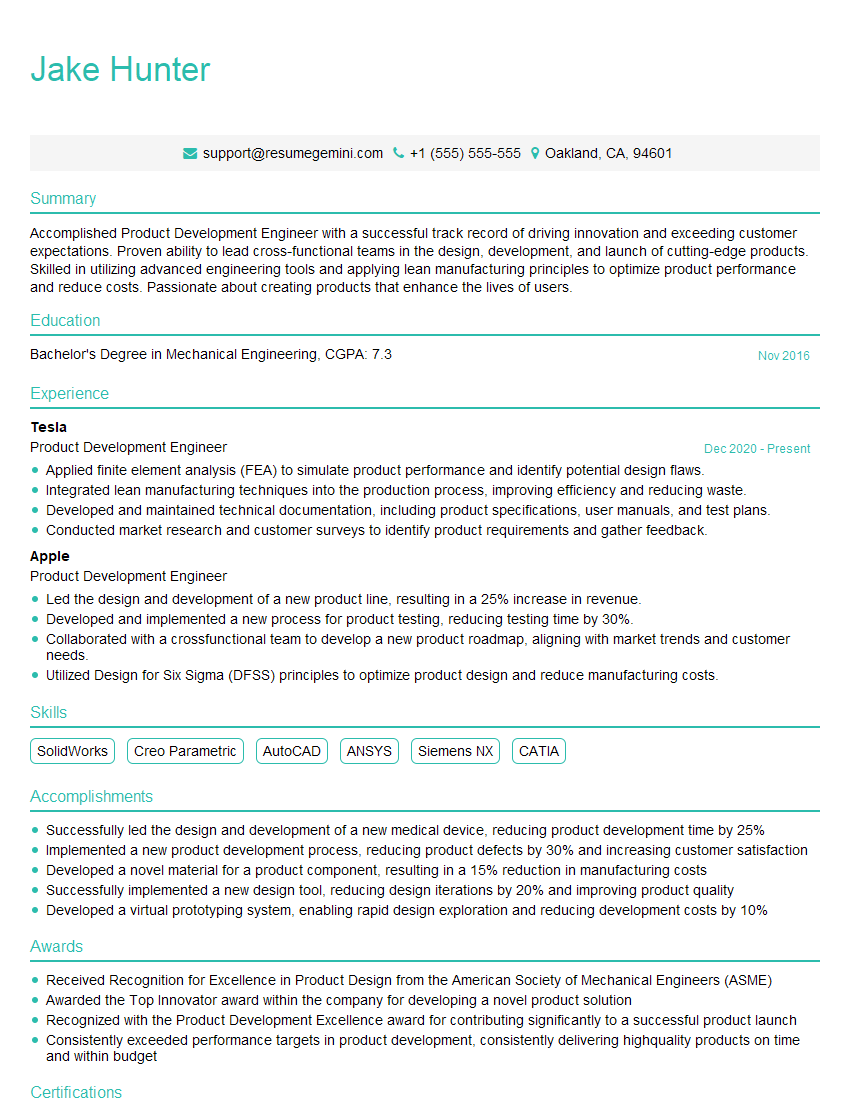
Product Development Engineer Resume Sample
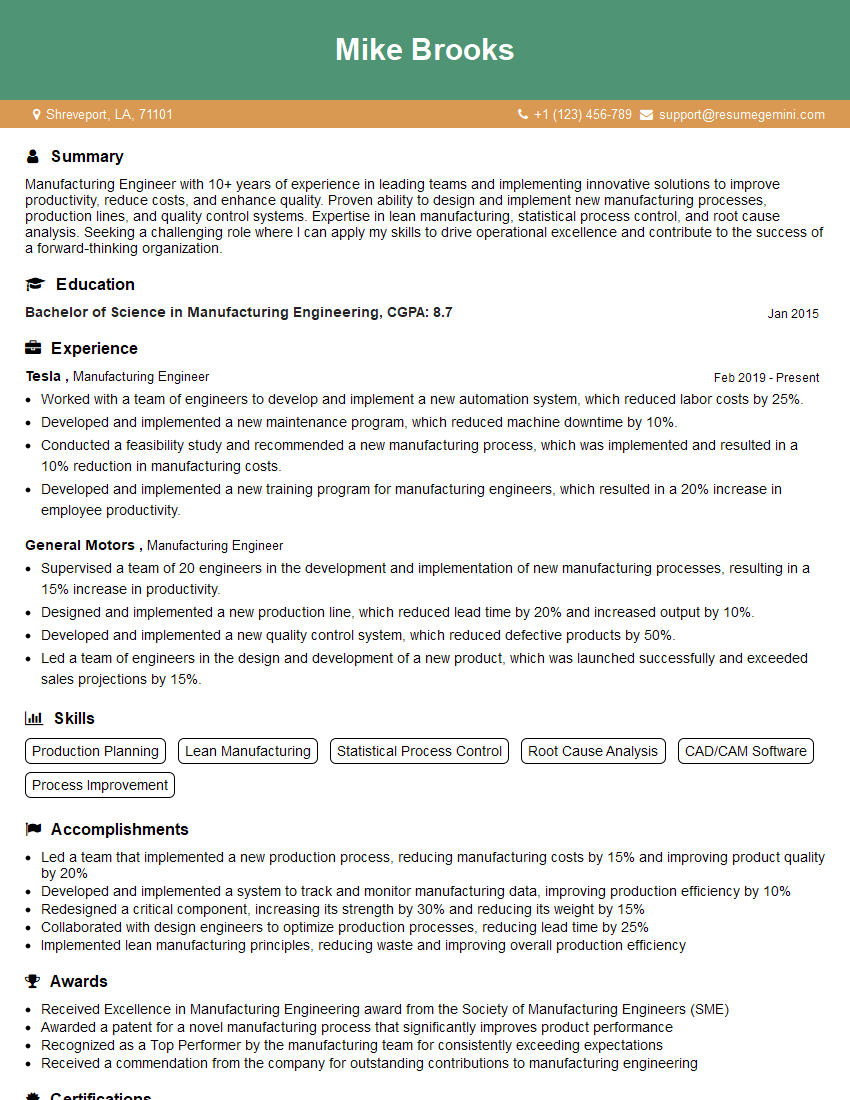
Manufacturing Engineer Resume Sample

Metrologist Resume Sample

Quality Control Engineer Resume Sample

Metallurgist Resume Sample
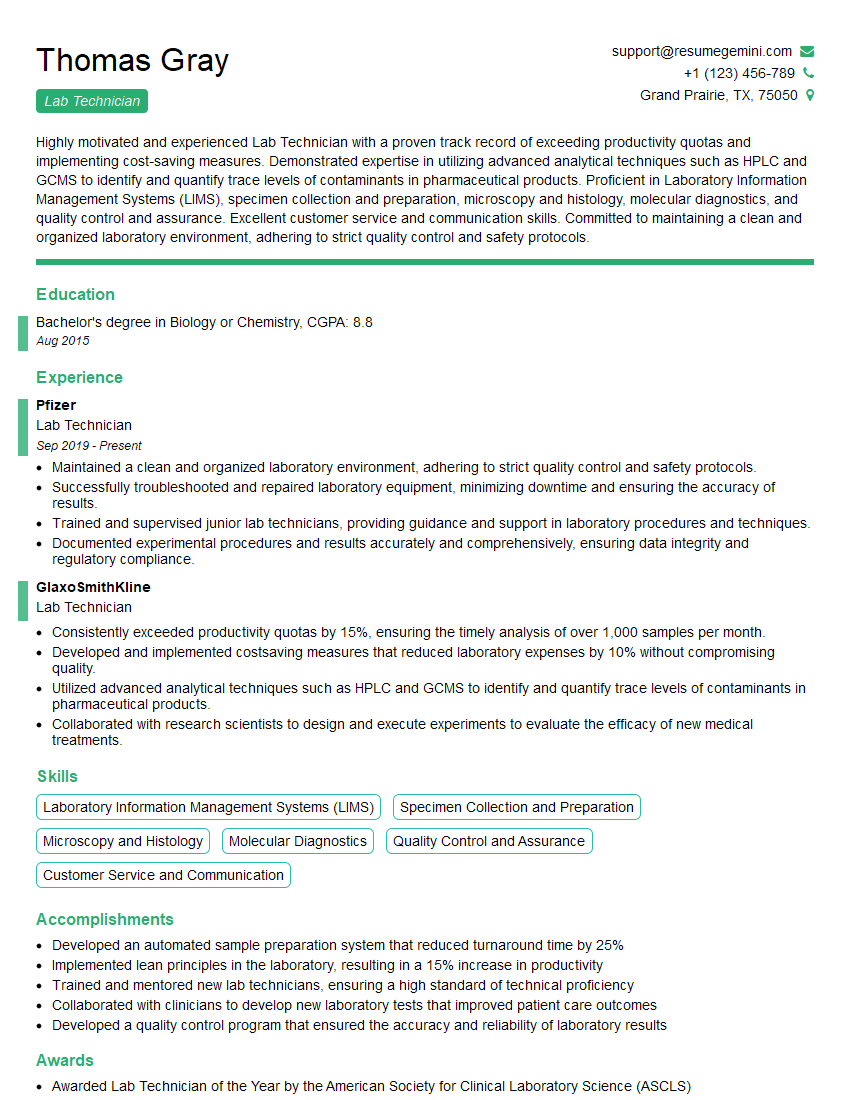
Lab Technician Resume Sample

Materials Scientist Resume Sample

Quality Control Inspector Resume Sample
- Quality Assurance Manager
- Engineering Manager
- Reliability Engineer
- Process Engineer
- Research Scientist
- Test Engineer
- Engineering Technician
- Product Development Engineer
- Manufacturing Engineer
- Metrologist
- Quality Control Engineer
- Metallurgist
- Lab Technician
- Materials Scientist
- Quality Control Inspector
Explore more articles
Users Rating of Our Blogs
Share Your Experience
We value your feedback! Please rate our content and share your thoughts (optional).
What Readers Say About Our Blog
Very informative content, great job.
good